North American XB-70 Valkyrie | |
|---|---|
| 国家 | 美国 |
| 作用 | 战略轰炸机 - 超音速研究飞机 |
| 首次飞行 | 1964年9月21日 |
| 建立 | 2 |
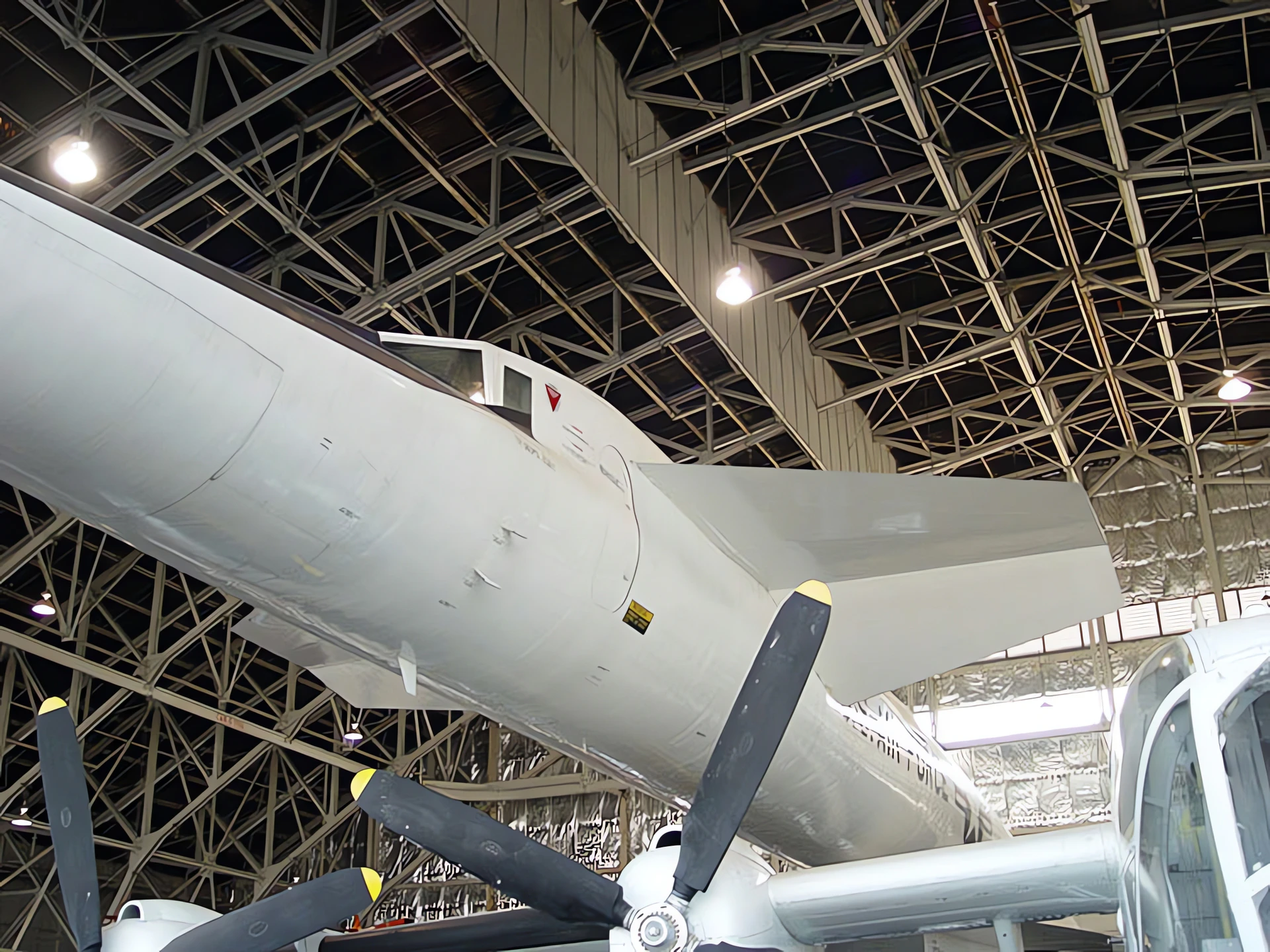
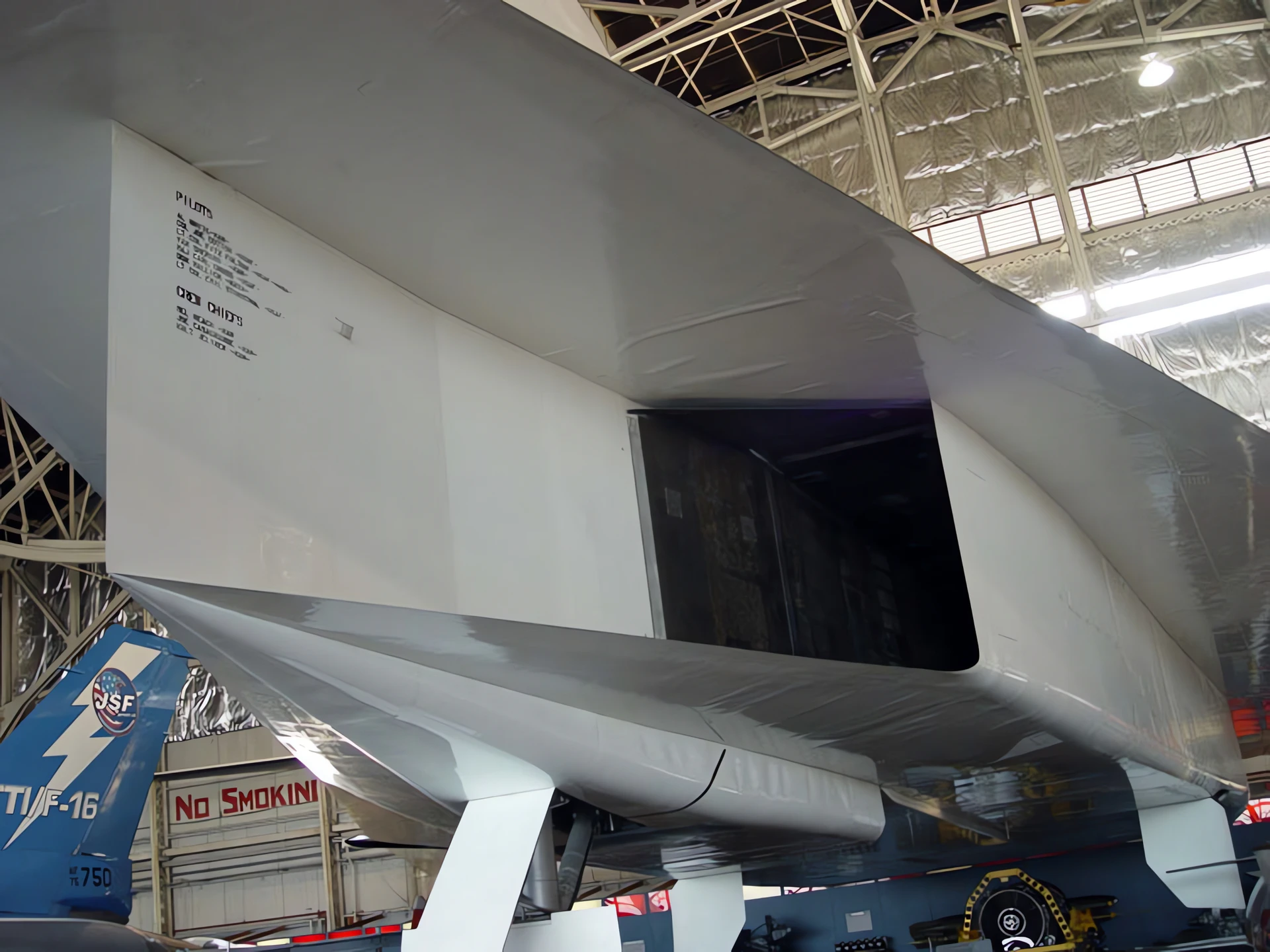
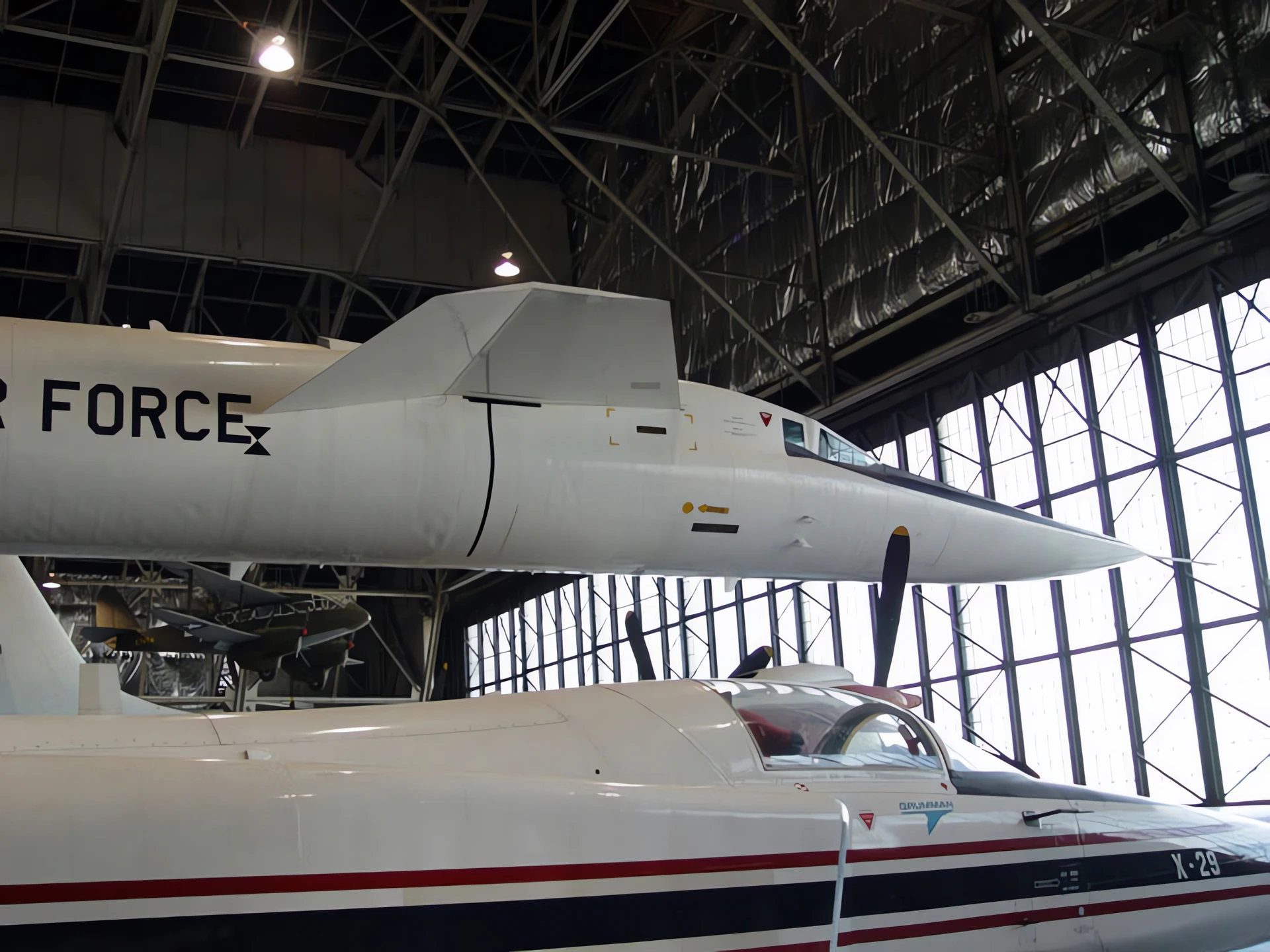
这 北美航空 XB-70 瓦尔基里 是美国空军战略空军司令部计划中的B-70核武装深空战略轰炸机的原型版本。六引擎的 Valkyrie 由北美航空在 20 世纪 50 年代末设计,能够在马赫 3+ 上巡航数千英里,同时在 70,000 英尺(21,000 米)高空飞行。
| 北美 XB-70 瓦尔基里四处走动 | |
|---|---|
| 摄影师 | 约翰·赫克,弗拉基米尔·雅库博夫 |
| 本地化 | 美国空军国家博物馆 |
| 照片 | 134 |




另请参阅:


General Characteristics and Role
The North American XB-70 Valkyrie was the prototype version of the planned B-70 strategic bomber for the United States Air Force (USAF). Developed during the height of the Cold War, its radical design was intended to create an aircraft capable of penetrating Soviet airspace at sustained speeds of Mach 3 (three times the speed of sound) and altitudes above 70,000 feet (21,000 m). Its role was to serve as a high-speed, high-altitude strategic nuclear bomber, making it theoretically invulnerable to interception by Soviet fighters and early surface-to-air missiles of the time. However, the program faced rapid technological obsolescence and cost overruns, leading to its cancellation and reassignment as a research vehicle.
| Property | Typical Value (XB-70A) |
|---|---|
| 作用 | Experimental Strategic Bomber Prototype |
| National Origin | 美国 |
| 制造商 | North American Aviation (now part of Boeing) |
| First Flight | 1964年9月21日 |
| 船员 | 2 (Pilot and Co-pilot) |
| 长度 | 57.6 m (189 ft 0 in) |
| 翼展 | 32.0 m (105 ft 0 in) |
| Maximum Takeoff Weight | 249,500 kg (550,000 lb) |
Powerplant and Unique Aerodynamics
- Engines: 6 x General Electric YJ93-GE-3 turbojet engines (in a common engine bay).
- Maximum Speed: Mach 3.1.
- Cruise Speed: Mach 3.0.
- Thrust (Each Engine): 31,000 lbf (138 kN) with afterburner.
- Compression Lift: The Valkyrie utilized a revolutionary design where the shockwave generated by the fuselage at Mach 3 was channeled under the large, fixed delta wing, providing up to 30% of its lift.
- Movable Wing Tips: The outer 20 feet (6.1 m) of the wings could be folded down by up to 65 degrees at high speeds. This increased directional stability and, critically, helped trap the compression lift shockwave underneath the wing.
- Construction: Largely built from stainless steel and titanium to withstand the extreme heat generated by sustained supersonic flight (thermal soak).
Program History and Legacy
- Cancellation Drivers: The development of effective Soviet high-altitude surface-to-air missiles (like the S-75 Dvina, or SA-2 Guideline) made the high-altitude Mach 3 profile vulnerable. Coupled with the massive development cost, the bomber program was canceled in 1961.
- Research Role: After cancellation, the two built prototypes (AV-1 and AV-2) were used as Mach 3 research aircraft for the supersonic transport (SST) program.
- Tragedy: The second prototype, XB-70A AV-2, was destroyed in 1966 after a mid-air collision with an F-104 chase plane during a photo shoot.
- Legacy: Although it never became an operational bomber, the XB-70 program provided invaluable aerodynamic, materials science, and flight control data crucial for future high-speed military and civilian aircraft development.
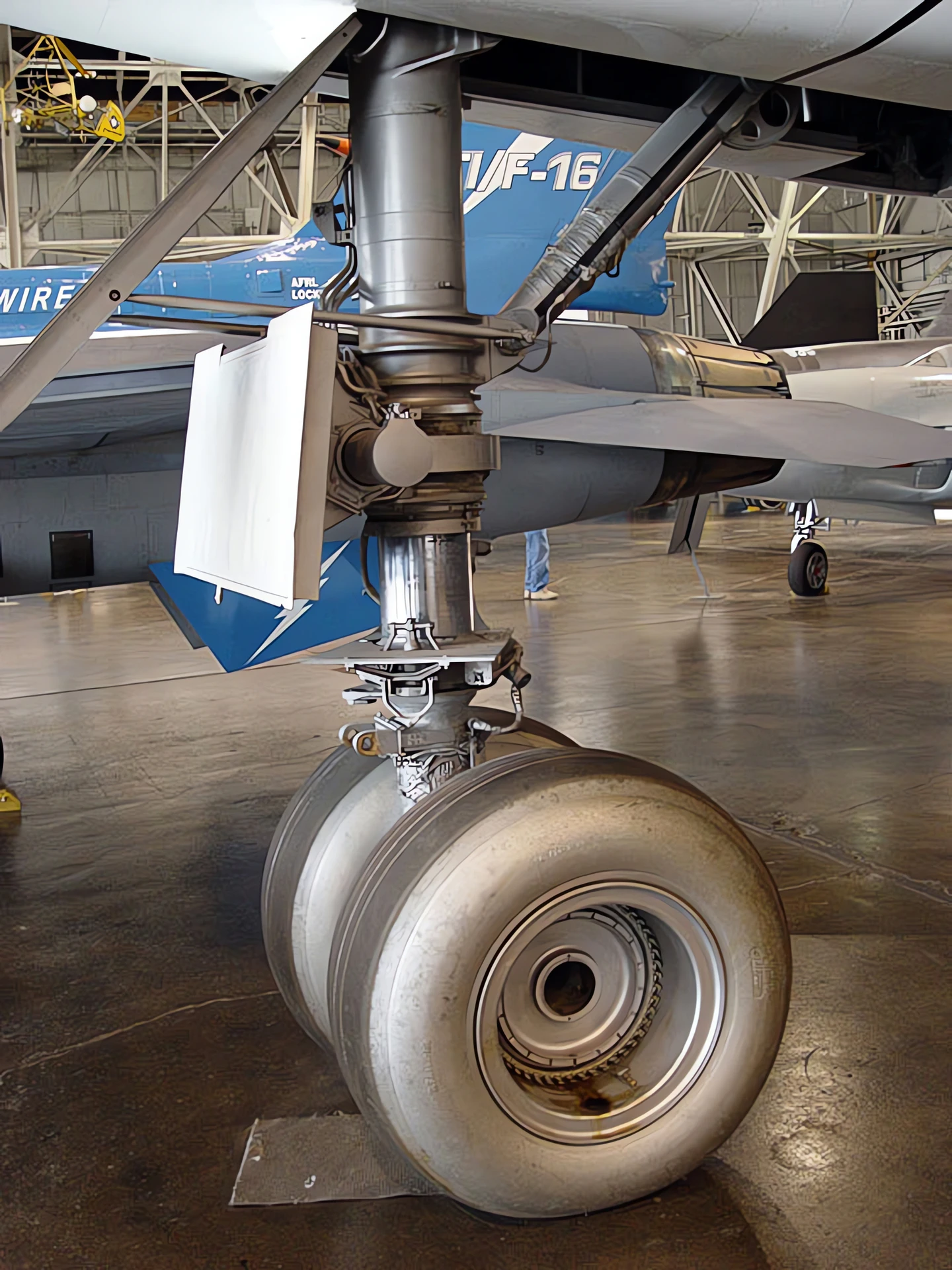
- Preservation: The sole surviving aircraft, XB-70A AV-1, is preserved and displayed at the National Museum of the United States Air Force at Wright-Patterson AFB in Dayton, Ohio.
浏览数 : 4194