Lockheed L-049 Constellation | |
|---|---|
| 国家 | 美国 |
| 作用 | 运输–客机 |
| 首次飞行 | 1943年1月9日 |
| 建立 | 88 |
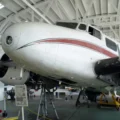
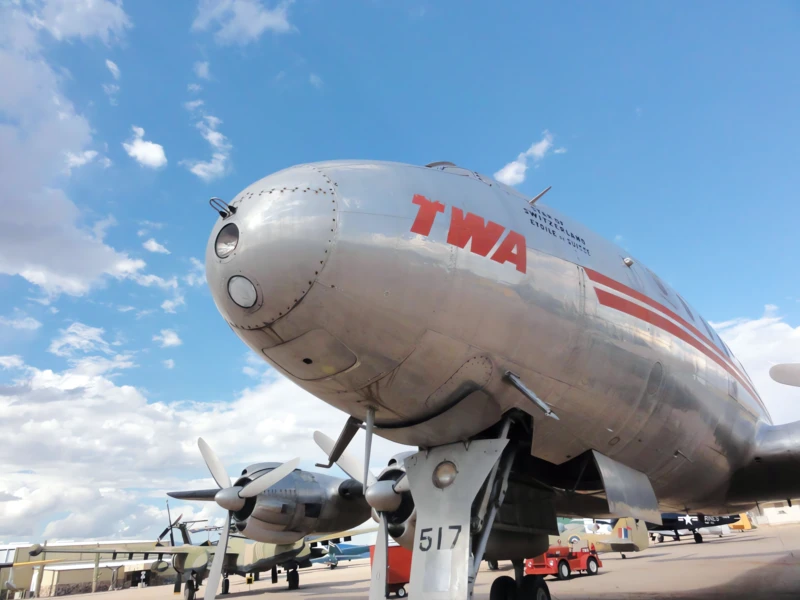
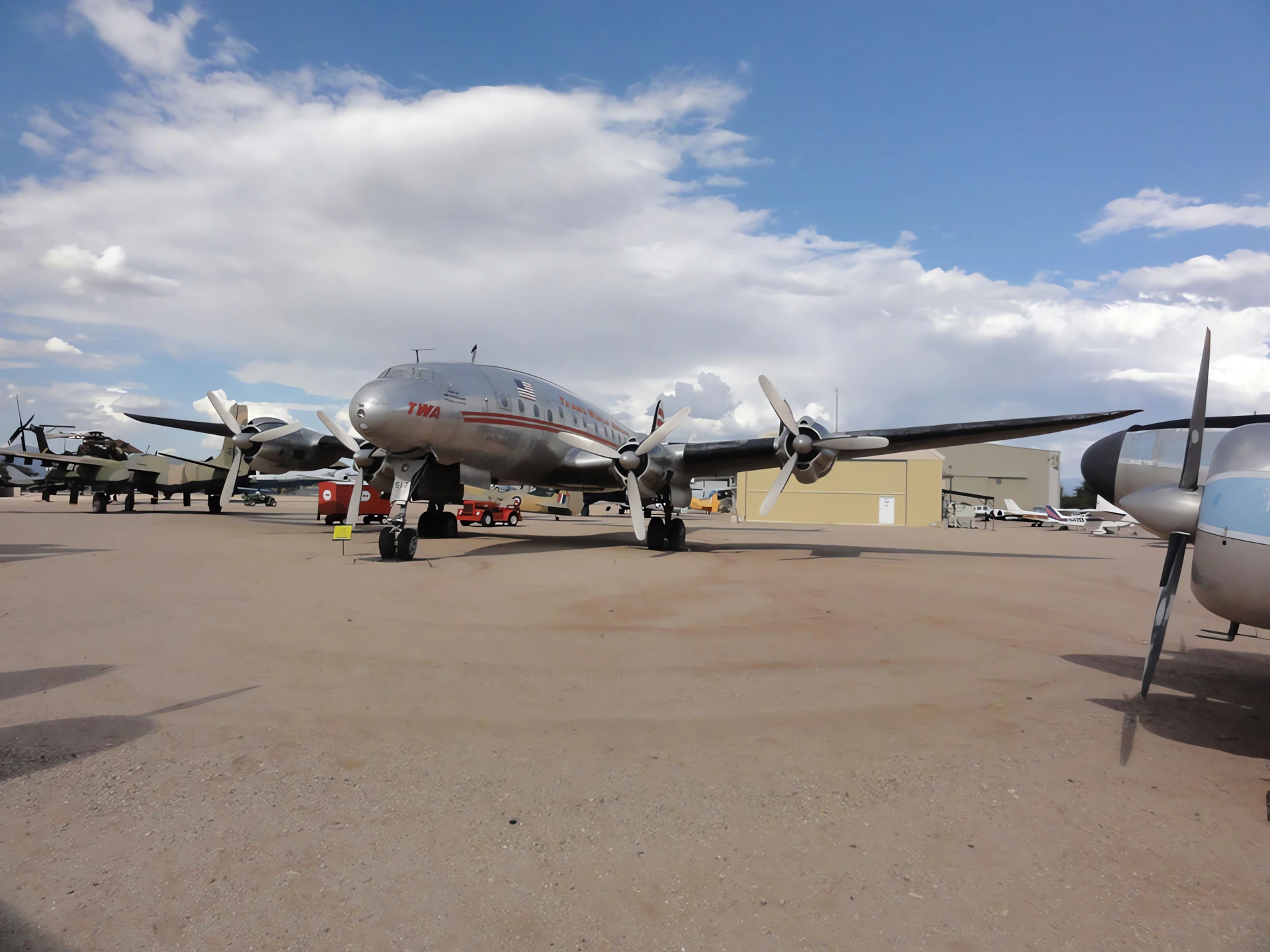
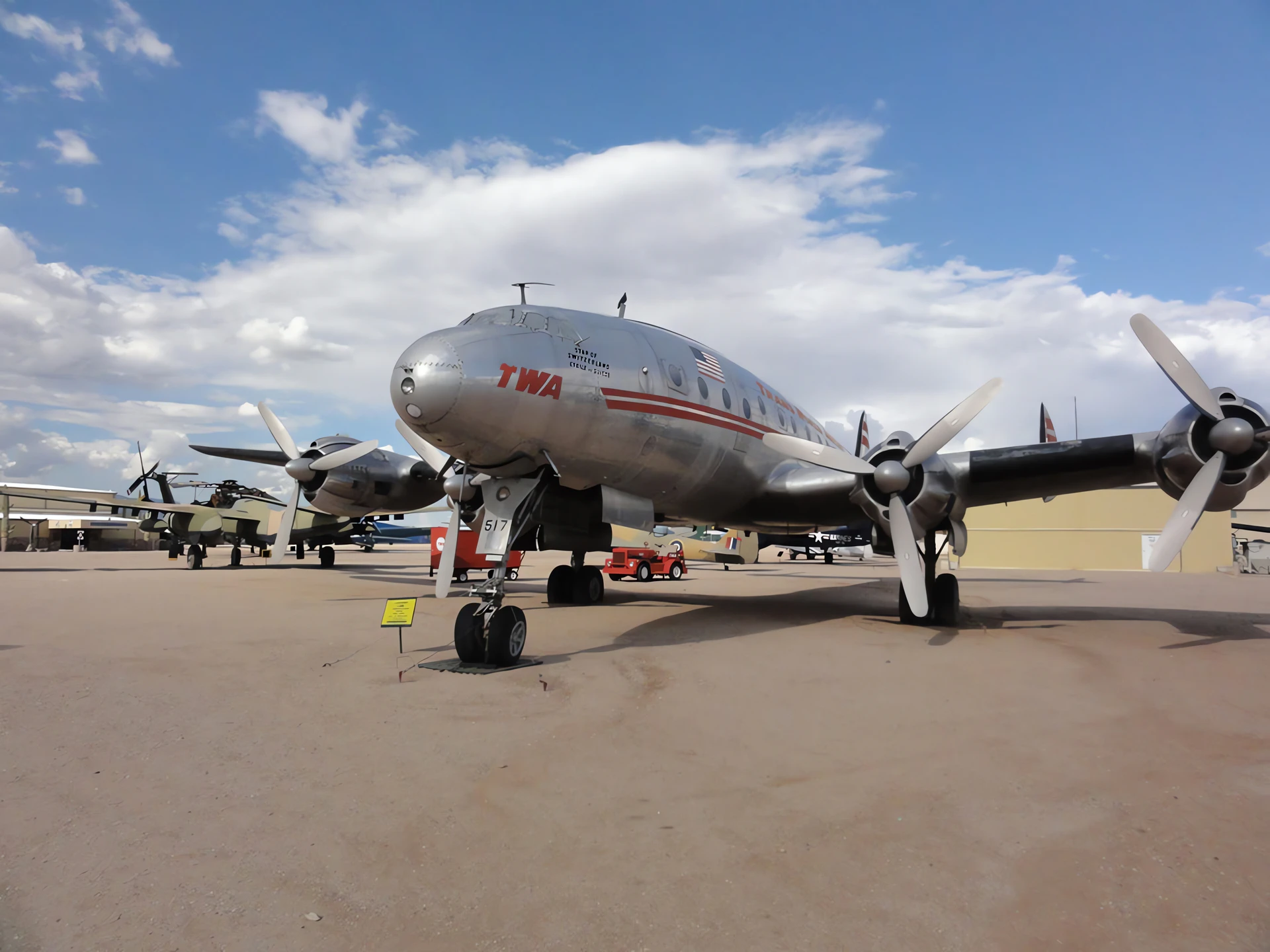
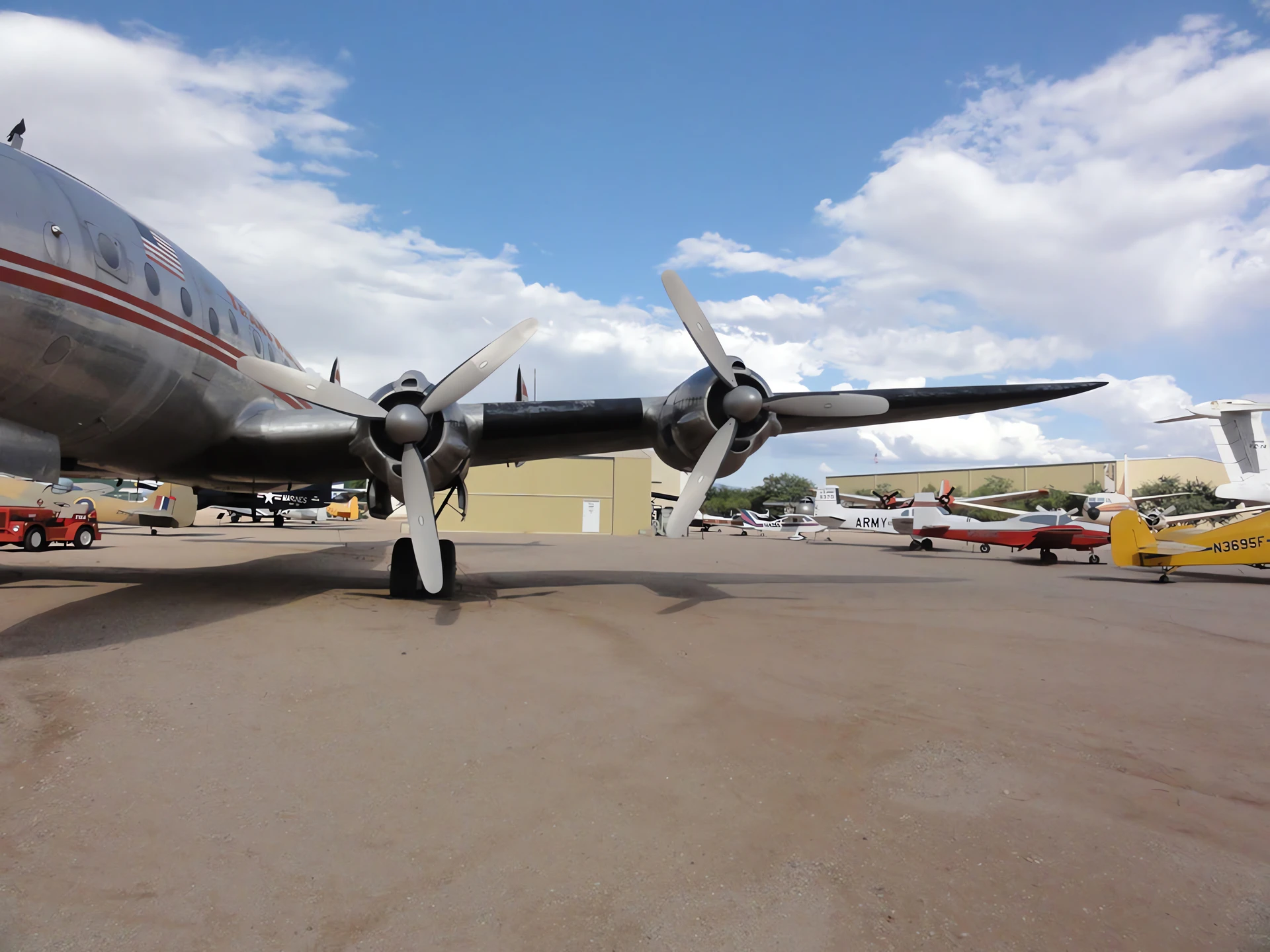
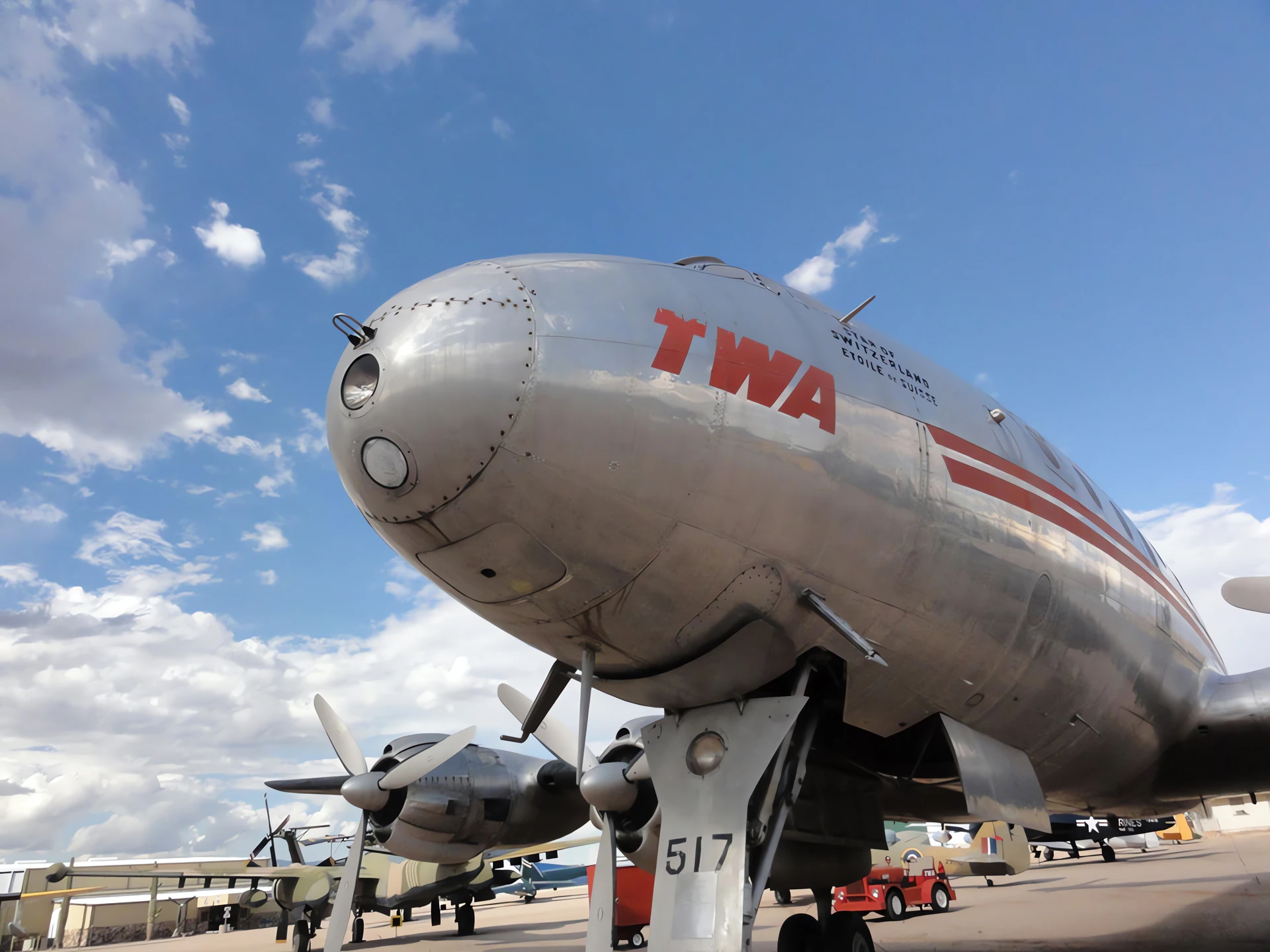
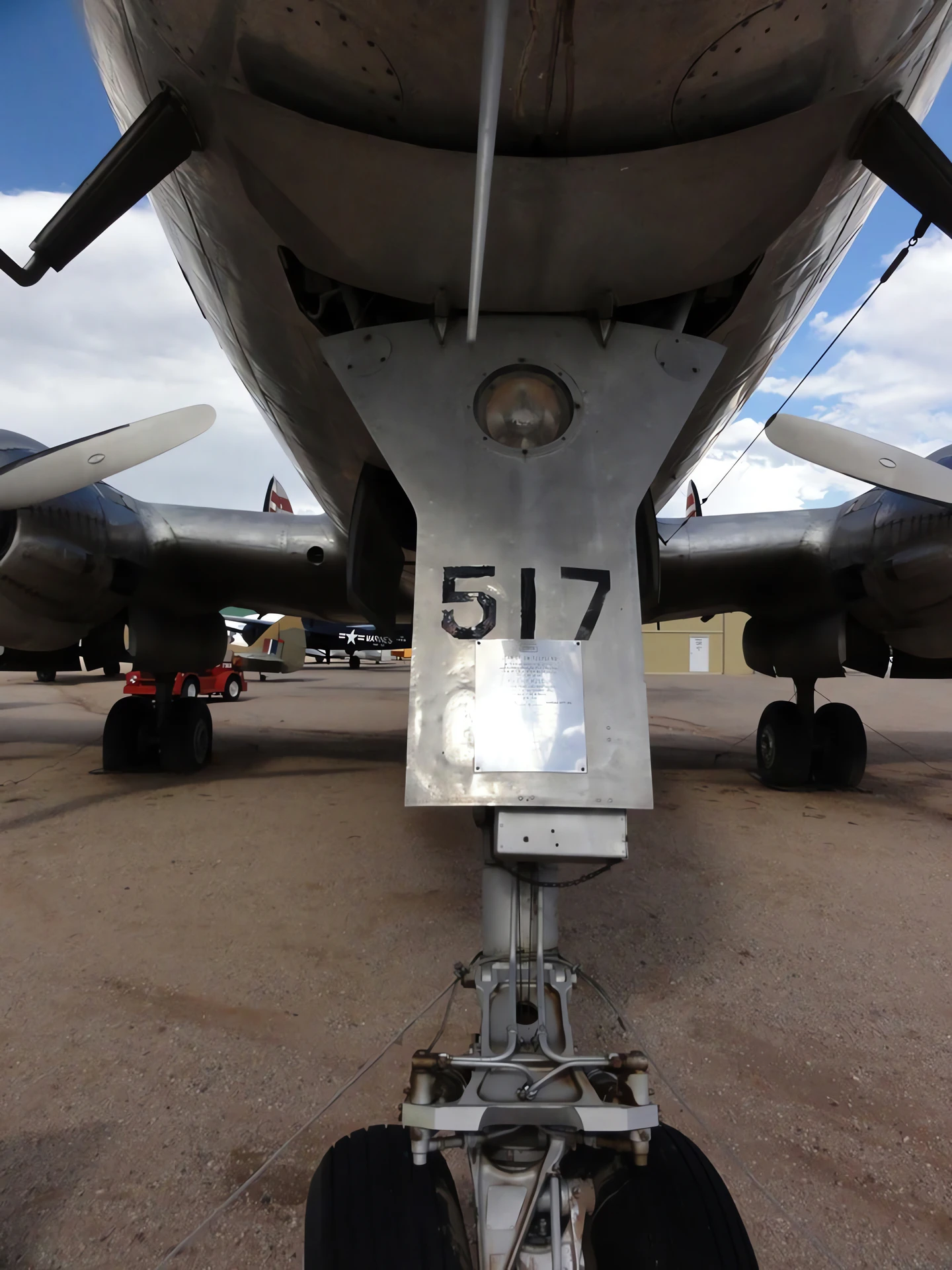
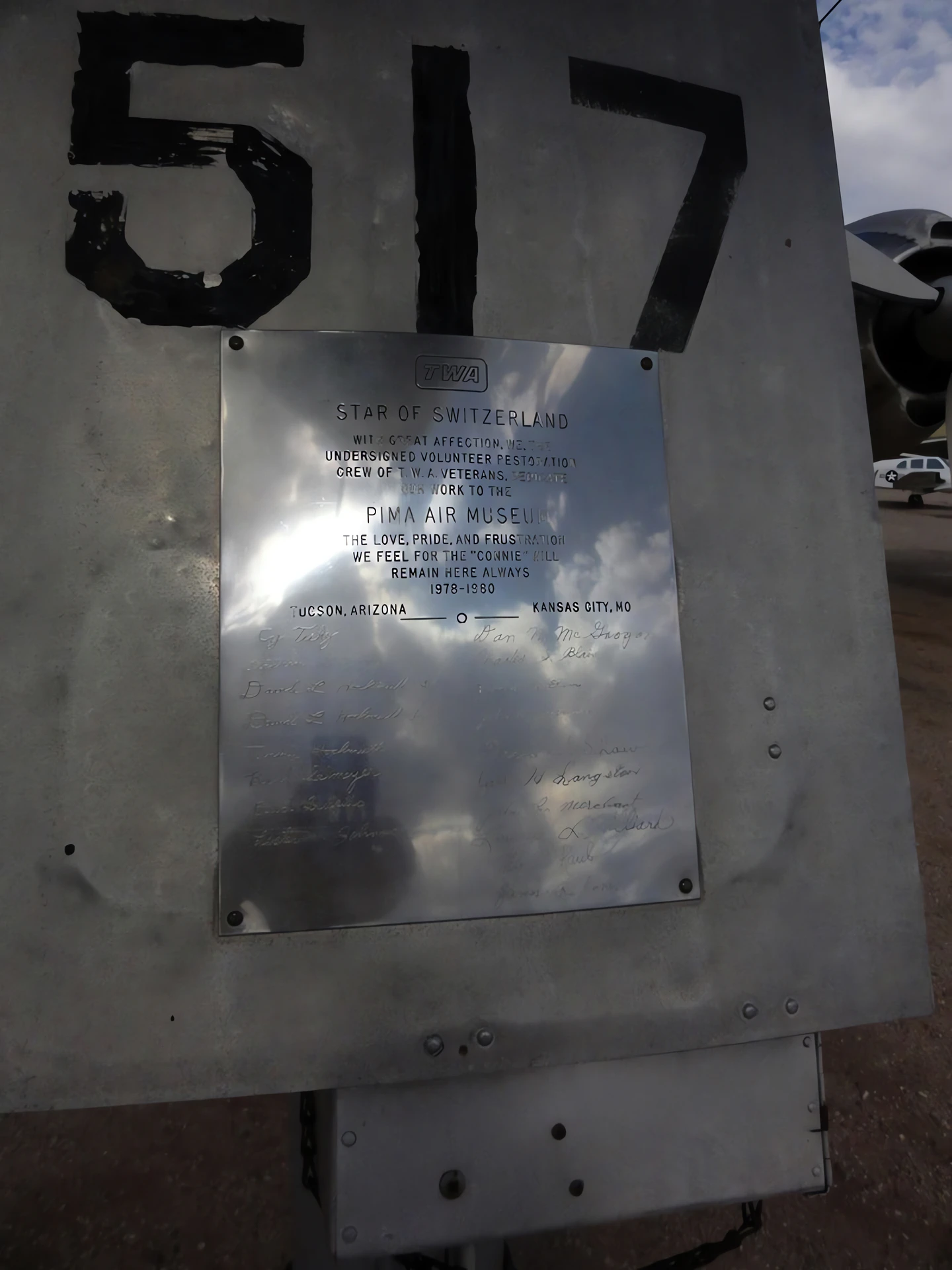
这 洛克希德L-049星座 是洛克希德星座飞机系列的第一个模型。它在第二次世界大战期间作为C-69军用运输机为美国陆军空军服役,是战后第一个民用版本。1946年生产结束时,它被改进的L-649和L-749星座所取代。
| 洛克希德L-049星座四处走动 | |
|---|---|
| 摄影师 | 约翰·赫克 |
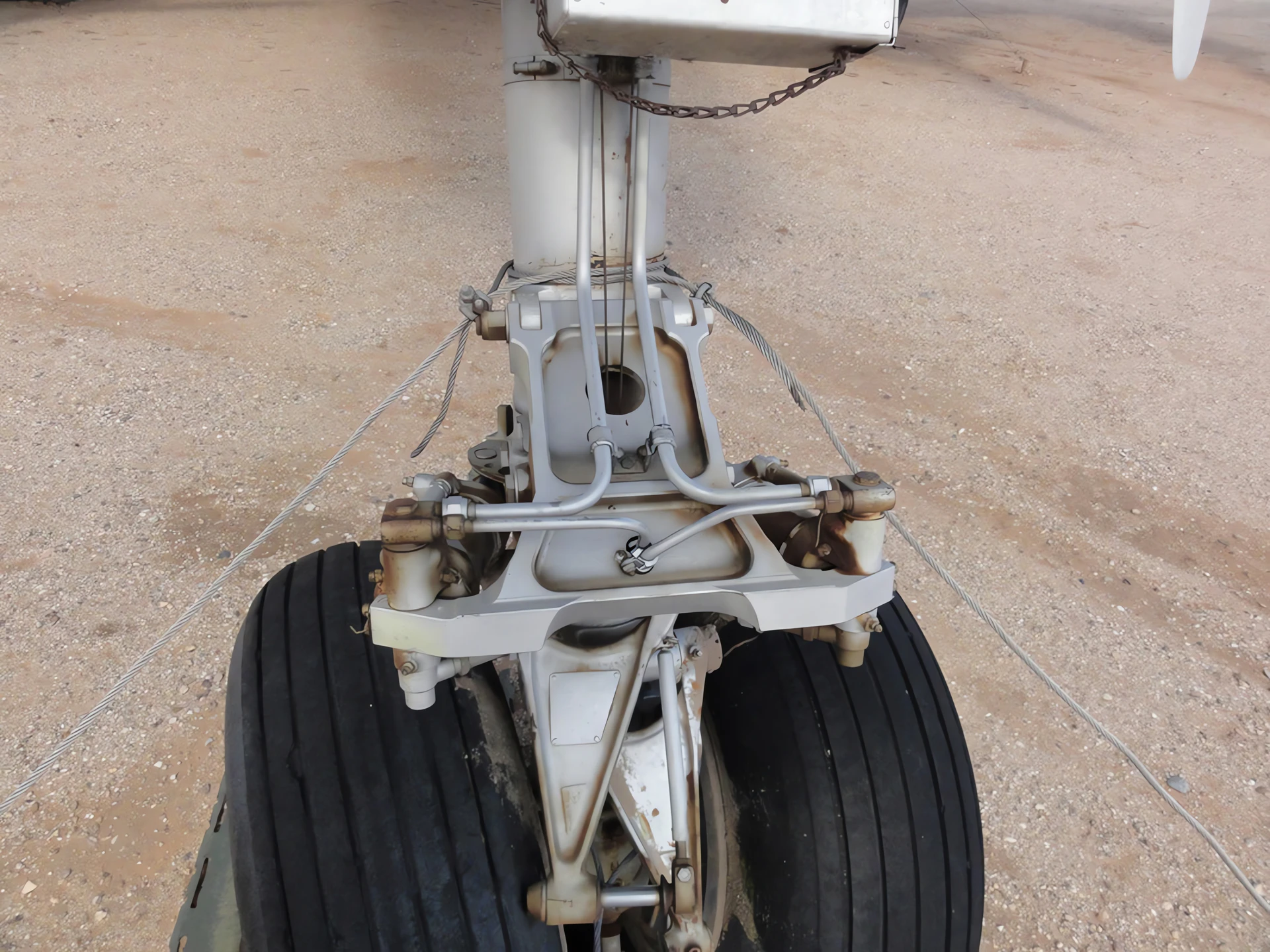
| 本地化 | 皮马航空航天博物馆,图森 |
| 照片 | 138 |

另请参阅:


General Characteristics and Role
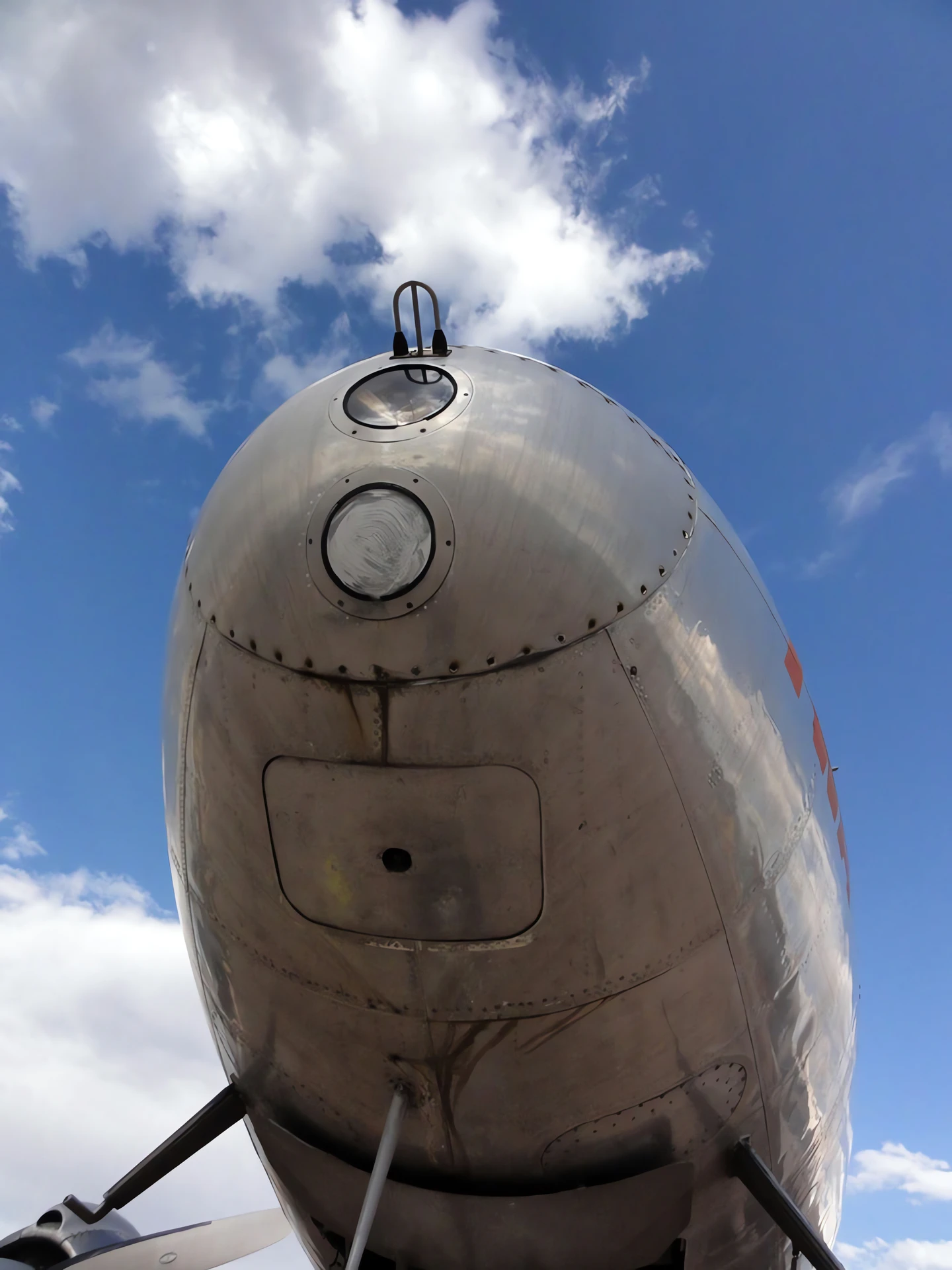
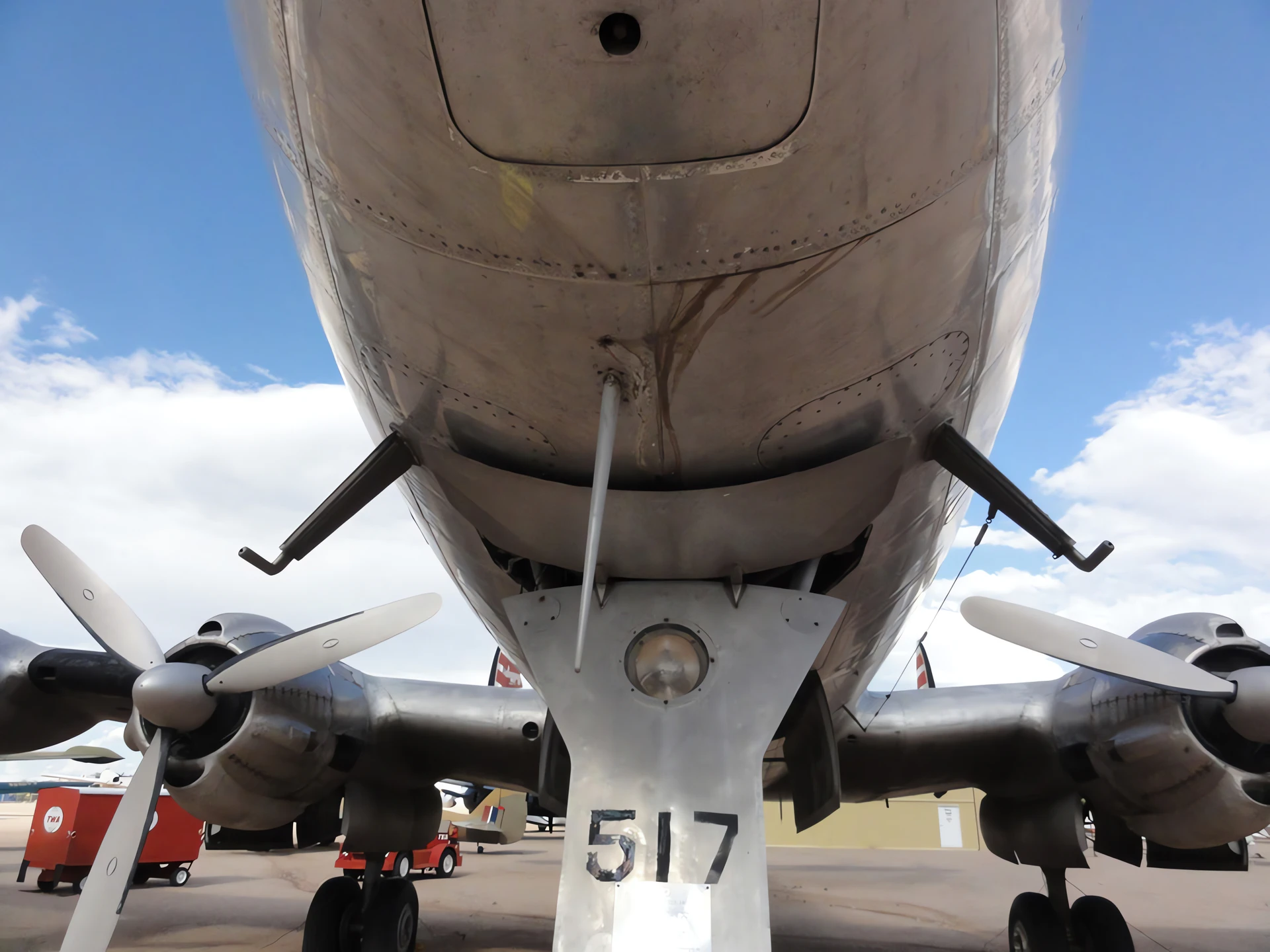
The Lockheed L-049 Constellation, often simply called the “Connie,” was the first production model of the famous Constellation family of aircraft. It was a four-engine, pressurized, long-range transport aircraft designed by Lockheed for Trans World Airlines (TWA) in the early 1940s. Its distinctive features—the triple-fin tail and the elegant, dolphin-shaped fuselage—made it an icon of the piston-engine airliner era. Although initially intended for civilian use, all L-049s were pressed into military service during World War II as the C-69 Constellation. Following the war, the C-69s were converted back for commercial service as the L-049, inaugurating the golden age of pressurized, non-stop transatlantic travel.
| Property | Typical Value (L-049) |
|---|---|
| 类型 | Long-Range Pressurized Airliner |
| National Origin | 美国 |
| 制造商 | Lockheed Corporation |
| First Flight (C-69) | 9 January 1943 |
| 船员 | 5 (Pilot, Co-pilot, Flight Engineer, Navigator, Radio Operator) |
| Capacity (Passenger) | 44 to 81 passengers (varies by configuration) |
| 长度 | 29.03 m (95 ft 3 in) |
| 翼展 | 38.47 m (126 ft 2 in) |
| Maximum Takeoff Weight | 40,500 kg (89,300 lb) |
Powerplant and Performance
- Engine: 4 x Wright R-3350-B7 Duplex-Cyclone 18-cylinder air-cooled radial engines.
- Power Output (Each): 2,200 hp (1,640 kW).
- Maximum Speed: 547 km/h (340 mph).
- Cruising Speed: 483 km/h (300 mph).
- Range: Approximately 6,400 km (4,000 mi).
- Design Note: The R-3350 engines were initially plagued by reliability issues that required substantial engineering efforts to fix before the Constellation could reach its full commercial potential.
Service and Legacy
- Initial Service: The L-049 was the first Constellation to enter commercial service, beginning with Pan American World Airways and TWA in 1946.
- Pressurization: It was one of the first successful airliners with a pressurized cabin, allowing it to fly higher than weather disturbances, providing a smoother ride and reducing travel time.
- Evolution: The L-049 set the stage for later, more advanced variants like the L-649, L-749, and the final, stretched L-1049 Super Constellation.
- Transatlantic Pioneer: Along with the Douglas DC-4, the L-049 Constellation played a key role in making commercial long-haul and transatlantic air travel routine and comfortable in the immediate post-war period.
观点: 2267