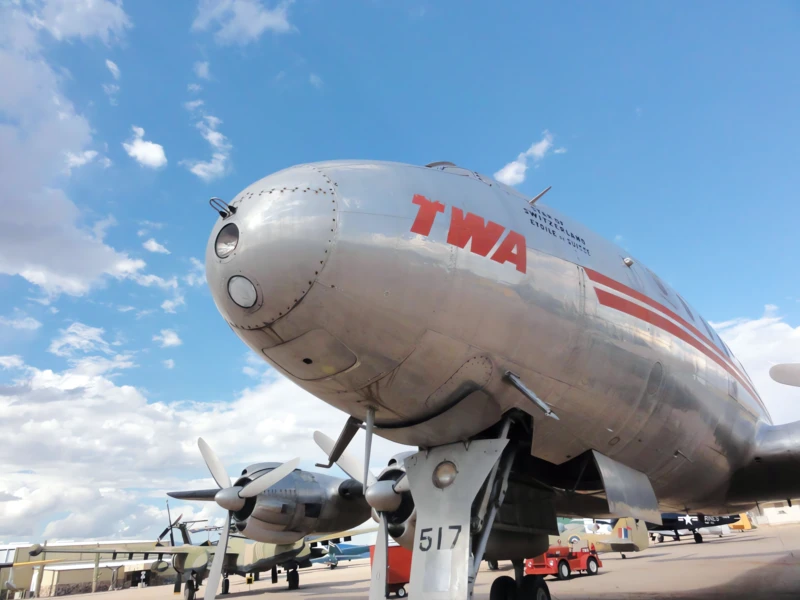
Lockheed L-049 Constellation | |
|---|---|
| Land | Usa |
| Role | Vervoer – Lijnvliegtuig |
| Eerste vlucht | 9 januari 1943 |
| Gebouwd | 88 |
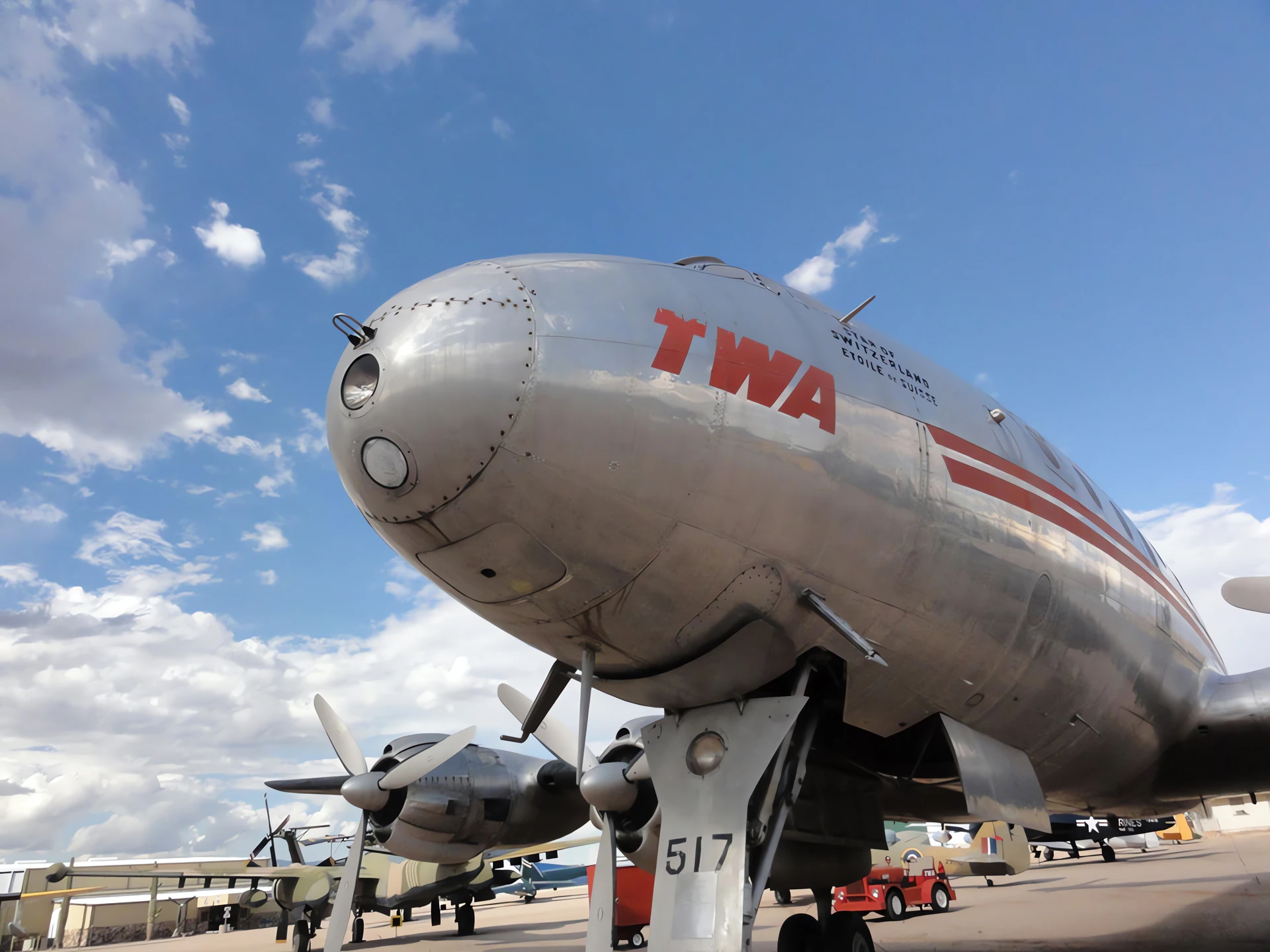
De Lockheed L-049 Constellatie was het eerste model van de Lockheed Constellation-vliegtuiglijn. Het kwam in dienst als het C-69 militaire transportvliegtuig tijdens de Tweede Wereldoorlog voor de United States Army Air Forces en was de eerste civiele versie na de oorlog. Toen de productie in 1946 eindigde, werd het vervangen door de verbeterde L-649 en L-749 Constellation.
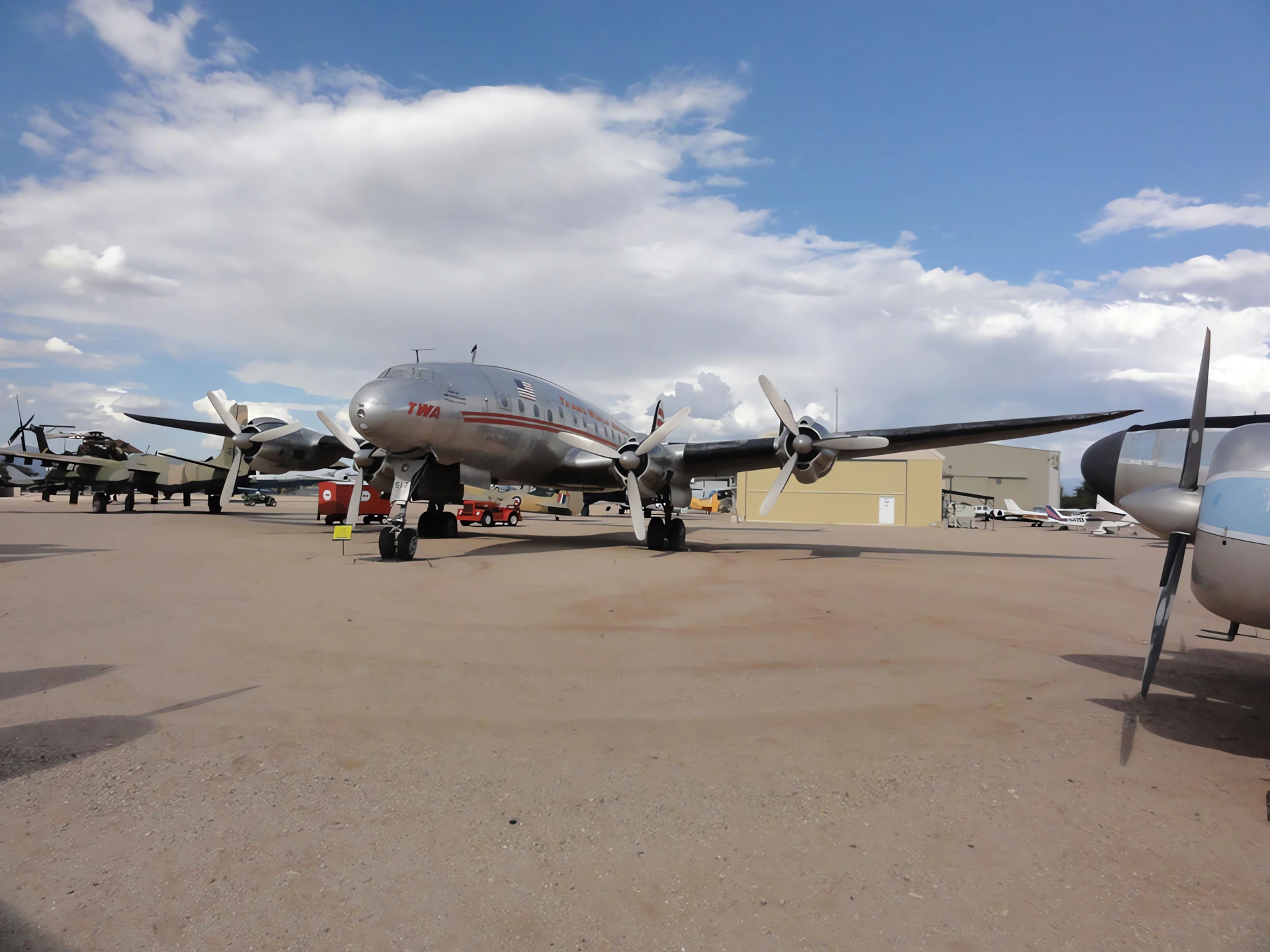
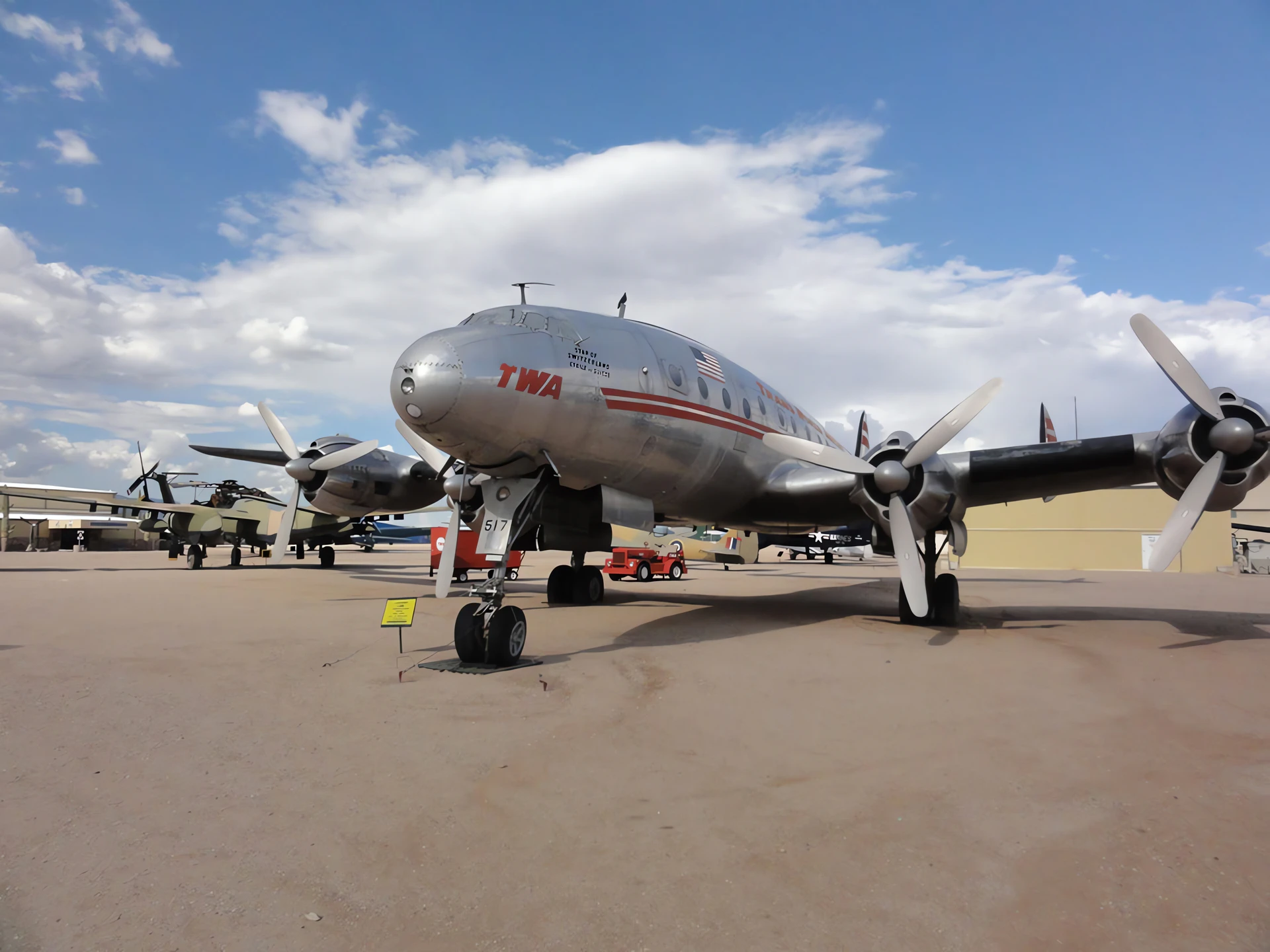
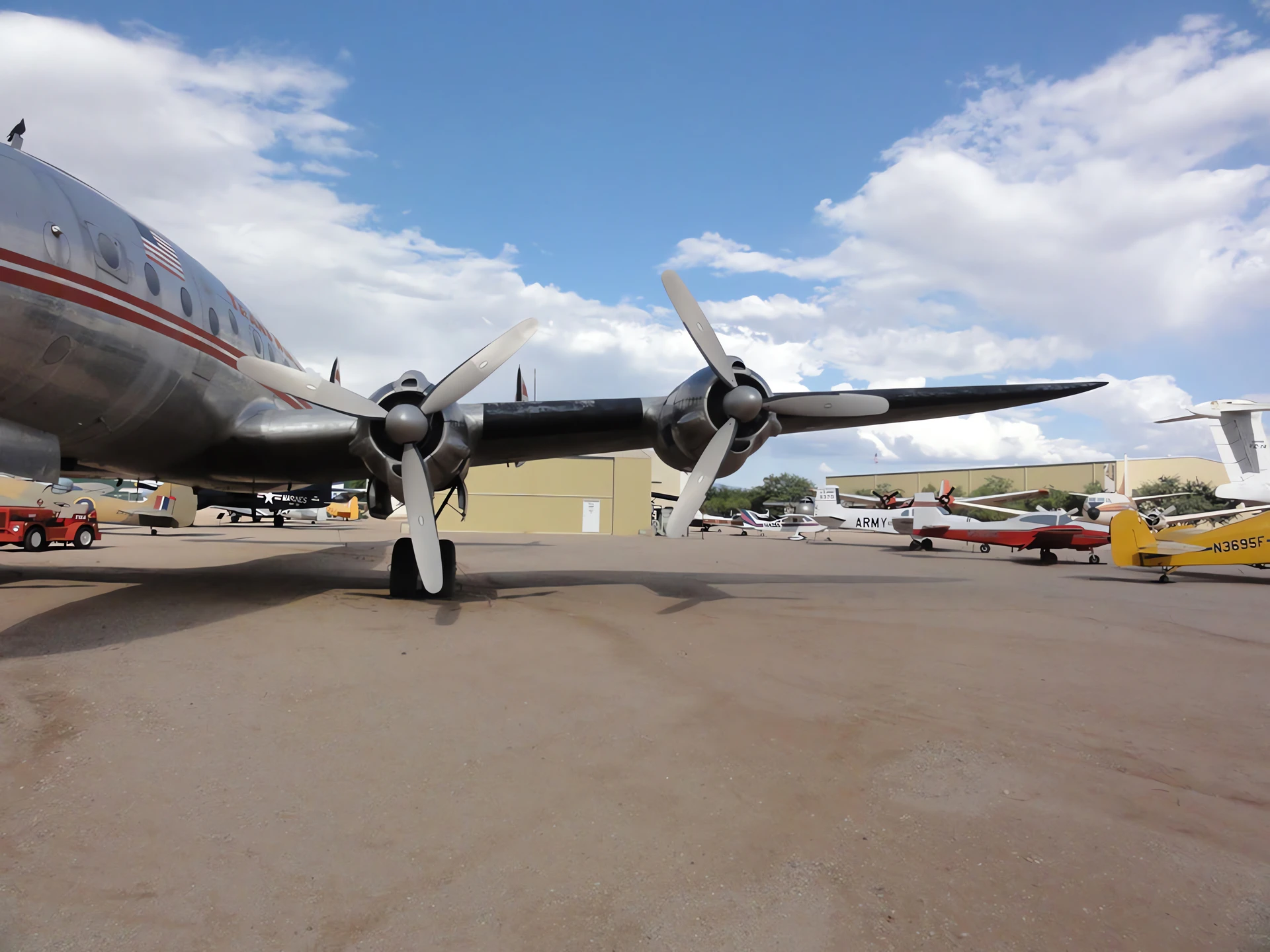
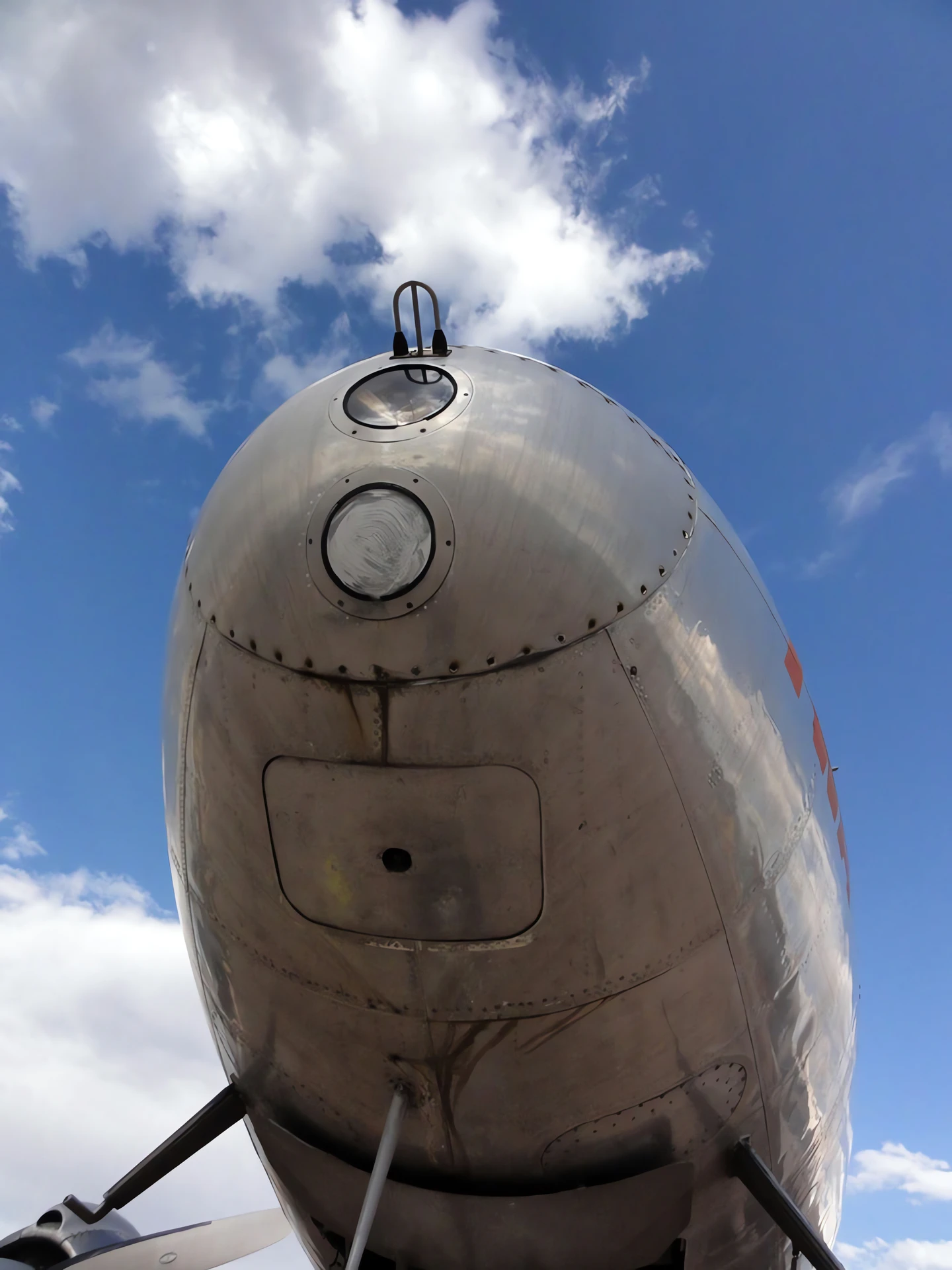
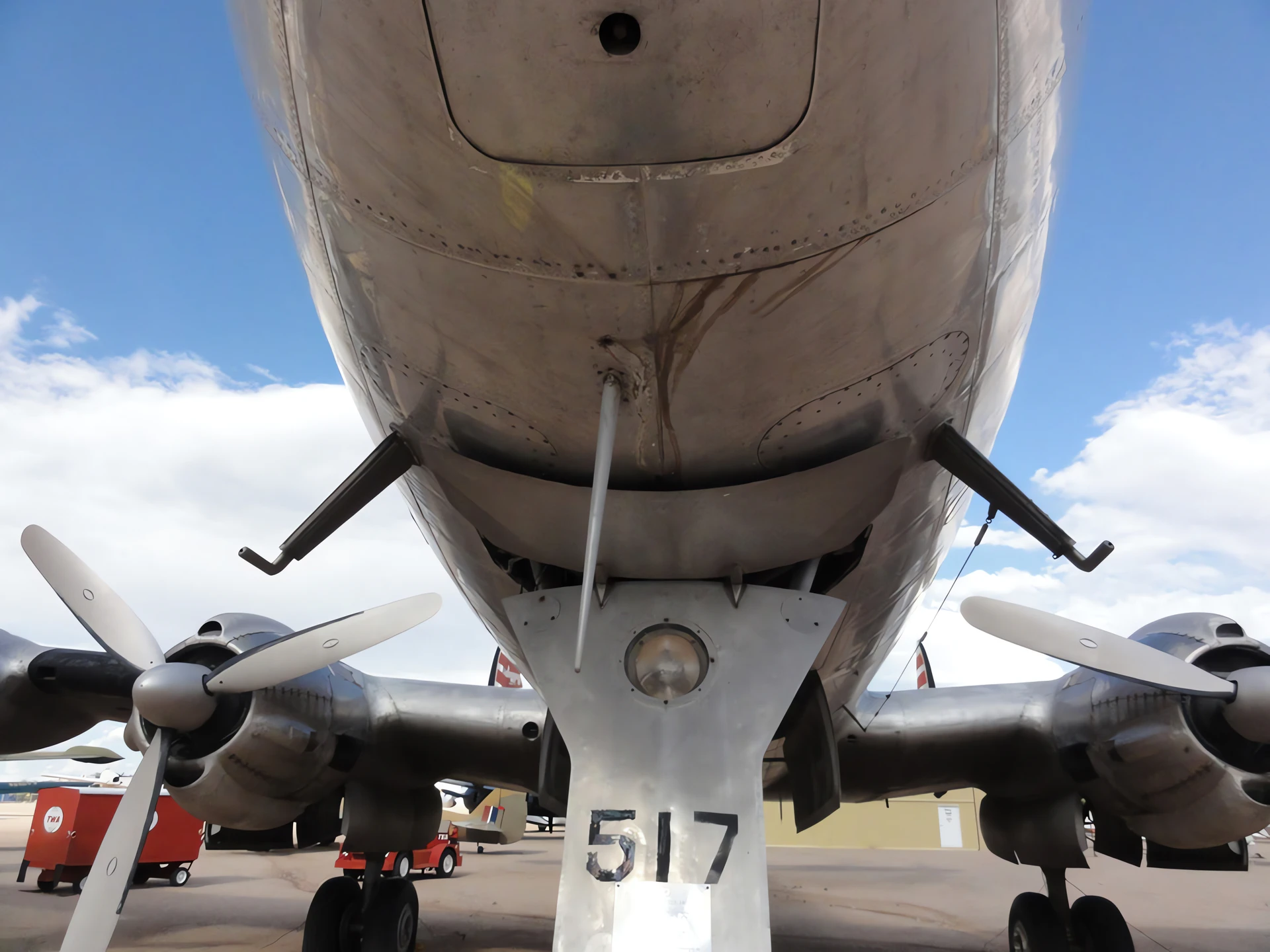
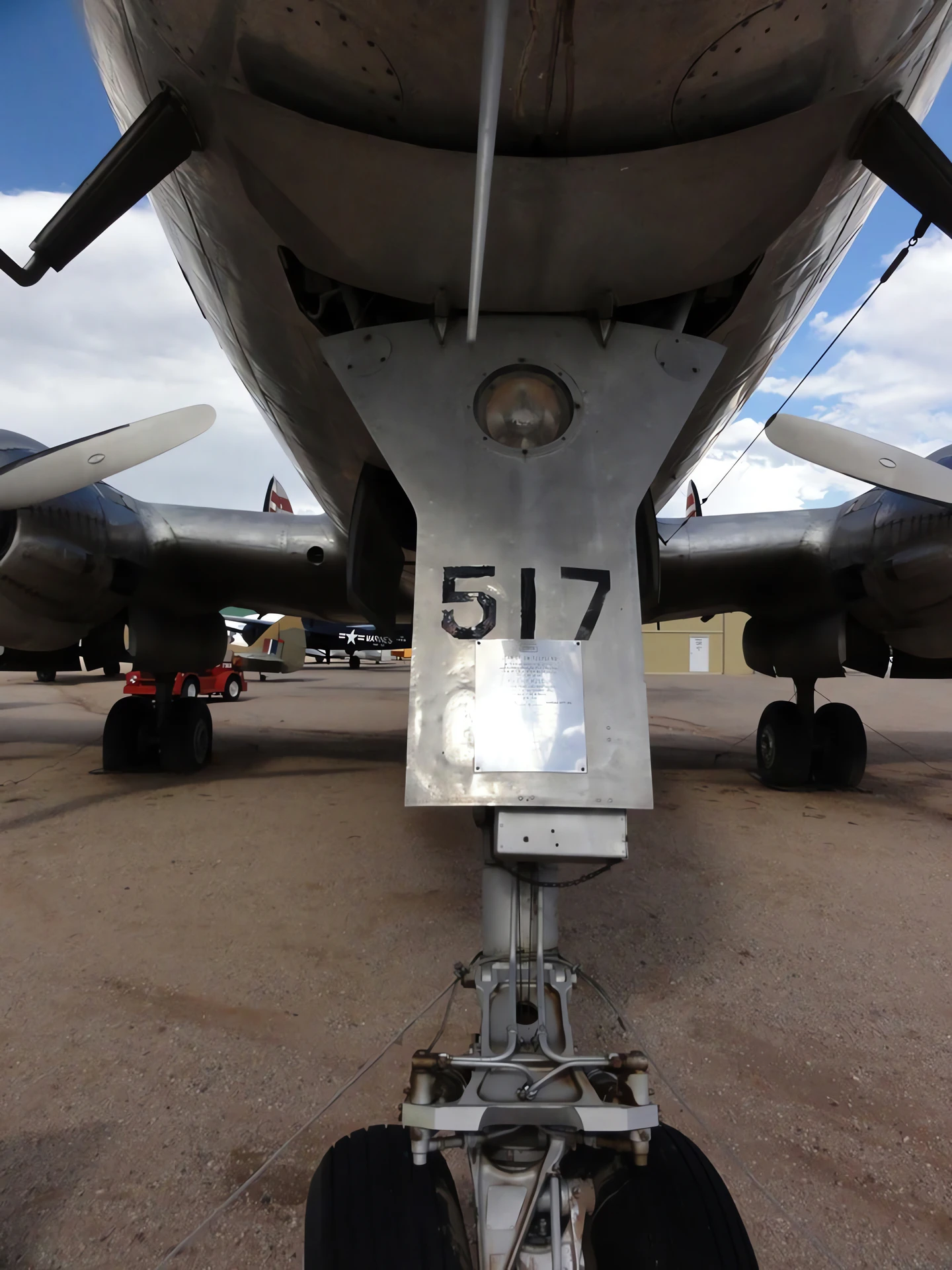
| Lockheed L-049 Constellation Rond te Lopen | |
|---|---|
| Fotograaf | John Heck |
| Lokalisatie | Pima Lucht- en Ruimtemuseum, Tucson |
| Foto 's | 138 |
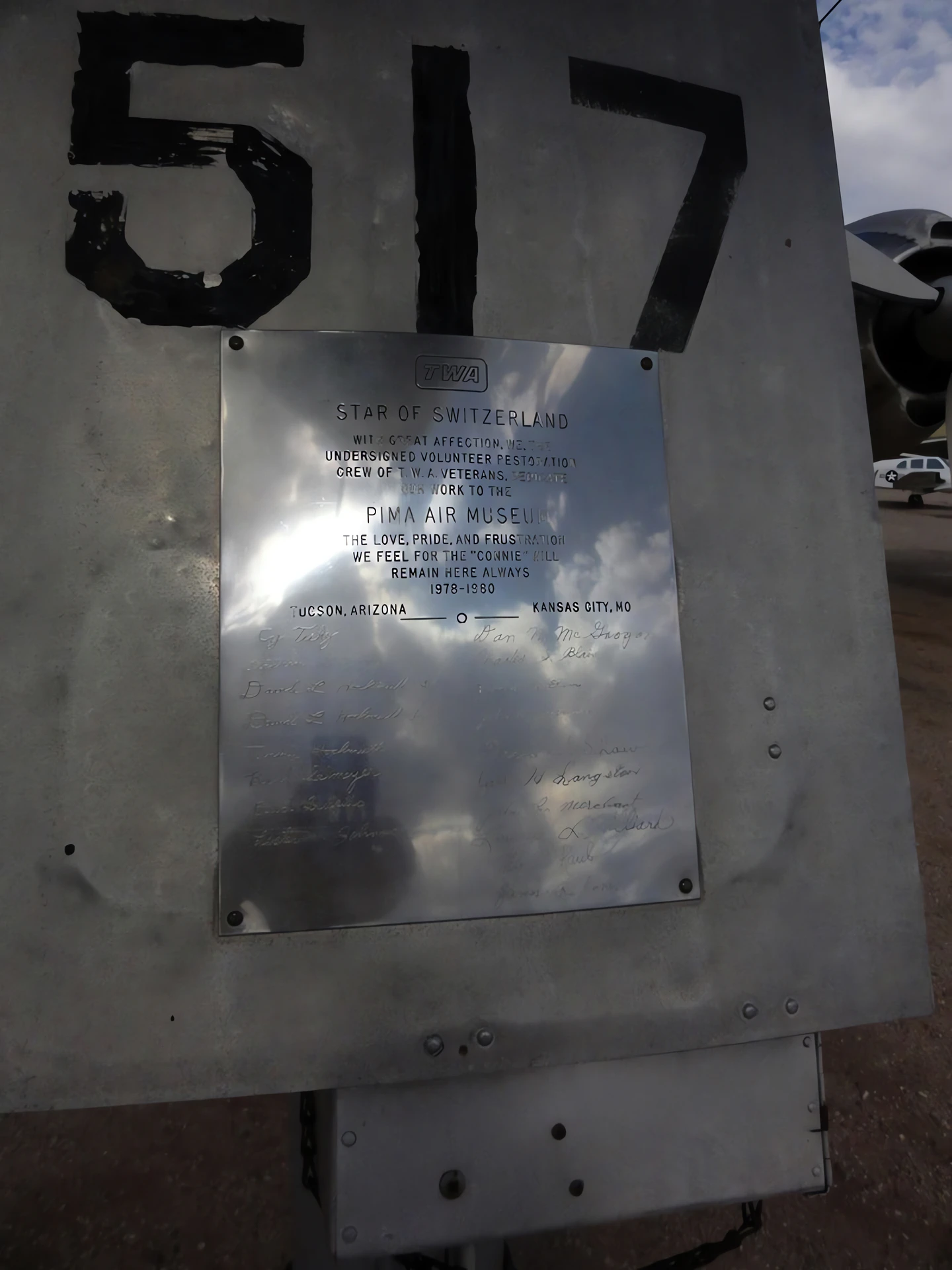
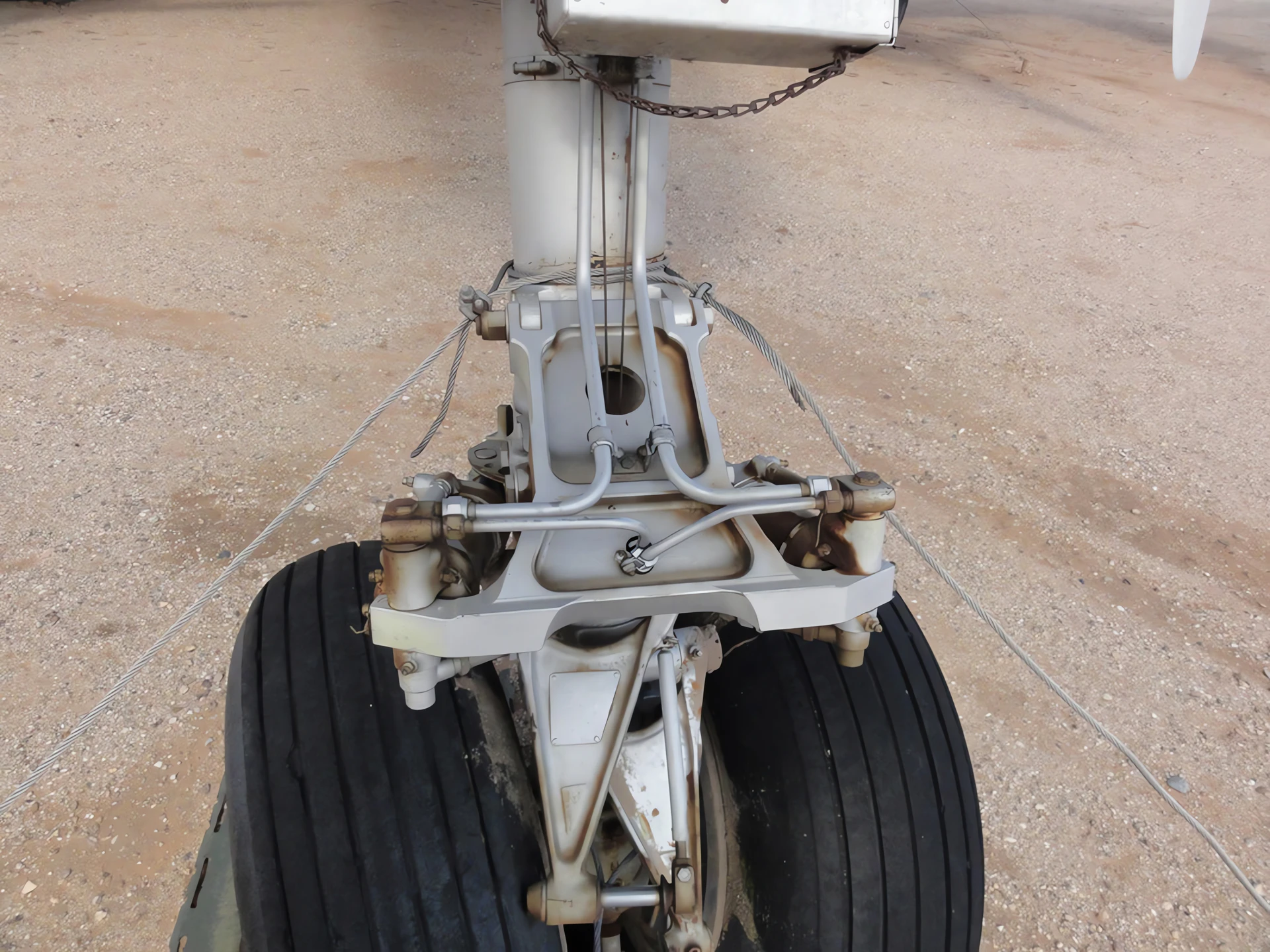

Zie ook:


General Characteristics and Role
The Lockheed L-049 Constellation, often simply called the “Connie,” was the first production model of the famous Constellation family of aircraft. It was a four-engine, pressurized, long-range transport aircraft designed by Lockheed for Trans World Airlines (TWA) in the early 1940s. Its distinctive features—the triple-fin tail and the elegant, dolphin-shaped fuselage—made it an icon of the piston-engine airliner era. Although initially intended for civilian use, all L-049s were pressed into military service during World War II as the C-69 Constellation. Following the war, the C-69s were converted back for commercial service as the L-049, inaugurating the golden age of pressurized, non-stop transatlantic travel.
| Property | Typical Value (L-049) |
|---|---|
| Type | Long-Range Pressurized Airliner |
| National Origin | Verenigde Staten |
| Fabrikant | Lockheed Corporation |
| First Flight (C-69) | 9 January 1943 |
| Bemanning | 5 (Pilot, Co-pilot, Flight Engineer, Navigator, Radio Operator) |
| Capacity (Passenger) | 44 to 81 passengers (varies by configuration) |
| Lengte | 29.03 m (95 ft 3 in) |
| Spanwijdte | 38.47 m (126 ft 2 in) |
| Maximum Takeoff Weight | 40,500 kg (89,300 lb) |
Powerplant and Performance
- Engine: 4 x Wright R-3350-B7 Duplex-Cyclone 18-cylinder air-cooled radial engines.
- Power Output (Each): 2,200 hp (1,640 kW).
- Maximum Speed: 547 km/h (340 mph).
- Cruising Speed: 483 km/h (300 mph).
- Range: Approximately 6,400 km (4,000 mi).
- Design Note: The R-3350 engines were initially plagued by reliability issues that required substantial engineering efforts to fix before the Constellation could reach its full commercial potential.
Service and Legacy
- Initial Service: The L-049 was the first Constellation to enter commercial service, beginning with Pan American World Airways and TWA in 1946.
- Pressurization: It was one of the first successful airliners with a pressurized cabin, allowing it to fly higher than weather disturbances, providing a smoother ride and reducing travel time.
- Evolution: The L-049 set the stage for later, more advanced variants like the L-649, L-749, and the final, stretched L-1049 Super Constellation.
- Transatlantic Pioneer: Along with the Douglas DC-4, the L-049 Constellation played a key role in making commercial long-haul and transatlantic air travel routine and comfortable in the immediate post-war period.
Bekeken: 2288
U ook zien :
 Lockheed Model 10 Electra – Foto's en video's
 Lockheed C-5 Galaxy - Foto's & Video's
 Lockheed LC-130 – Foto's & Video's
 Lockheed YO-3 – Foto's & Video
 Lockheed U-2 – Foto's &Video
 Lockheed P-2 Neptune – Foto's & Video
 Lockheed EC-121 Waarschuwingsster – Foto's &Video
 Lockheed F-35 Lightning II – Foto's & Video
 Lockheed P-38 Lightning – Foto's &Video
 Lockheed F-22A Raptor – Foto's &Video