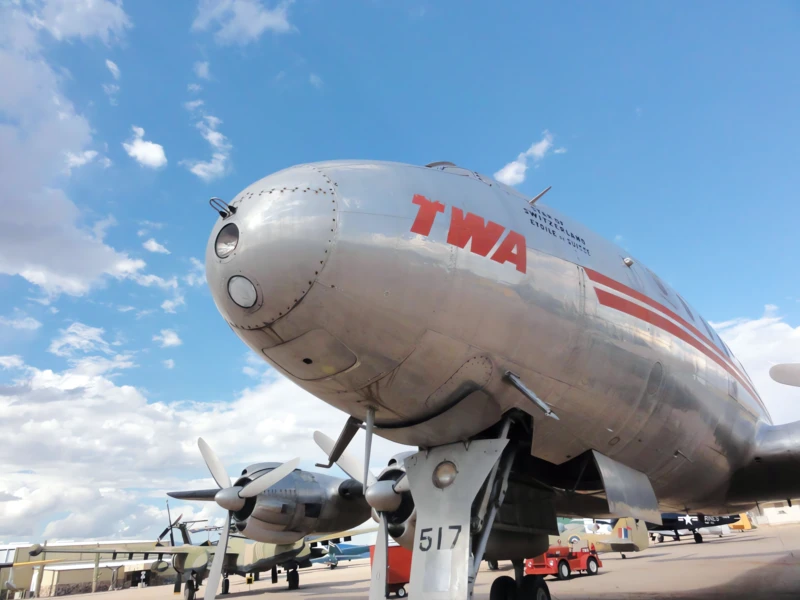
Lockheed L-049 Constellation | |
|---|---|
| Land | Usa |
| Rolle | Verkehr – Verkehrsflugzeug |
| Erstflug | 9. Januar 1943 |
| Gebaut | 88 |
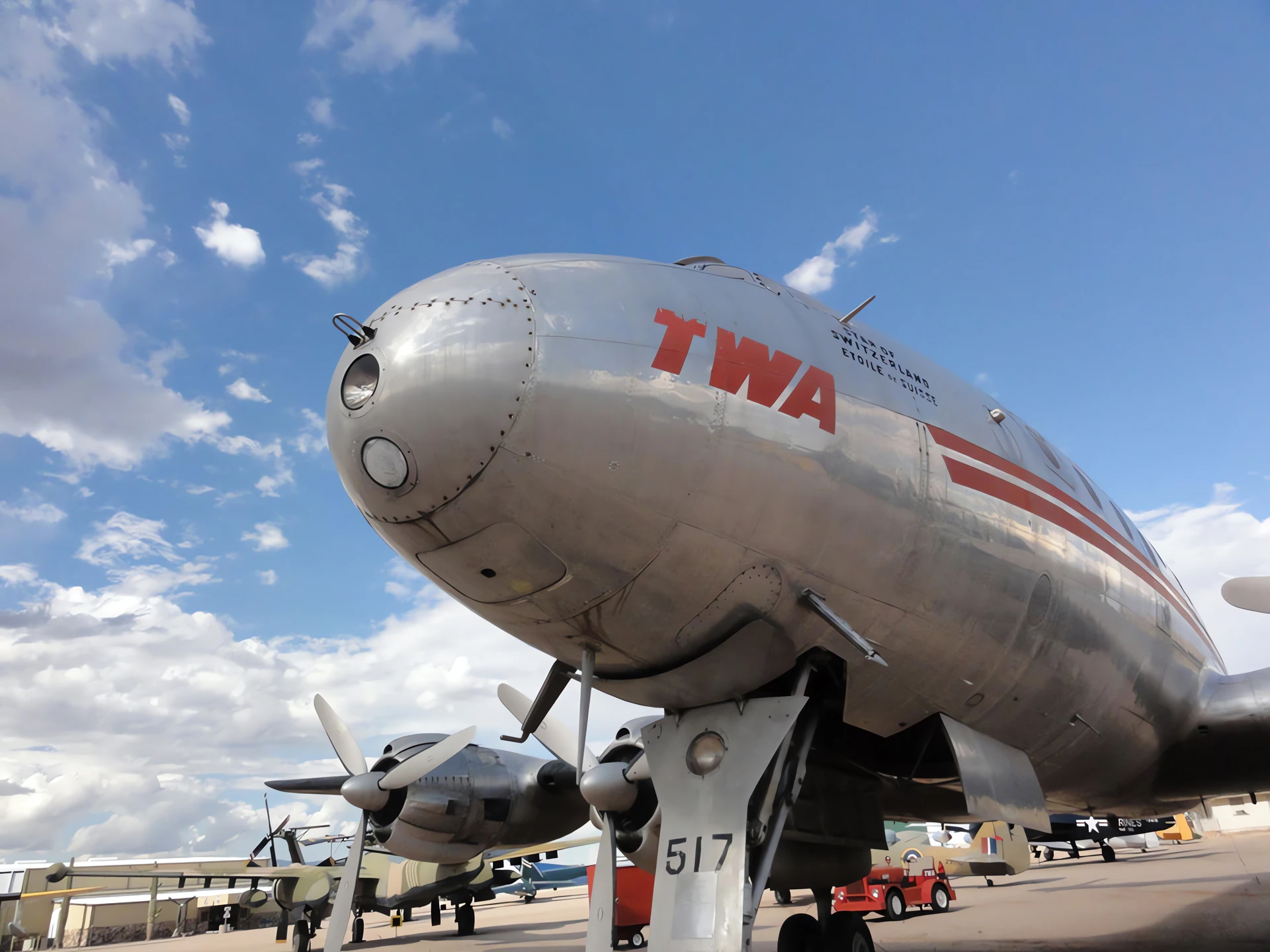
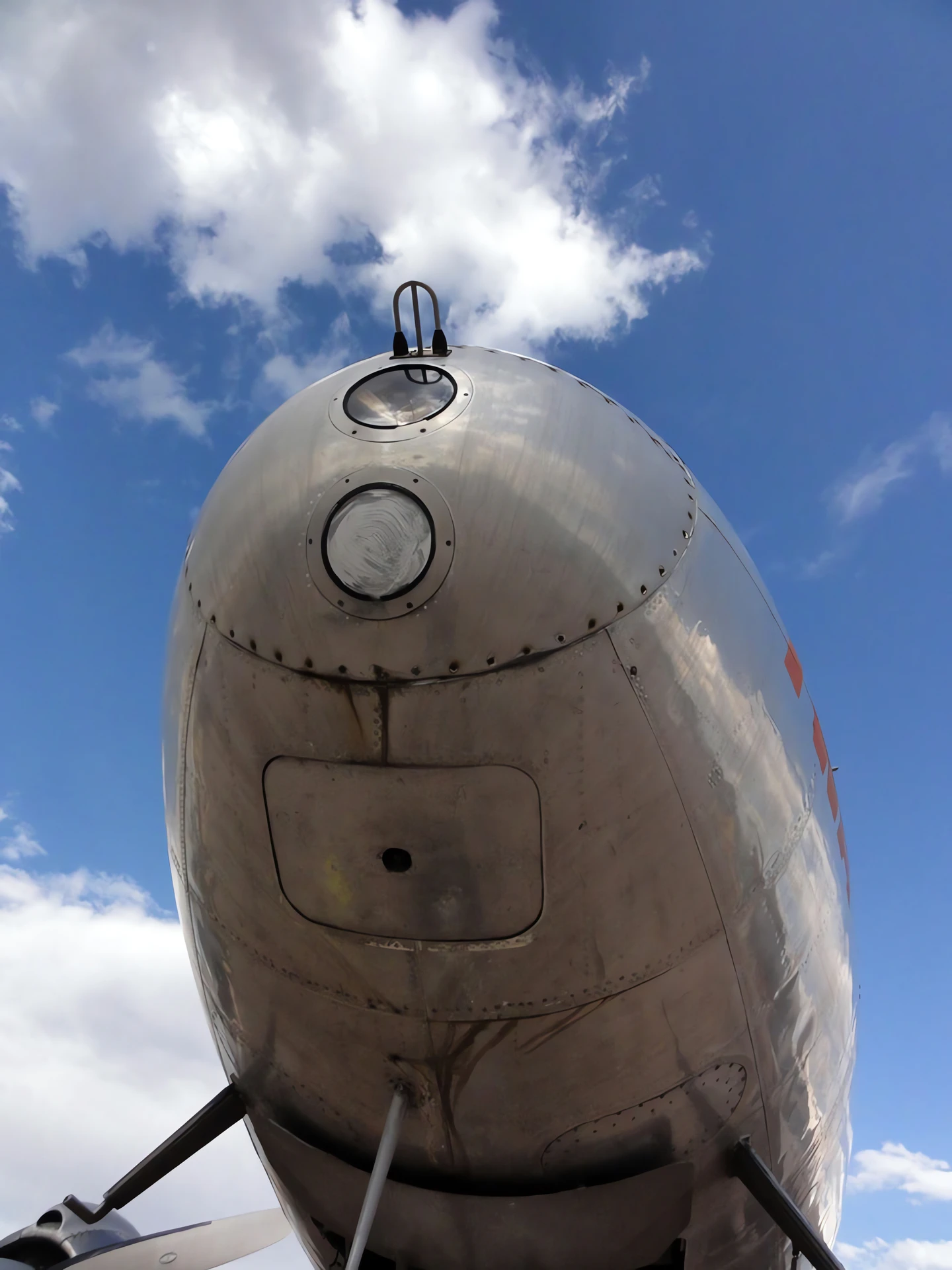
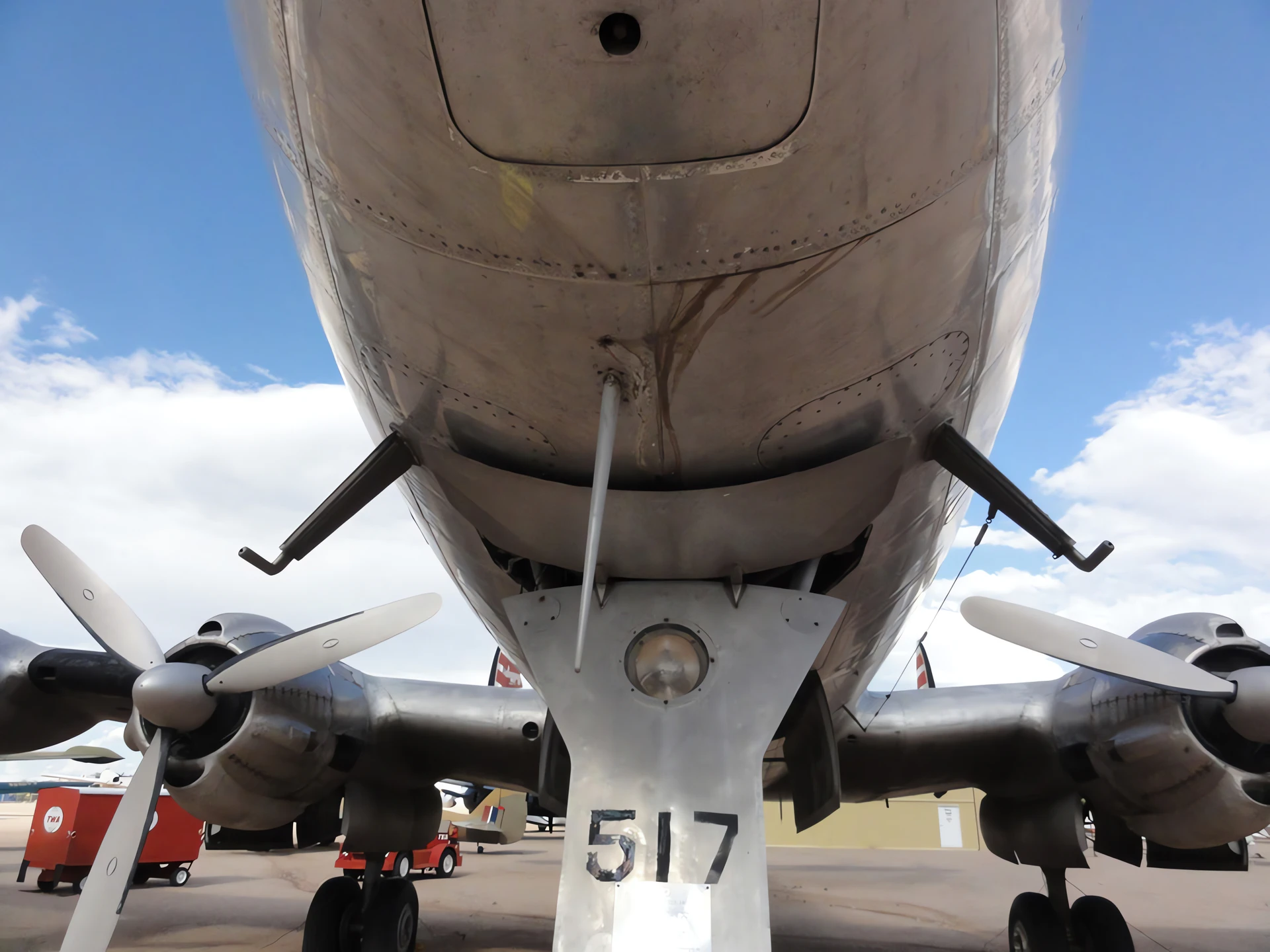
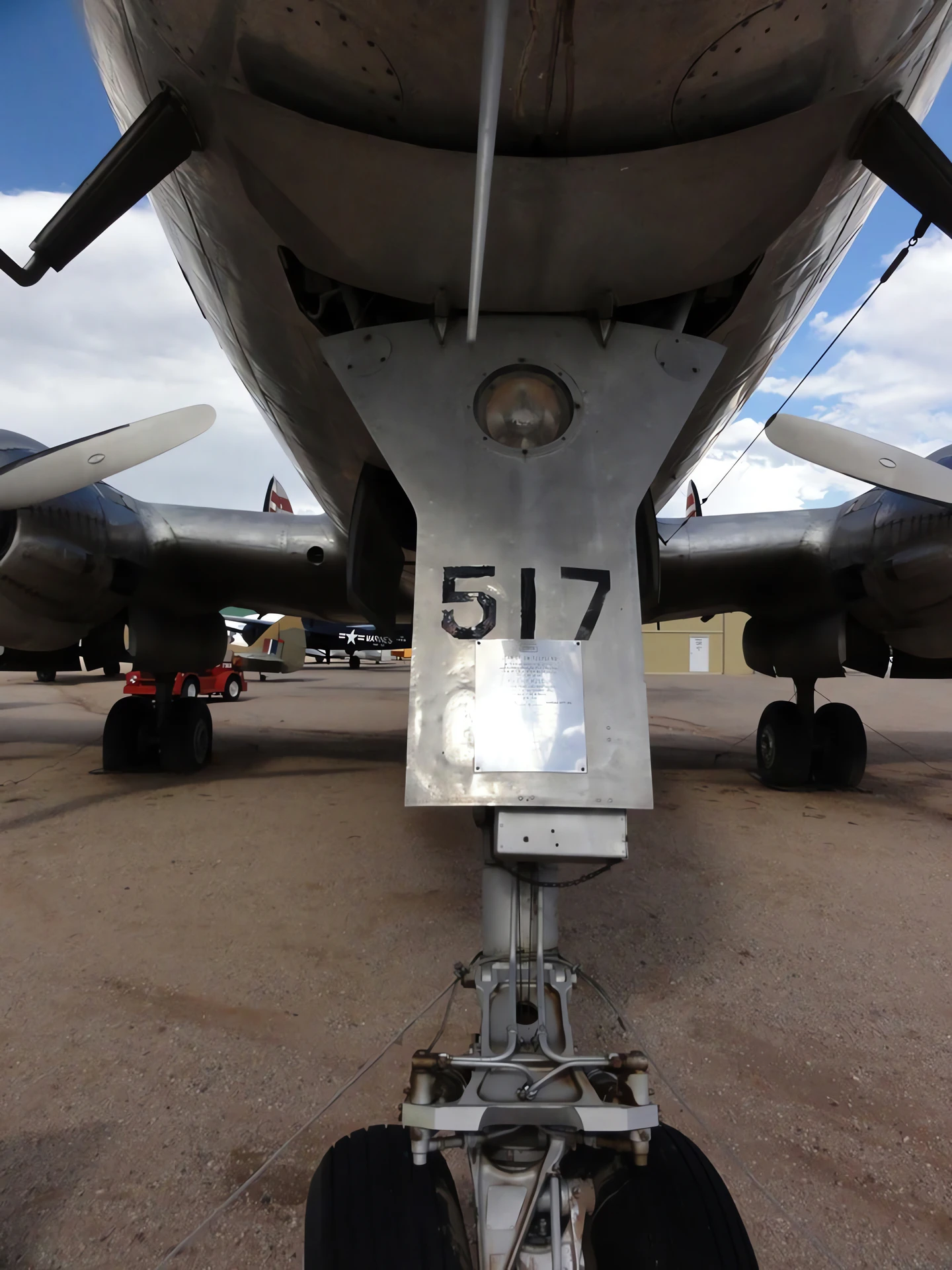
das Lockheed L-049 Sternbild war das erste Modell der Lockheed Constellation Flugzeuglinie. Es wurde während des Zweiten Weltkriegs als Militärisches Transportflugzeug C-69 für die United States Army Air Forces eingesetzt und war die erste zivile Version nach dem Krieg. Als die Produktion 1946 endete, wurde sie durch die verbesserten L-649 und L-749 Constellation ersetzt.
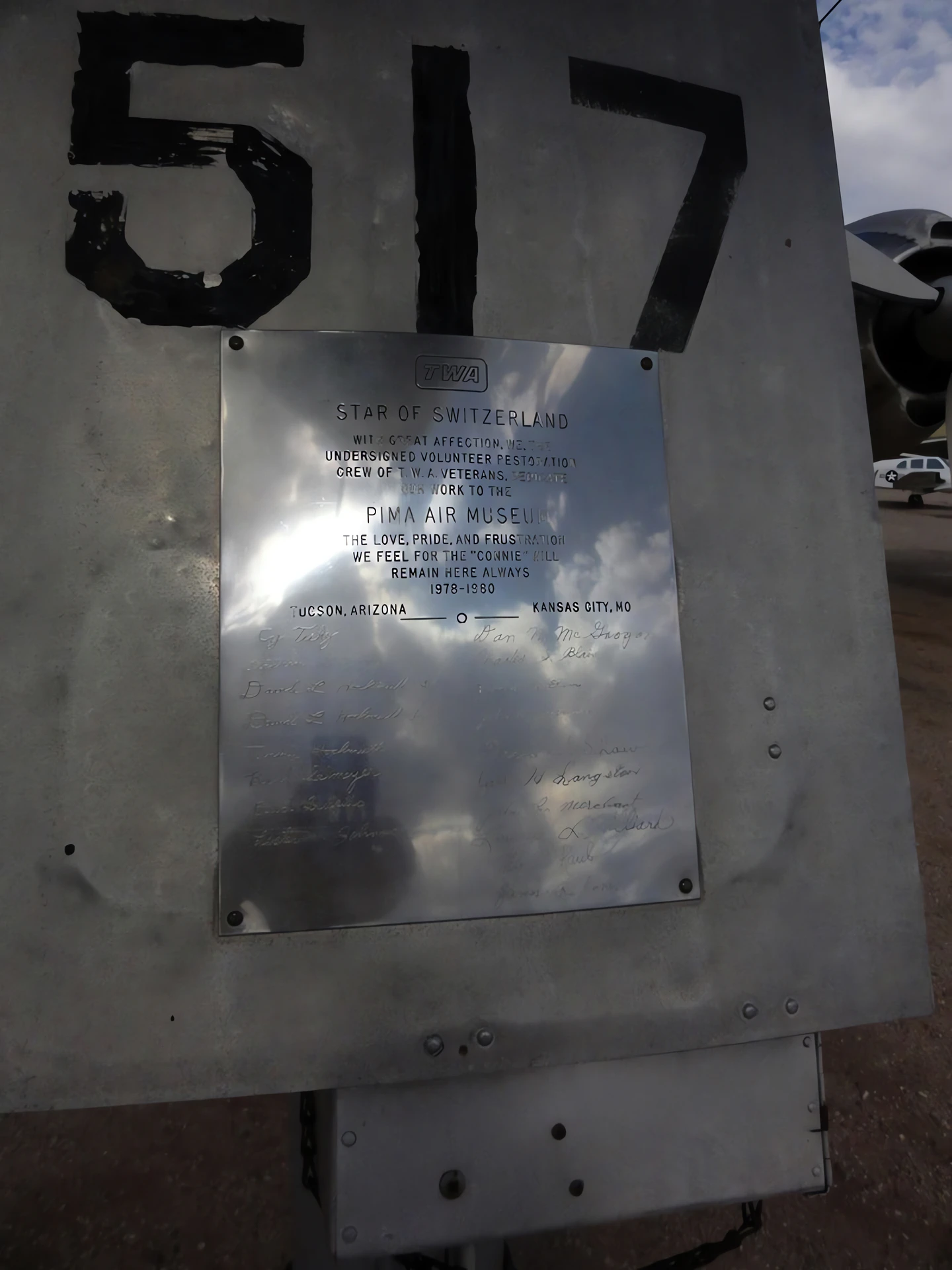
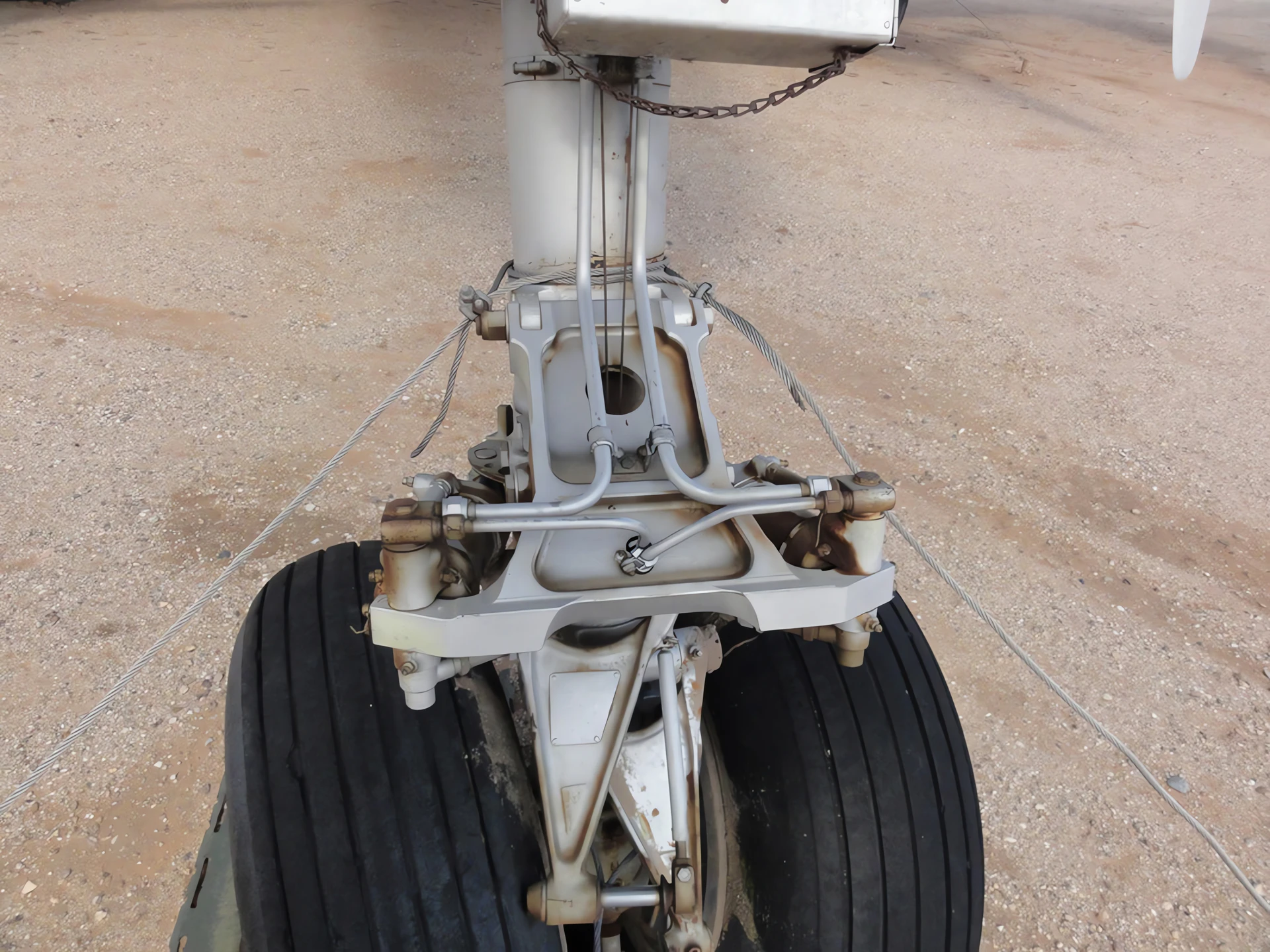
| Lockheed L-049 Sternbild Spaziergang um | |
|---|---|
| Fotograf | John Heck |
| Lokalisierung | Pima Luft- und Raumfahrtmuseum, Tucson |
| Fotos | 138 |
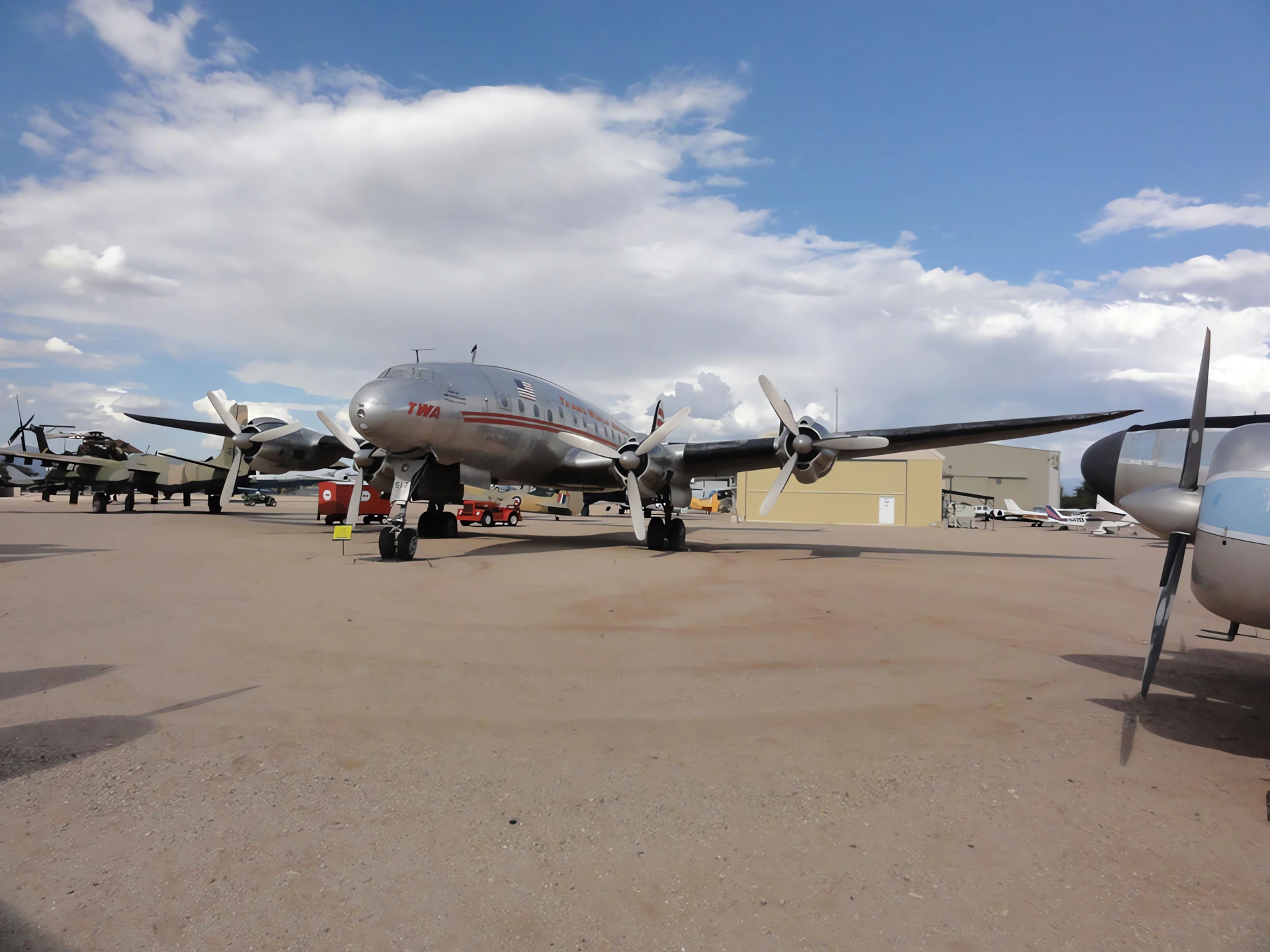
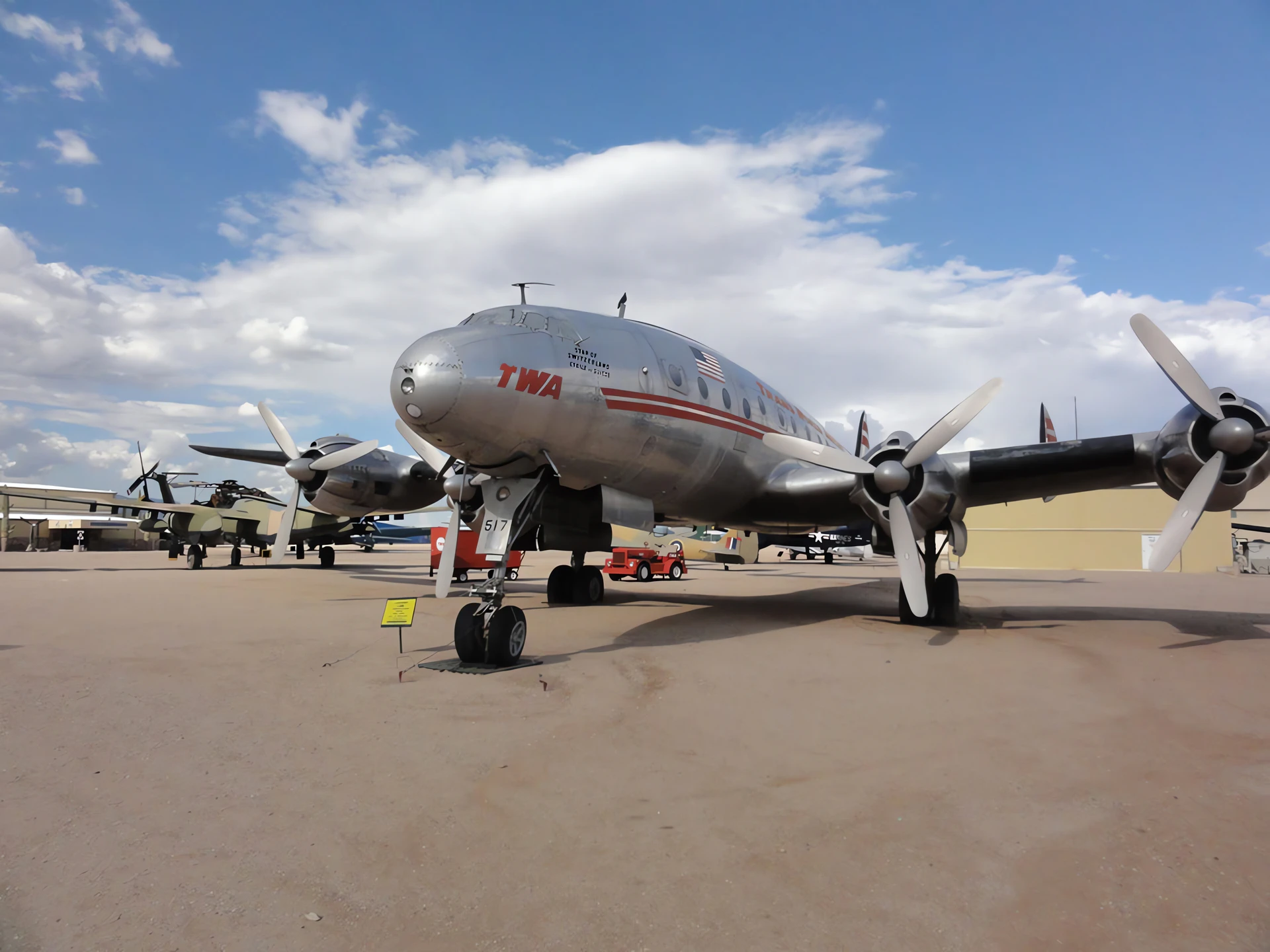
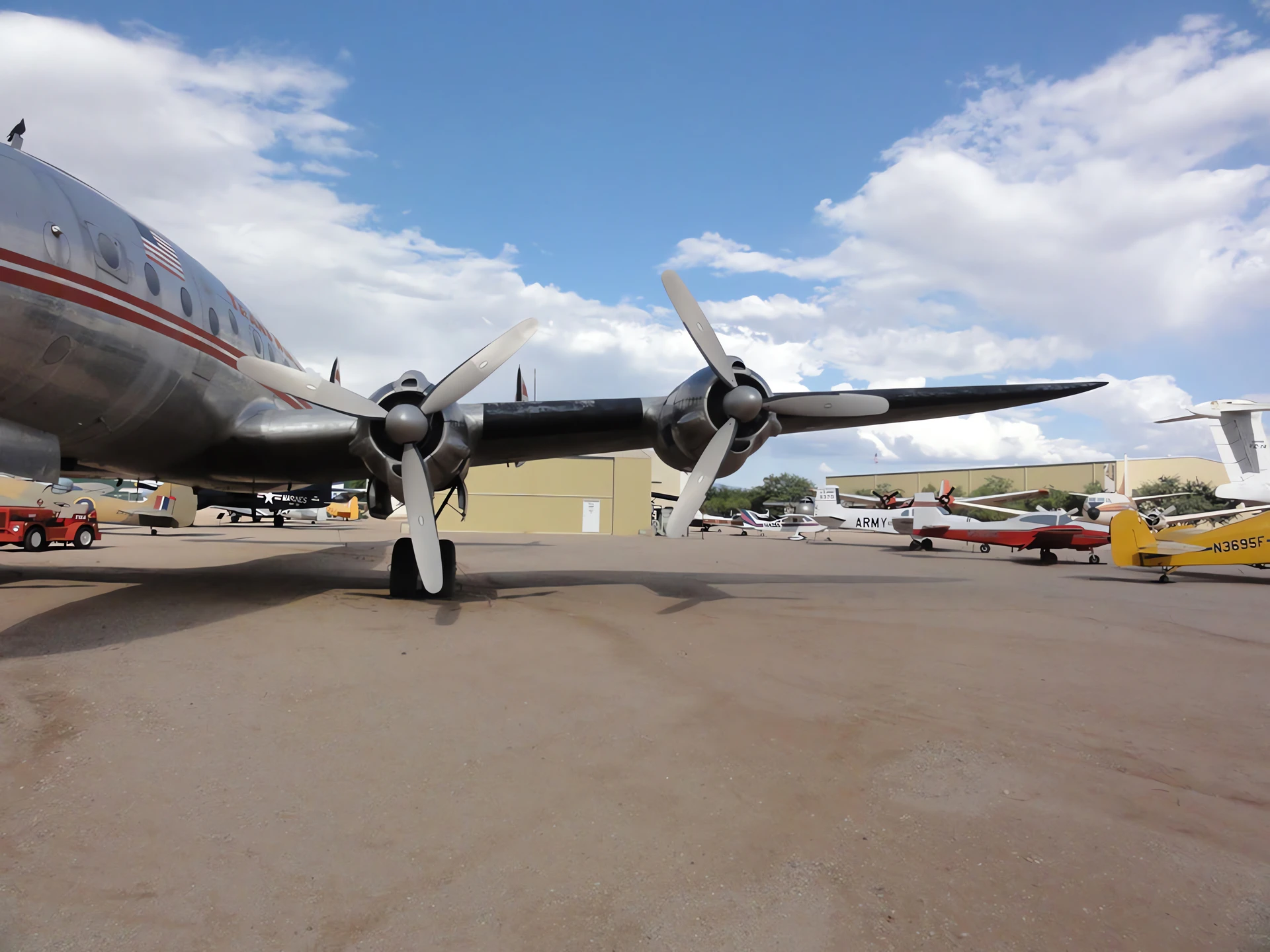

Siehe auch:


General Characteristics and Role
The Lockheed L-049 Constellation, often simply called the “Connie,” was the first production model of the famous Constellation family of aircraft. It was a four-engine, pressurized, long-range transport aircraft designed by Lockheed for Trans World Airlines (TWA) in the early 1940s. Its distinctive features—the triple-fin tail and the elegant, dolphin-shaped fuselage—made it an icon of the piston-engine airliner era. Although initially intended for civilian use, all L-049s were pressed into military service during World War II as the C-69 Constellation. Following the war, the C-69s were converted back for commercial service as the L-049, inaugurating the golden age of pressurized, non-stop transatlantic travel.
| Property | Typical Value (L-049) |
|---|---|
| Typ | Long-Range Pressurized Airliner |
| National Origin | USA |
| Hersteller | Lockheed Corporation |
| First Flight (C-69) | 9 January 1943 |
| Crew | 5 (Pilot, Co-pilot, Flight Engineer, Navigator, Radio Operator) |
| Capacity (Passenger) | 44 to 81 passengers (varies by configuration) |
| Länge | 29.03 m (95 ft 3 in) |
| Flügelspannweite | 38.47 m (126 ft 2 in) |
| Maximum Takeoff Weight | 40,500 kg (89,300 lb) |
Powerplant and Performance
- Engine: 4 x Wright R-3350-B7 Duplex-Cyclone 18-cylinder air-cooled radial engines.
- Power Output (Each): 2,200 hp (1,640 kW).
- Maximum Speed: 547 km/h (340 mph).
- Cruising Speed: 483 km/h (300 mph).
- Range: Approximately 6,400 km (4,000 mi).
- Design Note: The R-3350 engines were initially plagued by reliability issues that required substantial engineering efforts to fix before the Constellation could reach its full commercial potential.
Service and Legacy
- Initial Service: The L-049 was the first Constellation to enter commercial service, beginning with Pan American World Airways and TWA in 1946.
- Pressurization: It was one of the first successful airliners with a pressurized cabin, allowing it to fly higher than weather disturbances, providing a smoother ride and reducing travel time.
- Evolution: The L-049 set the stage for later, more advanced variants like the L-649, L-749, and the final, stretched L-1049 Super Constellation.
- Transatlantic Pioneer: Along with the Douglas DC-4, the L-049 Constellation played a key role in making commercial long-haul and transatlantic air travel routine and comfortable in the immediate post-war period.
Aufrufe : 2266
Sie können auch sehen:
 Lockheed Model 10 Electra – Fotos & Videos
 Lockheed C-5 Galaxy – Fotos & Videos
 Lockheed LC-130 – Fotos & Videos
 Lockheed YO-3 – Fotos & Video
 Lockheed U-2 – Fotos & Video
 Lockheed P-2 Neptune – Fotos & Video
 Lockheed EC-121 Warning Star – Fotos & Video
 Lockheed F-35 Lightning II – Fotos und Videos
 Lockheed P-38 Lightning – Fotos & Video
 Lockheed F-22A Raptor – Fotos & Video