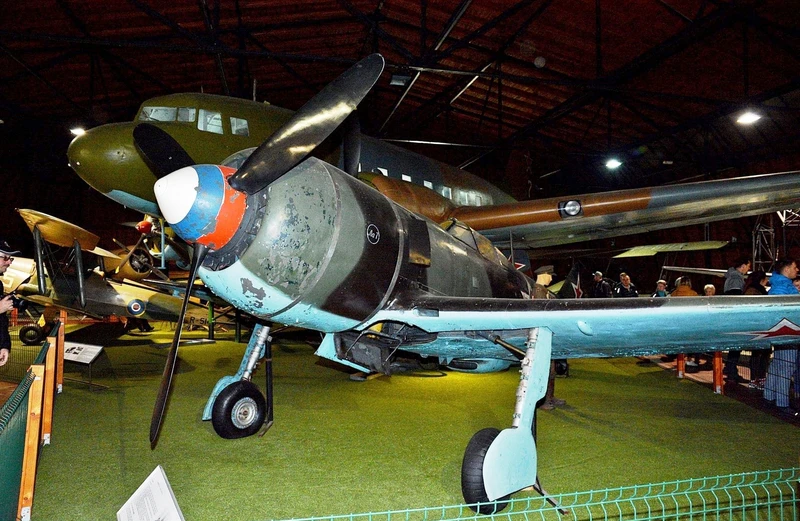
Lavochkin La-7 | |
|---|---|
| Land | Sowjetunion |
| Typ | Kämpfer |
| Erstflug | 1. Februar 1944 |
| Gebaut | 5800+ |
das Lavochkin La-7 Das Lavochkin Design Bureau war ein einsitziges sowjetisches Jagdflugzeug mit Kolbenmotor. Es war eine Entwicklung und Verfeinerung der Lavochkin La-5, und die letzte in einer Familie von Flugzeugen, die mit der LaGG-1 im Jahr 1938 begonnen hatte. Der erste Flug erfolgte Anfang 1944 und wurde später im Jahr bei den sowjetischen Luftstreitkräften in Dienst gestellt. Eine kleine Charge La-7s wurde der tschechoslowakischen Luftwaffe im folgenden Jahr übergeben, aber ansonsten nicht exportiert. Bewaffnet mit zwei oder drei 20 mm Kanone hatte sie eine Höchstgeschwindigkeit von 661 Kilometern pro Stunde. Die La-7 wurde von ihren Piloten als mindestens gleichbedeutend mit jedem deutschen Kolbenmotor-Kämpfer empfunden. Sie wurde 1947 von der sowjetischen Luftwaffe eingestellt, diente aber bis 1950 bei der tschechoslowakischen Luftwaffe.
Quelle: Lavochkin La-7 auf Wiki
| Lavockin La-7 Spaziergang | |
|---|---|
| Fotograf | Pawel Senk |
| Lokalisierung | Unbekannter |
| Fotos | 30 |
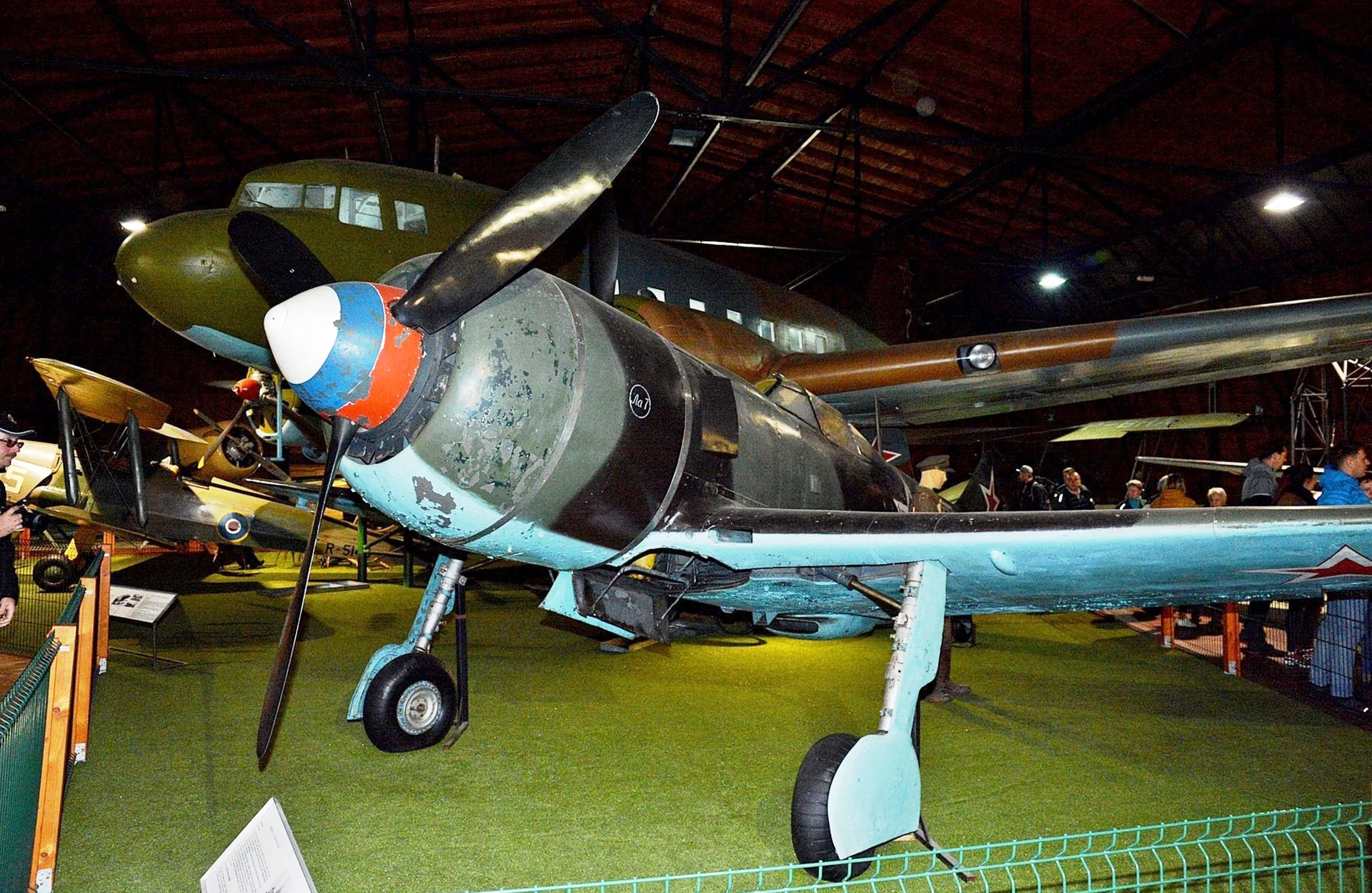
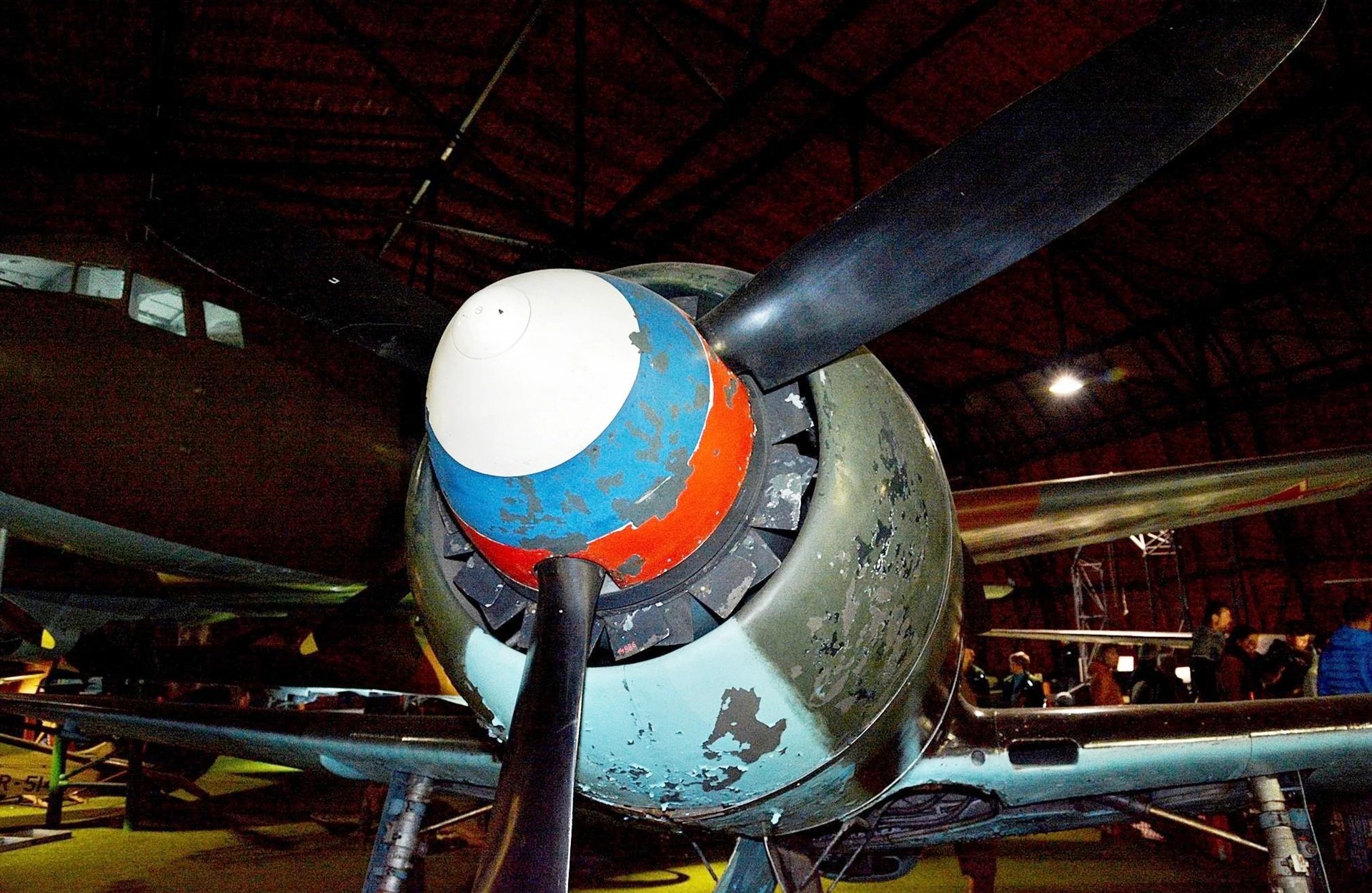
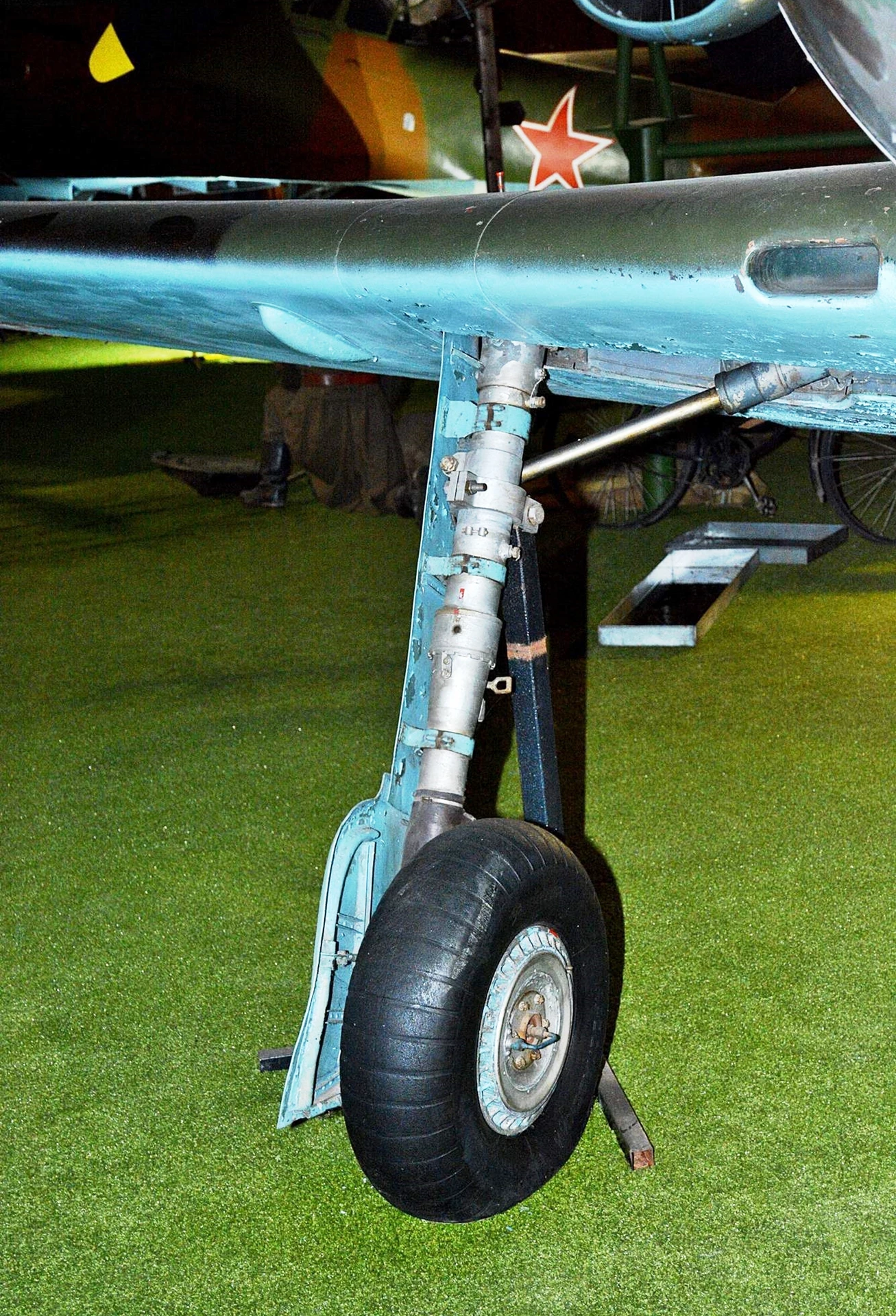
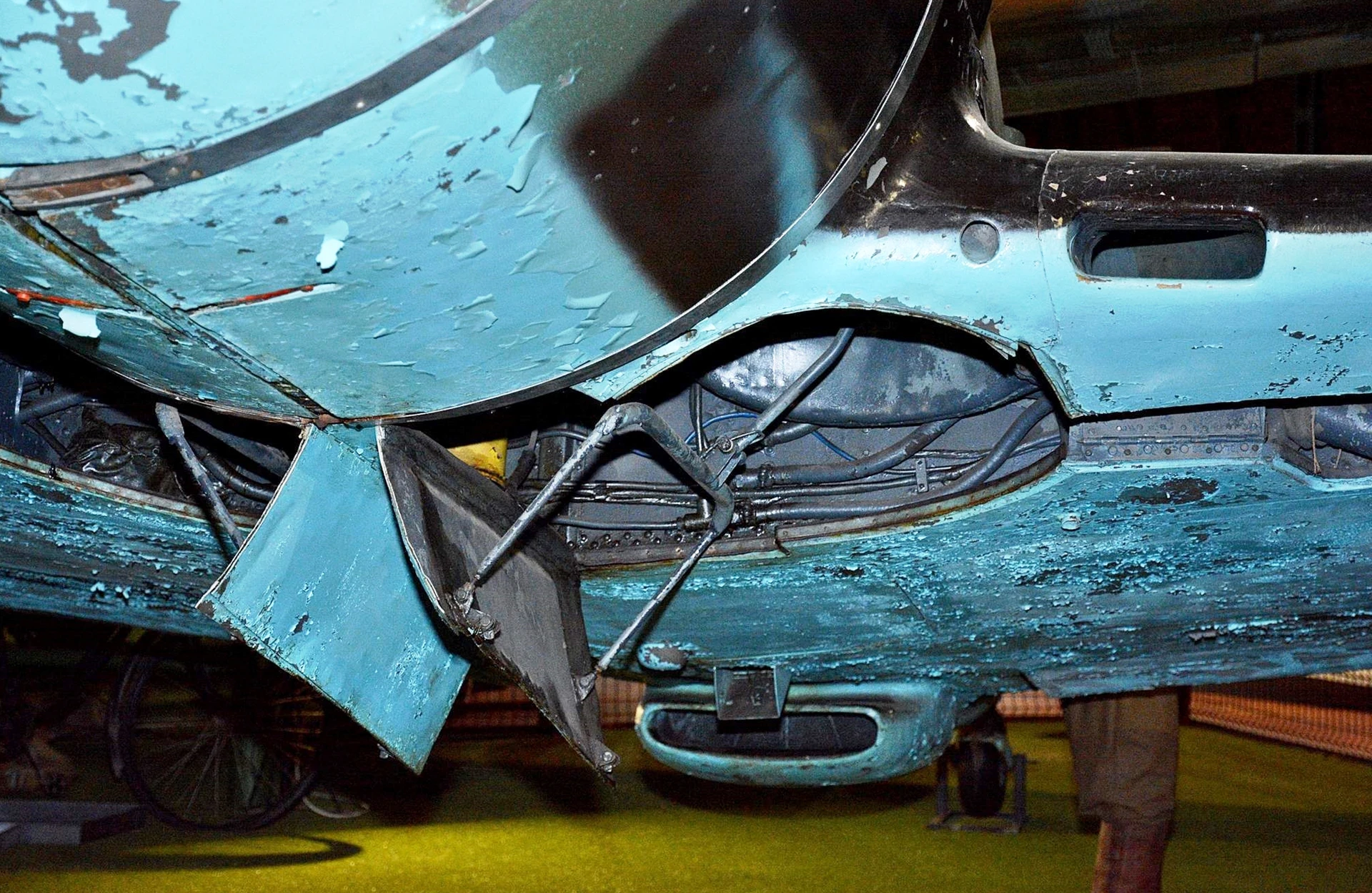
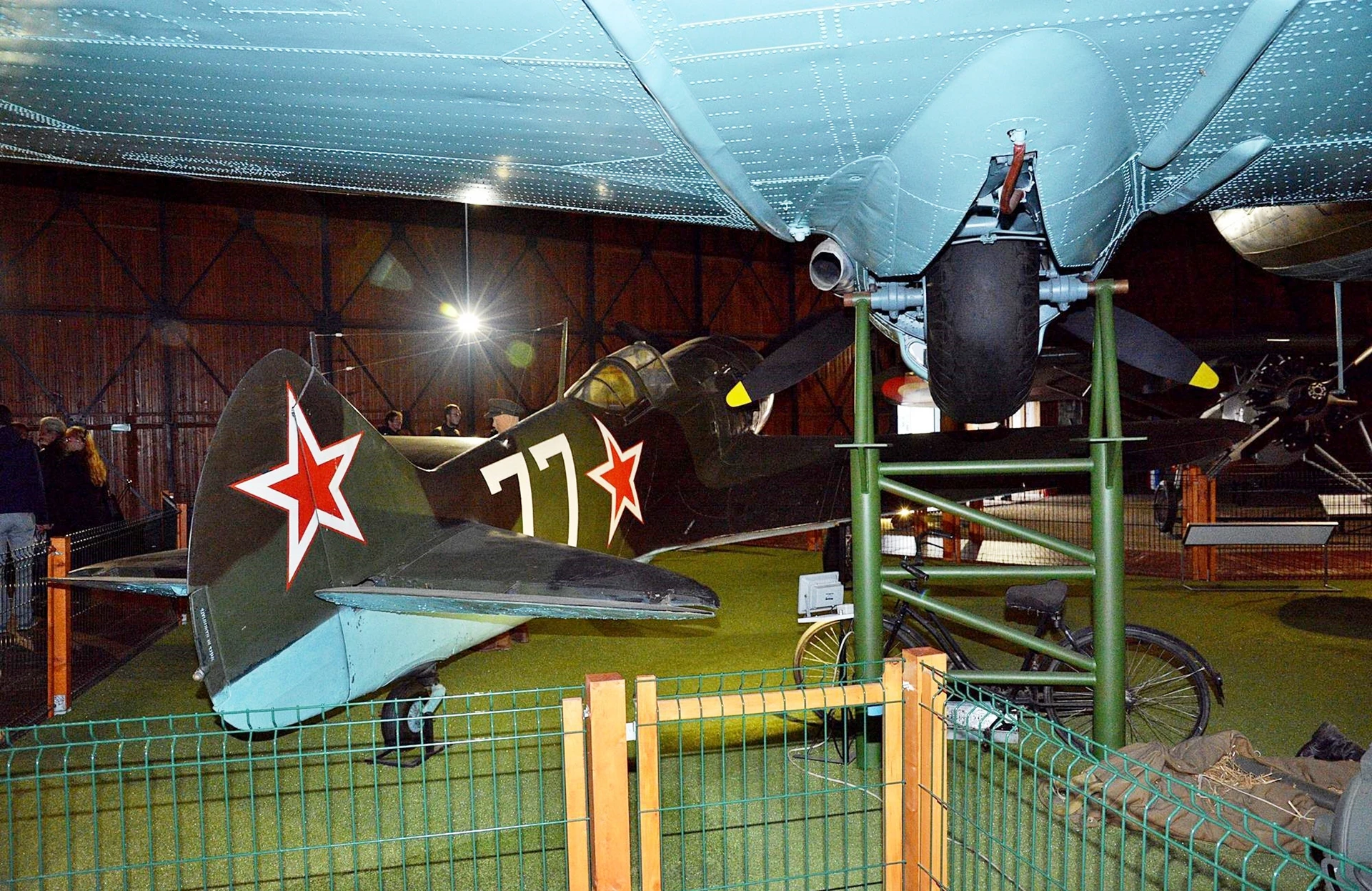
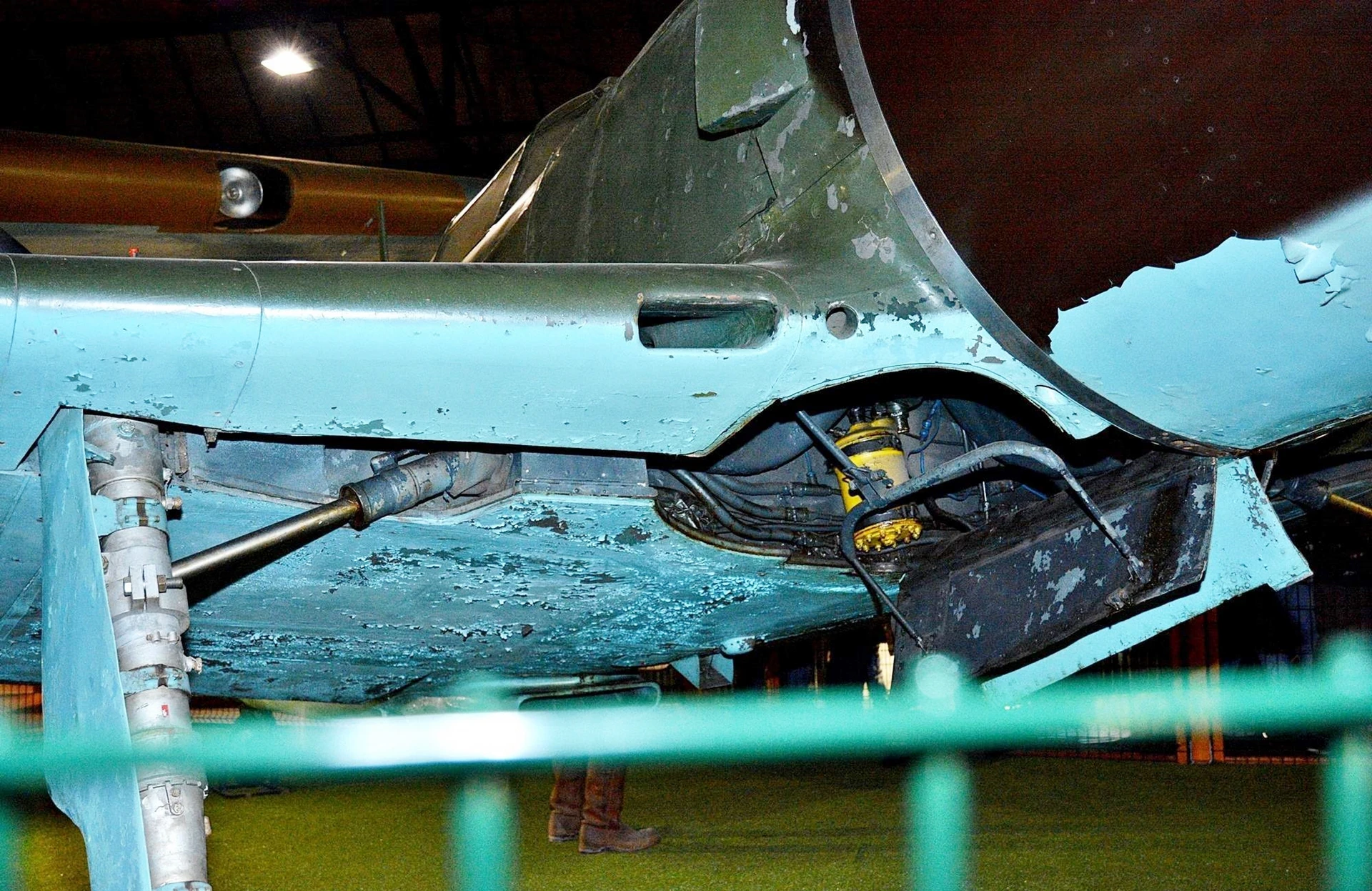
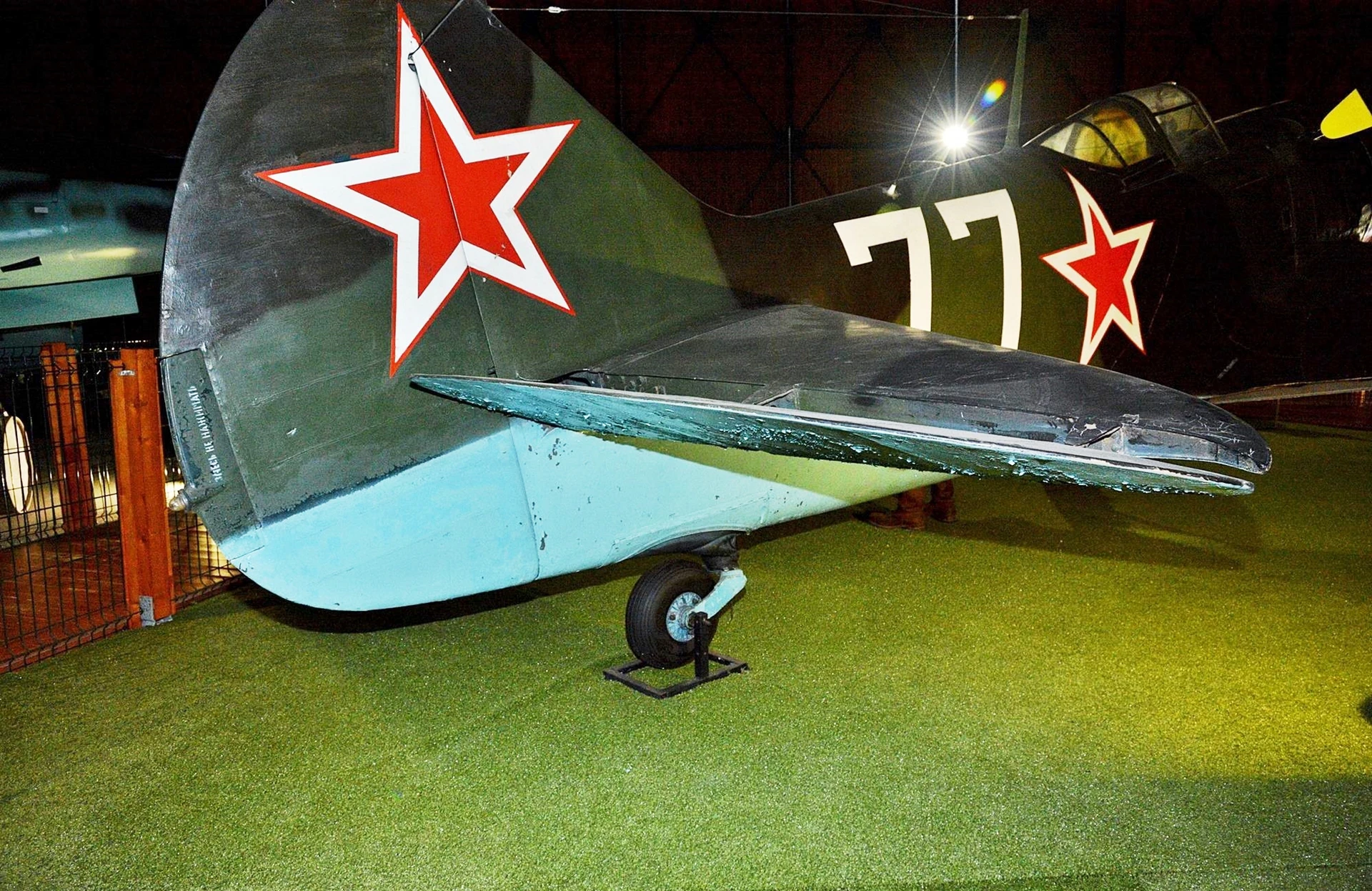
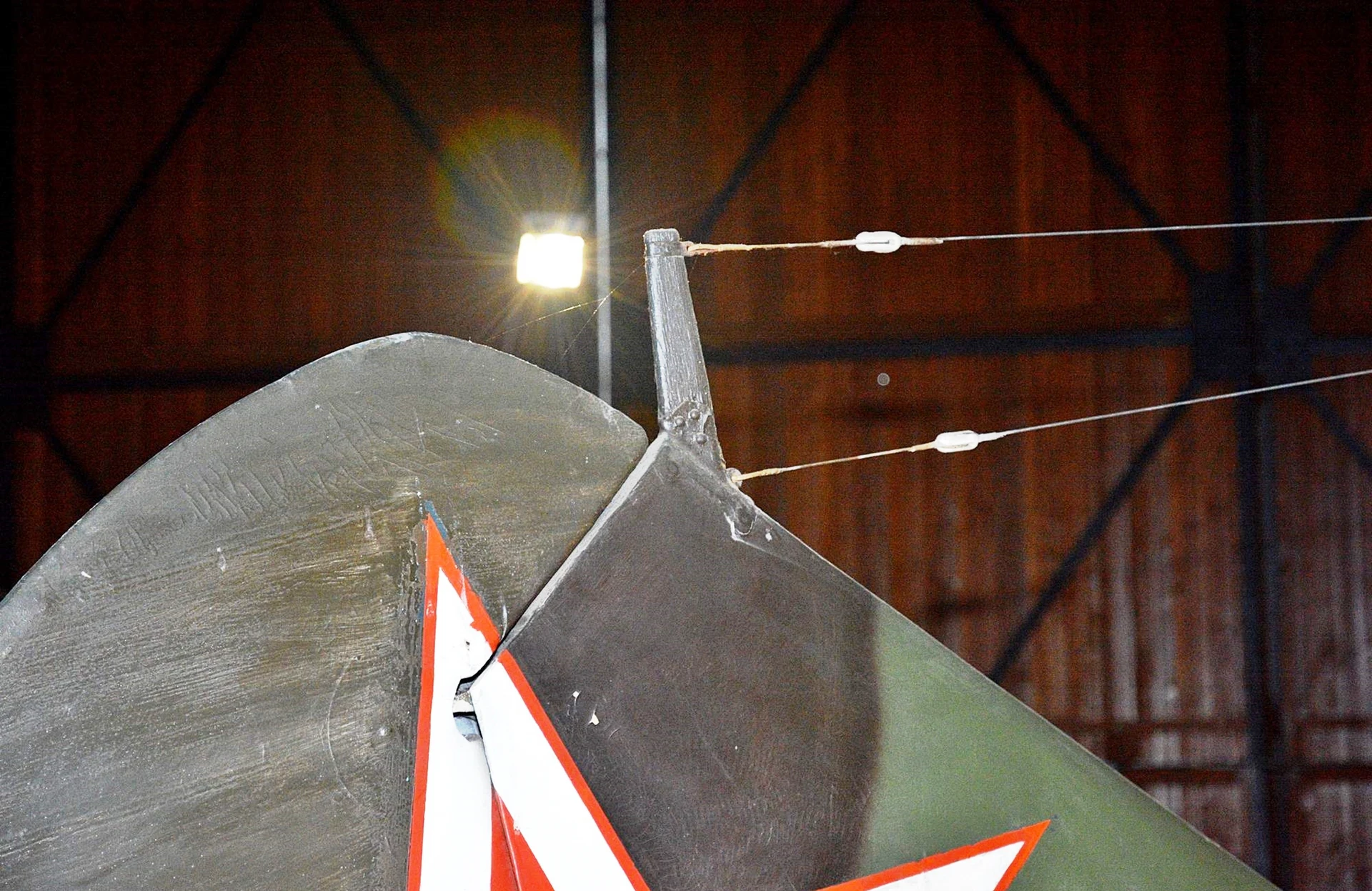
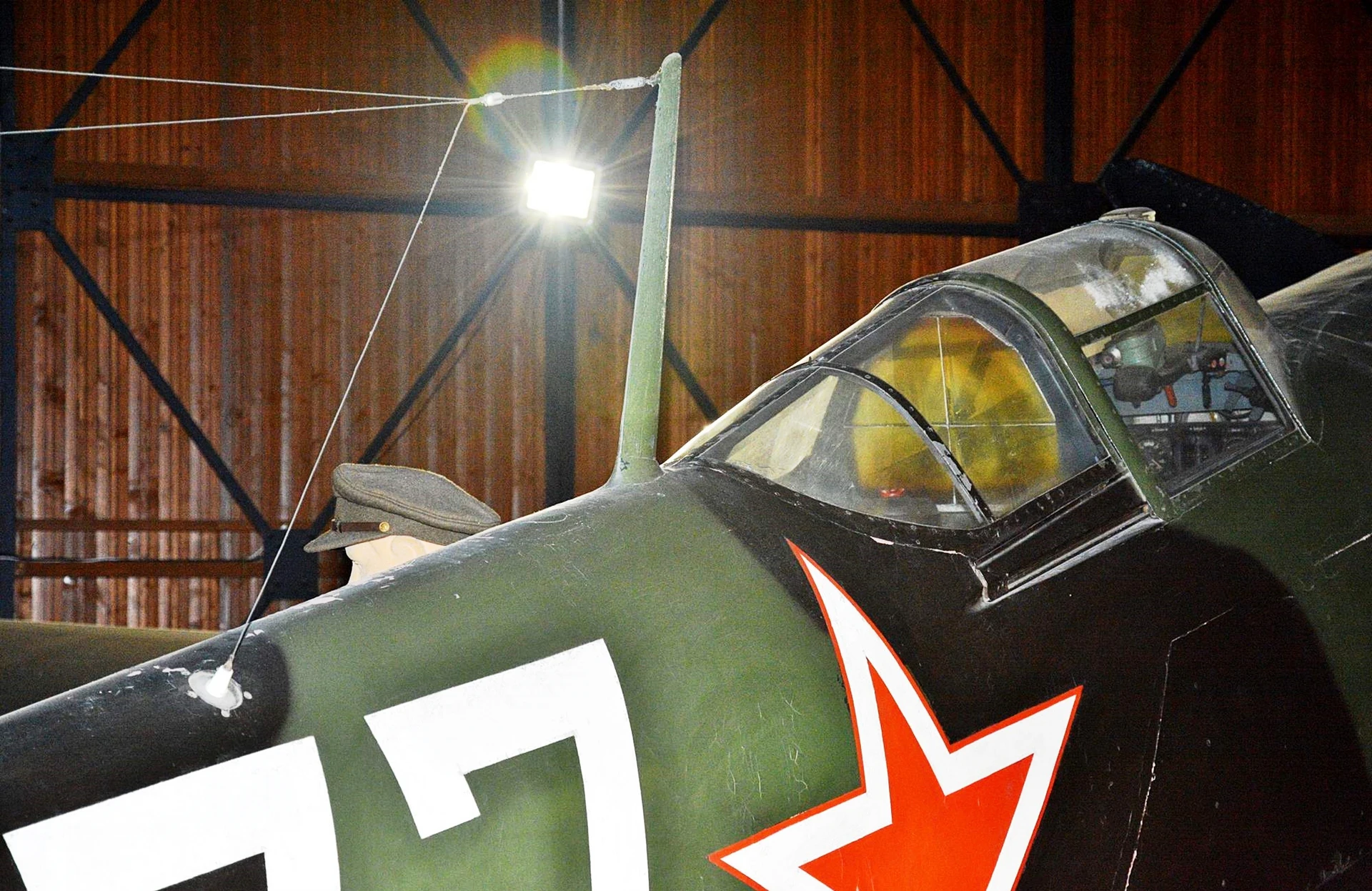


| Lavochkin La-7 Zufuß | |
|---|---|
| Fotograf | Unbekannter |
| Lokalisierung | Unbekannter |
| Fotos | 8 |
Siehe auch:


General Characteristics
The Lavochkin La-7 was a Soviet piston-engined, single-seat fighter aircraft developed late in World War II. As the ultimate refinement of the La-5 series, the La-7 introduced significant aerodynamic improvements and the replacement of some wooden parts with aluminum, resulting in better overall performance and reduced weight. It was regarded by many Soviet pilots, including the top Allied ace Ivan Kozhedub, as the equal of any German piston-engined fighter at low to medium altitudes, excelling as an air superiority fighter and interceptor on the Eastern Front.
| Property | Typical Value (1945 Production Model) |
|---|---|
| Rolle | Air Superiority Fighter, Interceptor |
| Hersteller | Lavochkin Design Bureau (OKB) |
| First Flight | Early 1944 |
| Im Dienst | 1944–1947 (USSR), up to 1950 (Czechoslovakia) |
| No. Built | 5,753 |
| Crew | 1 (Pilot) |
| Länge | 8.60 m (28 ft 3 in) |
| Flügelspannweite | 9.80 m (32 ft 2 in) |
| Max Takeoff Weight | 3,315 kg (7,308 lb) |
Powerplant and Performance
- Engine: One Shvetsov ASh-82FN 14-cylinder air-cooled radial engine.
- Power Output: 1,380 kW (1,850 hp).
- Maximum Speed: 661 km/h (411 mph) at 6,000 m (19,700 ft). Some prototypes reached 680 km/h.
- Maximum Speed (Sea Level): 597 km/h (371 mph).
- Service Ceiling: 10,450 m (34,280 ft).
- Rate of Climb: Approx. 15.7 m/s (3,095 ft/min).
- Key Improvement: Aerodynamic refinements included moving the oil cooler from the nose to under the fuselage and relocating the engine air intake to the wing roots.
Bewaffnung
- Standard Armament: 2 x 20 mm ShVAK cannons (with 200 rounds per gun), firing through the propeller arc.
- Alternate Armament: Later production runs were armed with 3 x 20 mm Berezin B-20 cannons (with 100 rounds per gun), which were lighter and improved firepower.
- Suspended Ordnance: Up to 200 kg (440 lb) of bombs on two underwing hardpoints (typically 50 kg or 100 kg bombs).
- Pilot Feedback: Pilots praised the concentration of fire from the nose-mounted cannons, though the standard ShVAK guns were sometimes criticized for having less effective damage than comparable German weapons.
Aufrufe : 3390
Sie können auch sehen:
 Northrop F-89 Scorpion – Fotos & Video
 North American FJ-4 Fury – Fotos & Video
 Messerschmitt Me 410 – Fotos & Video
 McDonnell Douglas F/A-18 Hornet – Fotos & Video
 Mitsubishi A6M Zero – Zu Fuß um
 Hawker Hurricane – Walk Around
 Bell P-39N Airacobra – WalkAround
 Konsolidierter B-24M Liberator – WalkAround
 P-47D Thunderbolt – WalkAround
 A-20 Havoc – WalkAround