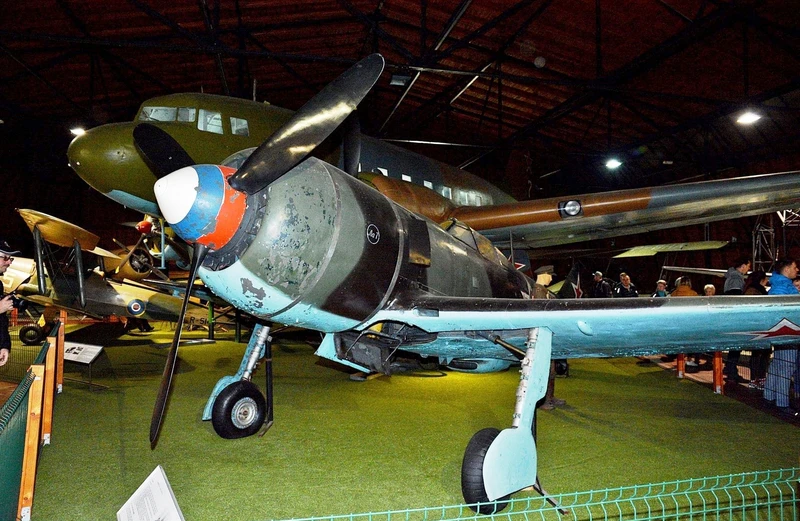
Лавокин Ла-7 | |
|---|---|
| Страна | Съветски съюз |
| Тип | Боец |
| Първи полет | 1 февруари 1944 г. |
| Построен | 5800+ |
1. Лавокин Ла-7 (на руски: Лавот 7) е едноместни изтребители на еднодвойни изтребители, разработени по време на Втората световна война от Лавокското бюро за дизайн. Това е развитие и усъвършенстване на Лавоккин Ла-5, и последният в семейството на самолети, които са започнали с LaGG-1 през 1938. Първият полет е в началото на 1944 г. и влиза в експлоатация със Съветските военновъздушни сили по-късно през годината. Малка партида от Ла-7s е дадена на Чехословашката военновъздушни сили през следващата година, но в противен случай тя не е изнесена. Въоръжен с два или три 20 мм оръдия, той е имал максимална скорост от 661 километра в час (411 mph). Ла-7 е усетен от пилотите си да бъде поне равен на всеки немски изтребител с бутален двигател. Той е постепенно излязъл през 1947 г. от съветските военновъздушни сили, но служи до 1950 г. с Военновъздушните сили на Чехословашката.
Източник: Лавоккин Лава 7 на Вики
| Lavockin La-7 Разходка наоколо | |
|---|---|
| Фотограф | Павел Сенк |
| Локализация | Не знам |
| Снимки | 30 |
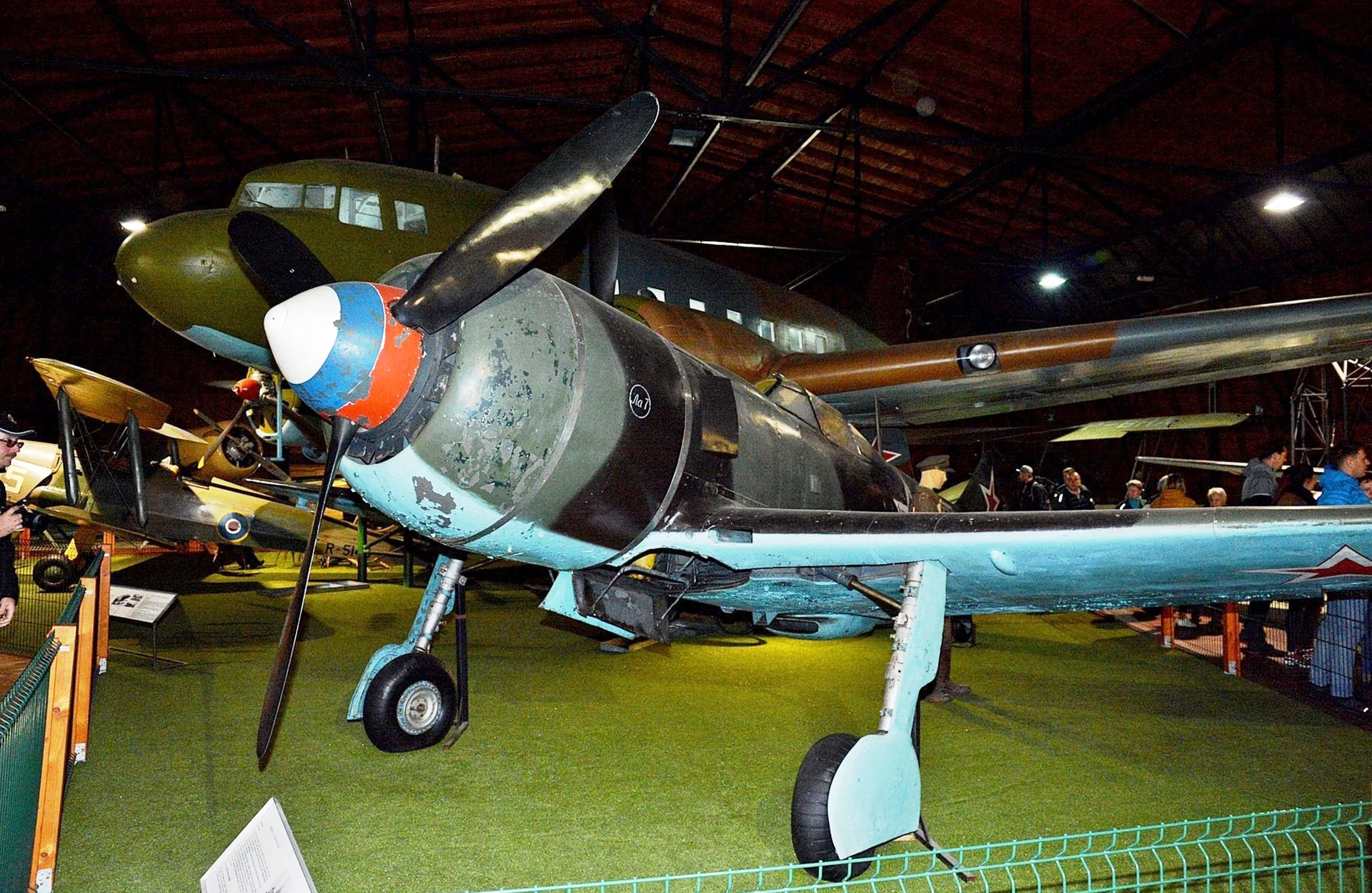
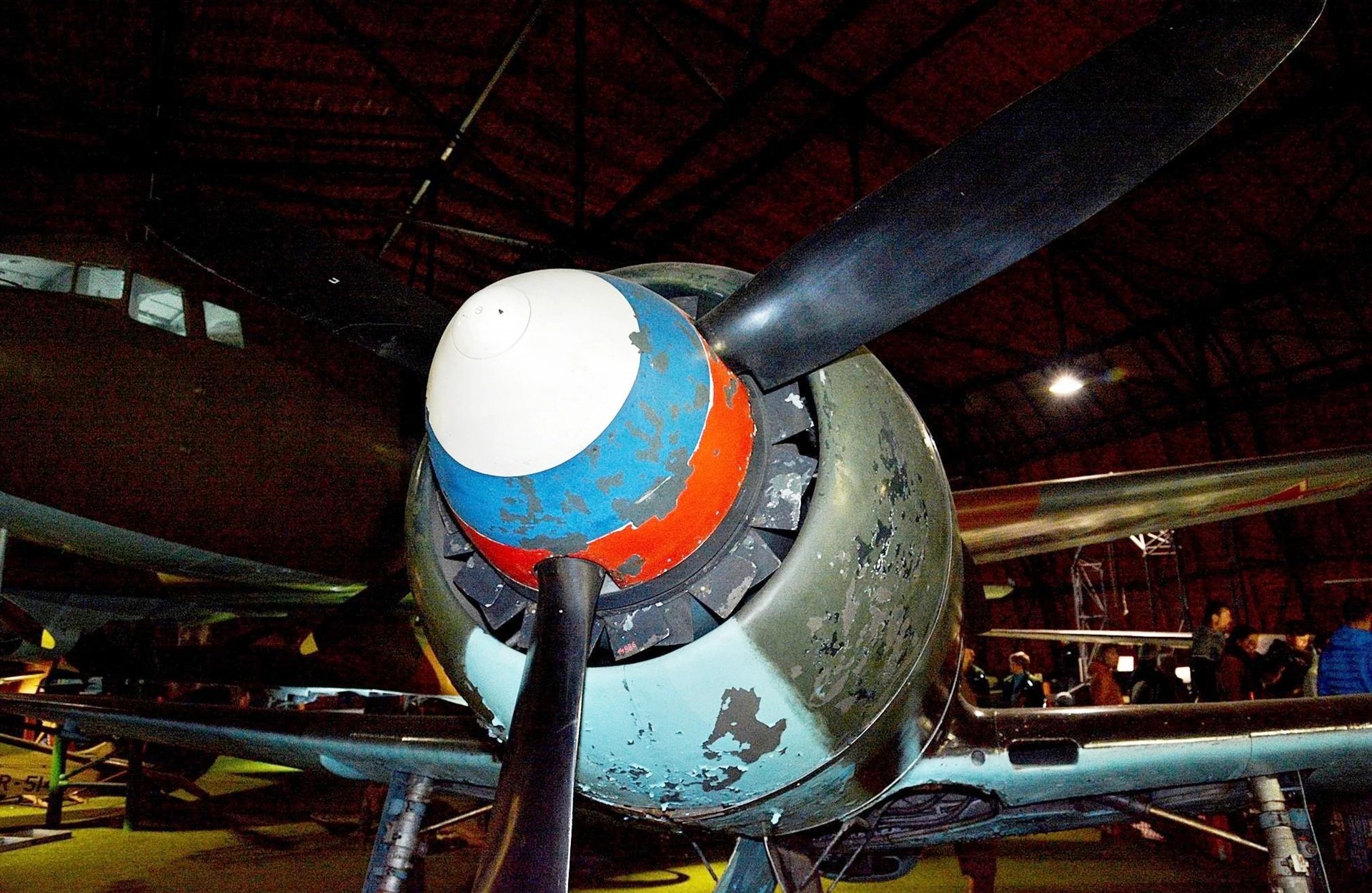
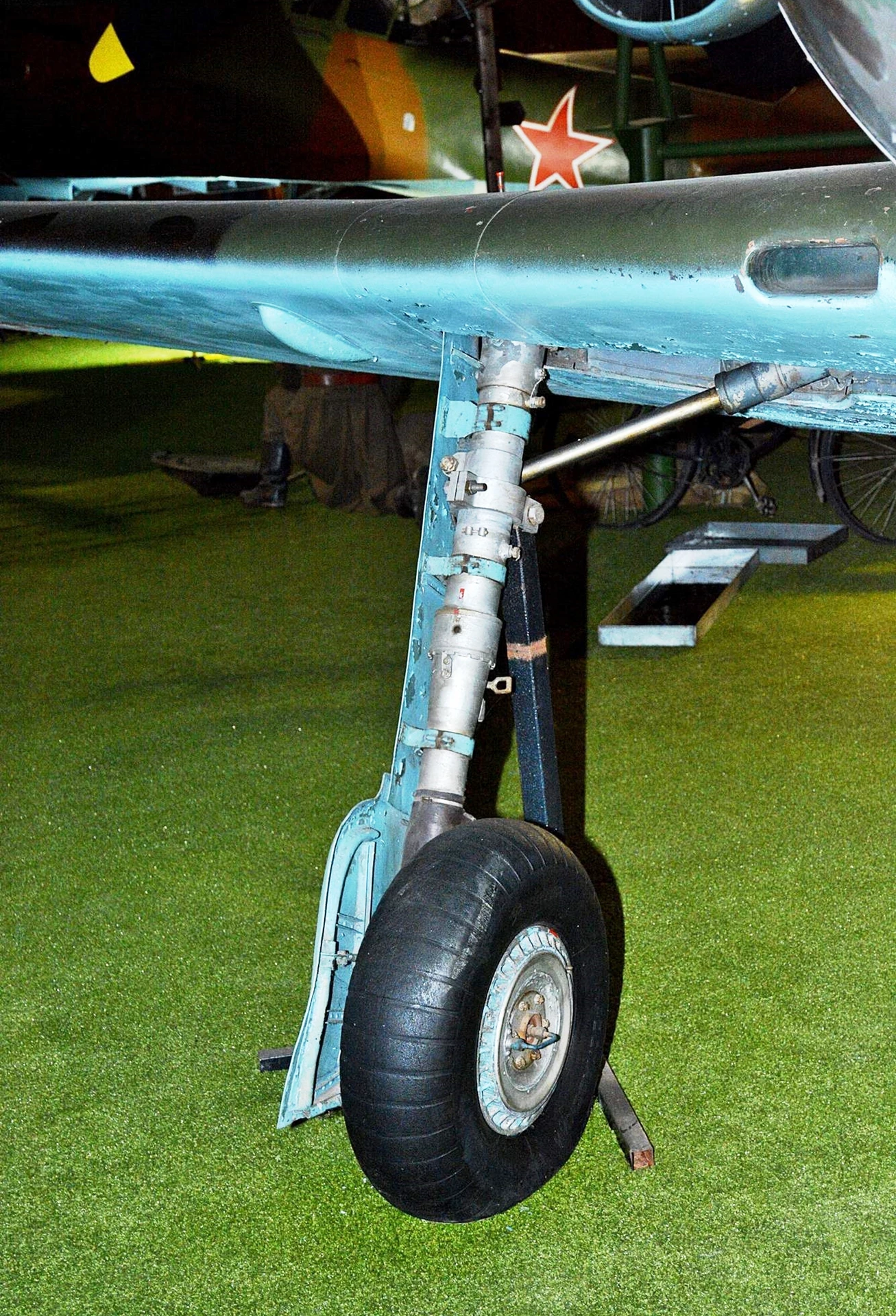
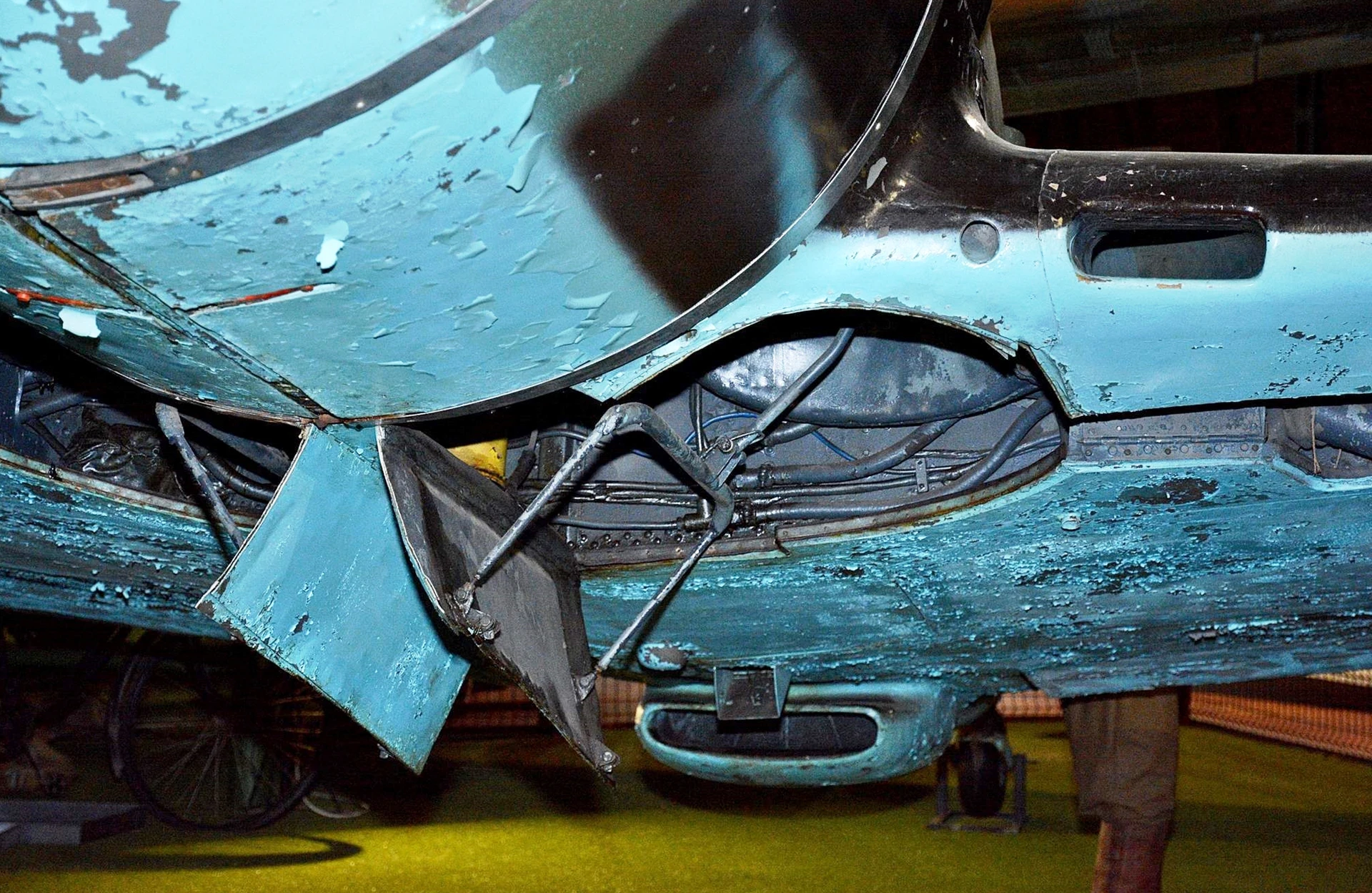
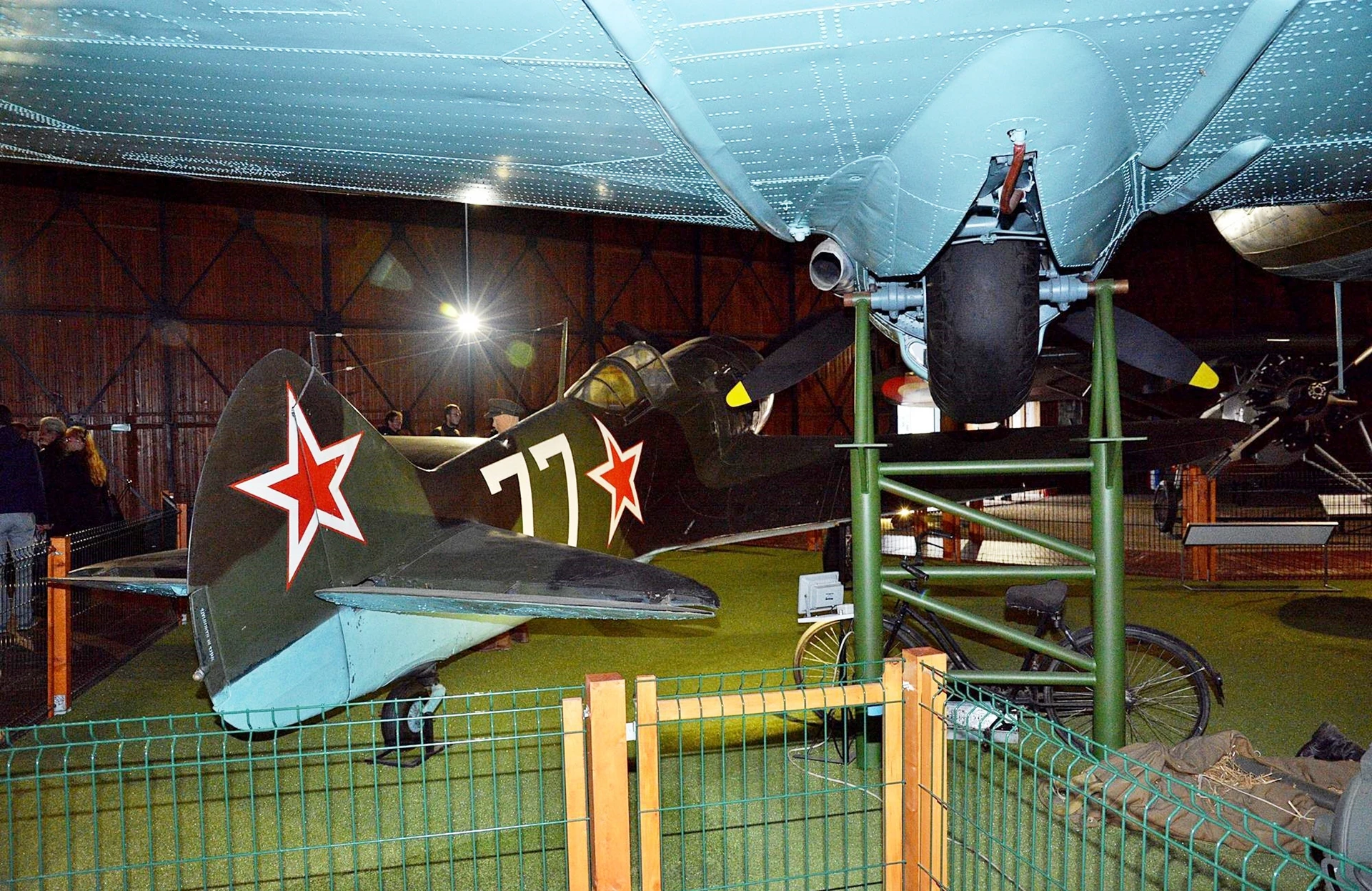
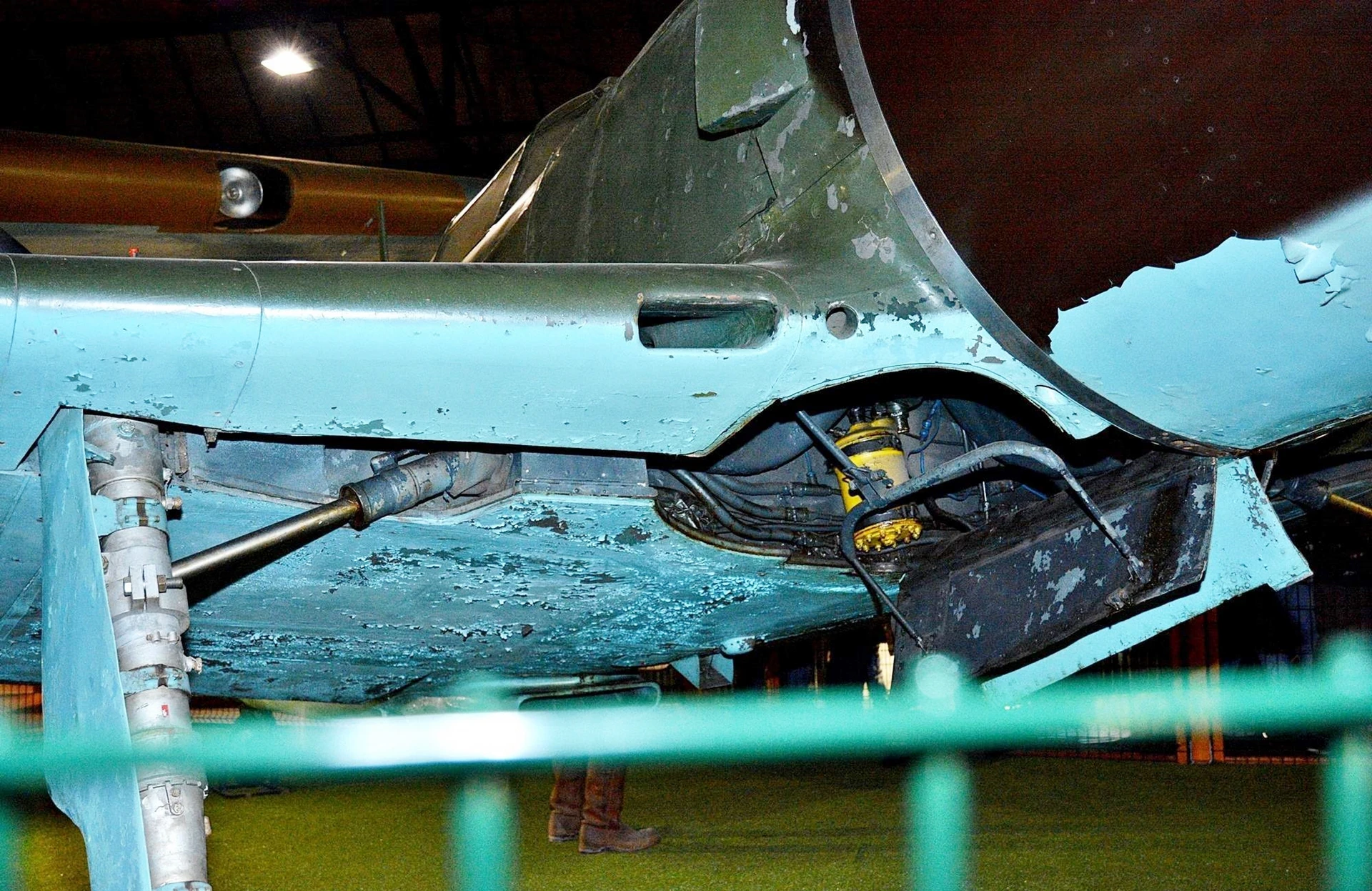
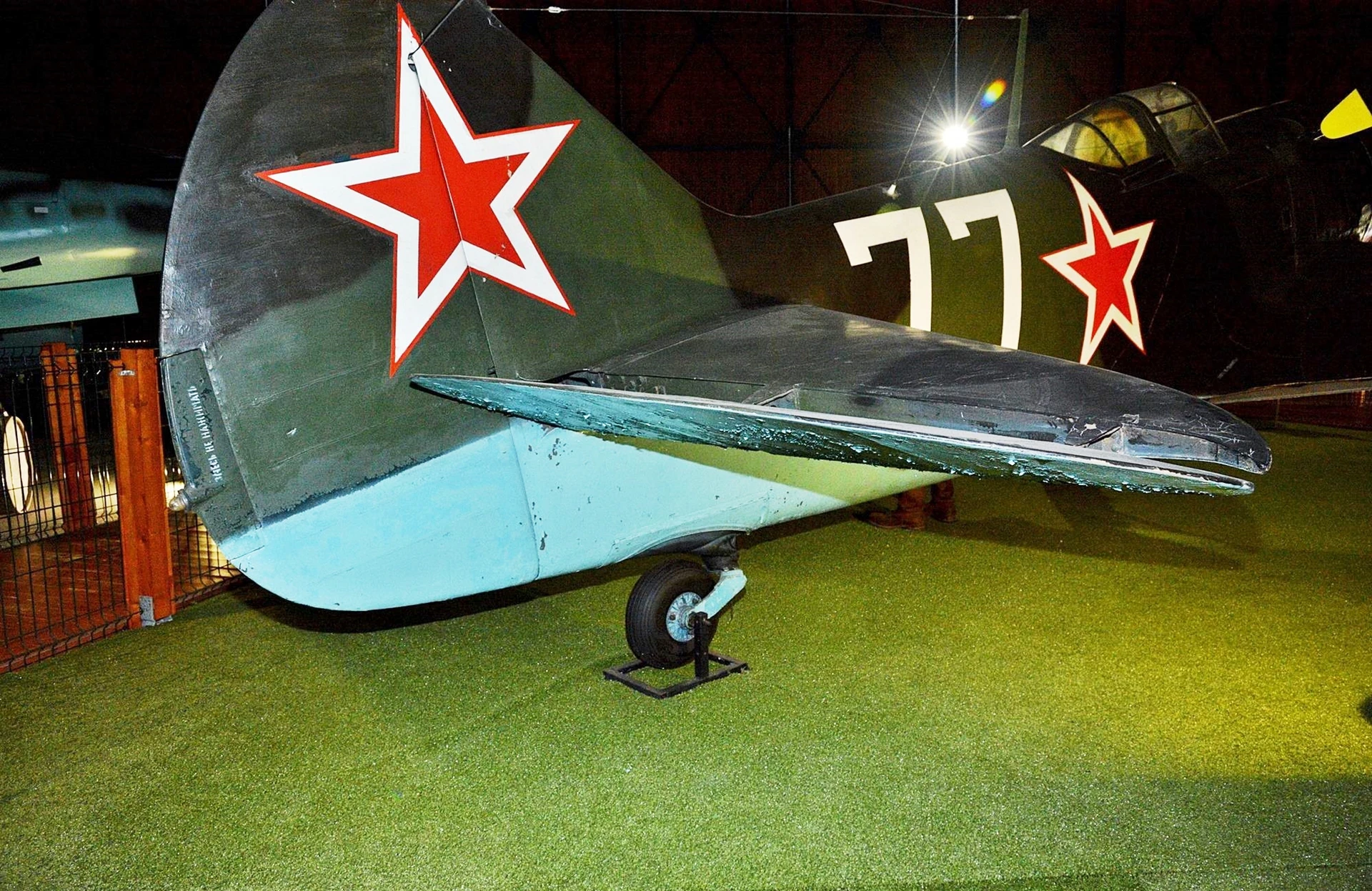
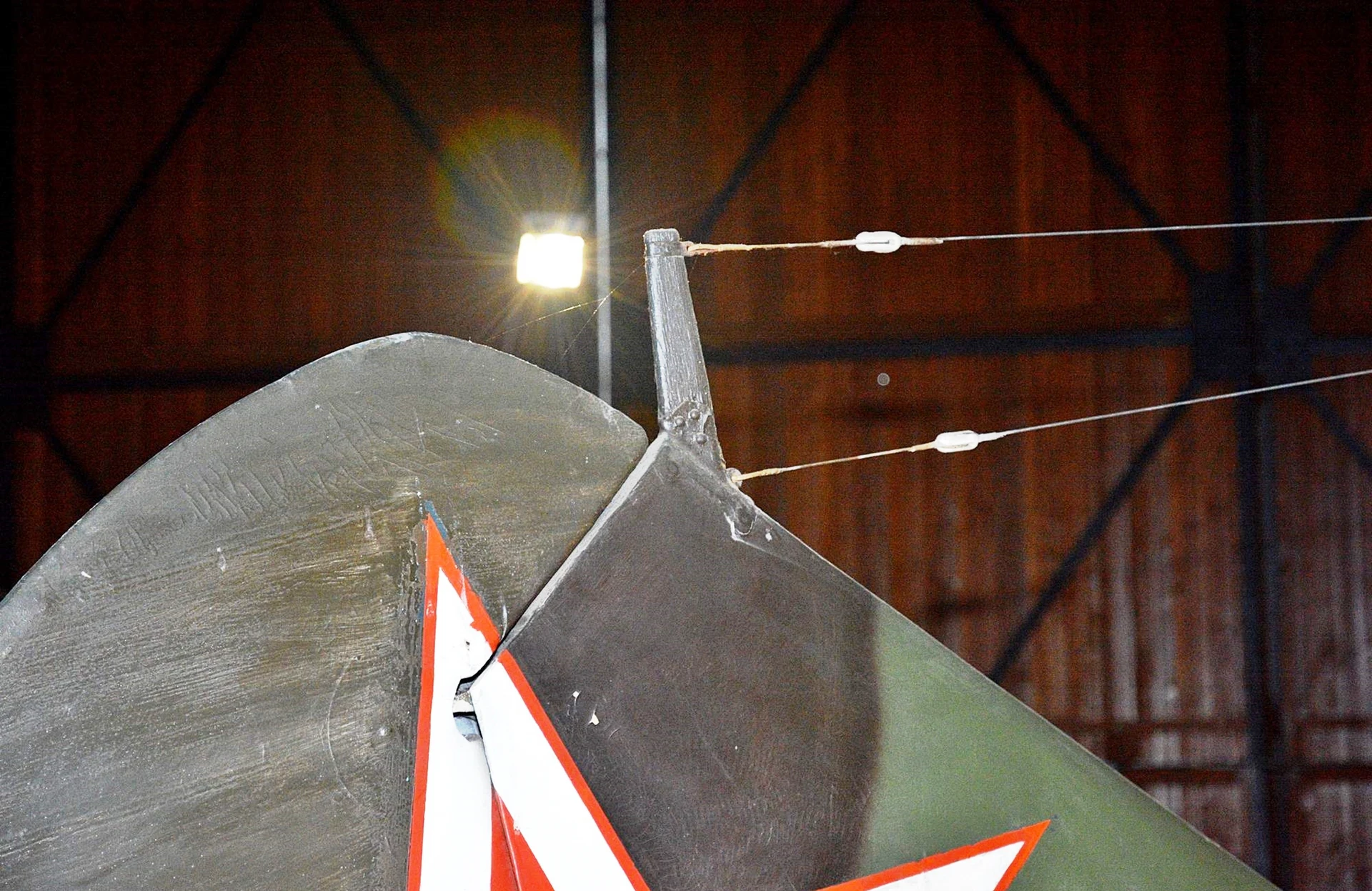
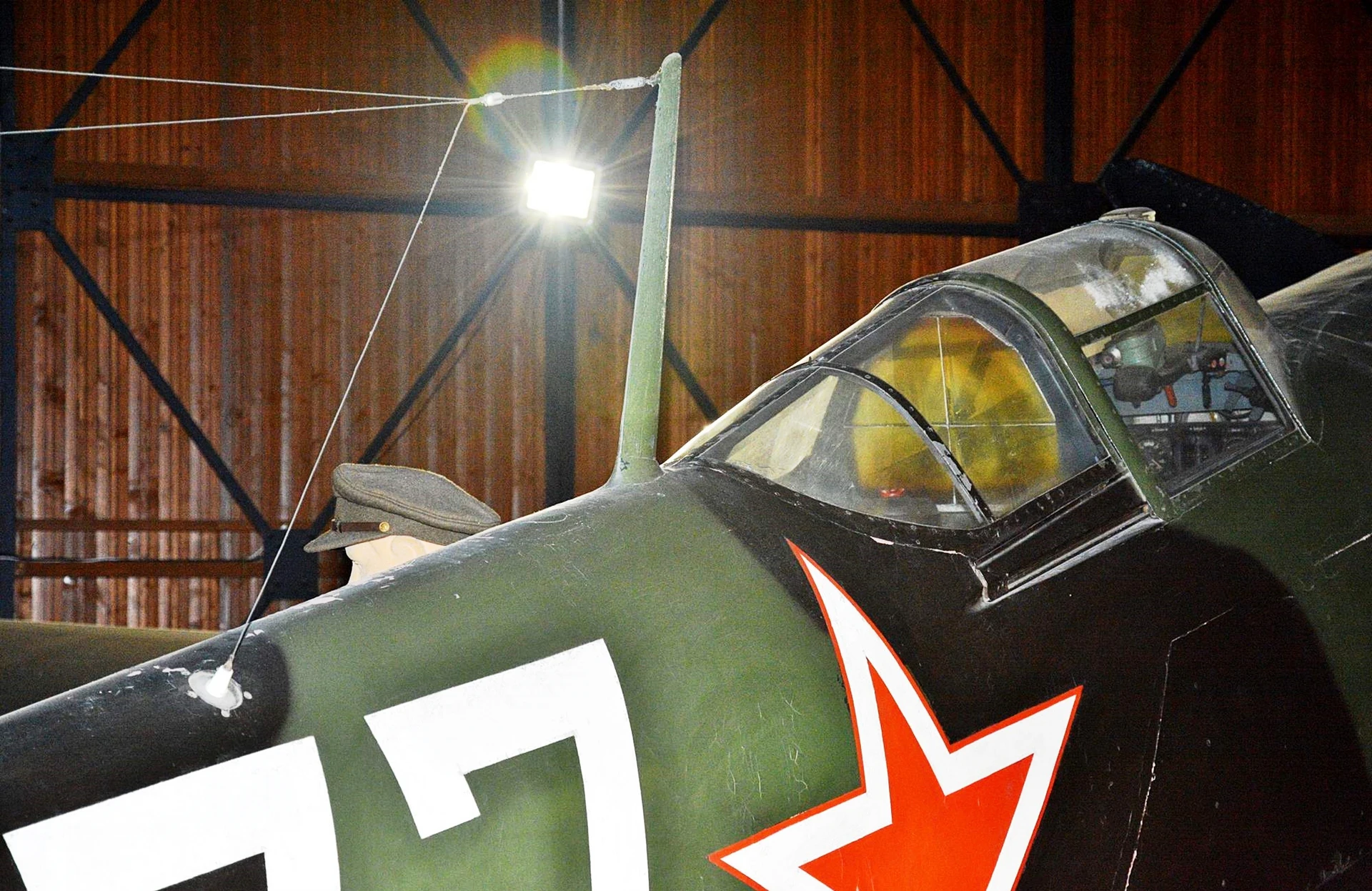


| Лавоккин Ла-7 разходка около | |
|---|---|
| Фотограф | Не знам |
| Локализация | Не знам |
| Снимки | 8 |
Вижте също:


General Characteristics
The Lavochkin La-7 was a Soviet piston-engined, single-seat fighter aircraft developed late in World War II. As the ultimate refinement of the La-5 series, the La-7 introduced significant aerodynamic improvements and the replacement of some wooden parts with aluminum, resulting in better overall performance and reduced weight. It was regarded by many Soviet pilots, including the top Allied ace Ivan Kozhedub, as the equal of any German piston-engined fighter at low to medium altitudes, excelling as an air superiority fighter and interceptor on the Eastern Front.
| Property | Typical Value (1945 Production Model) |
|---|---|
| Роля | Air Superiority Fighter, Interceptor |
| Производителя | Lavochkin Design Bureau (OKB) |
| First Flight | Early 1944 |
| В експлоатация | 1944–1947 (USSR), up to 1950 (Czechoslovakia) |
| No. Built | 5,753 |
| Екипажа | 1 (Pilot) |
| Дължина | 8.60 m (28 ft 3 in) |
| Размах | 9.80 m (32 ft 2 in) |
| Max Takeoff Weight | 3,315 kg (7,308 lb) |
Powerplant and Performance
- Engine: One Shvetsov ASh-82FN 14-cylinder air-cooled radial engine.
- Power Output: 1,380 kW (1,850 hp).
- Maximum Speed: 661 km/h (411 mph) at 6,000 m (19,700 ft). Some prototypes reached 680 km/h.
- Maximum Speed (Sea Level): 597 km/h (371 mph).
- Service Ceiling: 10,450 m (34,280 ft).
- Rate of Climb: Approx. 15.7 m/s (3,095 ft/min).
- Key Improvement: Aerodynamic refinements included moving the oil cooler from the nose to under the fuselage and relocating the engine air intake to the wing roots.
Въоръжение
- Standard Armament: 2 x 20 mm ShVAK cannons (with 200 rounds per gun), firing through the propeller arc.
- Alternate Armament: Later production runs were armed with 3 x 20 mm Berezin B-20 cannons (with 100 rounds per gun), which were lighter and improved firepower.
- Suspended Ordnance: Up to 200 kg (440 lb) of bombs on two underwing hardpoints (typically 50 kg or 100 kg bombs).
- Pilot Feedback: Pilots praised the concentration of fire from the nose-mounted cannons, though the standard ShVAK guns were sometimes criticized for having less effective damage than comparable German weapons.
Отправки : 3386
Можете да видите също :
 Northrop F-89 Скорпион – снимки и видео
 Северноамерикански FJ-4 Fury – Снимки и видео
 Messerschmitt Me 410 – Снимки и видео
 McDonnell Douglas F/A-18 Hornet – Снимки и видео
 Мицубиши А6М Нула – разходка около
 Хоукър Ураган – Разходка Около
 Звънец P-39N Айракбра – мобилна
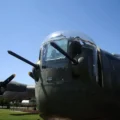 Консолидиран Б-24м освободител – мобилна
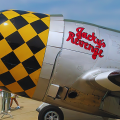 P-47D гръмотевица – мобилна
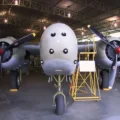 А-20 Хаос – Мобилна