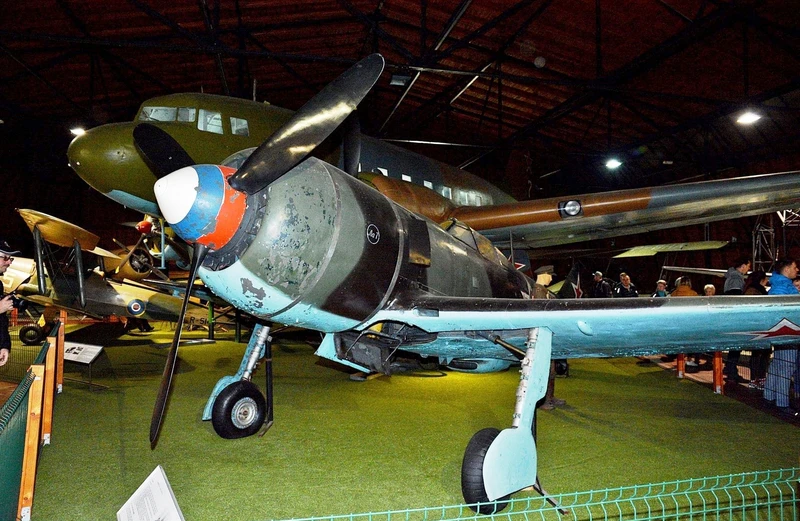
Лавочкін Ла-7 | |
|---|---|
| Країні | Радянський Союз |
| Тип | Винищувач |
| Перший політ | 1 лютого 1944 р. |
| Побудований | 5800+ |
У 201 Лавочкін Ла-7 Лавочкин Ла-7) — одномісний радянський винищувач з поршневим двигуном, розроблений під час Другої світової війни конструкторським бюро Лавочкіна. Це була розробка і вдосконалення Ла-5 Лавочкіна, і остання в сімействі літаків, яке почалося з ЛаГГ-1 в 1938 році. Його перший політ відбувся на початку 1944 року, а пізніше того ж року він надійшов на озброєння радянських ВПС. Невелика партія Ла-7 була передана ВПС Чехословаччини в наступному році, але в іншому випадку вона не експортувалася. Озброєний двома або трьома 20-мм гарматами (0,8 дюйма), він мав максимальну швидкість 661 кілометр на годину (411 миль/год). Пілоти вважали, що Ла-7 не поступається будь-якому німецькому винищувачу з поршневим двигуном. У 1947 році він був знятий з озброєння радянськими ВПС, але служив до 1950 року у ВПС Чехословаччини.
Джерело: Лавочкін Ла-7 у Вікі
| Прогулянка Лавокін Ла-7 | |
|---|---|
| Фотограф | Павло Сенк |
| Локалізацією | Незнай |
| Фото | 30 |
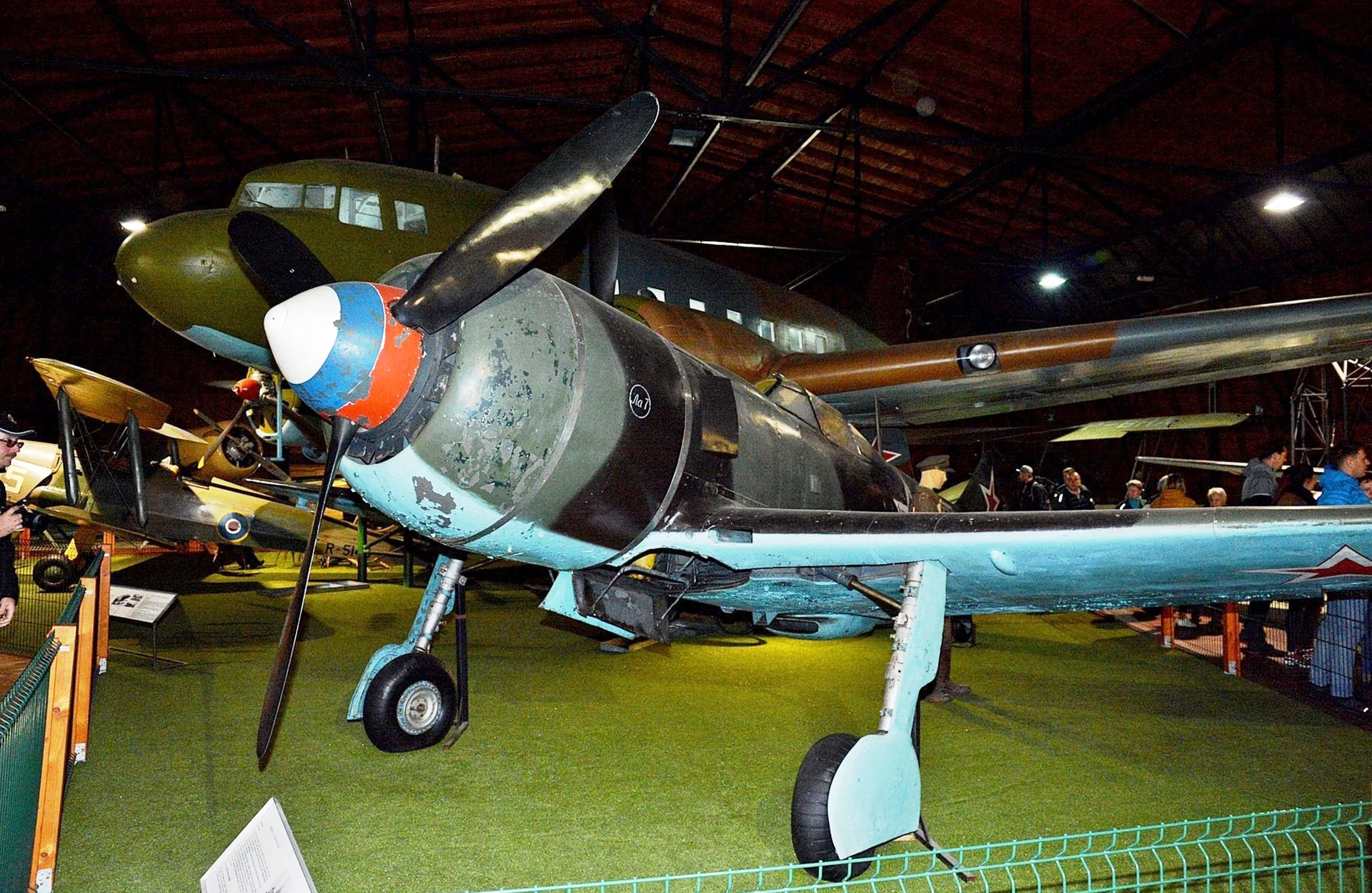
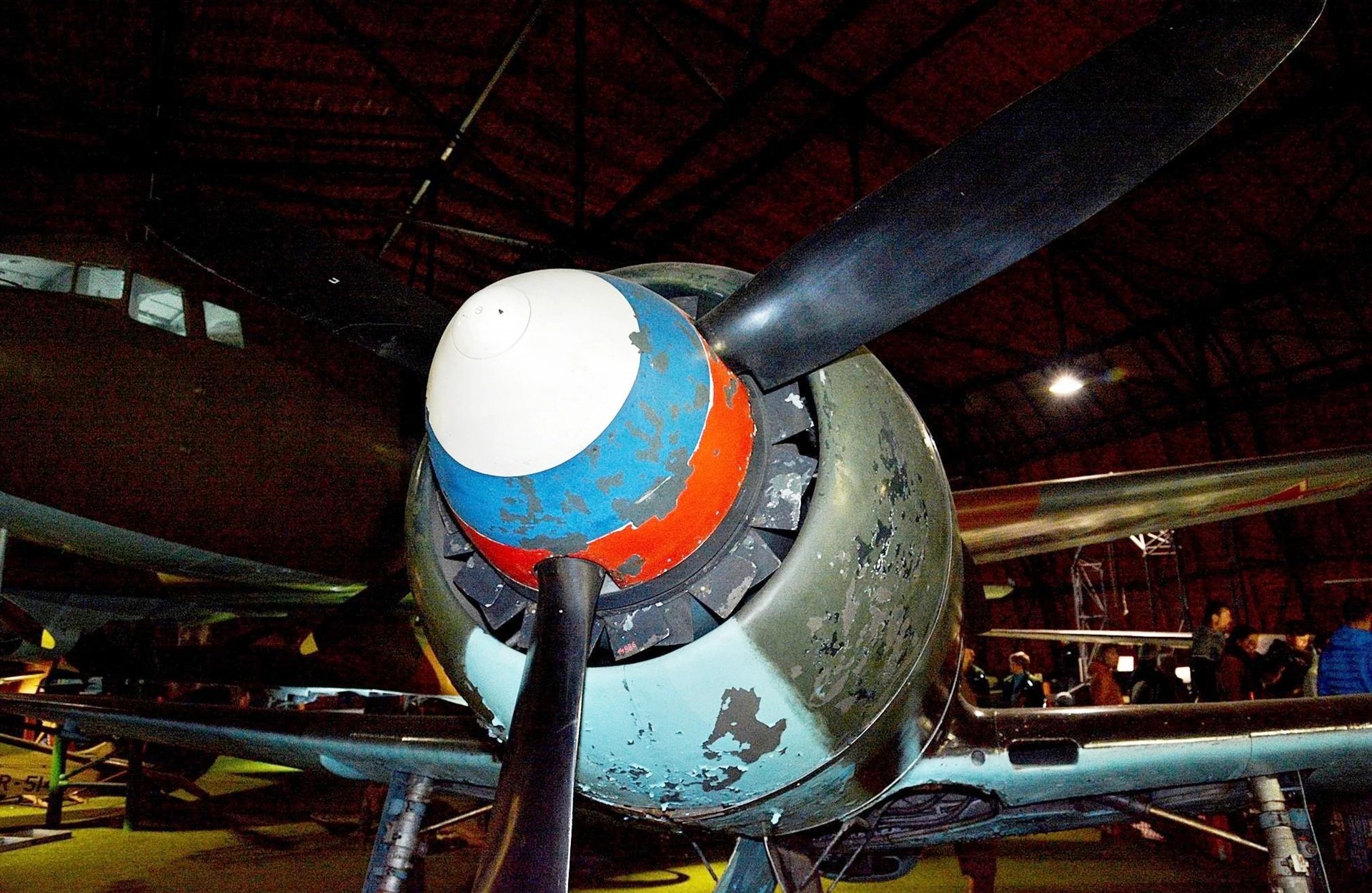
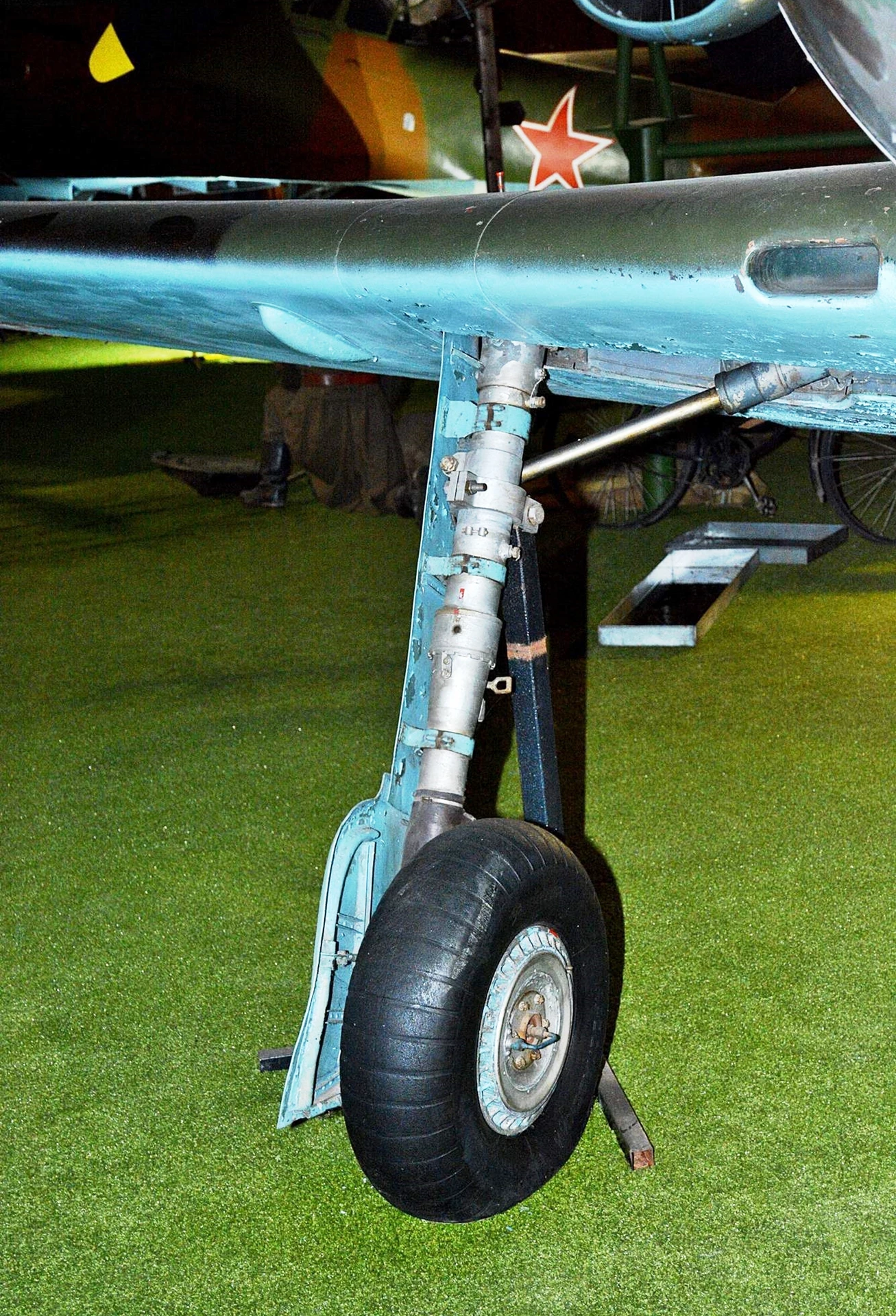
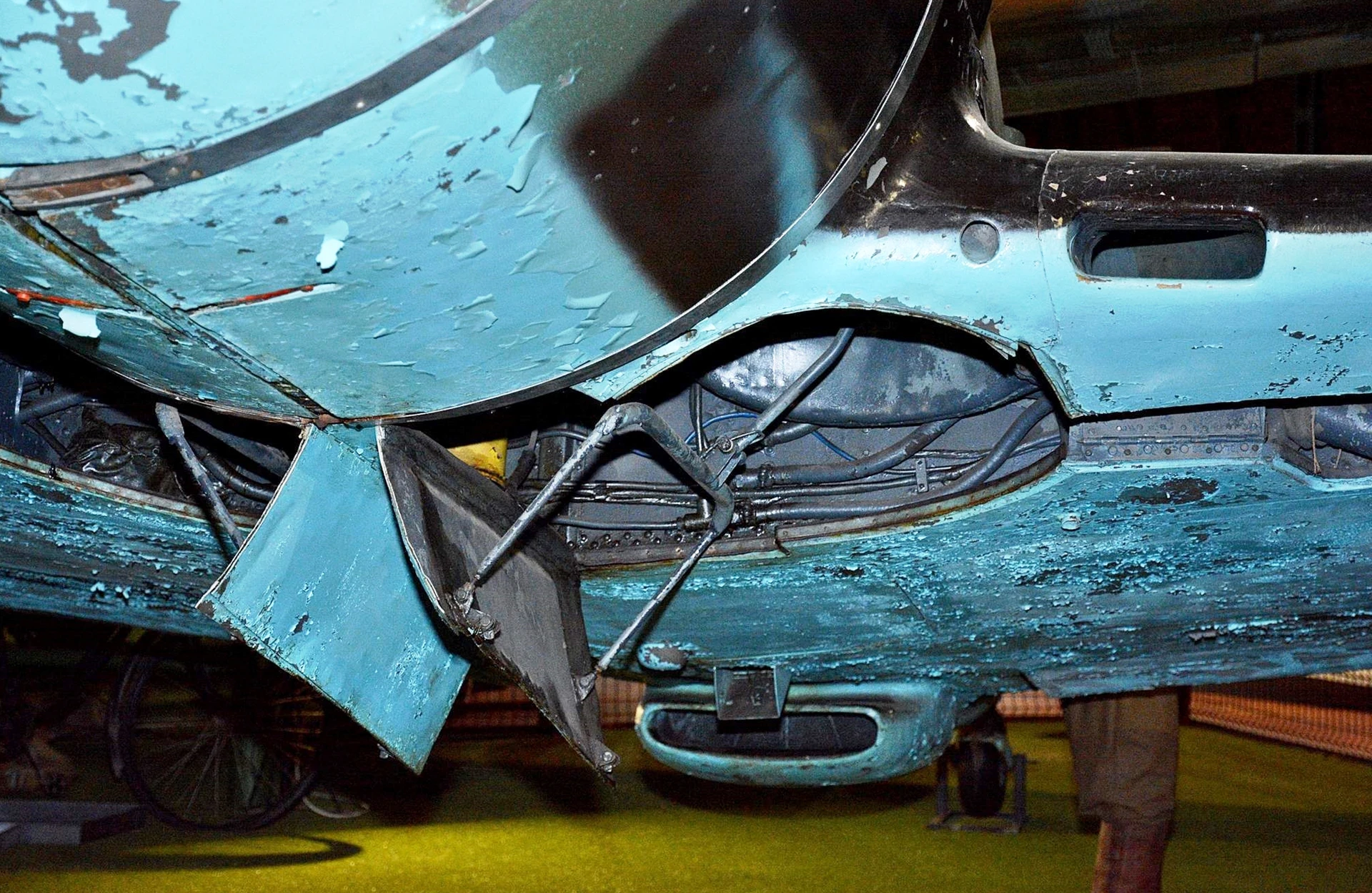
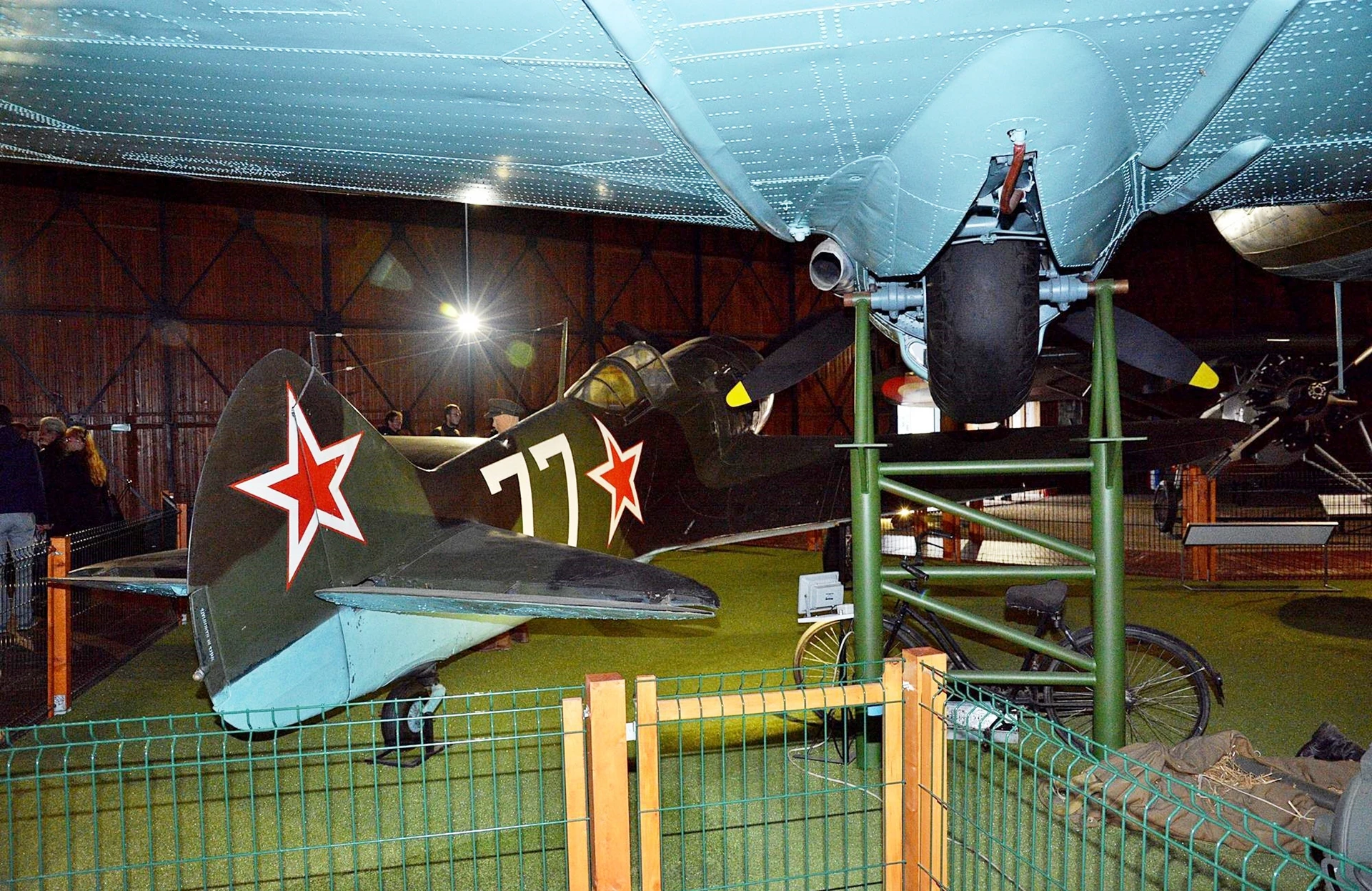
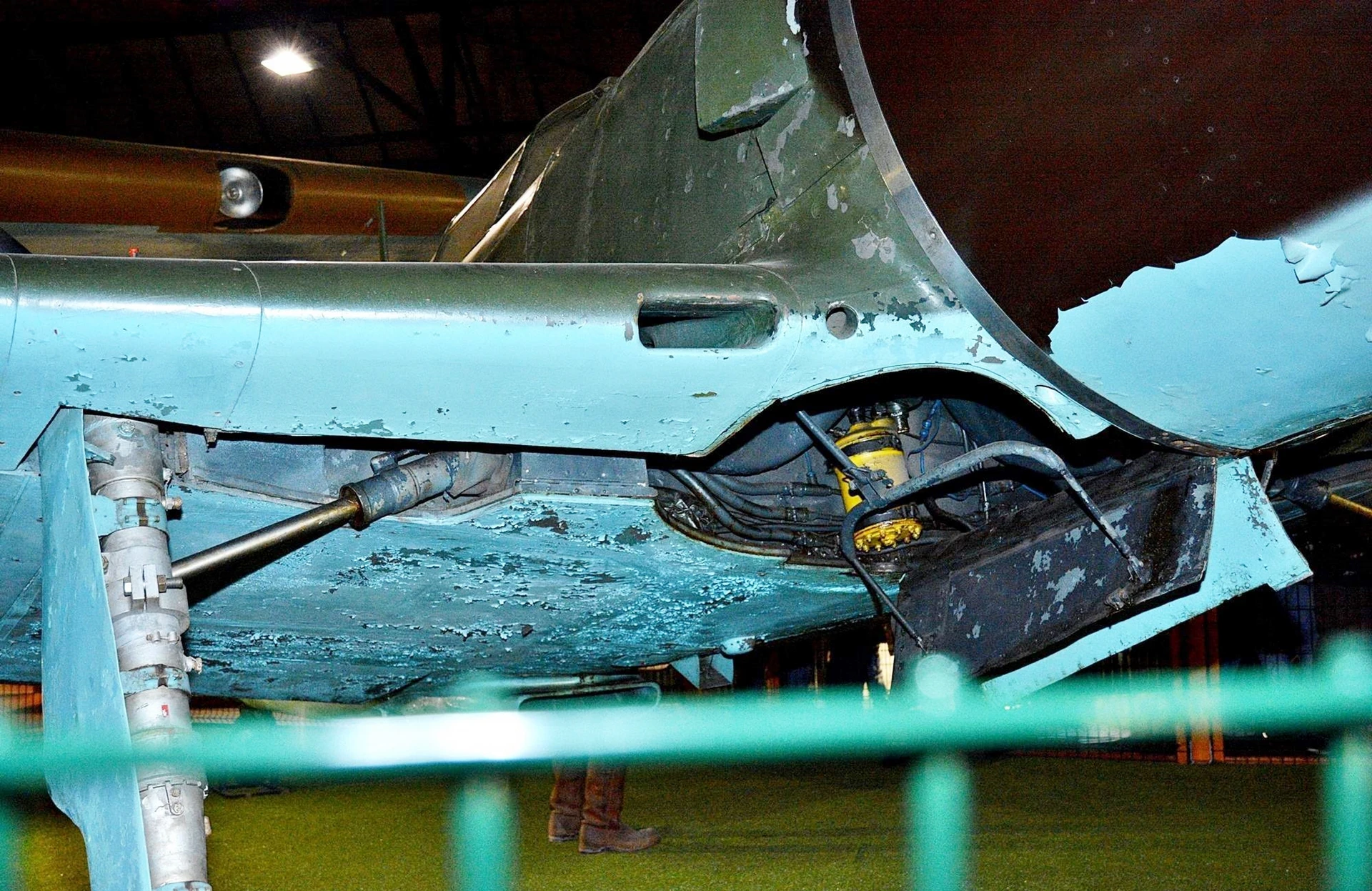
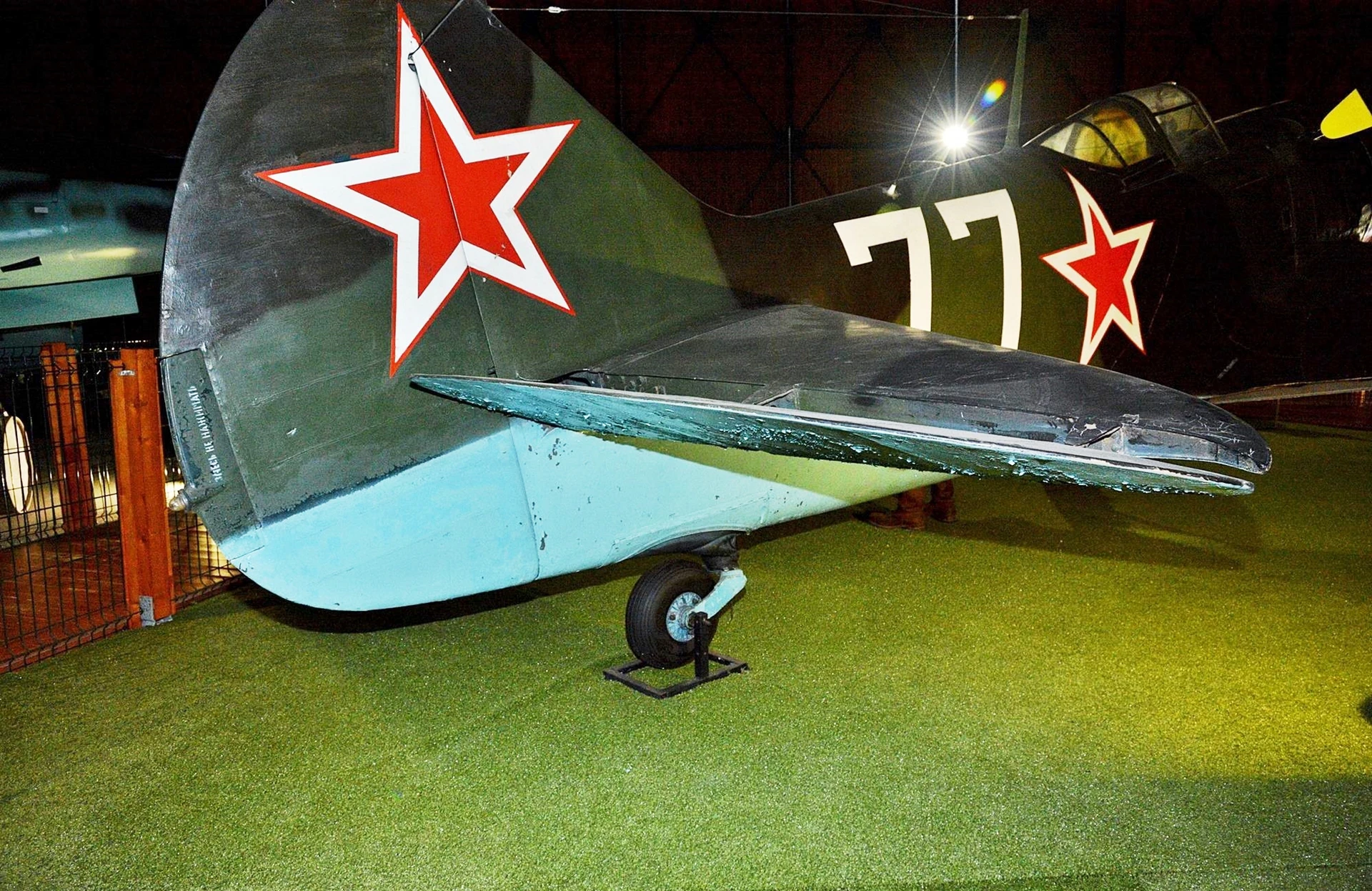
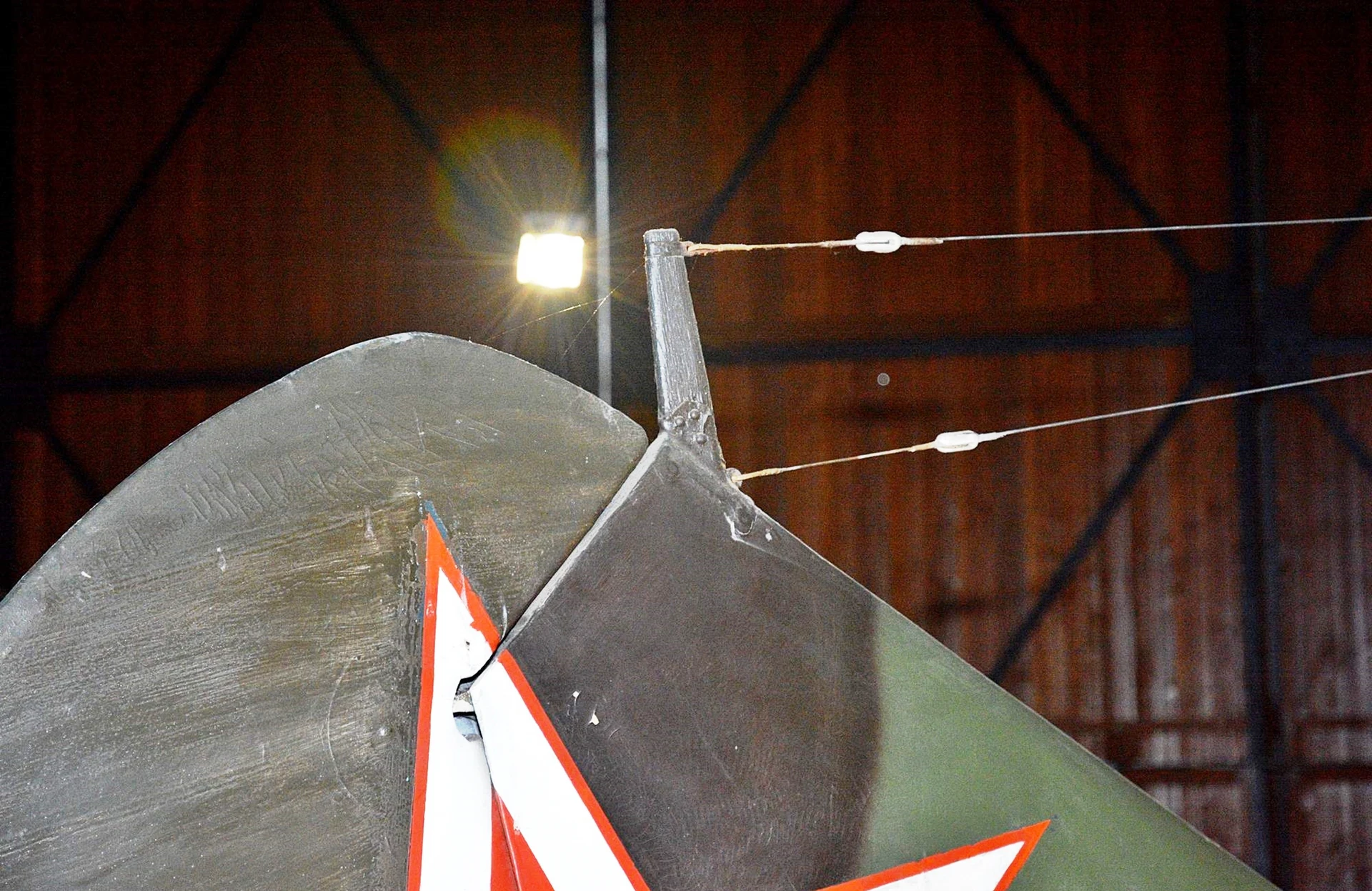
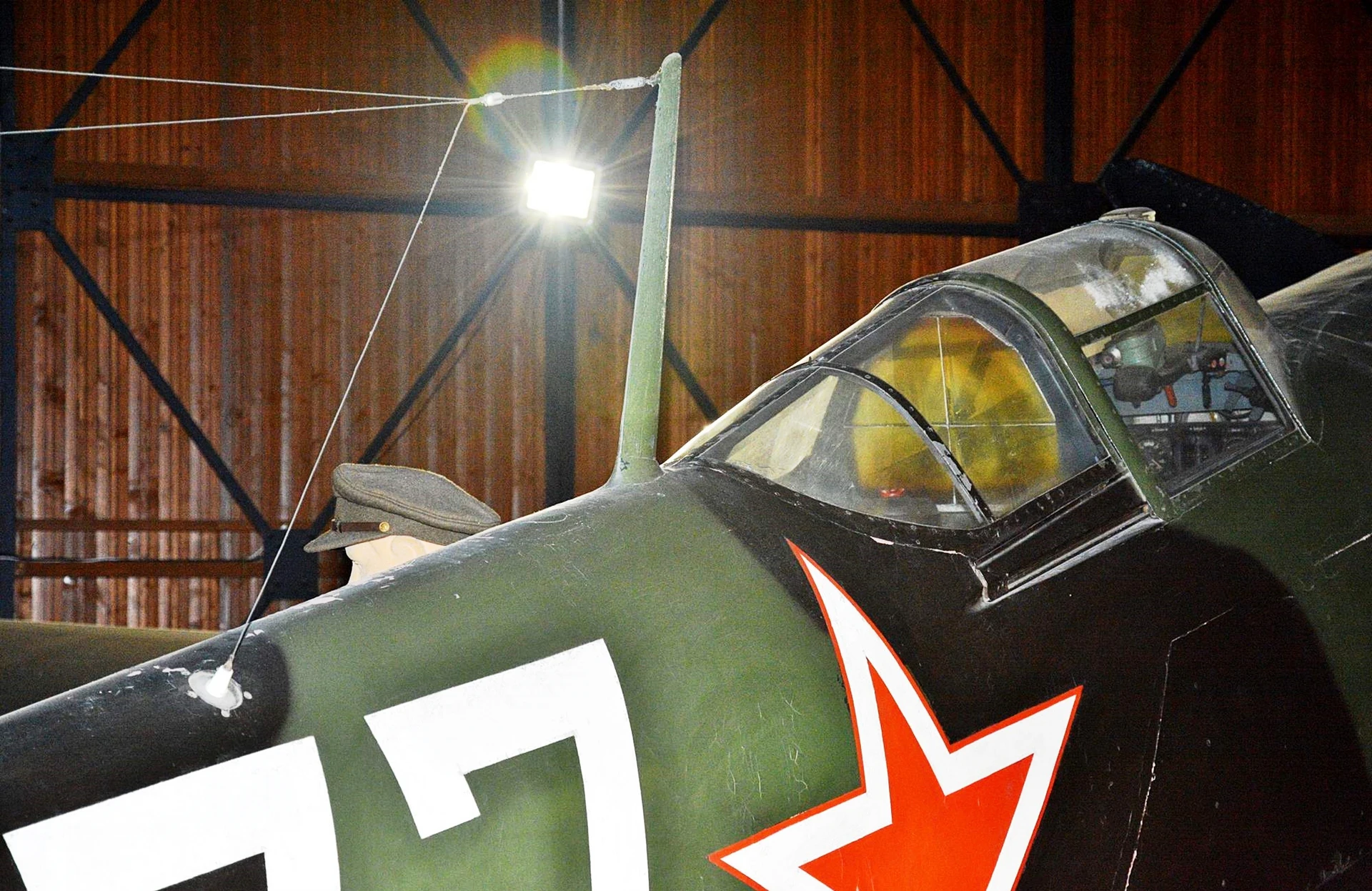


| Ла-7 Ла-7 Прогулянка навколо | |
|---|---|
| Фотограф | Незнай |
| Локалізацією | Незнай |
| Фото | 8 |
Читайте також:


General Characteristics
The Lavochkin La-7 was a Soviet piston-engined, single-seat fighter aircraft developed late in World War II. As the ultimate refinement of the La-5 series, the La-7 introduced significant aerodynamic improvements and the replacement of some wooden parts with aluminum, resulting in better overall performance and reduced weight. It was regarded by many Soviet pilots, including the top Allied ace Ivan Kozhedub, as the equal of any German piston-engined fighter at low to medium altitudes, excelling as an air superiority fighter and interceptor on the Eastern Front.
| Property | Typical Value (1945 Production Model) |
|---|---|
| Роль | Air Superiority Fighter, Interceptor |
| Виробник | Lavochkin Design Bureau (OKB) |
| First Flight | Early 1944 |
| У службі | 1944–1947 (USSR), up to 1950 (Czechoslovakia) |
| No. Built | 5,753 |
| команда | 1 (Pilot) |
| Довжина | 8.60 m (28 ft 3 in) |
| Розмах крил | 9.80 m (32 ft 2 in) |
| Max Takeoff Weight | 3,315 kg (7,308 lb) |
Powerplant and Performance
- Engine: One Shvetsov ASh-82FN 14-cylinder air-cooled radial engine.
- Power Output: 1,380 kW (1,850 hp).
- Maximum Speed: 661 km/h (411 mph) at 6,000 m (19,700 ft). Some prototypes reached 680 km/h.
- Maximum Speed (Sea Level): 597 km/h (371 mph).
- Service Ceiling: 10,450 m (34,280 ft).
- Rate of Climb: Approx. 15.7 m/s (3,095 ft/min).
- Key Improvement: Aerodynamic refinements included moving the oil cooler from the nose to under the fuselage and relocating the engine air intake to the wing roots.
Зброя
- Standard Armament: 2 x 20 mm ShVAK cannons (with 200 rounds per gun), firing through the propeller arc.
- Alternate Armament: Later production runs were armed with 3 x 20 mm Berezin B-20 cannons (with 100 rounds per gun), which were lighter and improved firepower.
- Suspended Ordnance: Up to 200 kg (440 lb) of bombs on two underwing hardpoints (typically 50 kg or 100 kg bombs).
- Pilot Feedback: Pilots praised the concentration of fire from the nose-mounted cannons, though the standard ShVAK guns were sometimes criticized for having less effective damage than comparable German weapons.
Кількість переглядів : 3482
Ви також можете побачити:
 Northrop F-89 Scorpion – фото та відео
 Північноамериканський FJ-4 Fury – фото & відео
 Мессершмітт Ме 410 – Фото & Відео
 McDonnell Douglas F/A-18 Hornet – фото та відео
 Mitsubishi A6M Нуль – Прогулянка Навколо
 Хоукер ураган – прогулянка навколо
 Дзвін P-39N Айракобра – прогулянка
 Консолідований В-24М Лібератор – обхід
 P-47D Грімболт – WalkAround
 А-20 Хаос – прогулянка