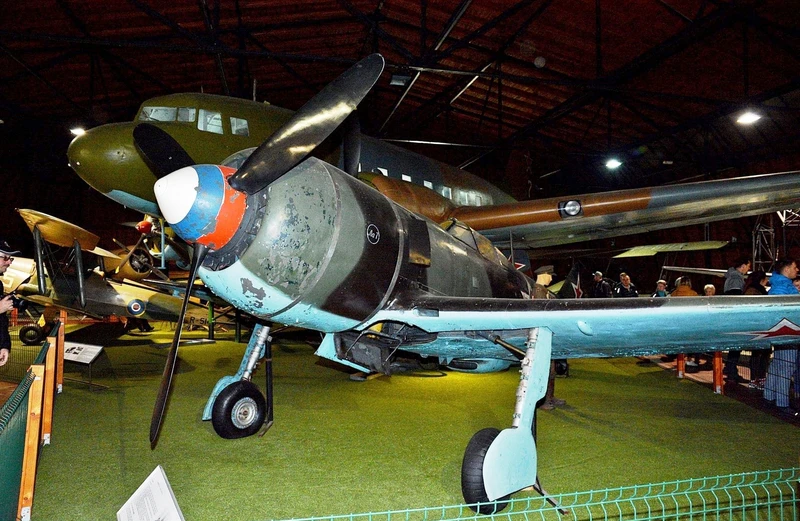
拉沃奇金拉-7 | |
|---|---|
| 国家 | 苏联 |
| 类型 | 战斗机 |
| 首次飞行 | 1944年2月1日 |
| 建立 | 5800+ |
这 拉沃奇金拉-7 (俄罗斯:Лавочкин Ла-7)是二战期间由拉沃奇金设计局研制的活塞发动机单座苏联战斗机。这是拉沃奇金拉-5的开发和完善,也是1938年从拉格-1开始的飞机系列中的最后一个。它的第一次飞行是在1944年初,并在今年晚些时候进入苏联空军服役。第二年,捷克斯洛伐克空军向捷克斯洛伐克空军提供了一批La-7,但除此之外,它没有出口。配备两三门20毫米(0.8在)大炮,它的最高时速为661公里(411英里/小时)。其飞行员认为,La-7至少与任何德国活塞发动机战斗机相当。1947年苏联空军逐步淘汰,但直到1950年在捷克斯洛伐克空军服役。
源: 维基上的拉沃奇金拉-7
| 拉沃金拉-7四处走走 | |
|---|---|
| 摄影师 | 帕维尔·森克 |
| 本地化 | 未知 |
| 照片 | 30 |
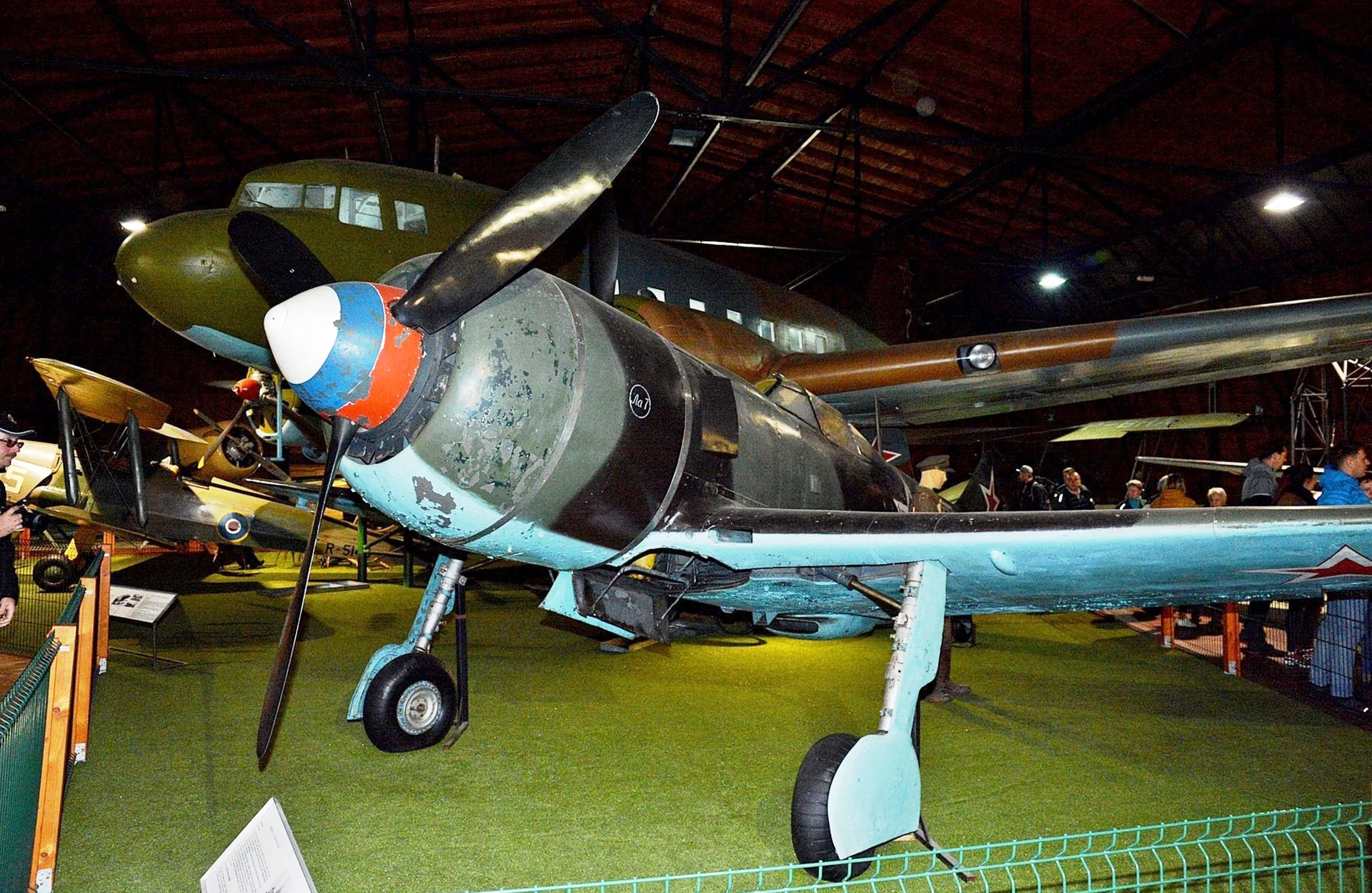
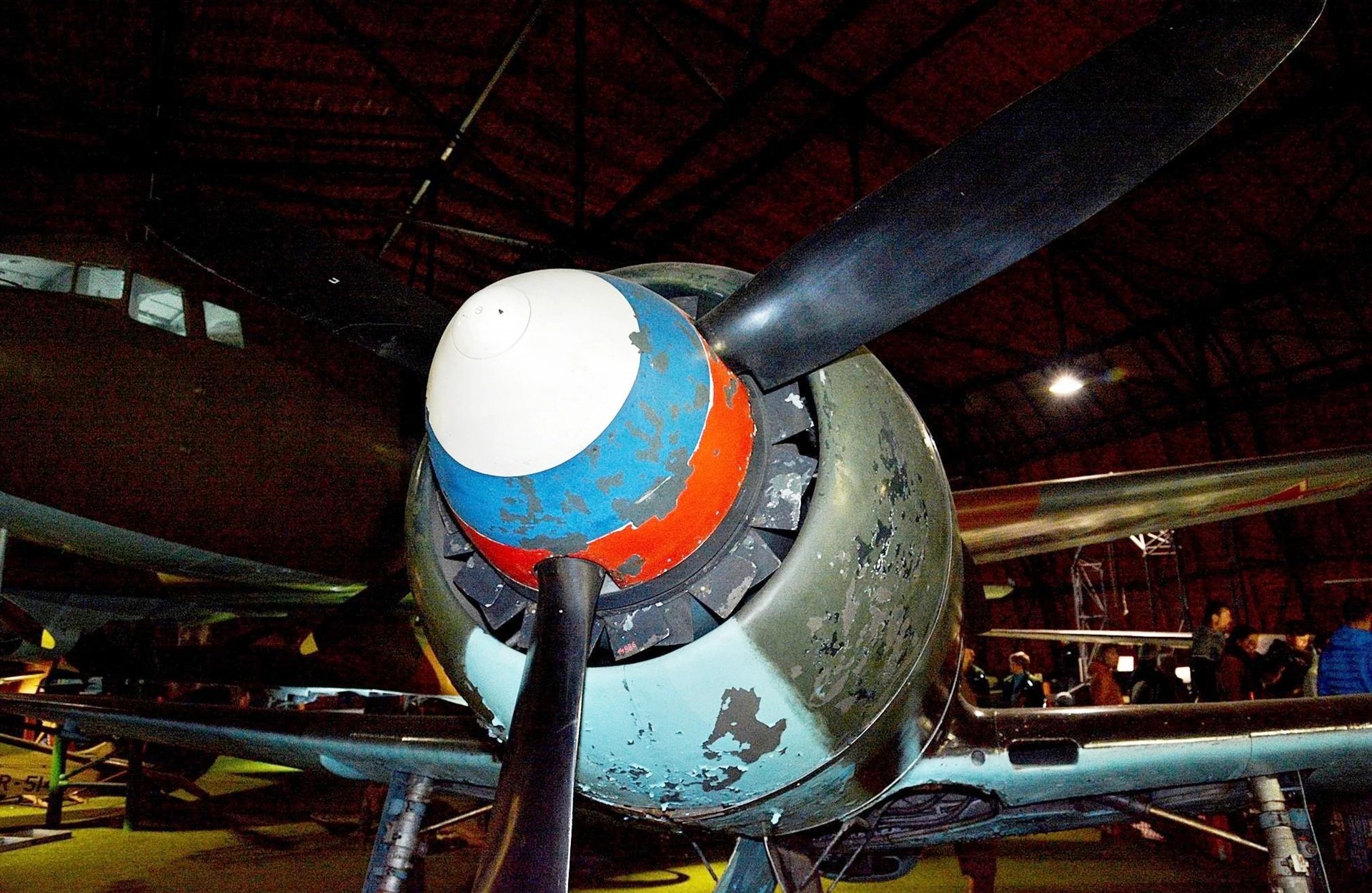
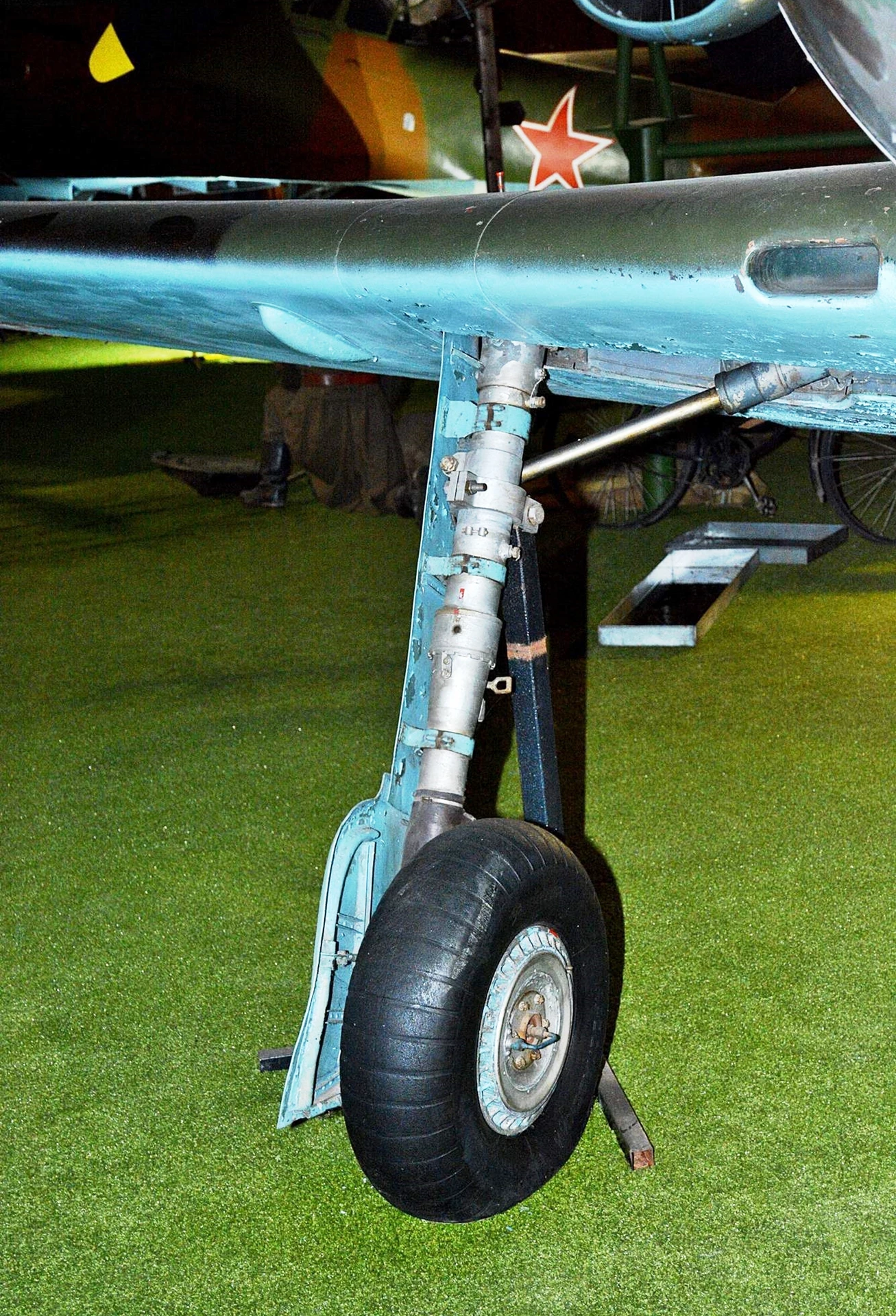
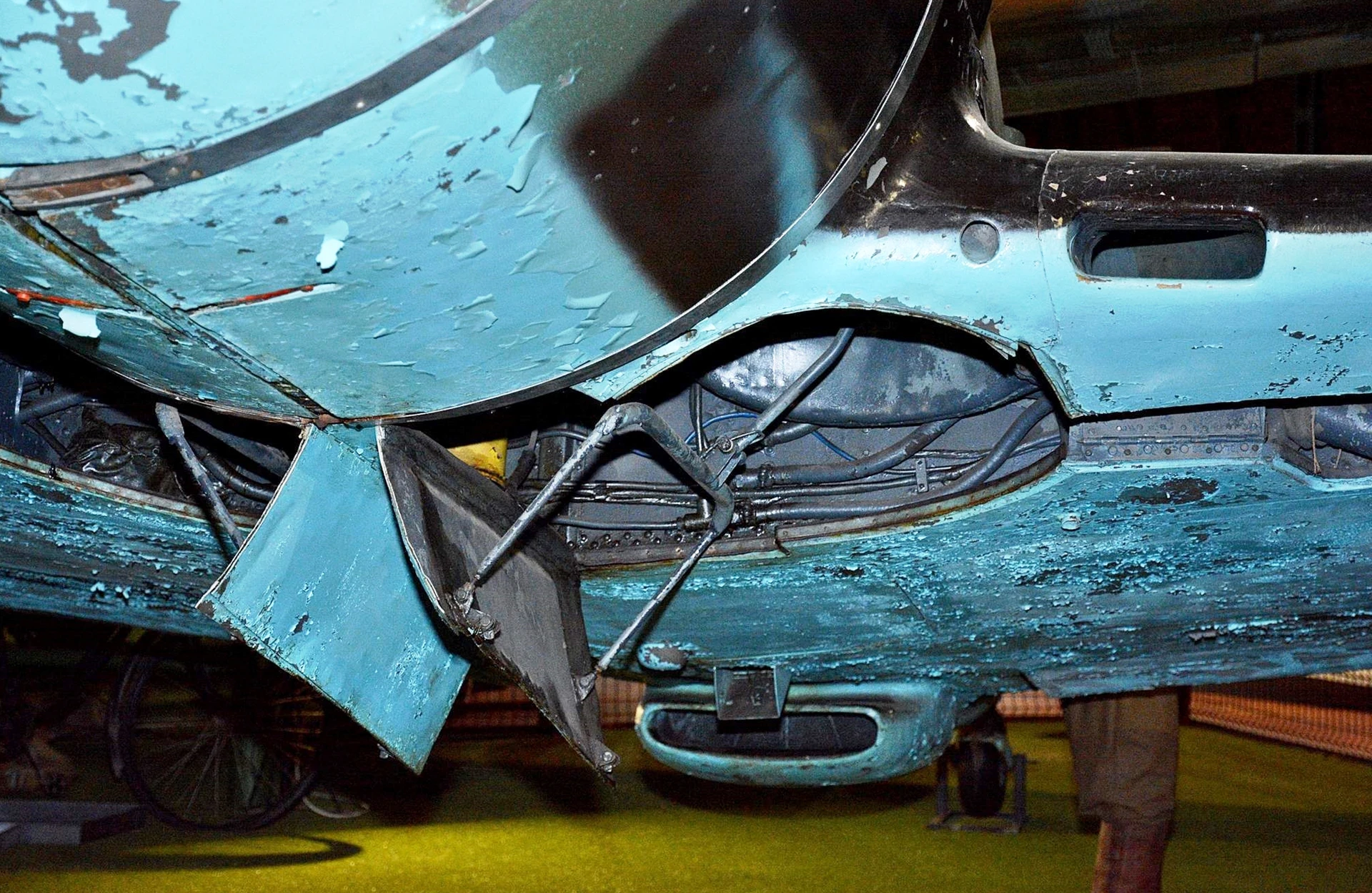
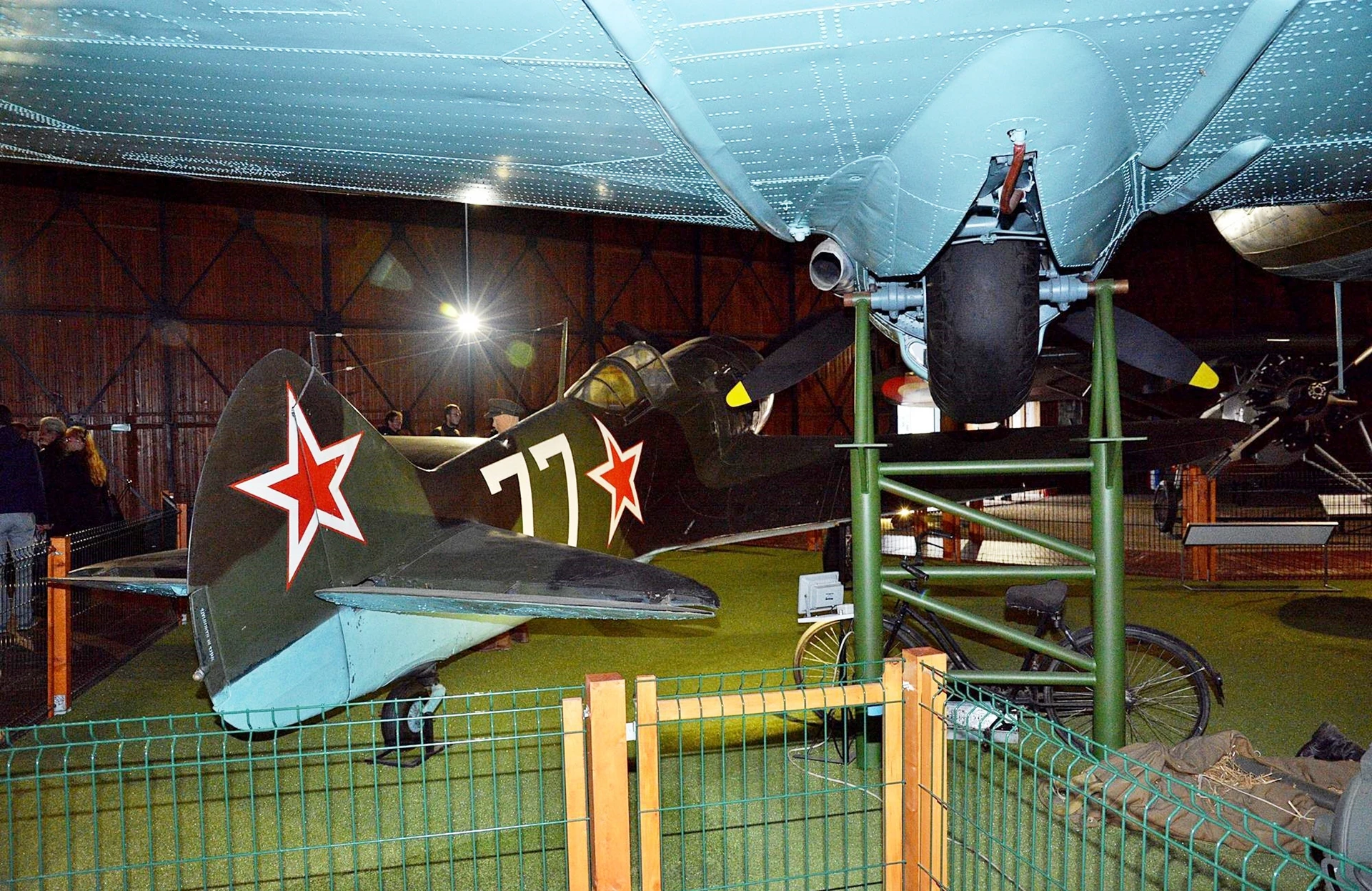
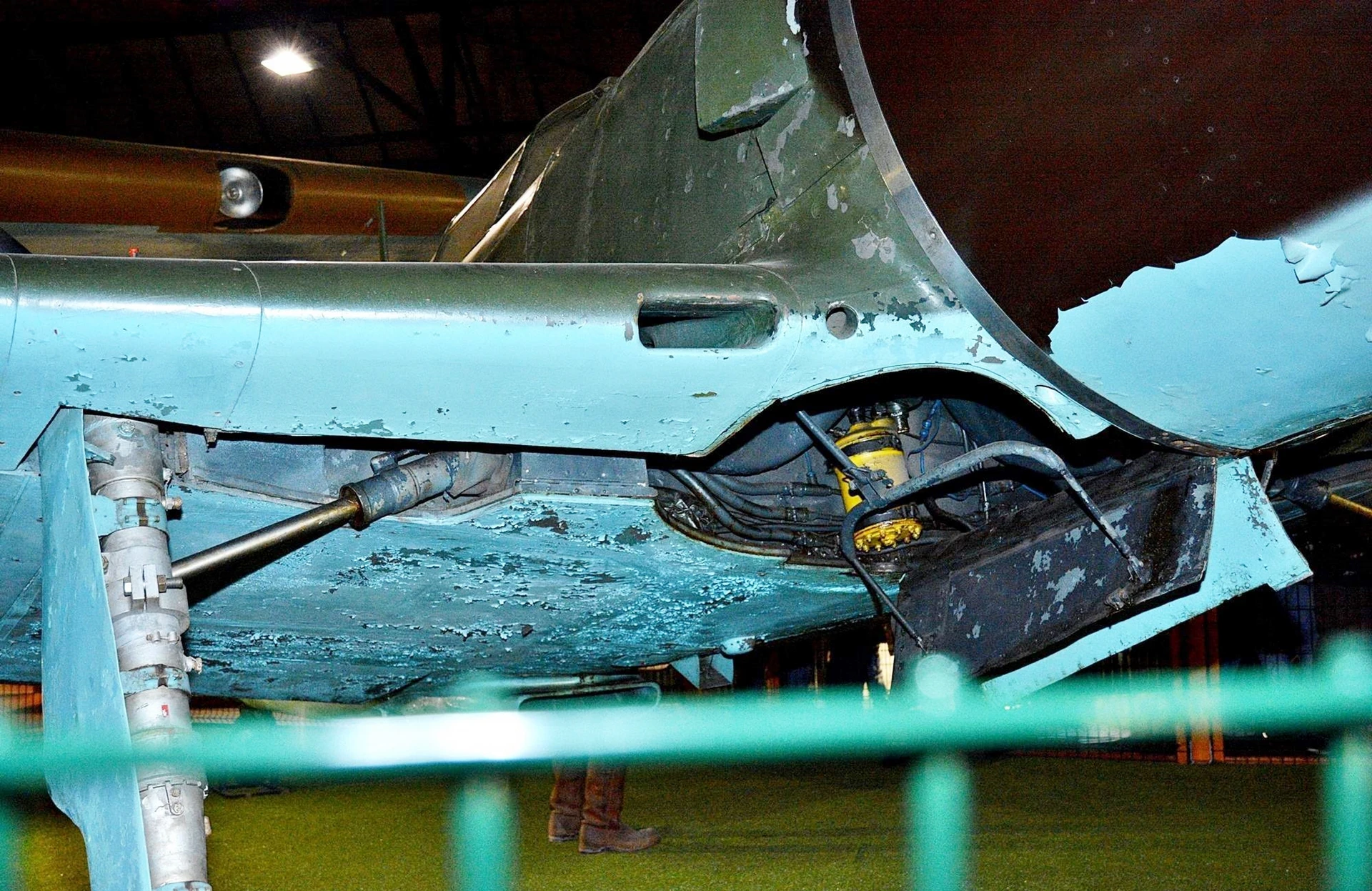
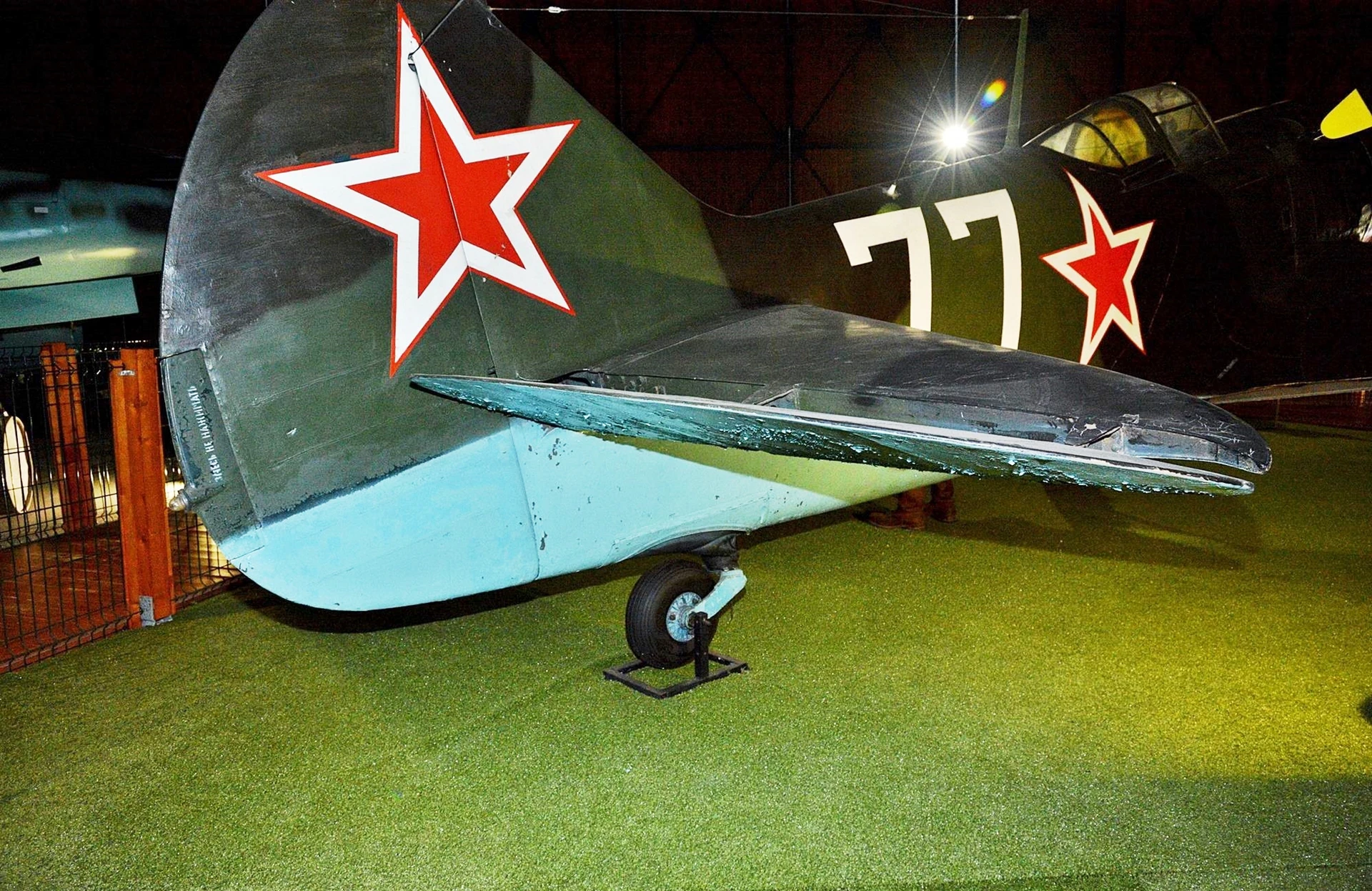
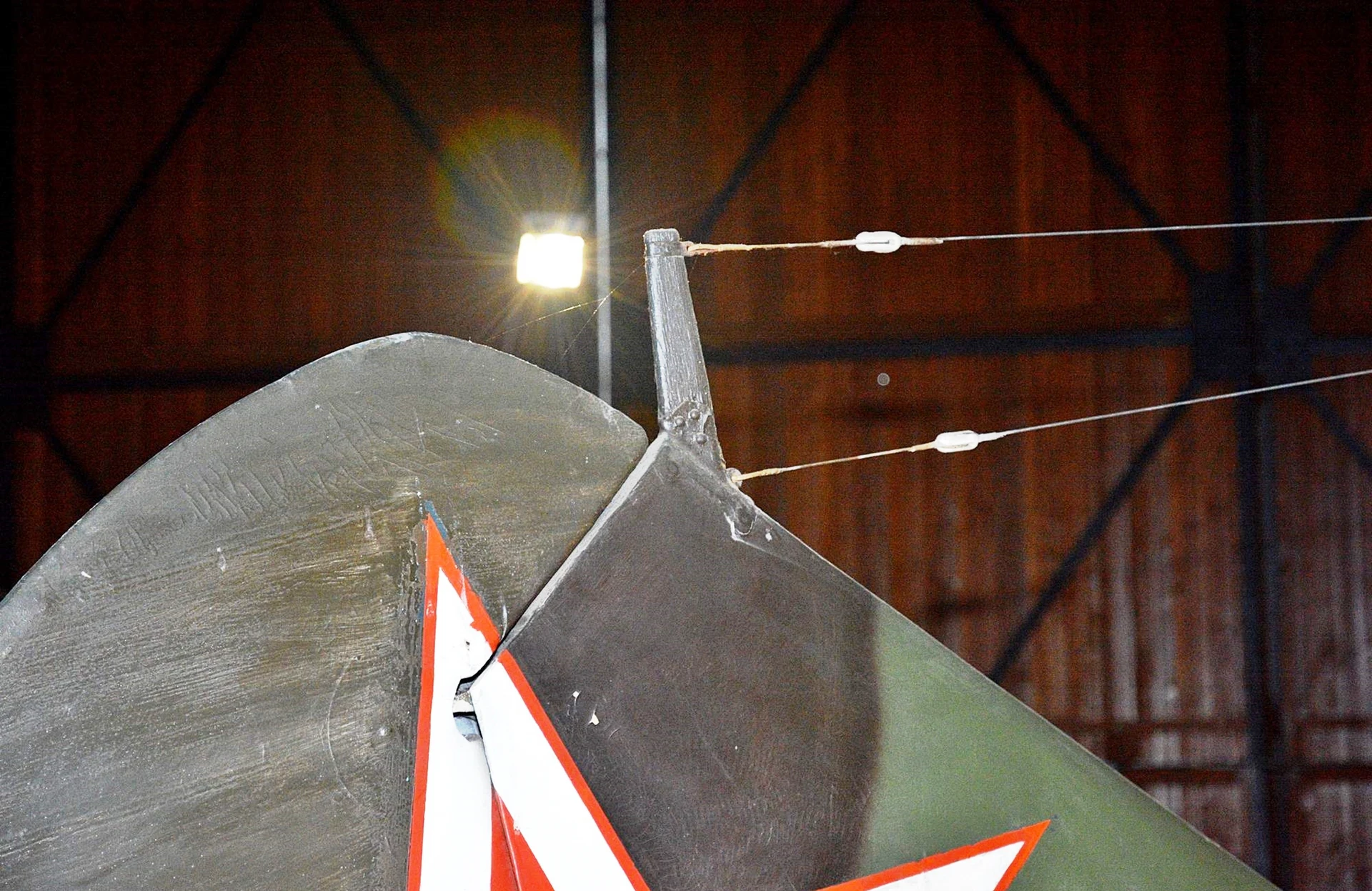
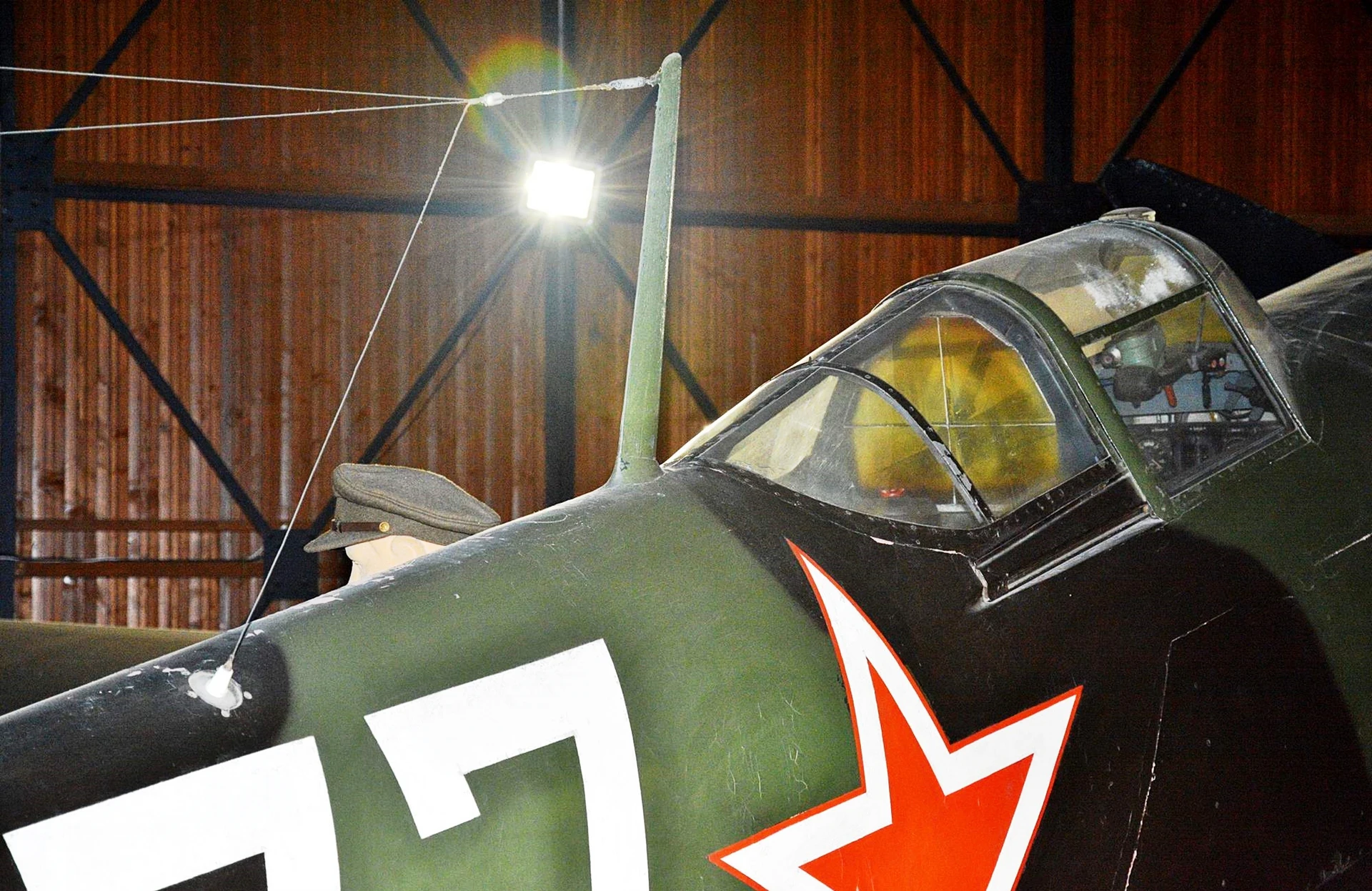


| 拉沃奇金拉-7走动 | |
|---|---|
| 摄影师 | 未知 |
| 本地化 | 未知 |
| 照片 | 8 |
另请参阅:


General Characteristics
The Lavochkin La-7 was a Soviet piston-engined, single-seat fighter aircraft developed late in World War II. As the ultimate refinement of the La-5 series, the La-7 introduced significant aerodynamic improvements and the replacement of some wooden parts with aluminum, resulting in better overall performance and reduced weight. It was regarded by many Soviet pilots, including the top Allied ace Ivan Kozhedub, as the equal of any German piston-engined fighter at low to medium altitudes, excelling as an air superiority fighter and interceptor on the Eastern Front.
| Property | Typical Value (1945 Production Model) |
|---|---|
| 作用 | Air Superiority Fighter, Interceptor |
| 制造商 | Lavochkin Design Bureau (OKB) |
| First Flight | Early 1944 |
| 在服务中 | 1944–1947 (USSR), up to 1950 (Czechoslovakia) |
| No. Built | 5,753 |
| 船员 | 1 (Pilot) |
| 长度 | 8.60 m (28 ft 3 in) |
| 翼展 | 9.80 m (32 ft 2 in) |
| Max Takeoff Weight | 3,315 kg (7,308 lb) |
Powerplant and Performance
- Engine: One Shvetsov ASh-82FN 14-cylinder air-cooled radial engine.
- Power Output: 1,380 kW (1,850 hp).
- Maximum Speed: 661 km/h (411 mph) at 6,000 m (19,700 ft). Some prototypes reached 680 km/h.
- Maximum Speed (Sea Level): 597 km/h (371 mph).
- Service Ceiling: 10,450 m (34,280 ft).
- Rate of Climb: Approx. 15.7 m/s (3,095 ft/min).
- Key Improvement: Aerodynamic refinements included moving the oil cooler from the nose to under the fuselage and relocating the engine air intake to the wing roots.
装备
- Standard Armament: 2 x 20 mm ShVAK cannons (with 200 rounds per gun), firing through the propeller arc.
- Alternate Armament: Later production runs were armed with 3 x 20 mm Berezin B-20 cannons (with 100 rounds per gun), which were lighter and improved firepower.
- Suspended Ordnance: Up to 200 kg (440 lb) of bombs on two underwing hardpoints (typically 50 kg or 100 kg bombs).
- Pilot Feedback: Pilots praised the concentration of fire from the nose-mounted cannons, though the standard ShVAK guns were sometimes criticized for having less effective damage than comparable German weapons.
意见:3464