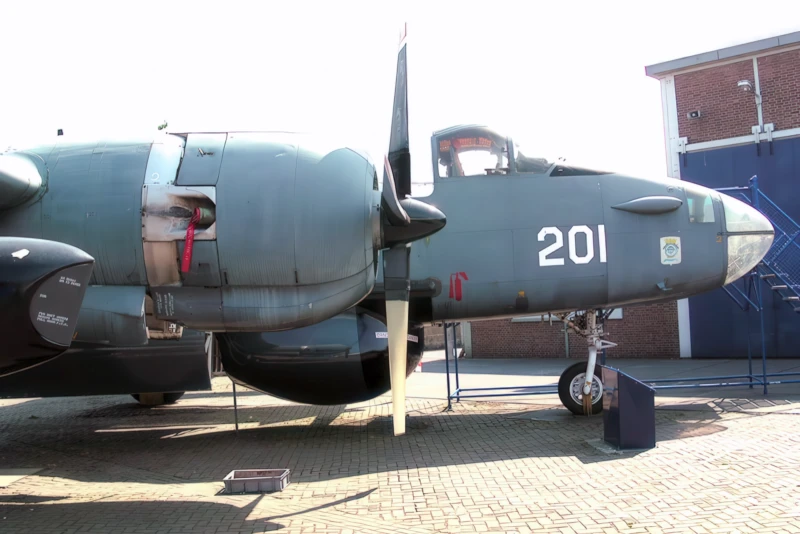
Lockheed P-2 Neptune |
|
|---|---|
| Land | Usa |
| Rolle | Maritime Patrol und Anti-Submarine Warfare |
| Erstflug | 17. Mai 1945 |
| Pensioniert | 1984 Aus militärischer Anwendung |
Die Lockheed P-2 Neptune (von der United States Navy vor September 1962 als P2V bezeichnet) war eine Seepatrouille und ein U-Boot-Kriegsflugzeug (ASW). Es wurde von Lockheed für die US Navy entwickelt, um die Lockheed PV-1 Ventura und PV-2 Harpoon zu ersetzen, und wurde wiederum durch die Lockheed P-3 Orion ersetzt. Die Neptune wurde als landgestütztes Flugzeug konzipiert und landete nie, obwohl eine kleine Anzahl von Flugzeugen umgebaut und als Träger gestartete Atombomber eingesetzt wurde, die auf Landbasen graben oder sich erholen müssten. Der Typ war erfolgreich im Export und sah Dienst mit mehreren Streitkräften.
Quelle: Lockheed P-2 Neptun auf Wikipedia

| Lockheed P2V-5F Neptune | |
|---|---|
| Fotograf | Wladimir Nikolajewitsch Jakubow |
| Lokalisierung | Quonset Air Museum |
| Fotos | 170 |
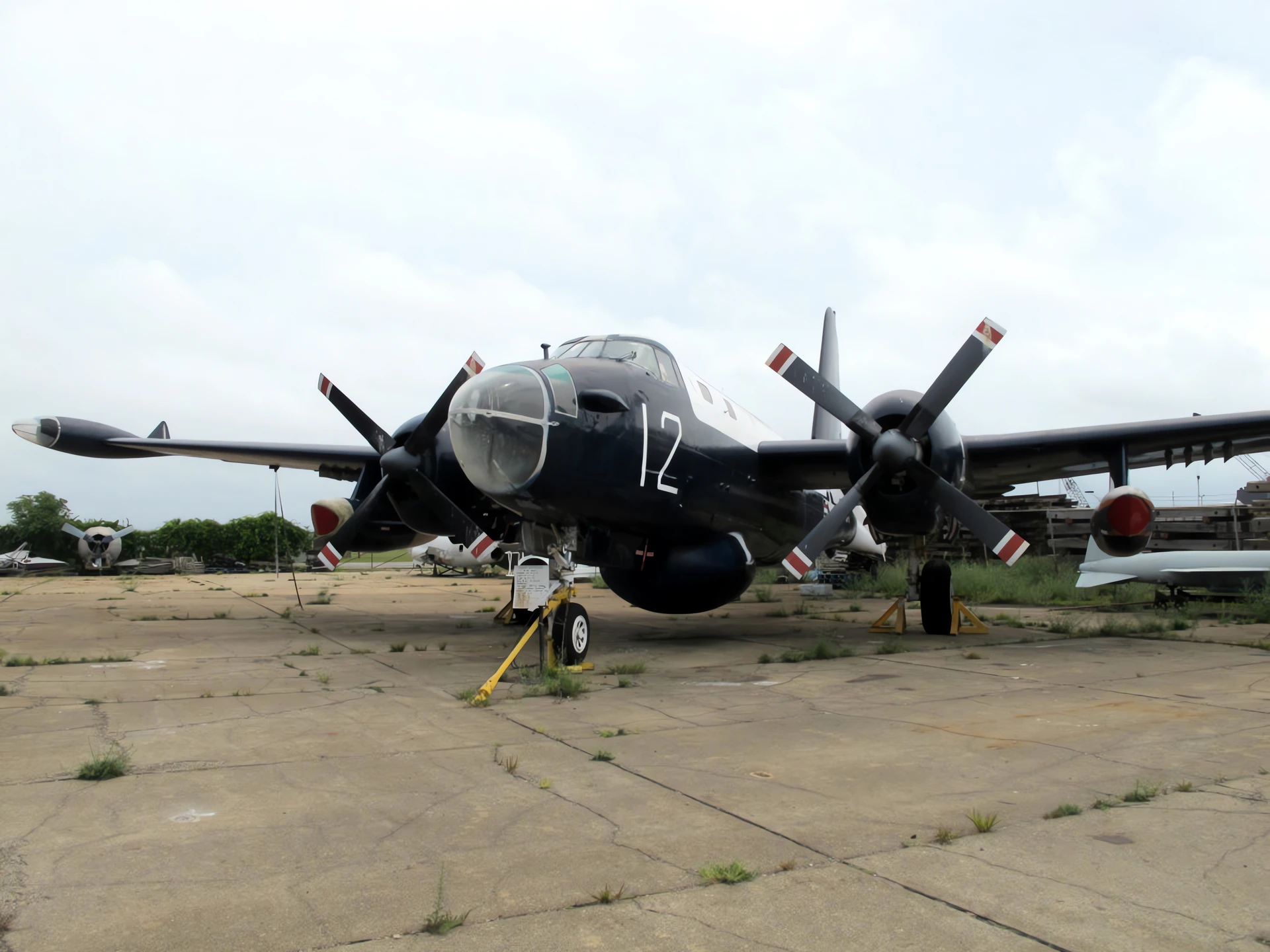
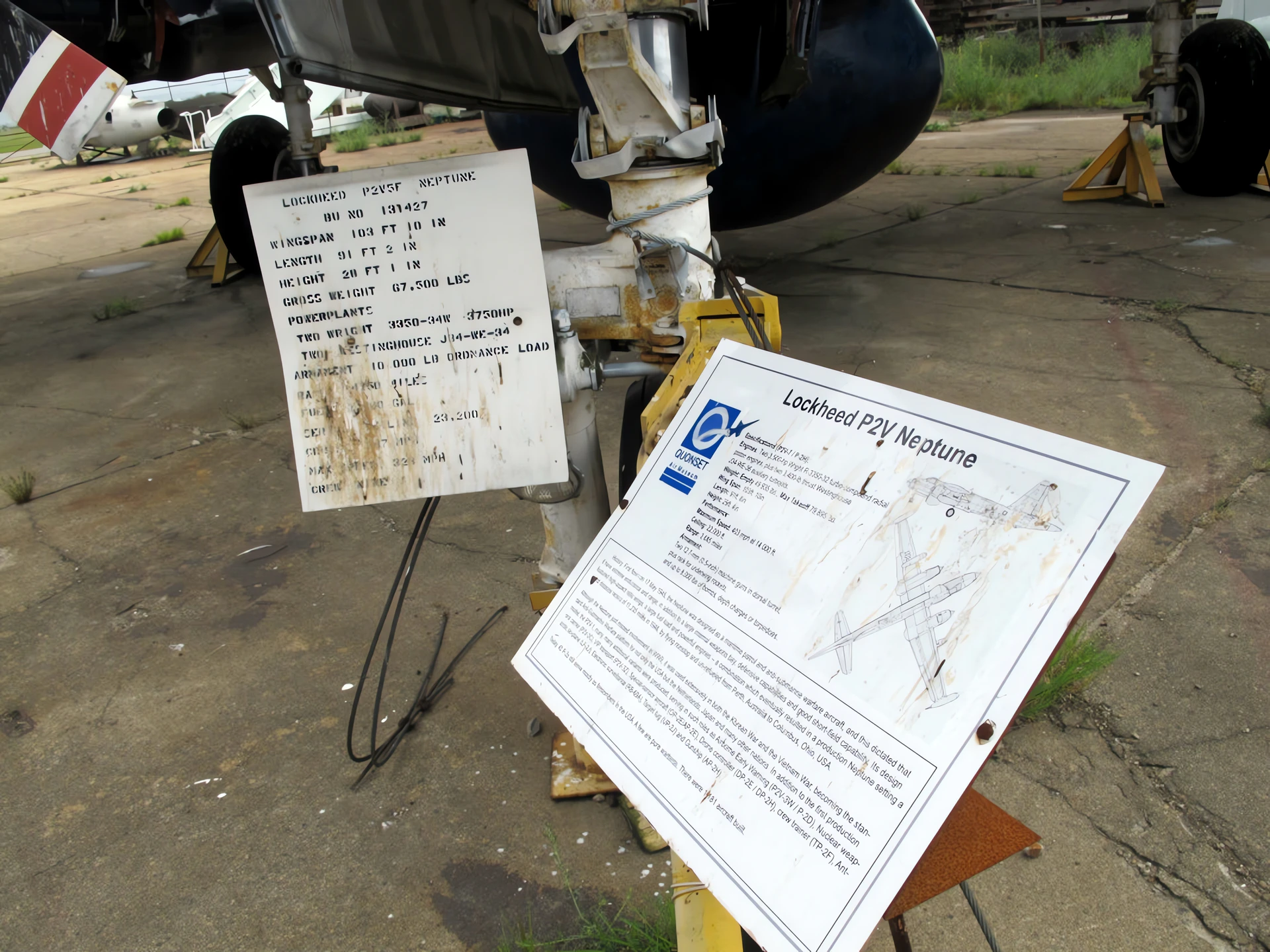
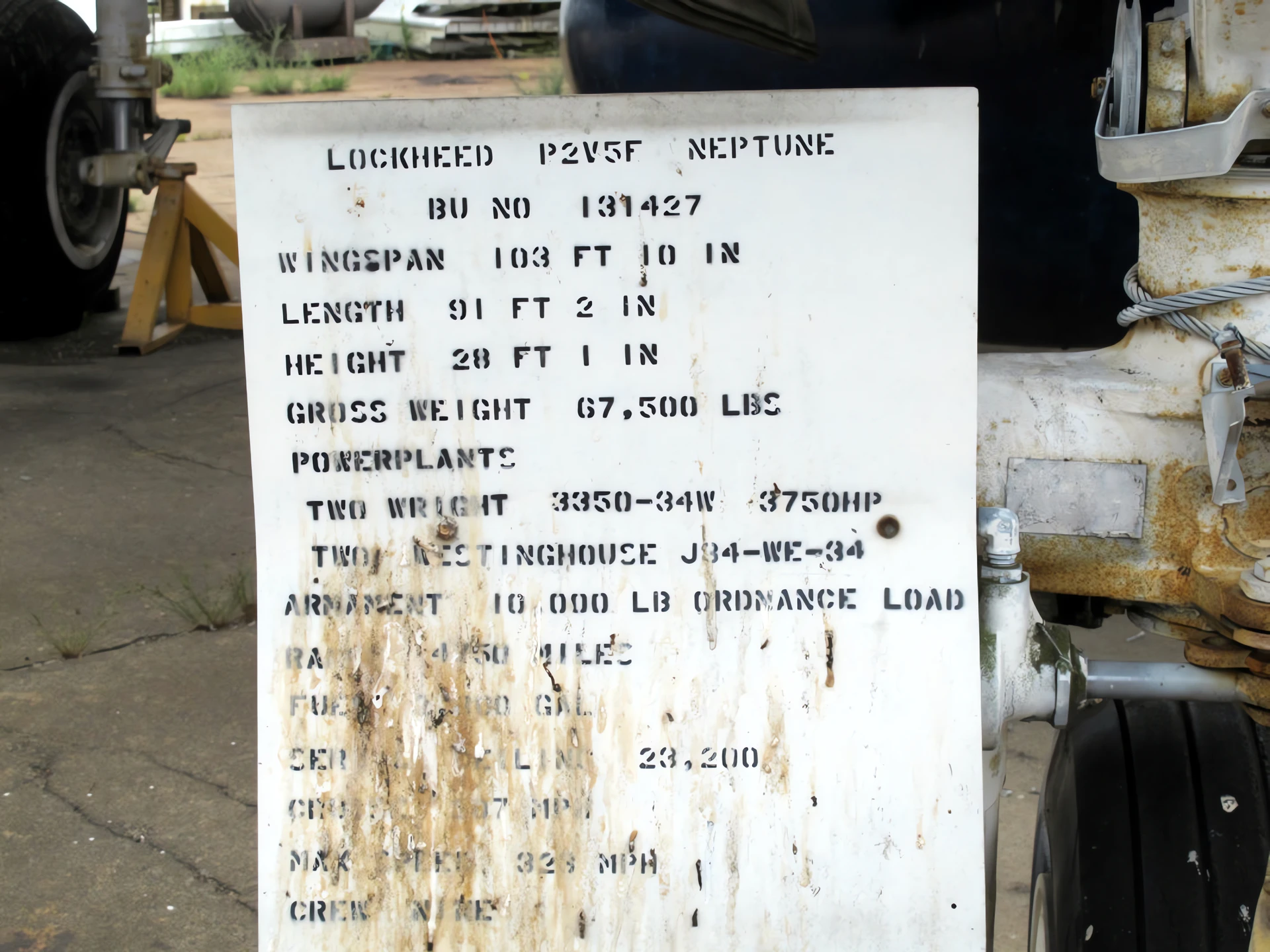
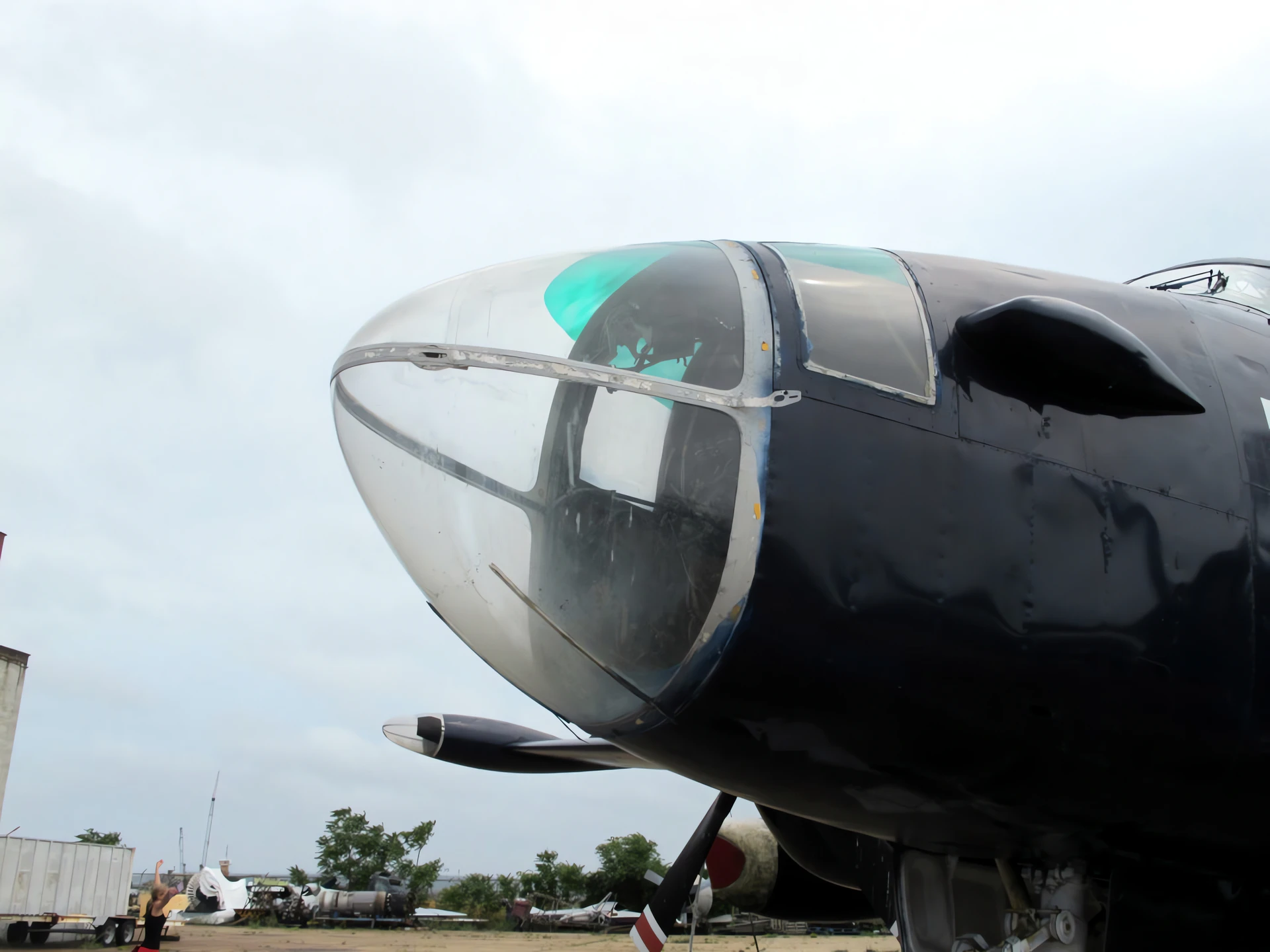
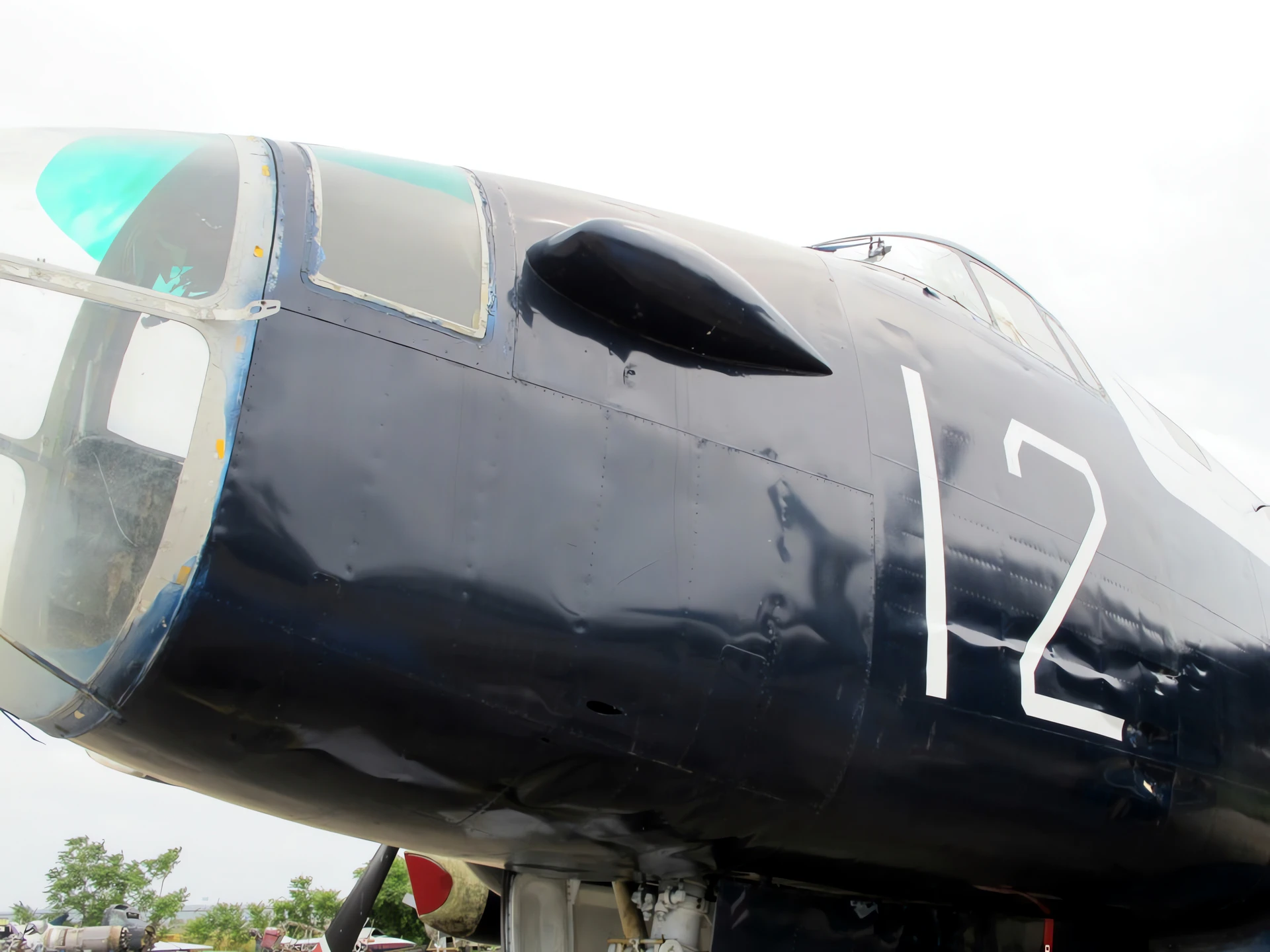
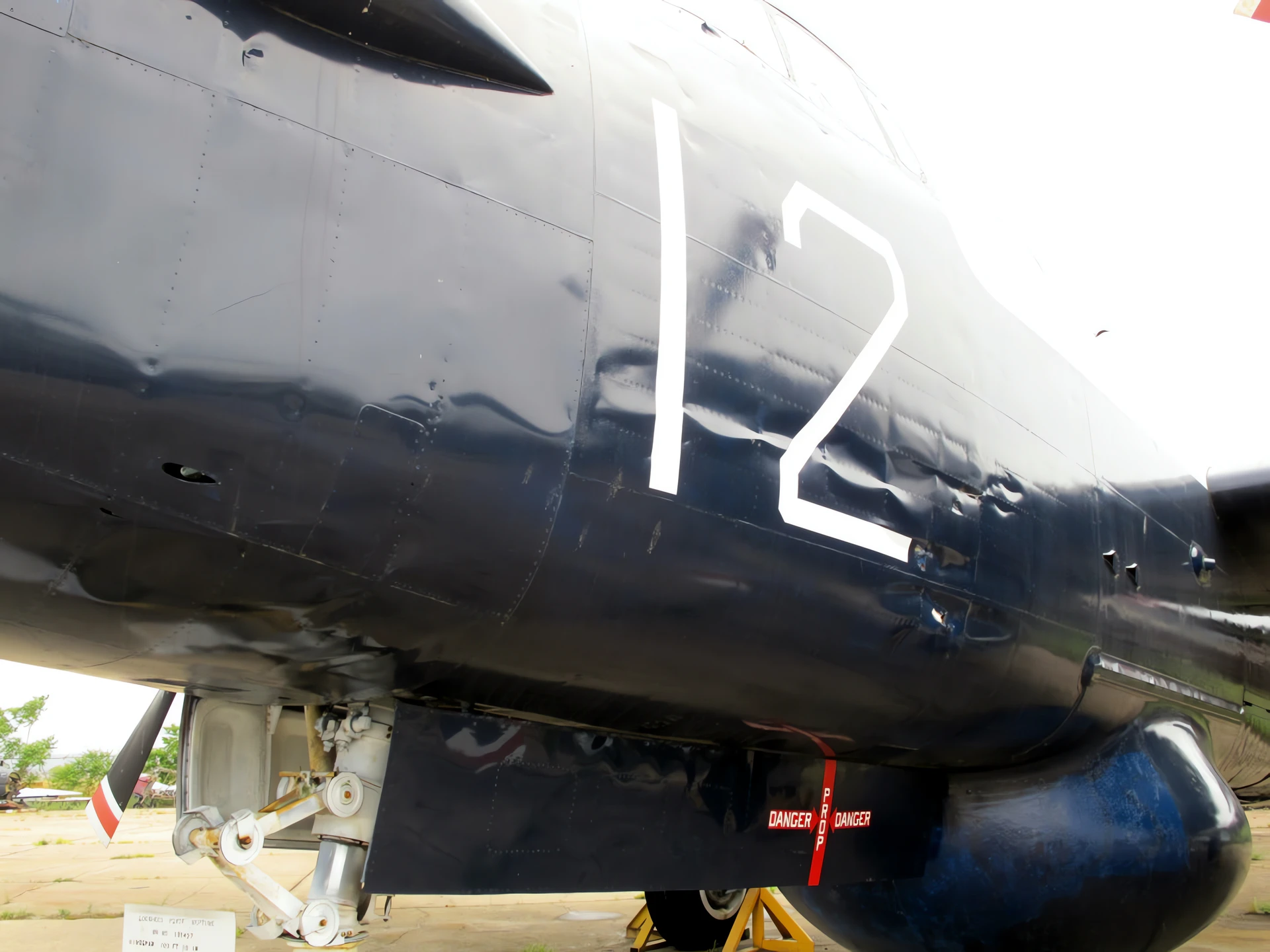
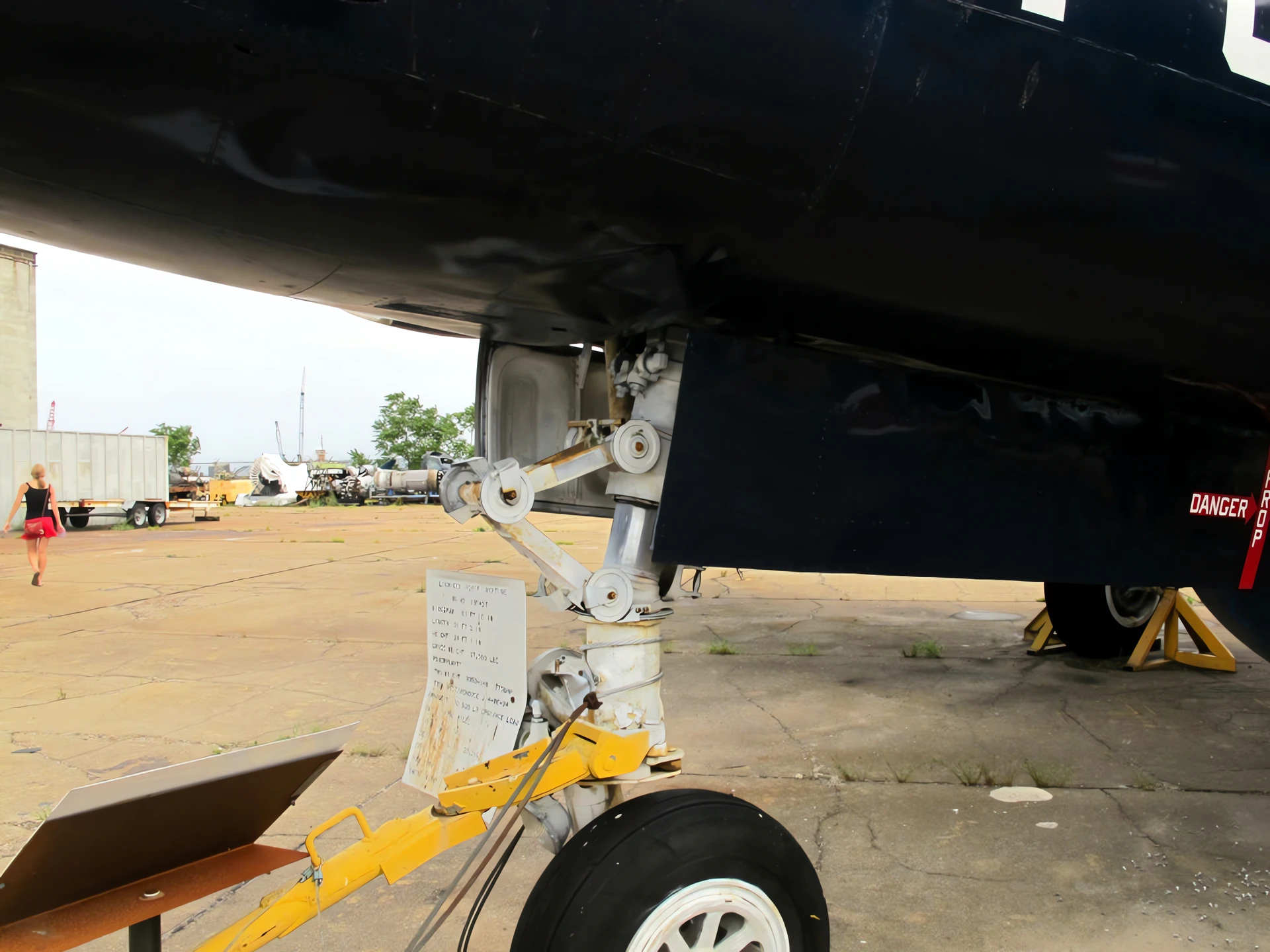
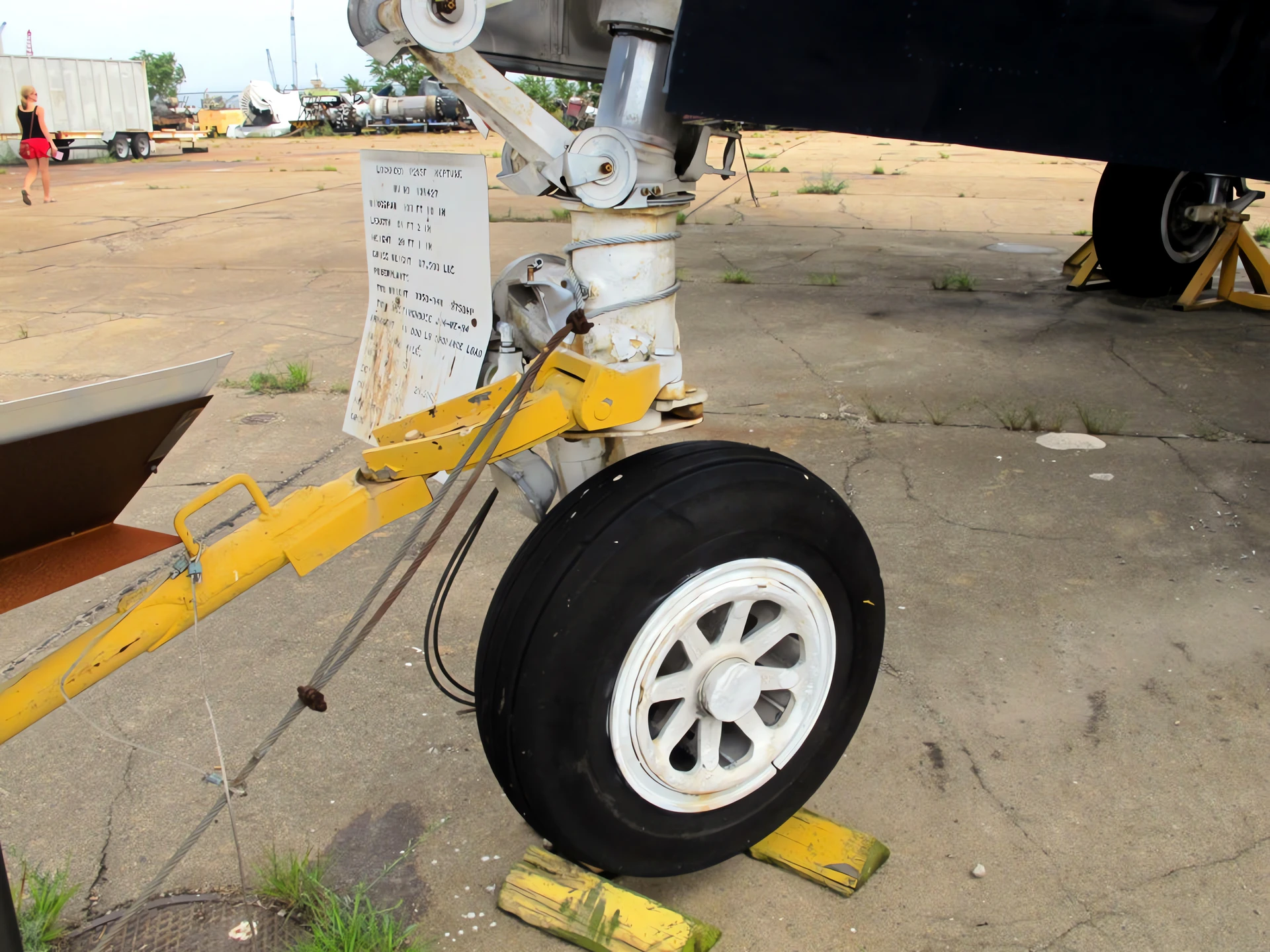
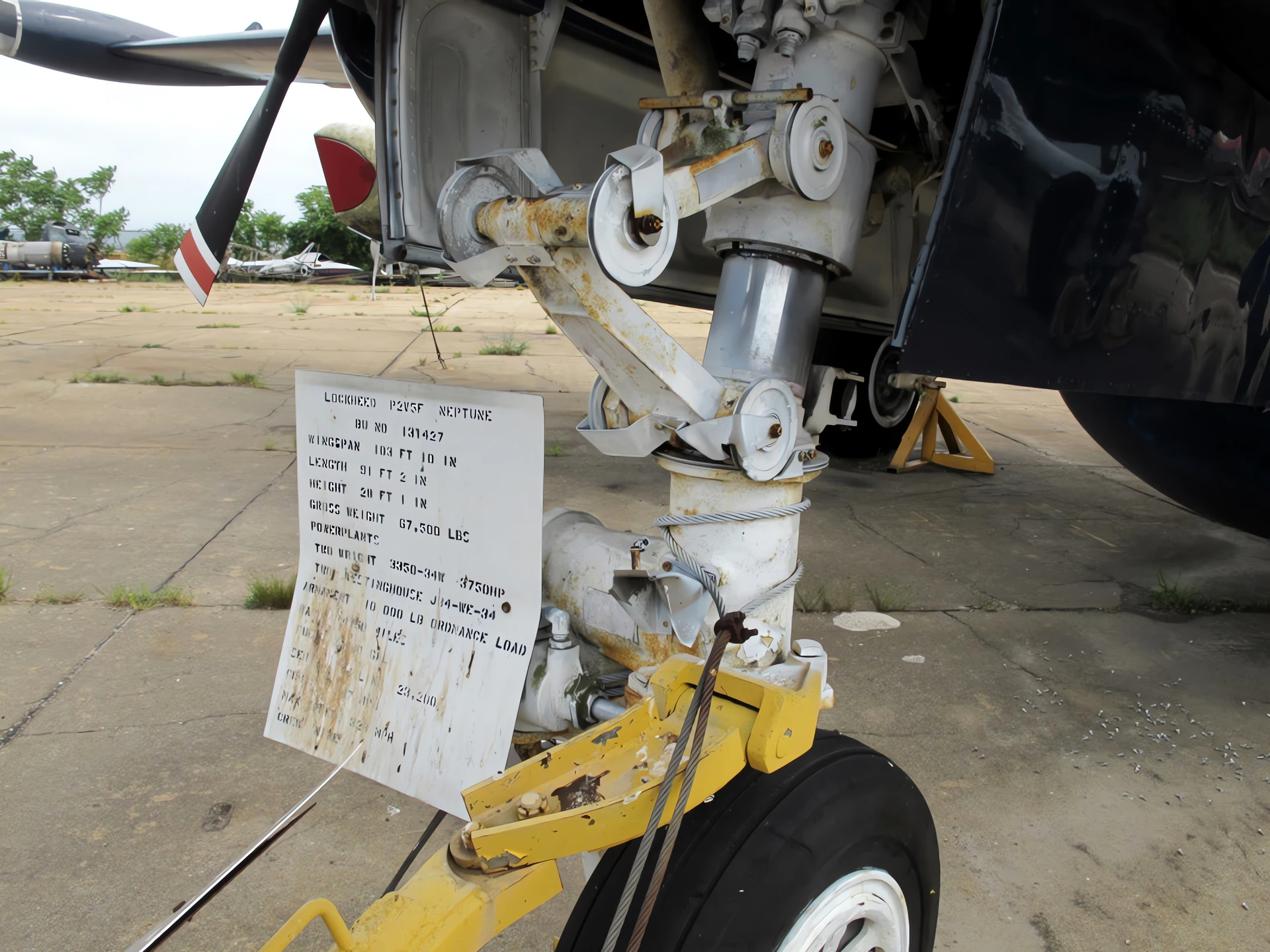
| Lockheed Neptune Walk Around | |
|---|---|
| Fotograf | Unbekannter |
| Lokalisierung | Unbekannter |
| Fotos | 68 |
Siehe auch:


General Characteristics and Role
The Lockheed P2V Neptune was a cornerstone of Cold War maritime security, serving as the primary land-based anti-submarine warfare (ASW) and maritime patrol aircraft for the U.S. Navy before the arrival of the P-3 Orion. The P2V-5F variant represents a critical evolutionary step in the series, featuring a mixed-powerplant configuration to handle the increasing weight of advanced electronics and weapon systems. Designed for grueling, long-endurance missions, the Neptune was often referred to as the hunter in hunter-killer naval groups. Its ability to loiter for hours over vast oceans while monitoring for submerged threats made it an indispensable tool for global maritime reconnaissance.
| Property | Typical Value (P2V-5F Neptune) |
|---|---|
| Typ | Maritime Patrol / Anti-Submarine Warfare |
| National Origin | USA |
| Hersteller | Lockheed Aircraft Corporation |
| Entered Service | 1950 (P2V-5), 1953 (5F Modification) |
| Crew | 7 to 9 (including pilots, navigators, and sensor operators) |
| Länge | 27.8 m (91 ft 2 in) |
| Flügelspannweite | 31.7 m (104 ft 0 in) |
| Max Takeoff Weight | Approx. 36,240 kg (79,895 lb) |
Powerplant and Mixed-Propulsion Performance
- Primary Engines: 2 x Wright R-3350-32W Duplex-Cyclone 18-cylinder radial piston engines, providing 3,250 hp to 3,700 hp each.
- Auxiliary Engines: 2 x Westinghouse J34-WE-34 turbojet engines mounted in underwing pods, providing 3,250 lbf (14.5 kN) thrust each.
- Fuel Synergy: To simplify logistics, the jet engines were modified to burn the same 115/145 Avgas as the piston engines, eliminating the need for a separate jet fuel system.
- Maximum Speed: Approx. 584 km/h (363 mph) with jets engaged.
- Search Endurance: Over 10 hours at economical cruise speeds using only the piston engines.
- Sensor Suite: Equipped with the AN/APS-20 surface-search radar in a belly radome and an AN/ASQ-8 Magnetic Anomaly Detector (MAD) in the distinctive stinger tail extension.
- Armament: Internal bomb bay for up to 8,000 lb of torpedoes, depth charges, or mines, plus underwing racks for 5-inch HVAR rockets.
Service History and Legacy
- Global Reach: Beyond the U.S. Navy, the P2V-5 was exported to numerous allies including Australia, Canada, the Netherlands, and Japan (where it was later license-built by Kawasaki).
- The Truculent Turtle: Early in the Neptune’s life, a modified P2V-1 set a world record by flying non-stop from Australia to Ohio—a distance of 11,235 miles—without refueling.
- Vietnam Combat: During the Vietnam War, Neptunes were utilized as gunships (AP-2E) and sensor-deployment platforms (OP-2E) for monitoring the Ho Chi Minh Trail.
- Cold War Sentinel: P2V crews were often the first to intercept and photograph Soviet warships and submarines during the height of the Cold War.
- Civilian Firefighter: After retirement from military service, many Neptunes were converted into highly effective air tankers for aerial firefighting, serving for decades dropping fire retardant across North America.
Views : 7570
Sie können auch sehen:
 Grumman AF Guardian – Fotos & Videos
 Lockheed Electra 12 – Fotos & Videos
 Lockheed F-117 Nighthawk – Fotos & Videos
 Lockheed MC-130 – Fotos & Videos
 Lockheed F-94 Starfire – Fotos & Video
 Lockheed CP-140 Aurora – Fotos & Video
 Lockheed C-141 Starlifter – Fotos & Video
 Lockheed C-121 Constellation – Fotos & Video
 Lockheed AC-130A Spectre – Fotos und Videos
 Lockheed PV-2D Harpune – WalkAround