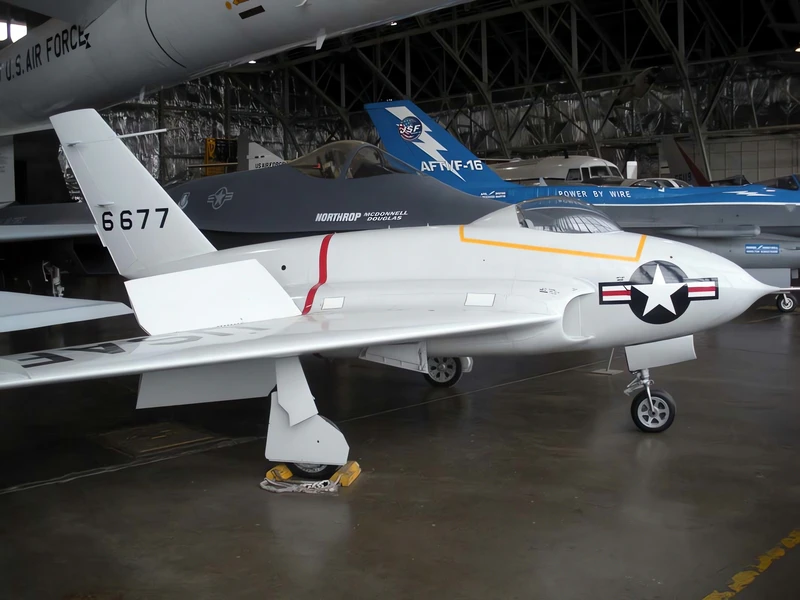
Northrop X-4 Bantam | |
|---|---|
| Країні | Сша |
| Роль | Прототип безхвостого літака |
| Перший політ | : 15 грудня 1948 |
| Побудований | 2 |
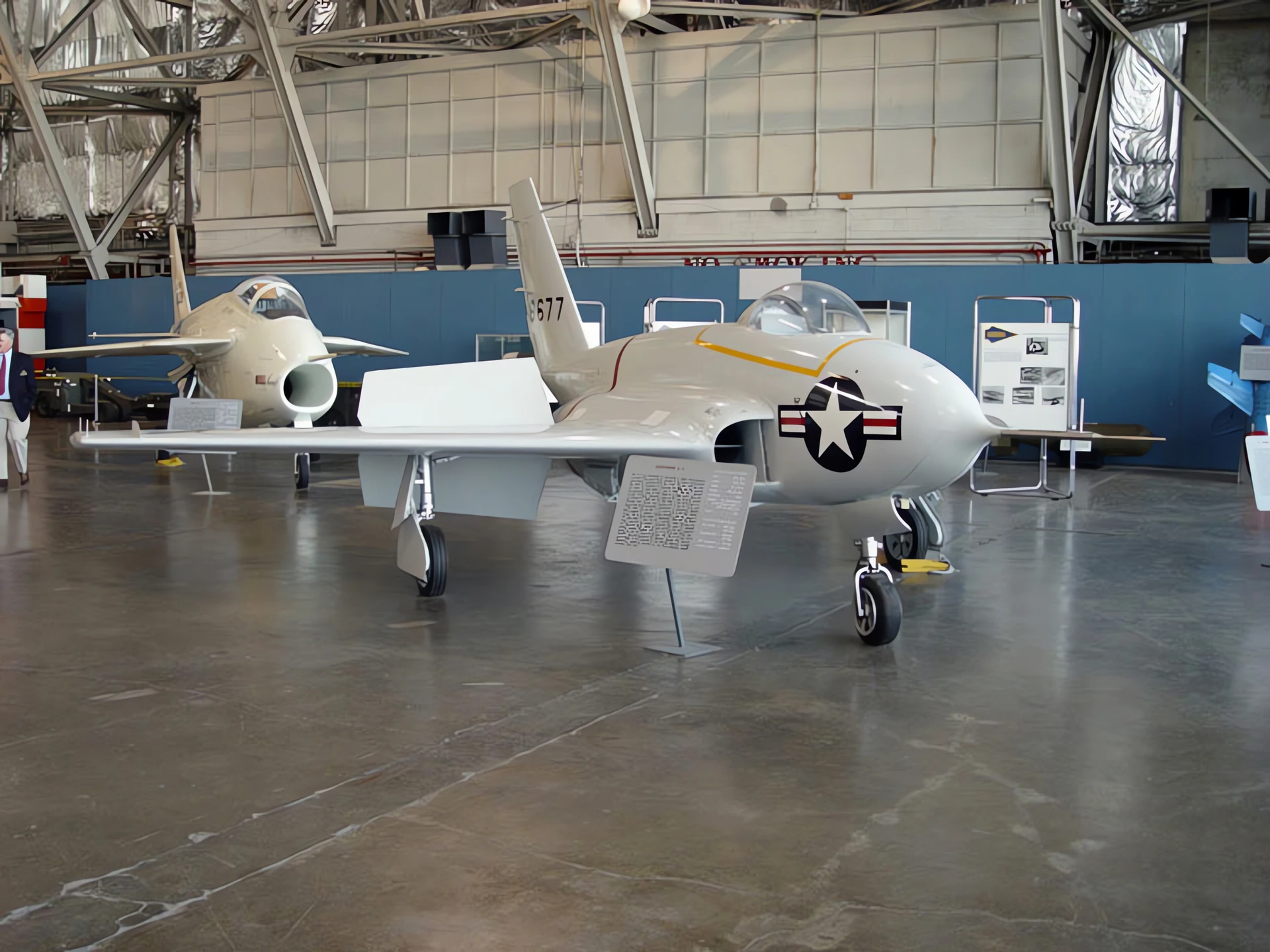
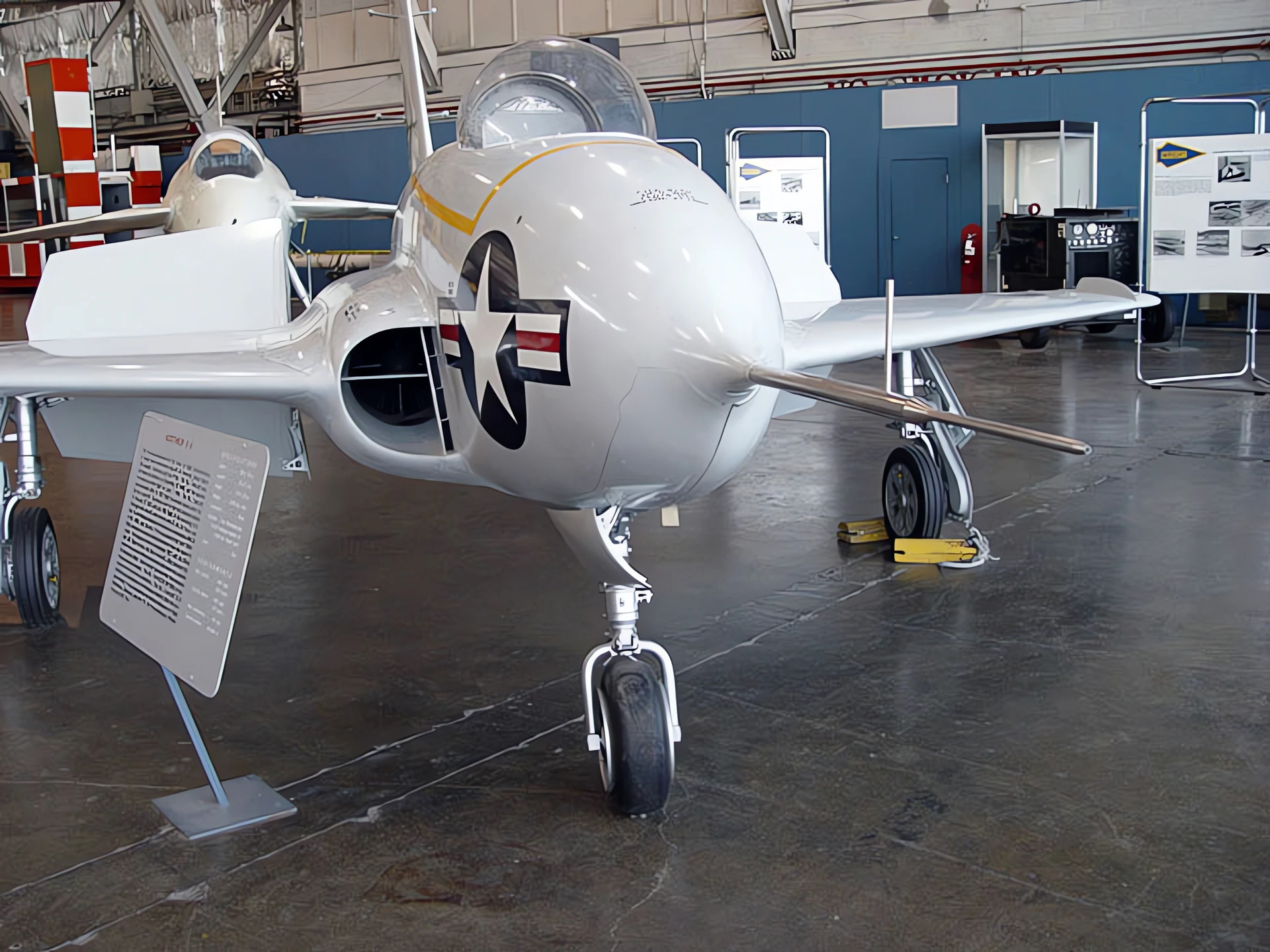
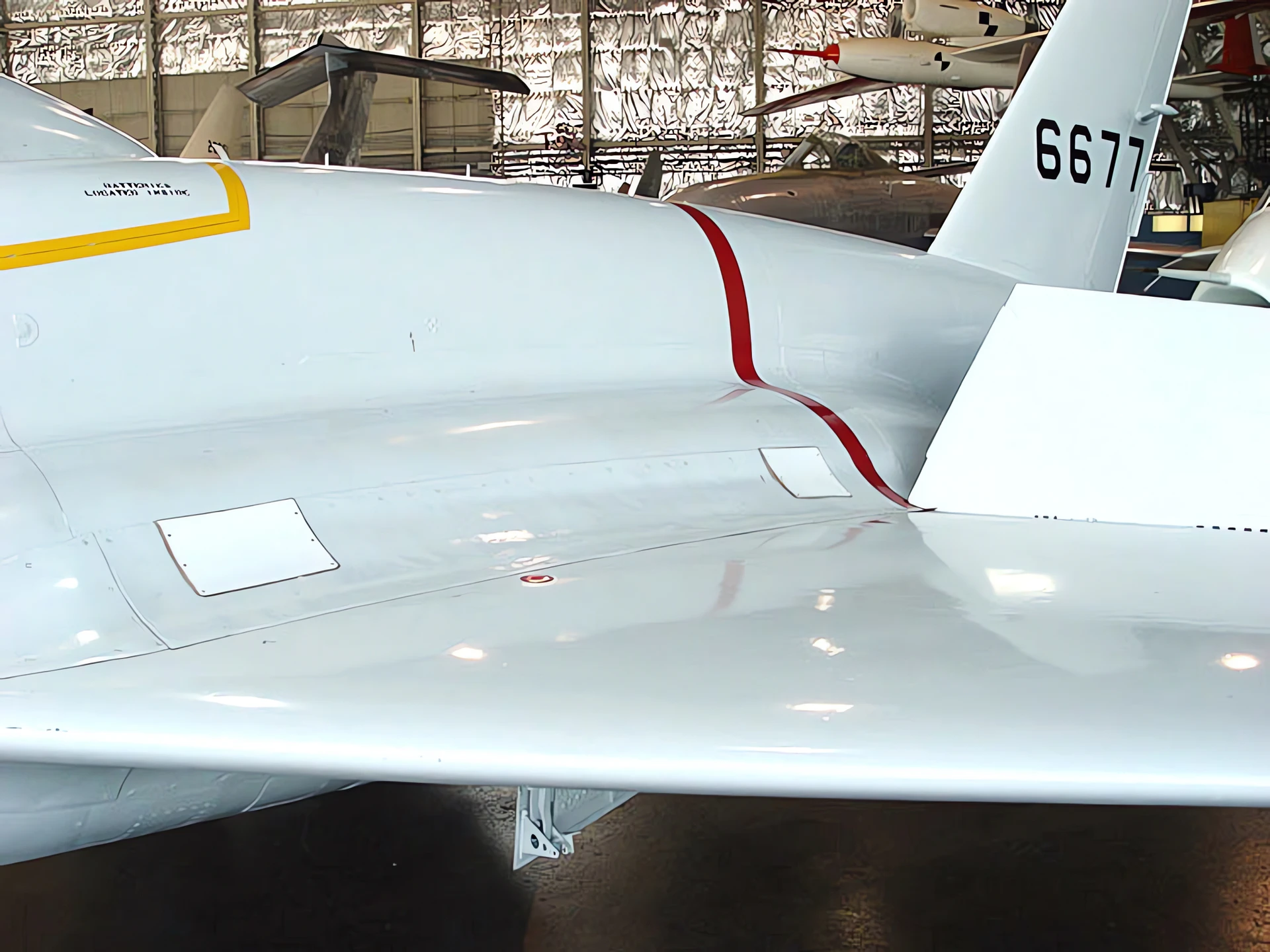
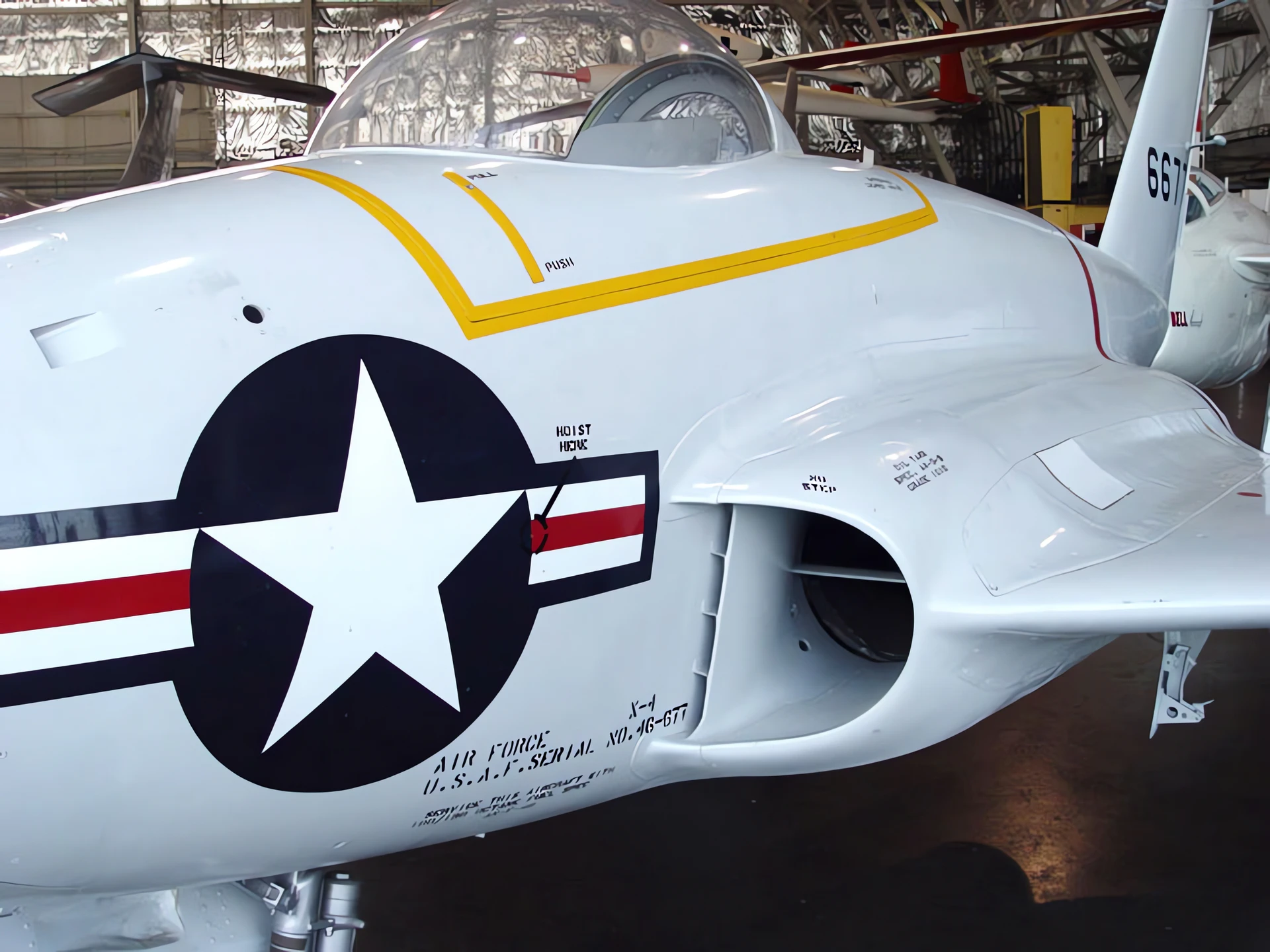
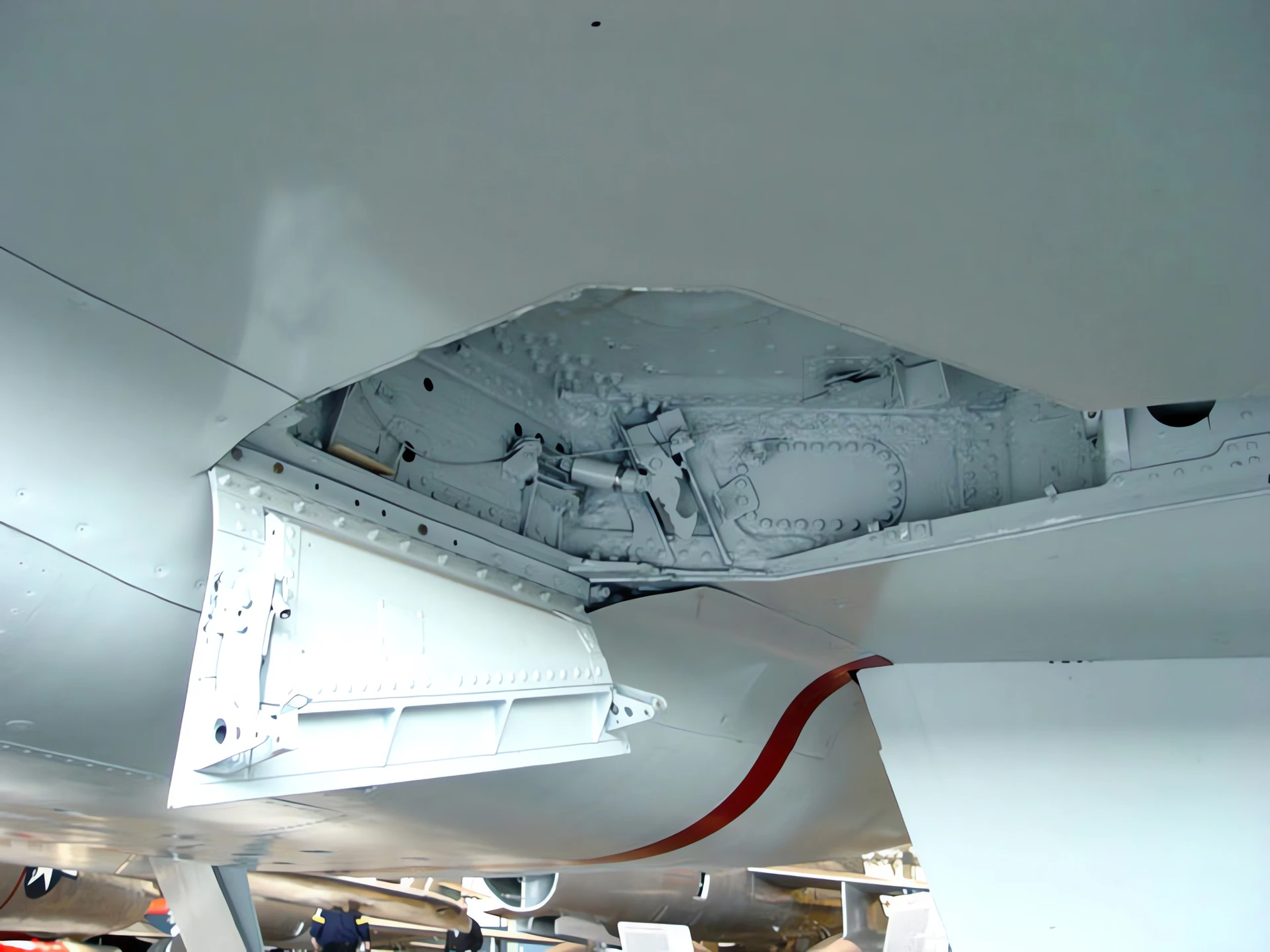
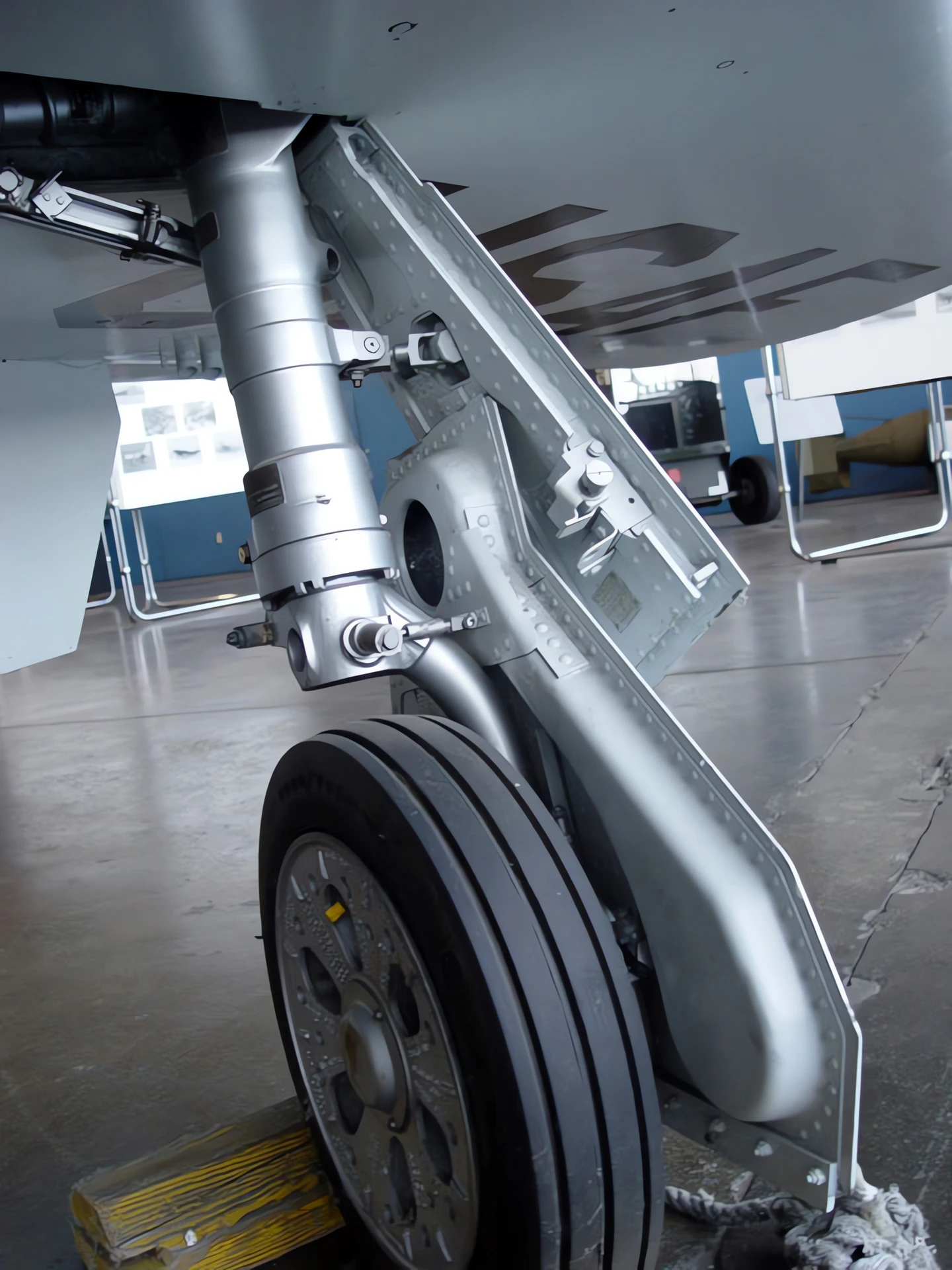
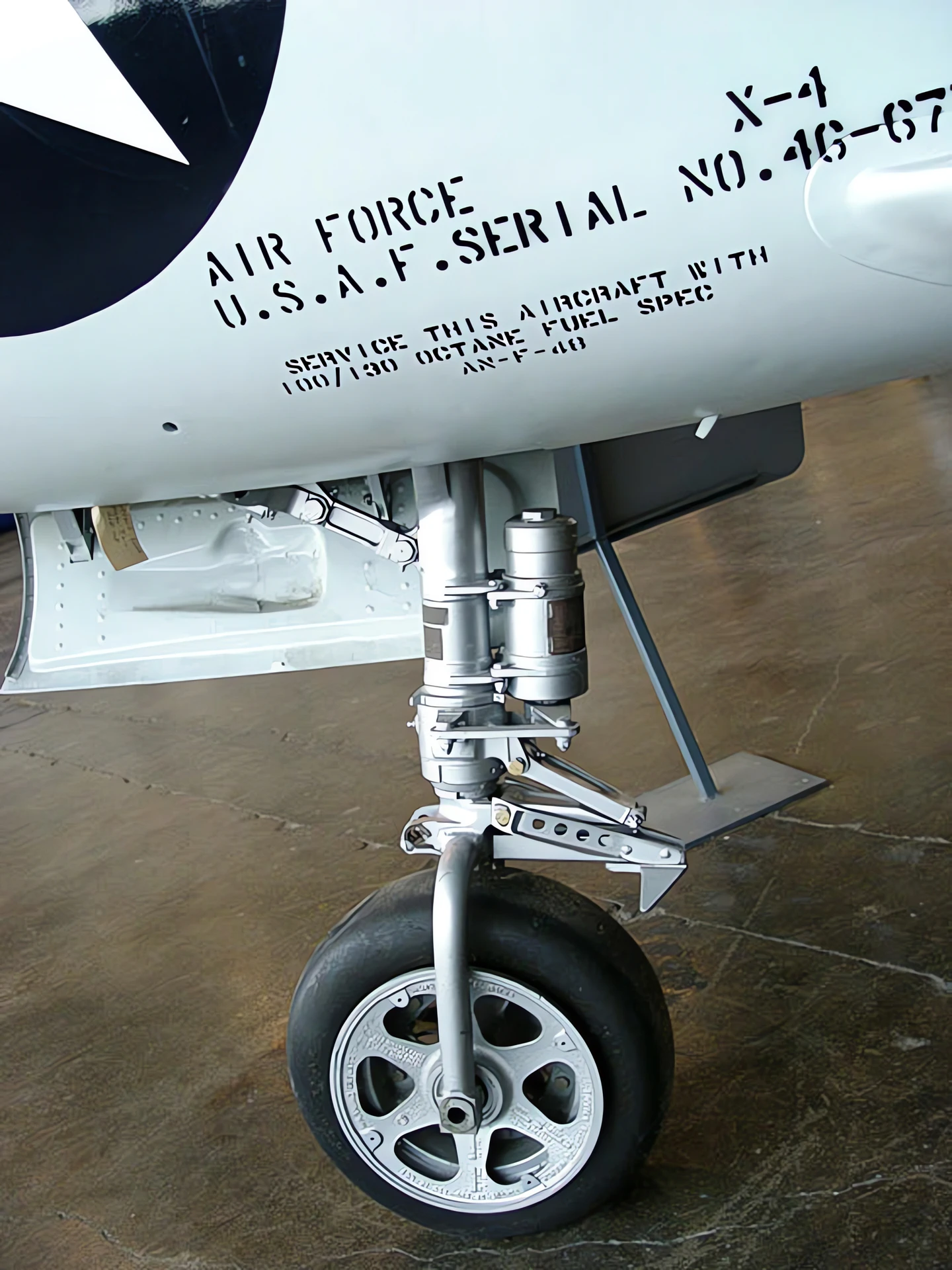
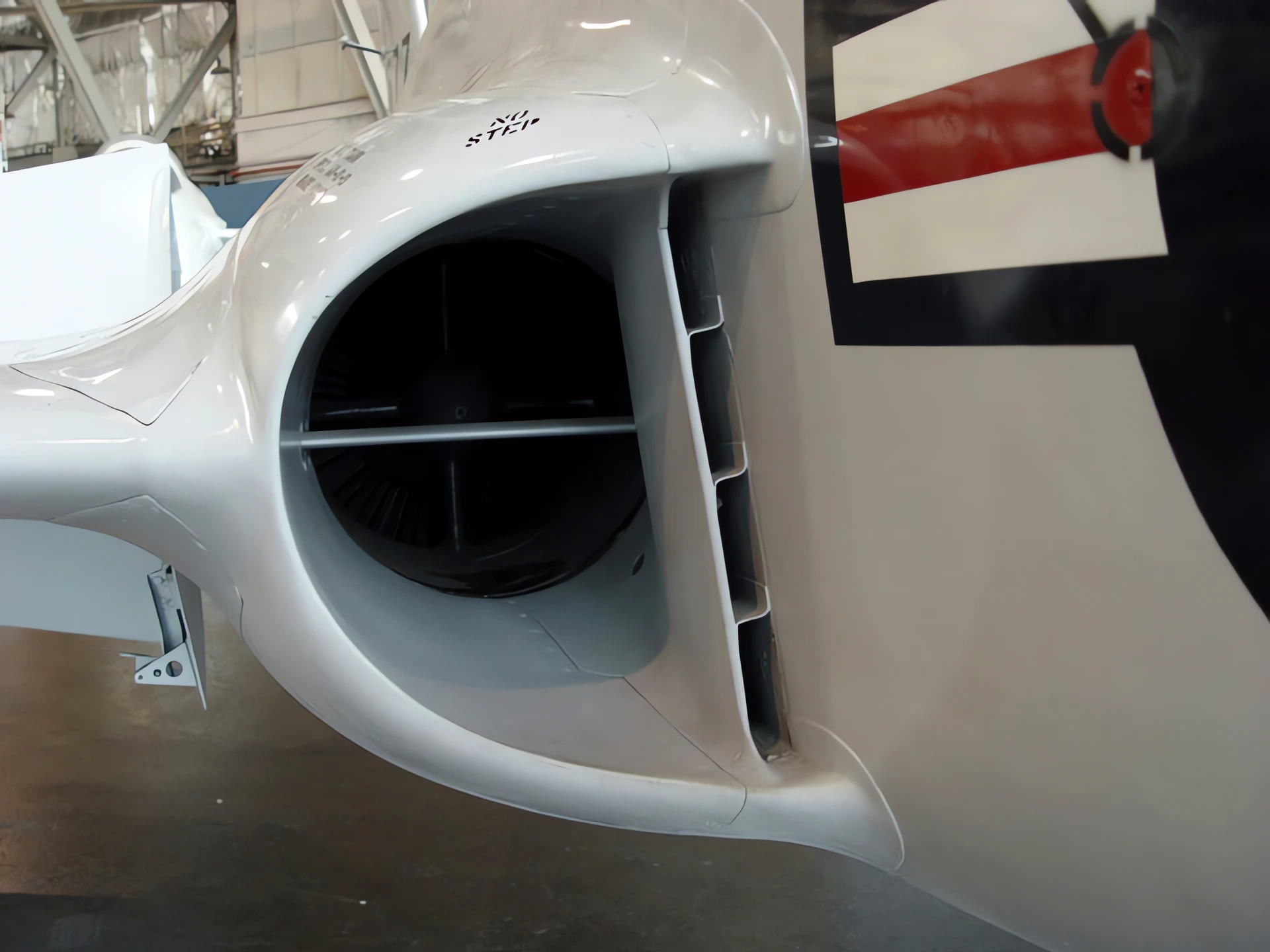
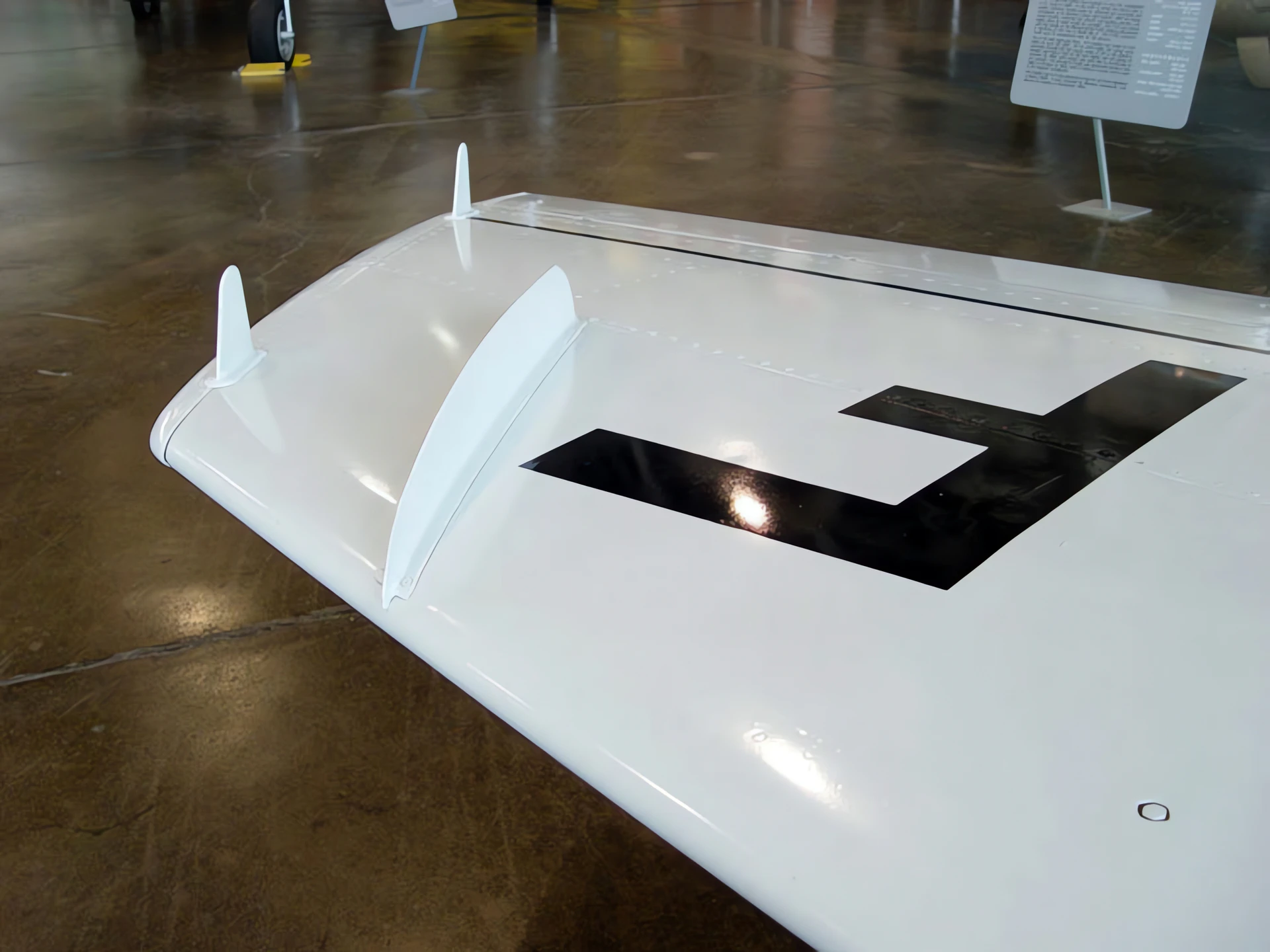
У 201 Нортроп X-4 Бентам був прототипом невеликого двомісного літака, виробленого корпорацією Northrop в 1948 році. Він не мав горизонтальних хвостових поверхонь, в залежності від комбінованих поверхонь управління ліфтом і елероном (званих елевонами) для управління в тангажі і кренових установках, майже точно в манері аналогічного формату, ракетного Messerschmitt Me 163 Люфтваффе нацистської Німеччини. Деякі аеродинаміки припускали, що усунення горизонтального оперення також позбавить від проблем стійкості на швидких швидкостях (званих ударною зупинкою), що виникають в результаті взаємодії надзвукових ударних хвиль від крил і горизонтальних стабілізаторів. Ідея мала заслуги, але системи управління польотом того часу заважали Х-4 від будь-якого успіху.
Джерело: Нортроп X-4 Бентам у Вікіпедії
| Northrop X-4 Bantam Walk Aroundd | |
|---|---|
| Photographers | John Heck, Randy Ray |
| Localisation | National Museum of the USAF |
| Photos | 50 |


Читайте також:


General Characteristics and Role
The Northrop X-4 Bantam was an experimental jet aircraft developed for the U.S. Air Force and the National Advisory Committee for Aeronautics (NACA, the precursor to NASA) in the late 1940s. Its primary role was to investigate the aerodynamic properties of a tailless aircraft design at transonic speeds (speeds approaching the speed of sound, or Mach 1). It utilized a semi-tailless configuration, meaning it lacked a horizontal tail stabilizer but retained small vertical fins. The tailless design was believed to reduce the shock waves and control issues experienced by conventional aircraft as they approached the sound barrier. The Bantam was built as a small, swept-wing jet to minimize costs and complexity during the high-risk transonic research phase.
| Property | Typical Value (X-4) | ||
|---|---|---|---|
| Роль | Experimental Aircraft (Transonic Stability Research) | ||
| National Origin | США | ||
| Виробник | Northrop Corporation | ||
| First Flight | : 15 грудня 1948 | ||
| команда | 1 Pilot | ||
| Wing Sweep | 35 degrees | ||
| Довжина | 7.01 m (23 ft 0 in) | ||
| Розмах крил | 8.23 m (27 ft 0 in) | ||
| зріст | 4.52 m (14 ft 10 in) | Gross Weight | 3,524 kg (7,770 lb) |
Powerplant and Flight Controls
- Engine: 2 x Westinghouse J30 turbojet engines.
- Thrust (Total): Approximately 1,600 lbf (7.1 kN).
- Maximum Speed: 1,032 km/h (641 mph, or approx. Mach 0.85).
- Control Surfaces: All control was handled by elevons (control surfaces that combine the functions of elevators and ailerons) on the trailing edge of the wing, and twin vertical rudders.
- Stability Issue: Testing confirmed that while the X-4 was stable at low speeds, it experienced severe longitudinal stability issues when flying faster than Mach 0.88, leading to a tendency to pitch up and lose control.
Program Outcome and Legacy
- Test Program: The X-4 completed 81 research flights at the NACA Muroc Flight Test Unit (later Edwards AFB).
- Discovery: The program proved that a simple tailless design was unsuitable for sustained transonic flight due to the poor stability characteristics encountered.
- Influence: This finding was crucial, convincing designers to use a conventional horizontal stabilizer (tailplane) or the all-moving stabilator on high-speed jets, which became the standard design for supersonic aircraft.
- Preservation: Both prototypes built are preserved: one (46-676) is at the U.S. Air Force Museum in Ohio, and the other (46-677) is at the National Museum of Nuclear Science & History in New Mexico.
Views : 1973
Ви також можете побачити:
 Northrop Gamma – Фото & Відео
 Northrop JB-1 Bat – Фото та відео
 Northrop Grumman X-47B – фото & відео
 Нортроп Негласний блакитний - фото & відео
 Northrop Alpha - Фото & Відео
 Northrop YF-17 Cobra – фото &відео
 Northrop F-20 Tigershark – фото & відео
 Northrop P-61: Чорна вдова - фото &відео
 Northrop T-38 Talon – фото та відео
 Northrop A-17A – фото &відео