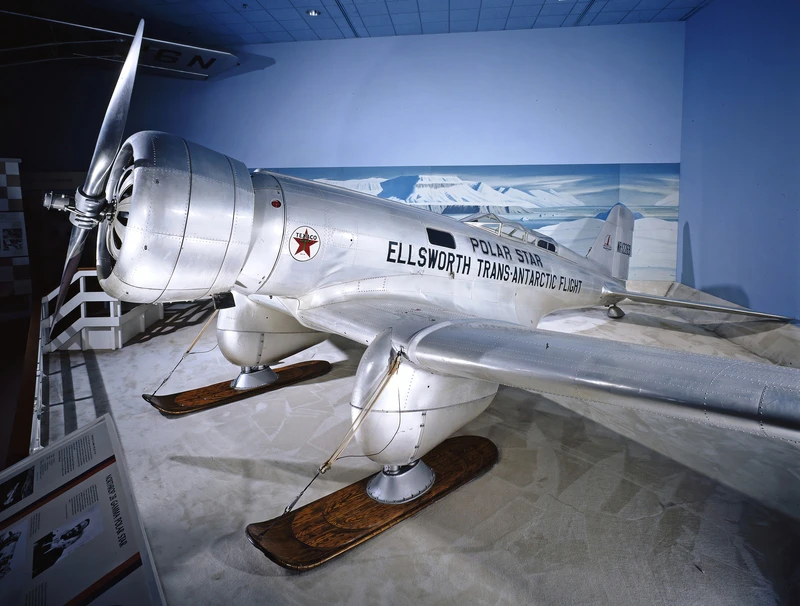
Northrop Gamma | |
|---|---|
| Maa | Yhdysvallat |
| Rooli | Siviili/hyökkäys |
| Johdanto | 1932 |
| Rakennettu | 60 |
Nniiden Northrop Gamma was a single-engine all-metal monoplane cargo aircraft used in the 1930s. Towards the end of its service life, it was developed into the A-17 light bomber. The Gamma was a further development of the successful Northrop Alpha and shared its predecessor’s aerodynamic innovations with wing fillets and multicellular stressed-skin wing construction. Like late Alphas, the fixed landing gear was covered in distinctive aerodynamic spats, and the aircraft introduced a fully enclosed cockpit.
Lähde: Northrop Gamma Wikipediassa
| Northrop Gamma ‘Polar Star’ Walk Around | |
|---|---|
| Valokuvaaja | Unknow |
| Lokalisointi | Ei tietää |
| Valokuvat | 18 |
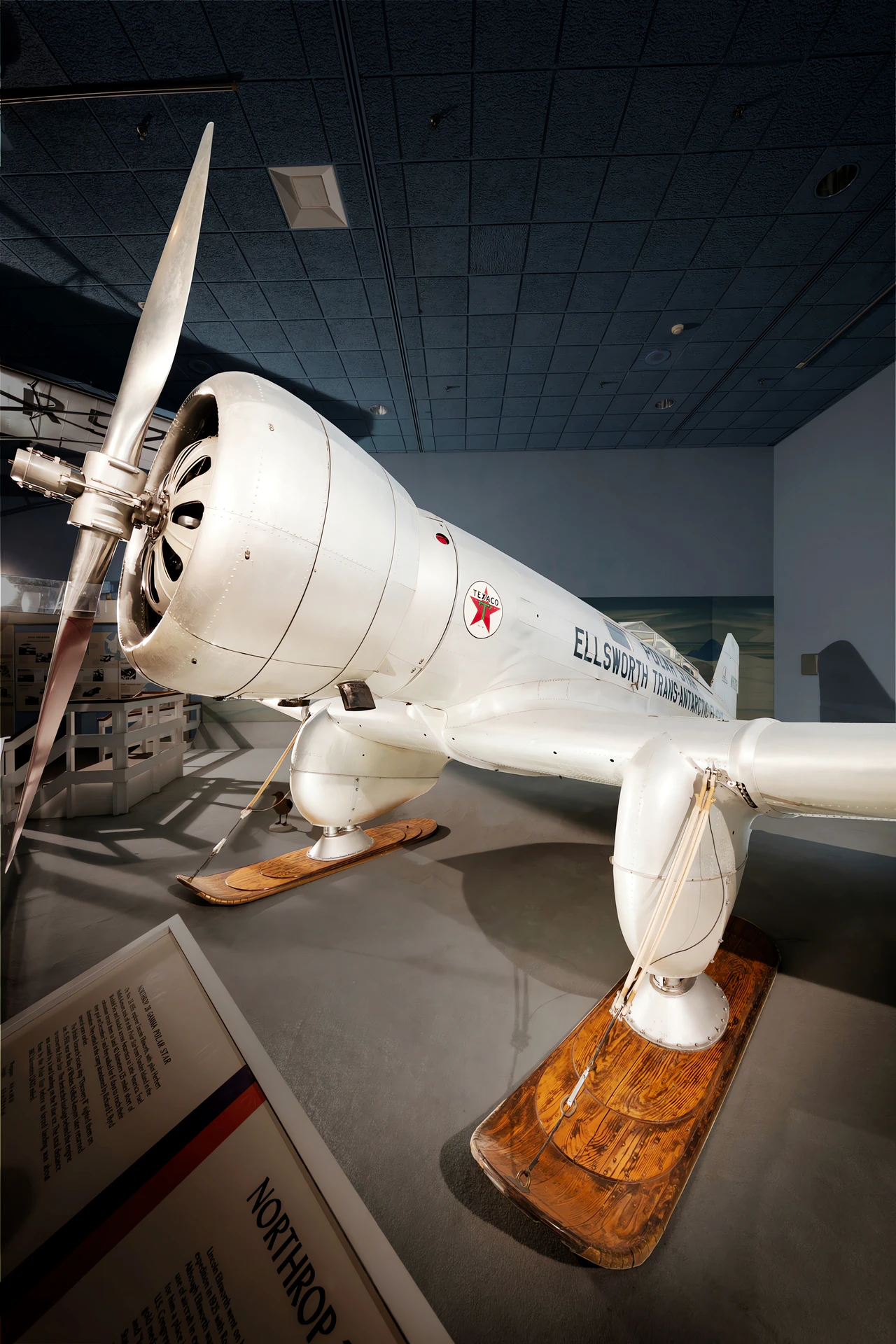
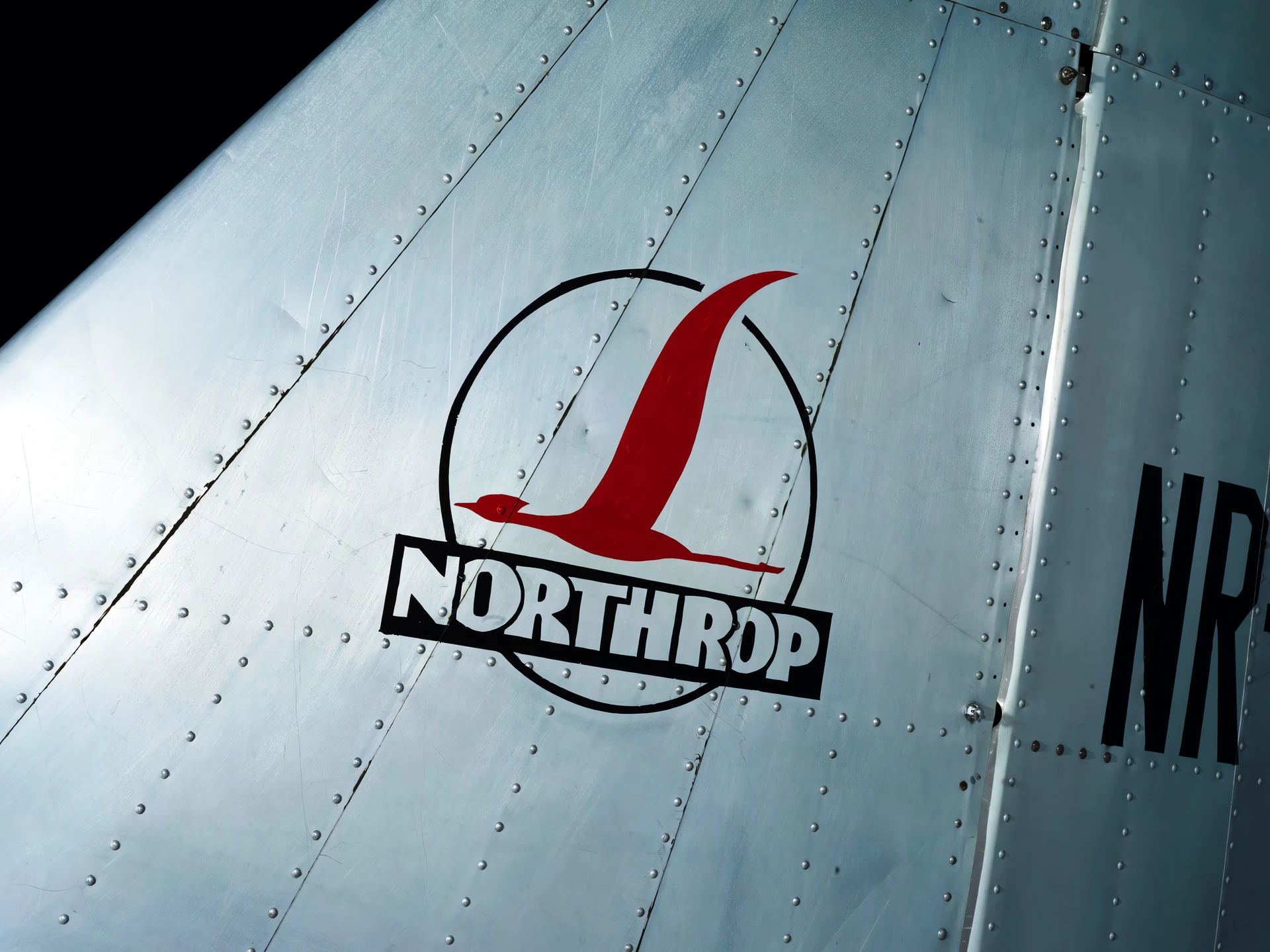
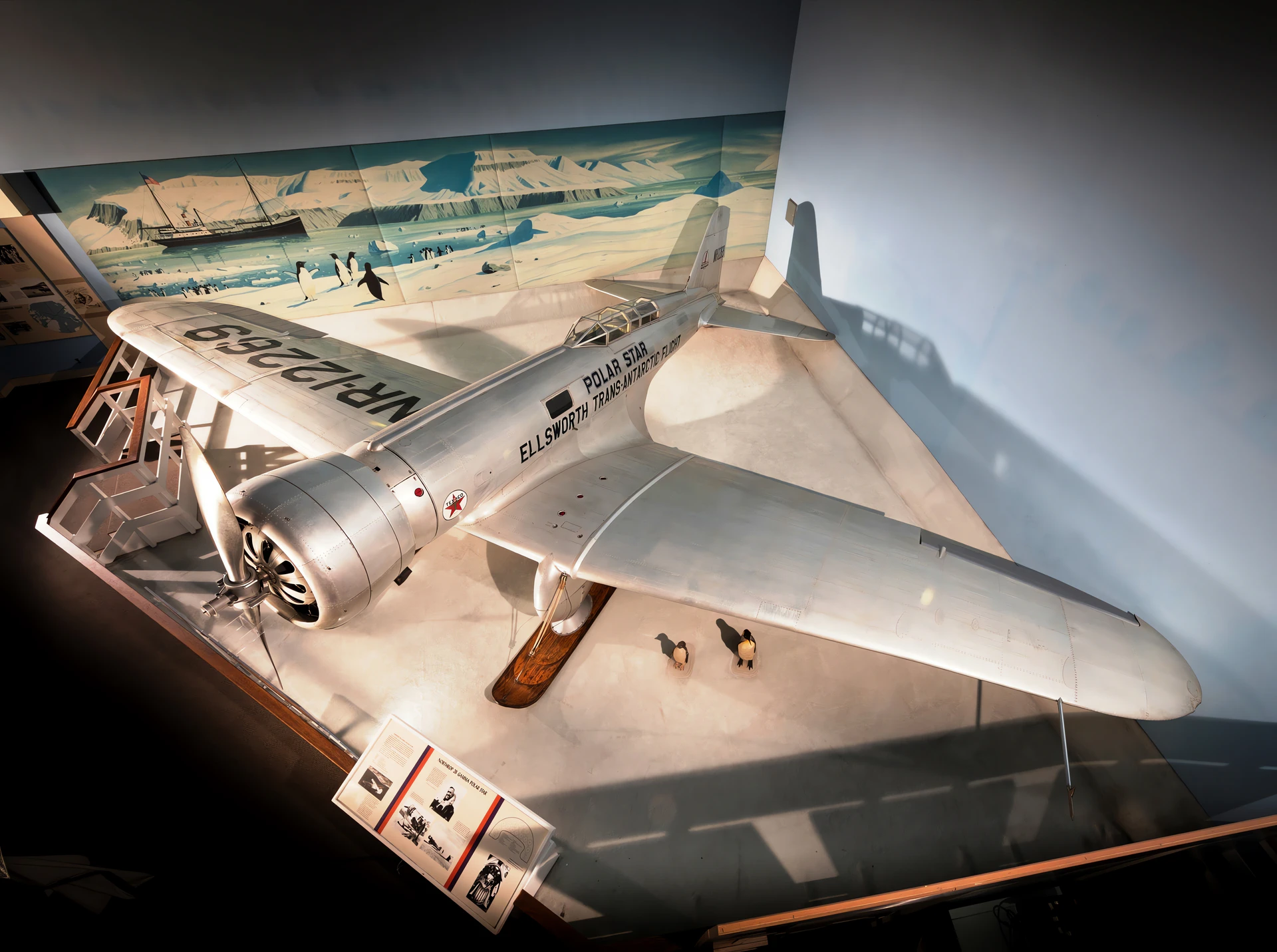
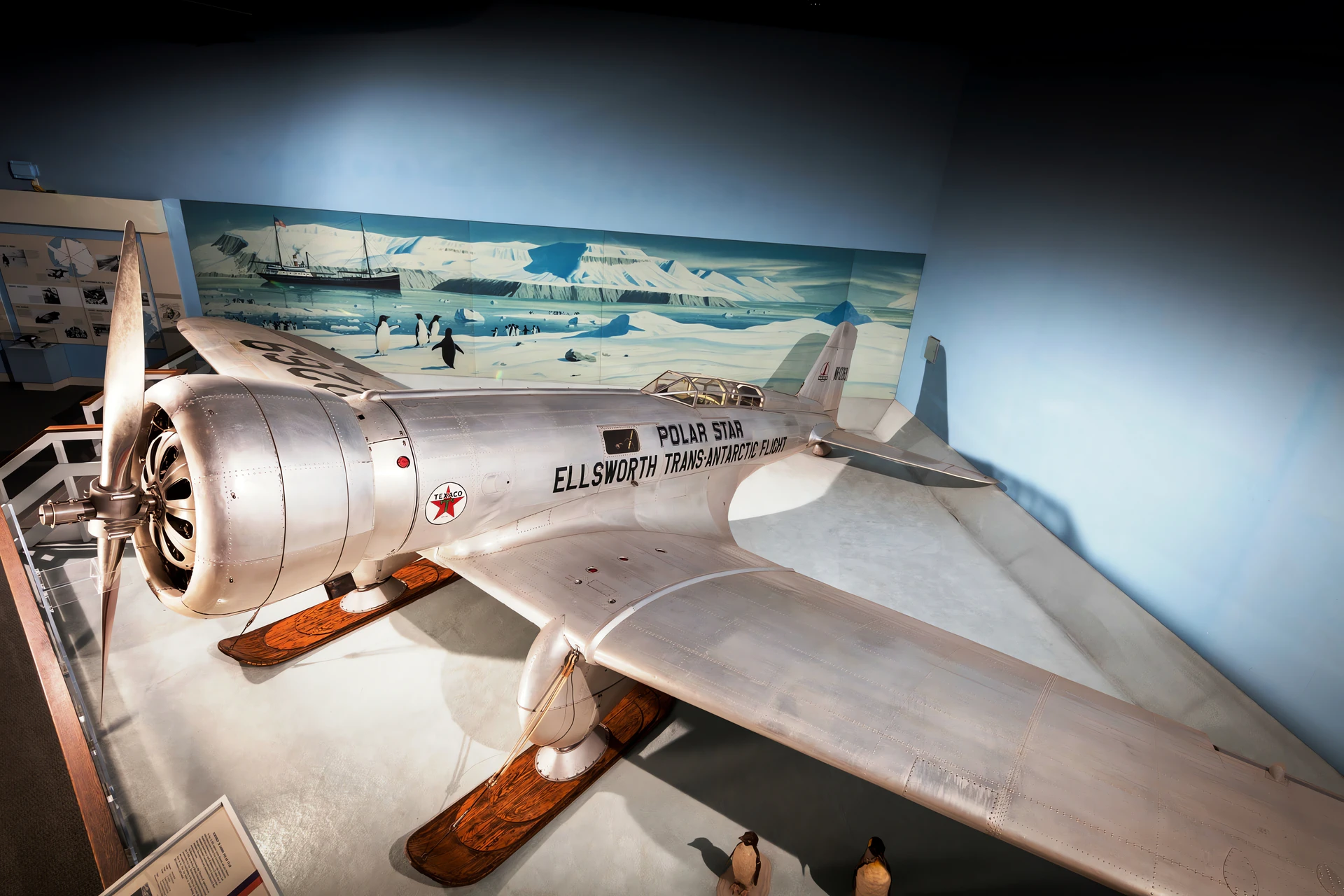
Galleriaa ei ole valittu tai galleria on poistettu.


Katso myös:


General Characteristics (Gamma 2B)
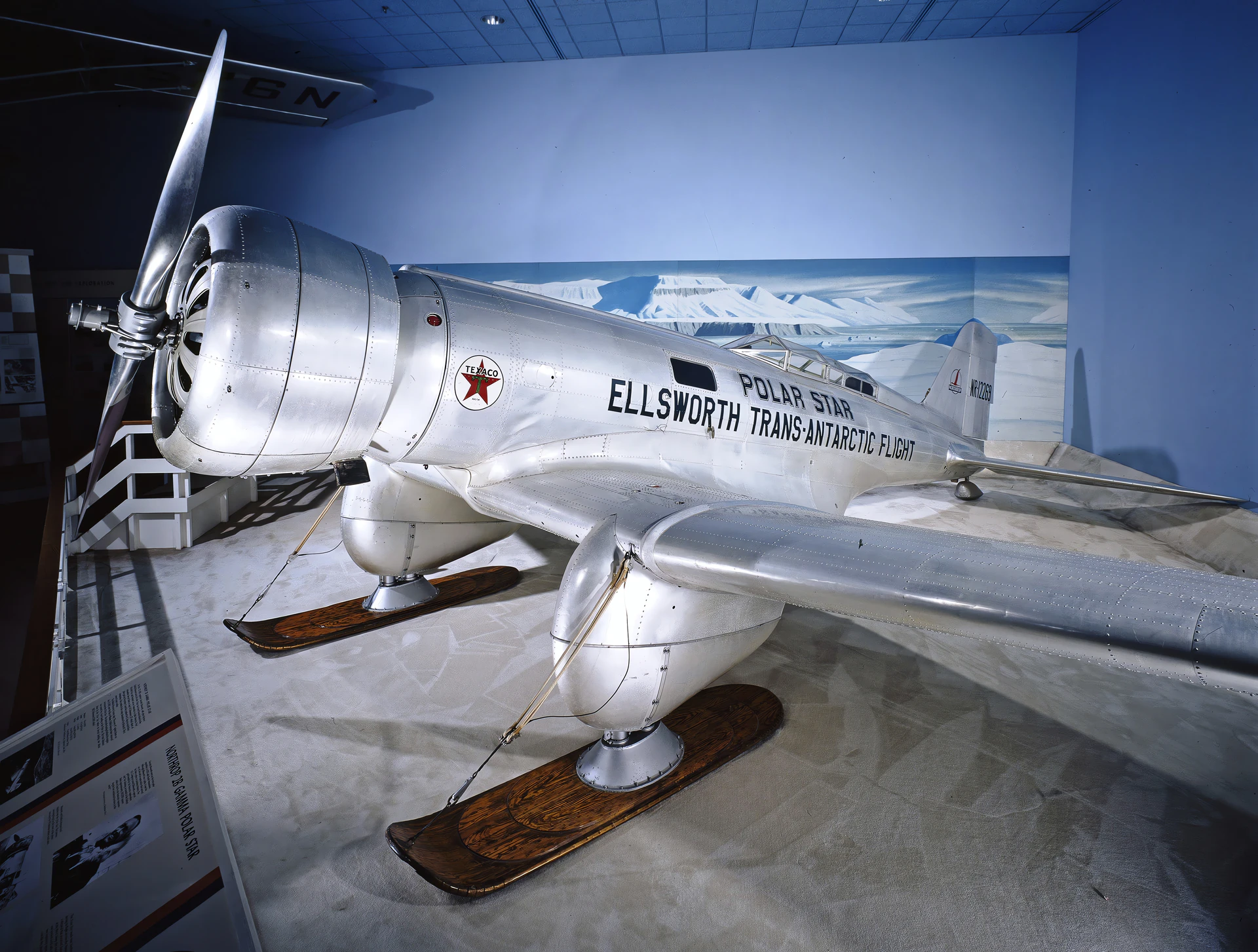
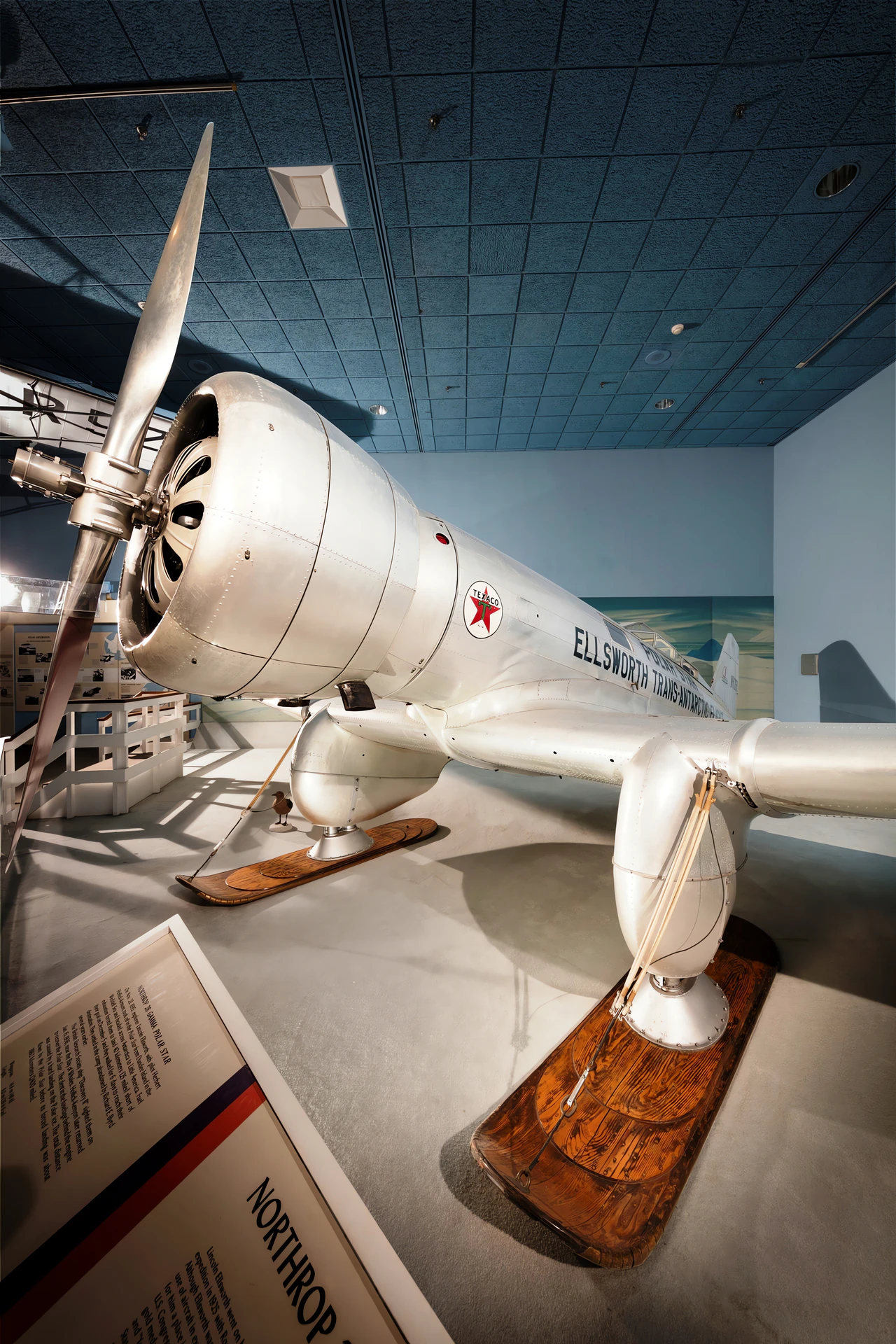
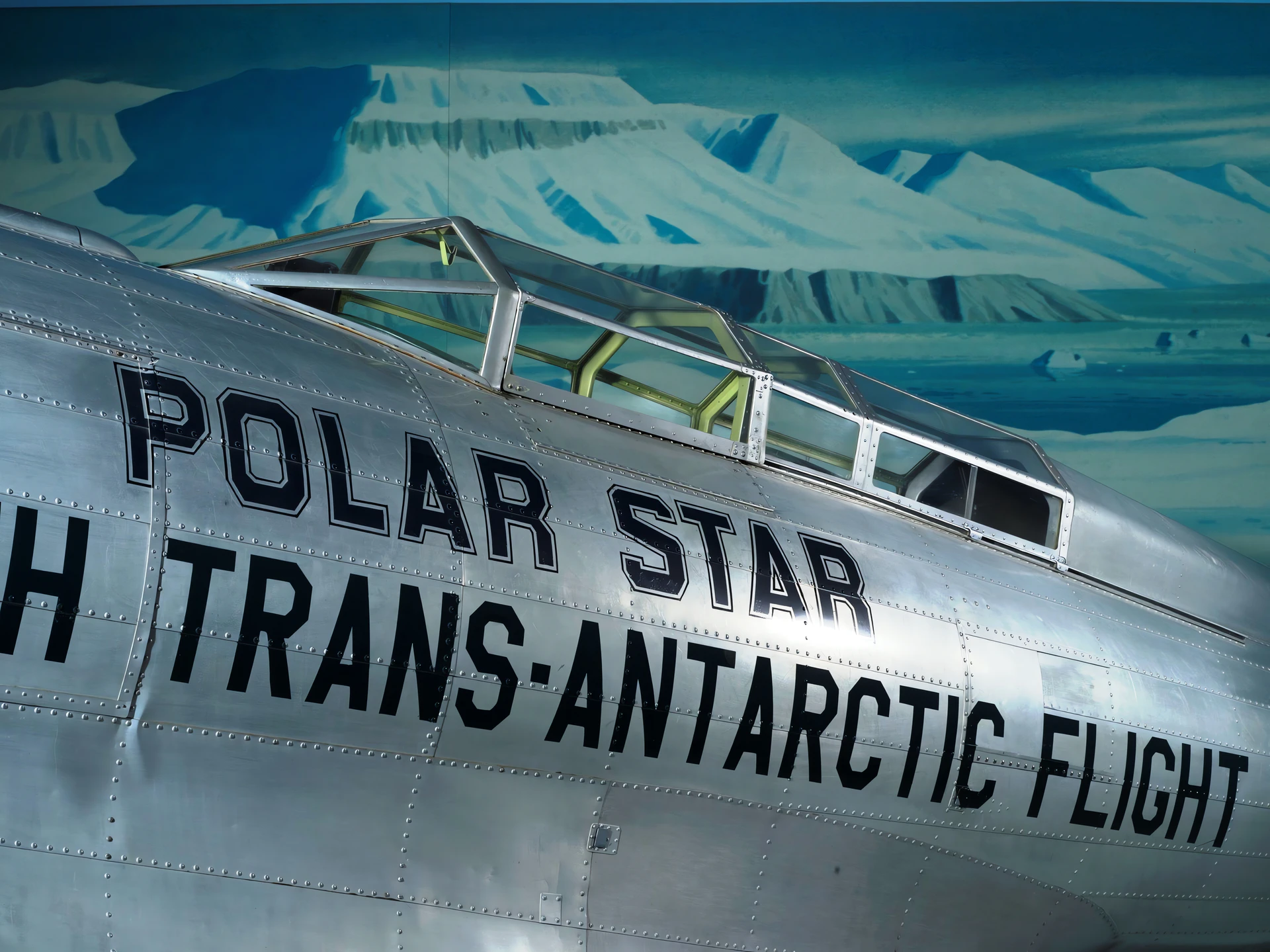
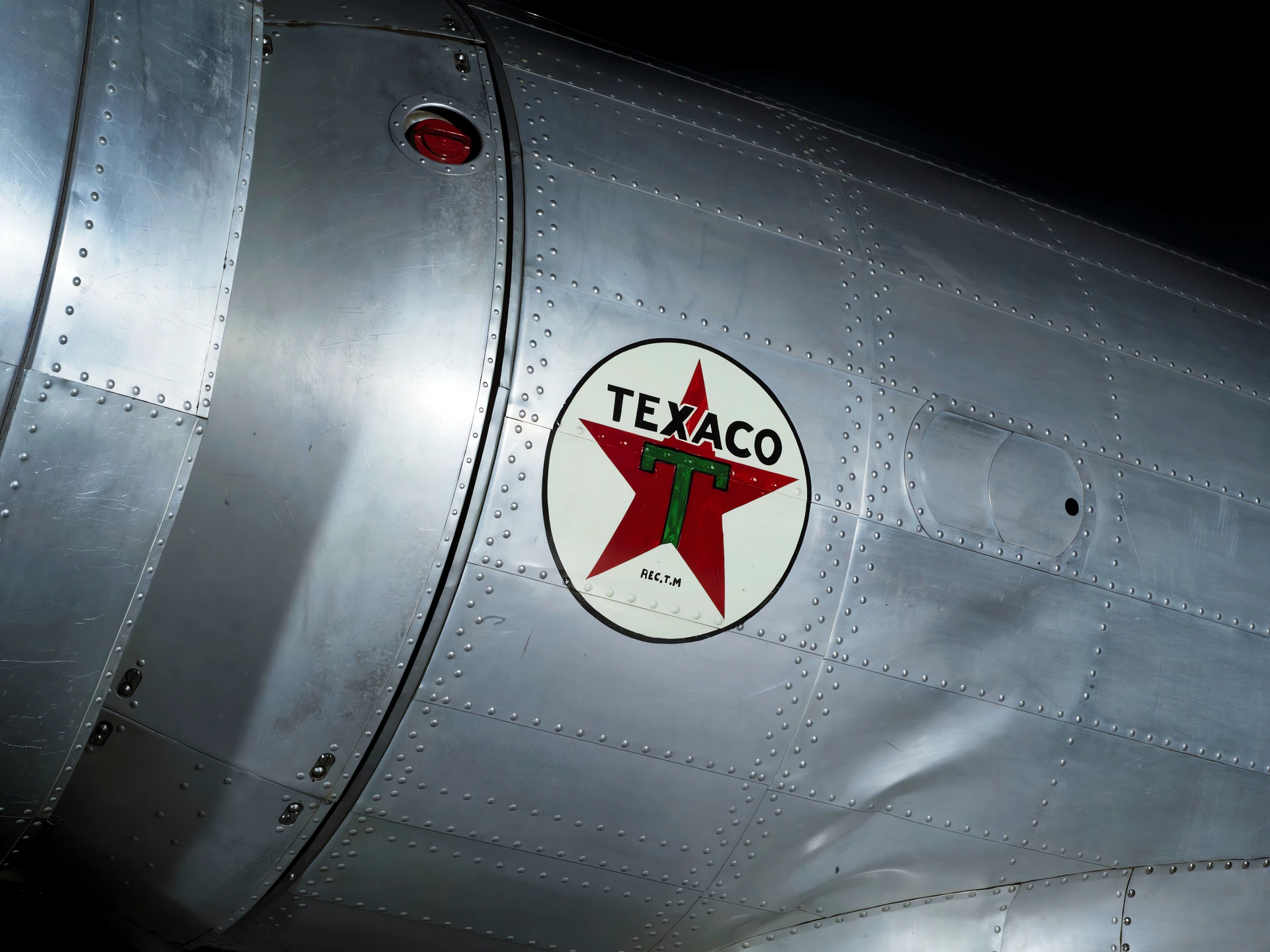
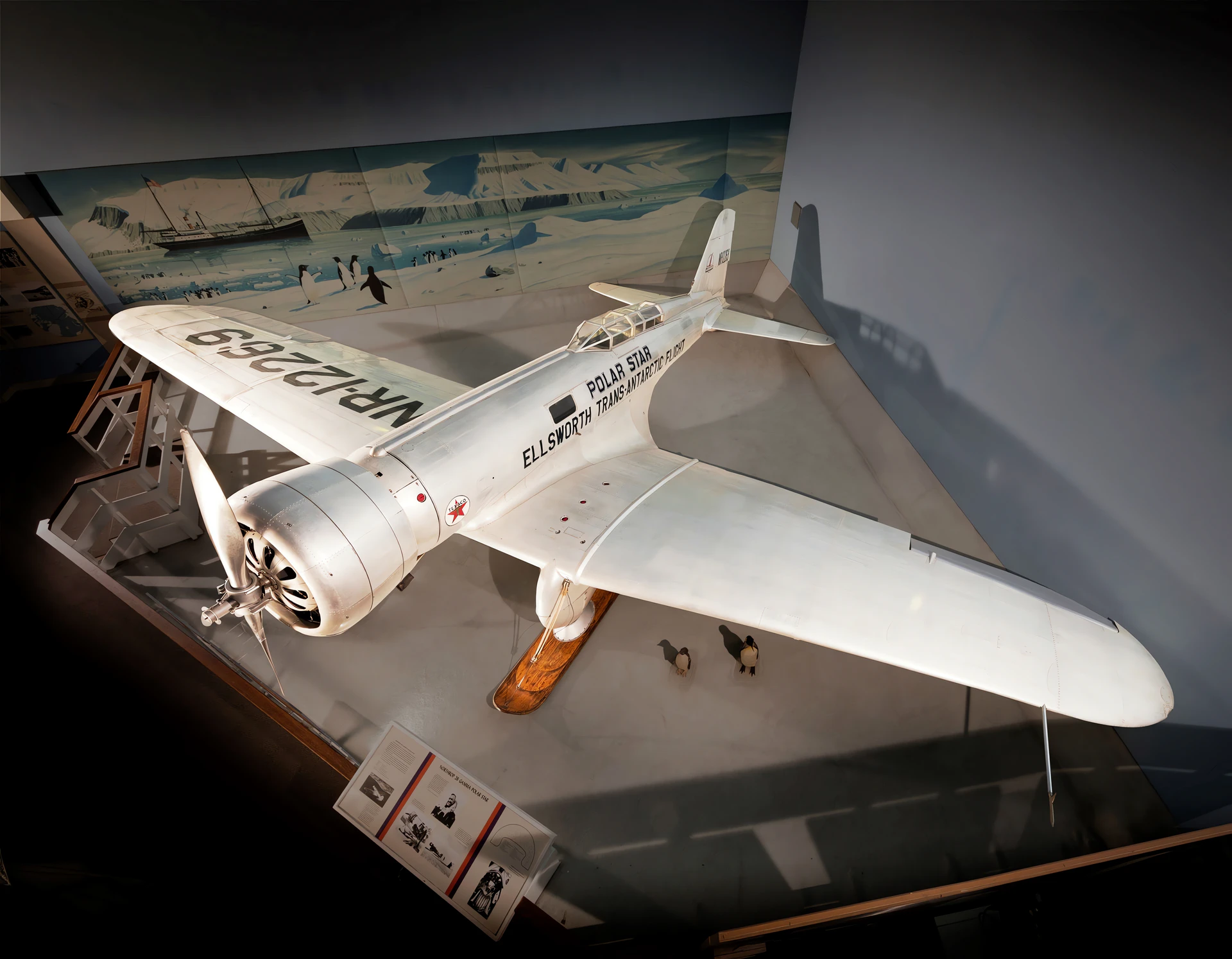
The Northrop Gamma was a cutting-edge, all-metal, low-wing cantilever monoplane of the 1930s. The specific aircraft, the Gamma 2B, was custom-built for polar explorer Lincoln Ellsworth and named the Polar Star. It was famous for being the aircraft that successfully achieved the first aerial crossing of Antarctica in 1935, although the crew was forced to land just 40 km (25 mi) short of their destination due to fuel exhaustion.
| Property | Typical Value (Gamma 2B ‘Polar Star’) |
|---|---|
| Rooli | Exploration / Long-Range Record Setting |
| Valmistaja | Northrop Corporation |
| First Flight (Gamma Series) | December 1932 |
| miehistö | 2 (Pilot and Observer/Explorer) |
| pituus | 9.50 m (31 ft 2 in) |
| Siipiväli | 14.63 m (47 ft 12 in) |
| Empty Weight | 1,588 kg (3,501 lb) |
| Max Takeoff Weight | 3,175 kg (7,000 lb) |
Design and Powerplant
- Engine: One Pratt & Whitney Wasp S3H-1 or similar 9-cylinder air-cooled radial piston engine (The Gamma series used various engines; the Polar Star was originally fitted with a 500 hp Pratt & Whitney Wasp).
- Power Output: 500 hp (373 kW) to 710 hp (529 kW) depending on the engine configuration over time.
- Structure: All-metal construction with Northrop’s pioneering multicellular stressed-skin wing structure, which later influenced designs like the Douglas DC-3.
- Landing Gear: Equipped with wide landing skis for polar operations, which could be swapped for wheels or floats.
- Fuselage: Two-seat tandem configuration with dual controls and a fully enclosed cockpit, unlike some earlier Northrop designs.
- Endurance: Modified to carry substantial fuel for long-range expeditionary flights, achieving a practical range of over 3,862 km (2,400 mi).
Performance and Historical Role
- Maximum Speed: Approximately 400 km/h (249 mph, 216 knots) (General Gamma performance).
- Range: 4,023 km (2,499 mi, 2,172 NM) on typical expedition configuration.
- Service Ceiling: 7,132 m (23,400 ft).
- Historical Significance: The ‘Polar Star’ (Gamma 2B) and the ‘Sky Chief’ (Gamma 2A) were the first two aircraft built by the newly formed Northrop Corporation.
- Antarctic Flight: Piloted by Herbert Hollick-Kenyon with Lincoln Ellsworth as the explorer, the ‘Polar Star’ successfully flew across Antarctica in late 1935, pioneering the use of modern all-metal aircraft in polar exploration.
Katsottu : 990
Voit myös nähdä:
 Northrop YC-125 Raider – Valokuvat & Videot
 Northrop JB-1 Lepakko – Valokuvat & Videot
 Northrop Alpha – Valokuvat & Video
 Northrop YF-17 Cobra – Valokuvat & Video
 Northrop F-89 Scorpion – Valokuvat & Video
 Northrop N-9MB - Valokuvat ja video
 Northrop YA-9 – Valokuvat & Video
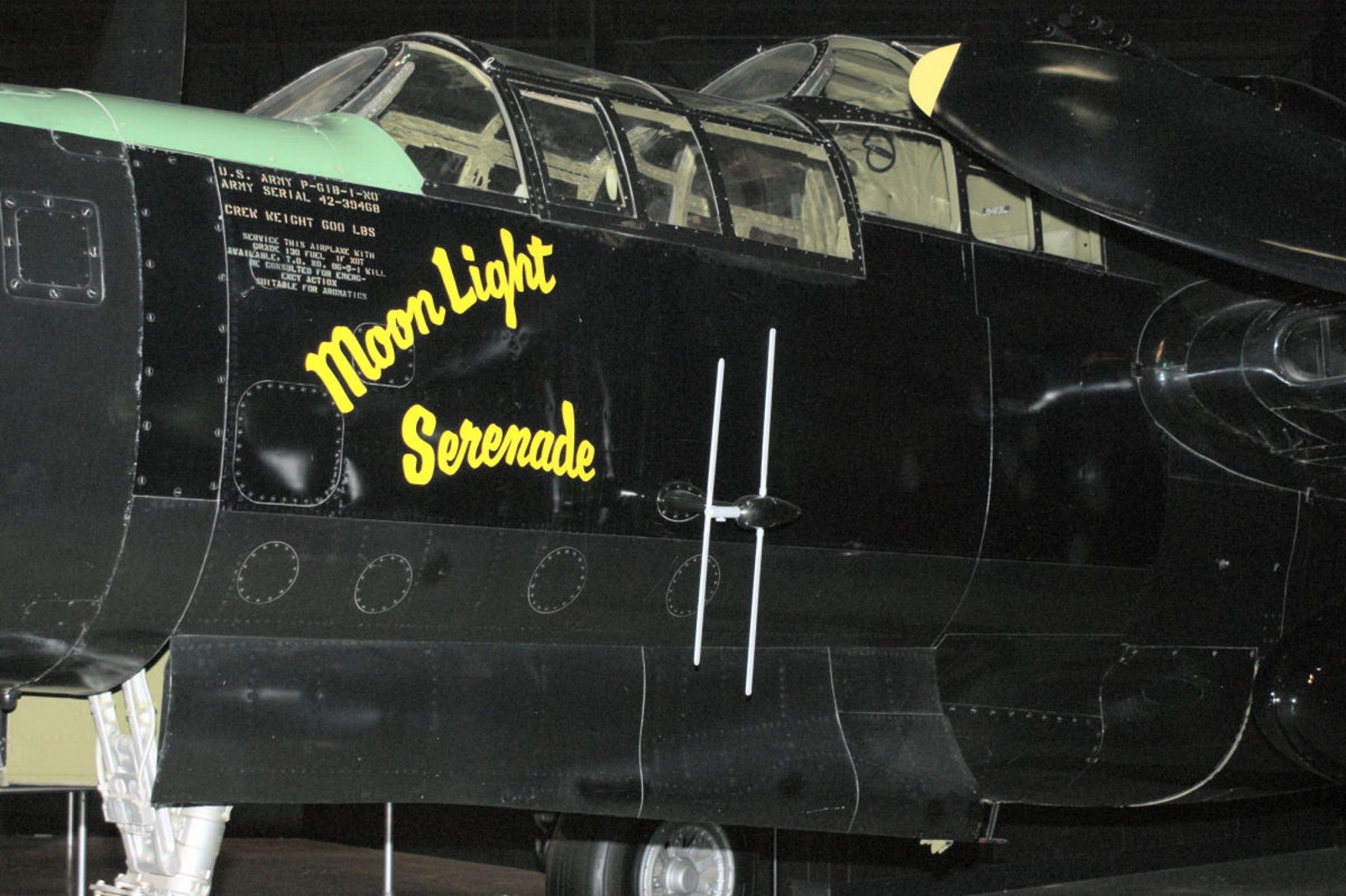 Northrop P-61 Black Widow – Valokuvat ja video
 Northrop A-17A – Valokuvat ja video
 Northrop F-5 – Valokuvat ja video