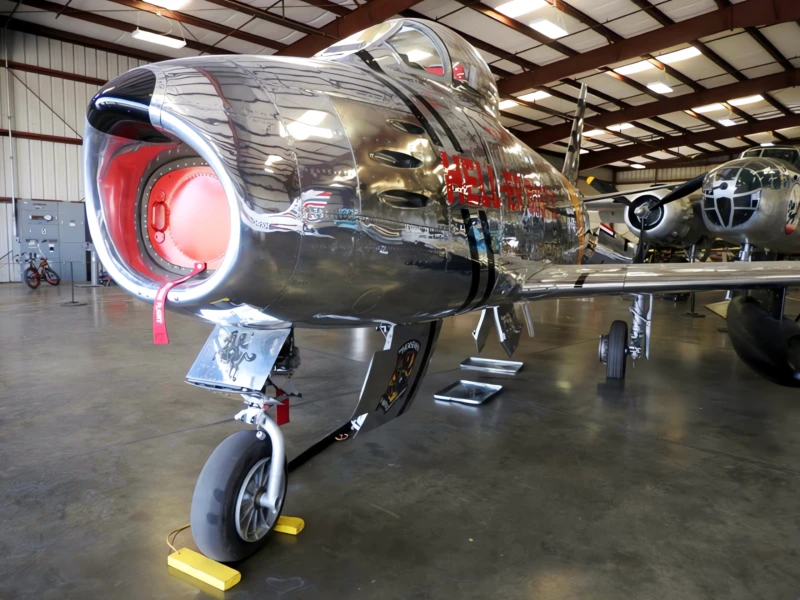
Canadair Sabre | |
|---|---|
| Šalies | Kanada |
| Vaidmenį | Kovotojas |
| Pirmasis skrydis | 1950 m. rugpjūčio 9 d. |
| Pastatytas | 1815 |
2007 Canadair Sabre buvo reaktyvinis naikintuvas, kurį "Canadair" pastatė pagal Šiaurės Amerikos aviacijos licenciją. Šiaurės Amerikos F-86 Sabre variantas, jis buvo gaminamas iki 1958 m. ir daugiausia naudojamas Karališkųjų Kanados oro pajėgų (RCAF), kol 1962 m. buvo pakeistas Canadair CF-104. Orlaivį valdė ir kelios kitos oro pajėgos.
Šaltinis: Canadair Sabre Vikipedijoje
| Canadair F-86E mk.6 Sabre Walk Around | |
|---|---|
| Fotografas | Cees Hendriksas |
| Lokalizavimo | Nežinoti |
| Nuotraukos | 41 |
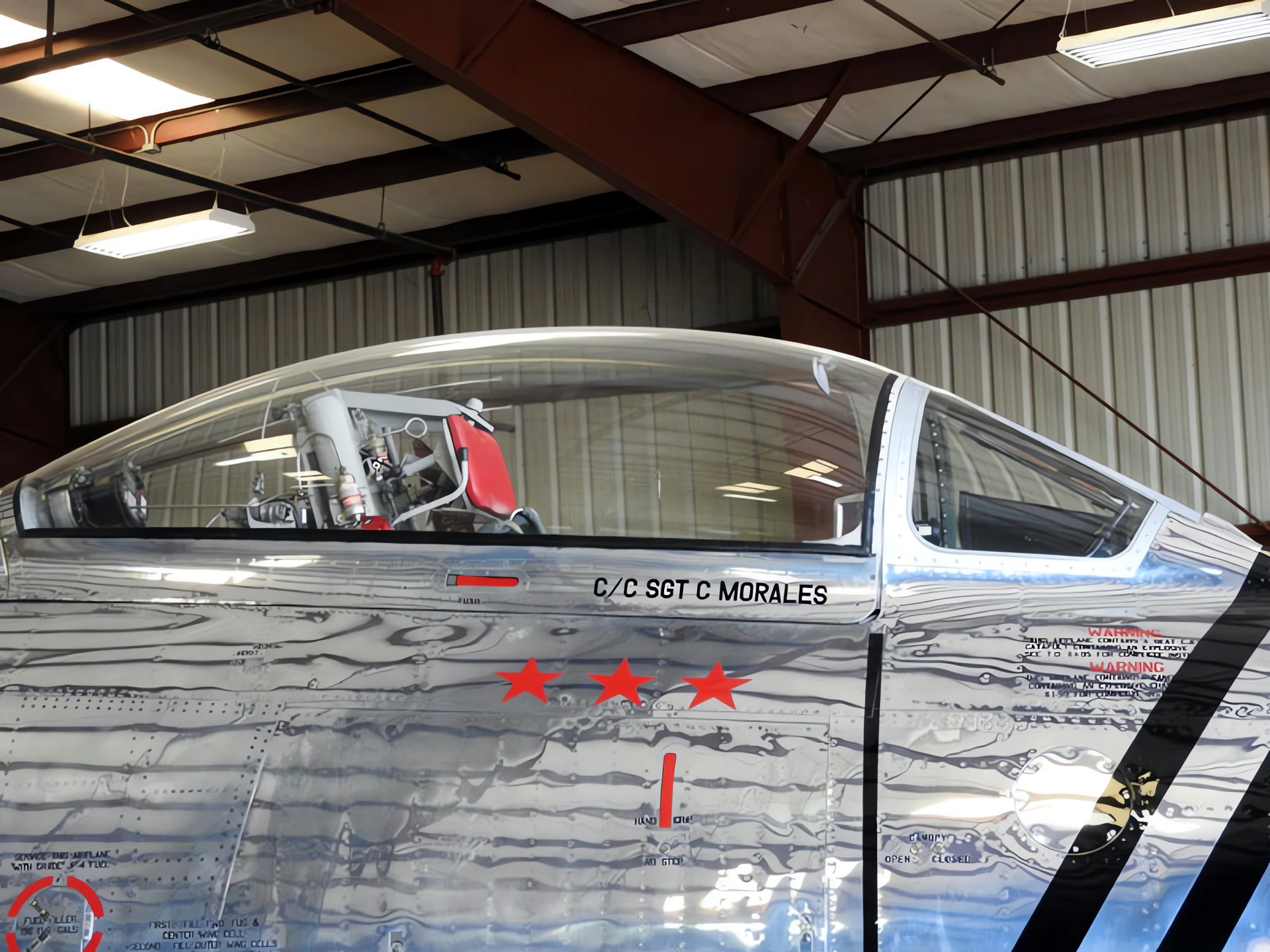
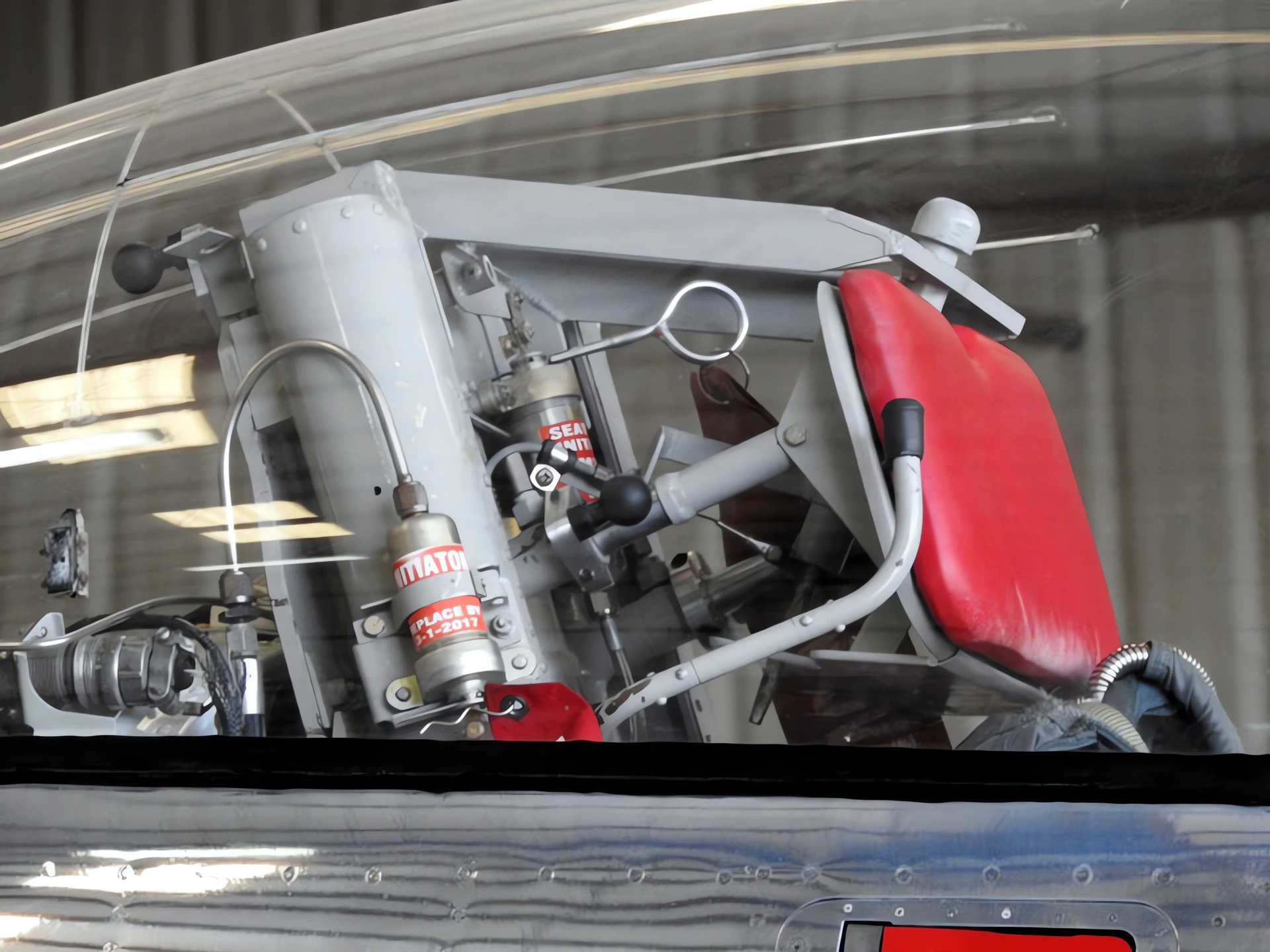
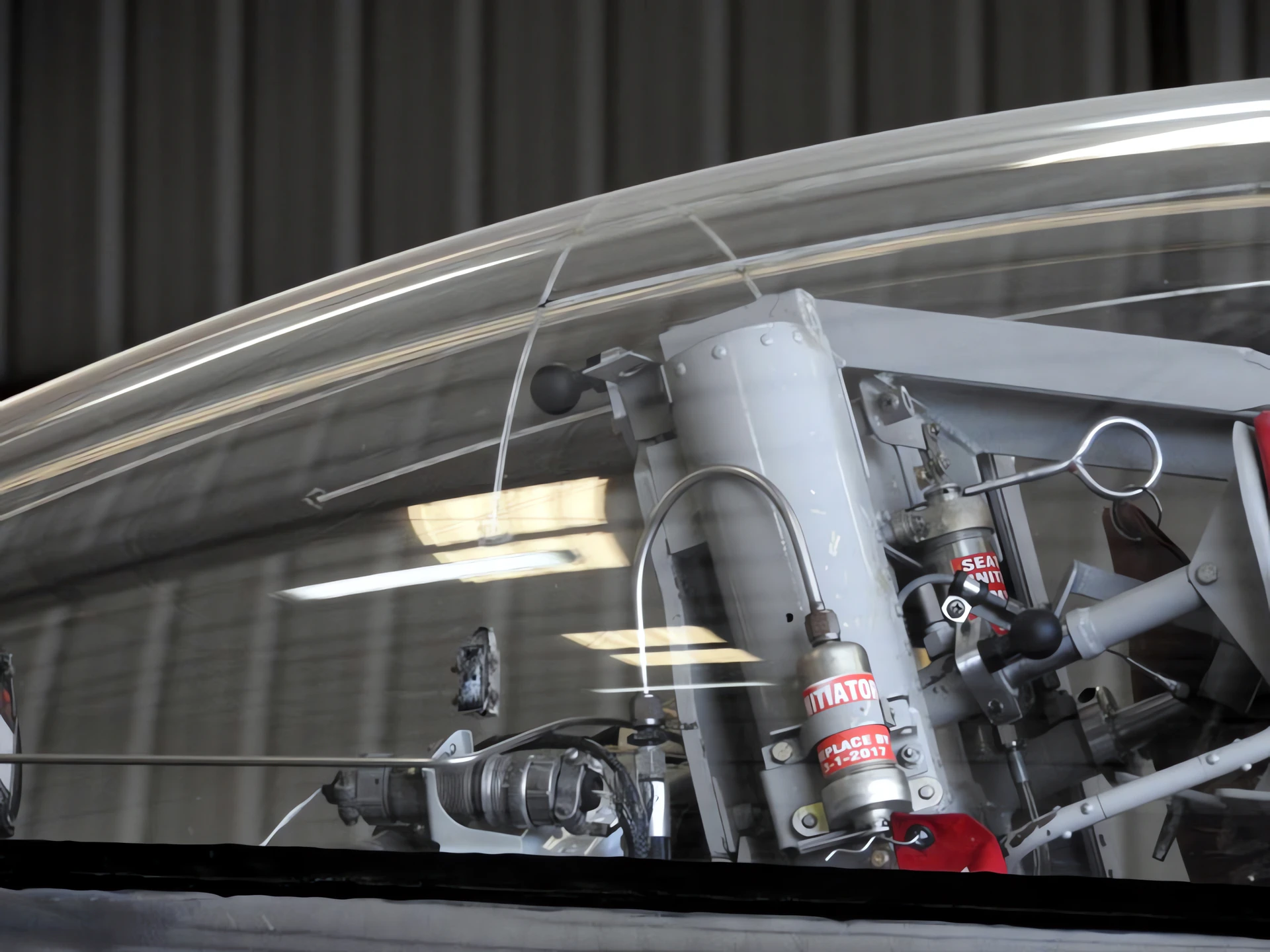
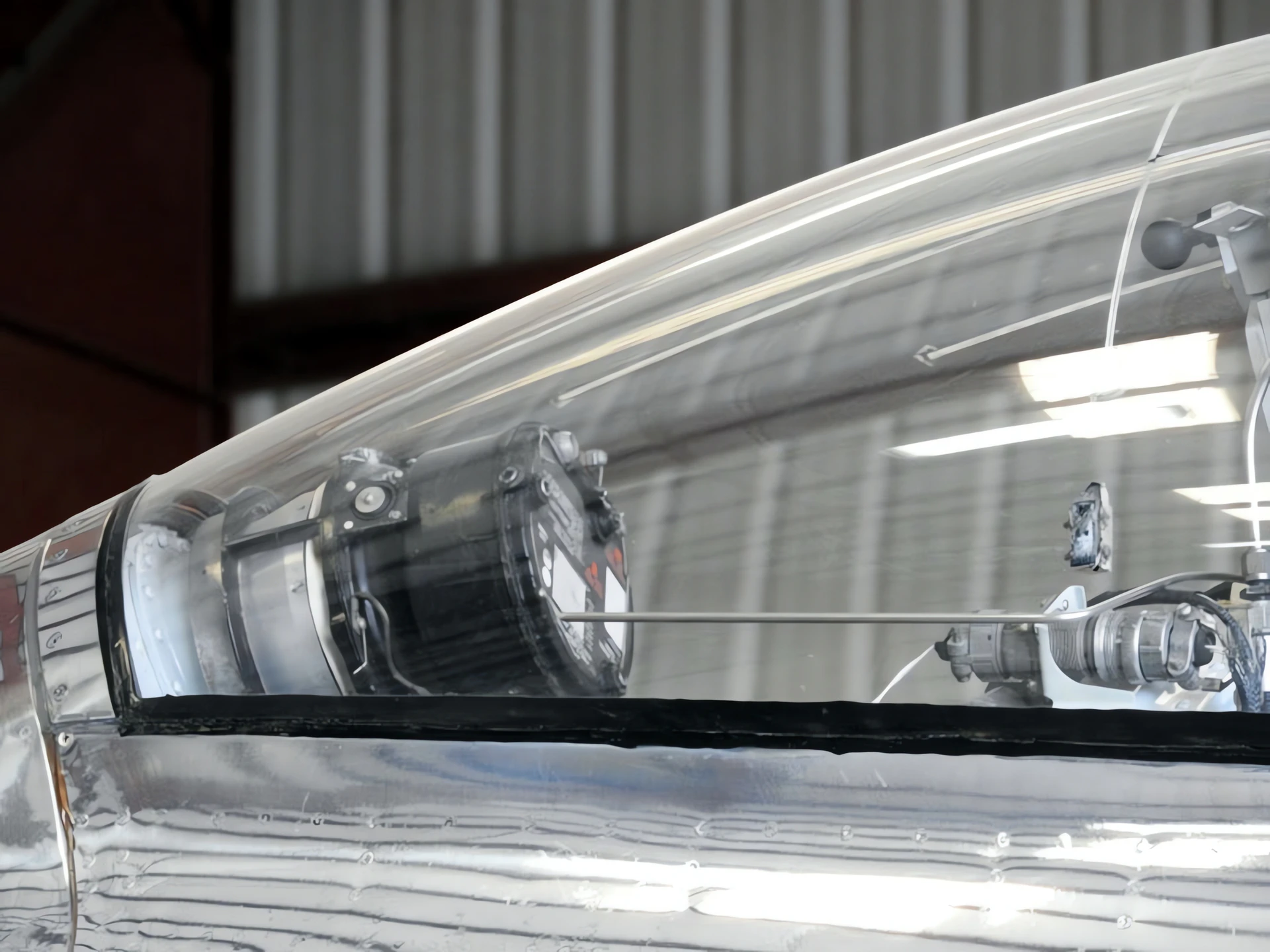
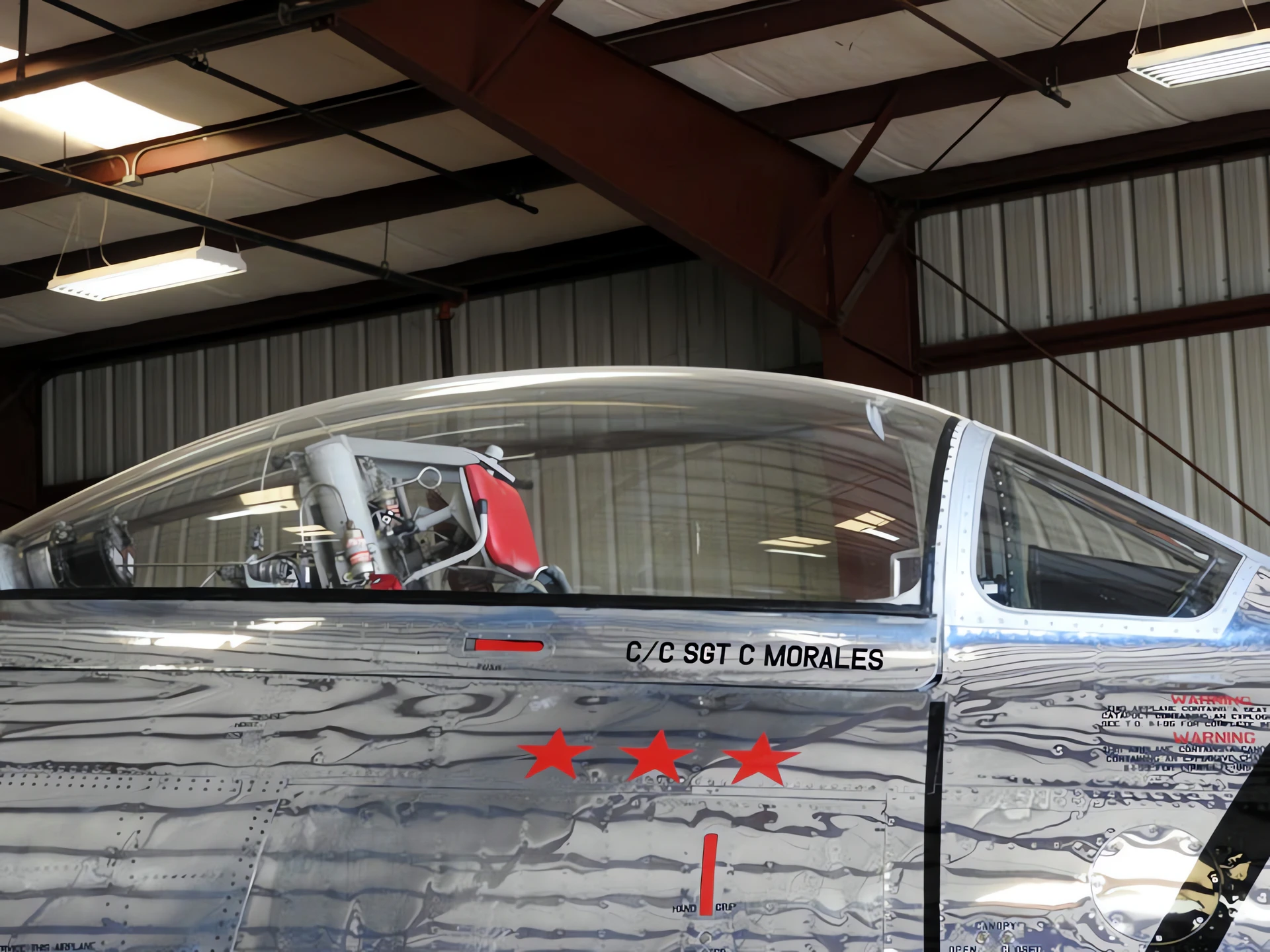
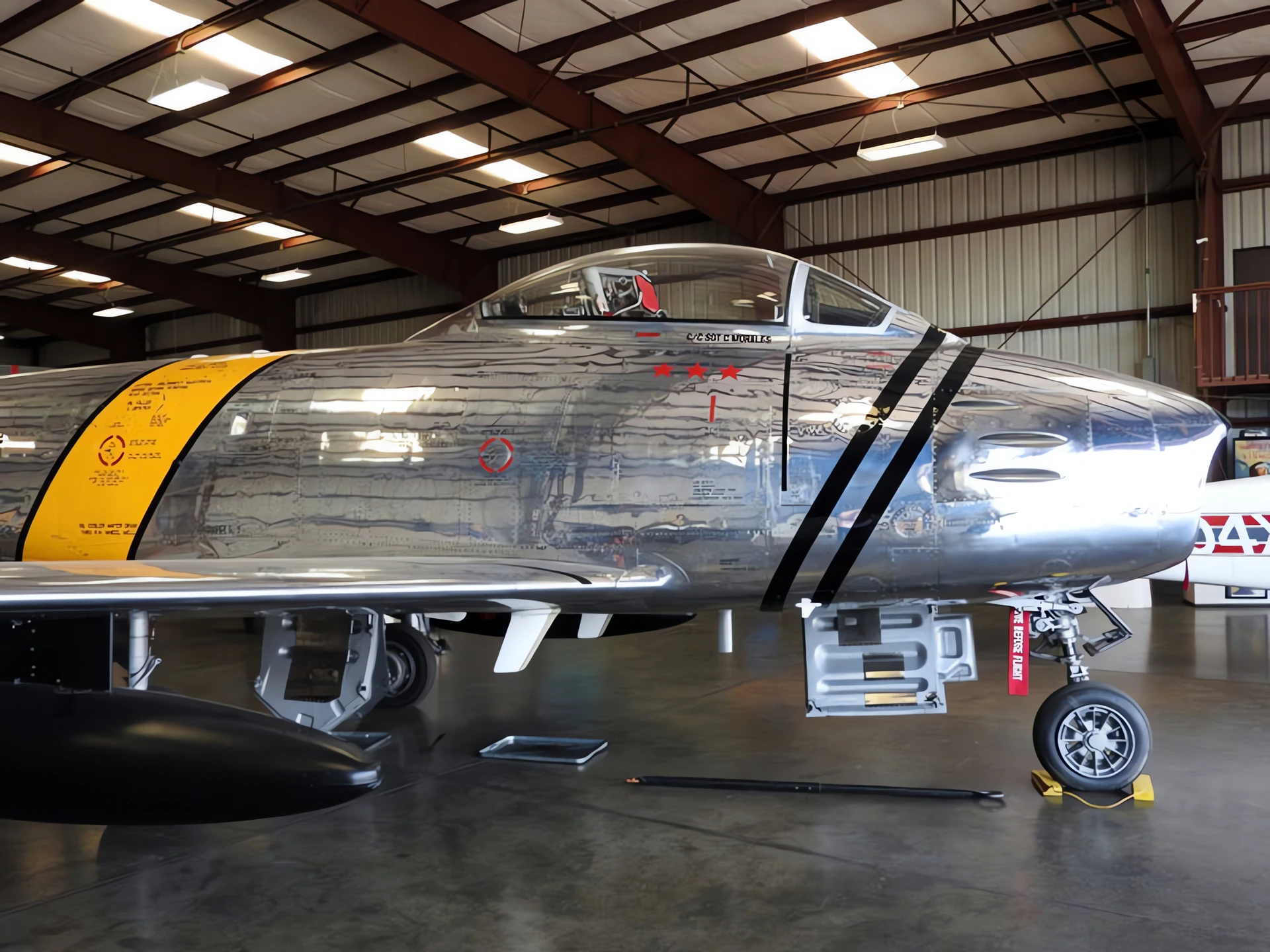
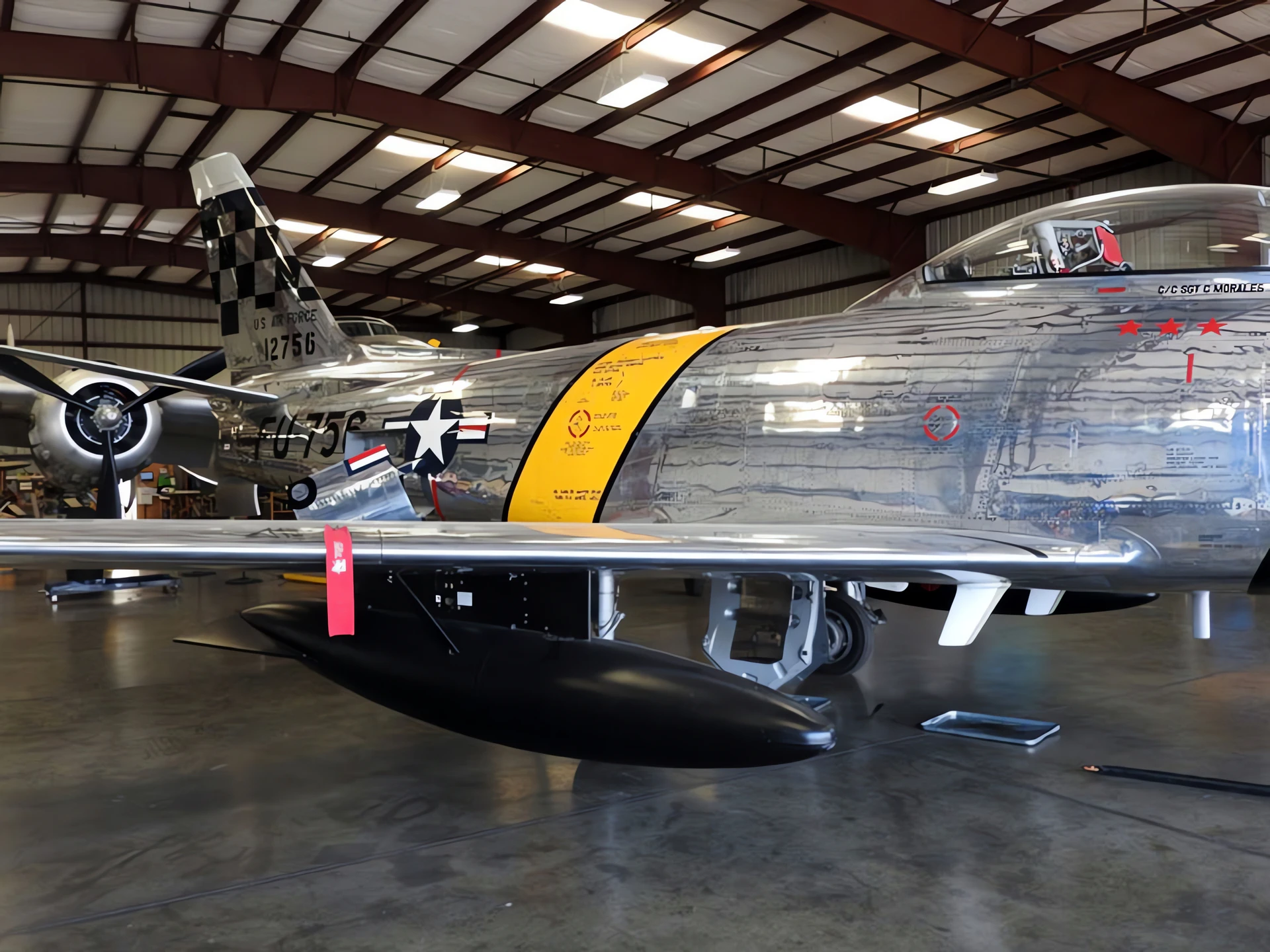
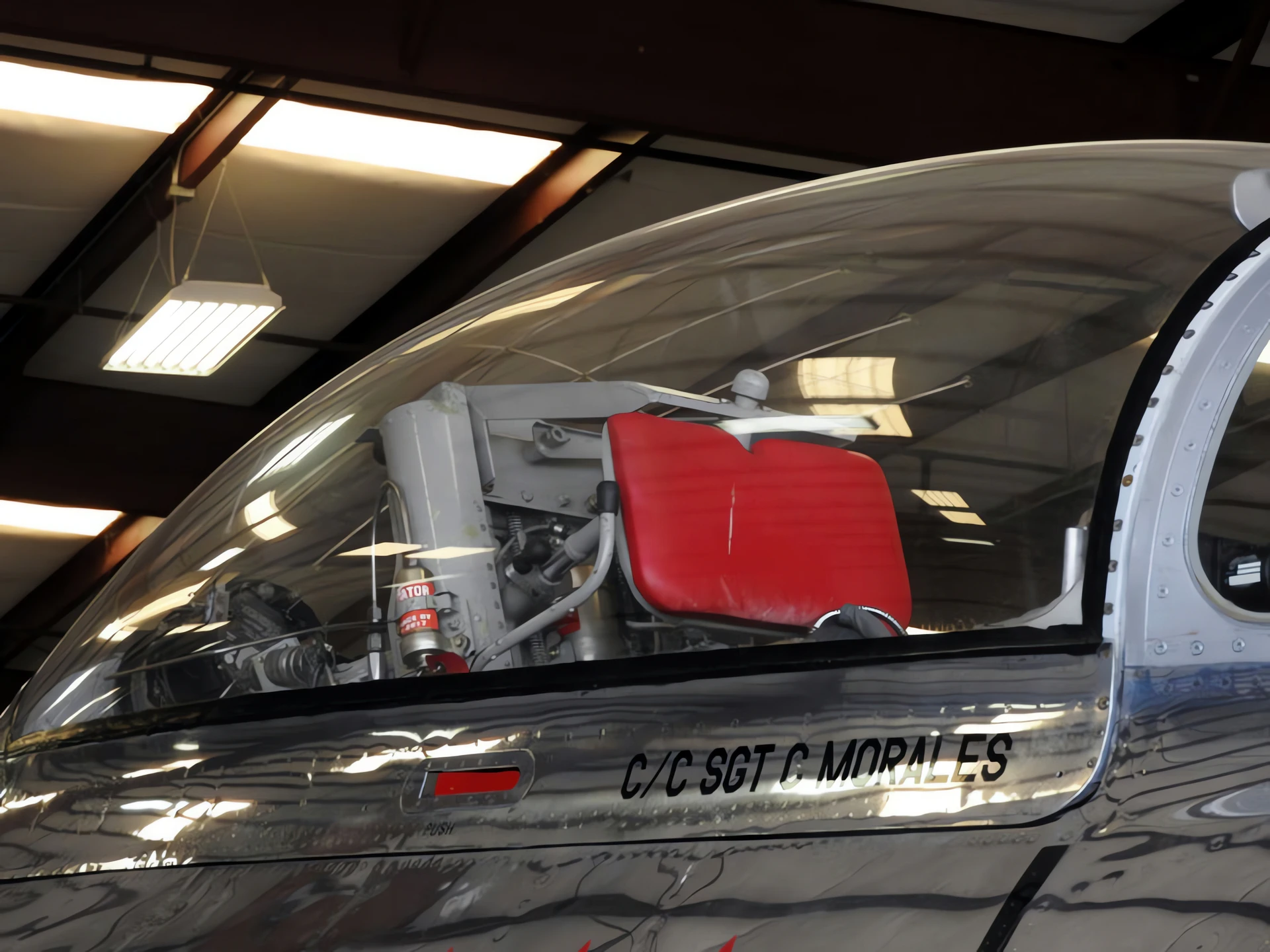
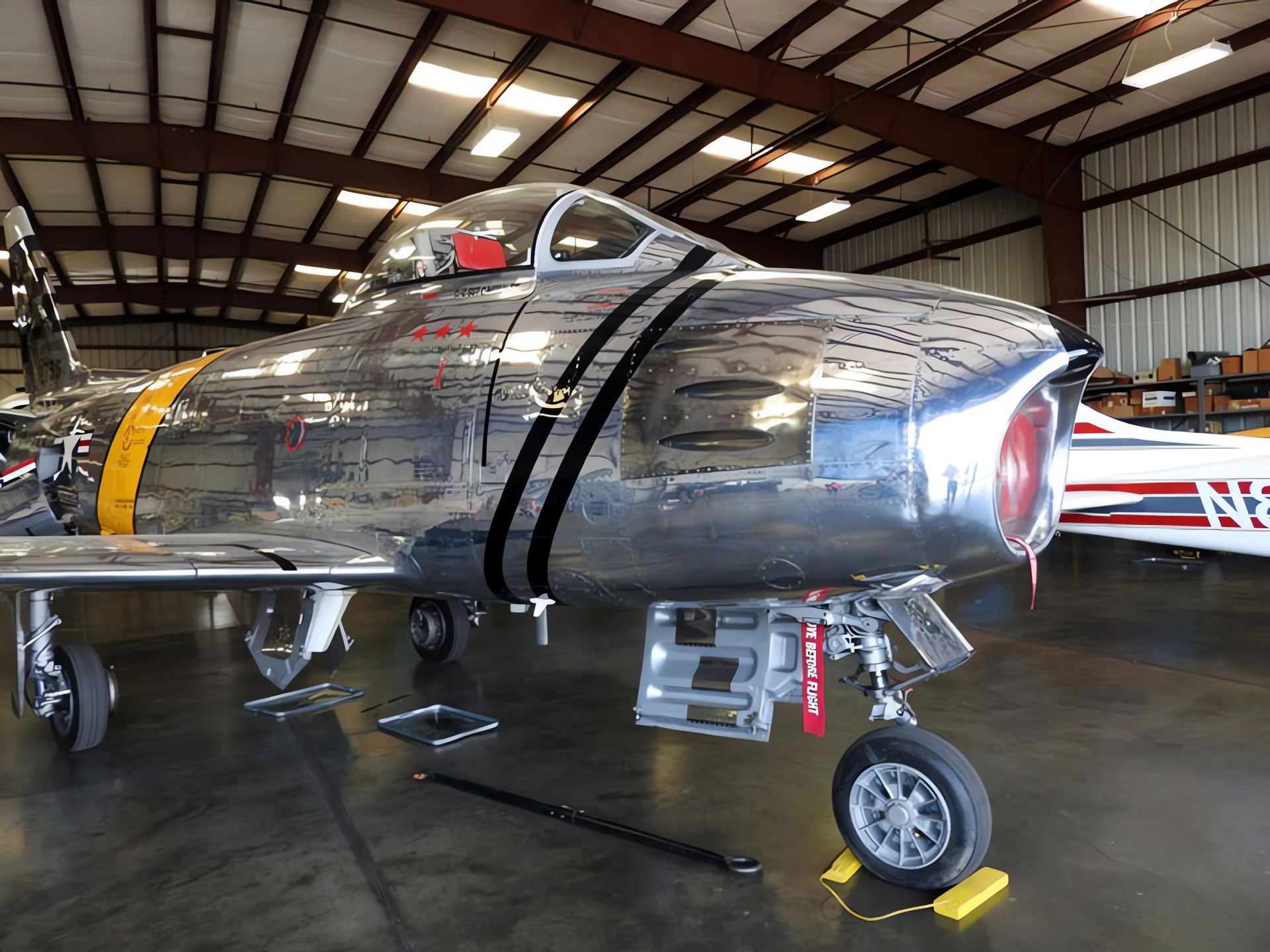

| Canadair Sabre Mk.V Walk Around | |
|---|---|
| Fotografas | Vladimiras Yakubovas |
| Lokalizavimo | Ontarijo pulko muziejus |
| Nuotraukos | 70 |
Taip pat žiūrėkite:


The “Super” Sabre
2007 Canadair Sabre Mk.6 is widely regarded by aviation historians and pilots as the finest version of the F-86 ever produced. While based on the North American F-86E, the Canadian version featured a significantly more powerful Orenda engine and a highly optimized wing. These improvements gave the Mk.6 superior climb rates and high-altitude performance compared to its American counterparts, making it a favorite of NATO air forces during the height of the Cold War.
| Attribute | Technical Specification (Sabre Mk.6) |
|---|---|
| Vaidmenį | Day Fighter / Interceptor |
| Įgulos | 1 (Pilot) |
| Jėgainė | 1 × Avro Canada Orenda 14 turbojet |
| Thrust | 7,275 lbf (32.36 kN) |
| Maximum Speed | 710 mph (1,142 km/h) at sea level |
| Rate of Climb | 11,800 ft/min (3,600 m/min) |
| Service Ceiling | 54,000 feet (16,460 m) |
| Ginkluotės | 6 × .50 cal (12.7 mm) M3 Browning machine guns |
Engineering Superiority: The Orenda and the Wing
- The Orenda 14 Engine: The heart of the Mk.6 was the Avro Canada Orenda 14. It provided nearly 1,000 lbs more thrust than the J47 engines used in American Sabres. This extra power fundamentally changed the aircraft’s energy management, allowing it to out-accelerate almost any threat in the sky.
- The “6-3” Slatted Wing: The Mk.6 combined the “6-3” wing (referring to a 6-inch increase at the root and 3-inch at the tip) with leading-edge slats. This allowed for high top speeds while maintaining the excellent low-speed handling and tight turning radius required for dogfighting.
- Sugar Scoops: The Mk.6 featured small, auxiliary air intakes on the fuselage (often called “sugar scoops”) to provide cooling air to the engine bay, a distinctive visual cue for Canadian-built Sabres.
- Liquid Oxygen (LOX) System: Unlike earlier versions, the Mk.6 utilized a LOX system for the pilot, which allowed for longer missions at the high altitudes where the Orenda engine excelled.
NATO’s Shield and the “Golden Hawks”
- RCAF Service: The Royal Canadian Air Force operated several wings of Mk.6 Sabres in Europe, where they were considered the “top cover” for NATO, often outperforming the early Soviet MiGs and American jets in mock combat.
- The Golden Hawks: To celebrate the 50th anniversary of flight in Canada, the RCAF formed the Golden Hawks aerobatic team using gold-painted Sabre Mk.6s. Their high-thrust engines allowed for spectacular vertical maneuvers that other teams couldn’t match.
- Global Success: The Mk.6 was exported to West Germany, South Africa, and Colombia. It served as the Luftwaffe’s primary day fighter until the arrival of the F-104 Starfighter.
- Preservation: Several Mk.6s remain airworthy today in the hands of collectors and heritage flights, often being the stars of airshows due to the thunderous roar of the Orenda engine.
Peržiūrėta: 3645
Taip pat galite pamatyti:
 Canadair CP-107 Argus - nuotraukos ir vaizdo įrašai
 "Canadair CF-104 Starfighter" – nuotraukos ir vaizdo įrašai
 Šiaurės Amerikos X-15 – nuotraukos ir vaizdo įrašai
 Šiaurės Amerikos FJ-4 Fury - nuotraukos ir vaizdo įrašas
 Šiaurės Amerikos T-28 Trojos arklys – nuotraukos ir vaizdo įrašai
 Šiaurės Amerikos F-100 Super Sabre – nuotraukos ir vaizdo įrašas
 Šiaurės Amerikos AT-6D Texan – nuotraukos ir vaizdo įrašas
 Šiaurės Amerikos A-36A Apache – nuotraukos ir vaizdo įrašas
 Šiaurės Amerikos F-86 Sabre – nuotraukos ir vaizdo įrašas
 QF-100D Super Sabre – nuotraukos ir vaizdo įrašai