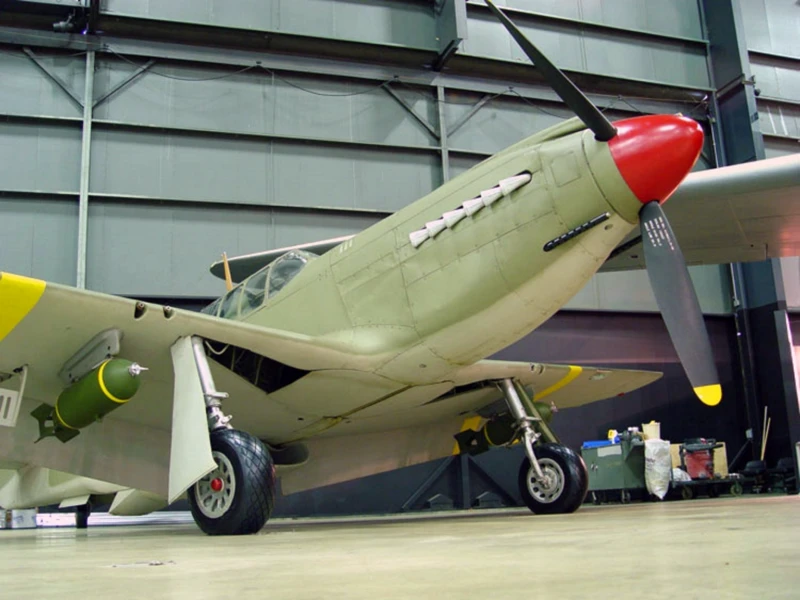
Šiaurės Amerikos A-36A apache | |
|---|---|
| Šalies | Jungtinės Amerikos Valstijos |
| Vaidmenį | Antžeminės atakos/nardymo bombonešis |
| Pirmasis skrydis | 1942 m. spalio mėn. |
| Pastatytas | 500 |
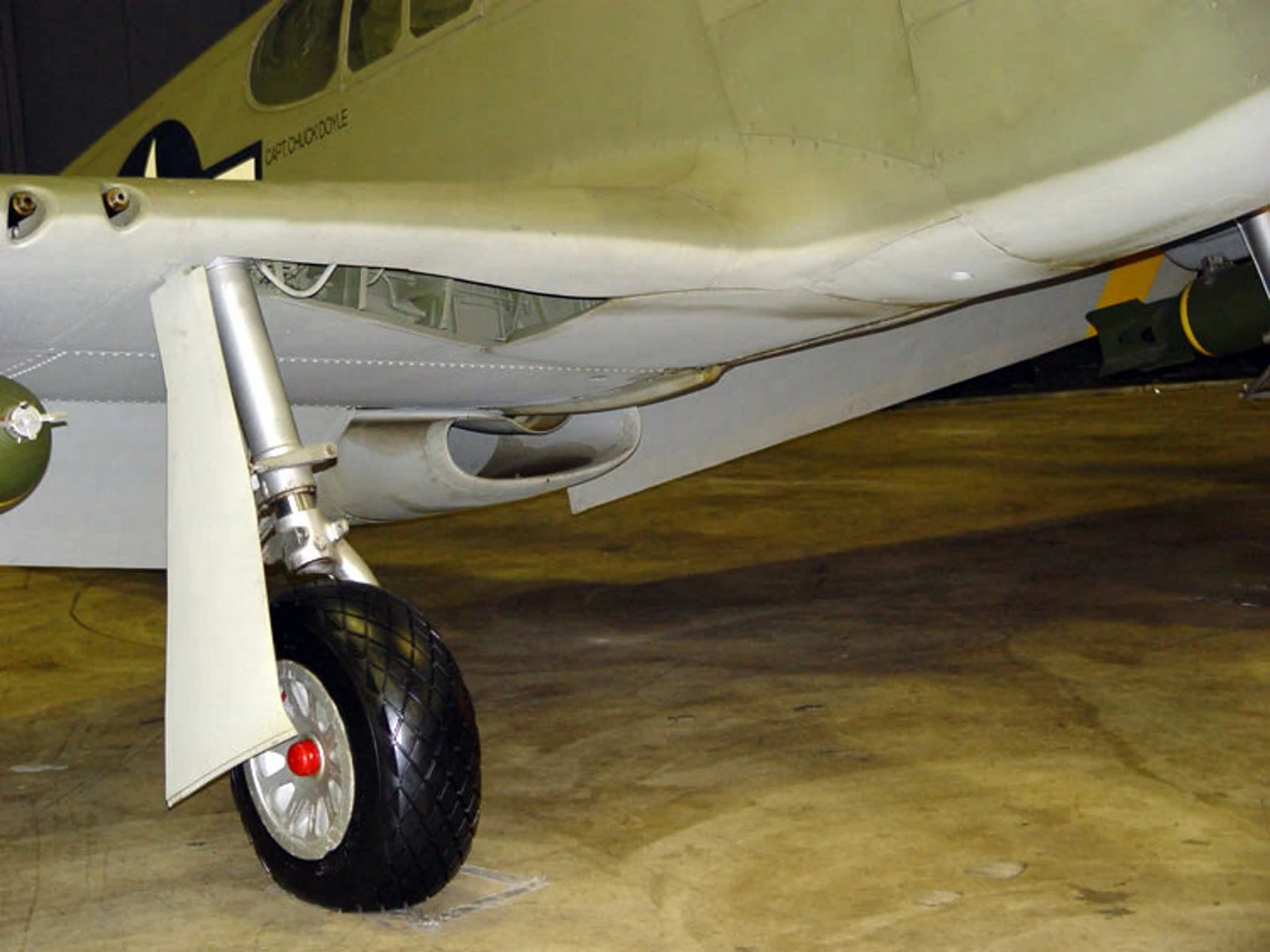
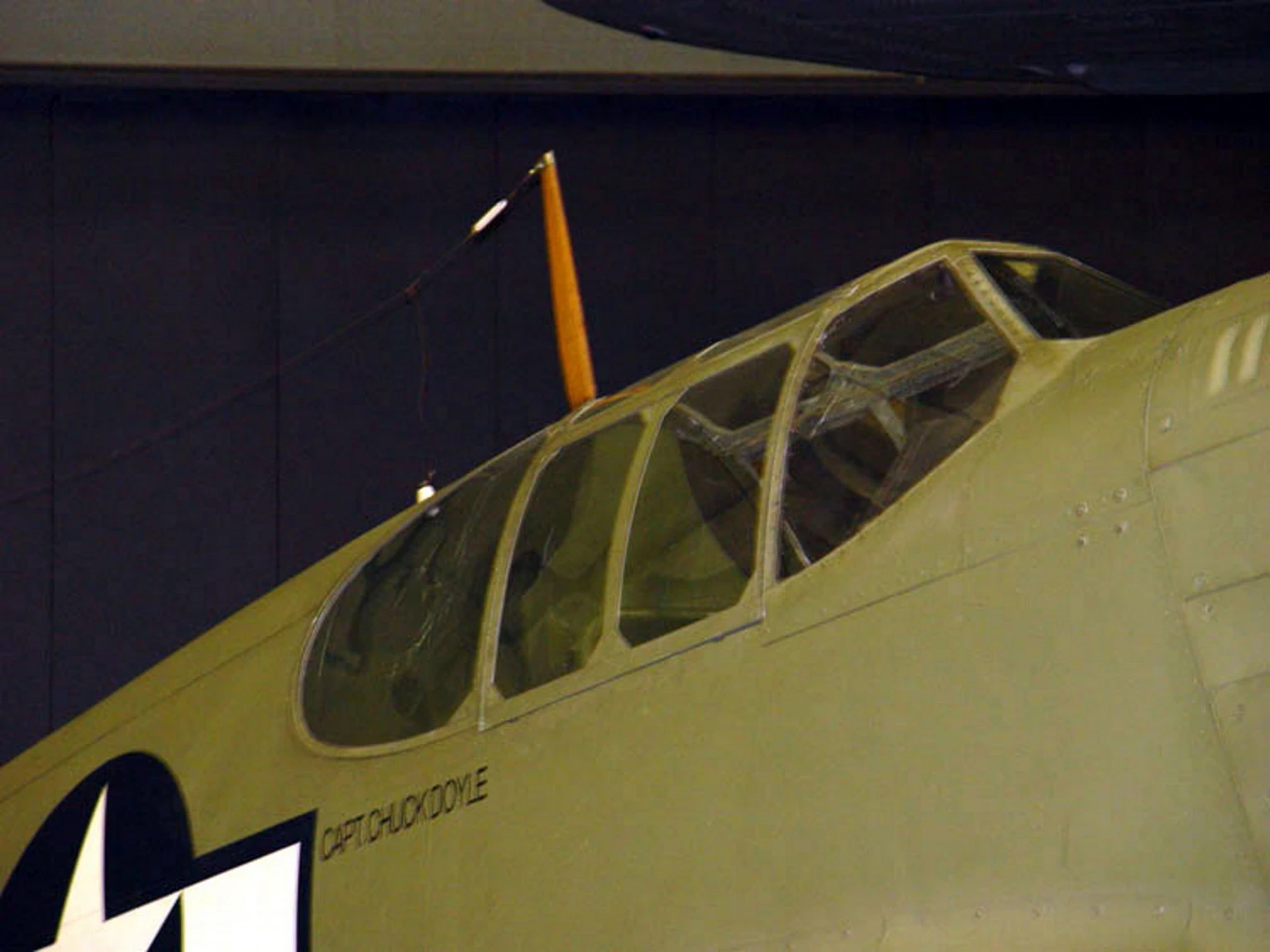
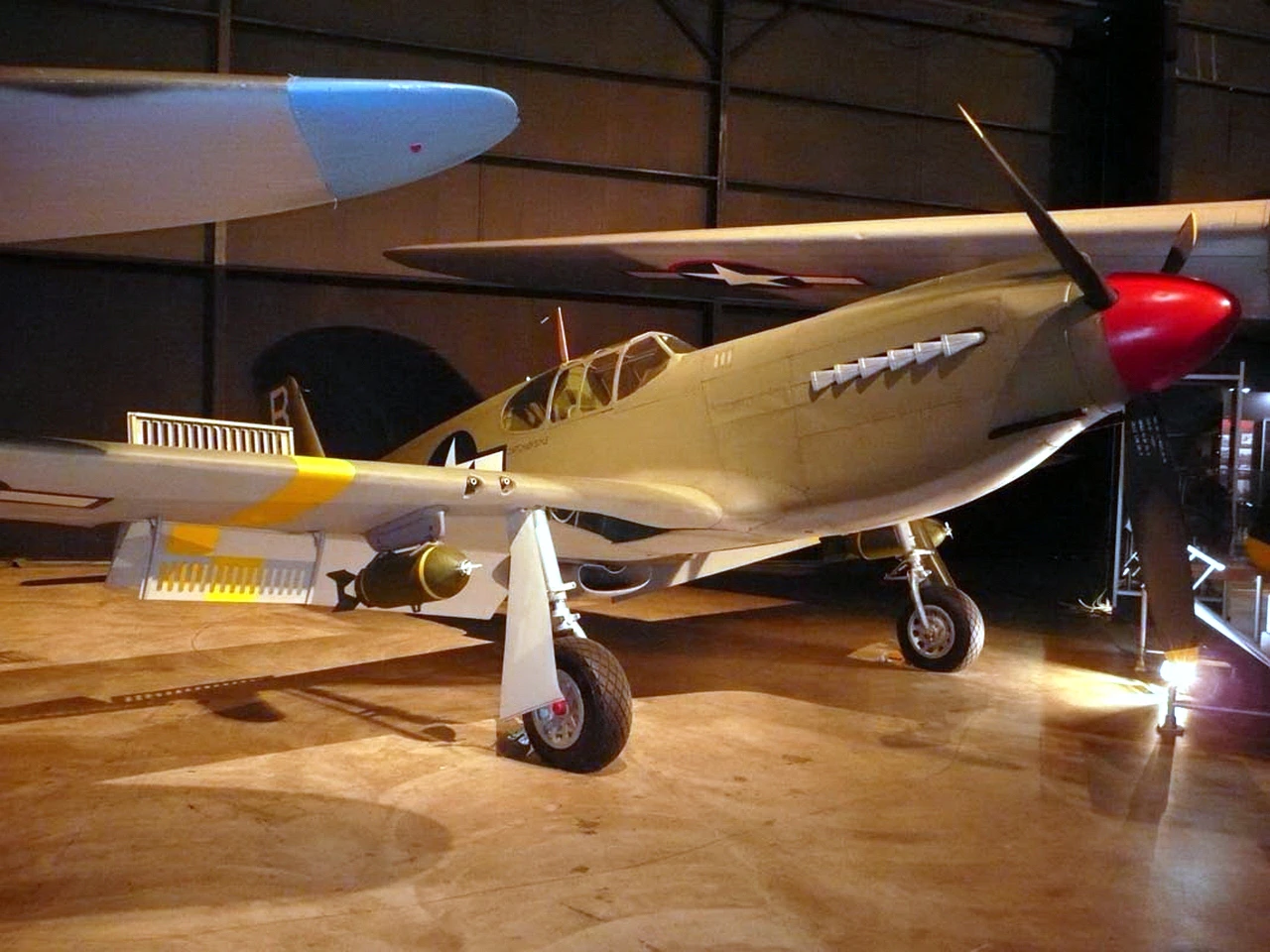
2007 Šiaurės Amerikos A-36 Apache (kai kuriuose šaltiniuose nurodytas kaip "Invader", bet taip pat vadinamas "Mustang") buvo Šiaurės Amerikos P-51 Mustang antžeminės atakos / nardymo bombonešio versija, iš kurios ją buvo galima atskirti pagal stačiakampius, grotelinius nardymo stabdžius virš ir žemiau sparnų. Iš viso 500 nardymo bombonešių Antrojo pasaulinio karo metu tarnavo Šiaurės Afrikoje, Viduržemio jūroje, Italijoje ir Kinijos-Birmos-Indijos teatre, kol 1944 m. buvo pašalinti iš operatyvinio naudojimo.
| North American A-36A Apache | |
|---|---|
| Fotografas | Džonas Hekas |
| Lokalizavimo | Nežinoti |
| Nuotraukos | 14 |
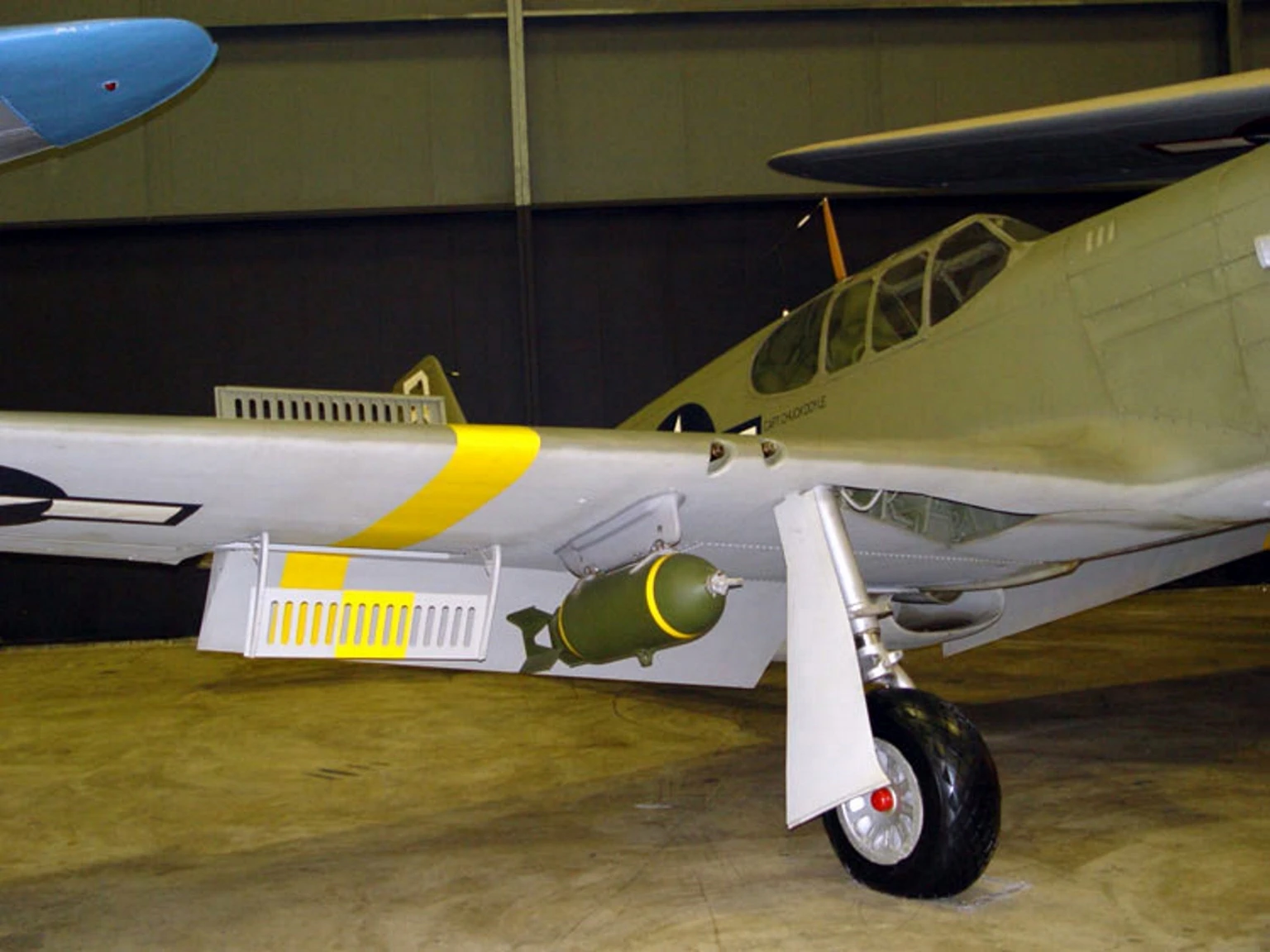
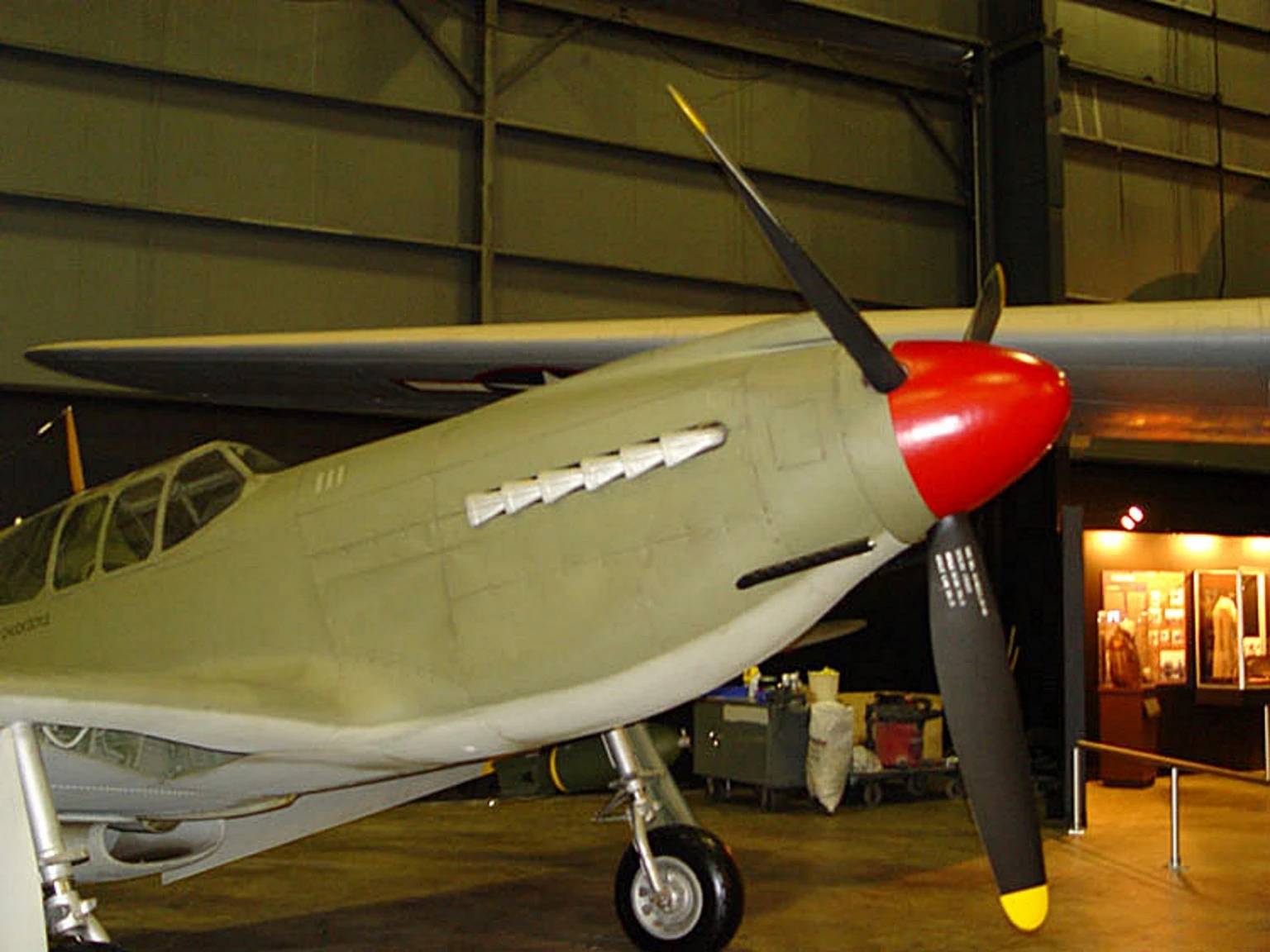
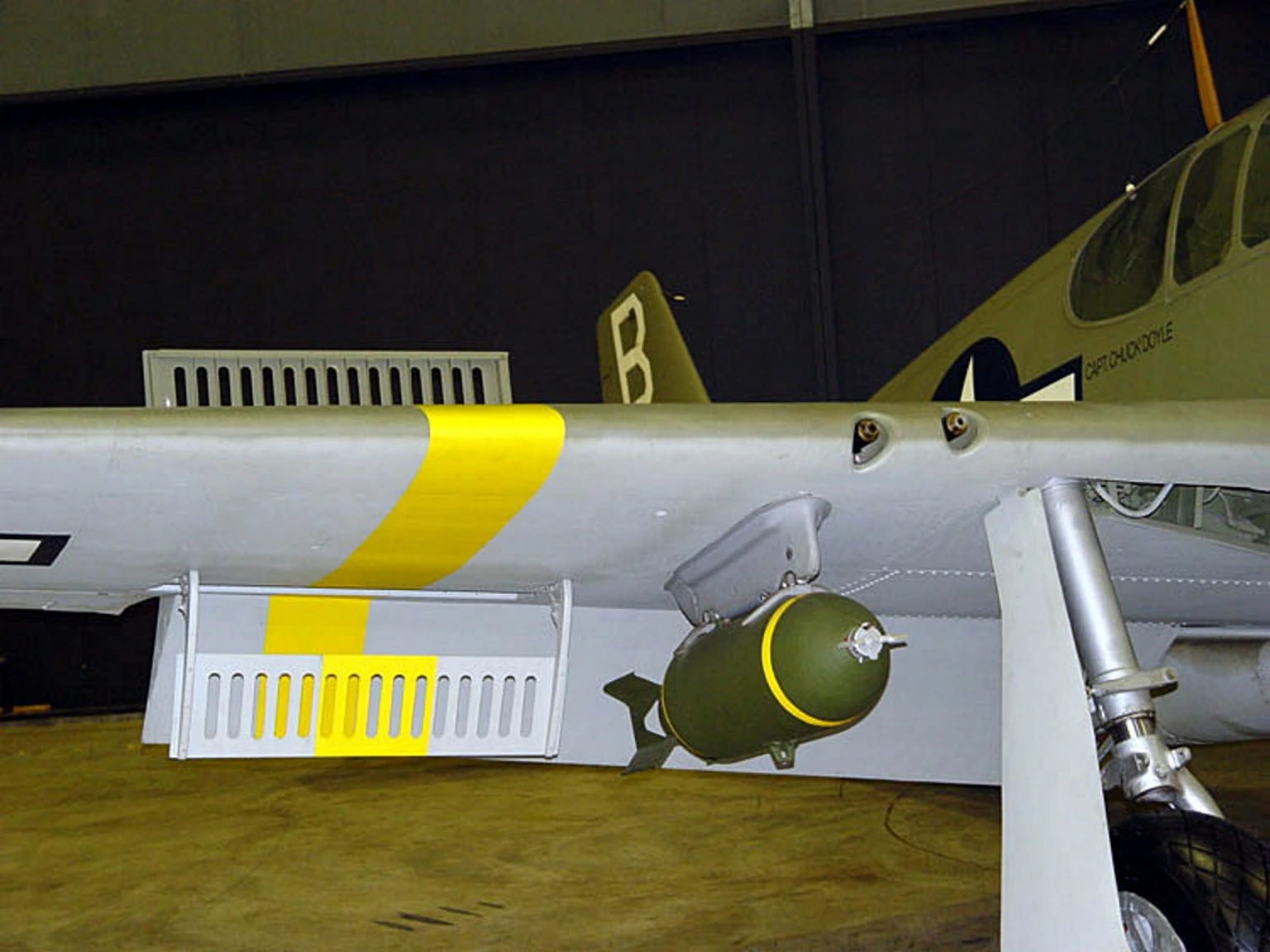

| Infos | |
|---|---|
| Vaidmenį | Antžeminės atakos/nardymo bombonešis |
| Gamintojas | Šiaurės Amerikos aviacija |
| Dizaineris | Edgaras Šmuedas |
| Pirmasis skrydis | 1942 m. spalio mėn. |
| Įvadas | 1942 |
| Pensininkas | 1945 |
| Pagrindinis naudotojas | Jungtinių Valstijų armijos oro pajėgos |
| Sukurtas skaičius | 500 |
| Sukurta iš | P-51 Mustang |
 Nupirk man kavos
Taip pat žiūrėkite:


| North American A-36A Apache | |
|---|---|
| Fotografas | Vladimiras Yakubovas |
| Lokalizavimo | Nežinoti |
| Nuotraukos | 26 |
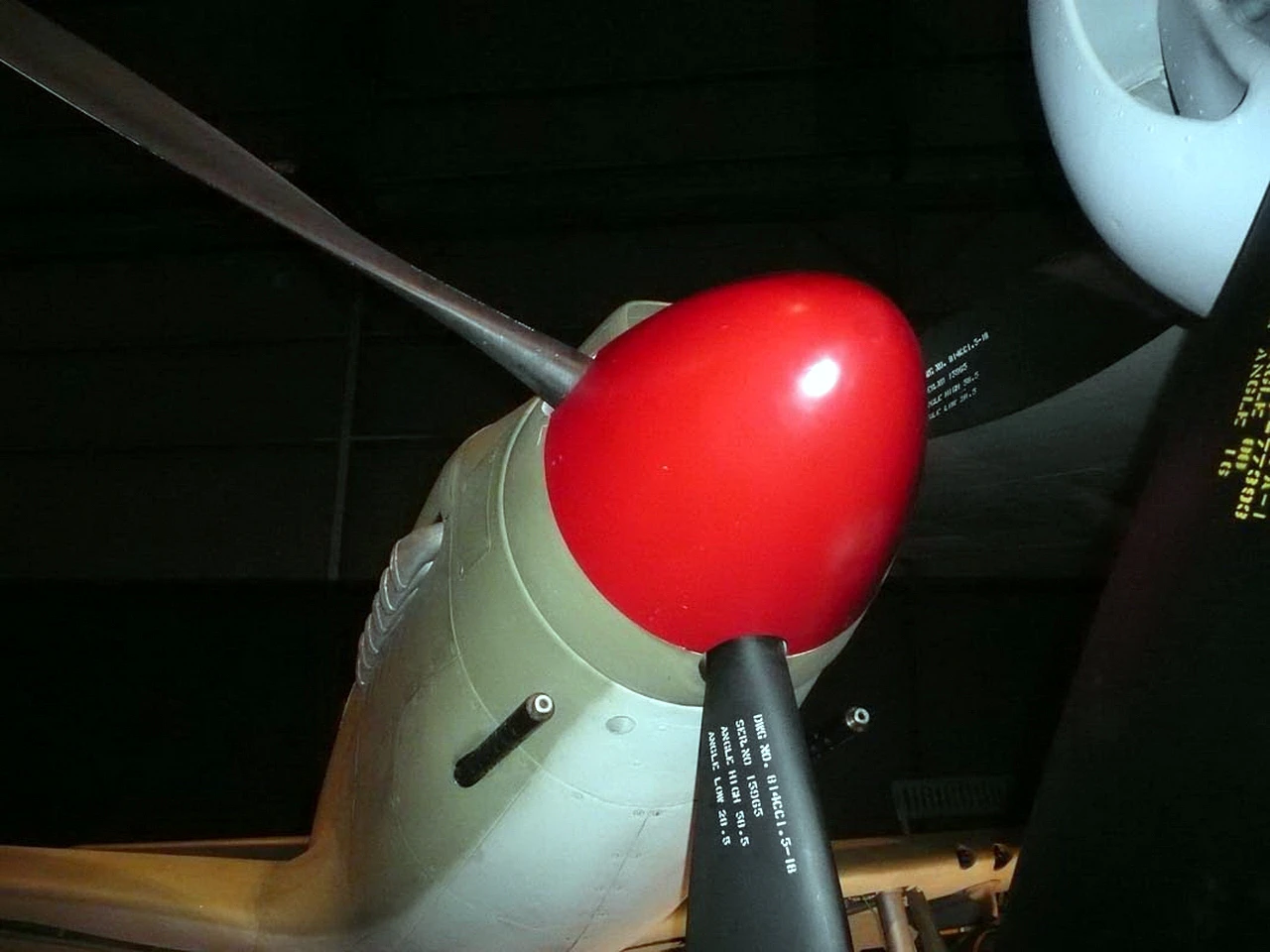
The Mustang’s Forgotten Warrior
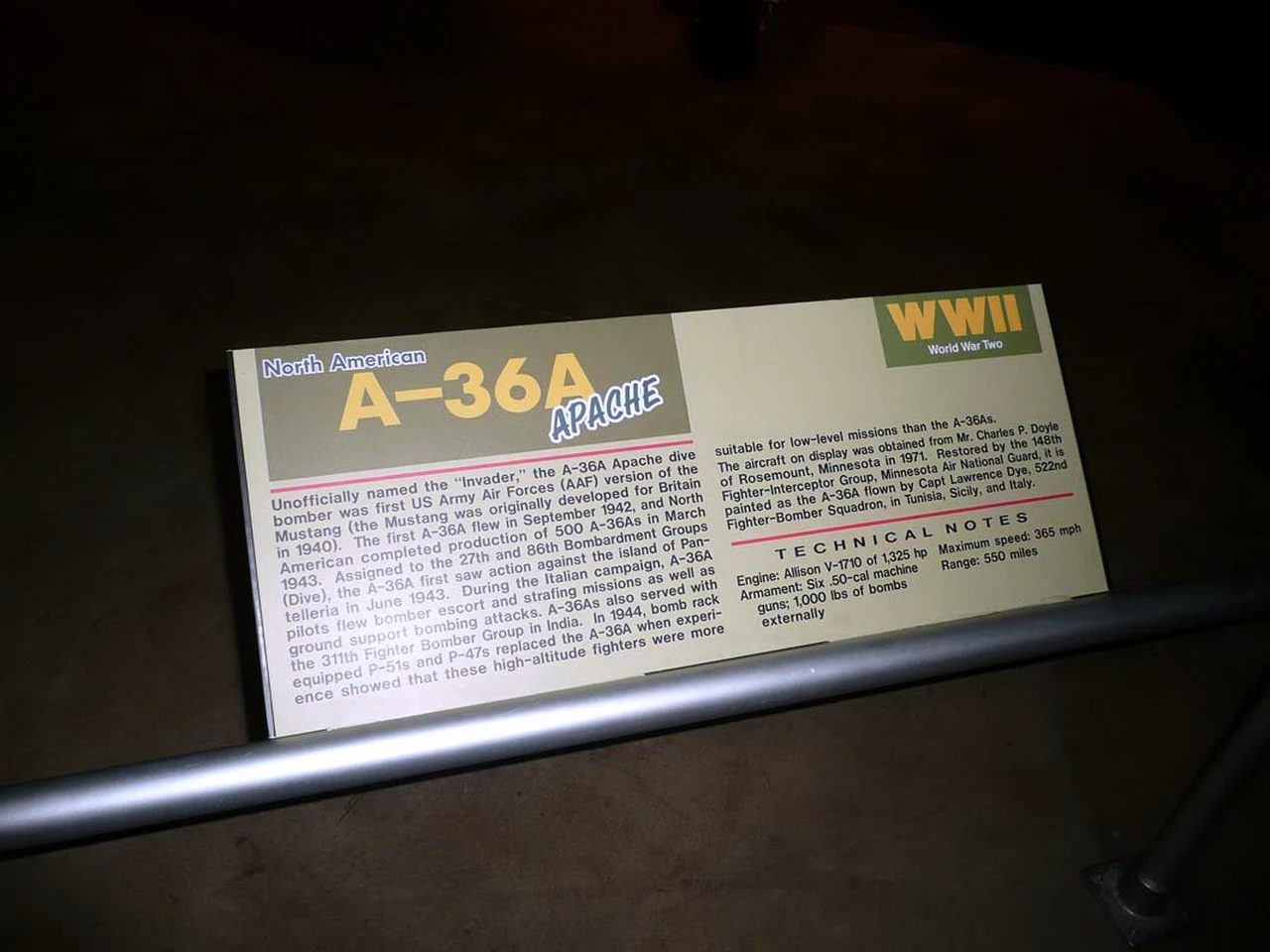
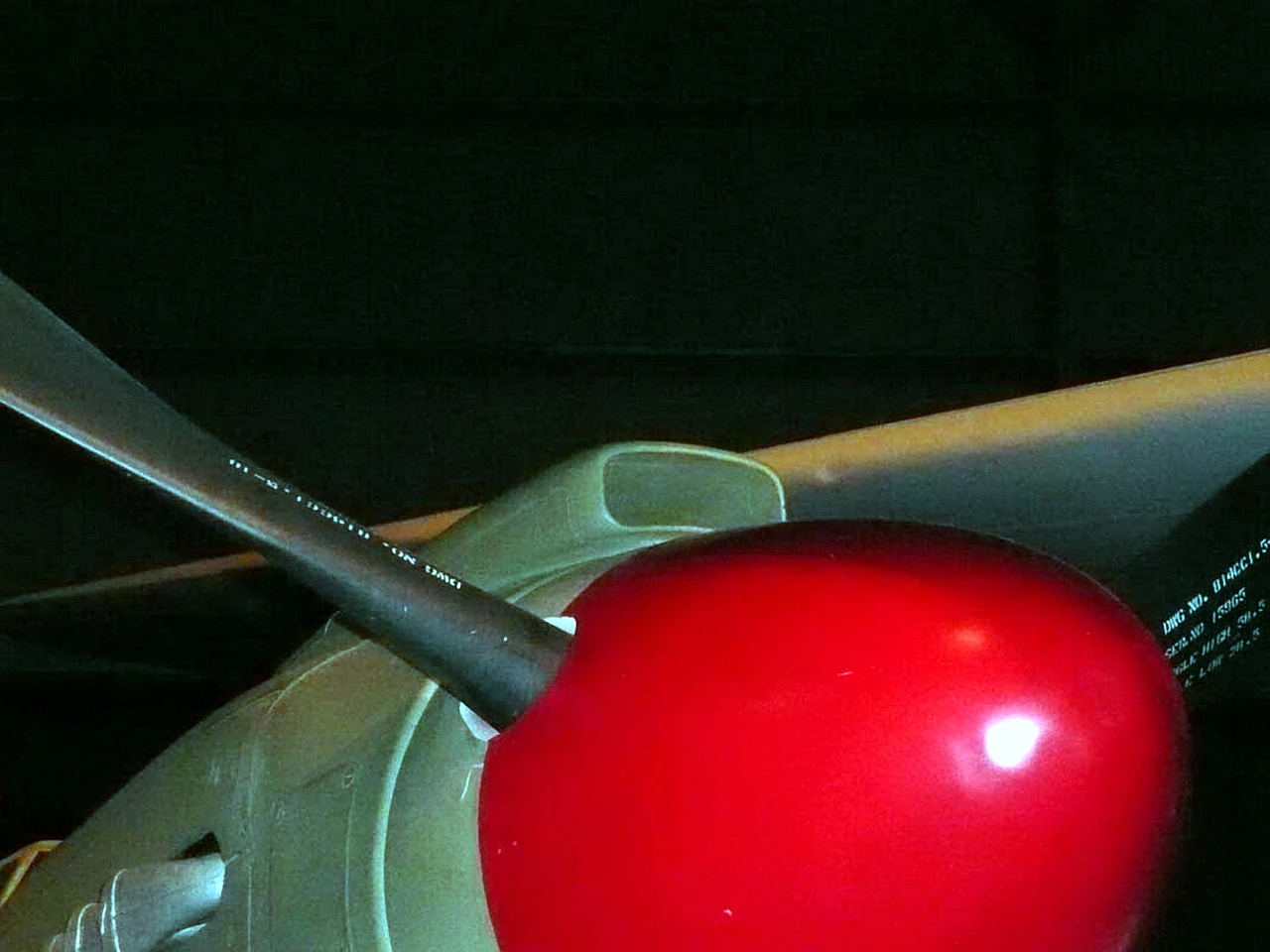
2007 Šiaurės Amerikos A-36A apache (often called the “Invader” by its crews) was the ground-attack version of the early P-51 Mustang. Before the Mustang became a high-altitude escort legend with a Merlin engine, it was a low-level specialist powered by the Allison V-1710. The A-36A was specifically adapted for the dive-bombing role to satisfy U.S. Army Air Corps contracts. It was rugged, fast, and surprisingly effective, proving that the Mustang airframe was a winner long before it ever saw a drop of British-designed power.
| Attribute | Technical Specification (A-36A) |
|---|---|
| Vaidmenį | Dive Bomber / Ground Attack |
| Įgulos | 1 (Pilot) |
| Jėgainė | 1 × Allison V-1710-87 liquid-cooled V12 |
| Horsepower | 1,325 hp (at low altitude) |
| Maximum Speed | 365 mph (587 km/h) at 5,000 ft |
| Dive Speed Limit | 390 mph (with brakes deployed) |
| Ginkluotės | 6 × .50 cal Browning M2 machine guns; 2 × 500 lb bombs |
| First Combat | June 1943 (North Africa/Sicily) |
Design Engineering: Brakes and Brownings
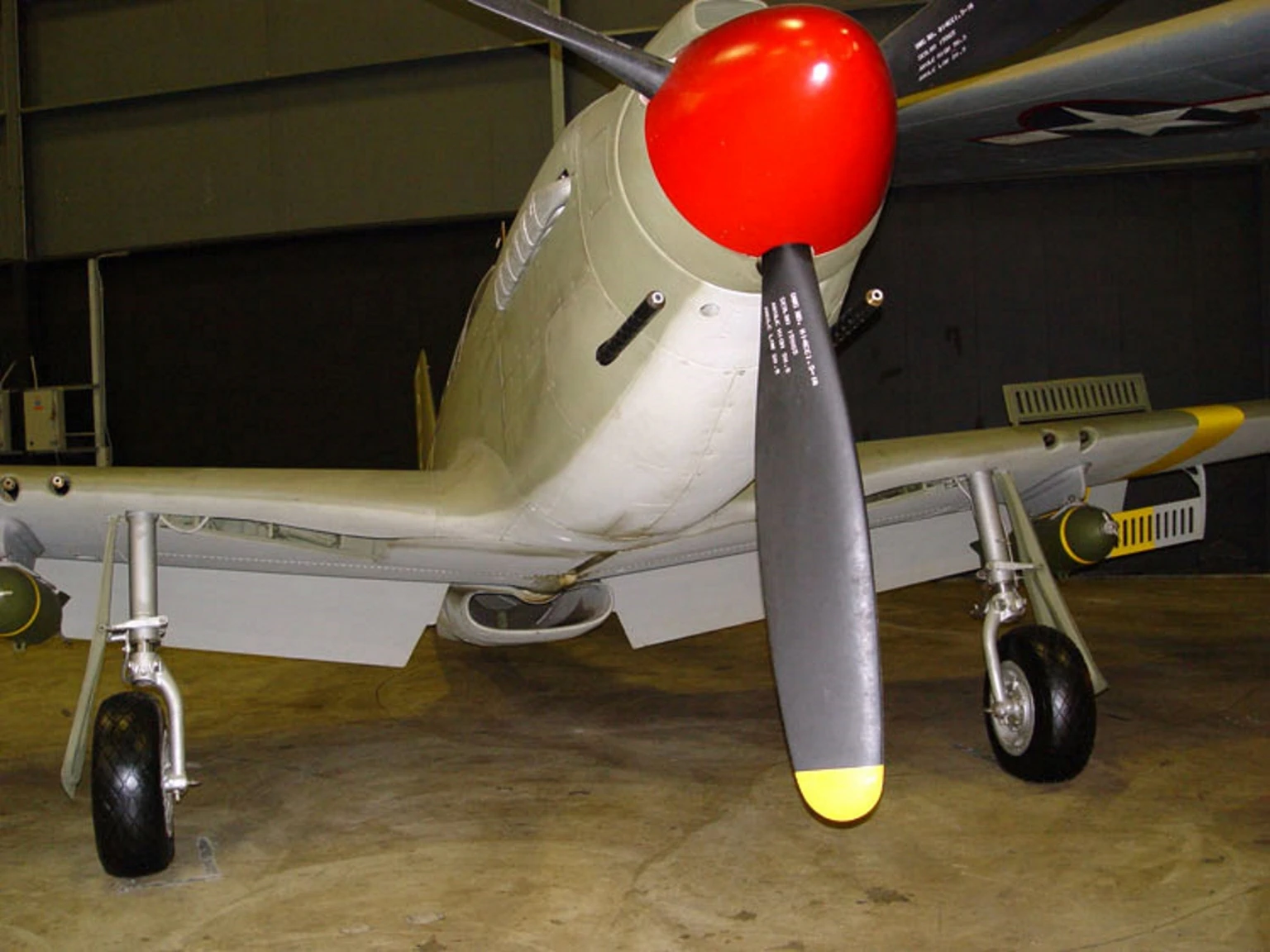
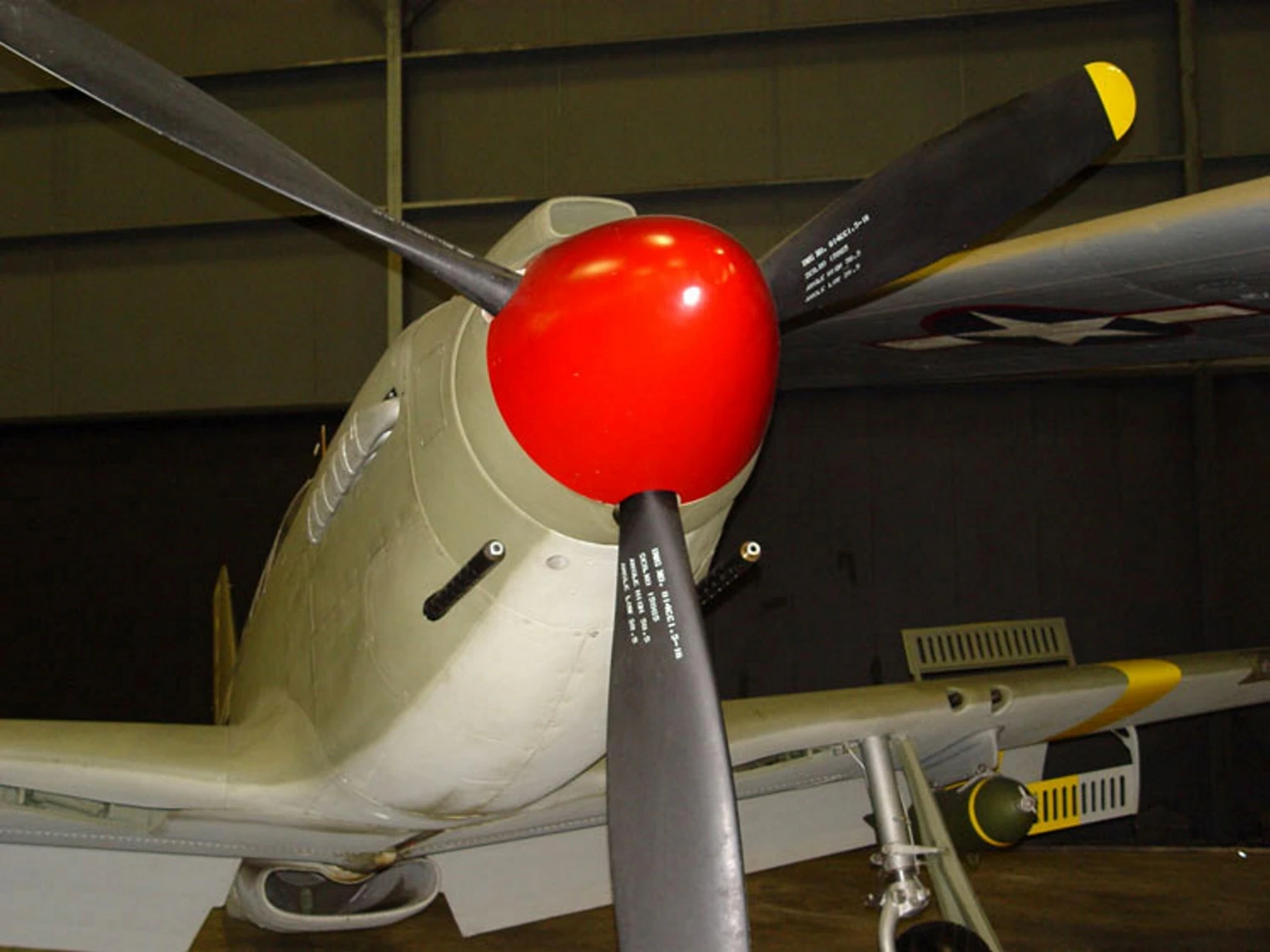
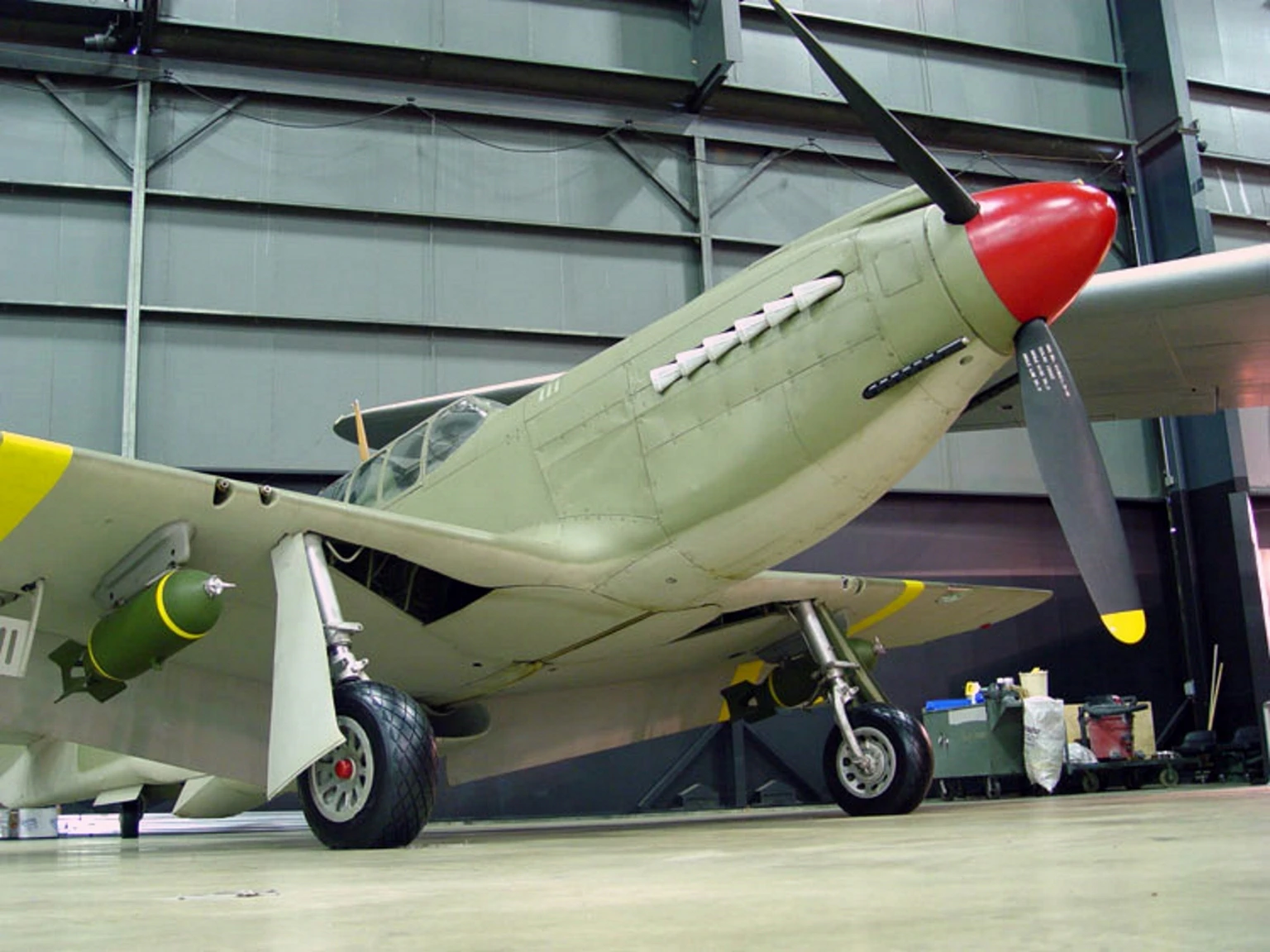
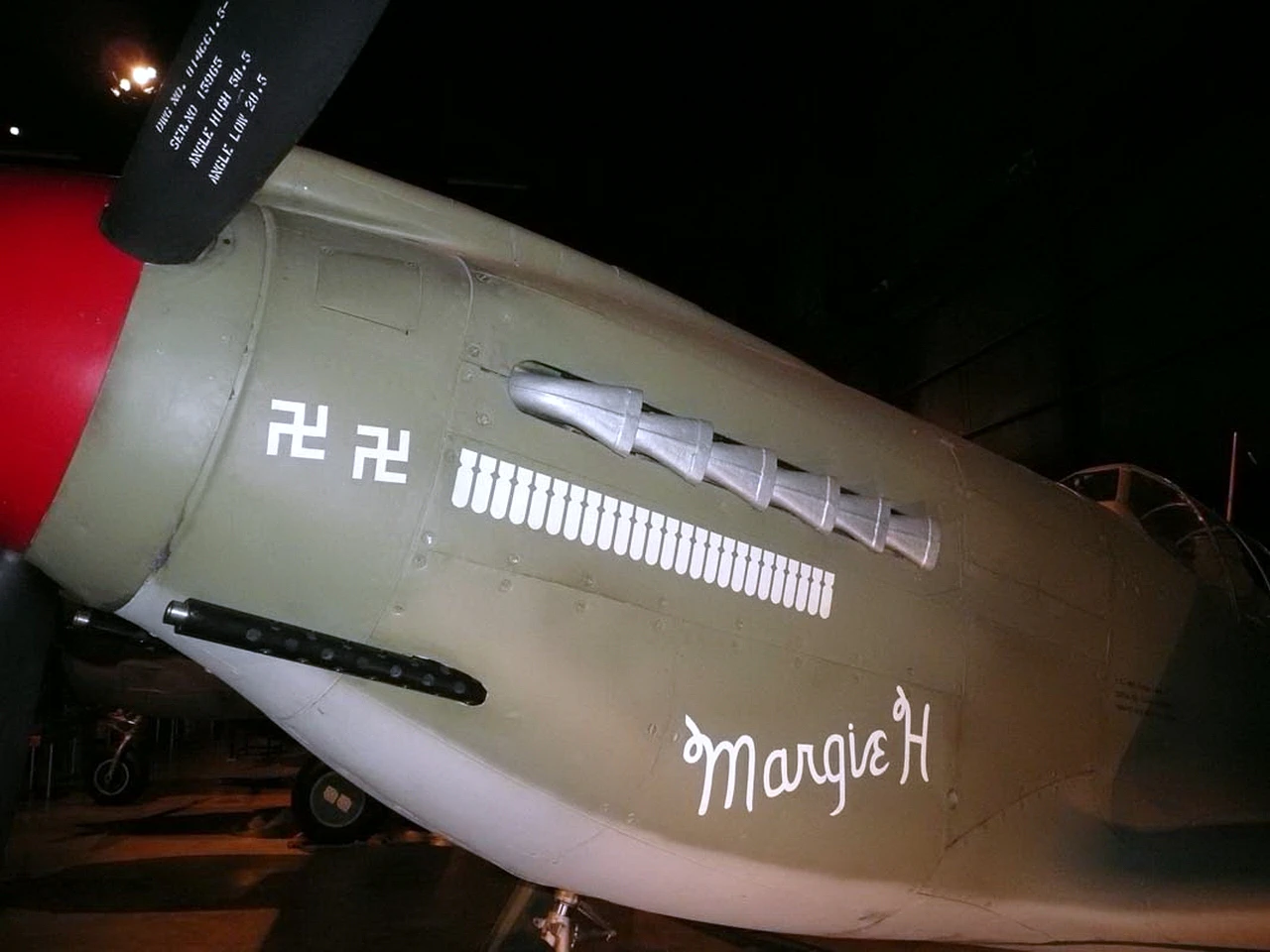
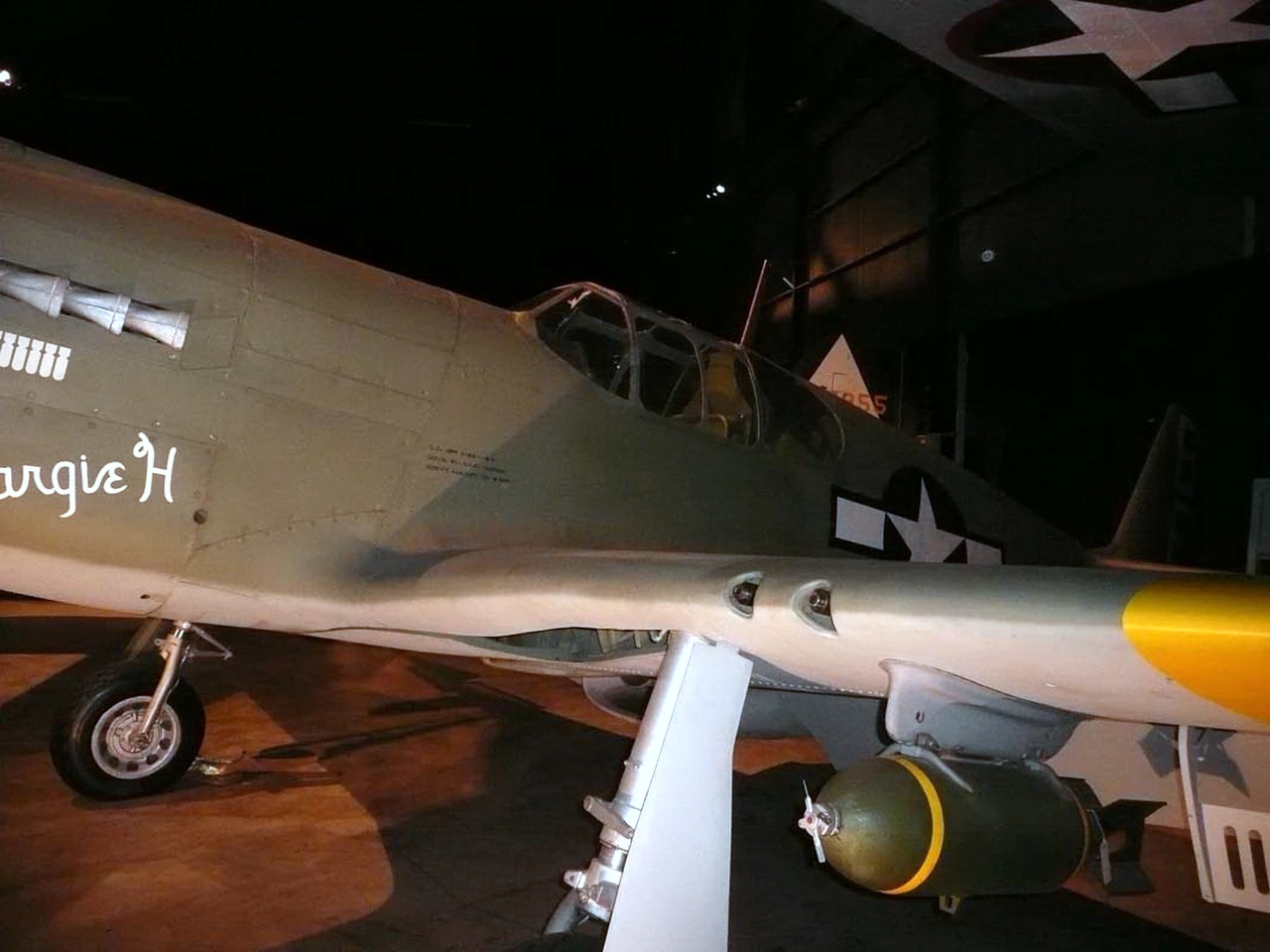
- Hydraulic Dive Brakes: The most distinctive feature of the A-36A was the set of rectangular, cast-aluminum “slats” on the upper and lower wings. These acted as fences to limit dive speeds to a manageable 390 mph, allowing for much greater bombing accuracy during a steep descent.
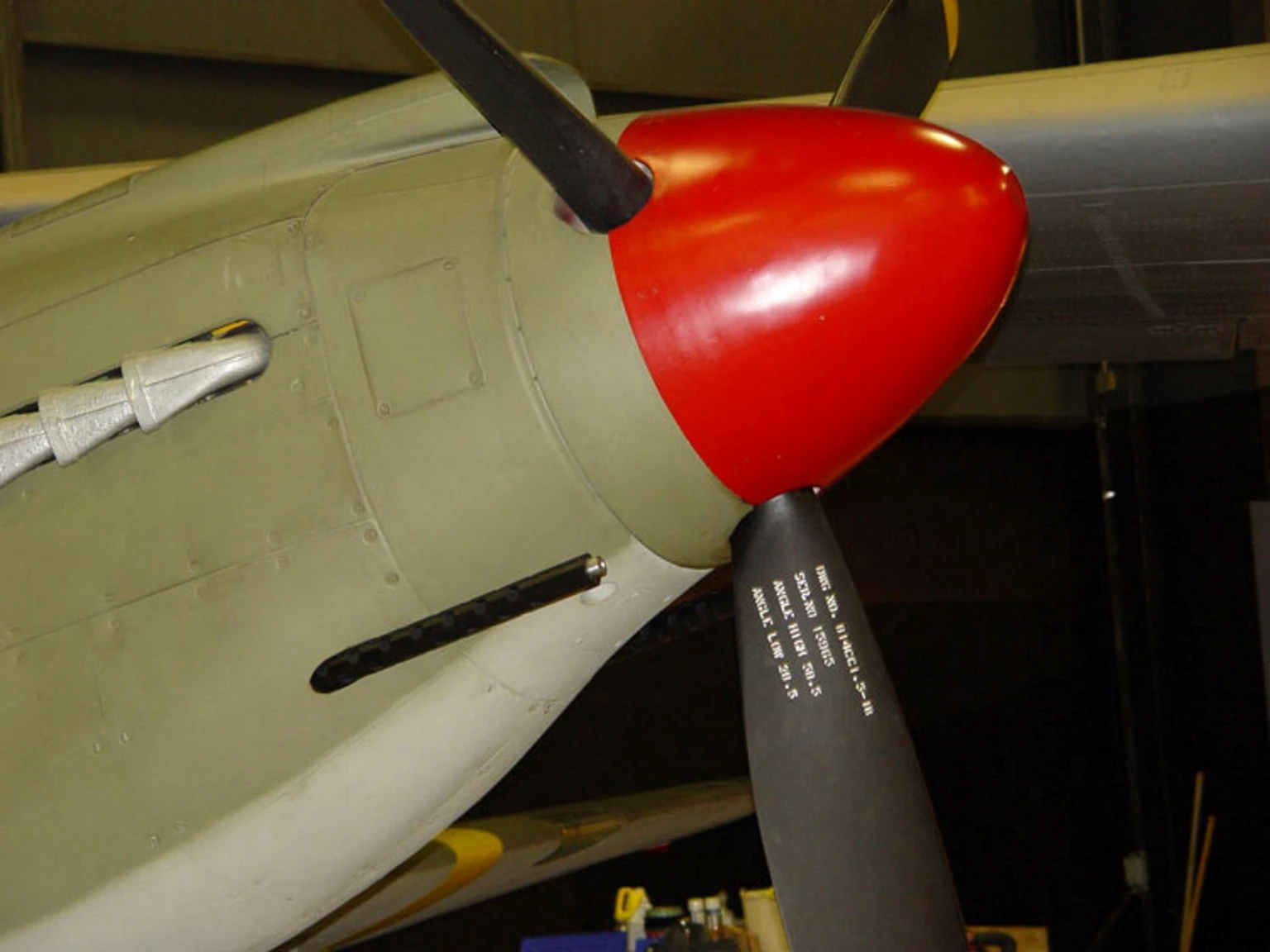
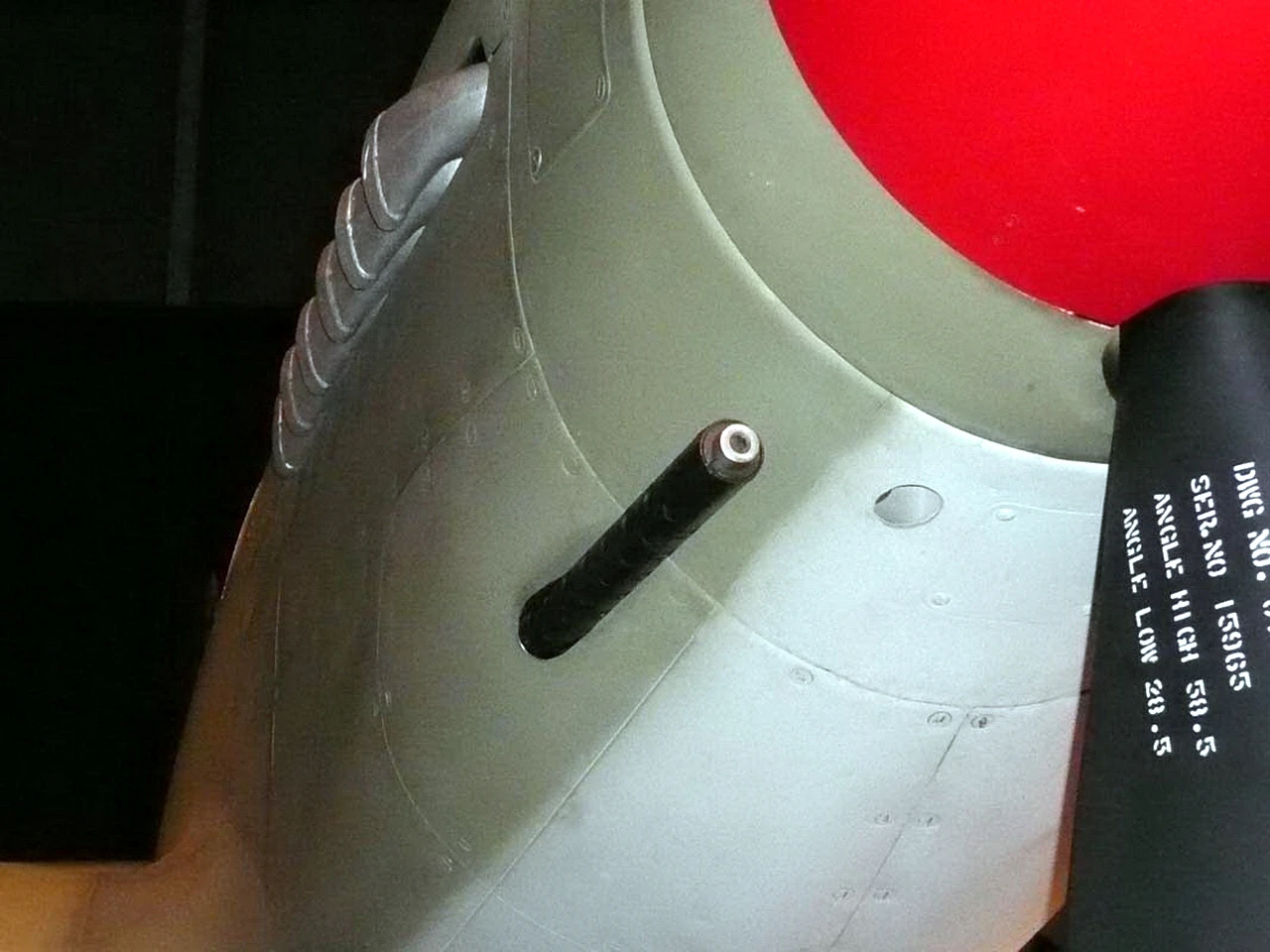
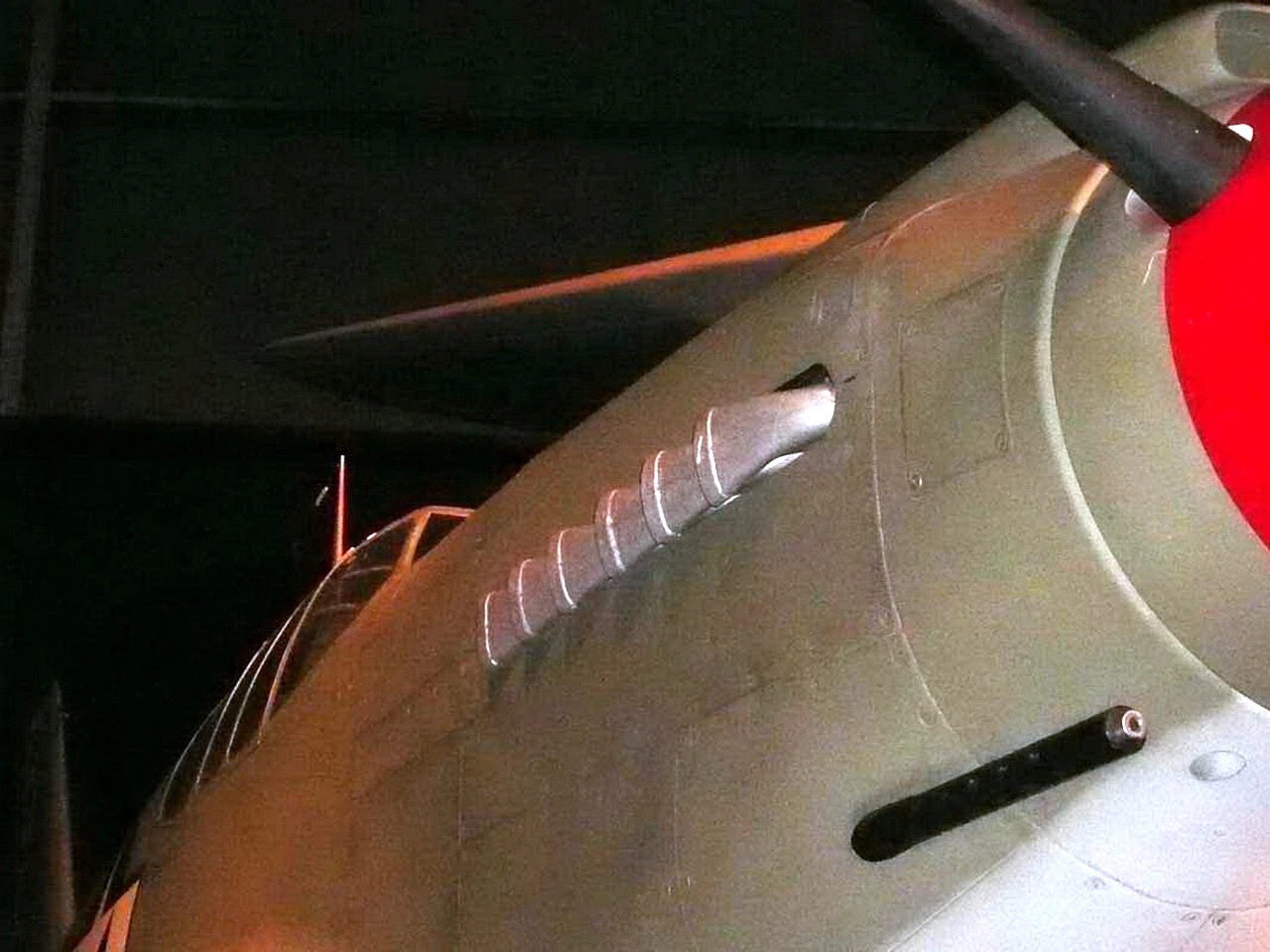
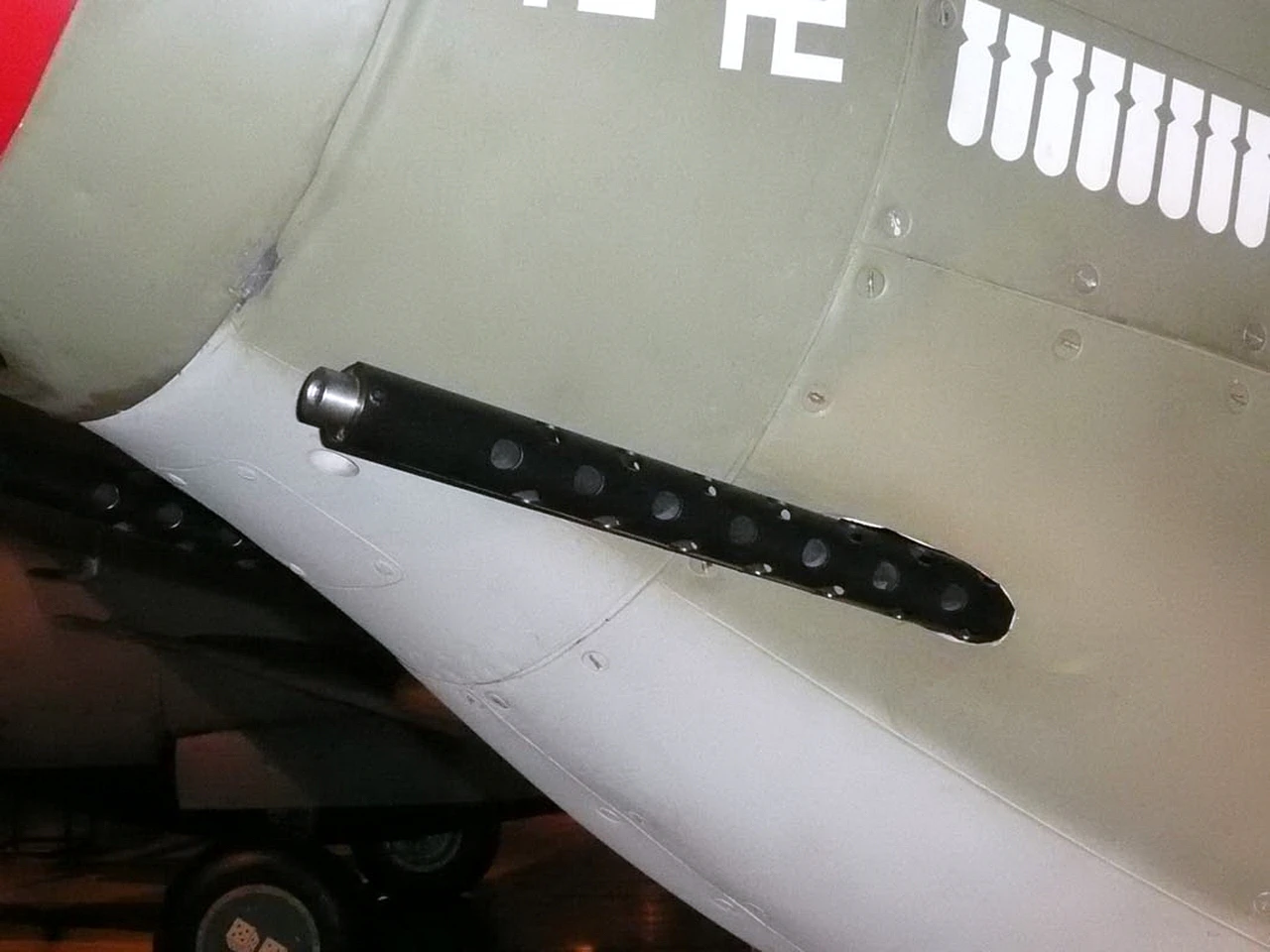
- Nose-Mounted Guns: Unlike later Mustangs which carried all their guns in the wings, the A-36A carried two of its six .50 caliber machine guns in the lower engine cowling, synchronized to fire through the propeller arc. This provided a very concentrated “point” of fire for strafing.
- The Allison Engine: The V-1710 was a fantastic engine at low altitudes, but it lacked a multi-stage supercharger. This made the A-36A a “mud-mover” by necessity, as its performance dropped off significantly above 12,000 feet.
- Rugged Cooling: The iconic scoop under the belly was reinforced on the A-36 to handle the debris and high-stress maneuvers associated with “hedge-hopping” and low-level ground support.
Combat History: Screaming Over the Mediterranean
- Sicily and Italy: The A-36A saw its heaviest use in the Mediterranean Theater. Pilots would dive at 70-degree angles to drop bombs on bridges, trains, and bunkers. It was so quiet in a dive that it often achieved total surprise over German and Italian positions.
- A Surprising Dogfighter: Despite being weighed down by bombs and dive brakes, the A-36A was still a Mustang. A-36 pilots were credited with 84 aerial victories, and the type even produced one ace: Lt. Michael T. Russo.
- The Name Game: While the factory called it the “Apache,” the AAF initially tried to name it the “Invader.” However, crews and the public eventually just started calling them “Mustangs,” leading to the A-36 name largely fading into the shadow of the P-51.
- The Burma Front: The A-36A also served in the China-Burma-India (CBI) theater, where its long range (compared to the P-40) allowed it to strike Japanese supply lines deep in the jungle.
Views : 3426
Taip pat galite pamatyti:
 Šiaurės Amerikos XB-70 Valkyrie – nuotraukos ir vaizdo įrašai
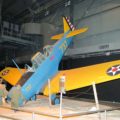 Šiaurės Amerikos NA-64 Yale – nuotraukos ir vaizdo įrašai
 Šiaurės Amerikos FJ-4 Fury - nuotraukos ir vaizdo įrašas
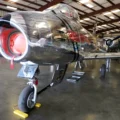 Canadair Sabre – nuotraukos ir vaizdo įrašai
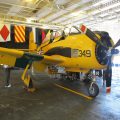 Šiaurės Amerikos T-28 Trojos arklys – nuotraukos ir vaizdo įrašai
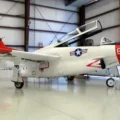 Šiaurės Amerikos T-2 Buckeye - nuotraukos & video
 Šiaurės Amerikos F-100 Super Sabre – nuotraukos ir vaizdo įrašas
 Šiaurės Amerikos AT-6D Texan – nuotraukos ir vaizdo įrašas
 Šiaurės Amerikos "B-45 Tornado" – nuotraukos ir vaizdo įrašas
 QF-100D Super Sabre – nuotraukos ir vaizdo įrašai