Markas V | |
|---|---|
| Šalies | Jk |
| Tipas | Sunkusis bakas |
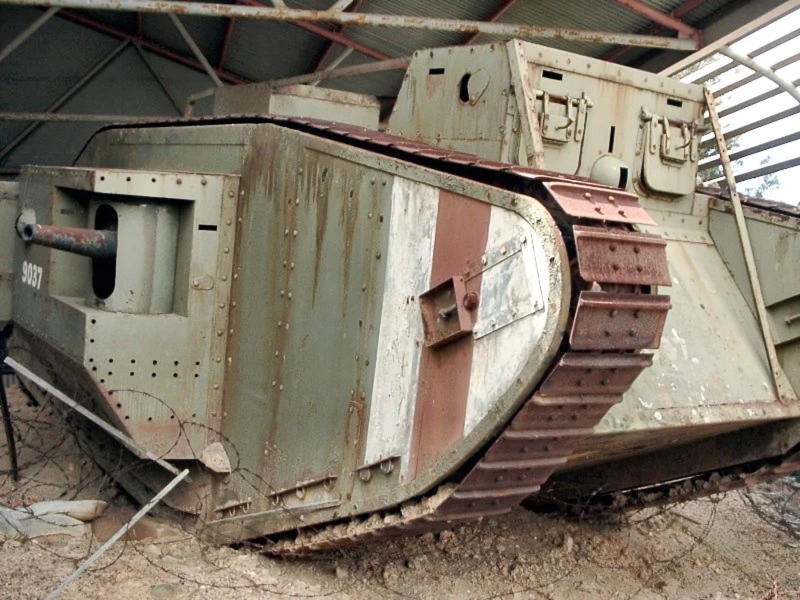
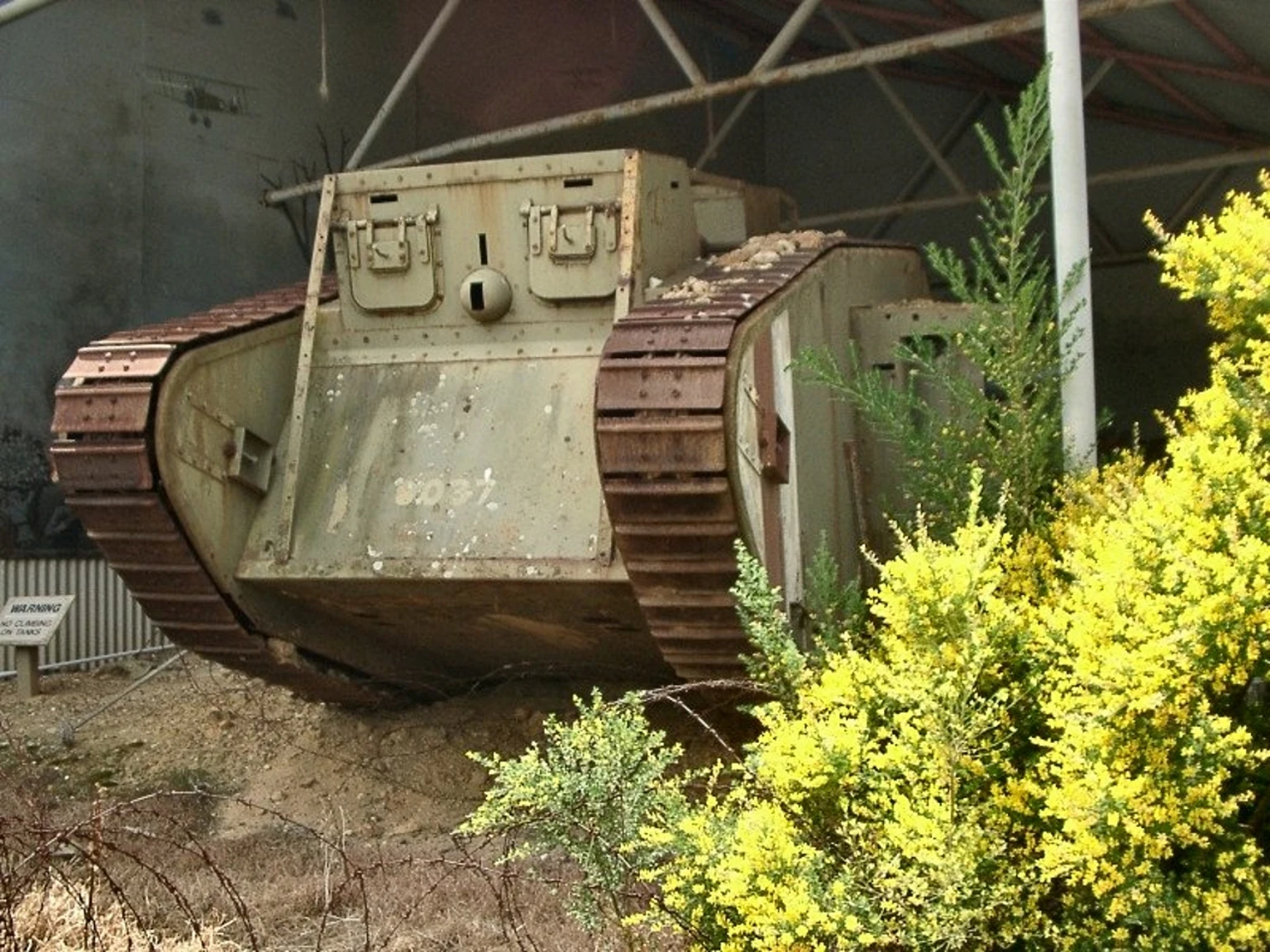
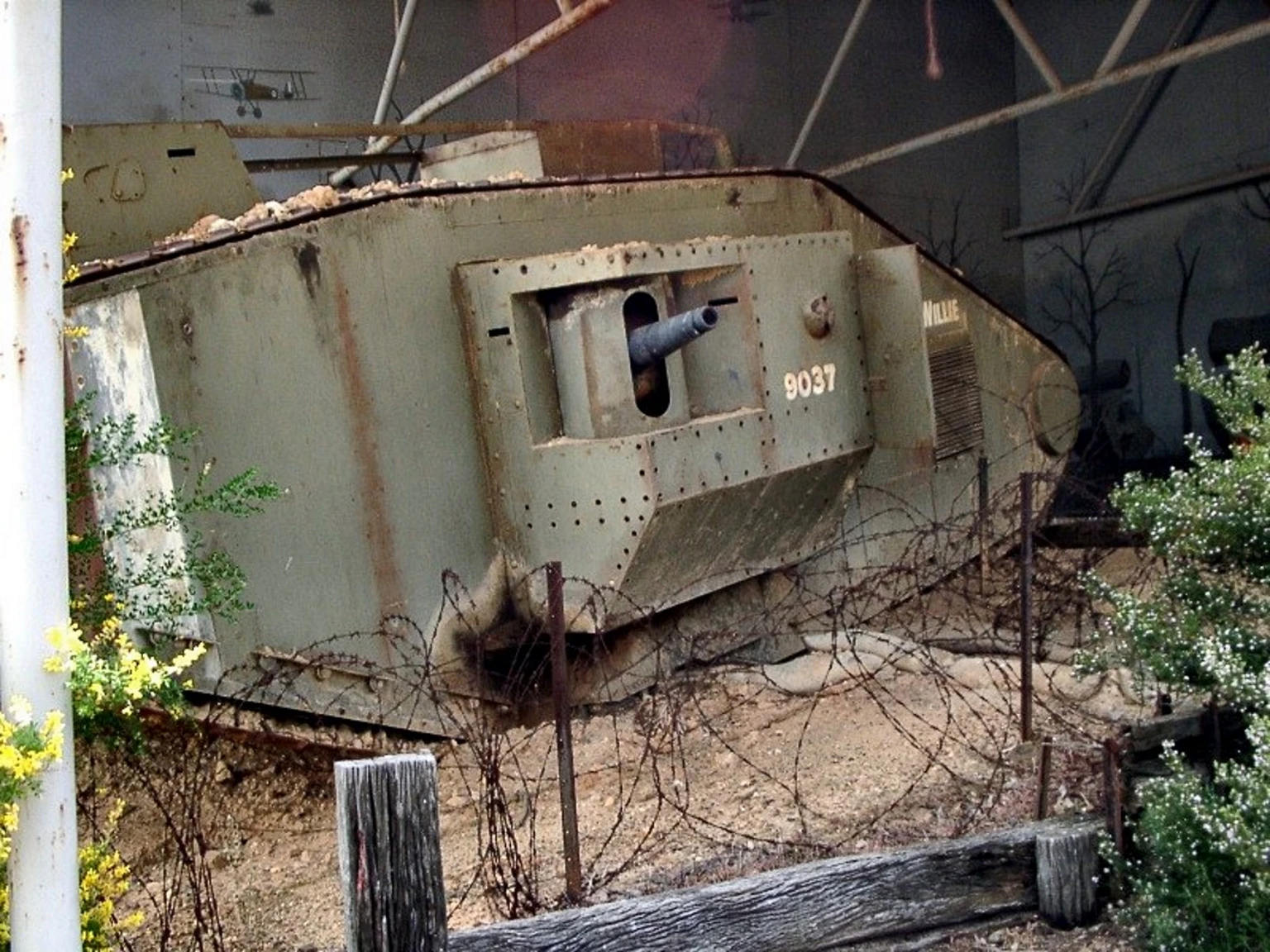
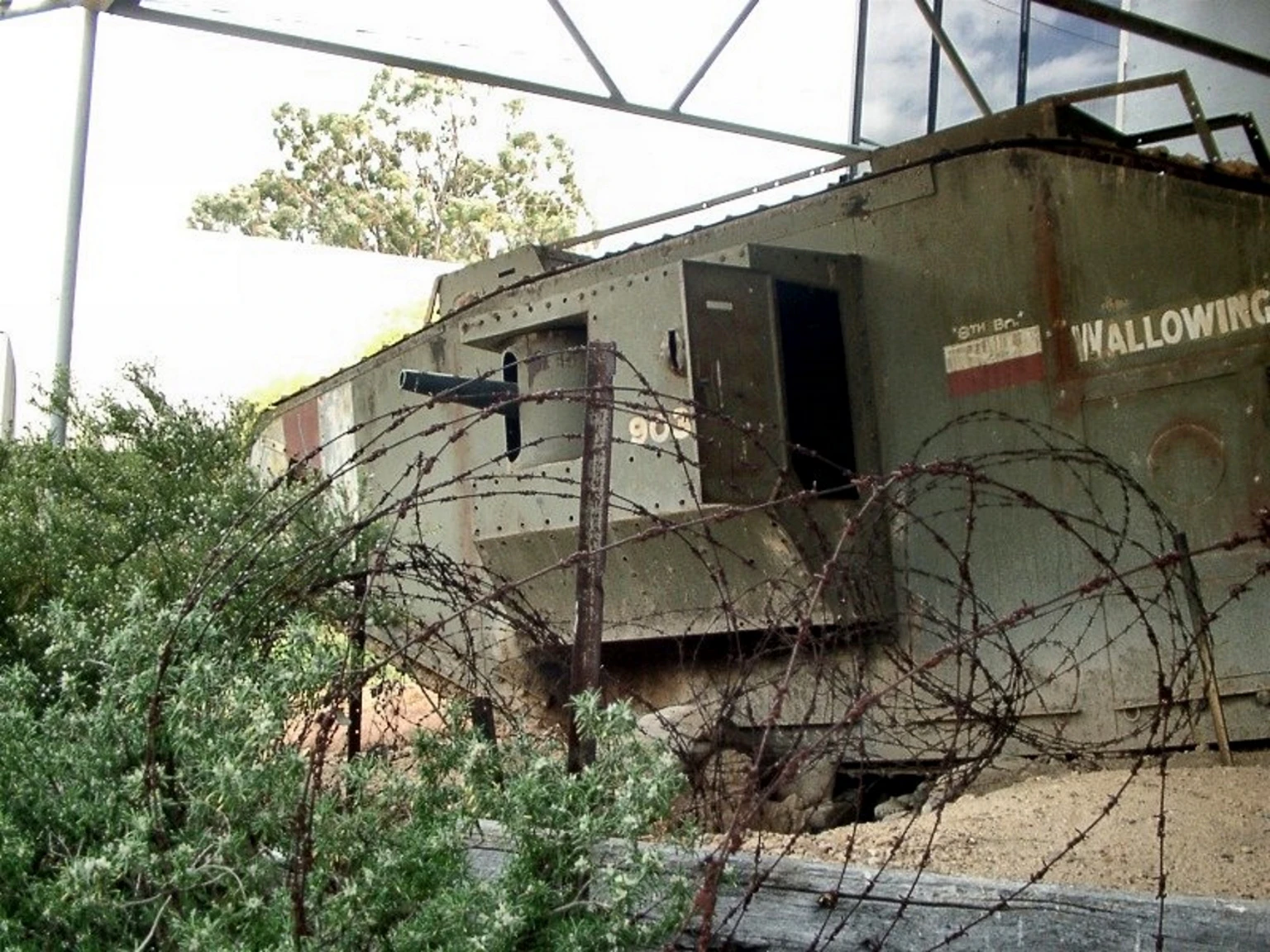
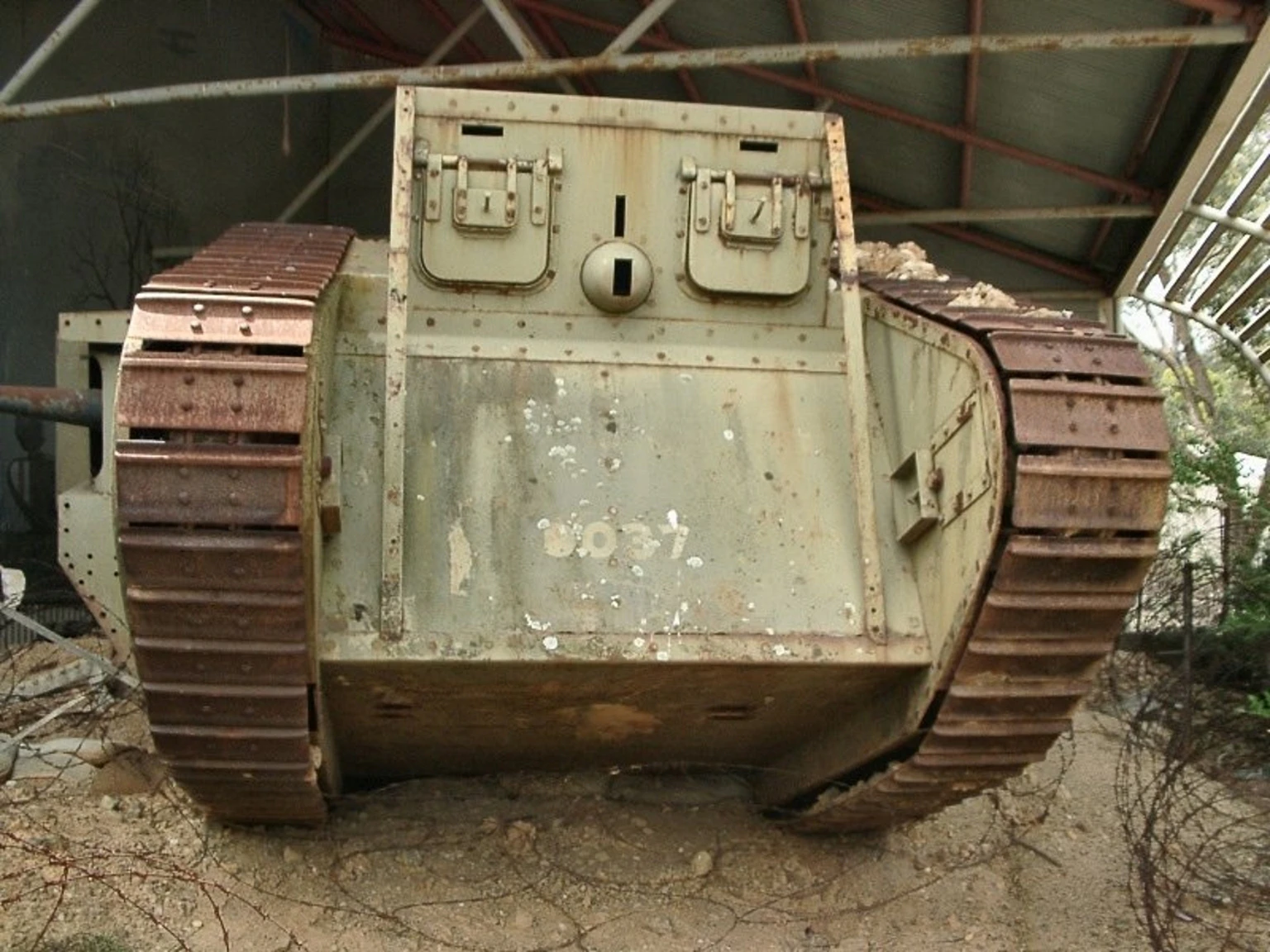
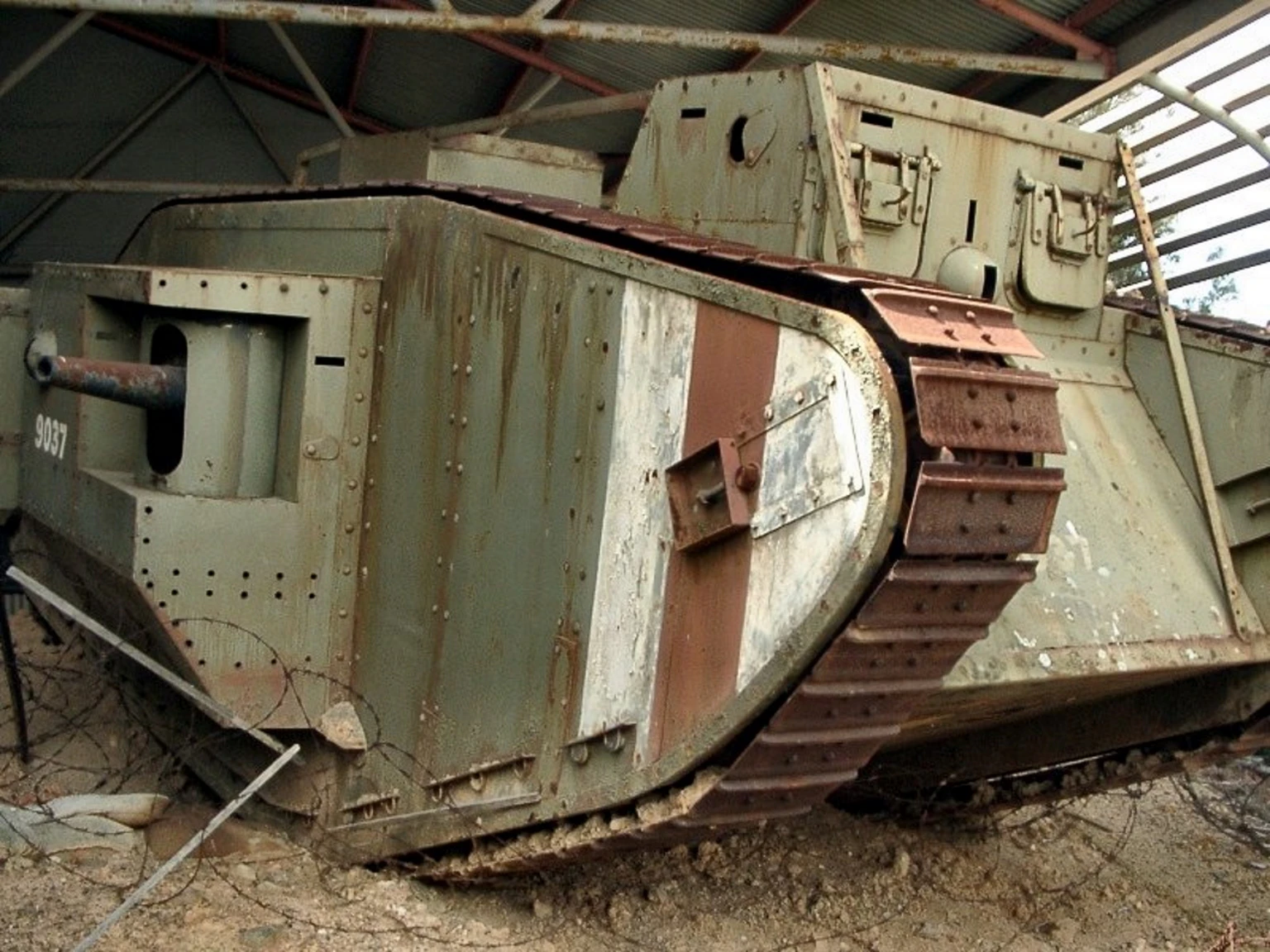
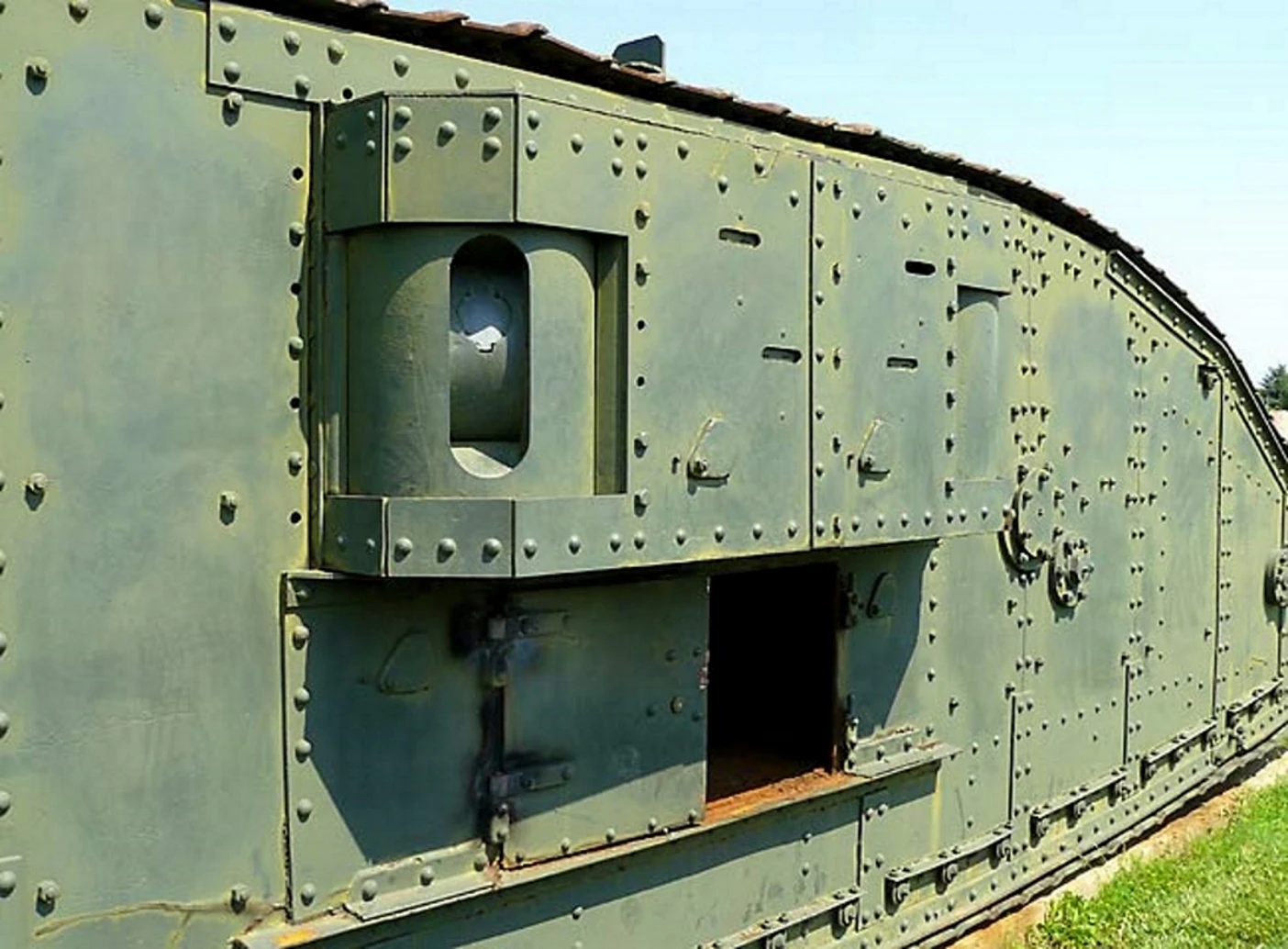
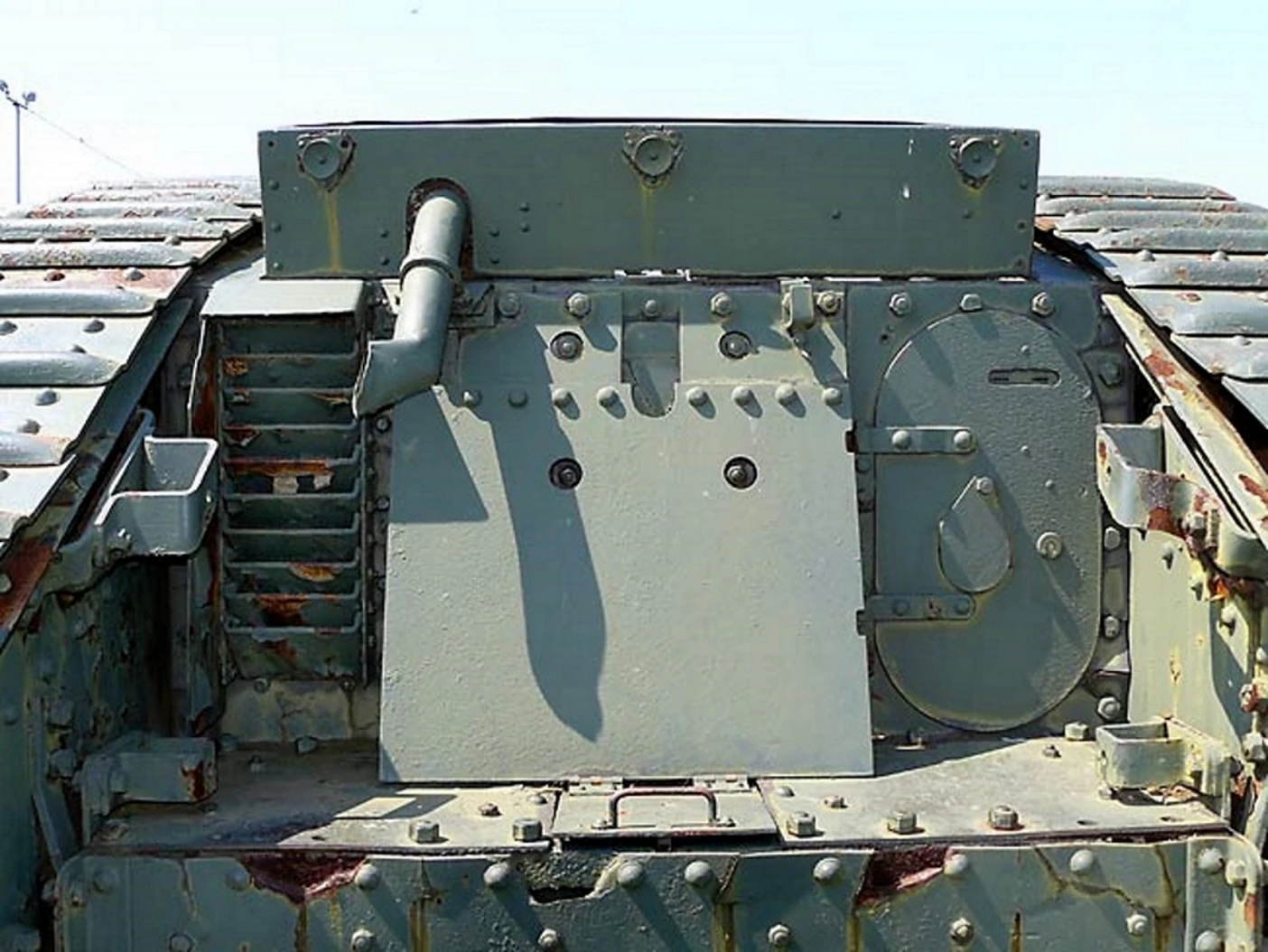
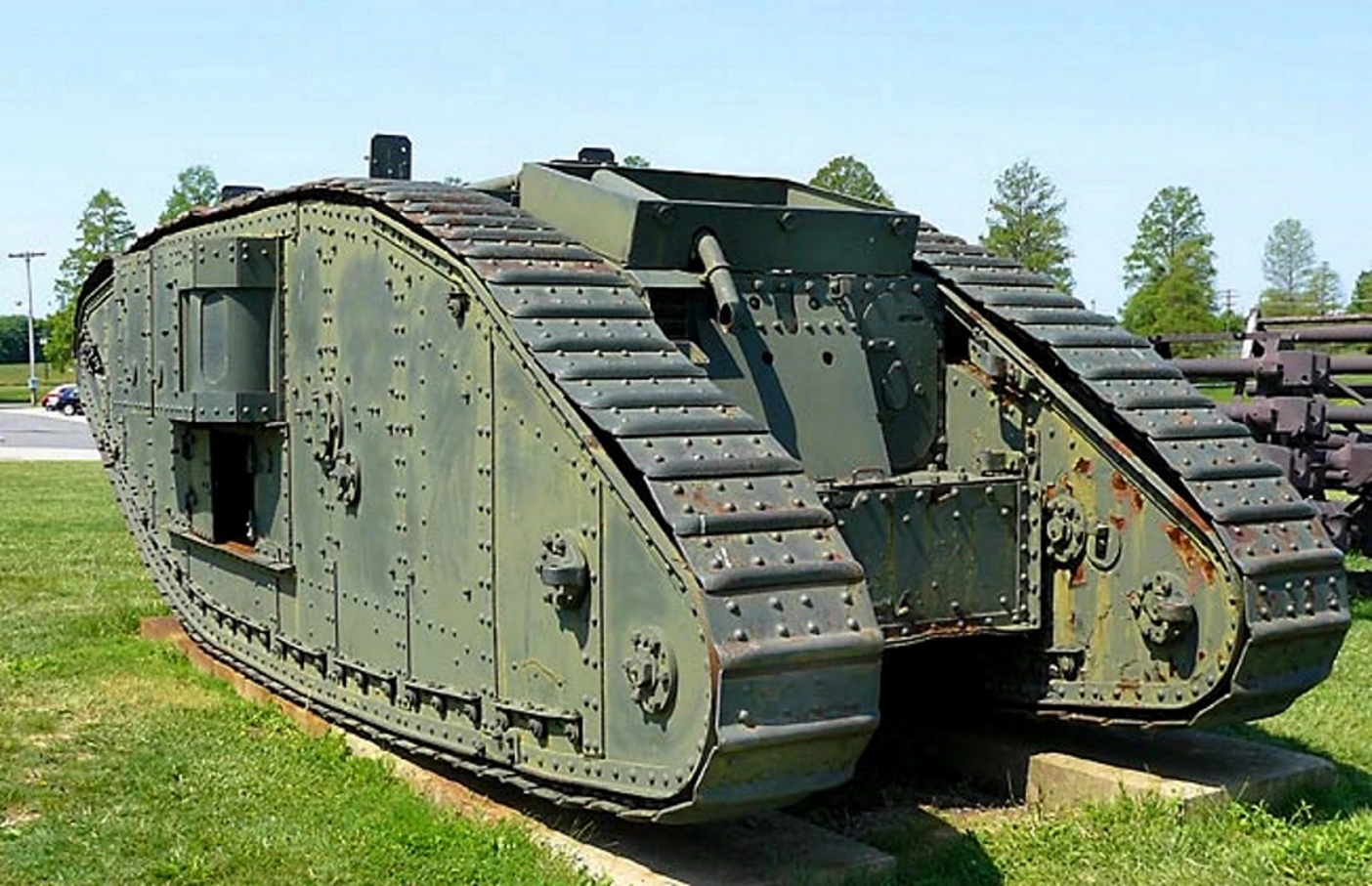
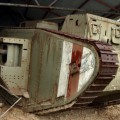
Fotogalerija a Markas V Mockup, The Mark V was a British heavy tank project from the First World War. After having made plans for the continued development of the Mark I into the Mark IV, the Tank Supply Committee (the institute planning and controlling British tank production) in December 1916 ordered the design of two new types: the Mark V and the Mark VI. The Mark V should embody the most advanced features that could still be incorporated into the Mark I hull. The Mark VI should abandon the old hull entirely, reflecting only some general principles of the older tank.
Šaltinis: Vikipedija
| Mark V | |
|---|---|
| Fotografas | Azrael Varnas |
| Lokalizavimo | Nežinoti |
| Nuotraukos | 13 |
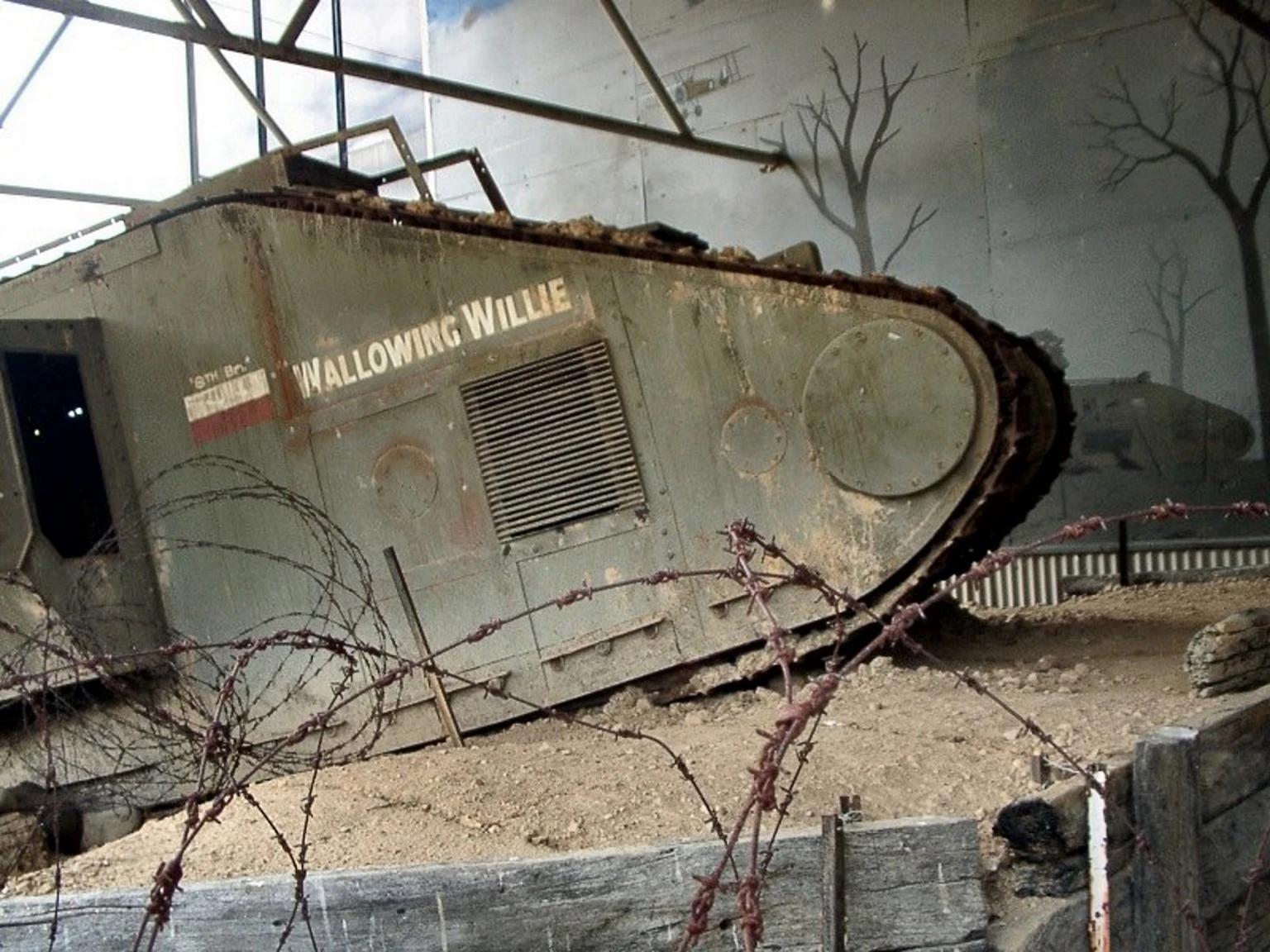
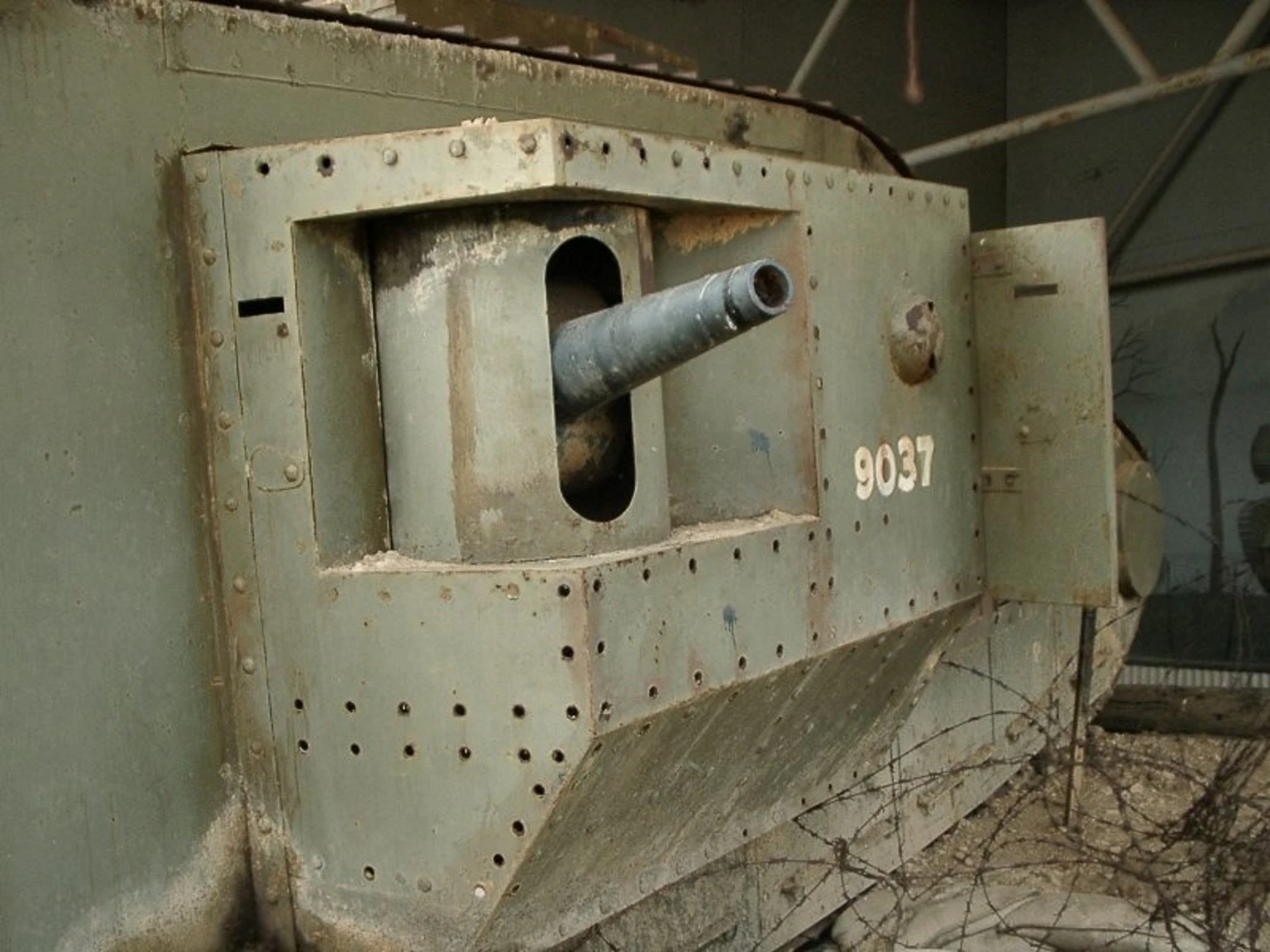
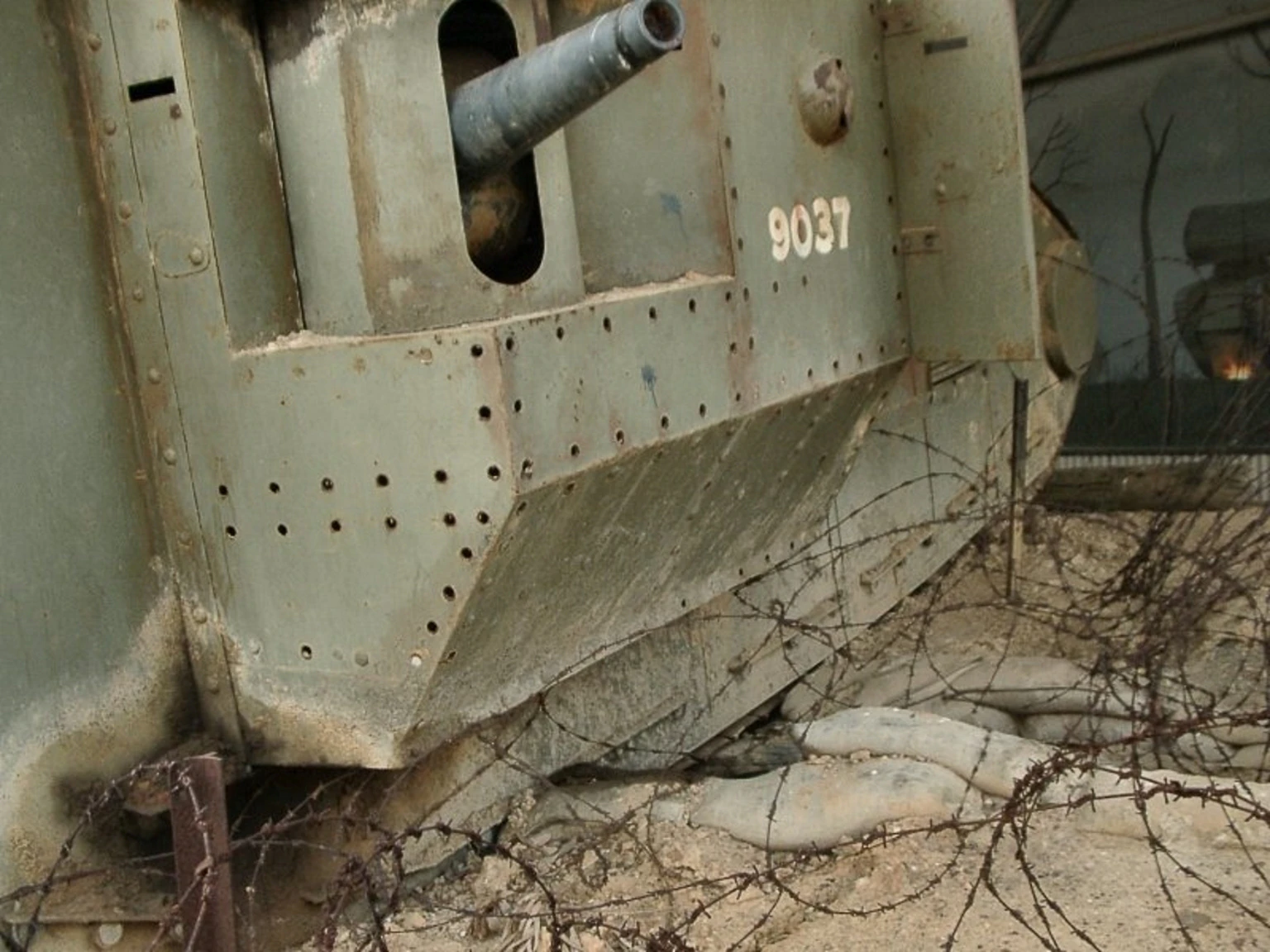

 Nupirk man kavos
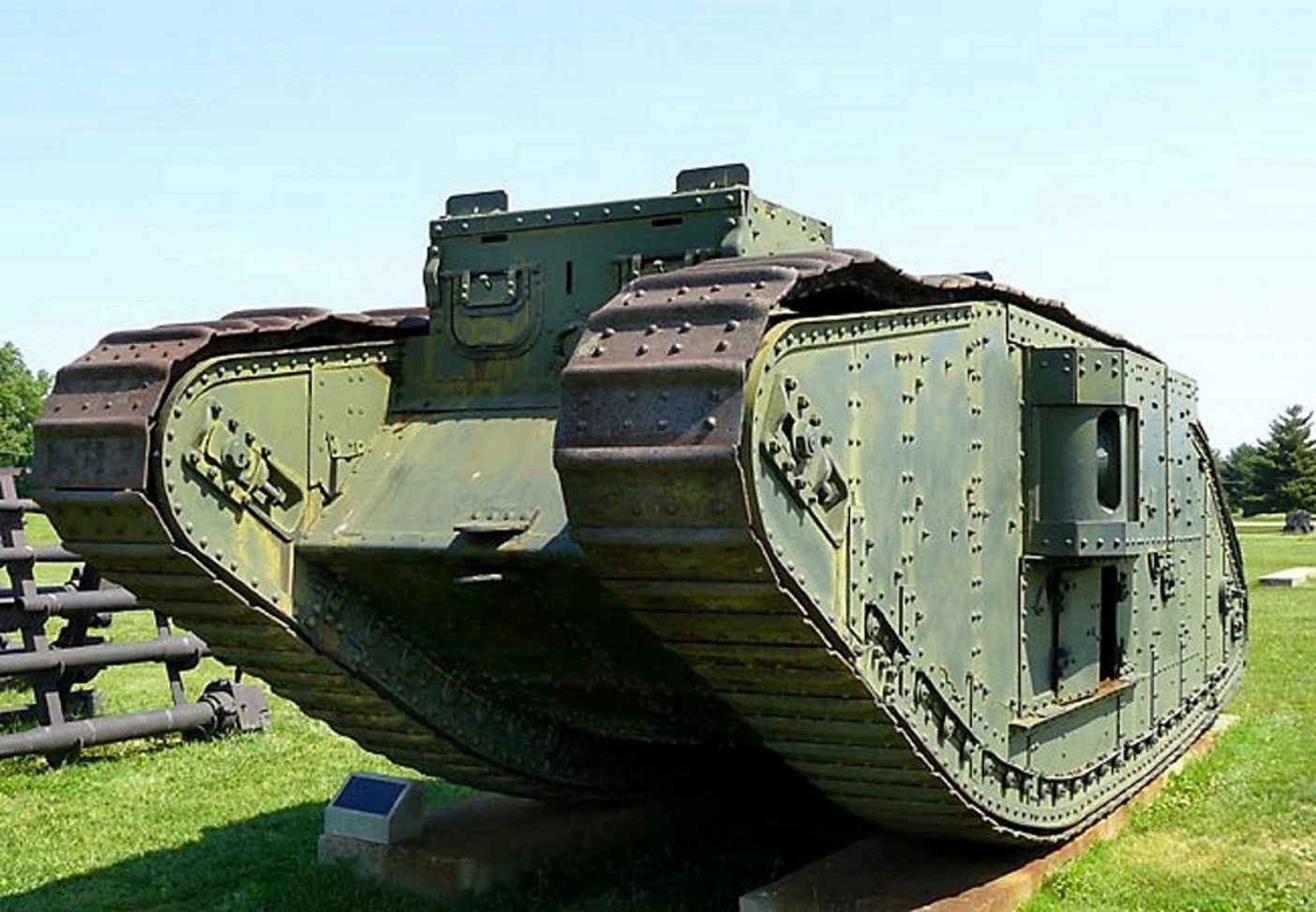
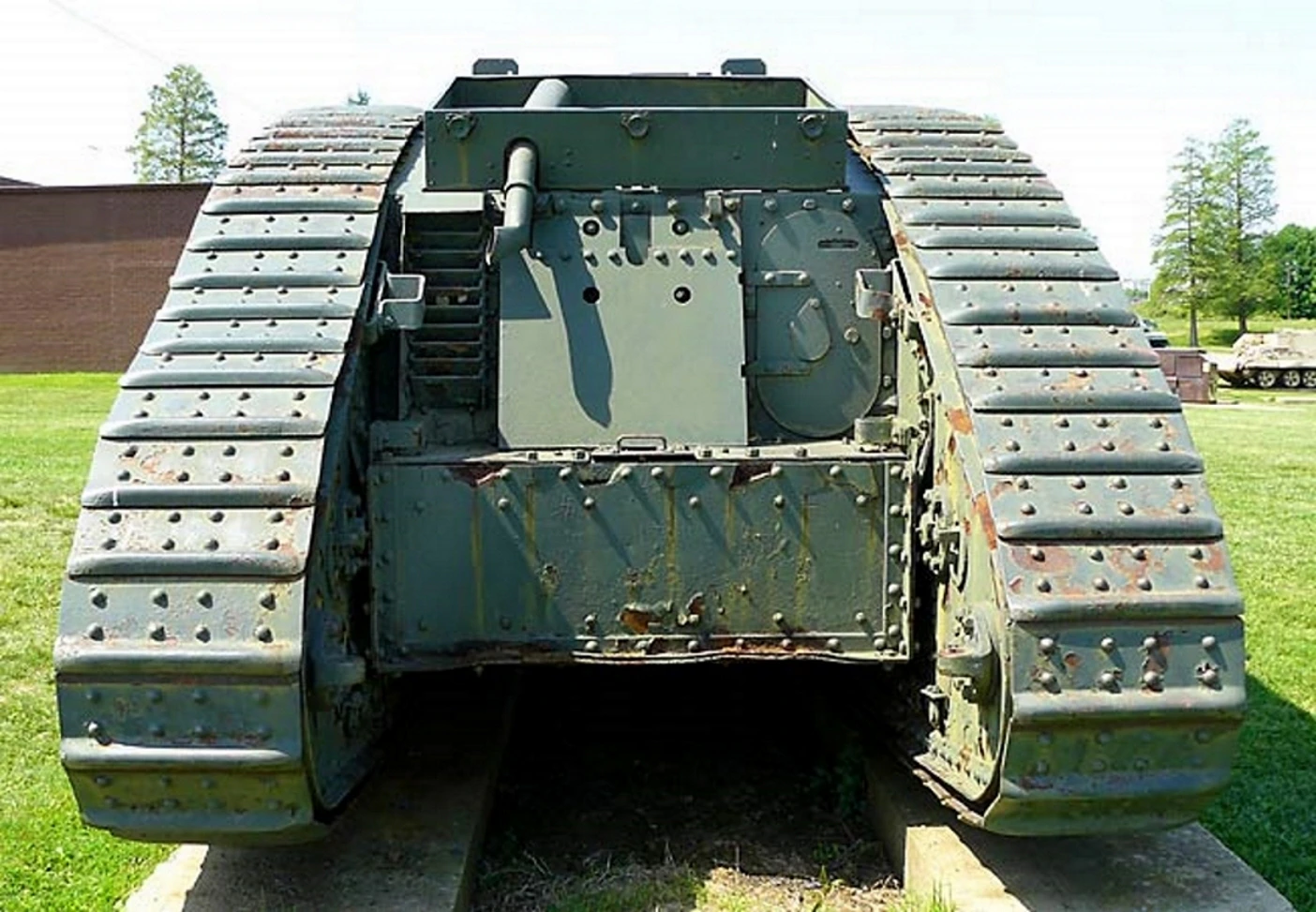
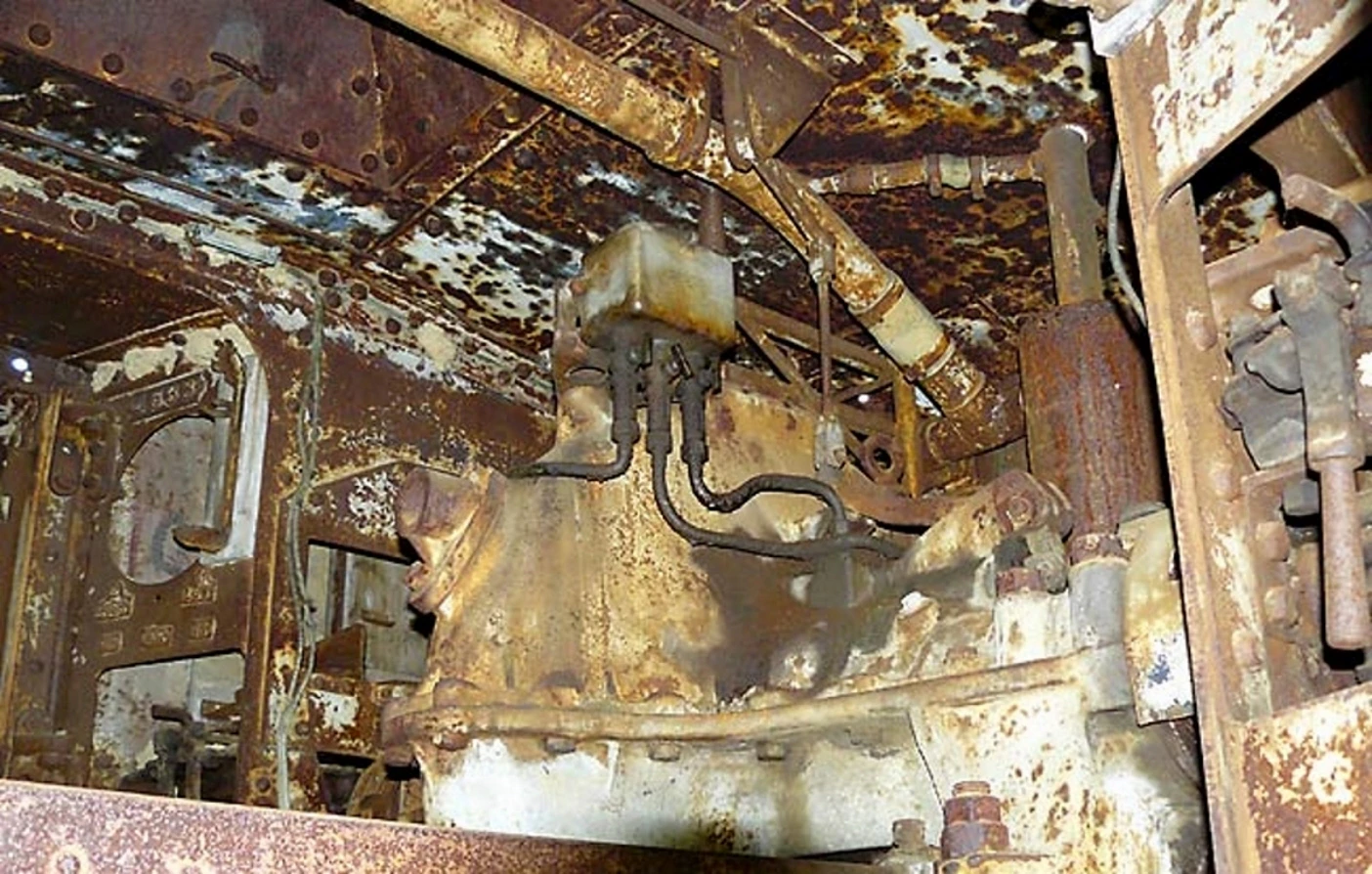
| British Mk V Female WWI Tank Walk Around | |
|---|---|
| Fotografas | Billas Maloney |
| Lokalizavimo | Nežinoti |
| Nuotraukos | 15 |
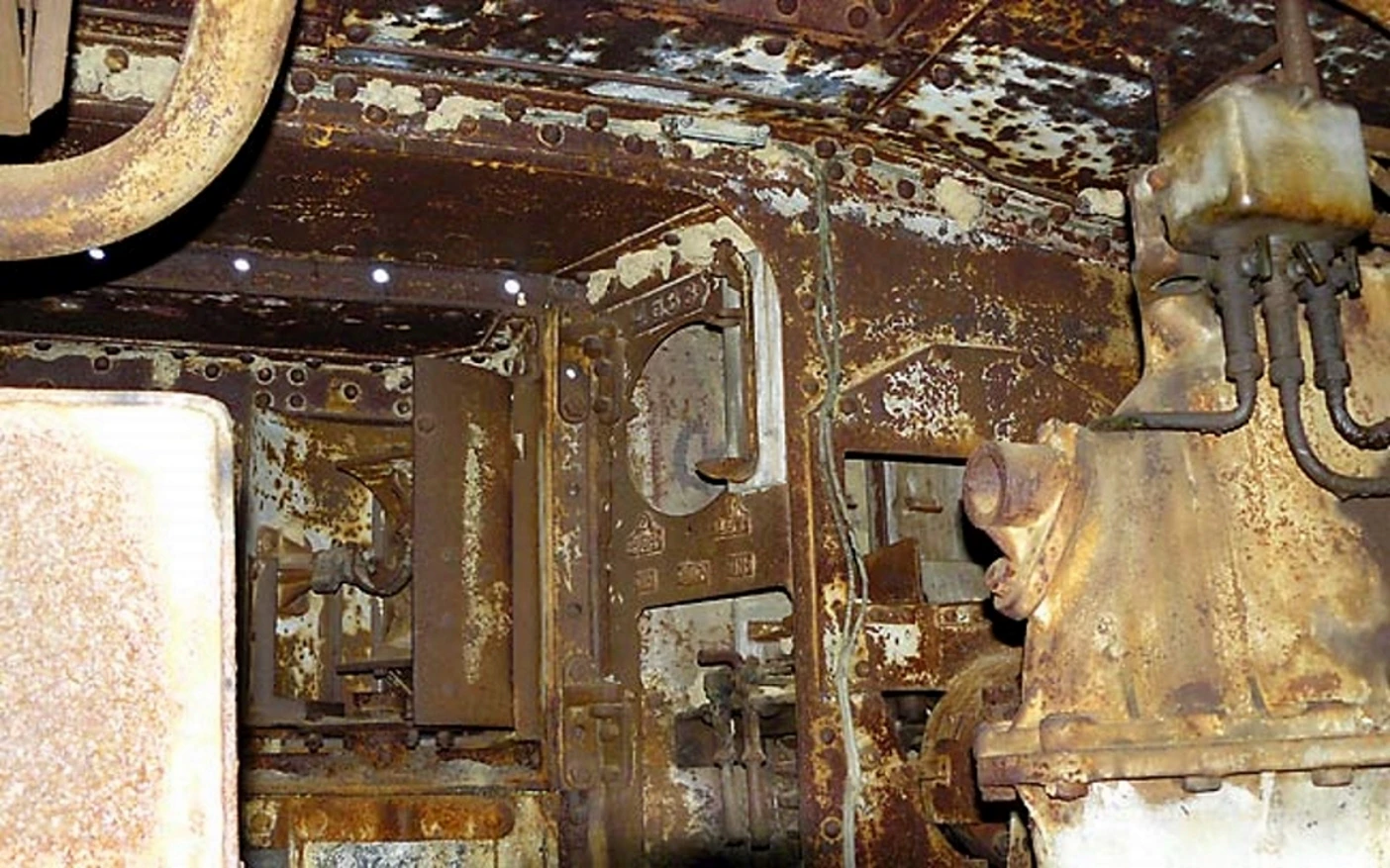
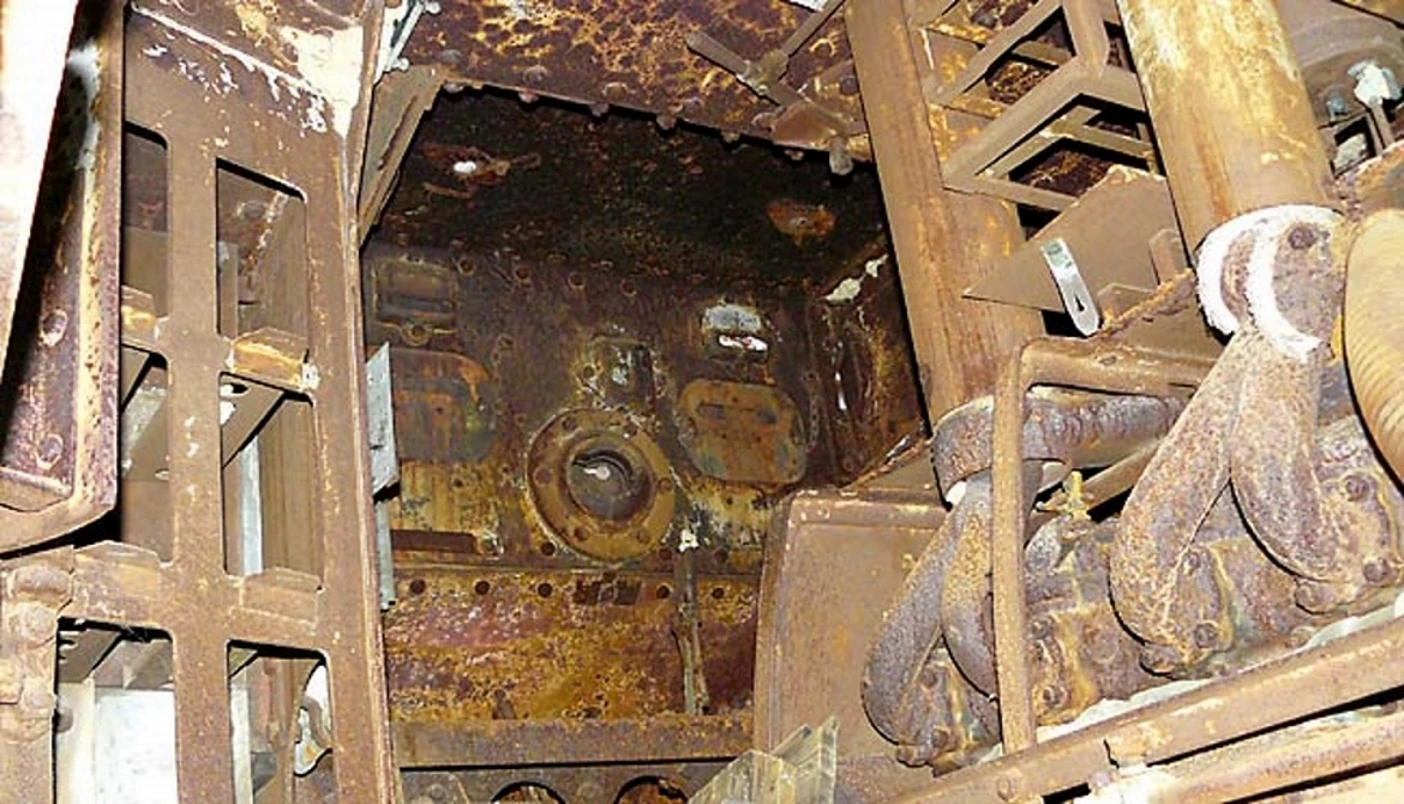
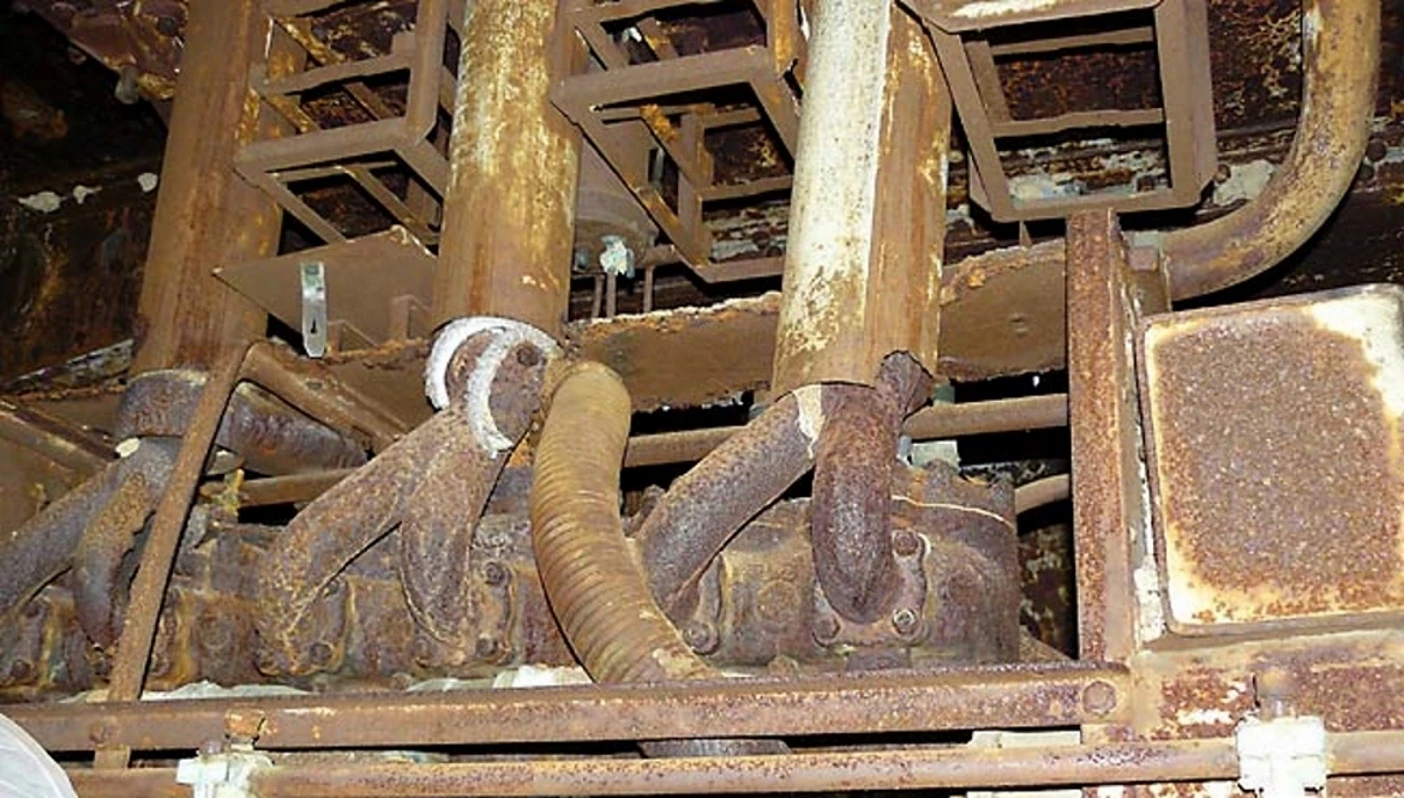
Taip pat žiūrėkite:


The Evolution of the Great War’s “Landship”
2007 Markas V was the final and most successful iteration of the heavy rhomboid tanks that defined the Western Front. While it looked nearly identical to its predecessors (the Mark I and IV), it was a revolutionary leap forward internally. Developed in 1917, it solved the most grueling problem of early tank warfare: steering. For the first time, a single driver could control the entire 29-ton beast, allowing the tank to finally function as a coordinated weapon of war rather than a clumsy mechanical monster that required four men just to make a turn.
| Attribute | Technical Specification (Mark V) |
|---|---|
| Vaidmenį | Heavy Breakthrough Tank |
| Įgulos | 8 (Commander, Driver, and 6 Gunners/Gearsmen) |
| Variklis | 19-liter Ricardo 6-cylinder Petrol (150 hp) |
| Maximum Speed | 7.4 km/h (4.6 mph) on road |
| “Male” Armament | 2 × 6-pounder (57mm) guns + 4 × Hotchkiss MGs |
| “Female” Armament | 6 × .303 Lewis or Hotchkiss machine guns |
| Šarvas | 14mm (maximum) |
| Svoris | 29 tonnes (Male) / 28 tonnes (Female) |
Design Engineering: The Epicyclic Revolution
- Wilson’s Epicyclic Steering: In the older Mark IV, the driver had to signal two “gearsmen” at the rear to engage or disengage secondary gearboxes to turn. The Mark V used Major Walter Wilson’s epicyclic gearbox, which allowed the driver to control the speed and steering of both tracks by himself via levers. This made the Mark V significantly more maneuverable in the chaos of No Man’s Land.
- The Ricardo Engine: Specifically designed for tank use by Harry Ricardo, this 150-hp engine was the first of its kind. It was designed to run even when tilted at extreme angles while crossing trenches and featured a highly efficient cooling system to prevent the crew from being baked alive (though internal temperatures still reached 50°C/122°F).
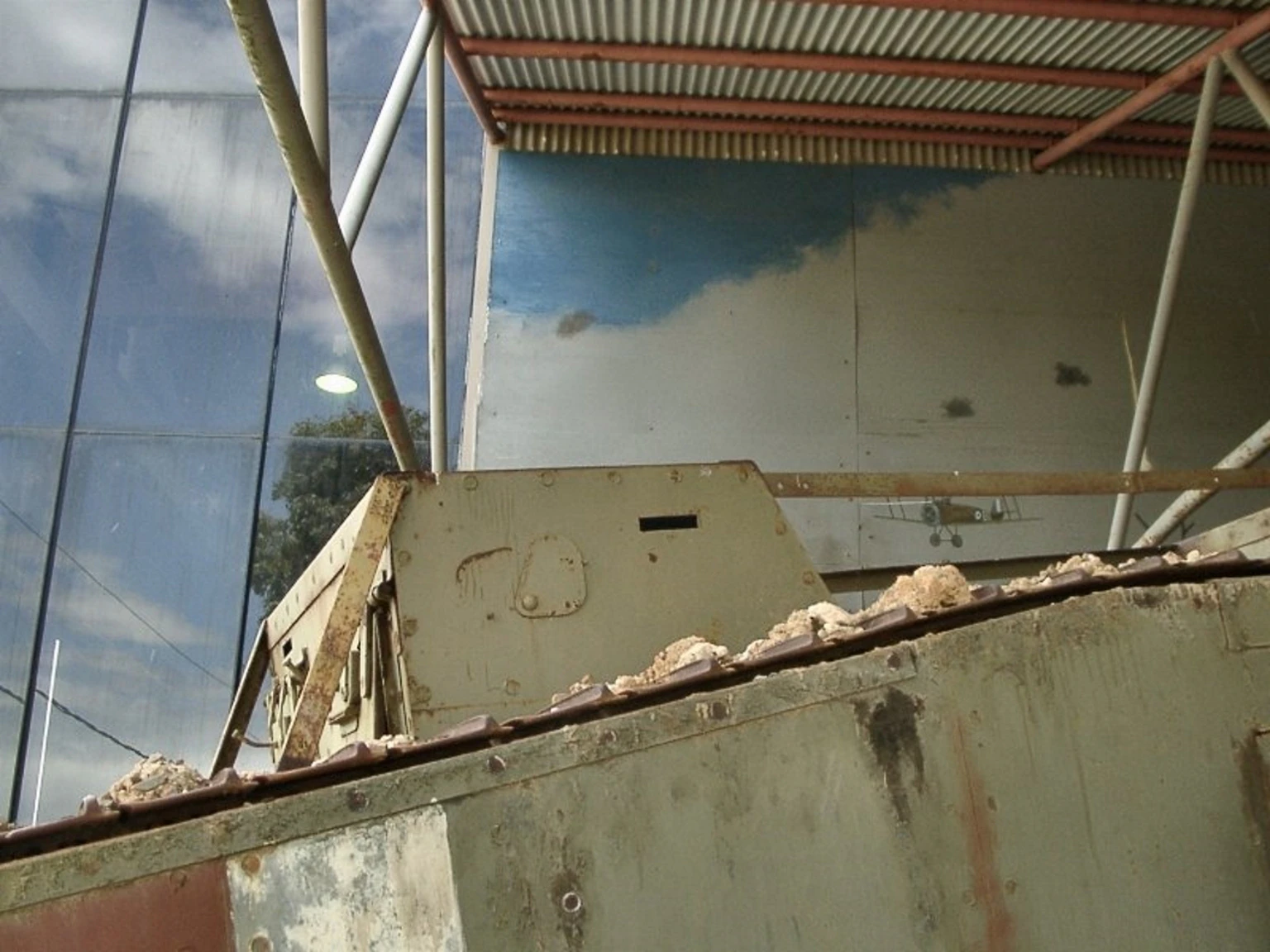
- Rear Cab and Semaphore: The Mark V featured a small raised “cab” at the rear for the commander, which included a semaphore signaling system to communicate with other tanks or infantry, as radio was still in its infancy.
- The Unditching Beam: A massive wooden beam was carried on rails on top of the tank. If the tank got stuck in deep mud, the crew would chain the beam to the tracks; as the tracks moved, the beam would be pulled under the tank, providing the traction needed to pull the vehicle out of the mire.
Combat History: From Amiens to the Russian Civil War
- Battle of Amiens (1918): The Mark V’s debut was a triumph. During the “Hundred Days Offensive,” hundreds of Mark Vs smashed through the Hindenburg Line, proving that massed armor could break the stalemate of trench warfare once and for all.
- “Hermaphrodite” Variants: Learning from early tank-vs-tank combat, some Mark Vs were modified with one “Male” sponson (6-pounder gun) and one “Female” sponson (machine guns). This ensured the tank could handle both enemy bunkers and swarming infantry.
- Service in Russia: After WWI, the British sent Mark Vs to support the “White” Russians against the Bolsheviks. Many were captured by the Red Army and remained in Soviet service well into the 1930s, even being used in the defense of Tallinn during WWII in 1941!
- Longevity: Remarkably, a few Mark Vs were dug into the ground as static pillboxes during the defense of Berlin in 1945, nearly 30 years after they were built.
Views : 2228
Taip pat galite pamatyti:
 T29 sunkusis bakas - nuotraukos ir vaizdo įrašai
 TOG2 – nuotraukos ir vaizdo įrašai
 P26/40 bakas - nuotraukos ir vaizdo įrašai
 M103 – Nuotraukos ir vaizdo įrašai
 Mark V maketas – nuotraukos ir vaizdo įrašas
 T-72 – WalkAround
 A39 vėžlys – WalkAround
 Tigras II – Königstiger vol3 – Walk Around
 Tigras I - Vaikščioti aplink
 JS2-M – Pasivaikščiojimas aplink