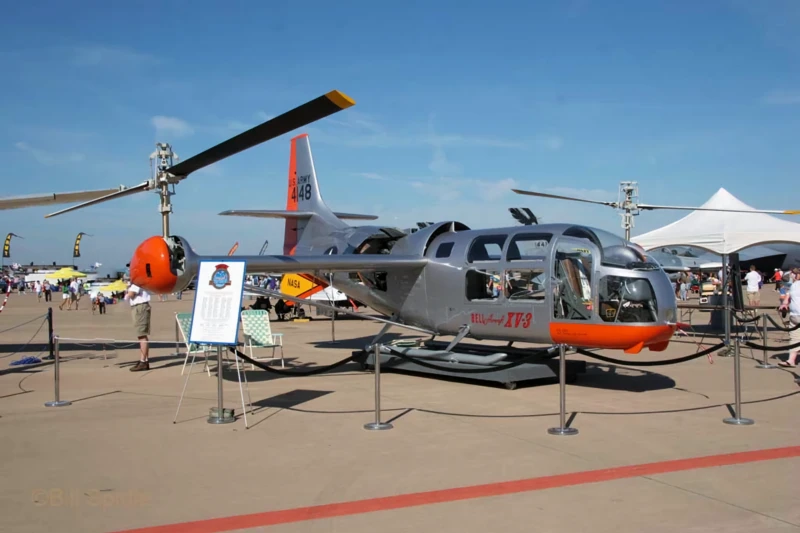
Bell XV-3 | |
|---|---|
| Country | USA |
| Type | Experimental VTOL aircraft |
| First flight | 1955 |
| Built | 2 |
"Varpo XV-3" nuotraukų galerija, Varpas XV-3 (Bell 200) buvo "Bell Helicopter" sukurtas "Tiltrotor" orlaivis, skirtas bendrai Jungtinių Valstijų oro pajėgų ir Jungtinių Valstijų armijos tyrimų programai, siekiant ištirti konvertuojamųjų lėktuvų technologijas. XV-3 turėjo fiuzeliaže sumontuotą variklį su varančiaisiais velenais, perduodančiais galią į dviejų ašmenų rotoriaus mazgus, sumontuotus ant sparnų galų. Sparnų antgalių rotoriaus mazgai buvo sumontuoti taip, kad pakreiptų 90 laipsnių kampu iš vertikalios į horizontalią, o tai buvo sukurta taip, kad XV-3 galėtų pakilti ir nusileisti kaip sraigtasparnis, bet skristi greitesniu oro greičiu, panašiu į įprastą fiksuoto sparno orlaivį.
Šaltinis: Varpas XV-3
| Varpas XV-3 | |
|---|---|
| Fotografai | Nežinoti |
| Lokalizavimo | Nežinoti |
| Nuotraukos | 45 |
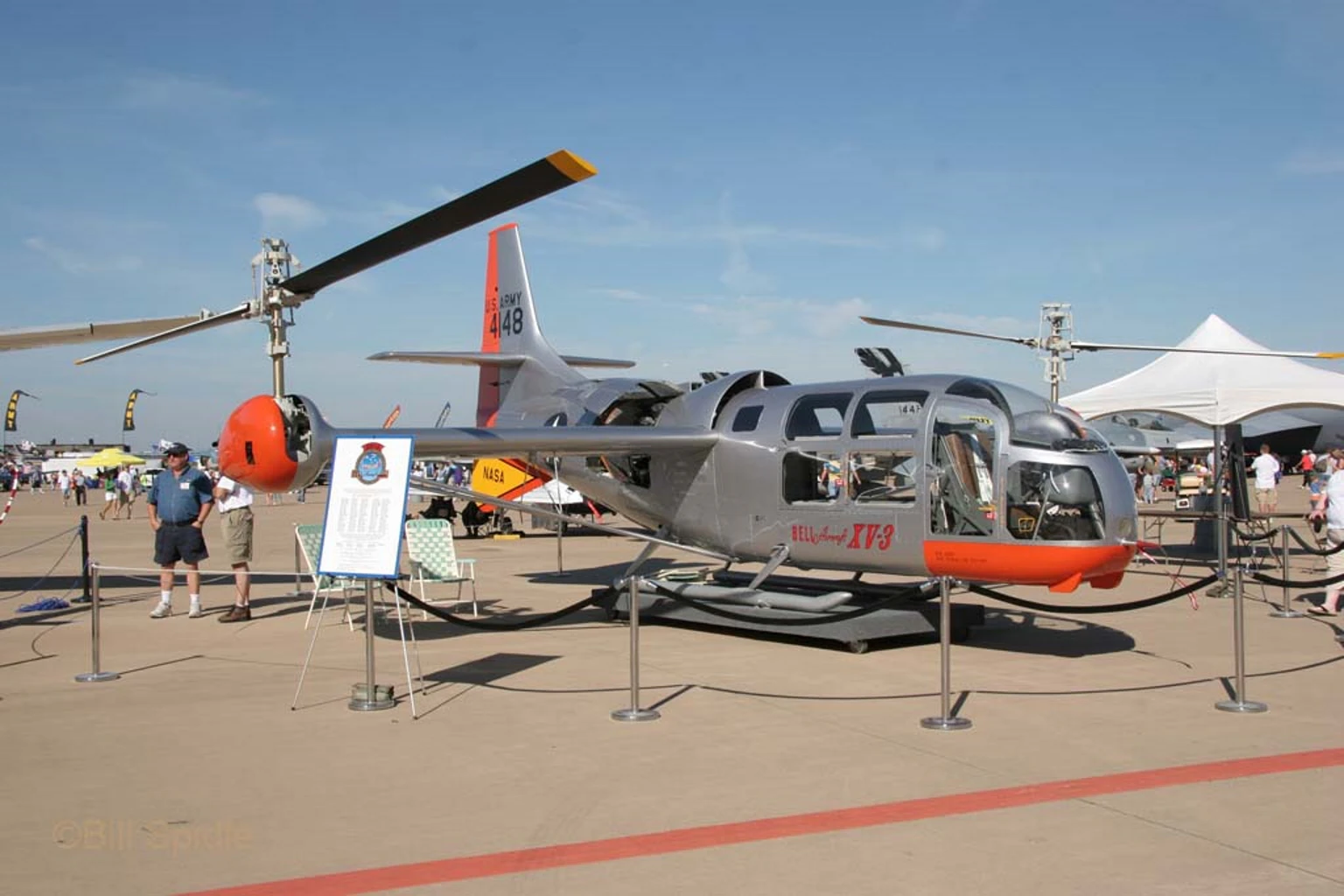
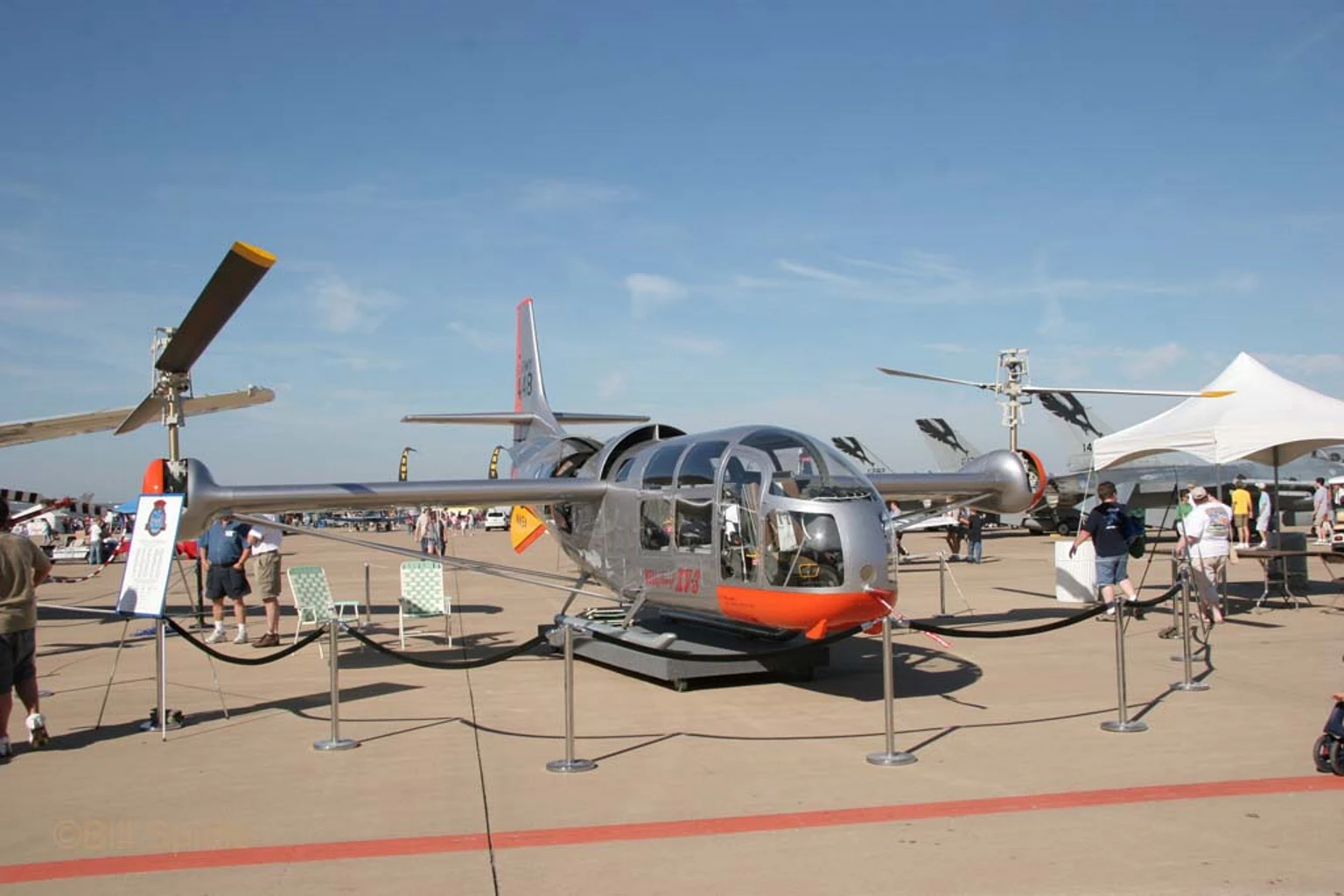
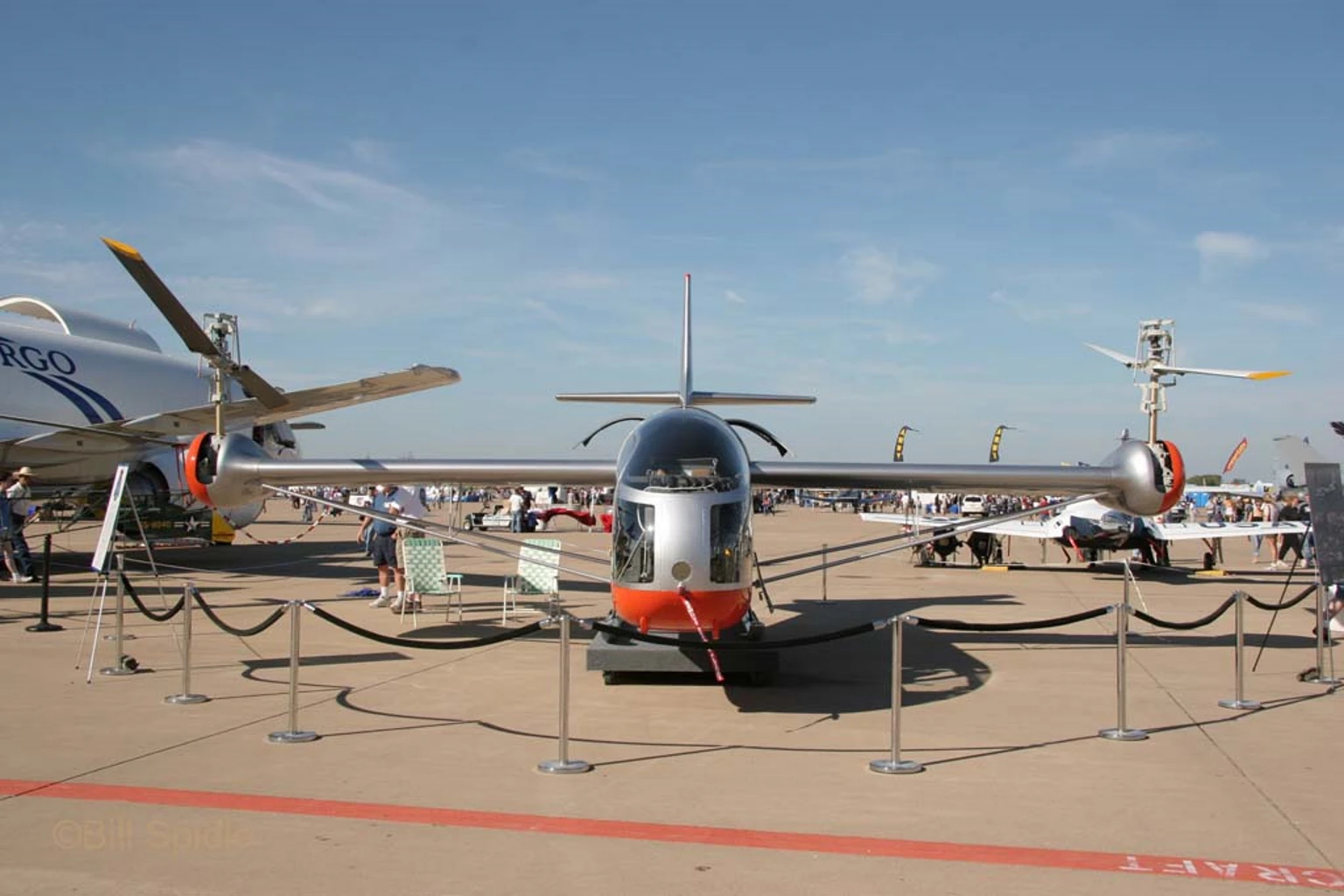
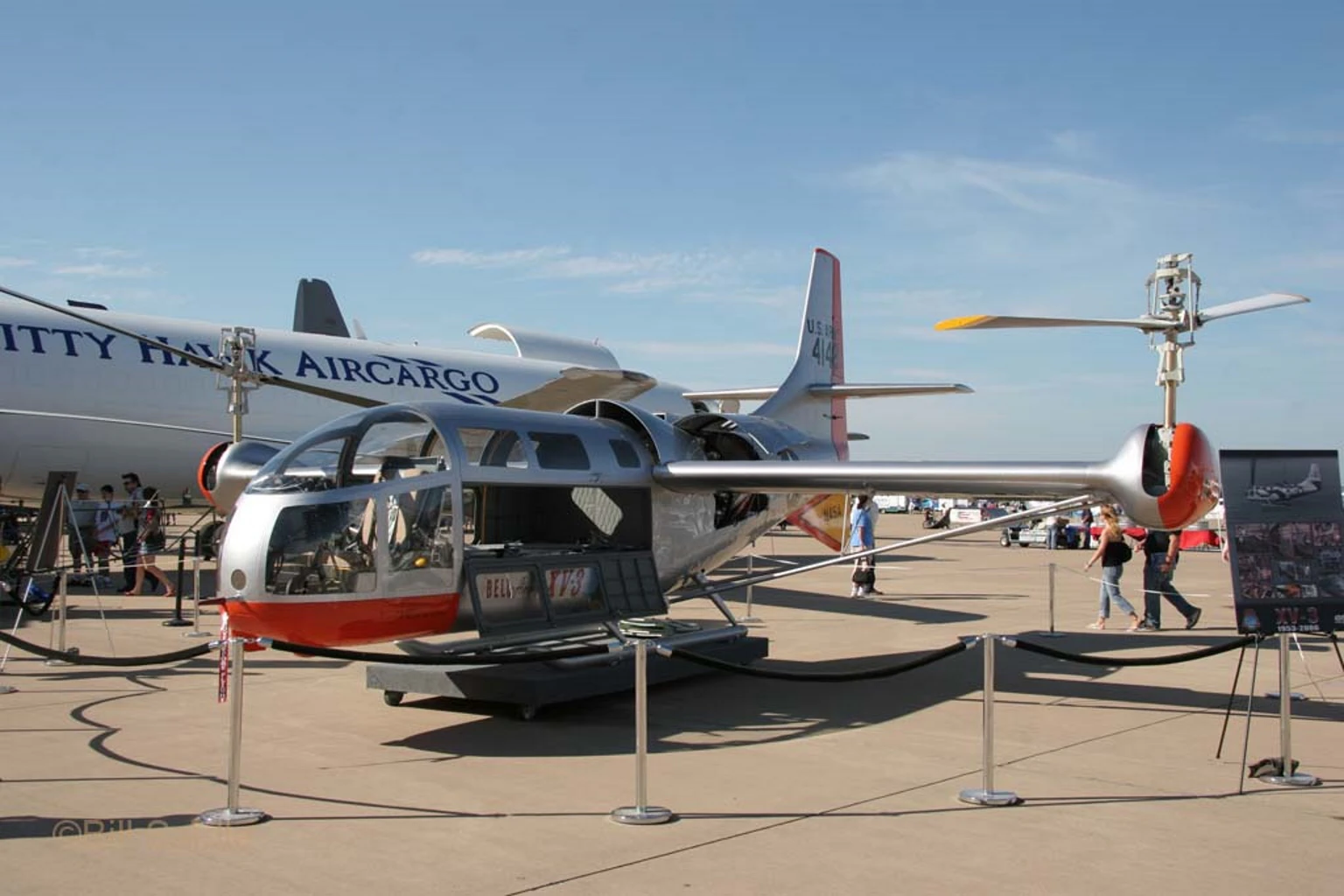
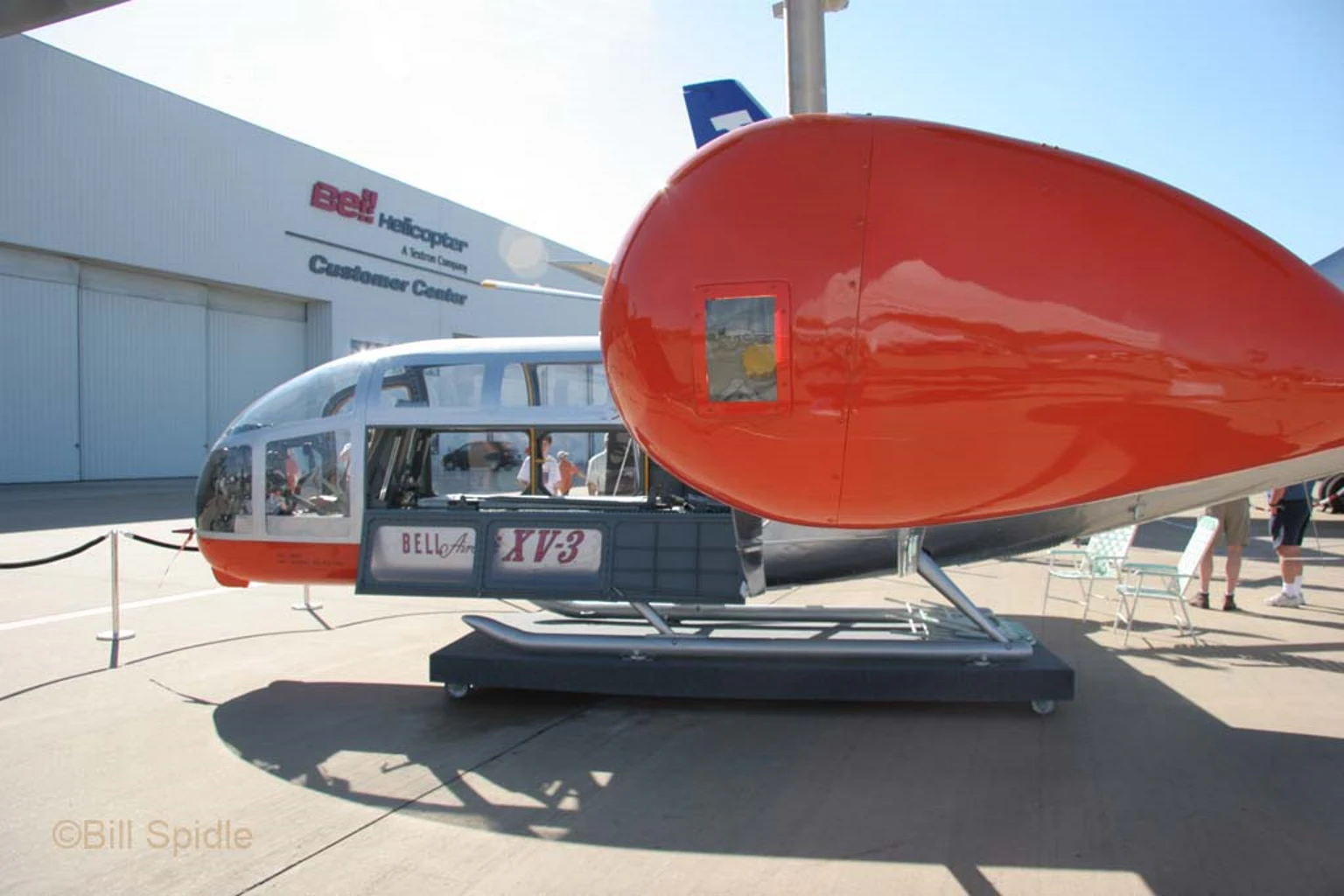
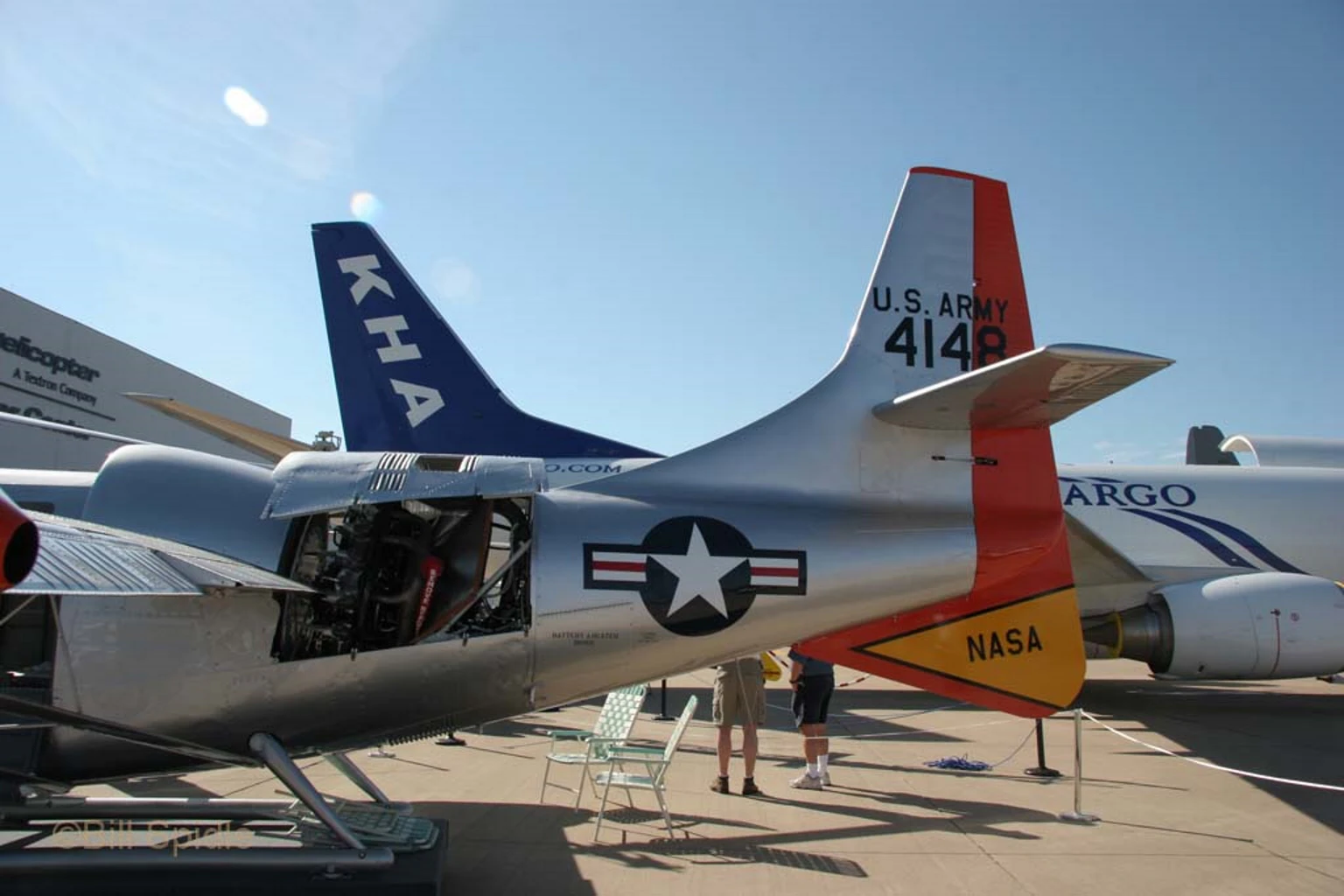
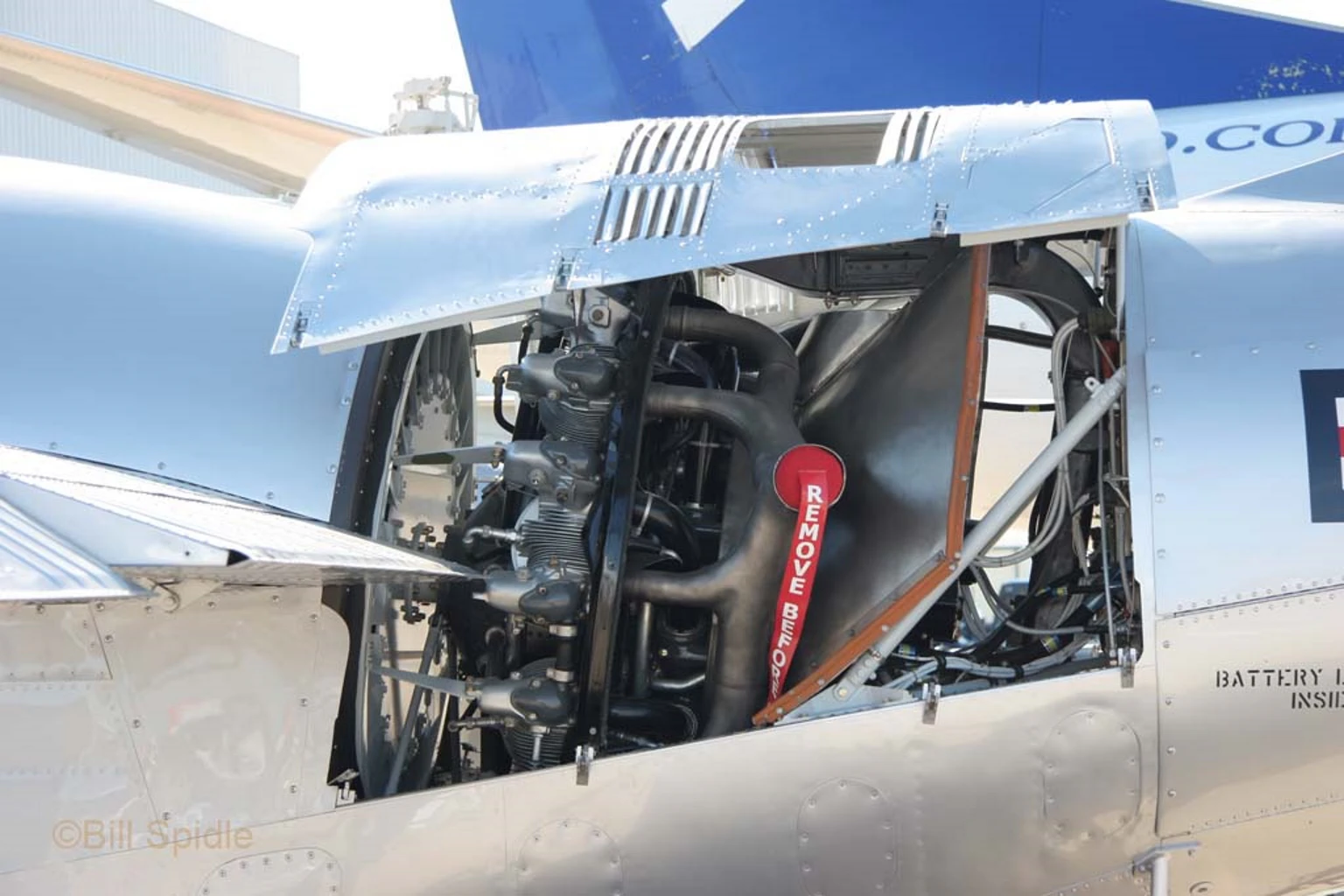
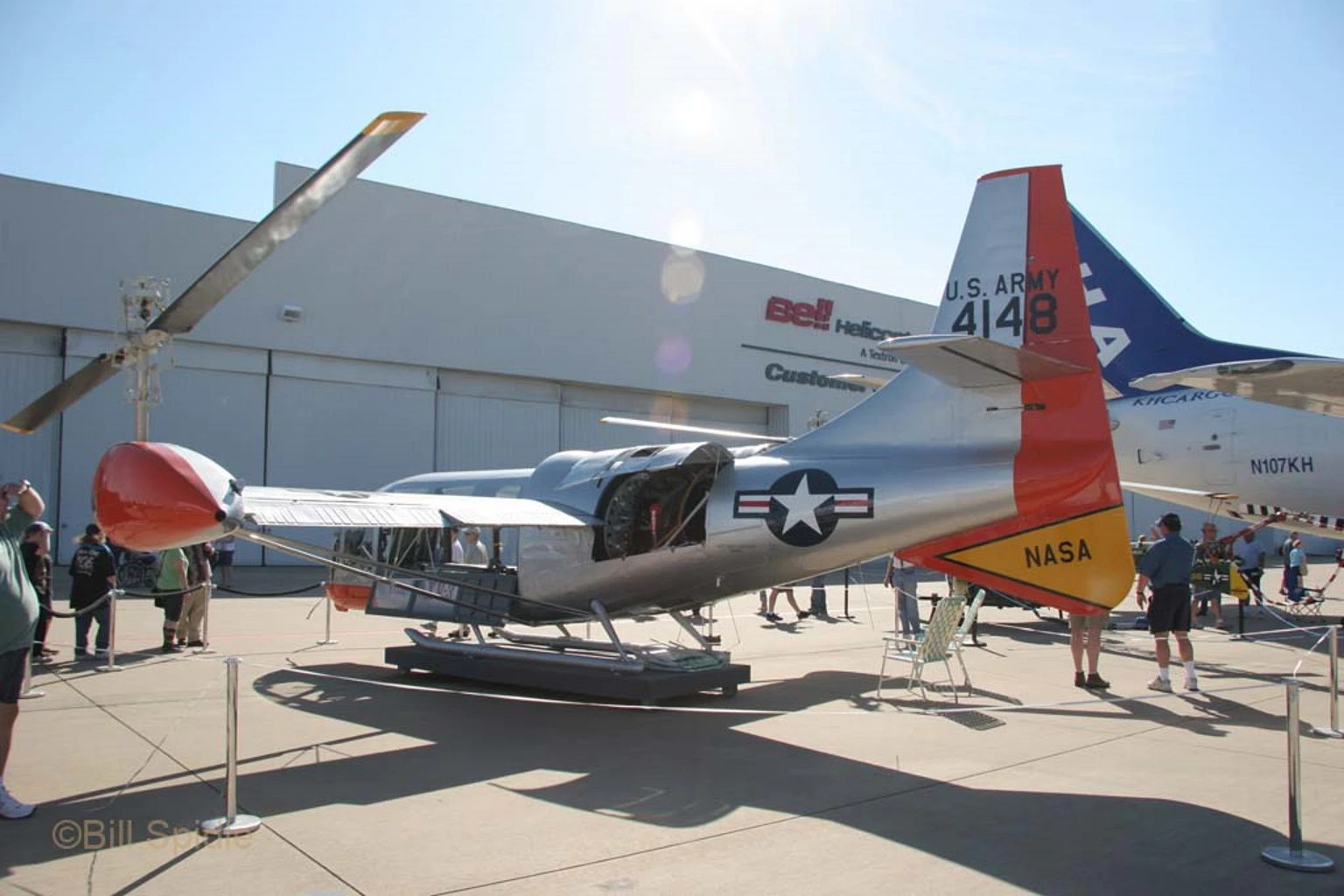
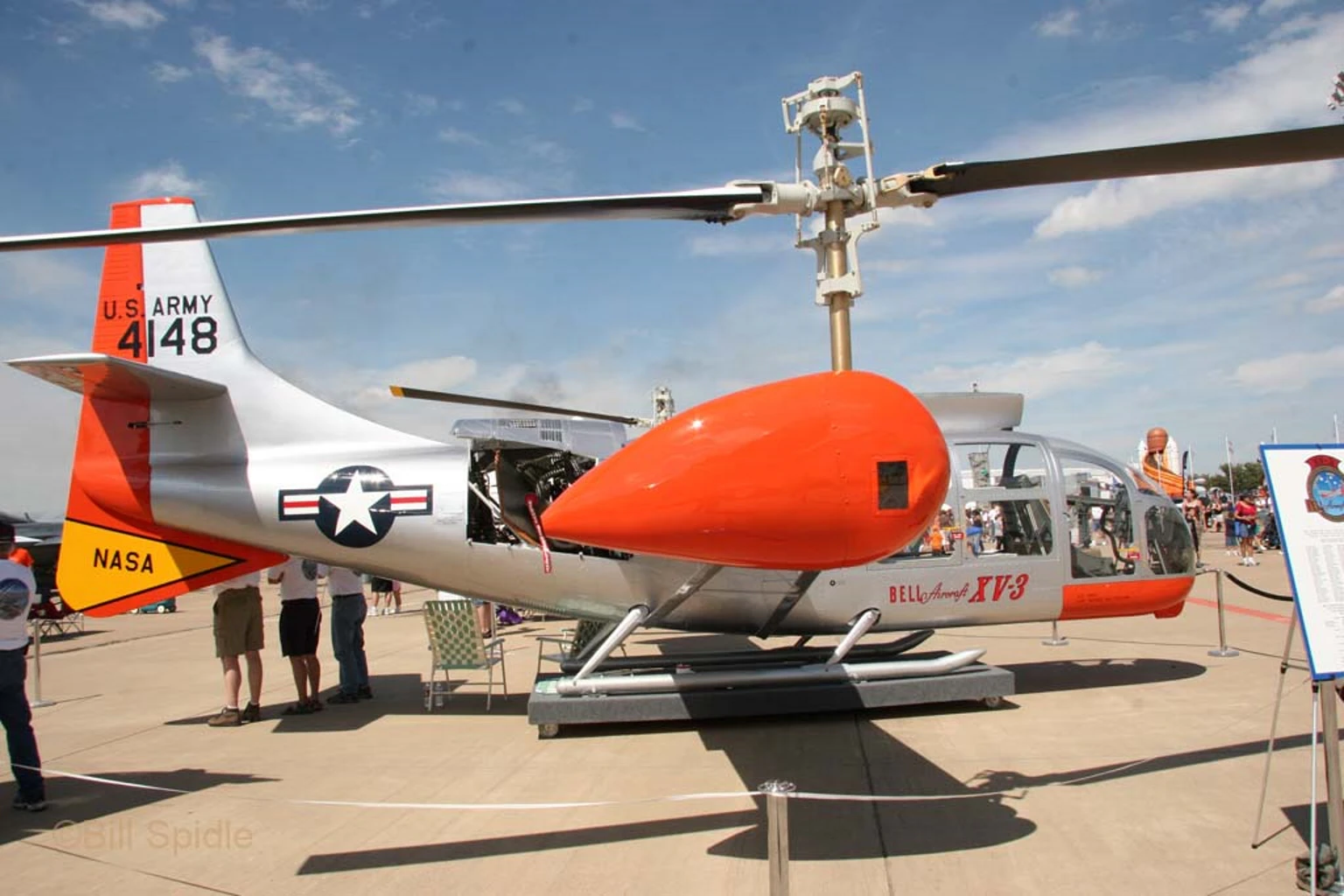

| Bell Helicopter Textron XV-3 Walk Around | |
|---|---|
| Fotografai | Vladimiras Yakubovas |
| Lokalizavimo | Nacionalinis oro ir kosmoso muziejus, Vašingtonas |
| Nuotraukos | 69 |
 Nupirk man kavos
Taip pat žiūrėkite:


The Missing Link Between Helicopter and Plane
2007 Varpas XV-3 was a pioneering experimental aircraft that proved the concept of the tiltrotor. Developed in the 1950s for a joint Army and Air Force program, it sought to combine the vertical takeoff capability of a helicopter with the high-speed cruise of a fixed-wing airplane. While it never entered mass production, it successfully completed the world’s first full-scale conversion from vertical to horizontal flight in 1958. Every modern tiltrotor, including the V-22 Osprey ir V-280 Valor, owes its existence to the data gathered by this fragile-looking machine.
| Attribute | Technical Specification (XV-3) |
|---|---|
| Vaidmenį | Experimental V/STOL Tiltrotor |
| Įgulos | 1 (Pilot) |
| Variklis | 1 × Pratt & Whitney R-985-AN-1 Wasp Junior radial (450 hp) |
| Maximum Speed | 291 km/h (181 mph) |
| Service Ceiling | 4,570 m (15,000 ft) |
| Rotor Diameter | 7.01 meters (23 ft) each |
| Sparnų ilgis | 9.54 meters (31 ft 3 in) |
| Būsena | Experimental / Research |
Design Engineering: Tilting the Paradigm
- The Tilting Mast: Unlike the V-22 Osprey, which tilts its entire engine nacelle, the XV-3 featured an engine buried in the fuselage. A complex series of driveshafts and gearboxes transmitted power to the wingtips, where only the rotor masts tilted from 0 to 90 degrees.
- The Radial Heart: Surprisingly, this futuristic concept was powered by a classic World War II-era 450-hp radial engine. The engine was mounted in the fuselage behind the pilot, which helped maintain a stable center of gravity during the transition between flight modes.
- Evolution of Rotors: The XV-3 originally used three-bladed rotors, but they were found to be highly unstable due to “aeroelastic” vibrations (flutter). Engineers replaced them with two-bladed “semirigid” rotors, which allowed the aircraft to successfully complete its conversion tests.
- High Disk Loading: Because the rotors had to act as propellers in forward flight, they were smaller than typical helicopter rotors. This meant the XV-3 required much more power to hover and had a very “sinky” feel during vertical landings.
Operational History: Proving the Impossible
- The First Conversion: On December 18, 1958, pilot Bill Quinlan successfully moved the masts from the vertical to the horizontal position for the first time in history. This proved that a tiltrotor could actually transition between flight modes without falling out of the sky.
- NASA Wind Tunnel Tests: After its flight test program ended in 1962, the XV-3 spent years being tested in the massive wind tunnels at NASA Ames. This research identified “proprotor whirl flutter,” a dangerous vibration that engineers had to solve before the next generation of tiltrotors (the XV-15) could be built.
- A Brush with Disaster: During a 1965 wind tunnel test, a rotor failed and ripped off the wing, nearly destroying the aircraft and the tunnel. This failure provided the critical data needed to design the much stronger wings found on modern tiltrotors.
- Where it is Today: The original XV-3 was painstakingly restored and now resides at the National Museum of the United States Air Force in Dayton, Ohio.
Views : 2490
Taip pat galite pamatyti:
 AgustaWestland AW609 – nuotraukos ir vaizdo įrašai
 Agusta-Bell AB.212 – Nuotraukos ir vaizdo įrašai
 "Bell 429 GlobalRanger" - nuotraukos ir vaizdo įrašai
 "Bell 206" - nuotraukos ir vaizdo įrašai
 "Bell 407" - nuotraukos ir vaizdo įrašai
 Bell H-13 Sioux - nuotraukos ir vaizdo įrašai
 Bell UH-1 Iroquois - nuotraukos ir vaizdo įrašas
 "Bell 47" - nuotraukos ir vaizdo įrašas
 "Bell AH-1Z Viper" - nuotraukos ir vaizdo įrašas
 Bell UH-1Y – nuotraukos ir vaizdo įrašas