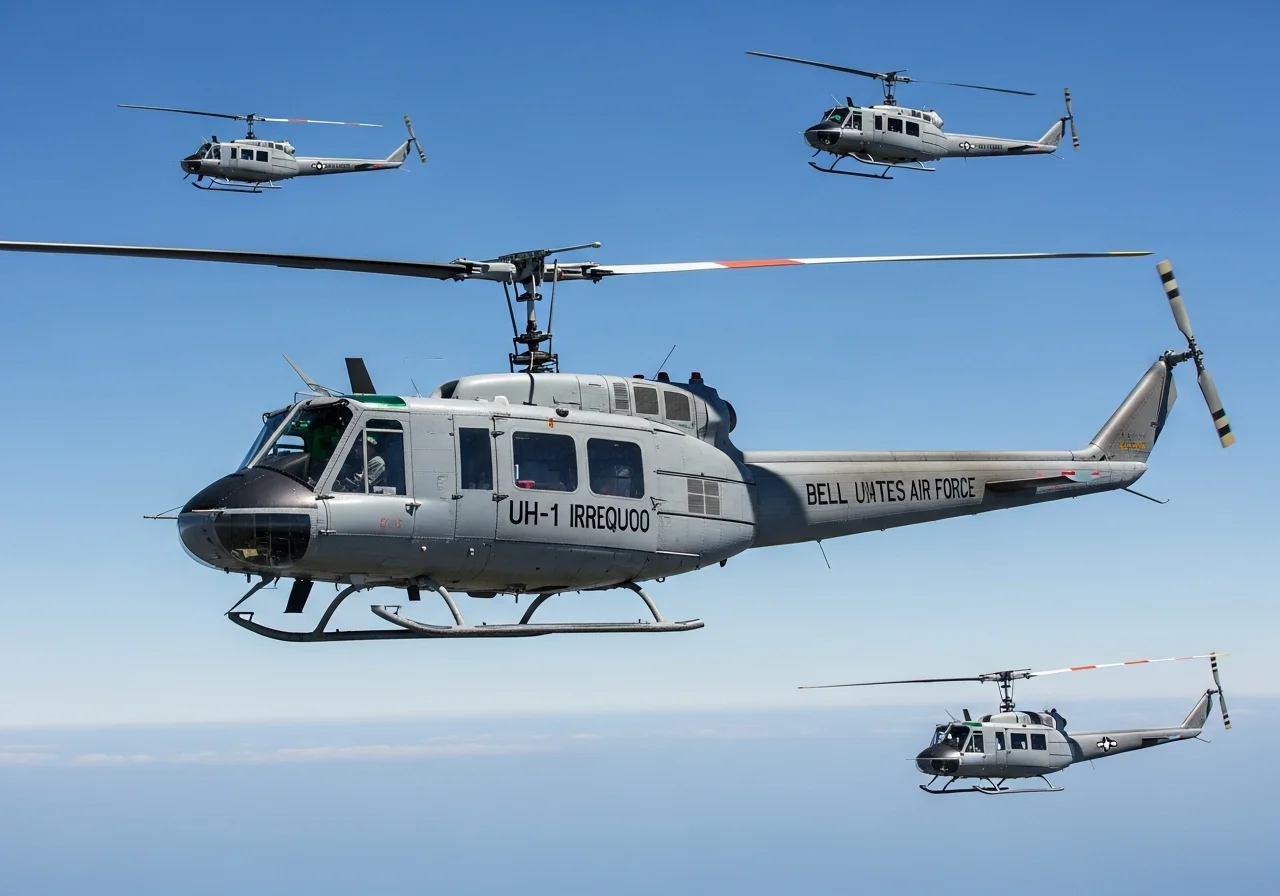
Bell UH-1 Iroquois | |
|---|---|
| Šalies | Jav |
| Vaidmenį | Pagalbinis sraigtasparnis |
| Pirmasis skrydis | 1956 m. spalio 20 d. |
| Pastatytas | 16000+ |
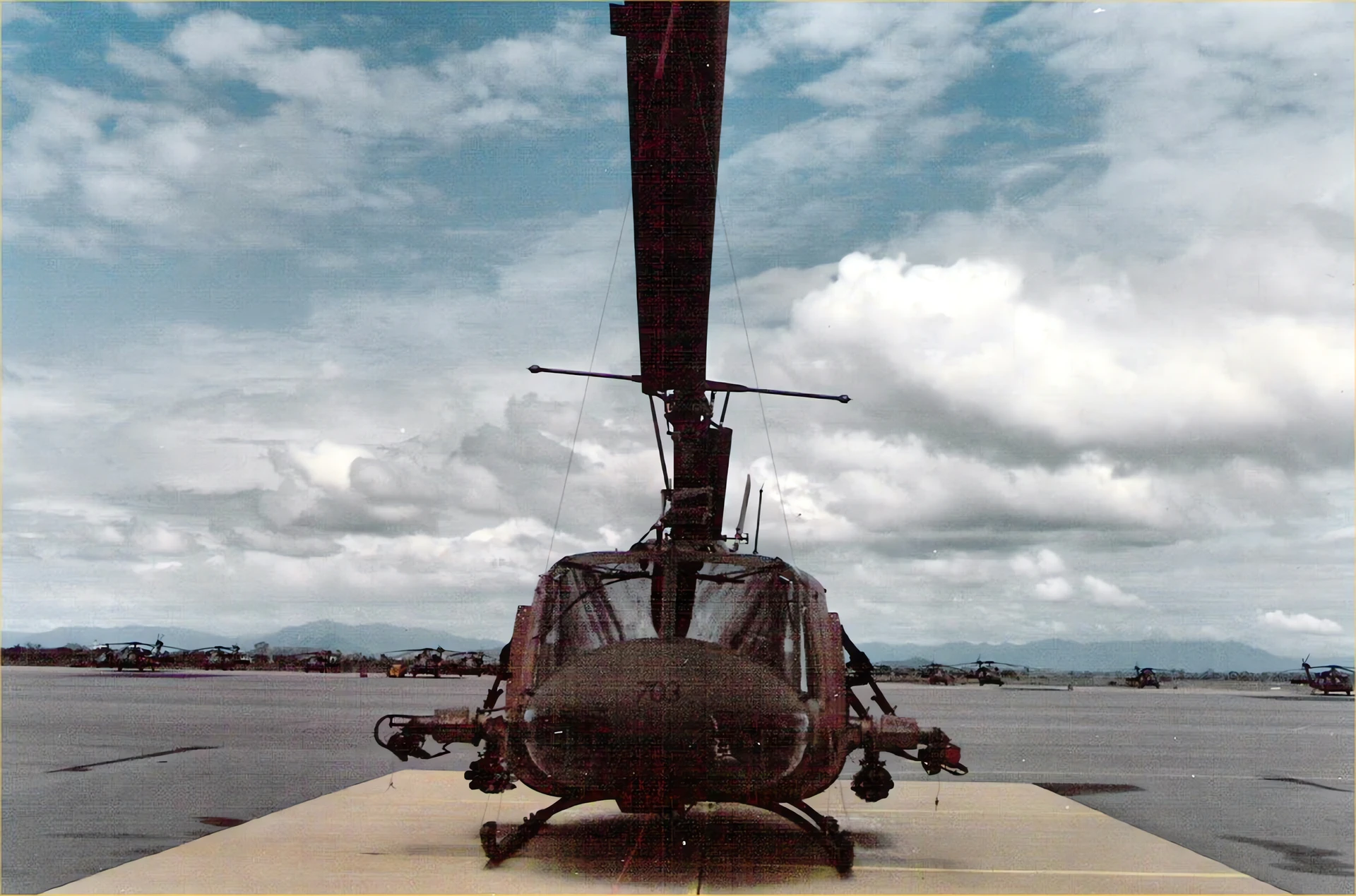
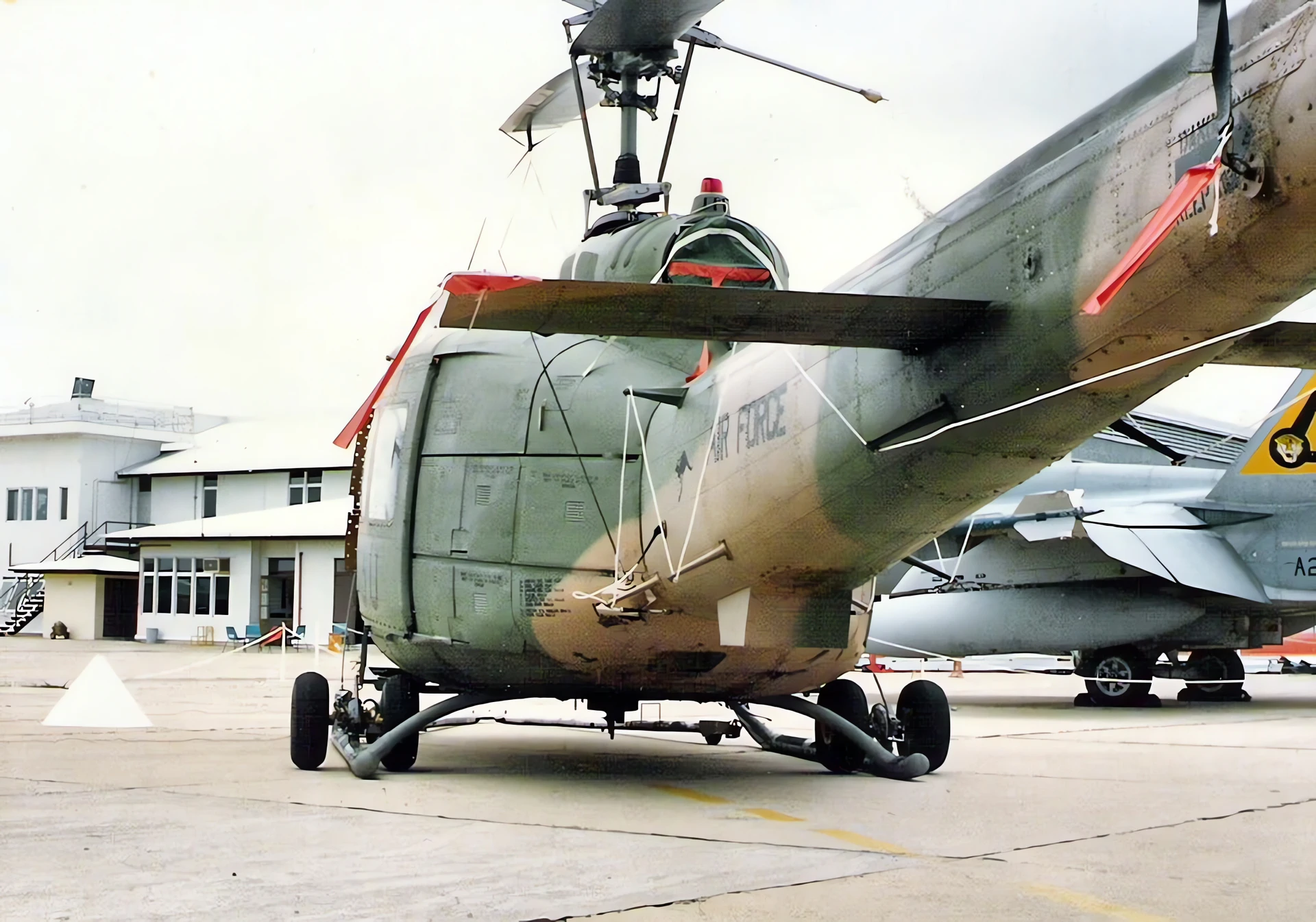
2007 Bell UH-1 Iroquois (nicknamed “Huey”) is a utility military helicopter powered by a single turboshaft engine, with two-blade main and tail rotors. The first member of the prolific Huey family, it was developed by Bell Helicopter to meet a United States Army’s 1952 requirement for a medical evacuation and utility helicopter, and first flew in 1956. The UH-1 was the first turbine-powered helicopter to enter production in 1960 for the United States military, and more than 16,000 have been built since. The Iroquois was originally designated HU-1, hence the Huey nickname, which has remained in common use, despite the official redesignation to UH-1 in 1962. The UH-1 first saw service in combat operations during the Vietnam War, with around 7,000 helicopters deployed. The Bell 204 and 205 are Iroquois versions developed for the civil market.
Šaltinis: Bell UH-1 Iroquois Vikipedijoje
| Bell UH-1D Huey Walk Around | |
|---|---|
| Fotografas | Nežinoti |
| Lokalizavimo | Nežinoti |
| Nuotraukos | 80 |
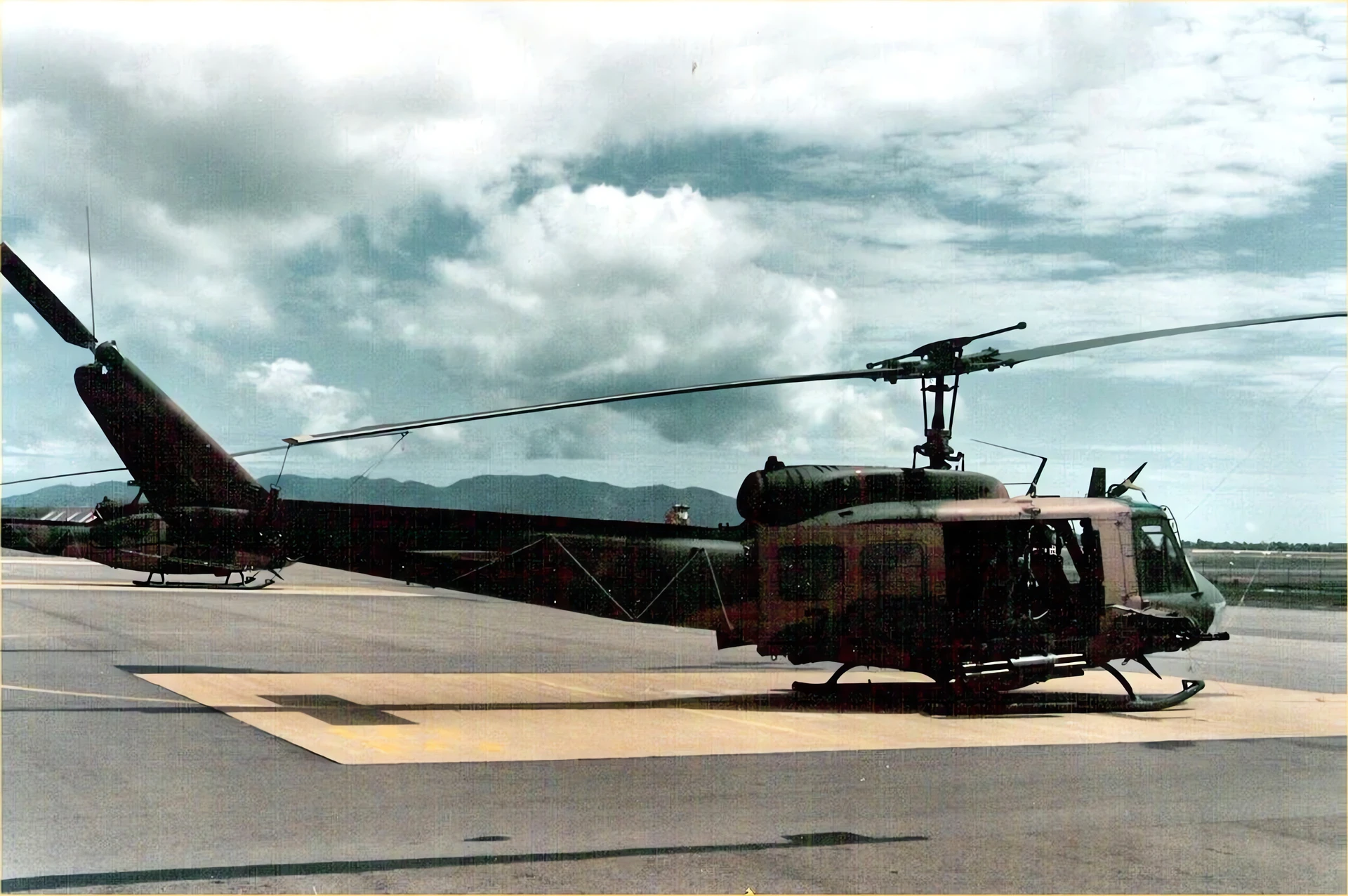
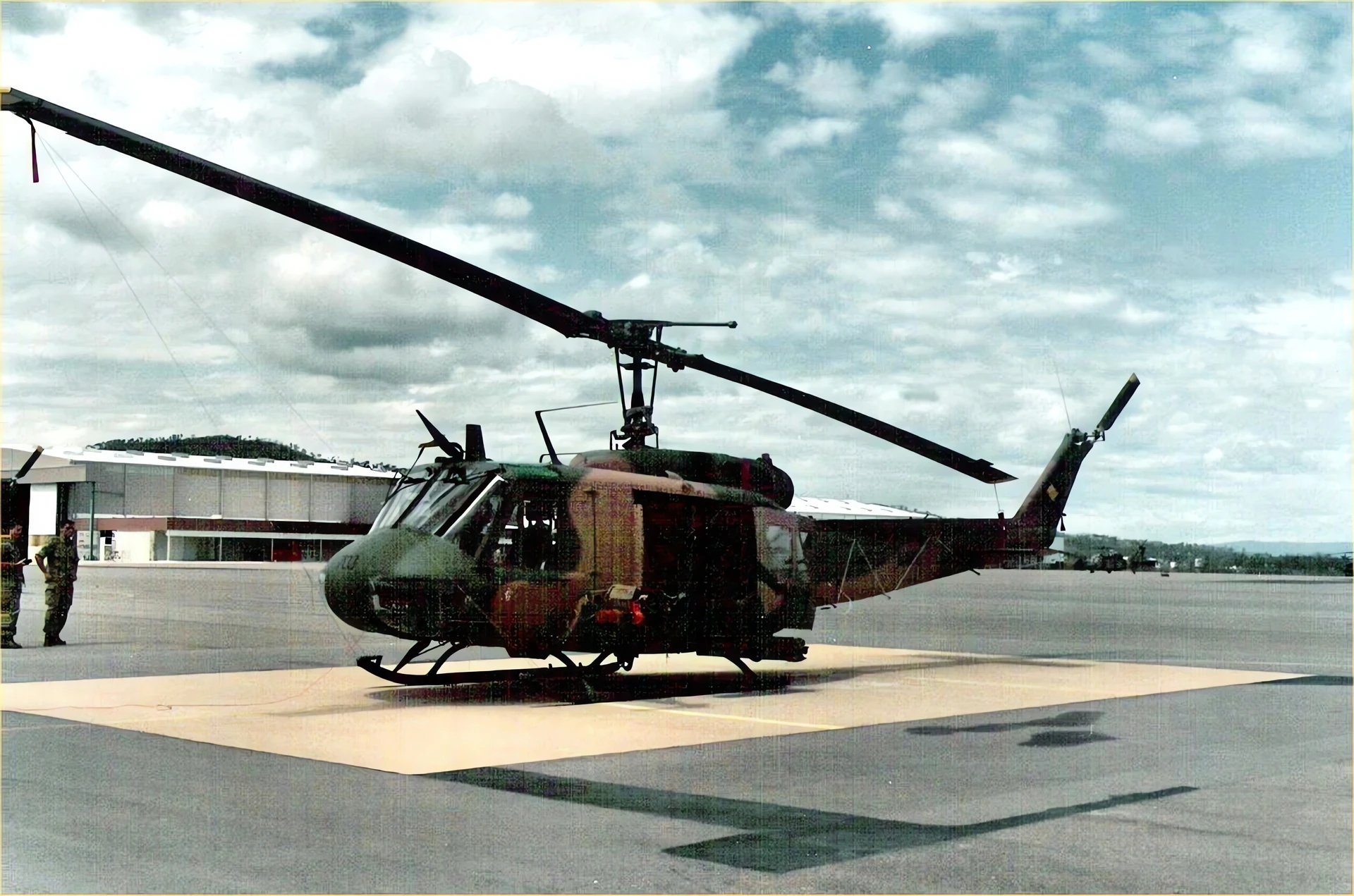
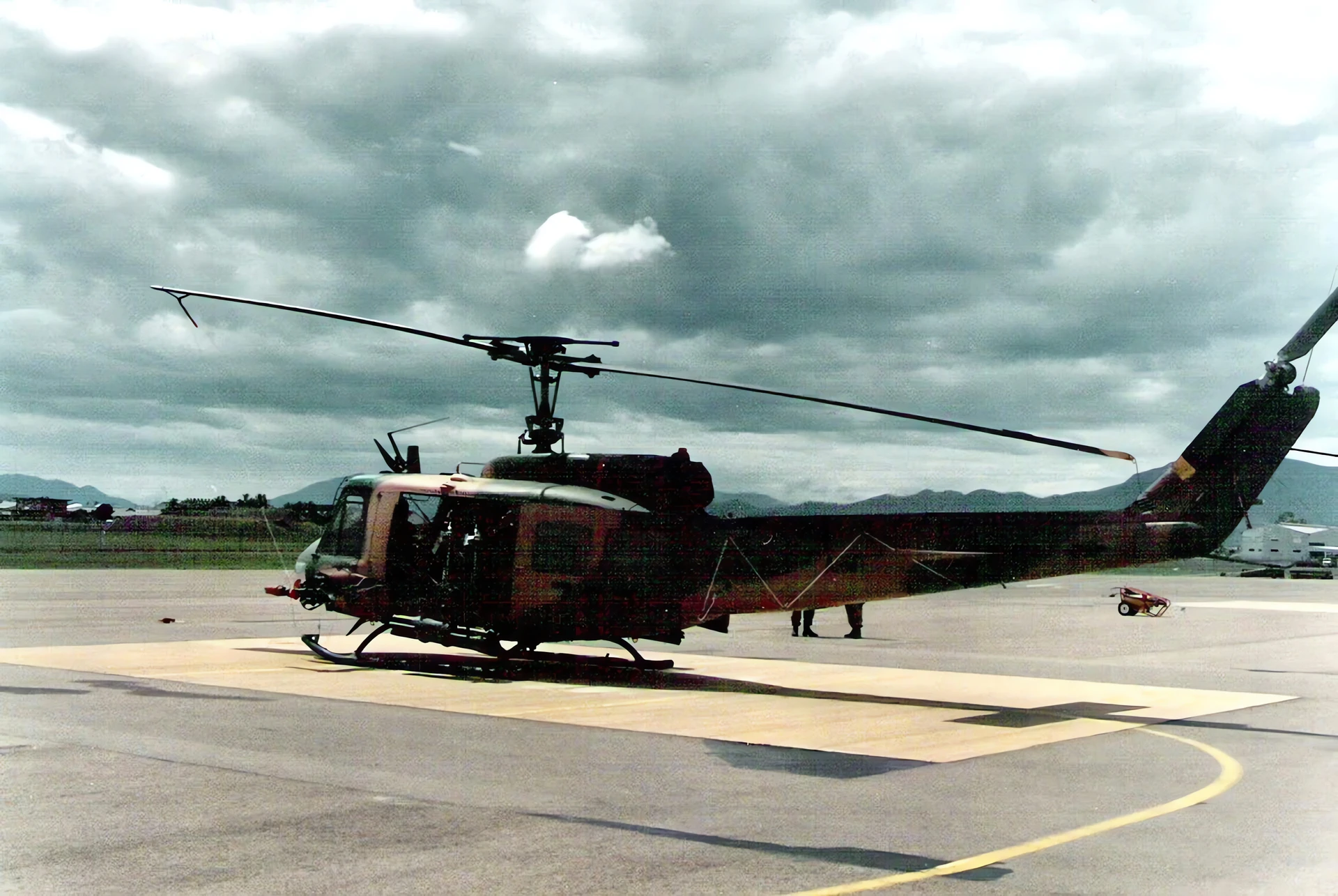
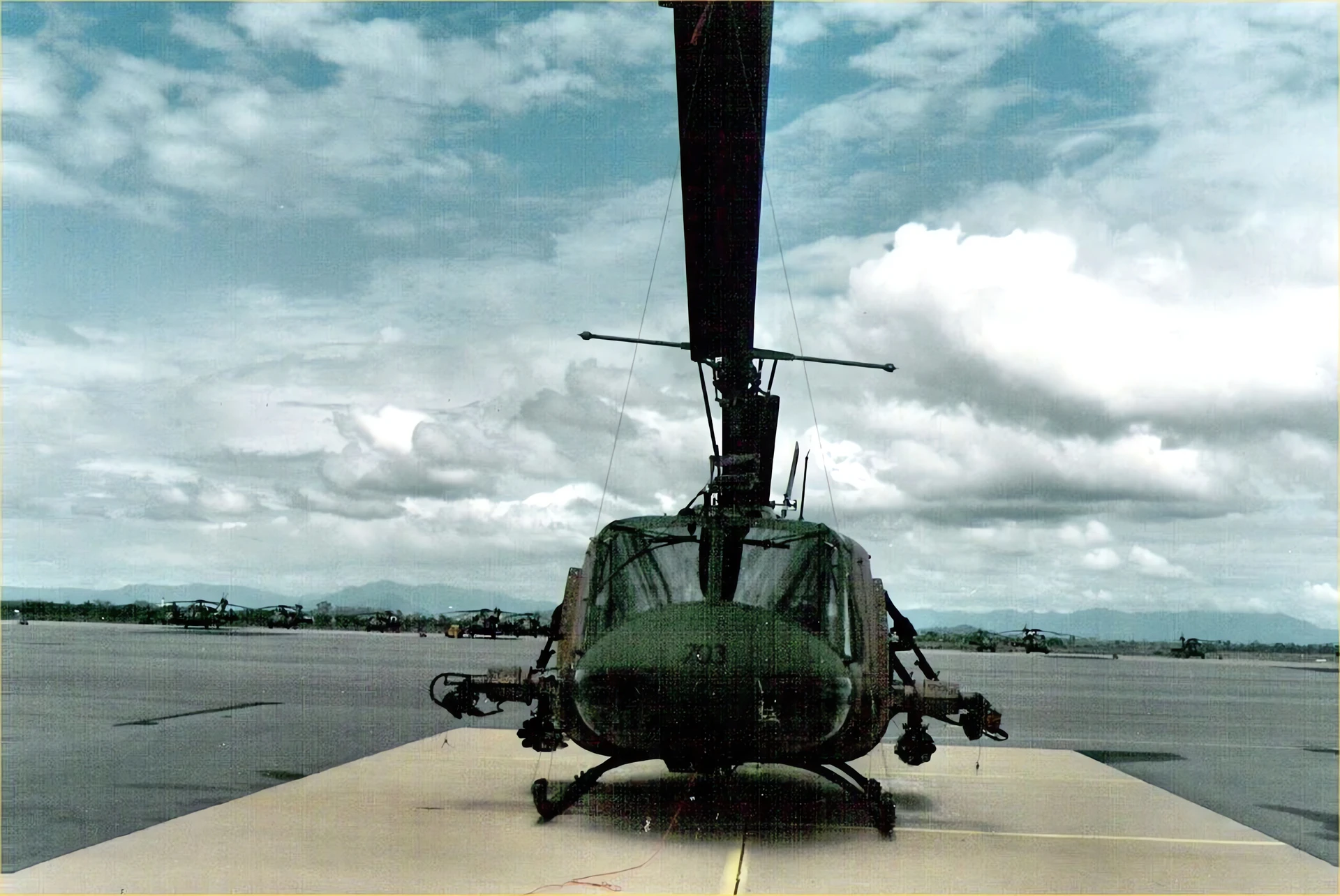
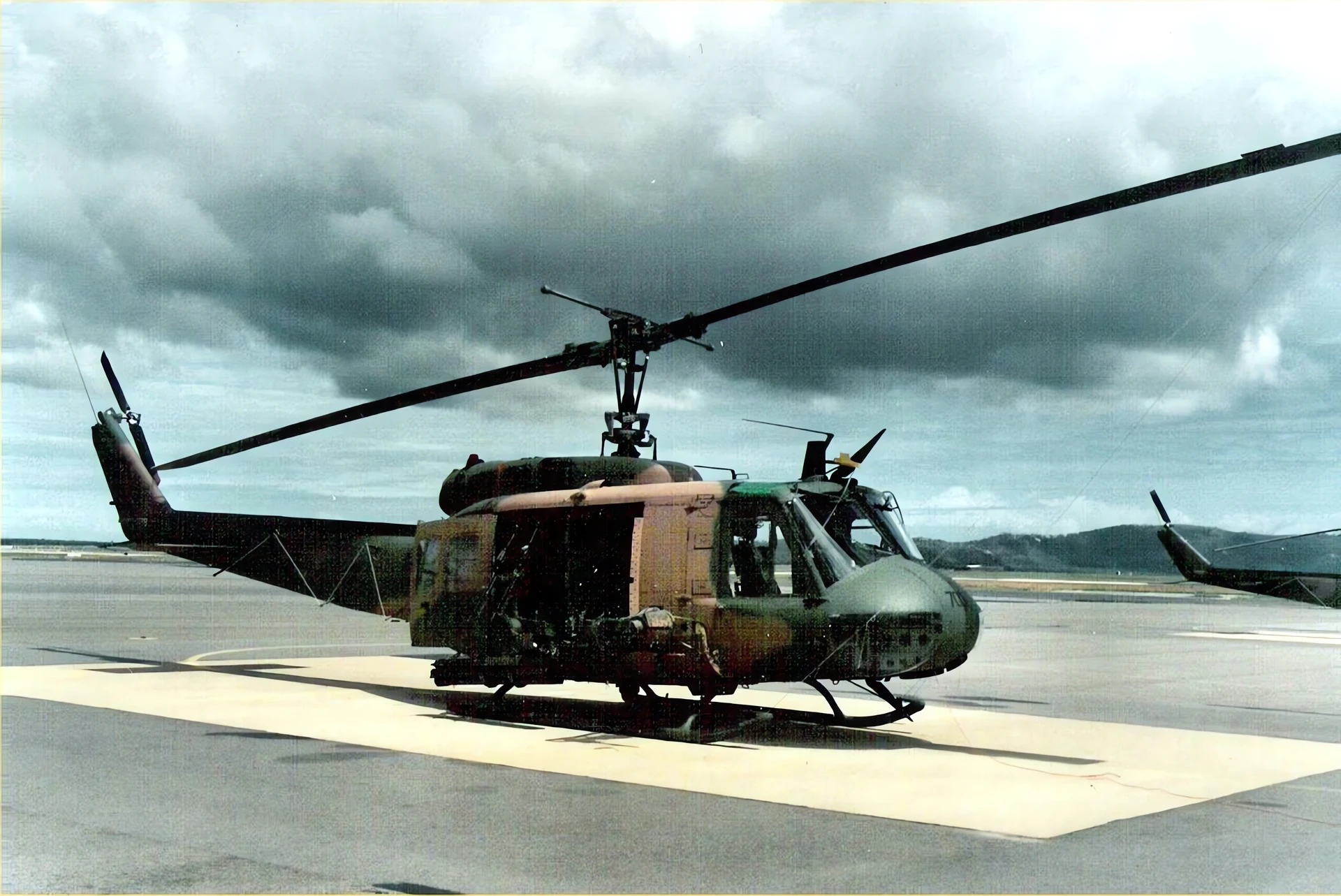
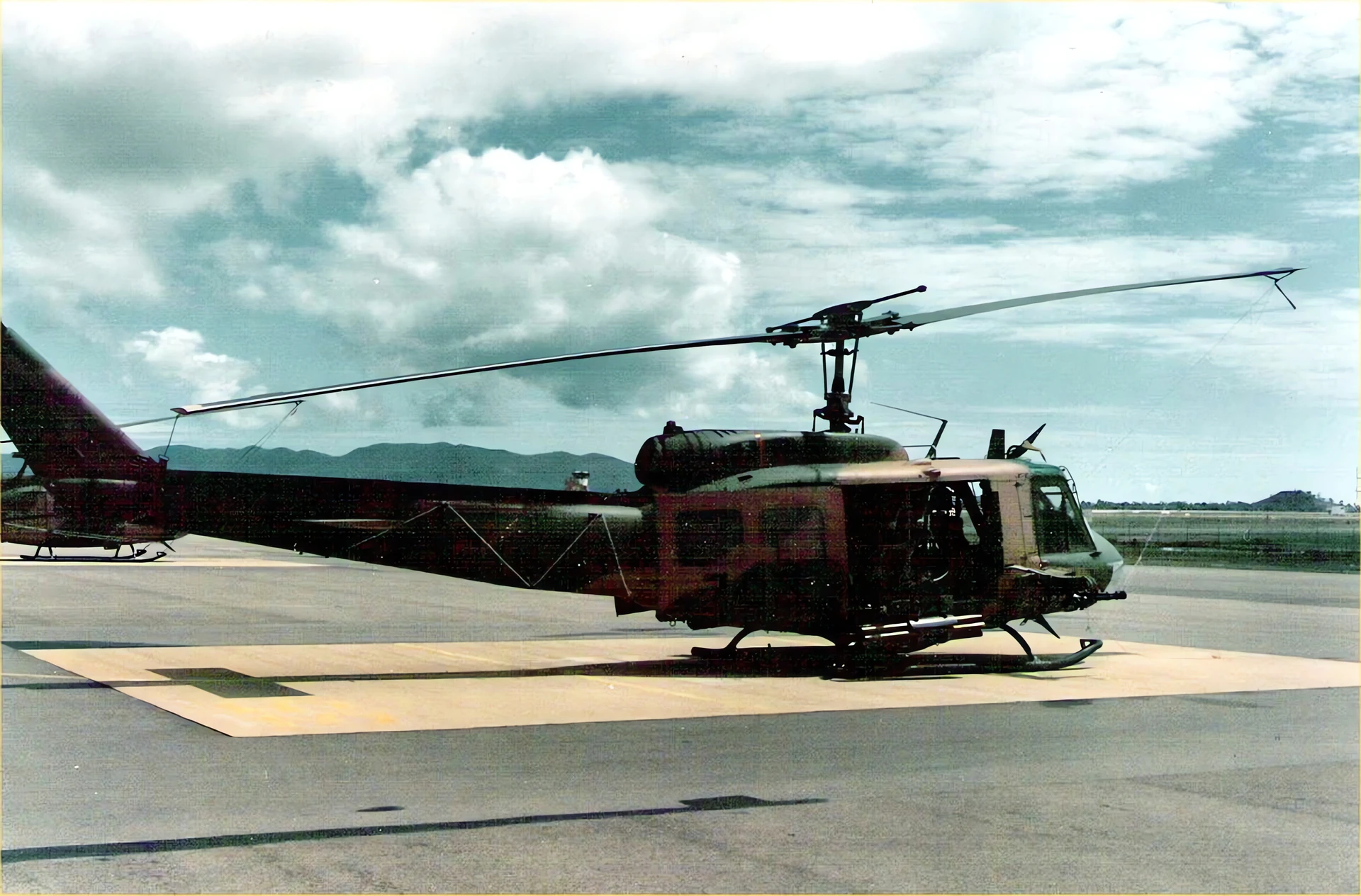
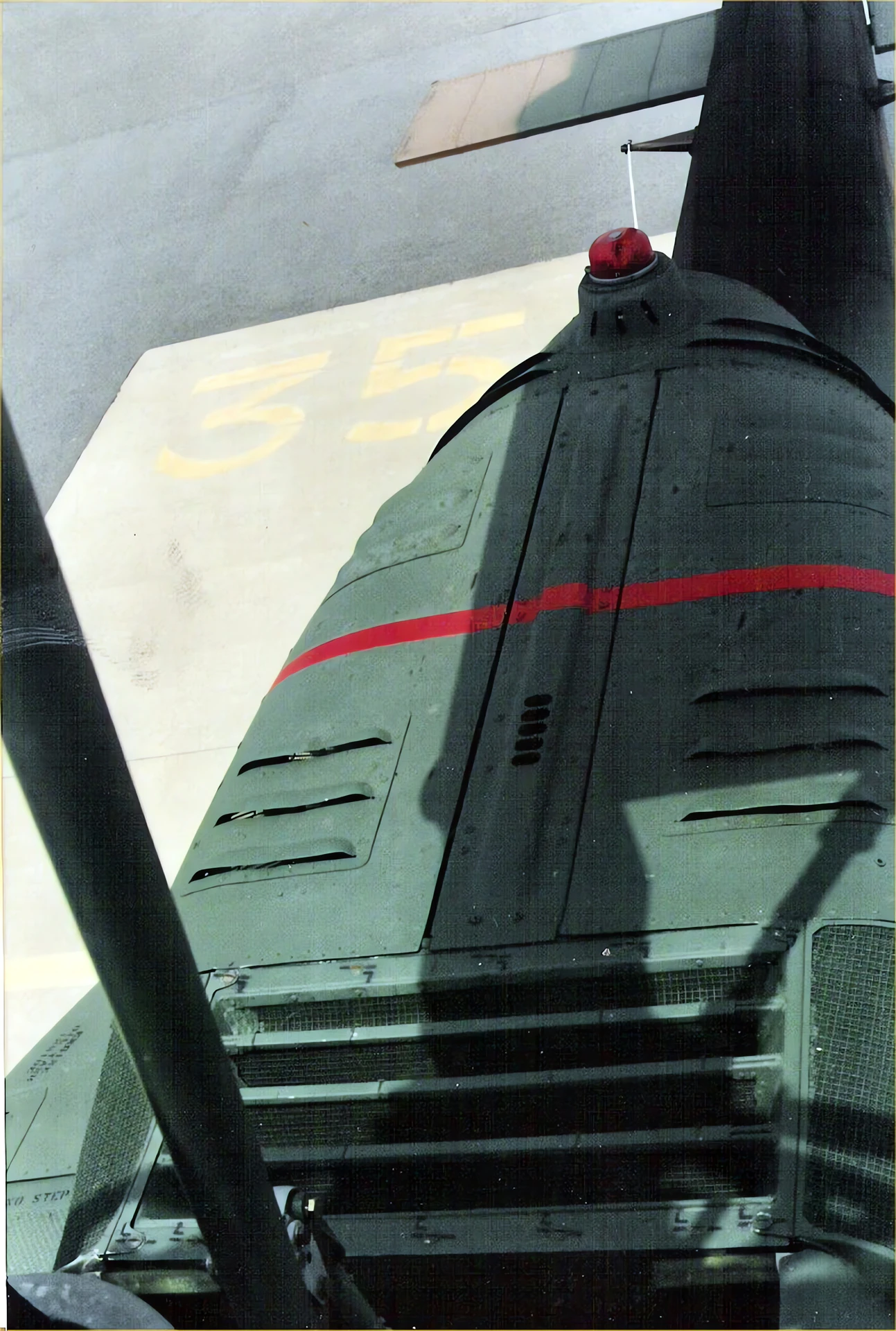

Taip pat žiūrėkite:


| Bell UH-1D Huey Walk Around | |
|---|---|
| Fotografas | Vladimiras Yakubovas |
| Lokalizavimo | Estrella Warbird Museum, Paso Robles |
| Nuotraukos | 100 |
| UH-1B Iroquois Walk Around | |
|---|---|
| Fotografas | Maiklas Benolkinas |
| Lokalizavimo | Nežinoti |
| Nuotraukos | 34 |
| Bell UH-1M Iroquois (Huey) Walk Around | |
|---|---|
| Fotografas | Nežinoti |
| Lokalizavimo | Nežinoti |
| Nuotraukos | 49 |
The Evolution of the “Slick”
While the earlier UH-1B and UH-1C were the primary “Gunships,” the UH-1D was the definitive “Slick”—the troop transport that defined airmobile warfare. By lengthening the fuselage of the previous models, Bell created enough room to carry a full infantry squad of 12-14 troops. However, in the heat of Vietnam, “Slicks” were often up-armed with door guns to defend themselves during “Hot LZ” insertions, blurring the line between transport and combat support.
| Attribute | Technical Specification (UH-1D) |
|---|---|
| Vaidmenį | Troop Transport / Medevac / Utility |
| Įgulos | 2-4 (Pilot, Co-pilot, and 2 Door Gunners) |
| First Flight (Model 205) | August 16, 1961 |
| Jėgainė | 1 × Lycoming T53-L-11 (later L-13) turboshaft |
| Horsepower | 1,100 shp (later 1,400 shp) |
| Cruising Speed | 125 mph (201 km/h) |
| Mokamoji krova | Up to 14 troops or 6 stretchers |
| Armament (Typical) | 2 × M60D 7.62mm machine guns (Door mounts) |
Anatomy of the Air Assault
- Extended Fuselage: The UH-1D is easily identified by its 41-inch fuselage stretch compared to the UH-1B/C. It features two large side windows on each sliding door instead of one, allowing for much larger internal volume.
- Turboshaft Power: The move from piston engines to the Lycoming T53 turboshaft was revolutionary. It allowed for a high power-to-weight ratio and gave the Huey its iconic “whump-whump” sound, caused by the tips of the two massive rotor blades breaking the sound barrier.
- Door Gunner Stations: For self-defense, UH-1Ds were equipped with M60D machine guns on flexible pintle mounts. These gunners provided suppressing fire while troops rappelled or jumped into landing zones.
- High-Visibility Greenhouse: The cockpit featured extensive glazing, giving pilots excellent visibility during low-level “nap-of-the-earth” flying to avoid enemy ground fire.
From “Slicks” to “Dustoff”
- The “Dustoff” Missions: The UH-1D became the ultimate ambulance. Dedicated Medevac Hueys saved thousands of lives, with a philosophy that any wounded soldier could be in a high-level hospital within an hour of being hit.
- Airmobile Doctrine: The UH-1D allowed the U.S. Army to move entire battalions across the jungle in minutes, bypassing difficult terrain and catching North Vietnamese forces by surprise.
- The “Gunship” Variant Confusion: While the “D” was a transport, it was often accompanied by the UH-1C “Frog” or “Hog”—short-bodied Hueys bristling with rocket pods and nose-mounted grenade launchers. Together, they formed the “Purple Gaggle” or “Firefly” hunter-killer teams.
- Global Legacy: More than 16,000 Hueys were built. The UH-1D/H model remains in service today with dozens of nations, a testament to its “overbuilt” and reliable design.
Views : 5650
Taip pat galite pamatyti:
 AgustaWestland AW609 – nuotraukos ir vaizdo įrašai
 Agusta-Bell AB.212 – Nuotraukos ir vaizdo įrašai
 "Bell 429 GlobalRanger" - nuotraukos ir vaizdo įrašai
 "Bell 206" - nuotraukos ir vaizdo įrašai
 "Bell 407" - nuotraukos ir vaizdo įrašai
 Bell H-13 Sioux - nuotraukos ir vaizdo įrašai
 "Bell 47" - nuotraukos ir vaizdo įrašas
 "Bell AH-1Z Viper" - nuotraukos ir vaizdo įrašas
 "Bell AH-1 Cobra" - nuotraukos ir vaizdo įrašas
 Varpas XV-3 - nuotraukos ir vaizdo įrašai