Kromvelio tankas | |
|---|---|
| Šalies | Jk |
| Vaidmenį | Kreiserio bakas |
| Tarnyboje | 1944–1955 |
| Pastatytas | 4016 |
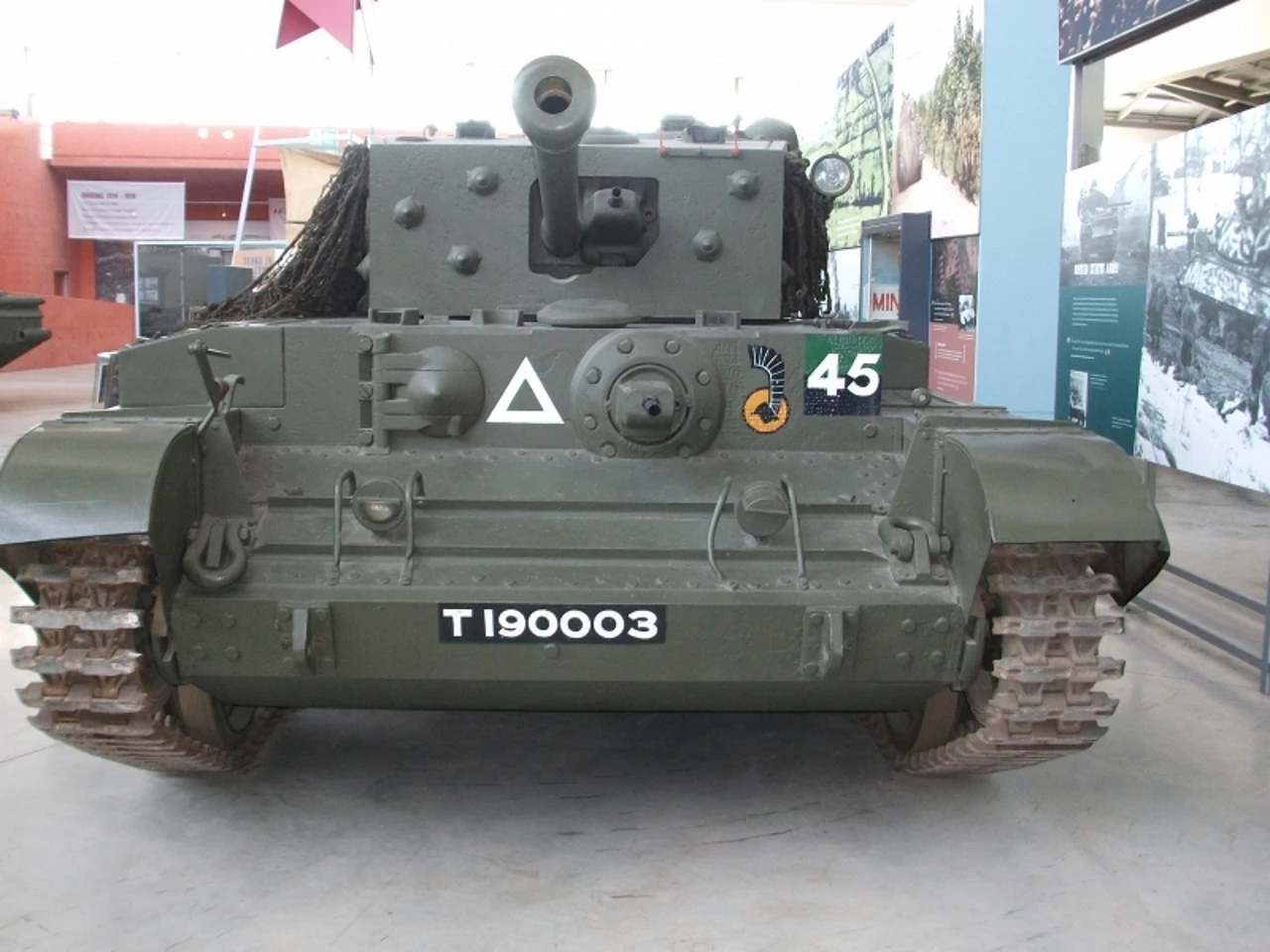
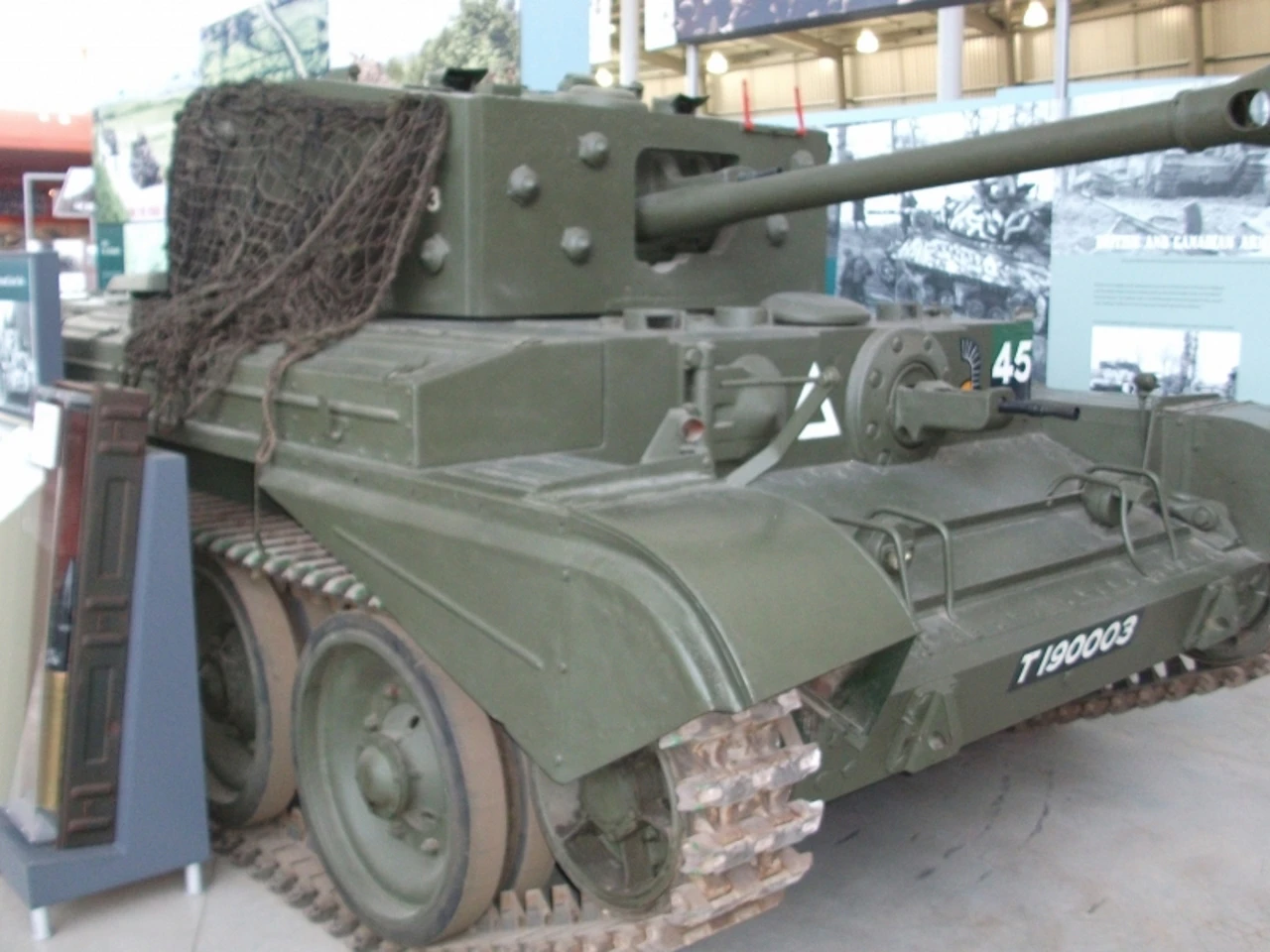
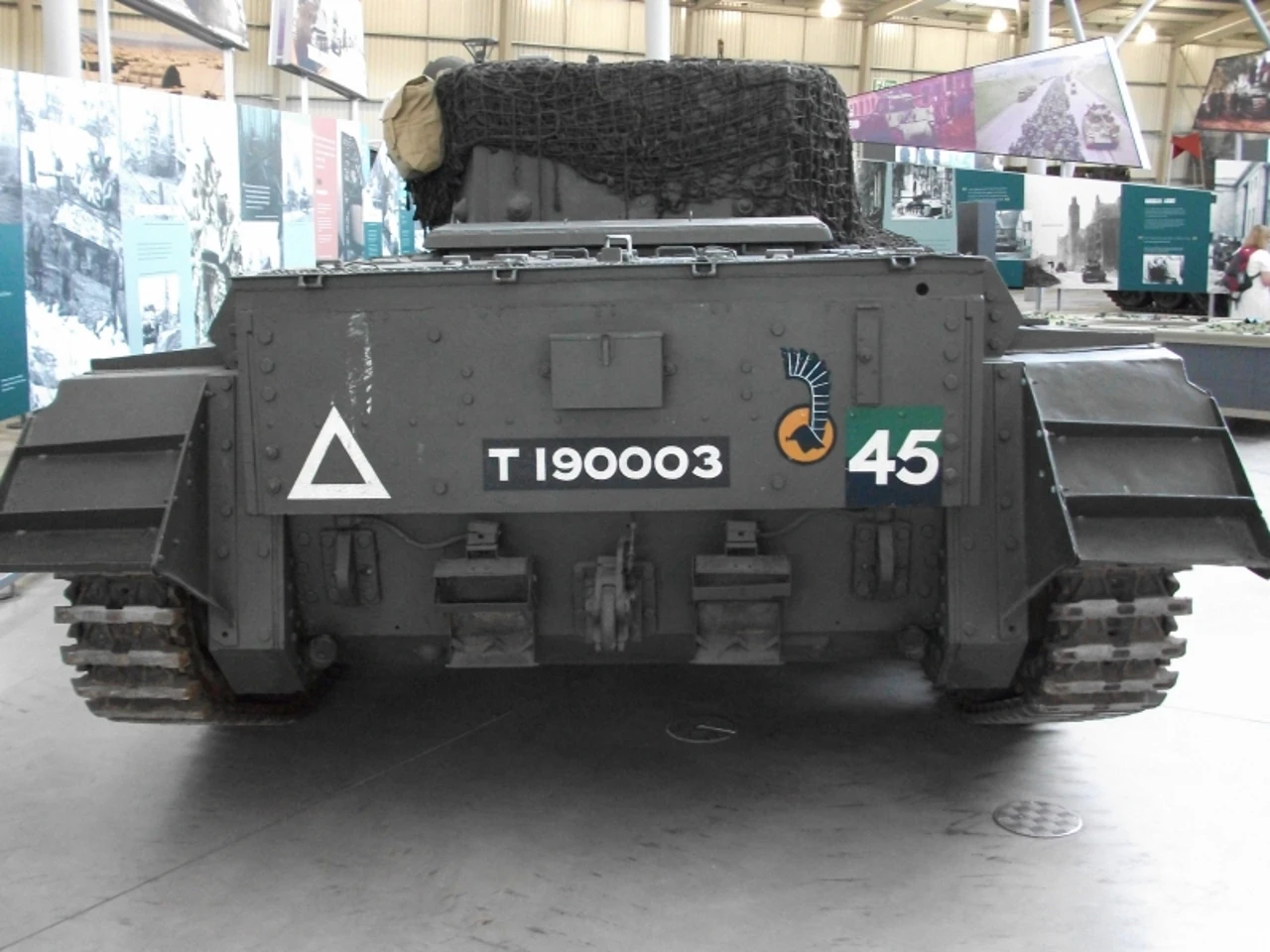
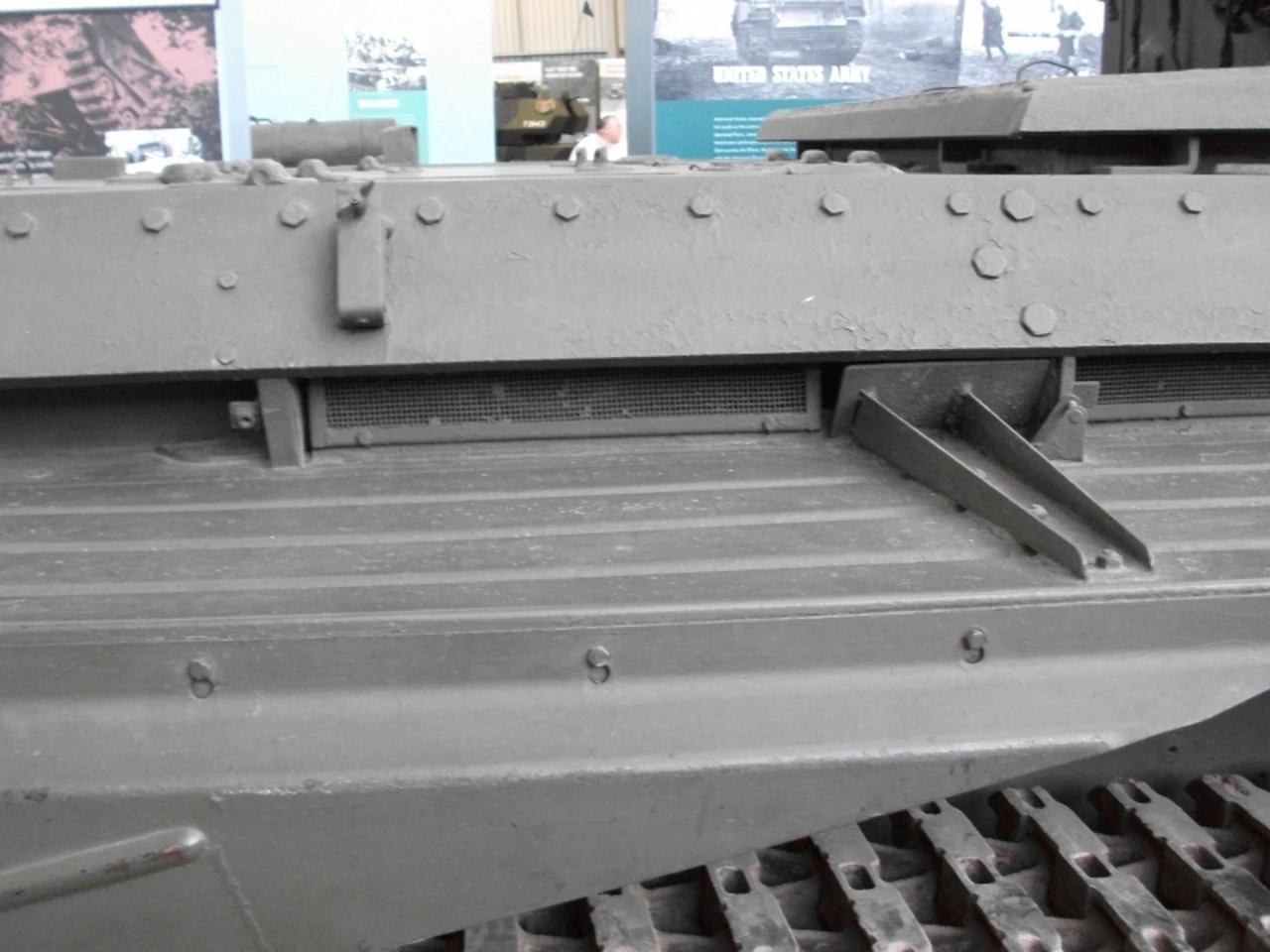
2007 Cromwell bakas, oficialiai tankas, kreiseris, Mk VIII, Cromwell (A27M), buvo vienas iš kruizinių tankų serijos, kurią Didžioji Britanija laukė Antrojo pasaulinio karo metu. Pavadintas Anglijos pilietinio karo lyderio Oliverio Cromwello vardu, "Cromwell" buvo pirmasis britų pradėtas eksploatuoti tankas, sujungęs didelį greitį iš galingo ir patikimo variklio ("Rolls-Royce Meteor"), ir protingi šarvai. Tačiau iš pradžių pasiūlytas dvejopos paskirties didelio greičio pistoletas negalėjo būti įmontuotas į bokštelį, o įmontuotas vidutinio greičio dvigubos paskirties pistoletas pasirodė esąs netinkamas. Patobulinta versija su didelio greičio pistoletu tapo "Comet" baku.
Šaltinis: Cromwell Tank sur Vikipedija
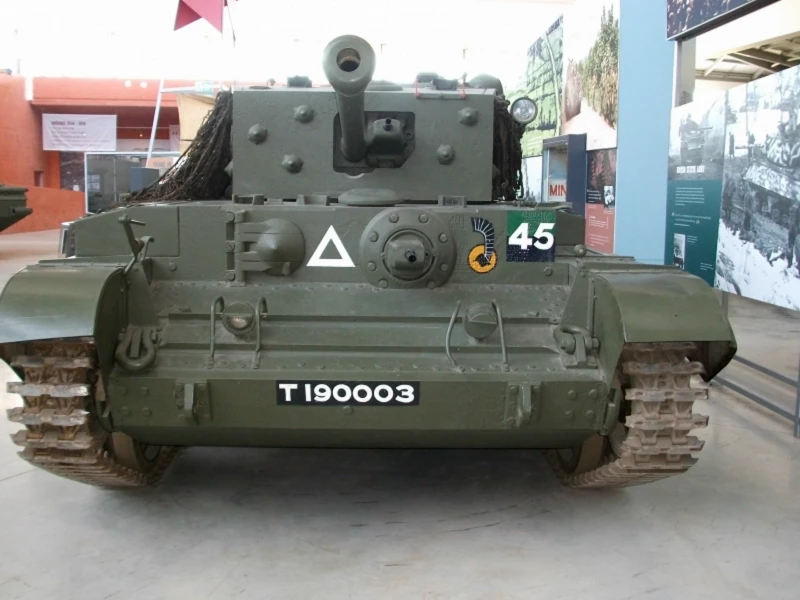
| Cromwell tankas Mk.III | |
|---|---|
| Nuotrauka | Nežinoti |
| Lokalizavimo | Nežinoti |
| Nuotraukos | 104 |
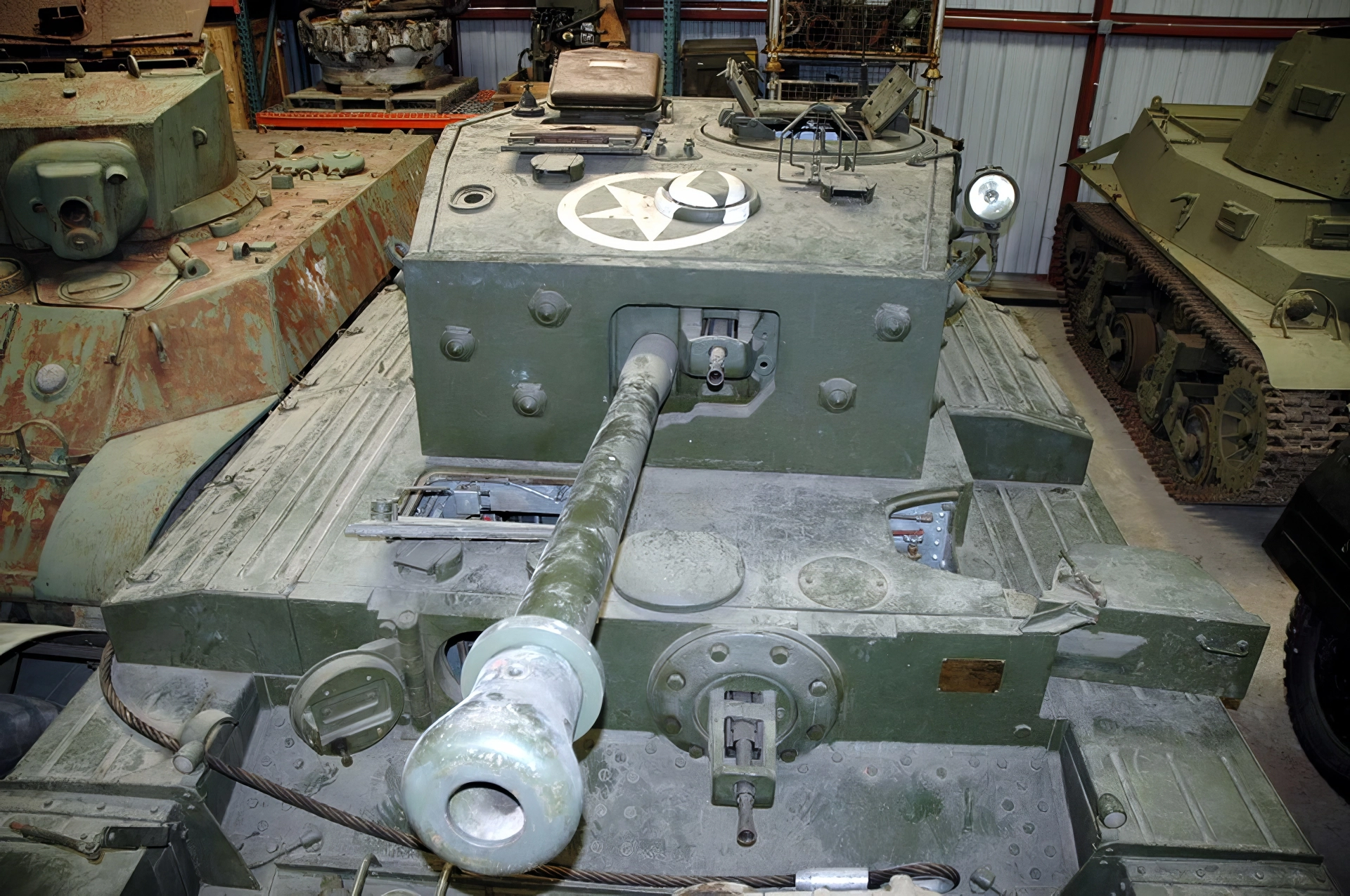
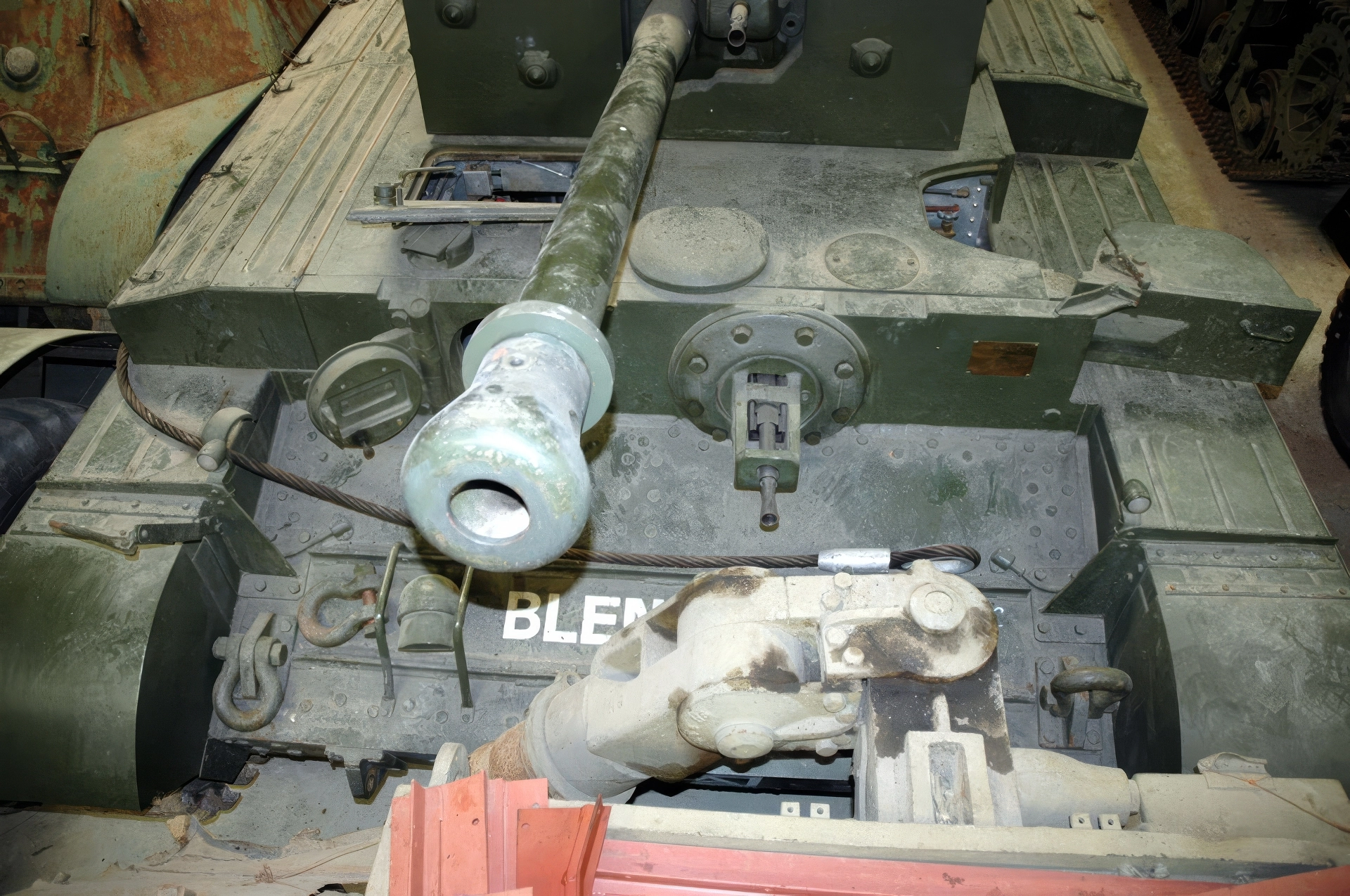
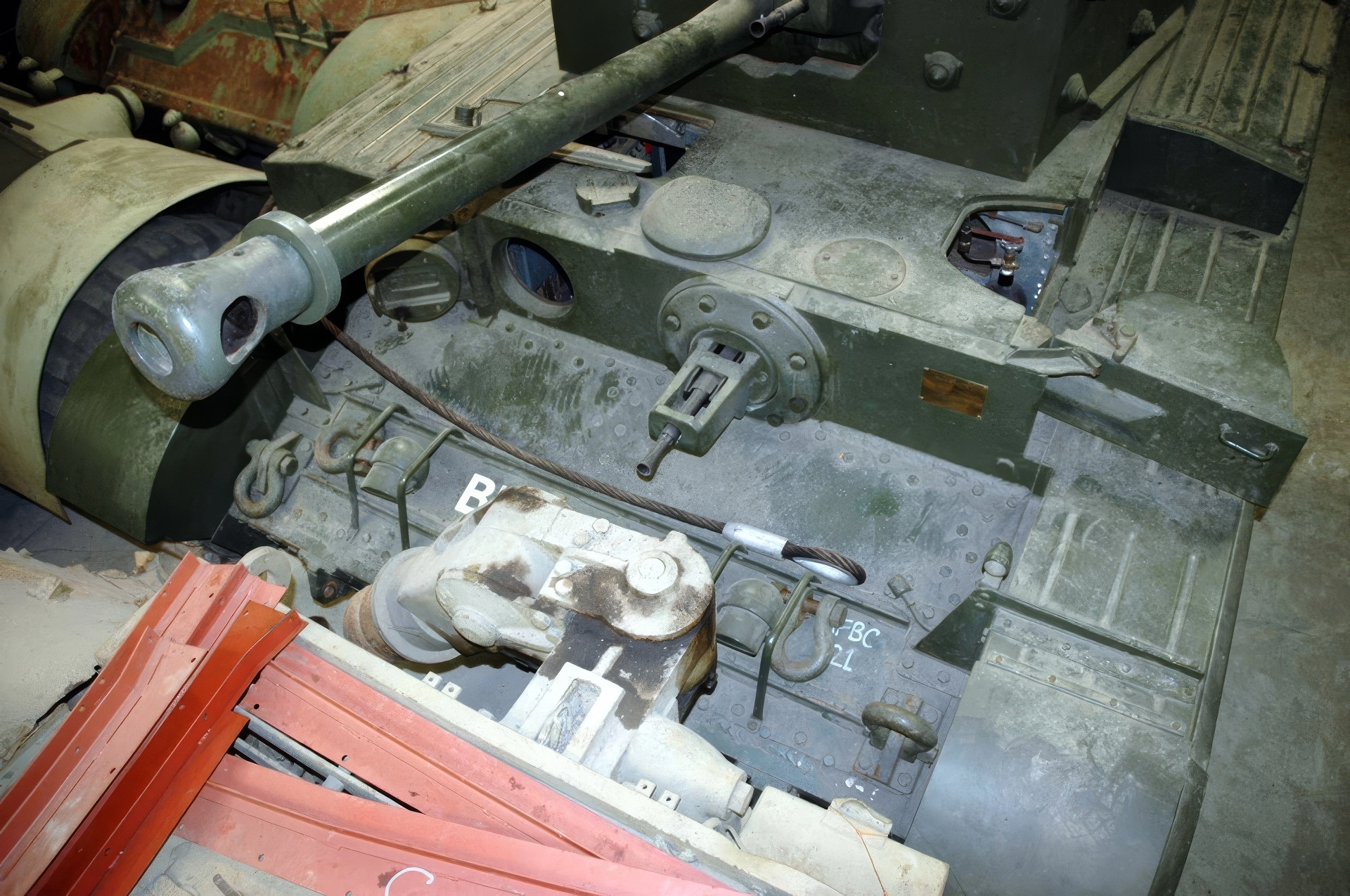
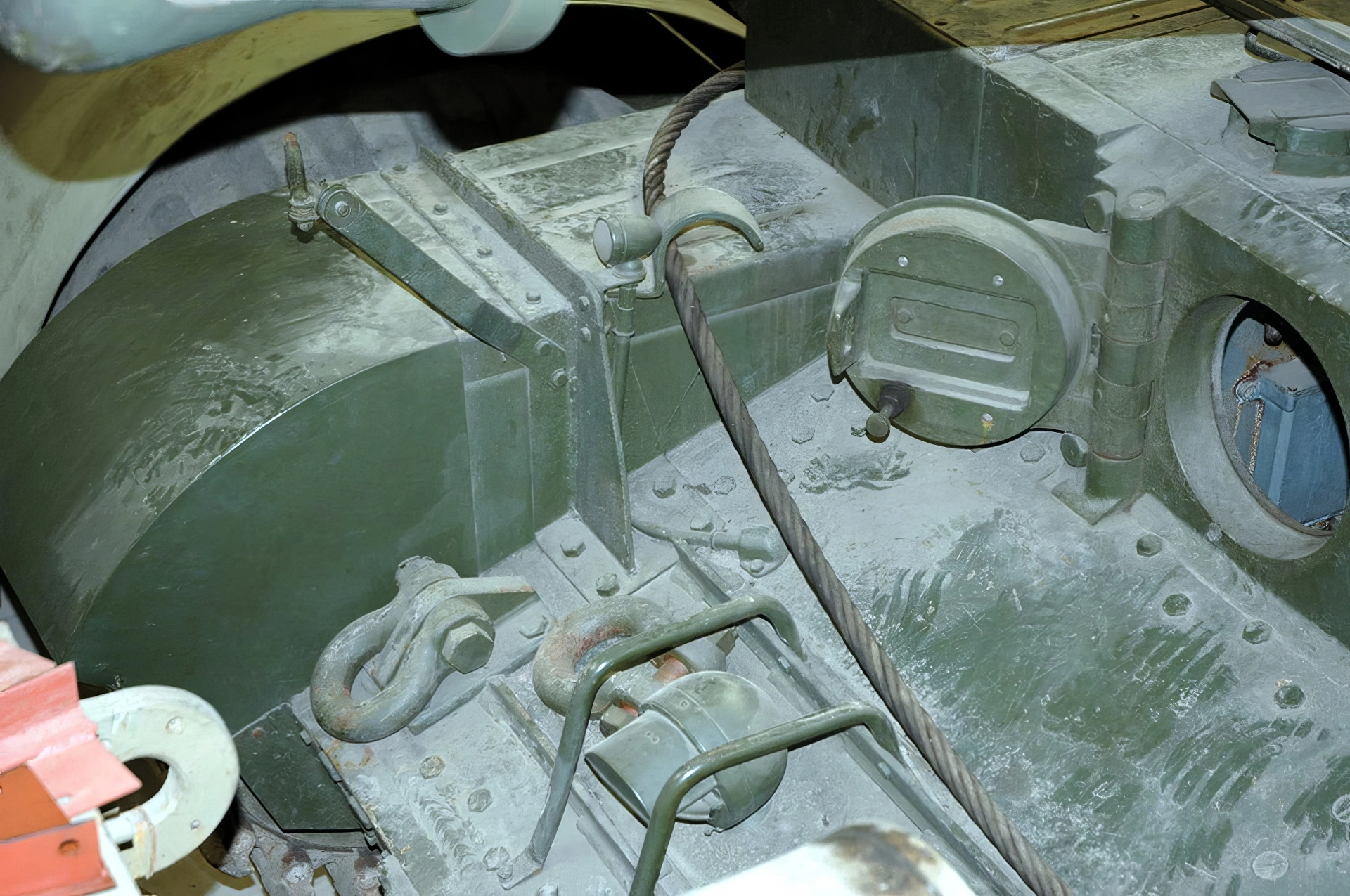
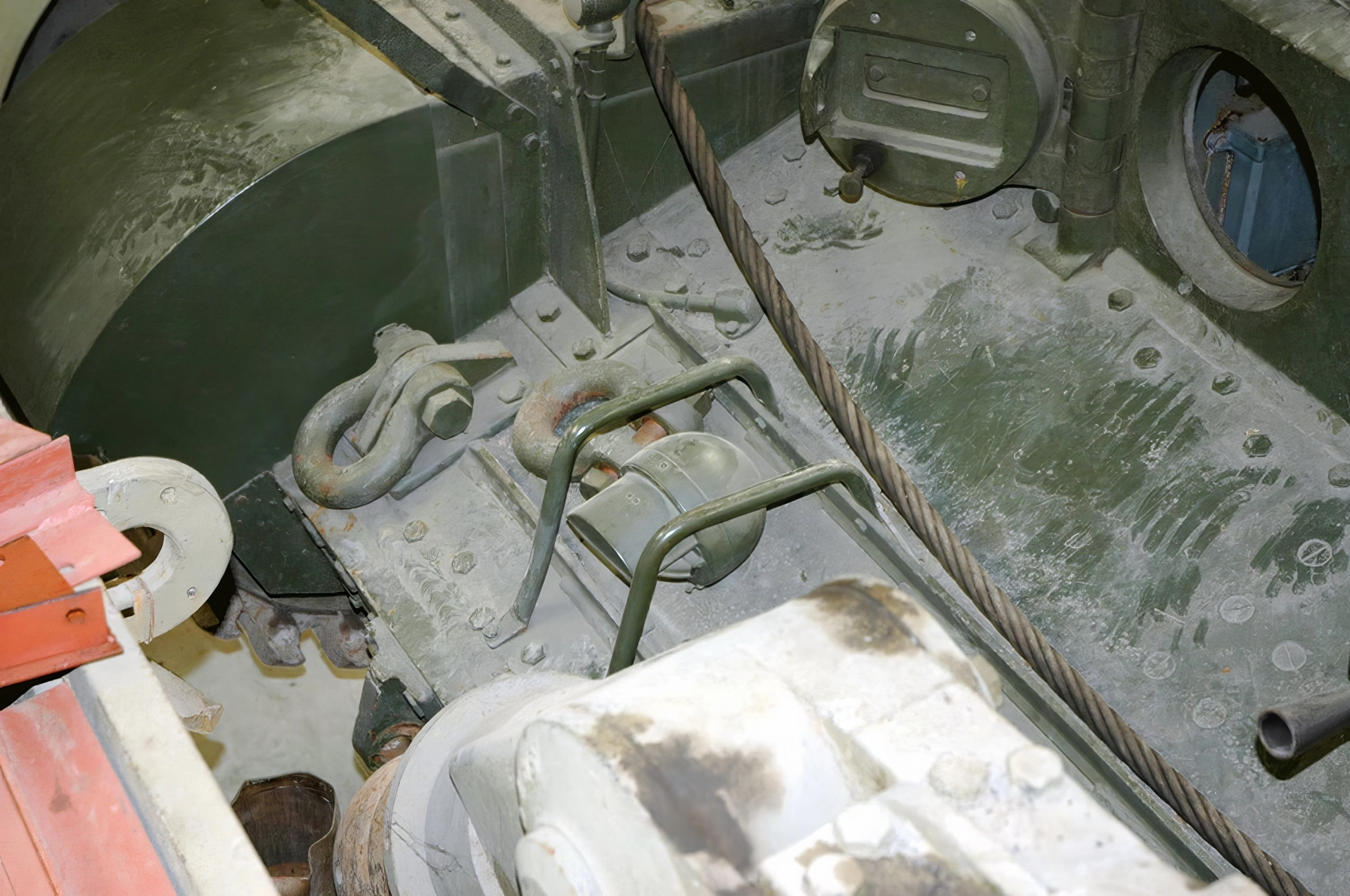
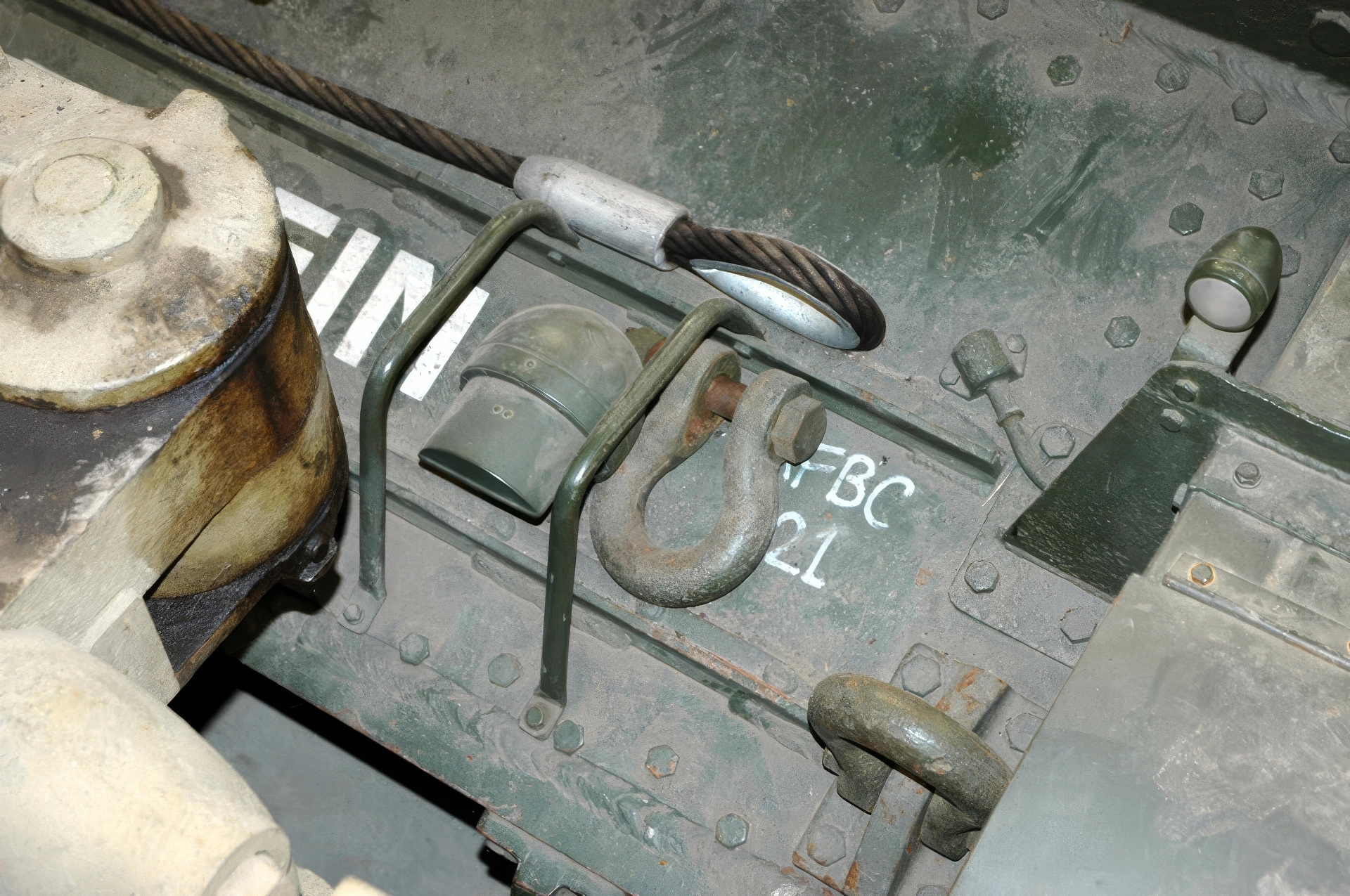
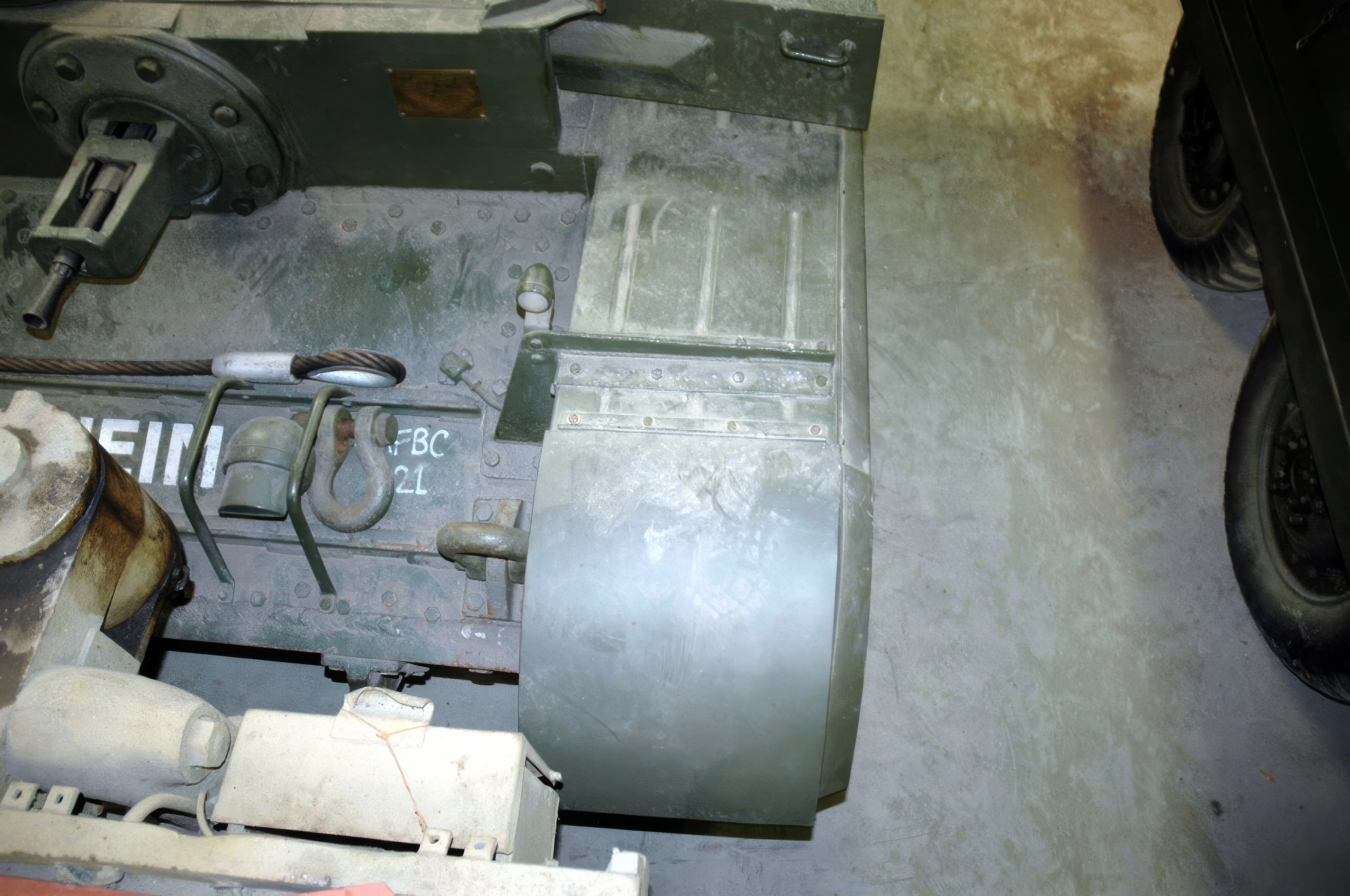
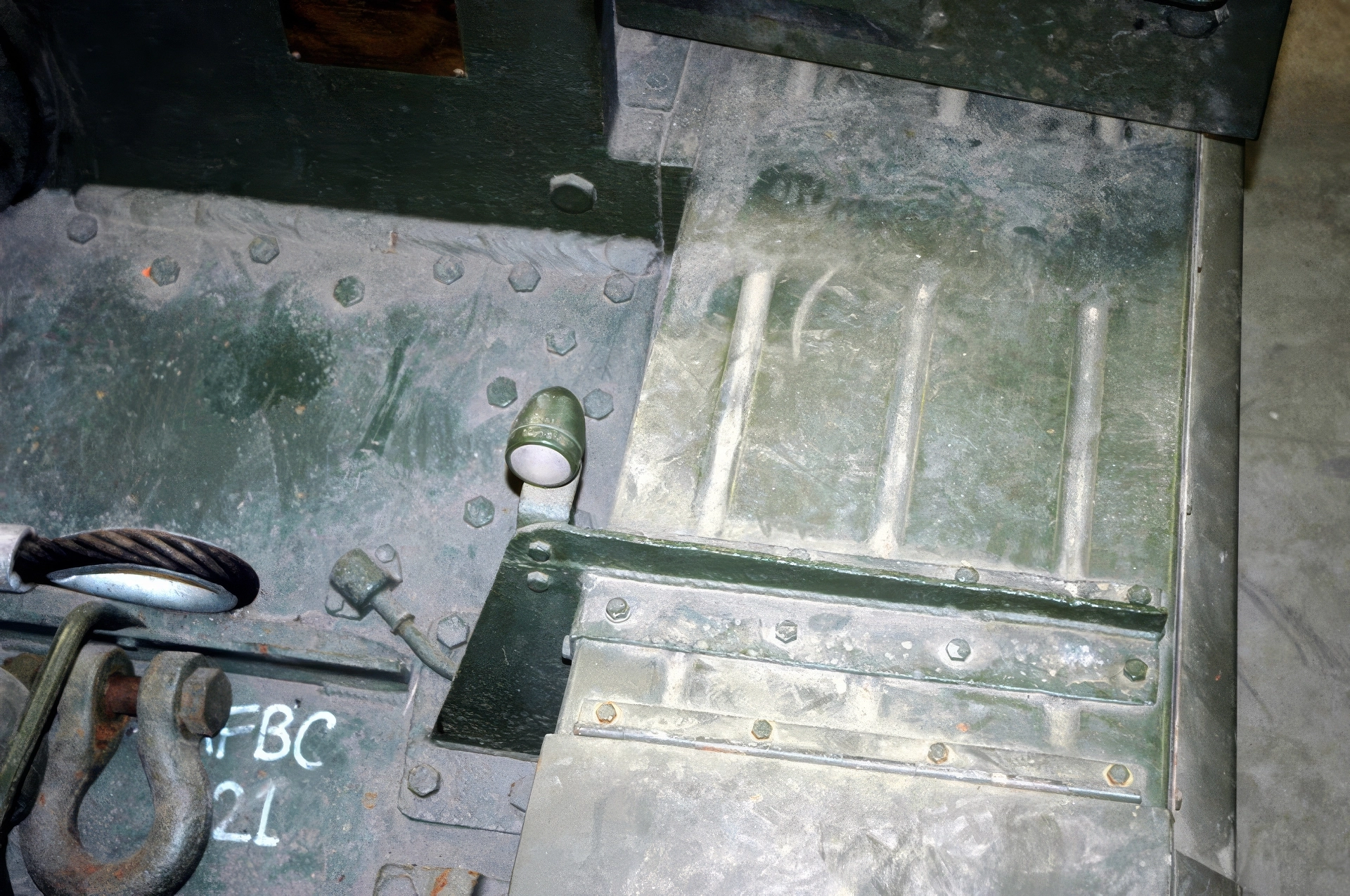
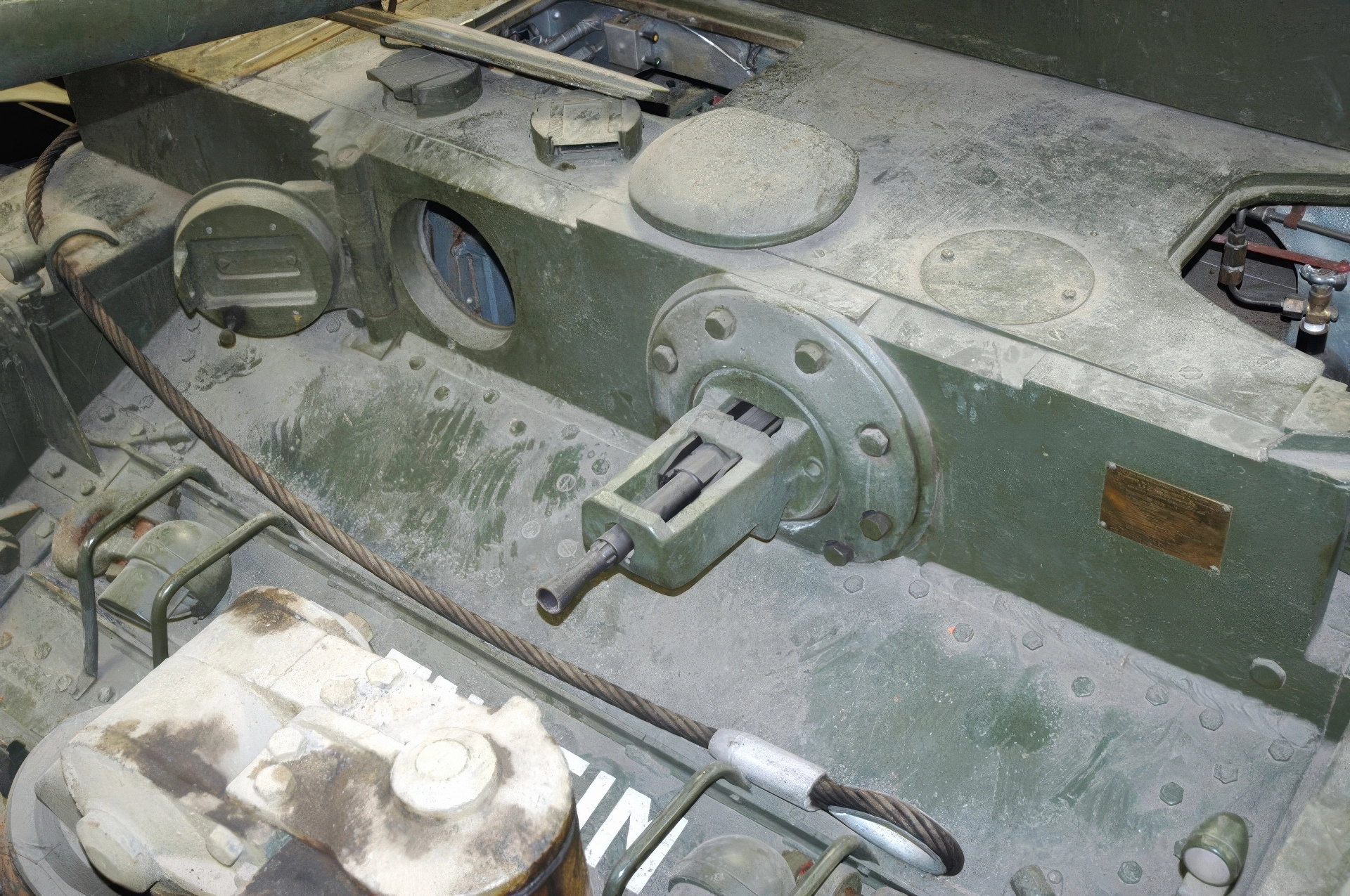

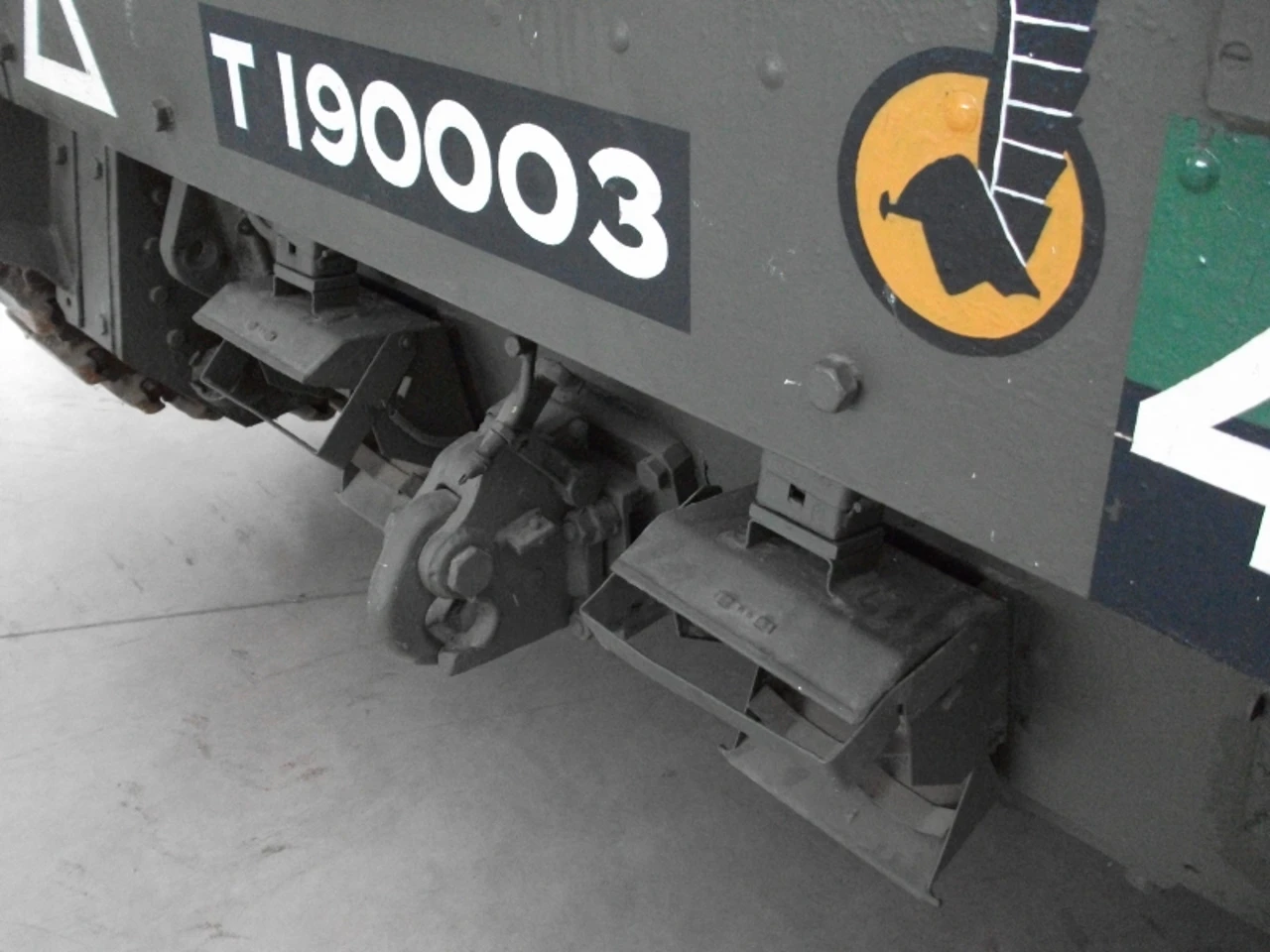
| Cromwell tankas Mk.III | |
|---|---|
| Nuotr. | Viktoras Krestininas |
| Lokalizavimo | Latruno šarvų muziejus |
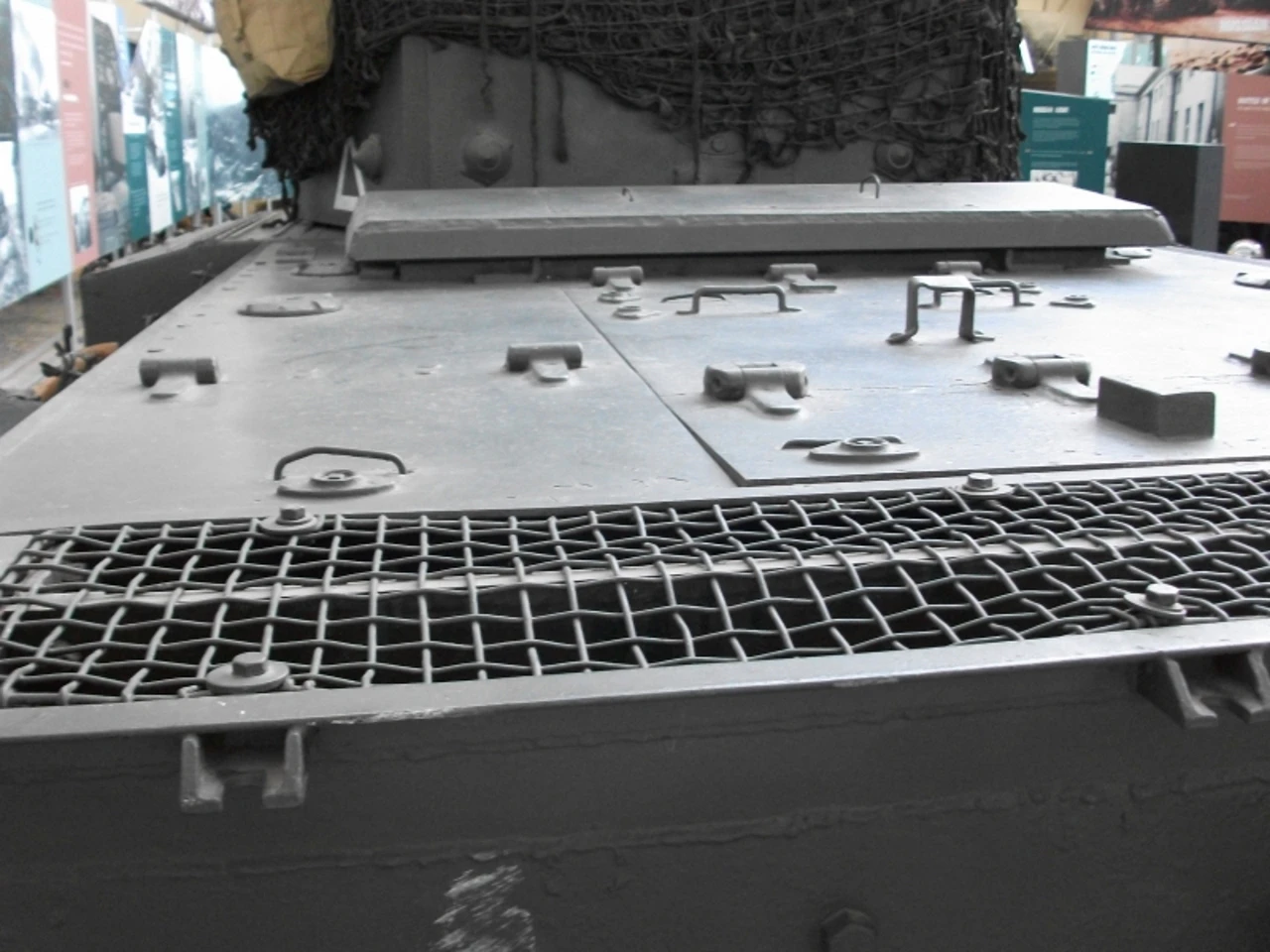
| Cromwell tankas Mk.III | |
|---|---|
| Nuotrauka | Vladimiras Yakubovas |
| Lokalizavimo | Nežinoti |
| Nuotraukos | 98 |
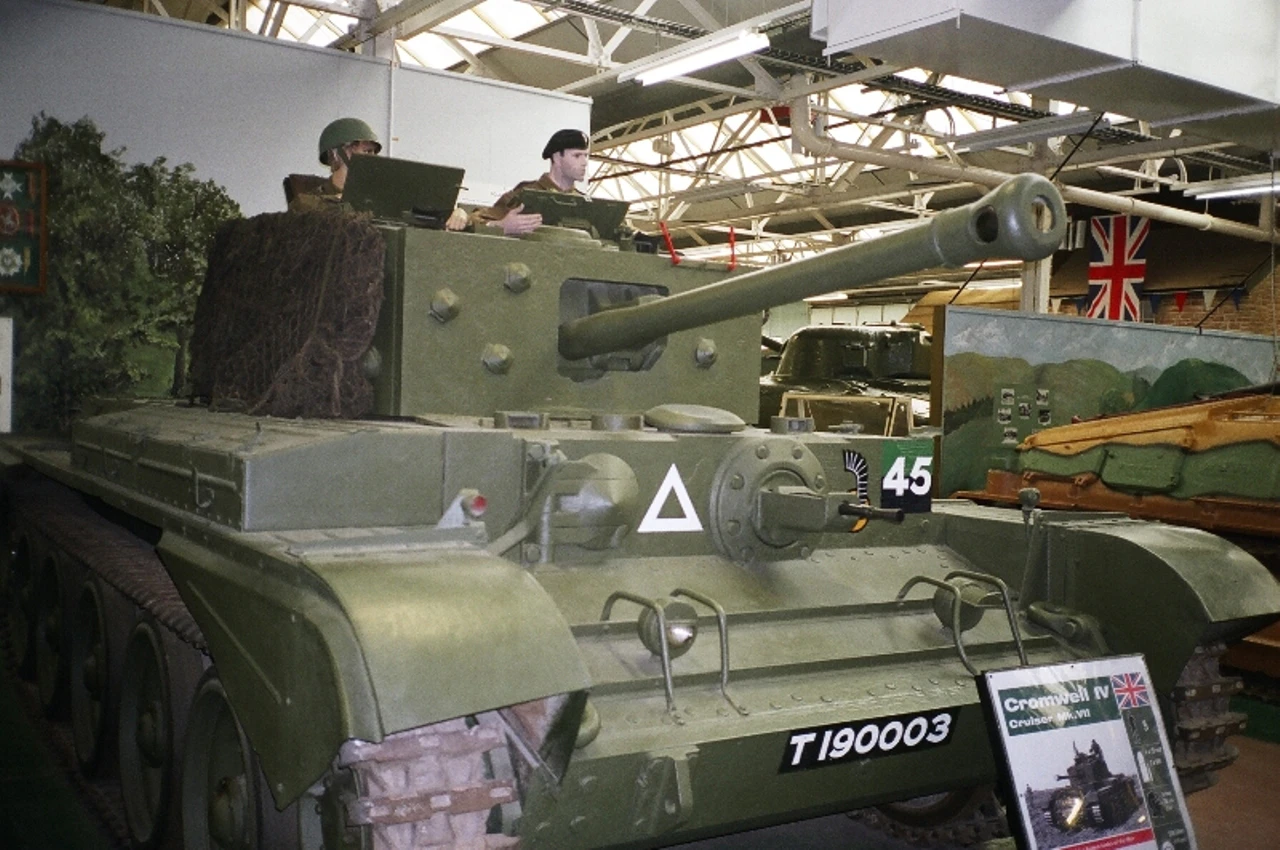
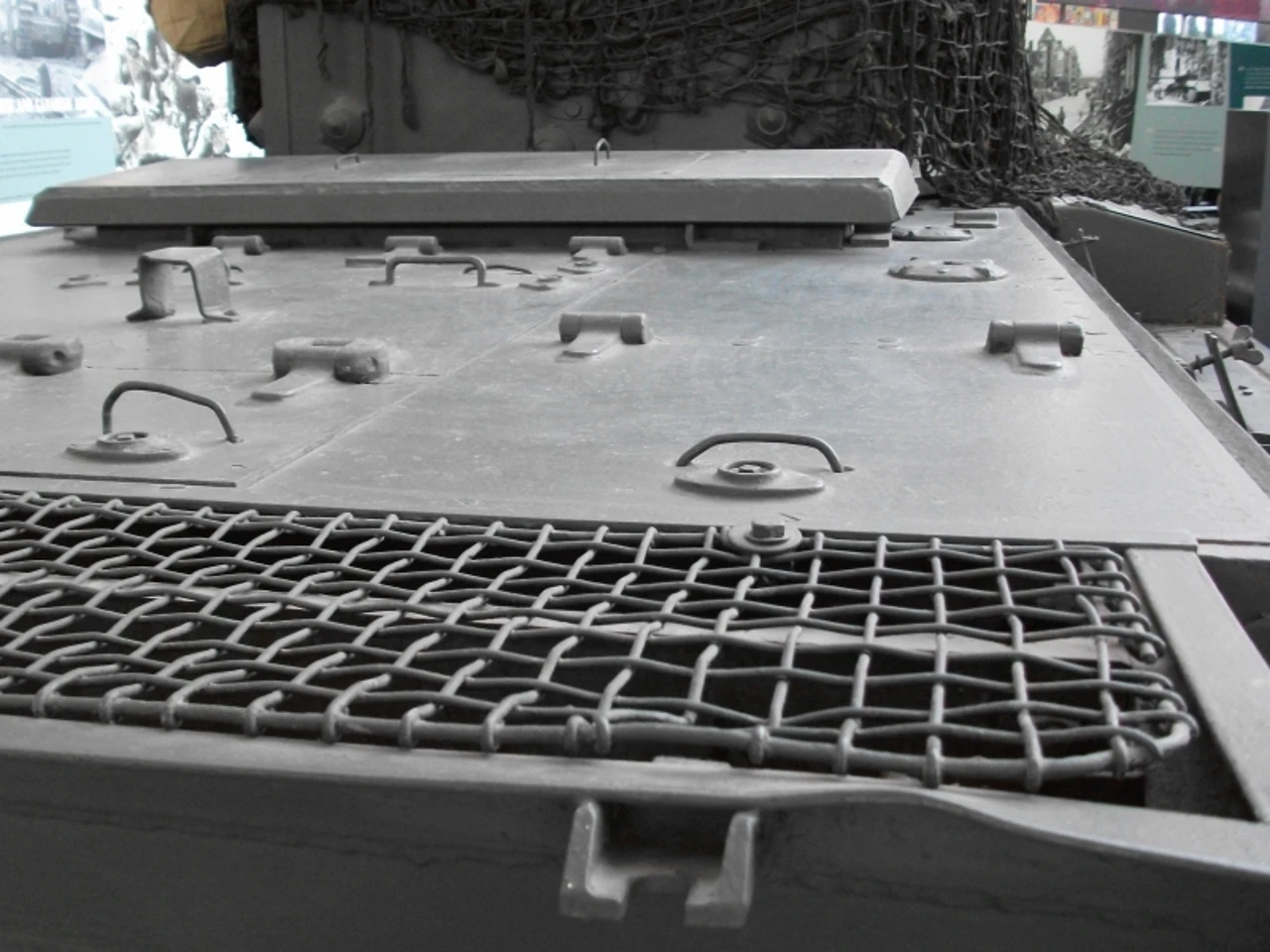
| Cromwell Mk IV Vaikščioti aplink | |
|---|---|
| Nuotrauka | Alanas McNeilly |
| Lokalizavimo | Nežinoti |
| Nuotraukos | 42 |

Taip pat žiūrėkite:


The Thoroughbred of the British Cavalry
2007 Cromwell Tank (Tank, Cruiser, Mk VIII, A27M) was Great Britain’s most successful domestic cruiser tank of World War II and one of the fastest armored vehicles of the entire conflict. Conceived to replace the mechanically unreliable Crusader, the Cromwell was engineered around a radical concept: taking the legendary Rolls-Royce Merlin aircraft engine from the Spitfire and detuning it for armored warfare. The resulting “Meteor” engine transformed a boxy, traditionally armored vehicle into a hyper-mobile tactical hot rod. Serving as the primary reconnaissance and fast cavalry mount for British armored divisions during the liberation of Northwest Europe, the Cromwell set the vital design blueprints that would lead directly to the birth of the modern Main Battle Tank.
| Attribute | Technical Specification (Cromwell Mk IV Baseline) |
|---|---|
| Vaidmenį | Cruiser Tank (Fast Cavalry / Armored Reconnaissance) |
| Įgulos | 5 (Commander, Gunner, Loader/Radio Operator, Driver, Hull Machine Gunner) |
| Variklis | 1 × Rolls-Royce Meteor 27-liter V12 liquid-cooled gasoline engine (600 hp) |
| Maximum Speed | 64 km/h (40 mph) on roads — mechanically governed down from 50+ mph to prevent suspension damage |
| Combat Weight | 27.5 metric tons (27 long tons) |
| Dimensions | Length: 6.35 m | Width: 2.91 m | Height: 2.49 m (Highly compact and low profile) |
| Primary Armament | 1 × Ordnance QF 75 mm Mk V gun (Fires the same high-explosive and armor-piercing ammunition as the US Sherman) |
| Secondary Armament | 2 × 7.92mm Besa machine guns (1 coaxial, 1 bow-mounted in the hull) |
| Suspension Type | Christie suspension (Large-diameter road wheels with internal coil springs, no return rollers) |
Design Engineering: Aircraft V12 Power and Boxy British Rivets
- The Meteor Engine Revolution: Early British tanks were chronically underpowered by weak commercial bus and truck engines. The A27M (“M” for Meteor) shattered this paradigm by adapting the 27-liter aluminum-block Rolls-Royce Merlin V12. Deprived of its supercharger and detuned to 600 horsepower, the Meteor provided the Cromwell with double the torque of contemporary German or American tanks, delivering instantaneous throttle response and mind-bending off-road speed.
- The Christie Suspension & Speed Governors: The Cromwell used the classic Christie suspension layout featuring large, independent spring-loaded road wheels. The tank was so fast during initial testing that it easily exceeded 80 km/h (50 mph), which caused the rubber to violently strip off the road wheels and broke the crew’s bones over rough terrain. Engineers were forced to install a mechanical governor to cap the speed at a safer 64 km/h.
- Stubbornly Vertical Armor Architecture: While the Soviets embraced sloped armor with the T-34, British designers built the Cromwell with a highly traditional, flat-sided structural layout. The hull and turret plates met at stark, 90-degree right angles. Though the front plate was reasonably thick at 76mm (later upgraded to 101mm), the lack of angling meant it relied strictly on physical metal thickness rather than geometry to deflect shells.
- Transition to All-Welded Construction: Early Cromwell marks were built by riveting or bolting steel armor plates onto an internal structural framework. However, combat data proved that non-penetrating hits could shatter these rivets, turning them into lethal internal shrapnel inside the crew compartment. This pushed production into the definitive Mk IV variant, which adopted automated, high-strength arc welding to vastly improve the structural integrity of the hull.
Operational History: Racing Across France to the Gates of Berlin
- The Normandy Breakout: The Cromwell entered mass combat in June 1944 during Operation Overlord, primarily equipping the armored reconnaissance regiments of the Guard Armoured Division and the legendary 7th Armoured Division (“The Desert Rats”). In the tight, enclosed hedgerows of the Normandy *bocage*, its extreme speed was difficult to exploit, making it highly vulnerable to ambush by hidden German anti-tank guns.
- Outgunned by the Big Cats: Cromwell crews faced a terrifying firepower deficit when confronting German Tiger I and Panther tanks. The Cromwell’s dual-purpose 75mm gun excelled at firing high-explosive shells to support infantry, but it could not pierce the heavy frontal armor of German heavy armor. Cromwell tactics relied on using their speed to out-flank German tanks, sprinting around to punch shells into the thin side and rear armor plates of their heavier opponents.
- The Great Pursuit Across Europe: Following the collapse of the German front line at the Falaise Pocket, the Cromwell found its true calling. During the race across France, Belgium, and into the Netherlands, Cromwell units spearheaded the advance, routinely covering over 100 kilometers a day. Their mechanical reliability was flawless compared to American or German armor, allowing British cavalry units to continuously outmaneuver retreating enemy columns.
- The Lineage to Centurion: The Cromwell’s underlying hull engineering was so fundamentally sound that it served as the stepping stone for subsequent combat innovations. Engineers stretched the chassis and added a wider turret ring to create the Challenger and Comet tanks, which carried the heavy 17-pounder anti-tank gun. This direct evolutionary lineage eventually culminated in the creation of the Centurion, the world’s first true Main Battle Tank.
Views : 17919