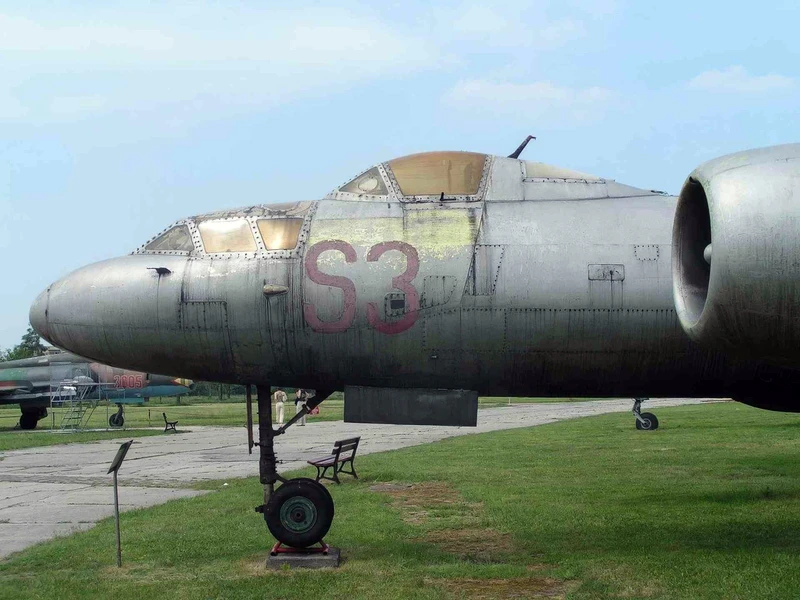
Ilyushin Il-28 | |
|---|---|
| Land | Sowjetunion |
| Rolle | Mittlerer Bomber |
| Erstflug | 8. Juli 1948 |
| Gebaut | 6635 |
das Iljuschin Il-28 (Russisch: 28 €; Beagle ist ein Düsenbomber der unmittelbaren Nachkriegszeit, der ursprünglich für die sowjetische Luftwaffe hergestellt wurde. Es war das erste derartige Flugzeug der Sowjetunion, das in die Großproduktion kam. Es wurde auch in China als Harbin H-5 lizenziert gebaut. Die Gesamtproduktion in der UdSSR betrug 6.316 Flugzeuge, und über 319 H-5 wurden gebaut. Nur 187 Exemplare der HJ-5 Trainingsvariante wurden hergestellt. In den 1990er Jahren blieben Hunderte mit verschiedenen Luftstreitkräften über 50 Jahre nach dem erscheinenden Il-28 im Einsatz. Die einzigen H-5, die derzeit im Einsatz sind, sind etwa 80 Flugzeuge, die mit der Koreanischen Volksluftwaffe operieren. Die Il-28 hat den USAF/DoD-Berichtsnamen "Type 27" und den NATO-Berichtsnamen "Beagle", während die Il-28U-Trainervariante den USAF/DoD-Berichtsnamen "Type 30" und den NATO-Berichtsnamen Mascot trägt.
Quelle: Iljuschin Il-28 auf Wikipedia
| Iliushin Il-28 Walk Around | |
|---|---|
| Fotograf | Janusz Swiatlon |
| Lokalisierung | Unbekannter |
| Fotos | 26 |
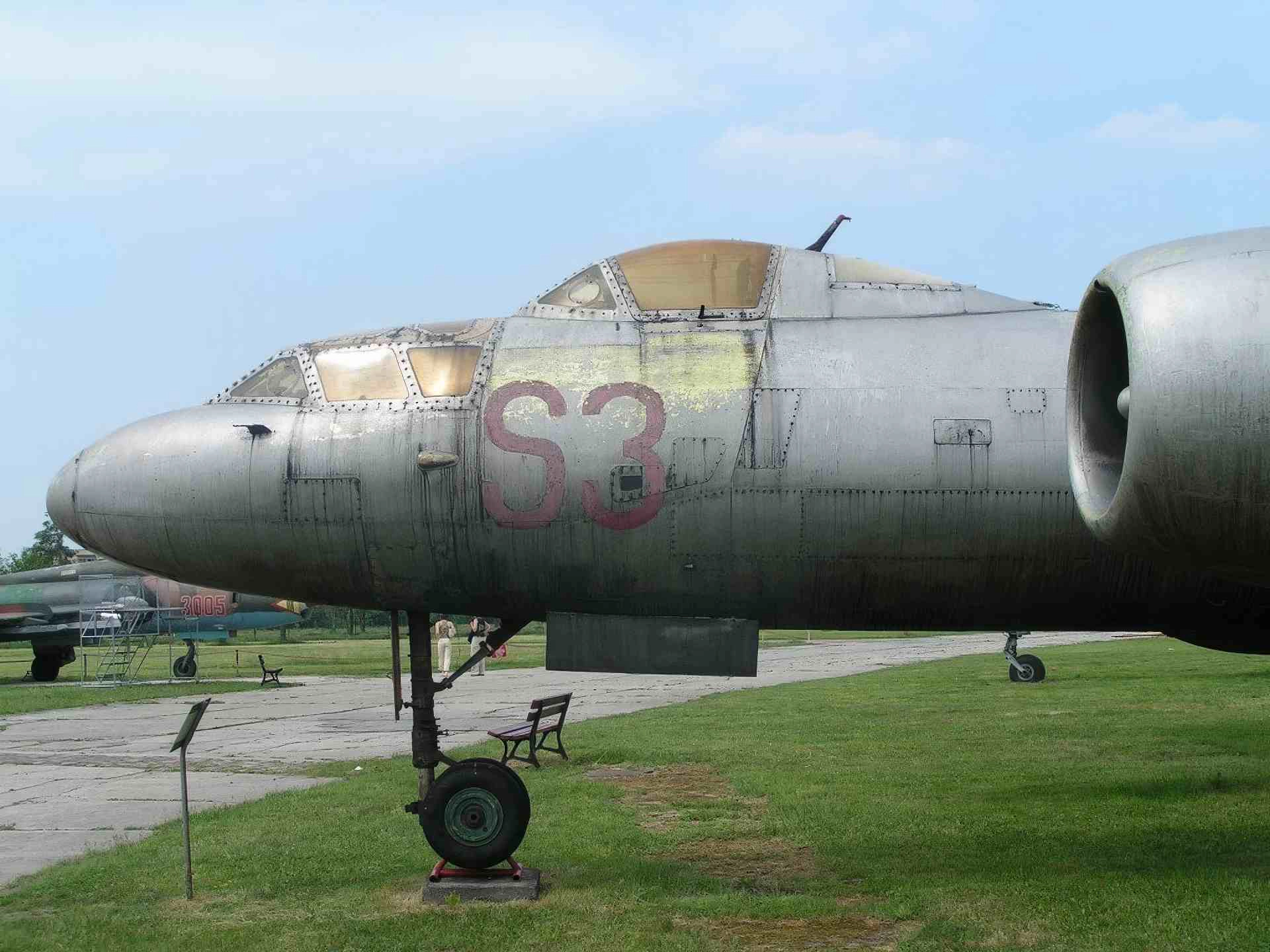


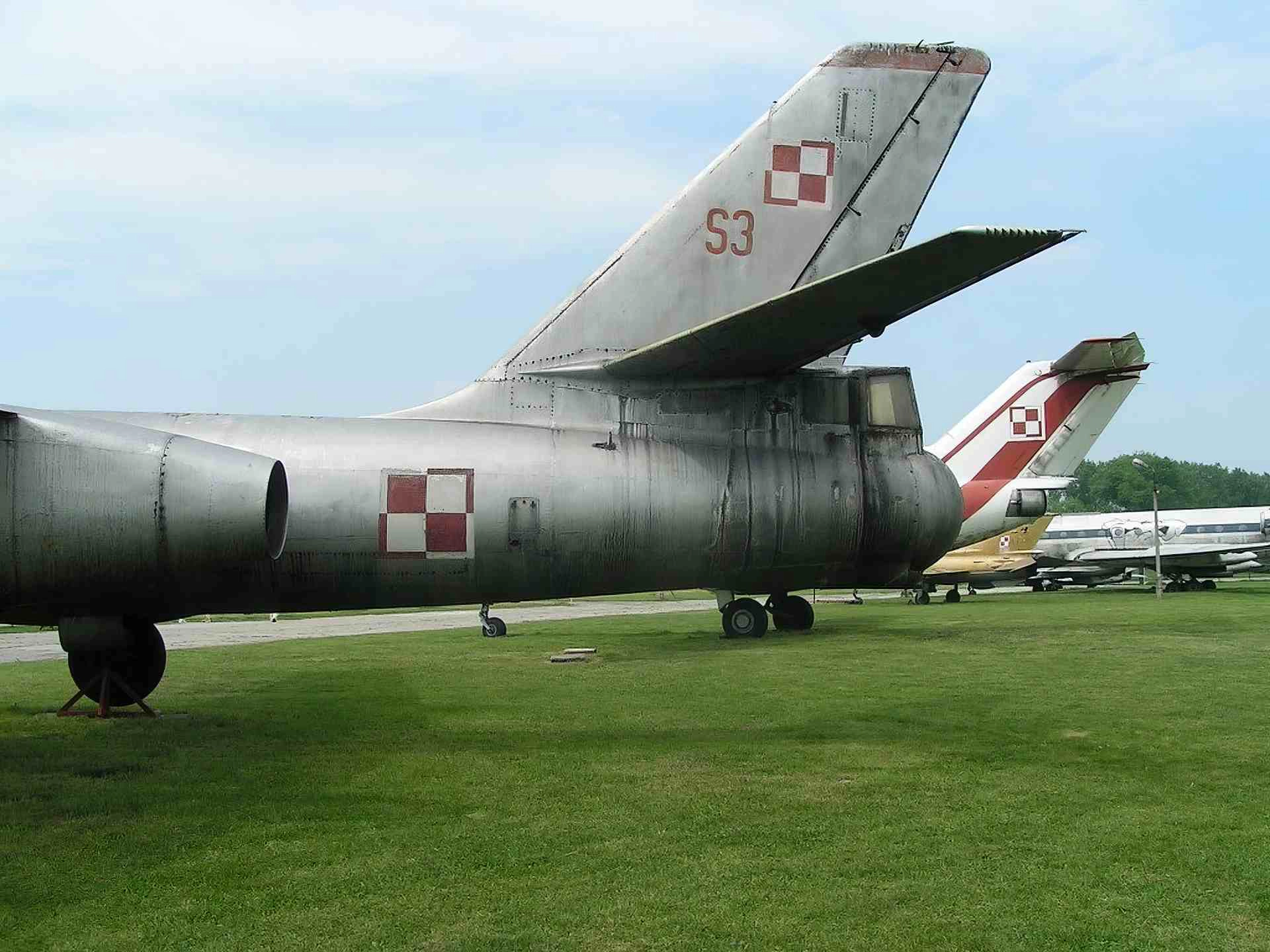

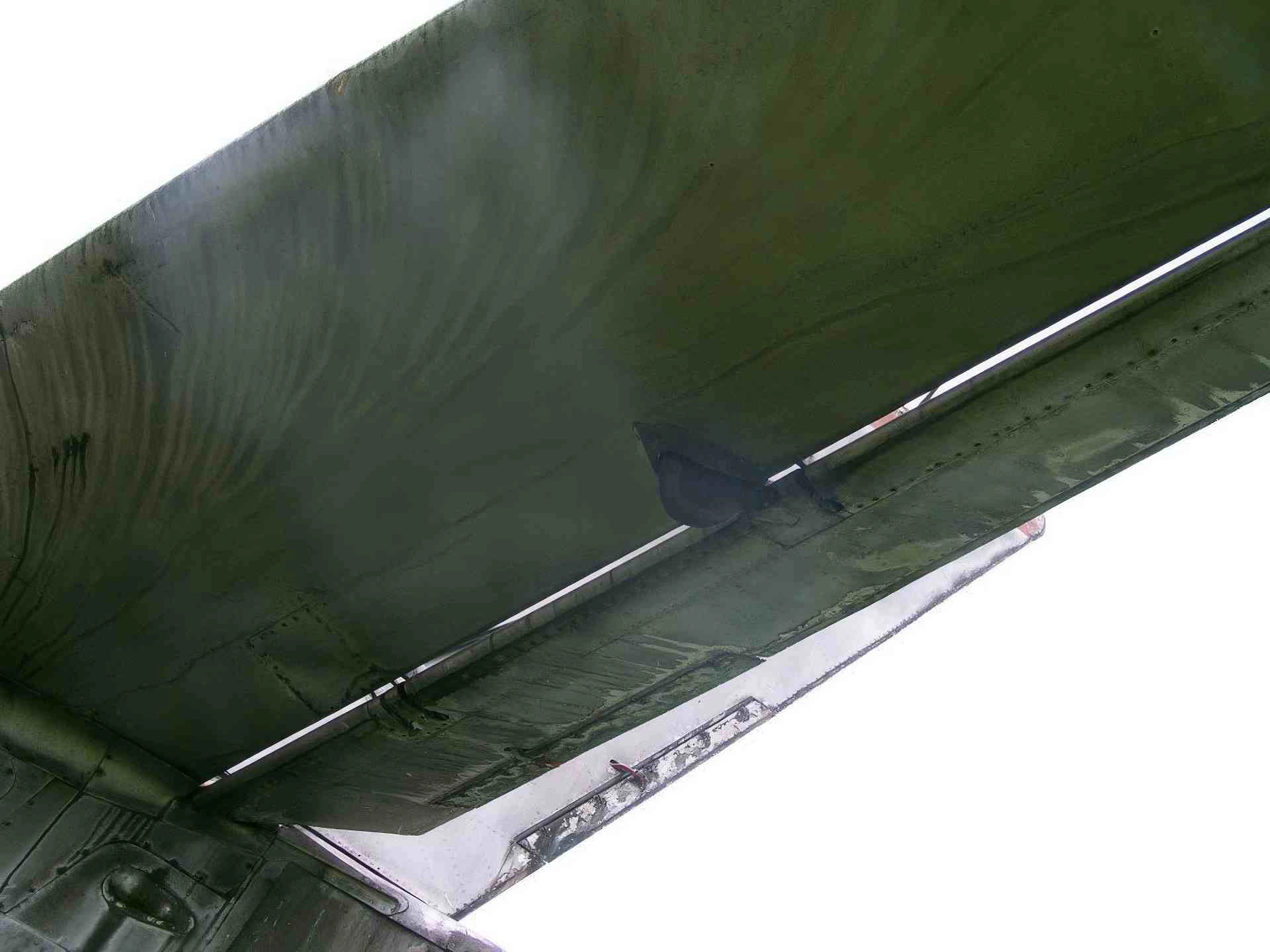


Siehe auch:


General Characteristics and Role
The Ilyushin Il-28 (NATO reporting name: Beagle) was the first mass-produced Soviet jet bomber, serving as a critical aircraft for the Soviet Air Force and many Warsaw Pact and allied nations throughout the Cold War. Designed immediately after World War II, it was a robust, simple, and high-performance aircraft for its era, known for its conventional and highly effective layout. It pioneered the use of jet power in tactical bombing, reconnaissance, and training roles for the Soviet bloc. It saw extensive operational use globally, most notably during the Cuban Missile Crisis and various conflicts in the Middle East and Asia.
| Property | Typical Value (Il-28 Standard Bomber) |
|---|---|
| Rolle | Tactical Bomber / Light Bomber |
| National Origin | Soviet Union (USSR) |
| Hersteller | Ilyushin Design Bureau |
| First Flight | 8. Juli 1948 |
| Crew | 3 (Pilot, Navigator/Bombardier, Gunner/Radio Operator) |
| Länge | 17.65 m (57 ft 11 in) |
| Flügelspannweite | 21.45 m (70 ft 4 in) |
| Höhe | 6.70 m (22 ft 0 in) |
| Maximum Takeoff Weight | Approx. 21,200 kg (46,740 lb) |
Powerplant and Performance
- Engines: Two Klimov VK-1 (Soviet copy of the Rolls-Royce Nene) centrifugal flow turbojet engines.
- Thrust (Each): 26.5 kN (5,955 lbf).
- Maximum Speed: 900 km/h (560 mph; 490 knots) at 4,500 m (14,800 ft).
- Cruise Speed: 700 km/h (435 mph; 380 knots).
- Ferry Range: 2,180 km (1,350 mi).
- Service Ceiling: 12,500 m (41,000 ft).
- Landing Gear: Tricycle configuration; unique feature of the main gear retracting into the engine nacelles.
Armament and Variants
- Internal Armament:
- Forward: 2 x 23 mm Nudelman-Rikhter NR-23 cannon (located under the nose, 100 rounds/gun).
- Rear: 2 x 23 mm NR-23 cannons (in a tail turret, usually electrically powered and remotely aimed by the gunner).
- Bomb Load: Carried internally in a central bomb bay.
- Normal Load: 1,000 kg (2,200 lb).
- Maximum Load: 3,000 kg (6,600 lb) (e.g., twelve 100 kg bombs).
- Special Munitions: Capable of carrying a tactical nuclear bomb in some variants.
- Major Variants:
- Il-28U: Unarmed trainer variant (NATO: Mascot).
- Il-28R: Reconnaissance variant with additional fuel, cameras, and a modified nose.
- Il-28T: Torpedo bomber variant (naval).
- Chinese Production: License-built in China as the Harbin H-5, which remained in service for decades longer than the original Soviet model.
Aufrufe : 2737
Sie können auch sehen:
 Iljuschin Il-18 – Fotos und Videos
 Avia B-33 – Fotos & Videos
 Iljuschin Il-14 – Fotos und Videos
 Northrop F-20 Tigershark – Fotos & Video
 Aeronca L-3 – Fotos & Video
 McDonnell F2H Banshee – Fotos & Video
 Macchi MC-202 – WalkAround
 Iljuschin Il-2 – Walk Around
 Fairey Battle – WalkAround
 Hawker Sea Fury – Walk Around