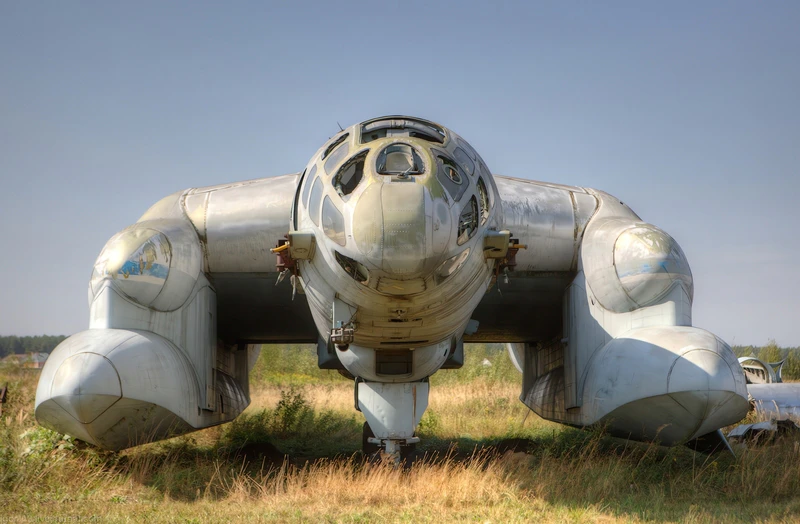
Bartini Beriev VVA-14 | |
|---|---|
| Land | Sovjetunionen |
| Typ | Amfibiska ASW-flygplan |
| Första flygningen | Den 4 september 1972 |
| Byggd | 2 |
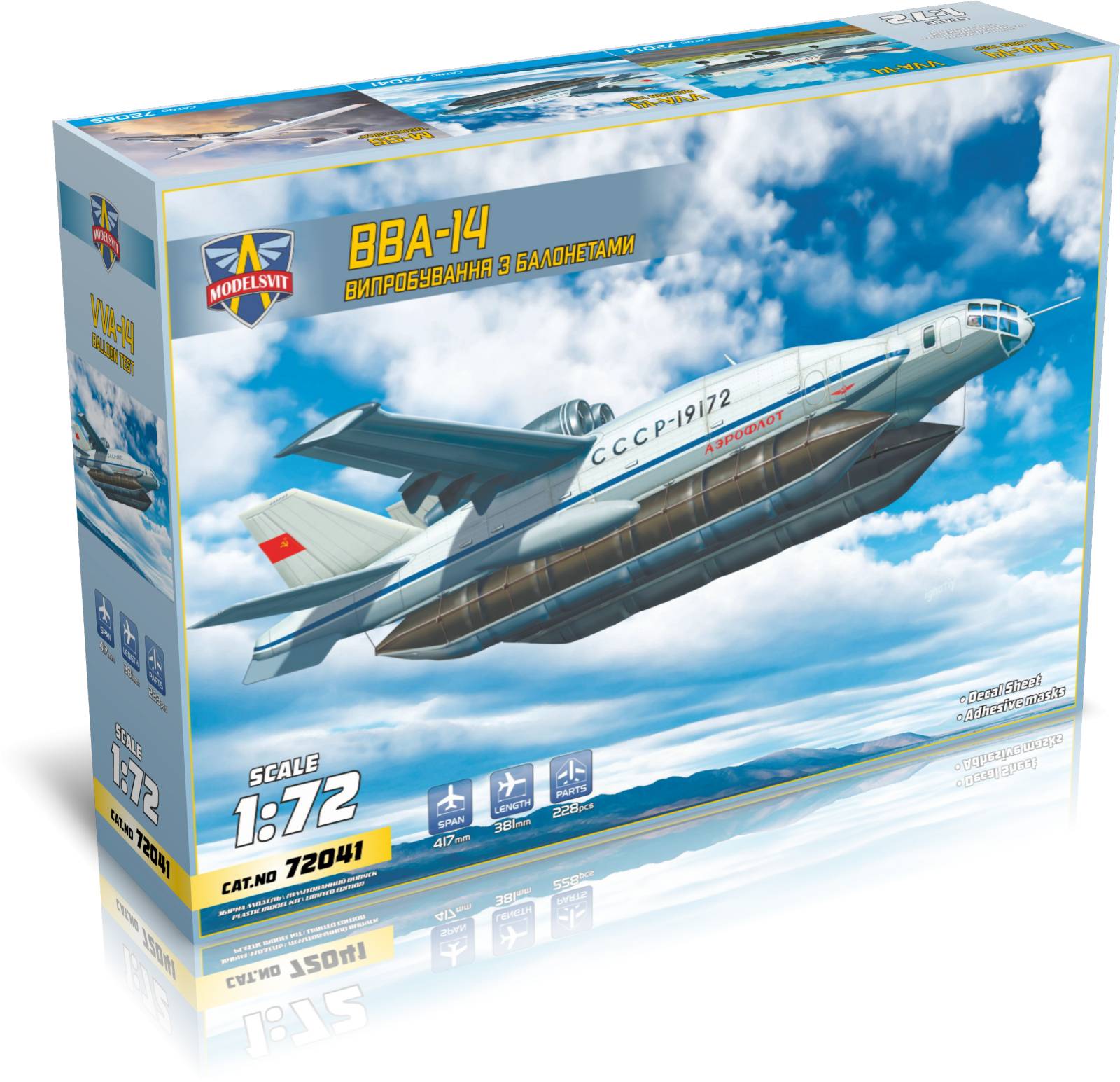
Den Bartini Beriev VVA-14 Vertikaľno-Vzletayushchaya Amfibiya (vertikalt amfibieflygplan) var ett flygplan utvecklat i Sovjetunionen i början av 1970-talet. Designad för att kunna ta av från vattnet och flyga i hög hastighet över långa avstånd, var det för att göra riktiga flygningar på hög höjd, men också ha förmågan att flyga effektivt strax ovanför havsytan, med aerodynamisk markeffekt. VVA-14 designades av den italienskfödde designern Robert Bartini som svar på ett uppfattat krav på att förstöra amerikanska marinen Polaris missilubåtar. Det sista flygplanet pensionerades 1987.
Källkod: Bartini Beriev VVA-14 på Wiki
| Bartini Beriev VVA-14 Gå runt | |
|---|---|
| Fotograf | Igor Kolokolov |
| Lokalisering | Unknow |
| Bilder | 130 |
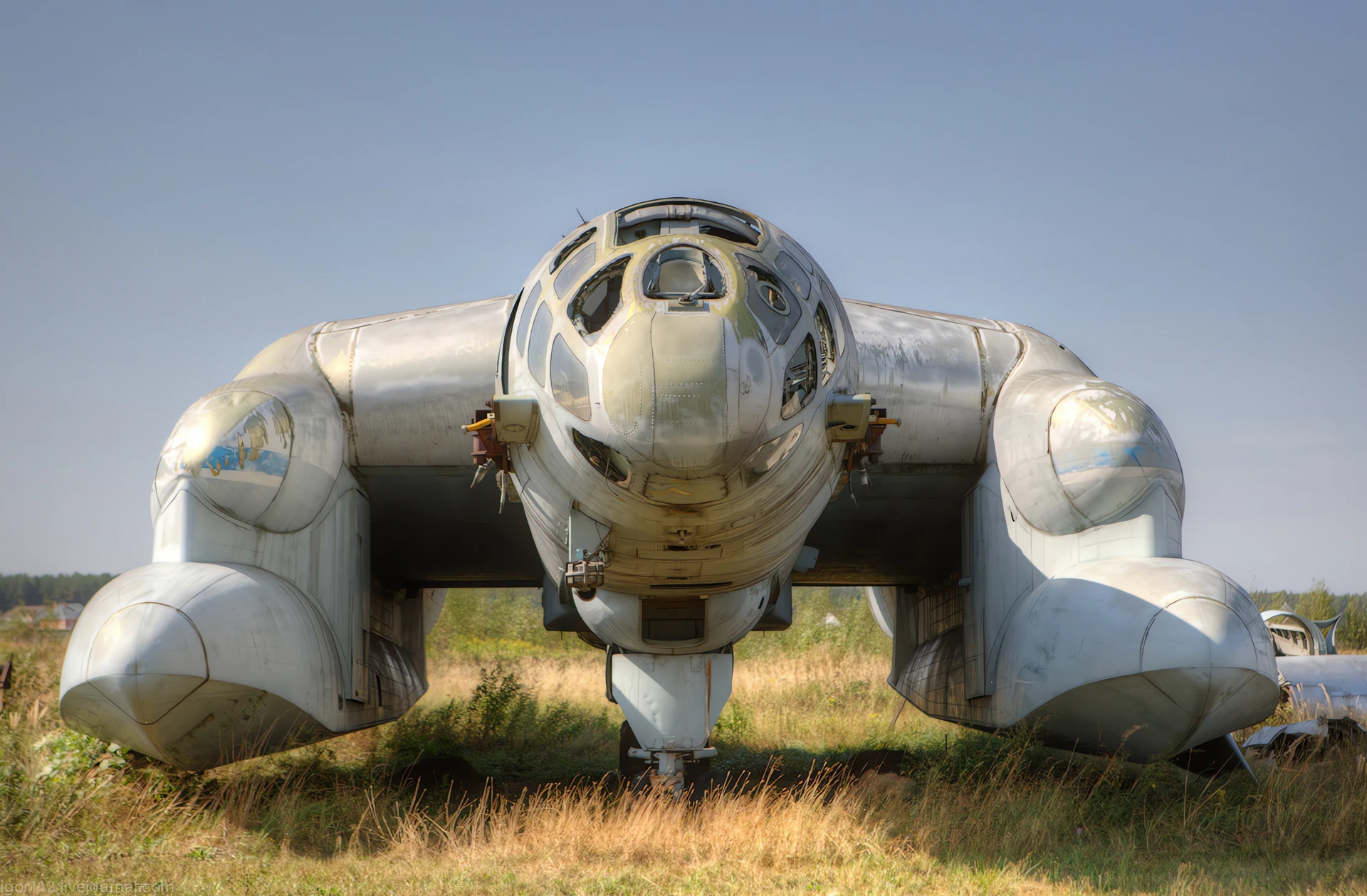
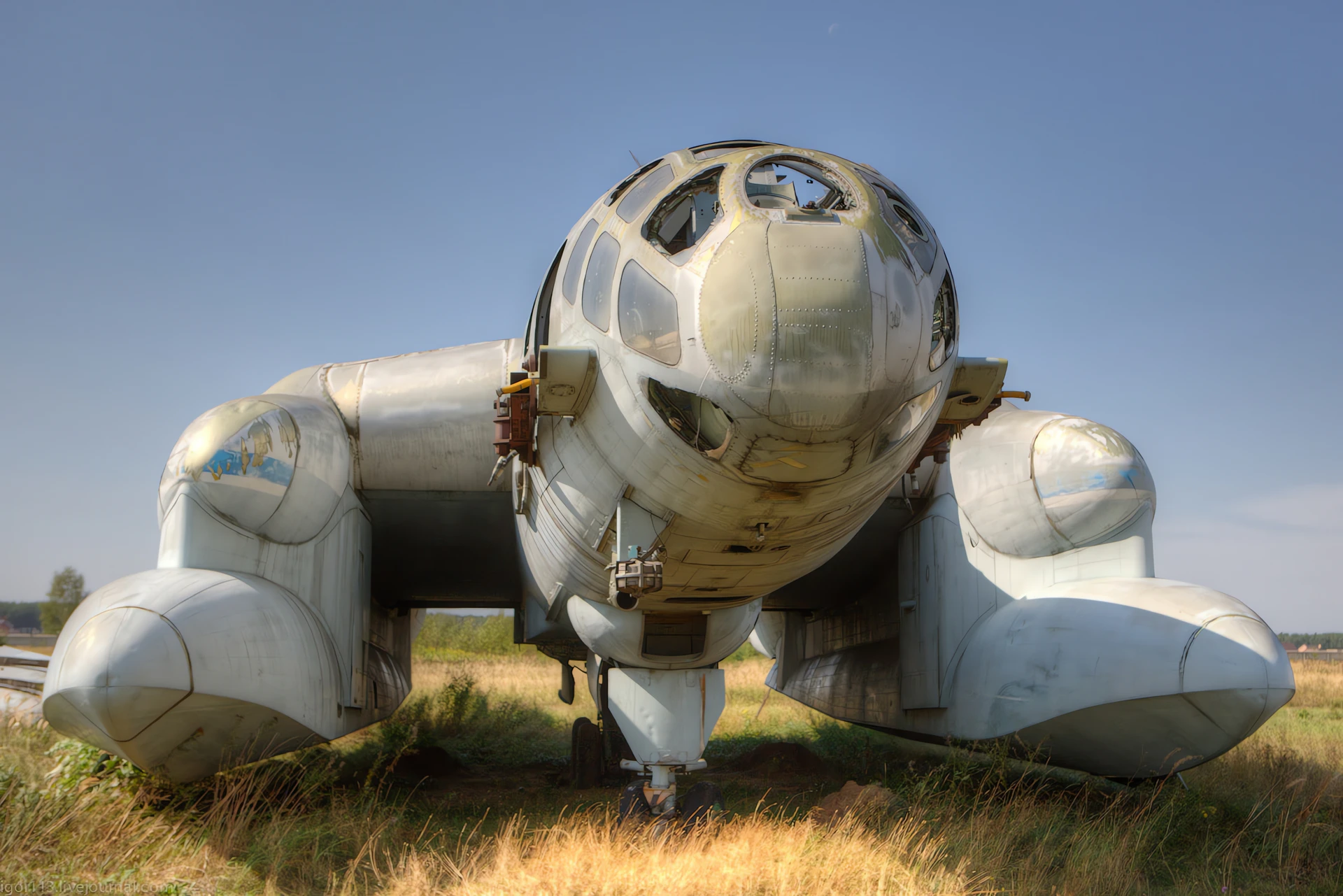
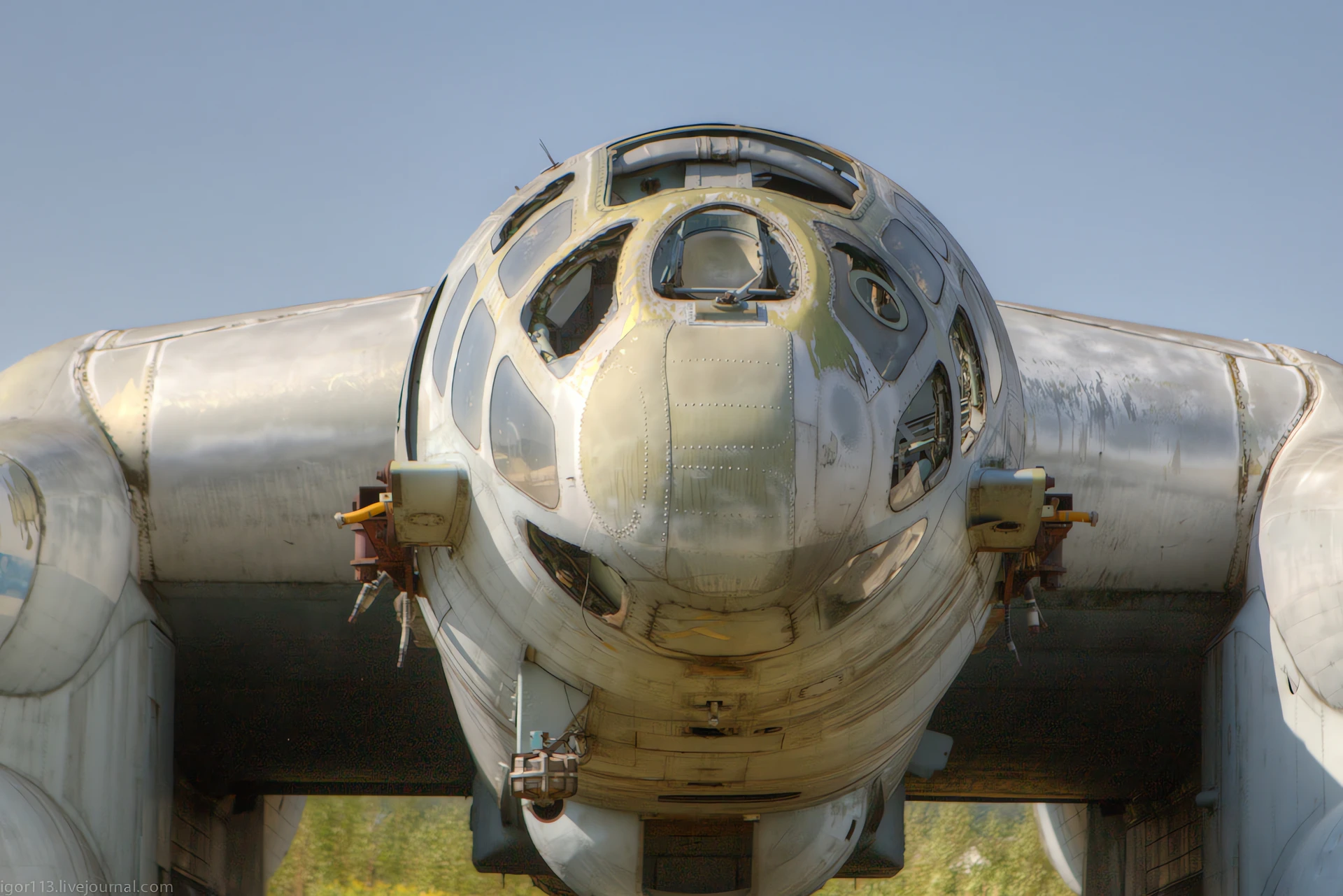


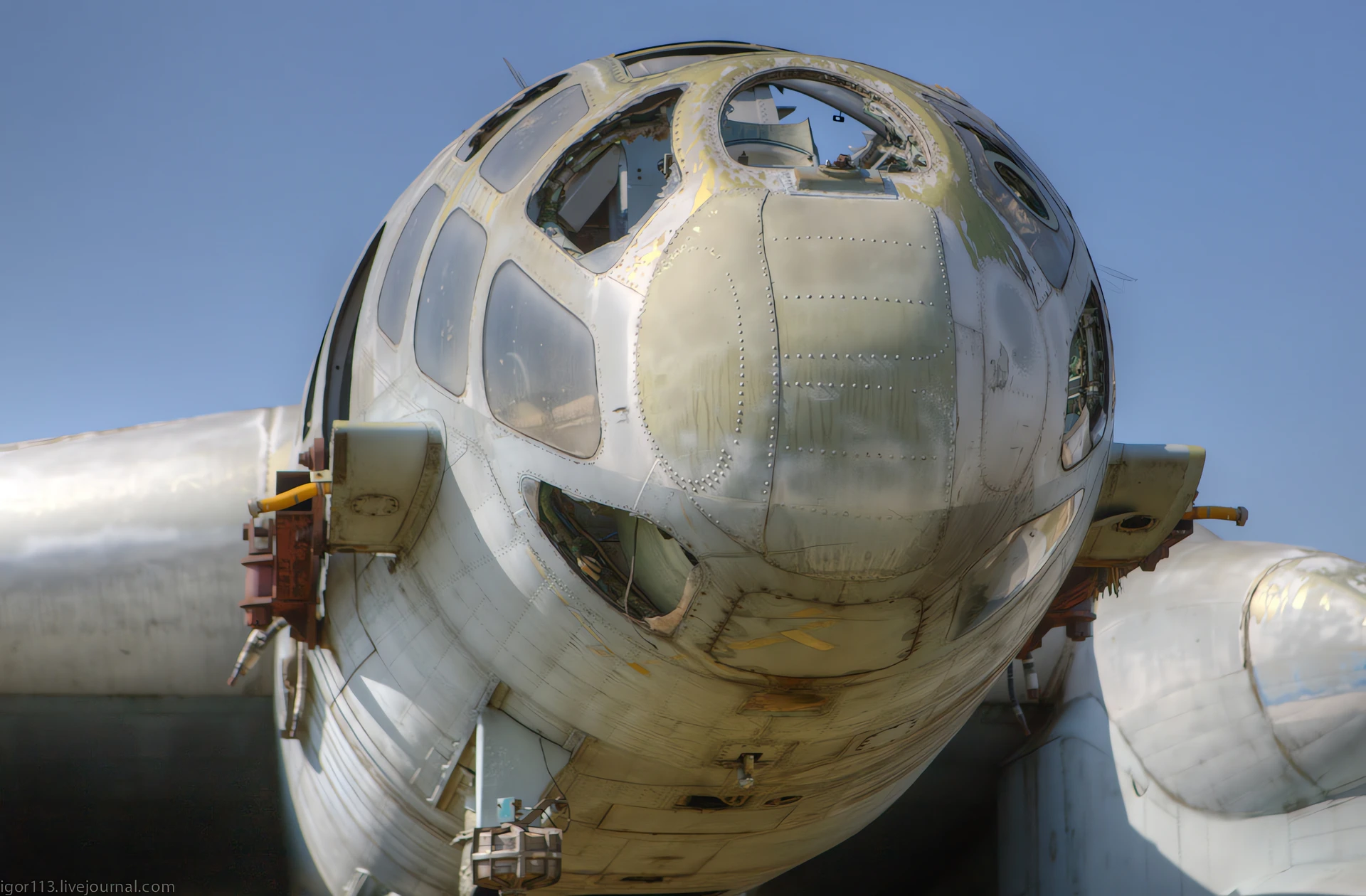

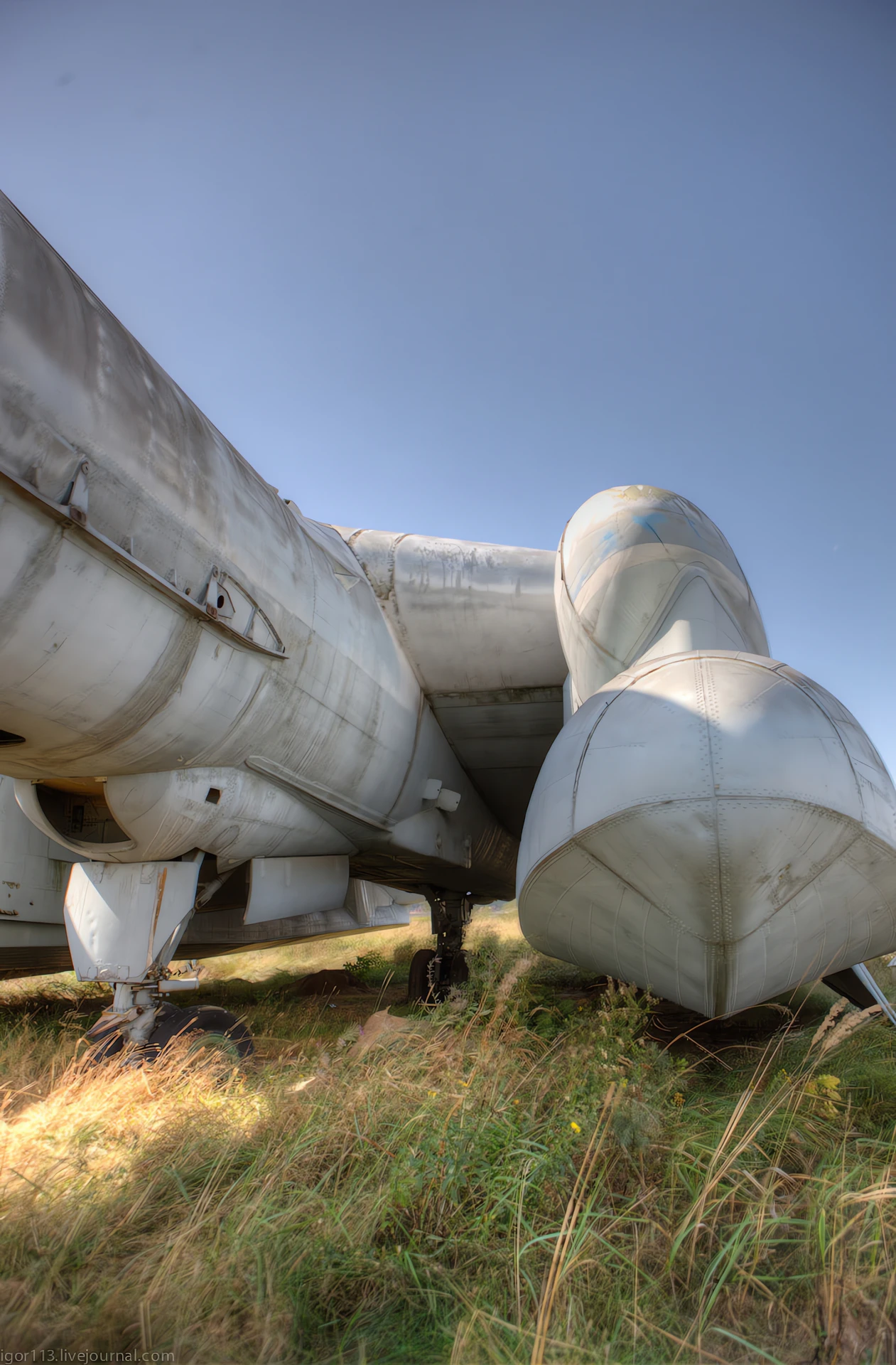
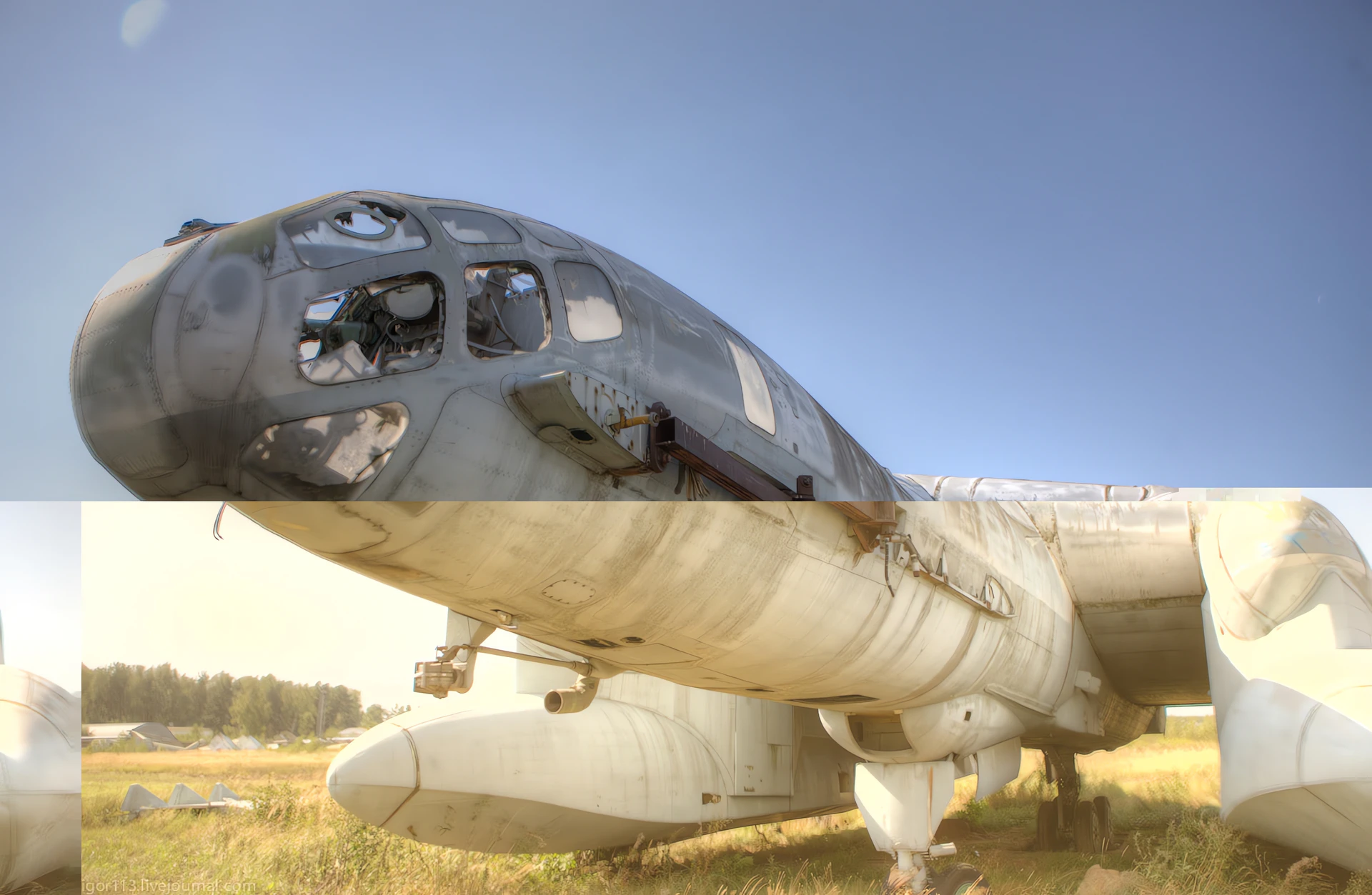

Se även:


General Characteristics (Experimental Prototype)
The VVA-14 (Vertikal’no-Vzletayushchaya Amphibiya, or Vertical Take-off Amphibious) was a highly unusual Soviet experimental aircraft designed by Roberto Bartini and built by Beriev. It was intended to be a long-range anti-submarine warfare (ASW) aircraft capable of true amphibian operation, including vertical take-off and using the ground effect.
| Property | Value (VVA-14M1/M2 Prototype) |
|---|---|
| Roll | Experimental Anti-Submarine Amphibian |
| Designer | Robert Bartini / Beriev Design Bureau |
| First Flight | September 4, 1972 |
| besättning | 3 (Pilots and Systems Operator) |
| Configuration | High-wing monoplane, twin boom, large central hull |
| Maximum Take-Off Weight | Approx. 52,000 kg (114,640 lb) |
Design and Powerplant
- Primary Engines: Two Soloviev D-30M turbojet engines (mounted above the wing roots) for cruise and conventional take-off.
- Vertical Lift Engines: Originally planned to use twelve smaller Kolesov RD-36-35PR lift engines in the central hull (but never fully fitted or tested).
- Hull Design: Featured an innovative, detachable inflatable pontoons (later replaced by rigid floats) for buoyancy and water take-off, giving it a very broad, eccentric appearance.
- Flight Mode: Intended to operate conventionally (cruise), as a sea-plane (water takeoff), and as a ground effect vehicle (using the ram-air cushion effect close to the surface).
- Cancellation Reason: The inability to produce and integrate the planned battery of vertical lift engines, combined with the death of chief designer Roberto Bartini, led to the cancellation of the program.
Performance and Armament
- Maximum Speed: Approximately 760 km/h (470 mph).
- Cruise Speed: Approximately 640 km/h (400 mph).
- Operational Range: Up to 2,400 km (1,500 miles).
- Service Ceiling: 8,000 m (26,250 ft).
- Armament: Proposed to carry torpedoes, depth charges, and mines in an internal weapons bay for the ASW role.
Views : 3680
Du kan också se:
 Aerfer Sagittario 2 – Foton
 Heavy Tank M6 – Foton &; Videor
 JS-7 – Foton och videor
 Boeing X-32 – Foton & Videor
 Beriev A-50 – Foton och videor
 AMX-40 – Foton &; Video
 Beriev Be-12 – Foton & Video
 Polikarpov I-17 – Foton &; Video
 Beriev Be-6P (Qing-6) – Foton &; Video
 Curtiss XF15C-1 – Foton &; Video