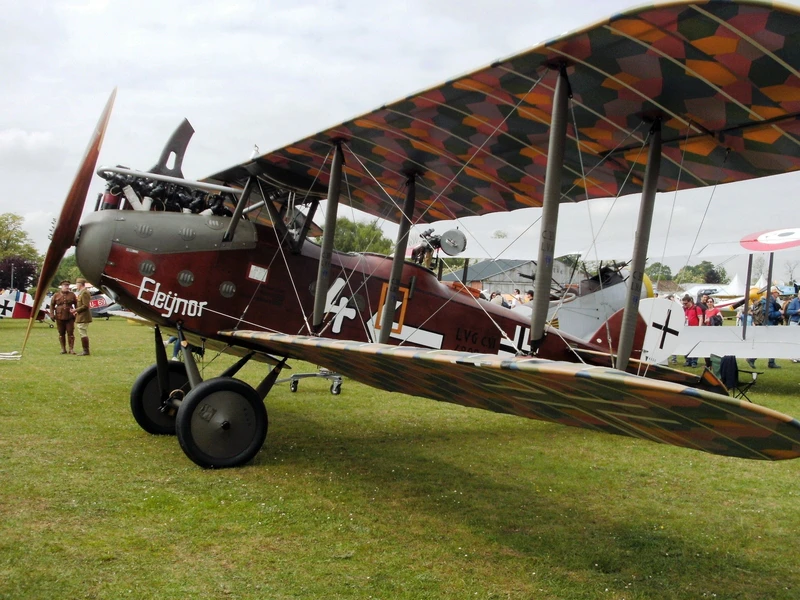
LVG C.VI | |
|---|---|
| Land | Tyskland |
| Roll | Reconnaissanceflygplan |
| Första flygningen | 1917 |
| Byggd | 1100+ |
Den LVG C.VI var ett tyskt tvåsitsigt spanings- och artillerispaningsflygplan som användes under första världskriget.
Källkod: LVG C.VI på Wikipedia
| LVG C.VI Walk Around | |
|---|---|
| Fotograf | Unknow |
| Lokalisering | Unknow |
| Bilder | 43 |


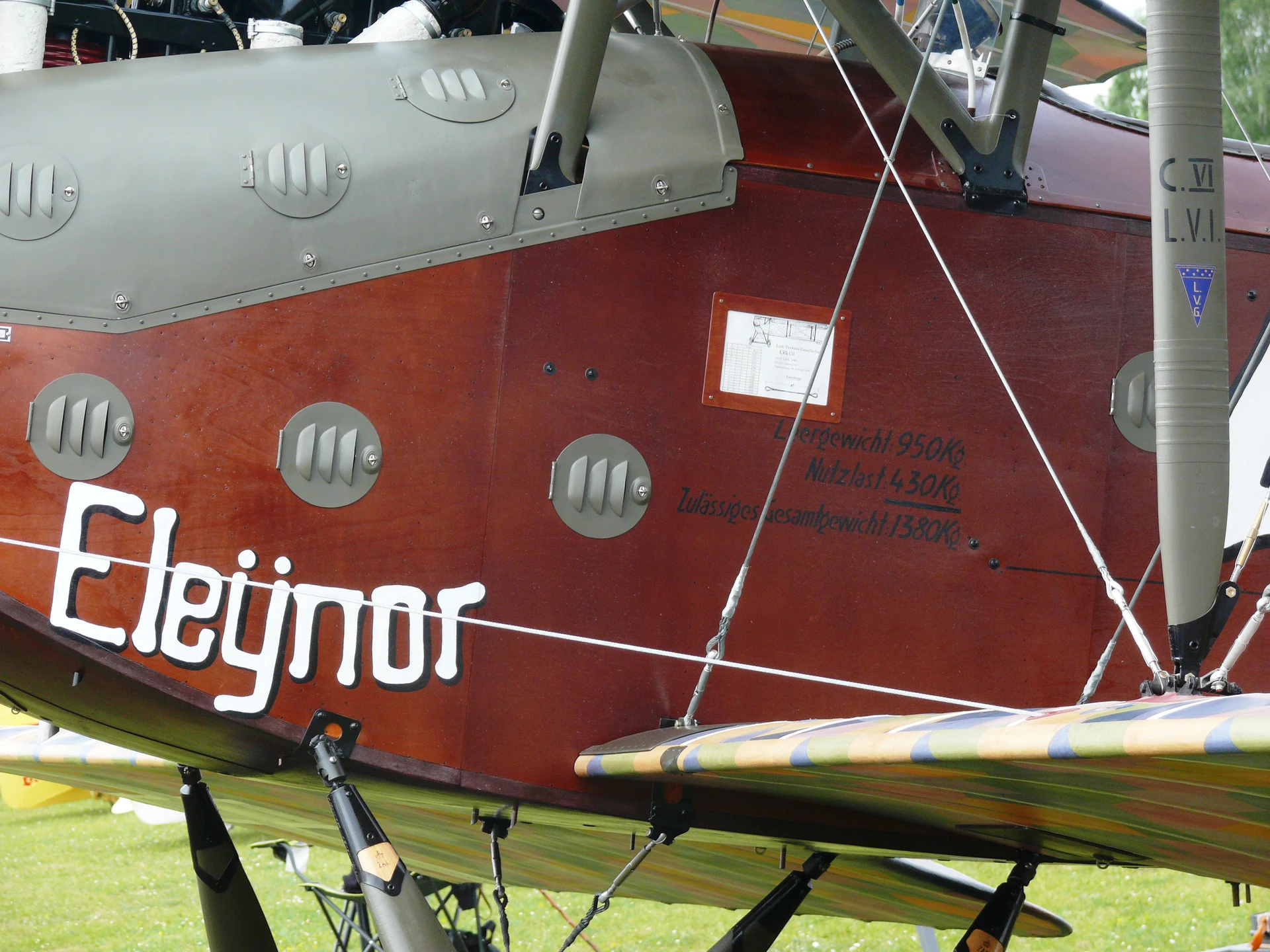
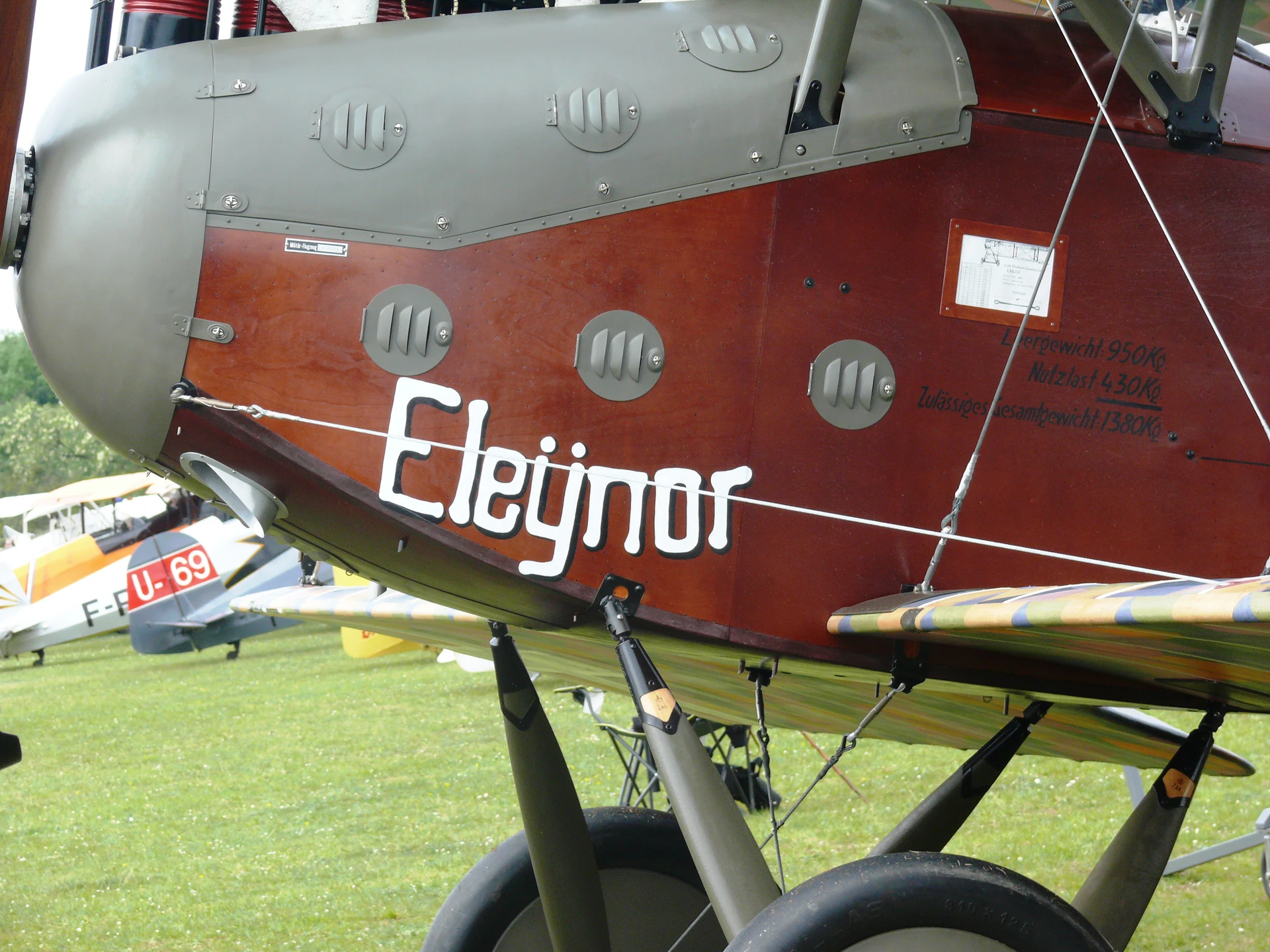


Se även:


General Characteristics
The LVG C.VI was a German two-seat reconnaissance and artillery spotting aircraft used during the final year of World War I. Designed by Willy Sabersky-Müssigbrodt for Luft-Verkehrs-Gesellschaft (LVG), it was a refinement of the earlier DFW C.V and LVG C.V models. The C.VI was celebrated by its crews for being lighter, more streamlined, and having excellent flying characteristics, including good climb rate and maneuverability, despite being a two-seater. Its construction was mixed, featuring a semi-monocoque fuselage covered in plywood and fabric-covered wooden wings. It entered widespread service on the Western Front in the summer of 1918, and over 1,000 examples were ultimately built.
| Property | Typical Value (WWI Service) |
|---|---|
| Roll | Reconnaissance, Artillery Spotting, Light Bombing |
| National Origin | Germany (German Empire) |
| Tillverkare | Luft-Verkehrs-Gesellschaft G.m.b.H. (LVG) |
| Introduction Date | Early 1918 |
| No. Built | Approx. 1,000 to 1,100 |
| besättning | 2 (Pilot, Observer/Gunner) |
| längd | 7.45 m (24 ft 5 in) |
| Wingspan (Upper) | 13.0 m (42 ft 8 in) |
| Max Takeoff Weight | 1,390 kg (3,064 lb) |
Powerplant and Performance
- Engine: 1 x Benz Bz.IV 6-cylinder water-cooled inline piston engine.
- Power Output: 147 kW (197 hp) to 164 kW (220 hp) depending on variant/fuel.
- Maximum Speed: 170 km/h (106 mph) at sea level.
- Service Ceiling: 6,500 m (21,300 ft).
- Endurance: Approximately 3.5 hours.
- Climb Rate: Could reach 3,000 m (9,840 ft) in about 15 minutes.
- Design Note: The engine was fitted with a centrally mounted radiator on the upper wing. The crew were often supplied with electrically heated flying suits and parachutes.
Armament and Sensors
- Pilot’s Armament: 1 x 7.92 mm LMG 08/15 Spandau machine gun, fixed and synchronized to fire through the propeller.
- Observer’s Armament: 1 x 7.92 mm Parabellum MG 14 machine gun, mounted on a flexible ring in the rear cockpit for defensive fire.
- Bombload: Could carry up to 90 kg (200 lb) of light bombs on external racks, typically used for local ground attack support.
- Reconnaissance Gear: Equipped with a radio (Morse code, send-only) and an antenna that could be lowered during flight for artillery spotting duties. The observer was also responsible for operating photographic equipment.
Visningar : 1795
Du kan också se:
 Kawasaki Ki-61 – Foton & Videor
 General Dynamics F-111C – Foton och videor
 AIDC F-CK-1 Ching-kuo – Foton och videor
 Curtiss F11C Goshawk – Foton &; Videor
 Curtiss-Wright XP-55 Ascender – Foton & Video
 Fokker F27 Vänskap - Foton & Videor
 Petlyakov Pe-2 – Foton och videor
 Fiat G.91 – Foton och videor
 B-35 – de Havilland Mygga – WalkAround
 Mirage IIIC – WalkAround