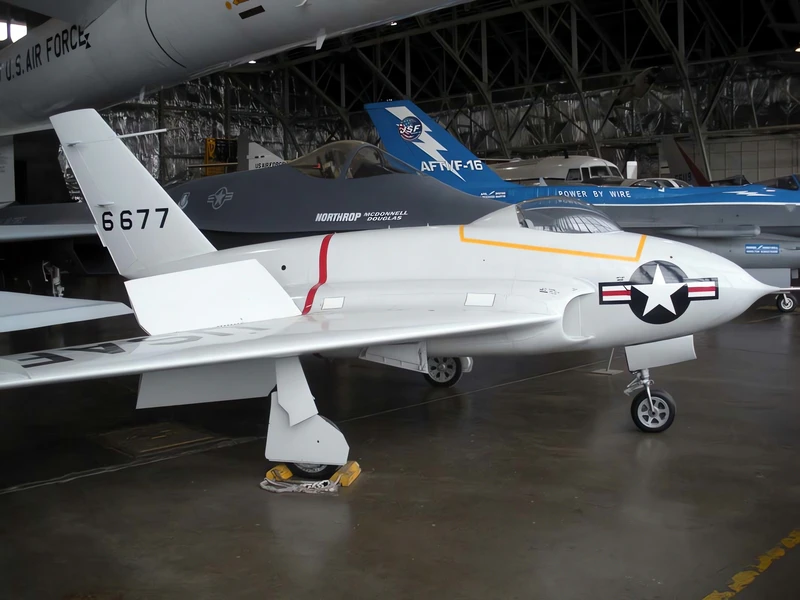
Northrop X-4 Bantam | |
|---|---|
| Страны | США |
| Роль | Прототип беспилотного самолета |
| Первый полет | 15 декабря 1948 года |
| Построен | 2 |
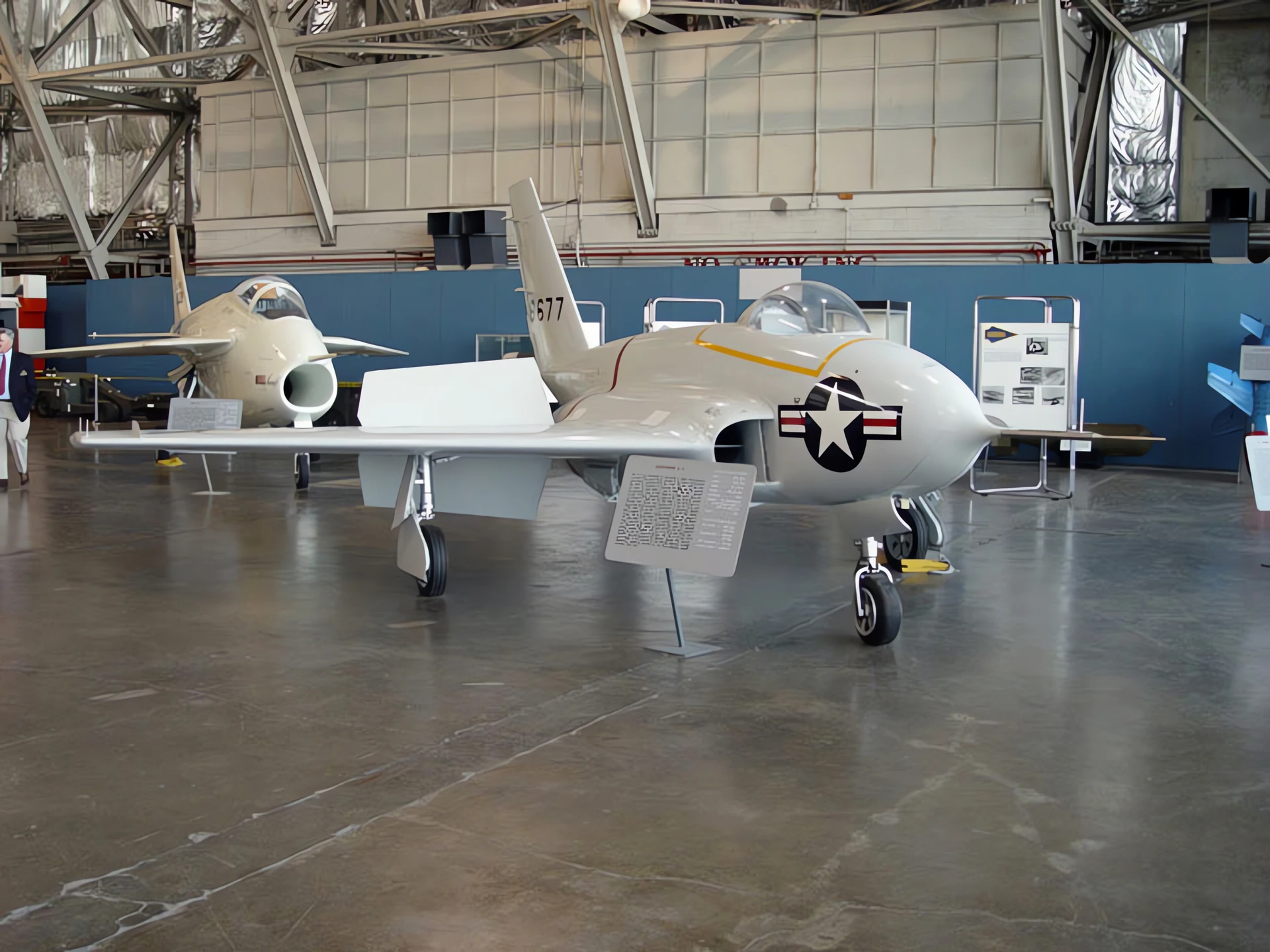
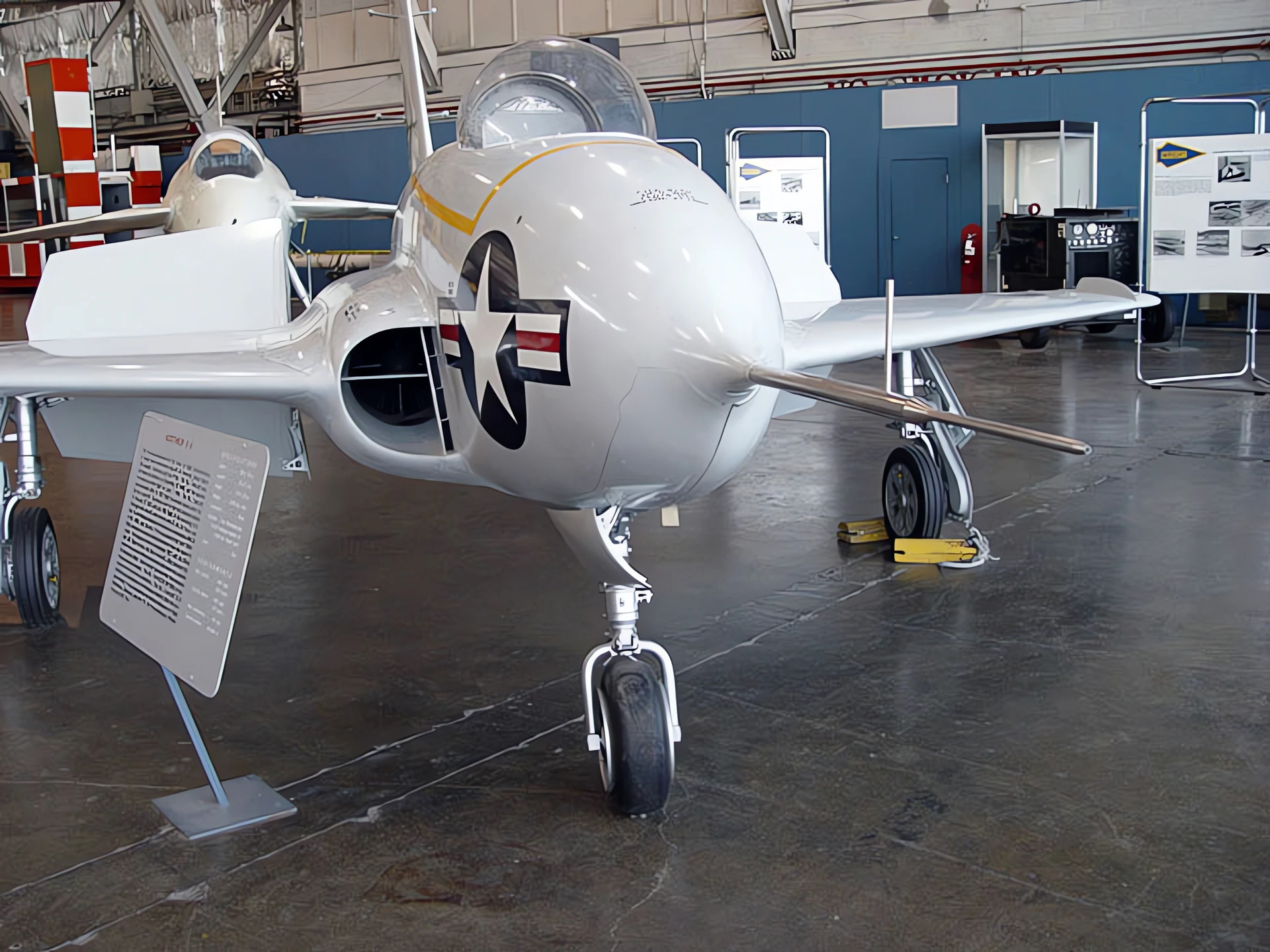
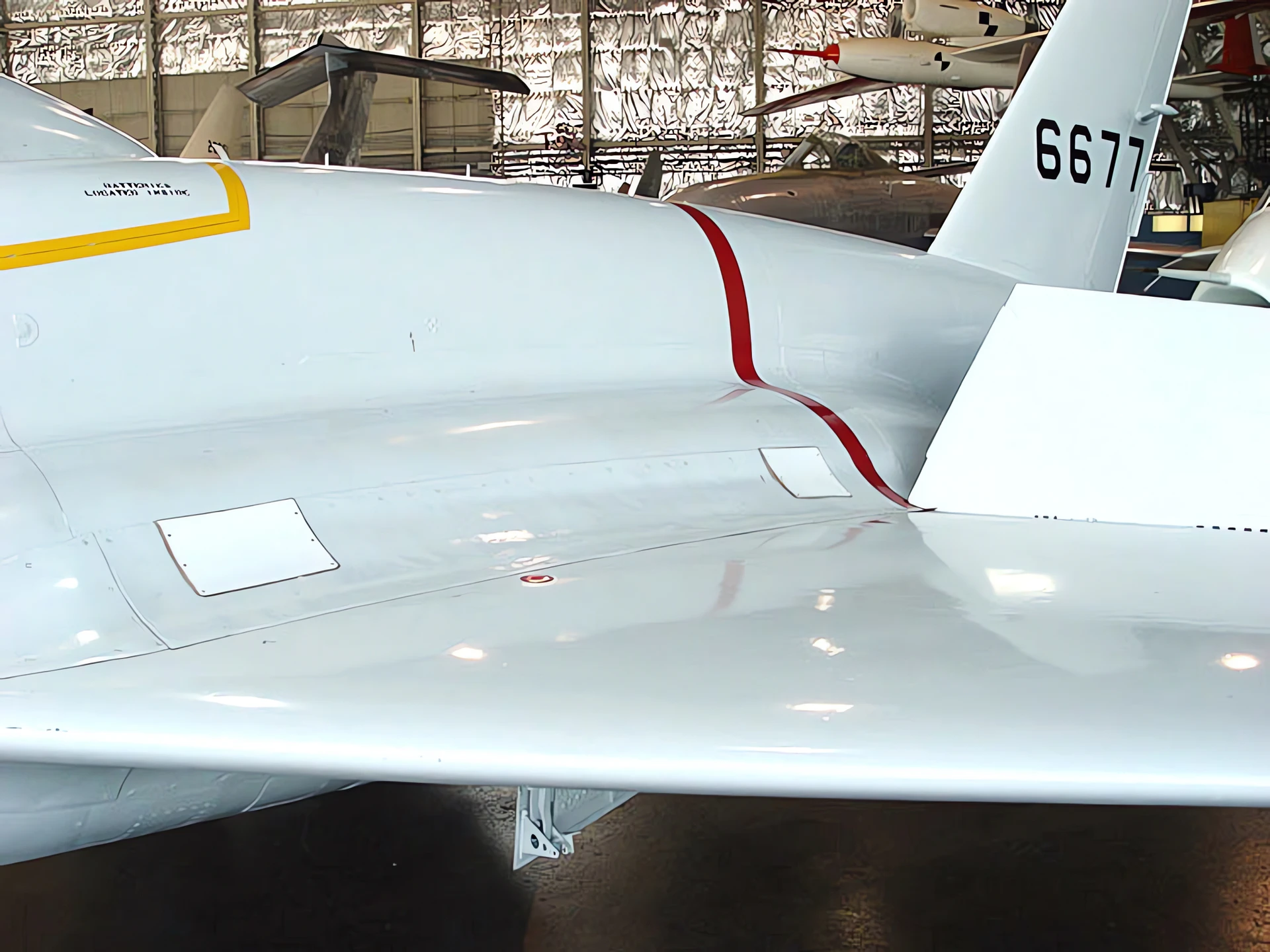
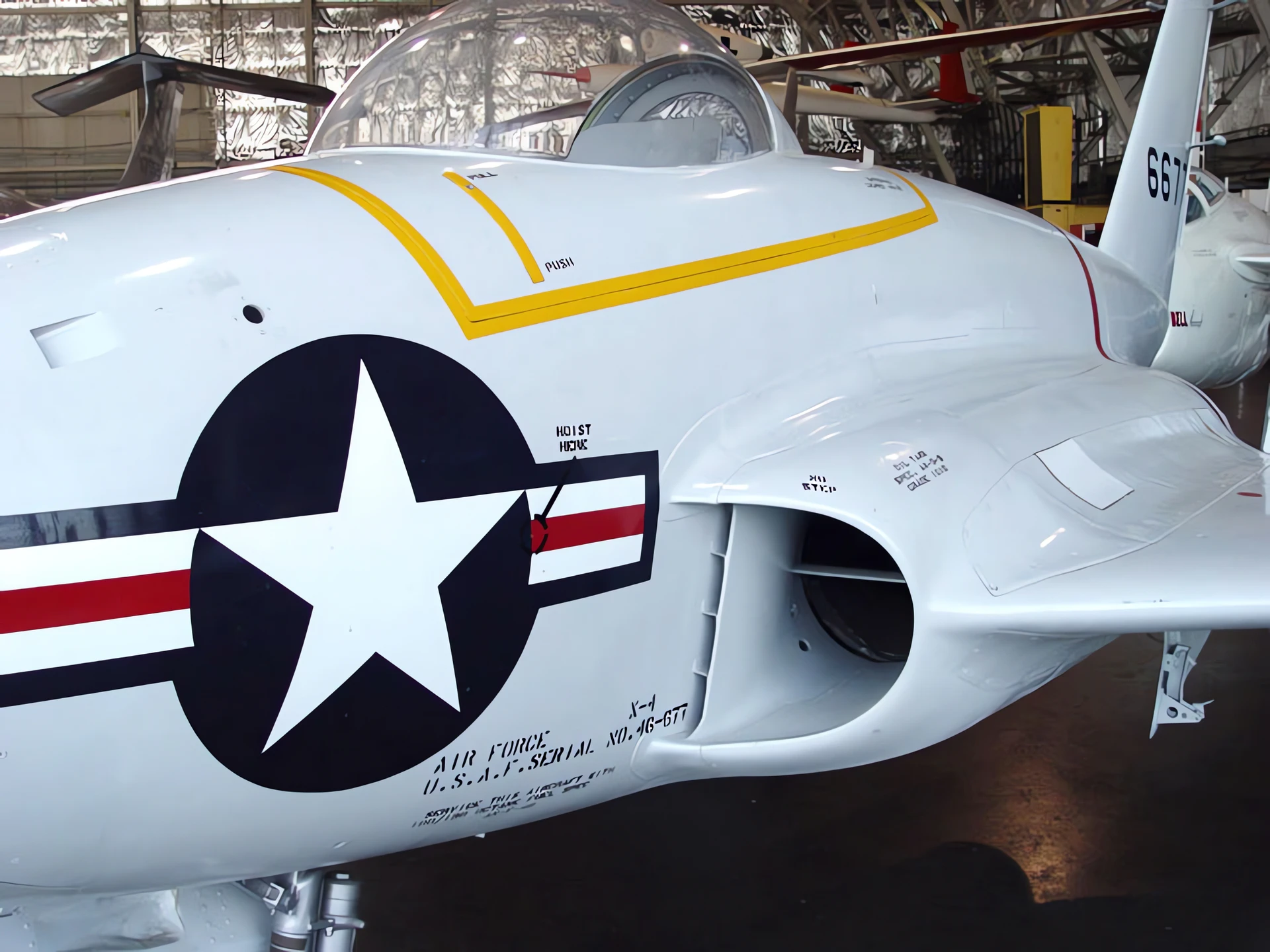
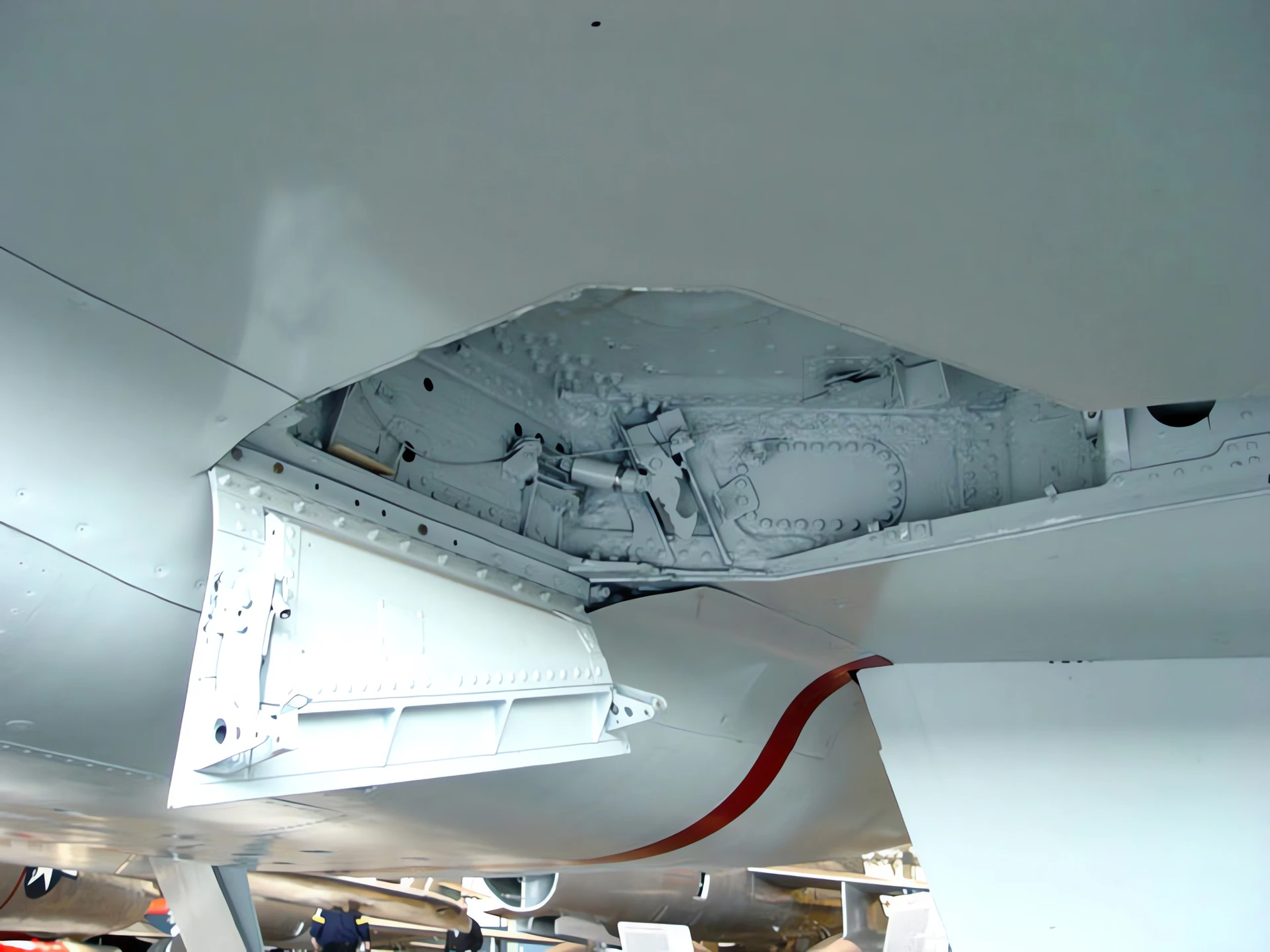
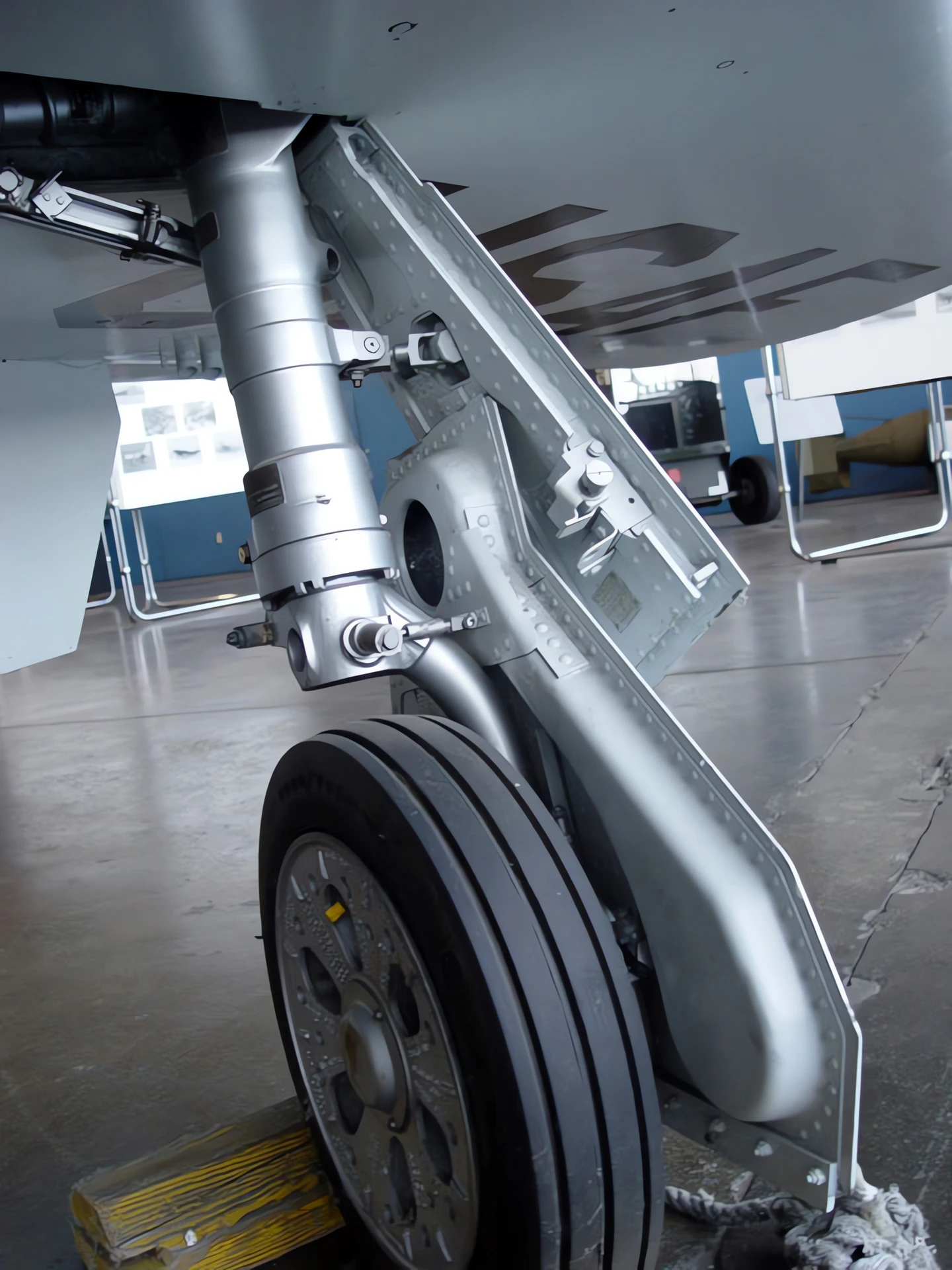
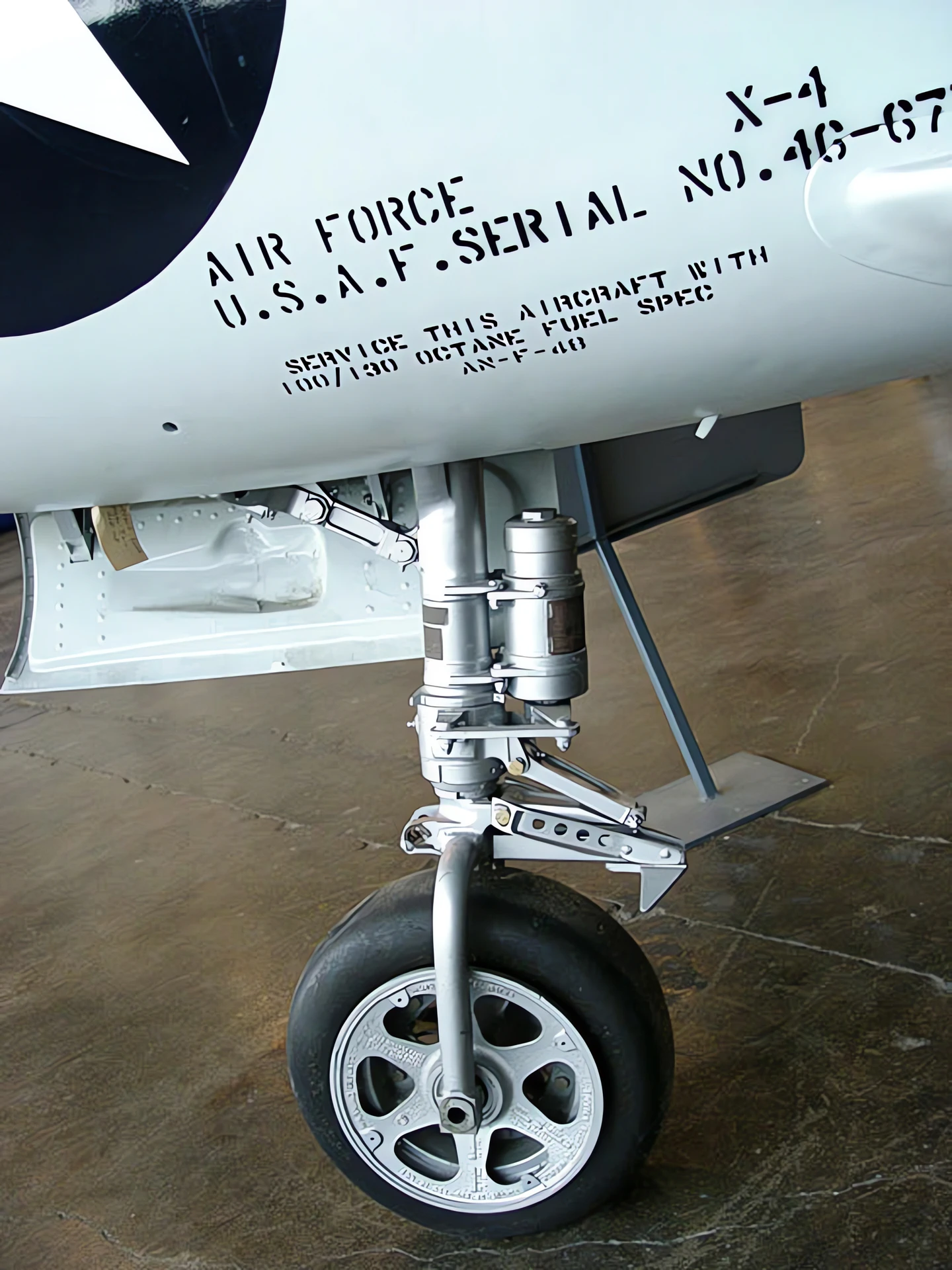
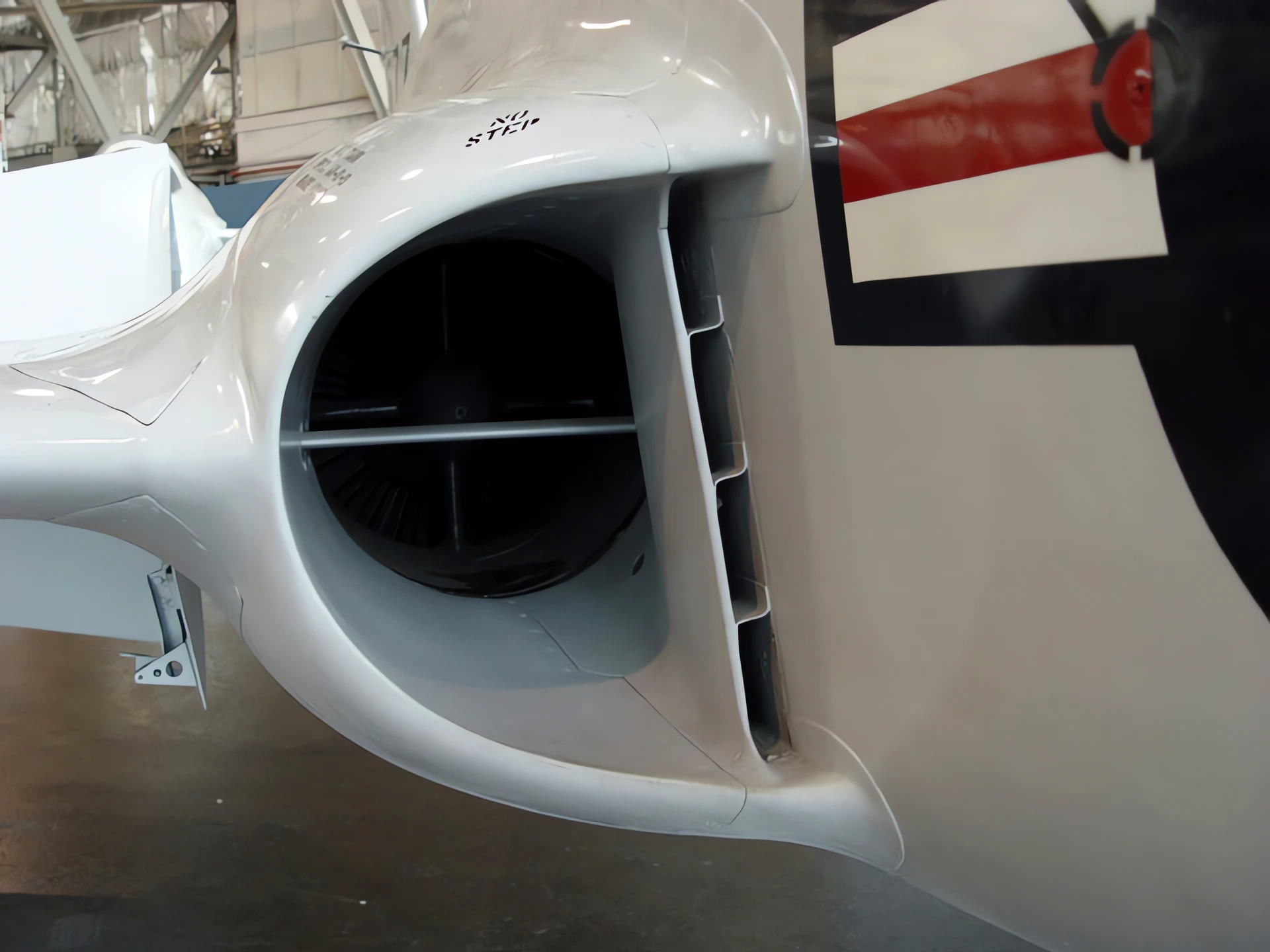
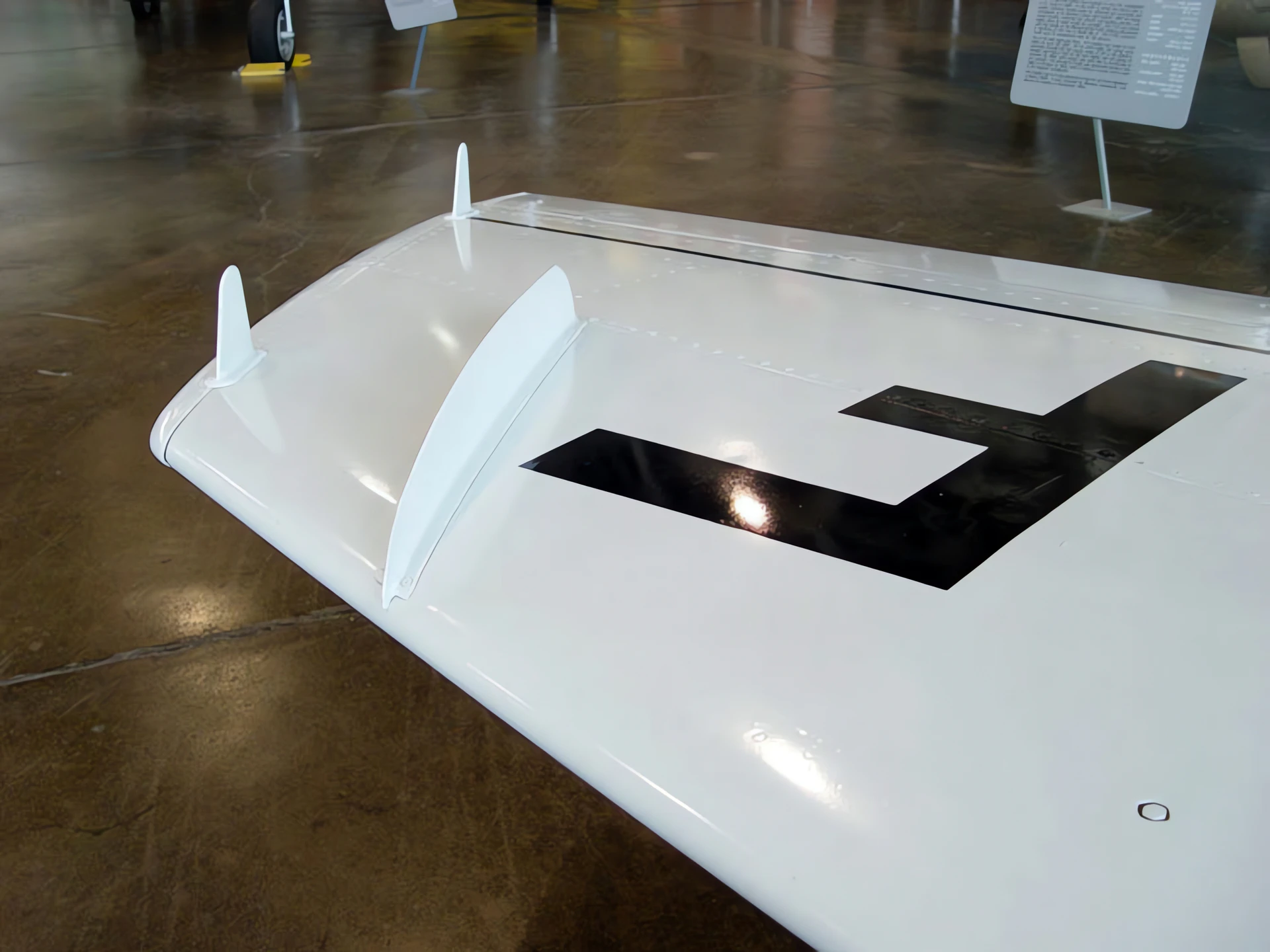
Teh Нортроп X-4 Бантам — прототип небольшого самолета-близнеца, произведенный корпорацией Northrop в 1948 году. Он не имел горизонтальных поверхностей хвоста, в зависимости от комбинированных поверхностей лифта и айлерона управления (так называемые элевоны) для контроля в шаге и рулон отношения, почти точно в манере аналогичного формата, ракетных Messerschmitt Me 163 нацистской Германии Люфтваффе. Некоторые аэродинамики предположили, что устранение горизонтального хвоста также устранит проблемы со стабильностью на быстрых скоростях (так называемый ударный стойло) в результате взаимодействия сверхзвуковых ударных волн с крыльев и горизонтальных стабилизаторов. Идея имела свои достоинства, но системы управления полетом того времени помешали X-4 добиться успеха.
Источник: Нортроп X-4 Бантам в Википедии
| Northrop X-4 Bantam Walk Aroundd | |
|---|---|
| Photographers | John Heck, Randy Ray |
| Localisation | National Museum of the USAF |
| Photos | 50 |


Читайте также:


General Characteristics and Role
The Northrop X-4 Bantam was an experimental jet aircraft developed for the U.S. Air Force and the National Advisory Committee for Aeronautics (NACA, the precursor to NASA) in the late 1940s. Its primary role was to investigate the aerodynamic properties of a tailless aircraft design at transonic speeds (speeds approaching the speed of sound, or Mach 1). It utilized a semi-tailless configuration, meaning it lacked a horizontal tail stabilizer but retained small vertical fins. The tailless design was believed to reduce the shock waves and control issues experienced by conventional aircraft as they approached the sound barrier. The Bantam was built as a small, swept-wing jet to minimize costs and complexity during the high-risk transonic research phase.
| Property | Typical Value (X-4) | ||
|---|---|---|---|
| Роль | Experimental Aircraft (Transonic Stability Research) | ||
| National Origin | США | ||
| Производителя | Northrop Corporation | ||
| First Flight | 15 декабря 1948 года | ||
| Экипажа | 1 Pilot | ||
| Wing Sweep | 35 degrees | ||
| Длина | 7.01 m (23 ft 0 in) | ||
| Размах крыла | 8.23 m (27 ft 0 in) | ||
| Высота | 4.52 m (14 ft 10 in) | Gross Weight | 3,524 kg (7,770 lb) |
Powerplant and Flight Controls
- Engine: 2 x Westinghouse J30 turbojet engines.
- Thrust (Total): Approximately 1,600 lbf (7.1 kN).
- Maximum Speed: 1,032 km/h (641 mph, or approx. Mach 0.85).
- Control Surfaces: All control was handled by elevons (control surfaces that combine the functions of elevators and ailerons) on the trailing edge of the wing, and twin vertical rudders.
- Stability Issue: Testing confirmed that while the X-4 was stable at low speeds, it experienced severe longitudinal stability issues when flying faster than Mach 0.88, leading to a tendency to pitch up and lose control.
Program Outcome and Legacy
- Test Program: The X-4 completed 81 research flights at the NACA Muroc Flight Test Unit (later Edwards AFB).
- Discovery: The program proved that a simple tailless design was unsuitable for sustained transonic flight due to the poor stability characteristics encountered.
- Influence: This finding was crucial, convincing designers to use a conventional horizontal stabilizer (tailplane) or the all-moving stabilator on high-speed jets, which became the standard design for supersonic aircraft.
- Preservation: Both prototypes built are preserved: one (46-676) is at the U.S. Air Force Museum in Ohio, and the other (46-677) is at the National Museum of Nuclear Science & History in New Mexico.
Просмотров : 1972
Вы также можете увидеть:
 Нортроп Гамма – Фото и Видео
 Northrop JB-1 Bat – Фото и Видео
 Northrop Grumman X-47B – Фото и Видео
 Northrop Tacit Blue — Фото и видео
 Нортроп Альфа – Фото и Видео
 Northrop YF-17 Cobra – Фото и Видео
 Northrop F-20 Tigershark – Фото и Видео
 Northrop P-61 Черная вдова — фото и видео
 Northrop T-38 Talon – фото и видео
 Northrop A-17A – фото и видео