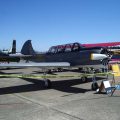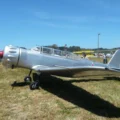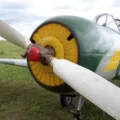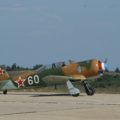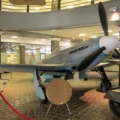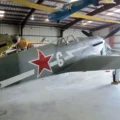
ヤコフレフ UT-1 | |
|---|---|
| 国 | ソ連 |
| 役割 | トレーナー – ファイタートレーナー – 曲技飛行 |
| 初飛行 | 1936 |
| 作成された数 | 1241 |
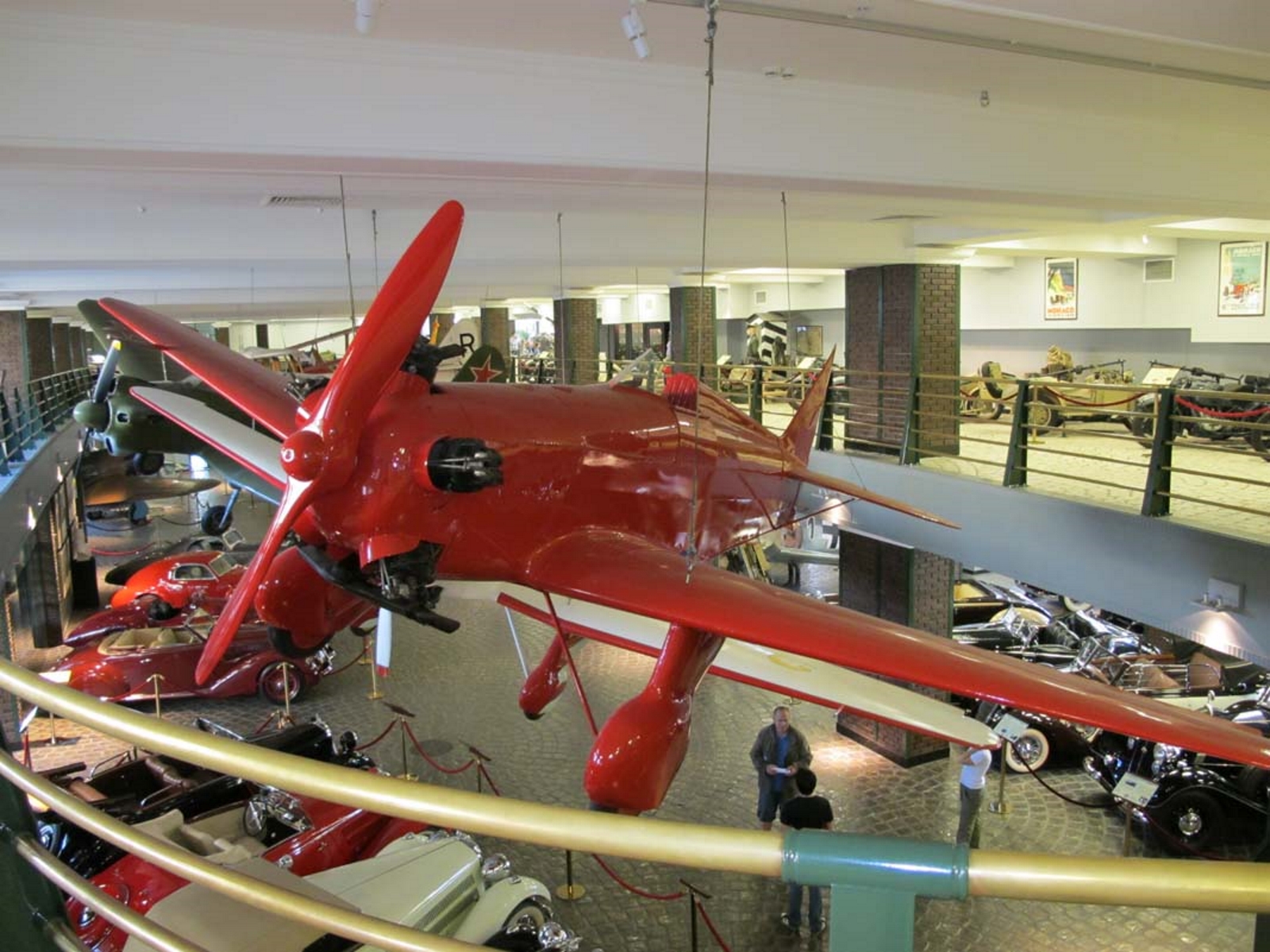
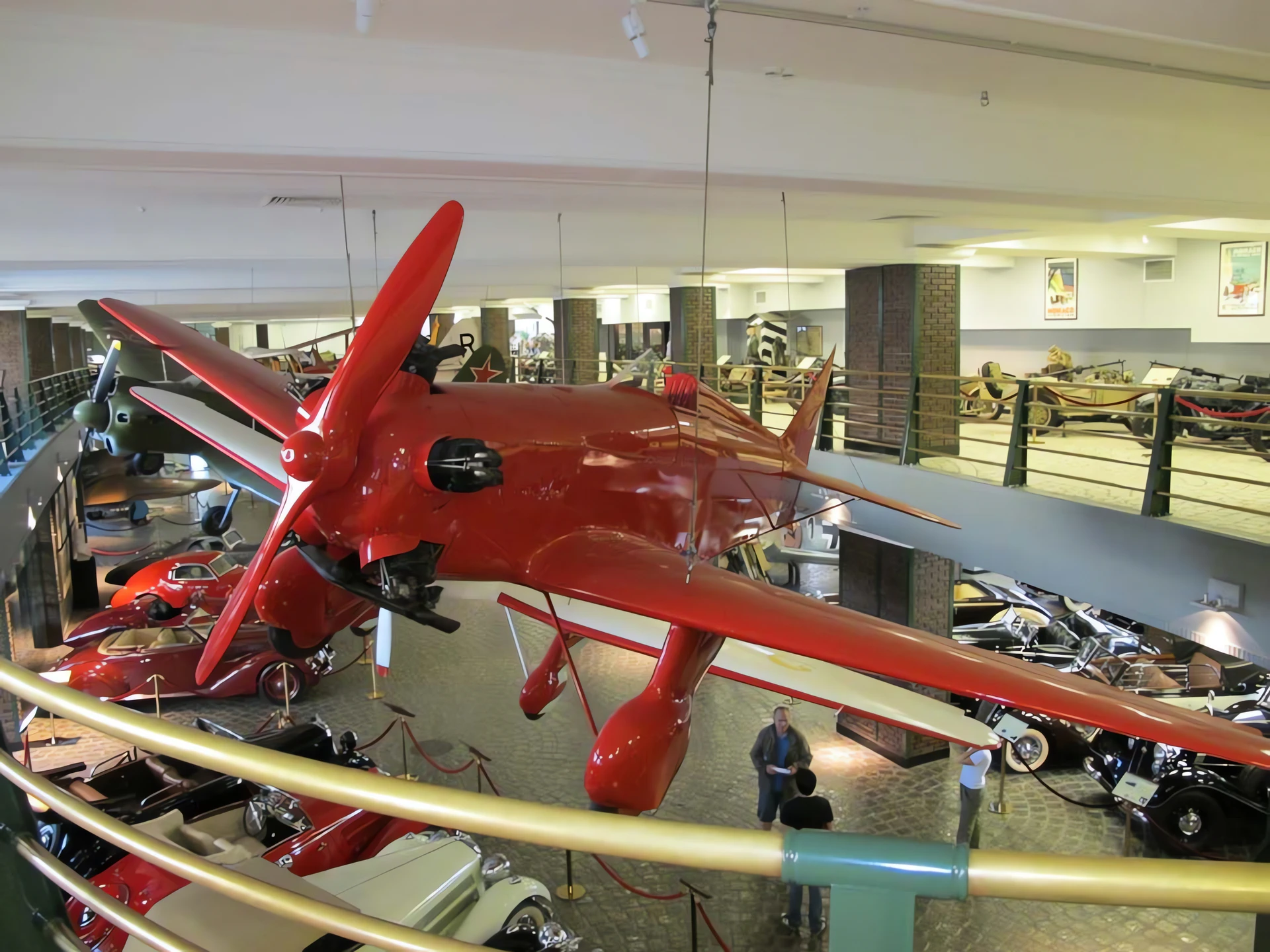
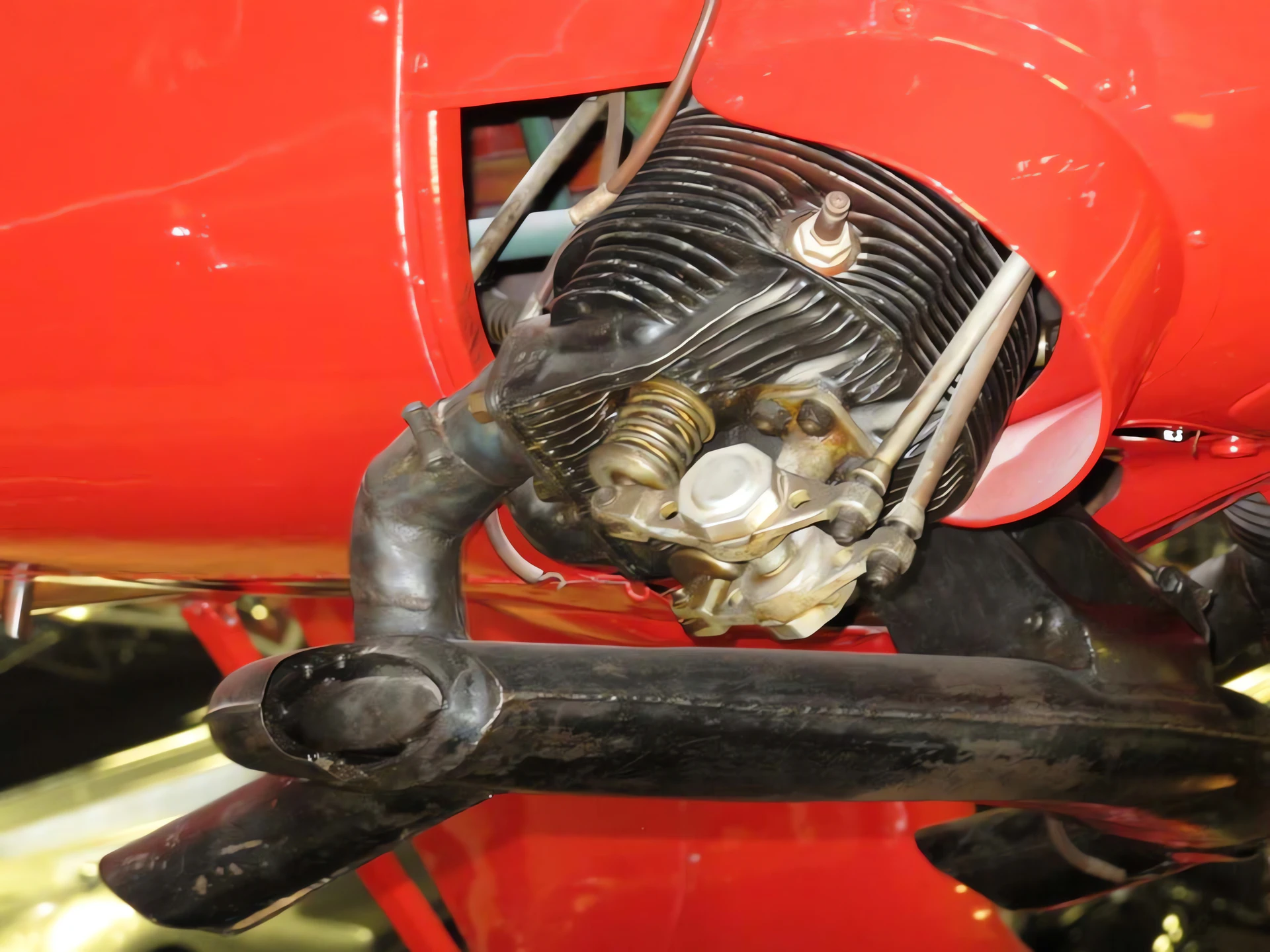
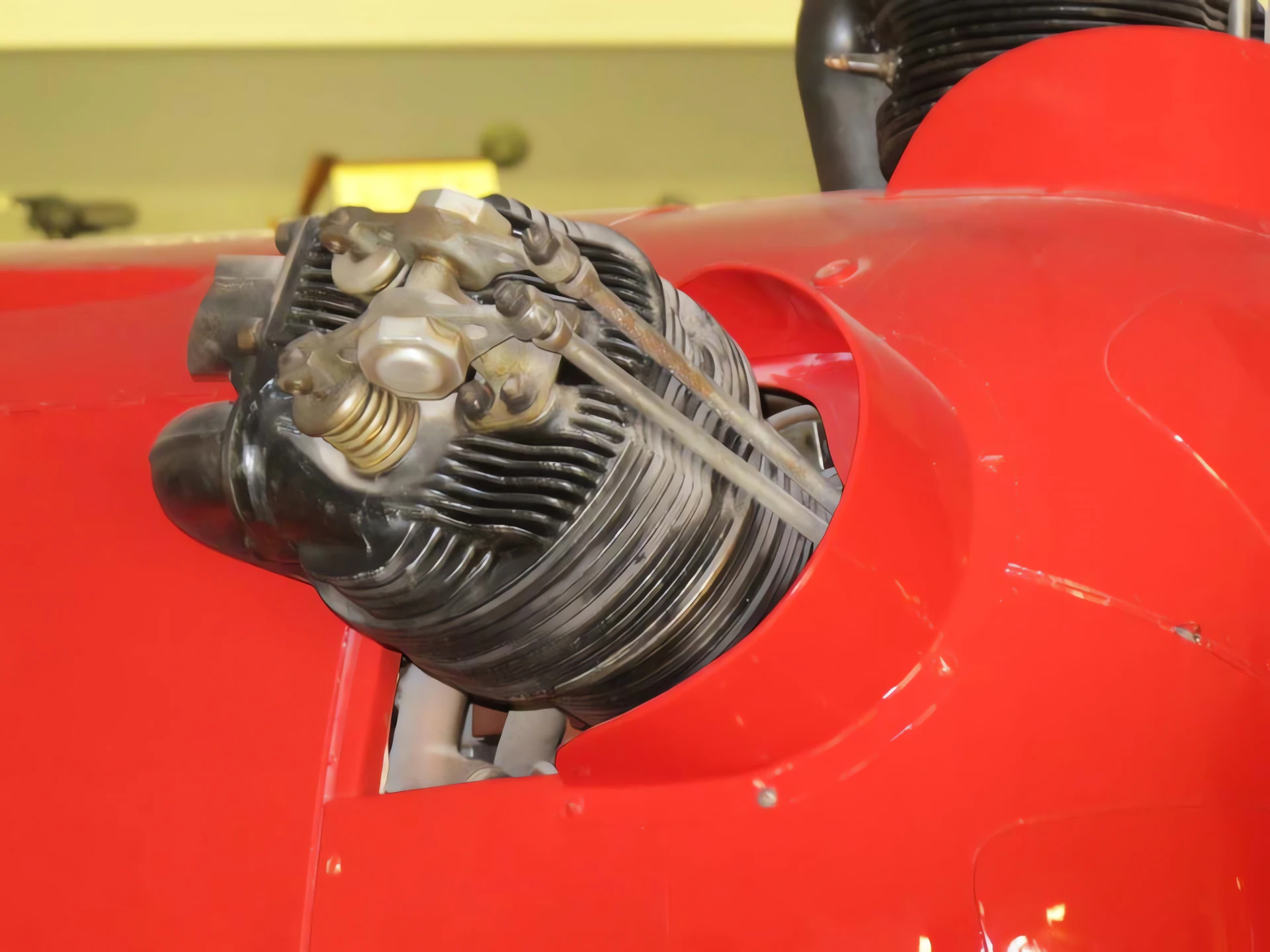
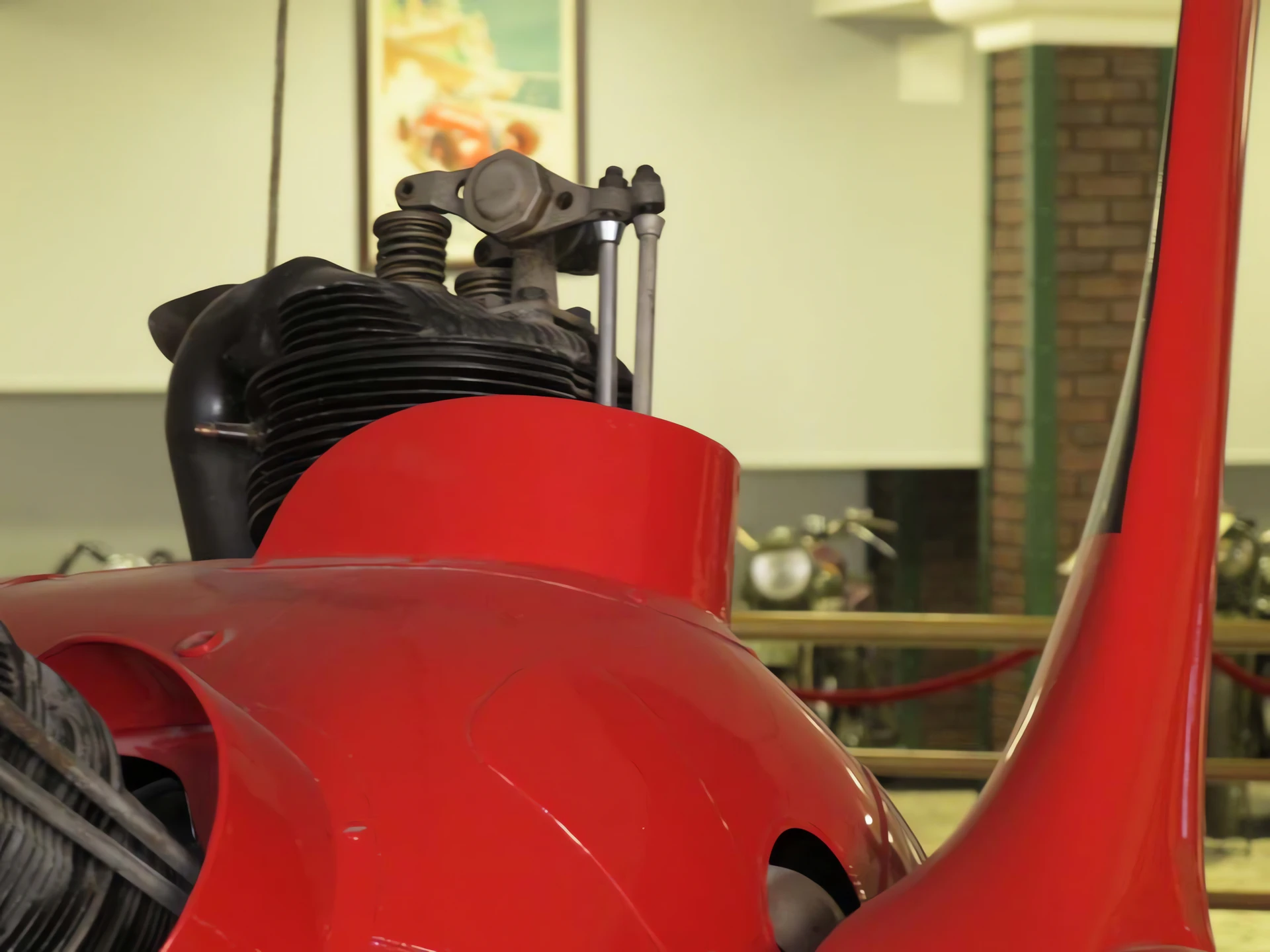
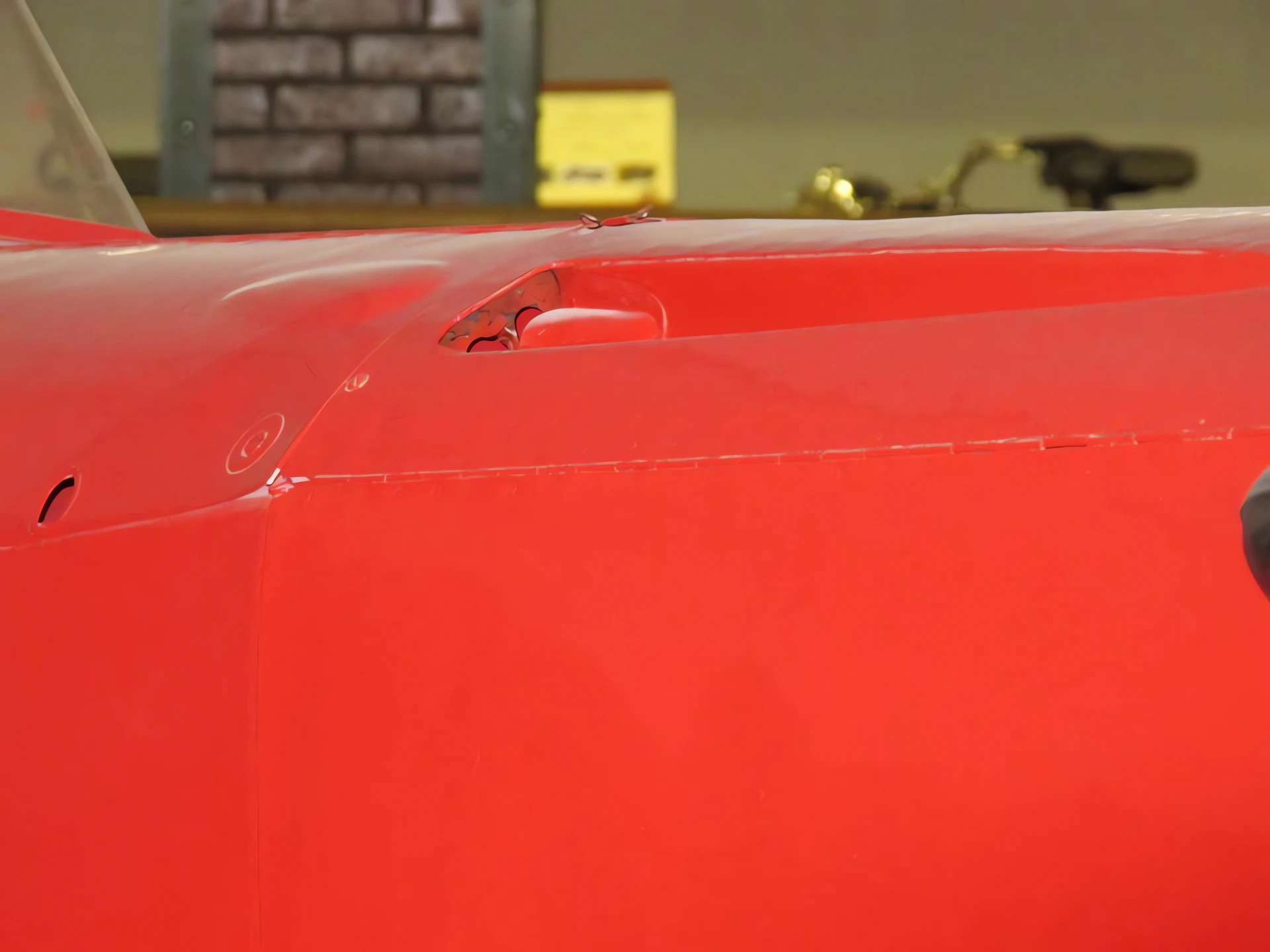
ザ ヤコフレフ UT-1 (Russian: УТ-1) was a single-seater trainer aircraft used by the Soviet Air Force from 1937 until the late 1940s. The UT-1 was designed as a single-seater advanced trainer and aerobatic airplane by the team led by Alexander Sergeevich Yakovlev. The first prototype, designated the AIR-14, was flown in early 1936. The AIR-14 was a small low-winged monoplane with a fixed tailwheel undercarriage, with a welded steel fuselage and wooden wings. After some changes, the AIR-14 was accepted for production. Among other improvements, the 75 kW (100 hp) Shvetsov M-11 radial was changed to the more powerful 86 kW (115 hp) M-11G. The plane received the designation UT-1 (uchebno-trenirovochnyi {учебно-тренировочный}, primary/advanced trainer); despite this designation, it was not suitable for primary training.
ソース: ウィキペディアのヤコブレフUT-1
| ヤコブレフUT-1歩 | |
|---|---|
| カメラマン | 知りません |
| ローカライズ | 知りません |
| 写真 | 50 |
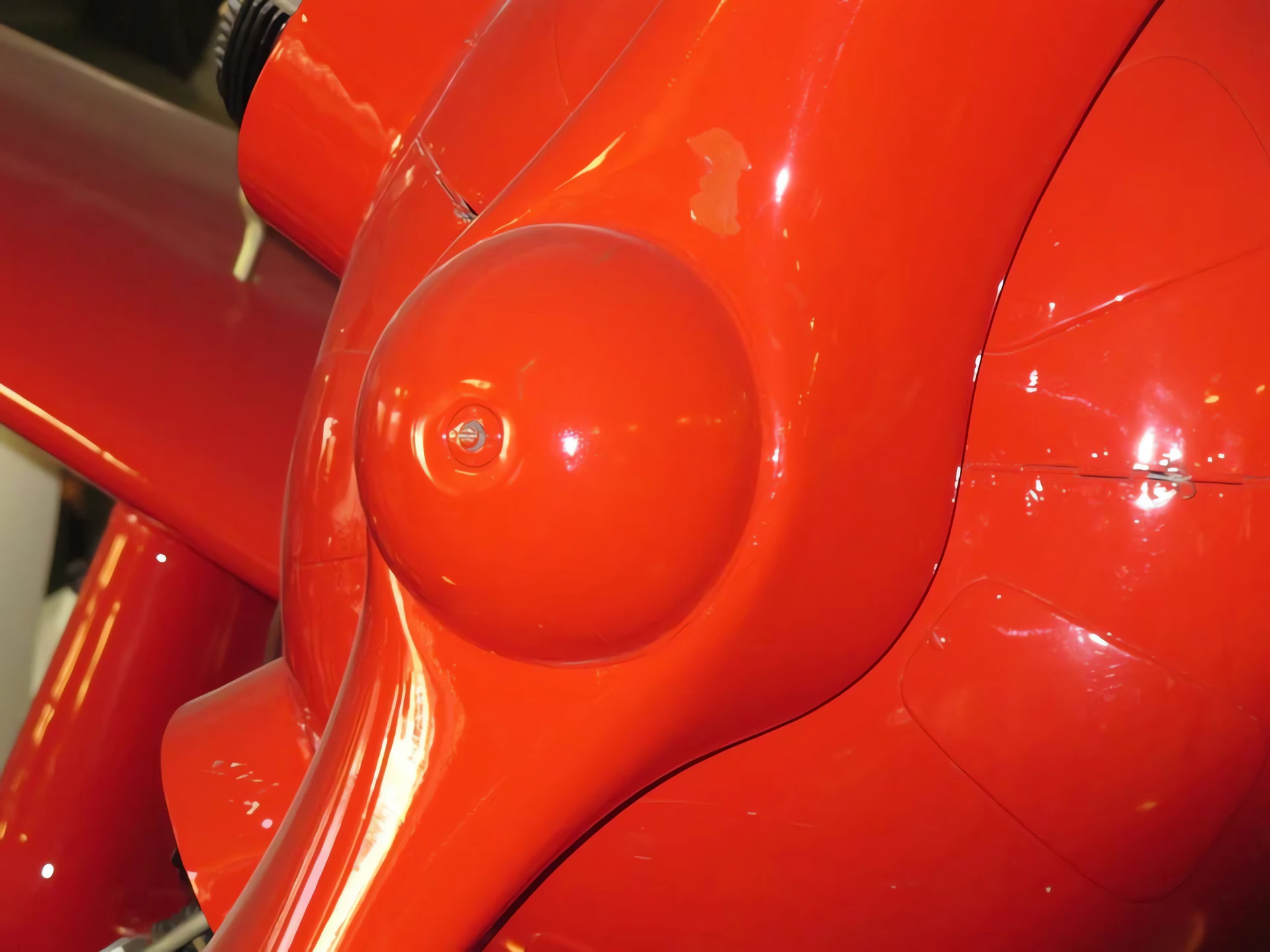
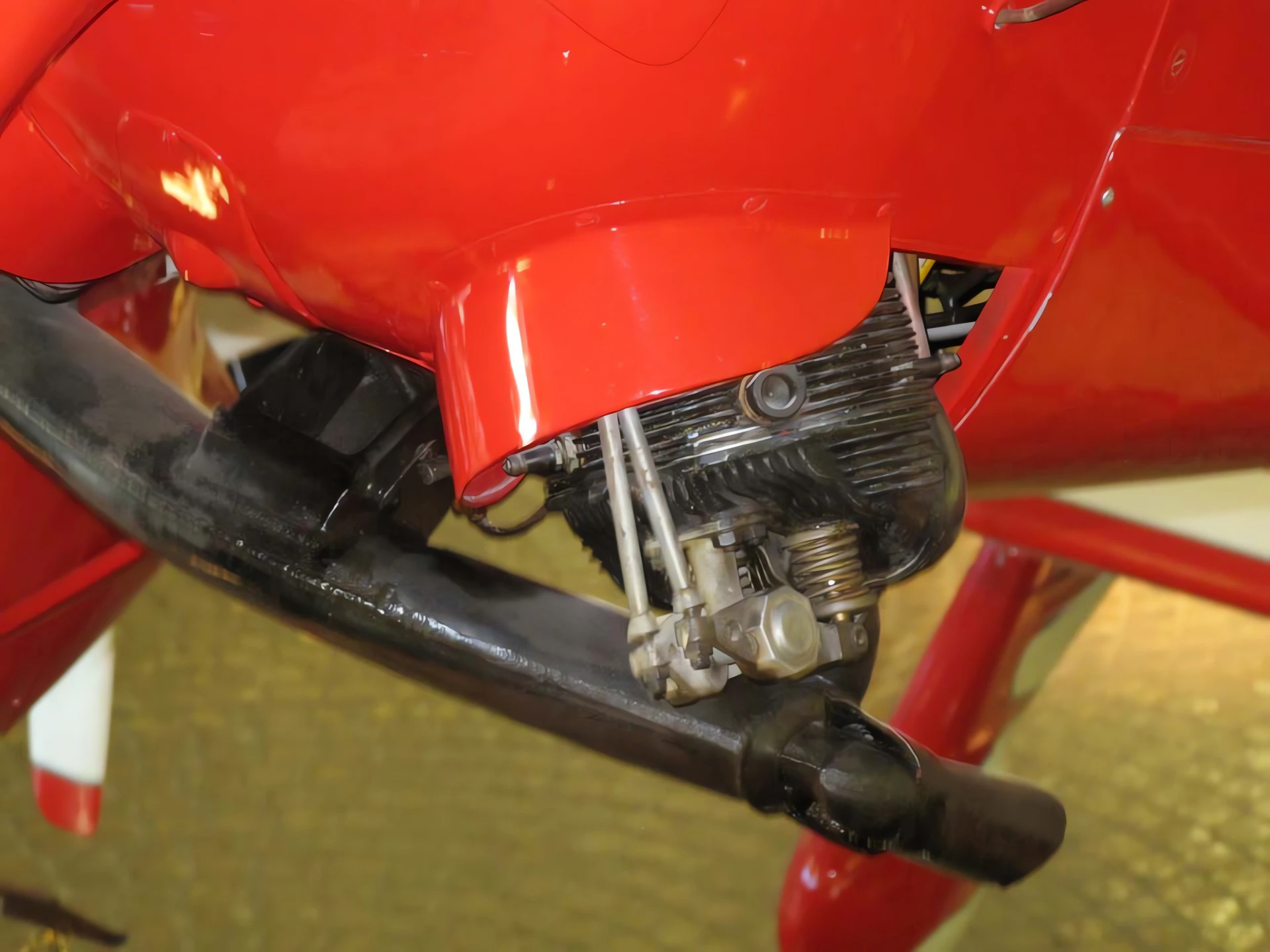
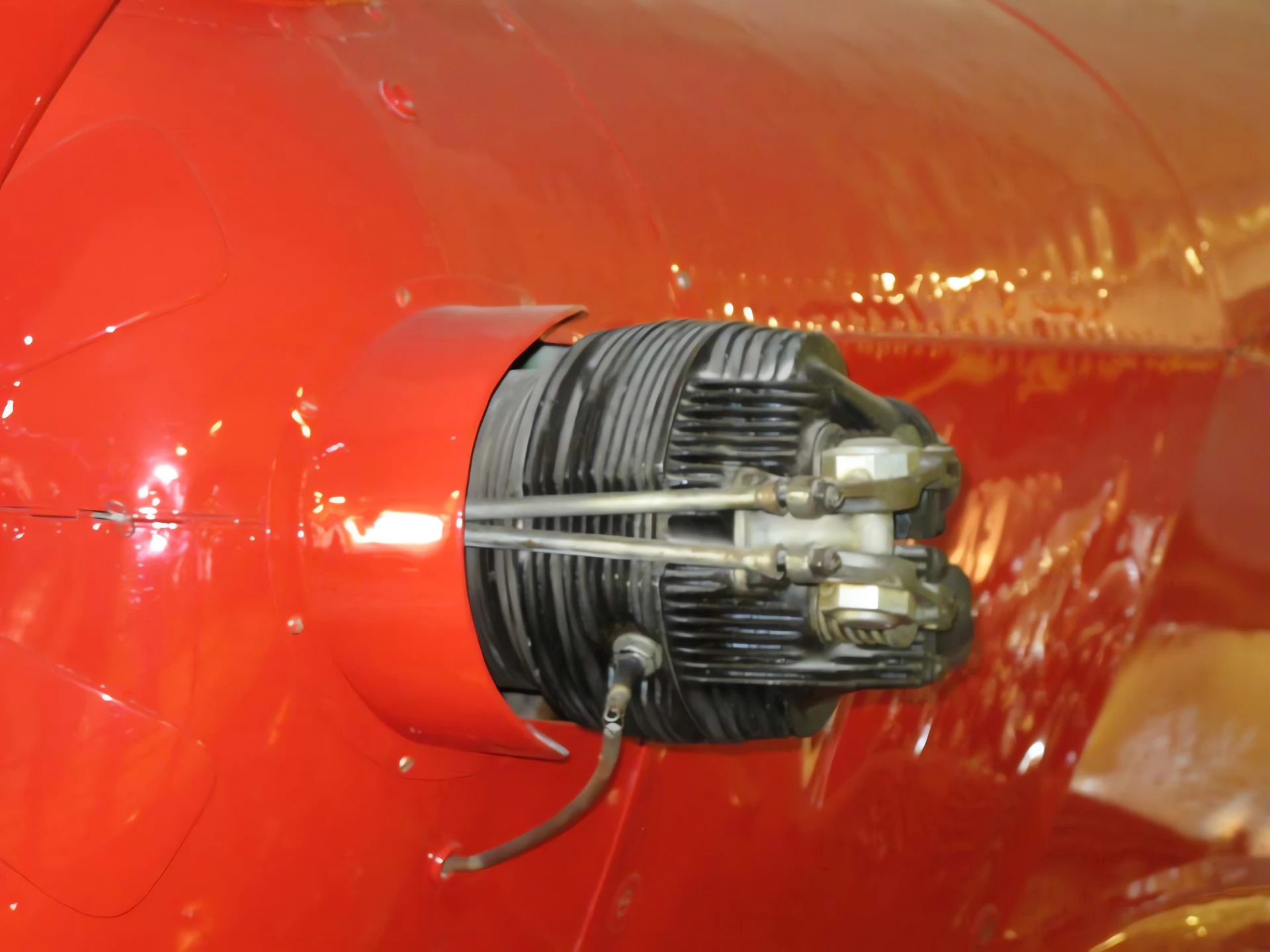
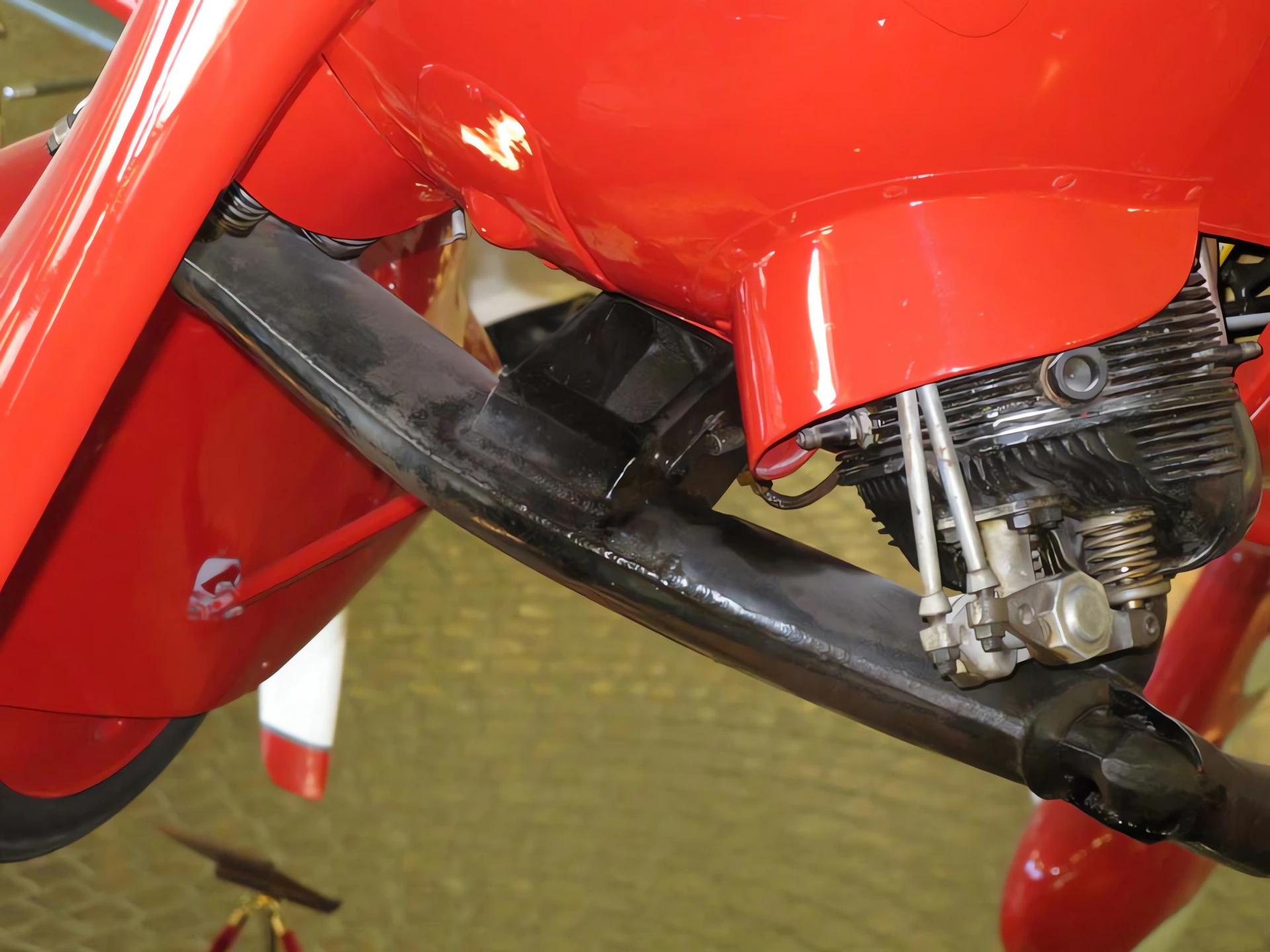

関連項目:


ザ ヤコフレフ UT-1 は、1937年から1940年代後半までソビエト空軍で使用された単座練習機でした。アレクサンドル・セルゲイエヴィチ・ヤコブレフによって、単座の上級練習機および曲技飛行用飛行機として設計されました。最初の試作機はAIR-14と名付けられ、1936年初頭に飛行した。AIR-14は小型の低翼単葉機で、尾輪の下部構造が固定され、溶接された鋼製の胴体と木製の翼が備えられています。
The UT-1 was not suitable for primary training, but it was used as a transitional type between the UT-2 and fighters like the I-16. It required precise piloting, thus forming an ideal intermediate between basic trainers and the maneuverable but difficult-to-fly I-16. The UT-1 underwent several modifications during its production, including changes in the engine, the fuselage length and the wing shape. Some UT-1s were also converted into improvised combat machines, fitted with machine guns or rockets, and used for reconnaissance or ground-attack missions during World War II.
ザ UT-1 また、戦前にいくつかの記録を打ち立てるために使用され、水上機のバリエーションを持つものもありました。1936年12月から1940年の間に合計1,241機が製造されました。UT-1は1950年代にヤコブレフYak-18に置き換えられた。
再生 : 2501