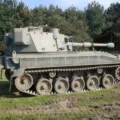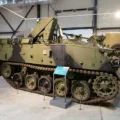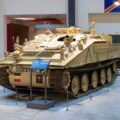
M578軽回収車 | |
|---|---|
| 国 | 米国 |
| 型 | タンク回収車 |
| トピック | アルバムのアルバム 23 写真の歩き回る«M578軽い回復車» |
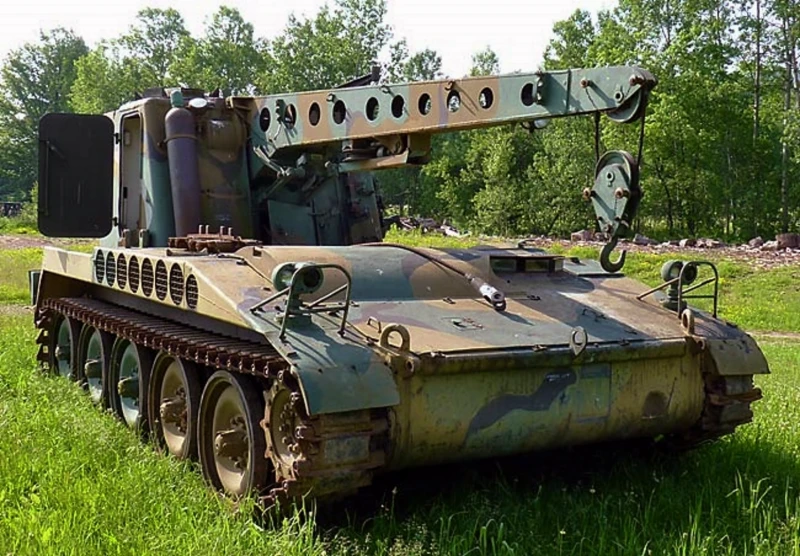
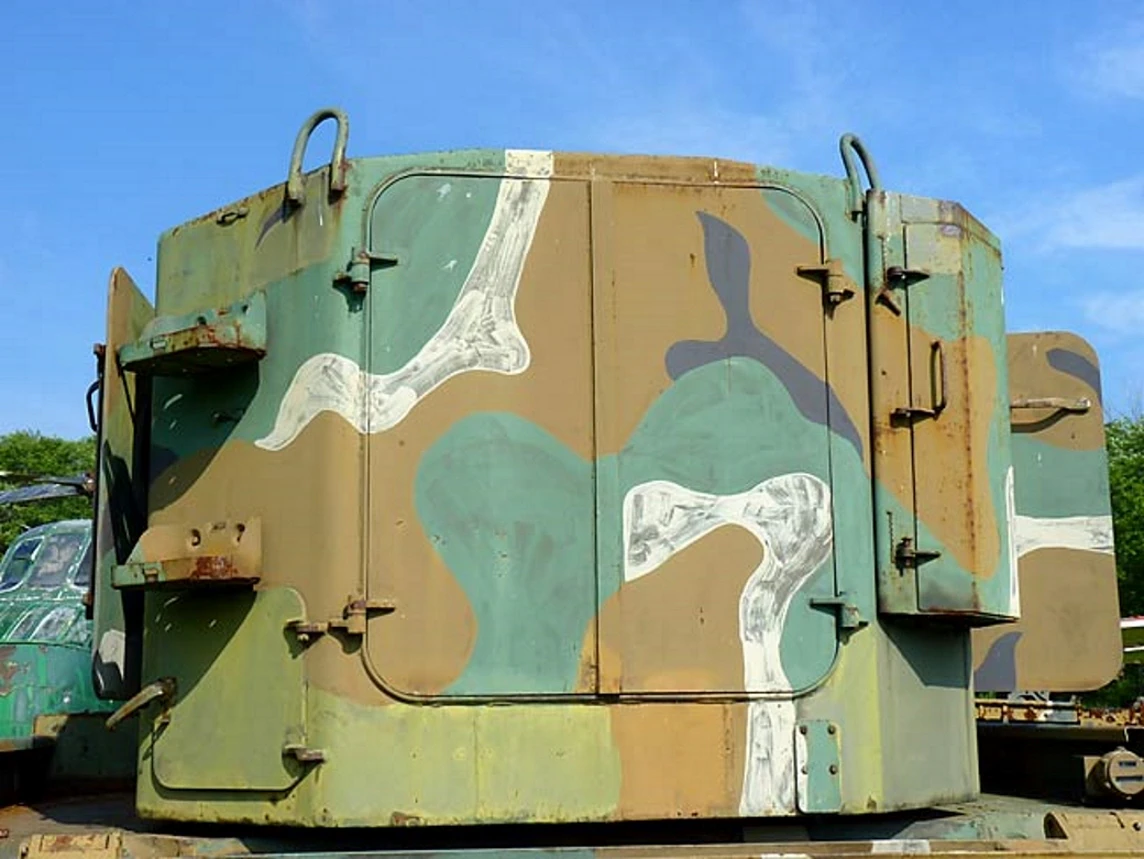
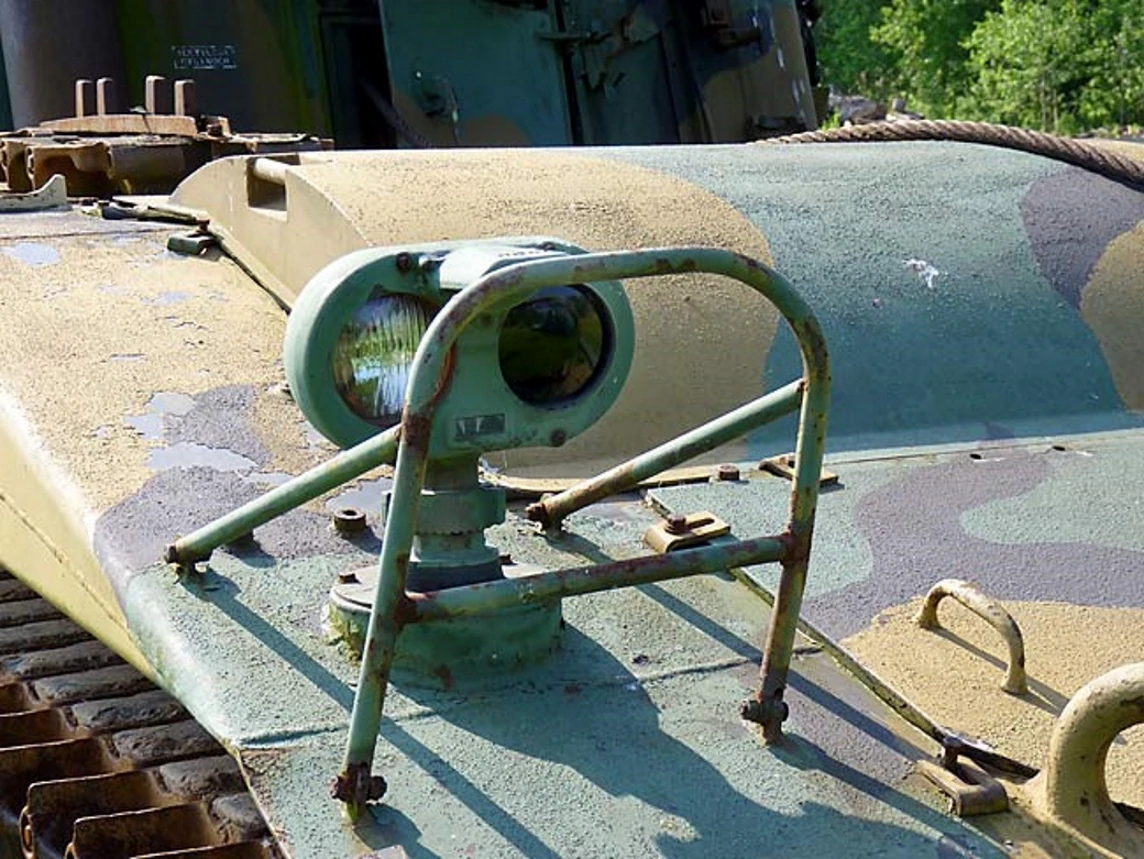
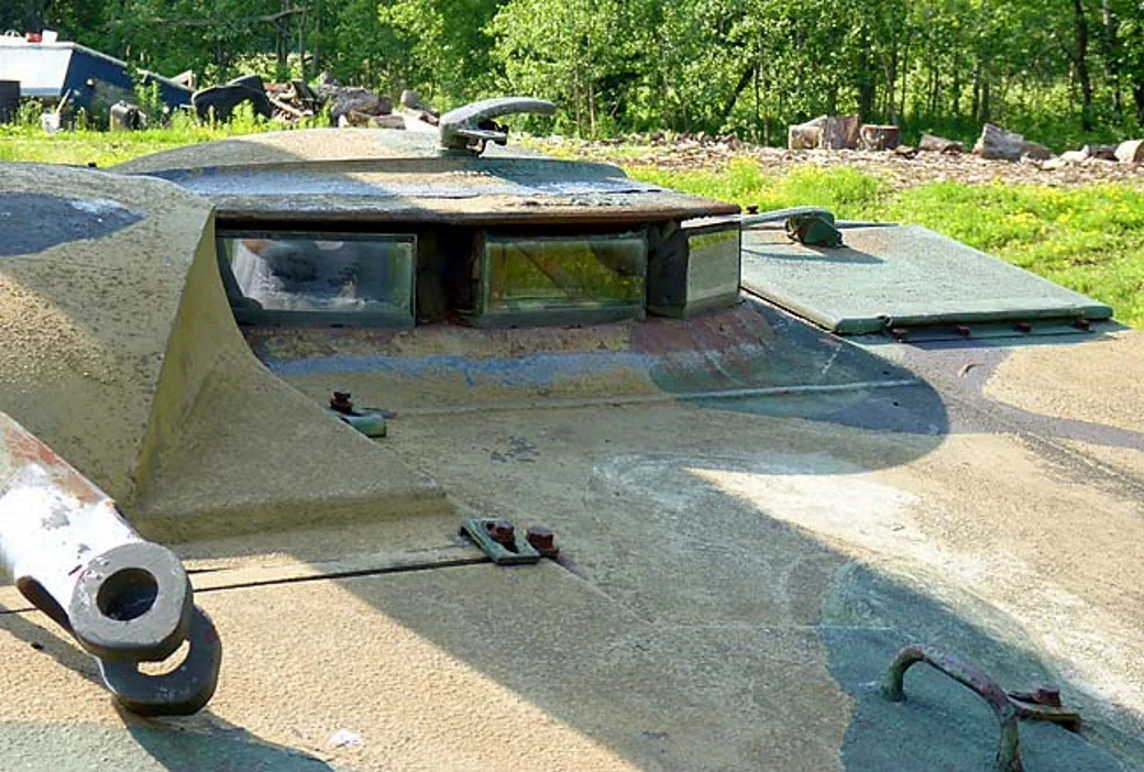
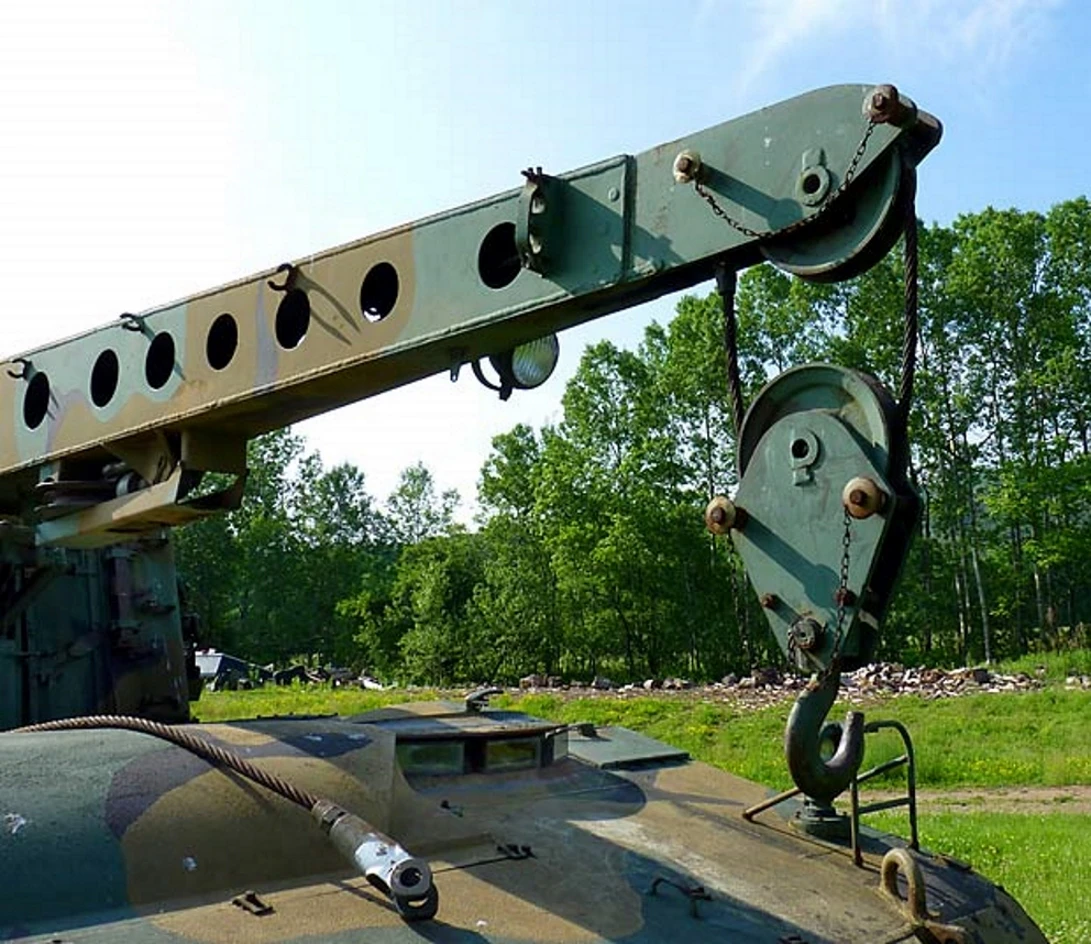
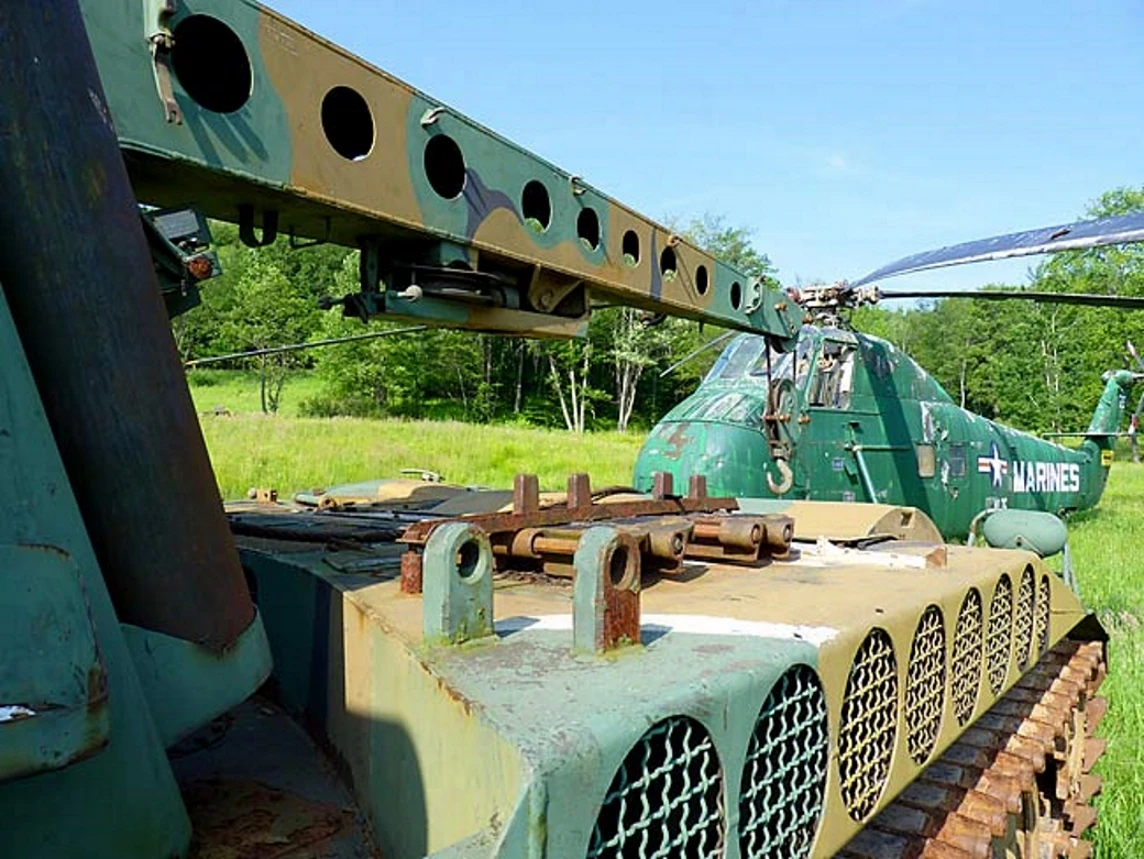
Photo gallery of a M578 Light Recovery Vehicle, M578 Light Recovery Vehicle (G309) was an American Cold War-era armored recovery vehicle. The M578 utilized the same chassis as M107 self-propelled gun and M110 self-propelled howitzer. The M578 provided maintenance support to mechanized infantry and artillery units. Its primary mission was to recover damaged light armored vehicles from the battlefield using its crane boom.
ソース: M578 オンウィキペディア
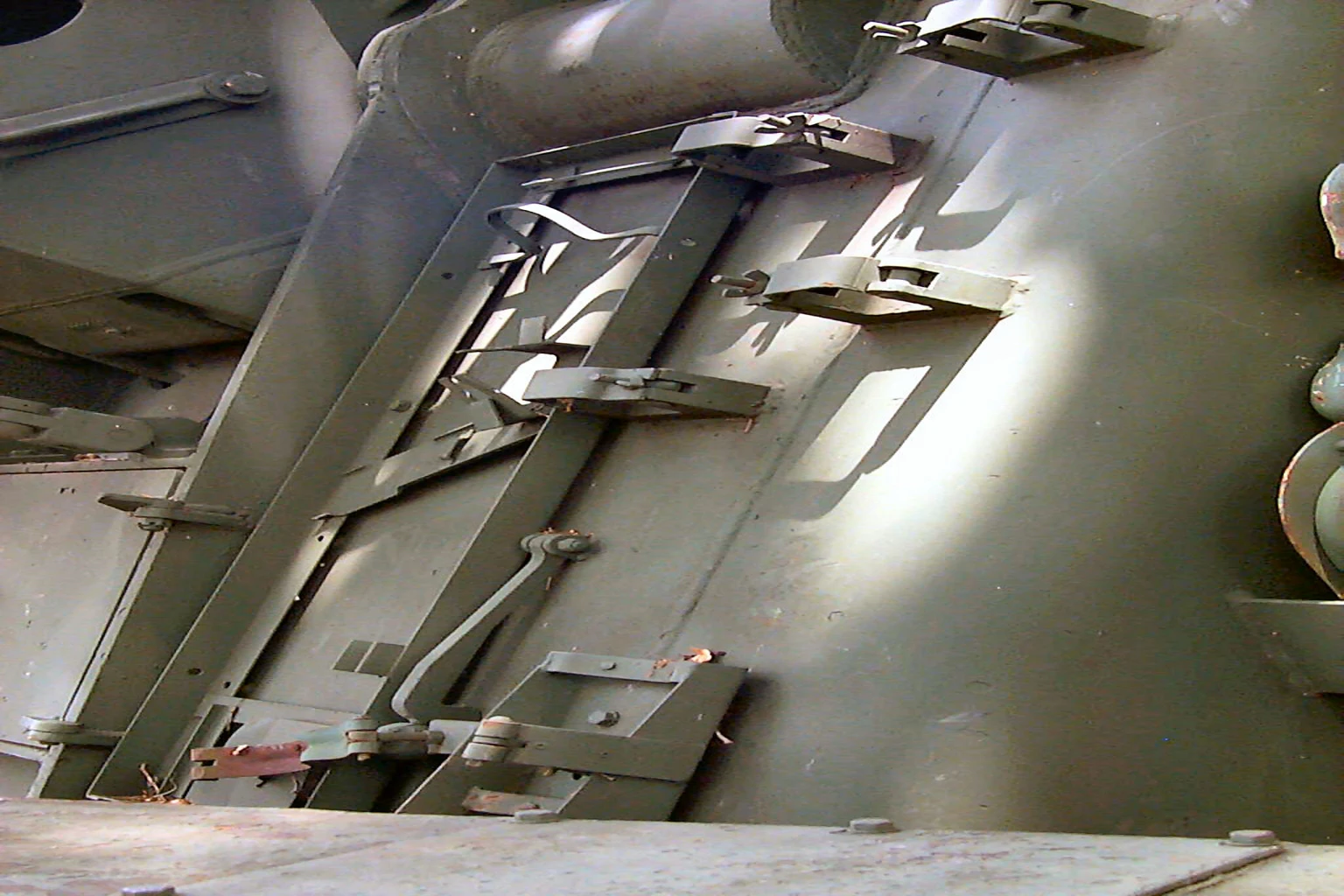
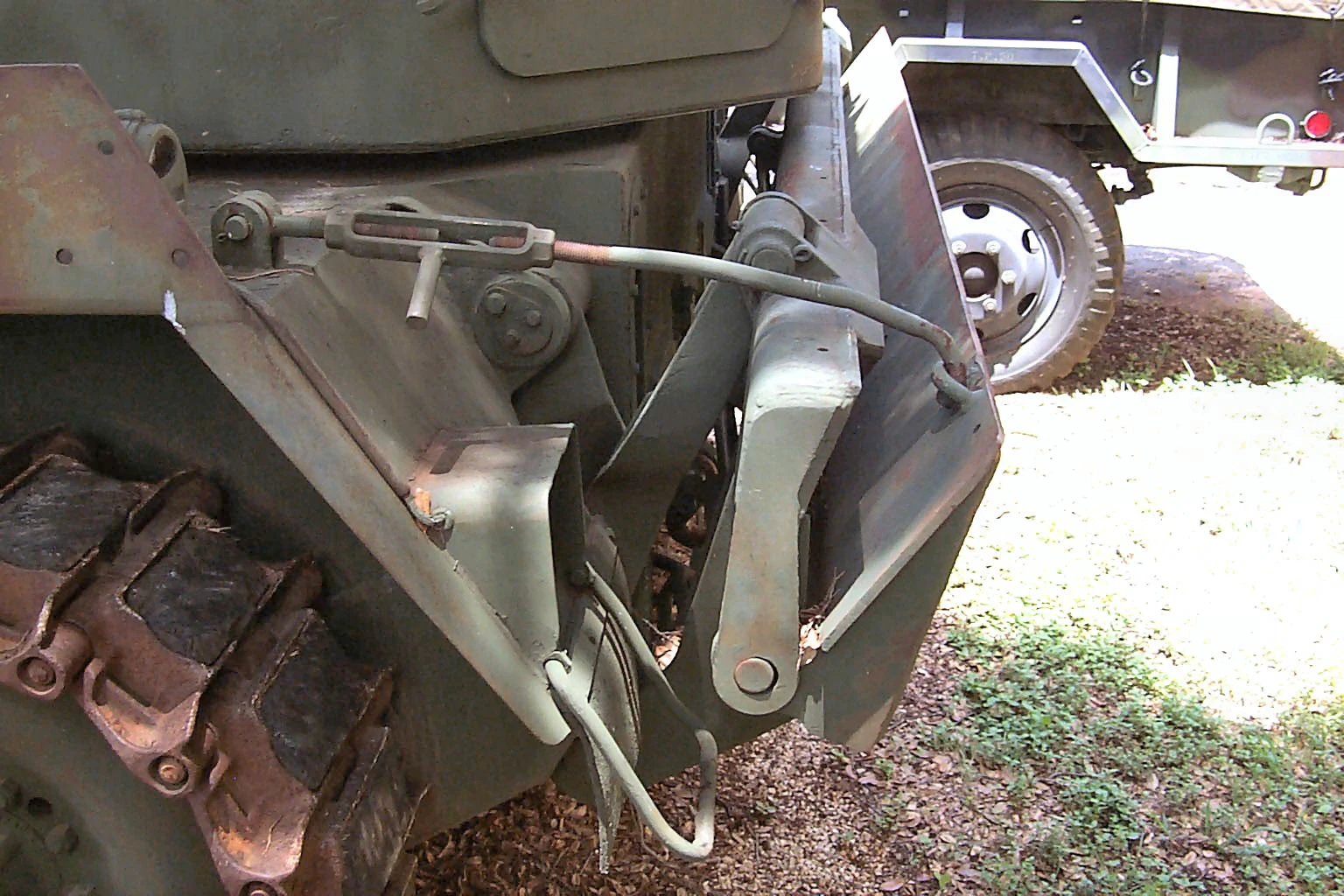
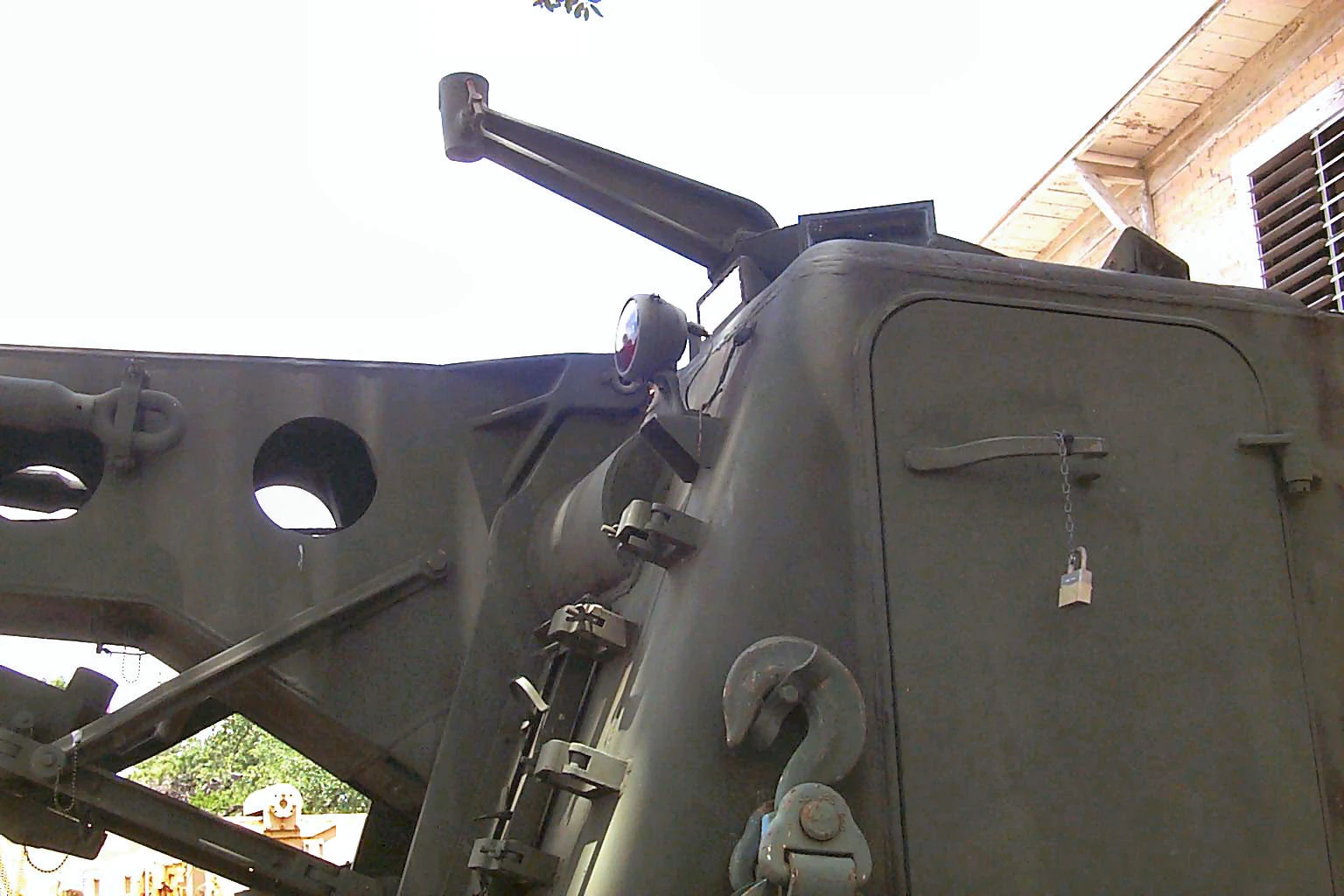
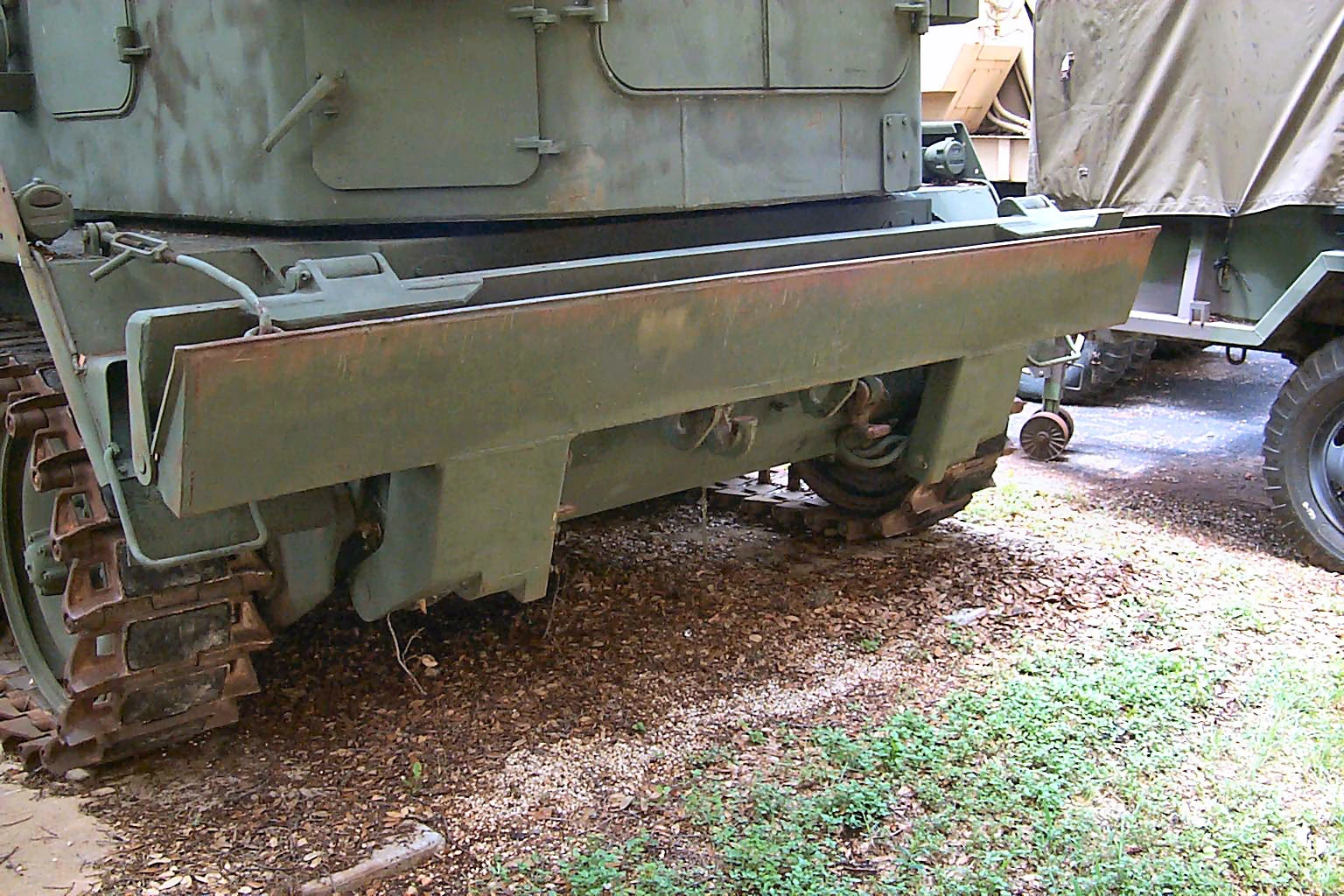
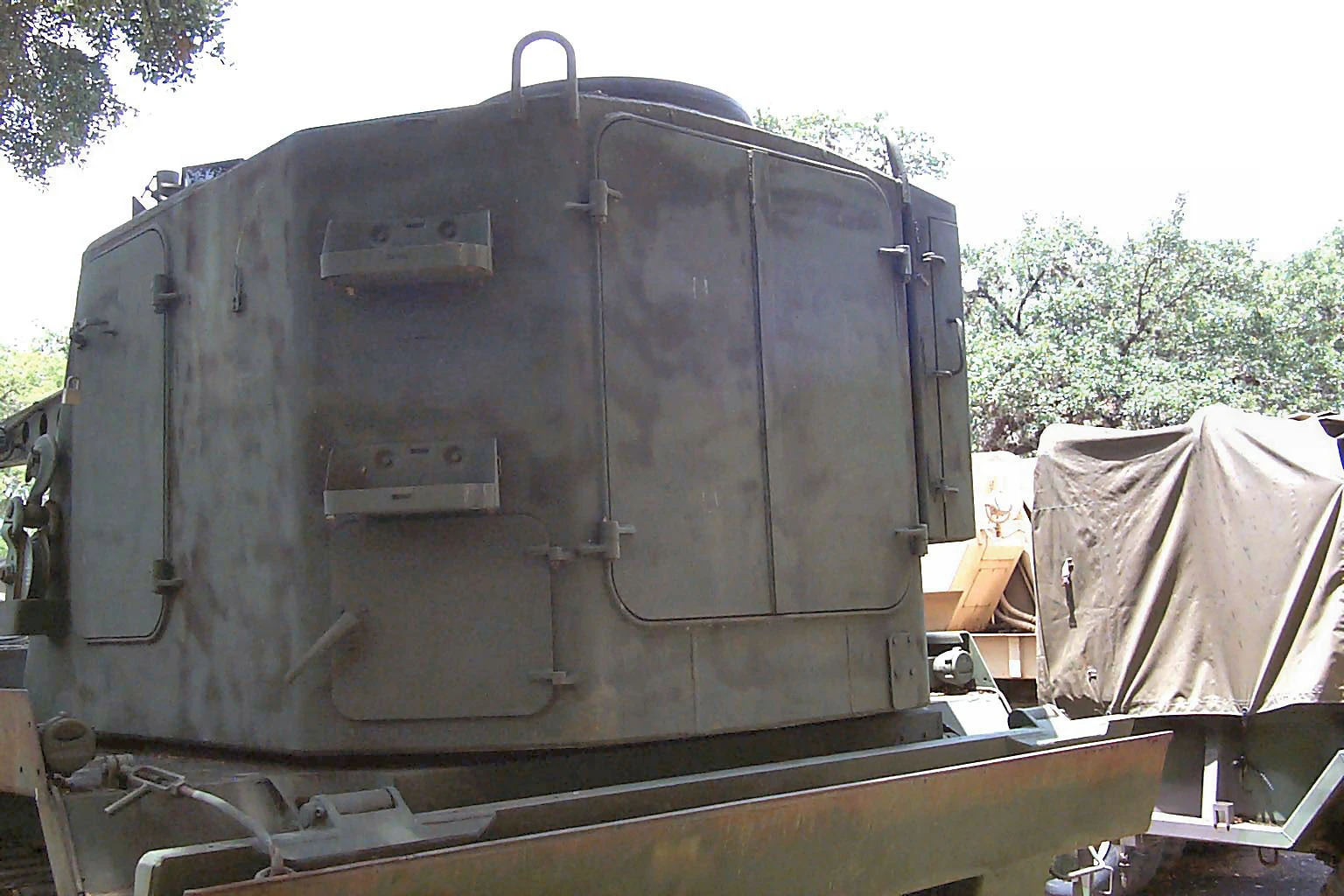
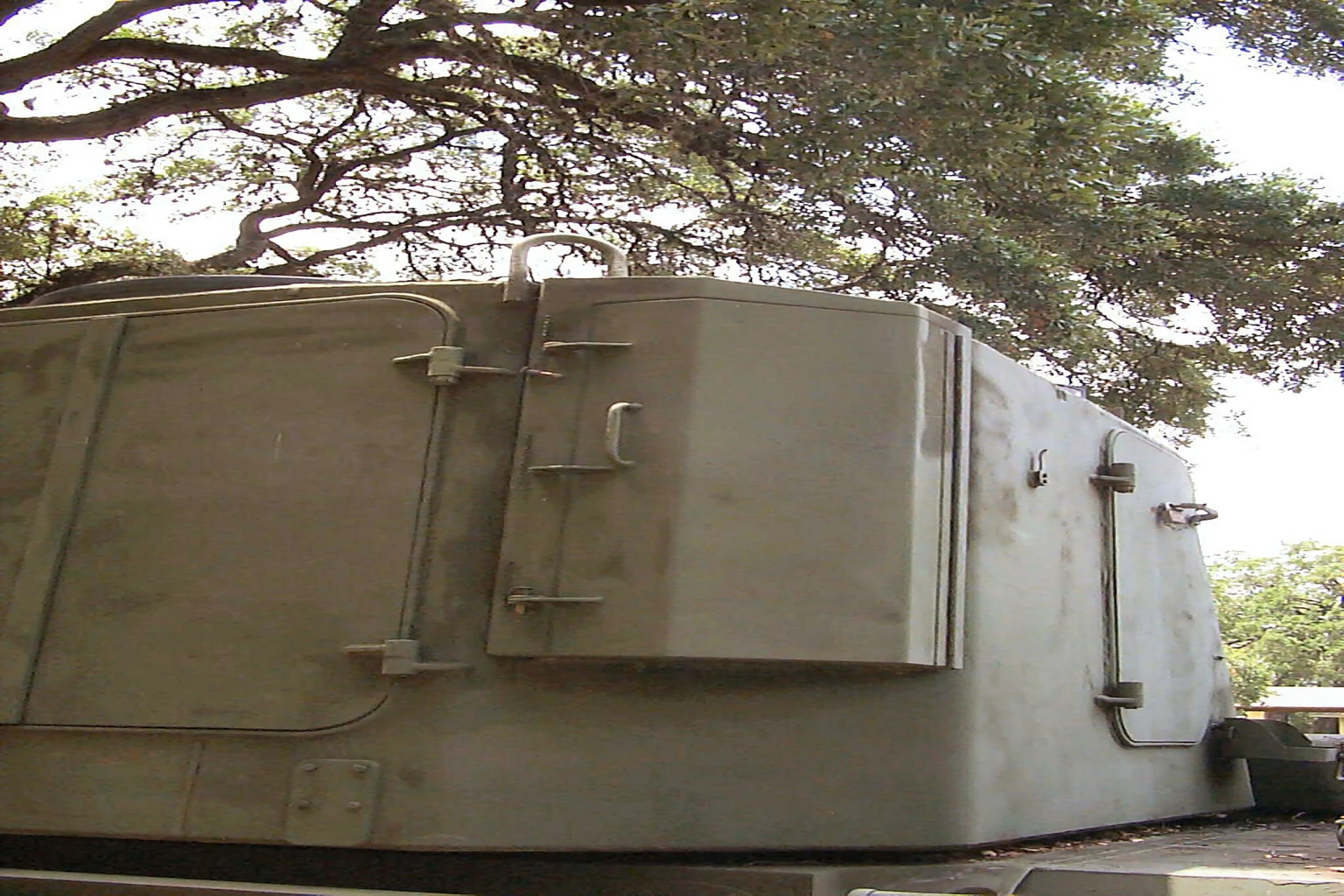
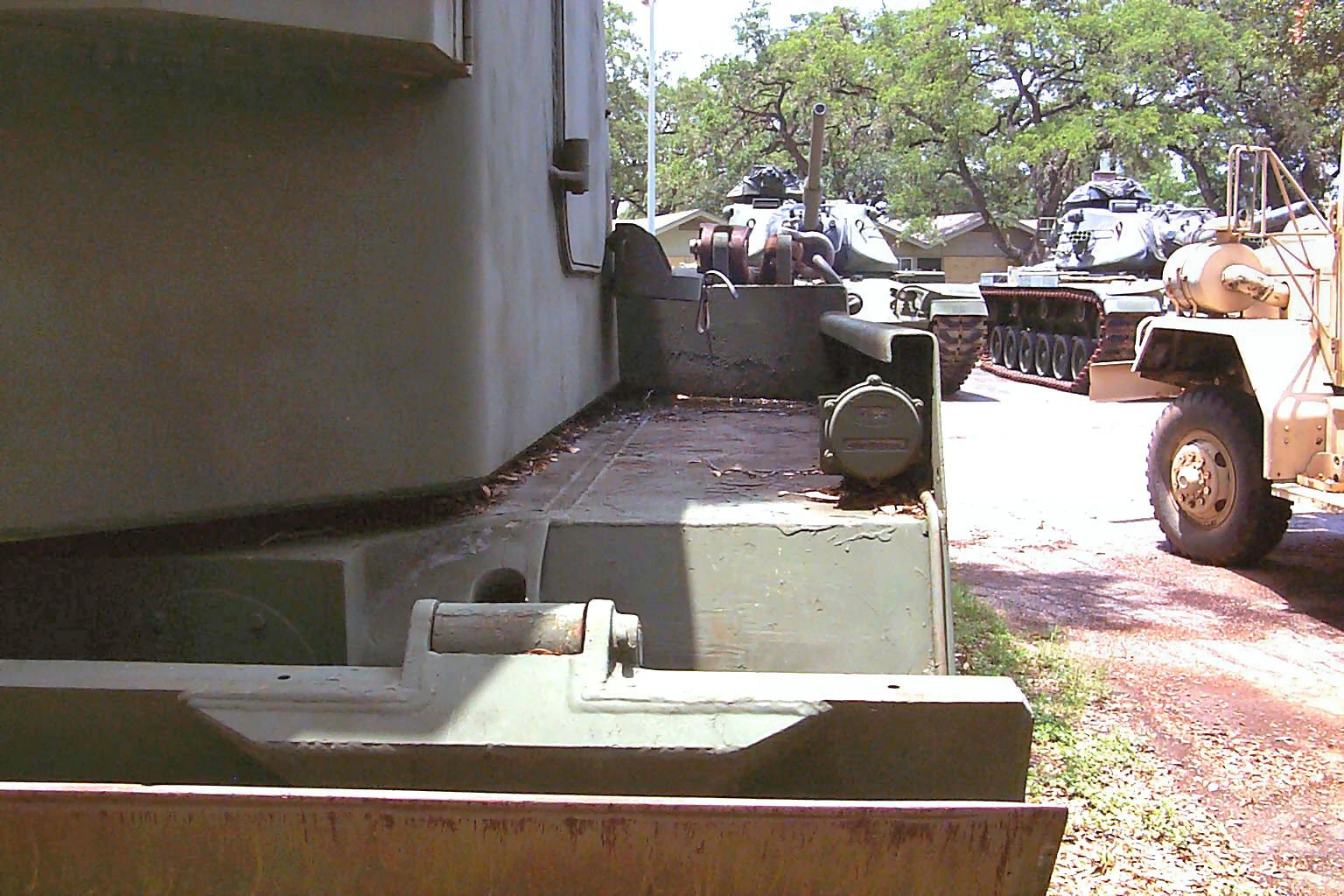
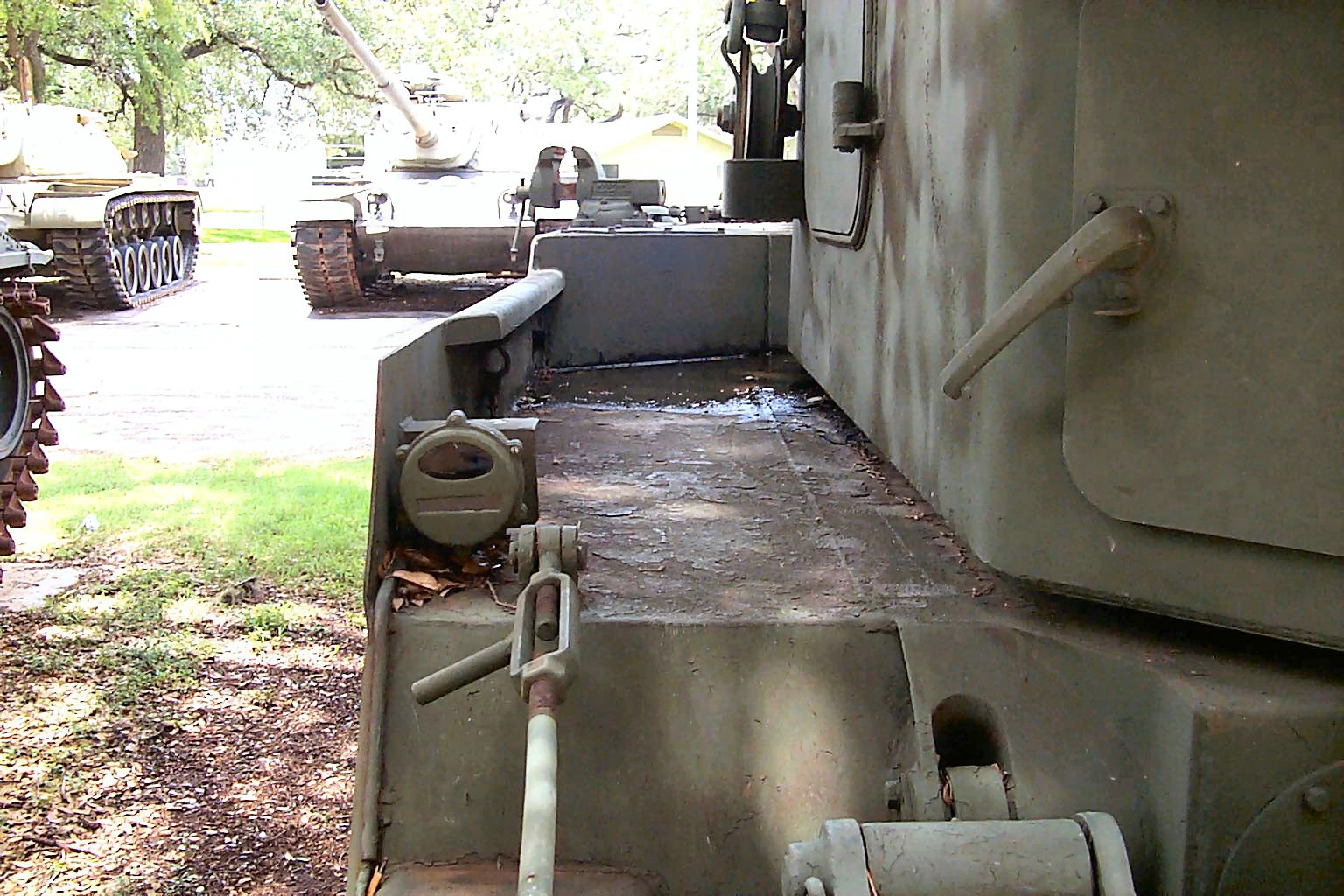
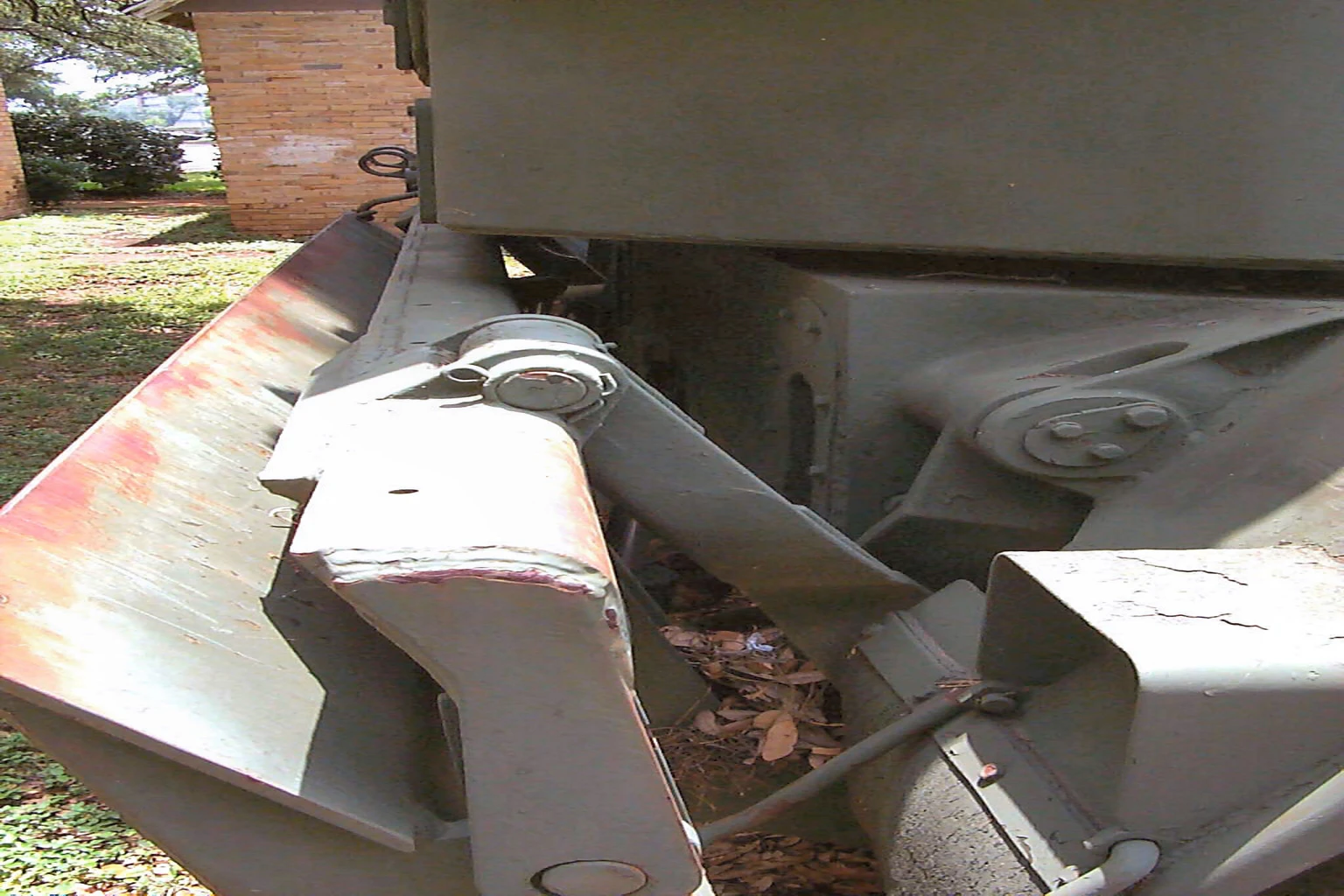
| M578 Armored Recovery Vehicle Walk Around | |
|---|---|
| カメラマン | Bill Maloney |
| ローカライズ | アレゲニー アームズ アンド アーマー ミュージアム |
| 写真 | 16 |
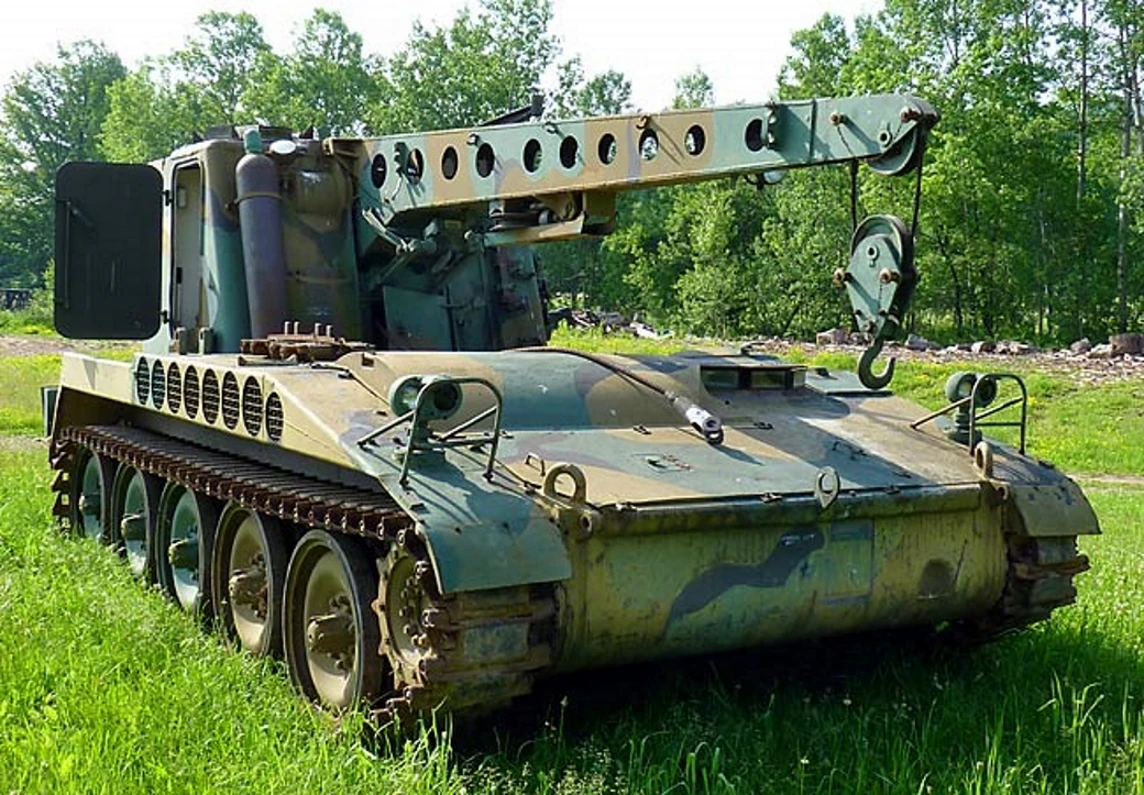
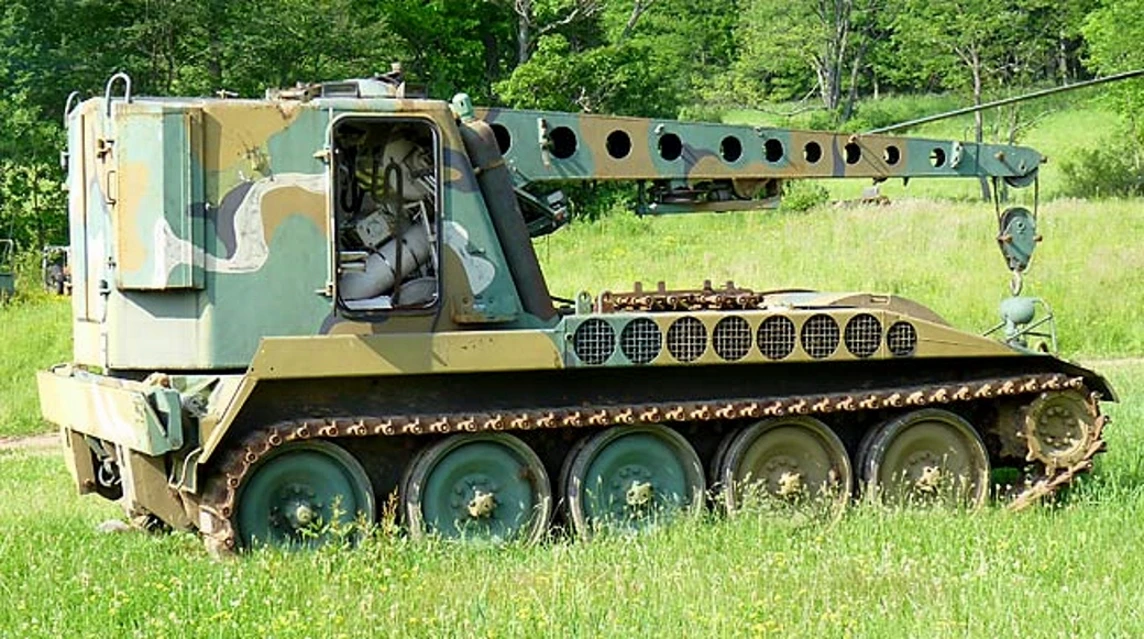
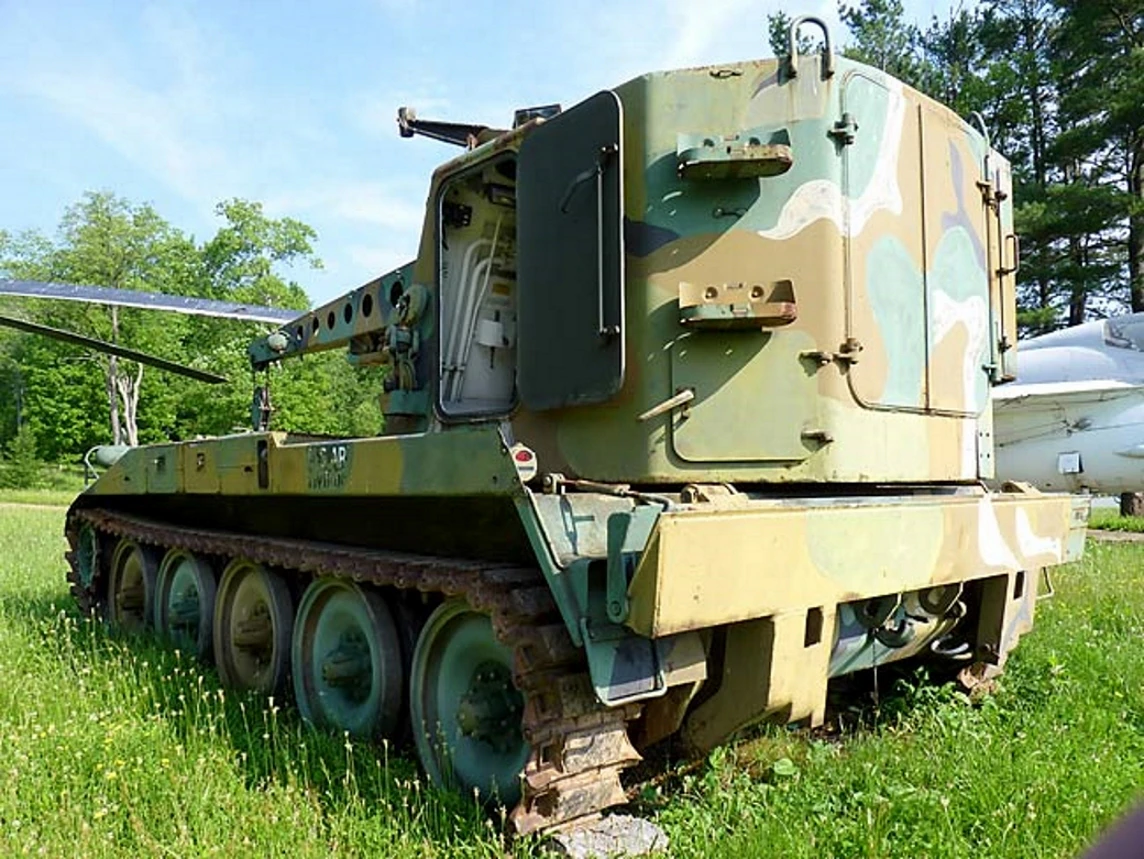
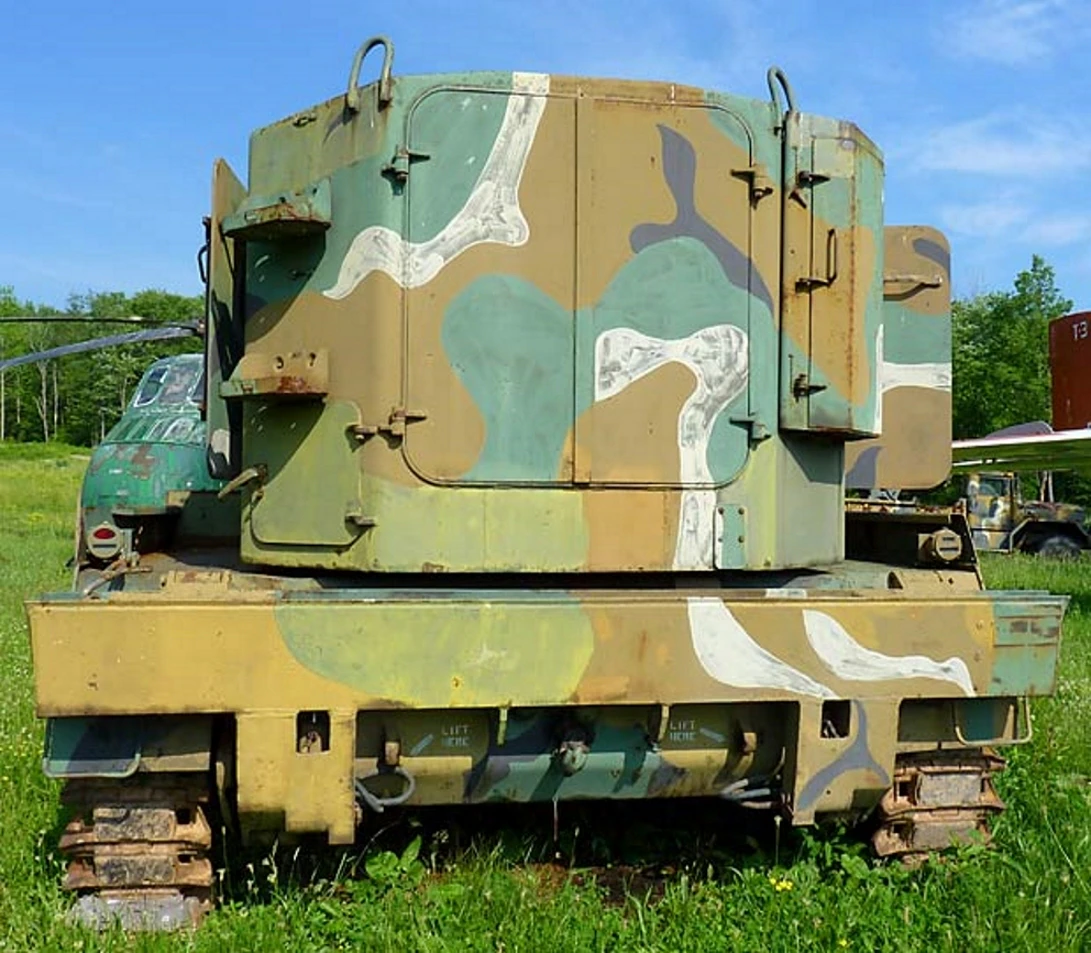
 コーヒーを買って
関連項目:


The Mechanized Guardian of the Light Fleet
ザ M578 was the silent partner of the US Army’s mechanized divisions from the 1960s through the 1990s. While heavy tanks like the M60 or M1 Abrams had the massive M88 for recovery, the “light” units—mechanized infantry with M113s and artillery units with M109s—needed something more agile. Built on the same high-speed chassis as the M107 and M110 self-propelled guns, the M578 was essentially an armored crane on tracks, designed to swap engines in the mud, pull APCs out of rice paddies, and keep the frontline moving.
| Attribute | Technical Specification (M578) |
|---|---|
| 役割 | Light Armored Recovery Vehicle (ARV) |
| 乗組員 | 3 (Commander/Rigger, Crane Operator, Driver) |
| エンジン | Detroit Diesel 8V71T Turbocharged V8 (405 hp) |
| 最高速度 | 60 km/h (37 mph) |
| Recovery Equipment | 30,000 lb Crane; 60,000 lb Tow Winch |
| 武装 | 1 × .50 caliber M2HB machine gun (Cupola mounted) |
| 鎧 | 13mm Rolled Homogeneous Steel |
| 重量 | 24.5 tonnes (Combat Loaded) |
Design Engineering: Versatility on a Shared Chassis
- The 360-Degree Cab: Unlike many recovery vehicles with fixed winches, the M578 featured a fully rotating armored cab. This allowed the crane operator to pick up and move heavy components—like a tank engine or a howitzer barrel—in any direction without moving the entire vehicle.
- Hydraulic Lock-outs: To prevent the vehicle from tipping or “bouncing” while lifting heavy loads, the M578 featured hydraulic lock-outs on its suspension. This essentially turned the entire tracked chassis into a rigid, stable platform for crane operations.
- Commonality of Parts: By sharing a chassis with the M107 (175mm gun) and M110 (8-inch howitzer), the M578 made logistics a dream for maintenance battalions. They used the same tracks, engines, and transmissions, ensuring that repair parts were almost always available.
- The “Cherry Picker” Nickname: Because of its prominent crane boom and the way crews used it to reach high or awkward spots on other vehicles, it was affectionately (and sometimes derisively) called the “Cherry Picker” by the troops.
Combat History: From Vietnam to the Gulf
- Vietnam Workhorse: The M578 saw heavy use in Southeast Asia. Its low ground pressure allowed it to operate in terrain where the heavier M88 would simply sink. It was vital for recovering M551 Sheridan light tanks and the ubiquitous M113.
- The Artillery Companion: Its primary “official” job in many units was barrel changing. The massive tubes of the M107 and M110 artillery pieces had a limited lifespan and needed frequent replacement; the M578 was the only tool small enough to travel with the battery but strong enough to do the heavy lifting.
- Operation Desert Storm: Even as it was being phased out by the end of the Cold War, the M578 served in the Gulf War (1991), supporting the massive logistics effort required to keep the “Left Hook” armored thrust moving through the desert.
- Global Service: The M578 was exported to dozens of allies, including Israel, Brazil, and Greece. In some of these nations, updated versions are still in service today, proving the longevity of the rugged 1950s design.
再生 : 3275