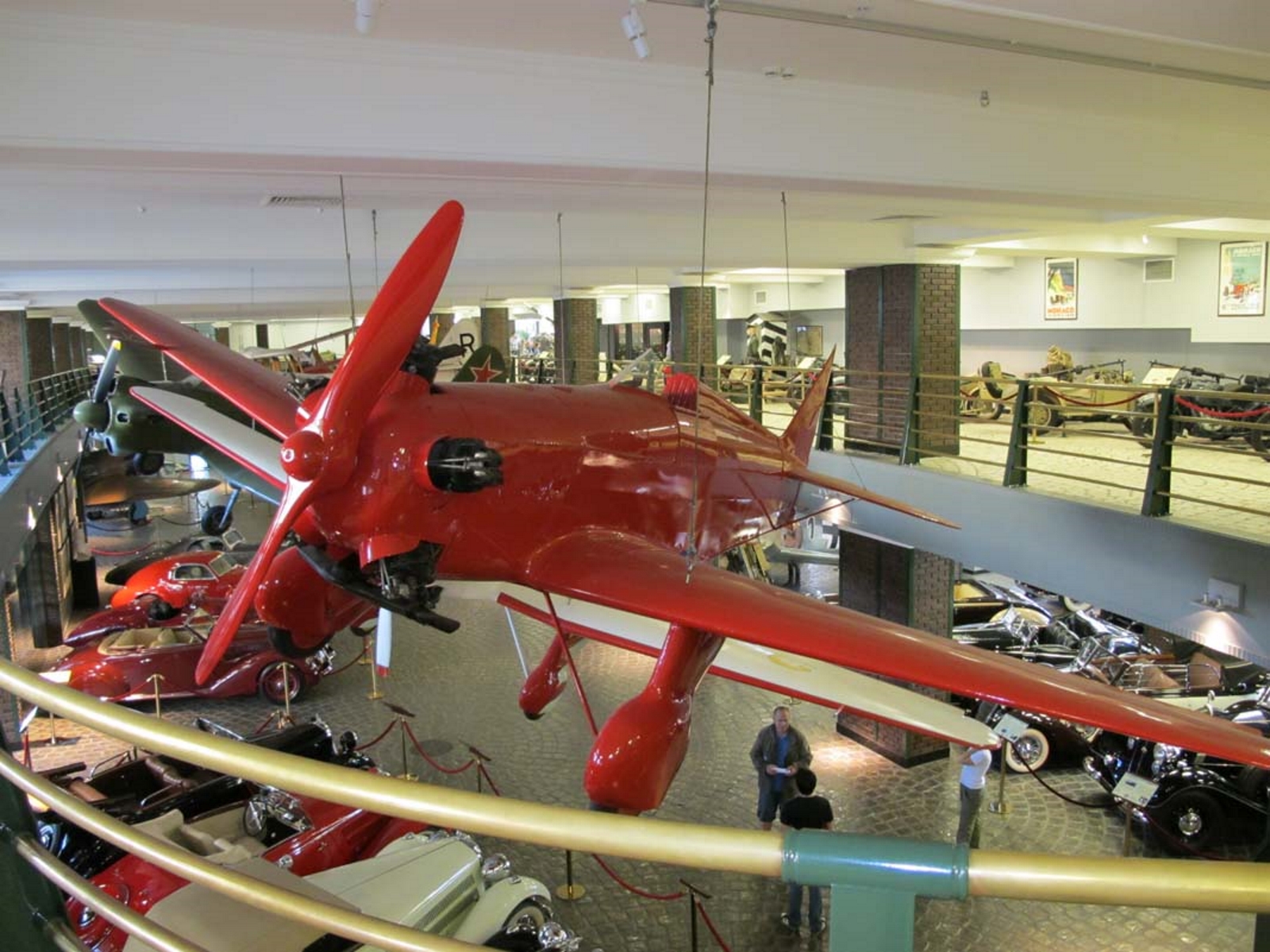
Yakovlev UT-1 | |
|---|---|
| Državi | ZSSR |
| Vlogo | Trainer – fighter trainer – aerobatic |
| Prvi let | 1936 |
| Število zgrajeno | 1241 |
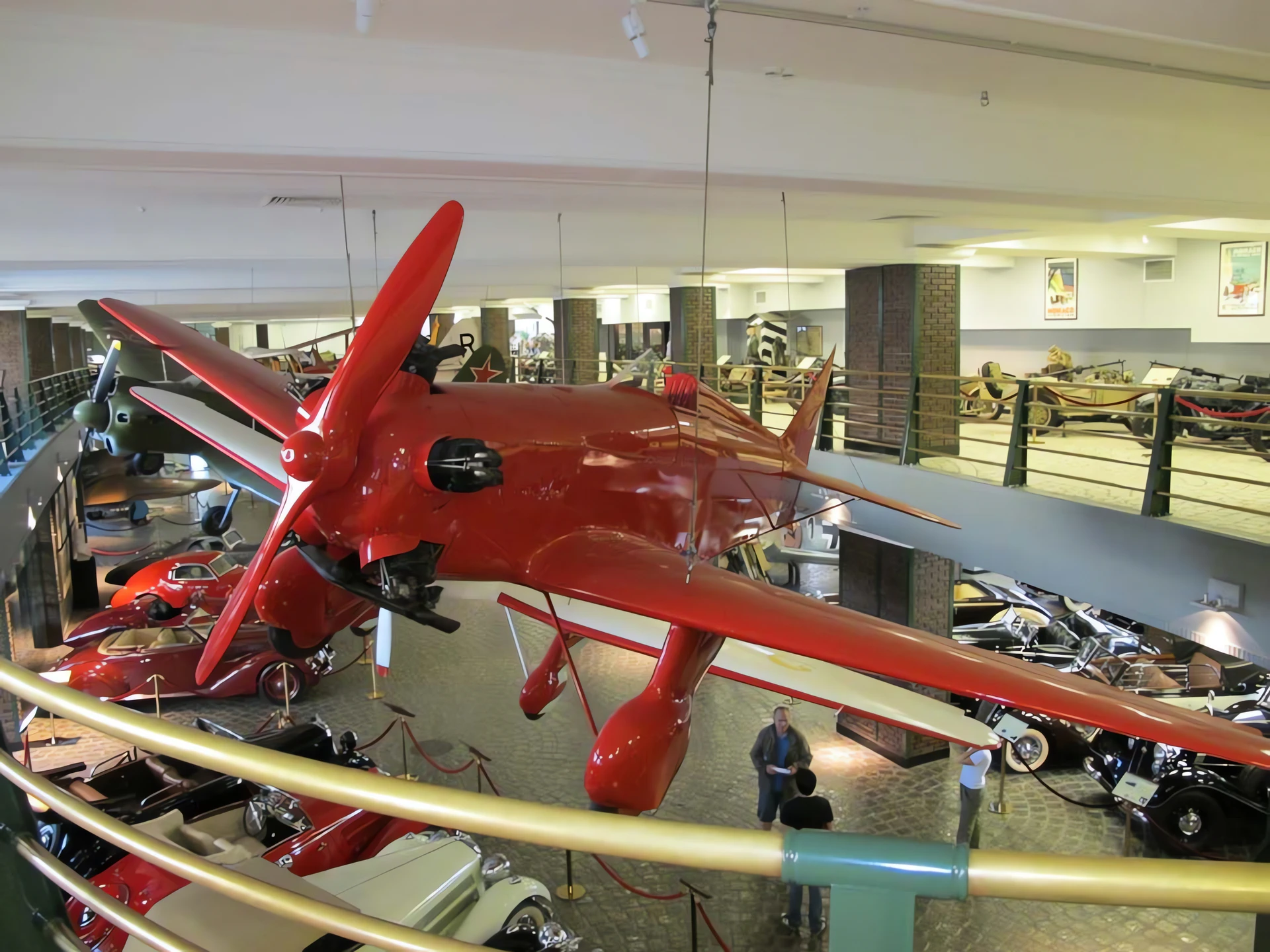
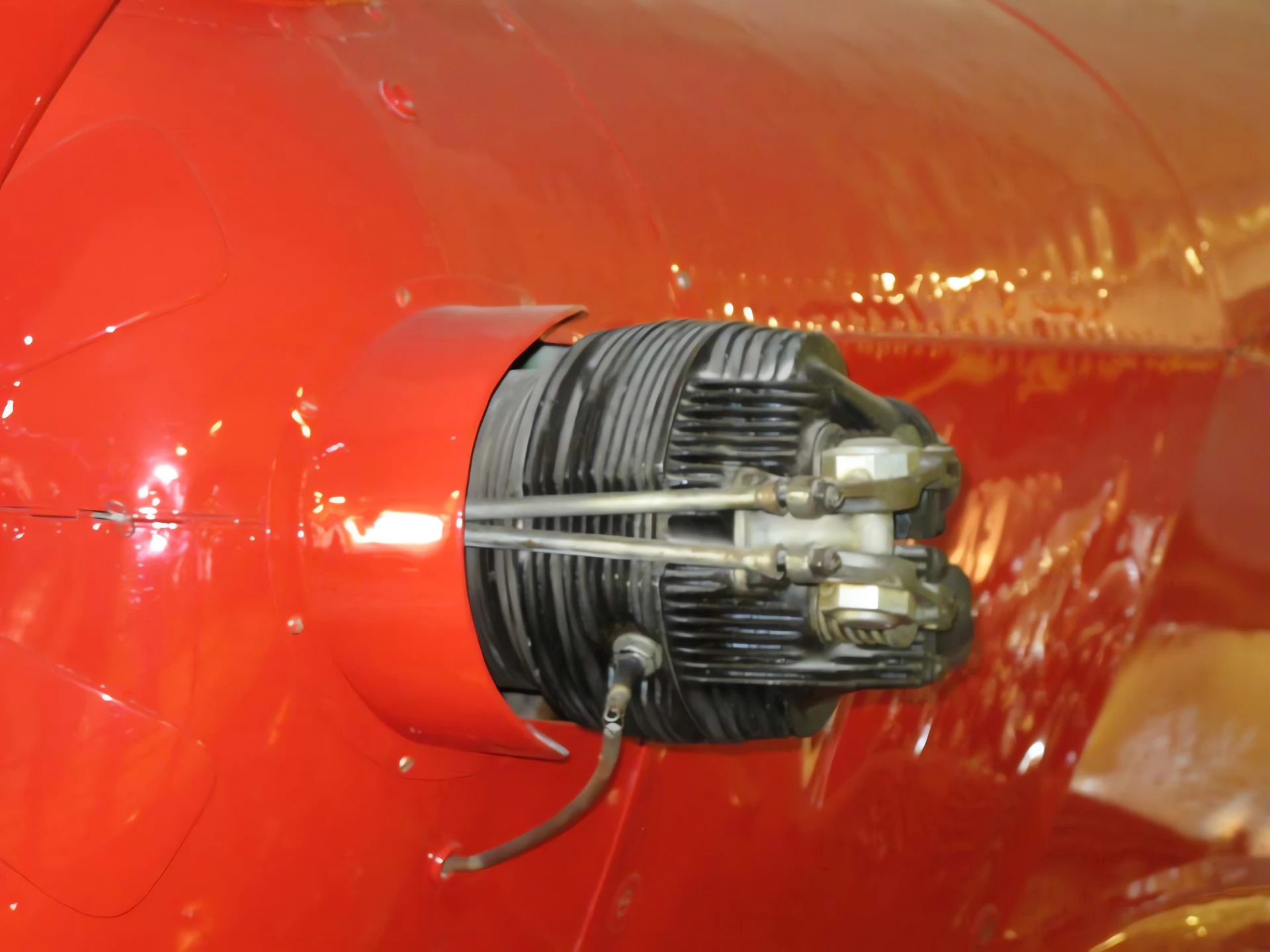
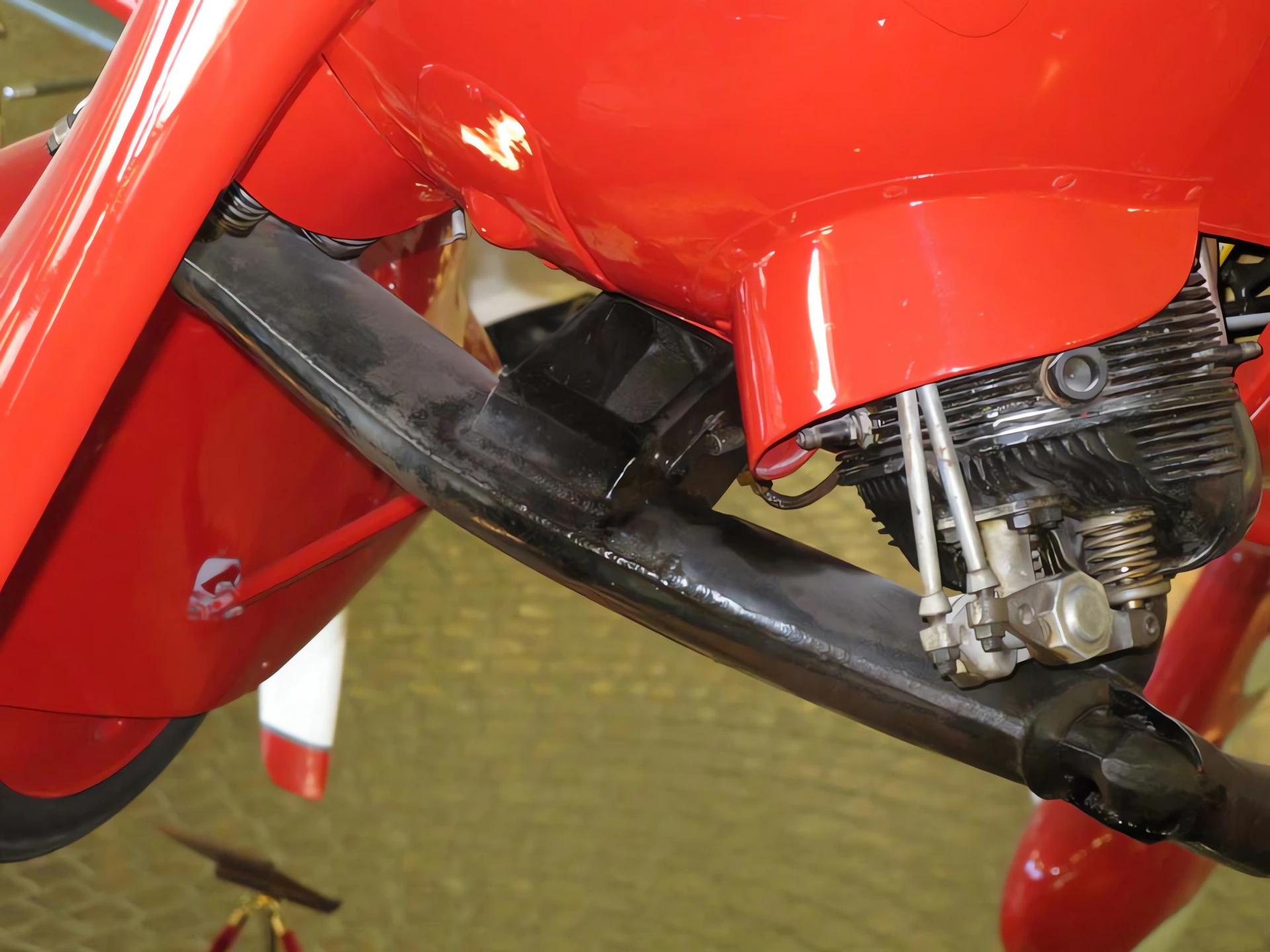
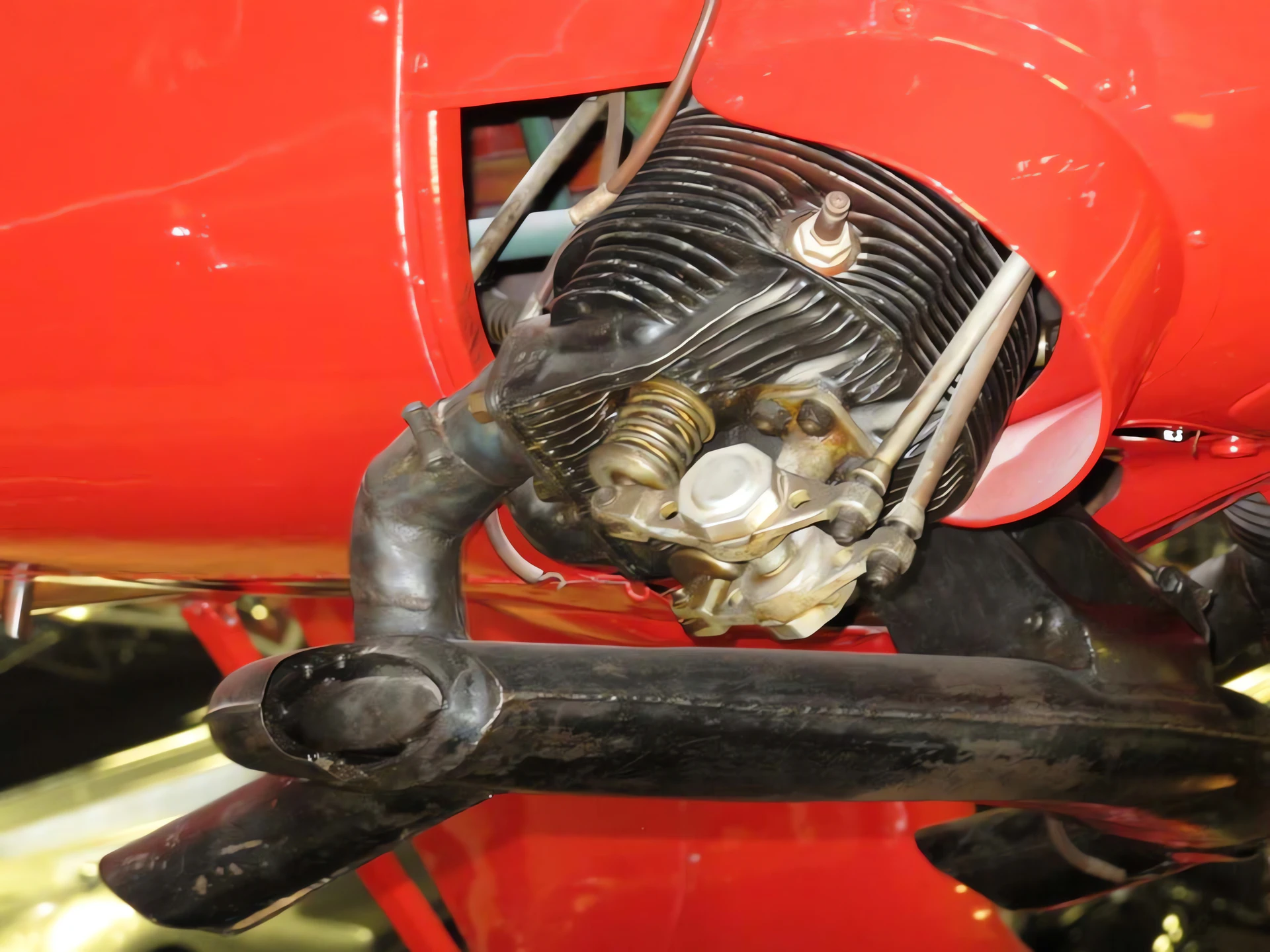
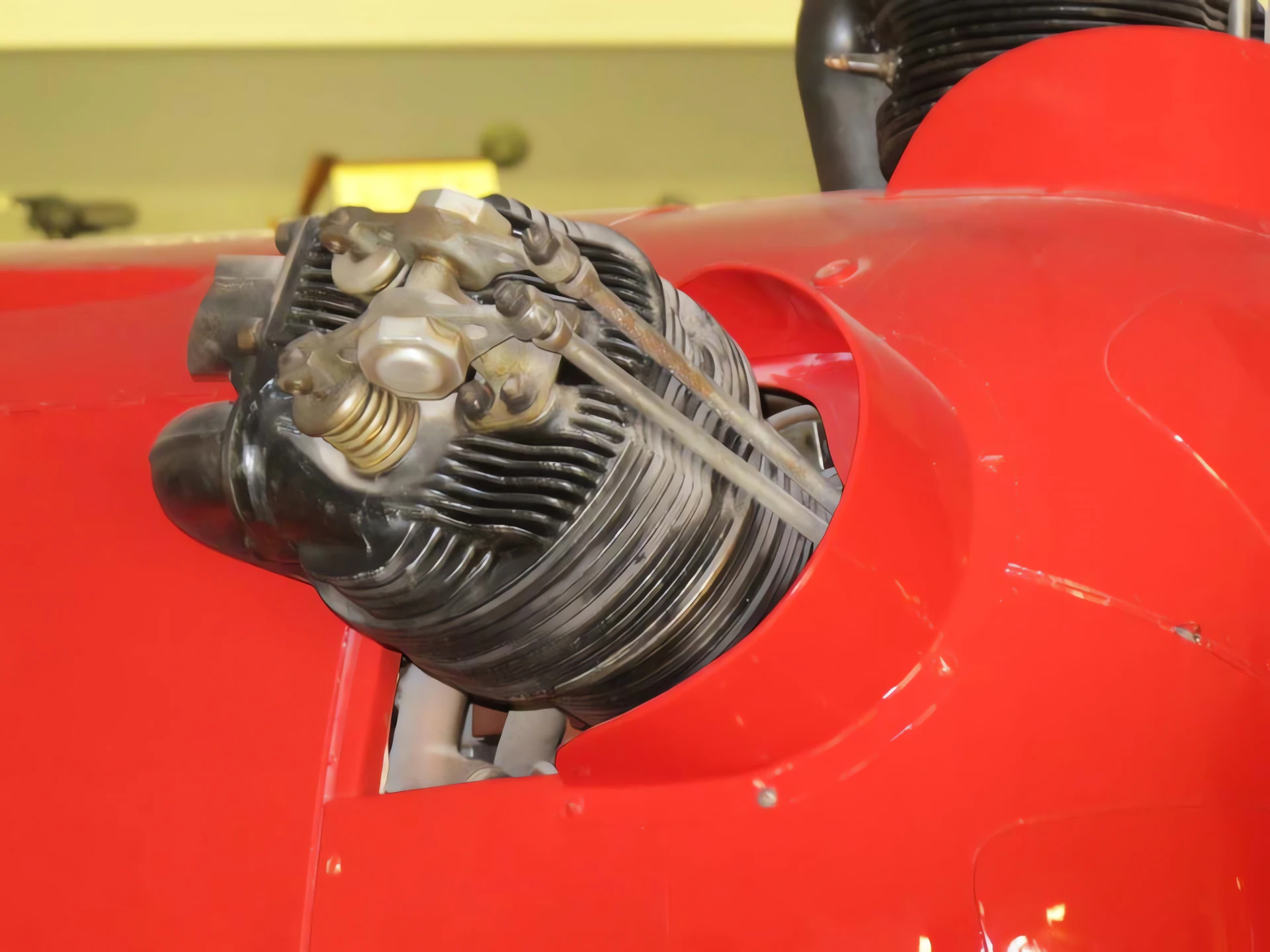
V Yakovlev UT-1 (Russian: УТ-1) was a single-seater trainer aircraft used by the Soviet Air Force from 1937 until the late 1940s. The UT-1 was designed as a single-seater advanced trainer and aerobatic airplane by the team led by Alexander Sergeevich Yakovlev. The first prototype, designated the AIR-14, was flown in early 1936. The AIR-14 was a small low-winged monoplane with a fixed tailwheel undercarriage, with a welded steel fuselage and wooden wings. After some changes, the AIR-14 was accepted for production. Among other improvements, the 75 kW (100 hp) Shvetsov M-11 radial was changed to the more powerful 86 kW (115 hp) M-11G. The plane received the designation UT-1 (uchebno-trenirovochnyi {учебно-тренировочный}, primary/advanced trainer); despite this designation, it was not suitable for primary training.
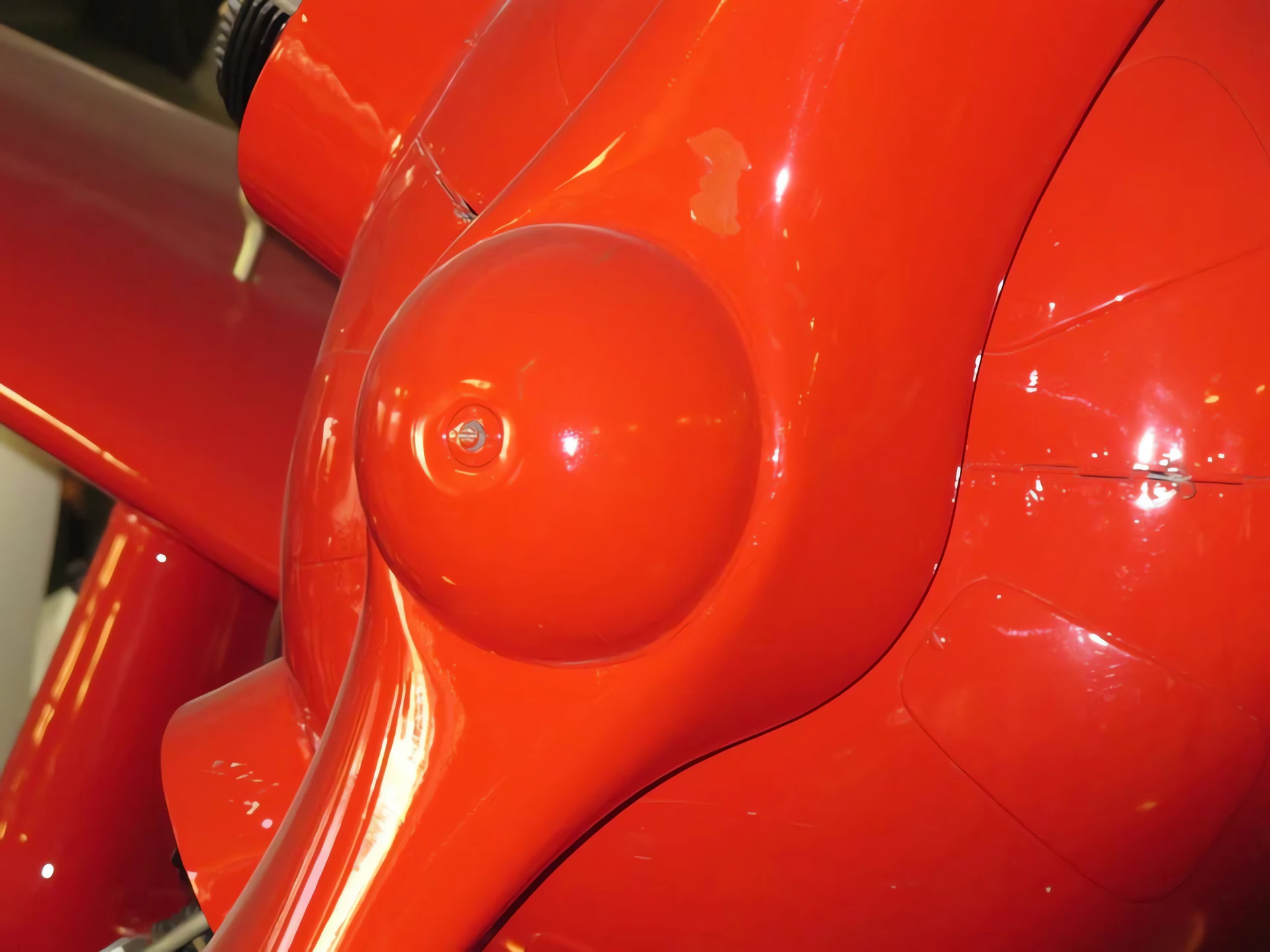
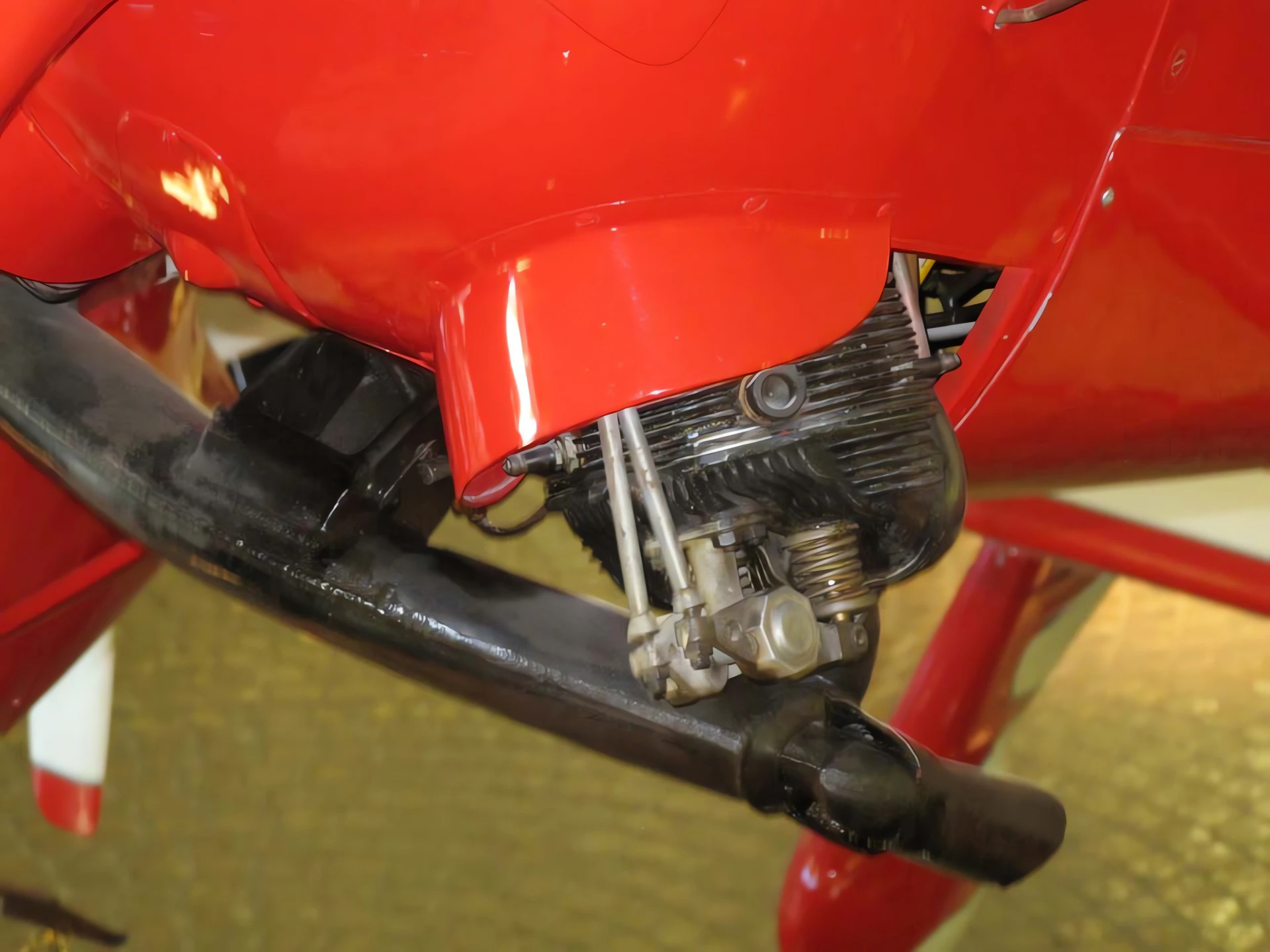
| Yakovlev UT-1 Walk Around | |
|---|---|
| Fotograf | Neznano |
| Lokalizacijo | Neznano |
| Fotografije | 50 |
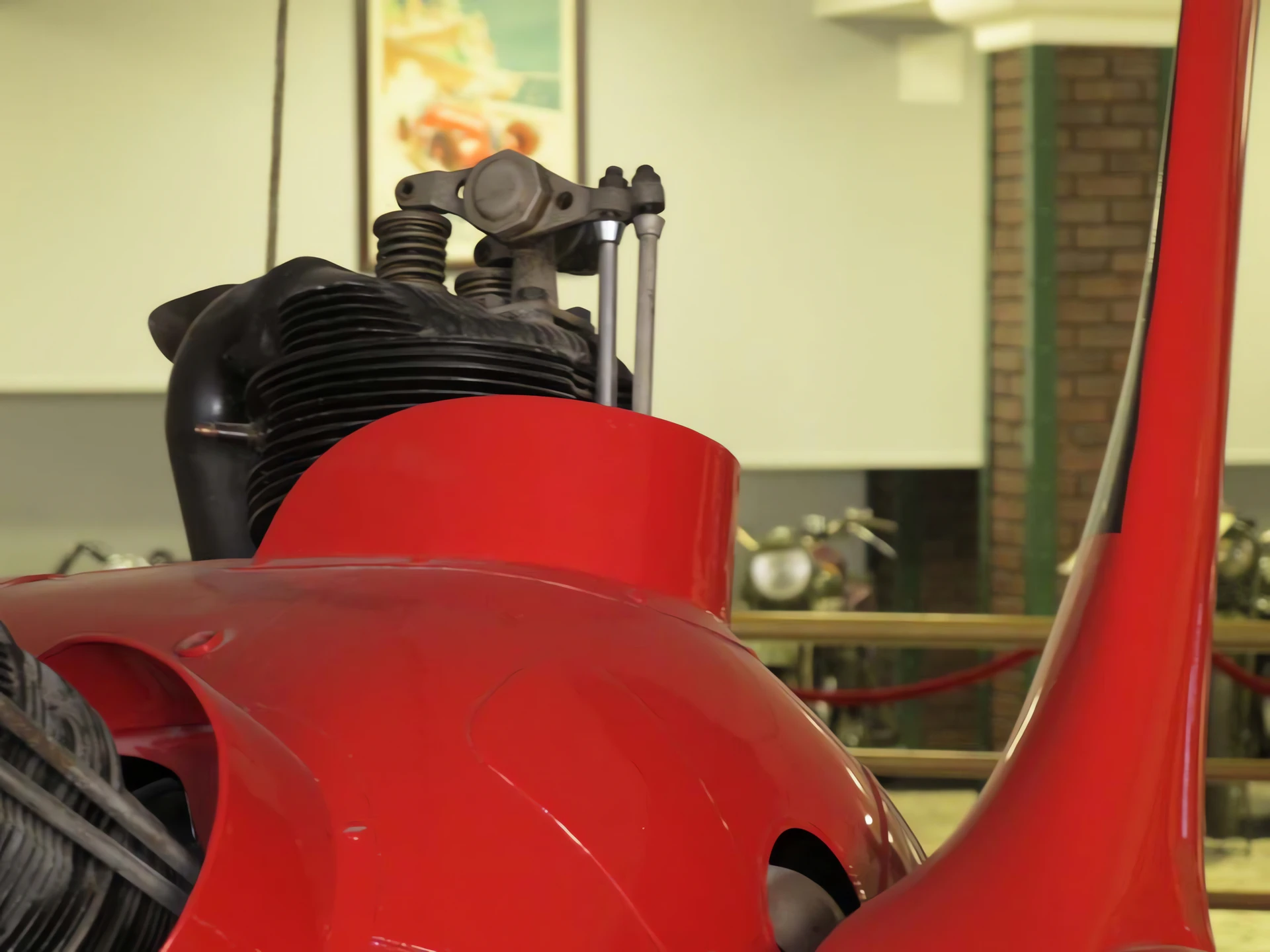
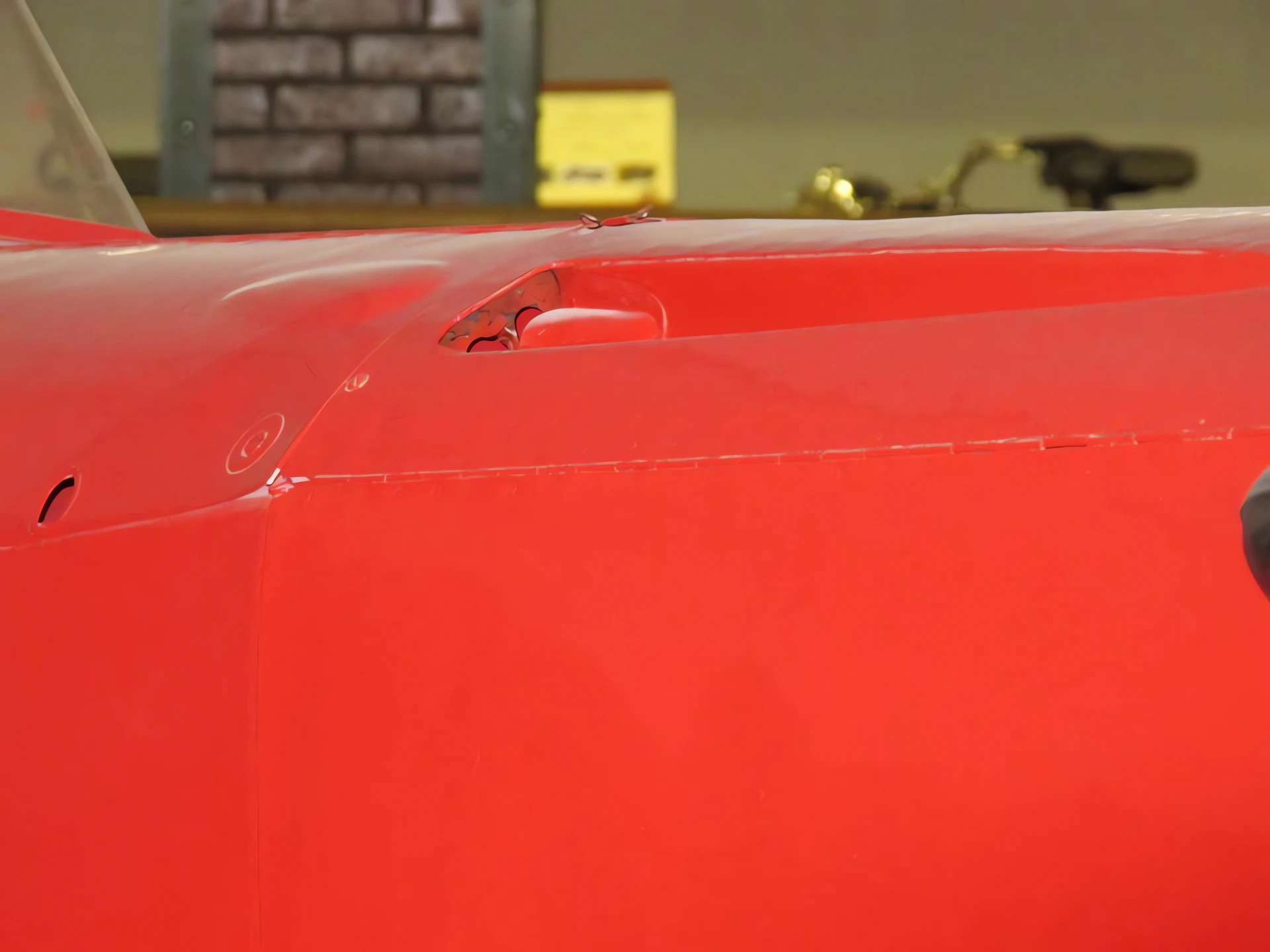

Glej tudi:


V Yakovlev UT-1 was a single-seater trainer aircraft used by the Soviet Air Force from 1937 until the late 1940s. It was designed by Alexander Sergeyevich Yakovlev as a single-seater advanced trainer and aerobatic airplane. The first prototype, designated the AIR-14, was flown in early 1936. The AIR-14 was a small low-winged monoplane with a fixed tailwheel undercarriage, with a welded steel fuselage and wooden wings.
The UT-1 was not suitable for primary training, but it was used as a transitional type between the UT-2 and fighters like the I-16. It required precise piloting, thus forming an ideal intermediate between basic trainers and the maneuverable but difficult-to-fly I-16. The UT-1 underwent several modifications during its production, including changes in the engine, the fuselage length and the wing shape. Some UT-1s were also converted into improvised combat machines, fitted with machine guns or rockets, and used for reconnaissance or ground-attack missions during World War II.
V UT-1 was also used for setting several records before the war, some with its floatplane variant. In total, 1,241 aircraft were built between December 1936 and 1940. The UT-1 was replaced by the Yakovlev Yak-18 during the 1950s.
Ogledi : 2385
Prav tako si lahko ogledate:
 Yakovlev Yak-52 - Fotografije in video
 Yakovlev Yak-18 – Fotografije & Video
 Yak-52 - Fotografije in video
 Yak-11 - fotografije in video
 Svetilka Yak-25 - fotografije in video
 Yak-15 – Fotografije & Video
 Yakovlev Yak-38 - Fotografije in video
 Požarna vrstica Yak-28 - fotografije in video
 Yakovlev Yak-3 – WalkAround
 Yakovlev Yak-3UA – WalkAround