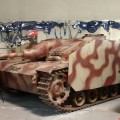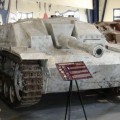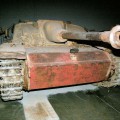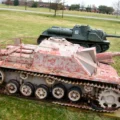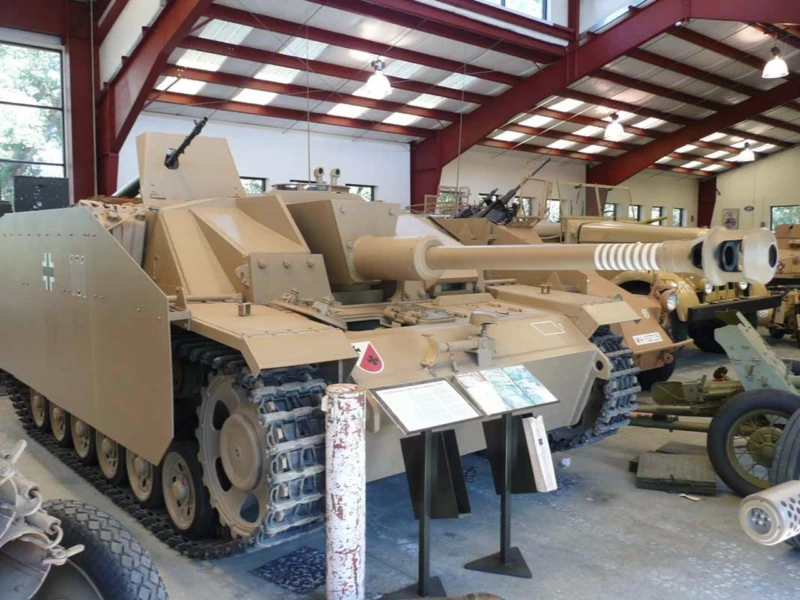
StuG III Ausf. G | |
|---|---|
| Pays | Allemagne nazie |
| Rôle | Pistolet d’assaut |
| Produit | Décembre 1942 – Avril 1945 |
| Construit | ~8423 |
La finale et de loin la plus courante des Stug Série. La superstructure supérieure a été élargie : les boîtes soudées des deux côtés ont été abandonnées. Cette nouvelle conception de superstructure a augmenté sa hauteur à 2160 mm. Le mur arrière du compartiment de combat s’est redressé, et le ventilateur de ventilation au-dessus de la superstructure a été déplacé à l’arrière du compartiment de combat. À partir de mars 1943, le conducteur’périscope a été abandonné. En février 1943, Alkett est rejoint par MIAG en tant que deuxième fabricant. À partir de mai 1943, des plaques d’armure espacées à coque latérale (Schürzen) ont été installées sur des modèles G pour une protection supplémentaire des blindés, en particulier contre les fusils antichars russes, mais elles ont également été utiles contre les munitions à charge creuse. Des plaques latérales ont été rétro-équipées à quelques Ausf. Modèles F/8, car ils devaient être montés sur tous les StuGs de première ligne et autres chars d’ici juin 1943 en vue de la bataille de Koursk. Les montages pour le Schürzen se sont avérés insuffisamment forts, car beaucoup ont été perdus sur le terrain. À partir de mars 1944, un montage amélioré a été introduit; en conséquence, les jupes latérales sont vus plus souvent avec le modèle tardif Ausf G. À partir de mai 1943, des plaques de 80 mm d’épaisseur ont été utilisées pour le blindage frontal au lieu de deux plaques de 50 mm + 30 mm. Toutefois, il existait un arriéré de StuGs avec blindage complet de 50 mm. Pour ceux-ci, une plaque blindée supplémentaire de 30 mm devait encore être soudée ou boulonnée, jusqu’en octobre 1943.
Source: StuG III Ausf. G sur Wikipedia
| SdKfz 142/1 Sturmgeschutz (StuG) III Walk Around | |
|---|---|
| Photographe | Vladimir Yakubov |
| Localisation | Jacques Littlefield Collection |
| Photos | 34 |
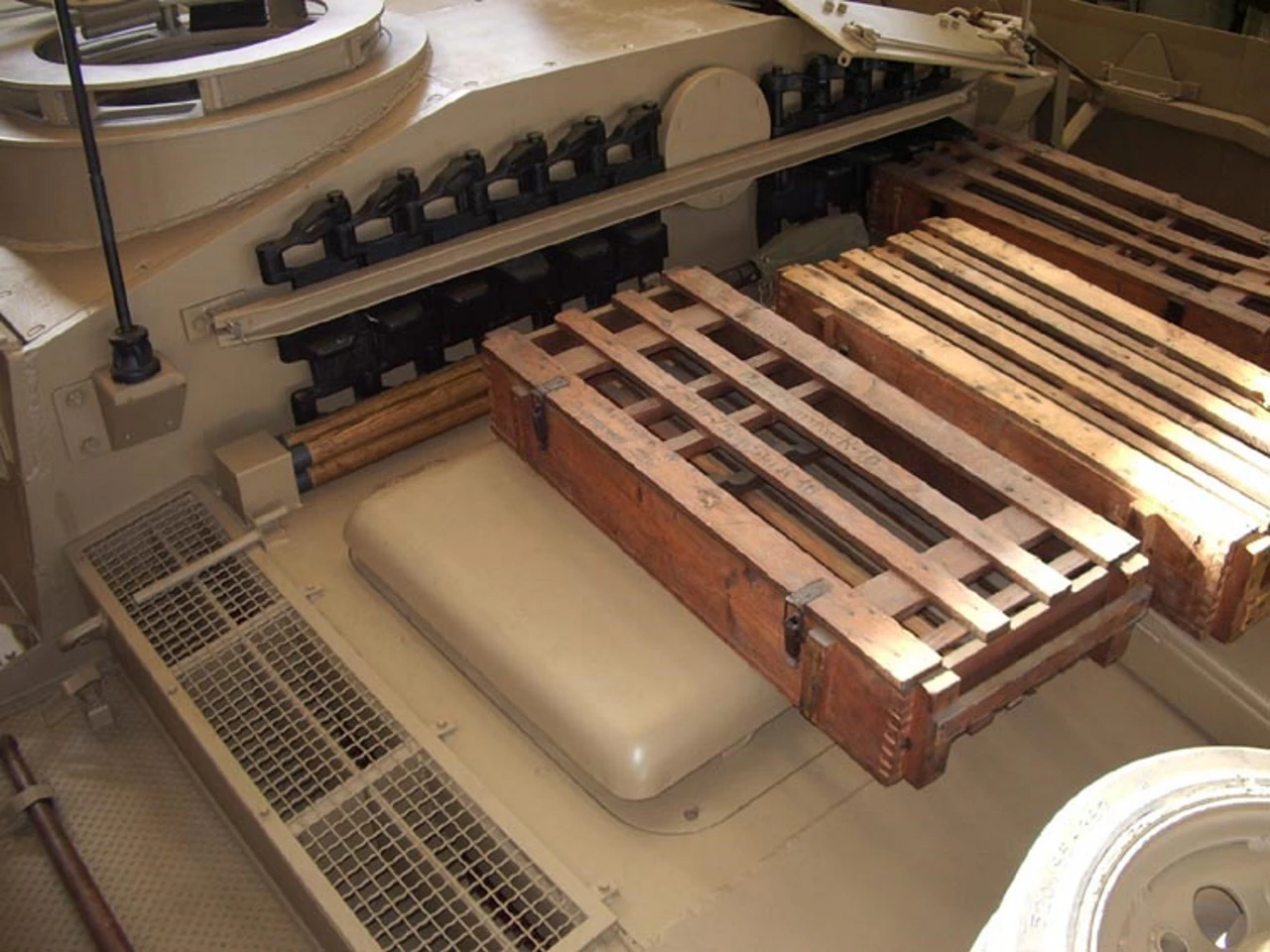
SdKfz 142-1 StuG III 02

SdKfz 142-1 StuG III 01

SdKfz 142-1 StuG III 04
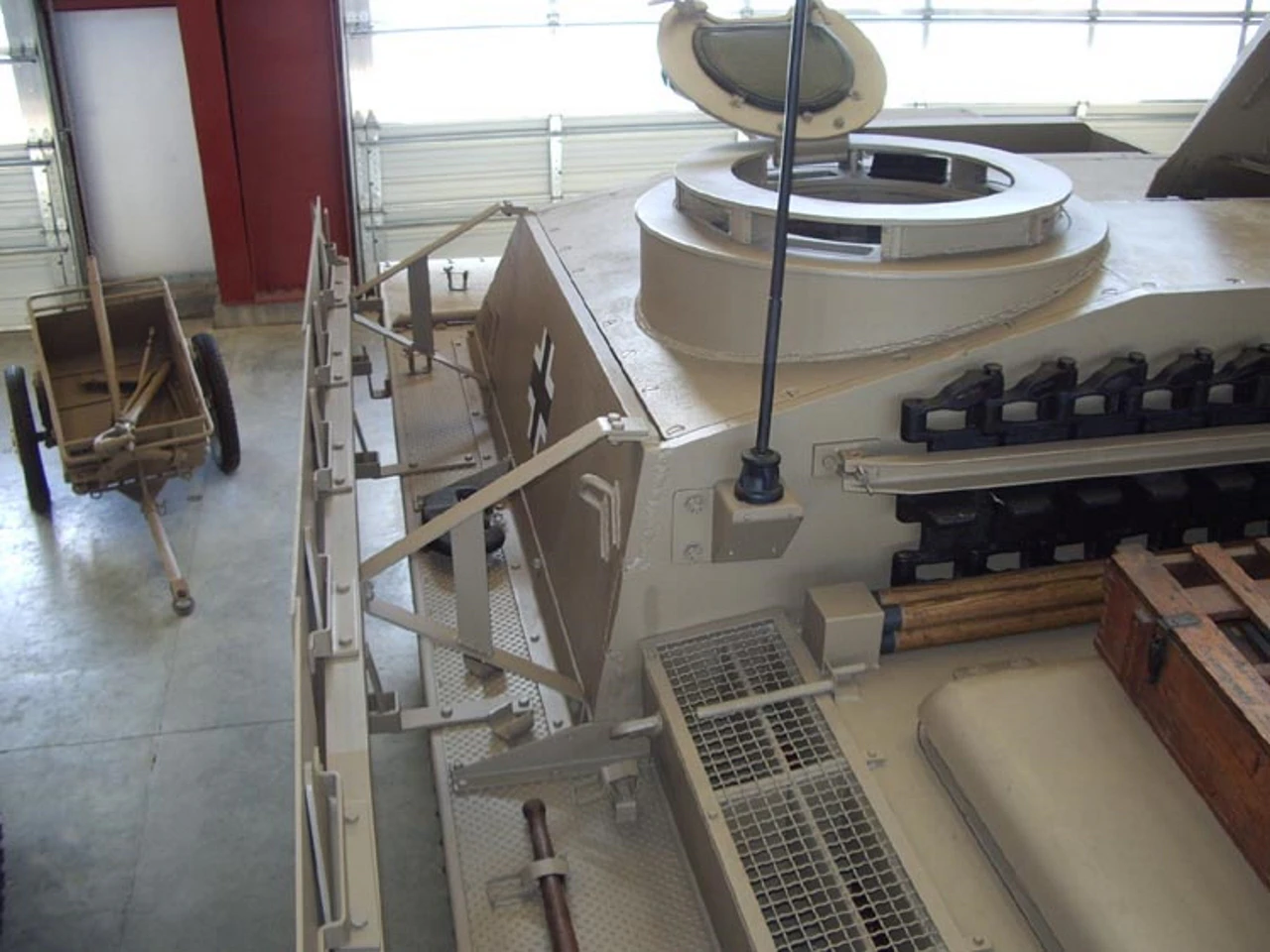
SdKfz 142-1 StuG III 03
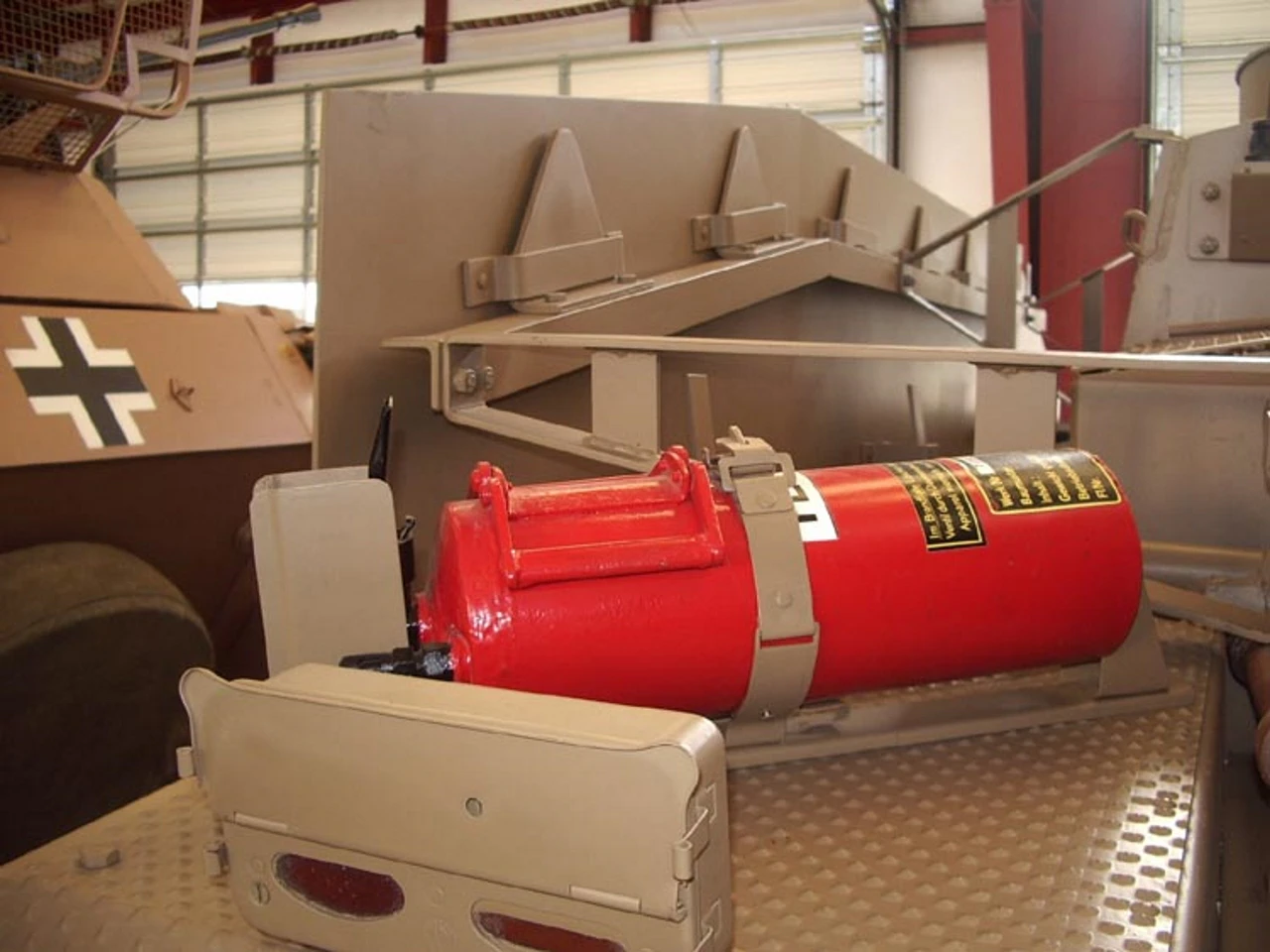
SdKfz 142-1 StuG III 05

SdKfz 142-1 StuG III 06

SdKfz 142-1 StuG III 08
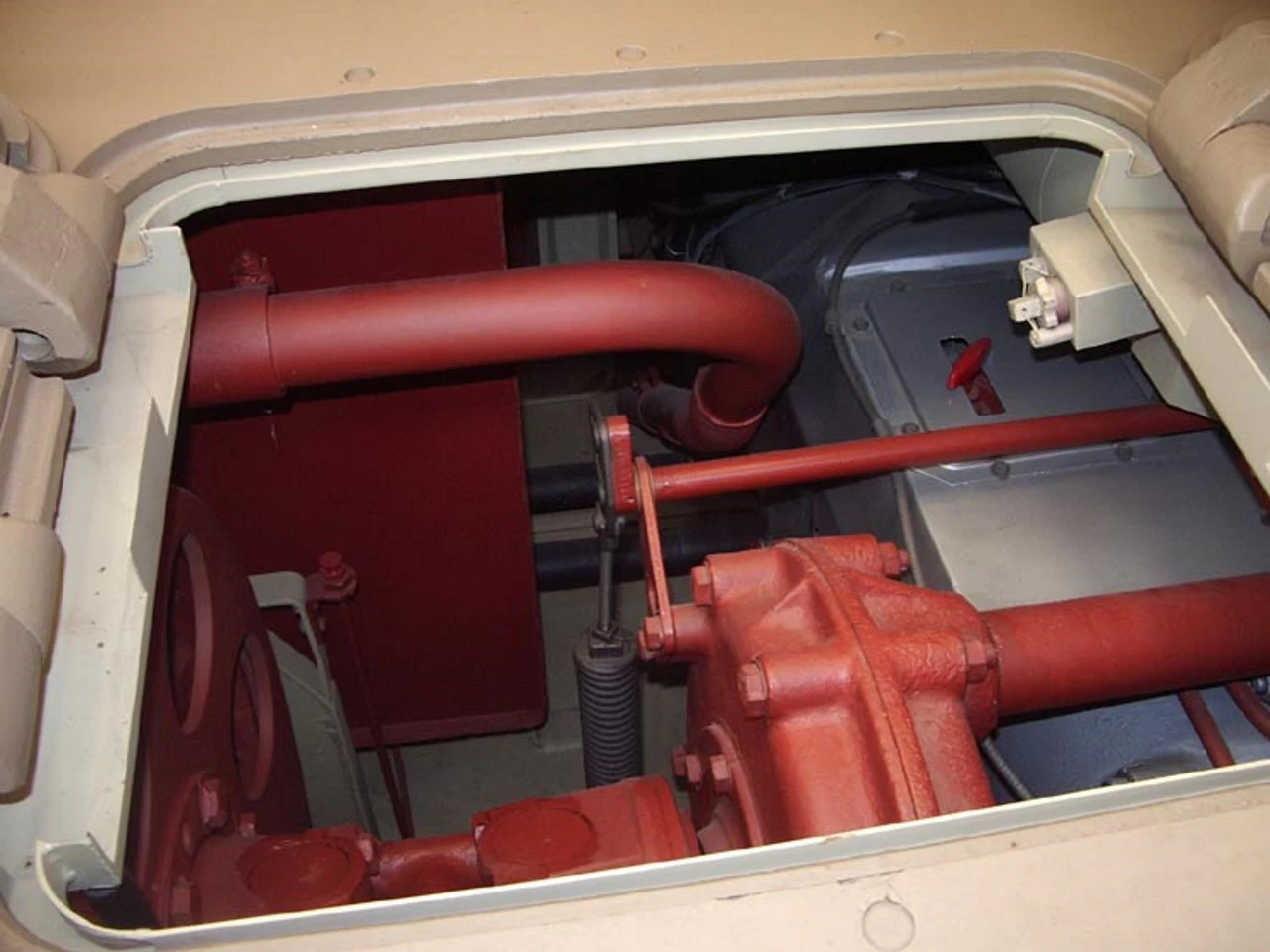
SdKfz 142-1 StuG III 07

SdKfz 142-1 StuG III 09
Attendez, la recherche StuG III Ausf. G photos pour vous...

| SdKfz 142/1 Sturmgeschutz (StuG) III Ausf G Walk Around | |
|---|---|
| Photographe | Vladimir Yakubov |
| Localisation | Musée de l’Armure de Latrun |
| Photos | 107 |
| Sturmgeschutz III Ausf. B Walk Around | |
|---|---|
| Photographe | Unknow |
| Localisation | Inconnu |
| Photos | 16 |
Voir aussi :


The Deadliest Silhouette on the Eastern Front
Lla StuG III Ausf. G was the final and most prolific version of the Sturmgeschütz series. Built on the reliable chassis of the Panzer III, it abandoned the rotating turret in favor of a fixed, low-profile casemate. Originally designed as infantry support artillery, the Ausf. G was up-gunned with a high-velocity 75mm cannon, transforming it into a formidable tank destroyer. Its low height made it easy to camouflage and difficult to hit, making it the preferred weapon for German « Tank Aces » like Michael Wittmann before they transitioned to heavier armor.
| Attribute | Technical Specification (StuG III Ausf. G) |
|---|---|
| Rôle | Assault Gun / Tank Destroyer |
| Crew | 4 (Commander, Gunner, Loader, Driver) |
| Production Years | 1942 – 1945 (Approx. 8,400 built) |
| Armement principal | 7.5 cm KwK 40 L/48 |
| Armement secondaire | 1 or 2 × 7.92 mm MG34 machine guns |
| Armor (Front) | 80 mm (3.1 in) |
| moteur | Maybach HL 120 TRM V-12 (300 hp) |
| Top Speed | 40 km/h (25 mph) on roads |
Design Evolution: The « g » Refinements
- The Saukopf (Sow’s Head) Mantlet: Later Ausf. G models featured a cast gun mantlet with rounded edges. This was designed to deflect incoming shells more effectively than the earlier bolted, boxy designs.
- Schürzen (Side Skirts): To defend against Soviet anti-tank rifles and HEAT rounds, the StuG III G was often fitted with thin metal plates along the sides. These « Jupes » would prematurely detonate or destabilize incoming projectiles before they hit the main hull.
- commandant’s Cupola: The Ausf. G introduced a proper cupola with periscopes for the commander, significantly improving situational awareness—a major weakness of earlier turretless designs.
- Zimmerit Coating: Many Ausf. Gs were covered in a ridged, paste-like ceramic coating. This was intended to prevent magnetic anti-tank mines from sticking to the steel hull.
Lla « Wait-and-Strike » Specialist
- Economic Efficiency: The StuG III was significantly cheaper and faster to build than the Panzer IV or Tiger tanks. Because it lacked a complex turret mechanism, it was also easier to maintain in the field.
- Ambush Master: Its low height allowed the StuG to hide in tall grass or shallow depressions that would expose a normal tank. Soviet tankers often didn’t realize they were being engaged by a StuG until it was too late to return fire.
- Sturmhaubitze 42 (StuH 42): A variant of the Ausf. G was armed with a 10.5 cm howitzer instead of the anti-tank gun. This version returned to the vehicle’s roots, providing devastating high-explosive support for infantry.
- Post-War Service: The StuG III was so effective that it continued to serve long after 1945. The Finnish Army used them until the 1960s, and Syria even deployed them against Israel in the 1967 Six-Day War.
Views : 11337