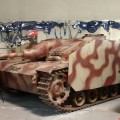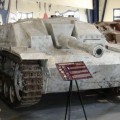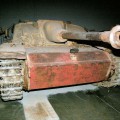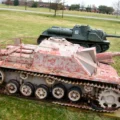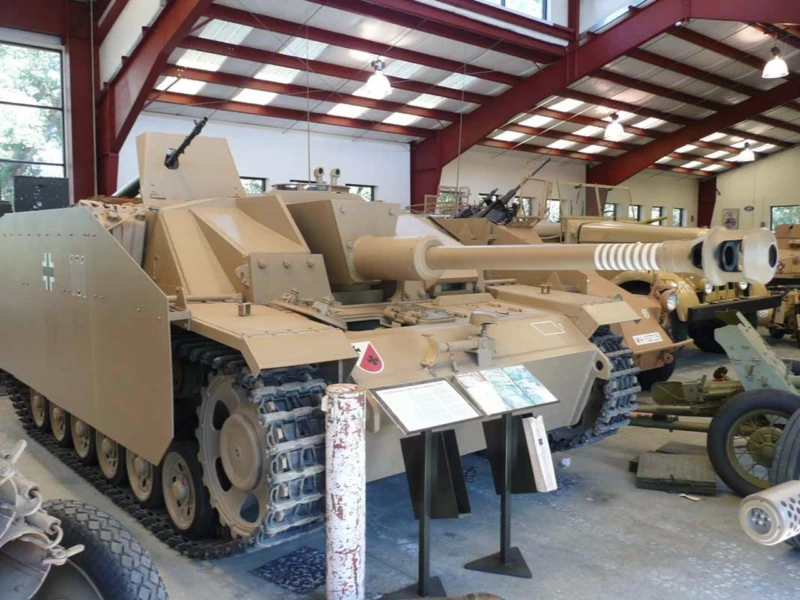
StuG III Ausf. G | |
|---|---|
| Riik | Natsi-Saksamaa |
| Rolli | Ründerelv |
| Toodetud | detsember 1942 – aprill 1945 |
| Ehitatud | ~ 8423 |
Lõplik ja vaieldamatult kõige levinum StuG Seeria. Ülemist pealisehitust laiendati: mõlemalt poolt keevitatud kastid jäeti maha. See uus pealisehituse konstruktsioon suurendas selle kõrgust 2160 mm-ni. Võitlusruumi tagasein sai sirgendatud ja pealisehituse peal olev ventilatsiooniventilaator paigutati võitlusruumi tagaküljele. 1943. aasta märtsist loobuti juhi periskoobist. 1943. aasta veebruaris liitus Alkett teise tootjana MIAG-ga. Alates 1943. aasta maist paigaldati G-mudelitele külgkerevahega soomusplaadid (Schürzen), mis lisati soomuskaitseks, eriti Vene tankitõrjevintpüsside vastu, kuid olid kasulikud ka õõneslaenguga laskemoona vastu. Külgplaadid paigaldati mõnele Ausfile. F/8 mudelid, kuna need pidid 1943. aasta juuniks paigaldama kõikidele rindejoone staadiutele ja muudele tankidele, et valmistuda Kurski lahinguks. Schürzeni kinnitused osutusid ebapiisavalt tugevaks, kuna paljud kaotasid põllul. 1944. aasta märtsist võeti kasutusele parem paigaldus; selle tulemusena nähakse külgseelikuid sagedamini hilise mudeliGa Ausf G. Alates 1943. aasta maist kasutati kahe 50 mm + 30 mm plaadi asemel esisoomuses 80 mm paksusi plaate. Siiski oli mahajäämus 50 mm soomusrüüga StuG-idest. Nende jaoks tuli kuni 1943. aasta oktoobrini veel 30 mm täiendavat soomusplaati keevitada või poltida.
Allikas: StuG III Ausf. G Vikipeedias
| SdKfz 142/1 Sturmgeschutz (StuG) III Jalutada | |
|---|---|
| Fotograaf | Vladimir Jakubov |
| Lokaliseerimine | Jacques Littlefieldi kollektsioon |
| Fotod | 34 |
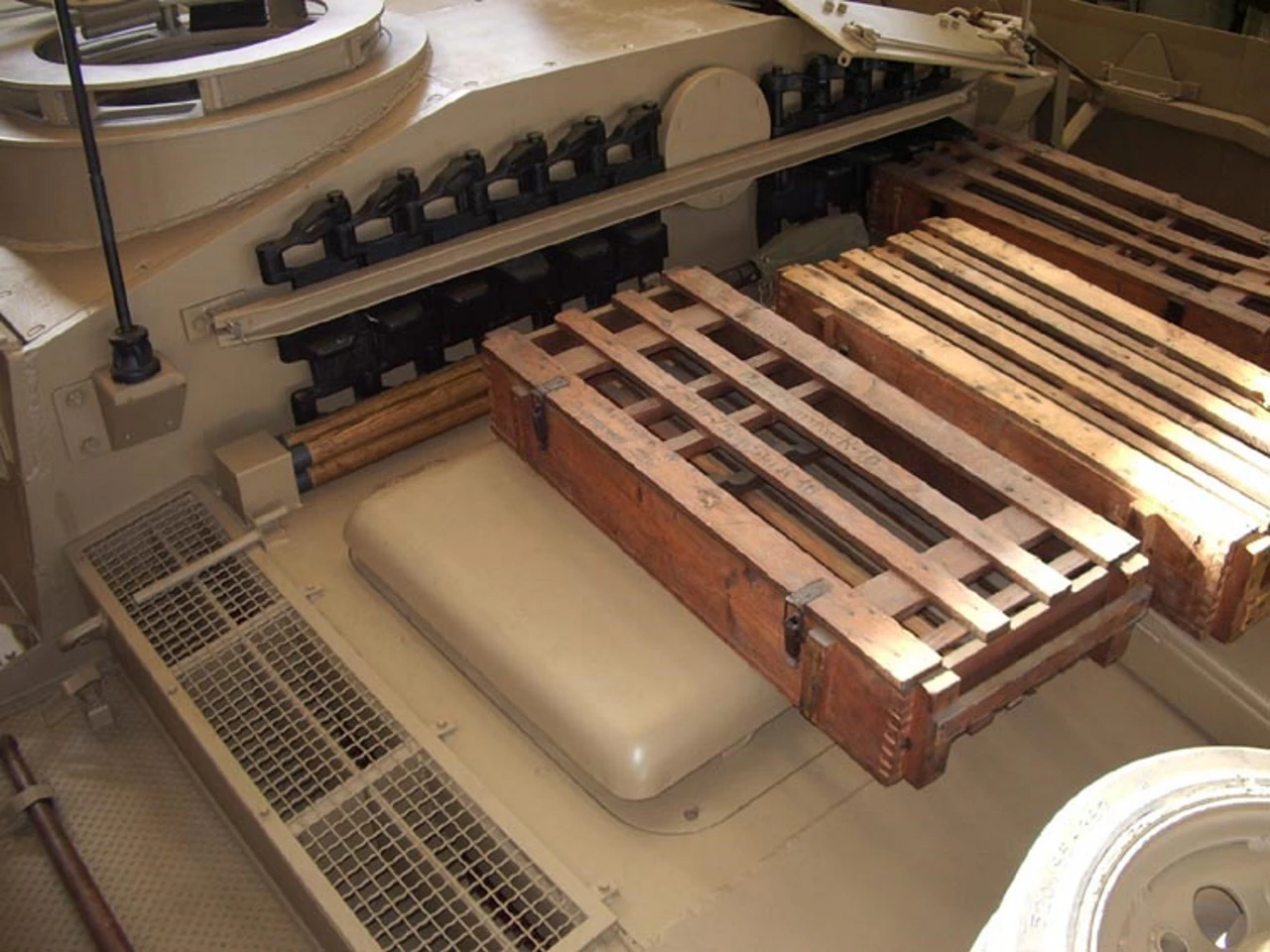
SdKfz 142-1 StuG III 02

SdKfz 142-1 StuG III 01

SdKfz 142-1 StuG III 04
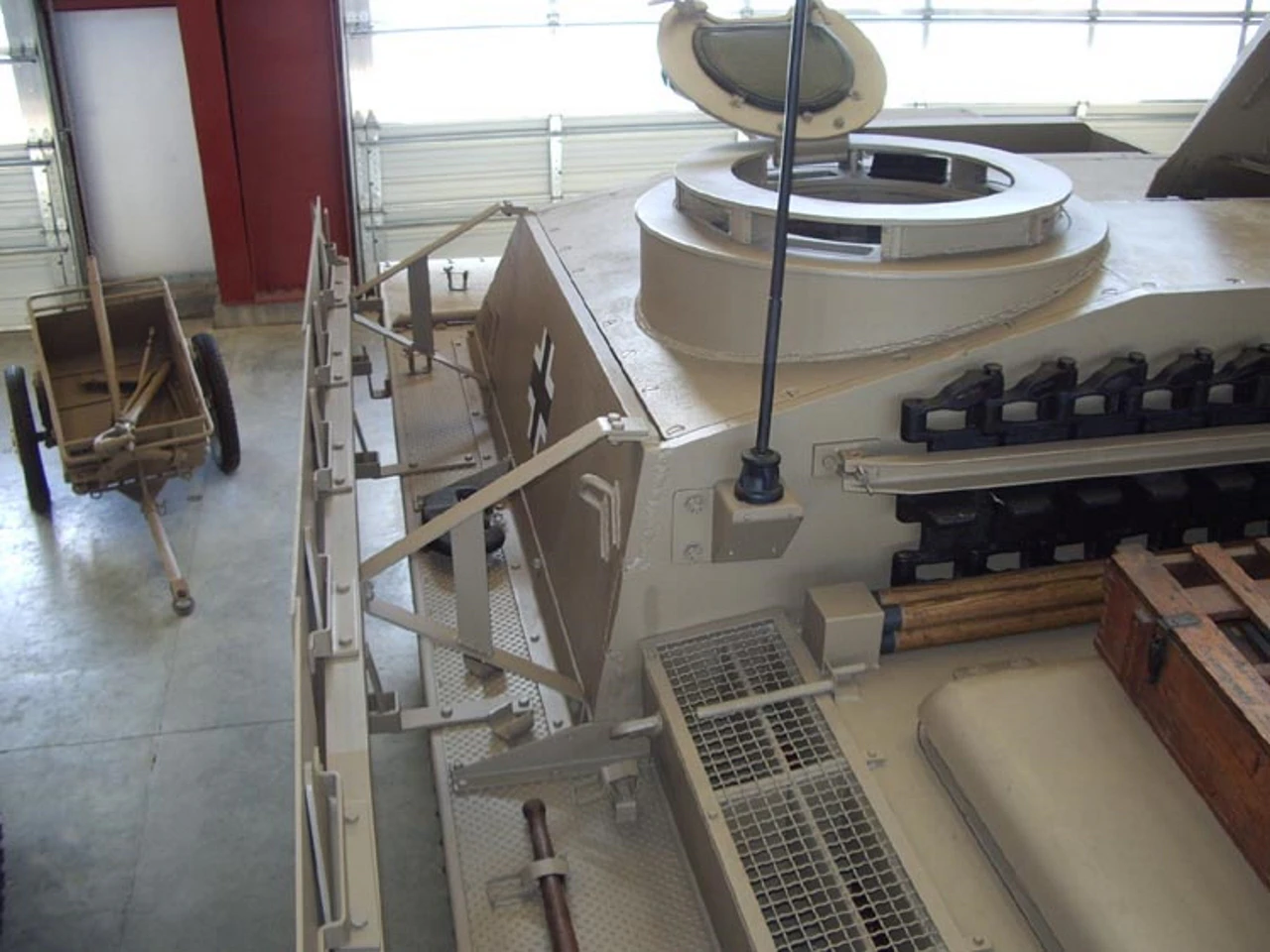
SdKfz 142-1 StuG III 03
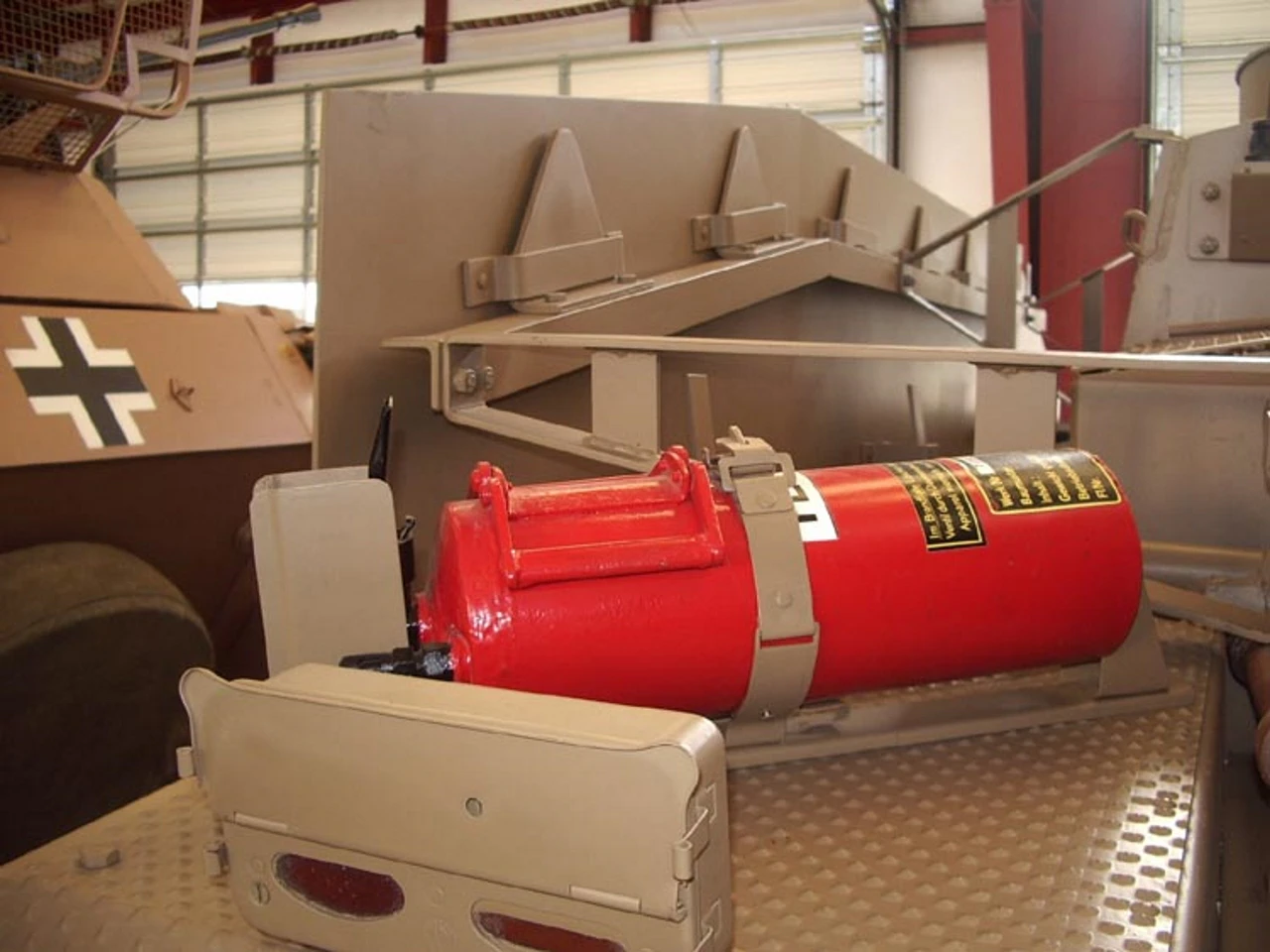
SdKfz 142-1 StuG III 05

SdKfz 142-1 StuG III 06

SdKfz 142-1 StuG III 08
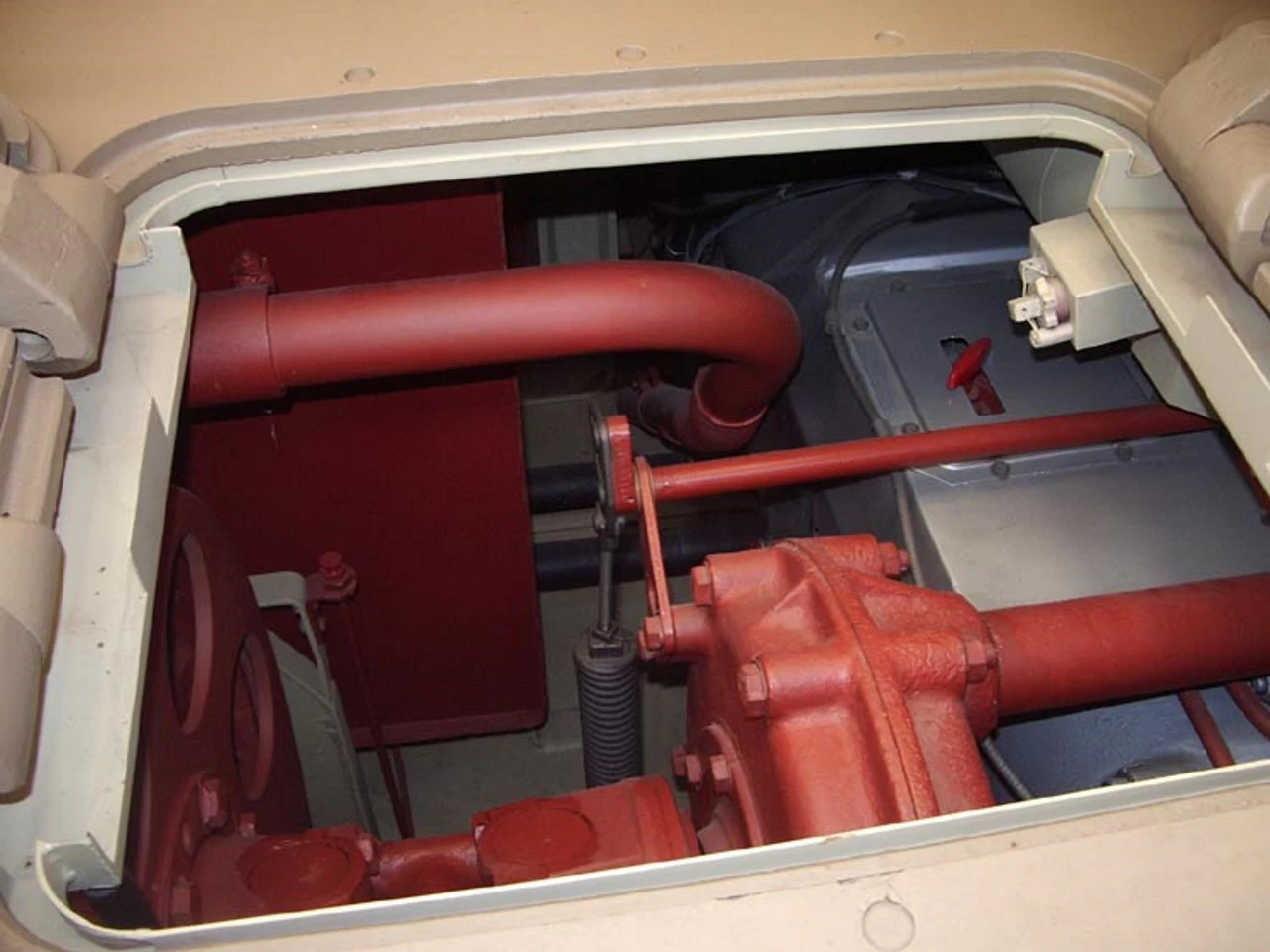
SdKfz 142-1 StuG III 07

SdKfz 142-1 StuG III 09
Oodake, Otsides StuG III Ausf. G fotod sulle...

| SdKfz 142/1 Sturmgeschutz (StuG) III Ausf G Jalutada | |
|---|---|
| Fotograaf | Vladimir Jakubov |
| Lokaliseerimine | Latruni soomusmuuseum |
| Fotod | 107 |
| Sturmgeschutz III Ausf. B Walk Around | |
|---|---|
| Fotograaf | Unknow |
| Lokaliseerimine | Teadmata |
| Fotod | 16 |
Vaata ka:


The Deadliest Silhouette on the Eastern Front
2007 StuG III Ausf. G was the final and most prolific version of the Sturmgeschütz series. Built on the reliable chassis of the Panzer III, it abandoned the rotating turret in favor of a fixed, low-profile casemate. Originally designed as infantry support artillery, the Ausf. G was up-gunned with a high-velocity 75mm cannon, transforming it into a formidable tank destroyer. Its low height made it easy to camouflage and difficult to hit, making it the preferred weapon for German “Tank Aces” like Michael Wittmann before they transitioned to heavier armor.
| Attribute | Technical Specification (StuG III Ausf. G) |
|---|---|
| Rolli | Assault Gun / Tank Destroyer |
| Meeskonna | 4 (Commander, Gunner, Loader, Driver) |
| Production Years | 1942 – 1945 (Approx. 8,400 built) |
| Main Armament | 7.5 cm KwK 40 L/48 |
| Secondary Armament | 1 or 2 × 7.92 mm MG34 machine guns |
| Armor (Front) | 80 mm (3.1 in) |
| Mootor | Maybach HL 120 TRM V-12 (300 hp) |
| Top Speed | 40 km/h (25 mph) on roads |
Design Evolution: The “G” Refinements
- The Saukopf (Sow’s Head) Mantlet: Later Ausf. G models featured a cast gun mantlet with rounded edges. This was designed to deflect incoming shells more effectively than the earlier bolted, boxy designs.
- Schürzen (Side Skirts): To defend against Soviet anti-tank rifles and HEAT rounds, the StuG III G was often fitted with thin metal plates along the sides. These “skirts” would prematurely detonate or destabilize incoming projectiles before they hit the main hull.
- Commander’s Cupola: The Ausf. G introduced a proper cupola with periscopes for the commander, significantly improving situational awareness—a major weakness of earlier turretless designs.
- Zimmerit Coating: Many Ausf. Gs were covered in a ridged, paste-like ceramic coating. This was intended to prevent magnetic anti-tank mines from sticking to the steel hull.
The “Wait-and-Strike” Specialist
- Economic Efficiency: The StuG III was significantly cheaper and faster to build than the Panzer IV or Tiger tanks. Because it lacked a complex turret mechanism, it was also easier to maintain in the field.
- Ambush Master: Its low height allowed the StuG to hide in tall grass or shallow depressions that would expose a normal tank. Soviet tankers often didn’t realize they were being engaged by a StuG until it was too late to return fire.
- Sturmhaubitze 42 (StuH 42): A variant of the Ausf. G was armed with a 10.5 cm howitzer instead of the anti-tank gun. This version returned to the vehicle’s roots, providing devastating high-explosive support for infantry.
- Post-War Service: The StuG III was so effective that it continued to serve long after 1945. The Finnish Army used them until the 1960s, and Syria even deployed them against Israel in the 1967 Six-Day War.
Views : 11334