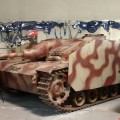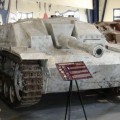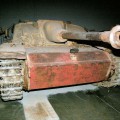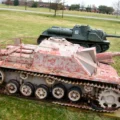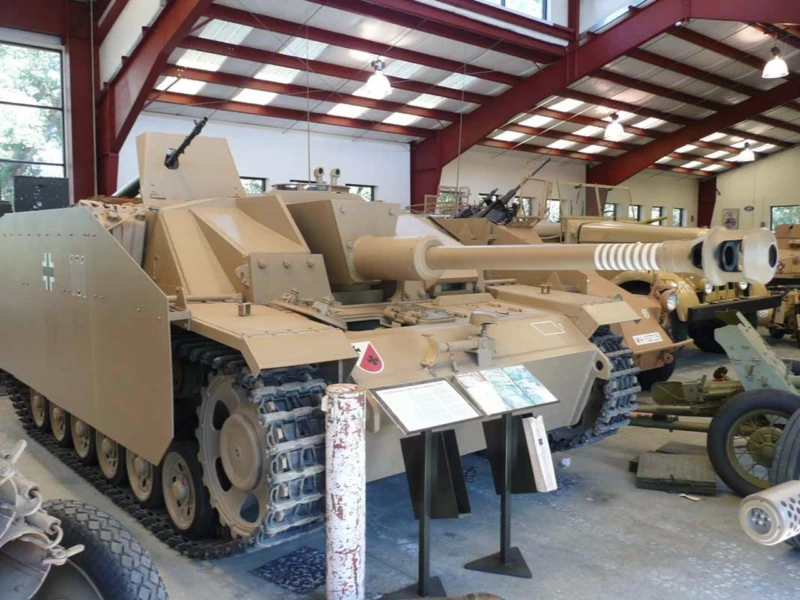
StuG III Ausf. G | |
|---|---|
| Kraju | Nazistowskie Niemcy |
| Roli | Pistolet szturmowy |
| Produkowane | grudzień 1942 – kwiecień 1945 |
| Zbudowany | ~8423 |
Ostateczna i zdecydowanie najczęstsza z Stug Serii. Górna nadbudowa została poszerzona: spawane skrzynki po obu stronach zostały opuszczone. Ta nowa konstrukcja nadbudówki zwiększyła wysokość do 2160 mm. Tylna ściana przedziału bojowego została wyprostowana, a wentylator wentylacyjny na szczycie nadbudówki został przeniesiony na tył przedziału bojowego. Od marca 1943 r. peryskop kierowcy został porzucony. W lutym 1943 roku, Alkett dołączył do MIAG jako drugi producent. Od maja 1943 r. w modelach G zamontowano płyty pancerne rozmieszczone w kadłubie bocznym (Schürzen) w celu zwiększenia ochrony pancerza, szczególnie przeciwko rosyjskim karabinom przeciwpancernym, ale były również przydatne w walce z amunicją z ładunkiem pustym. Płyty boczne zostały zamontowane w niektórych Ausf. Modele F/8, ponieważ miały być zamontowane na wszystkich liniach frontu StuGs i innych czołgów do czerwca 1943 roku w ramach przygotowań do bitwy pod Kurskiem. Mocowania dla Schürzen okazały się niewystarczająco mocne, ponieważ wiele z nich zostało utraconych w terenie. Od marca 1944 r. wprowadzono ulepszony montaż; w rezultacie, spódnice boczne są postrzegane częściej z późnym modelem Ausf G. Od maja 1943 r. do pancerza czołowego zamiast dwóch płyt o grubości 50 mm i 30 mm używano płyt o grubości 80 mm. Istniały jednak zaległości StuGs z wypełnionym pancerzem 50 mm. Do października 1943 r. do października 1943 r. trzeba było spawać lub przykręcać dodatkową płytę pancerną o 30 mm.
Źródła: StuG III Ausf. G na Wikipedii
| SdKfz 142/1 Sturmgeschutz (StuG) III Spacer | |
|---|---|
| Fotograf | Władimir Yakubov |
| Lokalizacja | Kolekcja Jacques'a Littlefielda |
| Zdjęcia | 34 |
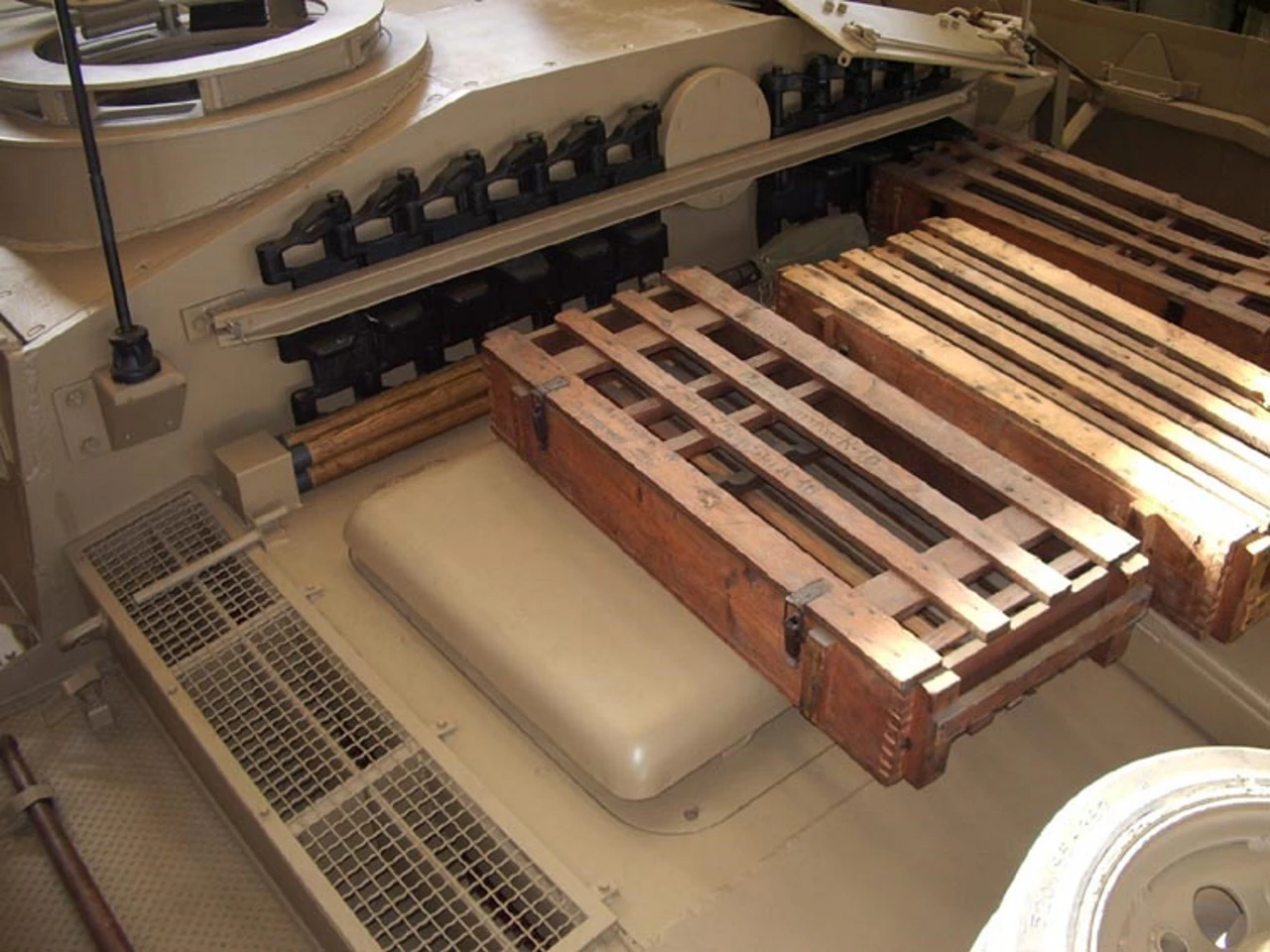
SdKfz 142-1 StuG III 02

SdKfz 142-1 StuG III 01

SdKfz 142-1 StuG III 04
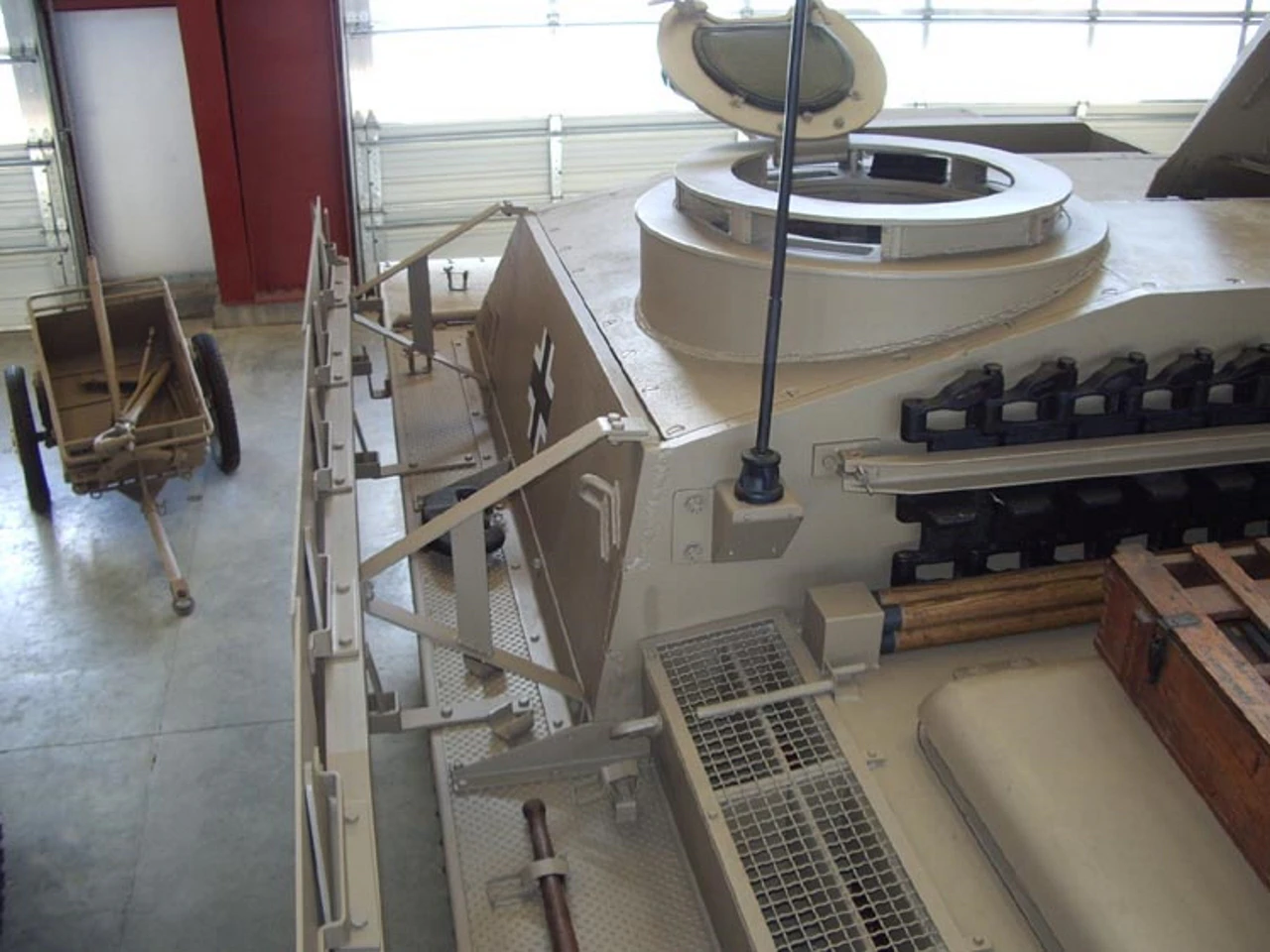
SdKfz 142-1 StuG III 03
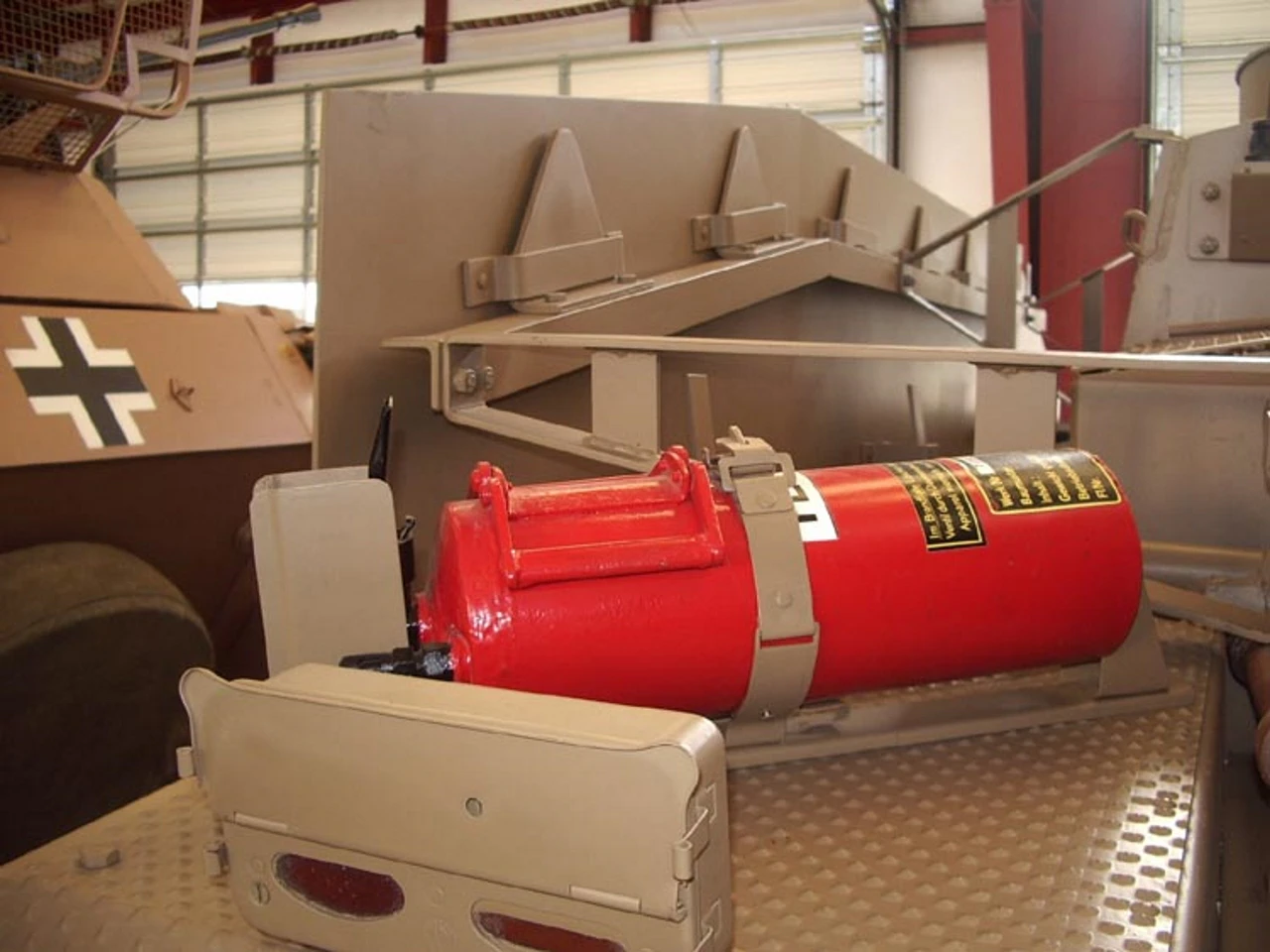
SdKfz 142-1 StuG III 05

SdKfz 142-1 StuG III 06

SdKfz 142-1 StuG III 08
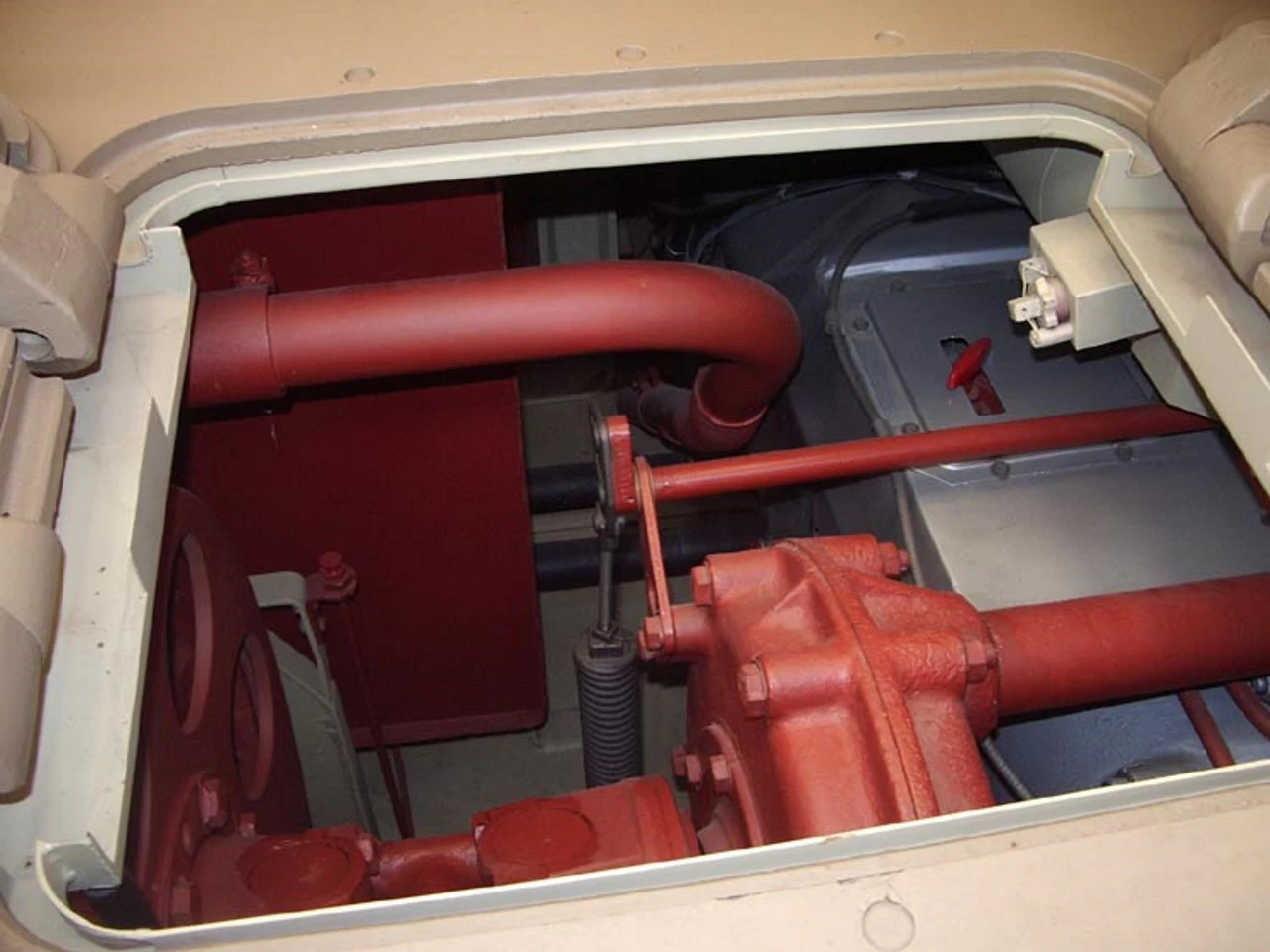
SdKfz 142-1 StuG III 07

SdKfz 142-1 StuG III 09
Czekaj, szukając StuG III Ausf. G zdjęcia dla Ciebie...

| SdKfz 142/1 Sturmgeschutz (StuG) III Ausf G Spacer | |
|---|---|
| Fotograf | Władimir Yakubov |
| Lokalizacja | Muzeum Zbroi Latrun |
| Zdjęcia | 107 |
| Sturmgeschutz III Ausf. B Walk Around | |
|---|---|
| Fotograf | Unknow |
| Lokalizacja | Niewiedzy |
| Zdjęcia | 16 |
Zobacz też:


The Deadliest Silhouette on the Eastern Front
Tthe StuG III Ausf. G was the final and most prolific version of the Sturmgeschütz series. Built on the reliable chassis of the Panzer III, it abandoned the rotating turret in favor of a fixed, low-profile casemate. Originally designed as infantry support artillery, the Ausf. G was up-gunned with a high-velocity 75mm cannon, transforming it into a formidable tank destroyer. Its low height made it easy to camouflage and difficult to hit, making it the preferred weapon for German “Tank Aces” like Michael Wittmann before they transitioned to heavier armor.
| Attribute | Technical Specification (StuG III Ausf. G) |
|---|---|
| Roli | Assault Gun / Tank Destroyer |
| Załogi | 4 (Commander, Gunner, Loader, Driver) |
| Production Years | 1942 – 1945 (Approx. 8,400 built) |
| Uzbrojenie główne | 7.5 cm KwK 40 L/48 |
| Uzbrojenie dodatkowe | 1 or 2 × 7.92 mm MG34 machine guns |
| Armor (Front) | 80 mm (3.1 in) |
| Silnika | Maybach HL 120 TRM V-12 (300 hp) |
| Top Speed | 40 km/h (25 mph) on roads |
Design Evolution: The “G” Refinements
- The Saukopf (Sow’s Head) Mantlet: Later Ausf. G models featured a cast gun mantlet with rounded edges. This was designed to deflect incoming shells more effectively than the earlier bolted, boxy designs.
- Schürzen (Side Skirts): To defend against Soviet anti-tank rifles and HEAT rounds, the StuG III G was often fitted with thin metal plates along the sides. These “skirts” would prematurely detonate or destabilize incoming projectiles before they hit the main hull.
- Commander’s Cupola: The Ausf. G introduced a proper cupola with periscopes for the commander, significantly improving situational awareness—a major weakness of earlier turretless designs.
- Zimmerit Coating: Many Ausf. Gs were covered in a ridged, paste-like ceramic coating. This was intended to prevent magnetic anti-tank mines from sticking to the steel hull.
The “Wait-and-Strike” Specialist
- Economic Efficiency: The StuG III was significantly cheaper and faster to build than the Panzer IV or Tiger tanks. Because it lacked a complex turret mechanism, it was also easier to maintain in the field.
- Ambush Master: Its low height allowed the StuG to hide in tall grass or shallow depressions that would expose a normal tank. Soviet tankers often didn’t realize they were being engaged by a StuG until it was too late to return fire.
- Sturmhaubitze 42 (StuH 42): A variant of the Ausf. G was armed with a 10.5 cm howitzer instead of the anti-tank gun. This version returned to the vehicle’s roots, providing devastating high-explosive support for infantry.
- Post-War Service: The StuG III was so effective that it continued to serve long after 1945. The Finnish Army used them until the 1960s, and Syria even deployed them against Israel in the 1967 Six-Day War.
Views : 11344