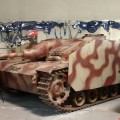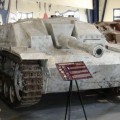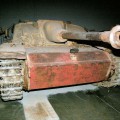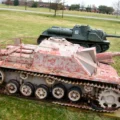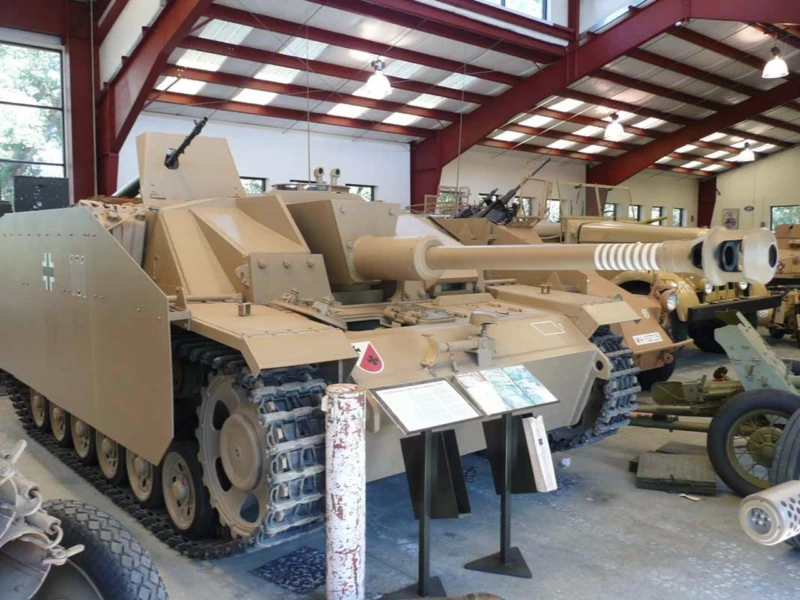
StuG III Ausf. G | |
|---|---|
| Krajiny | Nacistické Nemecko |
| Úlohu | Útočná zbraň |
| Vyrobené | December 1942 – apríl 1945 |
| Postavený | Približne 8423 |
Konečné a zďaleka najbežnejšie StuG (StuG) Série. Horná nadstavba bola zväčšená: zvárané boxy na oboch stranách boli opustené. Tento nový dizajn nadstavby zvýšil svoju výšku na 2160 mm. Zadná stena bojového priestoru sa narovnala a ventilátor na vrchu nadstavby bol premiestnený do zadnej časti bojového priestoru. Od marca 1943 bol periskop vodiča opustený. Vo februári 1943 sa k spoločnosti Alkett pripojila spoločnosť MIAG ako druhý výrobca. Od mája 1943 boli na modely G namontované bočné pancierové dosky s rozmiestneným trupom (Schürzen) pre väčšiu ochranu pancierovania, najmä proti ruským protitankových puškám, ale boli užitočné aj proti strelivu s dutým nábojom. Bočné dosky boli dodatočne namontované na niektoré Ausf. Modely F/8, keďže mali byť namontované na všetkých stugoch v prvej línii a iných nádržiach do júna 1943 v rámci prípravy na bitku pri Kursku. Montáže pre Schürzen sa ukázali ako nedostatočne silné, pretože mnohí sa stratili v teréne. Od marca 1944 bola zavedená vylepšená montáž; v dôsledku toho sú bočné sukne videné častejšie s neskorým modelom Ausf G. Od mája 1943 sa na čelné pancierovanie namiesto dvoch dosiek s hrúbkou 50 mm + 30 mm používali dosky s hrúbkou 80 mm. Existovalo však oneskorenie StuG s dokončeným 50 mm pancierovaním. Pre tých, 30 mm dodatočná pancierová doska ešte musela byť zváraná alebo priskrutkovaná, až do októbra 1943.
Zdrojový: StuG III Ausf. G na Wikipédii
| SdKfz 142/1 Sturmgeschutz (StuG) III Chodiť | |
|---|---|
| Fotograf | Vladimír Jakubov |
| Lokalizácia | Kolekcia Jacques Littlefield |
| Fotografie | 34 |
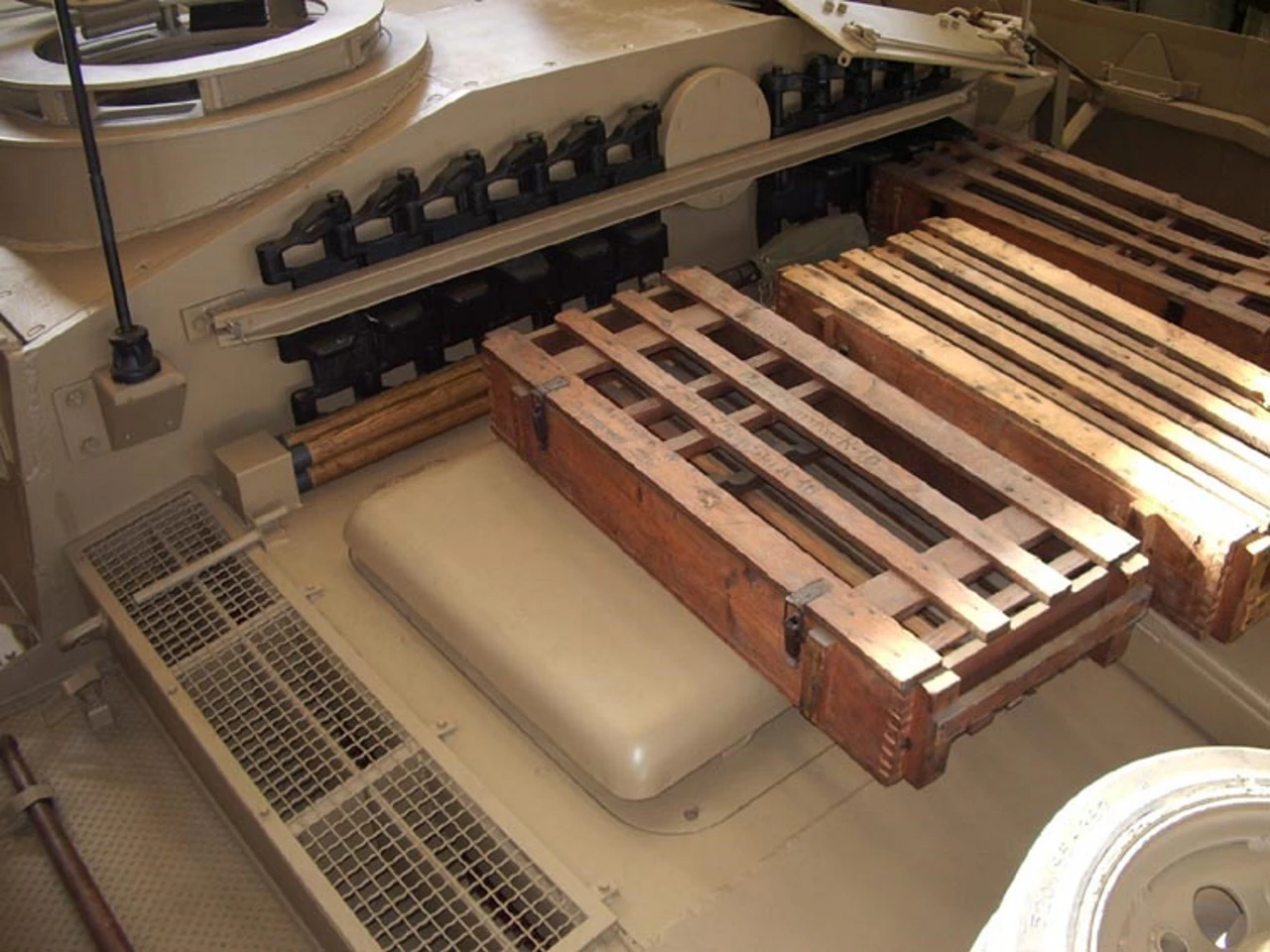
SdKfz 142-1 StuG III 02

SdKfz 142-1 StuG III 01

SdKfz 142-1 StuG III 04
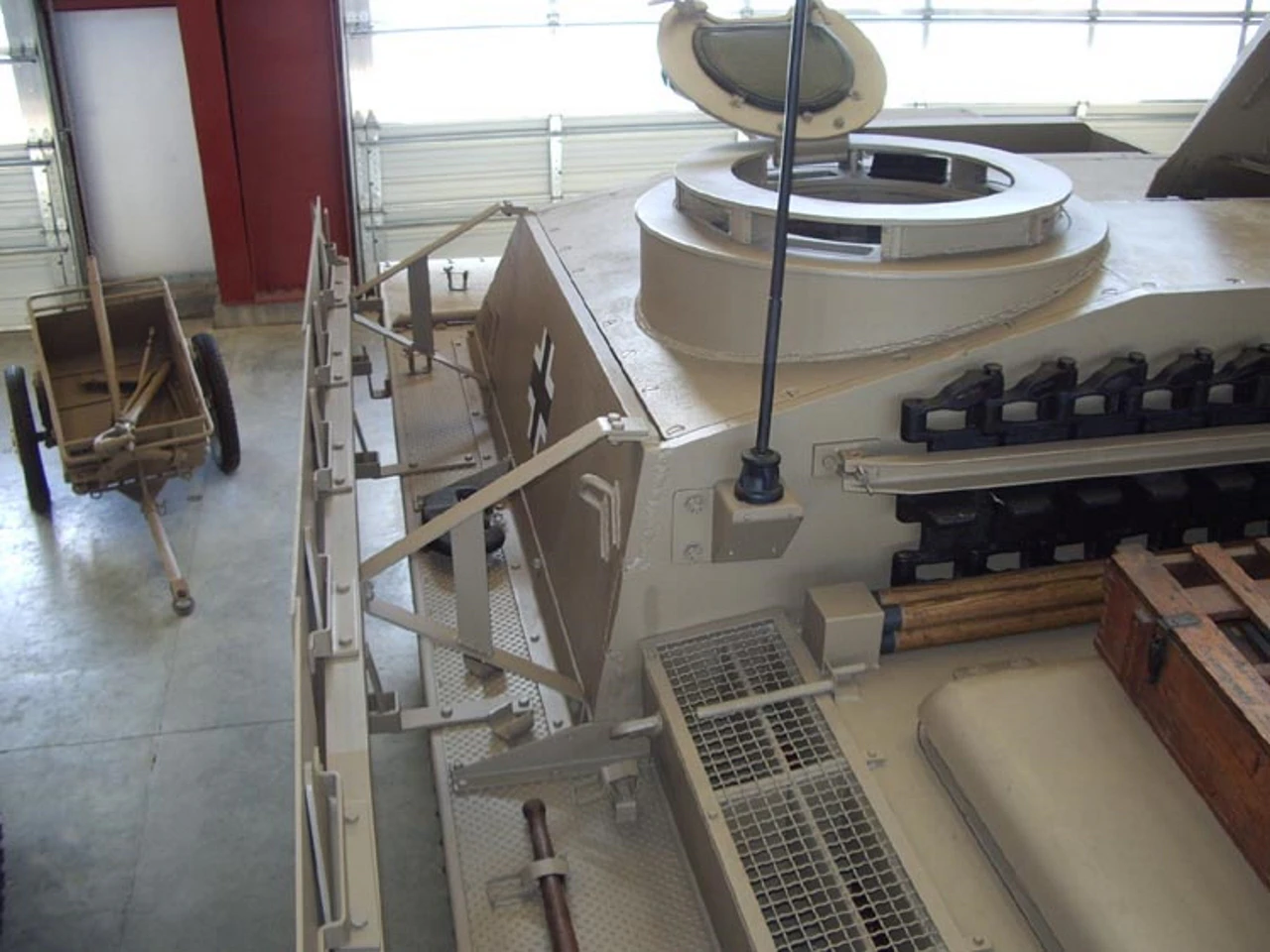
SdKfz 142-1 StuG III 03
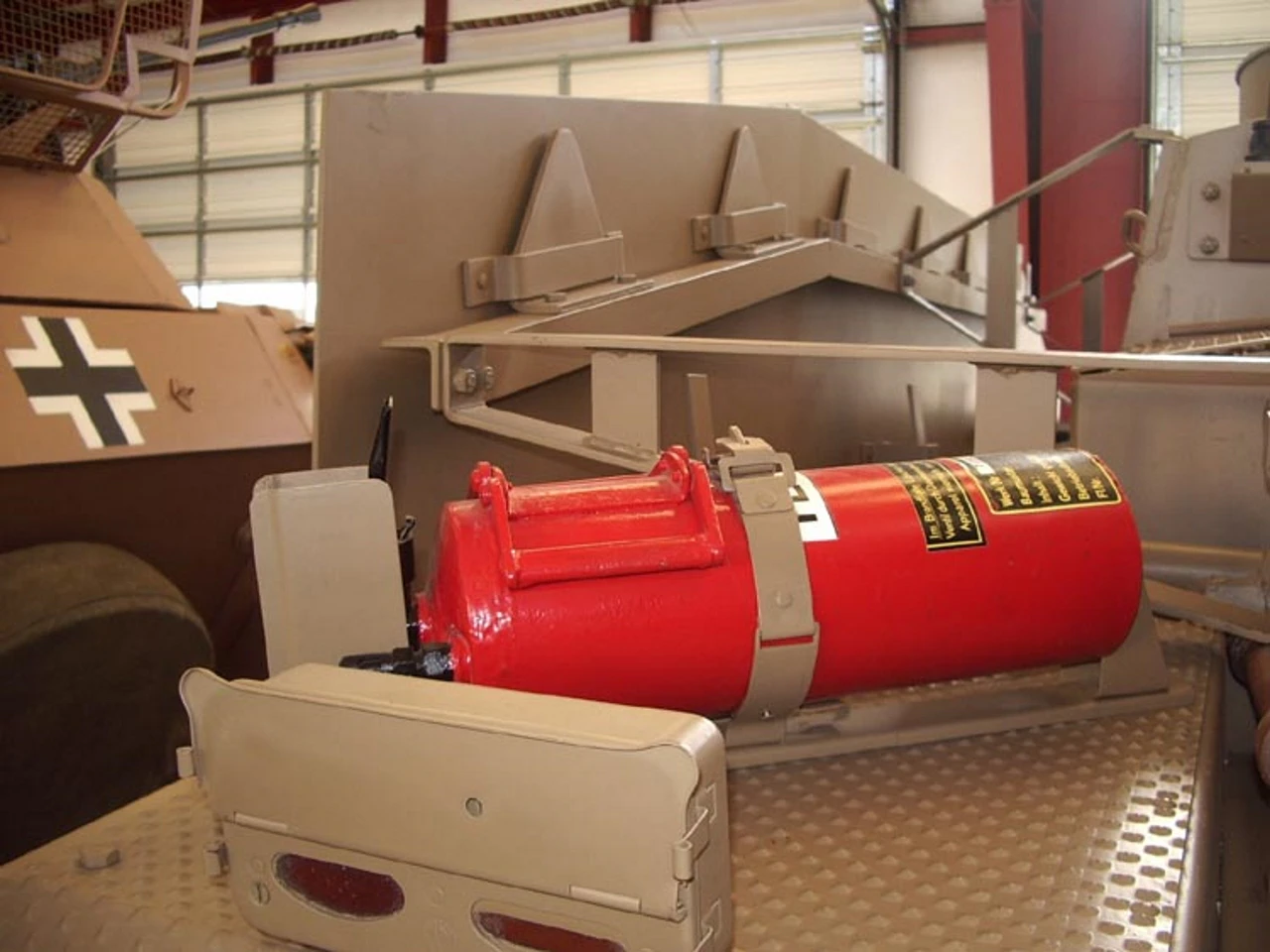
SdKfz 142-1 StuG III 05

SdKfz 142-1 StuG III 06

SdKfz 142-1 StuG III 08
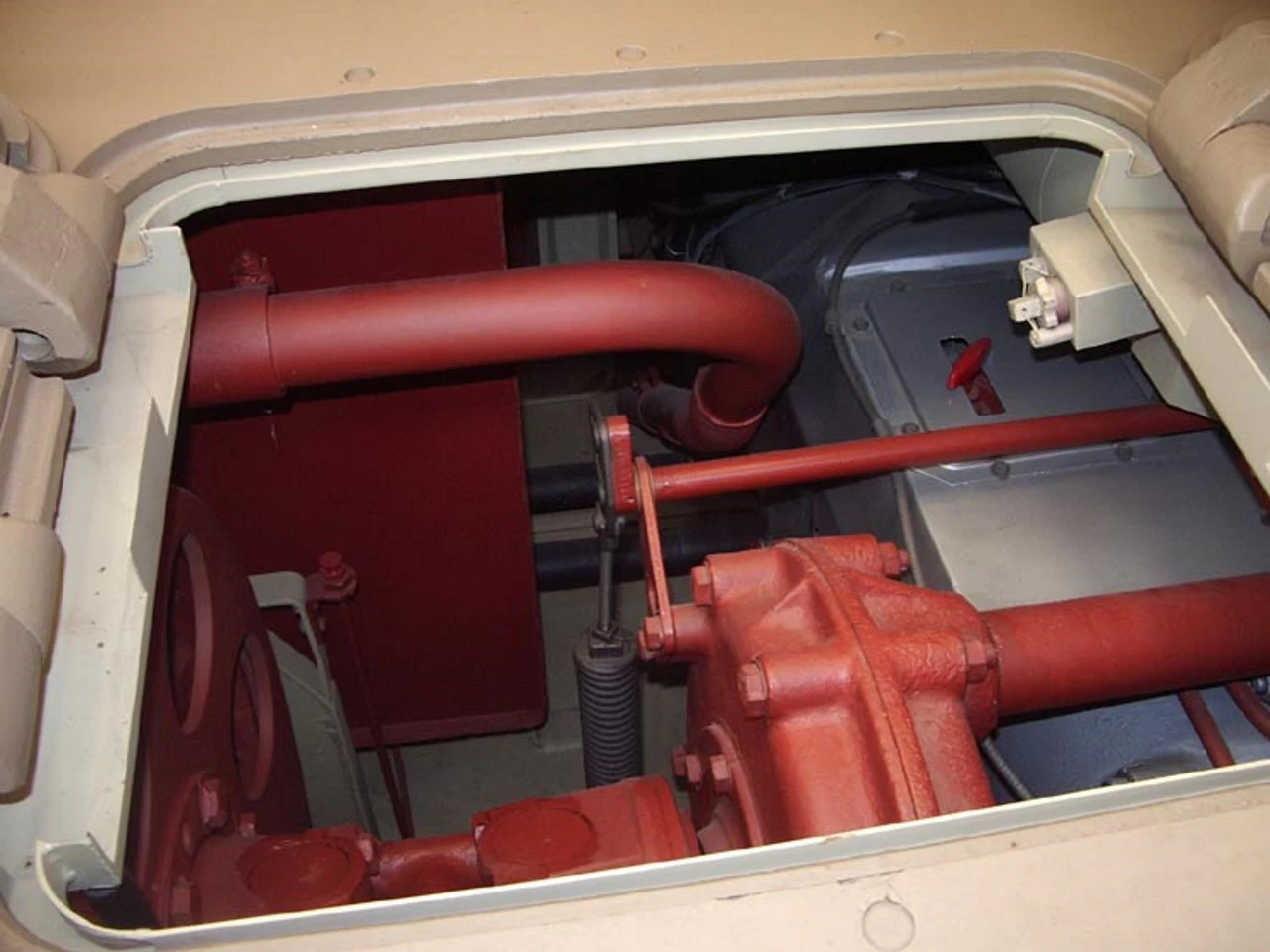
SdKfz 142-1 StuG III 07

SdKfz 142-1 StuG III 09
Počkajte, Hľadanie StuG III Ausf. G fotografie pre vás...

| SdKfz 142/1 Sturmgeschutz (StuG) III Ausf G Chodiť | |
|---|---|
| Fotograf | Vladimír Jakubov |
| Lokalizácia | Múzeum brnenia Latrun |
| Fotografie | 107 |
| Sturmgeschutz III Ausf. B Walk Around | |
|---|---|
| Fotograf | Unknow |
| Lokalizácia | Neznáme |
| Fotografie | 16 |
Pozri tiež:


The Deadliest Silhouette on the Eastern Front
Komisia StuG III Ausf. G was the final and most prolific version of the Sturmgeschütz series. Built on the reliable chassis of the Panzer III, it abandoned the rotating turret in favor of a fixed, low-profile casemate. Originally designed as infantry support artillery, the Ausf. G was up-gunned with a high-velocity 75mm cannon, transforming it into a formidable tank destroyer. Its low height made it easy to camouflage and difficult to hit, making it the preferred weapon for German “Tank Aces” like Michael Wittmann before they transitioned to heavier armor.
| Attribute | Technical Specification (StuG III Ausf. G) |
|---|---|
| Úlohu | Assault Gun / Tank Destroyer |
| Posádky | 4 (Commander, Gunner, Loader, Driver) |
| Production Years | 1942 – 1945 (Approx. 8,400 built) |
| Hlavná výzbroj | 7.5 cm KwK 40 L/48 |
| Sekundárna výzbroj | 1 or 2 × 7.92 mm MG34 machine guns |
| Armor (Front) | 80 mm (3.1 in) |
| Motor | Maybach HL 120 TRM V-12 (300 hp) |
| Top Speed | 40 km/h (25 mph) on roads |
Design Evolution: The “G” Refinements
- The Saukopf (Sow’s Head) Mantlet: Later Ausf. G models featured a cast gun mantlet with rounded edges. This was designed to deflect incoming shells more effectively than the earlier bolted, boxy designs.
- Schürzen (Side Skirts): To defend against Soviet anti-tank rifles and HEAT rounds, the StuG III G was often fitted with thin metal plates along the sides. These “skirts” would prematurely detonate or destabilize incoming projectiles before they hit the main hull.
- Commander’s Cupola: The Ausf. G introduced a proper cupola with periscopes for the commander, significantly improving situational awareness—a major weakness of earlier turretless designs.
- Zimmerit Coating: Many Ausf. Gs were covered in a ridged, paste-like ceramic coating. This was intended to prevent magnetic anti-tank mines from sticking to the steel hull.
The “Wait-and-Strike” Specialist
- Economic Efficiency: The StuG III was significantly cheaper and faster to build than the Panzer IV or Tiger tanks. Because it lacked a complex turret mechanism, it was also easier to maintain in the field.
- Ambush Master: Its low height allowed the StuG to hide in tall grass or shallow depressions that would expose a normal tank. Soviet tankers often didn’t realize they were being engaged by a StuG until it was too late to return fire.
- Sturmhaubitze 42 (StuH 42): A variant of the Ausf. G was armed with a 10.5 cm howitzer instead of the anti-tank gun. This version returned to the vehicle’s roots, providing devastating high-explosive support for infantry.
- Post-War Service: The StuG III was so effective that it continued to serve long after 1945. The Finnish Army used them until the 1960s, and Syria even deployed them against Israel in the 1967 Six-Day War.
Views : 11331