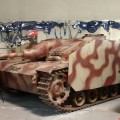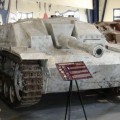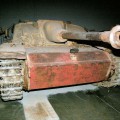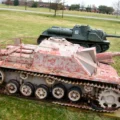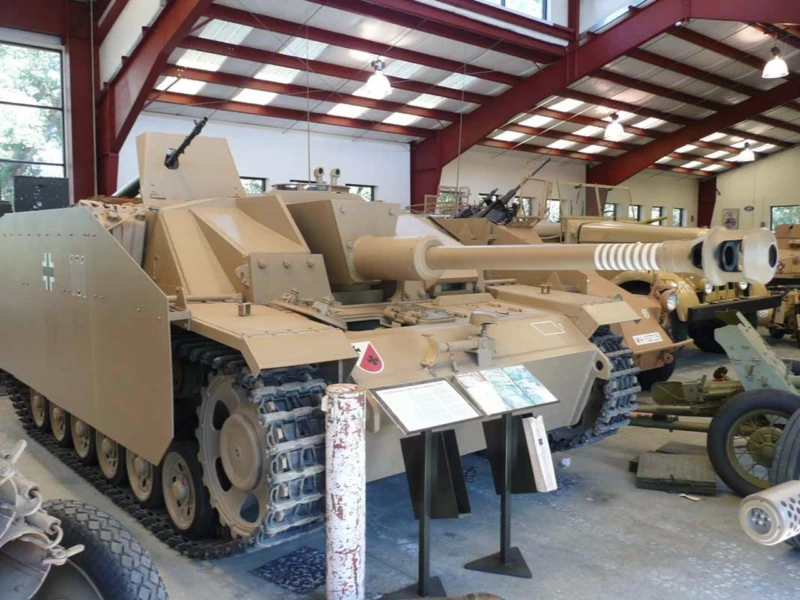
Στου Γ ́ Ώστιφ. G | |
|---|---|
| Χώρα | Ναζιστική Γερμανία |
| Ρόλο | Όπλο επίθεσης |
| Παράγεται | Δεκέμβριος 1942 – Απρίλιος 1945 |
| Χτισμένο | ~8423 |
Ο τελικός και μακράν ο πιο κοινός Στουγκ σειρά. Η ανώτερη υπερκατασκευή διευρύνθηκε: τα συγκολλημένα κουτιά και στις δύο πλευρές εγκαταλείφθηκαν. Αυτός ο νέος σχεδιασμός υπερκατασκευής αύξησε το ύψος του στα 2160 mm. Ο πίσω τοίχος του διαμερίσματος μάχης ισιώθηκε και ο ανεμιστήρας εξαερισμού πάνω από την υπερκατασκευή μεταφέρθηκε στο πίσω μέρος του διαμερίσματος μάχης. Από το Μάρτιο του 1943, το περισκόπιο του οδηγού εγκαταλείφθηκε. Τον Φεβρουάριο του 1943, η Alkett ενώθηκε με την MIAG ως δεύτερος κατασκευαστής. Από τον Μάιο του 1943, οι πλευρικές πλάκες θωράκιση με απόσταση κύτους (Schürzen) τοποθετήθηκαν σε μοντέλα G για πρόσθετη προστασία τεθωρακισμένων, ιδιαίτερα έναντι ρωσικών αντιαρματιδών, αλλά ήταν επίσης χρήσιμες κατά των πυρομαχικών κοίλου φορτίου. Οι πλευρικές πλάκες τοποθετήθηκαν εκ των υστέρων σε κάποιο Ausf. Μοντέλα F/8, καθώς επρόκειτο να τοποθετηθούν σε όλους τους StuGs πρώτης γραμμής και σε άλλες δεξαμενές μέχρι τον Ιούνιο του 1943 για την προετοιμασία της μάχης του Kursk. Οι τοποθετήσεις για το Schürzen αποδείχθηκαν ανεπαρκώς ισχυρές, δεδομένου ότι πολλοί χάθηκαν στο πεδίο. Από το Μάρτιο του 1944, εισήχθη μια βελτιωμένη τοποθέτηση. ως αποτέλεσμα, οι πλευρικές φούστες εμφανίζονται συχνότερα με το πρόσφατο μοντέλο Ausf G. Από τον Μάιο του 1943, χρησιμοποιήθηκαν πλάκες πάχους 80 mm για μετωπική πανοπλία αντί για δύο πλάκες των 50 mm + 30 mm. Ωστόσο, υπήρχαν καθυστερήσεις στις θωρακιές StuGs με ολοκληρωμένη πανοπλία 50 mm. Για εκείνους, μια πρόσθετη πλάκα τεθωρακισμένων 30 mm έπρεπε ακόμα να συγκολληθεί ή να βιδωθεί επάνω, μέχρι τον Οκτώβριο του 1943.
Πηγή: Στου Γ ́ Ώστιφ. G στη Βικιπαίδεια
| SdKfz 142/1 Στούργκεσχουτζ (Στουγκ) ΙΙΙ Περπατήστε γύρω | |
|---|---|
| Φωτογράφος | Βλαντιμίρ Γιακούμποφ |
| Εντοπισμού | Συλλογή Ζακ Λίτλφιλντ |
| Φωτογραφίες | 34 |
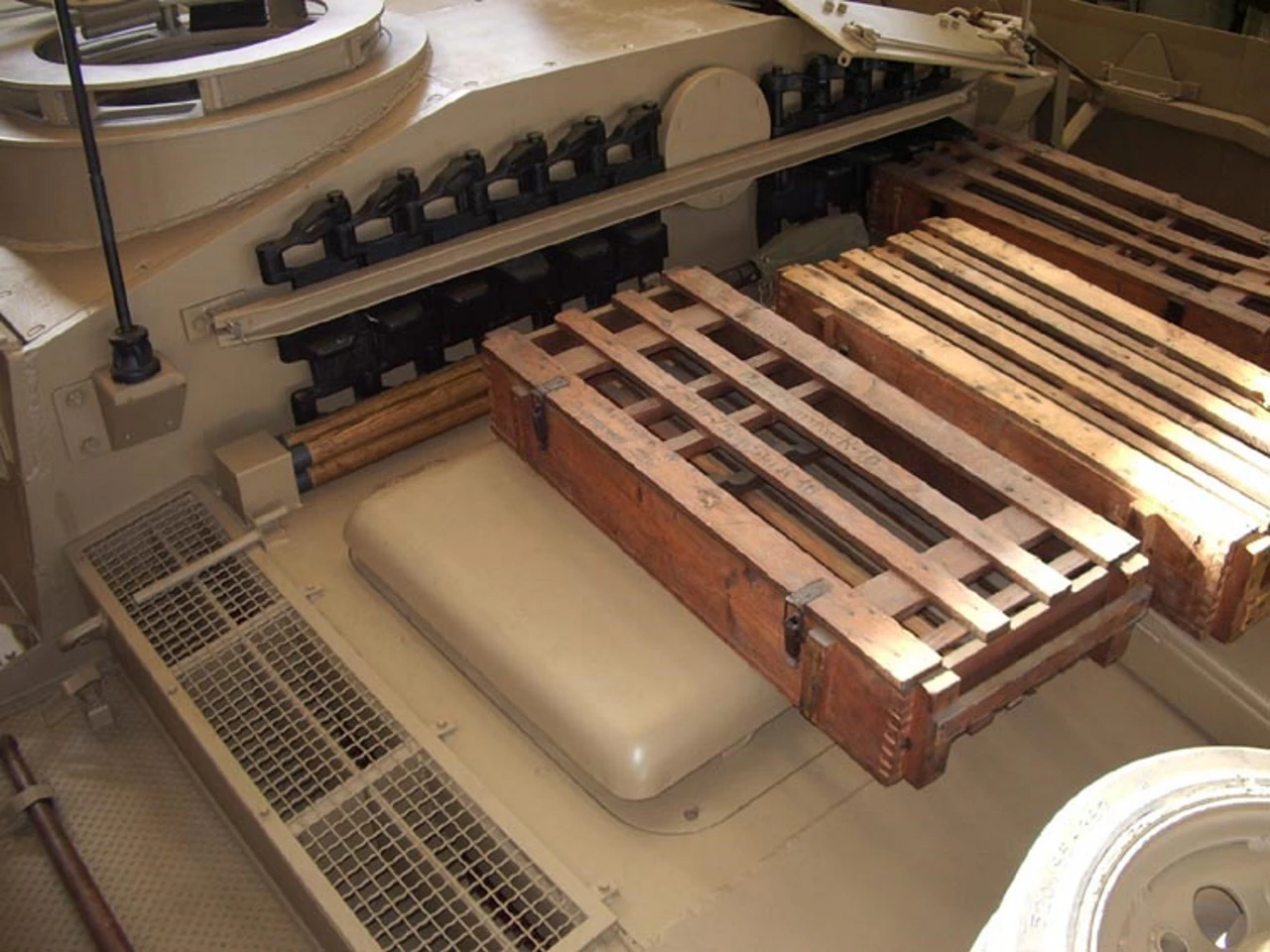
SdKfz 142-1 StuG III 02

SdKfz 142-1 StuG III 01

SdKfz 142-1 StuG III 04
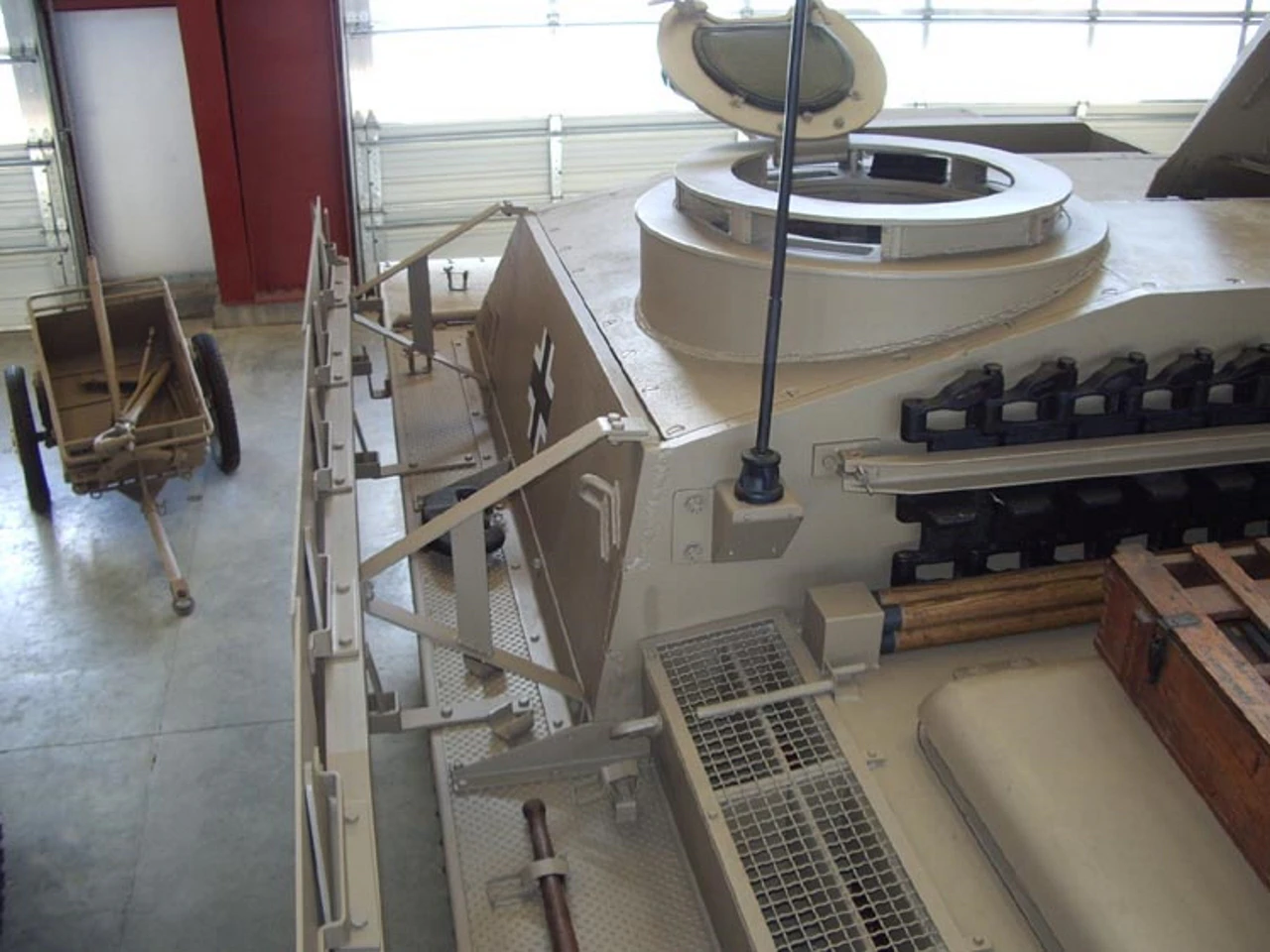
SdKfz 142-1 StuG III 03
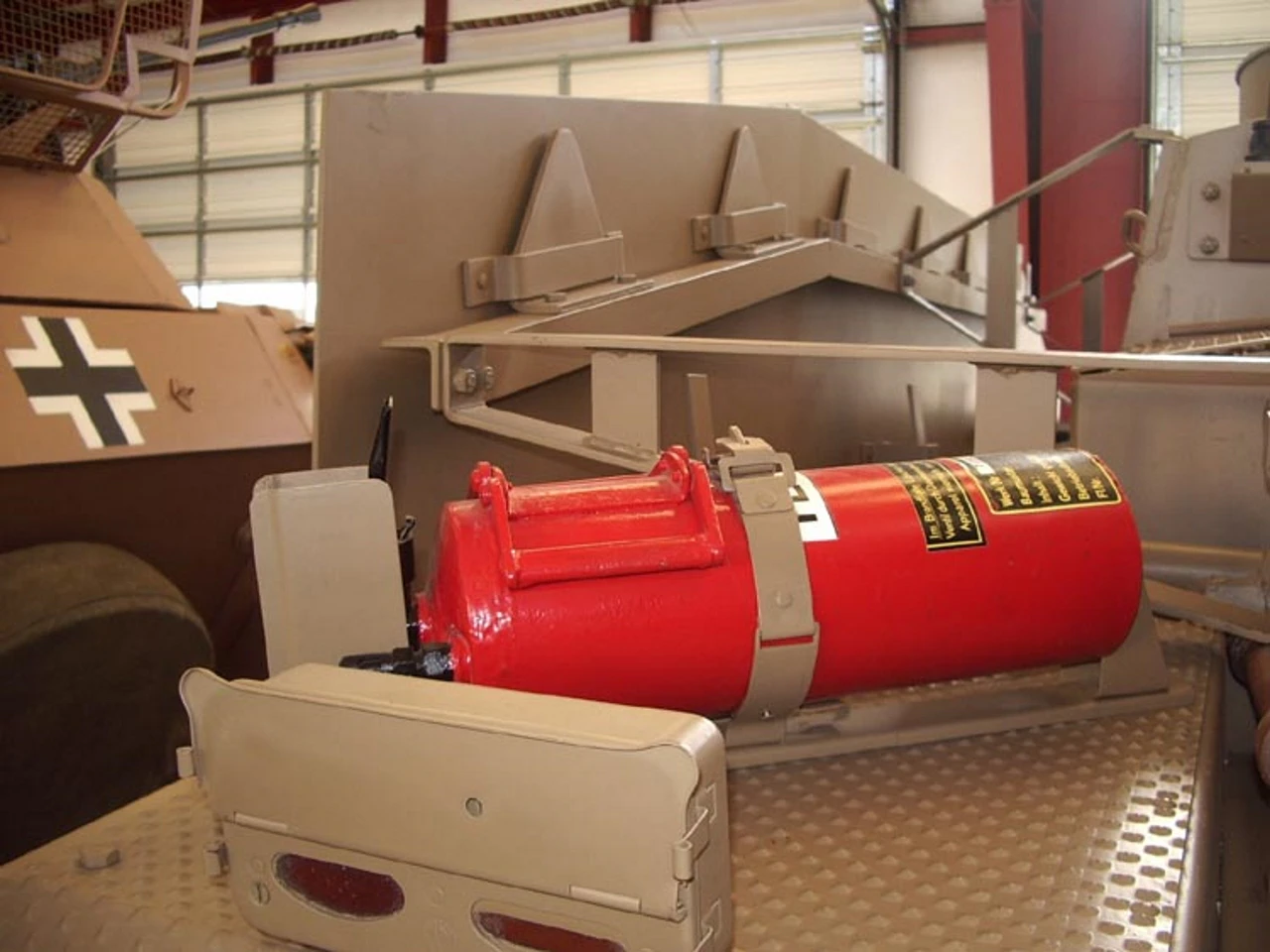
SdKfz 142-1 StuG III 05

SdKfz 142-1 StuG III 06

SdKfz 142-1 StuG III 08
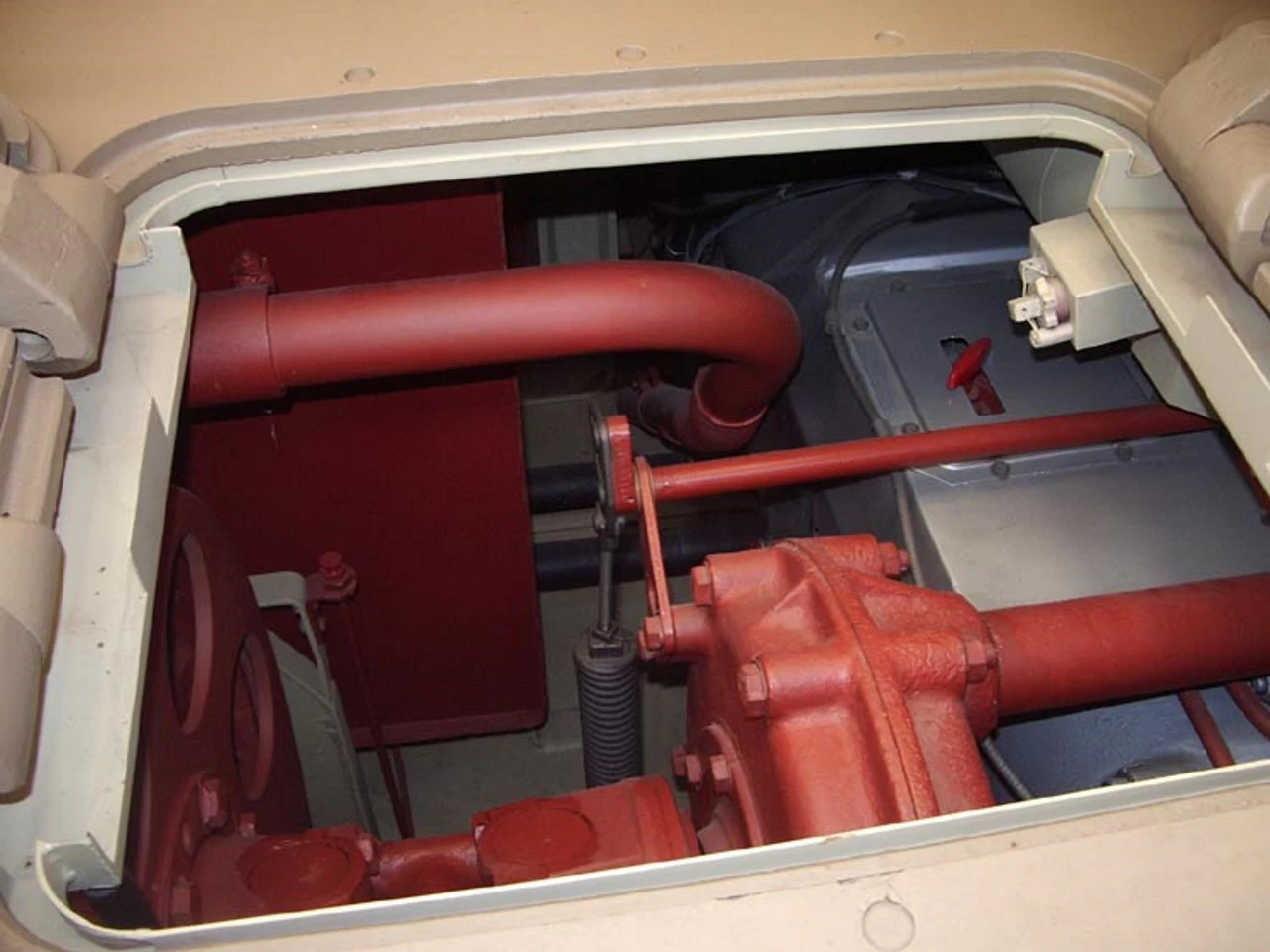
SdKfz 142-1 StuG III 07

SdKfz 142-1 StuG III 09
Περιμένετε, ψάχνοντας StuG ΙΙΙ Ausf. G φωτογραφίες για εσάς...

| SdKfz 142/1 Στούργκεσχουτζ (Στουγκ) ΙΙΙ Ausf G Περπατήστε γύρω | |
|---|---|
| Φωτογράφος | Βλαντιμίρ Γιακούμποφ |
| Εντοπισμού | Μουσείο Τεθωρακισμένων Latrun |
| Φωτογραφίες | 107 |
| Sturmgeschutz III Ausf. B Walk Around | |
|---|---|
| Φωτογράφος | Unknow |
| Εντοπισμού | Αγνοώ |
| Φωτογραφίες | 16 |
Δείτε επίσης:


The Deadliest Silhouette on the Eastern Front
Teh Στου Γ ́ Ώστιφ. G was the final and most prolific version of the Sturmgeschütz series. Built on the reliable chassis of the Panzer III, it abandoned the rotating turret in favor of a fixed, low-profile casemate. Originally designed as infantry support artillery, the Ausf. G was up-gunned with a high-velocity 75mm cannon, transforming it into a formidable tank destroyer. Its low height made it easy to camouflage and difficult to hit, making it the preferred weapon for German “Tank Aces” like Michael Wittmann before they transitioned to heavier armor.
| Attribute | Technical Specification (StuG III Ausf. G) |
|---|---|
| Ρόλο | Assault Gun / Tank Destroyer |
| Πλήρωμα | 4 (Commander, Gunner, Loader, Driver) |
| Production Years | 1942 – 1945 (Approx. 8,400 built) |
| Main Armament | 7.5 cm KwK 40 L/48 |
| Secondary Armament | 1 or 2 × 7.92 mm MG34 machine guns |
| Armor (Front) | 80 mm (3.1 in) |
| Μηχανή | Maybach HL 120 TRM V-12 (300 hp) |
| Top Speed | 40 km/h (25 mph) on roads |
Design Evolution: The “G” Refinements
- The Saukopf (Sow’s Head) Mantlet: Later Ausf. G models featured a cast gun mantlet with rounded edges. This was designed to deflect incoming shells more effectively than the earlier bolted, boxy designs.
- Schürzen (Side Skirts): To defend against Soviet anti-tank rifles and HEAT rounds, the StuG III G was often fitted with thin metal plates along the sides. These “skirts” would prematurely detonate or destabilize incoming projectiles before they hit the main hull.
- Commander’s Cupola: The Ausf. G introduced a proper cupola with periscopes for the commander, significantly improving situational awareness—a major weakness of earlier turretless designs.
- Zimmerit Coating: Many Ausf. Gs were covered in a ridged, paste-like ceramic coating. This was intended to prevent magnetic anti-tank mines from sticking to the steel hull.
The “Wait-and-Strike” Specialist
- Economic Efficiency: The StuG III was significantly cheaper and faster to build than the Panzer IV or Tiger tanks. Because it lacked a complex turret mechanism, it was also easier to maintain in the field.
- Ambush Master: Its low height allowed the StuG to hide in tall grass or shallow depressions that would expose a normal tank. Soviet tankers often didn’t realize they were being engaged by a StuG until it was too late to return fire.
- Sturmhaubitze 42 (StuH 42): A variant of the Ausf. G was armed with a 10.5 cm howitzer instead of the anti-tank gun. This version returned to the vehicle’s roots, providing devastating high-explosive support for infantry.
- Post-War Service: The StuG III was so effective that it continued to serve long after 1945. The Finnish Army used them until the 1960s, and Syria even deployed them against Israel in the 1967 Six-Day War.
Views : 11347