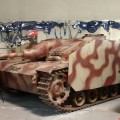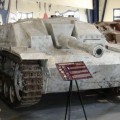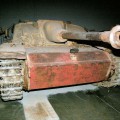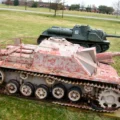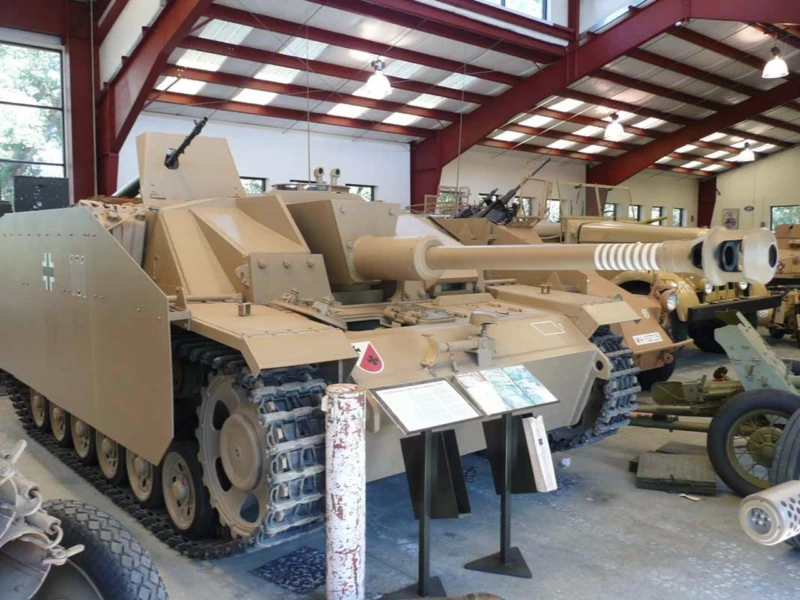
StuG III Ausf. G | |
|---|---|
| Zemlja | Nacistička Nemačka |
| Ulogu | Jurišni pištolj |
| Proizvodi | Decembar 1942 – April 1945 |
| Izgradio | ~8423 |
Finale i ubedljivo najčešće od StuG Serije. Gornja nadgradnja je proširena: zavarene kutije sa obe strane su napuštene. Ovaj novi superstrukturni dizajn povećao je svoju visinu na 2160 mm. Zadnji zid borbenog odeljka je ispravljen, a ventilator za ventilaciju na vrhu nadgradnje je premešten u zadnji deo borbenog odeljka. Od marta 1943. U februaru 1943, Alkettu se pridružio MIAG kao drugi proizvođač. Od maja 1943. Bočne ploče su bile retro uklopljene u neki Ausf. F/8 modeli, kako je trebalo da budu uklopljeni na sve prve linije Fronta StuGs i druge tenkove do juna 1943. Montaže za Šürzen pokazale su se neadekvatno jakim, jer su mnogi izgubljeni na terenu. Od marta 1944. kao rezultat toga, bočne suknje se češće viđaju sa pokojnim modelom Ausf G. Od maja 1943. godine za frontalni oklop korišćene su 80 mm debele ploče umesto dve ploče od 50 mm + 30 mm. Međutim, postojao je zaostatak StuG-ova sa završenim oklopom od 50 mm. Za njih je dodatna oklopna ploča od 30 mm ipak morala da bude zavarena ili zabravljena, sve do oktobra 1943.
Izvor: StuG III Ausf. G na Vikipediji
| SdKfz 142/1 Sturmgeschutz (StuG) III Walk Around | |
|---|---|
| Fotograf | Vladimir Jakubov |
| Lokalizacija | Kolekcija Žaka Litlfilda |
| Fotografije | 34 |
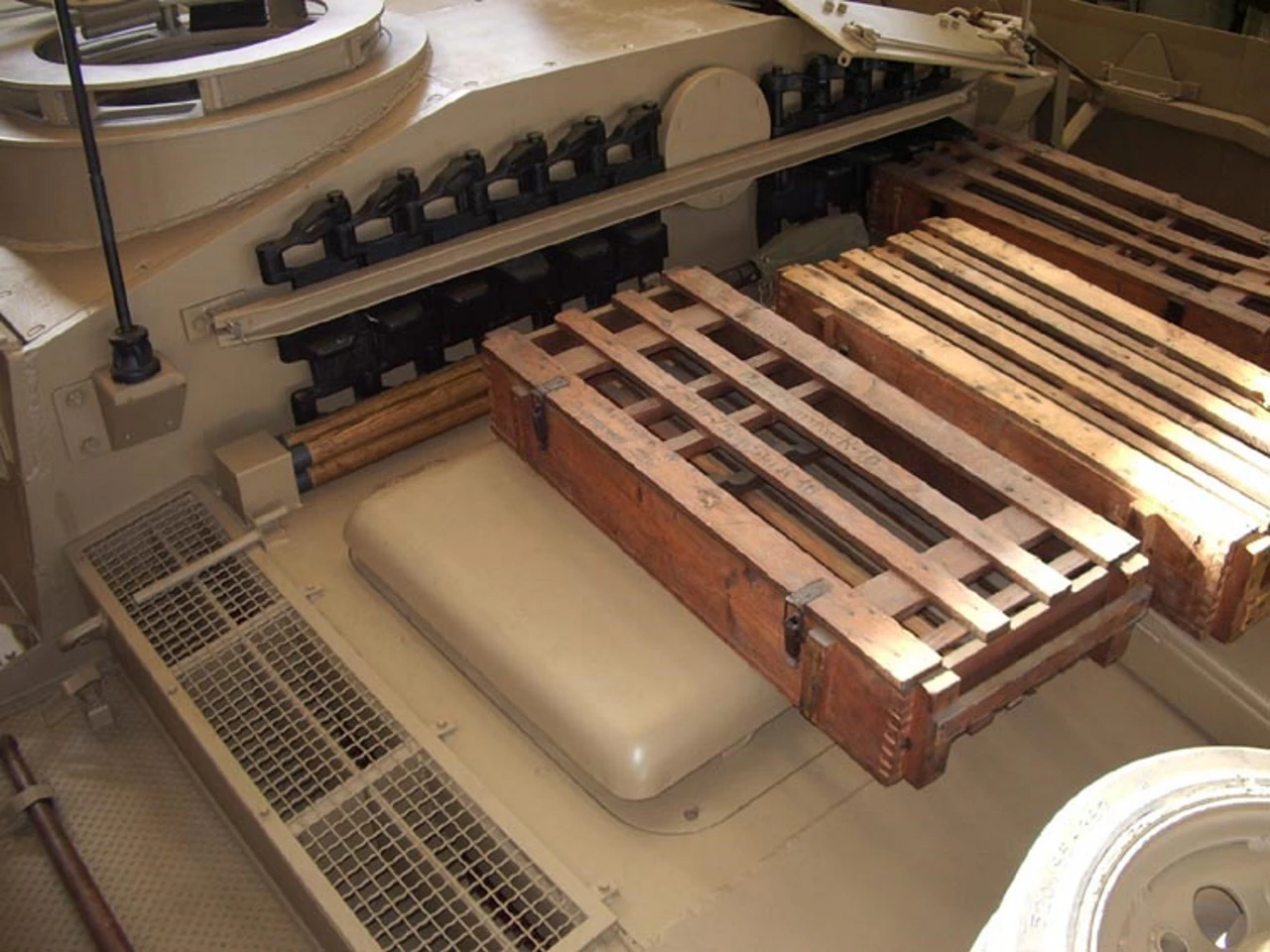
SdKfz 142-1 StuG III 02

SdKfz 142-1 StuG III 01

SdKfz 142-1 StuG III 04
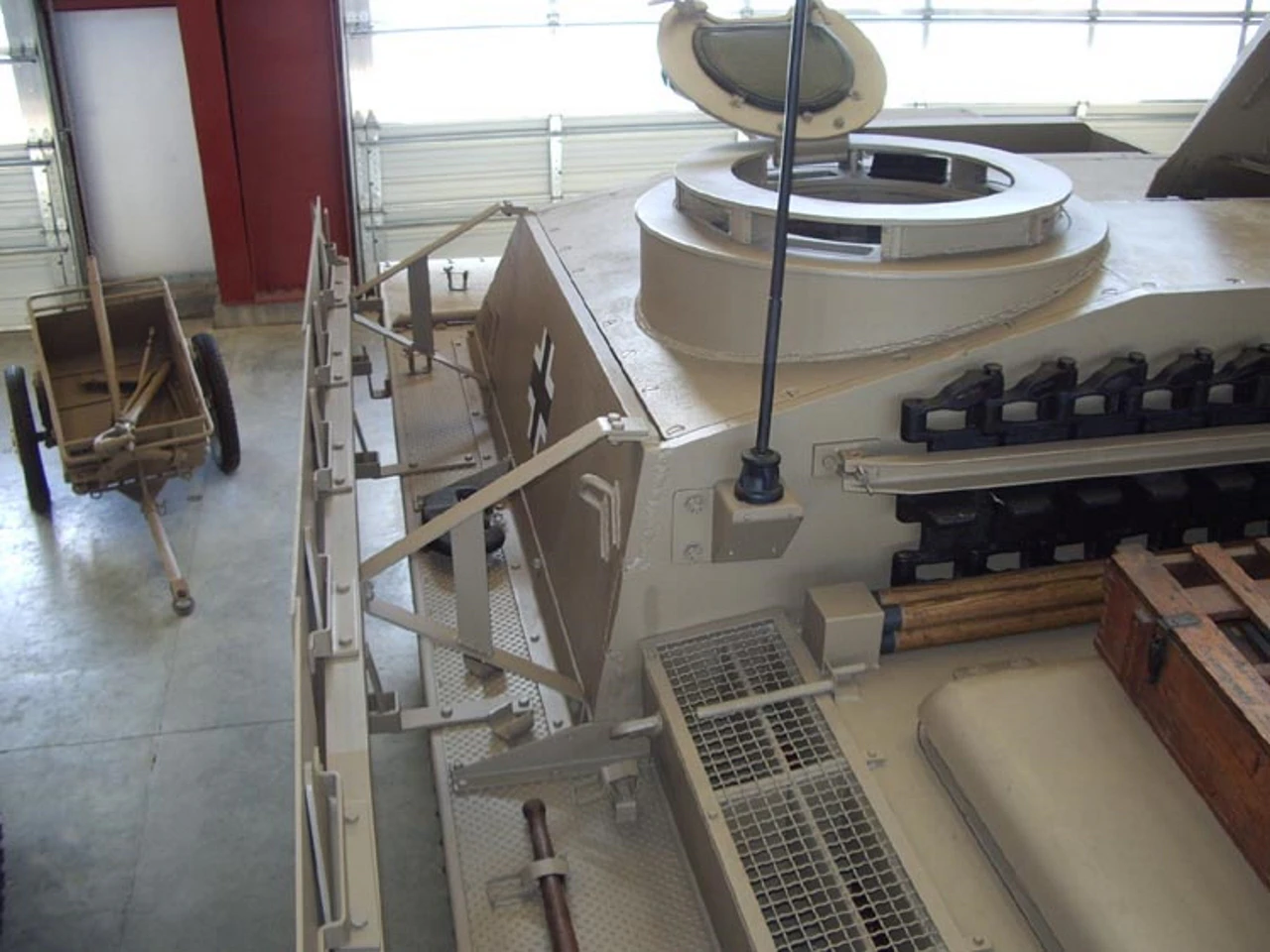
SdKfz 142-1 StuG III 03
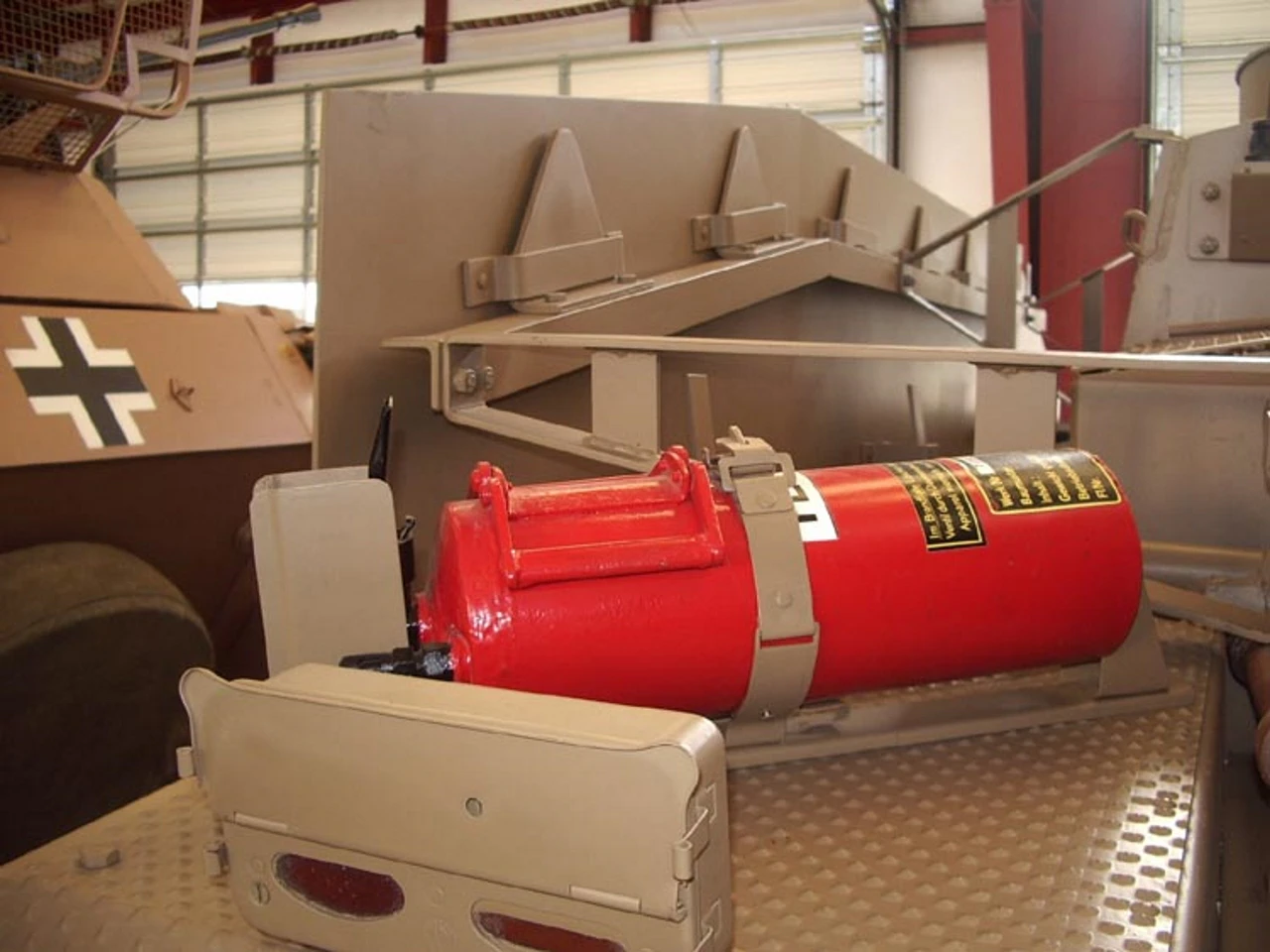
SdKfz 142-1 StuG III 05

SdKfz 142-1 StuG III 06

SdKfz 142-1 StuG III 08
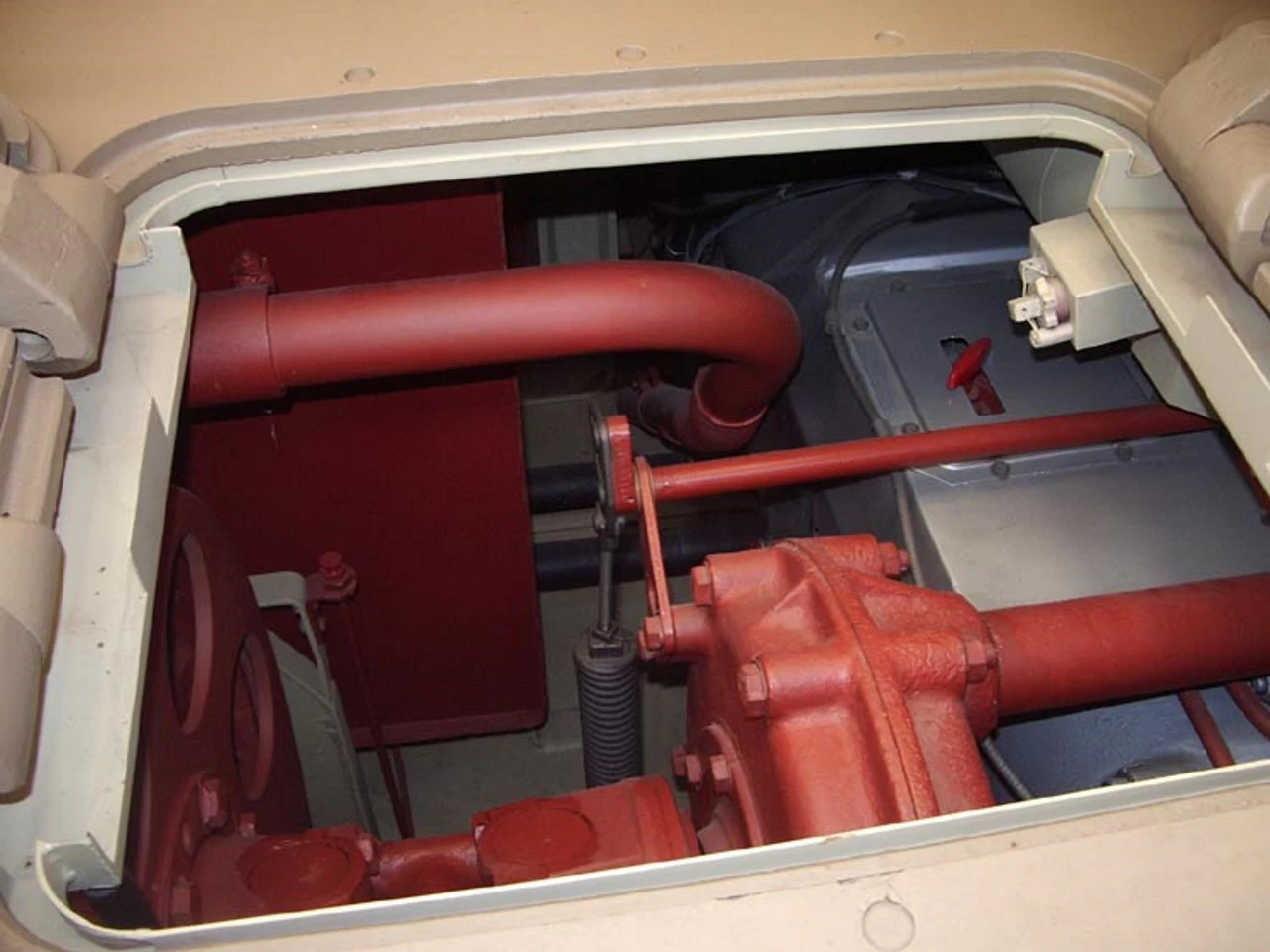
SdKfz 142-1 StuG III 07

SdKfz 142-1 StuG III 09
Wait, Searching StuG III Ausf. G fotografije za vas...

| SdKfz 142/1 Sturmgeschutz (StuG) III Ausf G Walk Around | |
|---|---|
| Fotograf | Vladimir Jakubov |
| Lokalizacija | Latrun Armor Museum |
| Fotografije | 107 |
| Sturmgeschutz III Ausf. B Walk Around | |
|---|---|
| Fotograf | Unknow |
| Lokalizacija | Nepoznato |
| Fotografije | 16 |
Pogledajte i:


The Deadliest Silhouette on the Eastern Front
Čaj StuG III Ausf. G was the final and most prolific version of the Sturmgeschütz series. Built on the reliable chassis of the Panzer III, it abandoned the rotating turret in favor of a fixed, low-profile casemate. Originally designed as infantry support artillery, the Ausf. G was up-gunned with a high-velocity 75mm cannon, transforming it into a formidable tank destroyer. Its low height made it easy to camouflage and difficult to hit, making it the preferred weapon for German “Tank Aces” like Michael Wittmann before they transitioned to heavier armor.
| Attribute | Technical Specification (StuG III Ausf. G) |
|---|---|
| Ulogu | Assault Gun / Tank Destroyer |
| Posada | 4 (Commander, Gunner, Loader, Driver) |
| Production Years | 1942 – 1945 (Approx. 8,400 built) |
| Glavno naoružanje | 7.5 cm KwK 40 L/48 |
| Sekundarno naoružanje | 1 or 2 × 7.92 mm MG34 machine guns |
| Armor (Front) | 80 mm (3.1 in) |
| Motor | Maybach HL 120 TRM V-12 (300 hp) |
| Top Speed | 40 km/h (25 mph) on roads |
Design Evolution: The “G” Refinements
- The Saukopf (Sow’s Head) Mantlet: Later Ausf. G models featured a cast gun mantlet with rounded edges. This was designed to deflect incoming shells more effectively than the earlier bolted, boxy designs.
- Schürzen (Side Skirts): To defend against Soviet anti-tank rifles and HEAT rounds, the StuG III G was often fitted with thin metal plates along the sides. These “skirts” would prematurely detonate or destabilize incoming projectiles before they hit the main hull.
- Commander’s Cupola: The Ausf. G introduced a proper cupola with periscopes for the commander, significantly improving situational awareness—a major weakness of earlier turretless designs.
- Zimmerit Coating: Many Ausf. Gs were covered in a ridged, paste-like ceramic coating. This was intended to prevent magnetic anti-tank mines from sticking to the steel hull.
The “Wait-and-Strike” Specialist
- Economic Efficiency: The StuG III was significantly cheaper and faster to build than the Panzer IV or Tiger tanks. Because it lacked a complex turret mechanism, it was also easier to maintain in the field.
- Ambush Master: Its low height allowed the StuG to hide in tall grass or shallow depressions that would expose a normal tank. Soviet tankers often didn’t realize they were being engaged by a StuG until it was too late to return fire.
- Sturmhaubitze 42 (StuH 42): A variant of the Ausf. G was armed with a 10.5 cm howitzer instead of the anti-tank gun. This version returned to the vehicle’s roots, providing devastating high-explosive support for infantry.
- Post-War Service: The StuG III was so effective that it continued to serve long after 1945. The Finnish Army used them until the 1960s, and Syria even deployed them against Israel in the 1967 Six-Day War.
Views : 11348