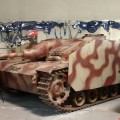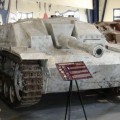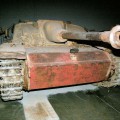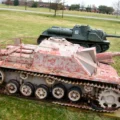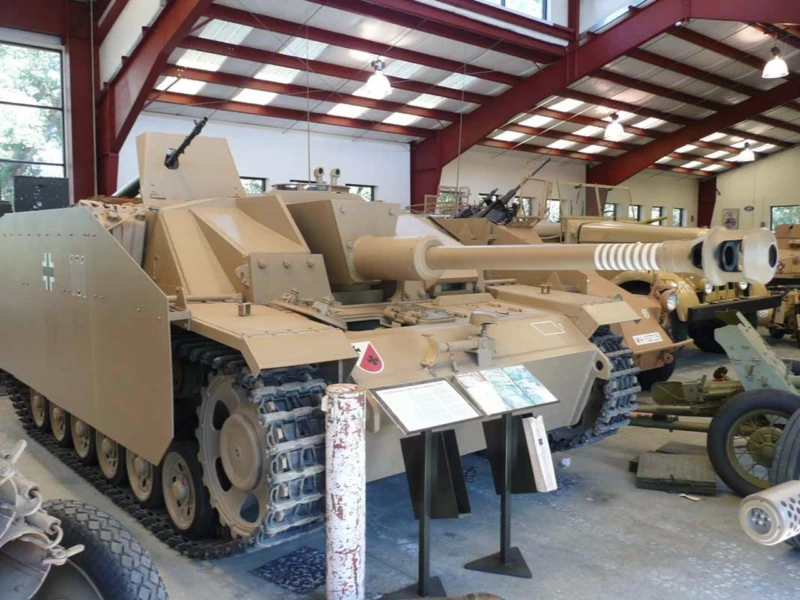
StuG III Ausf. G | |
|---|---|
| Land | Nazi-Duitsland |
| Role | Het kanon van de aanval |
| Geproduceerd | december 1942 – april 1945 |
| Gebouwd | ~8423 |
De finale en veruit de meest voorkomende van de Stug Serie. De bovenste bovenbouw werd verbreed: aan weerszijden werden gelaste dozen verlaten. Dit nieuwe bovenbouwontwerp verhoogde zijn hoogte tot 2160 mm. De achterwand van het vechtcompartiment werd rechtgetrokken en de ventilatieventilator bovenop de bovenbouw werd verplaatst naar de achterkant van het vechtcompartiment. Vanaf maart 1943 werd de periscoop van de bestuurder verlaten. In februari 1943 werd Alkett als tweede fabrikant bij MIAG aangesloten. Vanaf mei 1943 werden pantserplaten (Schürzen) op G-modellen gemonteerd voor extra pantserbescherming, met name tegen Russische antitankgeweren, maar waren ook nuttig tegen holle munitie. Zijplaten werden retro gemonteerd op sommige Ausf. F/8-modellen, omdat ze in juni 1943 op alle stug's en andere tanks in de frontlinie zouden worden gemonteerd ter voorbereiding op de slag bij Koersk. De montages voor Schürzen bleken onvoldoende sterk, aangezien velen in het gebied verloren gingen. Vanaf maart 1944 werd een verbeterde montage geïntroduceerd; als gevolg hiervan worden zijrokken vaker gezien met laat model Ausf G. Vanaf mei 1943 werden 80 mm dikke platen gebruikt voor frontaal pantser in plaats van twee platen van 50 mm + 30 mm. Er was echter een achterstand van StuGs met voltooid 50 mm pantser. Daarvoor moest tot oktober 1943 nog een 30 mm extra pantserplaat worden gelast of vastgeschroefd.
Bron: StuG III Ausf. G op Wikipedia
| SdKfz 142/1 Sturmgeschutz (StuG) III Rond te Lopen | |
|---|---|
| Fotograaf | Vladimir Yakubov |
| Lokalisatie | Jacques Littlefield Collectie |
| Foto 's | 34 |
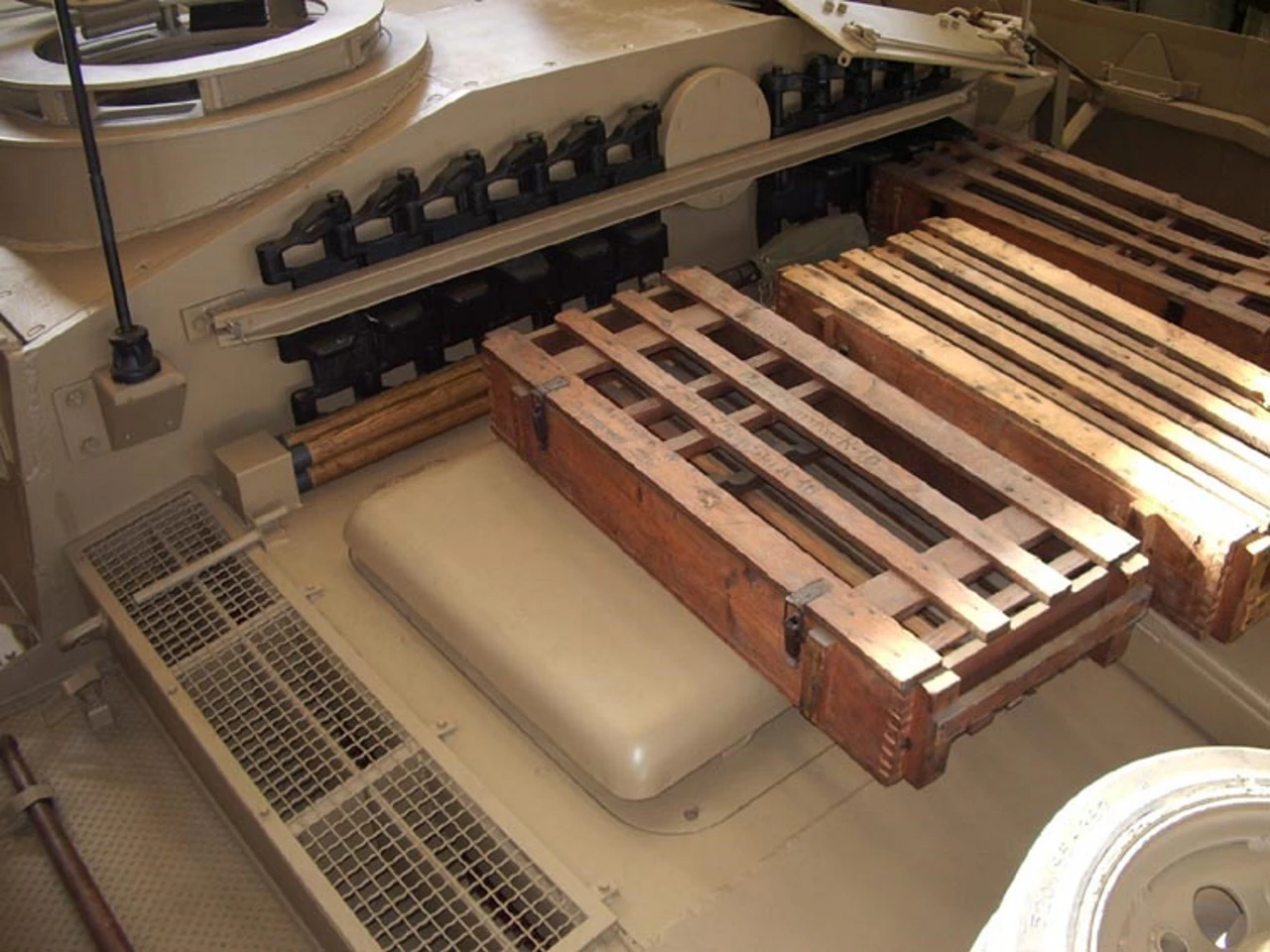
SdKfz 142-1 StuG III 02

SdKfz 142-1 StuG III 01

SdKfz 142-1 StuG III 04
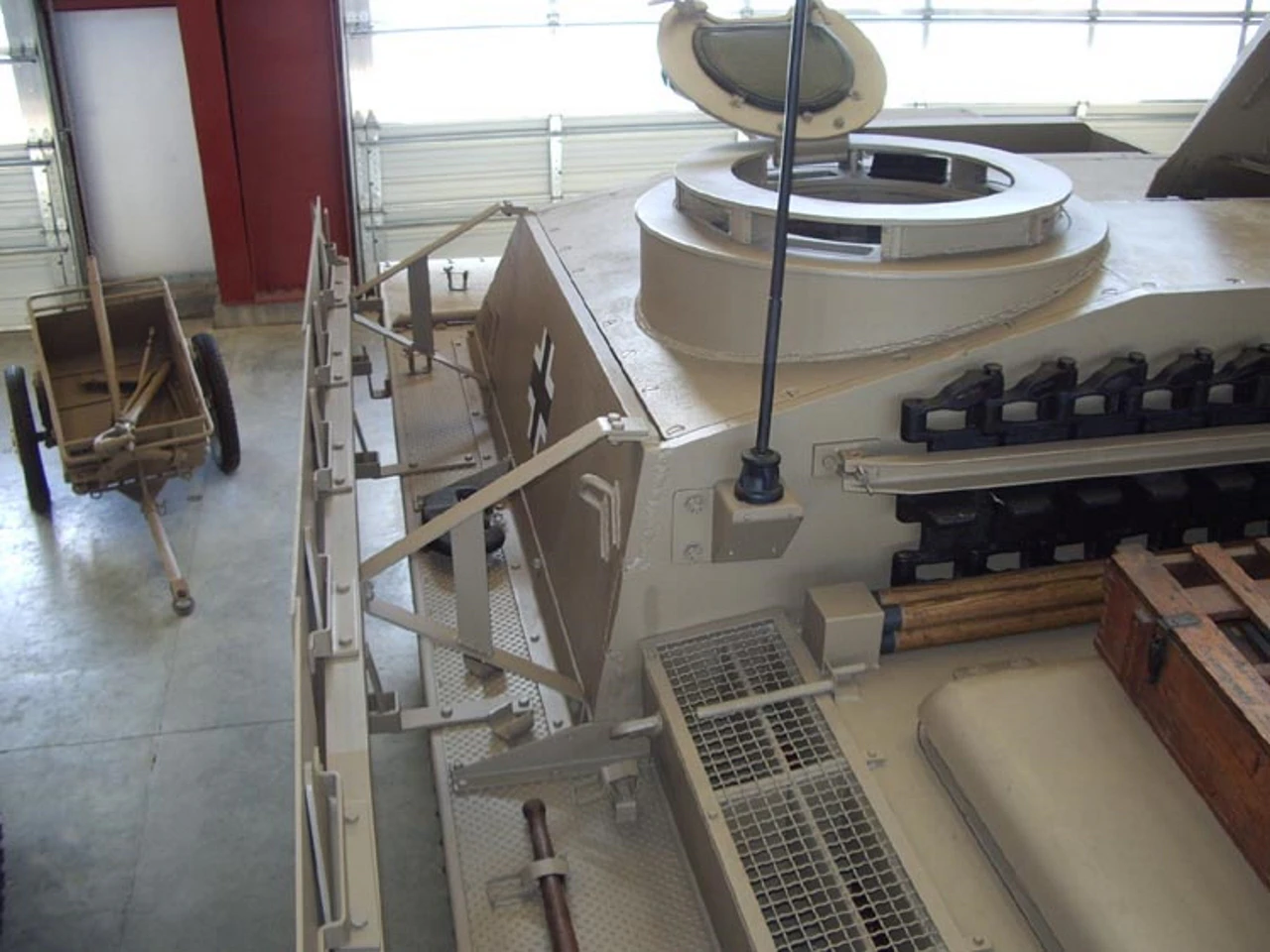
SdKfz 142-1 StuG III 03
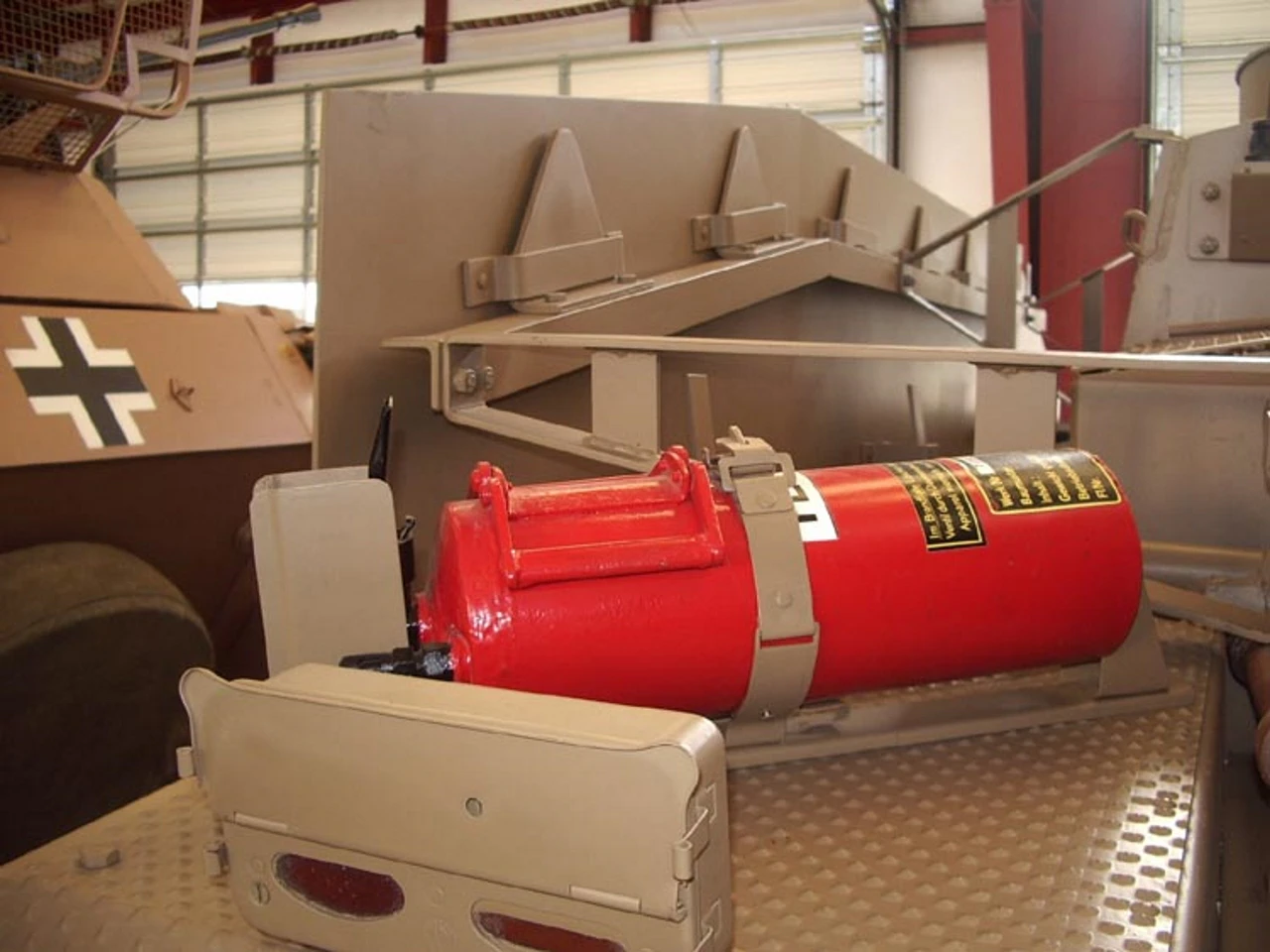
SdKfz 142-1 StuG III 05

SdKfz 142-1 StuG III 06

SdKfz 142-1 StuG III 08
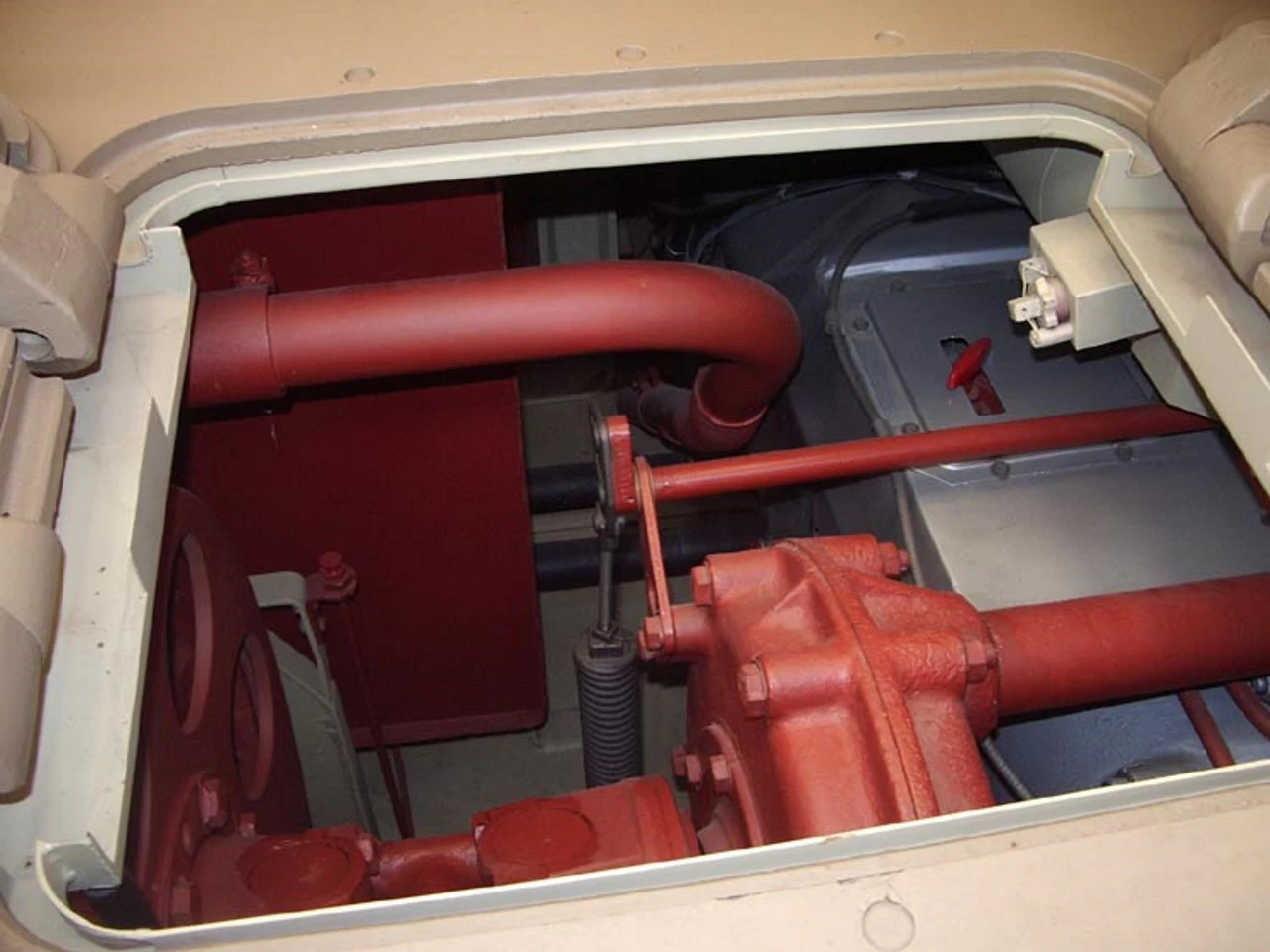
SdKfz 142-1 StuG III 07

SdKfz 142-1 StuG III 09
Wacht, StuG III Ausf doorzoeken. G foto's voor jou...

| SdKfz 142/1 Sturmgeschutz (StuG) III Ausf G Rond te Lopen | |
|---|---|
| Fotograaf | Vladimir Yakubov |
| Lokalisatie | Latrun Armor Museum |
| Foto 's | 107 |
| Sturmgeschutz III Ausf. B Walk Around | |
|---|---|
| Fotograaf | Unknow |
| Lokalisatie | Onbewust |
| Foto 's | 16 |
Zie ook:


The Deadliest Silhouette on the Eastern Front
De StuG III Ausf. G was the final and most prolific version of the Sturmgeschütz series. Built on the reliable chassis of the Panzer III, it abandoned the rotating turret in favor of a fixed, low-profile casemate. Originally designed as infantry support artillery, the Ausf. G was up-gunned with a high-velocity 75mm cannon, transforming it into a formidable tank destroyer. Its low height made it easy to camouflage and difficult to hit, making it the preferred weapon for German “Tank Aces” like Michael Wittmann before they transitioned to heavier armor.
| Attribute | Technical Specification (StuG III Ausf. G) |
|---|---|
| Role | Assault Gun / Tank Destroyer |
| Bemanning | 4 (Commander, Gunner, Loader, Driver) |
| Production Years | 1942 – 1945 (Approx. 8,400 built) |
| Main Armament | 7.5 cm KwK 40 L/48 |
| Secondary Armament | 1 or 2 × 7.92 mm MG34 machine guns |
| Armor (Front) | 80 mm (3.1 in) |
| Motor | Maybach HL 120 TRM V-12 (300 hp) |
| Top Speed | 40 km/h (25 mph) on roads |
Design Evolution: The “G” Refinements
- The Saukopf (Sow’s Head) Mantlet: Later Ausf. G models featured a cast gun mantlet with rounded edges. This was designed to deflect incoming shells more effectively than the earlier bolted, boxy designs.
- Schürzen (Side Skirts): To defend against Soviet anti-tank rifles and HEAT rounds, the StuG III G was often fitted with thin metal plates along the sides. These “skirts” would prematurely detonate or destabilize incoming projectiles before they hit the main hull.
- Commander’s Cupola: The Ausf. G introduced a proper cupola with periscopes for the commander, significantly improving situational awareness—a major weakness of earlier turretless designs.
- Zimmerit Coating: Many Ausf. Gs were covered in a ridged, paste-like ceramic coating. This was intended to prevent magnetic anti-tank mines from sticking to the steel hull.
The “Wait-and-Strike” Specialist
- Economic Efficiency: The StuG III was significantly cheaper and faster to build than the Panzer IV or Tiger tanks. Because it lacked a complex turret mechanism, it was also easier to maintain in the field.
- Ambush Master: Its low height allowed the StuG to hide in tall grass or shallow depressions that would expose a normal tank. Soviet tankers often didn’t realize they were being engaged by a StuG until it was too late to return fire.
- Sturmhaubitze 42 (StuH 42): A variant of the Ausf. G was armed with a 10.5 cm howitzer instead of the anti-tank gun. This version returned to the vehicle’s roots, providing devastating high-explosive support for infantry.
- Post-War Service: The StuG III was so effective that it continued to serve long after 1945. The Finnish Army used them until the 1960s, and Syria even deployed them against Israel in the 1967 Six-Day War.
Views : 11337