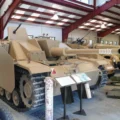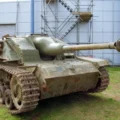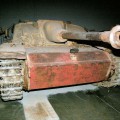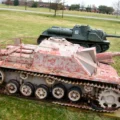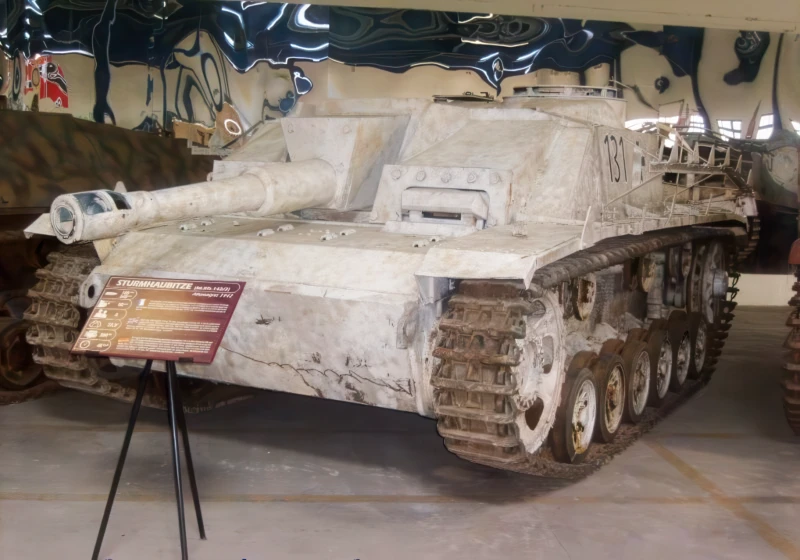
SturmHaubitze 42 | |
|---|---|
| Krajiny | Nemecko |
| Typ | Útočná zbraň |
| Popis / kontrol | Album 48 fotografií prechádzky "SturmHaubitze 42" |
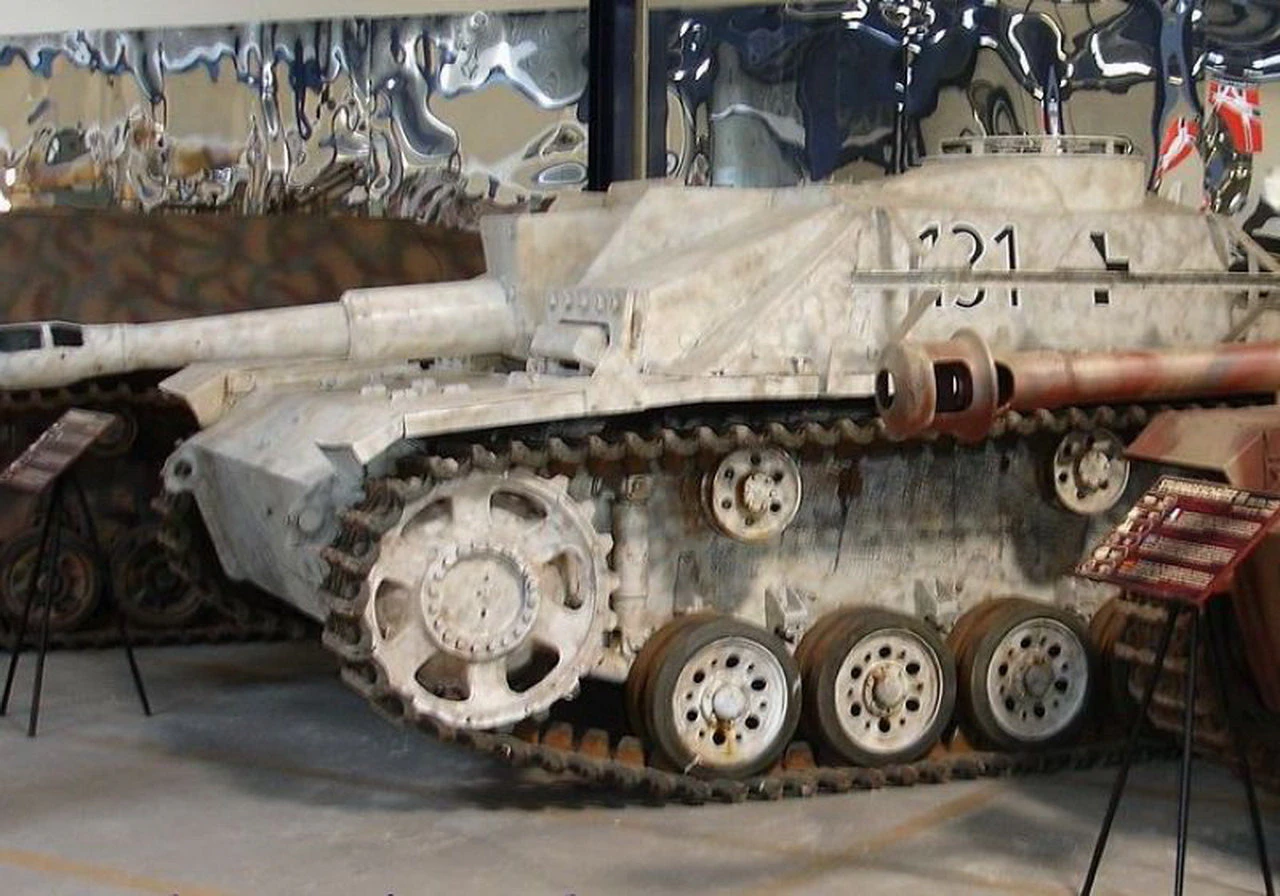
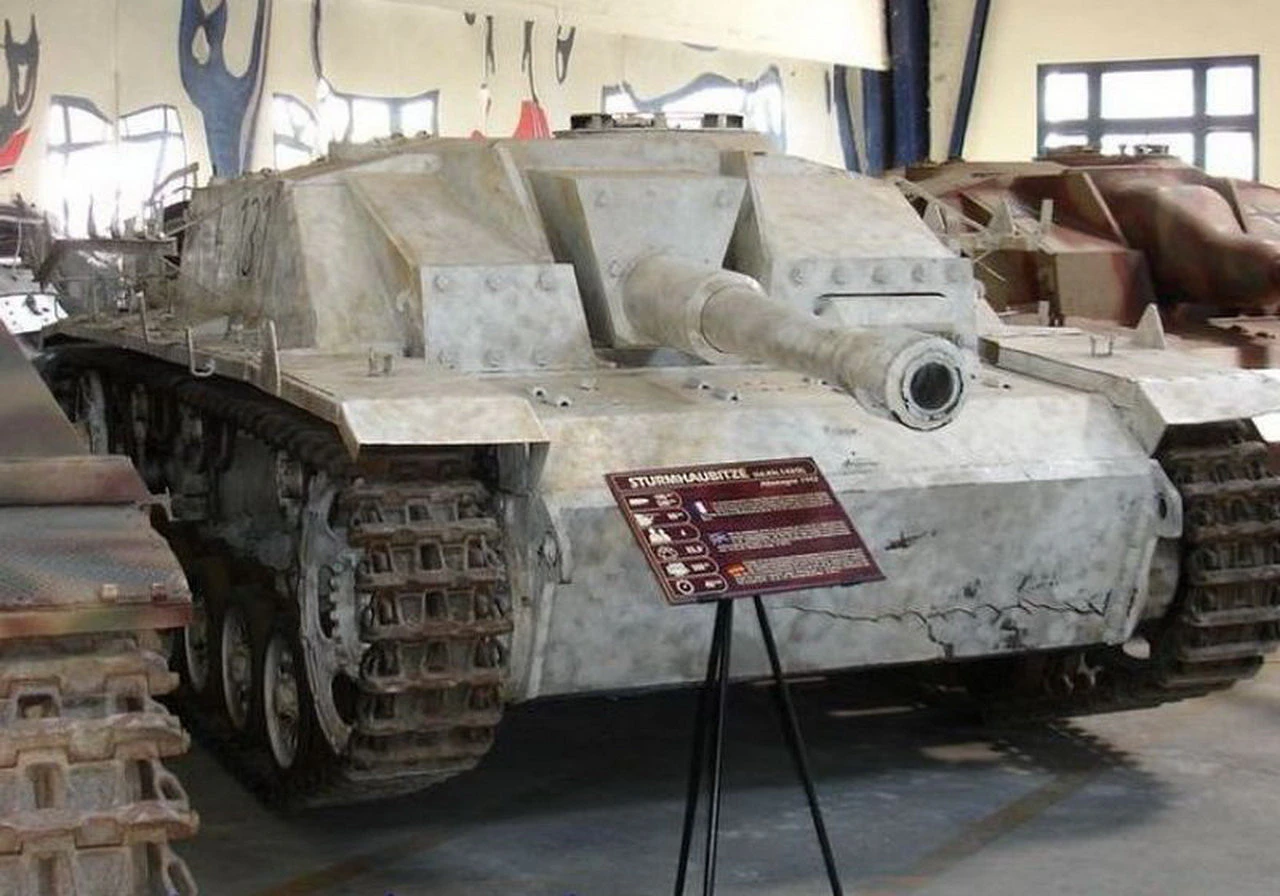
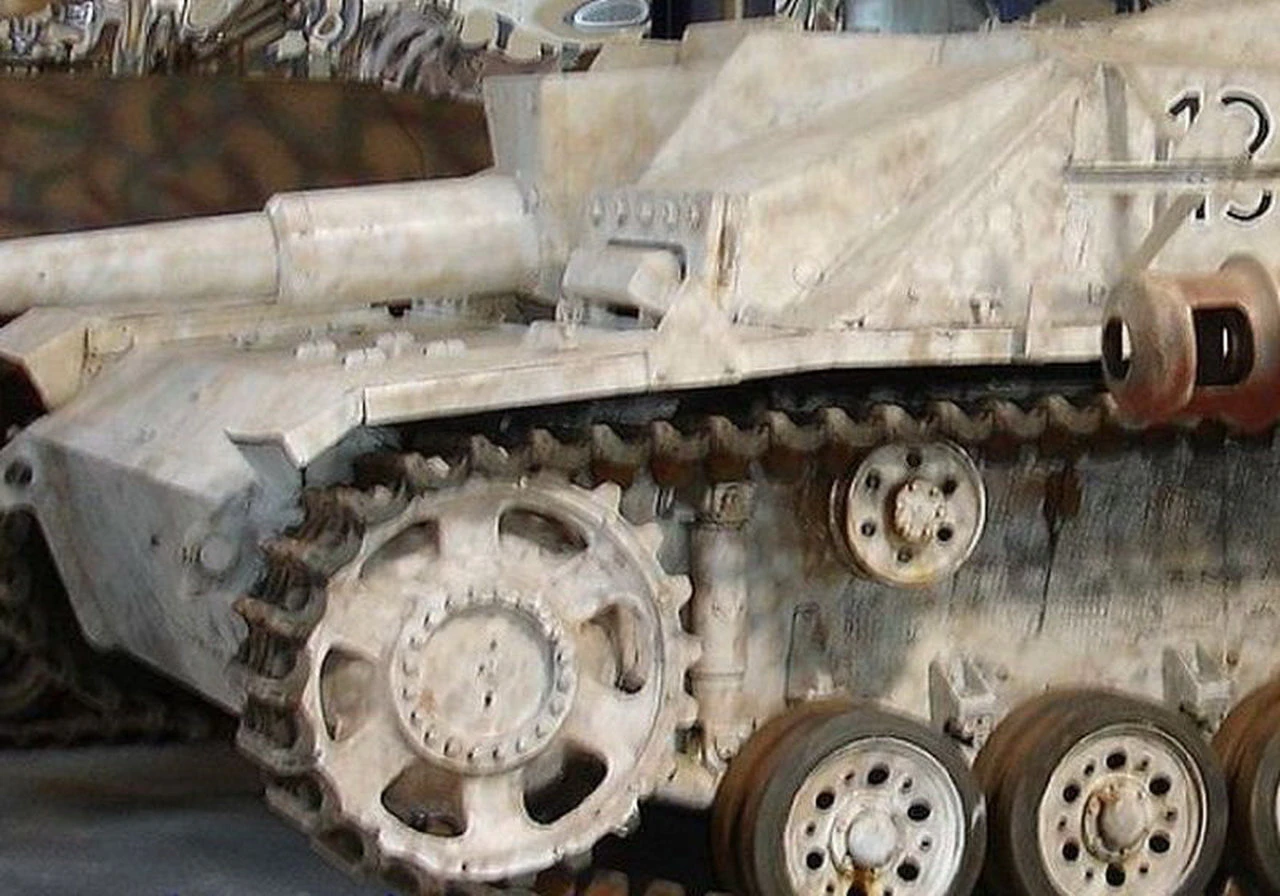
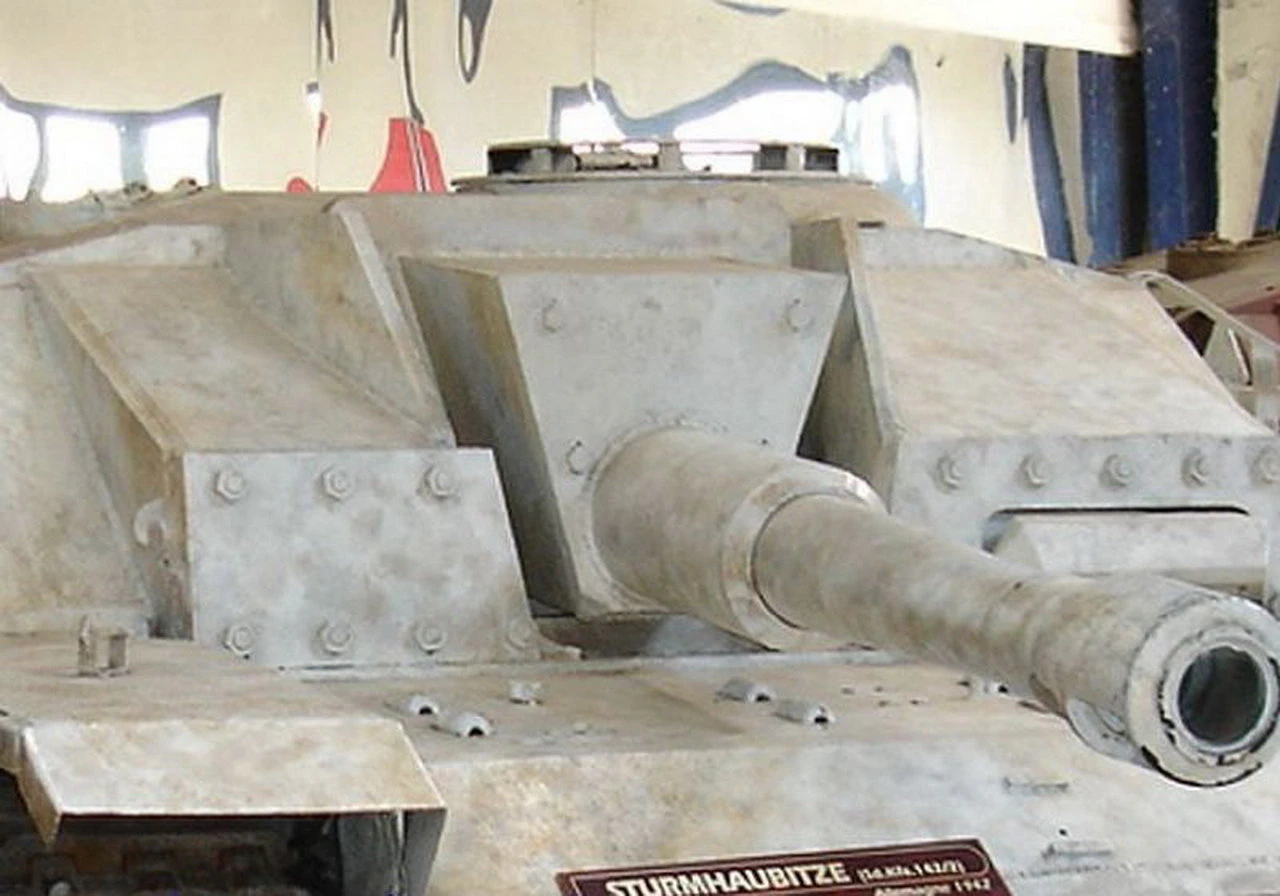
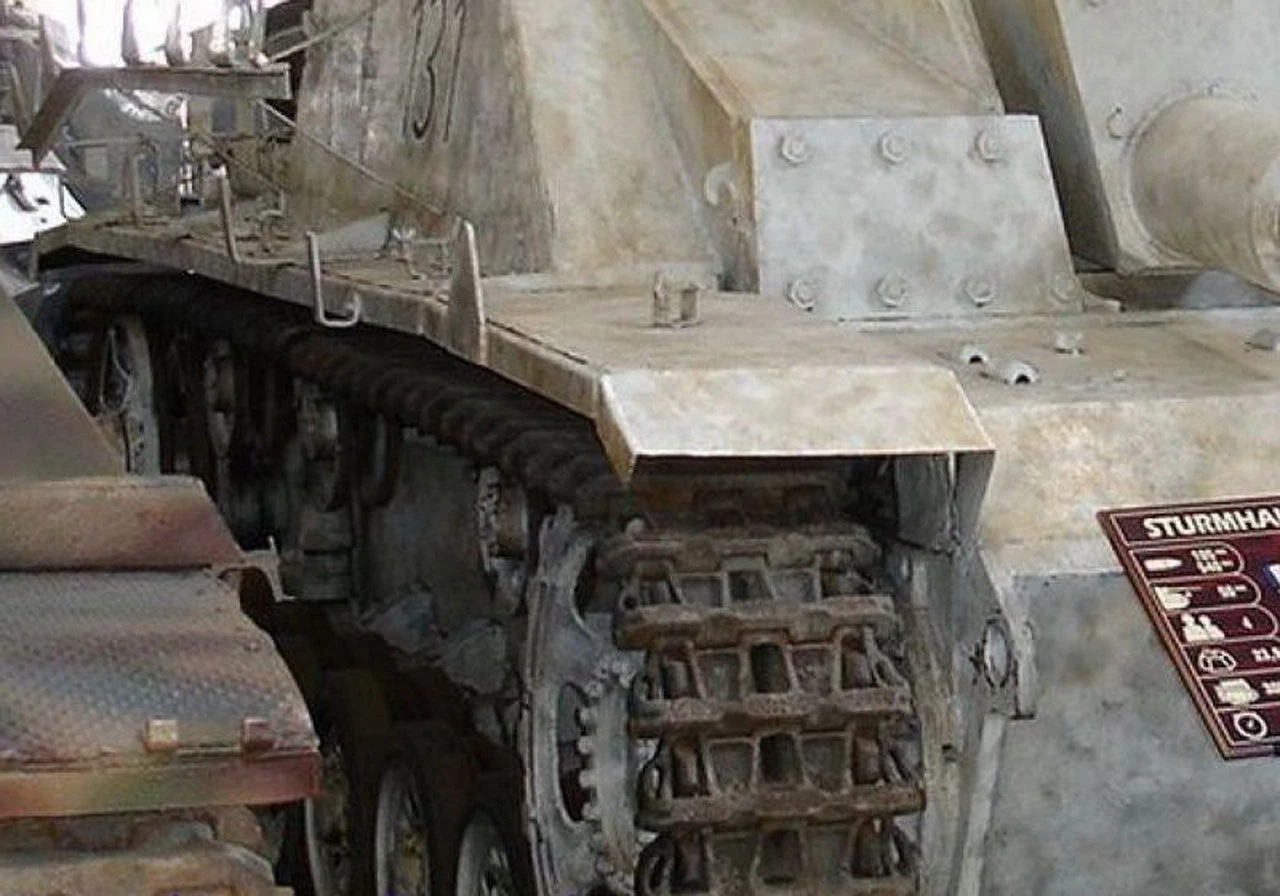
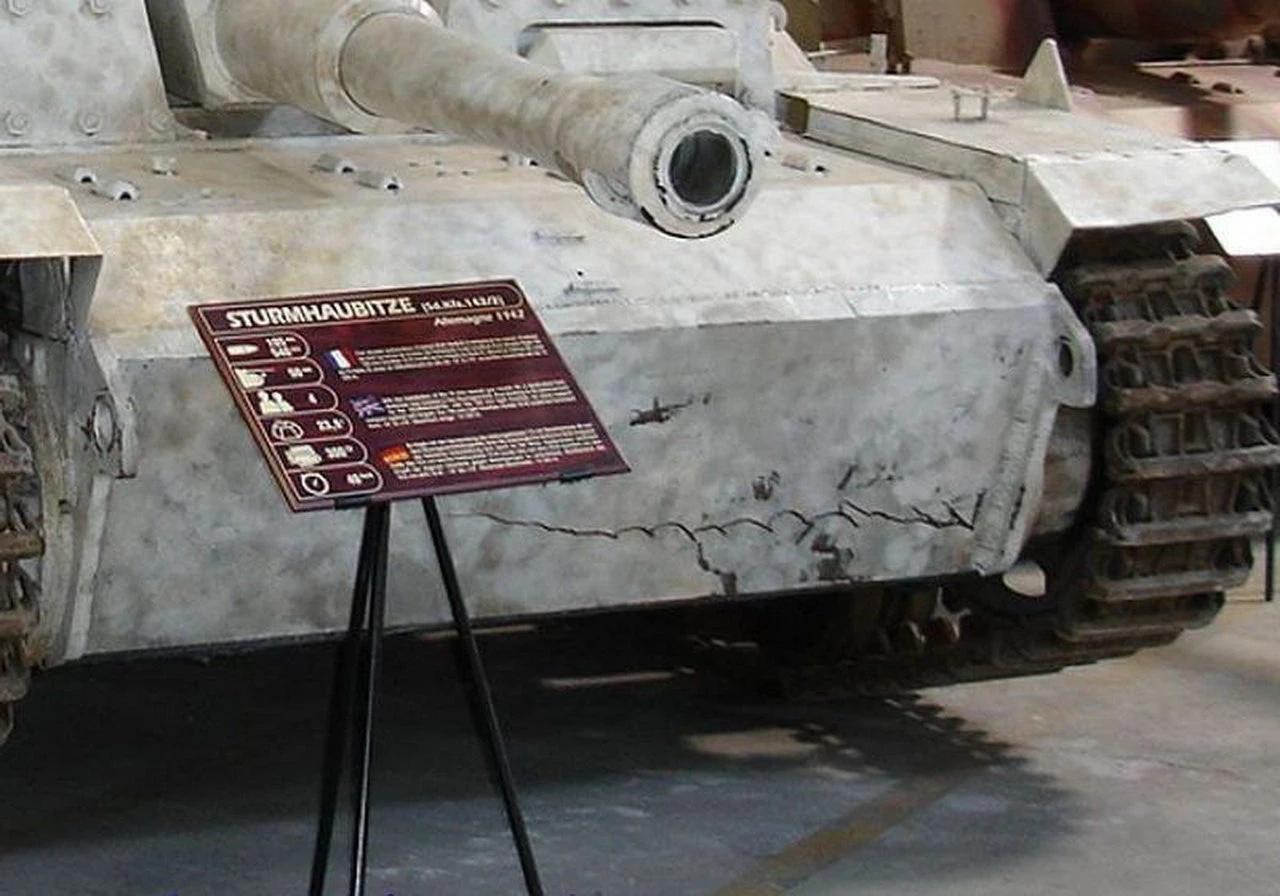
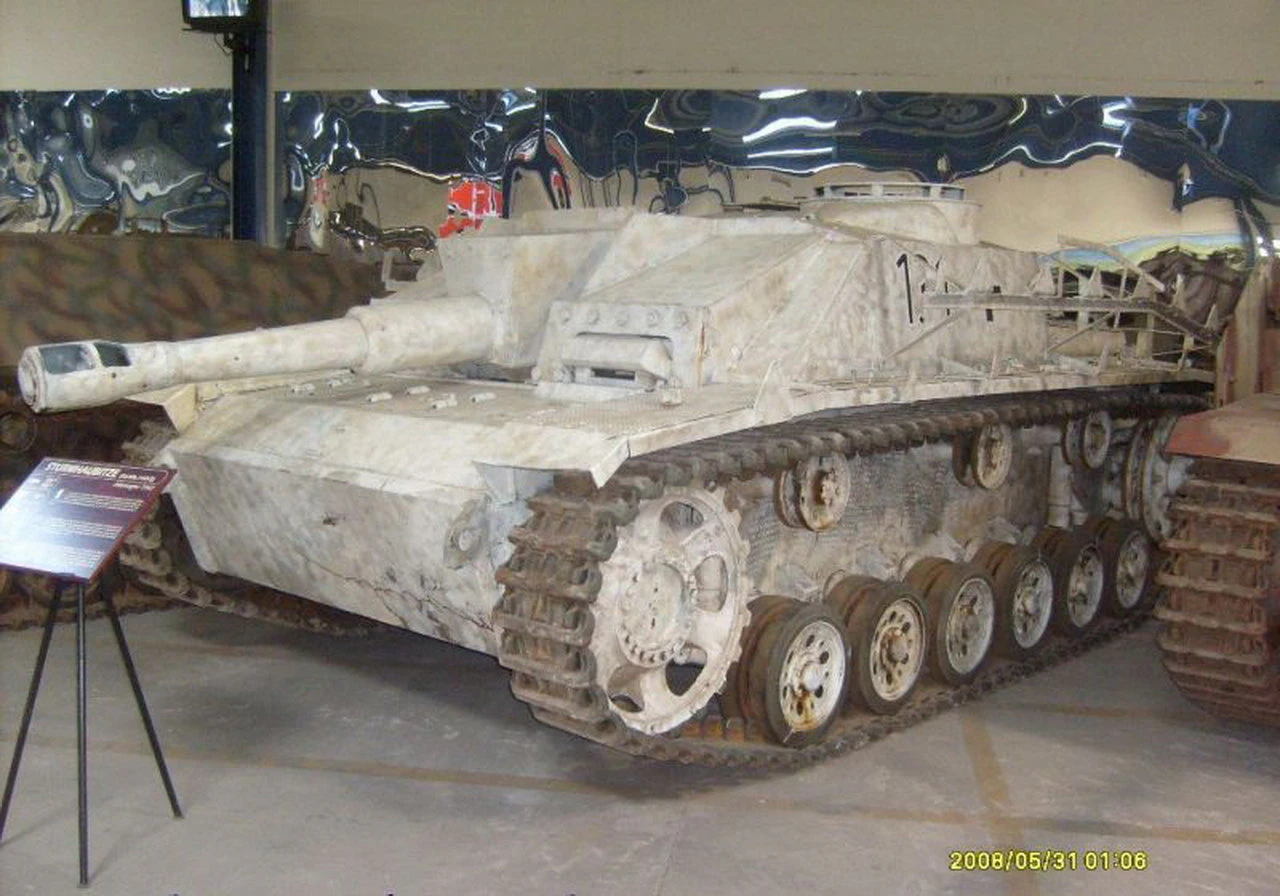
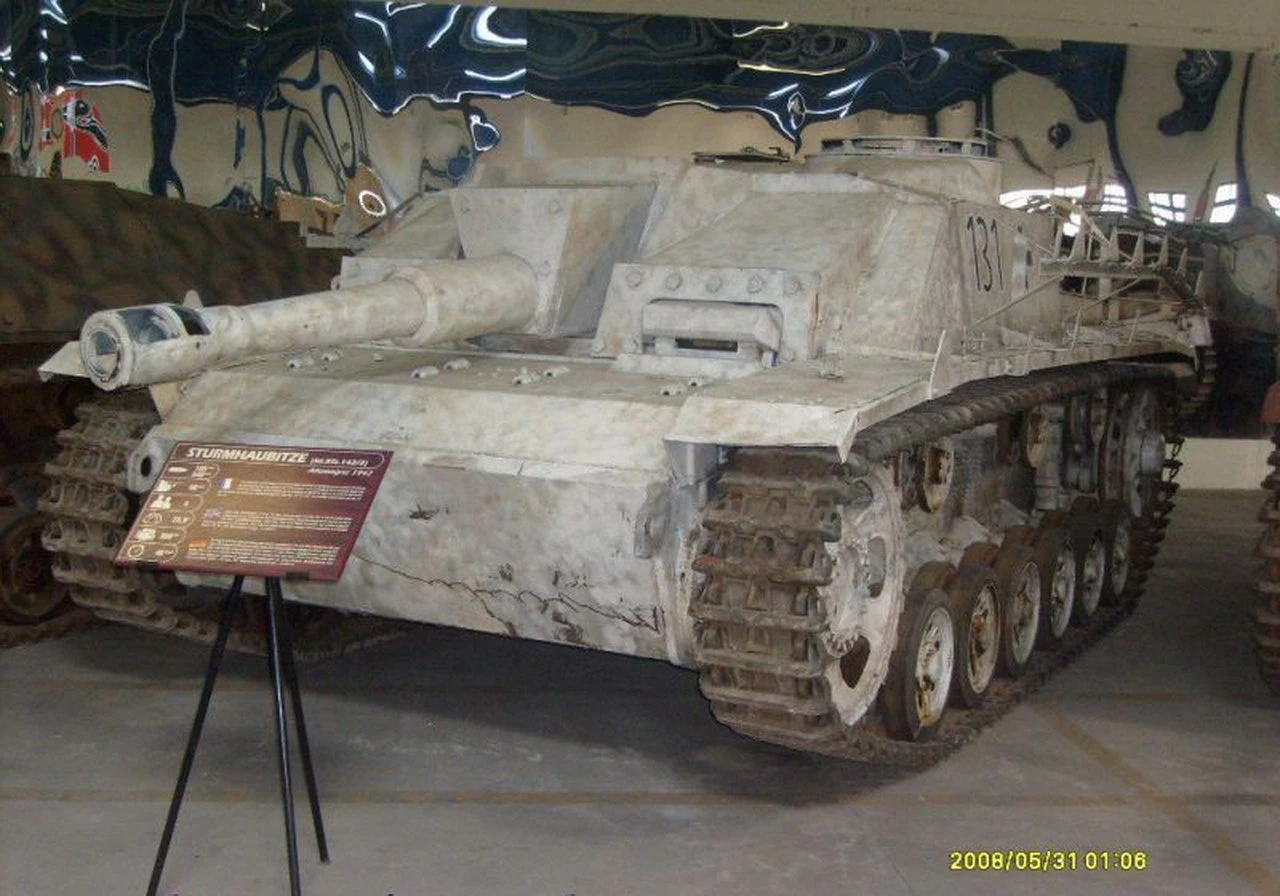
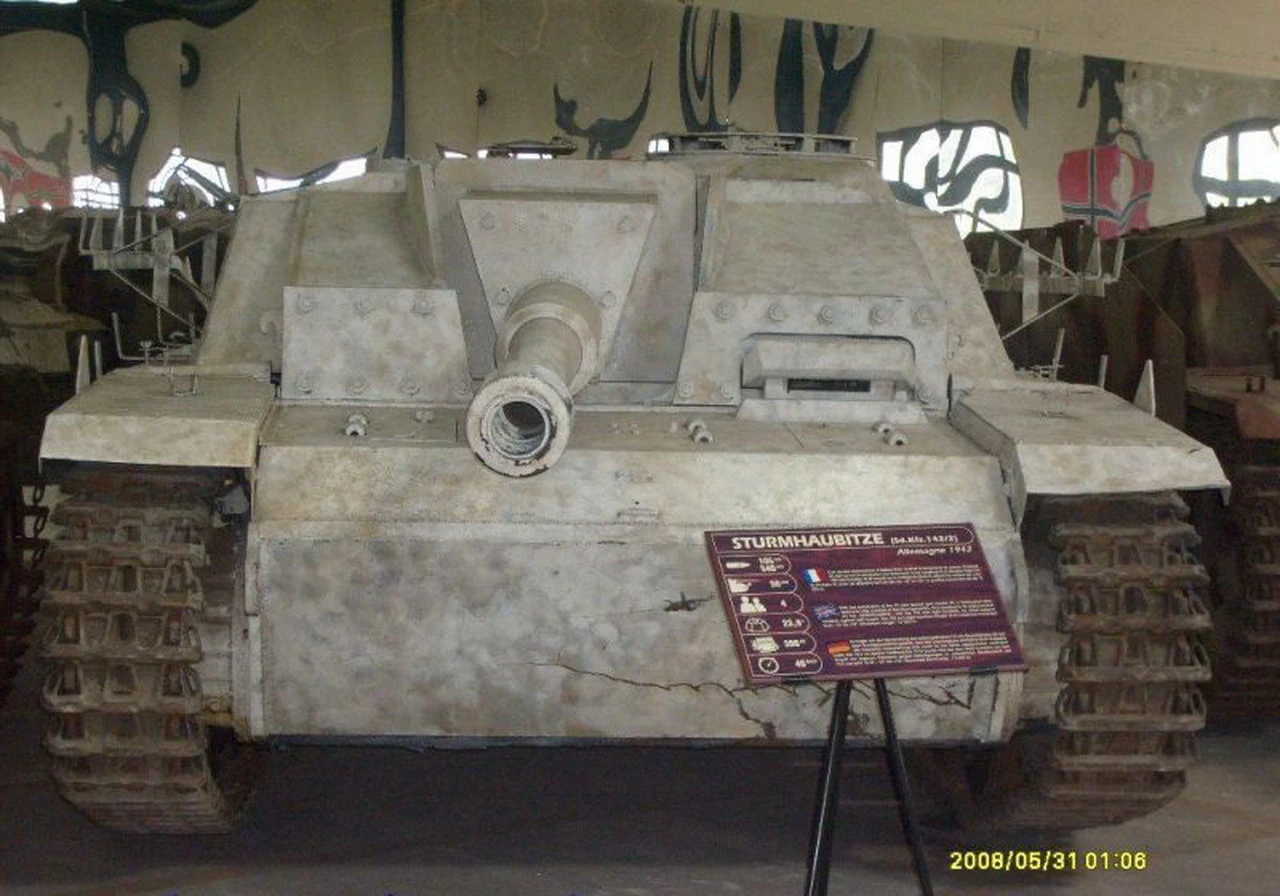
Fotogaléria SturmHaubitze 42, v roku 1942, variant StuG III Ausf. F bol navrhnutý s húfnicou 105 mm namiesto 7,5 cm kanónu StuK 40 L/43. Tieto nové vozidlá, určené Stuh 42 (Sturmhaubitze 42, Sd.Kfz 142/2) boli navrhnuté tak, aby poskytovali pechotnú podporu so zvýšeným počtom StuG III Ausf. F/8 a Ausf. Gs sa používa v protitankovej úlohe. StuH 42 namontoval variant 10,5 cm húfnice leFH 18, upravený tak, aby bol elektricky vystrelený a vybavený náhubkovou brzdou. Neskôr boli modely vyrobené z StuG III Ausf. G podvozok, rovnako ako StuG III Ausf. F a Ausf. F/8 šasi. Náhubková brzda bola často vynechaná kvôli nedostatku zdrojov neskôr vo vojne. 1 211 StuH 42 bolo vyrobených od októbra 1942 do roku 1945.

Pozri tiež:


The “Heavy” StuG
Komisia Sturmhaubitze 42 was the brute-force sibling of the StuG III. While the standard StuG evolved into a high-velocity tank destroyer, the German infantry still needed a vehicle that could lob heavy high-explosive shells to destroy bunkers and fortified buildings. The solution was to take the StuG III chassis and replace the 7.5cm anti-tank gun with a modified 10.5cm leFH 18 howitzer. It looked nearly identical to its brother, but its short, fat barrel signaled a much bigger boom, making it the perfect tool for clearing out street corners and entrenched “Ivan” positions.
| Attribute | Technical Specification (StuH 42 Ausf. G) |
|---|---|
| Úlohu | Assault Howitzer / Infantry Support |
| Posádky | 4 (Commander, Gunner, Loader, Driver) |
| Chassis | Panzer III (same as StuG III) |
| Hlavná výzbroj | 10.5 cm StuH 42 L/28 rifled howitzer |
| Ammunition | 36 Rounds (High Explosive and HEAT) |
| Armor | 80 mm (Frontal) / 30 mm (Sides) |
| Maximálna rýchlosť | 40 km/h (25 mph) on road |
| Výroby | ~1,300 units produced |
Design Engineering: Low Profile, Big Caliber
- The Howitzer Conversion: To fit the massive 10.5cm gun into the StuG’s cramped cabin, engineers had to redesign the recoil system. Early models featured a large, double-baffle muzzle brake to help manage the violent kick of the bigger shell.
- Two-Part Ammunition: Unlike the 7.5cm StuG which used single-piece shells, the StuH 42 used separate loading (projectile and then the casing with powder). This made the rate of fire slightly slower, but allowed the loader to change the “charge” to adjust the shell’s trajectory for firing over obstacles.
- Interchangeable Parts: Because it shared the chassis, engine, and transmission with the StuG III and Panzer III, maintenance in the field was remarkably easy. Parts could be scavenged from broken StuGs to keep the heavy howitzers rolling.
- Concrete Armor: It wasn’t uncommon to see StuH 42 crews add layers of beton (concrete) to the front of their vehicles. While it added weight, it helped protect against the Soviet anti-tank rifles that plagued the low-slung assault guns.
Operational History: Breaking the Stalemate
- The Siege Specialist: The StuH 42 was most effective in urban combat. During the retreat through Italy and the fighting in Normandy, one 10.5cm HE shell could collapse an entire house used by Allied snipers, whereas the 7.5cm StuG might just punch a clean hole through it.
- Anti-Tank Capability: While not its primary job, the StuH 42 carried Hollow Charge (HEAT) rounds. These could penetrate roughly 100mm of armor, meaning the “Infantry Sledgehammer” could still knock out a T-34 or a Sherman if it had to.
- The “Saukopf” Evolution: Like the late-war StuG, many StuH 42s received the cast “Pig’s Head” mantlet, which was more aerodynamic and better at deflecting enemy shells than the original boxy design.
- Rare Survival: Only a few StuH 42s survived the war. Because they were usually at the very front of an assault, their attrition rate was high, but their contribution to keeping German infantry from being pinned down was immeasurable.
Views : 3763