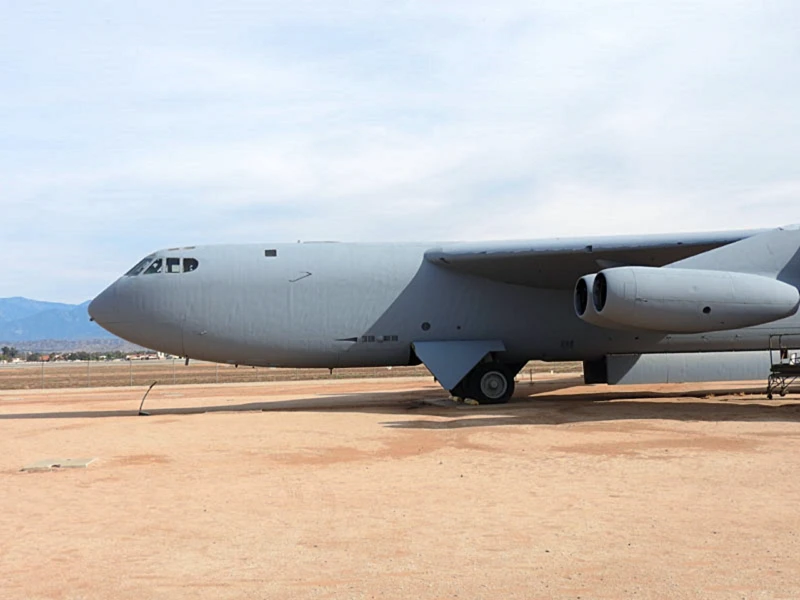
Boeing B-52 Stratofortress | |
|---|---|
| Pays | Usa |
| Rôle | Bombardier stratégique |
| Premier vol | Le 15 avril 1952 |
| Construit | 34° |
Lla Boeing B-52 Stratofortress est un bombardier stratégique à longue portée, subsonique et à réaction. Le B-52 a été conçu et construit par Boeing, qui a continué à fournir un soutien et des mises à niveau. Il est exploité par l’Us Air Force (USAF) depuis les années 1950. Le bombardier transporte jusqu’à 70 000 livres (32 000 kg) d’armes.
| Boeing B-52 Stratofortress | |
|---|---|
| Photographe | Vladimir Yakubov |
| Localisation | Musée stratégique de l’air et de l’espace |
| Photos | 214 |
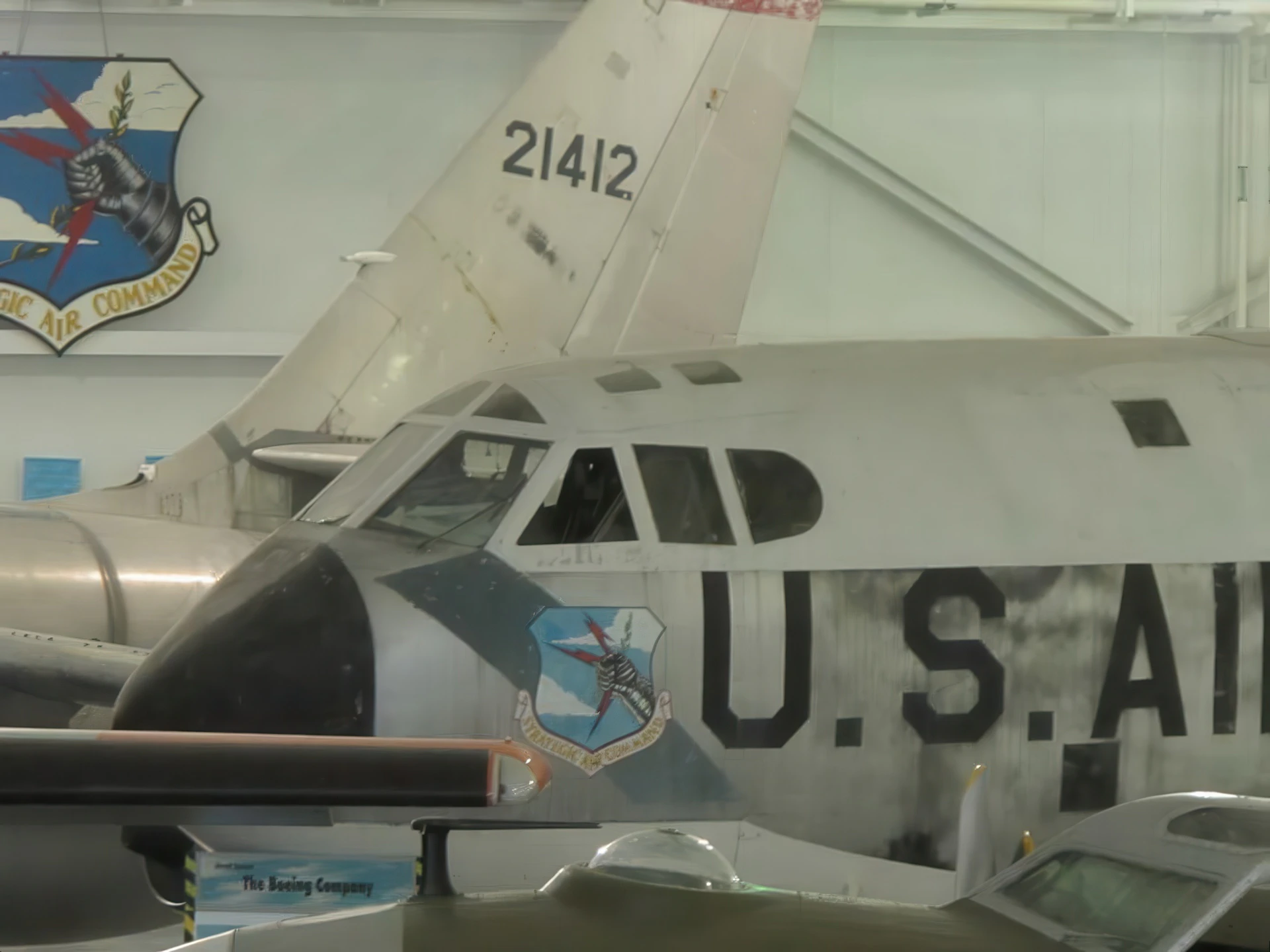
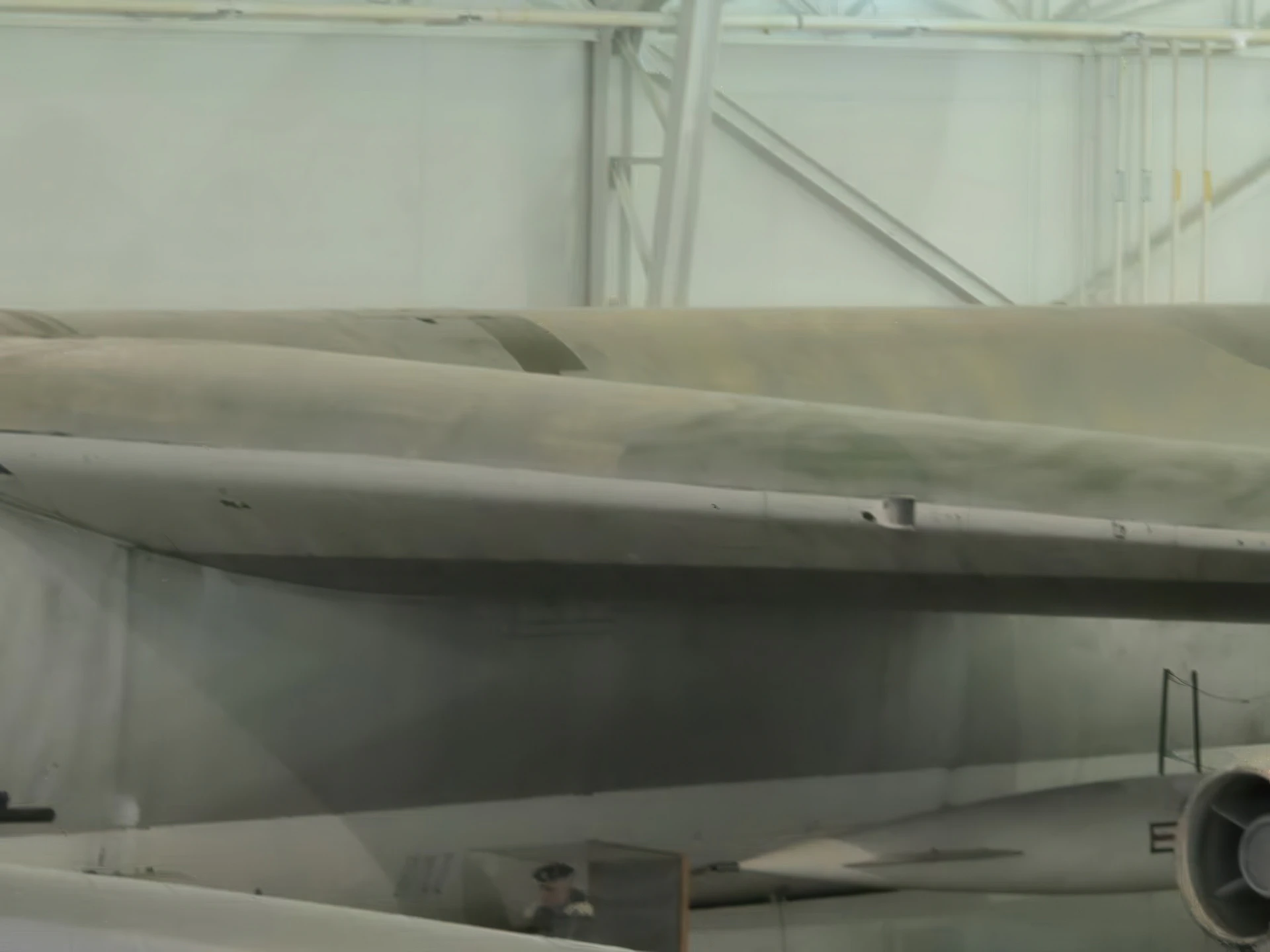
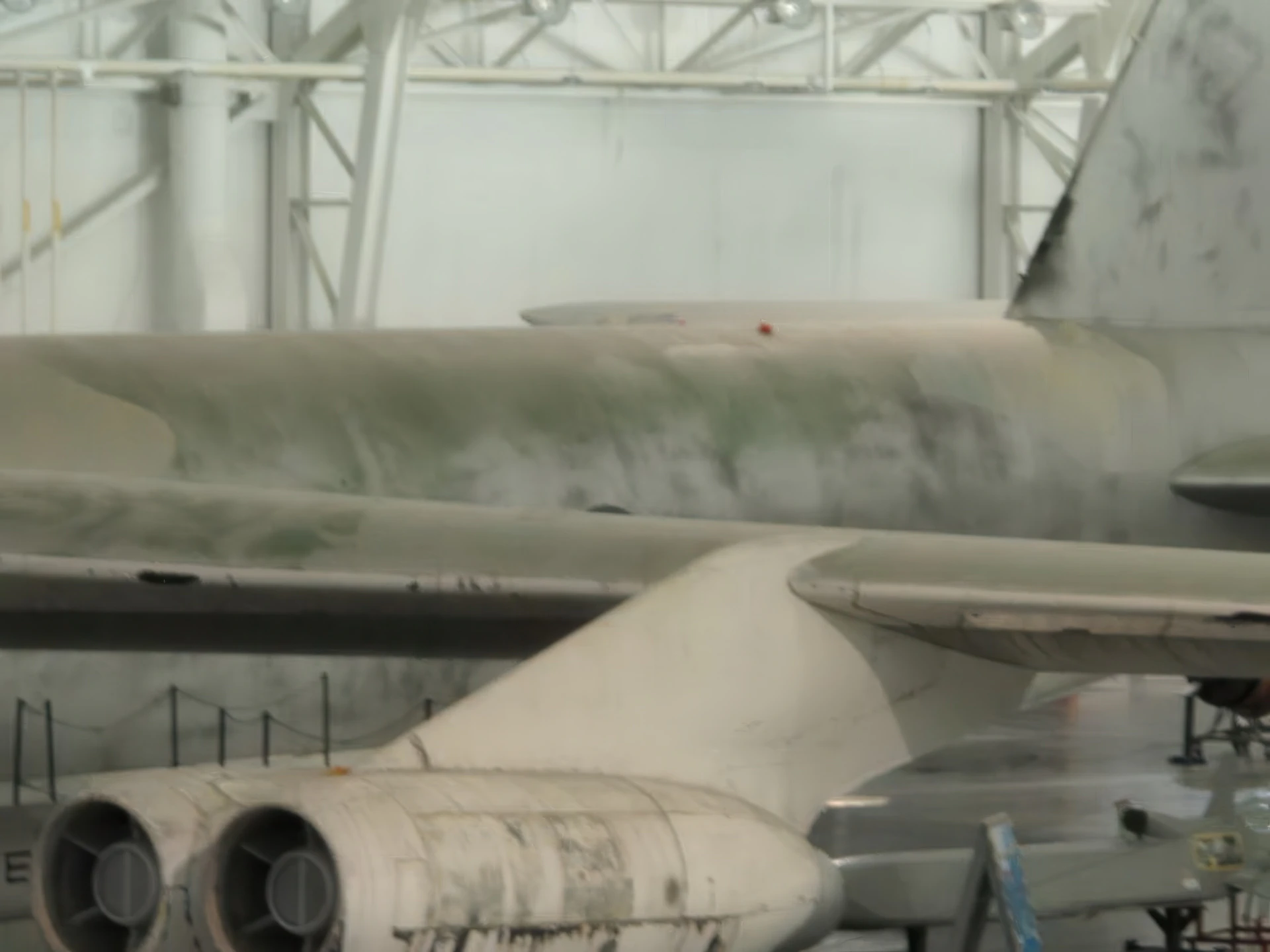
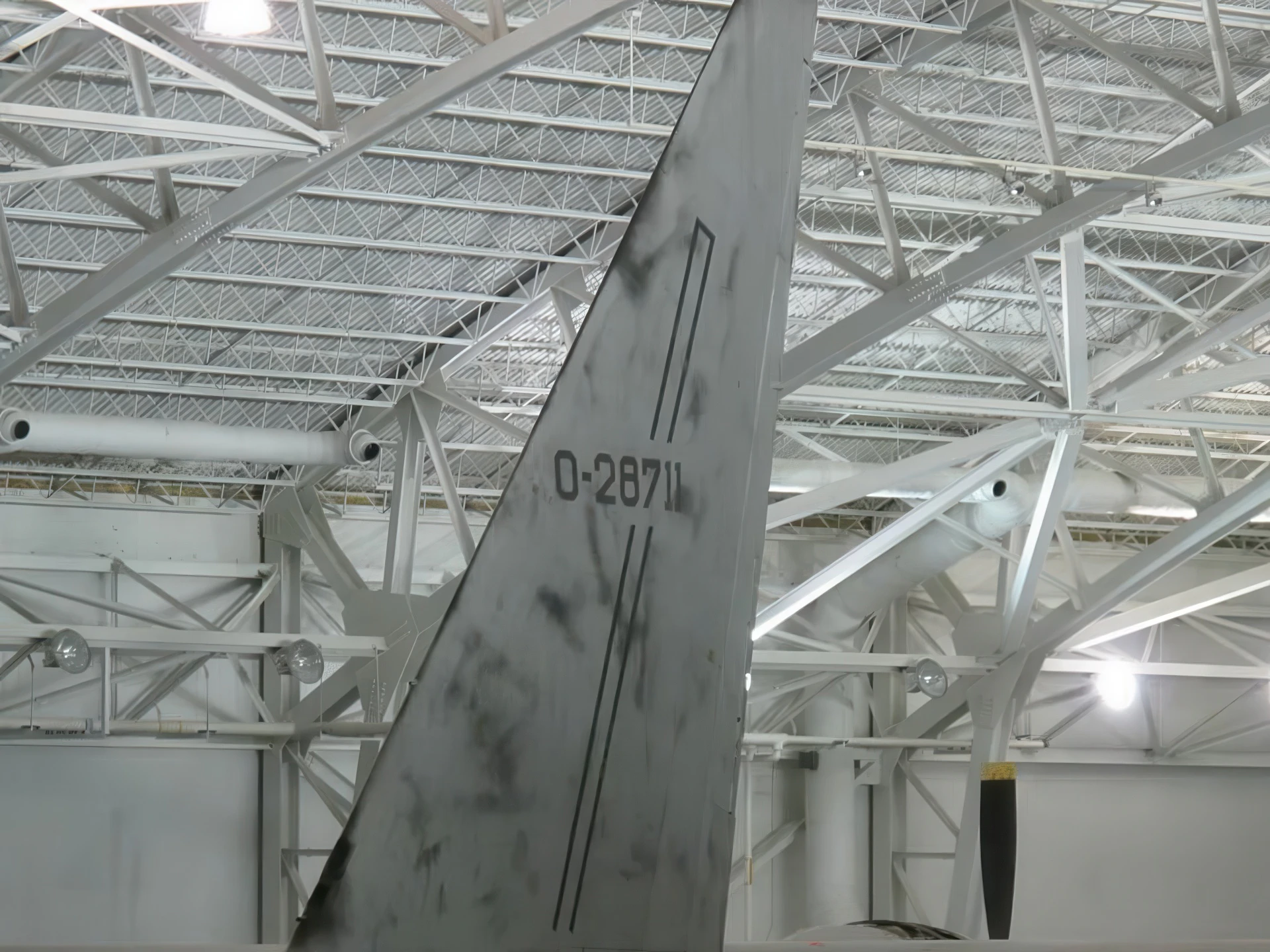
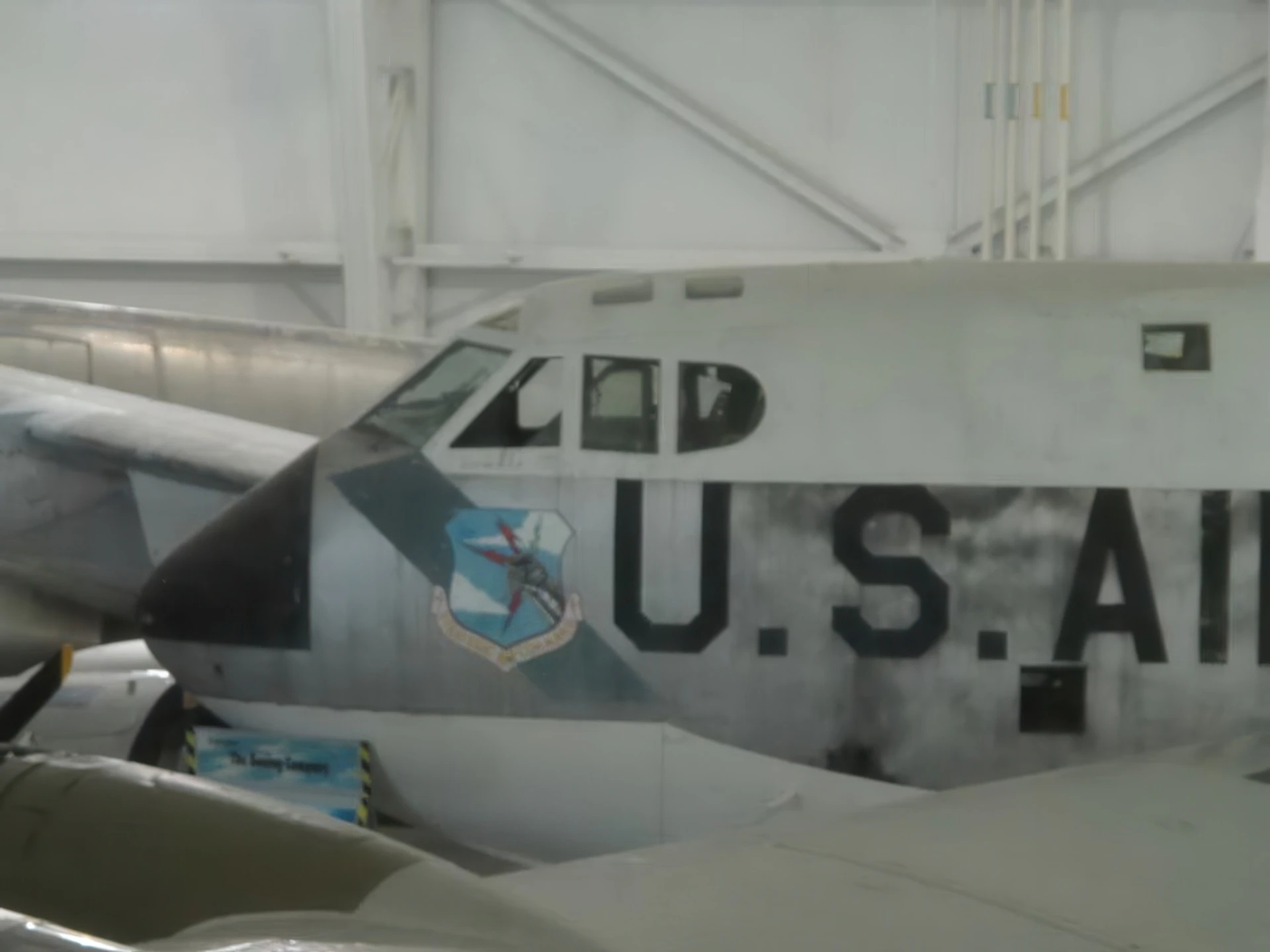
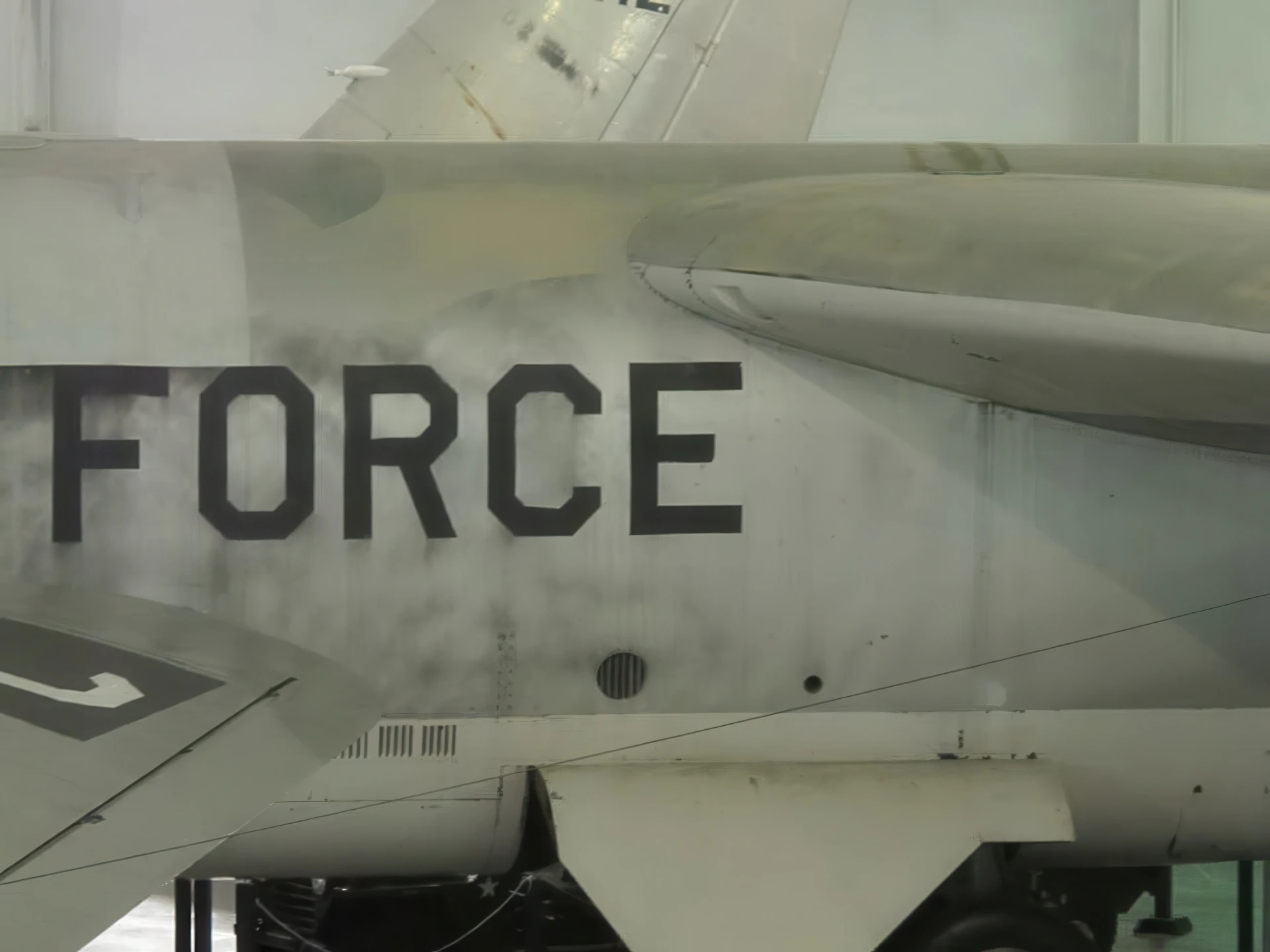
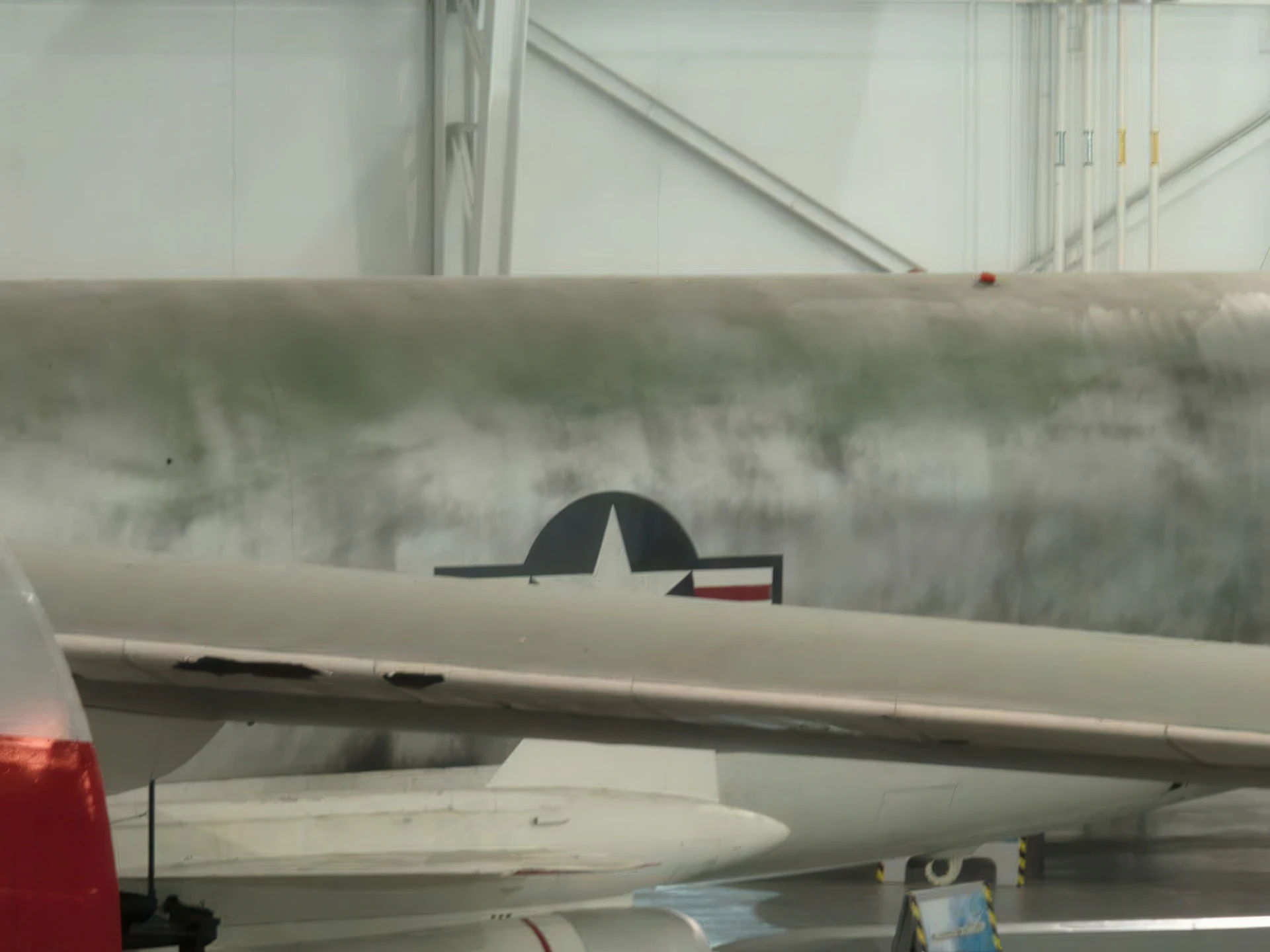
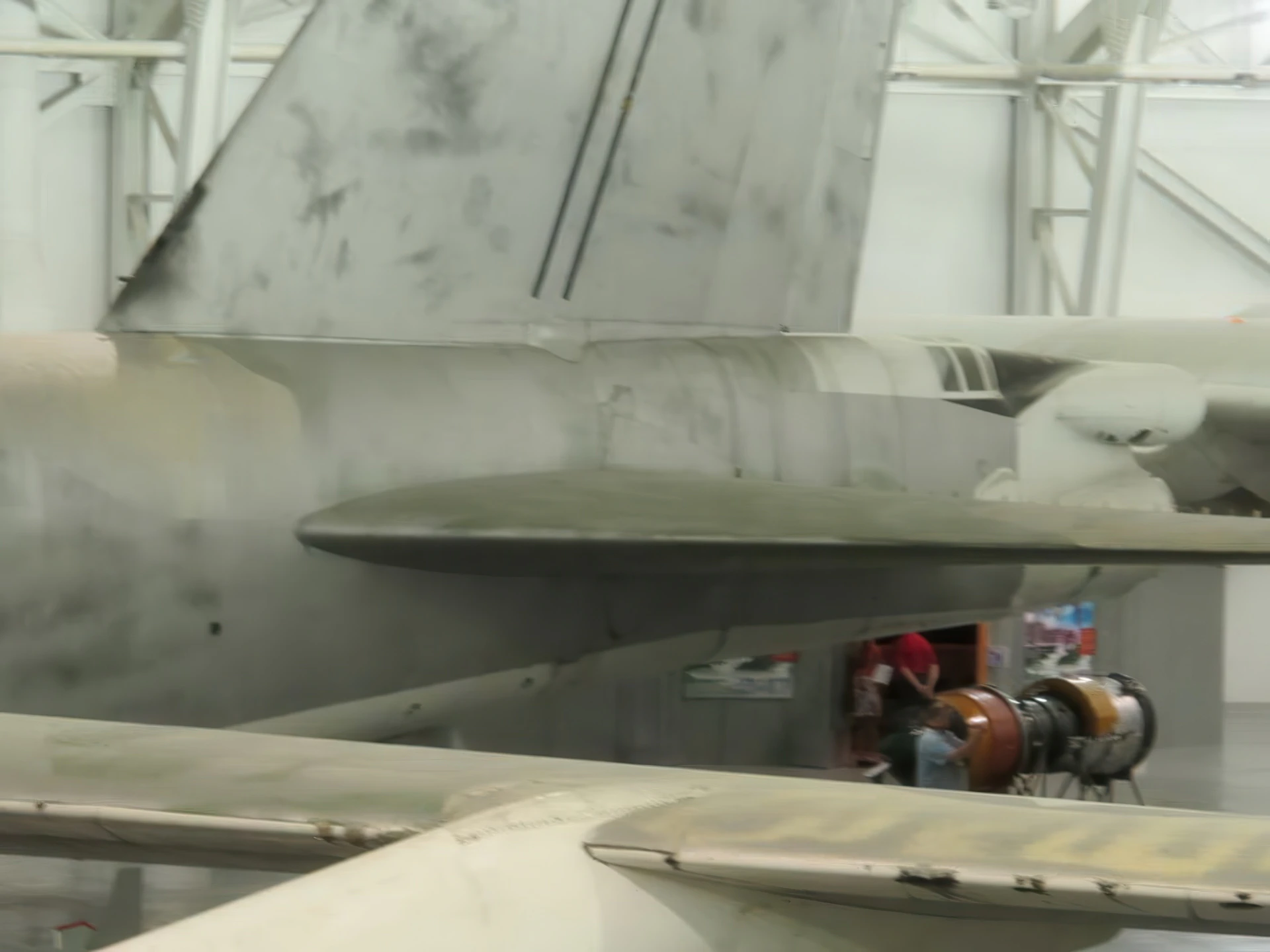
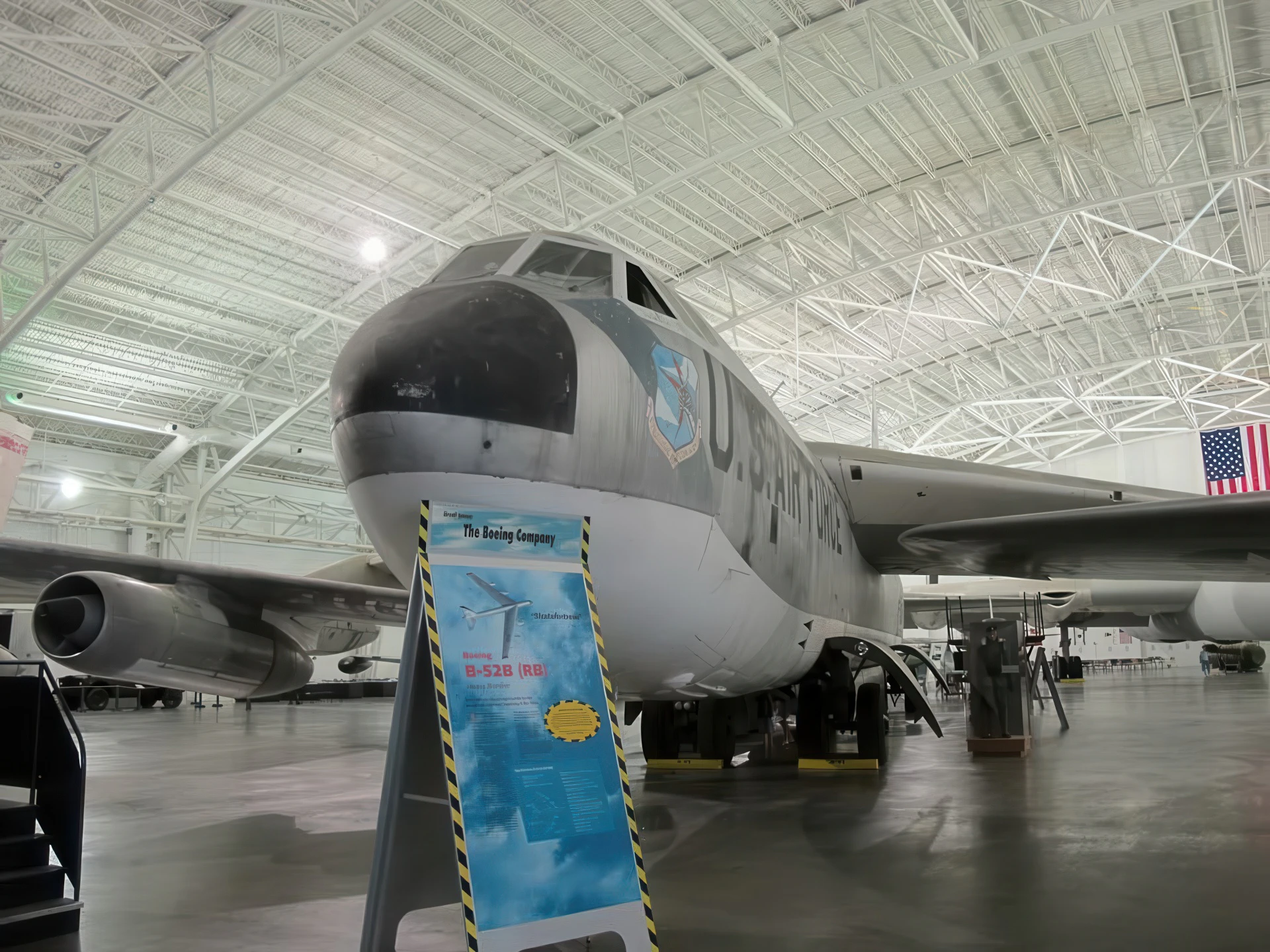

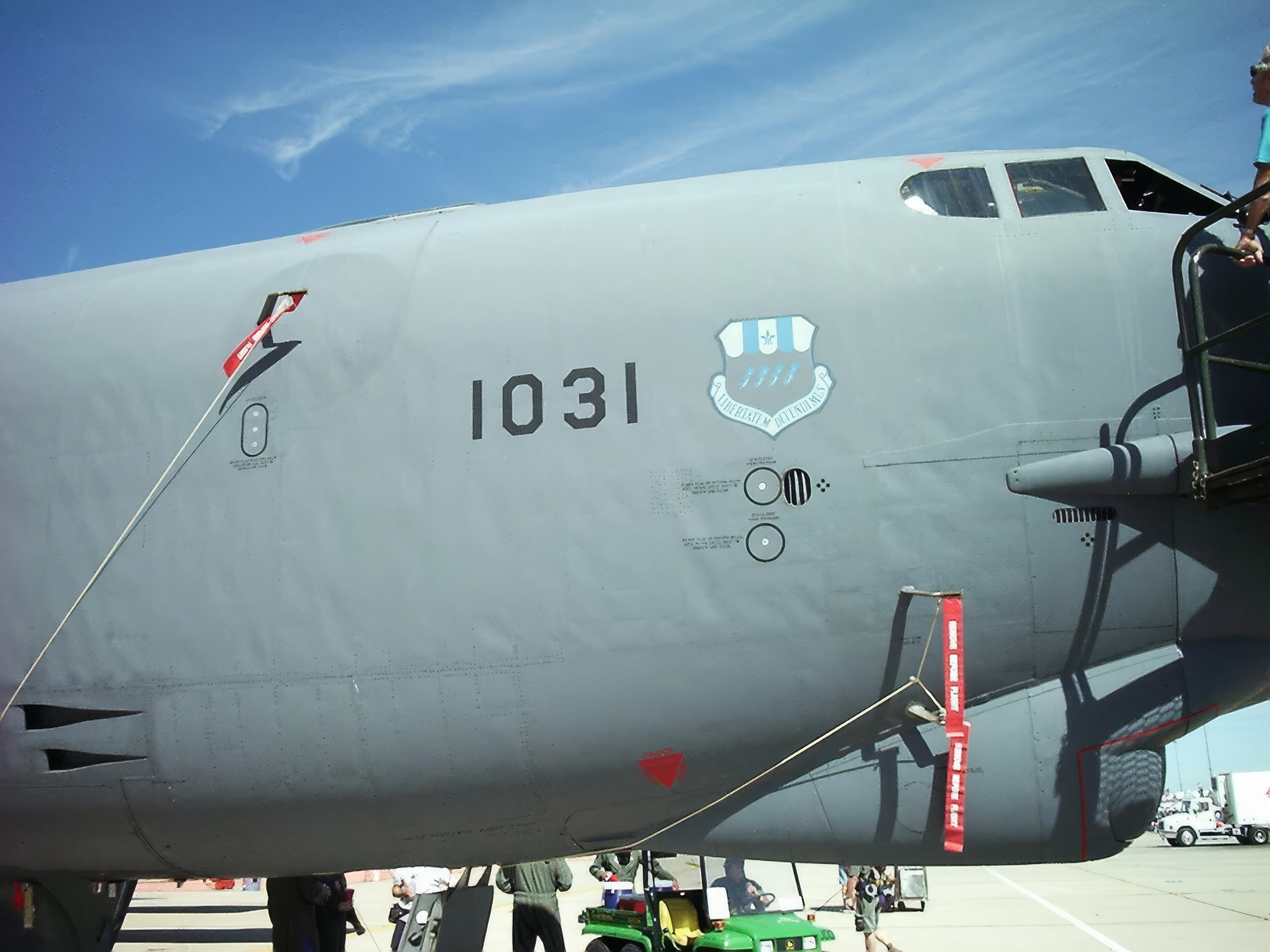
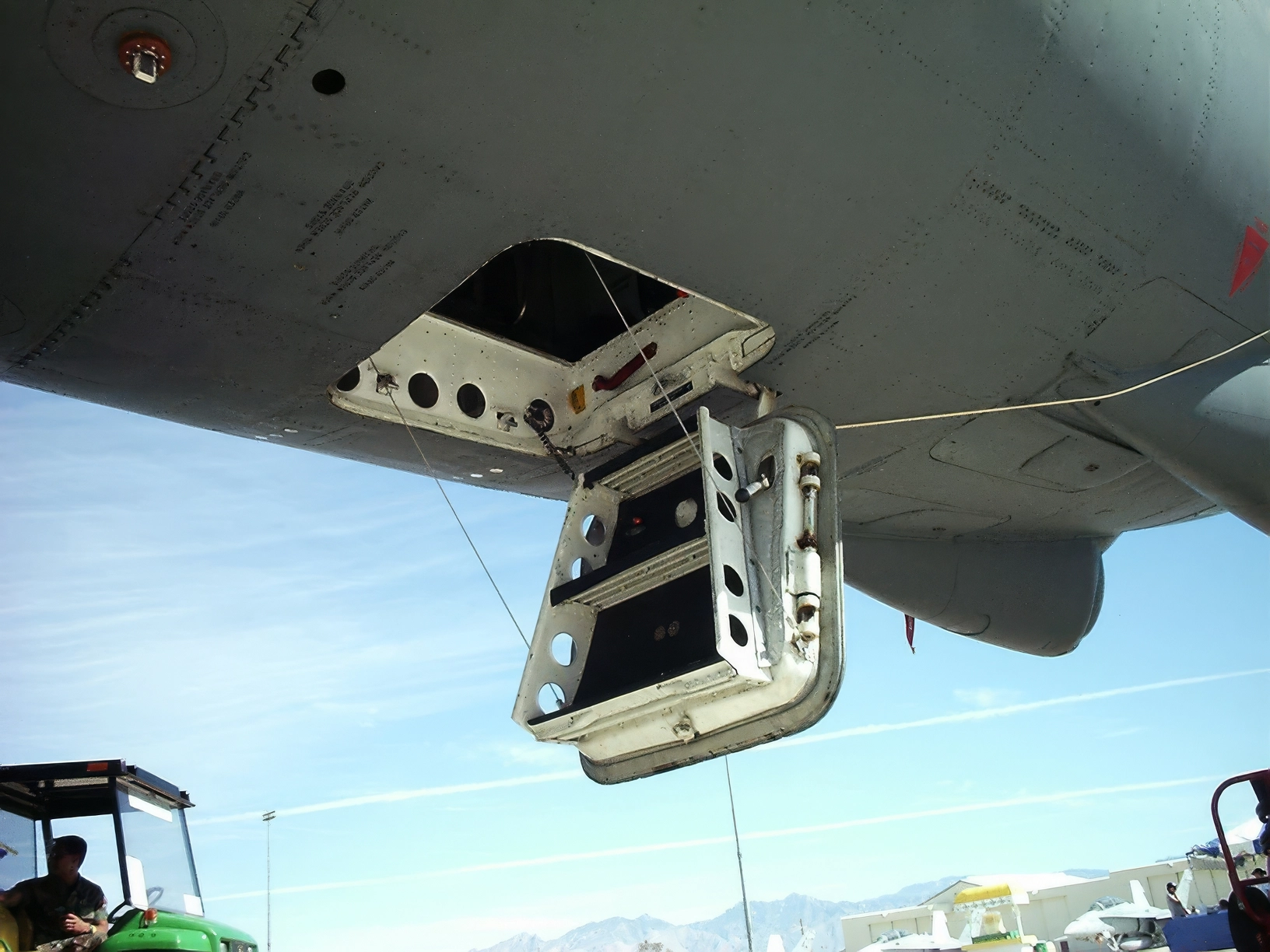
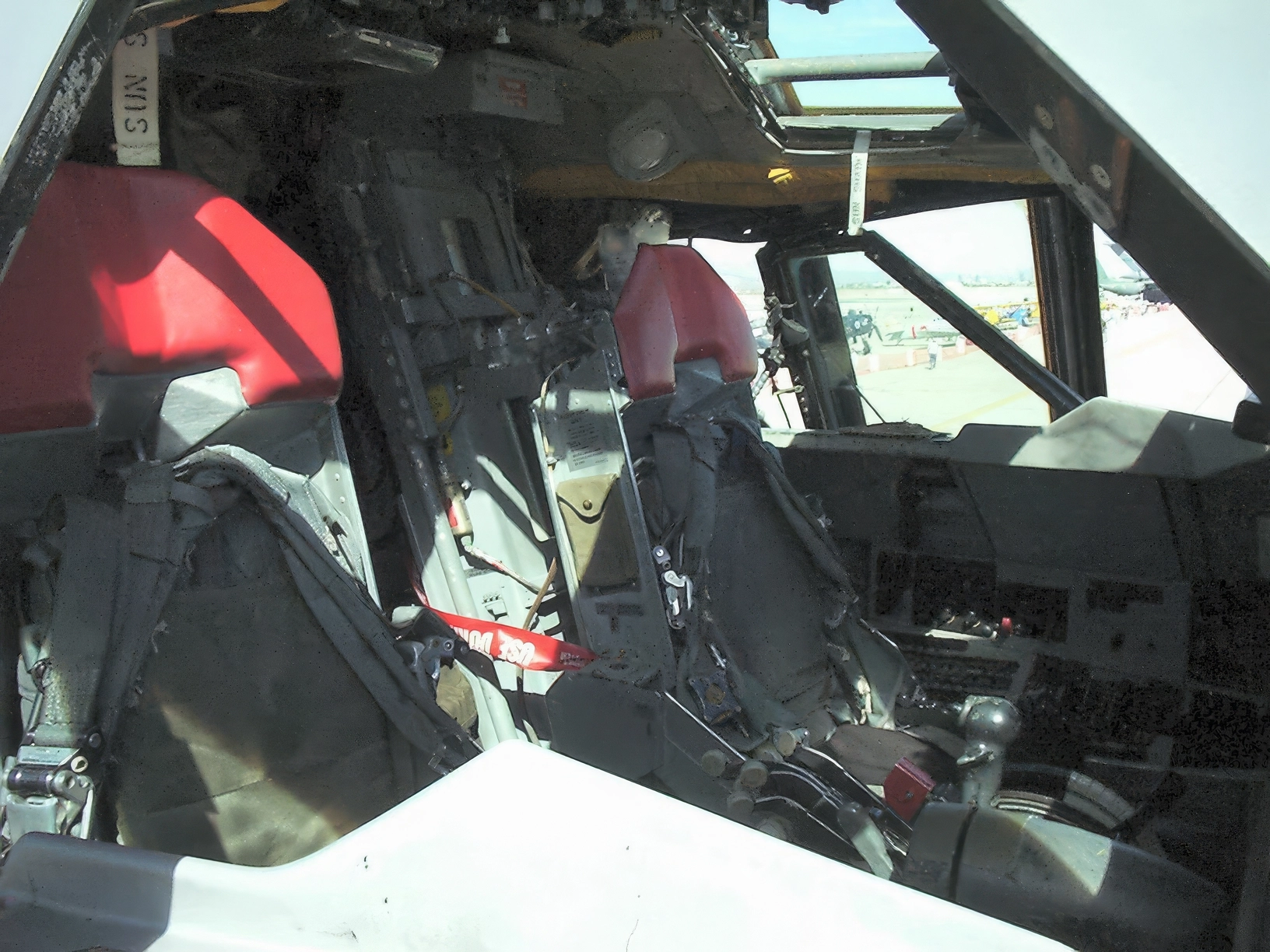
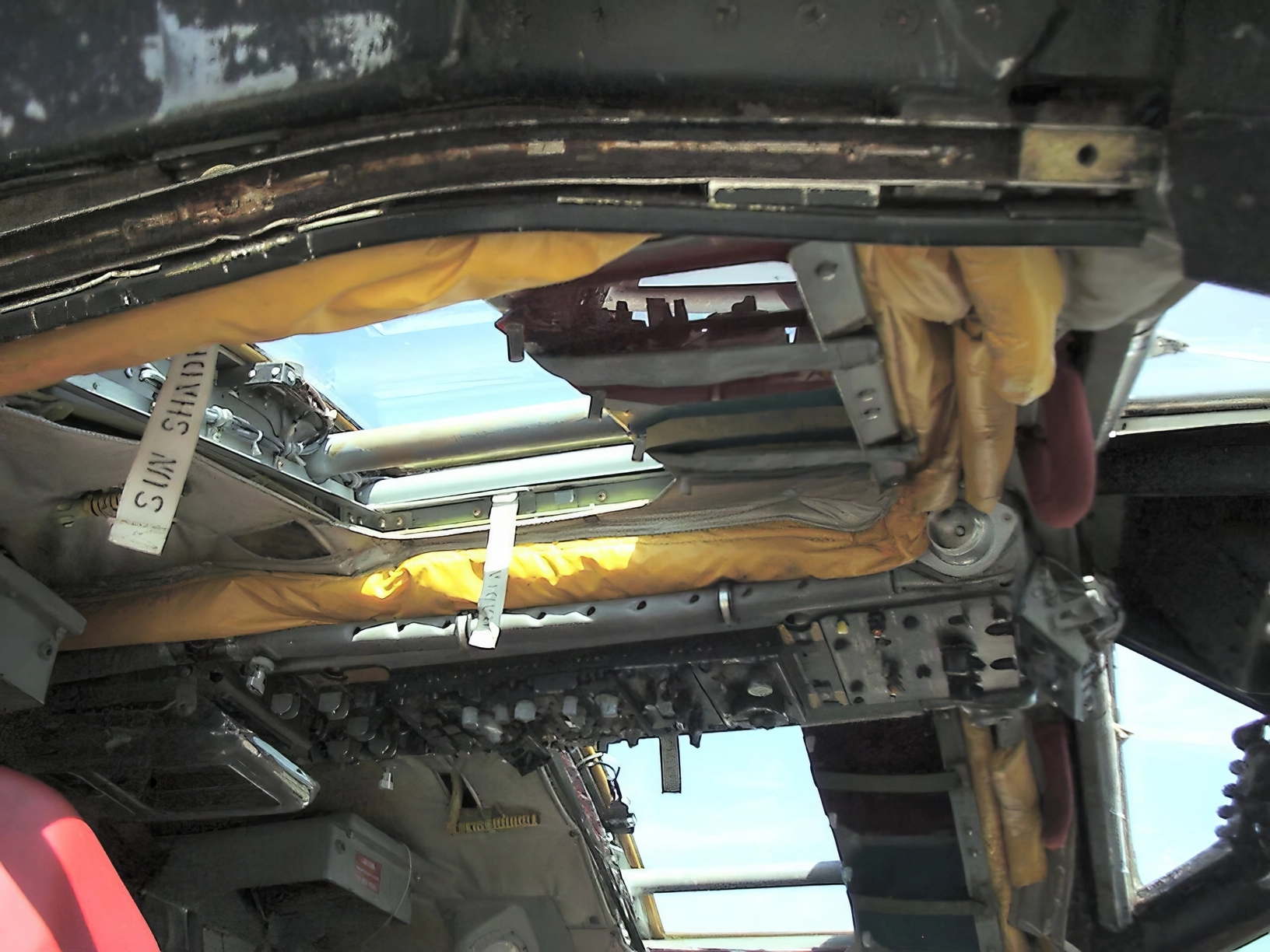
| B-52H Stratofortress Walk Around | |
|---|---|
| Photographe | Fotios Rouch |
| Localisation | Inconnu |
| Photos | 34 |
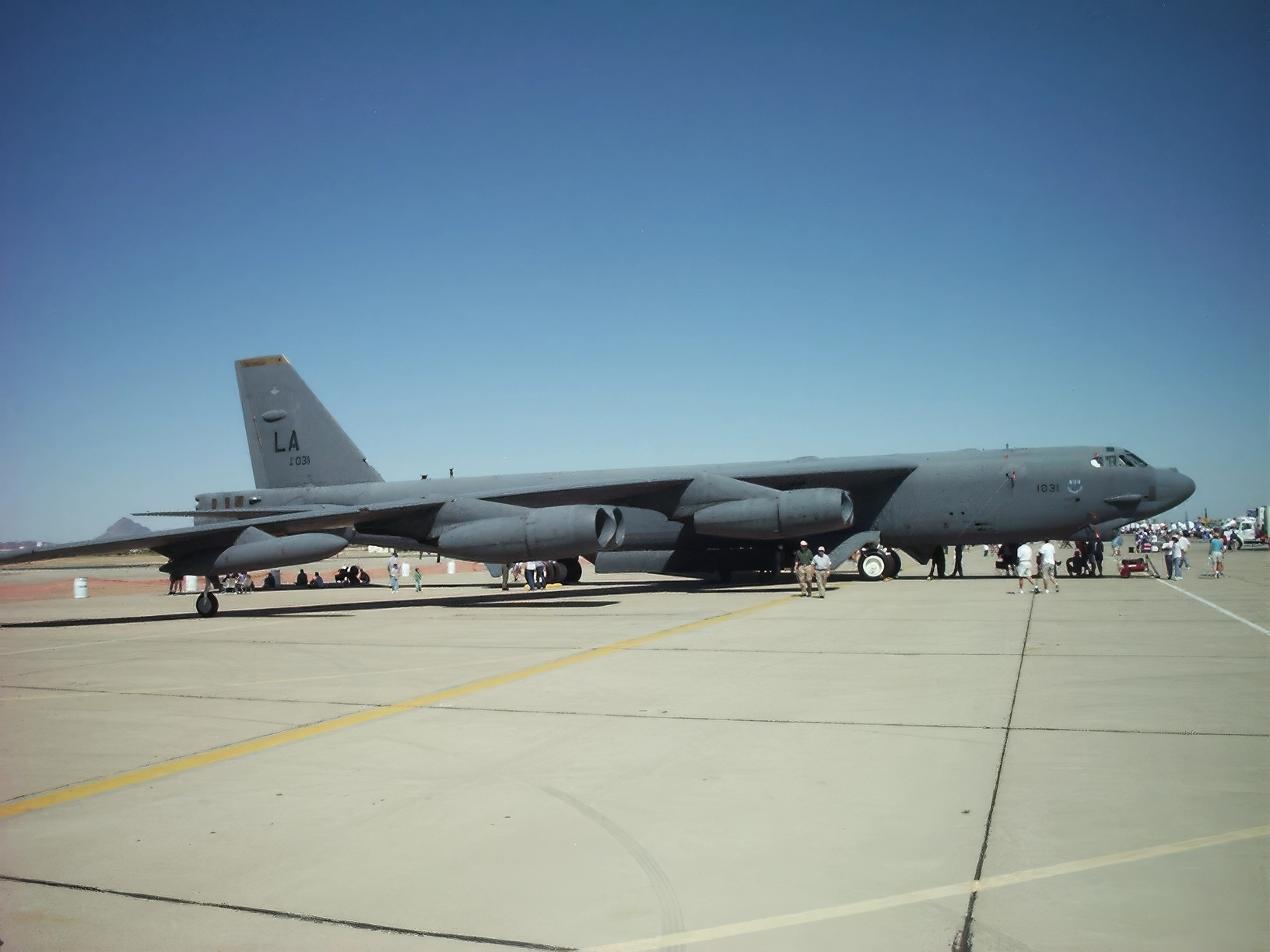
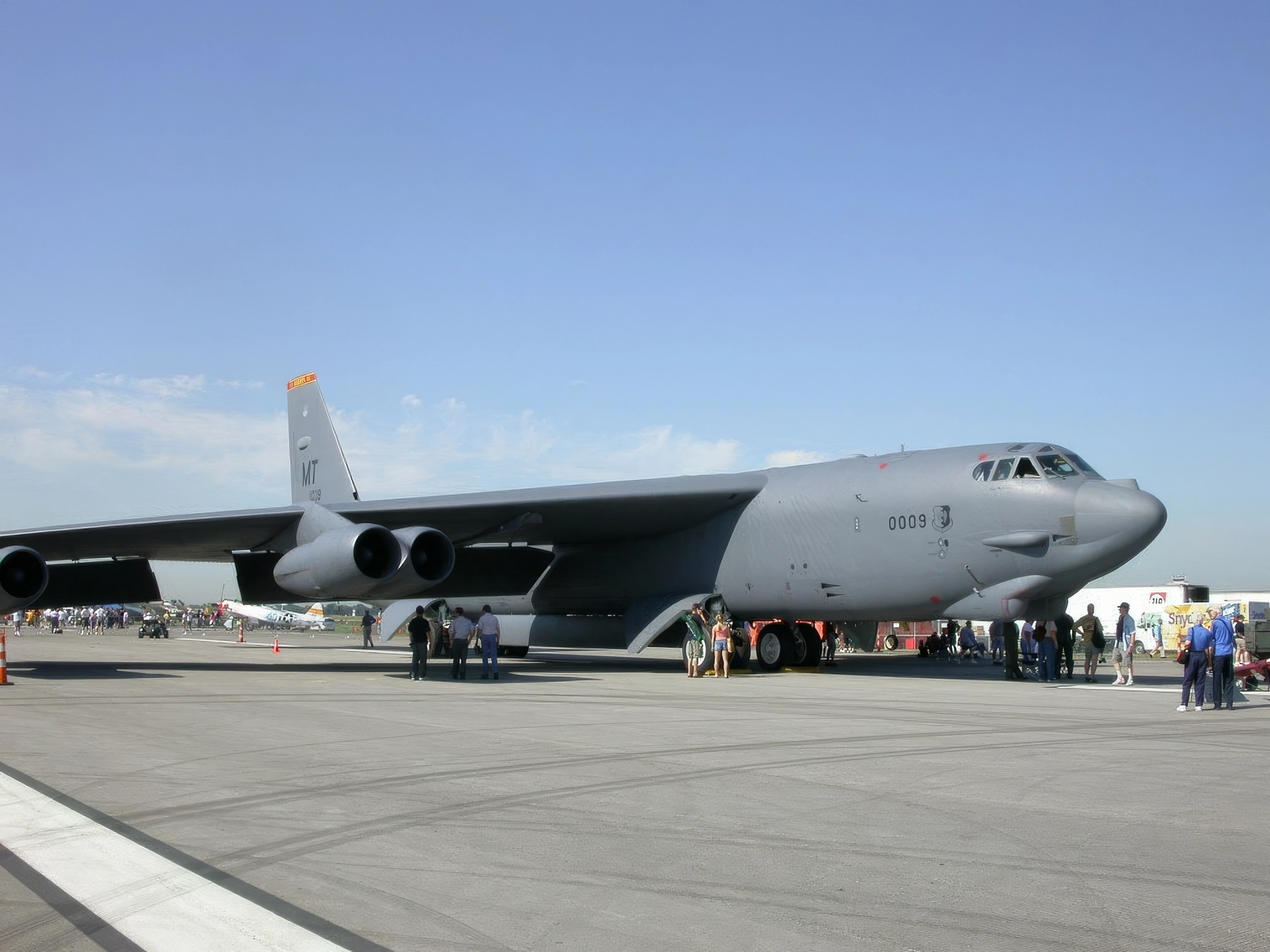
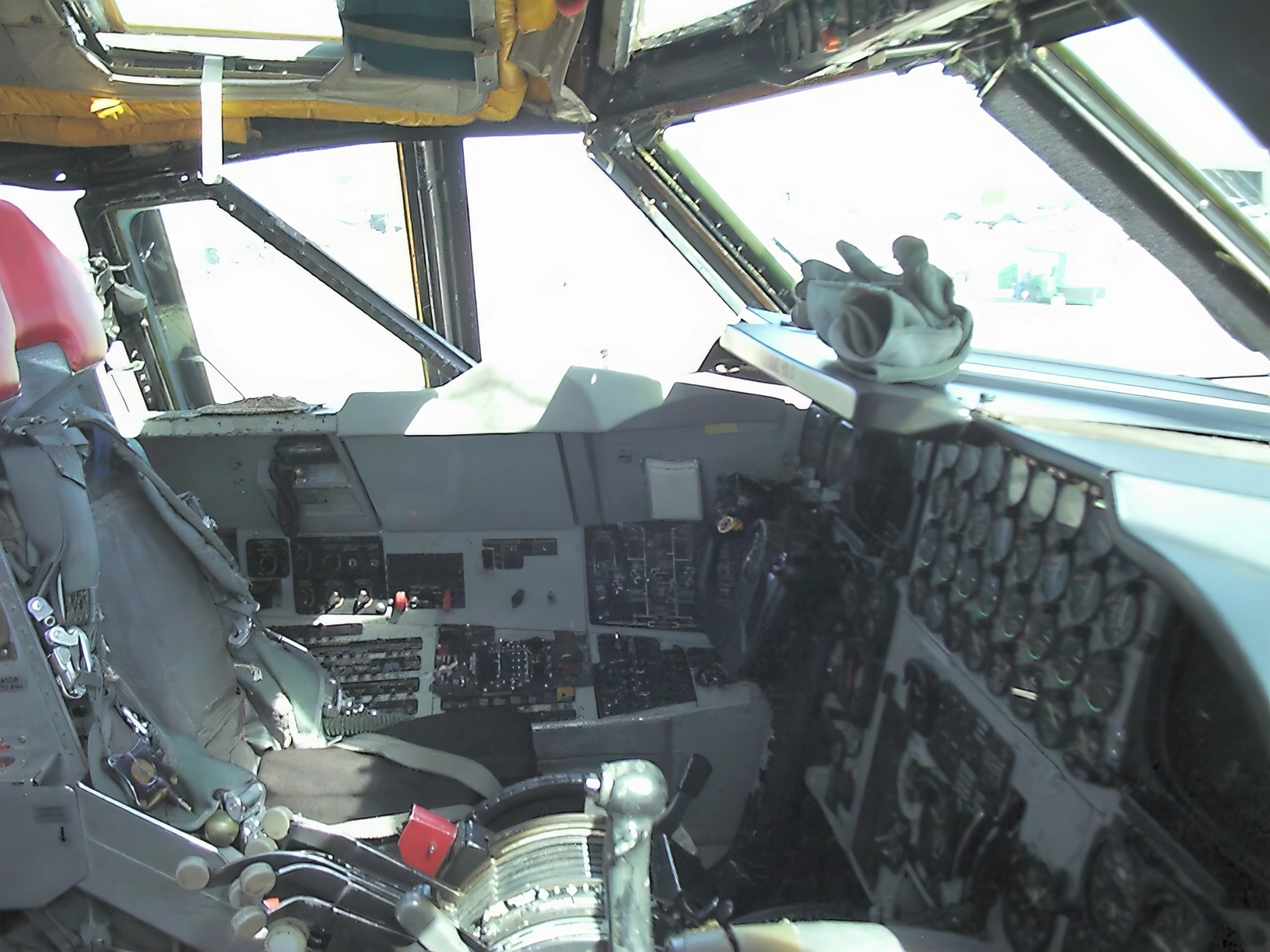
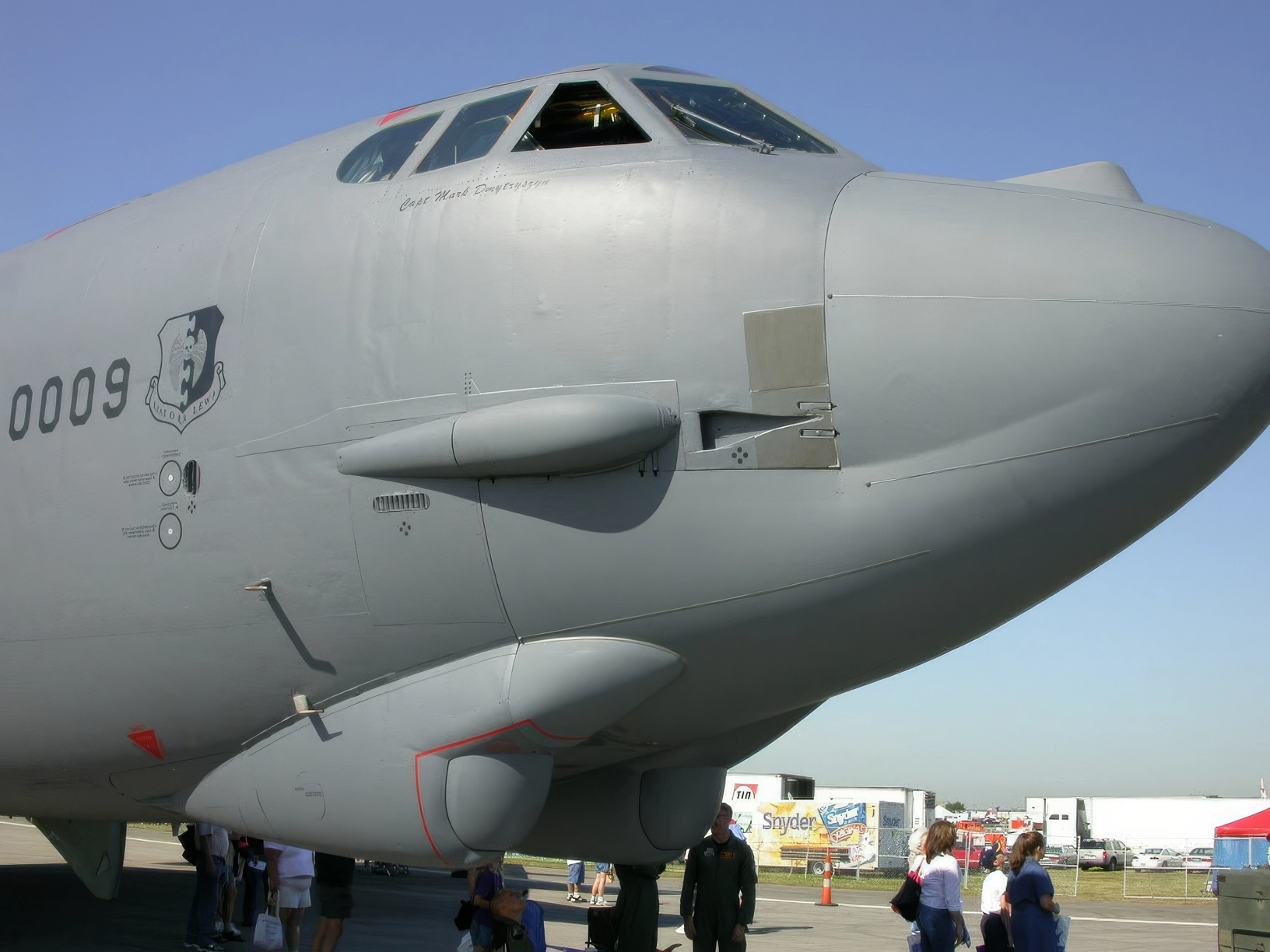
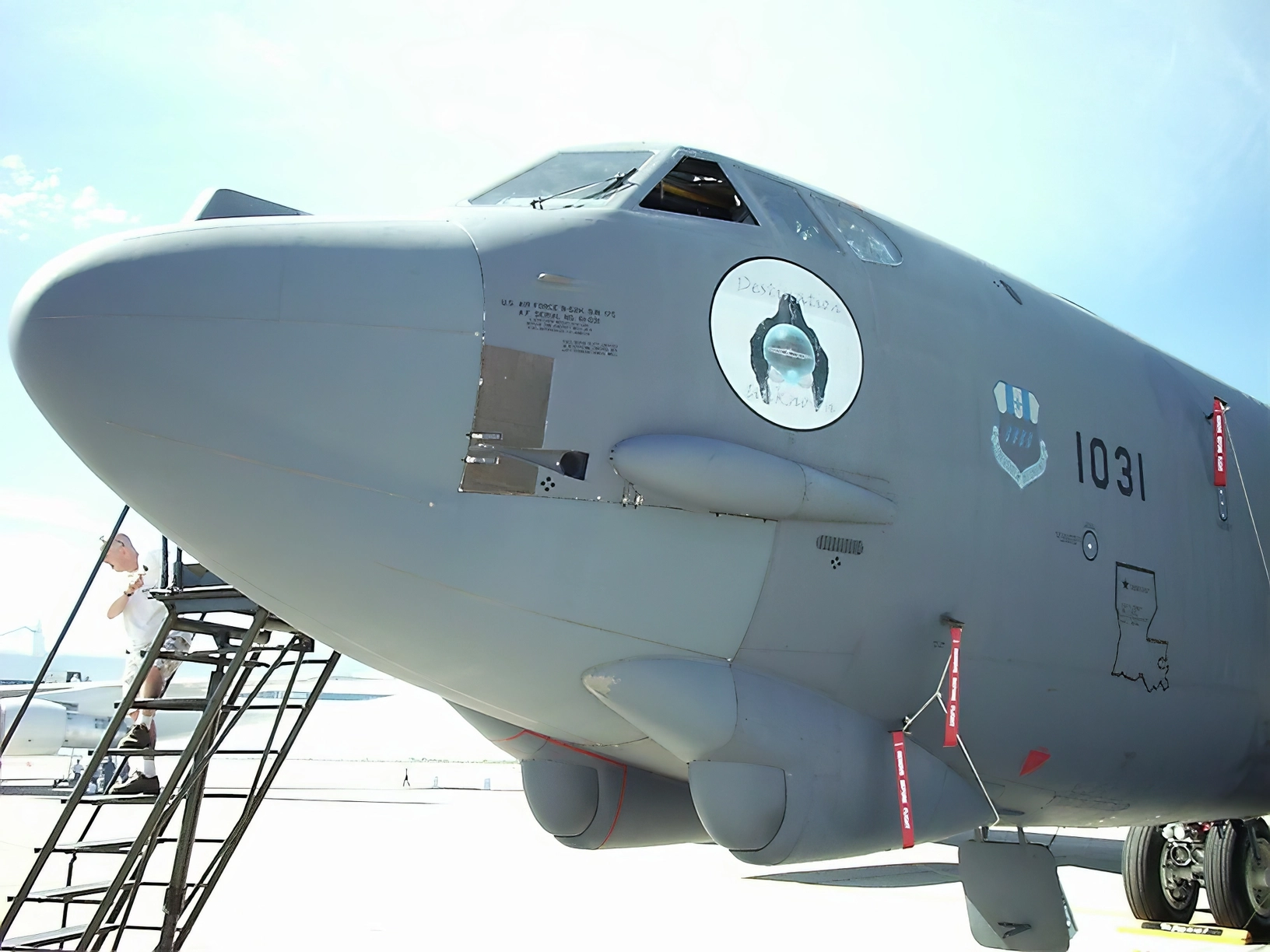
Voir aussi :


| Boeing NB-52B Stratofortress Walk Around | |
|---|---|
| Photographe | Vladimir Yakubov |
| Localisation | Base aérienne d’Edwards |
| Photos | 83 |
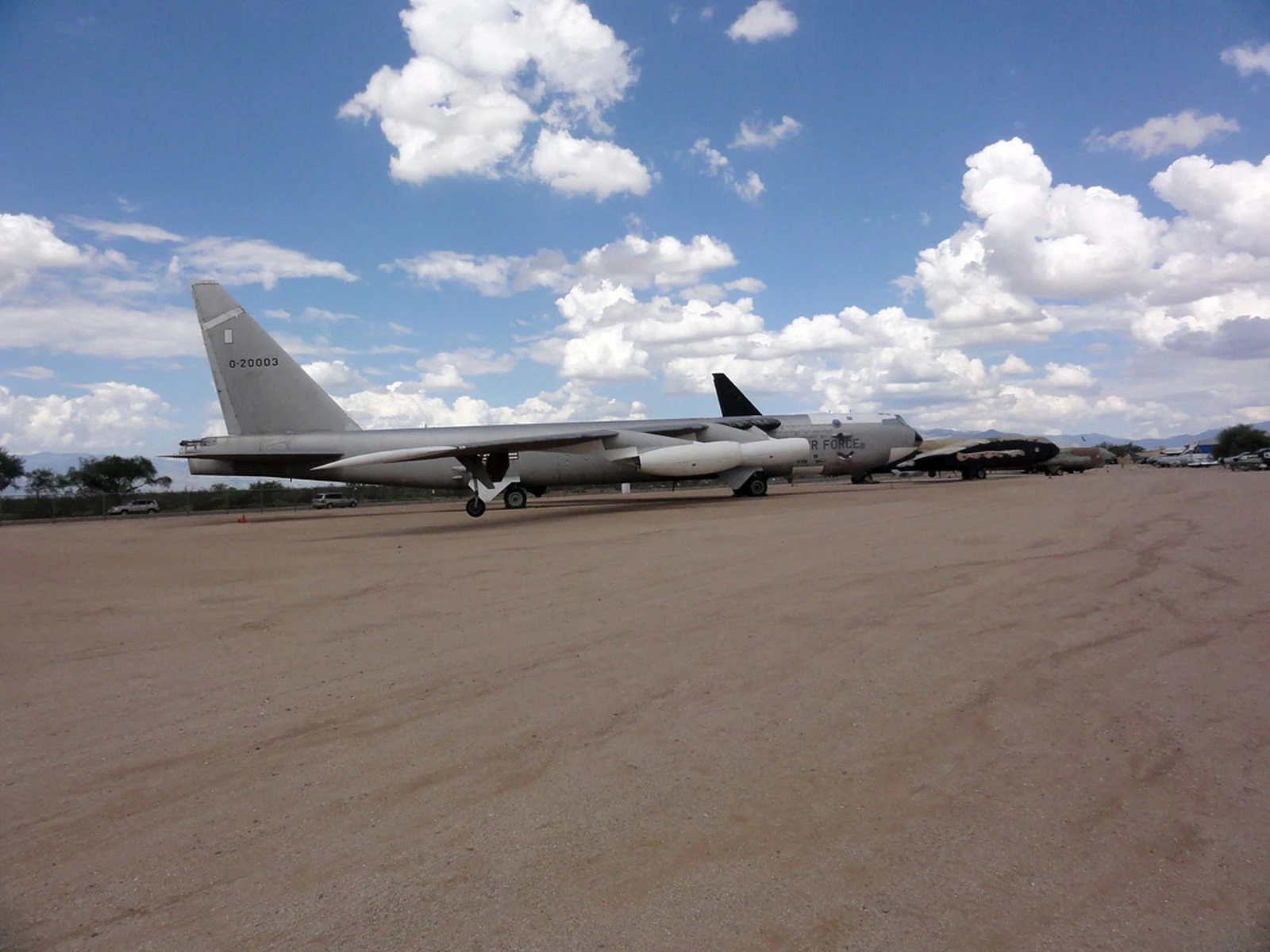
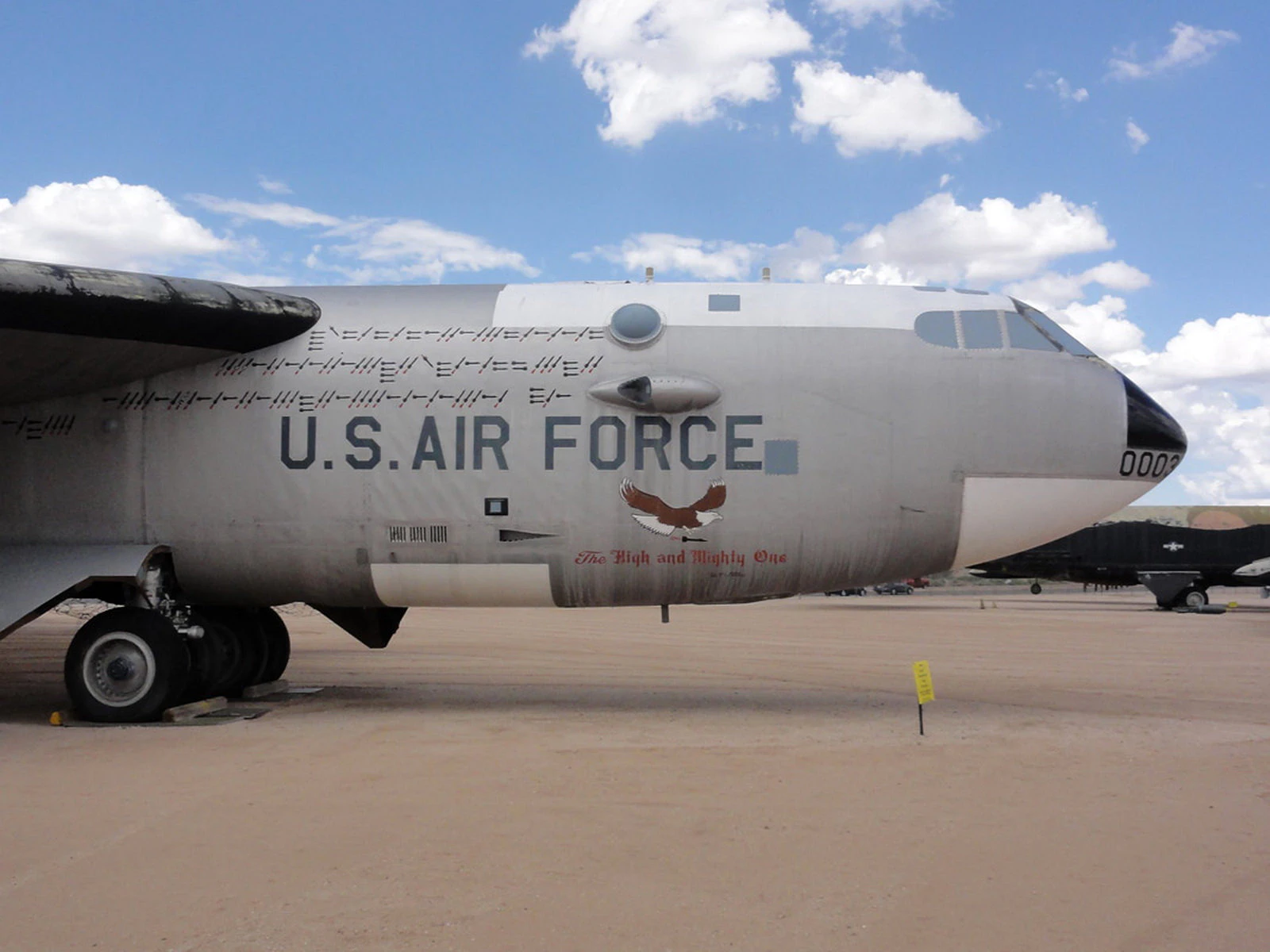
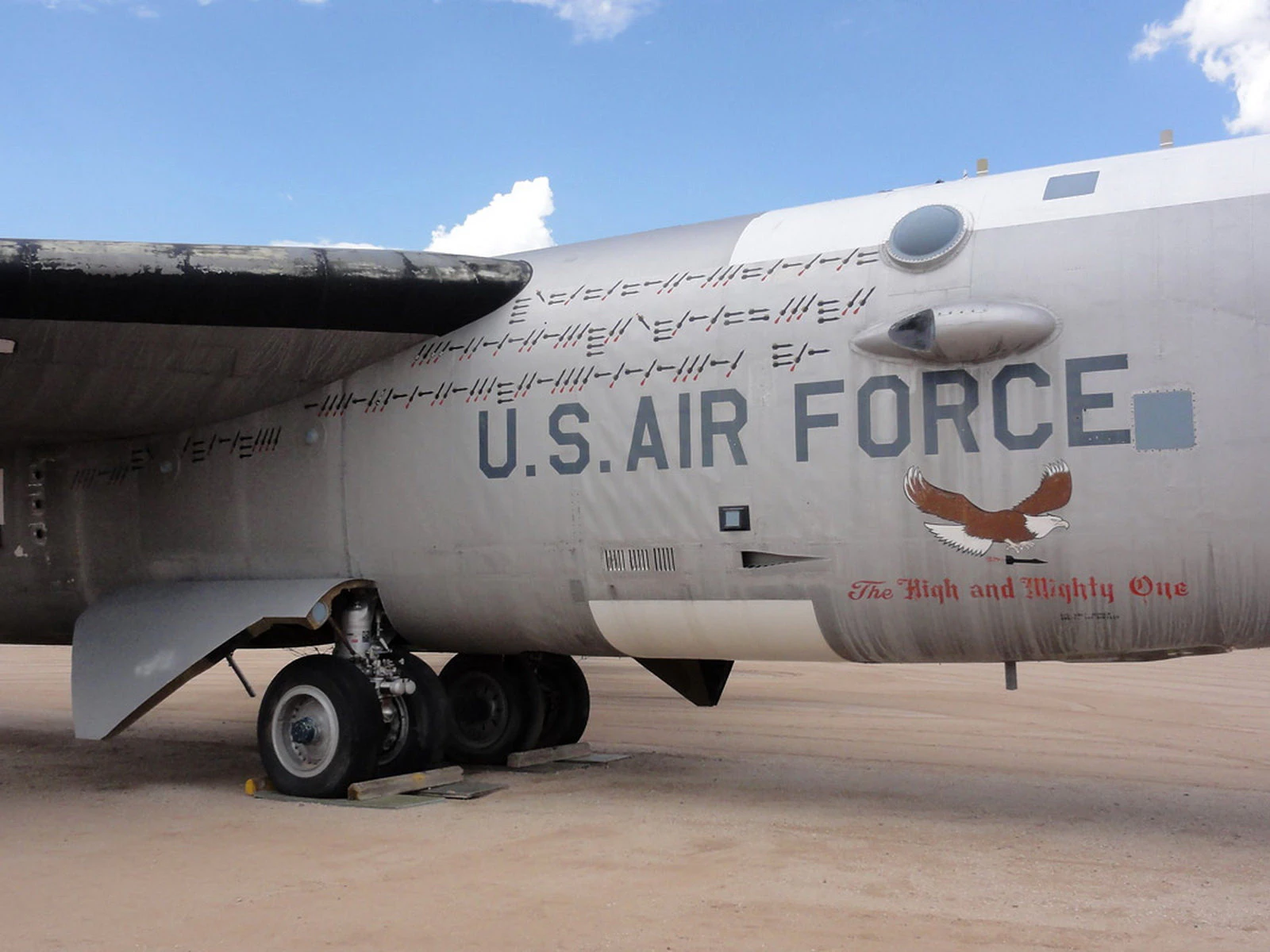
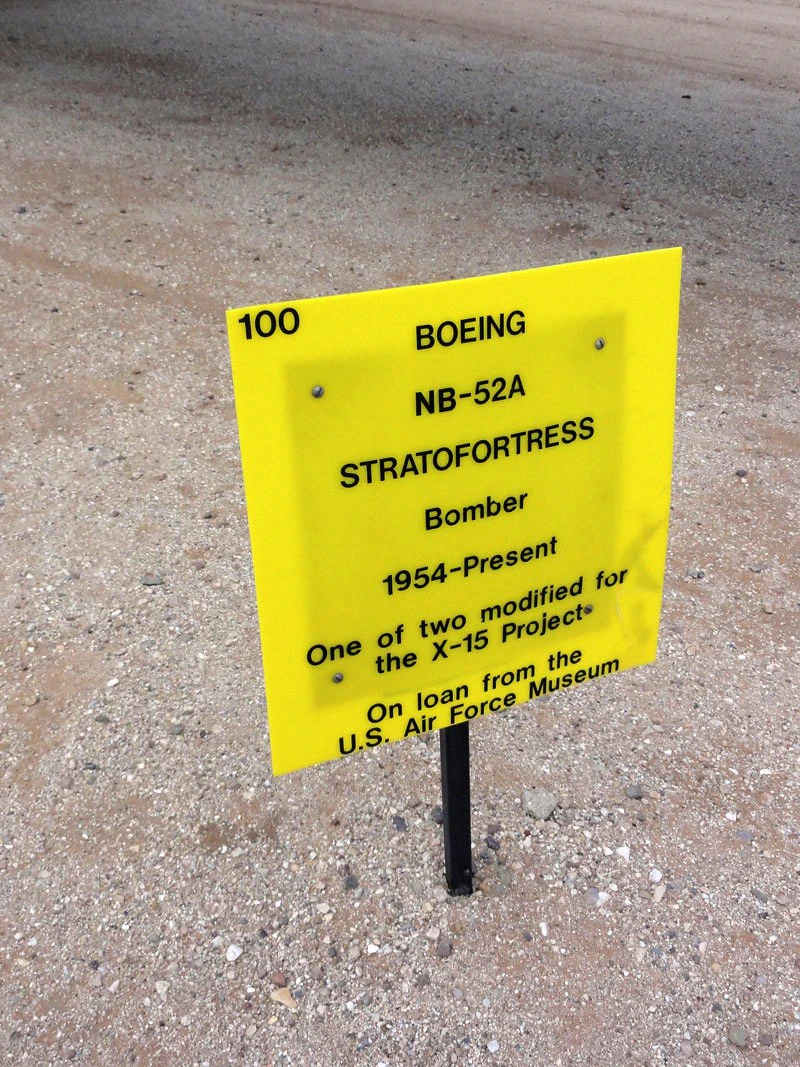
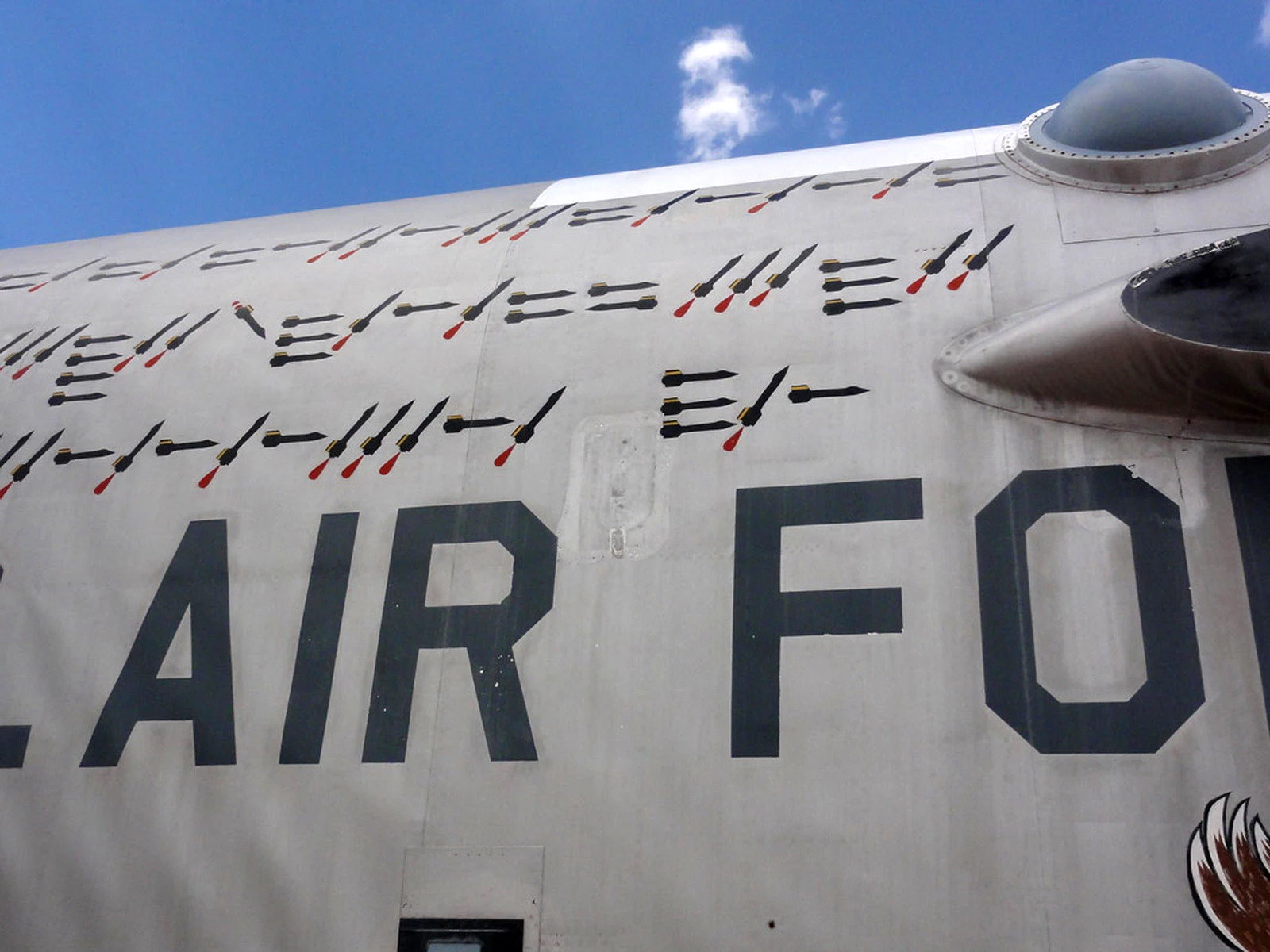
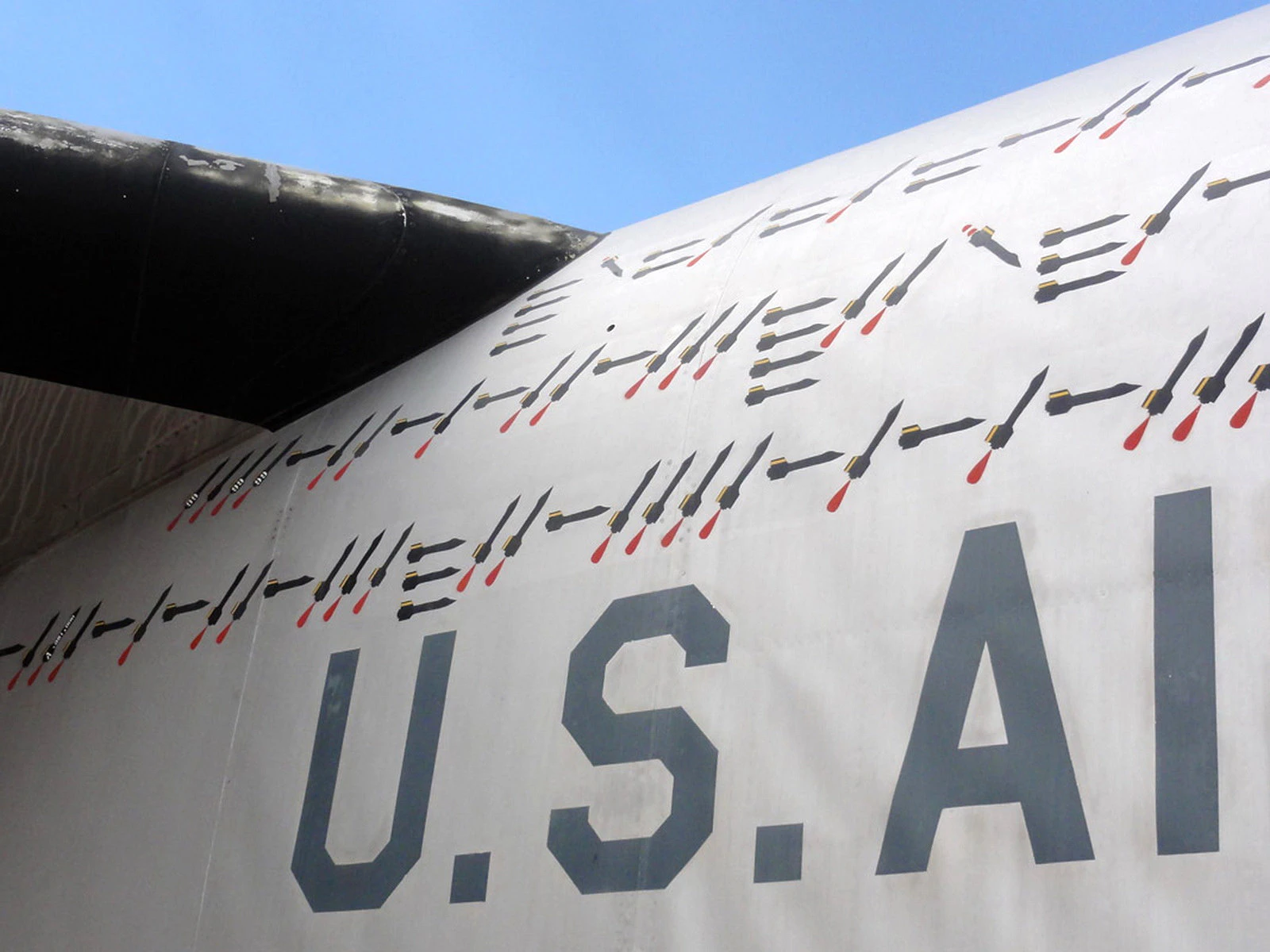
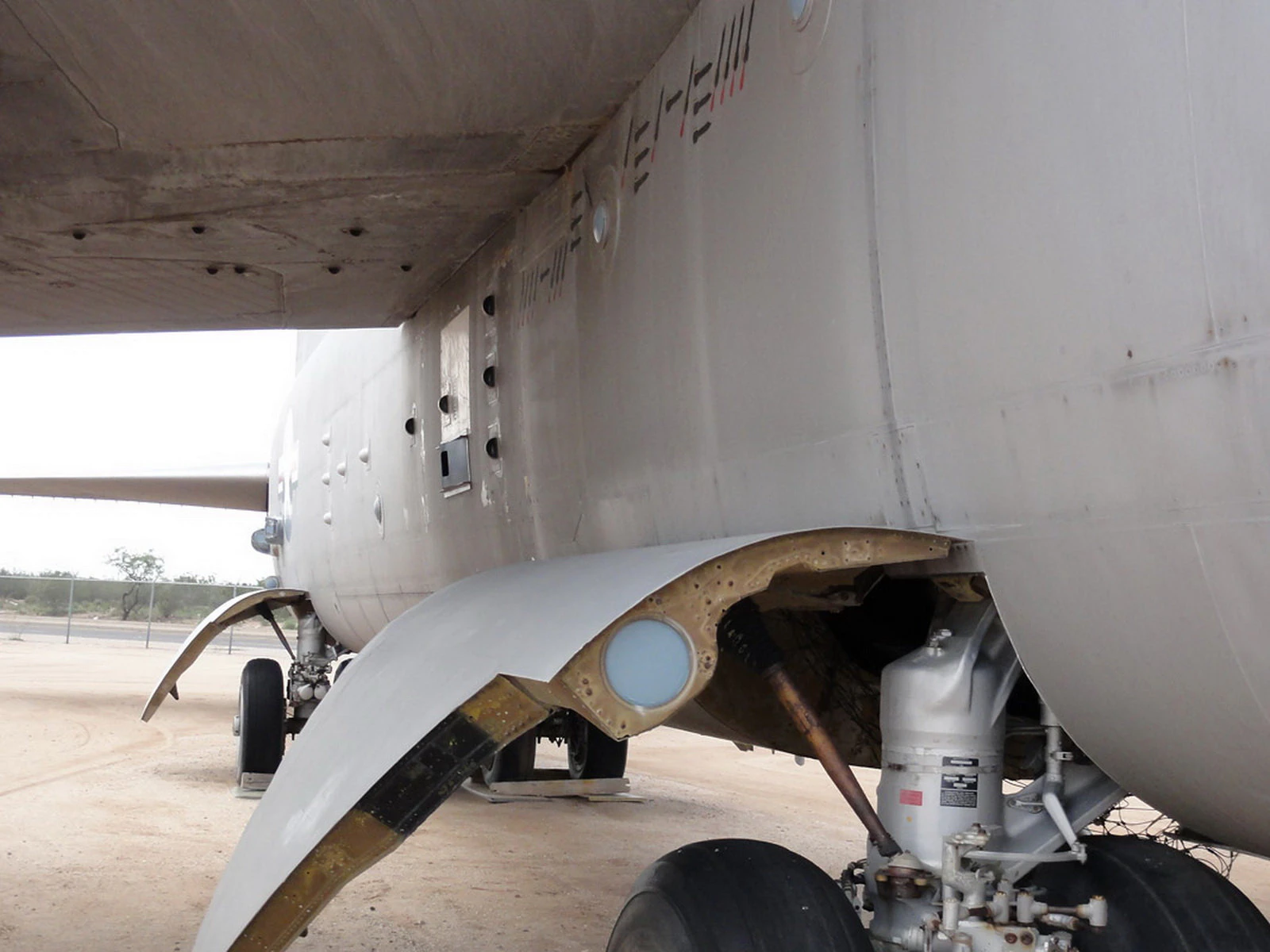
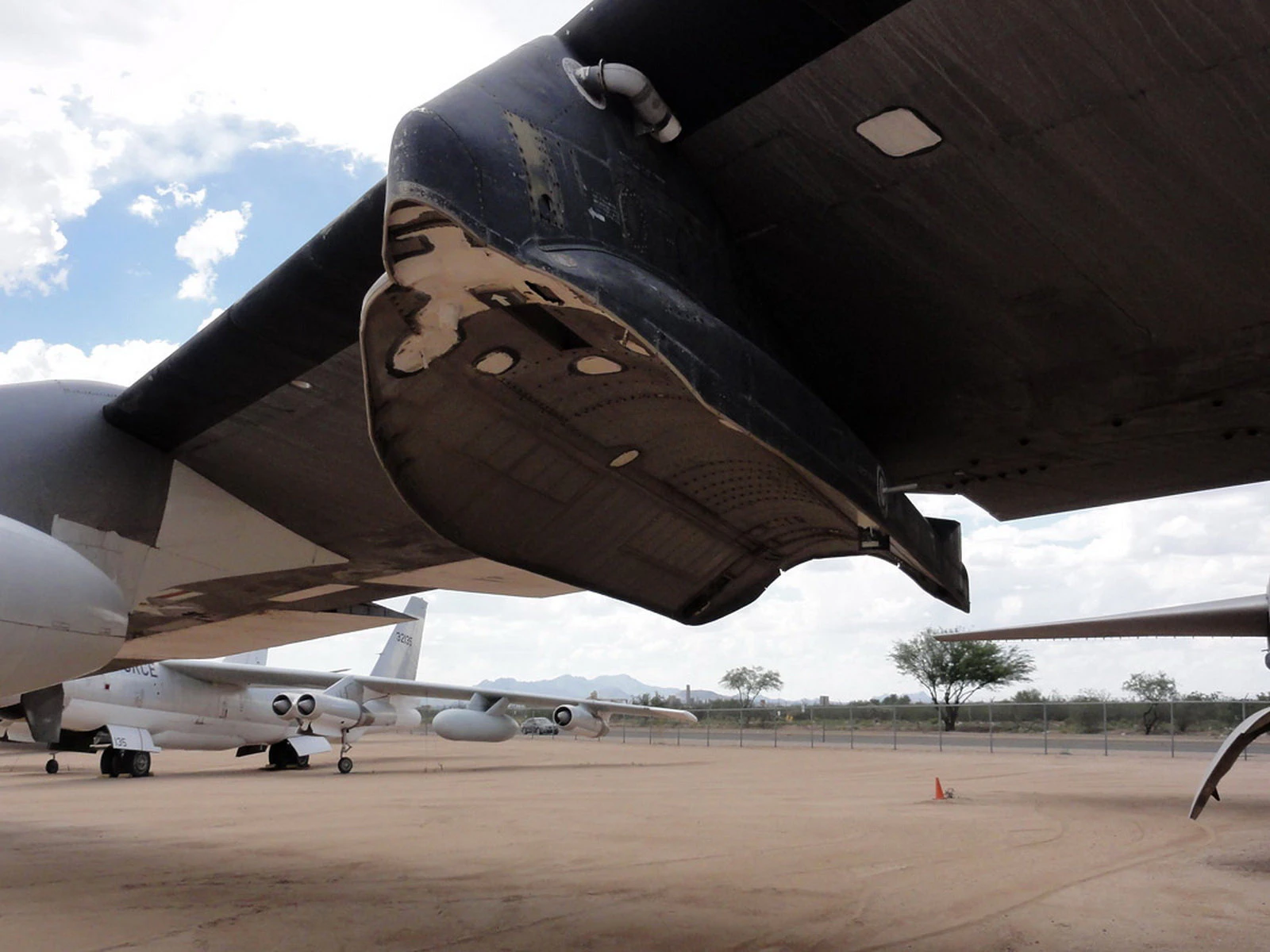
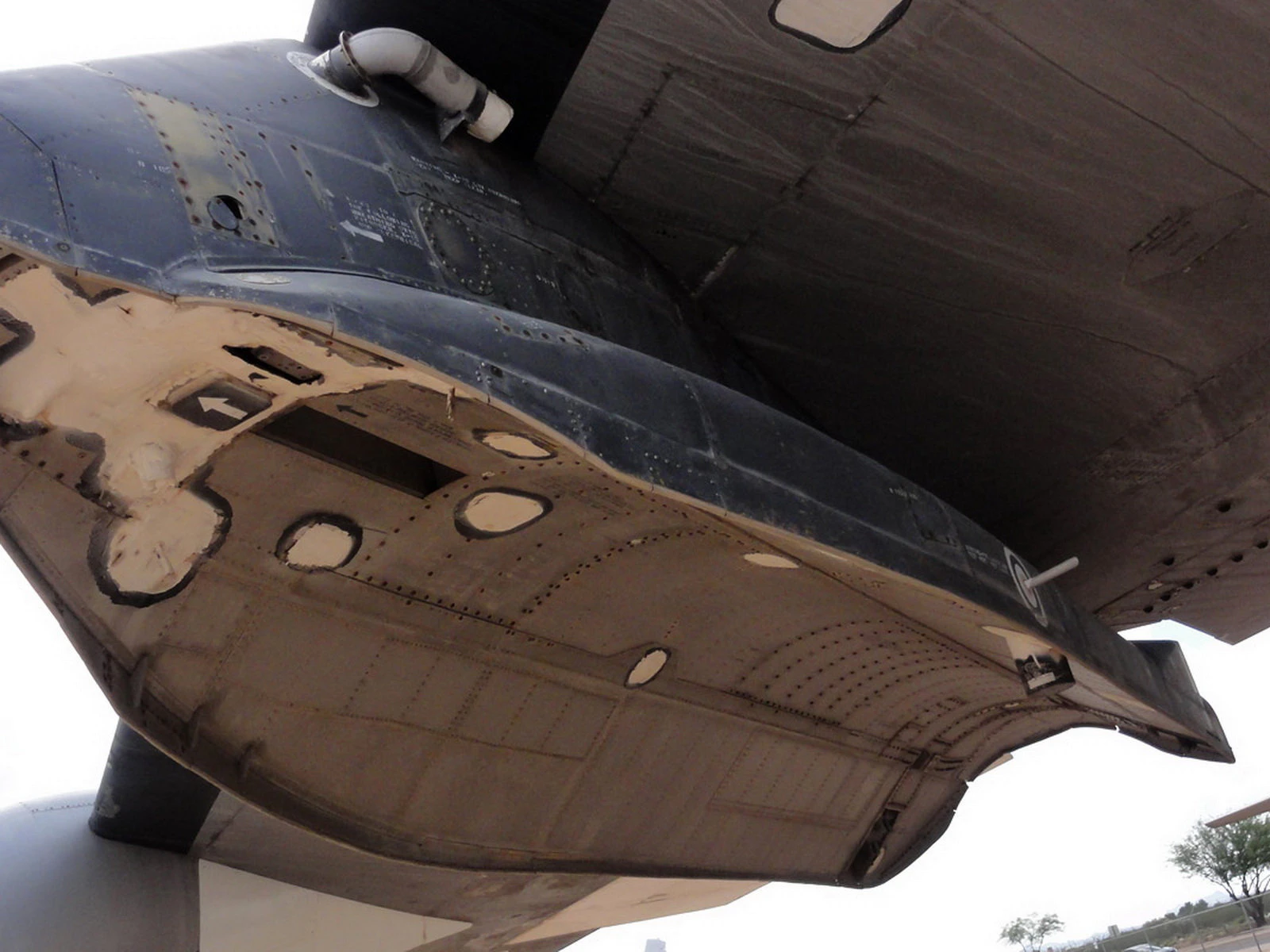
The Long-Range Legend
Lla Boeing B-52 Stratofortress is perhaps the most enduring symbol of the Cold War and the ultimate « Lourd » in aviation history. Designed in the late 1940s to carry nuclear weapons deep into Soviet territory, it has evolved into a versatile conventional bomber capable of delivering everything from precision-guided munitions to massive carpets of « iron » bombs. Known to its crews as the BUFF (Big Ugly Fat Fellow), it has outlasted its intended replacements (the B-58 and B-70) and is slated to remain in service until the 2050s—an incredible 100-year operational lifespan.
| Attribute | Technical Specification (B-52H) |
|---|---|
| Rôle | Long-Range Strategic Heavy Bomber |
| Crew | 5 (Pilot, Co-pilot, Weapon Systems Officer, Navigator, Electronic Warfare Officer) |
| Moteur | 8 × Pratt & Whitney TF33-P-3 turbofans (17,000 lbf each) |
| Vitesse maximale | 1,046 km/h (650 mph / Mach 0.84) |
| Combat Range | Over 14,000 km (8,800 miles) without refueling |
| Service Ceiling | 15,000 m (50,000 ft) |
| charge utile | 31,500 kg (70,000 lbs) of mixed ordnance |
| Envergure | 56.4 meters (185 feet) |
Design Engineering: Eight-Engined Innovation
- Tandem Landing Gear: Because of its massive wingspan and heavy fuel load, the B-52 uses a « bicycle » landing gear arrangement with four main twin-wheel units in the fuselage and « outrigger » wheels near the wingtips to prevent them from scraping the runway during takeoff.
- Crosswind Landing System: In one of the most unique engineering feats in aviation, the B-52’s main landing gear can be rotated up to 20 degrees. This allows the aircraft to « crab » into a crosswind during landing while the wheels remain perfectly aligned with the runway centerline.
- Lla « Wet » Wing: The B-52’s wings are so flexible that they can flex upward by as much as 22 feet during flight. To maximize range, almost the entire internal volume of the wing is used as a fuel tank (a « wet wing »), though fuel must be managed carefully to maintain structural balance.
- Transition to Precision: While the early G-models carried tail-mounted 20mm cannons, the current H-models have removed all defensive armament in favor of advanced Electronic Countermeasures (ECM) and the ability to launch long-range cruise missiles from rotary launchers inside the bomb bay.
Operational History: From Arclight to the Modern Day
- Vietnam (Operation Arc Light): B-52s were used for massive conventional « carpet bombing » missions, flying from Guam and Thailand. The sound and vibration of a B-52 strike were said to be psychologically devastating to forces on the ground long before the first bomb hit.
- Operation Desert Storm: B-52s flying from Barksdale AFB in Louisiana flew 35-hour round-trip missions—the longest combat missions in history at the time—to strike Iraqi targets with cruise missiles.
- Nuclear Deterrent: During the height of the Cold War, B-52s were kept on « Airborne Alert » 24/7, armed with nuclear gravity bombs, ensuring that the U.S. could retaliate even if its land-based missiles were destroyed.
- Commercial Engine Replacement Program (CERP): To keep the BUFF flying into the 2050s, the Air Force is currently replacing the old TF33 engines with modern Rolls-Royce F130 turbofans, which will increase fuel efficiency, reduce maintenance, and significantly extend the aircraft’s reach.
Vues : 5564
Vous pouvez voir aussi :
 Polikarpov I-16 – Photos & Vidéo
 Kawanishi N1K2 – Photos & Vidéo
 Macchi MC 205 Veltro – Photos & Vidéo
 Boeing F4B-4 – Photos & Vidéo
 Breguet Br.1150 Atlantic – Photos & Vidéo
 Dornier Do 31E3 – Photos & Vidéo
 Lampe de poche Yak-25 – Photos et vidéo
 Handley Page Victor – Photos et vidéo
 Dassault Super Mystere B.2 – Photos & Vidéo
 Supermarine Spitfire MK. XIV – Photos & Vidéo