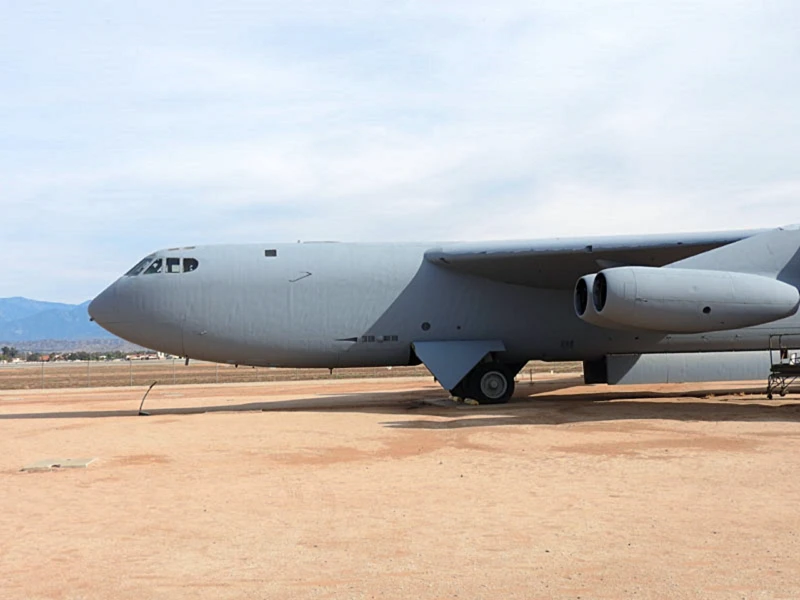
波音B-52斯特拉托堡垒 | |
|---|---|
| 国家 | 美国 |
| 作用 | 战略轰炸机 |
| 首次飞行 | 1952年4月15日 |
| 建立 | 744 |
这 波音B-52斯特拉托堡垒 是一种远程、亚音速、喷气式战略轰炸机。B-52由波音公司设计和制造,波音公司继续提供支持和升级。自20世纪50年代以来,它一直由美国空军(USAF)运营。轰炸机携带多达70,000磅(32,000公斤)的武器。
| Boeing B-52 Stratofortress | |
|---|---|
| 摄影师 | 弗拉基米尔·亚库博夫 |
| 本地化 | 战略航空航天博物馆 |
| 照片 | 214 |
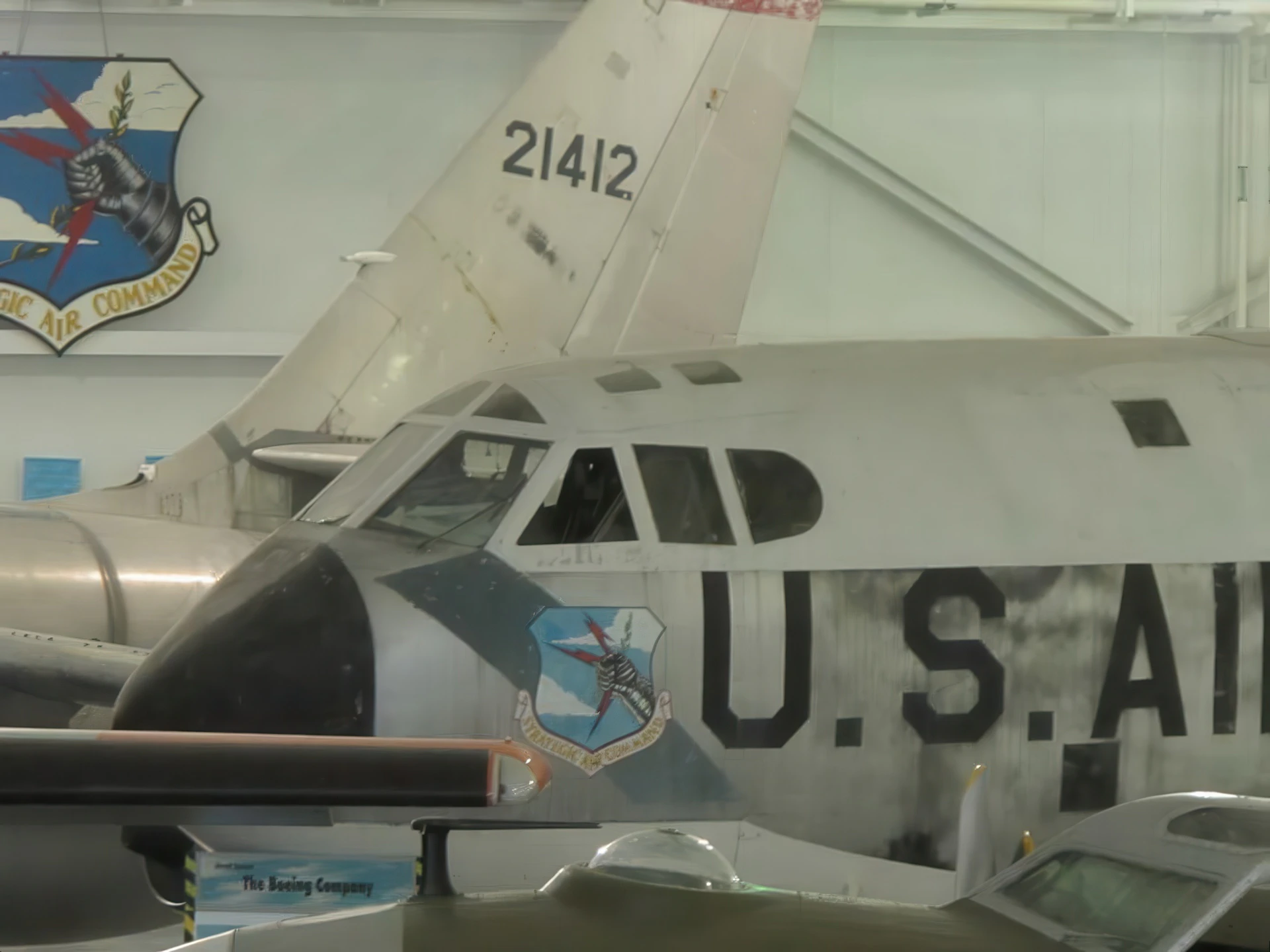
Boeing B-52B Stratofortress 001
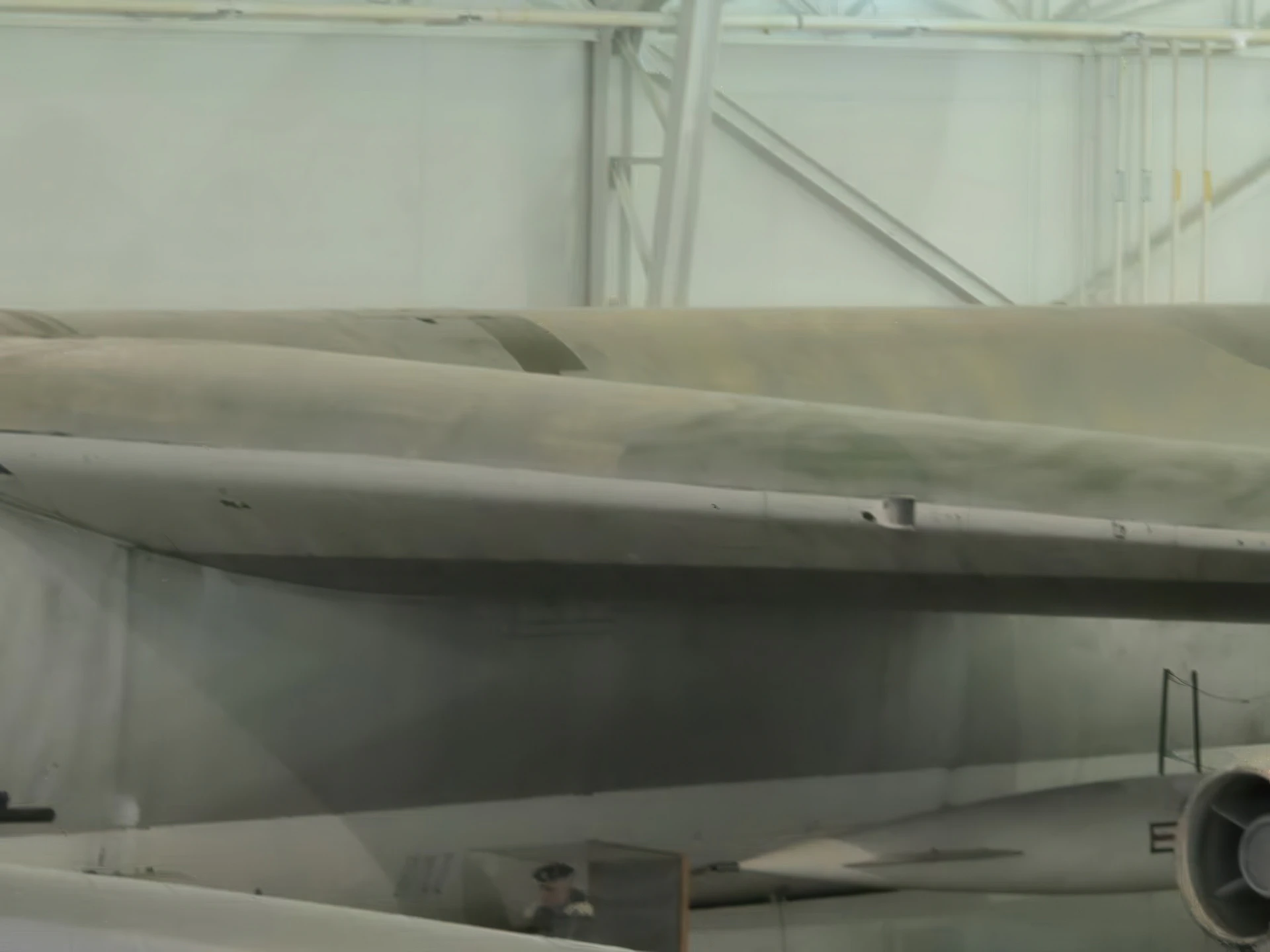
Boeing B-52B Stratofortress 002
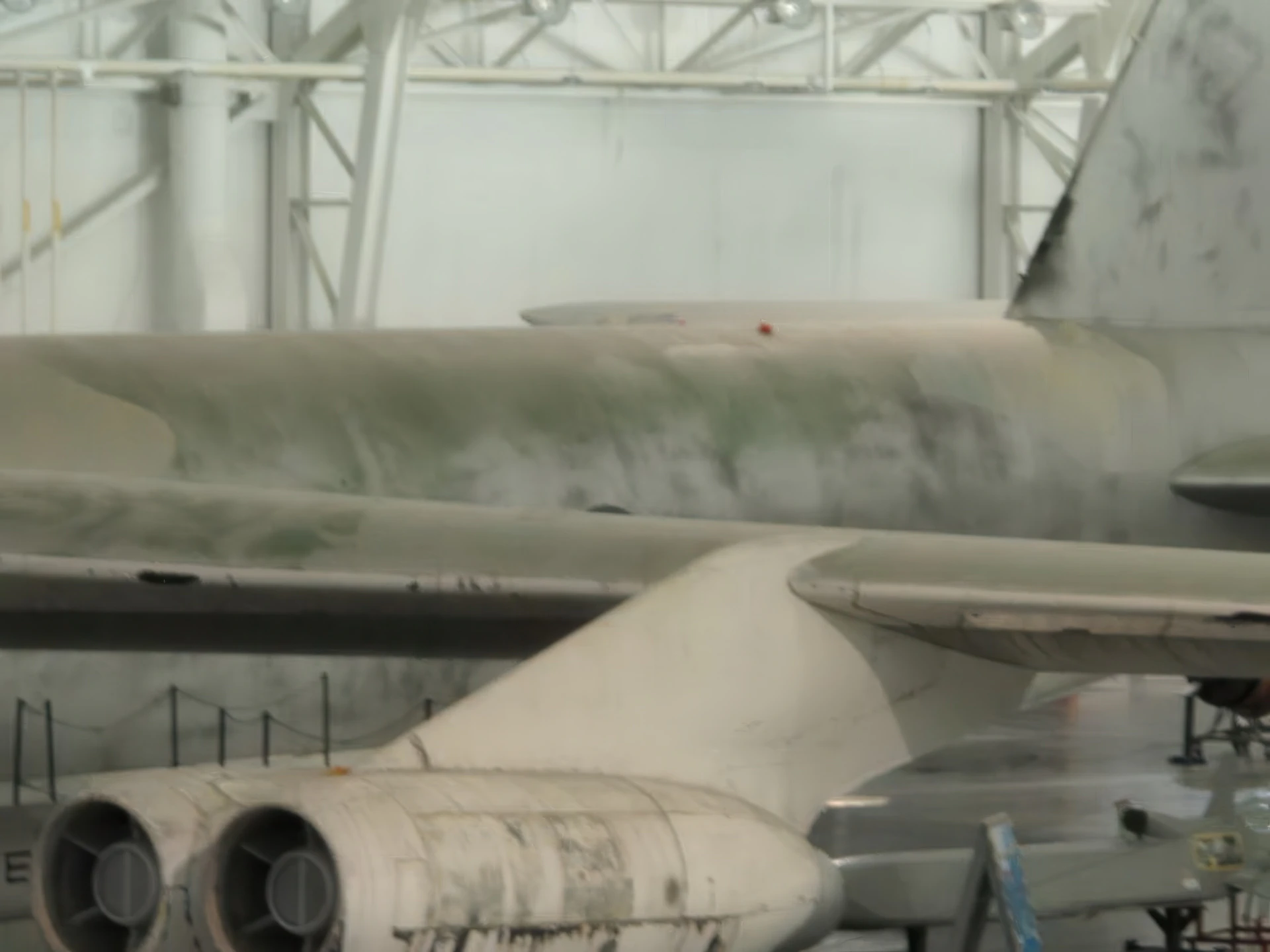
Boeing B-52B Stratofortress 003
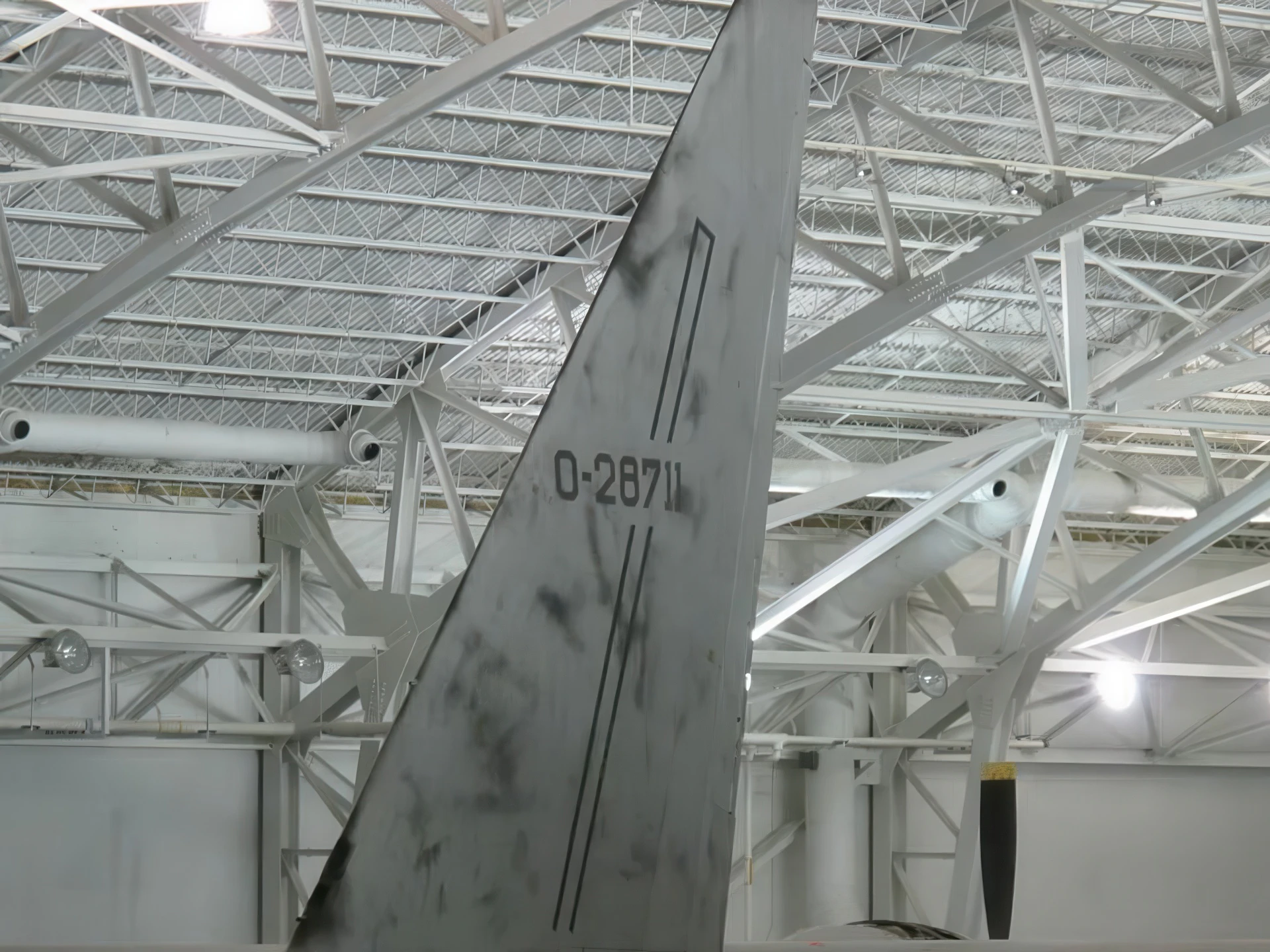
Boeing B-52B Stratofortress 004
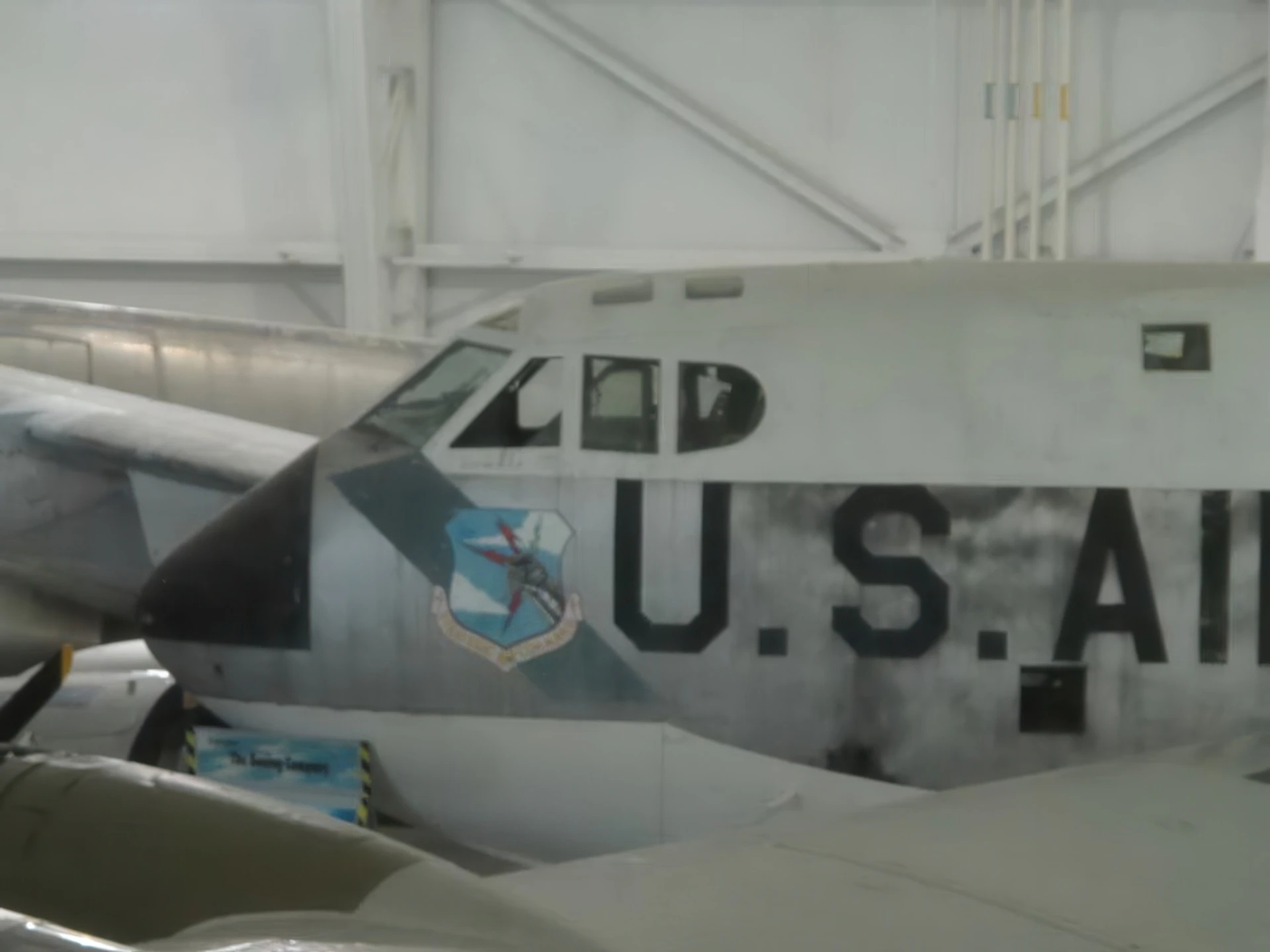
Boeing B-52B Stratofortress 005
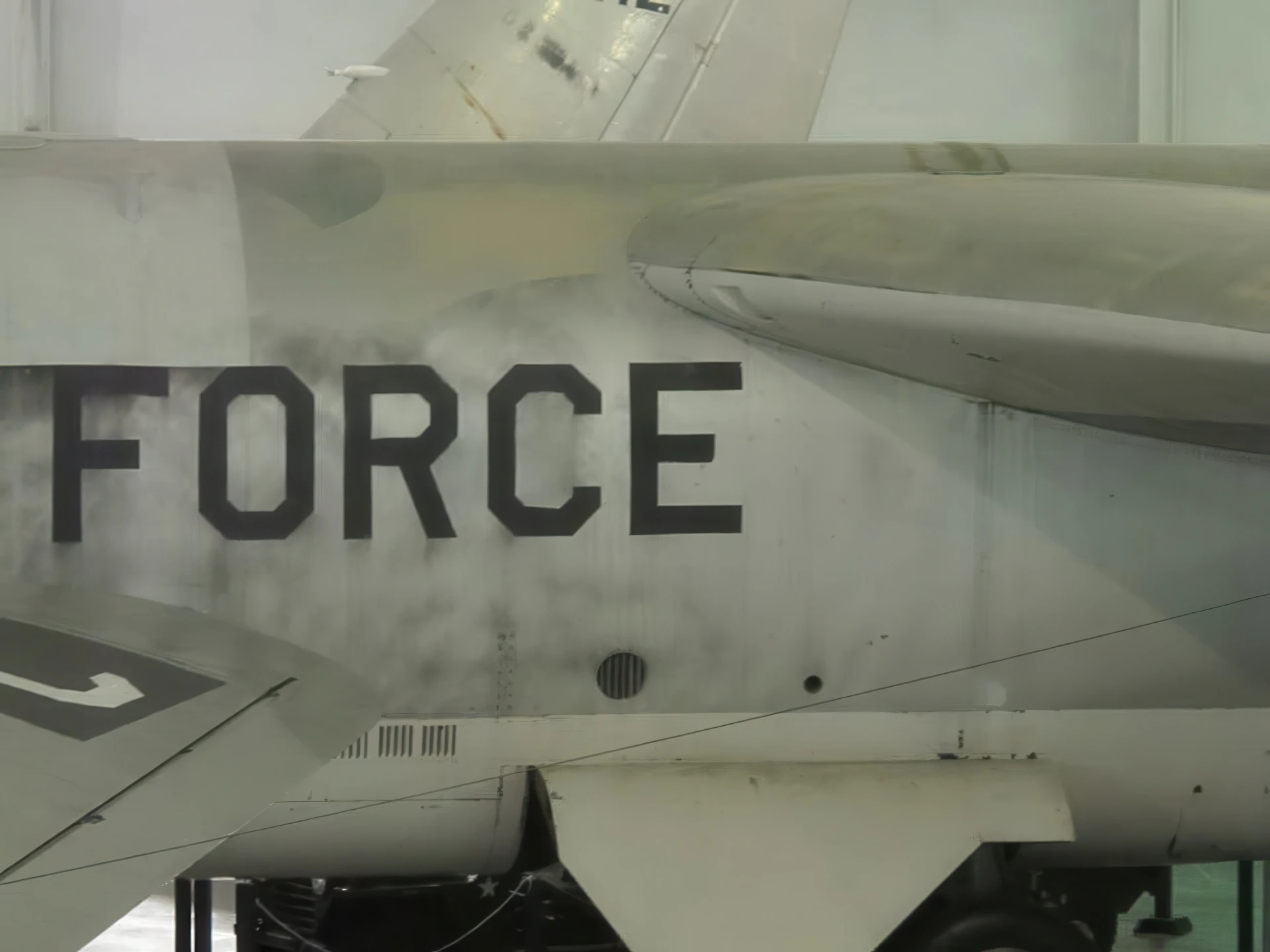
Boeing B-52B Stratofortress 006
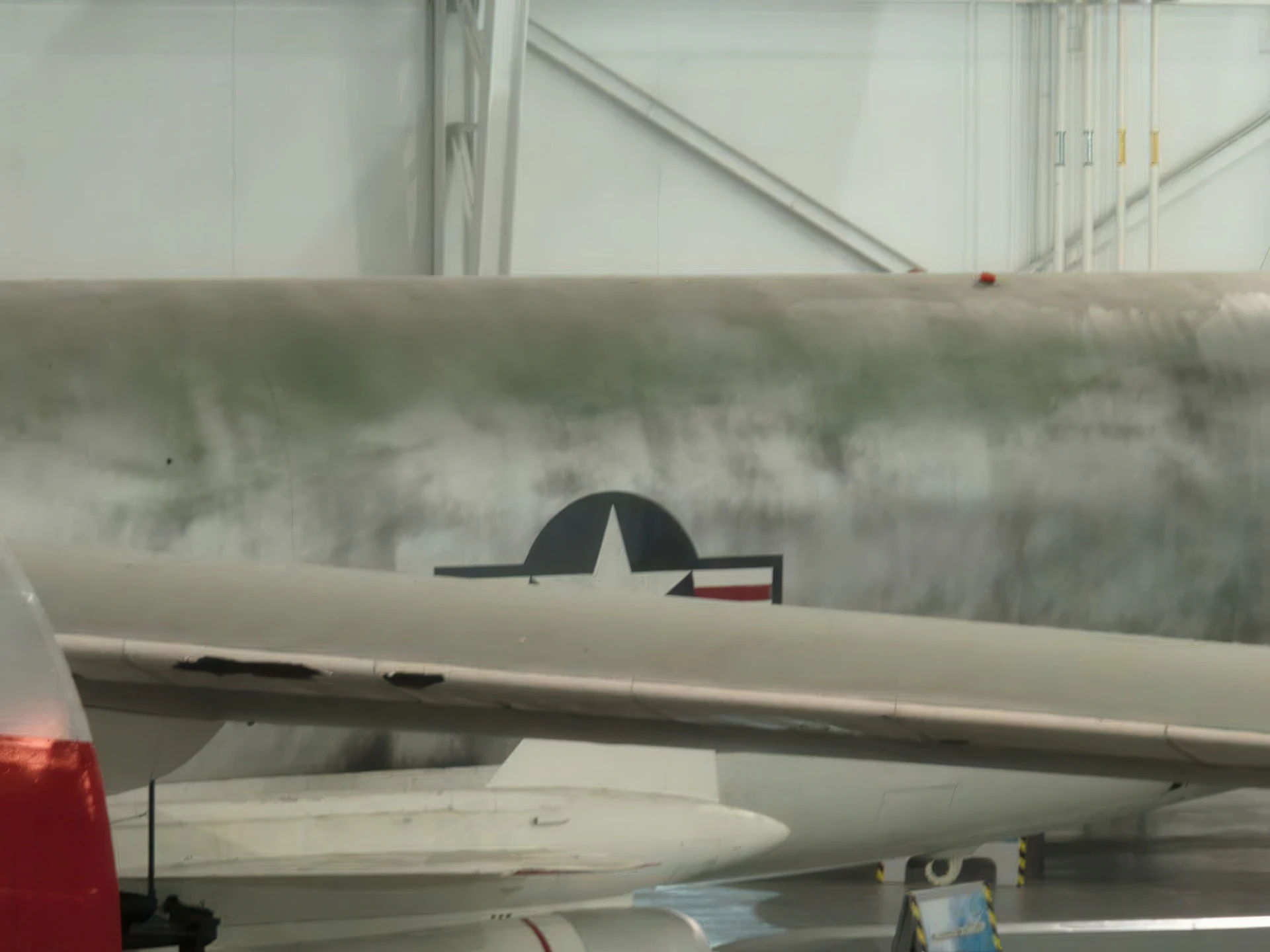
Boeing B-52B Stratofortress 007
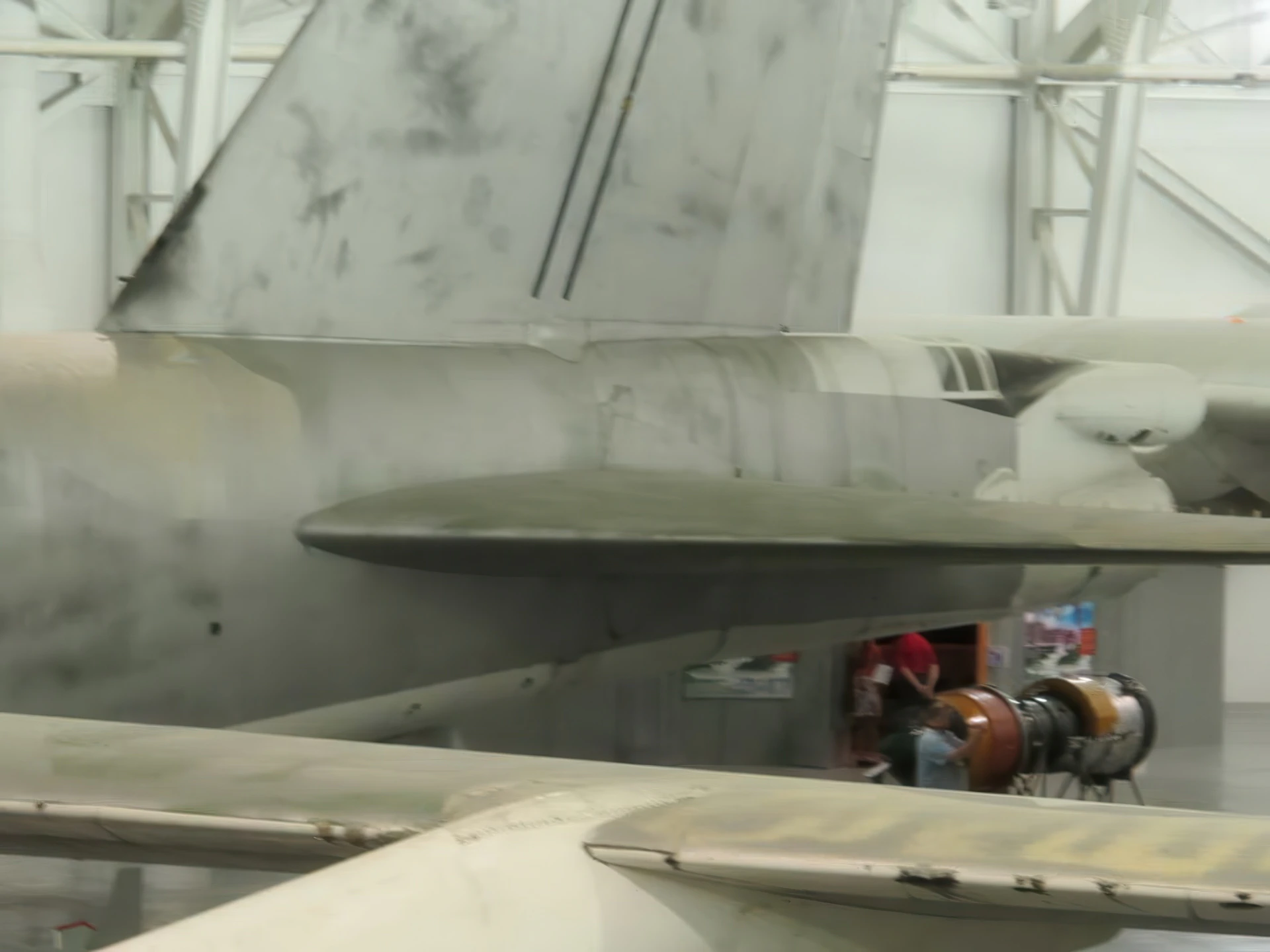
Boeing B-52B Stratofortress 008
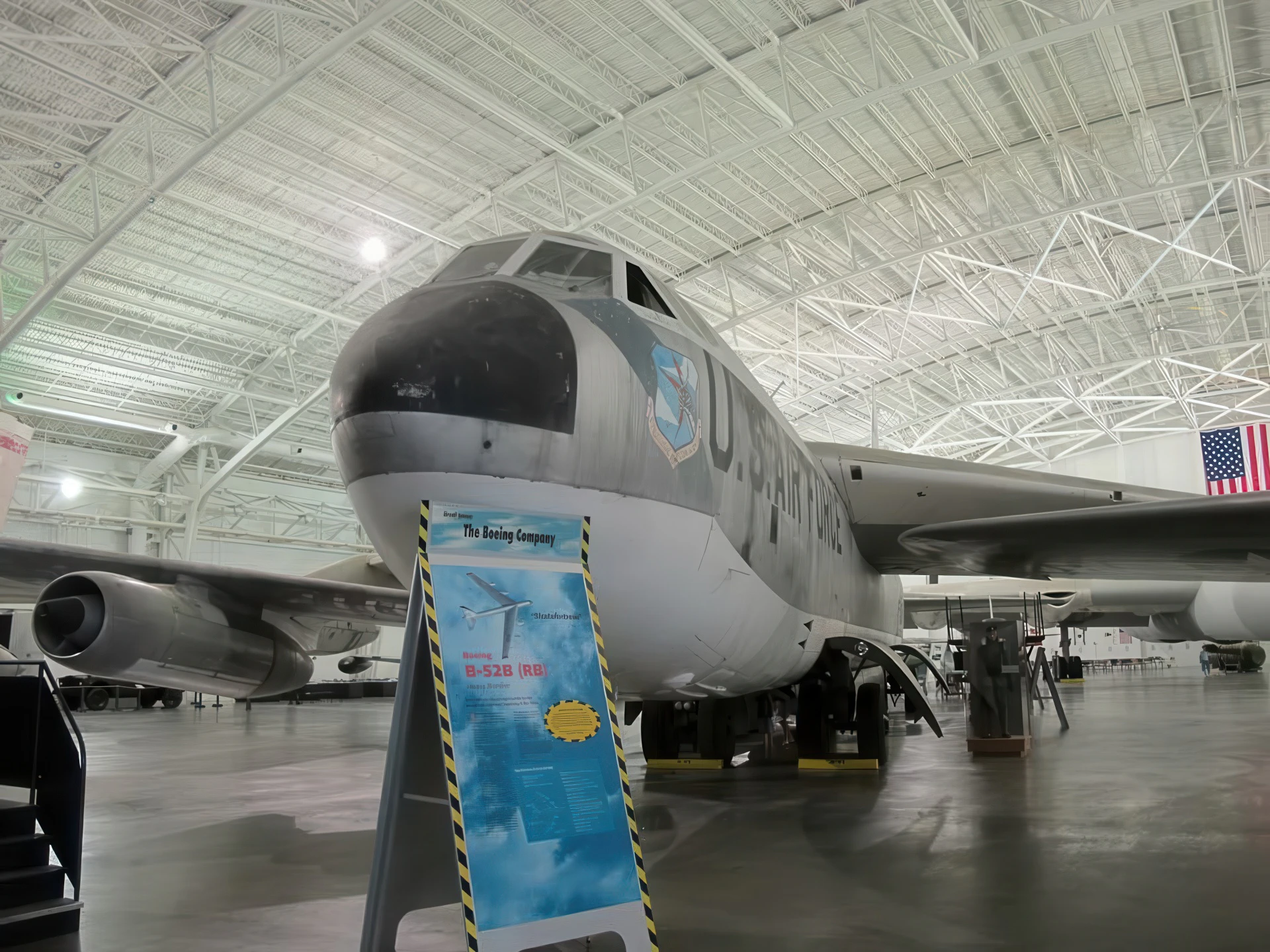
Boeing B-52B Stratofortress 009
等等,为您搜索波音B-52斯特拉托堡垒的照片。。。

| B-52H Stratofortress Walk Around | |
|---|---|
| 摄影师 | Fotios Rouch |
| 本地化 | 未知 |
| 照片 | 34 |
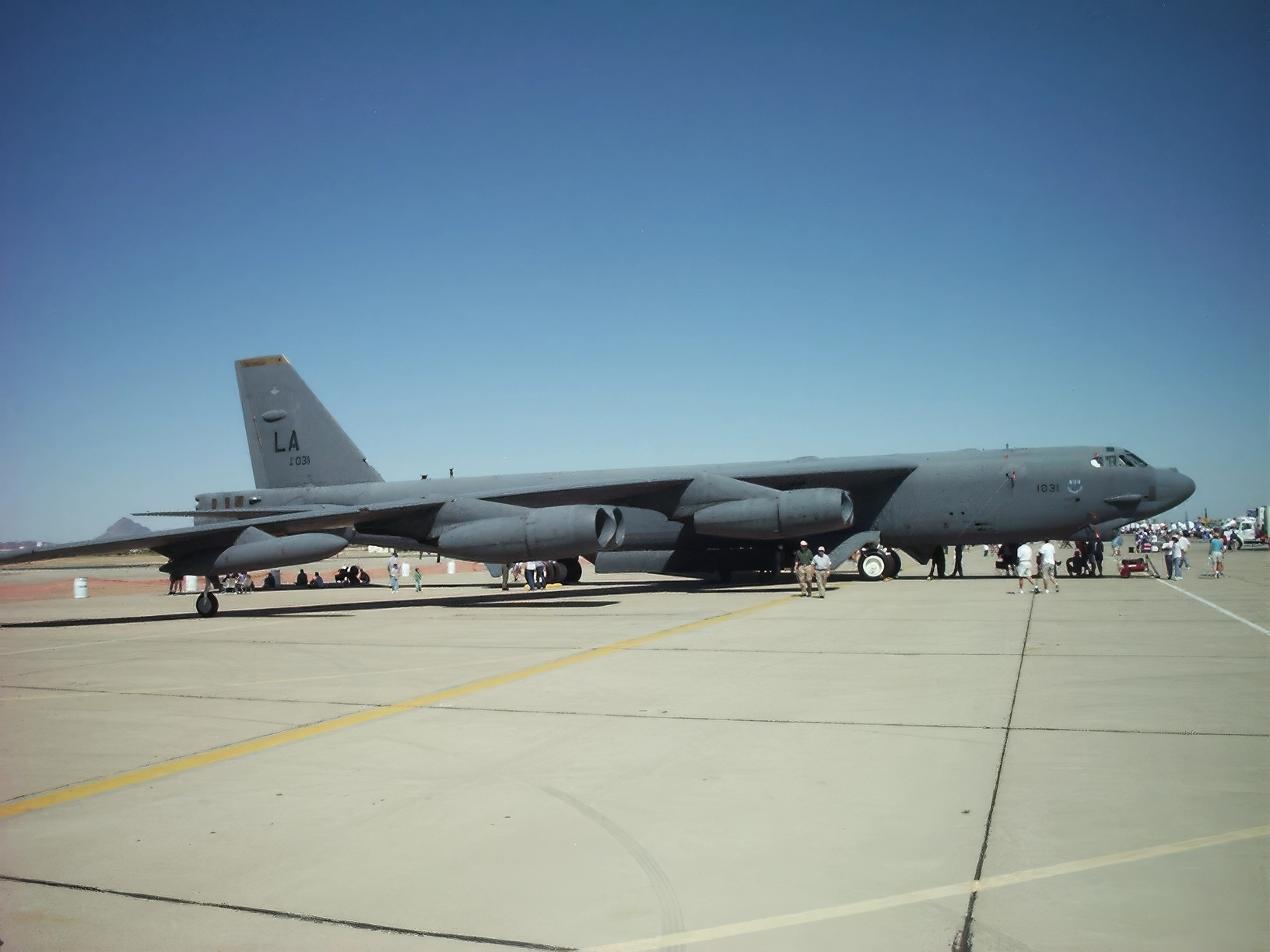
B-52H 斯特拉托堡垒 1
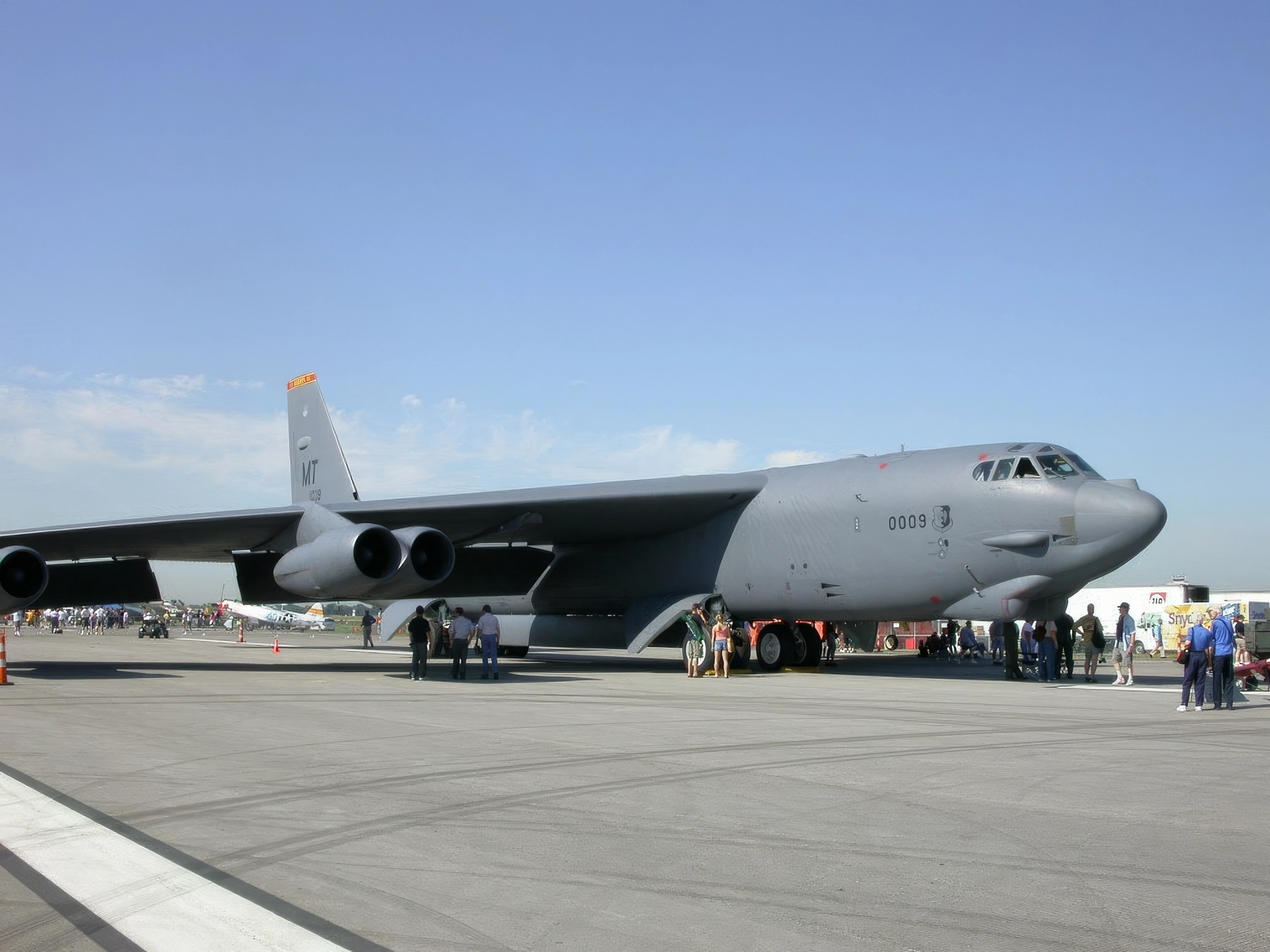
B-52H 斯特拉托堡垒 2
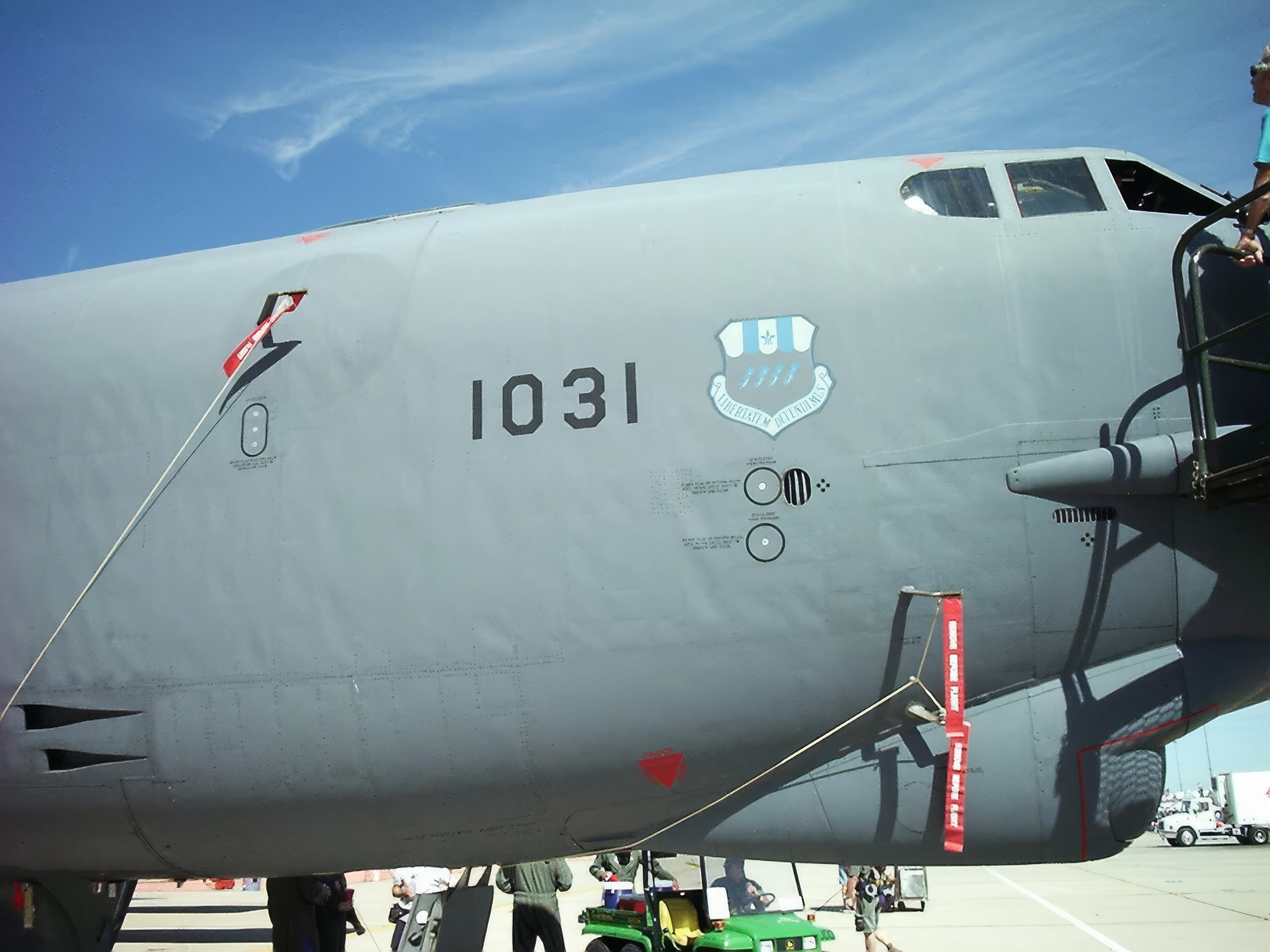
B-52H 斯特拉托堡垒 3
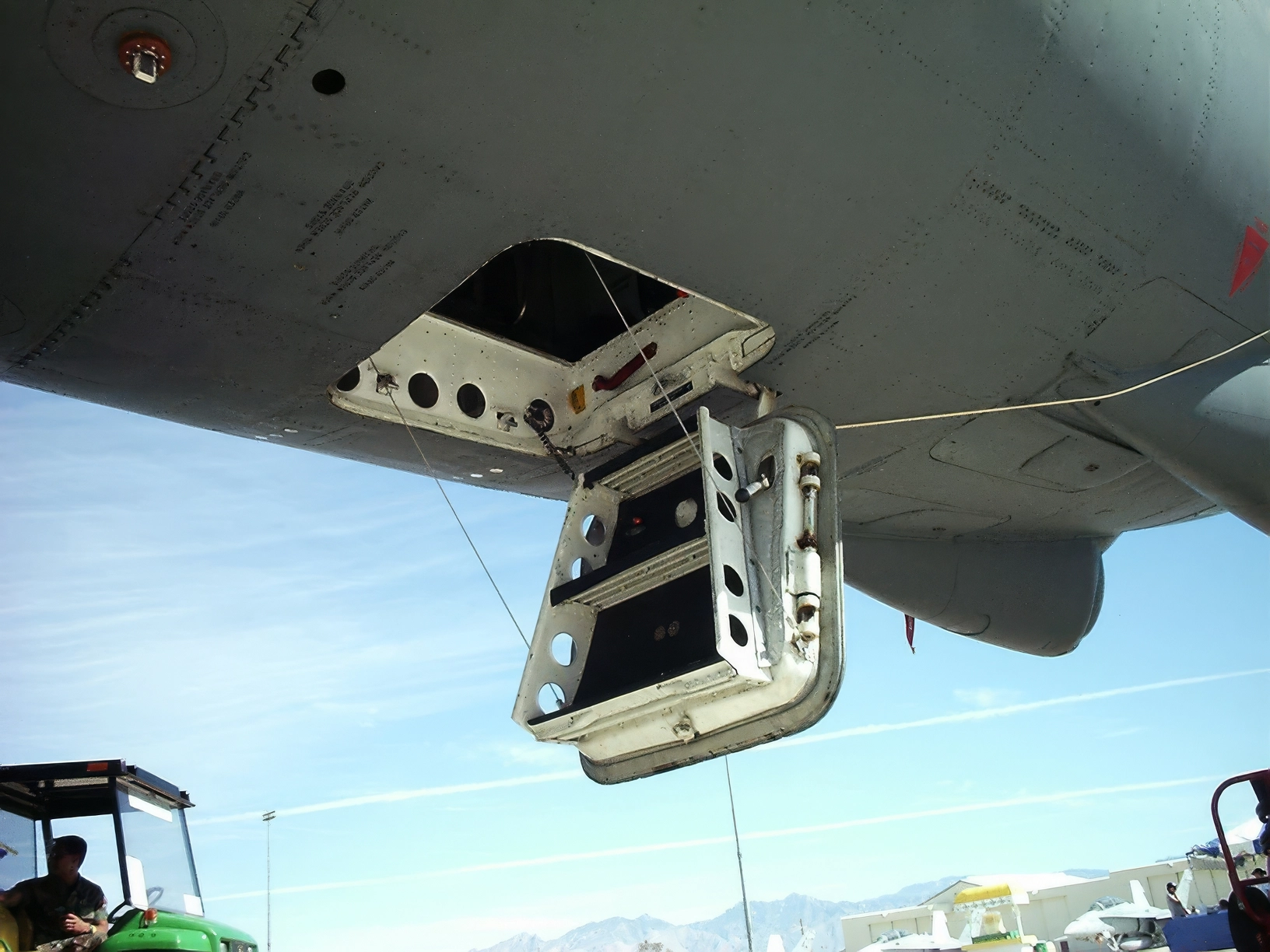
B-52H 斯特拉托堡垒 4
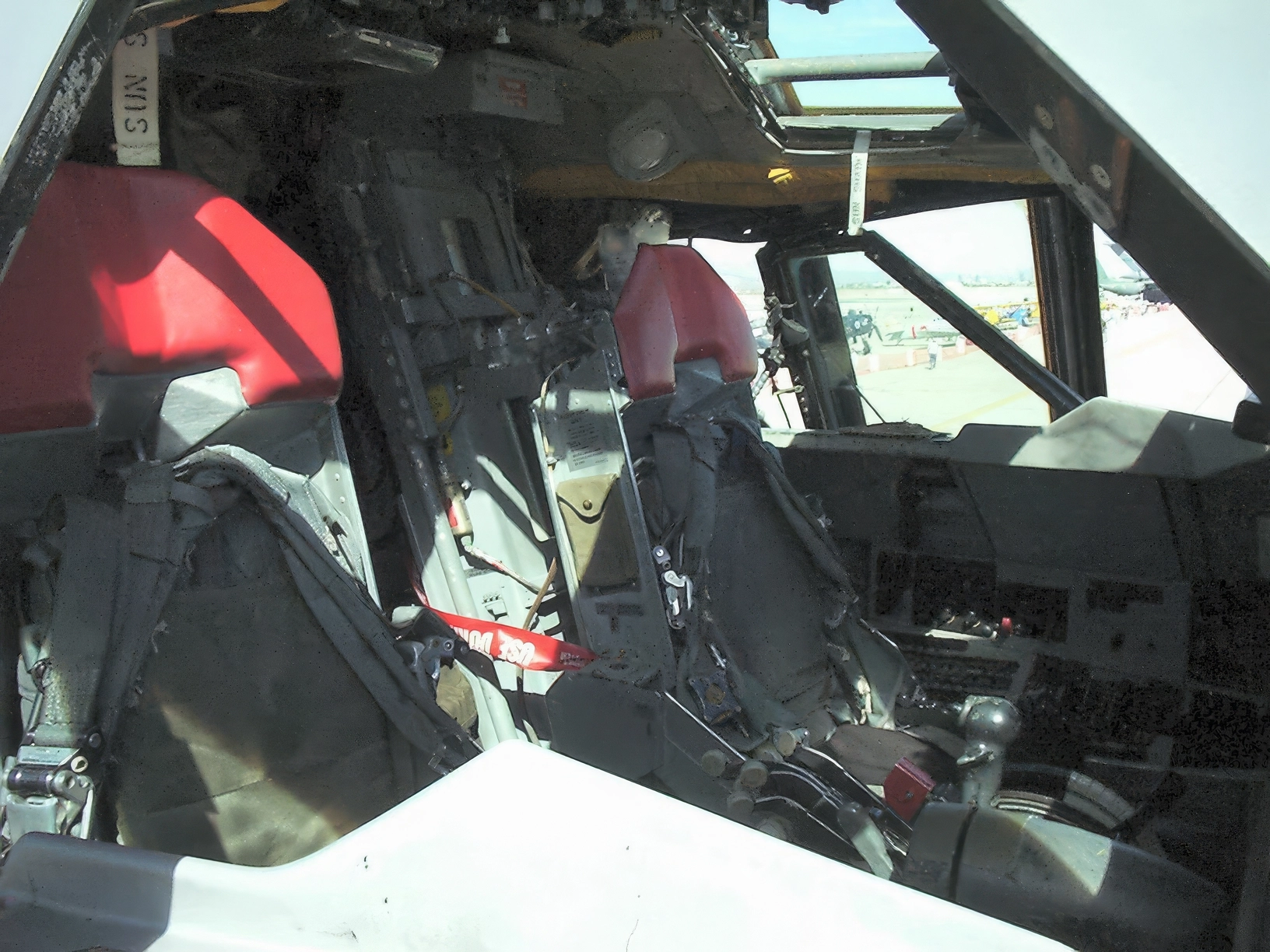
B-52H同温层堡垒5
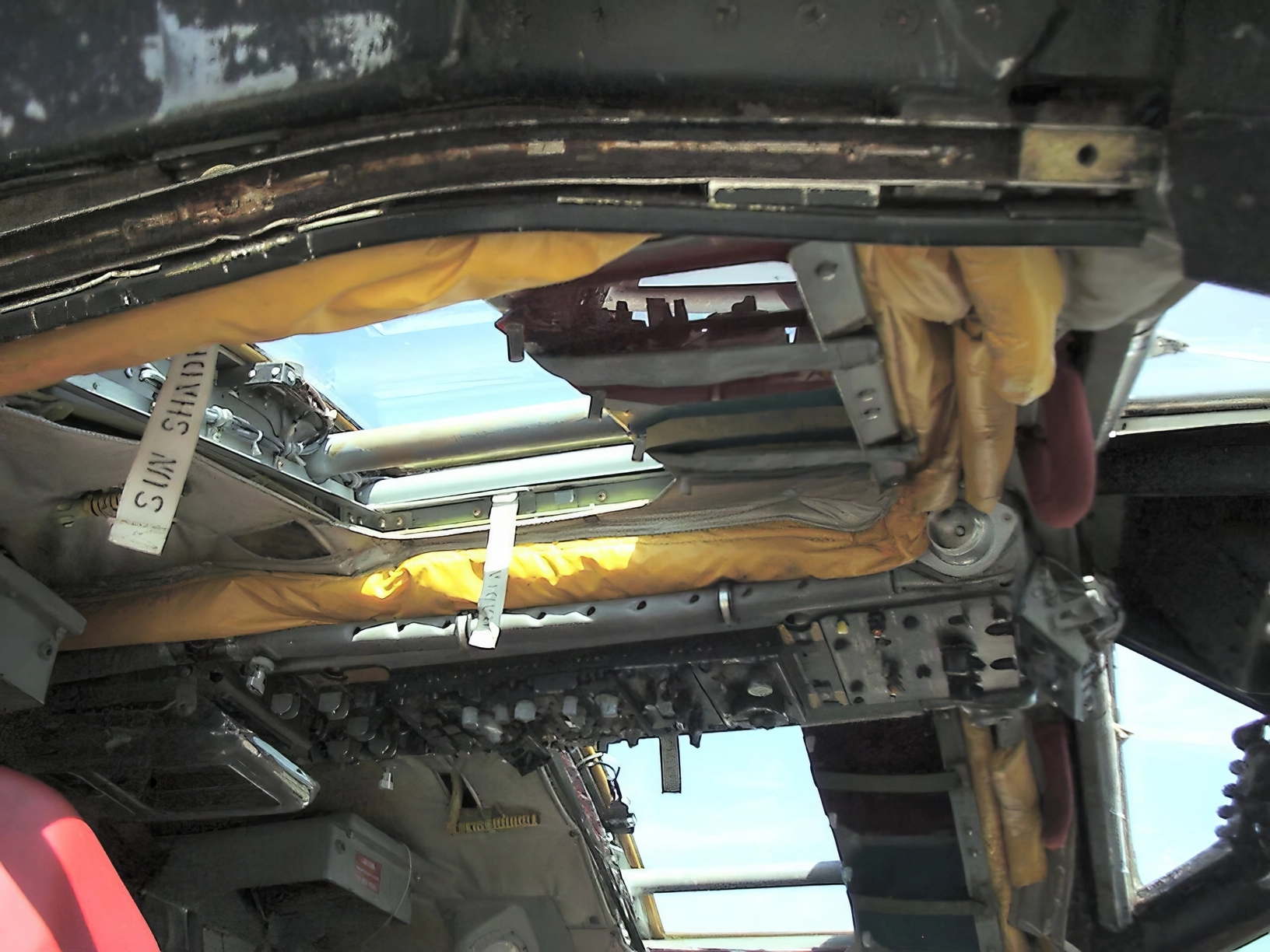
B-52H同温层堡垒6
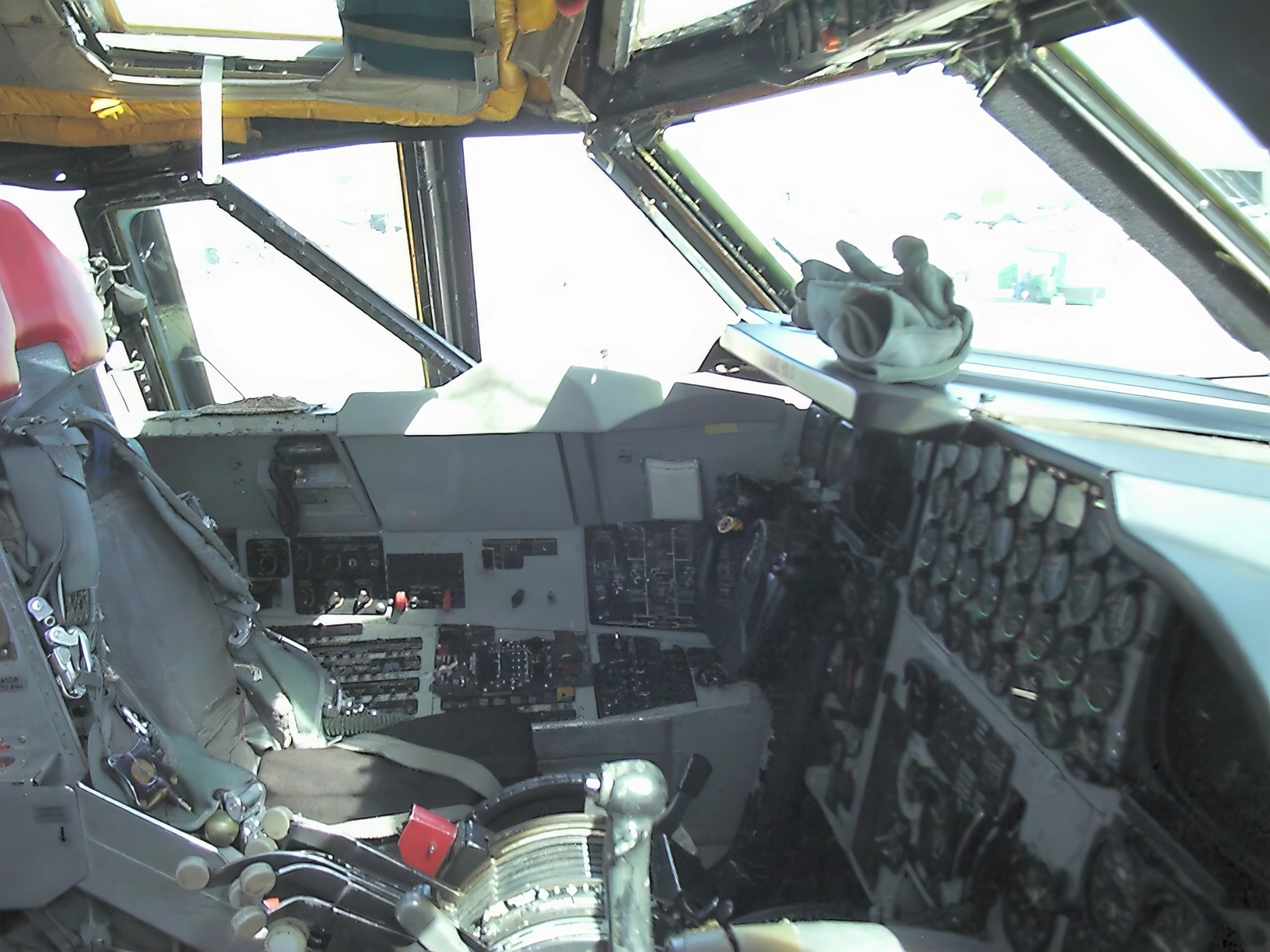
B-52H同温层堡垒7
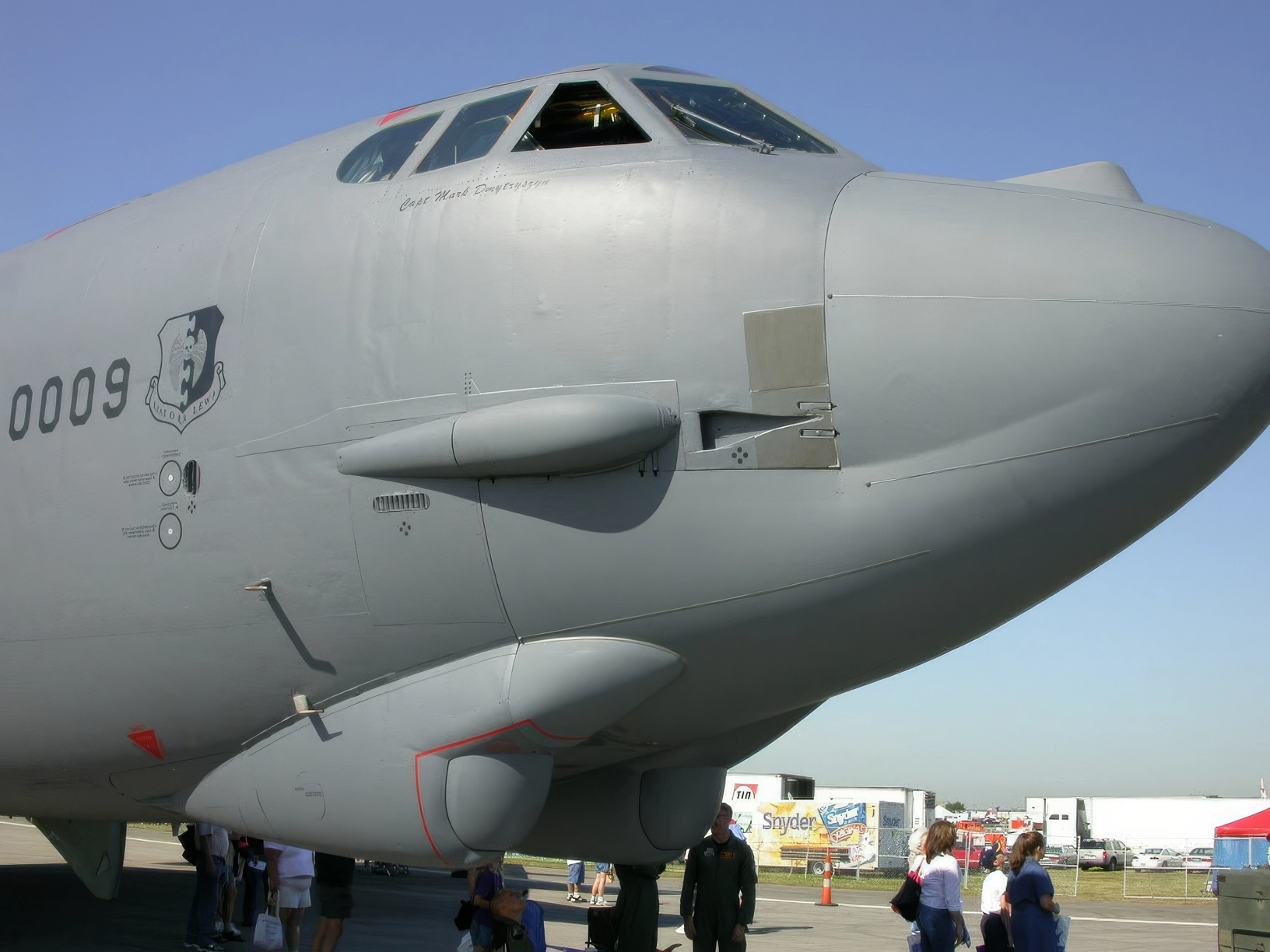
B-52H同温层堡垒8
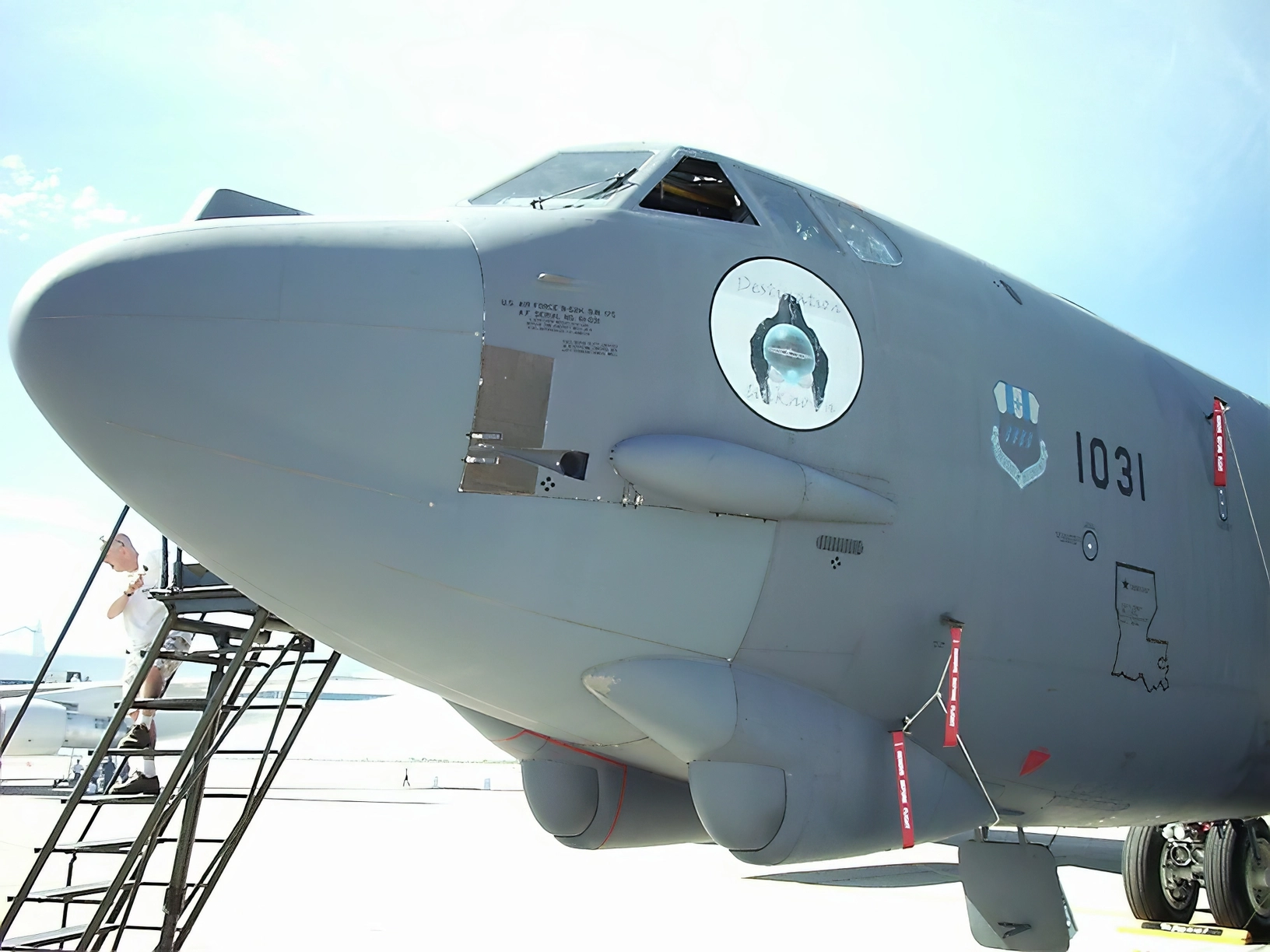
B-52H同温层堡垒9
另请参阅:


| Boeing NB-52B Stratofortress Walk Around | |
|---|---|
| 摄影师 | 弗拉基米尔·亚库博夫 |
| 本地化 | 爱德华兹空军基地 |
| 照片 | 83 |
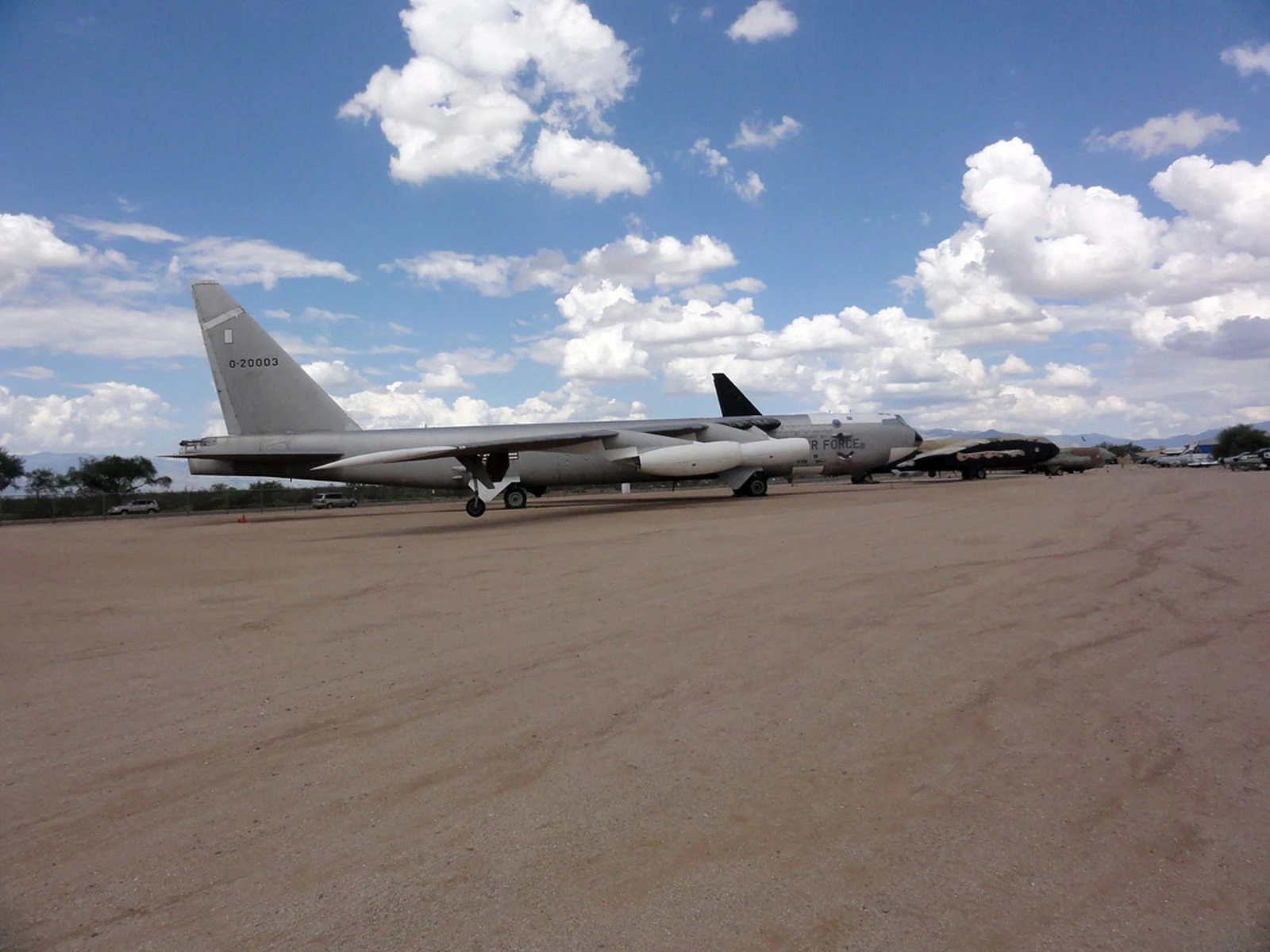
Boeing NB-52A Stratofortress 01
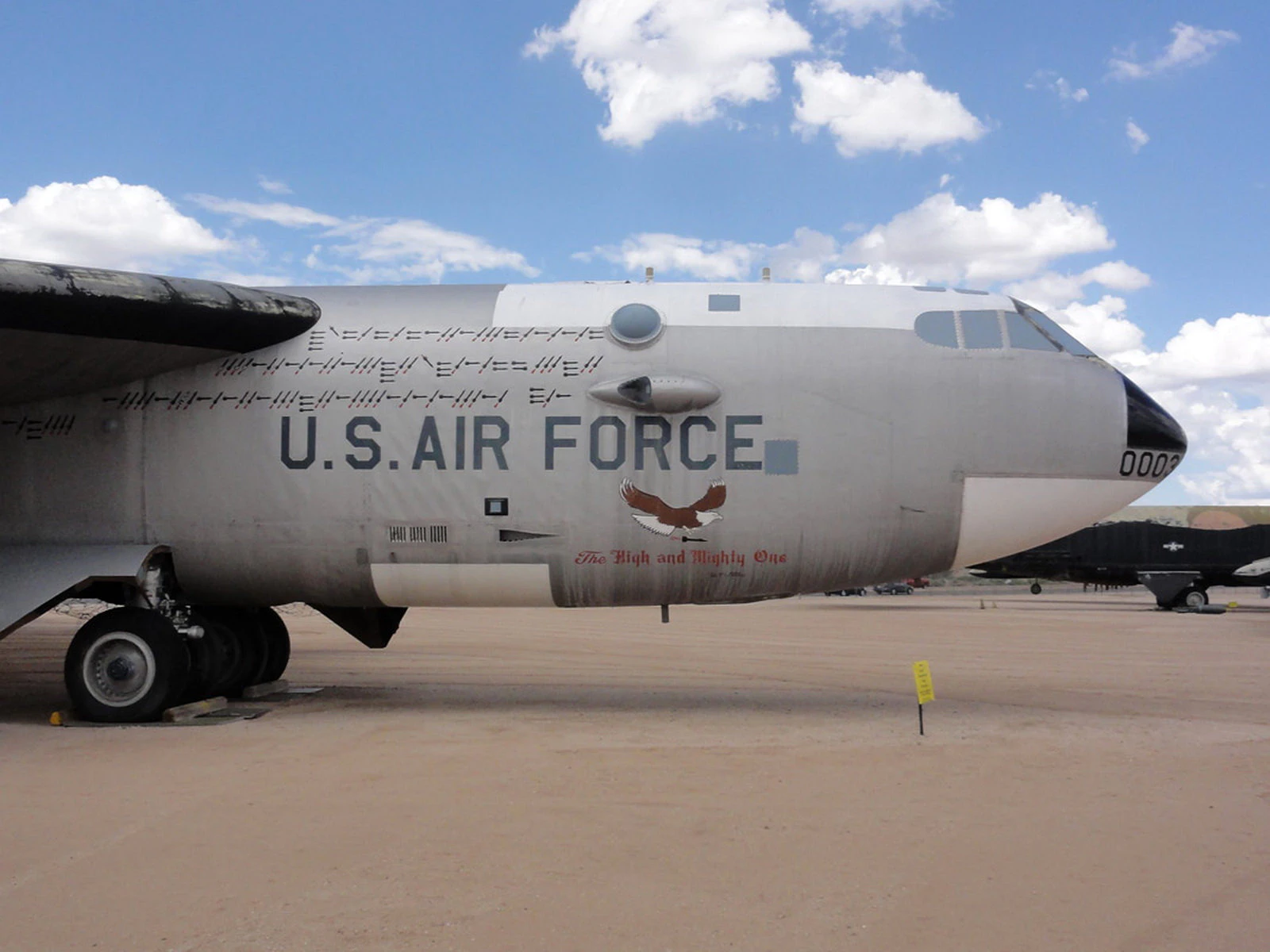
Boeing NB-52A Stratofortress 02
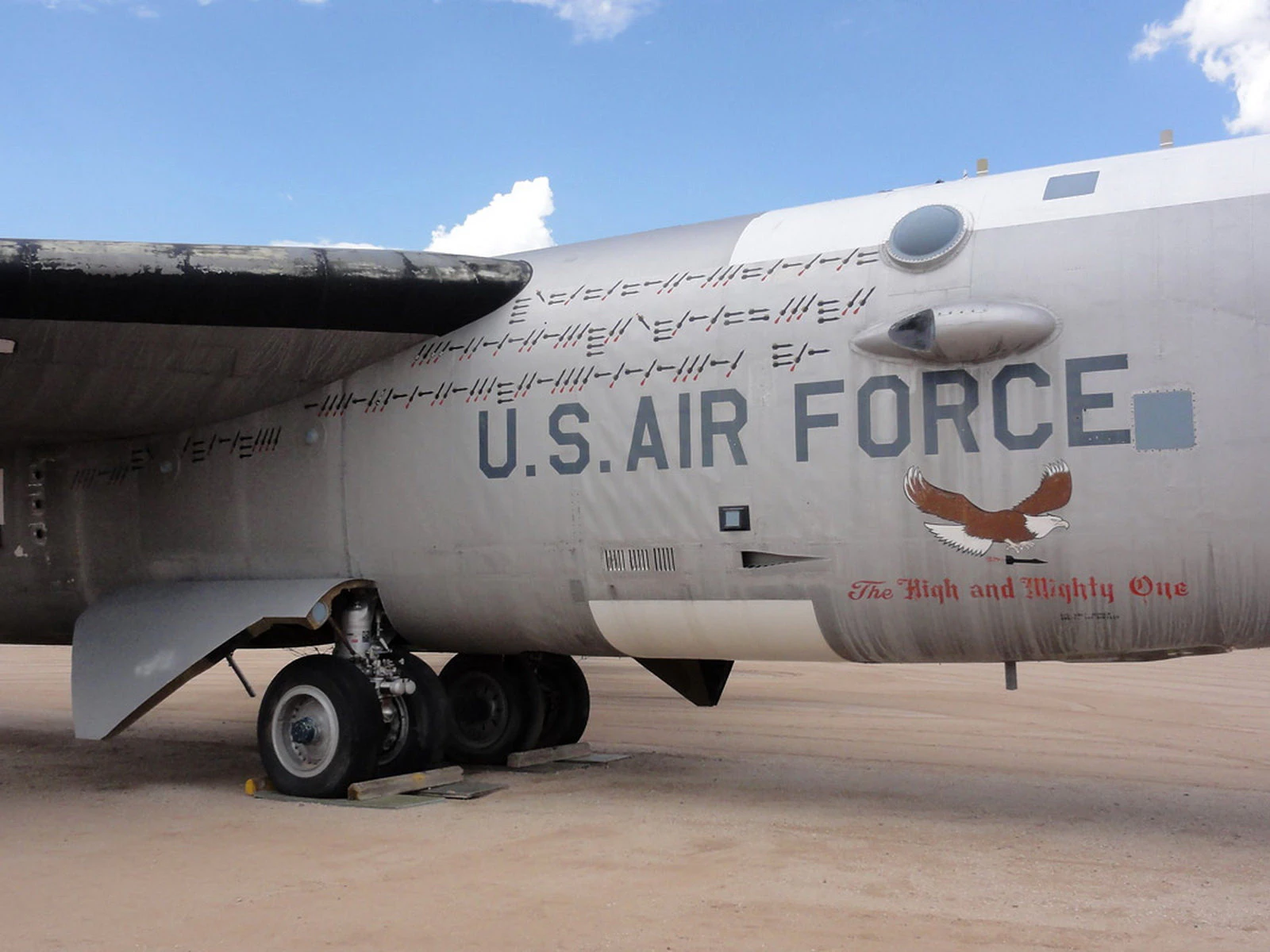
Boeing NB-52A Stratofortress 03
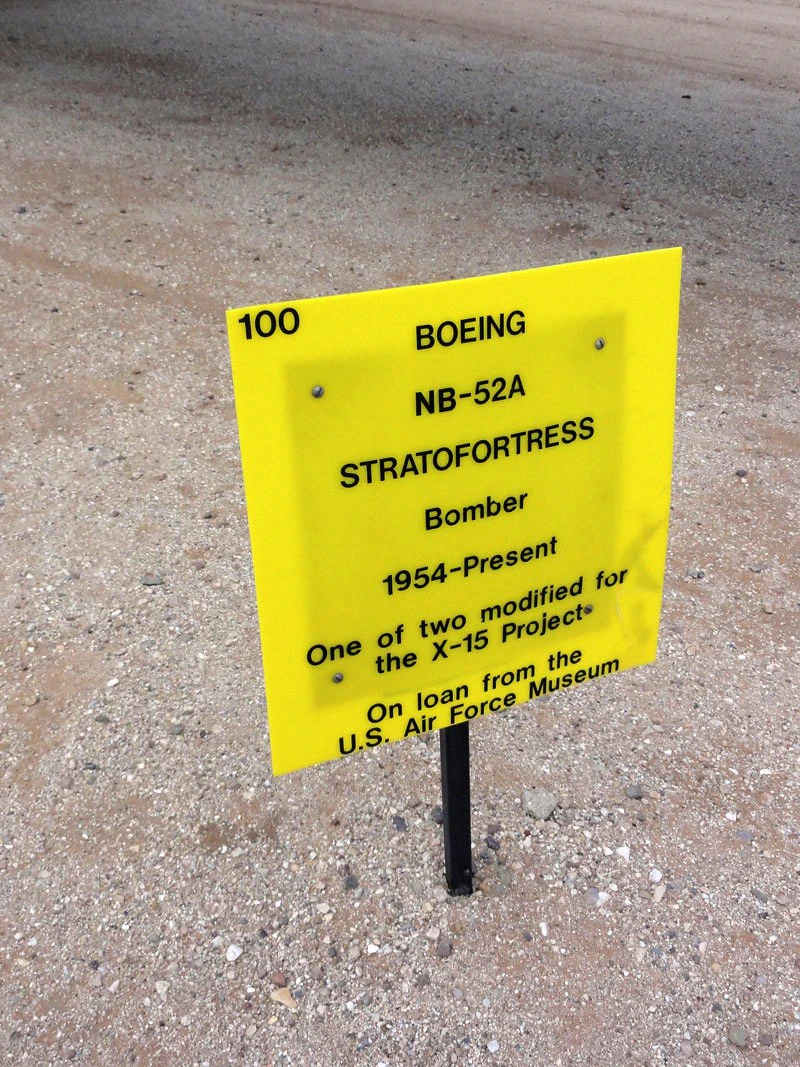
Boeing NB-52A Stratofortress 04
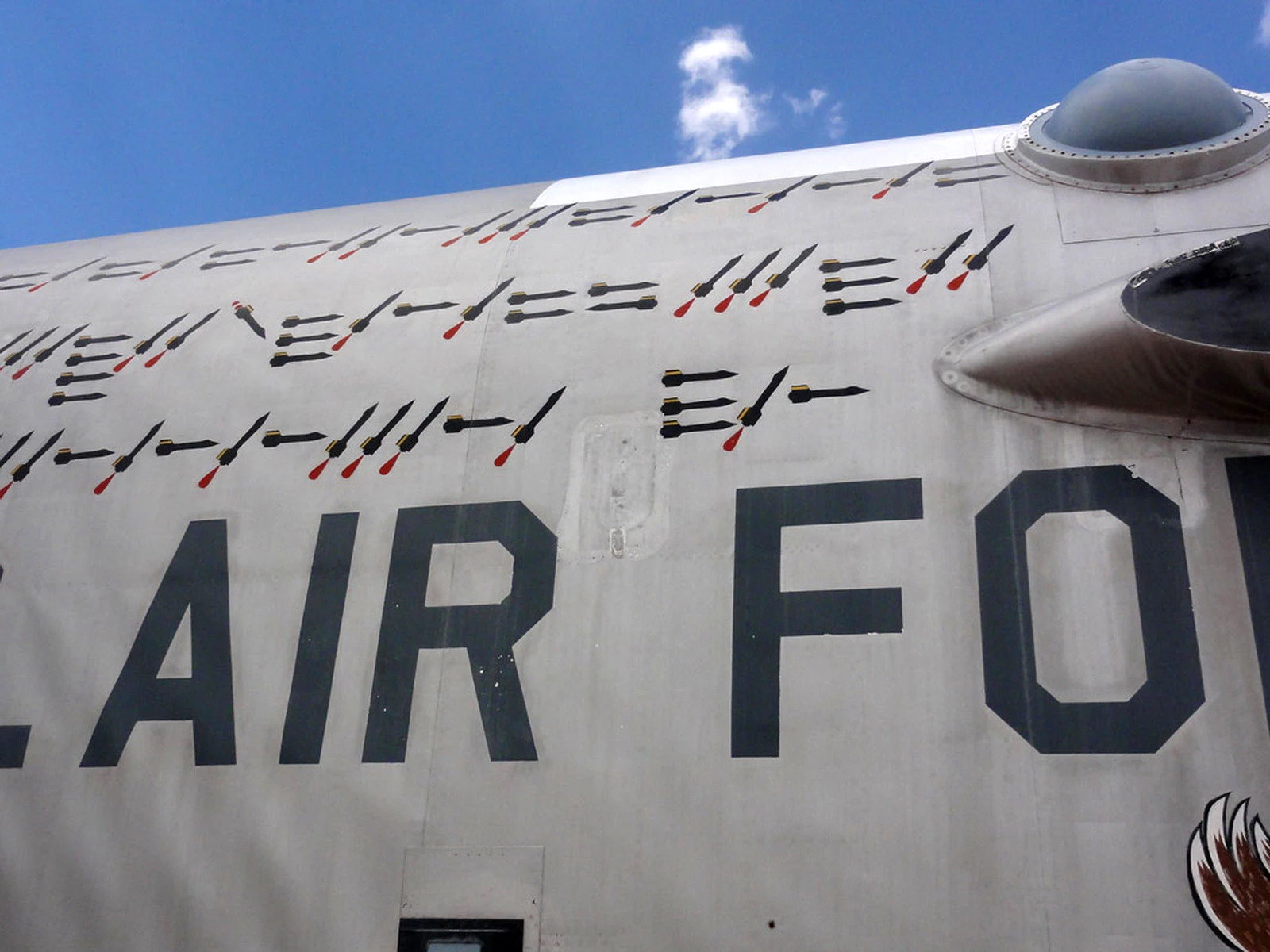
Boeing NB-52A Stratofortress 05
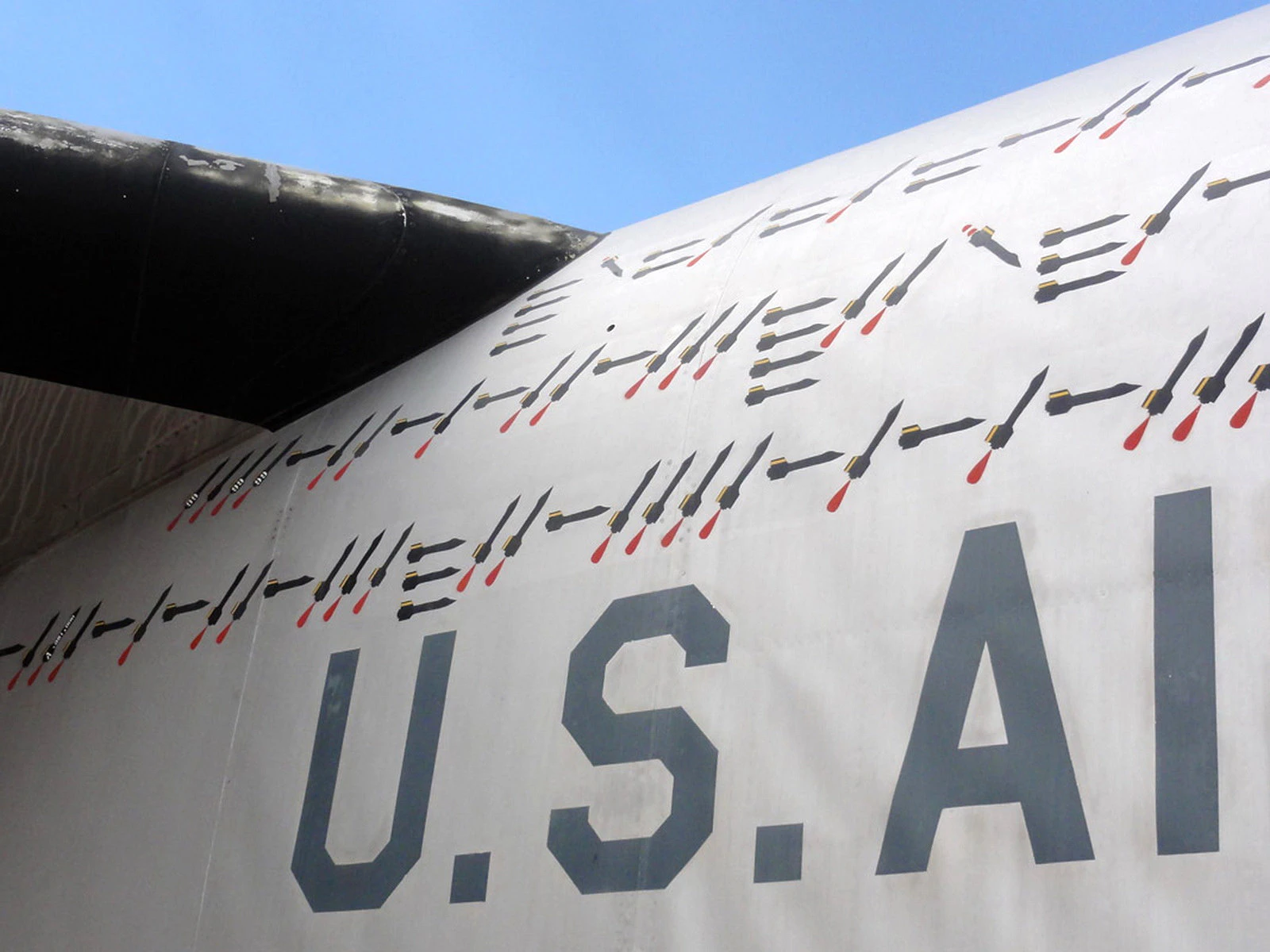
Boeing NB-52A Stratofortress 06
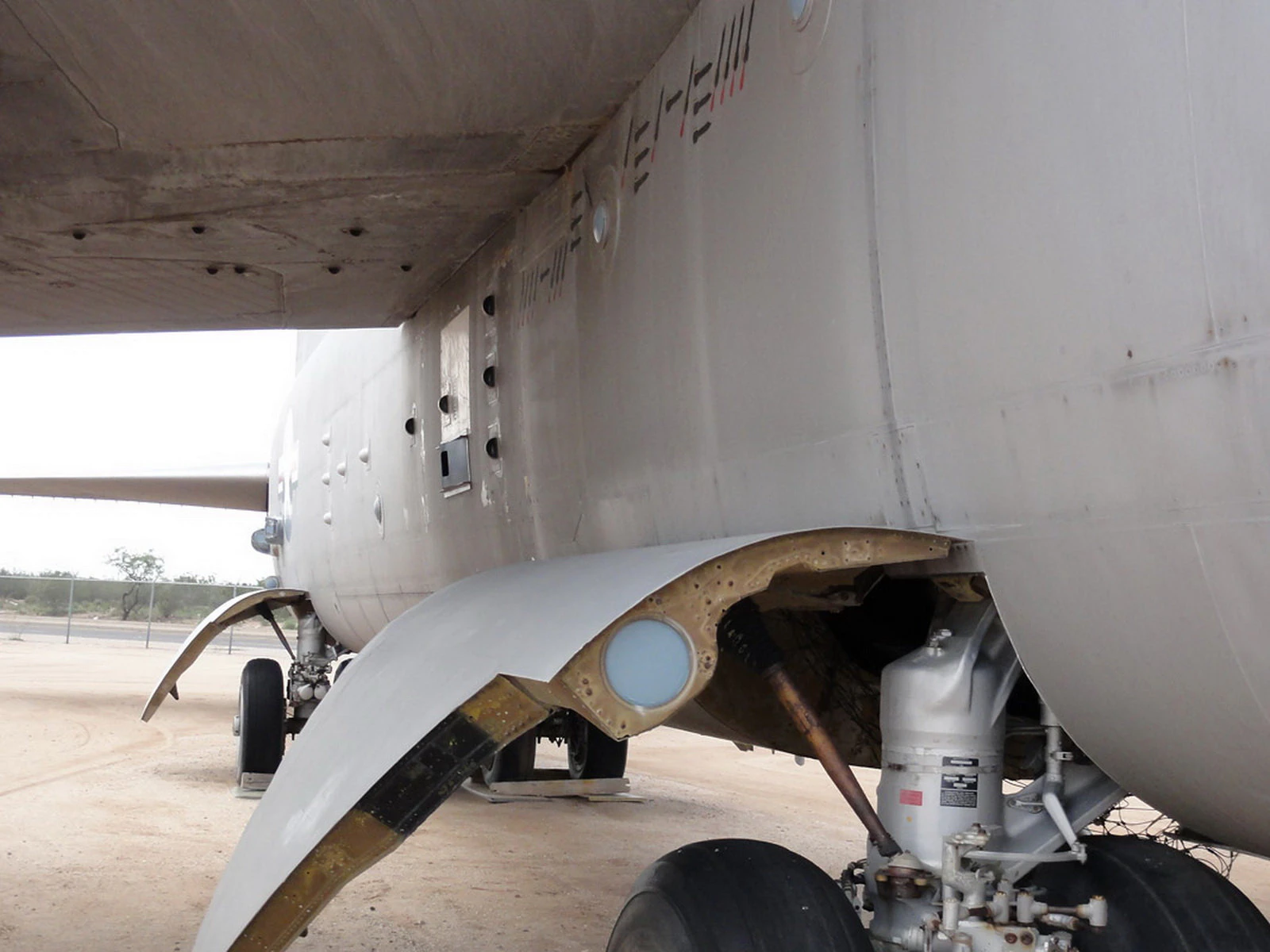
Boeing NB-52A Stratofortress 07
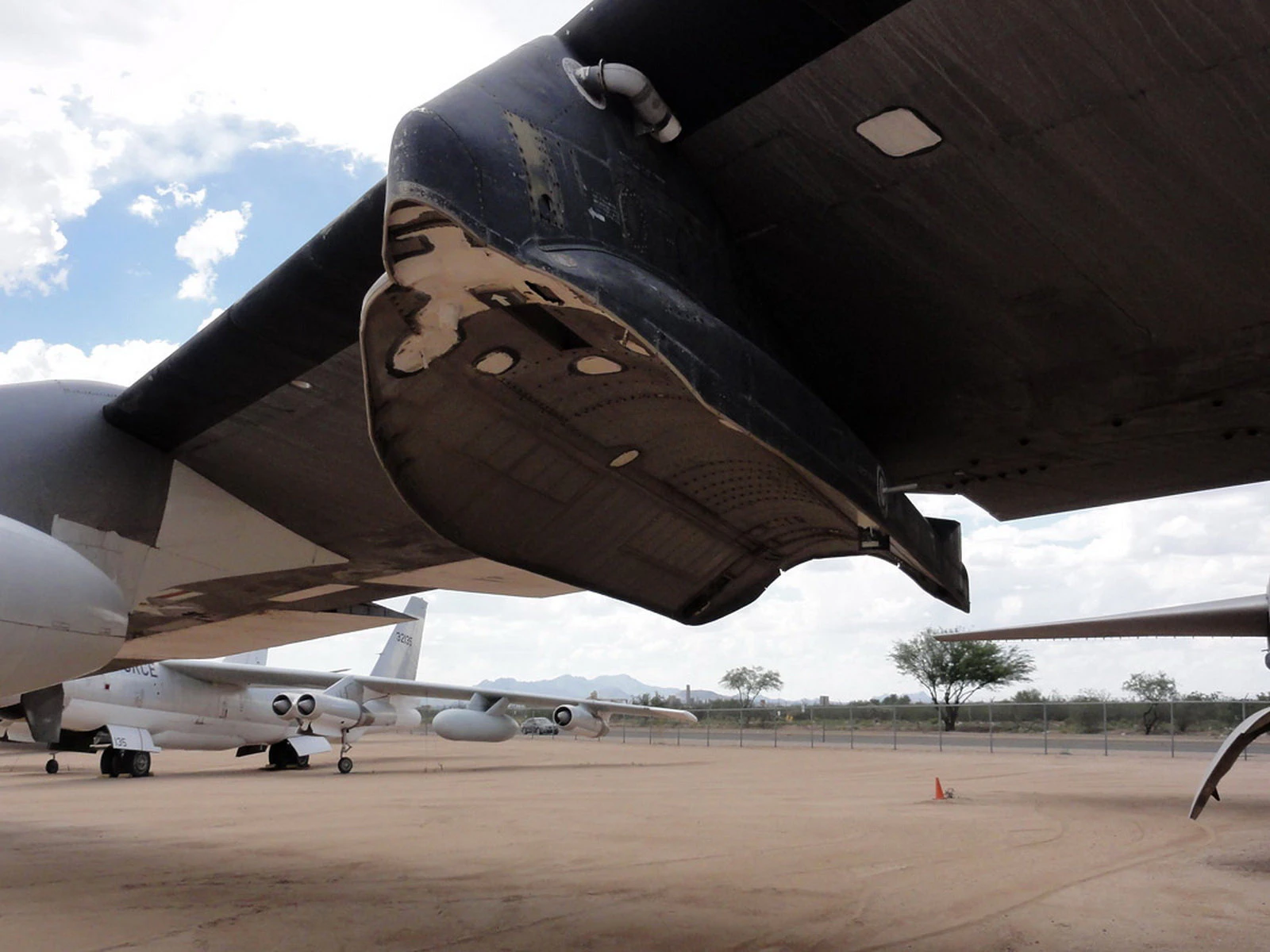
Boeing NB-52A Stratofortress 08
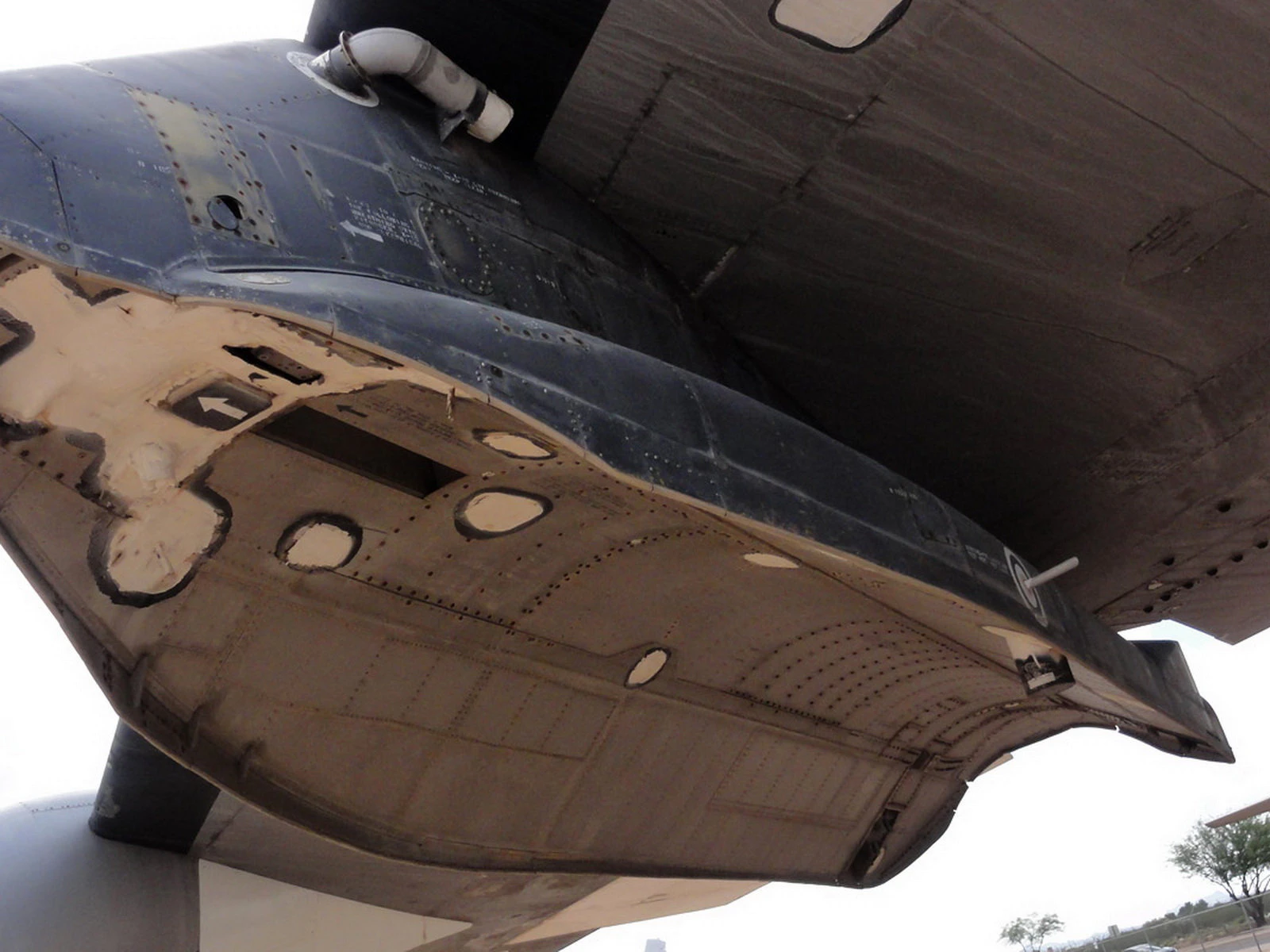
Boeing NB-52A Stratofortress 09
The Long-Range Legend
这 波音B-52斯特拉托堡垒 is perhaps the most enduring symbol of the Cold War and the ultimate “Heavy” in aviation history. Designed in the late 1940s to carry nuclear weapons deep into Soviet territory, it has evolved into a versatile conventional bomber capable of delivering everything from precision-guided munitions to massive carpets of “iron” bombs. Known to its crews as the BUFF (Big Ugly Fat Fellow), it has outlasted its intended replacements (the B-58 and B-70) and is slated to remain in service until the 2050s—an incredible 100-year operational lifespan.
| Attribute | Technical Specification (B-52H) |
|---|---|
| 作用 | Long-Range Strategic Heavy Bomber |
| 船员 | 5 (Pilot, Co-pilot, Weapon Systems Officer, Navigator, Electronic Warfare Officer) |
| 发动机 | 8 × Pratt & Whitney TF33-P-3 turbofans (17,000 lbf each) |
| 最高速度 | 1,046 km/h (650 mph / Mach 0.84) |
| Combat Range | Over 14,000 km (8,800 miles) without refueling |
| Service Ceiling | 15,000 m (50,000 ft) |
| 有效载荷 | 31,500 kg (70,000 lbs) of mixed ordnance |
| 翼展 | 56.4 meters (185 feet) |
Design Engineering: Eight-Engined Innovation
- Tandem Landing Gear: Because of its massive wingspan and heavy fuel load, the B-52 uses a “bicycle” landing gear arrangement with four main twin-wheel units in the fuselage and “outrigger” wheels near the wingtips to prevent them from scraping the runway during takeoff.
- Crosswind Landing System: In one of the most unique engineering feats in aviation, the B-52’s main landing gear can be rotated up to 20 degrees. This allows the aircraft to “crab” into a crosswind during landing while the wheels remain perfectly aligned with the runway centerline.
- The “Wet” Wing: The B-52’s wings are so flexible that they can flex upward by as much as 22 feet during flight. To maximize range, almost the entire internal volume of the wing is used as a fuel tank (a “wet wing”), though fuel must be managed carefully to maintain structural balance.
- Transition to Precision: While the early G-models carried tail-mounted 20mm cannons, the current H-models have removed all defensive armament in favor of advanced Electronic Countermeasures (ECM) and the ability to launch long-range cruise missiles from rotary launchers inside the bomb bay.
Operational History: From Arclight to the Modern Day
- Vietnam (Operation Arc Light): B-52s were used for massive conventional “carpet bombing” missions, flying from Guam and Thailand. The sound and vibration of a B-52 strike were said to be psychologically devastating to forces on the ground long before the first bomb hit.
- Operation Desert Storm: B-52s flying from Barksdale AFB in Louisiana flew 35-hour round-trip missions—the longest combat missions in history at the time—to strike Iraqi targets with cruise missiles.
- Nuclear Deterrent: During the height of the Cold War, B-52s were kept on “Airborne Alert” 24/7, armed with nuclear gravity bombs, ensuring that the U.S. could retaliate even if its land-based missiles were destroyed.
- Commercial Engine Replacement Program (CERP): To keep the BUFF flying into the 2050s, the Air Force is currently replacing the old TF33 engines with modern Rolls-Royce F130 turbofans, which will increase fuel efficiency, reduce maintenance, and significantly extend the aircraft’s reach.
视图 : 5519