索普与特里普兰 | |
|---|---|
| 国家 | 英国 |
| 作用 | 战斗机 |
| 第一次飞行 | 1916年5月28日 |
| 建立 | 147 |
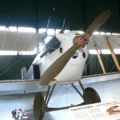
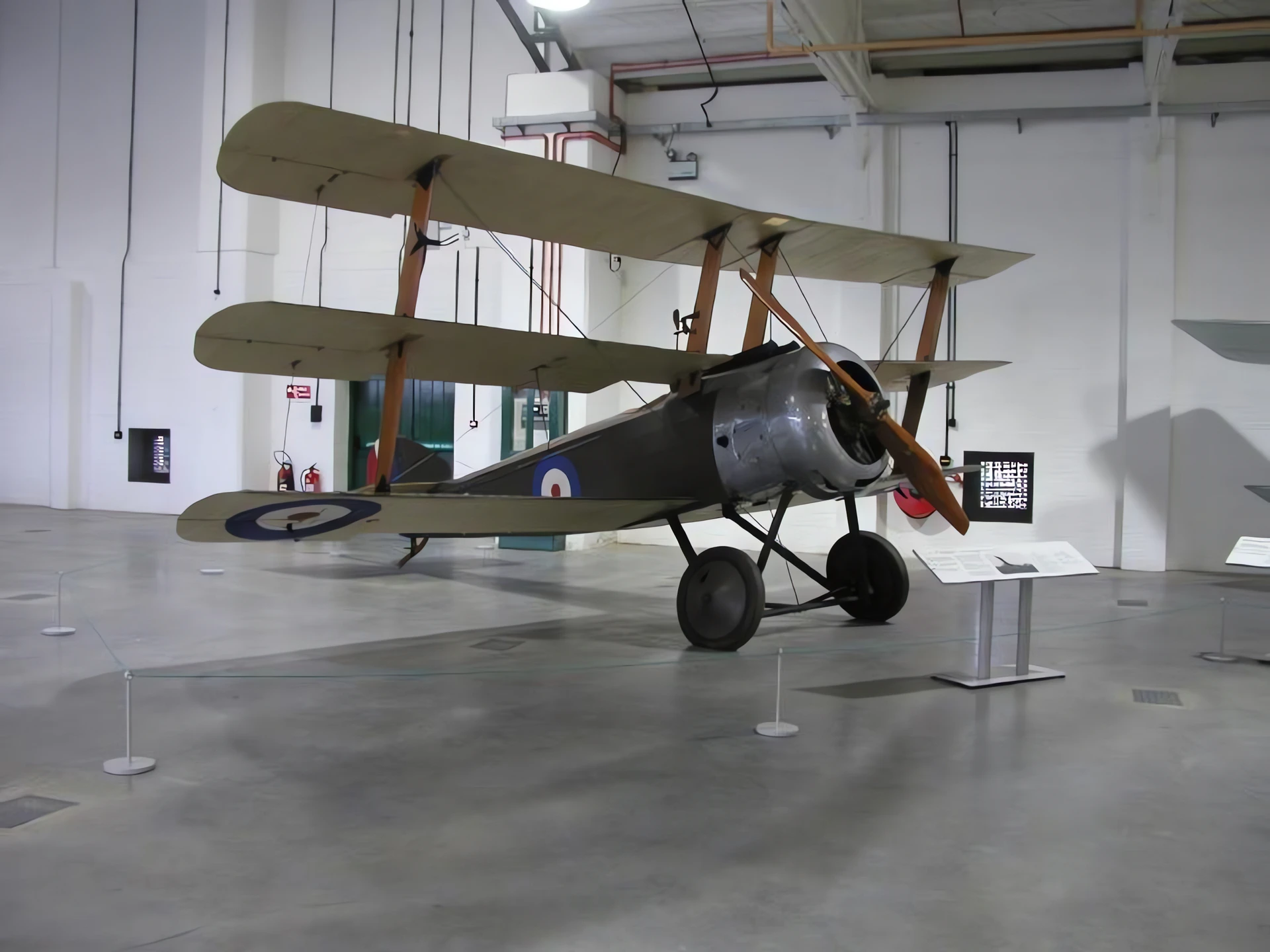
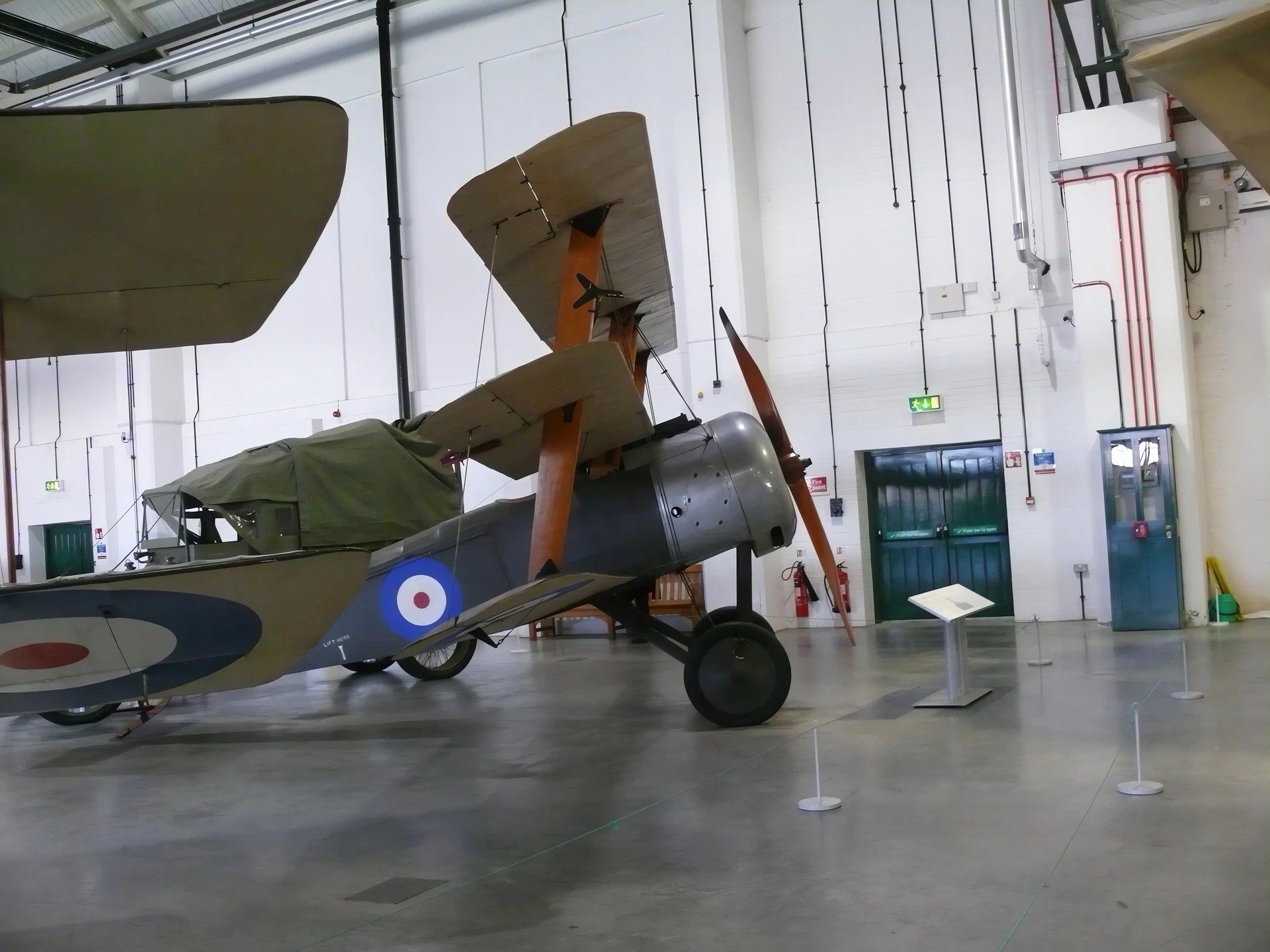
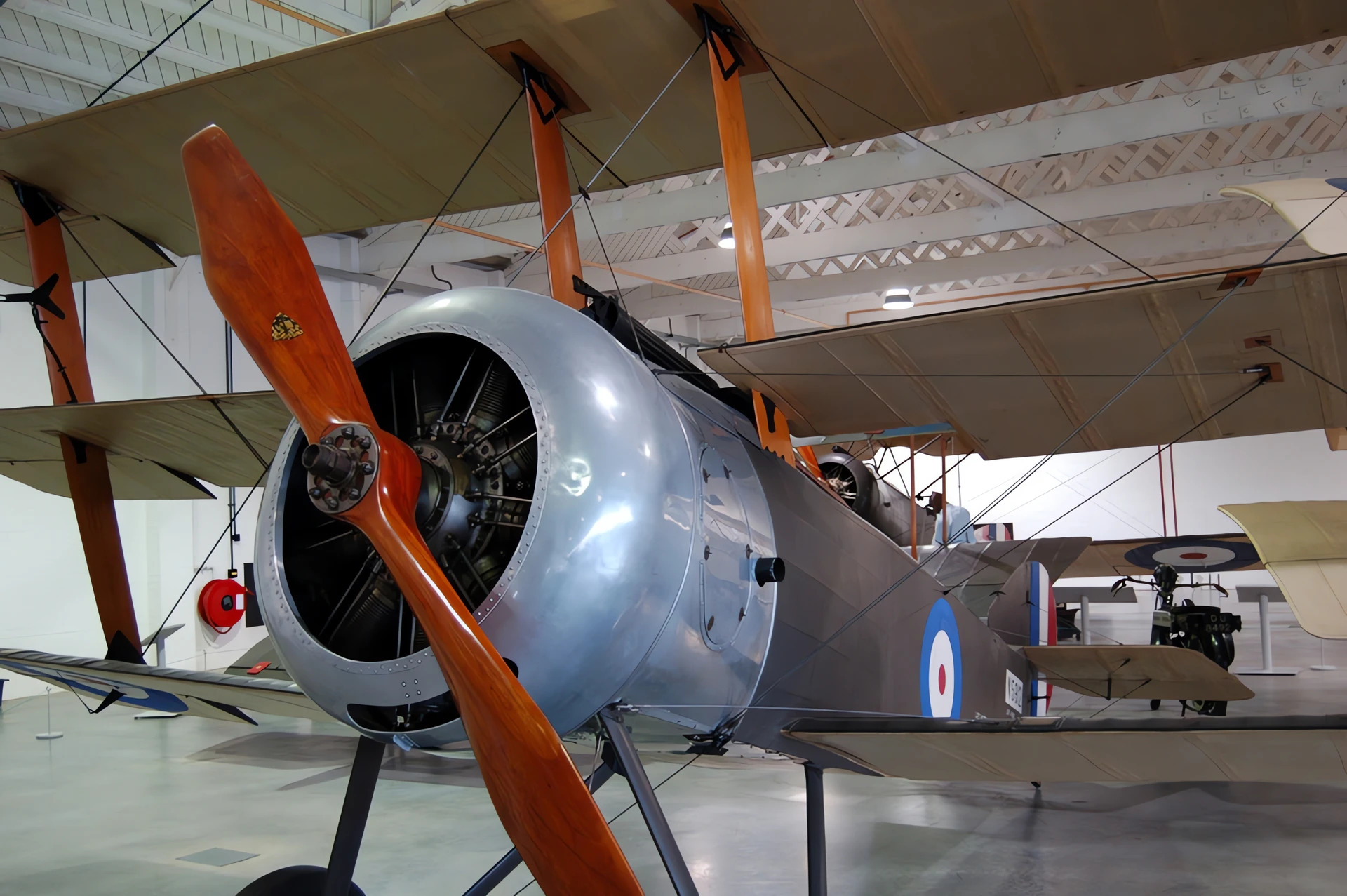
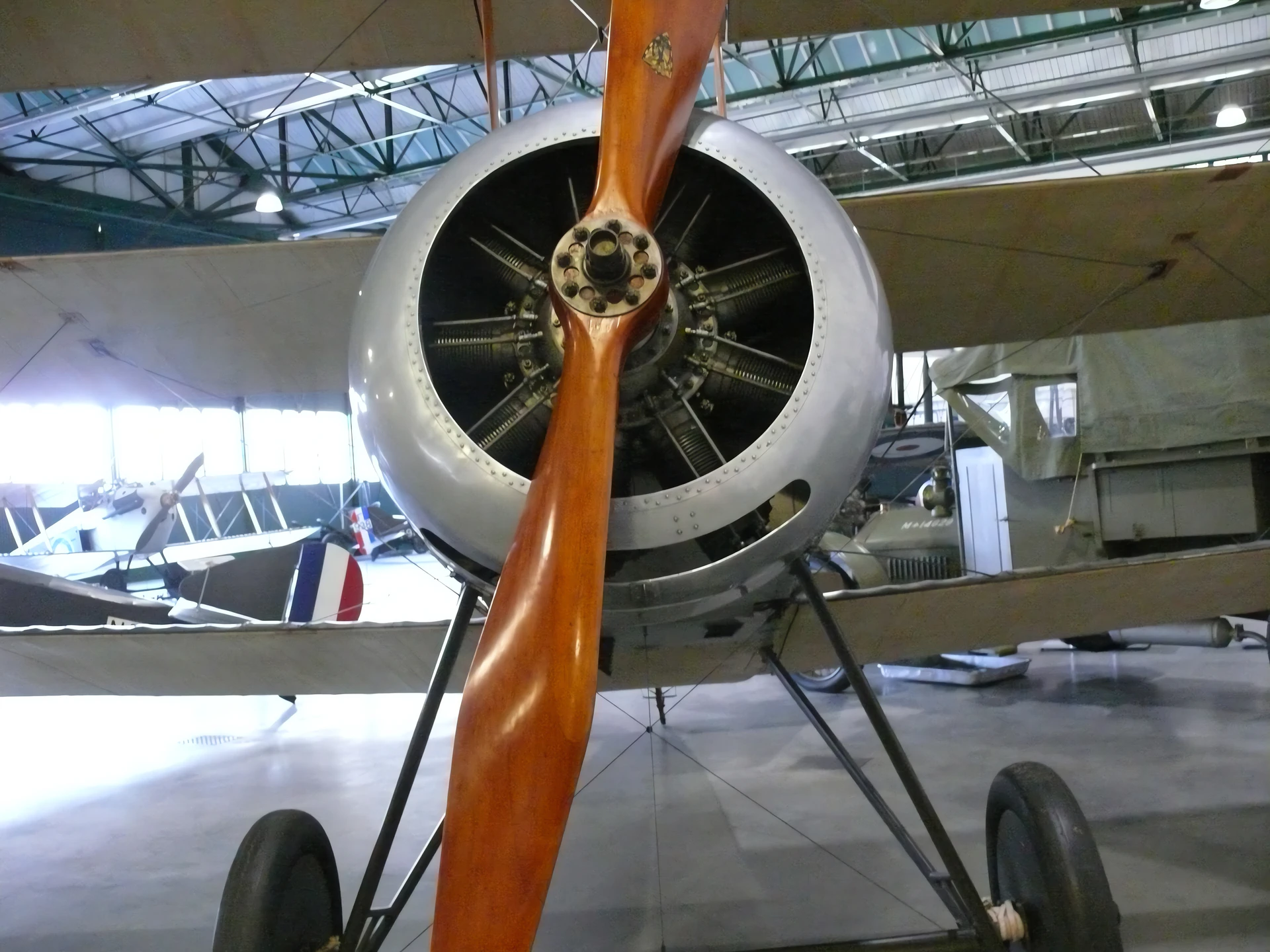
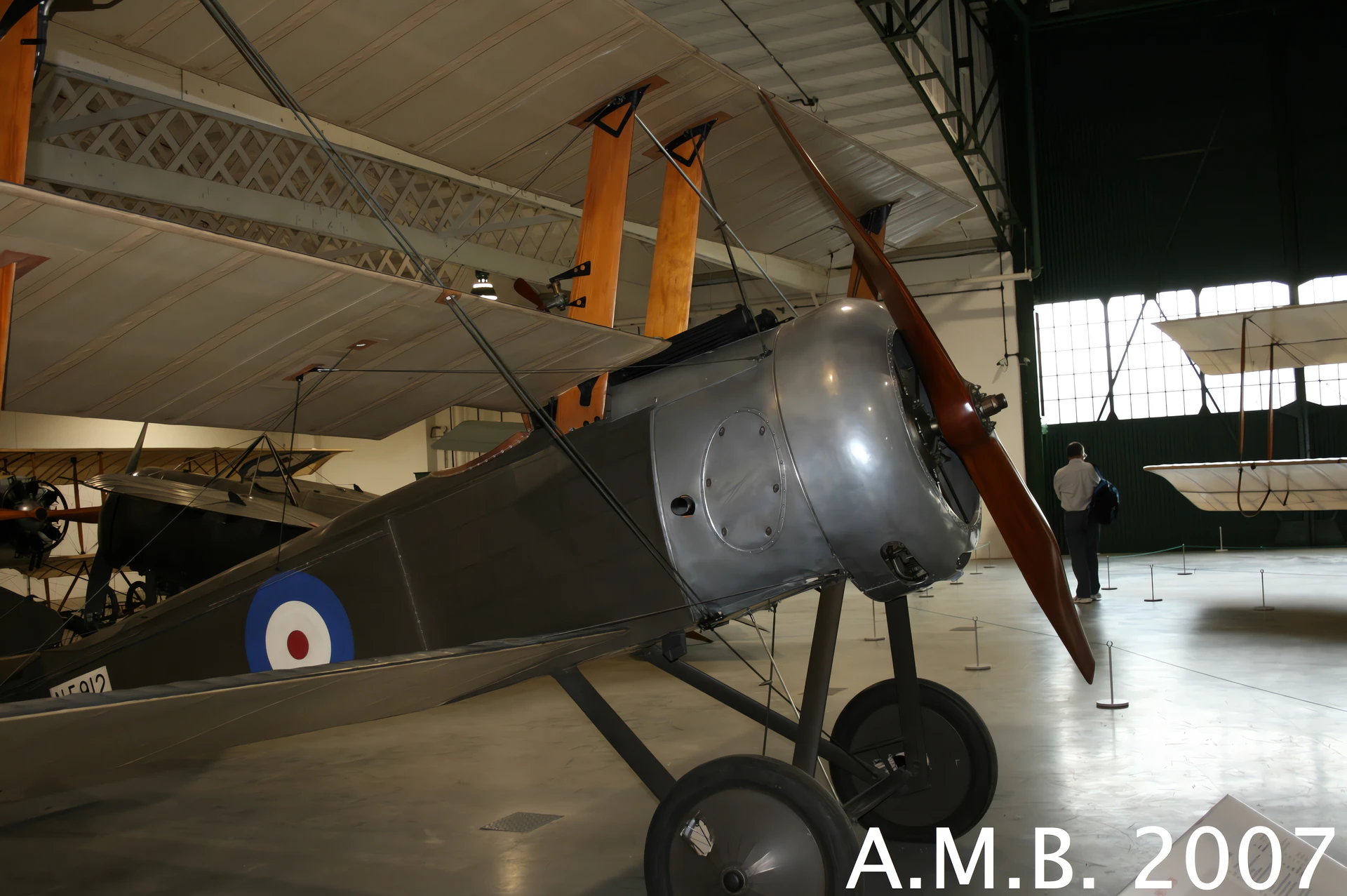
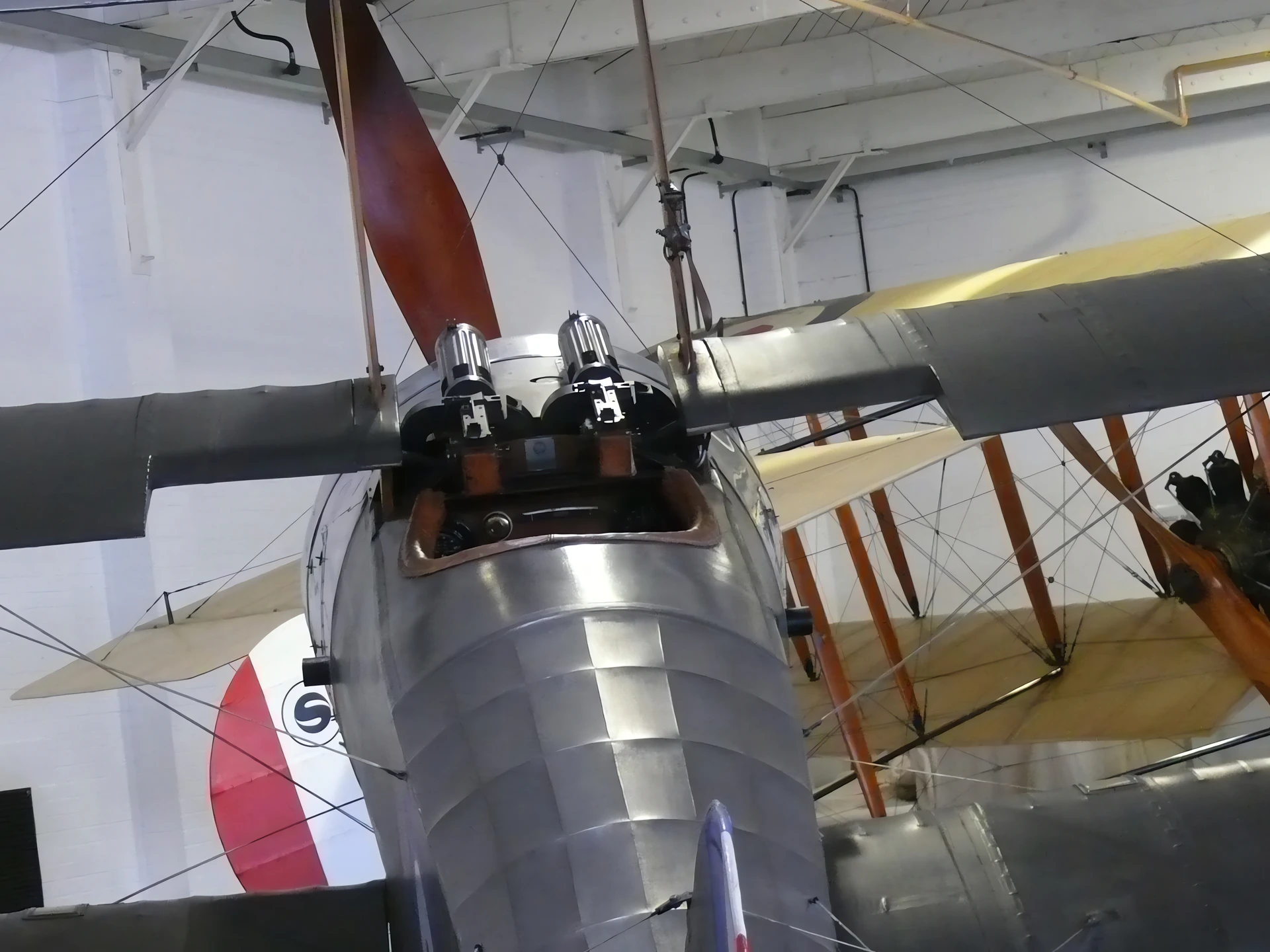
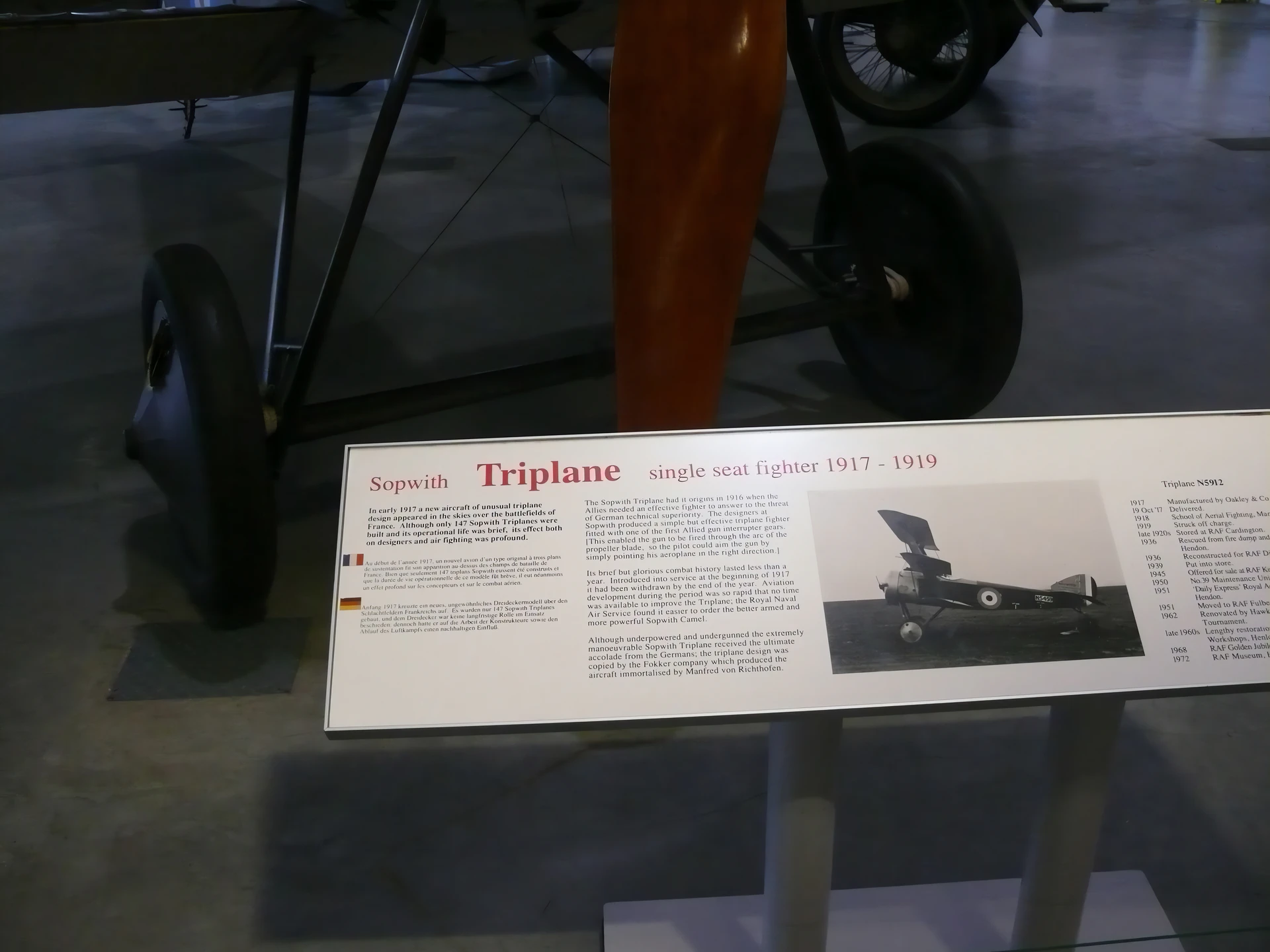
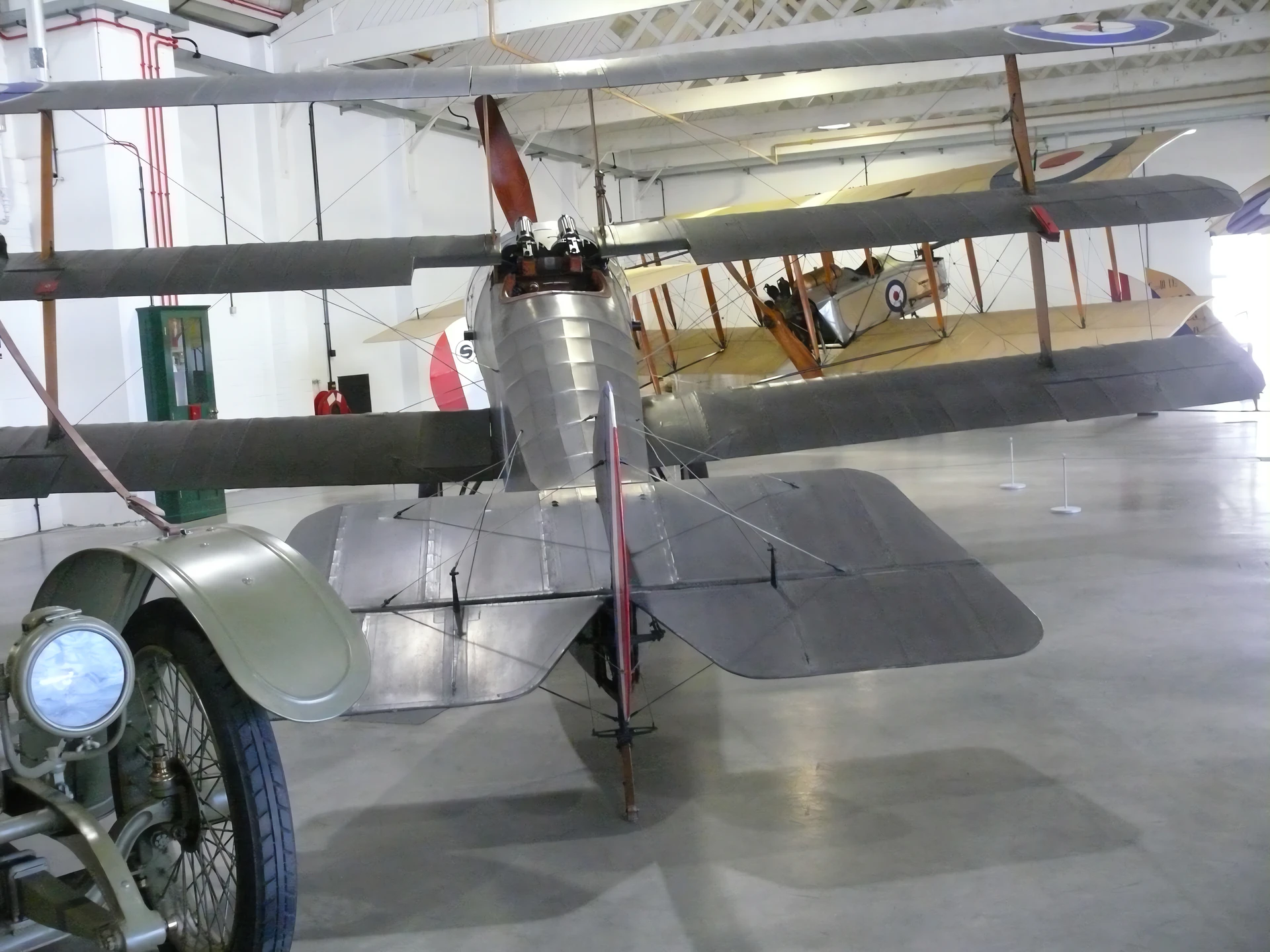
这 索普与特里普兰 was a British single seat fighter aircraft designed and manufactured by the Sopwith Aviation Company during the First World War. It has the distinction of being the first military triplane to see operational service. The Triplane was developed by the firm’s experimental department as a private venture, the project was headed by the designer Herbert Smith. Aside from its obvious difference in wing configuration, the aircraft shared many similarities with the company’s successful biplane fighter, the Sopwith Pup. The prototype Triplane performed its maiden flight on 28 May 1916 and was dispatched to the French theatre two months later, where it garnered high praise for its exceptional rate of climb and high manoeuvrability. During late 1916, quantity production of the type commenced in response to orders received from the Admiralty. During early 1917, production examples of the Triplane arrived with Royal Naval Air Service squadrons.
| 索普与特里普兰四处走动 | |
|---|---|
| 摄影师 | 未知 |
| 本地化 | 未知 |
| 照片 | 19 |

另请参阅:


The Vertical Revolution
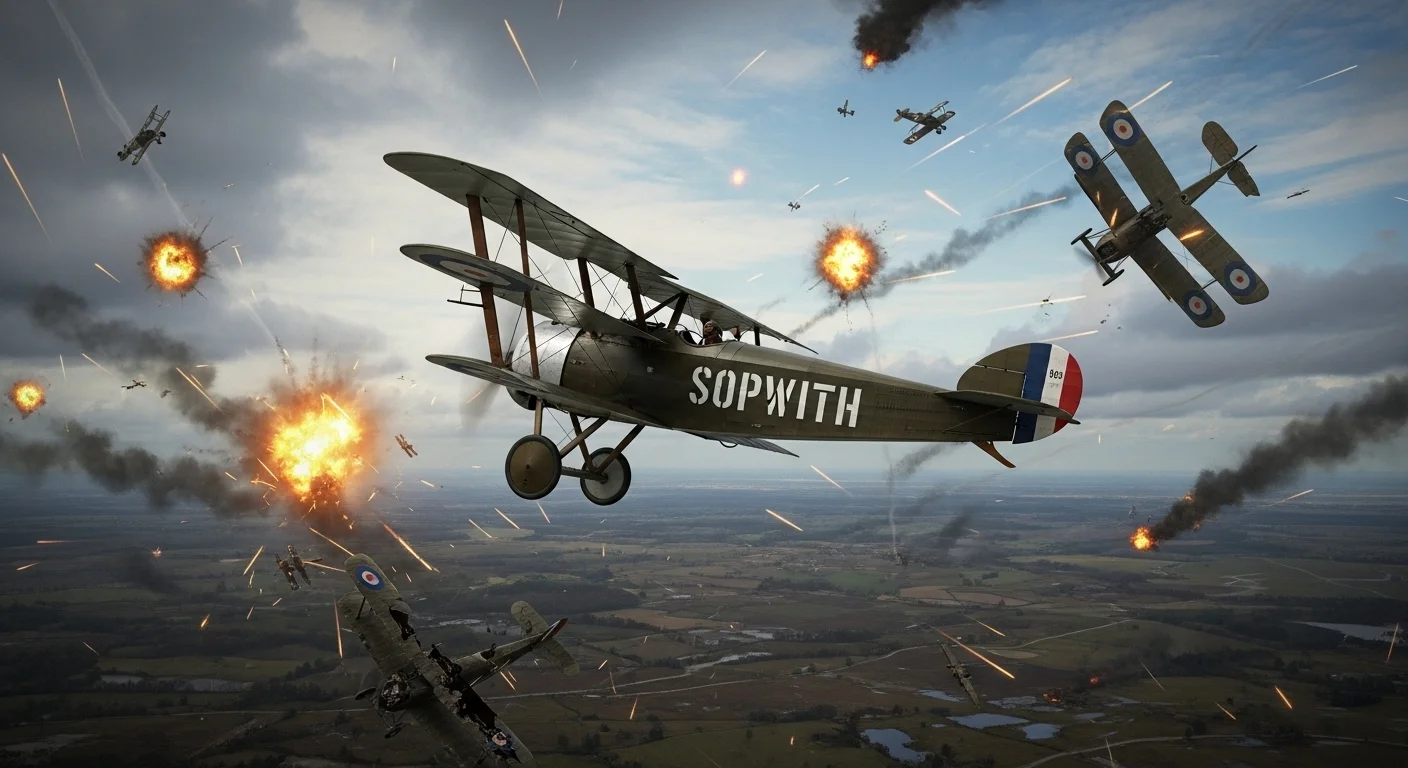
这 索普与特里普兰 was a British fighter aircraft of the First World War that stunned the German Luftstreitkräfte upon its arrival in early 1917. Designed by Herbert Smith, its three-wing configuration was intended to provide a high rate of climb and exceptional pilot visibility. It was so successful that it directly inspired the creation of the famous Fokker Dr.I. Despite its short frontline career, the Triplane earned a reputation as a pilot’s airplane, favored for its agility and “hang-on-the-prop” climbing ability.
| Attribute | Technical Specification (Sopwith Triplane) |
|---|---|
| 作用 | Fighter Aircraft / Scout |
| 船员 | 1 (Pilot) |
| First Flight | May 28, 1916 |
| 动力装置 | 1 × Clerget 9B 9-cylinder rotary engine |
| Horsepower | 130 hp (97 kW) |
| 最高速度 | 187 km/h (116 mph) at 6,000 ft |
| 装备 | 1 × .303 Vickers machine gun (synchronized) |
| Service Ceiling | 6,250 meters (20,500 ft) |
| Endurance | 2 hours 45 minutes |
The Three-Wing Advantage
- High Aspect Ratio: By using three wings instead of two, Sopwith could use a very narrow “chord” (the width of the wing from front to back). This gave the pilot a much better field of view than in a traditional biplane, where wide wings often blocked vision during a dogfight.
- Unmatched Climb Rate: The extra lift generated by the three surfaces allowed the Triplane to out-climb almost every contemporary German fighter. In the era of “energy fighting,” having the altitude advantage was often the difference between life and death.
- Aileron Authority: The Triplane featured ailerons on all three wings, giving it an incredibly crisp and rapid roll rate for the time.
- The Clerget Rotary: Like many Sopwith designs, it used a rotary engine where the entire engine block spun with the propeller. While this provided a good power-to-weight ratio, the gyroscopic effect meant the plane turned much faster in one direction than the other.
The “Black Flight” Legacy
- Naval 10 Squadron: The Triplane’s most famous unit was No. 10 Squadron RNAS, specifically the “Black Flight” led by Canadian ace Raymond Collishaw. Their aircraft, named Black Maria, Black Sheep, 黑王子, 黑骑士和 Black Death, claimed 87 German aircraft in just three months.
- Psychological Impact: The Triplane was so superior to the Albatros D.III that it caused a near-panic in the German High Command, leading to a “triplane craze” that resulted in over 30 German triplane prototypes.
- Short Service Life: Because the Triplane was difficult to repair in the field and its armament (a single gun) was seen as inadequate compared to the twin-gun Albatros, it was quickly replaced by the legendary 索普与骆驼.
视图: 1151