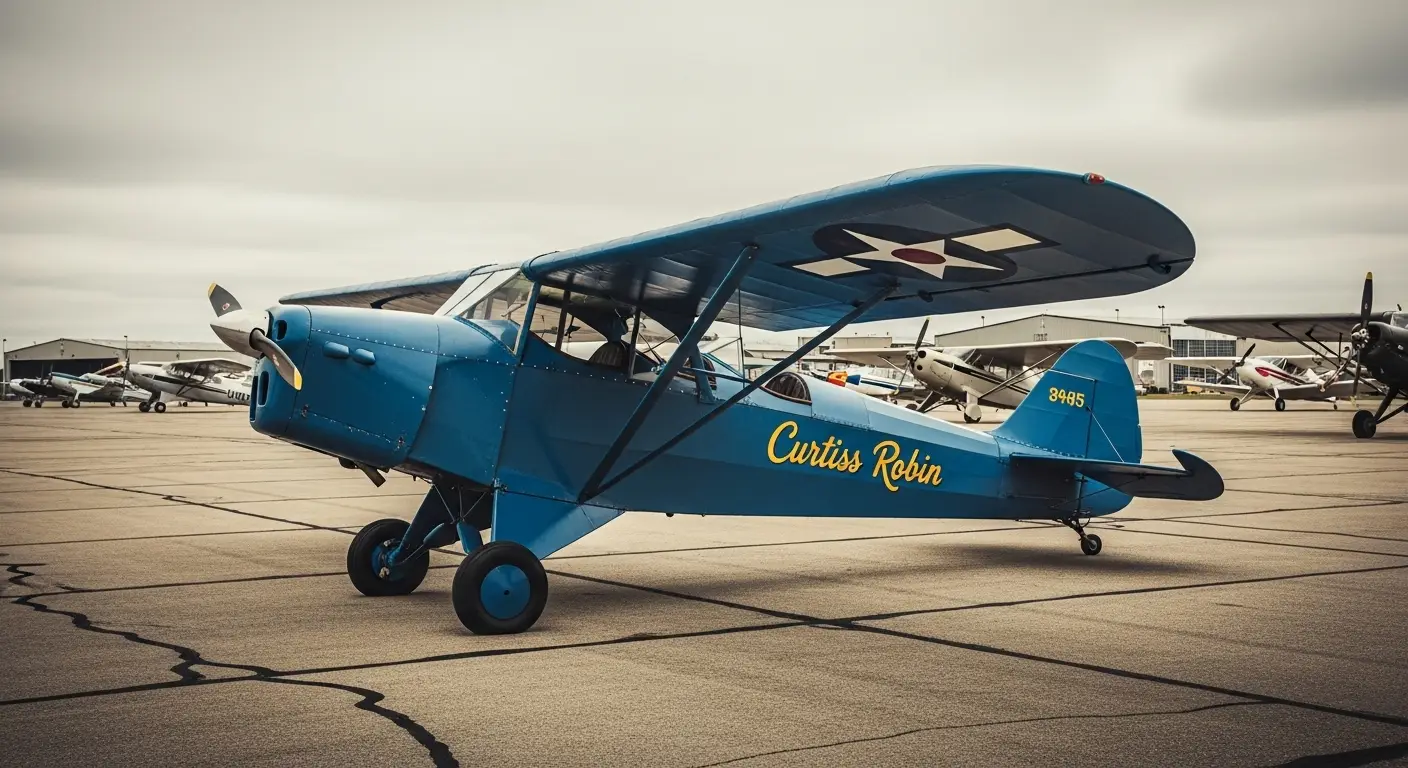
Curtiss Robin | |
|---|---|
| 国家 | 美国 |
| 作用 | 旅游 |
| 首次飞行 | 1928年8月7日 |
| 建立 | 769 |
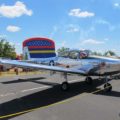
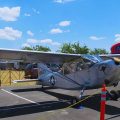
这 柯蒂斯·罗宾, introduced in 1928, was a high-wing monoplane built by the Curtiss-Robertson Airplane Manufacturing Company. The J-1 version was flown by Douglas Corrigan (nicknamed “Wrongway”) as well as the Flying Keys
源: 维基百科上的柯蒂斯·罗宾
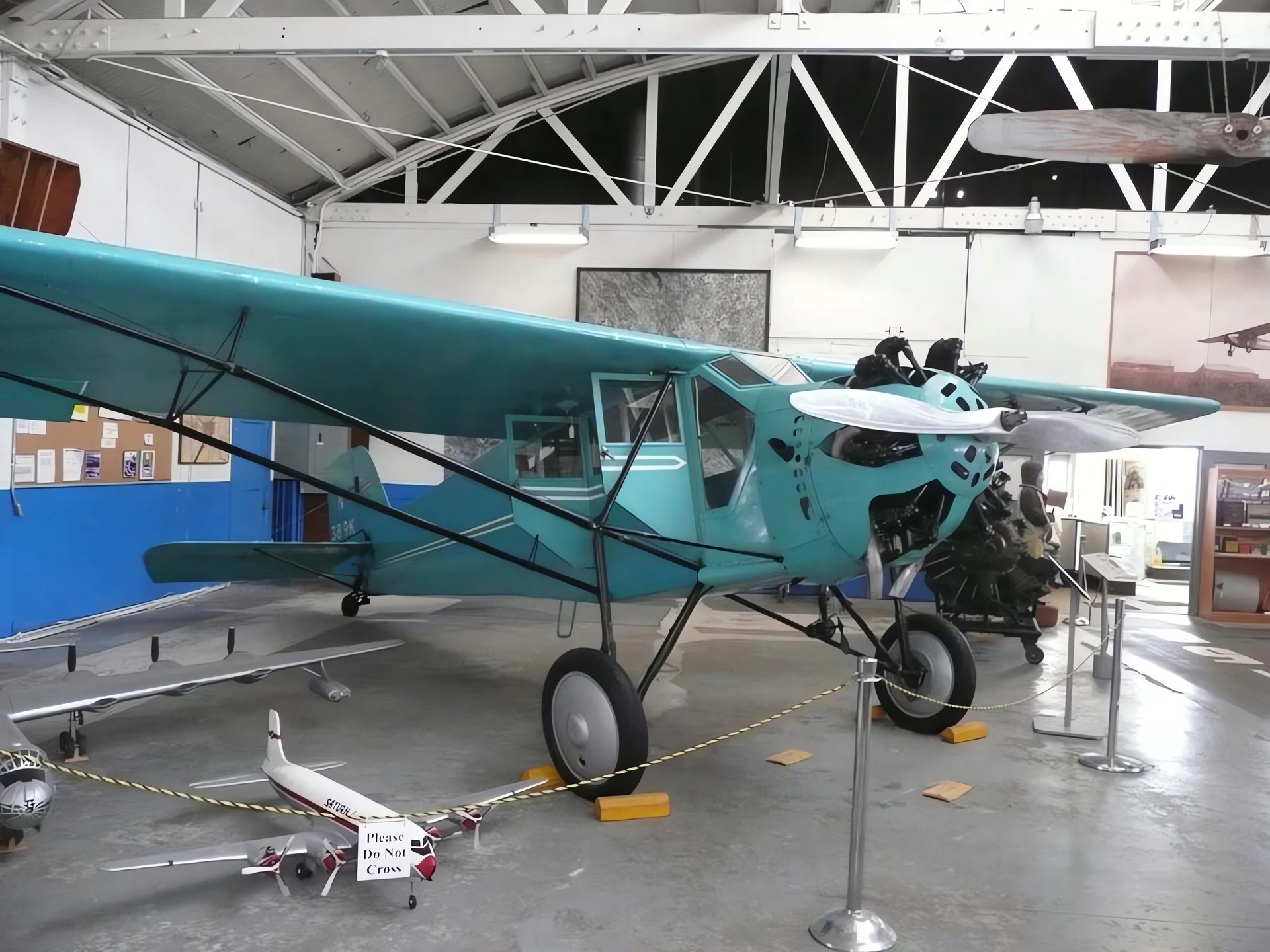
| 柯蒂斯罗宾 C - 1 四处走动 | |
|---|---|
| 摄影师 | 弗拉基米尔·亚库博夫 |
| 本地化 | 奥克兰西部航空航天博物馆 |
| 照片 | 25 |
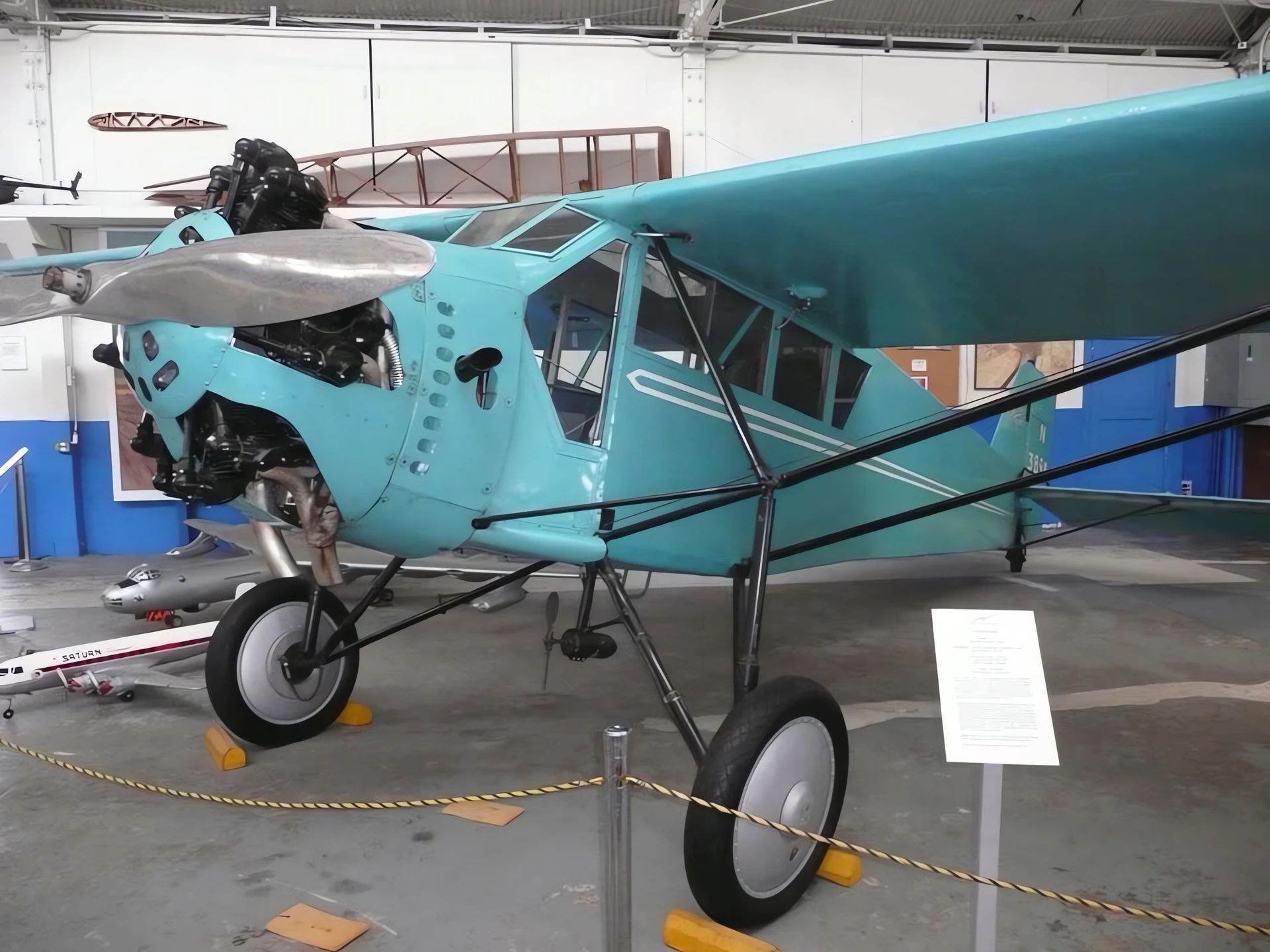
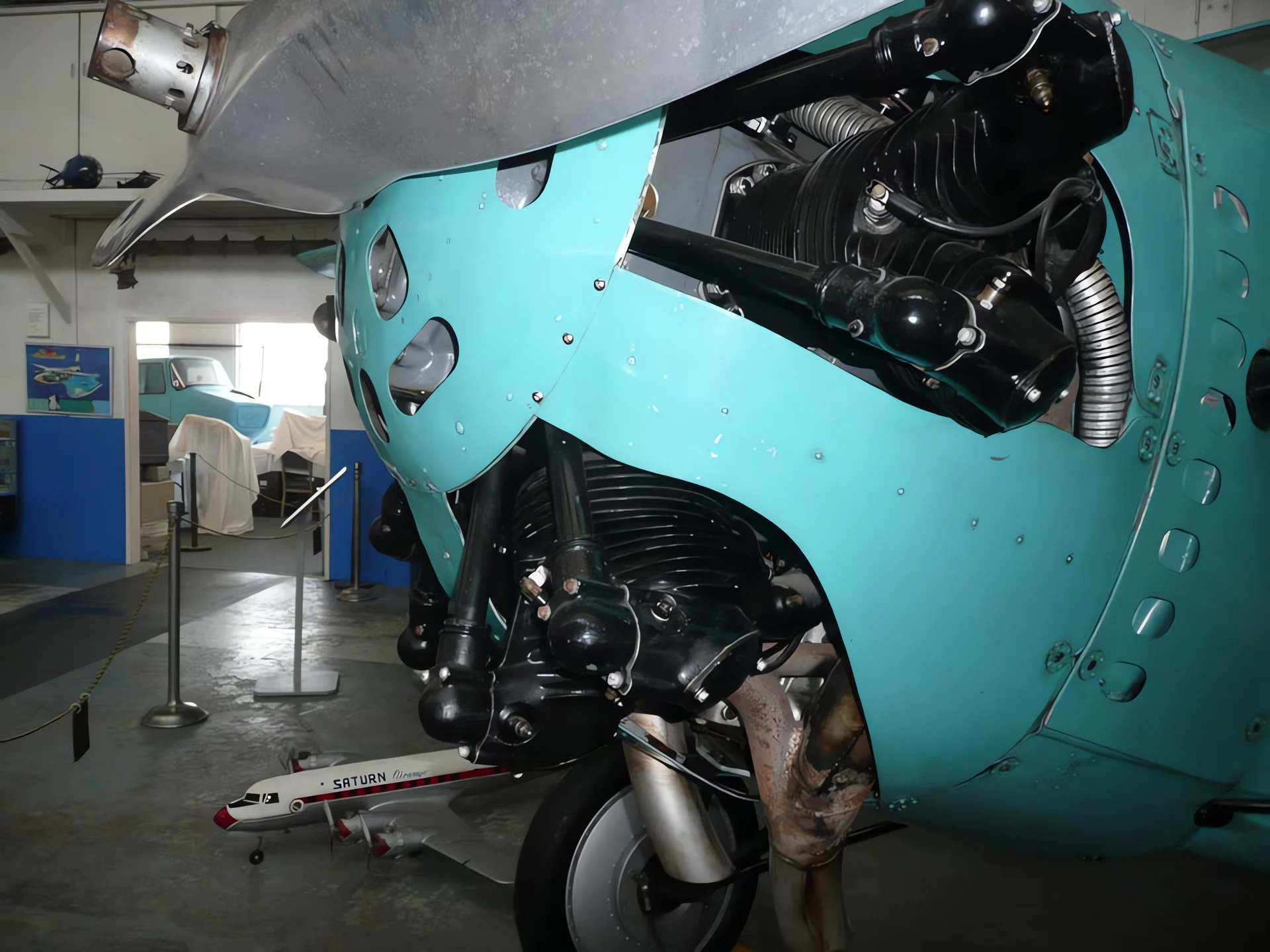
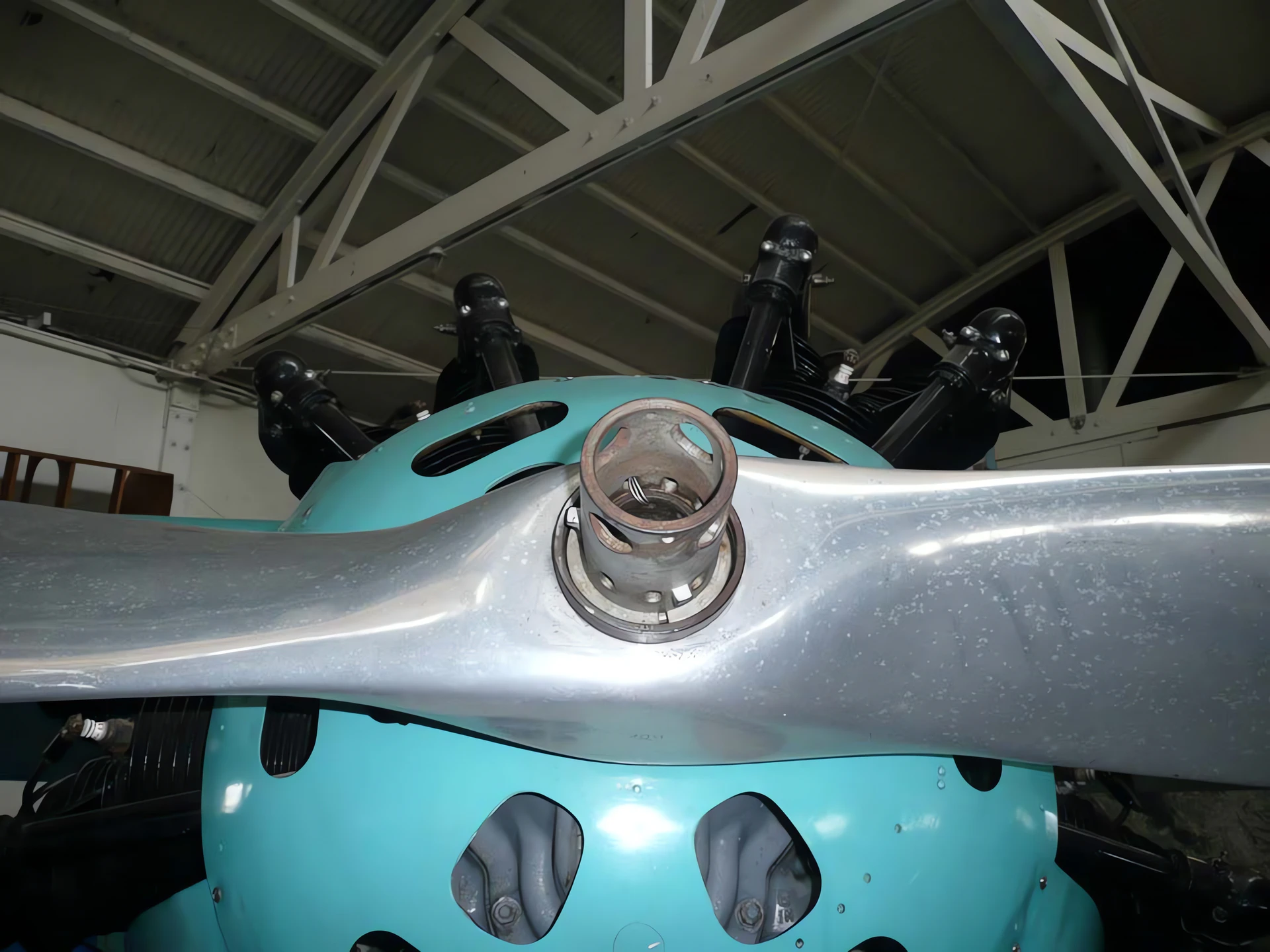
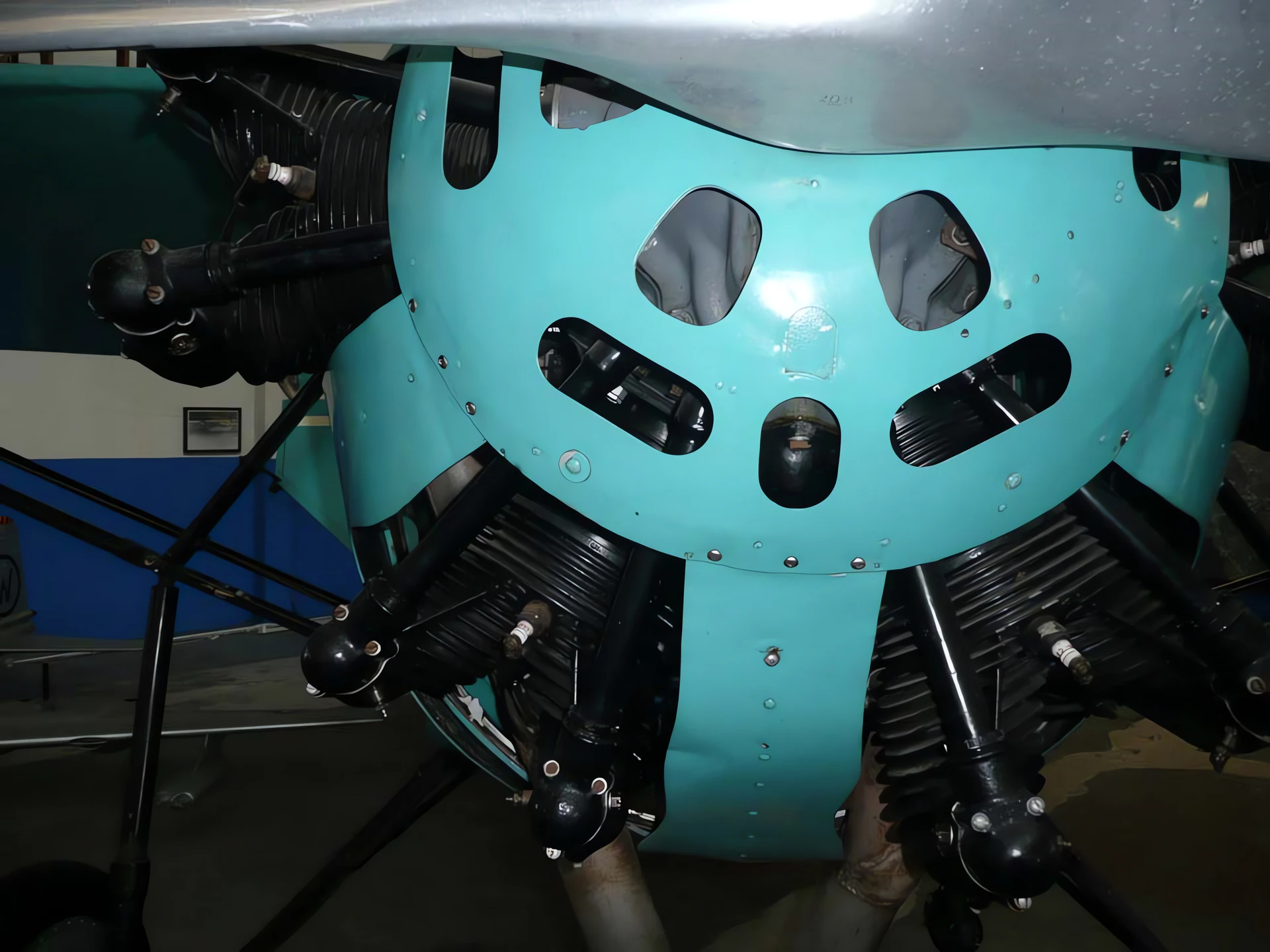
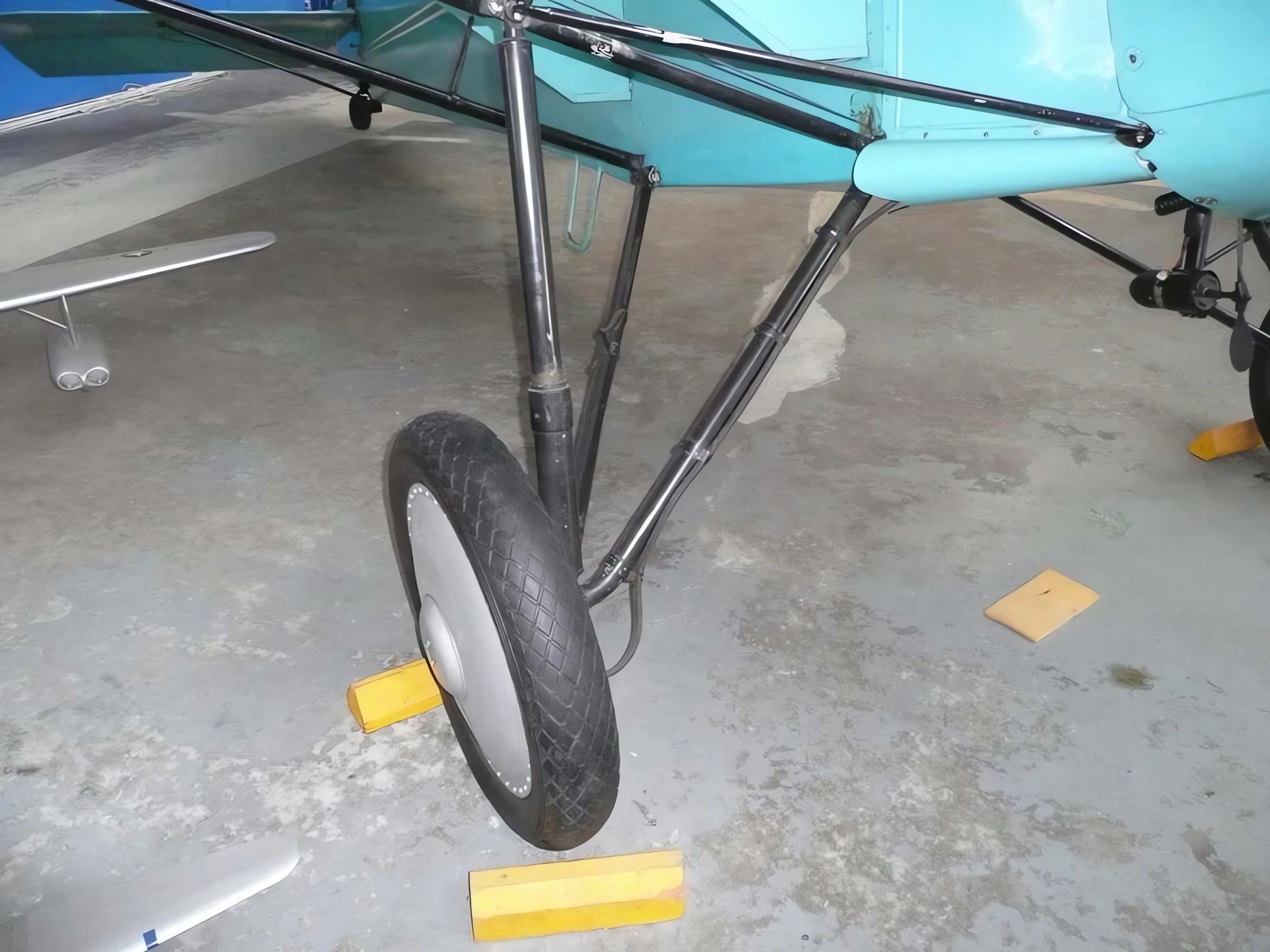
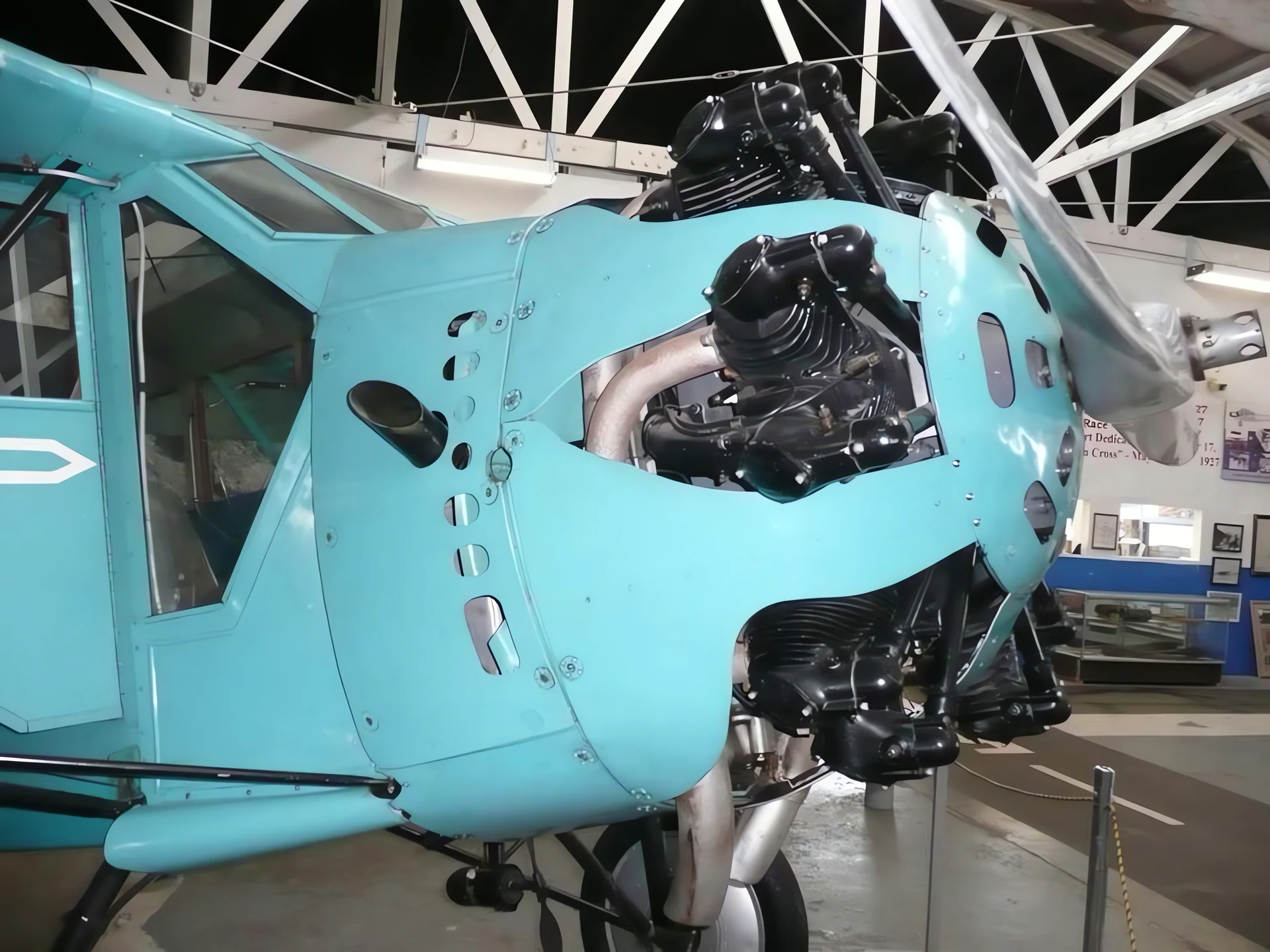
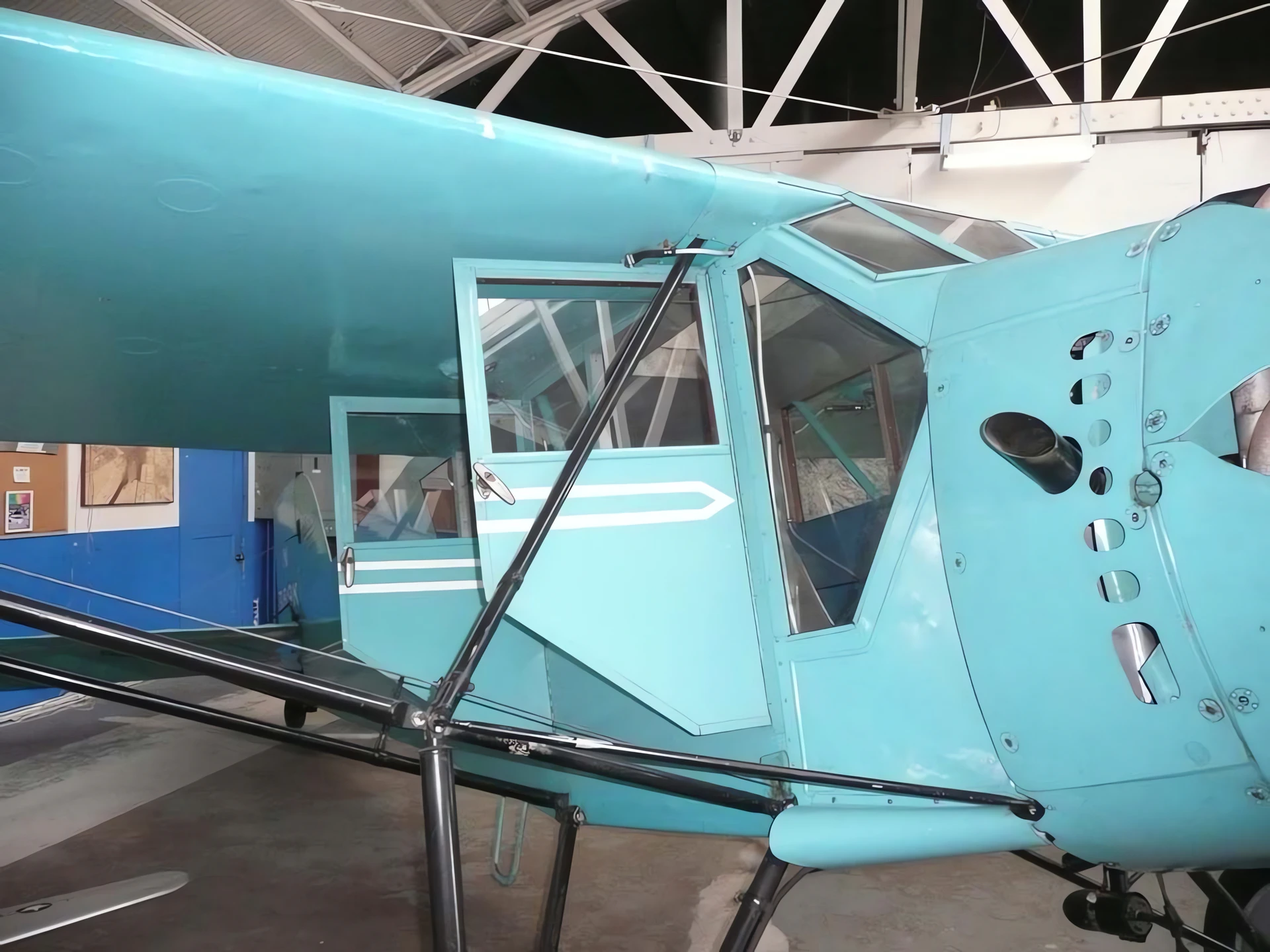
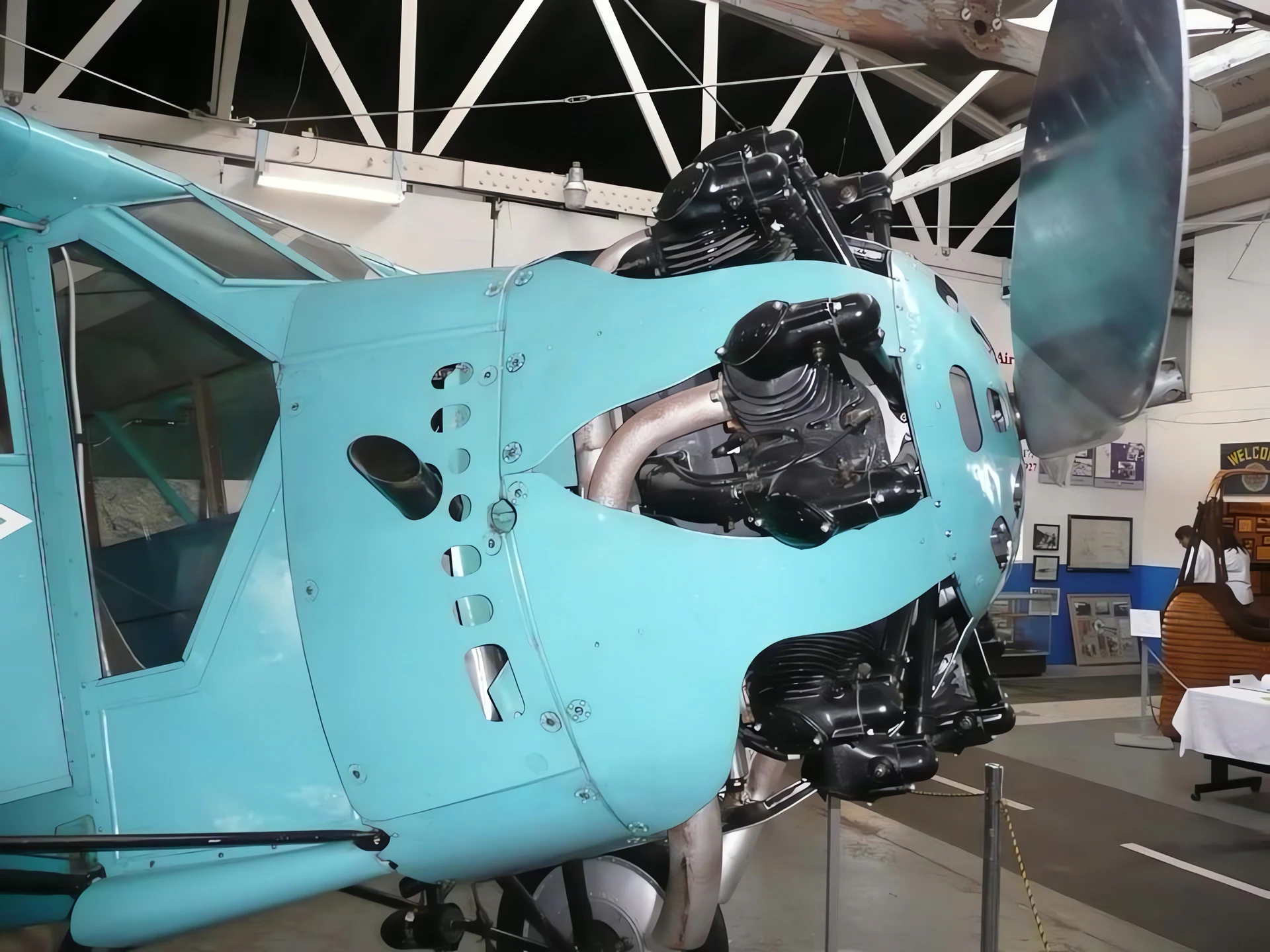
等等,找柯蒂斯罗宾找你。。。

另请参阅:


The “Everyman’s” Cabin Plane
这 柯蒂斯·罗宾 was one of the most successful commercial aircraft of the late 1920s. Developed by the Curtiss-Robertson Airplane Manufacturing Company, it was designed to offer the comfort of an enclosed cabin at a time when most aircraft were still open-cockpit biplanes. Its rugged design and reliable handling made it a favorite for bush pilots, private owners, and most famously, endurance record seekers.
| Attribute | Technical Specification (Robin C-1) |
|---|---|
| 作用 | Three-seat Cabin Monoplane |
| Crew / Capacity | 1 Pilot, 2 Passengers |
| First Flight | August 7, 1928 |
| 动力装置 | 1 × Curtiss Challenger 6-cylinder radial engine |
| Horsepower | 185 hp (138 kW) |
| 最高速度 | 120 mph (193 km/h) |
| Cruise Speed | 102 mph (164 km/h) |
| 翼展 | 41 ft 0 in (12.50 m) |
Design and Engineering Highlights
- High-Wing Stability: The Robin utilized a high-wing configuration supported by parallel struts. This design provided excellent downward visibility for the pilot and passengers and offered inherent lateral stability, making it very forgiving for novice flyers.
- Mixed Construction: To keep costs down while maintaining strength, the Robin featured a fuselage made of welded steel tubing and wings made of wood (spruce), all covered in aircraft fabric.
- Enclosed Comfort: Unlike the wind-blasted cockpits of its era, the Robin featured a fully enclosed cabin with windows that could be opened, allowing for conversation between the pilot and passengers without the need for an intercom.
- Engine Variety: While the C-1 used the Curtiss Challenger radial, the Robin family was famous for using a wide range of engines, including the OX-5 (liquid-cooled) and the Wright Whirlwind.
The “Wrong Way” and Endurance Legacy
- “Wrong Way” Corrigan: In 1938, Douglas Corrigan filed a flight plan from New York to California in his modified Curtiss Robin. He claimed to have had a “compass error” and ended up landing in Dublin, Ireland. His 28-hour solo transatlantic flight made him a folk hero.
- The St. Louis Robin: In 1929, a Robin set a world endurance record by staying aloft for over 420 hours (over 17 days) using aerial refueling—a feat that proved the reliability of the airframe and engine.
- The “Ole Miss”: Another Robin, the Ole Miss, later broke the record again in 1935, staying airborne for 653 hours (27 days), a testament to the ruggedness of the Robin’s construction.
- Preservation: Many Robins are still airworthy today. The Ole Miss is preserved at the 国家航空航天博物馆 in Washington, D.C.
意见:1424