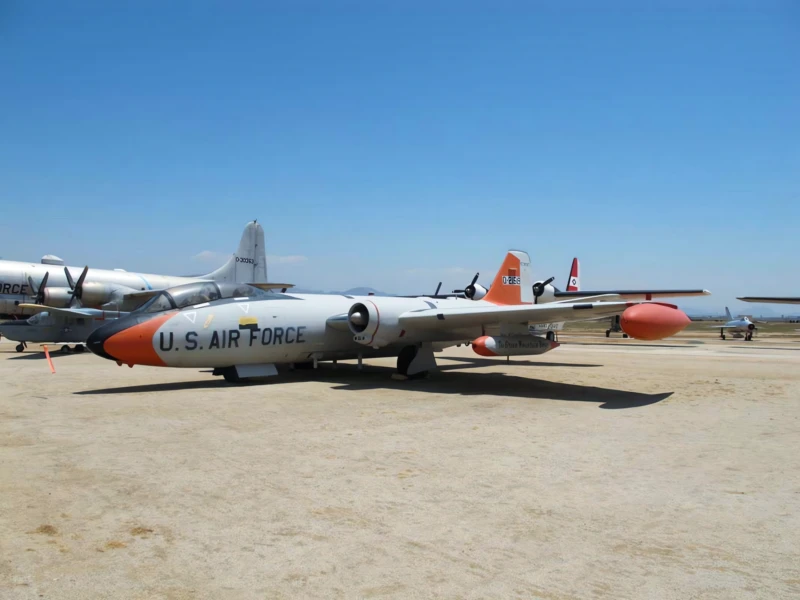
马丁 B-57 堪培拉 | |
|---|---|
| 国家 | 美国 |
| 作用 | 战术轰炸机 |
| 首次飞行 | 1953年7月20日 |
| 建立 | 403 |
这 马丁 B-57 堪培拉 是美国制造的双喷气式战术轰炸机和侦察机,于1953年在美国空军服役。B-57是英国电气堪培拉公司的许可证版本,由格伦·马丁公司制造。最初的马丁制造模型与英国制造的模型非常相似:马丁后来修改了设计,以纳入更多的美国采购的部件,并生产了几种不同的型号的飞机。
等等, 为你搜索马丁 B - 57 堪培拉...

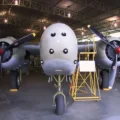
| Martin EB-57B Canberra Walk Around | |
|---|---|
| 摄影师 | 弗拉基米尔·亚库博夫 |
| 本地化 | 三月现场航空博物馆 |
| 照片 | 81 |
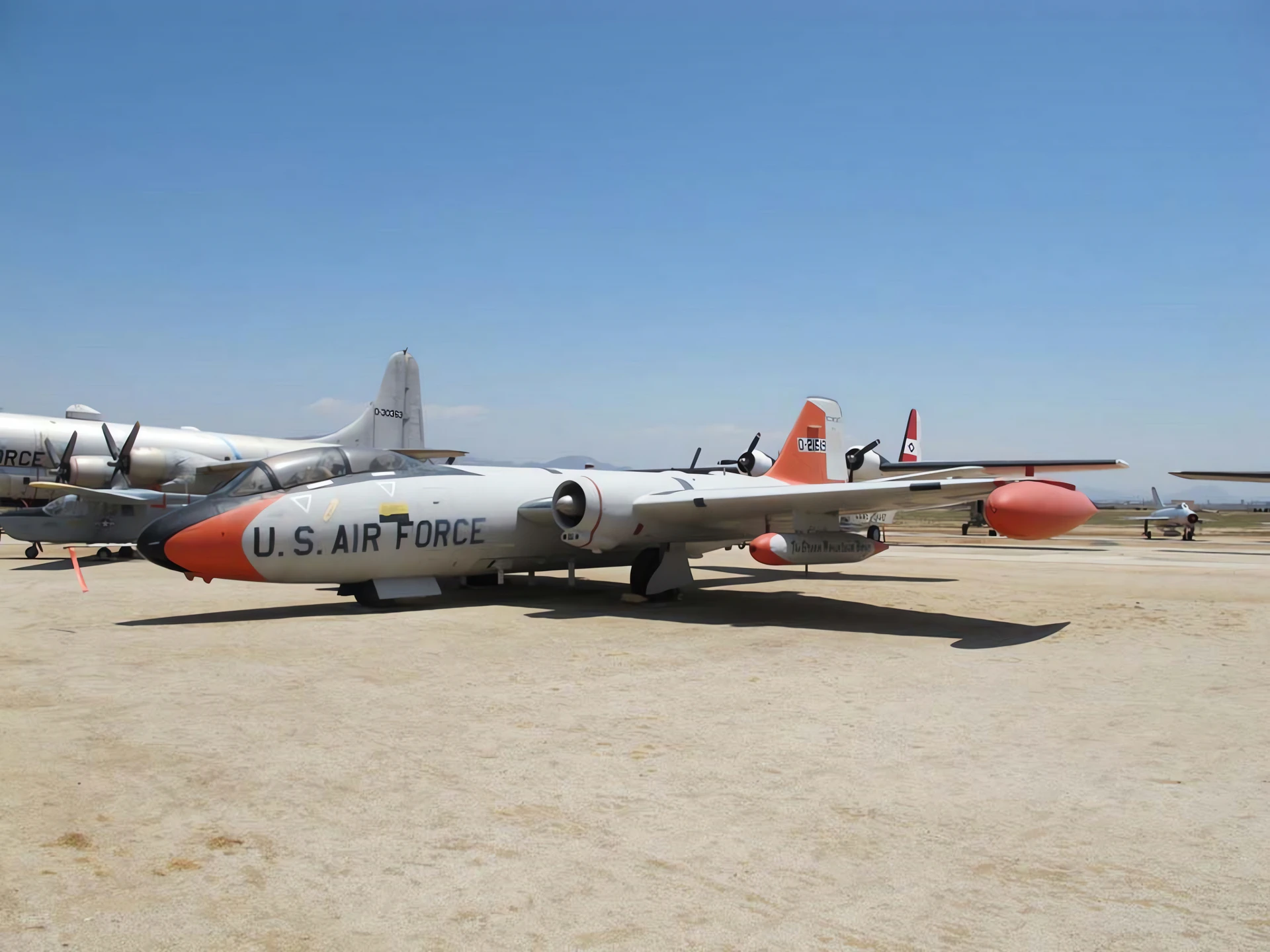
Martin EB-57B Canberra 01
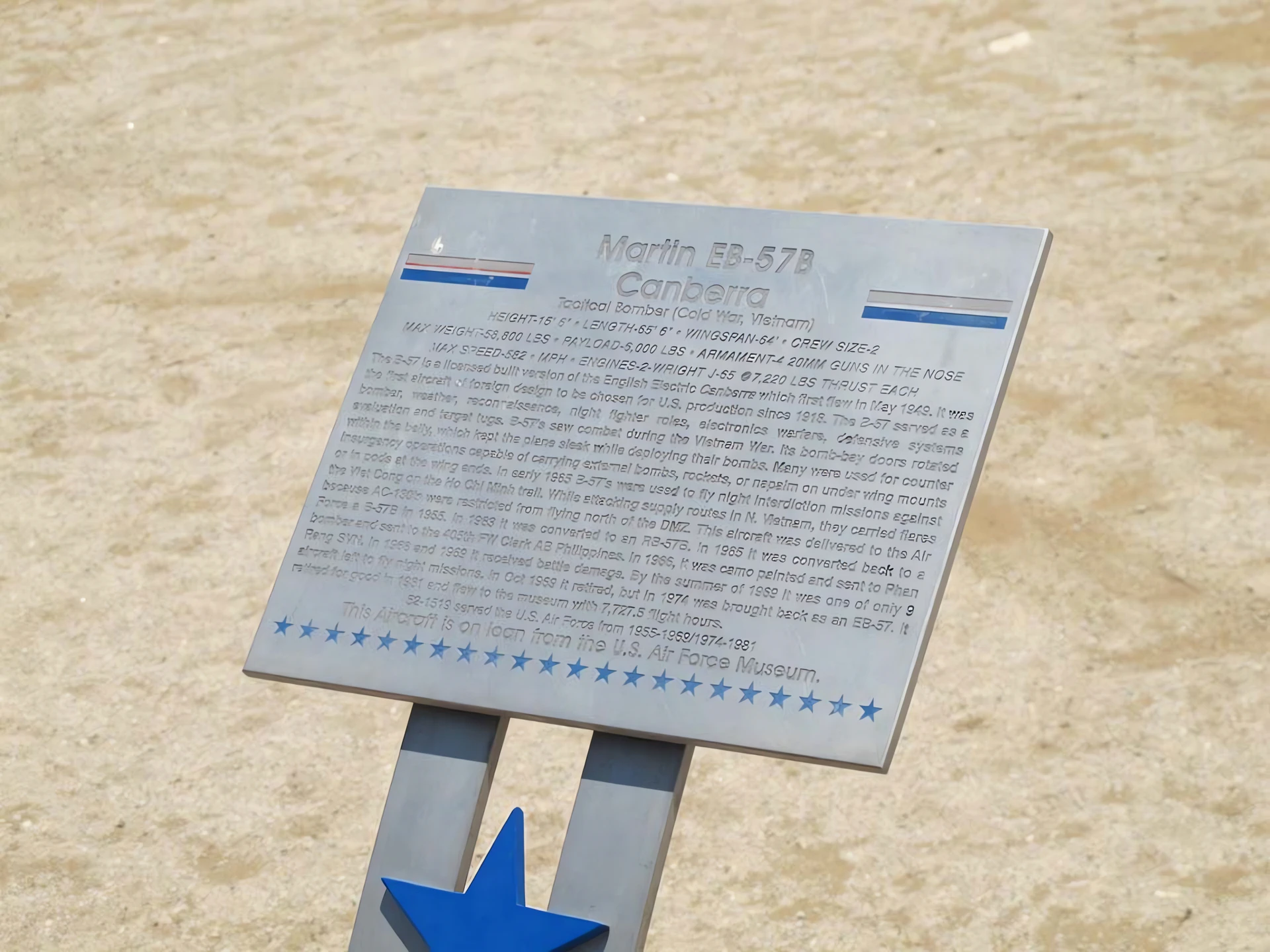
Martin EB-57B Canberra 02
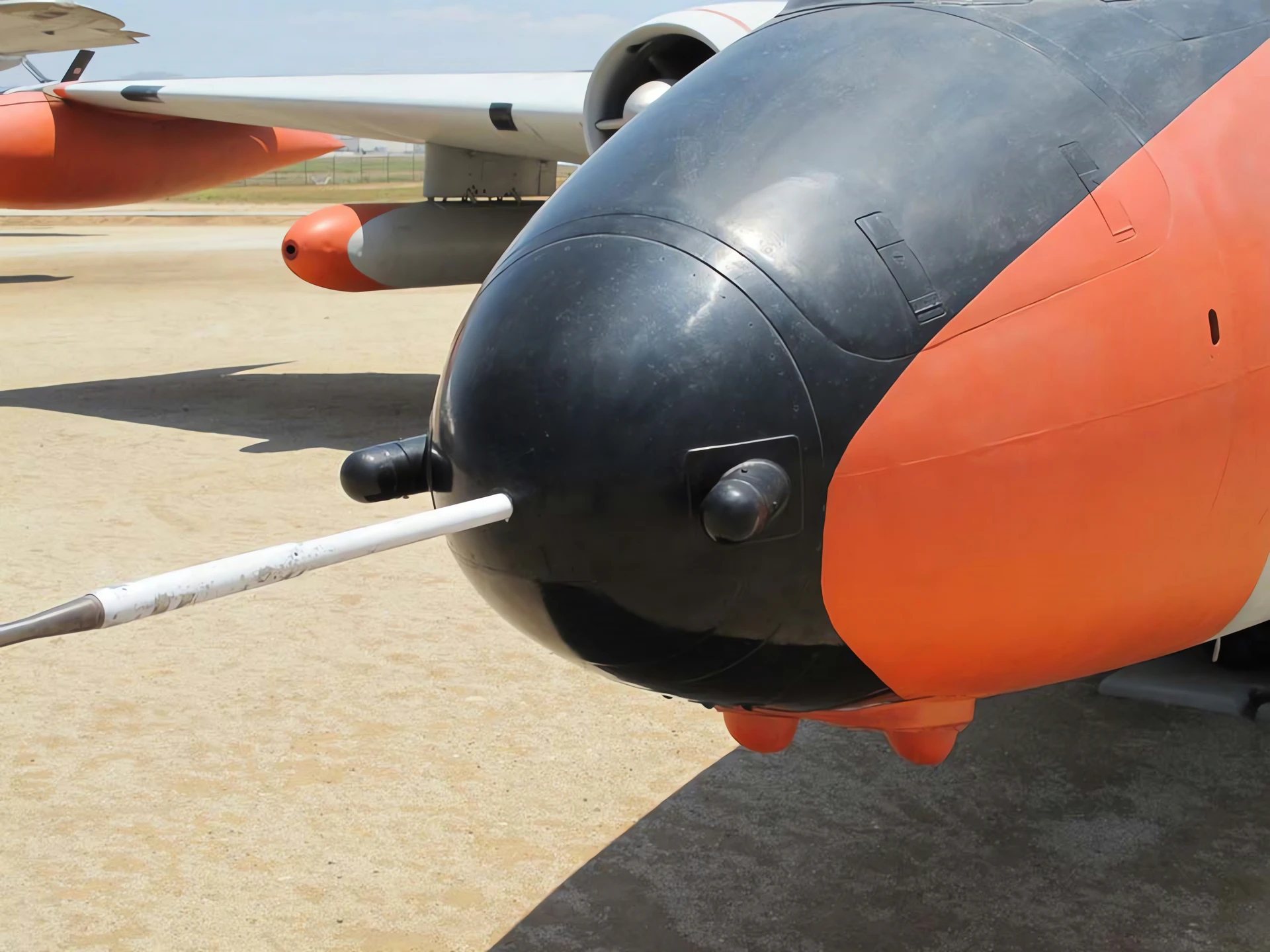
Martin EB-57B Canberra 03
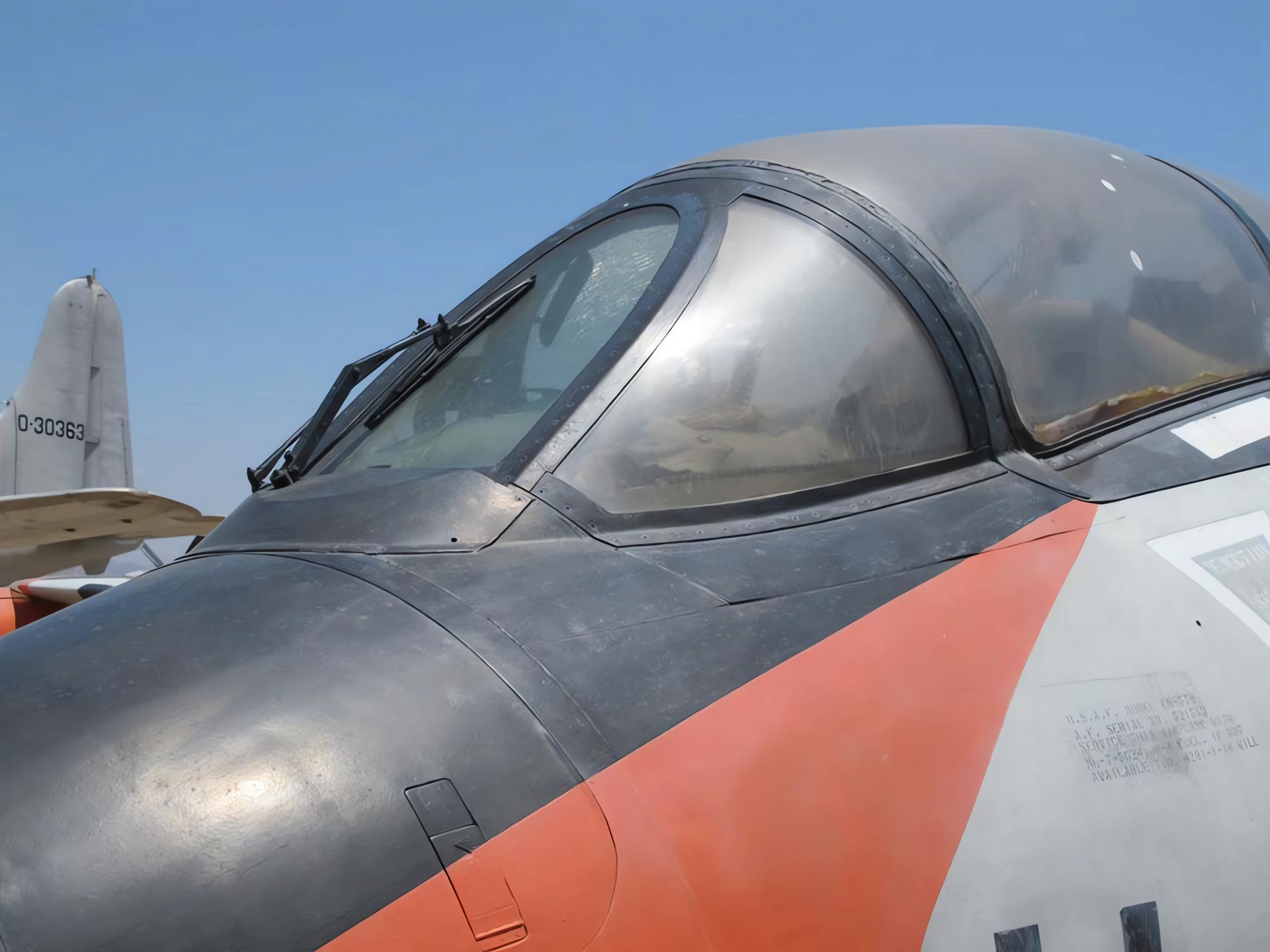
Martin EB-57B Canberra 04
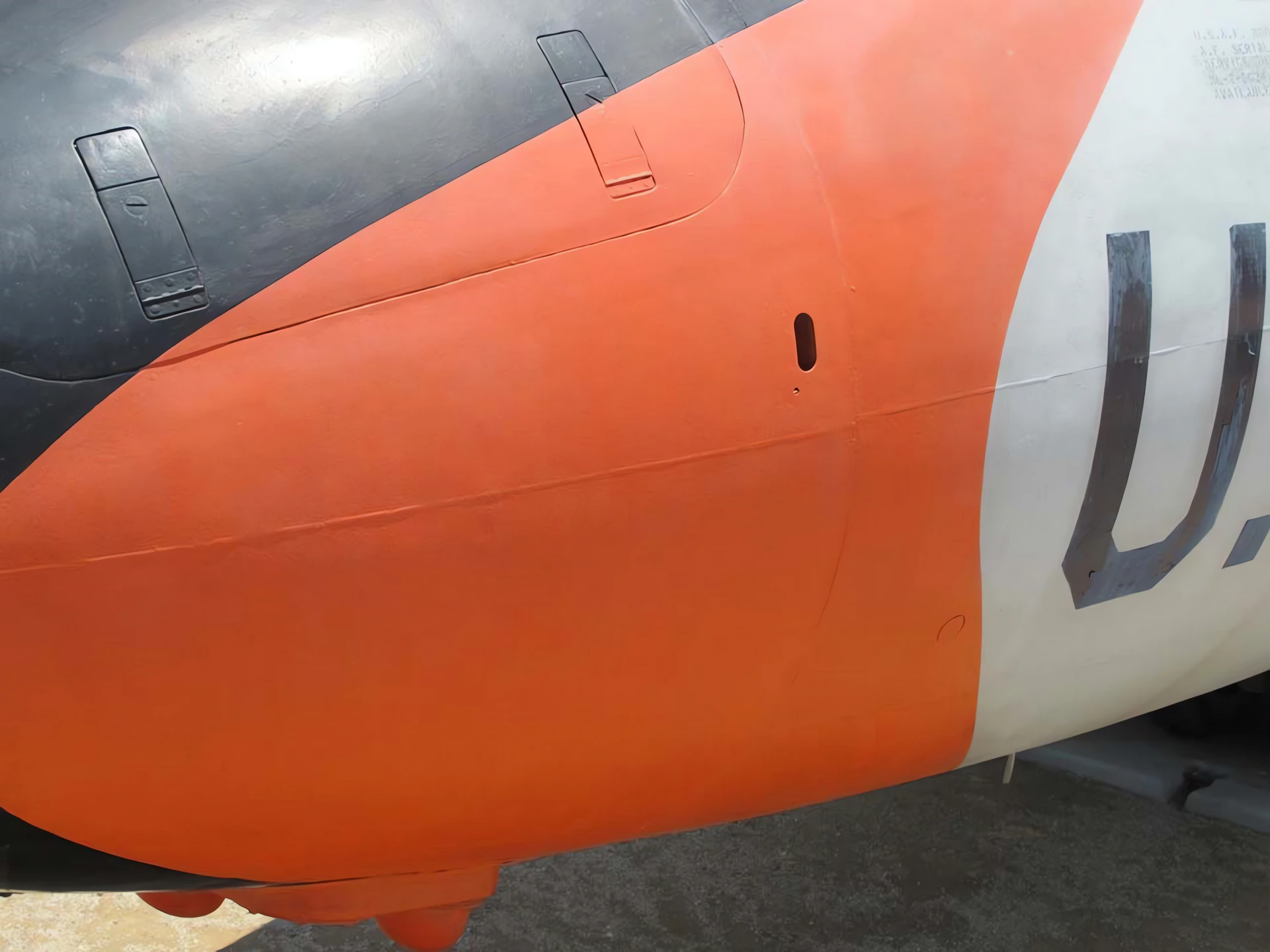
Martin EB-57B Canberra 05
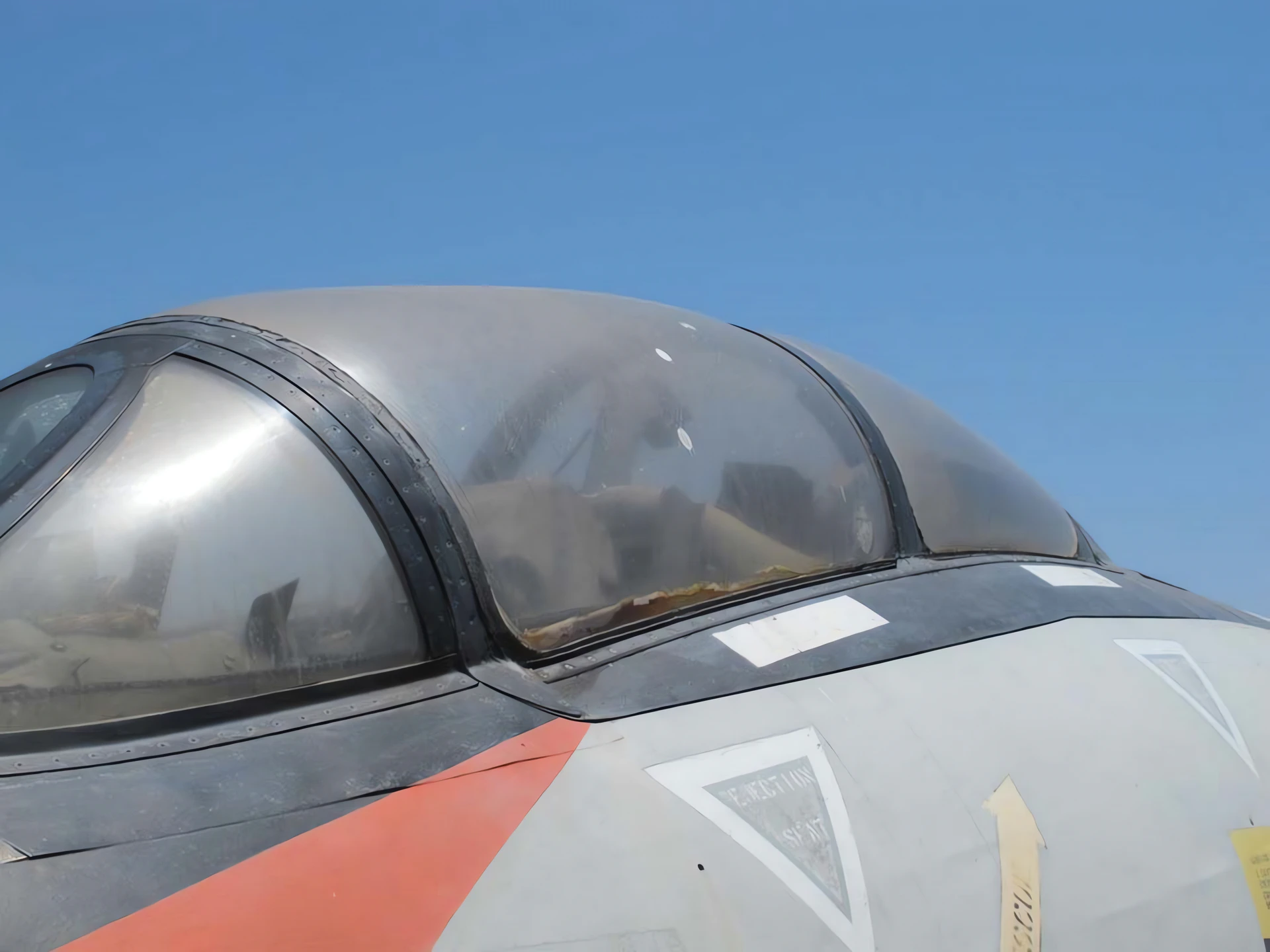
Martin EB-57B Canberra 06
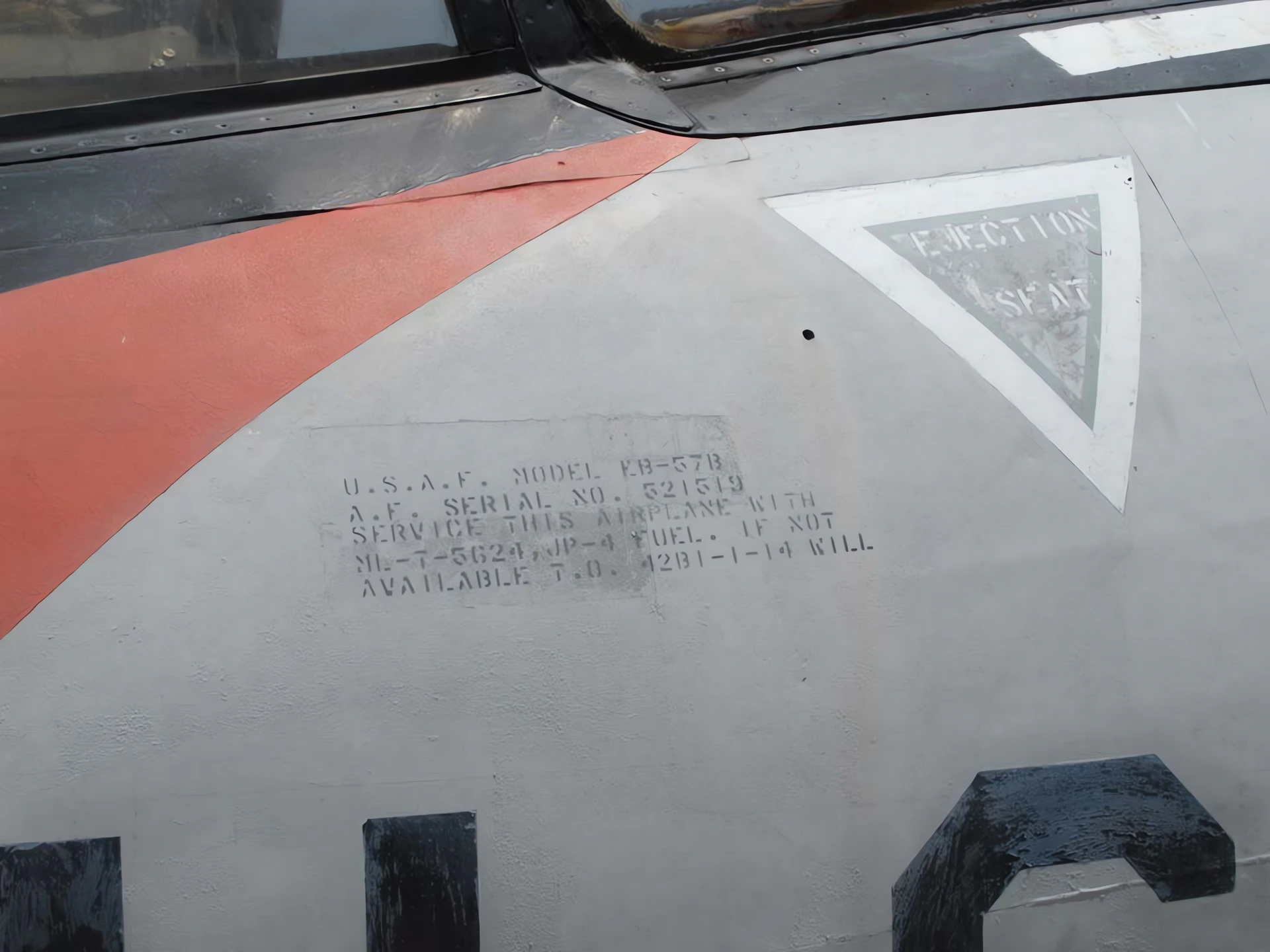
Martin EB-57B Canberra 07
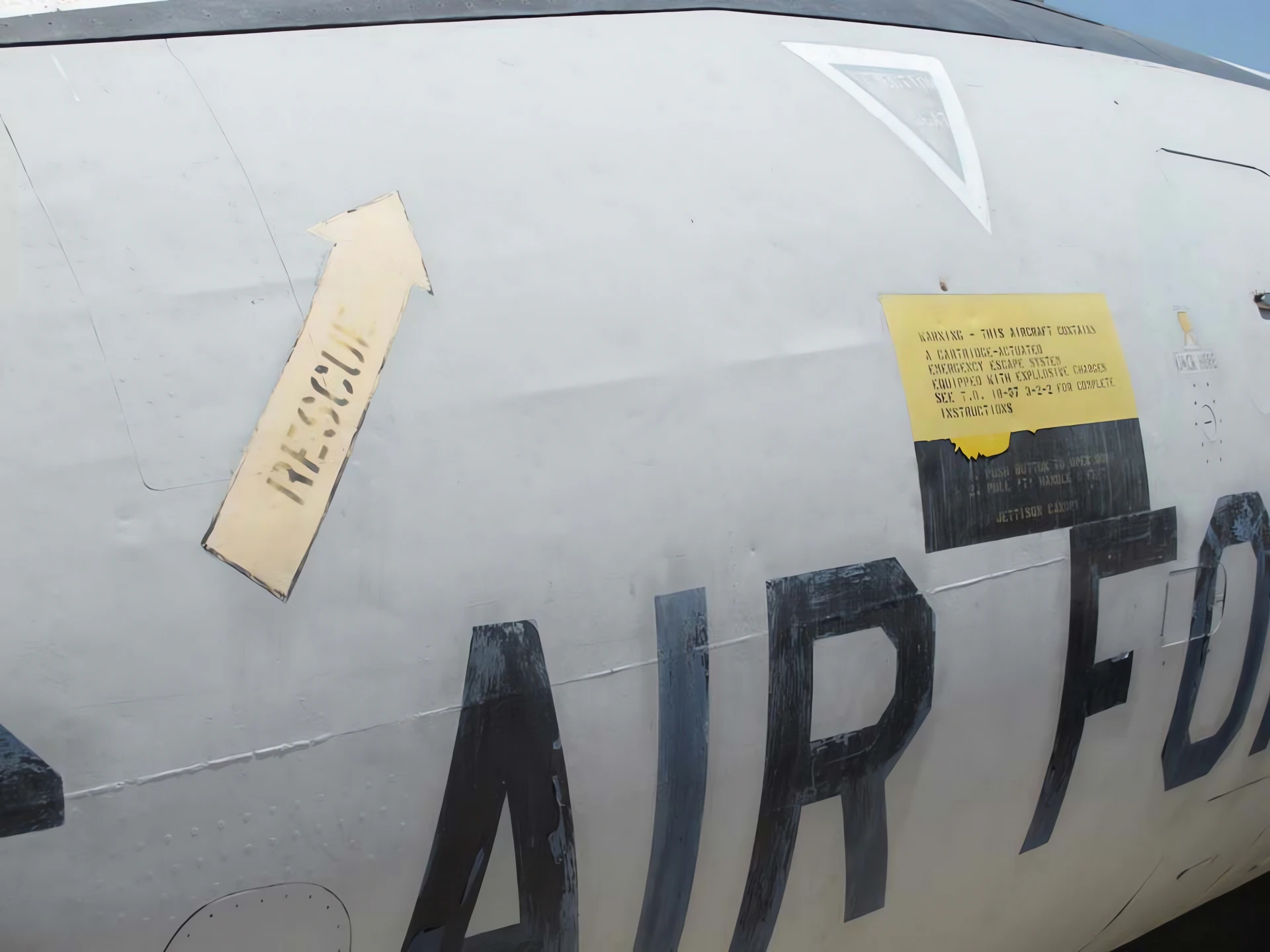
Martin EB-57B Canberra 08
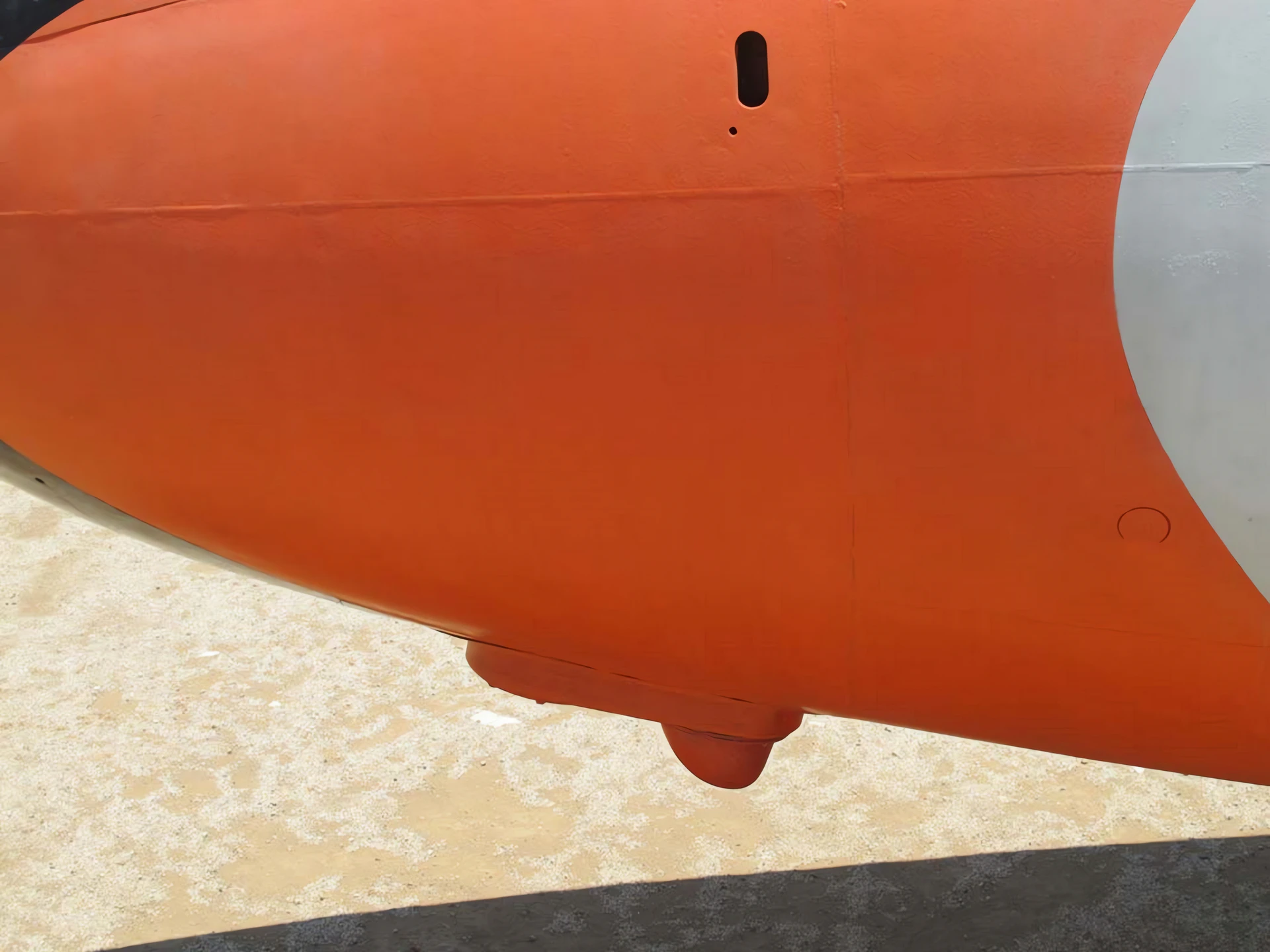
Martin EB-57B Canberra 09
| Martin EB-57E Canberra Walk Around | |
|---|---|
| 摄影师 | 兰迪·雷 |
| 本地化 | 落基山脉航空航天博物馆的翅膀 |
| 照片 | 21 |
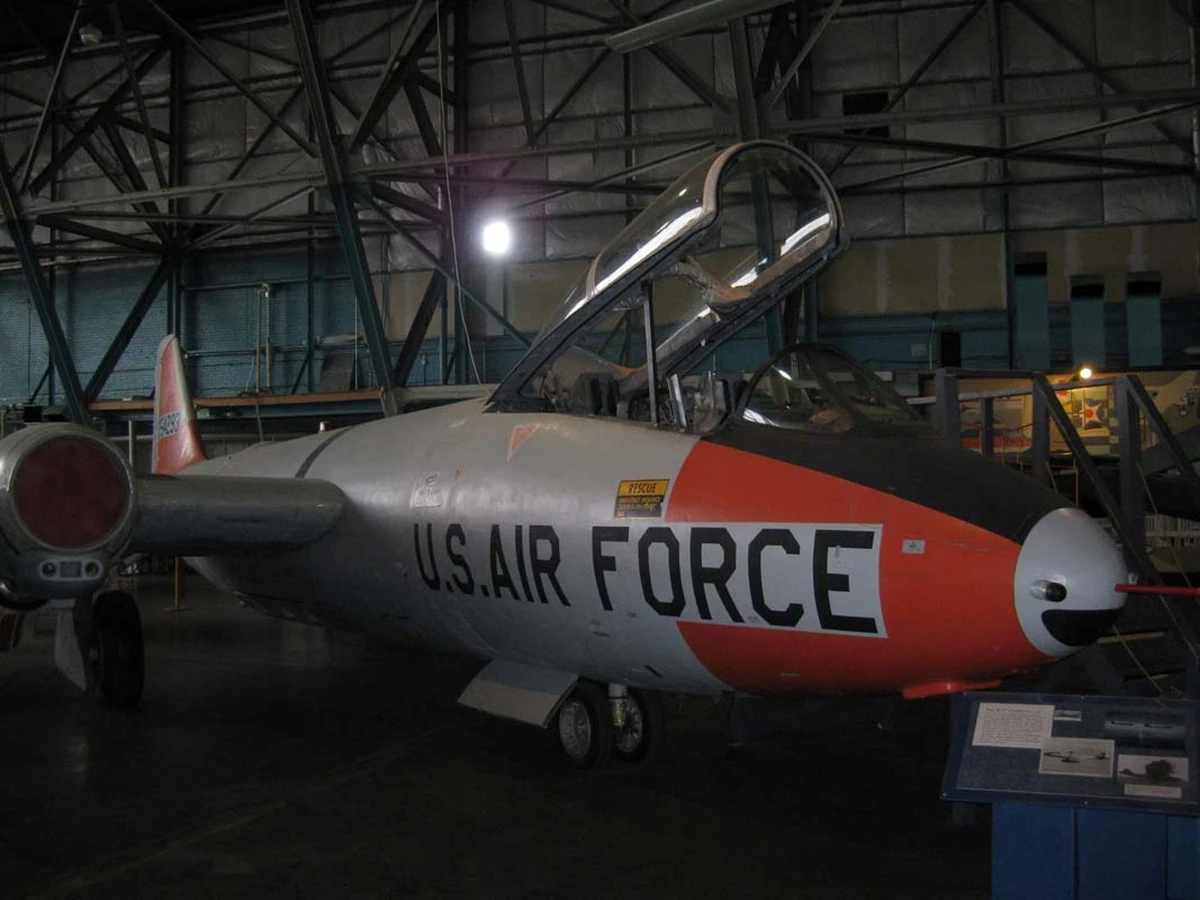
Martin EB-57E Canberra 01
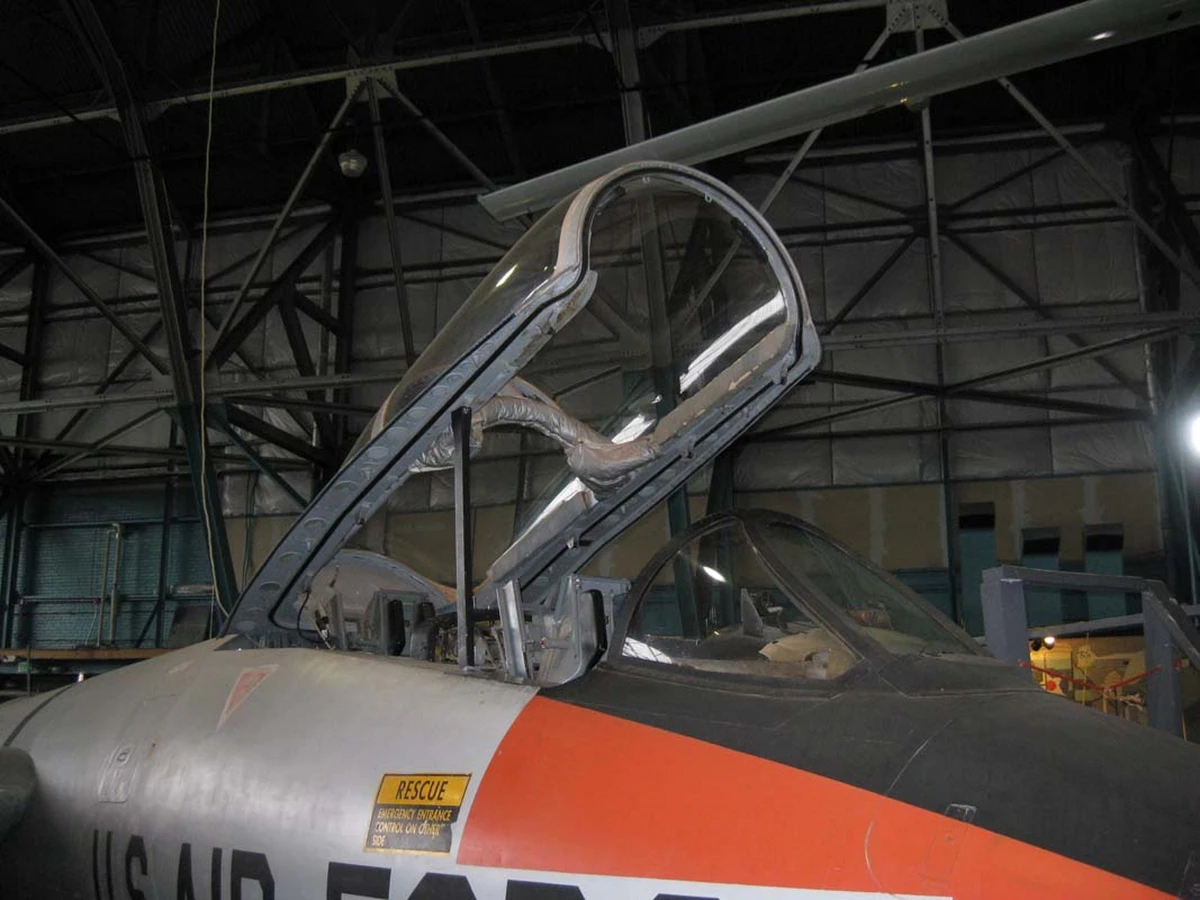
Martin EB-57E Canberra 02
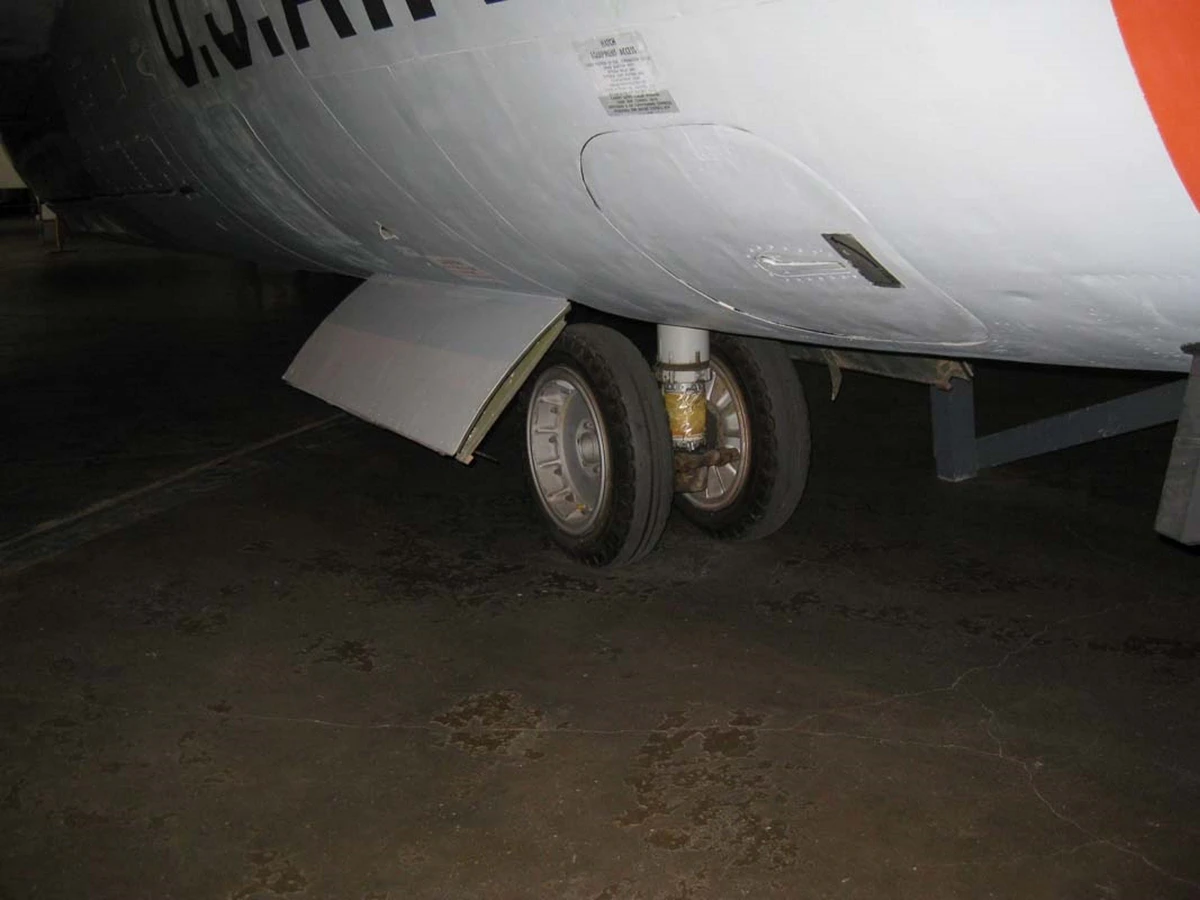
Martin EB-57E Canberra 03
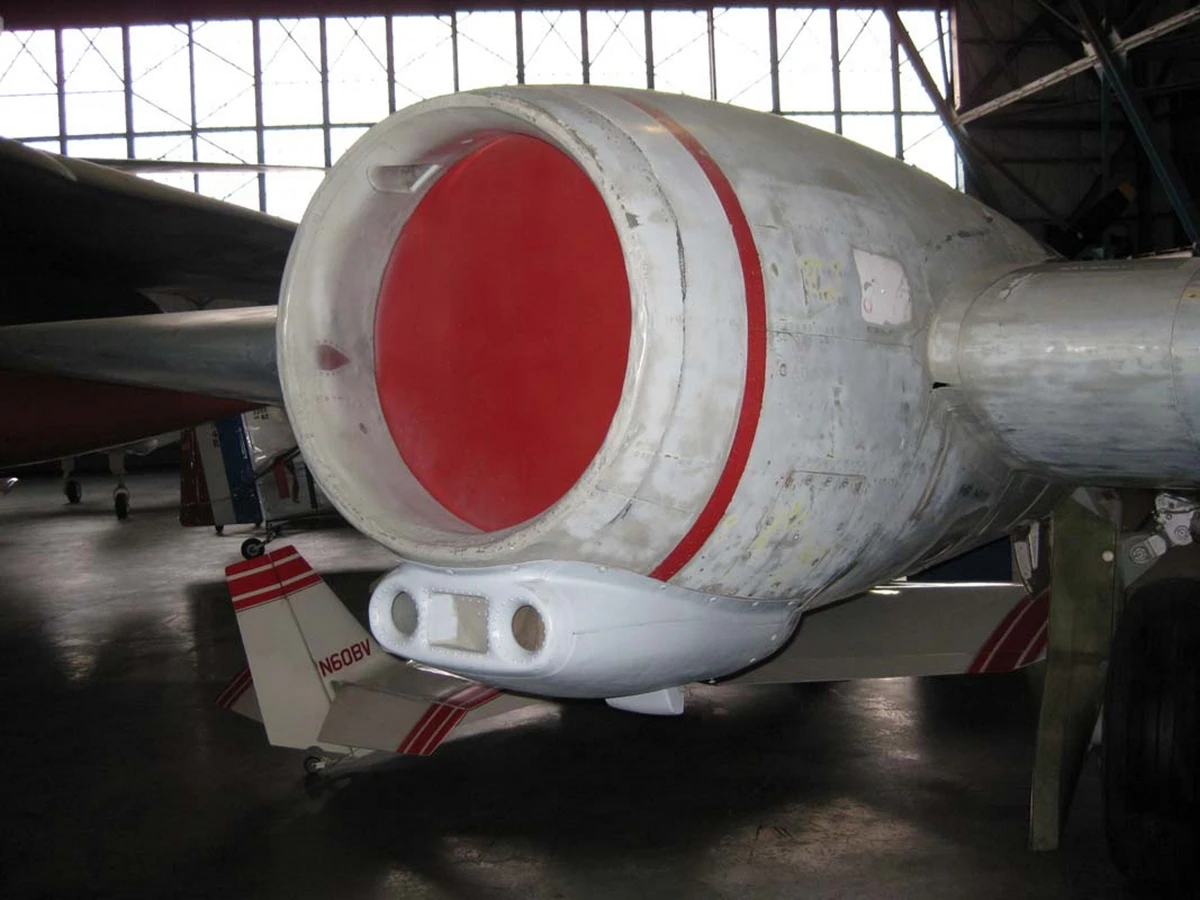
Martin EB-57E Canberra 04
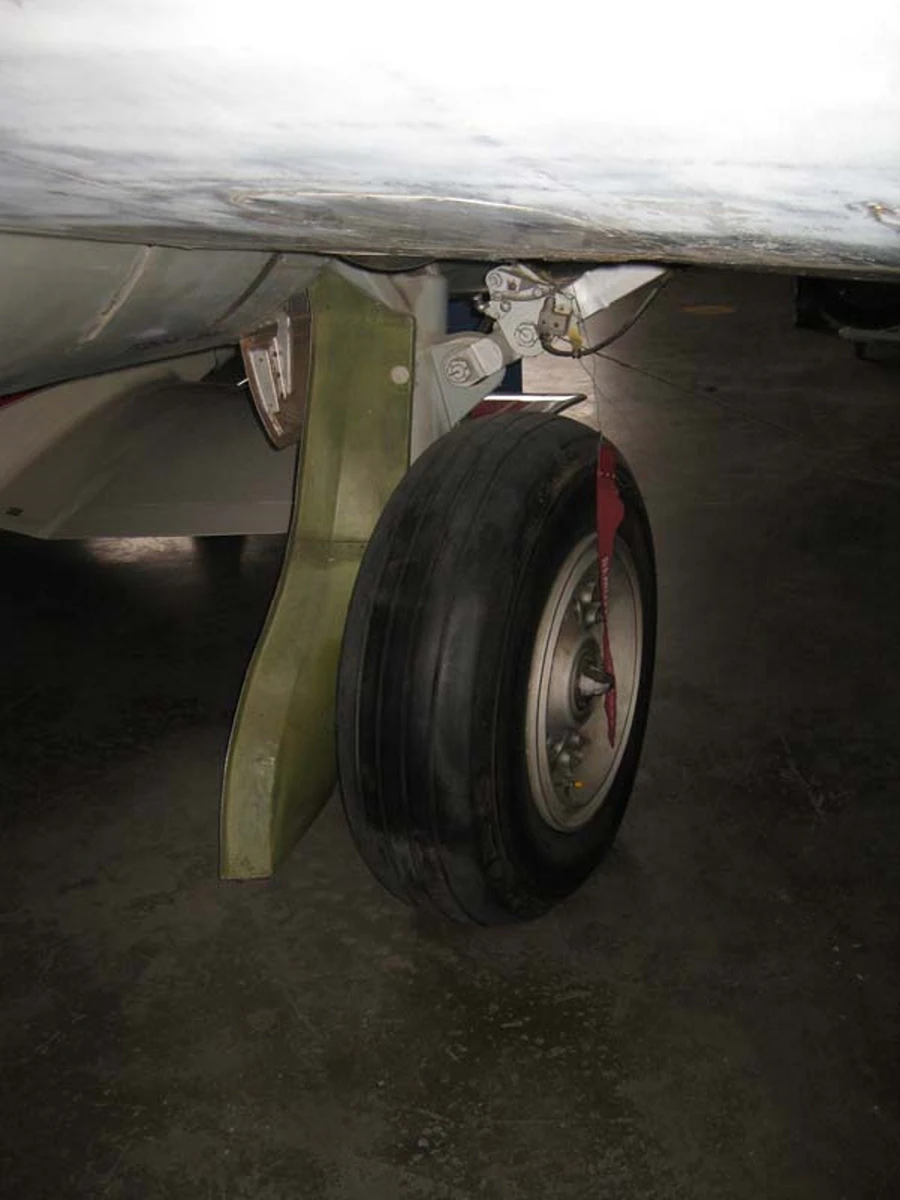
Martin EB-57E Canberra 05
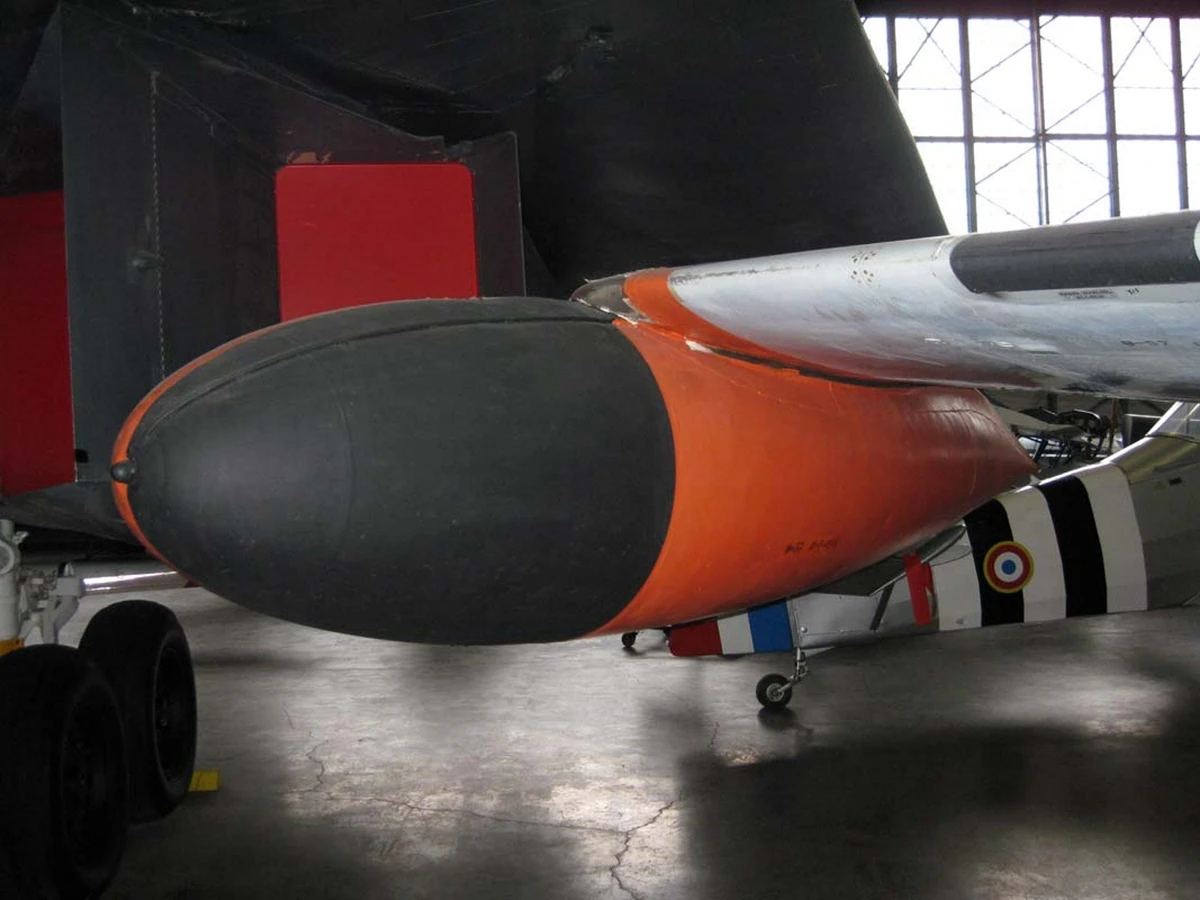
Martin EB-57E Canberra 06
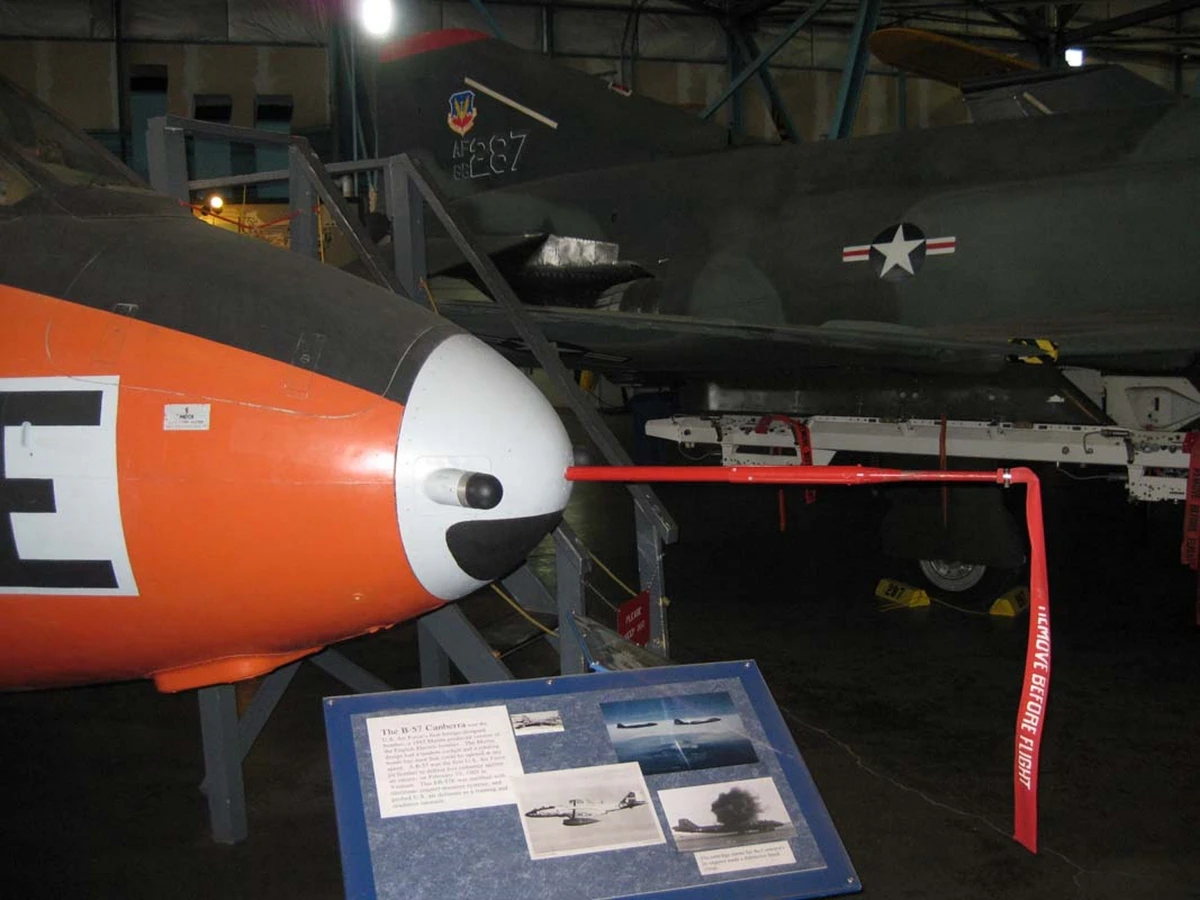
Martin EB-57E Canberra 07
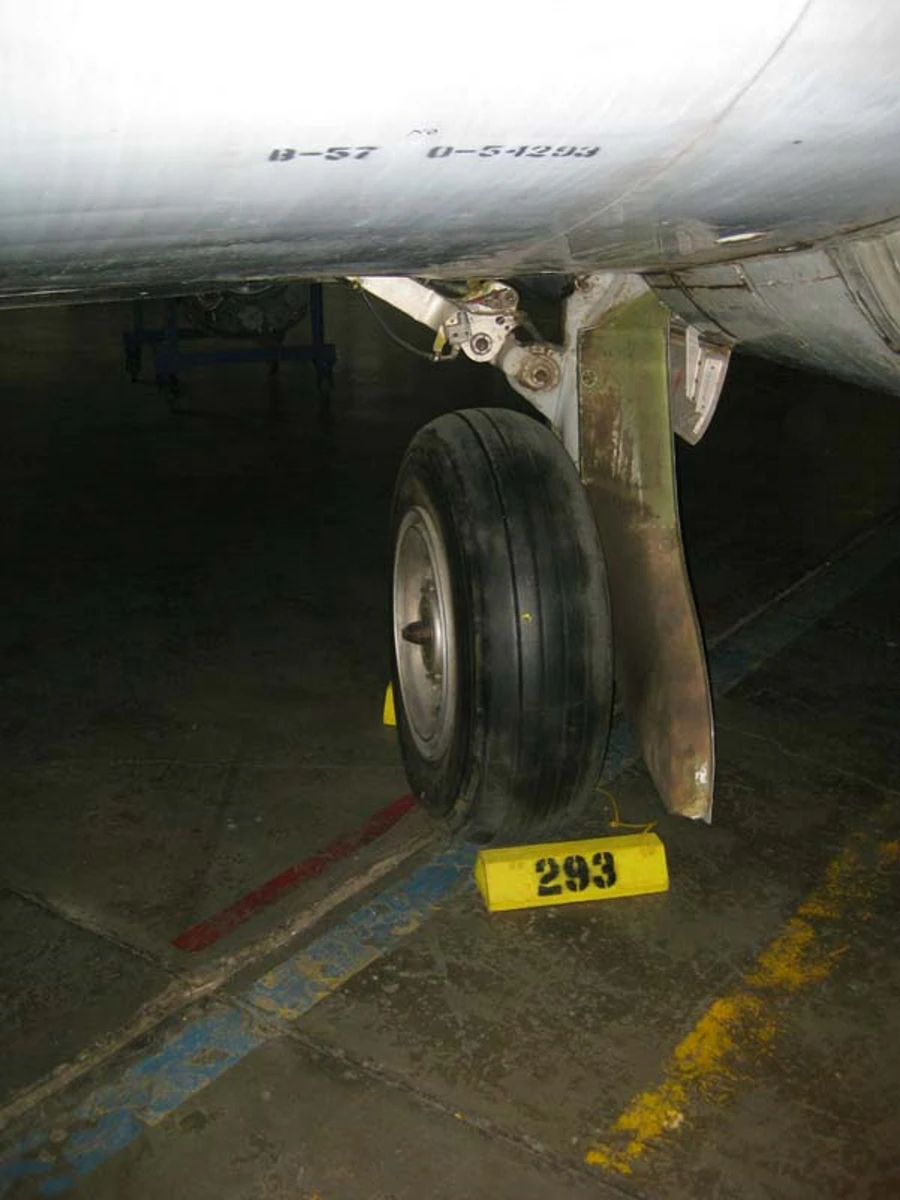
Martin EB-57E Canberra 08
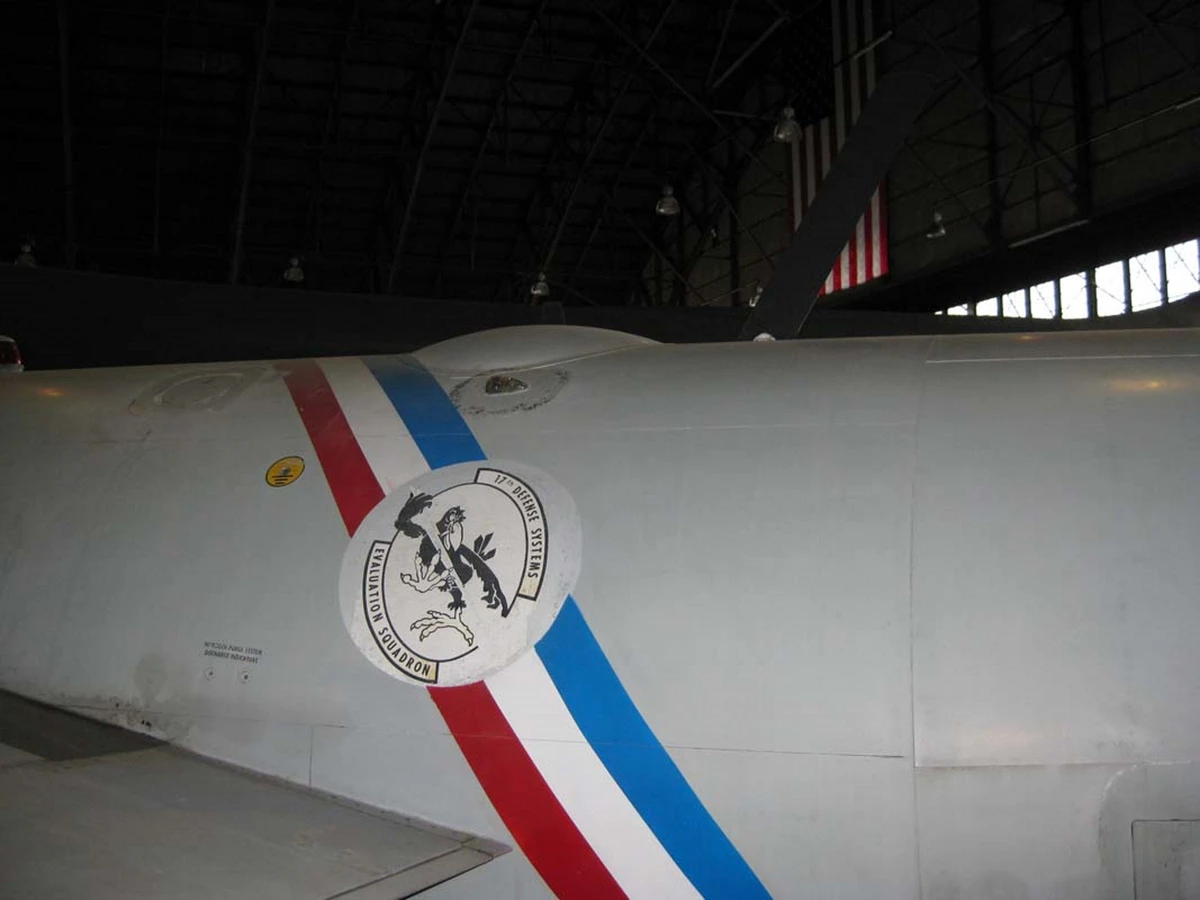
Martin EB-57E Canberra 09
| Martin EB-57E-MA Night Intruder | |
|---|---|
| 摄影师 | 弗拉基米尔·亚库博夫 |
| 本地化 | 城堡阿夫布博物馆 |
| 照片 | 209 |
| Martin RB-57 Canberra Walk Around | |
|---|---|
| 摄影师 | Bill Maloney |
| 本地化 | 未知 |
| 照片 | 21 |
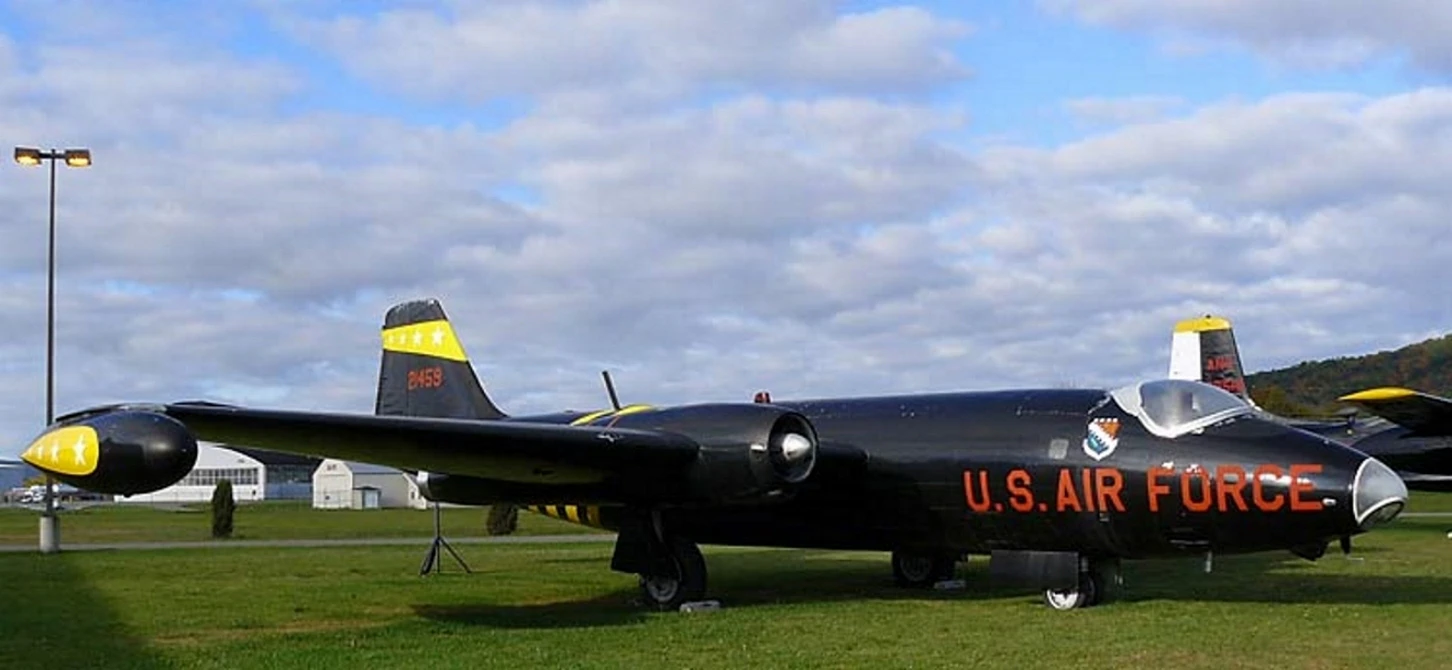
Martin RB-57 Canberra 01
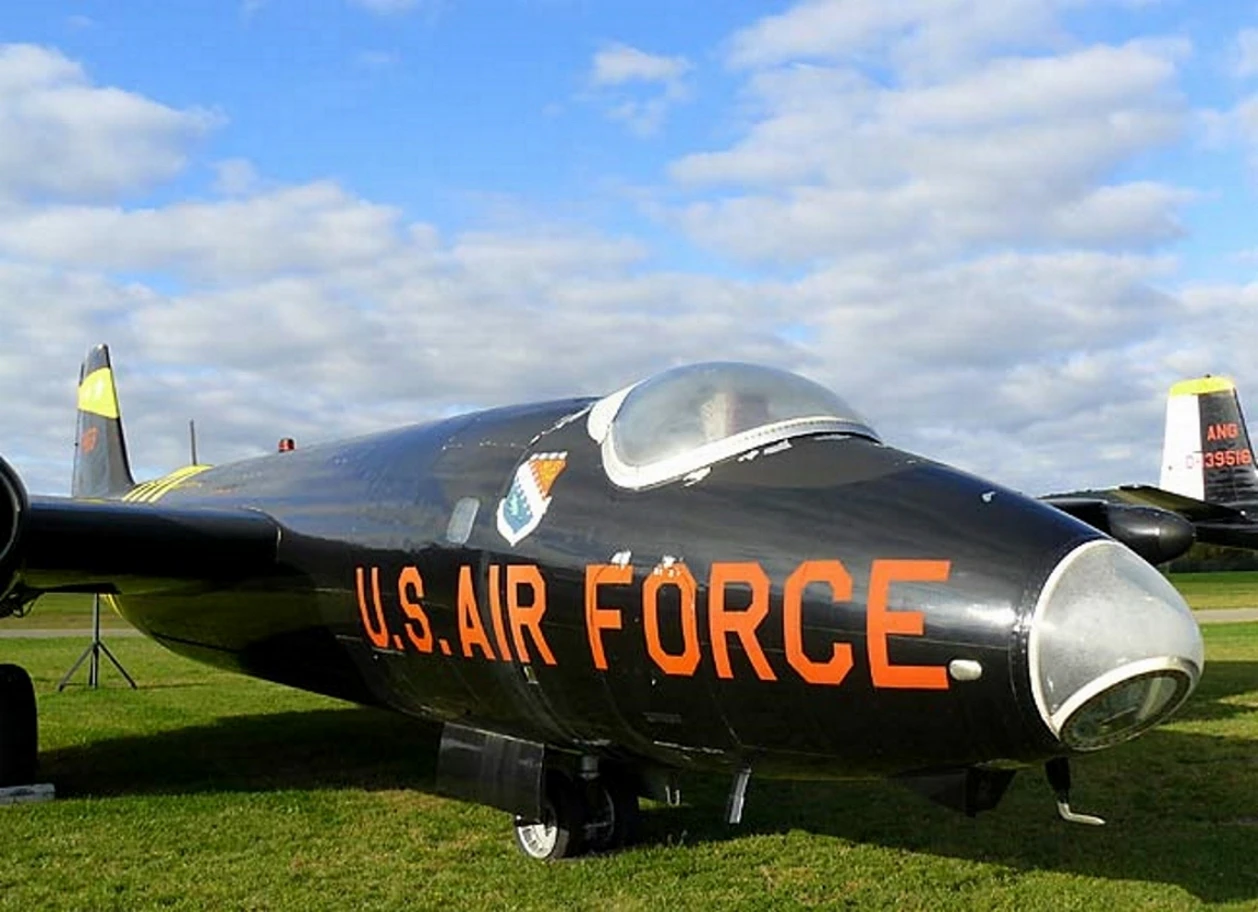
Martin RB-57 Canberra 02
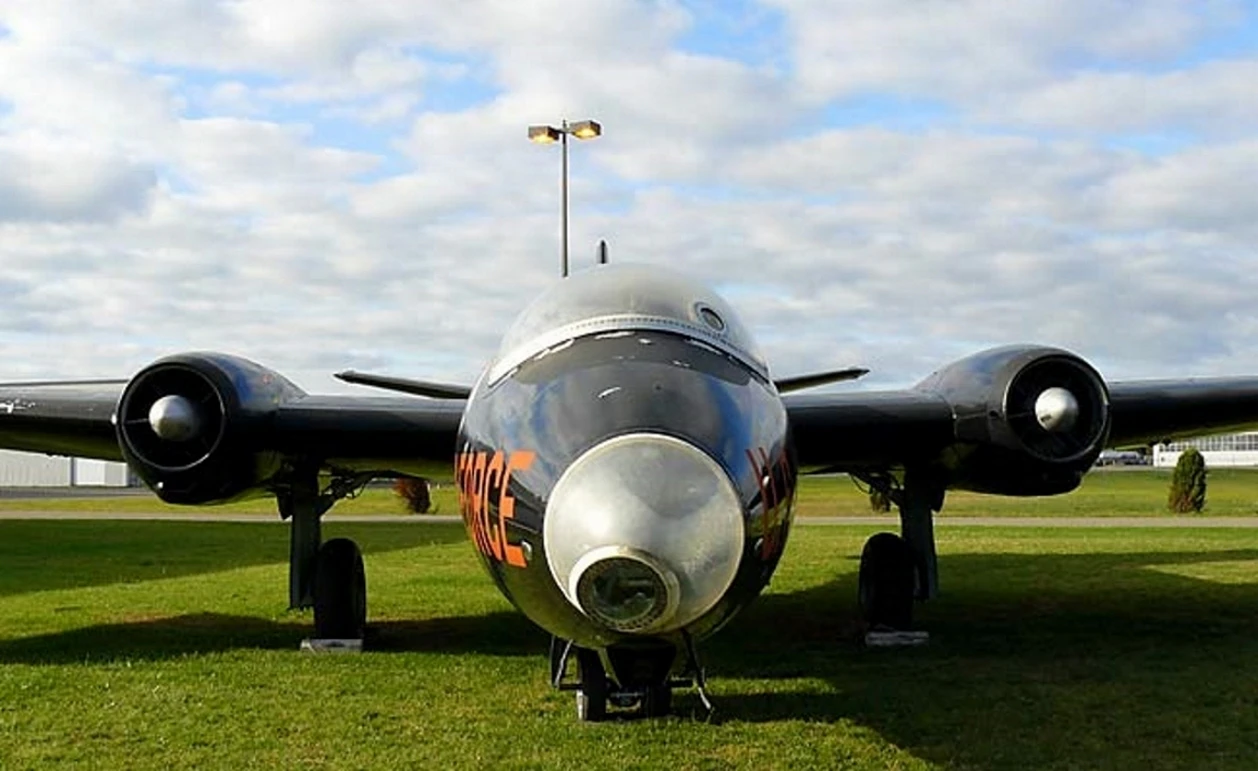
Martin RB-57 Canberra 03
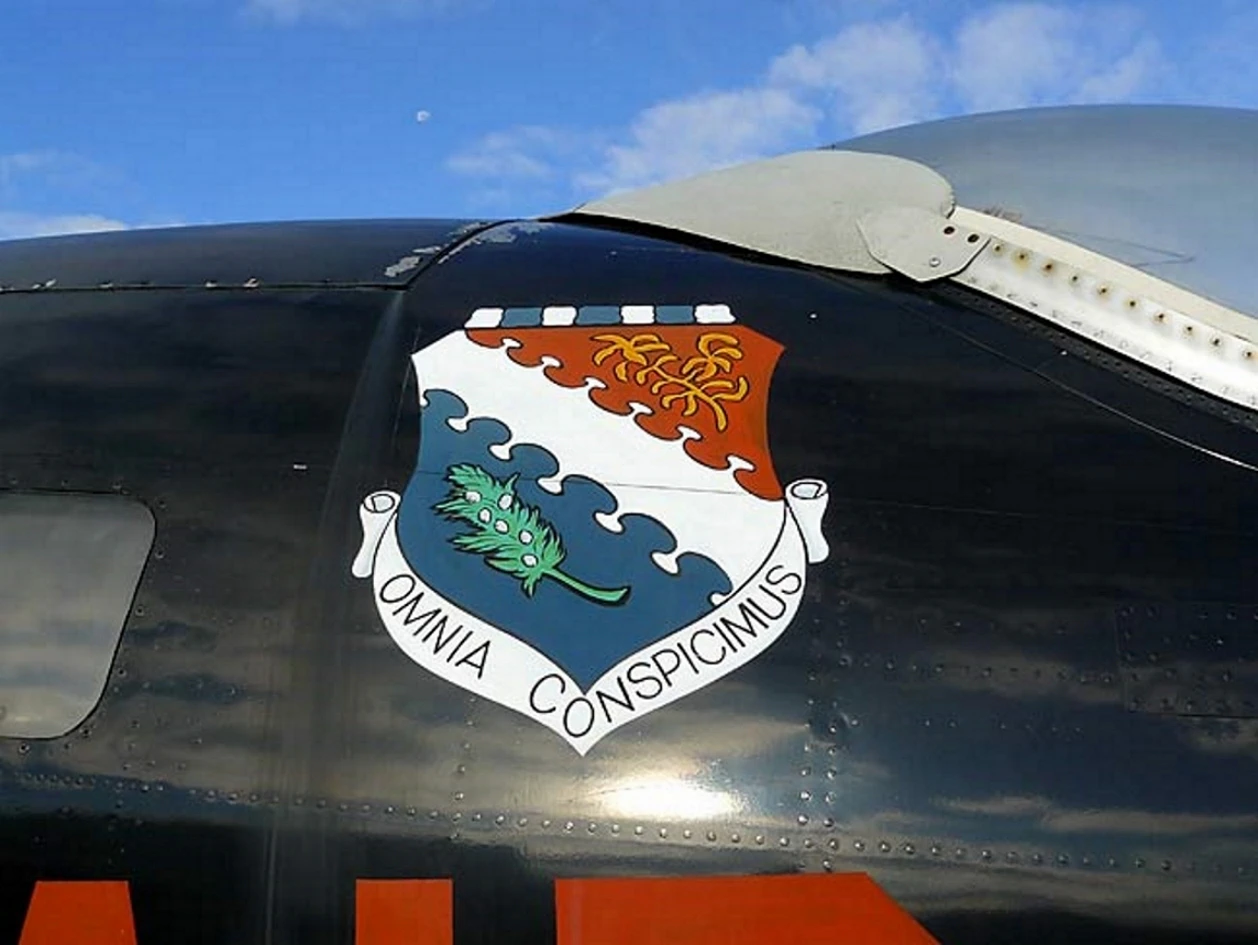
Martin RB-57 Canberra 04
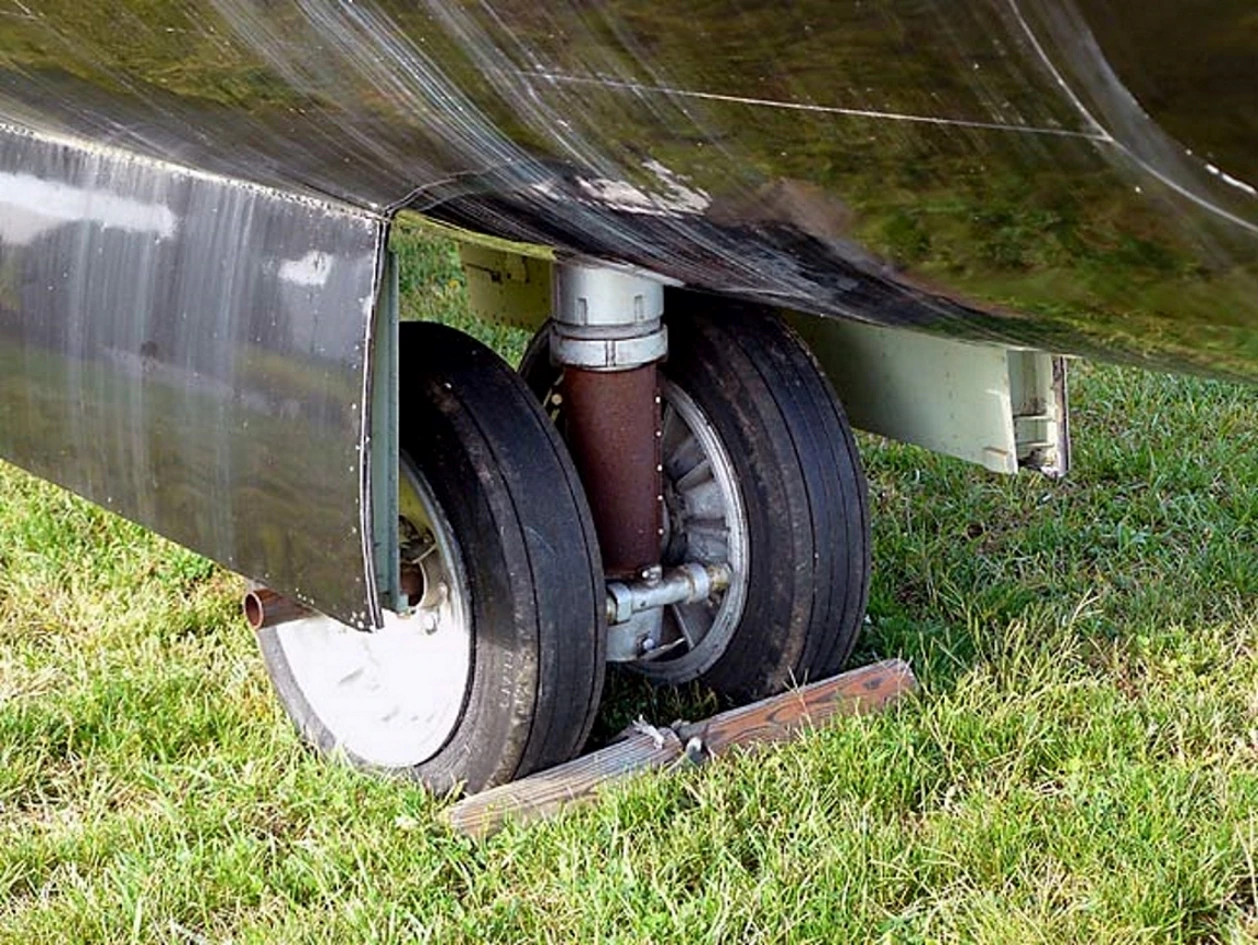
Martin RB-57 Canberra 05
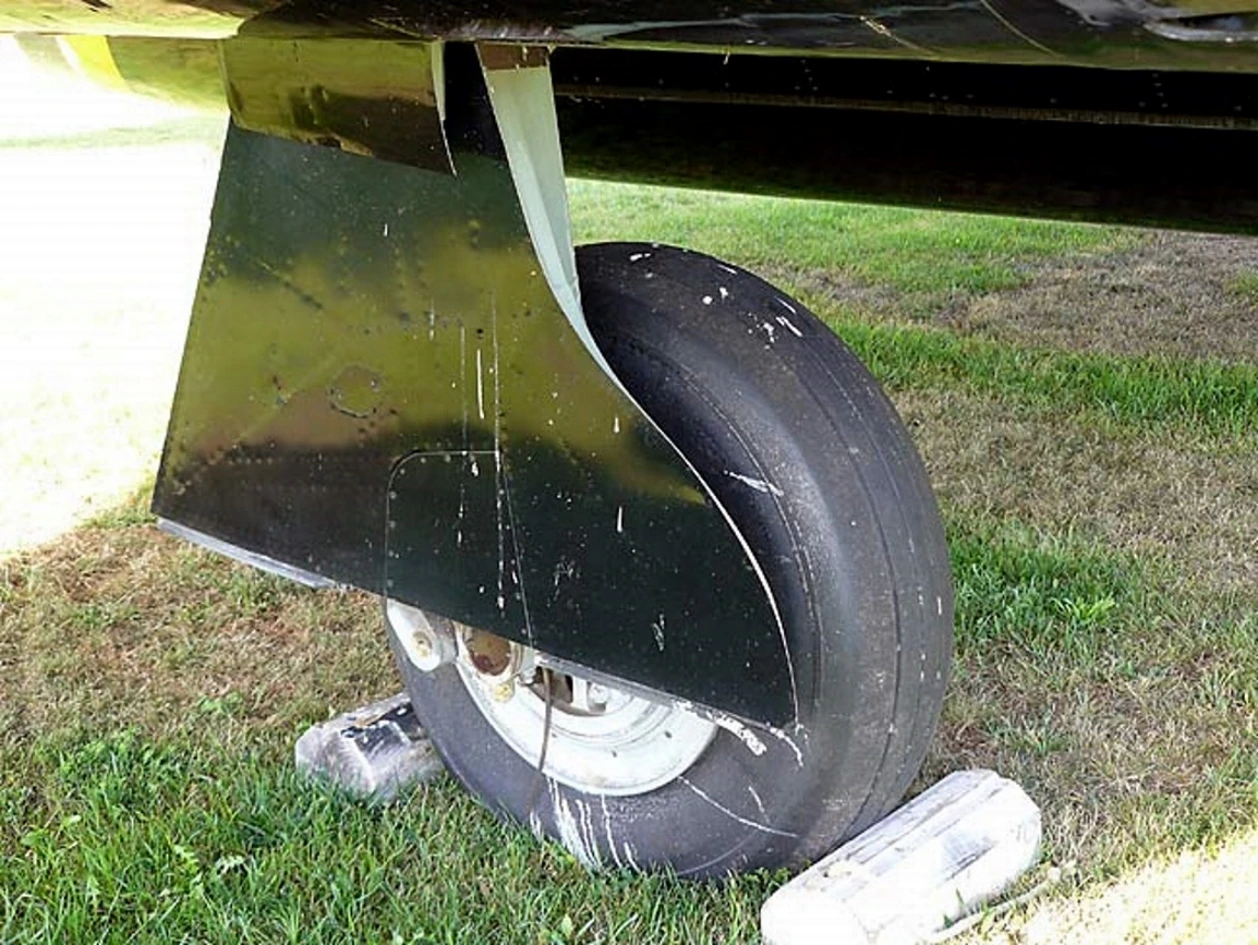
Martin RB-57 Canberra 06
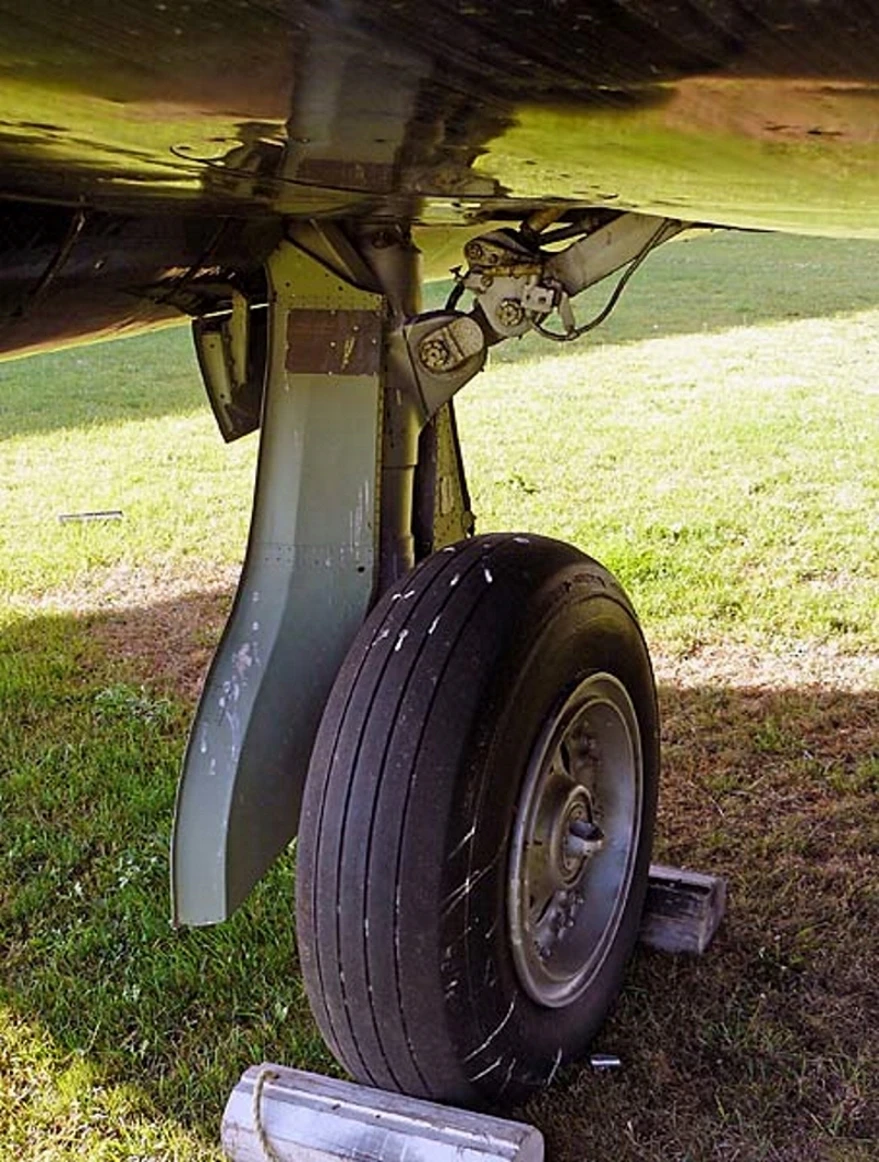
Martin RB-57 Canberra 07
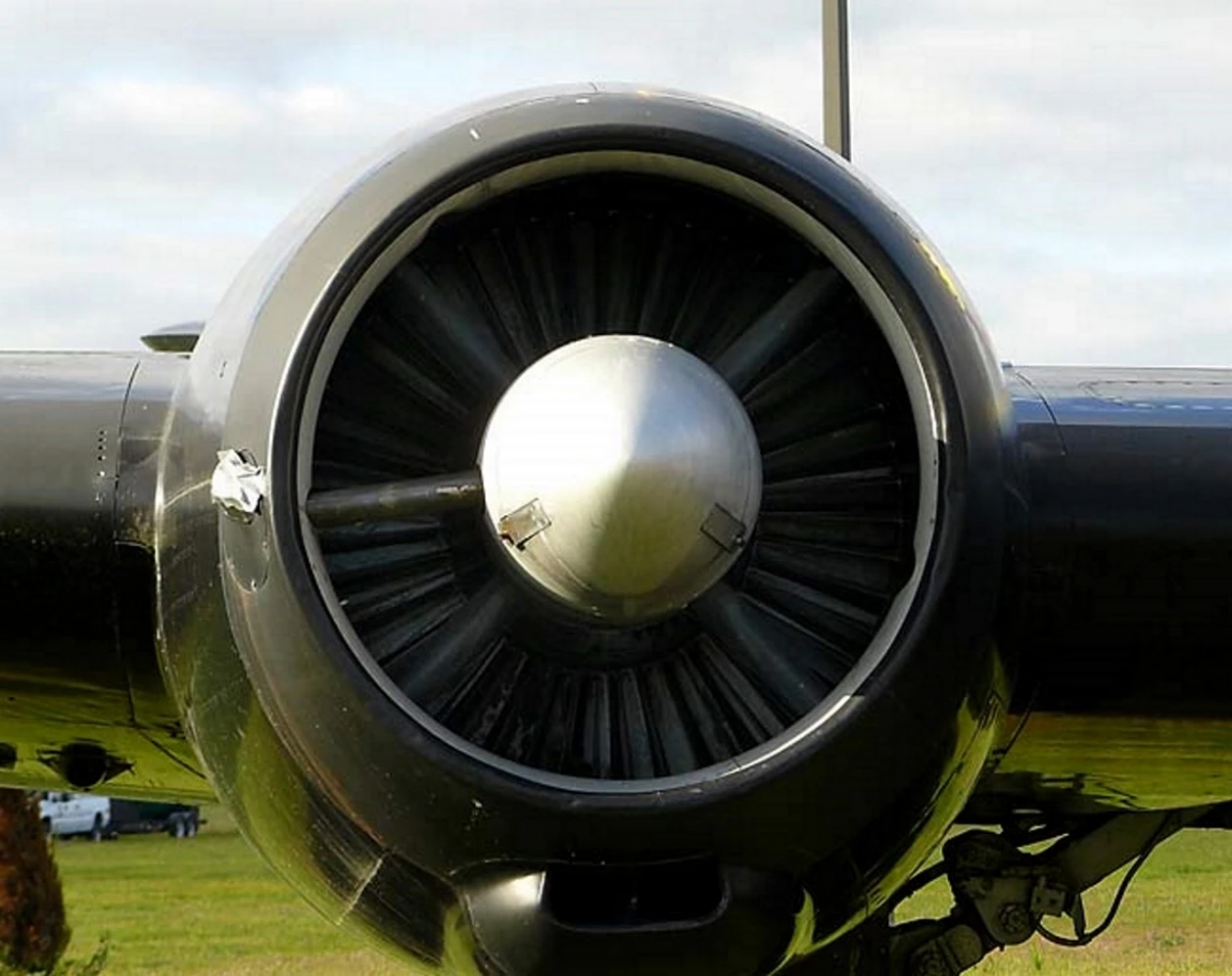
Martin RB-57 Canberra 08
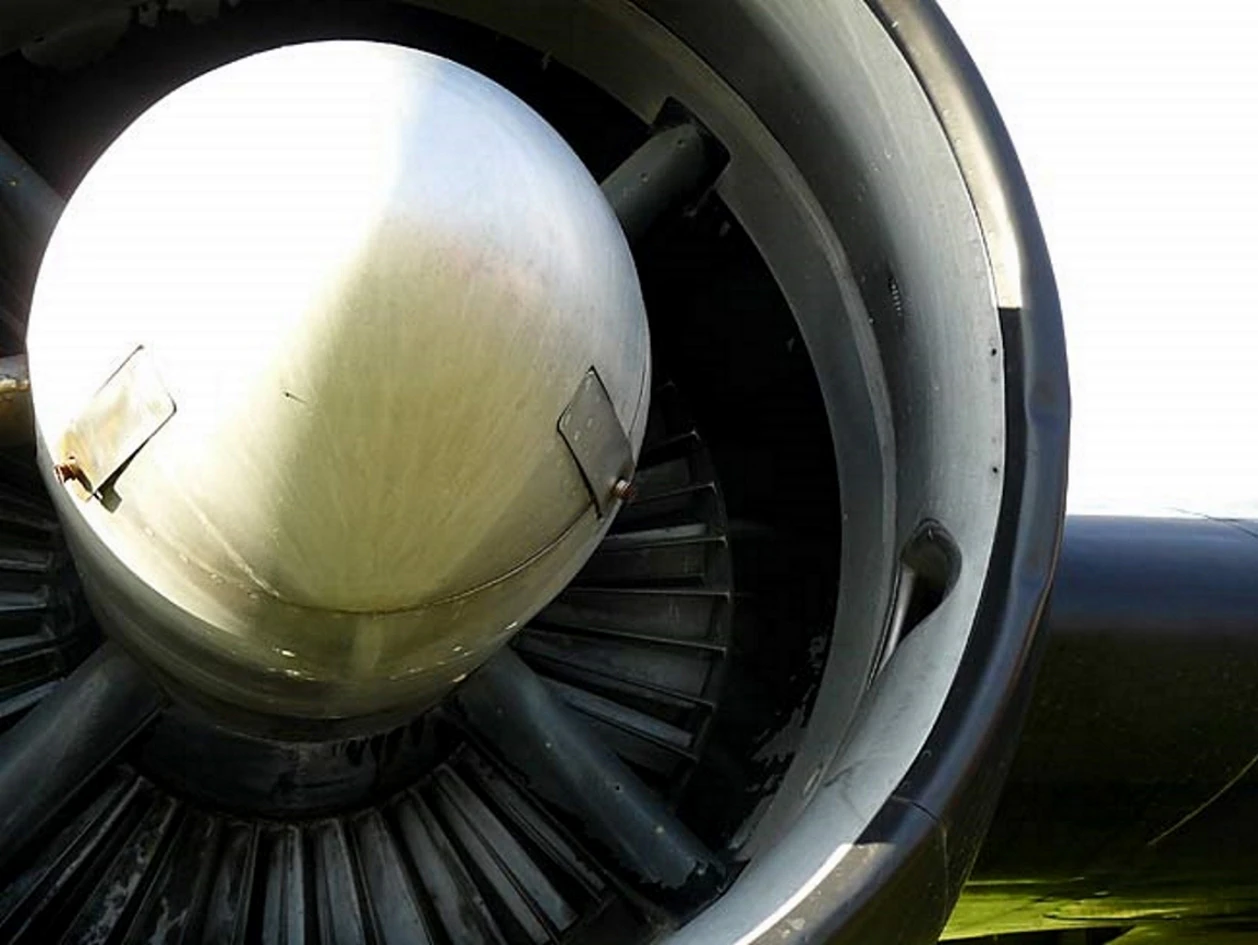
Martin RB-57 Canberra 09
| B-57A Canberra Walk Around | |
|---|---|
| 摄影师 | Michael Benolkin, Ron Dobrzelecki, Martin Sagara |
| 本地化 | 未知 |
| 照片 | 32 |
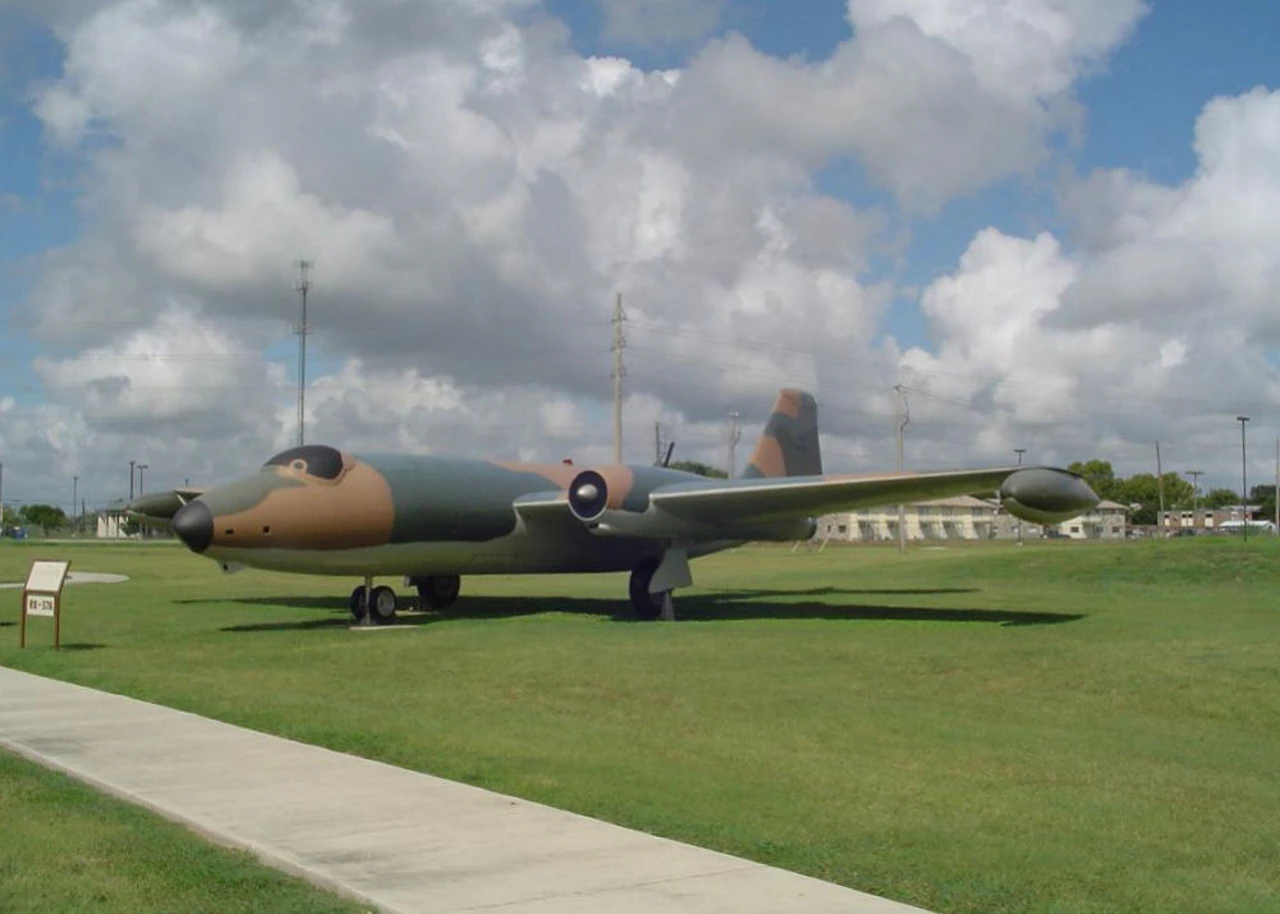
B-57A Canberra 01
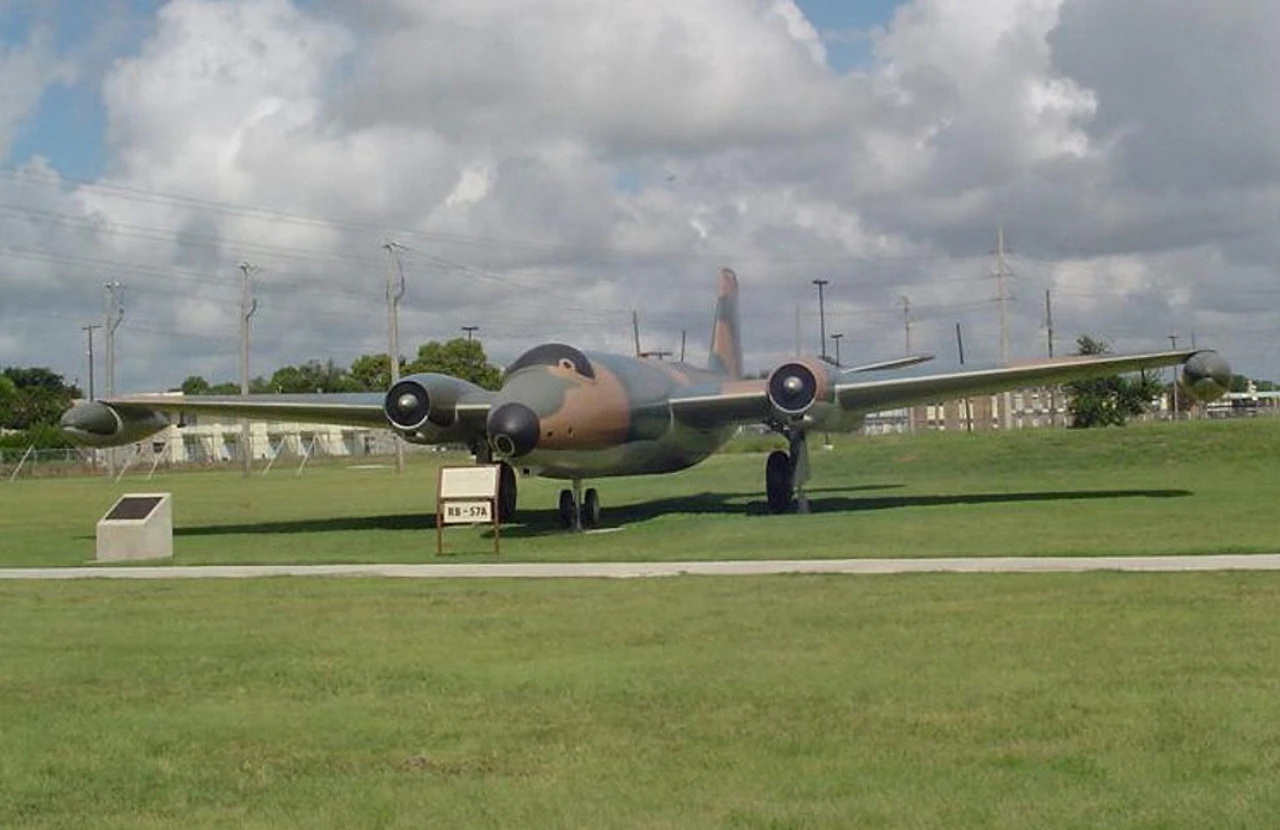
B-57A Canberra 02
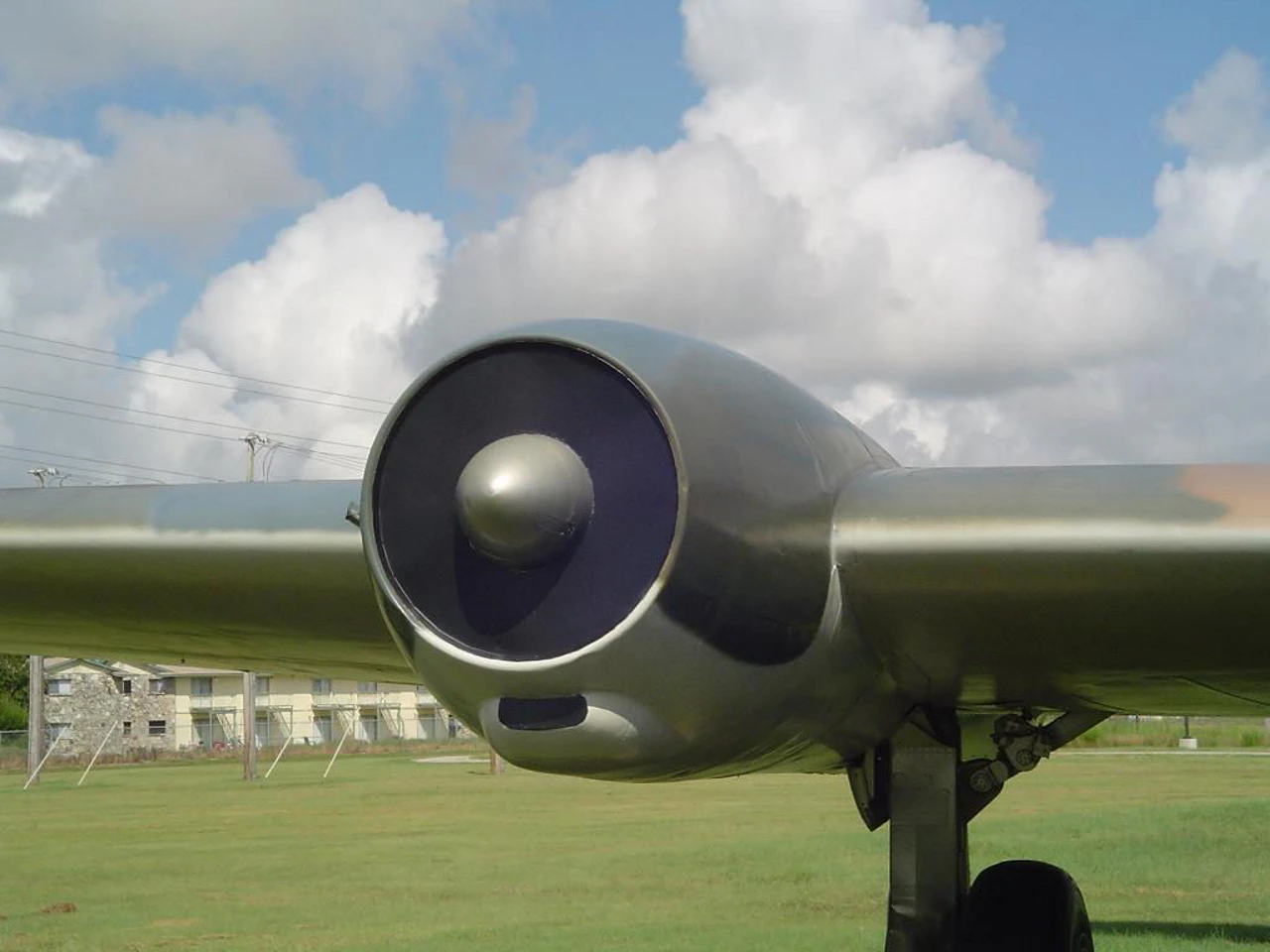
B-57A Canberra 03
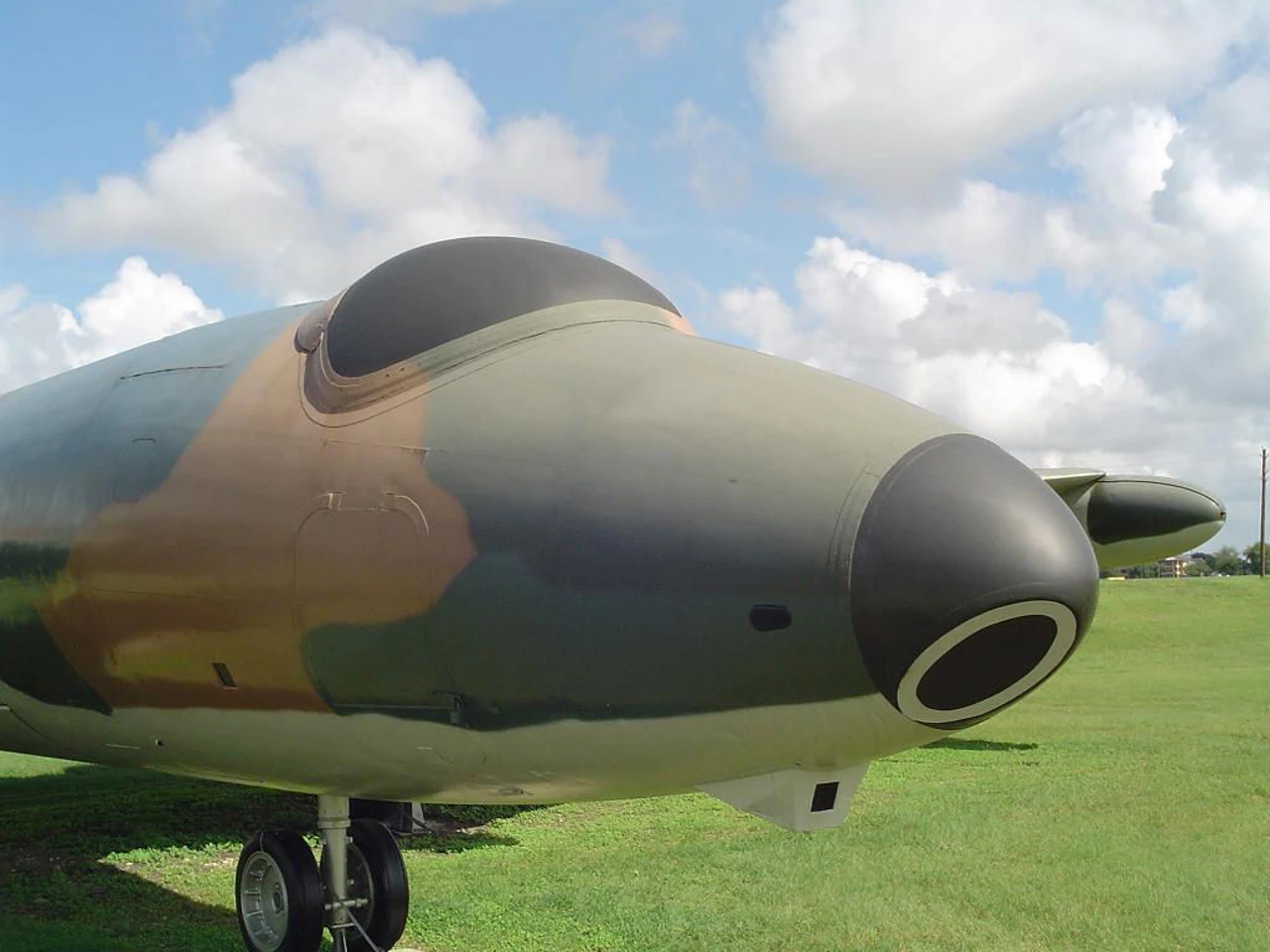
B-57A Canberra 04
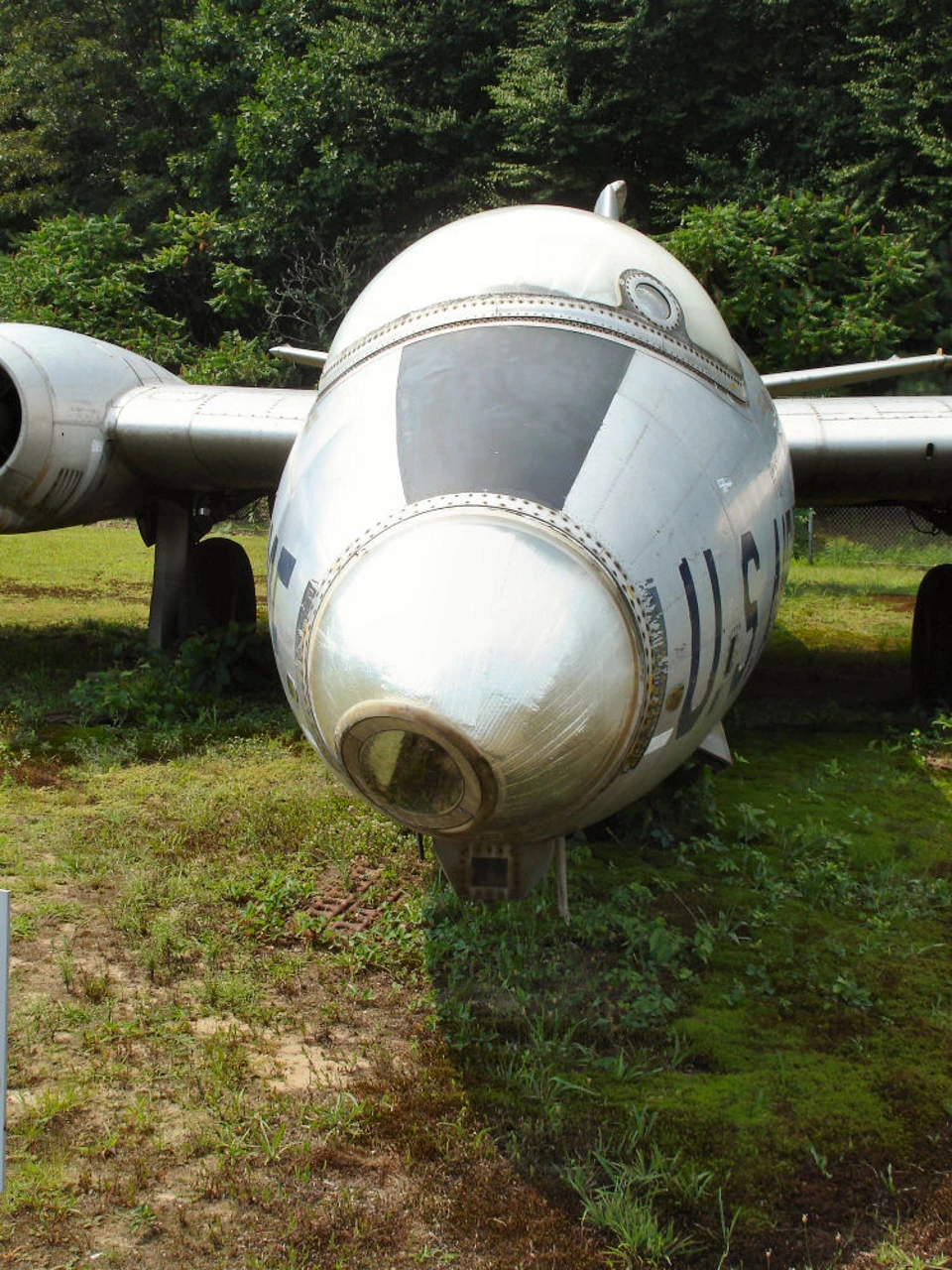
B-57A Canberra 05
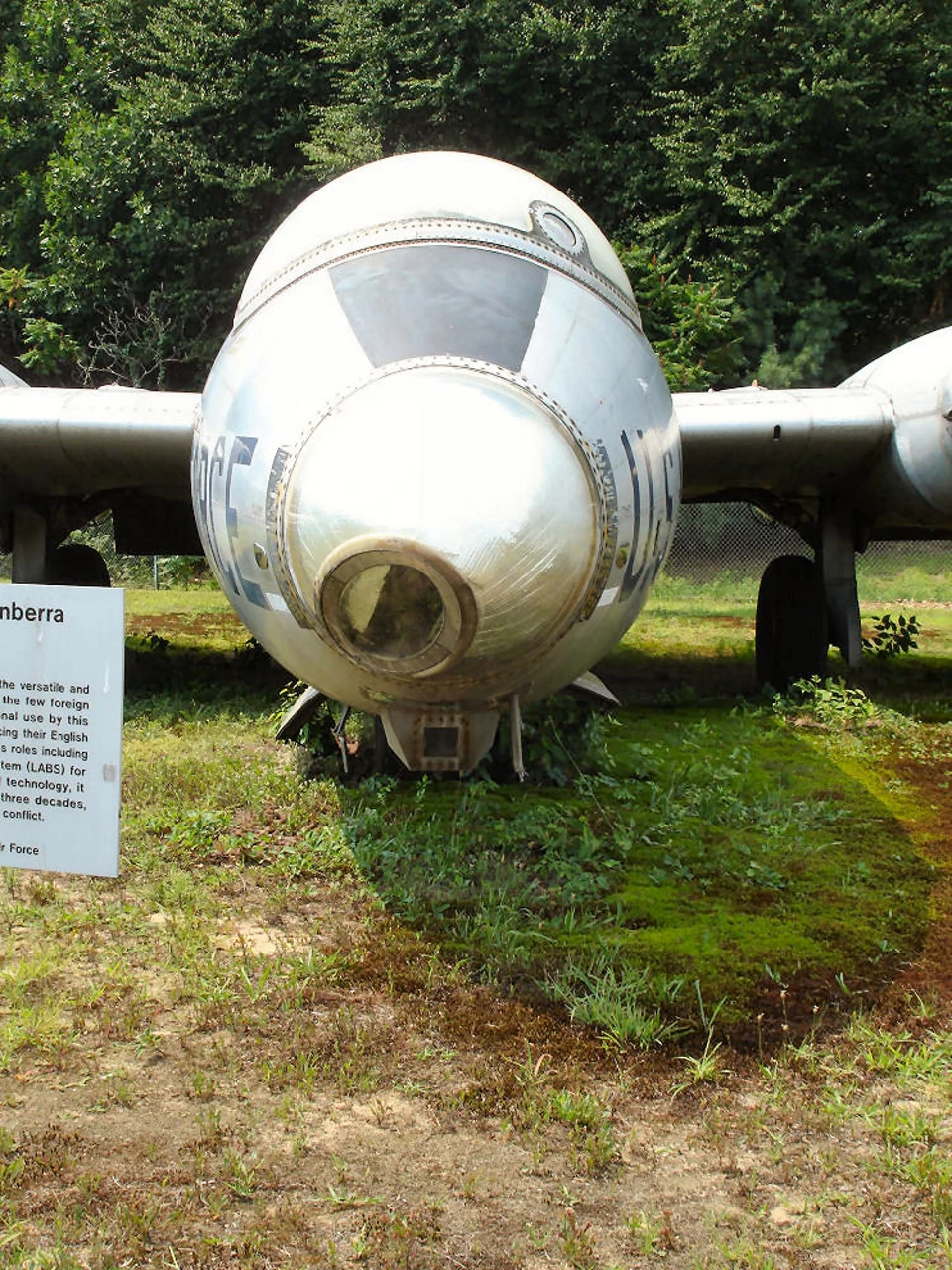
B-57A Canberra 06
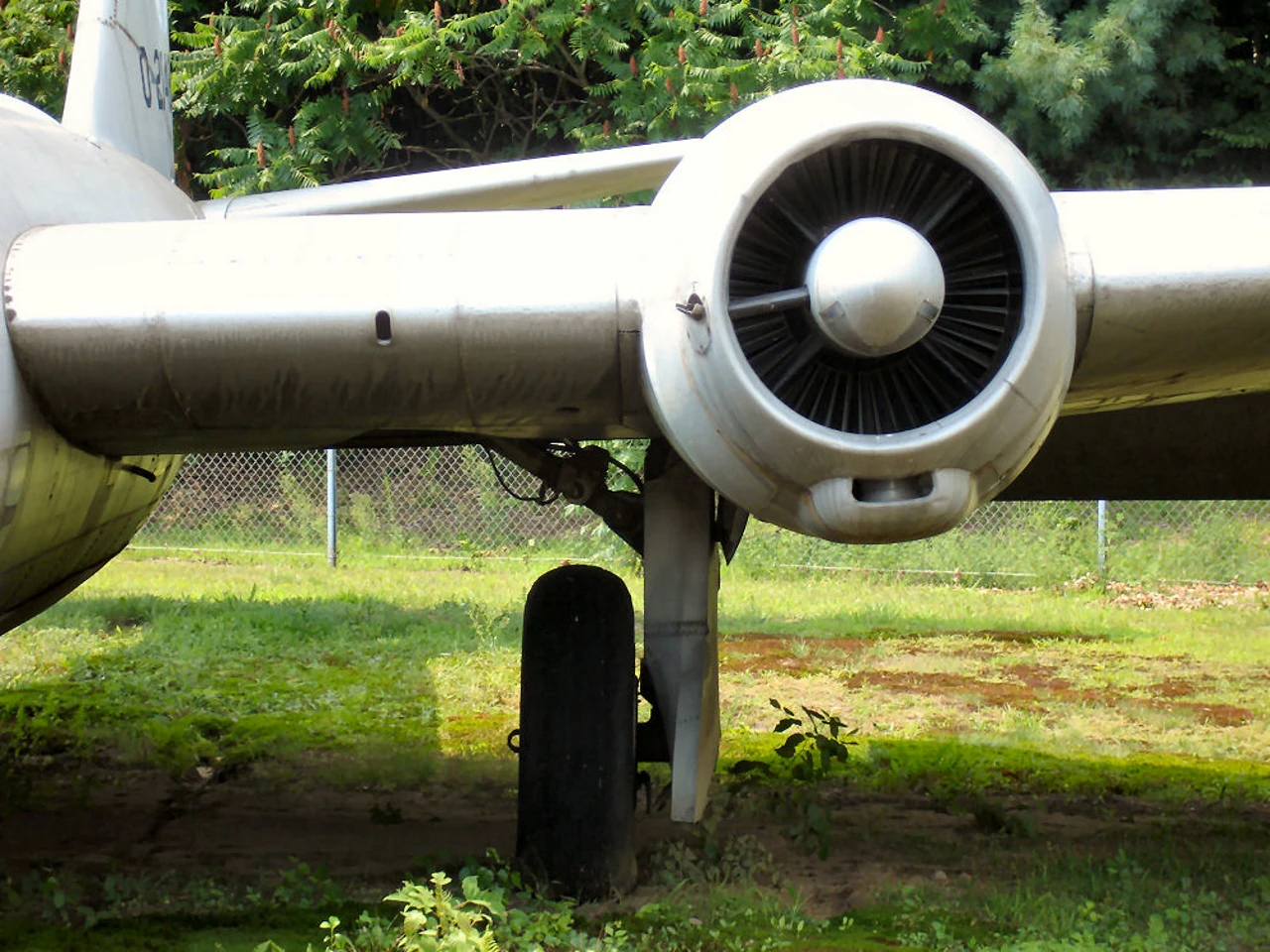
B-57A Canberra 07
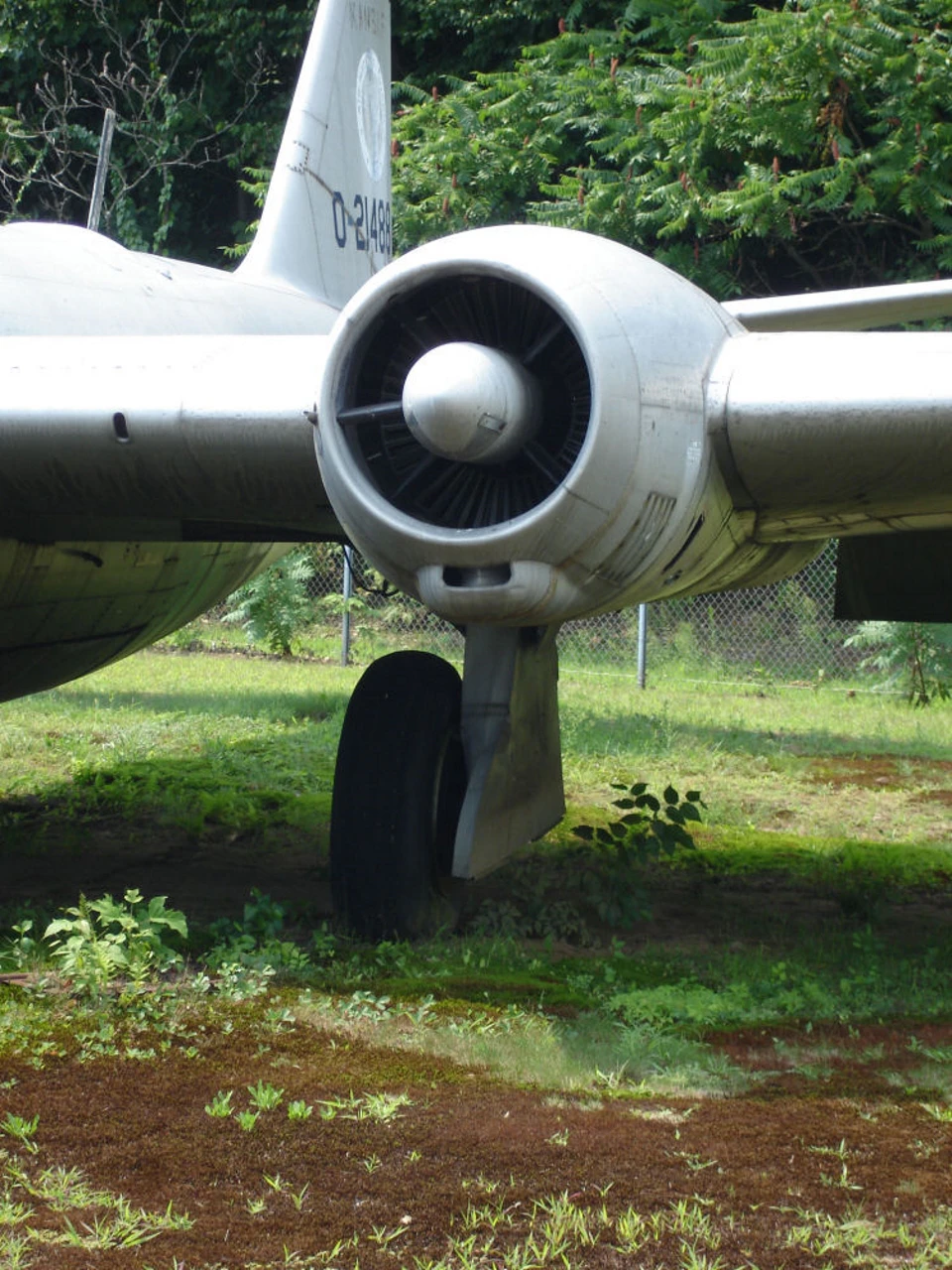
B-57A Canberra 08
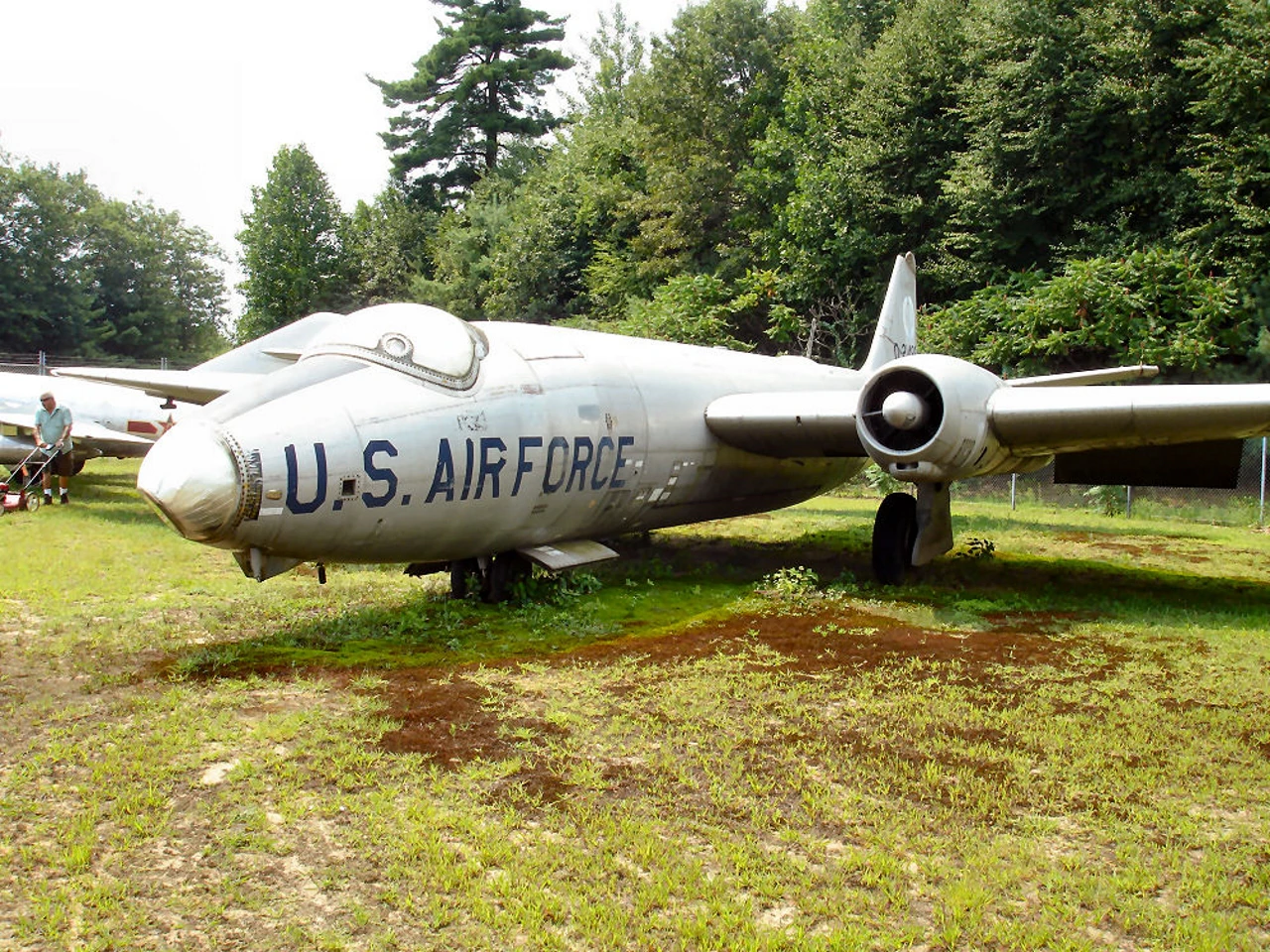
B-57A Canberra 09
| WB-57F Canberra Walk Around | |
|---|---|
| 摄影师 | Fotios Rouch |
| 本地化 | 未知 |
| 照片 | 42 |
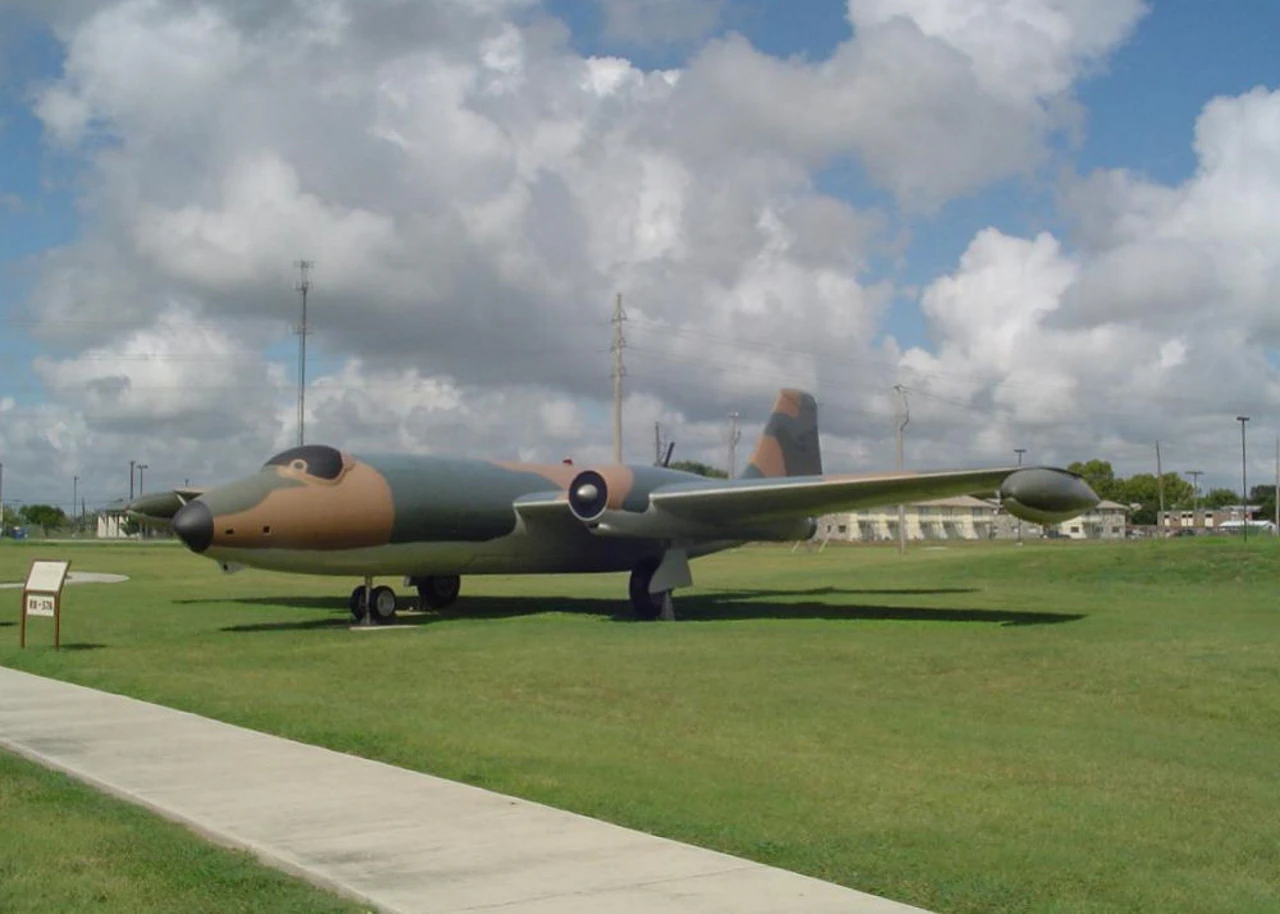
B-57A Canberra 01
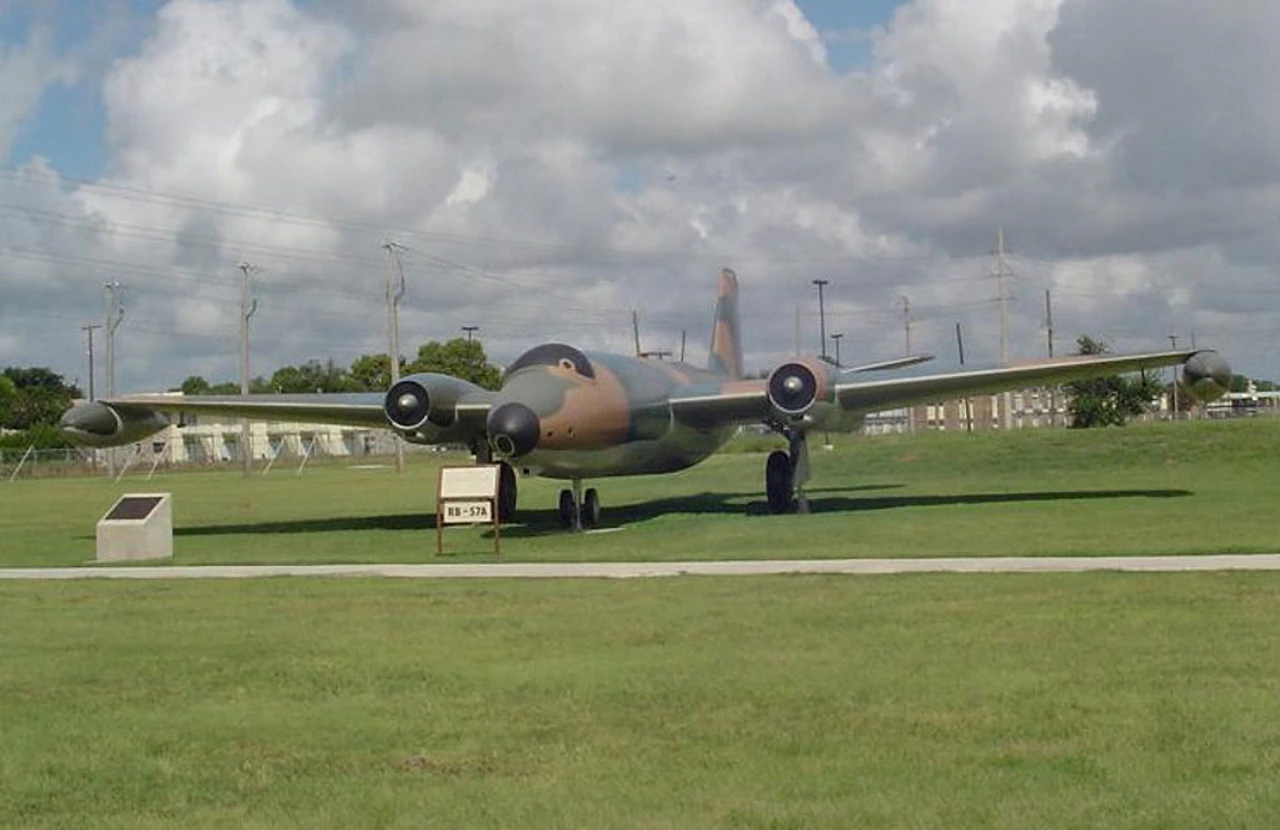
B-57A Canberra 02
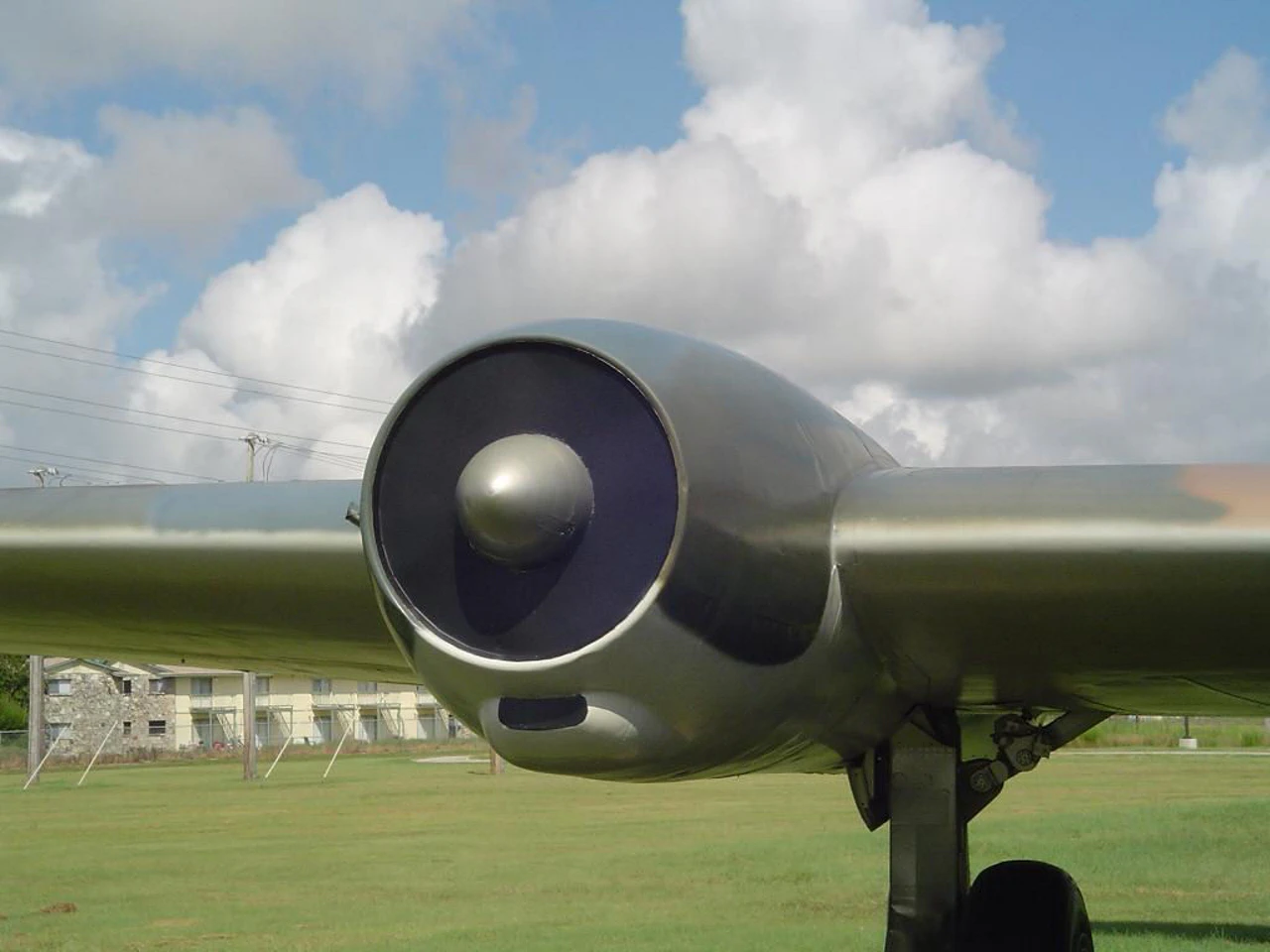
B-57A Canberra 03
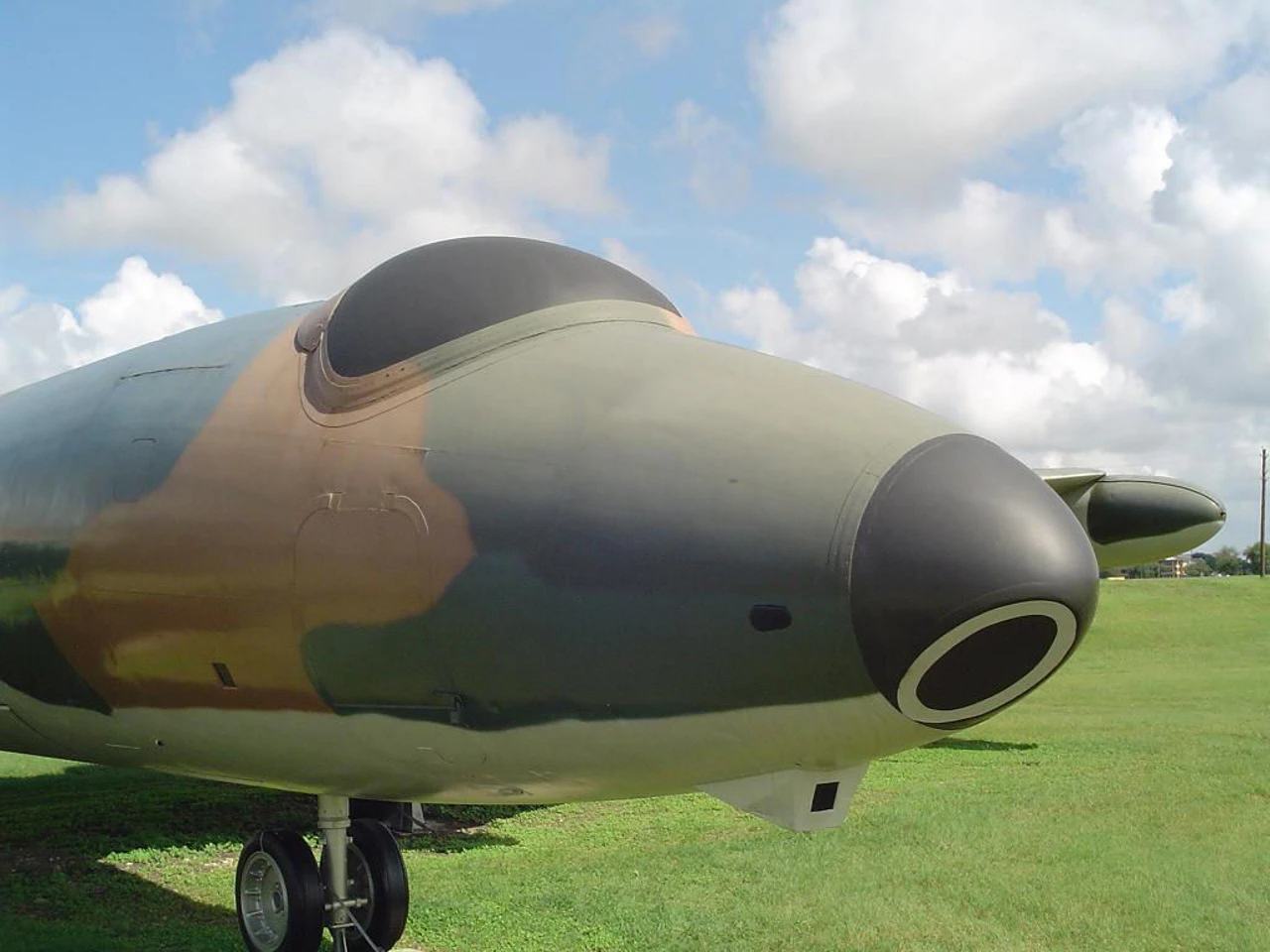
B-57A Canberra 04
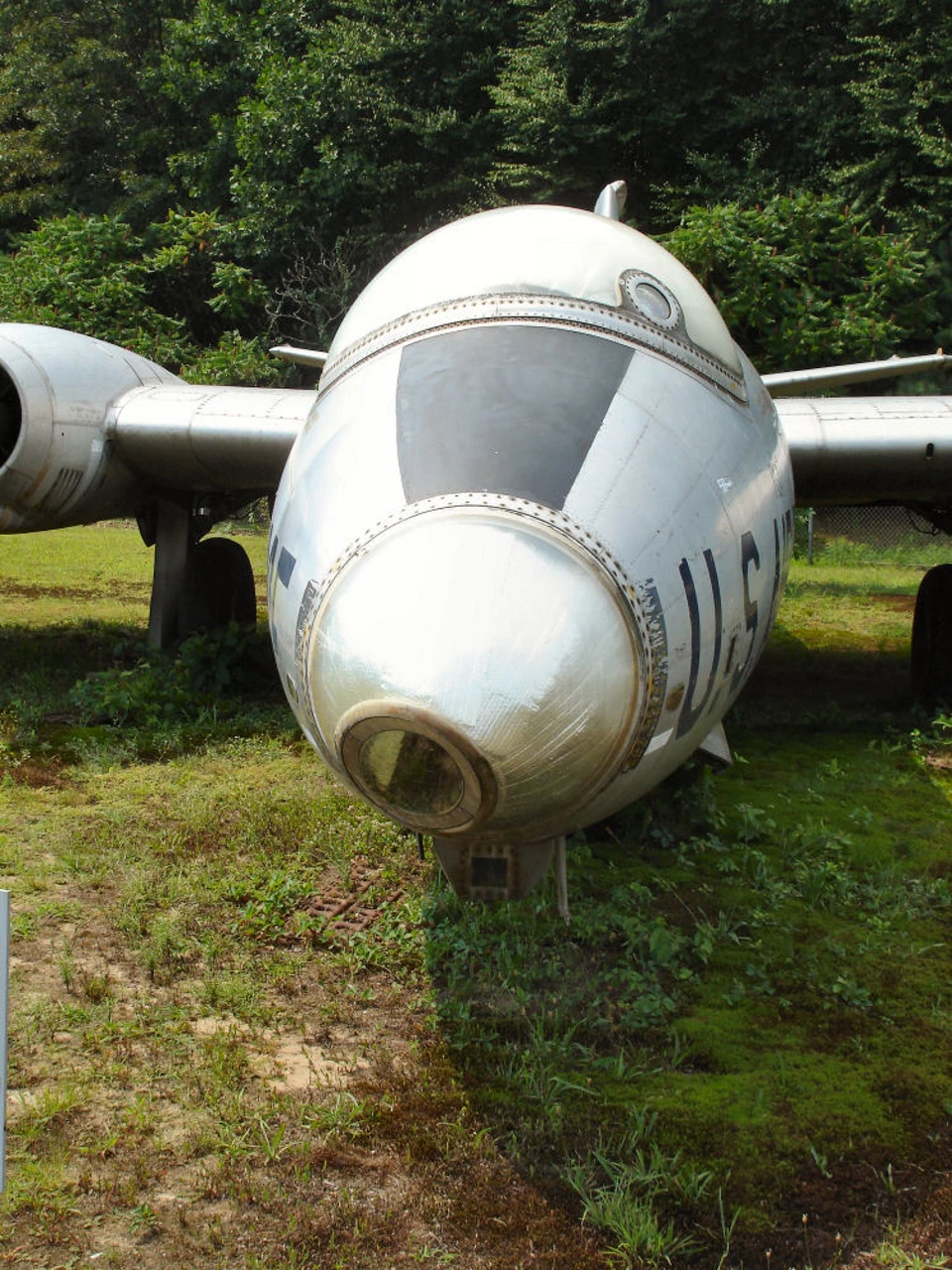
B-57A Canberra 05
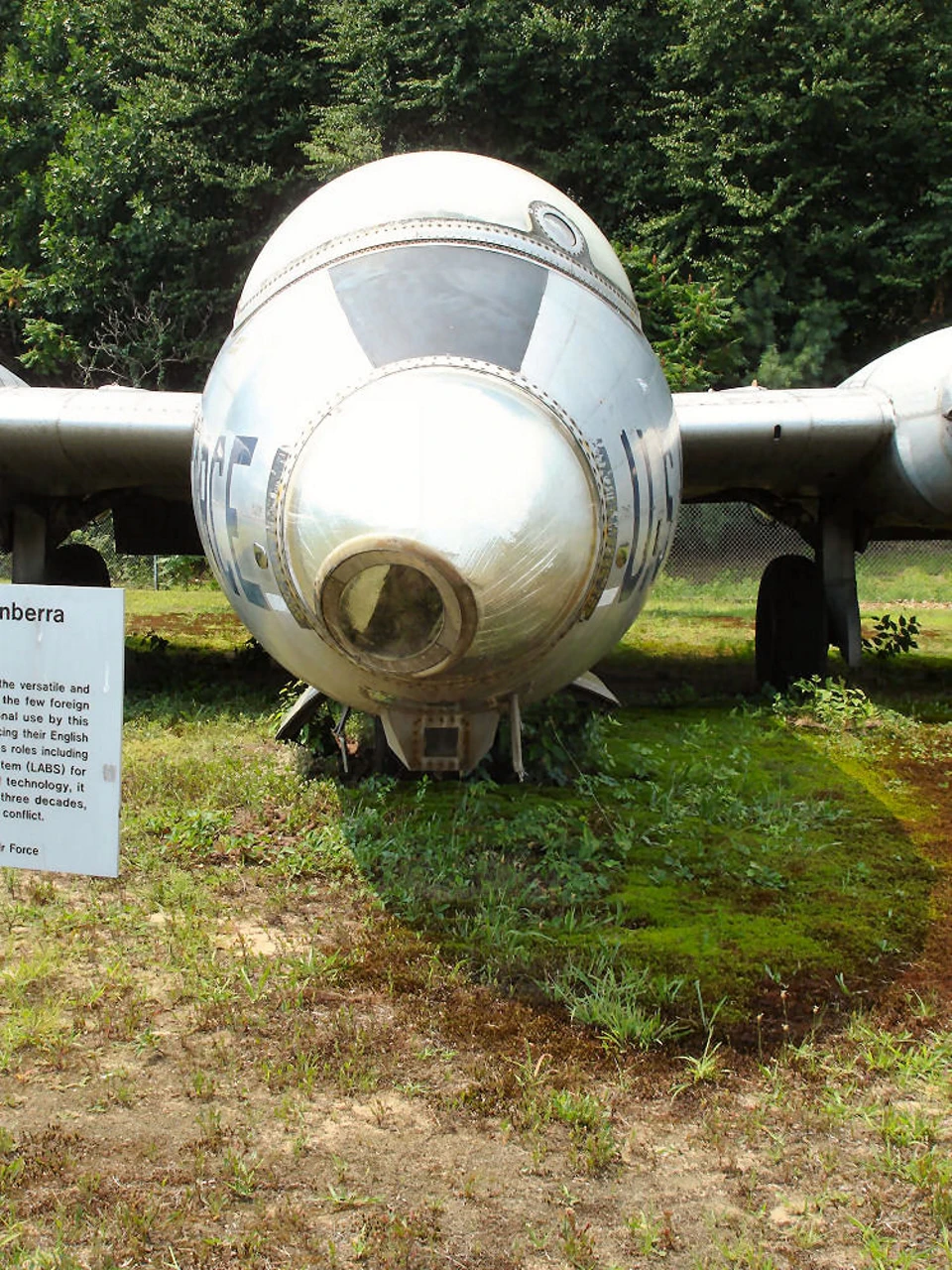
B-57A Canberra 06
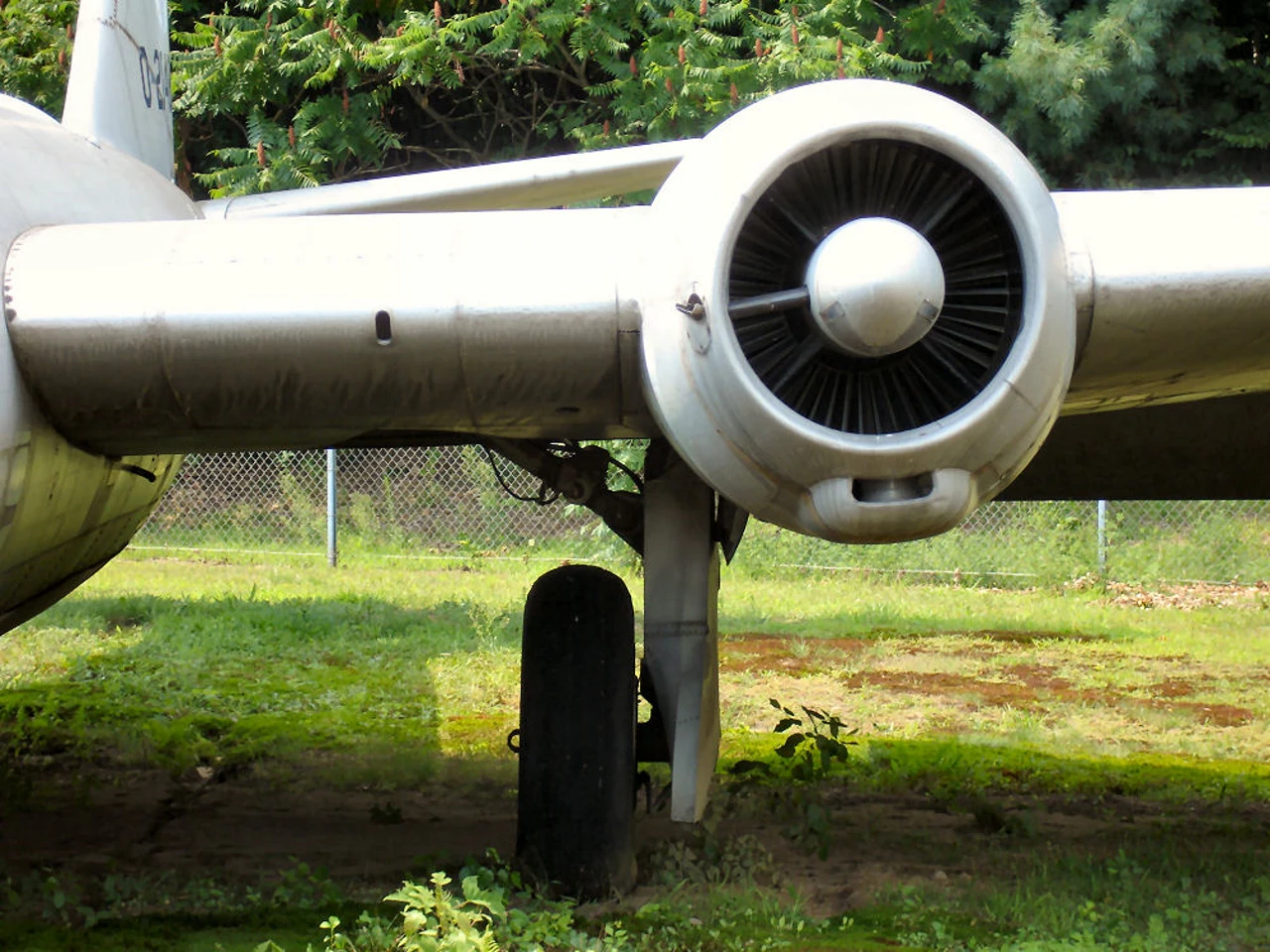
B-57A Canberra 07
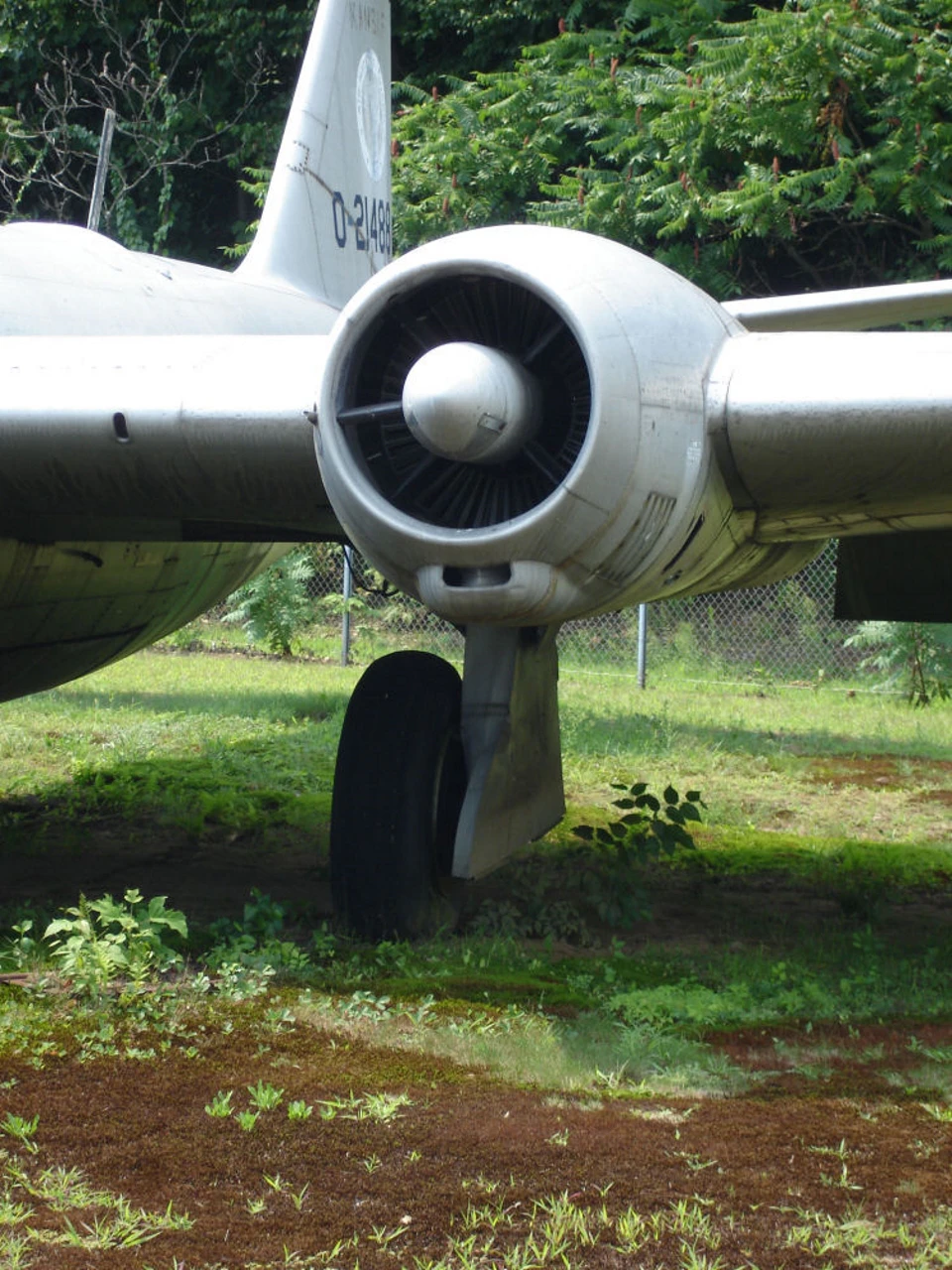
B-57A Canberra 08
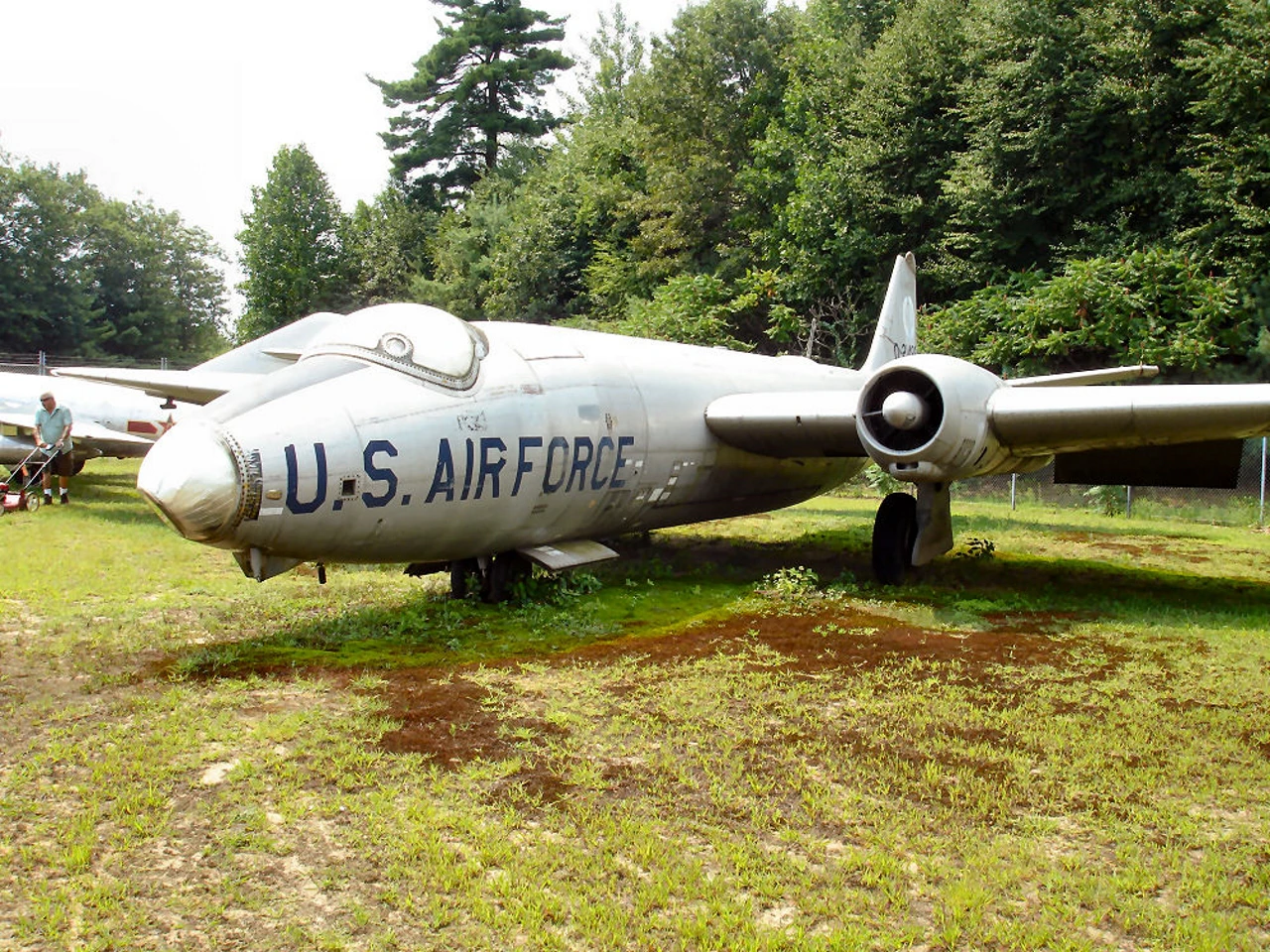
B-57A Canberra 09
另请参阅:


A British thoroughbred with American muscles
这 马丁 B-57 堪培拉 was a rare example of a British aircraft design (the English Electric Canberra) being licensed and mass-produced in the United States. While it excelled as a tactical bomber and “night intruder,” the EB-57B was a specialized electronic warfare (EW) conversion. These aircraft were packed with jammers and sensors, used primarily to train air defense crews by simulating enemy electronic attacks—blinding radars and disrupting communications to keep the “defenders” sharp.
| Attribute | Technical Specification (EB-57B) |
|---|---|
| 作用 | Electronic Warfare / Aggressor Trainer |
| 船员 | 2 (Pilot and Electronic Warfare Officer / EWO) |
| First Flight (B-57A) | July 20, 1953 |
| 动力装置 | 2 × Wright J65-W-5 turbojets |
| Thrust | 7,220 lbf (32.1 kN) per engine |
| 最高速度 | 580 mph (930 km/h) |
| 范围 | 2,700 miles (4,345 km) |
| Special Equipment | Internal jammers, chaff dispensers, and wing-mounted ECM pods |
Design Features: The Art of Jamming
- The “Tandem” Cockpit: Unlike the original British version where the navigator sat in a dark hole in the fuselage, Martin redesigned the B-57B with a fighter-style tandem cockpit under a long, continuous canopy. This gave the Electronic Warfare Officer (EWO) better situational awareness.
- Rotary Bomb Bay: The B-57 featured a unique rotary bomb bay door. On the EB-57B, instead of bombs, this bay often housed massive internal electronic jamming suites and cooling systems for the high-powered vacuum tubes of the era.
- Wing-Mounted ECM Pods: To expand its frequency coverage, the EB-57B frequently carried specialized Electronic Countermeasures (ECM) pods on its underwing pylons, allowing it to simulate a wide variety of Soviet radar-interference signatures.
- Wright J65 Engines: The US versions swapped the British Rolls-Royce Avons for the Wright J65 (a licensed Armstrong Siddeley Sapphire). These provided excellent low-altitude performance, essential for the B-57’s original mission as a “night intruder.”
Cold War Service & The “Aggressors”
- Electronic Aggressor Squadrons: The EB-57B was the backbone of the 17th and 19th Defense Systems Evaluation Squadrons. They flew against US and NATO radar sites to find “holes” in the defense network and train operators to “burn through” enemy jamming.
- Vietnam Service: While the EB-57B was a trainer, its bomber brother, the B-57B, was a legend in Vietnam, notably during the “Patricia Lynn” reconnaissance missions and as the first US jet bomber to be deployed to the conflict.
- Longevity: The Canberra airframe was so robust that some highly modified versions (WB-57F) are still flying today for NASA, used for high-altitude atmospheric research and satellite sensor testing.
- The “Whistling Wheelbarrow”: Ground crews gave the Canberra this nickname due to the high-pitched whine of its engines at idle and its tricycle landing gear configuration.
视图 : 9082

马丁EB-57B堪培拉的新一组81张照片