海因克尔·何 219 | |
|---|---|
| 国家 | 纳粹德国 |
| 作用 | 夜间战斗机 |
| 首次飞行 | 1942年11月6日 |
| 建立 | 300 |
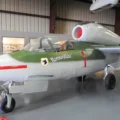
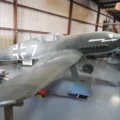
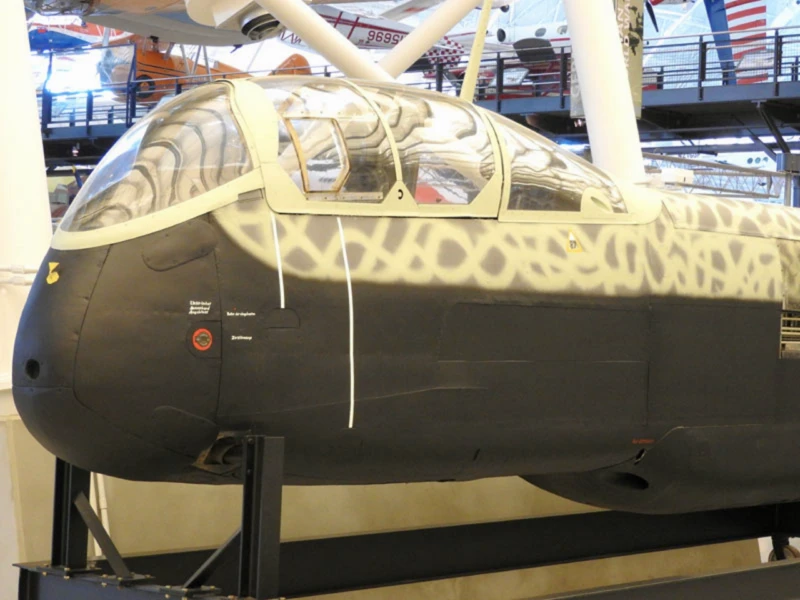
这 海因克尔·何 219 乌胡 ("鹰猫头鹰")是一名夜间战斗机,在第二次世界大战后期与德国拉夫特瓦夫一起服役。He 219 设计相对复杂,拥有多种创新,包括利希滕斯坦 SN-2 先进的 VHF 波段拦截雷达,也用于 Ju 88G 和 Bf 110G 夜间战斗机。这也是第一架配备弹射座椅的作战军用飞机,也是德国第一架配备三轮车起落架的二战时期作战飞机。如果乌胡号数量充足,它可能对皇家空军的战略夜间轰炸攻势产生重大影响:但是,只有294种型号是在战争结束前建造的,而且这些型号的服役时间有限。恩斯特 - 威廉 · 莫德罗是 He 219 的领先夜间战斗机王牌。莫德罗在34场夜间空中胜利中获得了33场胜利。
源: 海因克尔他219维基百科
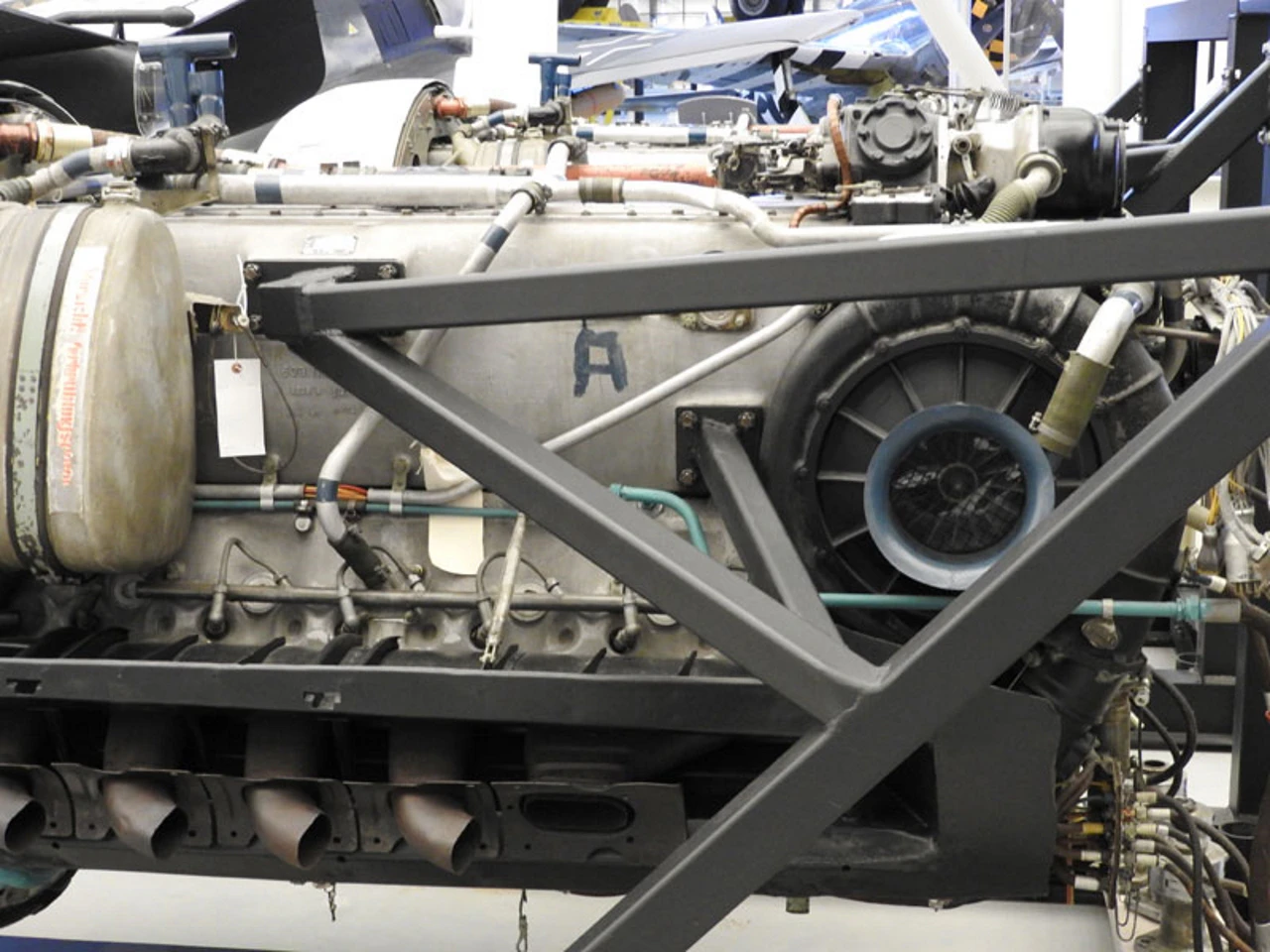
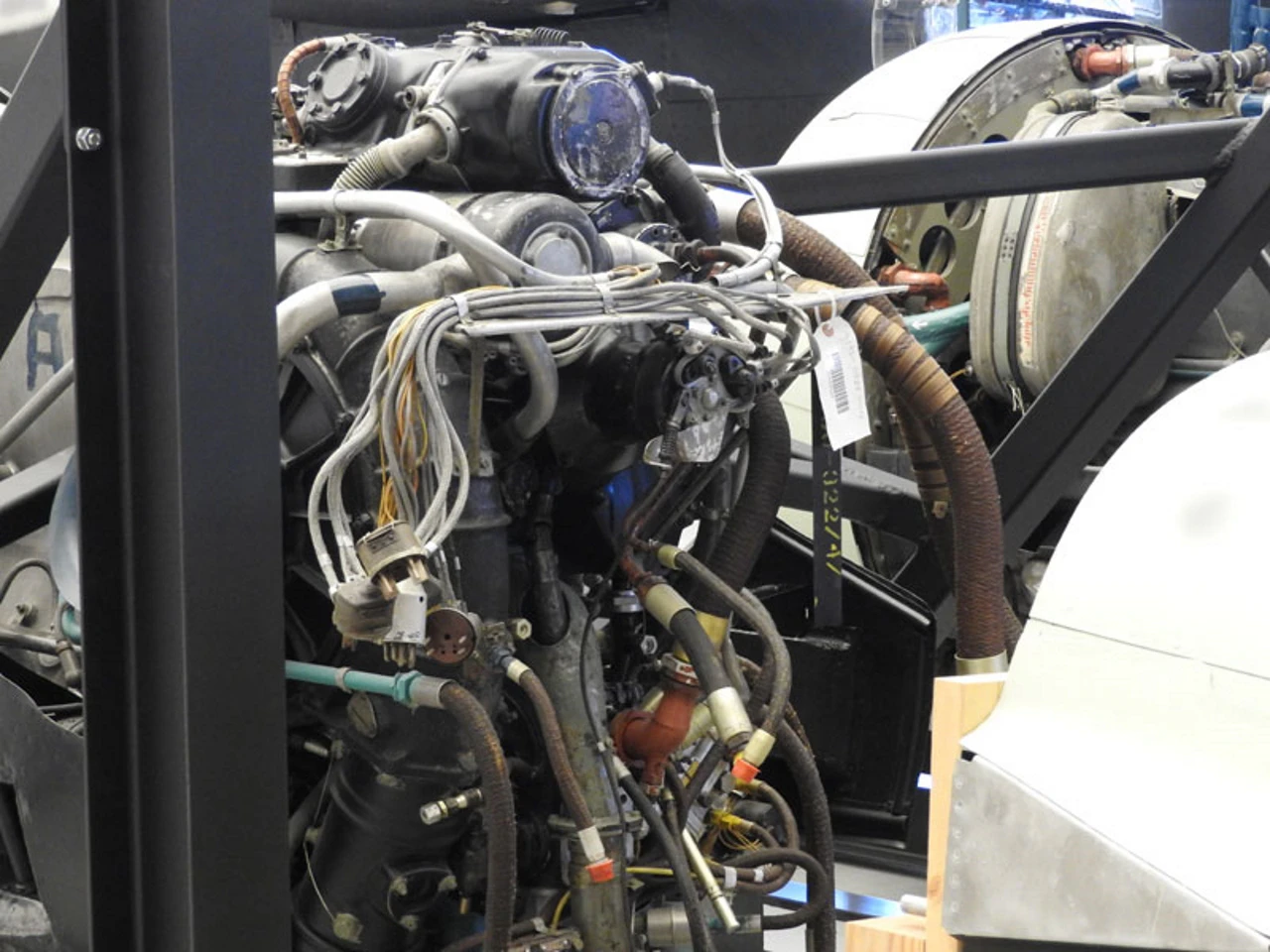
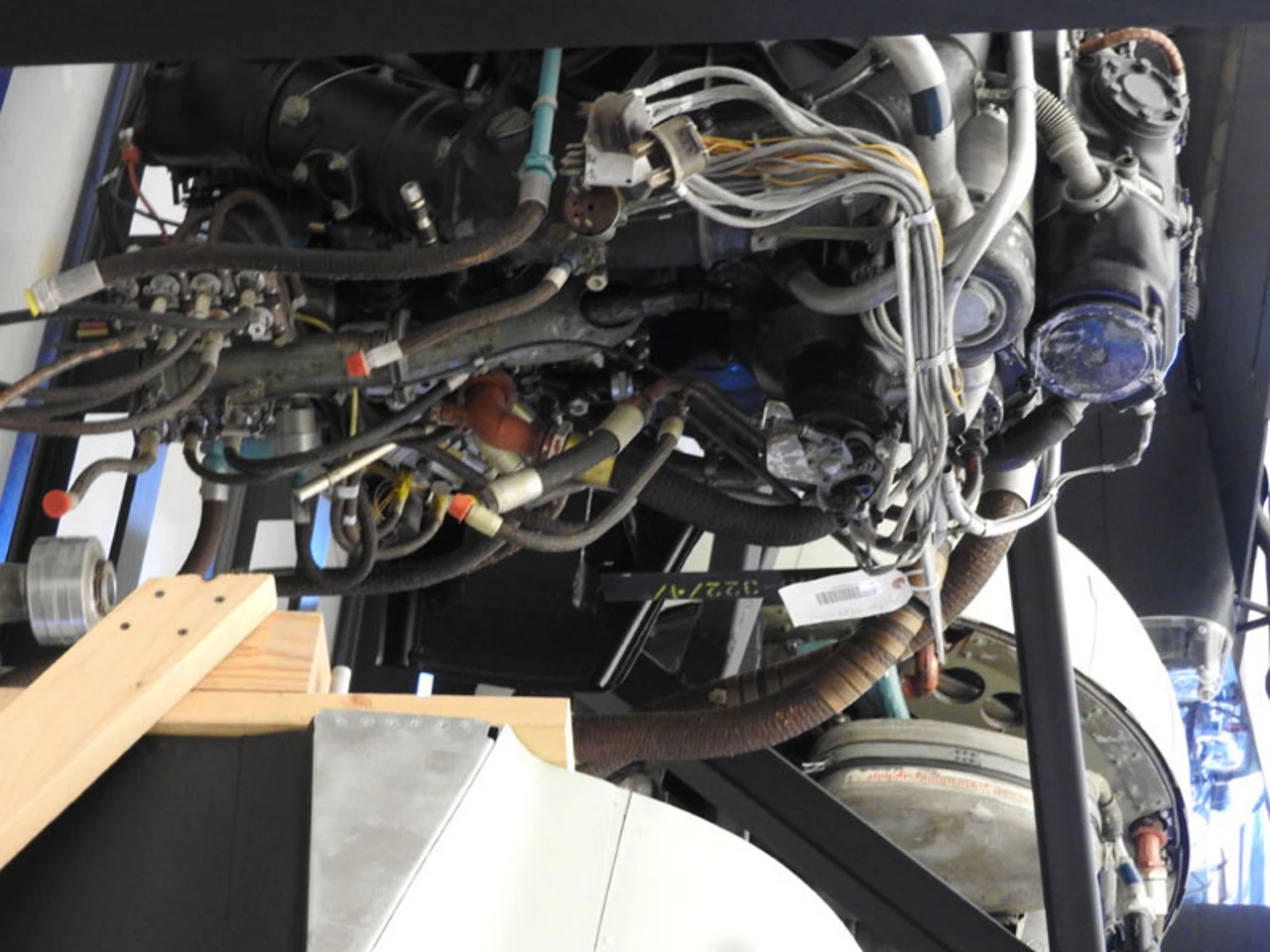
| 海因克尔他 219 A-2 乌胡走来走去 | |
|---|---|
| 摄影师 | 塞斯·亨德里克斯 |
| 本地化 | 未知 |
| 照片 | 65 |

另请参阅:


The Scourge of the Night Bombers
这 海因克尔·何 219 乌胡 was arguably the finest night fighter produced during World War II. It was a sophisticated, purpose-built hunter designed to intercept the RAF’s heavy bomber streams. On its very first combat mission in June 1943, the prototype shot down five Lancaster bombers in a single night. Despite its incredible performance and the desperate need for such a defender, the “Uhu” suffered from political infighting within the Luftwaffe leadership, which severely limited its production numbers.
| Attribute | Technical Specification (He 219 A-7) |
|---|---|
| 作用 | Night Fighter |
| 船员 | 2 (Pilot and Radar Operator) |
| First Flight | November 6, 1942 |
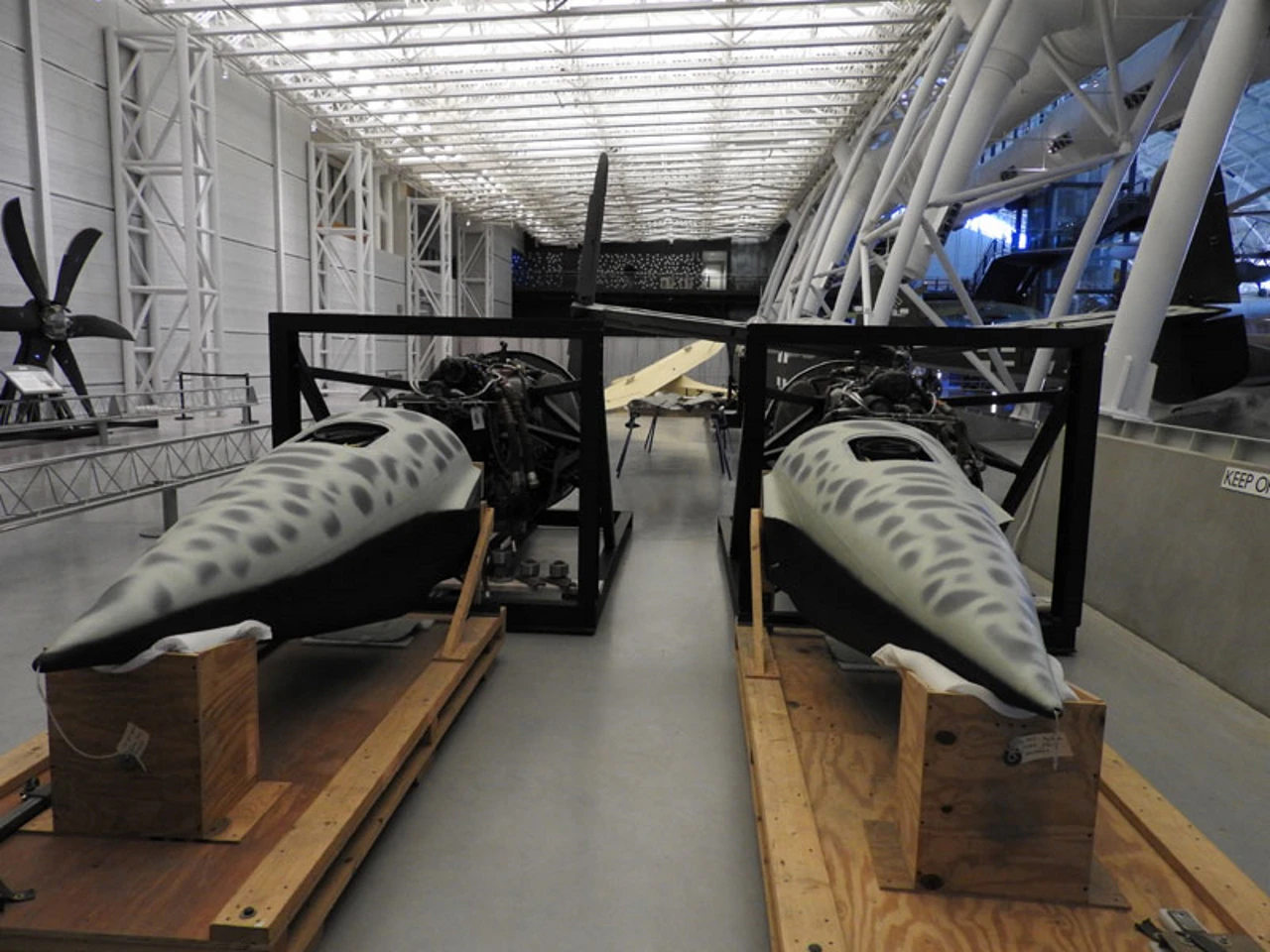
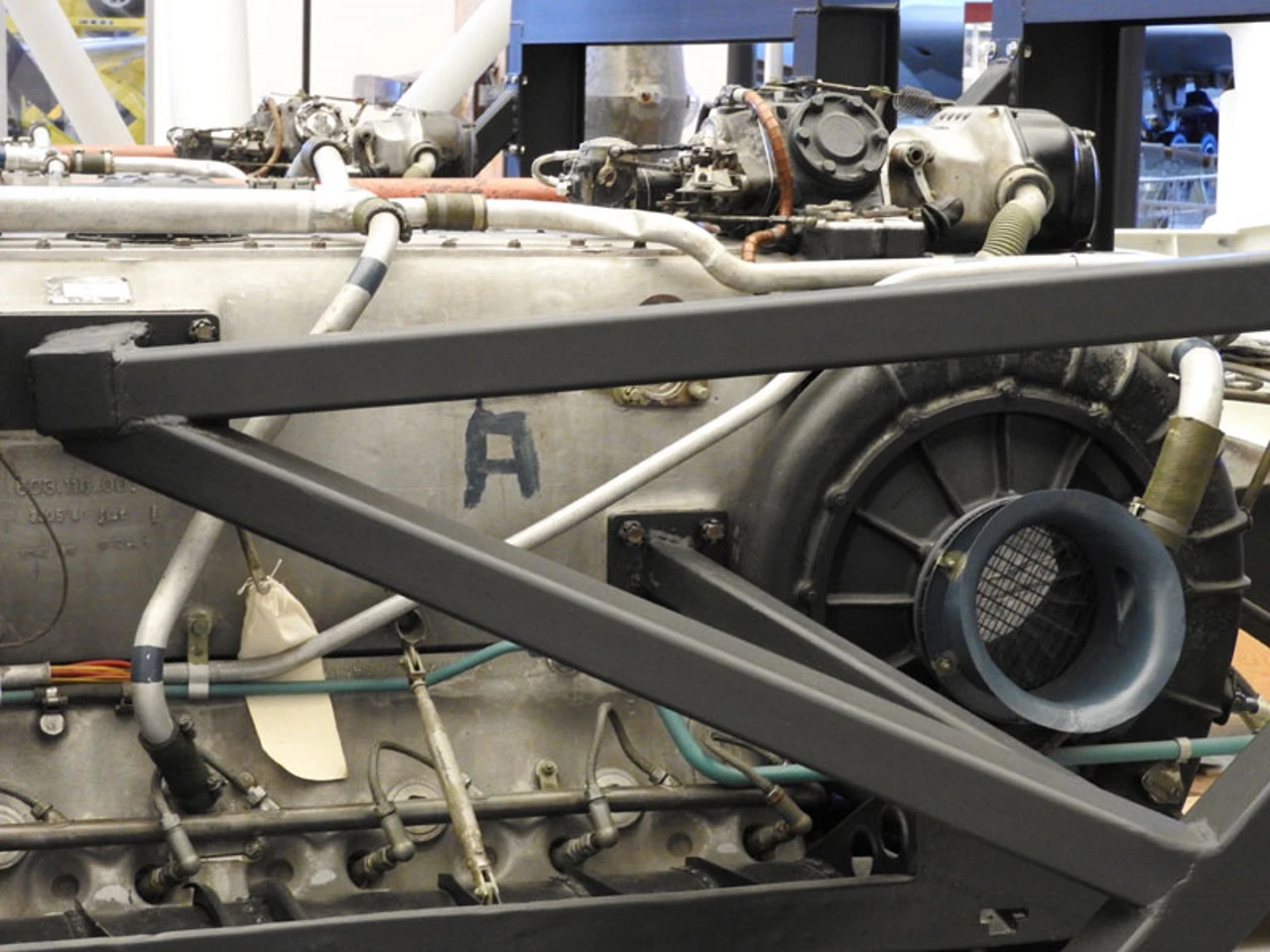
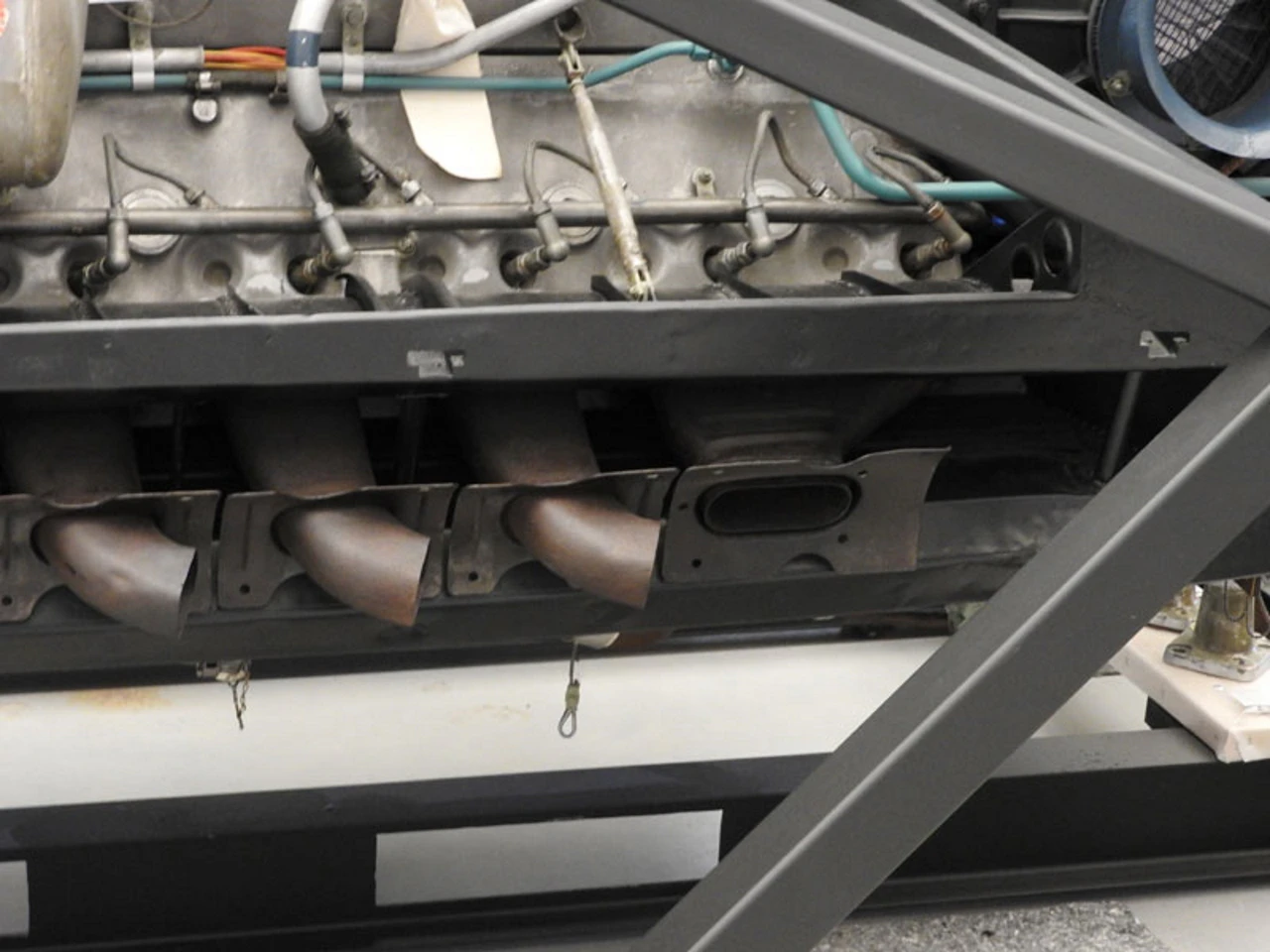
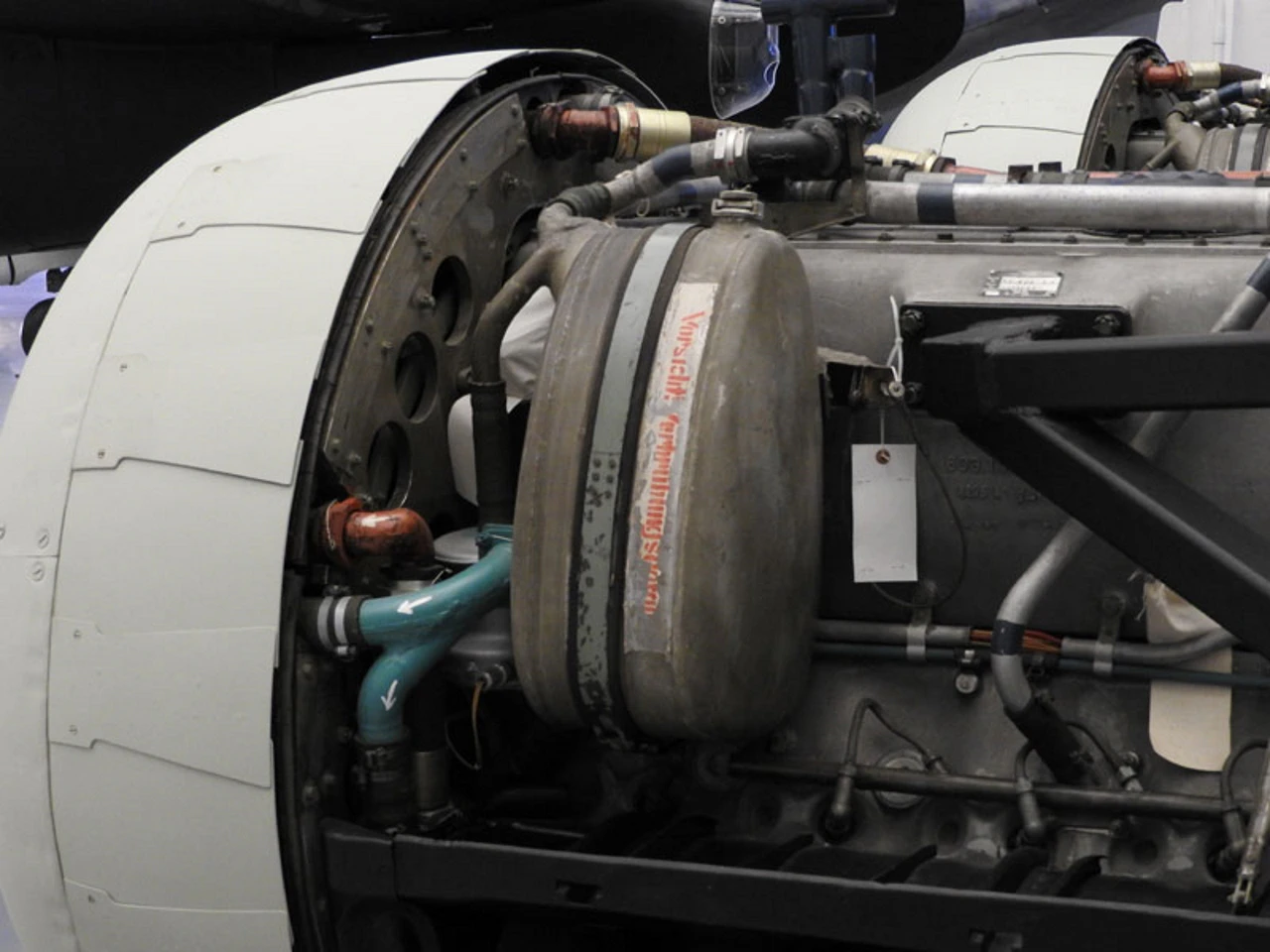
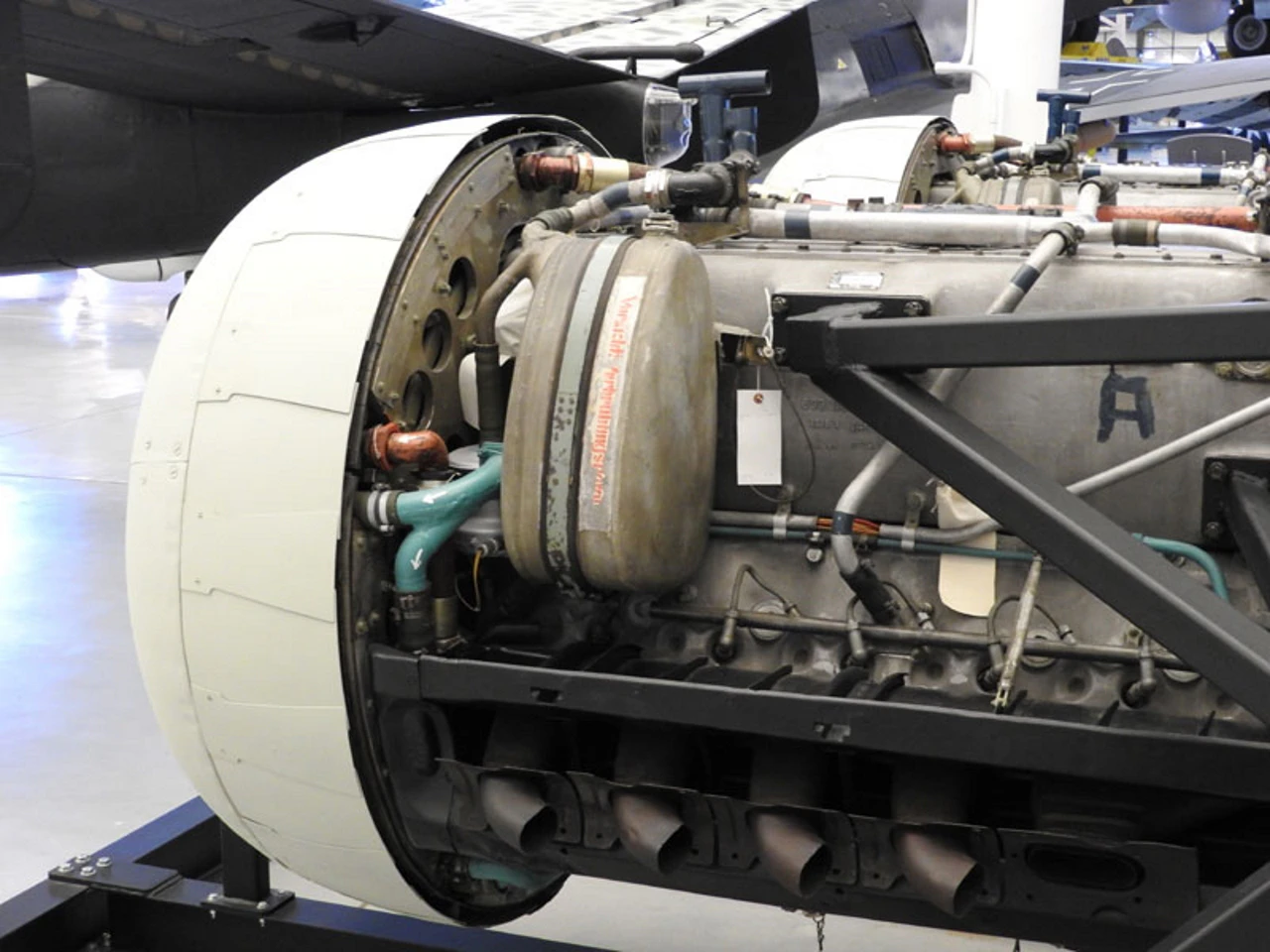
| 动力装置 | 2 × Daimler-Benz DB 603G inverted V-12 |
| Horsepower | 1,750 hp (1,305 kW) per engine |
| 最高速度 | 416 mph (670 km/h) |
| 雷达 | FuG 220 Lichtenstein SN-2 |
| 装备 | Up to 6 × 20mm or 30mm cannons (including Schräge Musik) |
A Masterclass in High-Tech Design
- The First Ejection Seats: The He 219 was the first operational aircraft in the world to be equipped with compressed-air ejection seats for both crew members, ensuring they could escape the high-speed aircraft in an emergency.
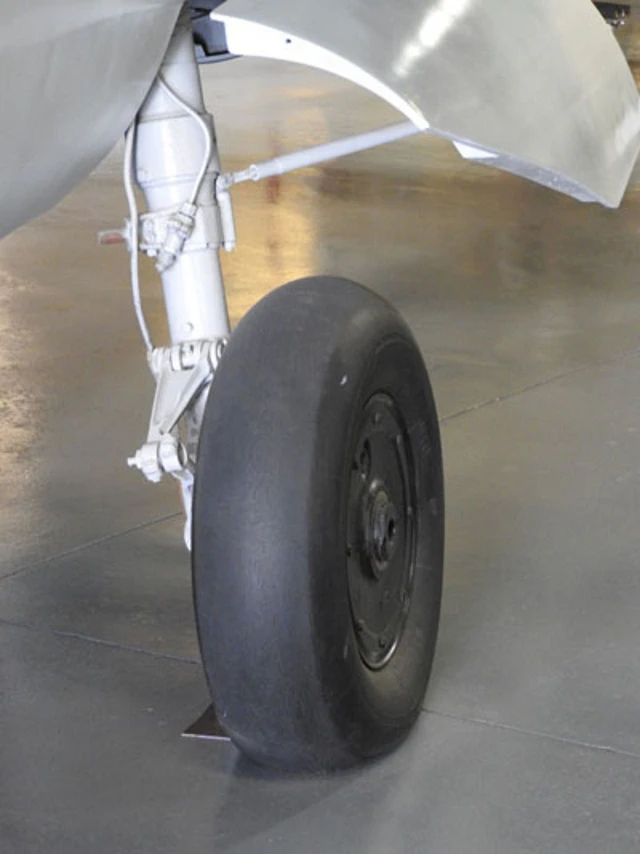
- Tricycle Landing Gear: Rare for German designs of the time, the Uhu featured a nose-wheel configuration. This gave the pilot excellent visibility while taxiing and made landings much safer at the high speeds required by its heavy wing loading.
- “Schräge Musik” (Slanted Music): The He 219 frequently carried two 30mm MK 108 cannons mounted behind the cockpit, firing upward at a 65-degree angle. This allowed the pilot to fly underneath a bomber—where its gunners couldn’t see him—and fire directly into the fuel tanks.
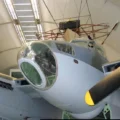
- Advanced Radar Array: The nose was dominated by the “antlers” of the Lichtenstein radar. The FAW.7 version featured the SN-2 array, which was resistant to the “Window” (chaff) dropped by British bombers to confuse German sensors.
Operational Excellence & Rarity
- The Mosquito Hunter: The He 219 was one of the few German aircraft fast enough and agile enough at high altitude to consistently intercept and shoot down the elusive de Havilland Mosquito.
- Modular Armament: The “Waffenträger” (Weapon Carrier) tray beneath the fuselage allowed armorers to quickly swap out cannon configurations, letting the aircraft be tailored for different mission types in minutes.
- The “Uhu” Legacy: Only about 294 were built before the end of the war. After the conflict, both the US and UK captured surviving airframes for intense study, as its cockpit ergonomics and sensor integration were years ahead of their time.
- The Sole Survivor: Today, only one He 219 exists. It was painstakingly restored and is now on display at the **Steven F. Udvar-Hazy Center** in the United States.
观点 : 5305