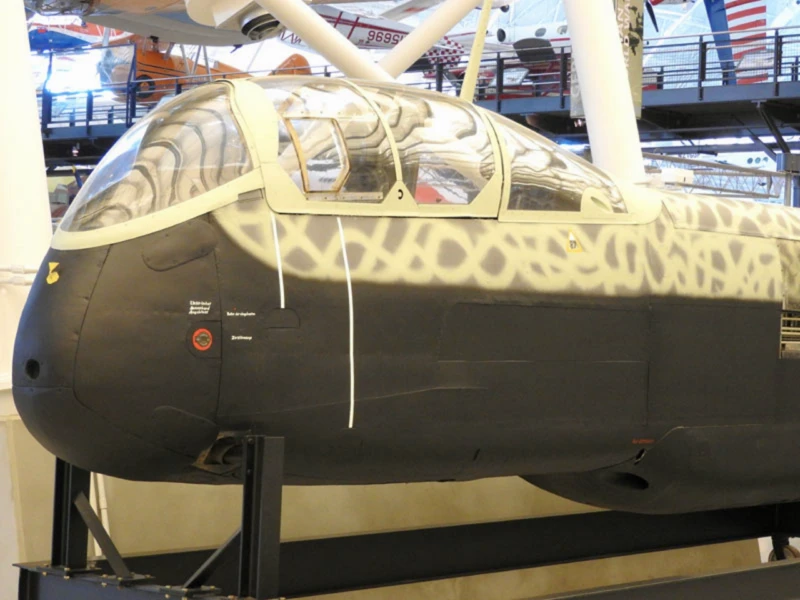
Heinkel He 219 | |
|---|---|
| Страна | Нацистка Германия |
| Роля | Нощен боец |
| Първи полет | 6 ноември 1942 г. |
| Построен | 300 |
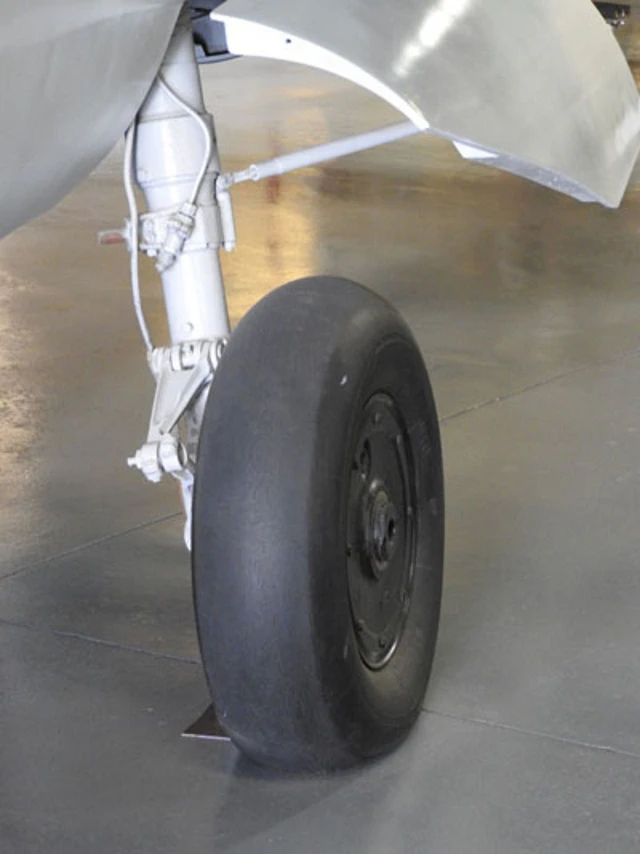
1. Хайнкел Хе 219 Уху ("Бухалът") е нощен боец, служил с германските Луфтвафе в по-късните етапи на Втората световна война. Сравнително сложен дизайн, He 219 притежава различни иновации, включително усъвършенстван VHF-лентов радар за прихващане на Lichtenstein SN-2, използван и за нощните изтребители Ju 88G и Bf 110G. Това е и първият действащ военен самолет, оборудван със седалки за изхвърляне и първият действащ германски самолет от епохата на Втората световна война с триколесен колесник. Ако Уху беше на разположение в количество, това можеше да има значителен ефект върху стратегическата нощна бомбардировъчна офанзива на Кралските военновъздушни сили; Но само 294 от всички модели са построени до края на войната и те са имали само ограничено обслужване. Ернст-Вилхелм Модроу е водещият нощен боен ас на He 219. Модроу е кредитиран с 33 от 34 нощни въздушни победи на типа.
Източник: Heinkel He 219 в Уикипедия
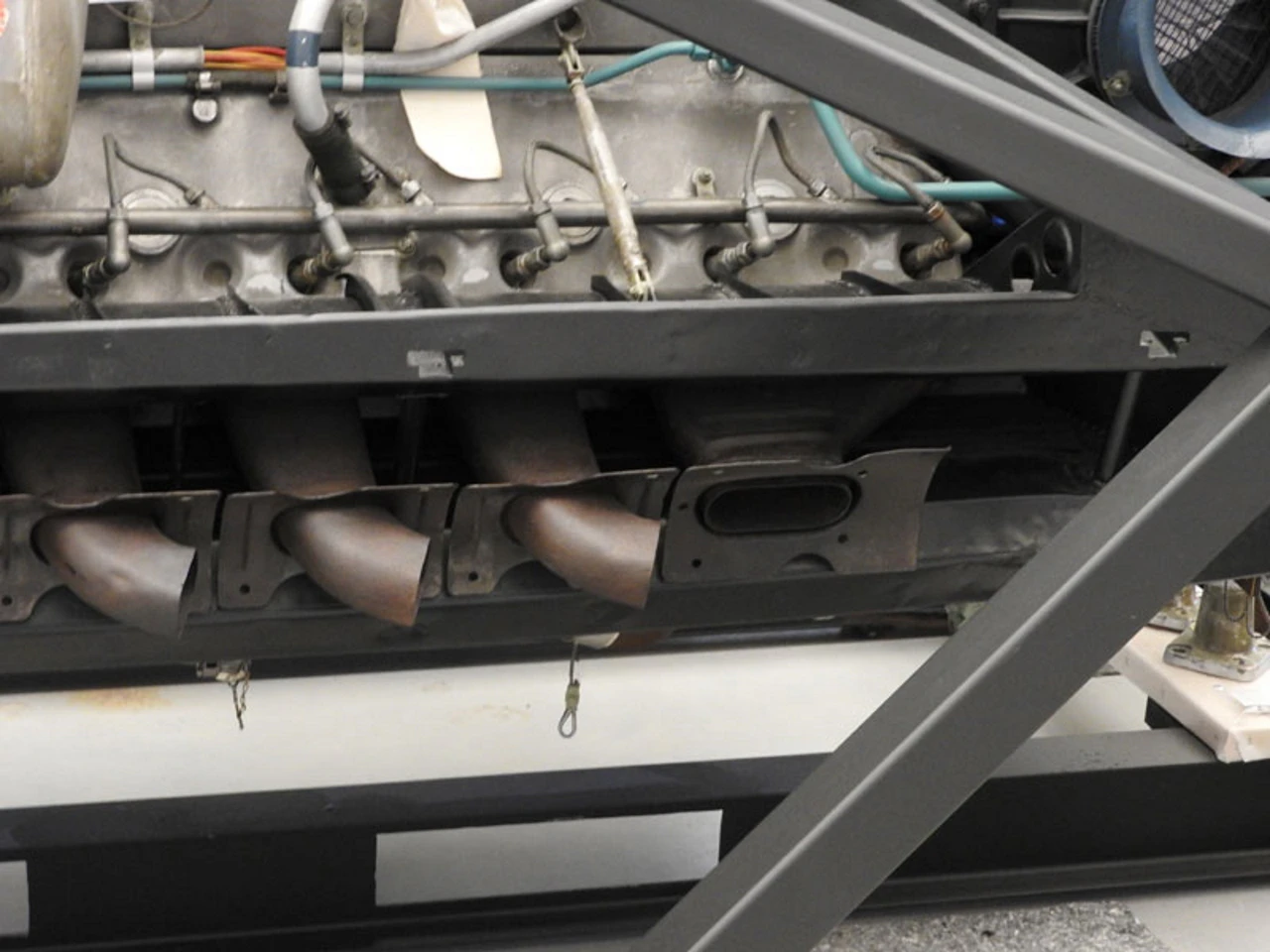
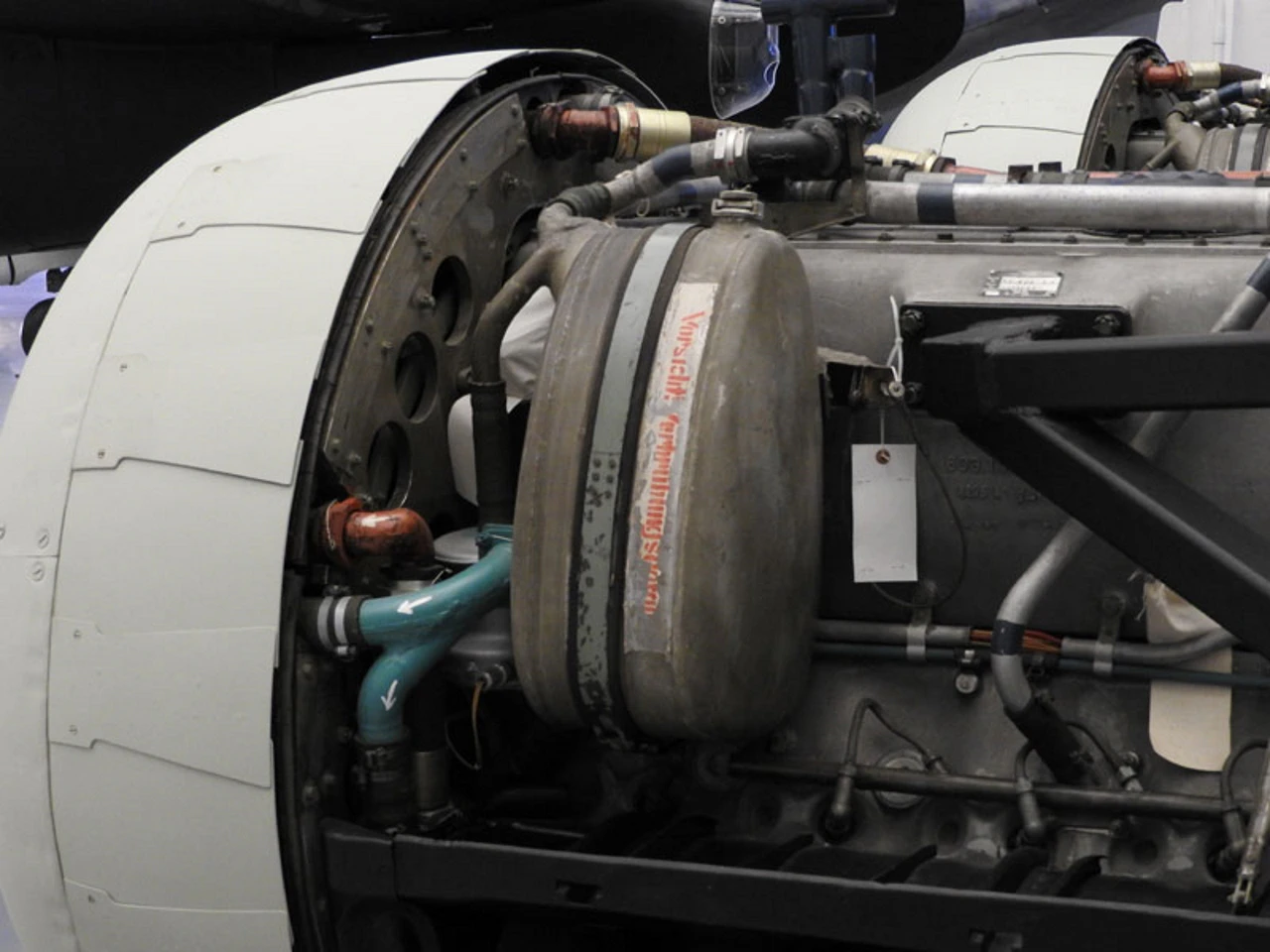
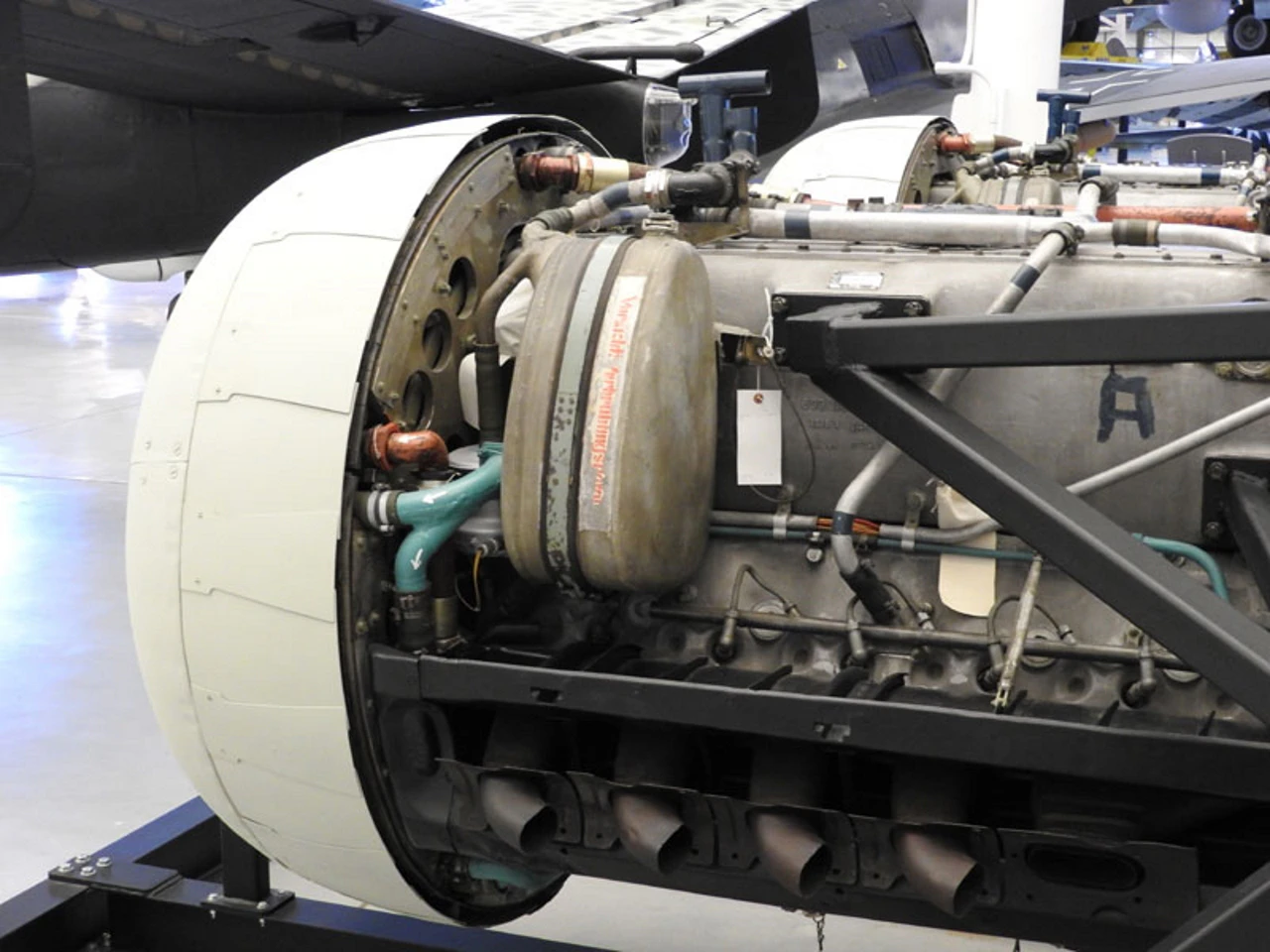
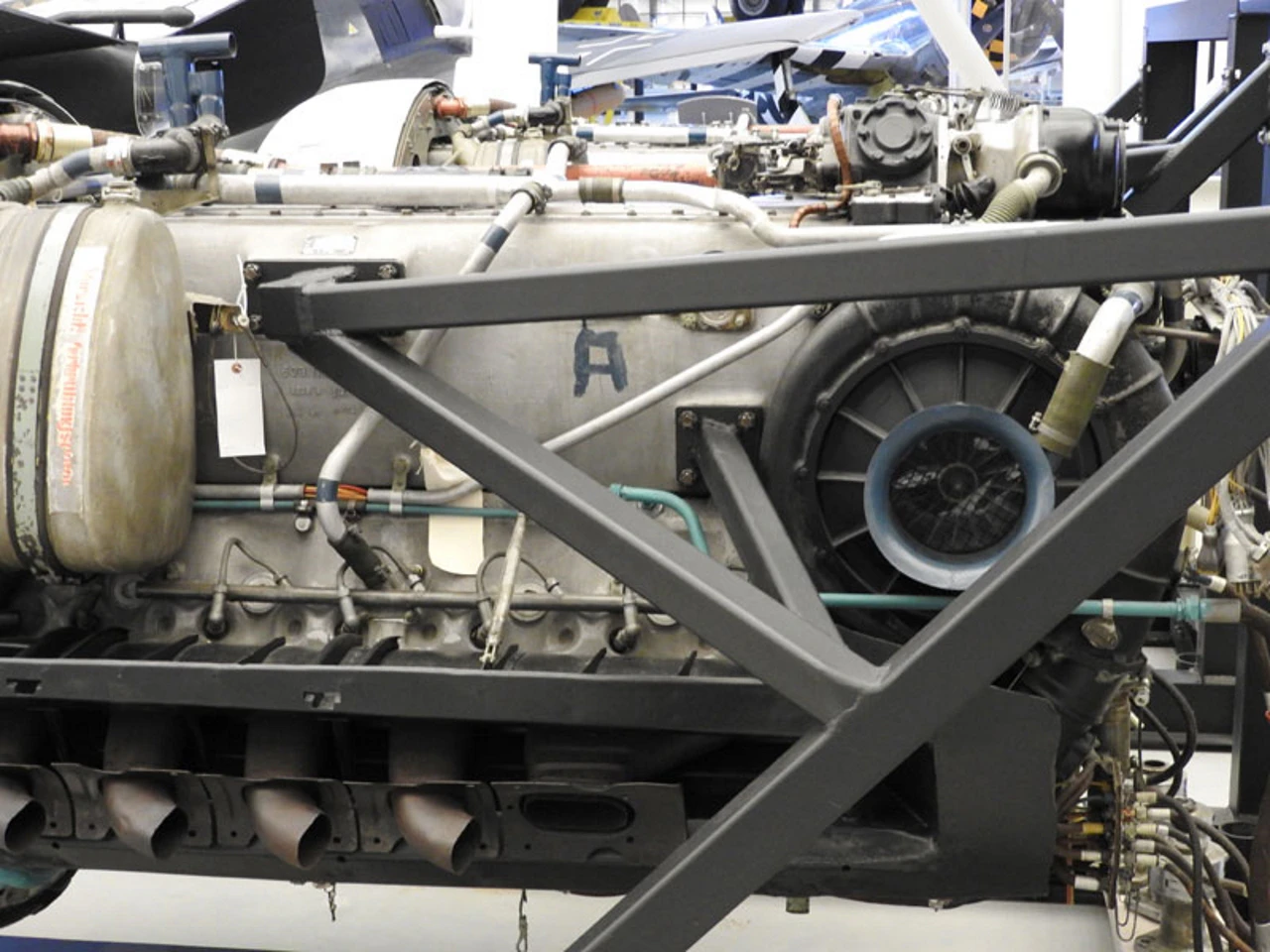
| Heinkel He 219 A-2 Uhu Разходка наоколо | |
|---|---|
| Фотограф | Сейс Хендрикс |
| Локализация | Не знам |
| Снимки | 65 |
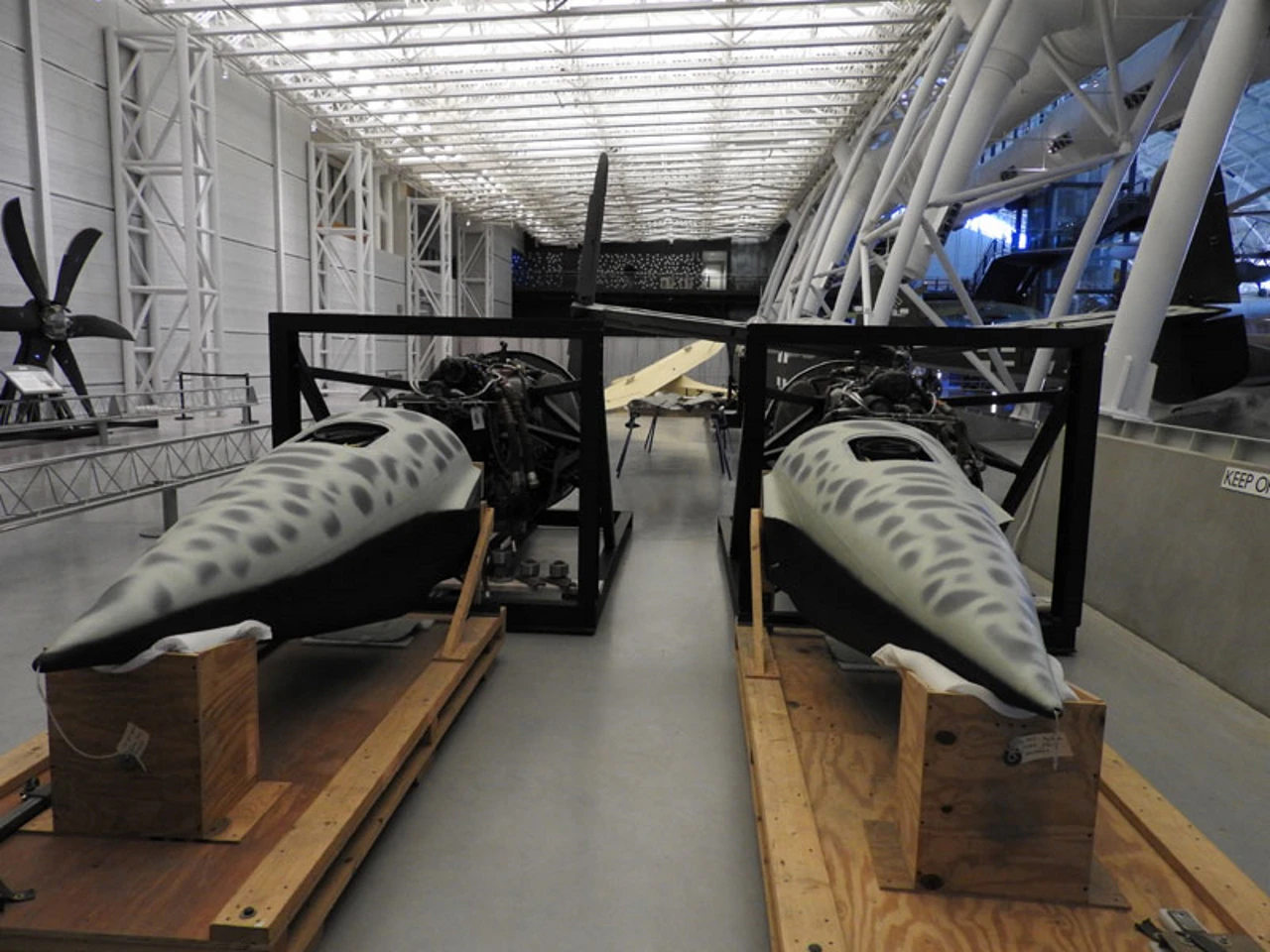
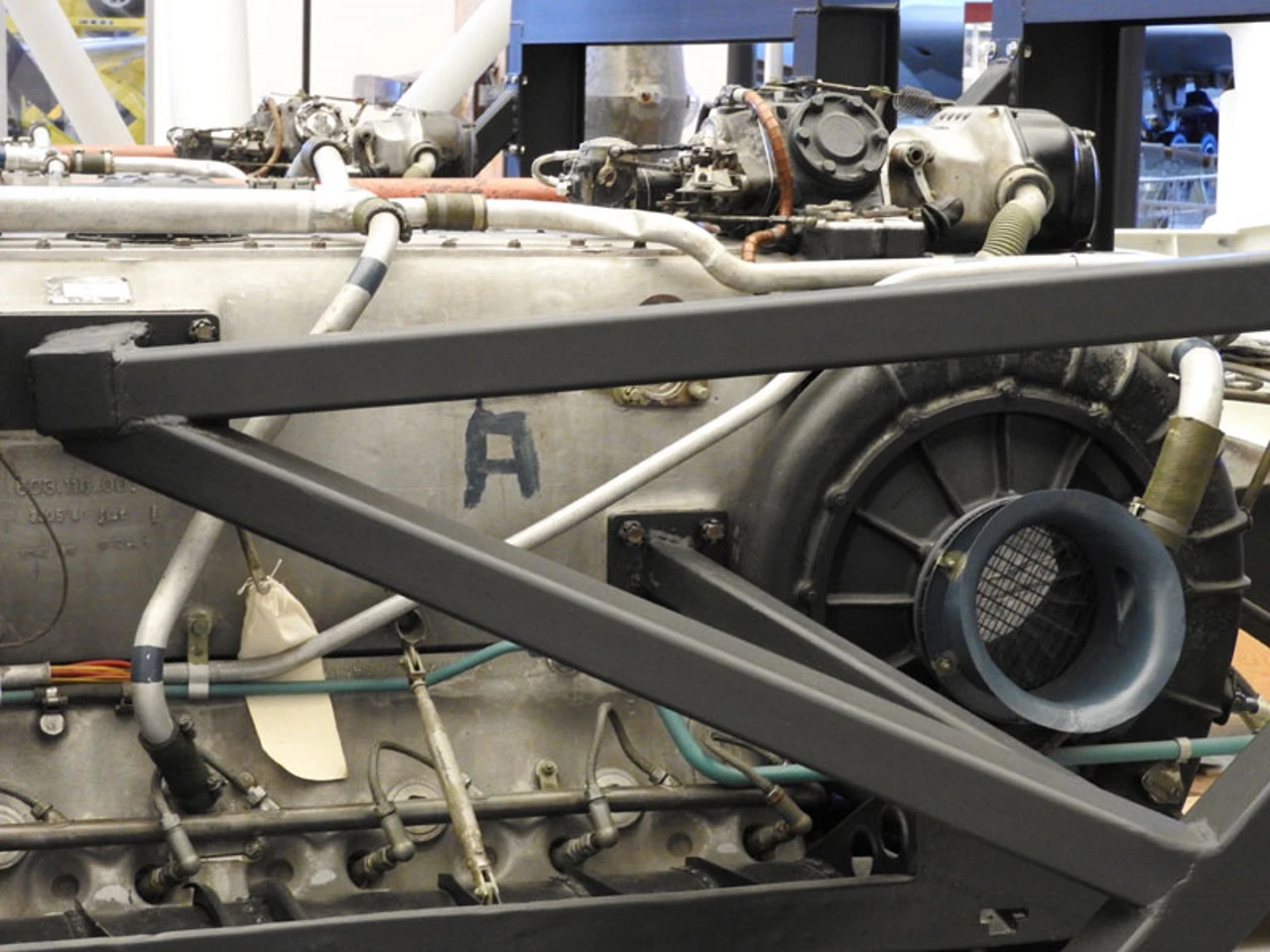
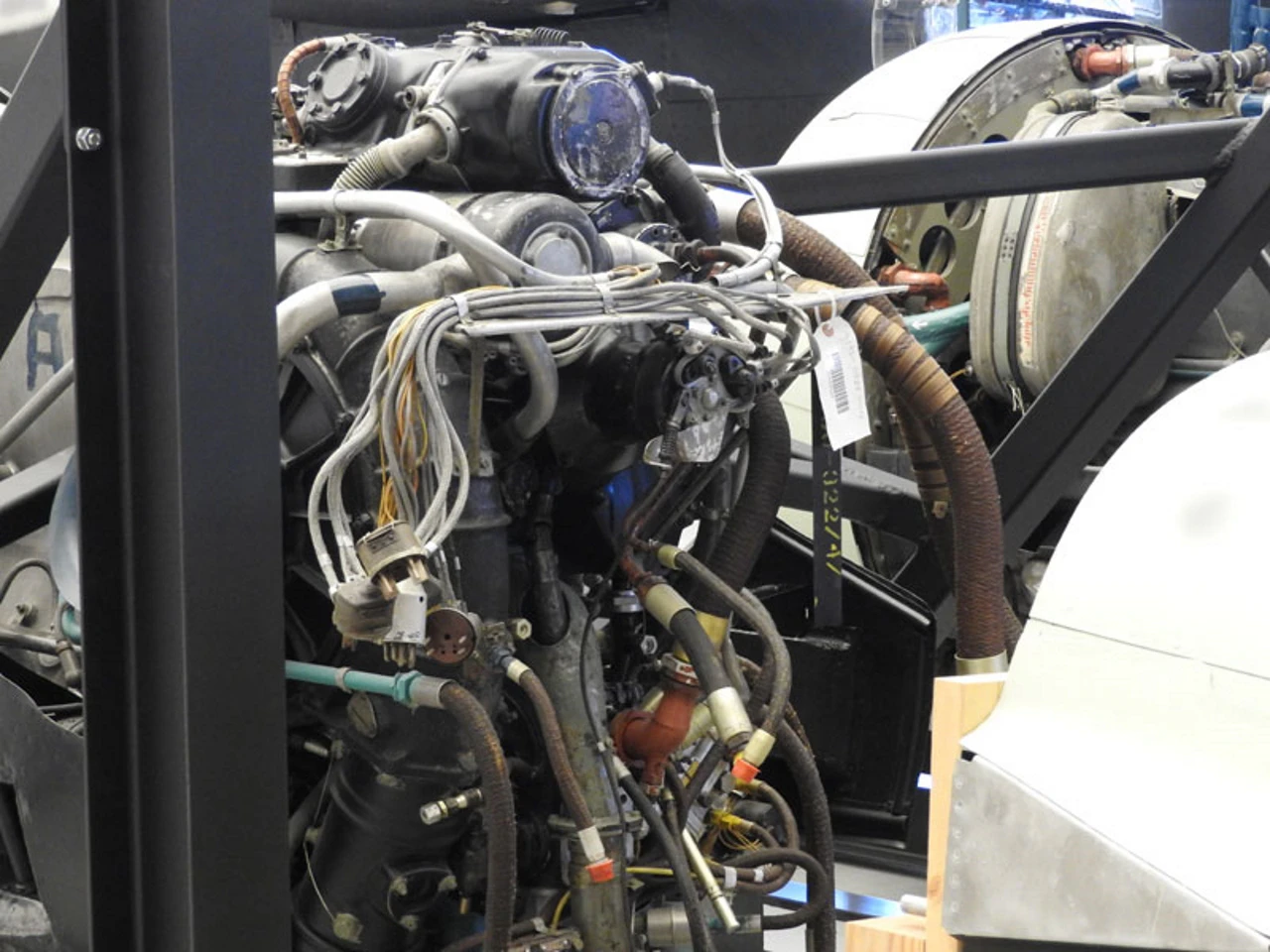
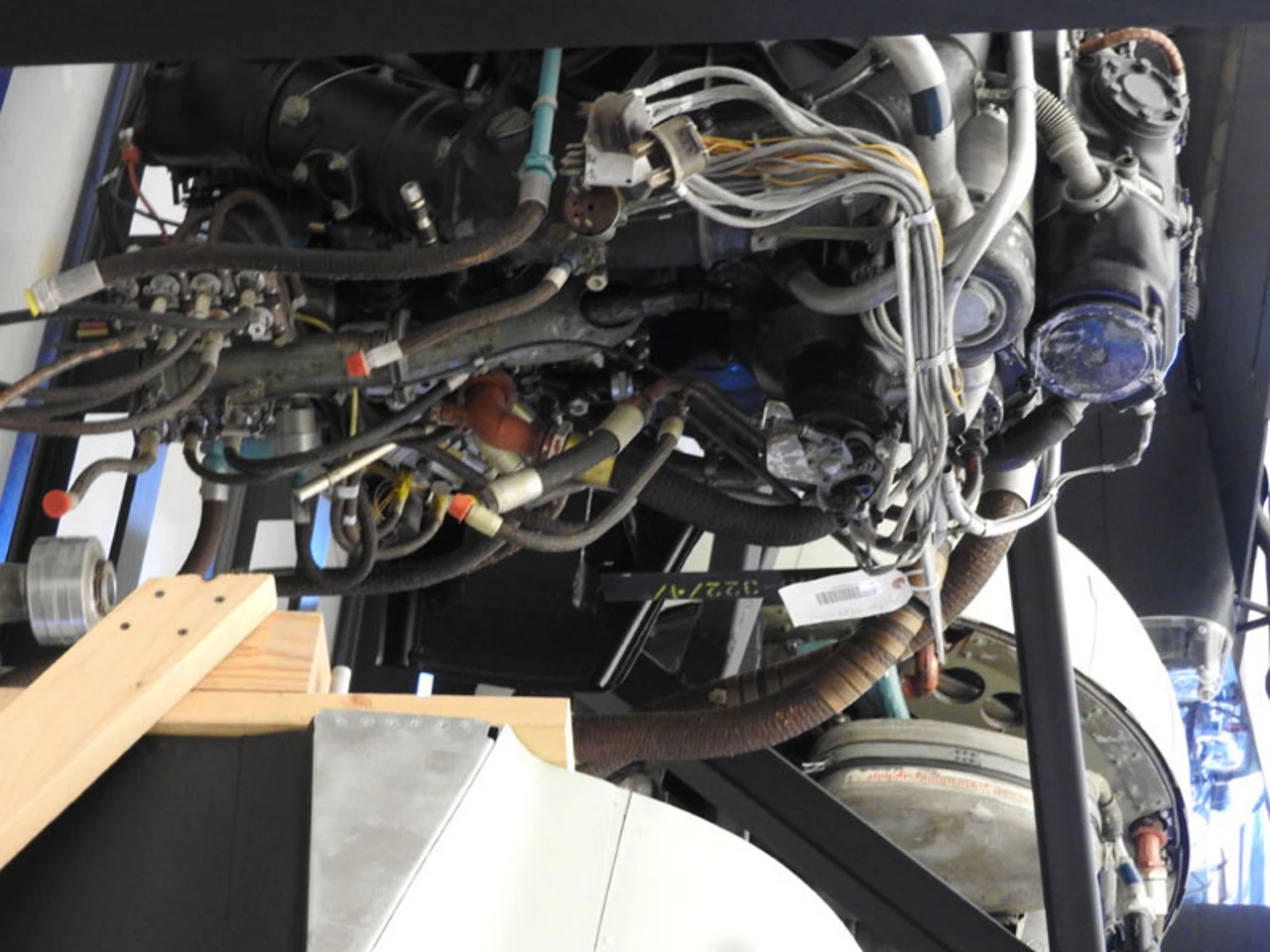

Вижте също:


The Scourge of the Night Bombers
1. Хайнкел Хе 219 Уху was arguably the finest night fighter produced during World War II. It was a sophisticated, purpose-built hunter designed to intercept the RAF’s heavy bomber streams. On its very first combat mission in June 1943, the prototype shot down five Lancaster bombers in a single night. Despite its incredible performance and the desperate need for such a defender, the “Uhu” suffered from political infighting within the Luftwaffe leadership, which severely limited its production numbers.
| Attribute | Technical Specification (He 219 A-7) |
|---|---|
| Роля | Night Fighter |
| Екипажа | 2 (Pilot and Radar Operator) |
| First Flight | November 6, 1942 |
| Силова установка | 2 × Daimler-Benz DB 603G inverted V-12 |
| Horsepower | 1,750 hp (1,305 kW) per engine |
| Maximum Speed | 416 mph (670 km/h) |
| Радар | FuG 220 Lichtenstein SN-2 |
| Въоръжение | Up to 6 × 20mm or 30mm cannons (including Schräge Musik) |
A Masterclass in High-Tech Design
- The First Ejection Seats: The He 219 was the first operational aircraft in the world to be equipped with compressed-air ejection seats for both crew members, ensuring they could escape the high-speed aircraft in an emergency.
- Tricycle Landing Gear: Rare for German designs of the time, the Uhu featured a nose-wheel configuration. This gave the pilot excellent visibility while taxiing and made landings much safer at the high speeds required by its heavy wing loading.
- “Schräge Musik” (Slanted Music): The He 219 frequently carried two 30mm MK 108 cannons mounted behind the cockpit, firing upward at a 65-degree angle. This allowed the pilot to fly underneath a bomber—where its gunners couldn’t see him—and fire directly into the fuel tanks.
- Advanced Radar Array: The nose was dominated by the “antlers” of the Lichtenstein radar. The FAW.7 version featured the SN-2 array, which was resistant to the “Window” (chaff) dropped by British bombers to confuse German sensors.
Operational Excellence & Rarity
- The Mosquito Hunter: The He 219 was one of the few German aircraft fast enough and agile enough at high altitude to consistently intercept and shoot down the elusive de Havilland Mosquito.
- Modular Armament: The “Waffenträger” (Weapon Carrier) tray beneath the fuselage allowed armorers to quickly swap out cannon configurations, letting the aircraft be tailored for different mission types in minutes.
- The “Uhu” Legacy: Only about 294 were built before the end of the war. After the conflict, both the US and UK captured surviving airframes for intense study, as its cockpit ergonomics and sensor integration were years ahead of their time.
- The Sole Survivor: Today, only one He 219 exists. It was painstakingly restored and is now on display at the **Steven F. Udvar-Hazy Center** in the United States.
Views : 5305
Можете да видите също :
 Beechcraft RC-12 мантинела – снимки и видео
 Cessna 310 – Снимки и видео
 Къртис P-36 Хоук – снимки и видео
 Cessna T-37 Tweet – Снимки и видео
 Boeing KC-97 Stratofreighter – снимки и видеоклипове
 Heinkel He 162 – Снимки и видео
 Heinkel He 100 – Снимки и видео
 Б-35 – де Хавиланд Комар – мобилна
 Мираж IIIC – мобилна
 Германия 111 – Разходка Около