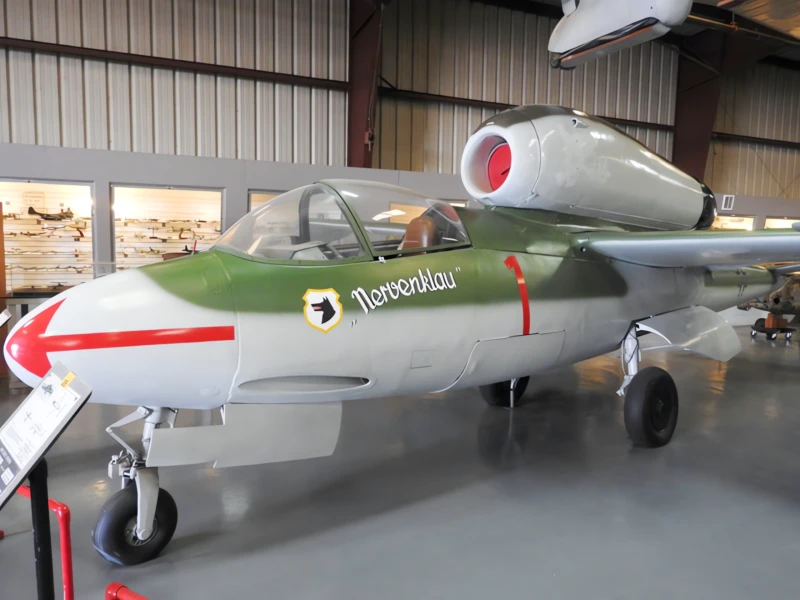
Heinkel He 162 A Salamander | |
|---|---|
| Страна | Нацистка Германия |
| Роля | Реактивен изтребител |
| Първи полет | 6 декември 1944 г. |
| Построен | 320 |
1. Heinkel He 162 Volksjäger (на немски, „People’s Fighter“), името на проект от конкурса за проектиране на аварийни бойни програми, е немски едномоторен изтребител с реактивен двигател, изстрелян от Луфтвафе през Втората световна война. Проектиран и изграден бързо и направен предимно от дърво, тъй като металите бяха в много недостиг и бяха приоритетни за други самолети, He 162 обаче беше най-бързият от първото поколение самолети Axis и Allied. Volksjäger беше официалното име на въздушното министерство на Райха за конкурса на правителствената програма за дизайн, спечелен от проекта He 162. Други имена, дадени на самолета, включват Salamander, което беше кодовото име на неговата строителна програма, и Spatz („Sparrow“), което беше името, дадено на самолета от Heinkel.
Източник: Heinkel He 162 A Salamander в Wikipedia
| Heinkel He 162 Salamander | |
|---|---|
| Фотографи | Сейс Хендрикс |
| Локализация | Не знам |
| Снимки | 81 |
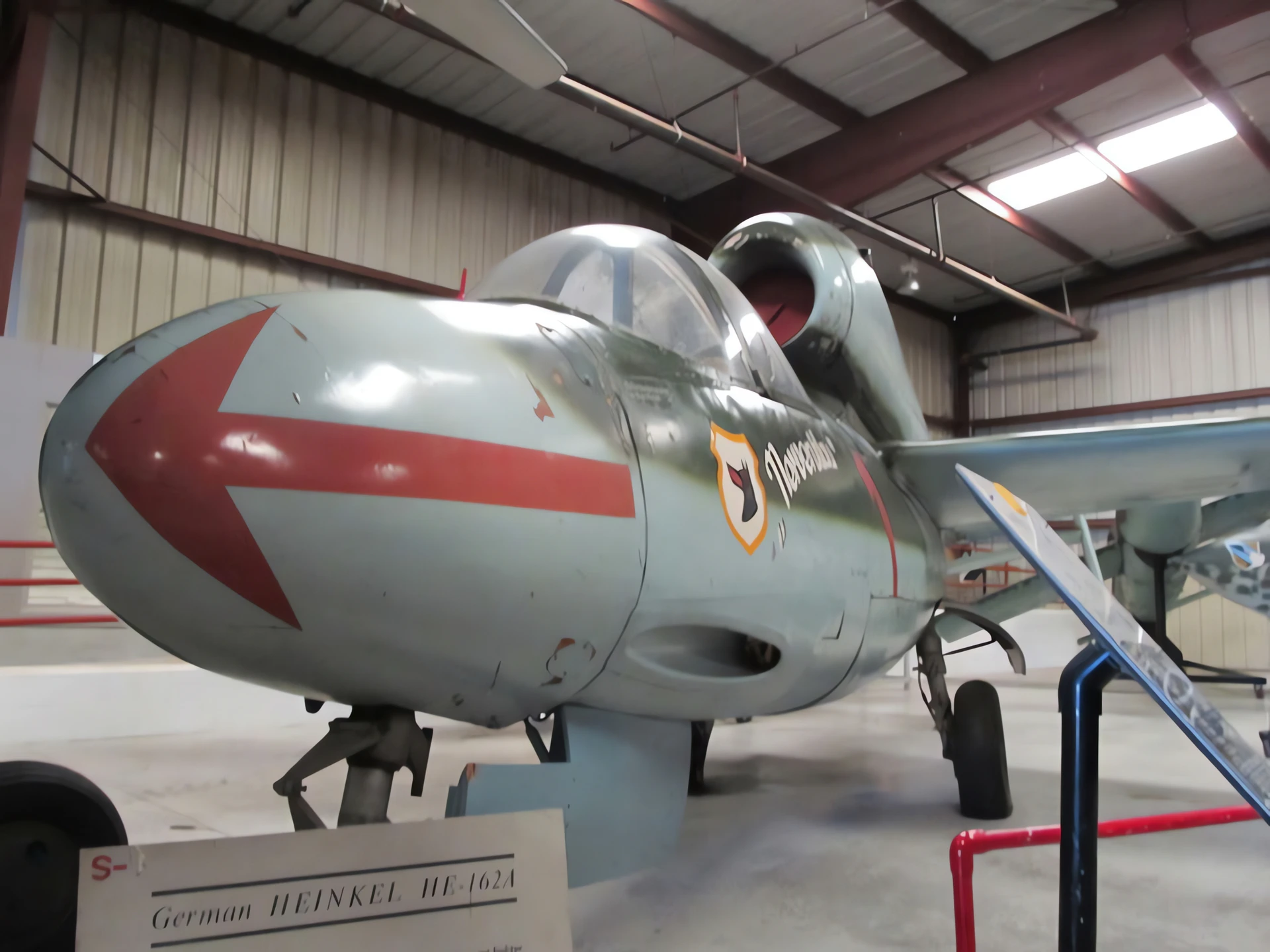
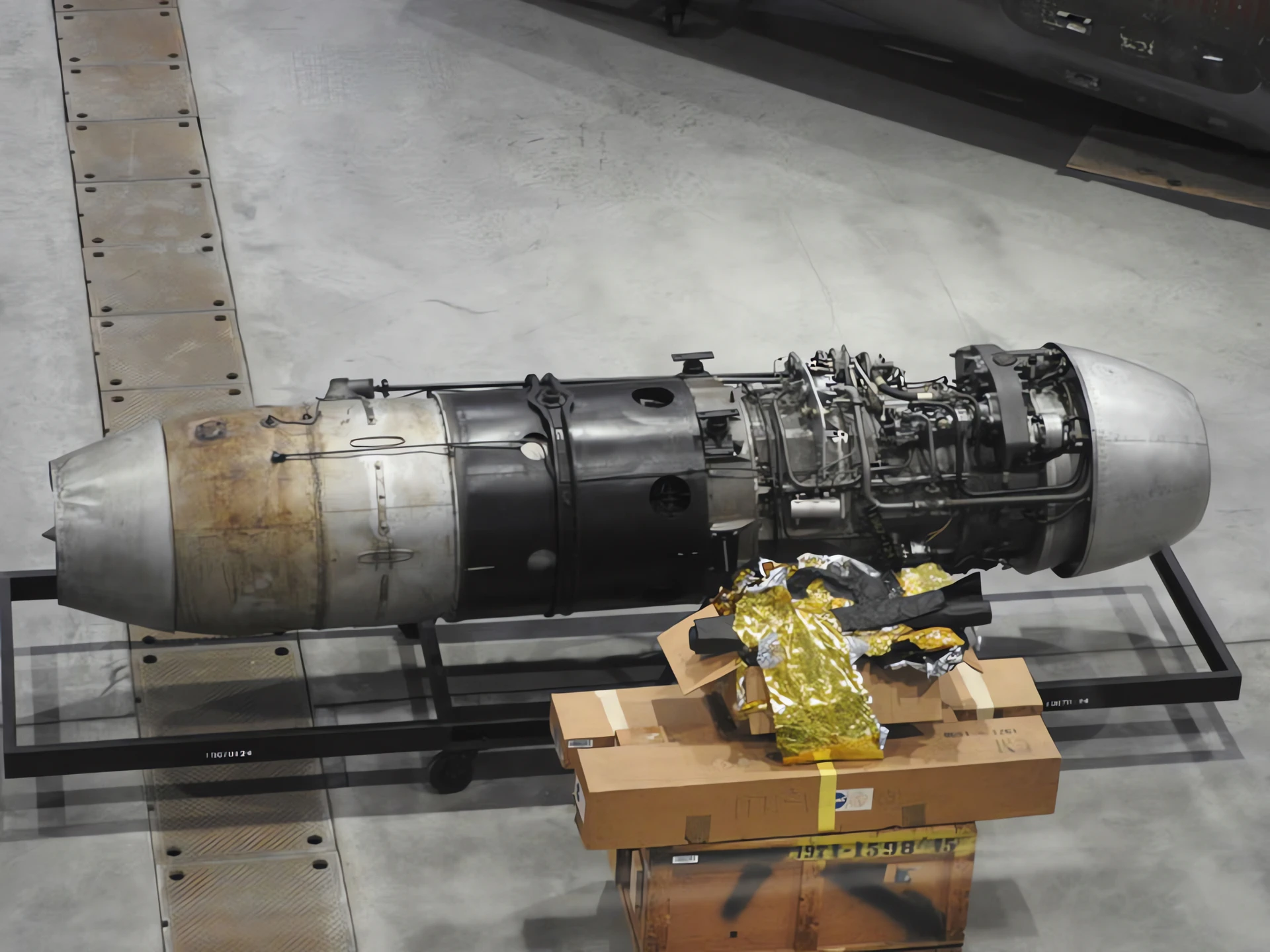
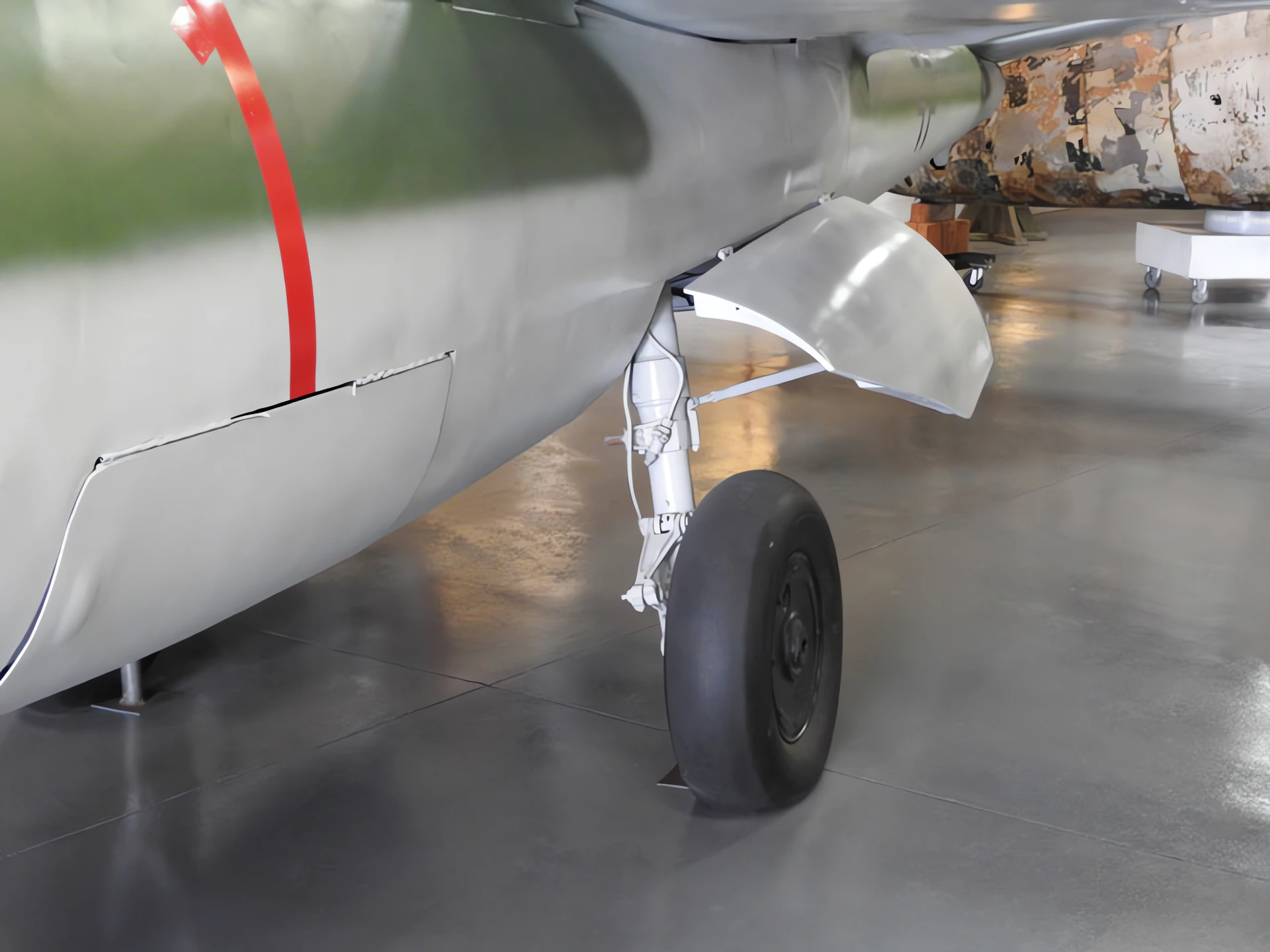
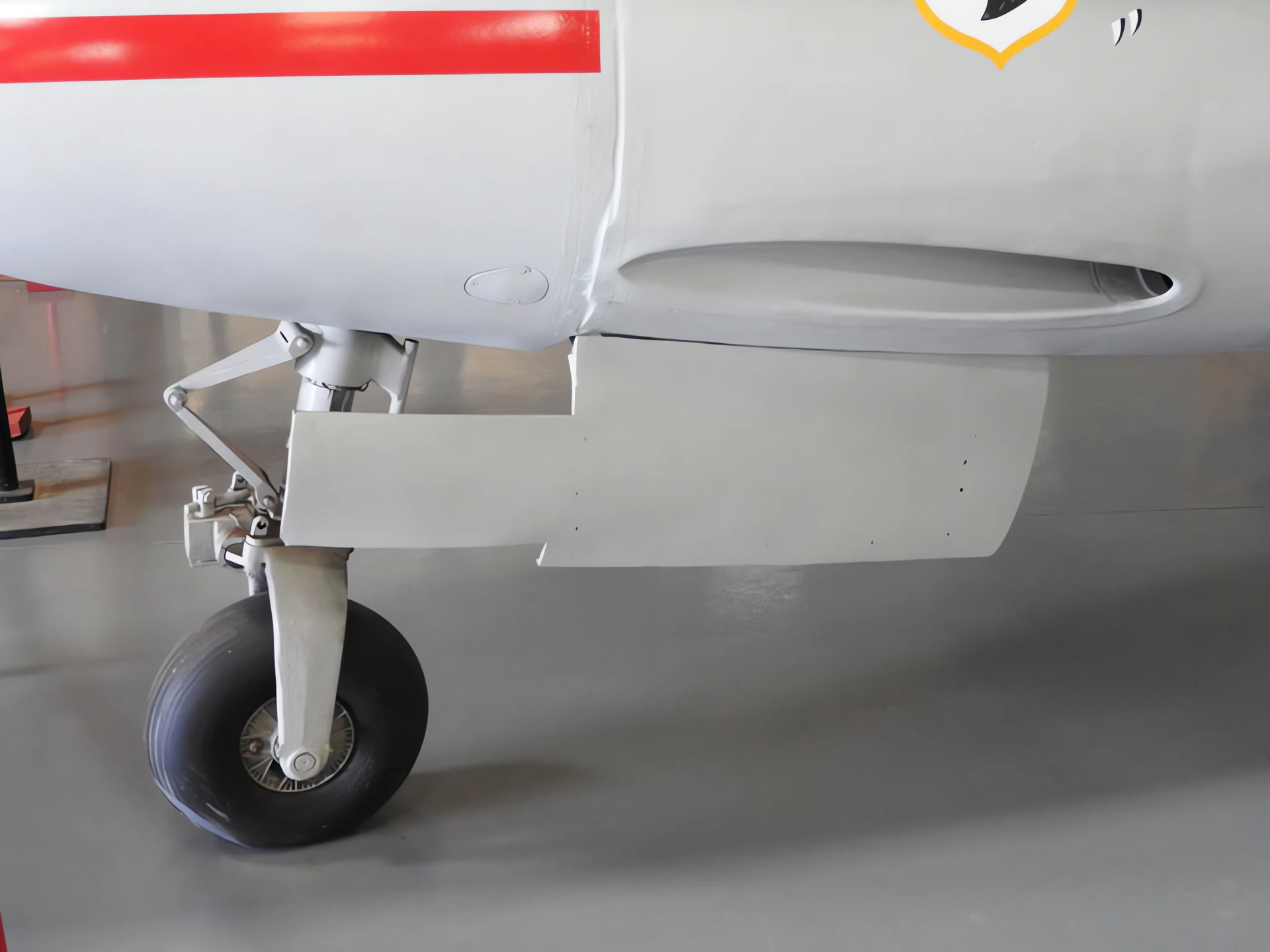
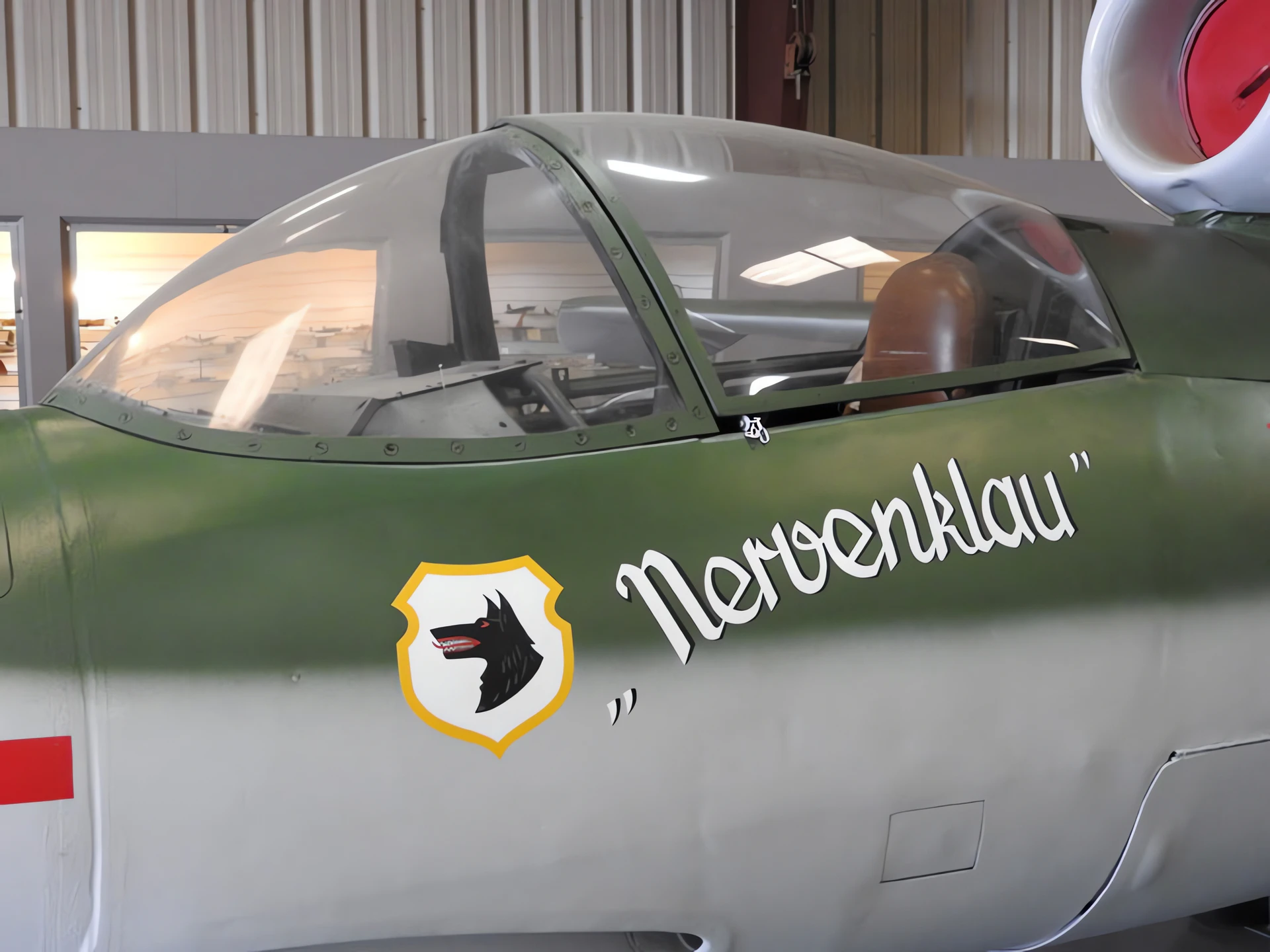
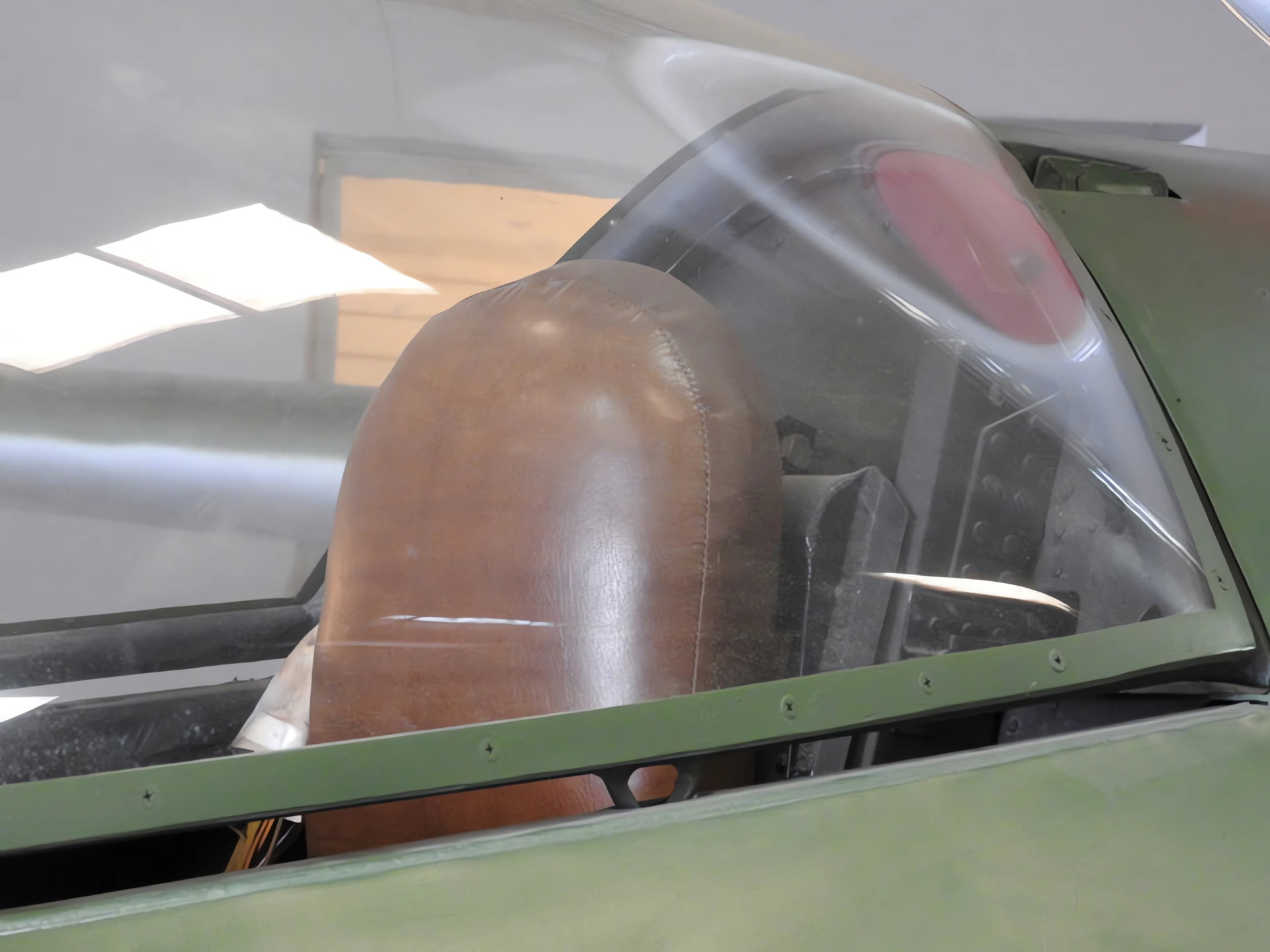
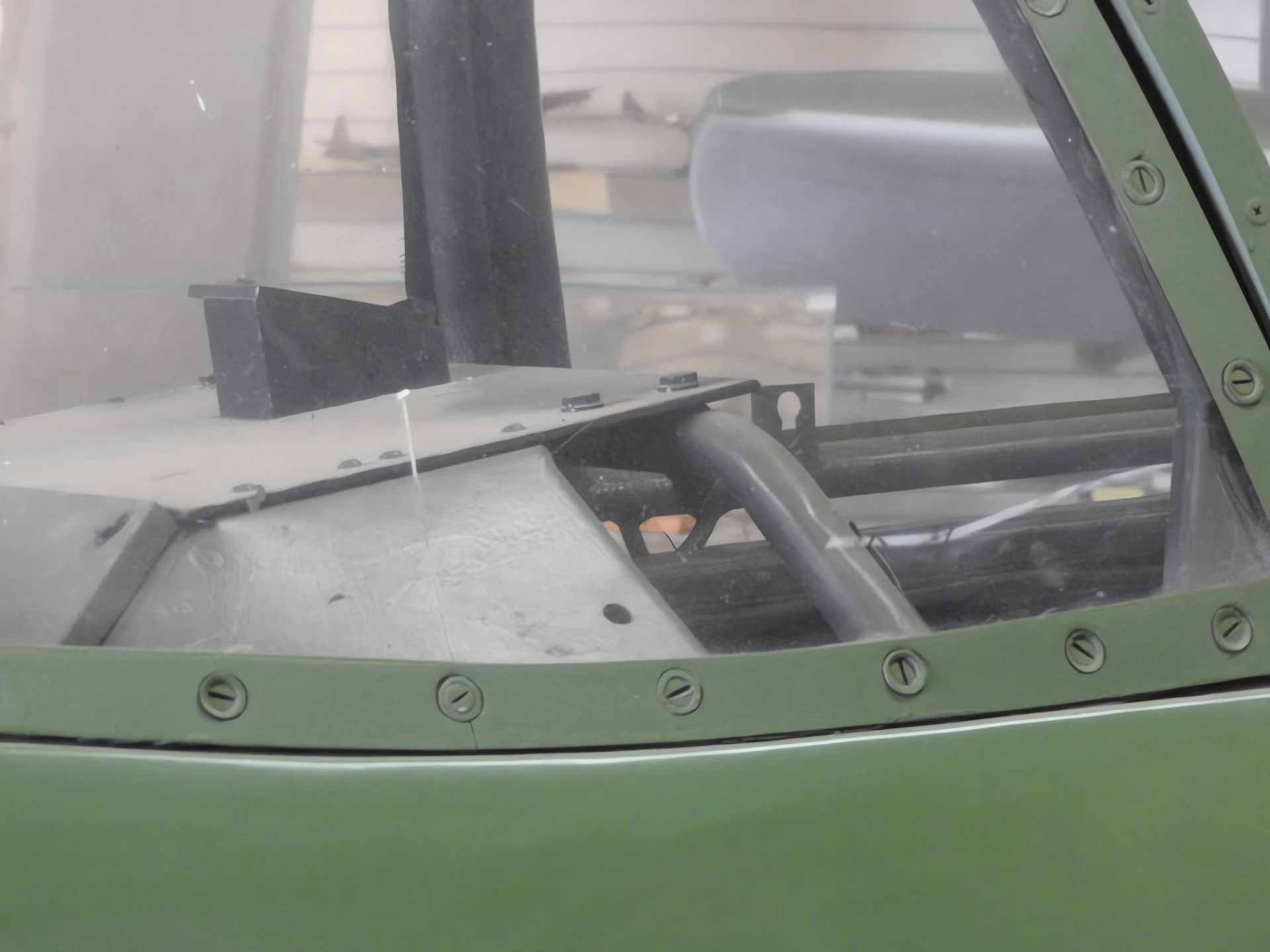
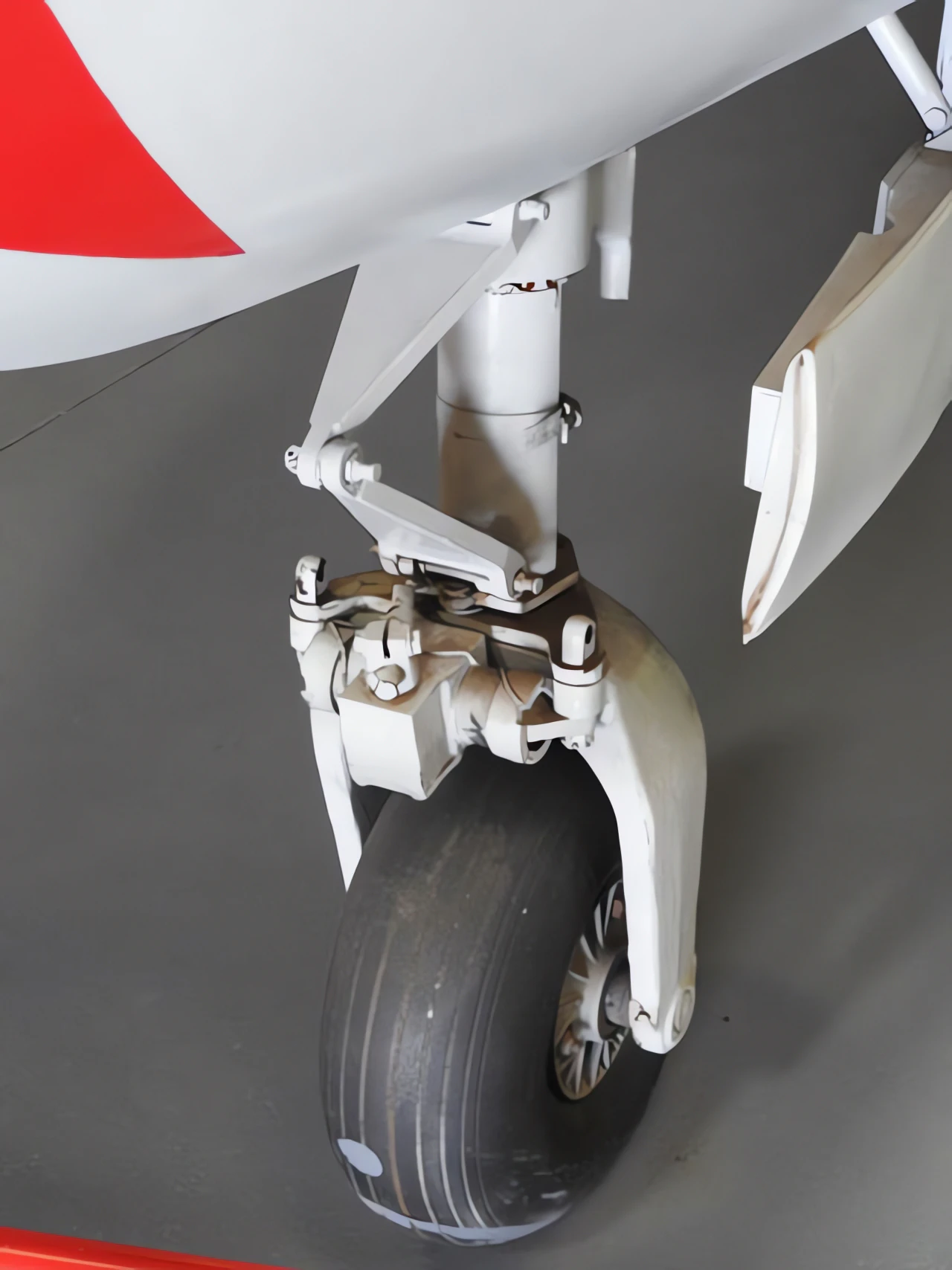
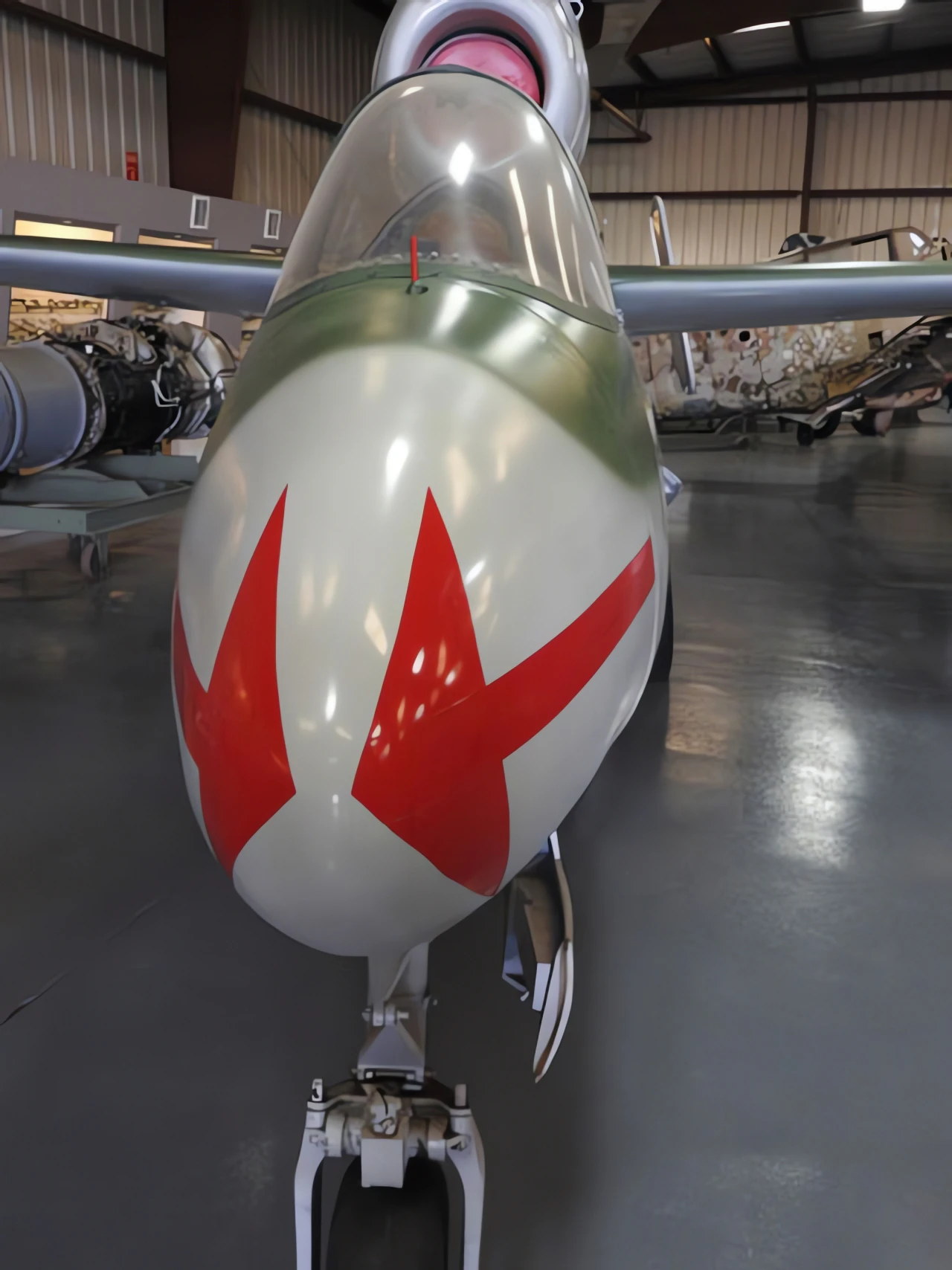

| Heinkel HE-162 Salamander Walk Around | |
|---|---|
| Фотограф | Bill Maloney |
| Локализация | Музей "Крила на орлите" |
| Снимки | 42 |
Вижте също:


| Heinkel He 162A-1 Volksjager Walk Around | |
|---|---|
| Фотограф | Не знам |
| Локализация | Не знам |
| Снимки | 31 |
| Heinkel He162A-1 Volksjager Walk Around | |
|---|---|
| Фотограф | Don Allen |
| Локализация | Не знам |
| Снимки | 45 |
| Heinkel HE-162 Walk Around | |
|---|---|
| Фотограф | Unknow |
| Локализация | Не знам |
| Снимки | 24 |
| Heinkel He-162A-2 Walk Around | |
|---|---|
| Фотограф | Vojtech Peterka |
| Локализация | Не знам |
| Снимки | 14 |
The Emergency Fighter
1. Heinkel He 162 was the result of the “Emergency Fighter Program” initiated in late 1944. As Allied bombers devastated German industry, the Luftwaffe needed a jet that was cheap, used non-strategic materials (like wood), and was easy to fly for Hitler Youth pilots with minimal training. Remarkably, the aircraft went from a wooden mockup to its first flight in only 90 days. While it was aerodynamically advanced and extremely fast, it was also dangerous to fly due to its sensitive handling and the poor quality of the glues used in its wooden construction.
| Attribute | Technical Specification (He 162 A-2) |
|---|---|
| Роля | Interceptor / Emergency Fighter |
| Екипажа | 1 (Pilot) |
| First Flight | December 6, 1944 |
| Силова установка | 1 × BMW 003E-1 turbojet |
| Thrust | 1,760 lbf (7.8 kN) |
| Maximum Speed | 562 mph (905 km/h) at 20,000 ft |
| Endurance | 30 minutes (approximate) |
| Въоръжение | 2 × 20mm MG 151/20 cannons |
Radical Engineering in a Hurry
- Dorsal Engine Mount: To simplify the fuel system and protect the engine from debris on rough runways, the BMW 003 jet was mounted directly on top of the fuselage. This required a twin-fin “H-tail” to allow the exhaust gases to pass between the rudders.
- Wooden Construction: The wings were made entirely of wood, as was the nose and various fairings. In a famous incident during the first flight, the acidic “Tego film” glue ate through the wooden wing structure, leading to a catastrophic structural failure.
- Ejection Seat: Despite being a “budget” fighter, the He 162 was one of the first operational aircraft to feature a Heinkel-designed ejection seat, powered by an explosive cartridge, because the pilot could not safely bail out through the top-mounted engine intake.
- The “Salamander” Mystery: “Salamander” was the codename for the wing construction project, while the aircraft itself was officially the Spatz (Sparrow) or Фолксягер.
Brief Combat and Capture
- Operational Units: Only one unit, JG 1, was fully equipped with the He 162 before the war ended. They claimed a handful of victories, but the aircraft’s short fuel endurance and landing gear issues caused more losses than enemy fire.
- The British Assessment: After the war, British test pilot Eric “Winkle” Brown flew the He 162 and described it as having “the best all-round view” and being a “delightful” aerobatic platform, though he warned it was “unforgiving” if mishandled.
- Aerodynamic Innovations: The wings featured distinctive turned-down “drooped” tips (Lippisch-style), which were intended to improve stability and prevent the aircraft from rolling unexpectedly at high speeds.
- Survivors: Because so many were built (approx. 320), several exist today. Notable examples are at the RAF Museum London, the Smithsonian, and the Musée de l’Air et de l’Espace in France.
Начини на показване : 7310
Можете да видите също :
 Къртис-Райт AT-9 – Снимки и видео
 Локхийд P-2 Нептун – снимки и видео
 Heinkel He 219 – Снимки и видео
 Heinkel He 100 – Снимки и видео
 P-47G гръмотевица – мобилна
 Хоукър море Ярост ФБРОб2 – Разходка Около
 Германия 111 – Разходка Около
 P-51D Мустанг vol2 – разходка около
 Б-17 гр летяща крепост – мобилна
 Месершмит БФ 109Г-2 – Разходка Около