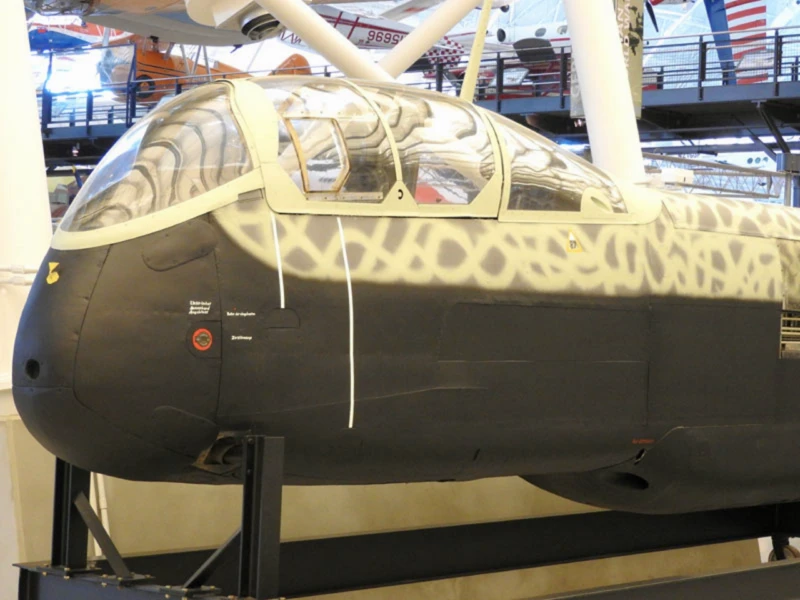
Heinkel He 219 | |
|---|---|
| Land | Nazi-Duitsland |
| Role | De vechter van de nacht |
| Eerste vlucht | van 6 november 1942 tot 6 november 1942 |
| Gebouwd | 300 |
De Heinkel He 219 Uhu ("Oehoe") was een nachtjager die diende met de Duitse Luftwaffe in de latere stadia van de Tweede Wereldoorlog. Een relatief geavanceerd ontwerp, de He 219 bezat een verscheidenheid aan innovaties, waaronder Lichtenstein SN-2 geavanceerde VHF-band intercept radar, ook gebruikt op de Ju 88G en Bf 110G nachtjagers. Het was ook het eerste operationele militaire vliegtuig dat werd uitgerust met schietstoelen en het eerste operationele Duitse vliegtuig uit de Tweede Wereldoorlog met driewieler landingsgestel. Als de Uhu in hoeveelheid beschikbaar was geweest, had het mogelijk een significant effect gehad op het strategische nachtelijke bombardementsoffensief van de Royal Air Force; maar slechts 294 van alle modellen werden gebouwd tegen het einde van de oorlog en deze zagen slechts beperkte service. Ernst-Wilhelm Modrow was de leidende nachtvechter ace op de He 219. Modrow werd gecrediteerd met 33 van 34 nacht luchtoverwinningen op het type.
| Heinkel He 219 A-2 Uhu Rondlopen | |
|---|---|
| Fotograaf | Cees Hendriks |
| Lokalisatie | Onbewust |
| Foto 's | 65 |
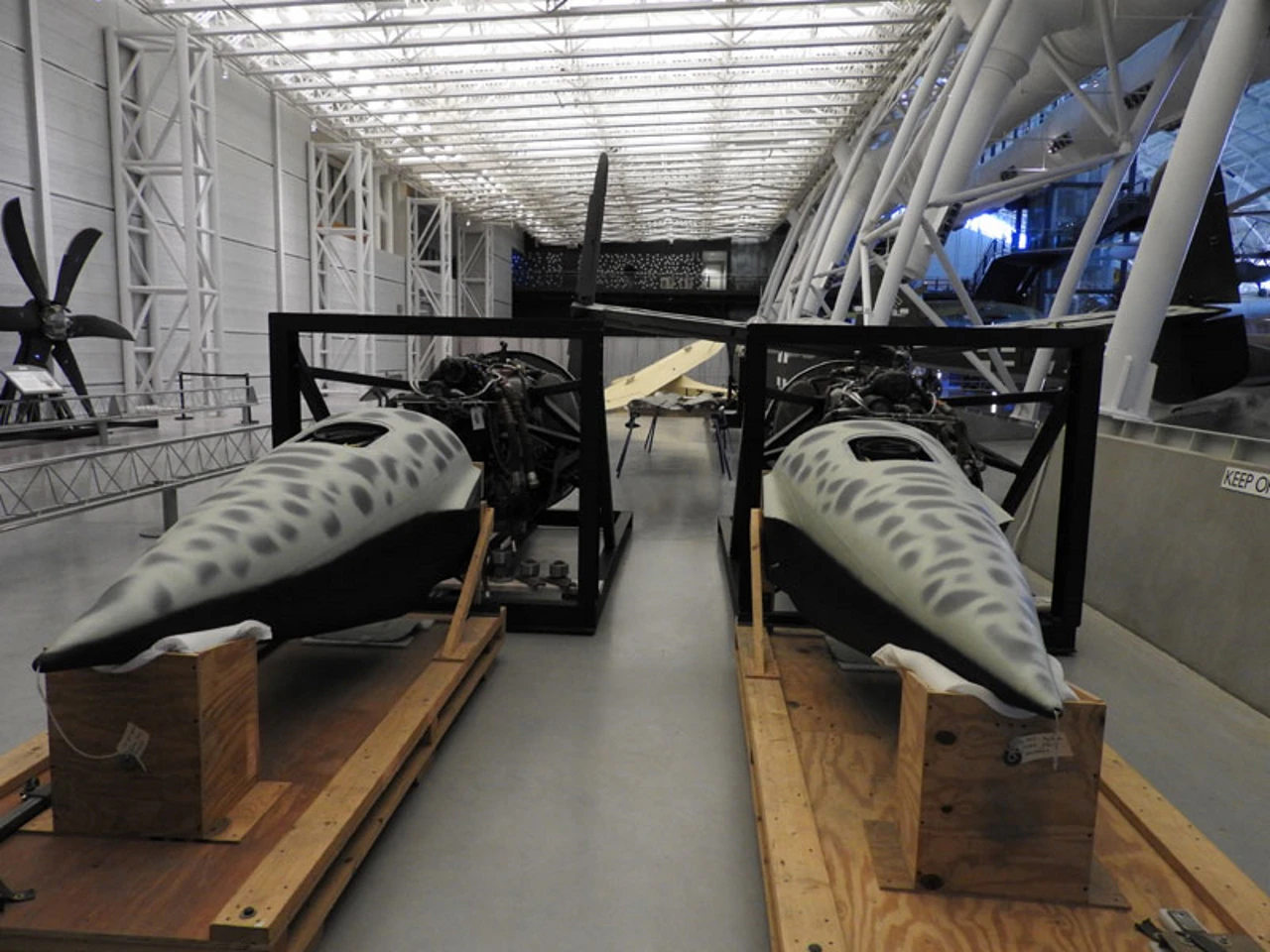
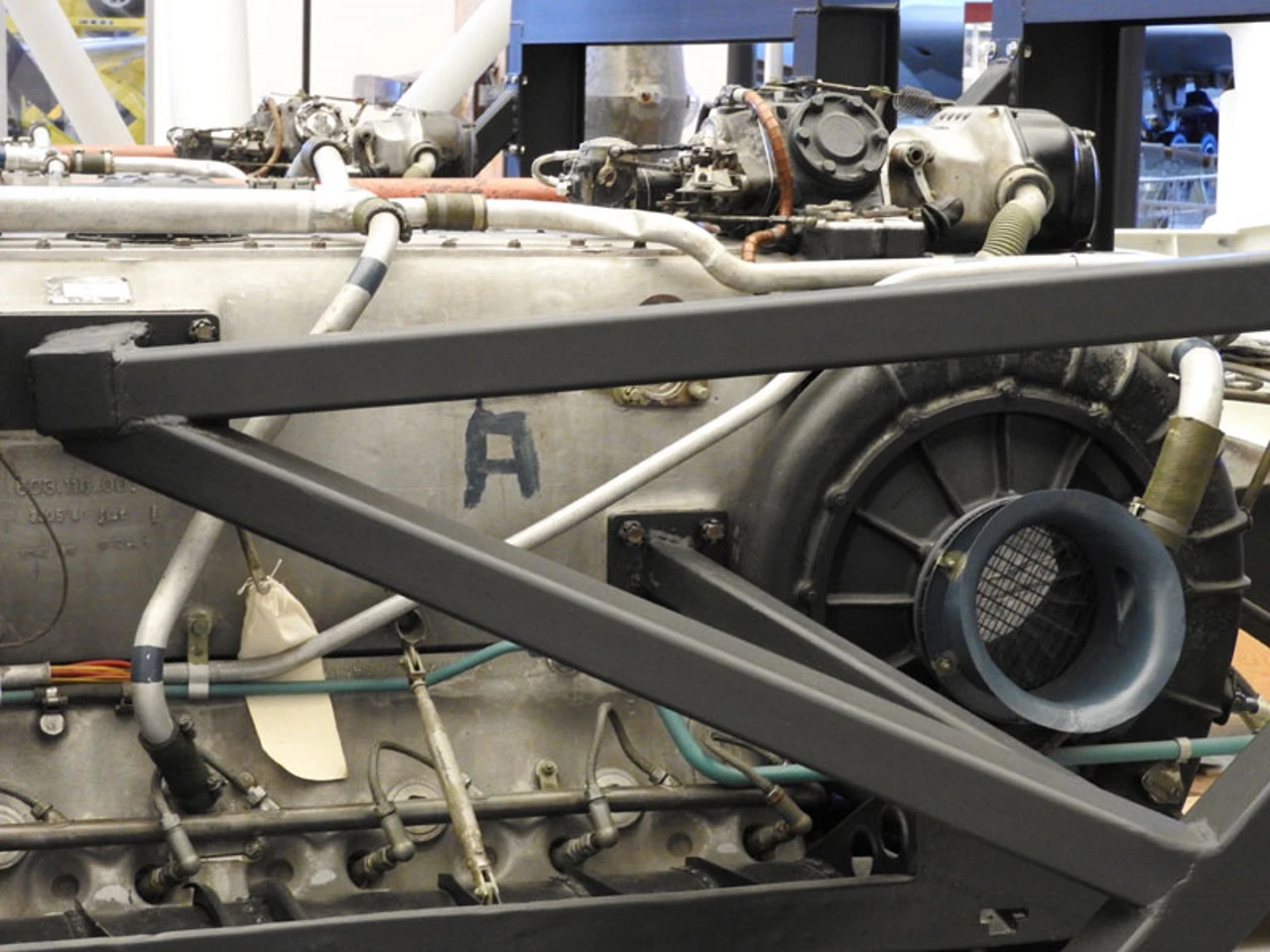
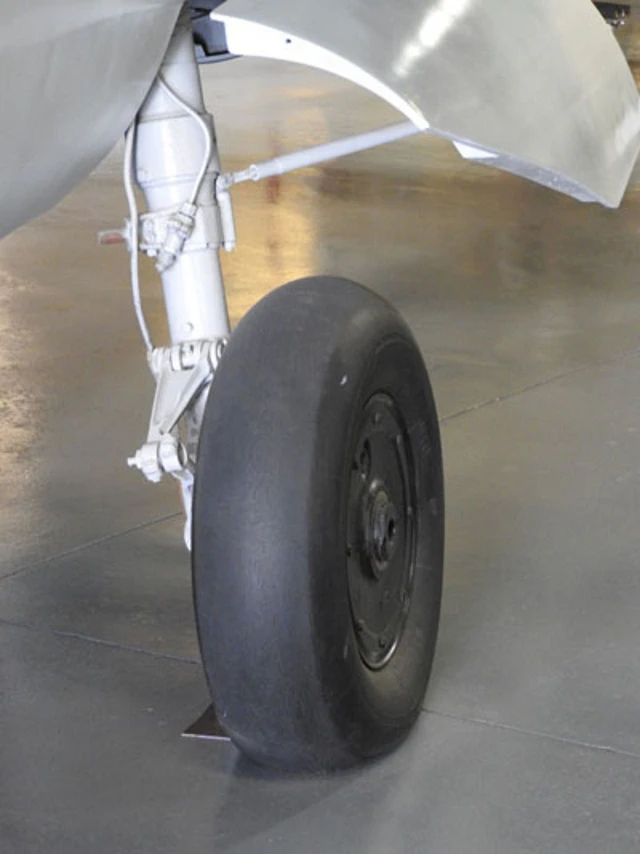
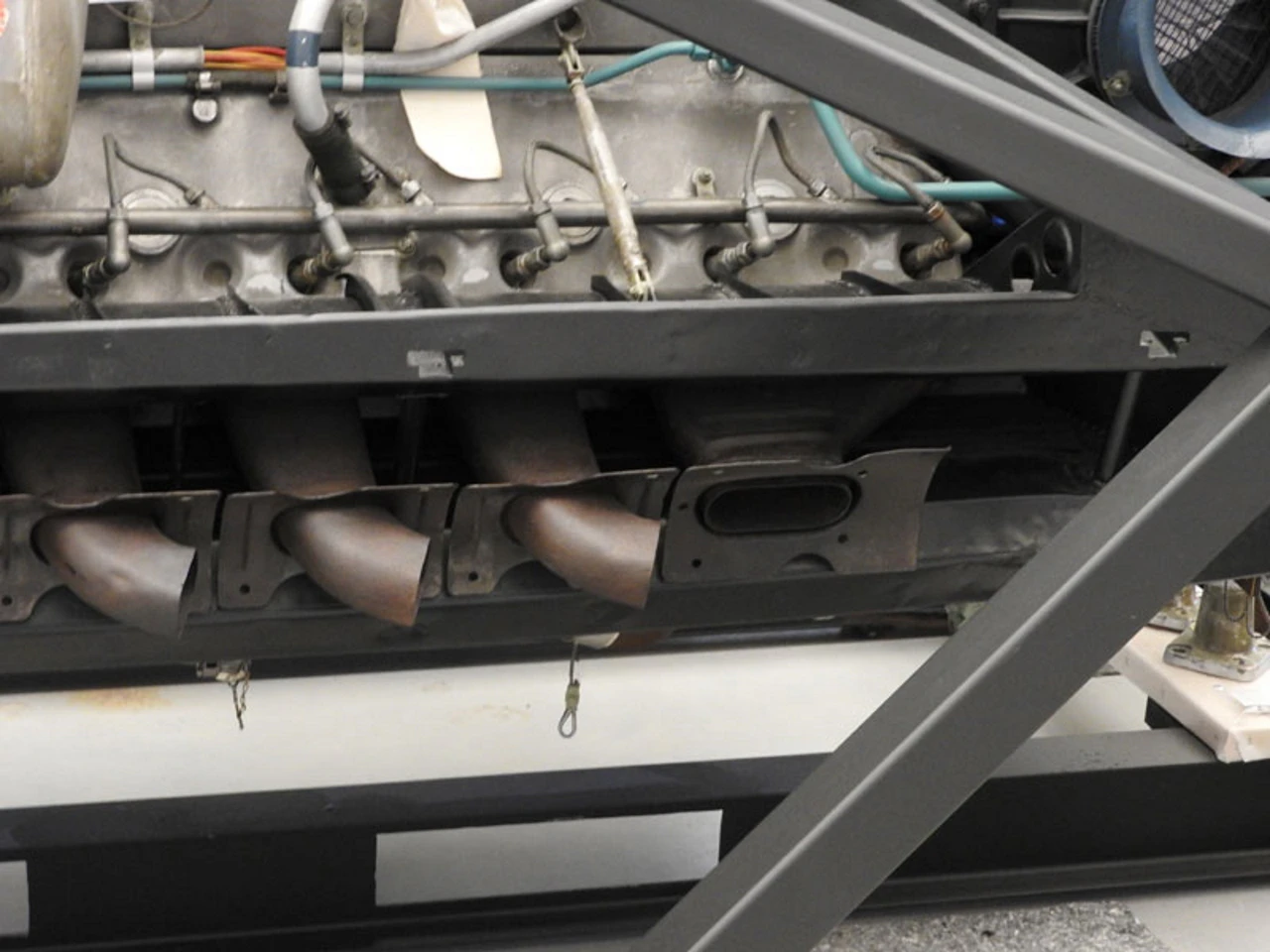
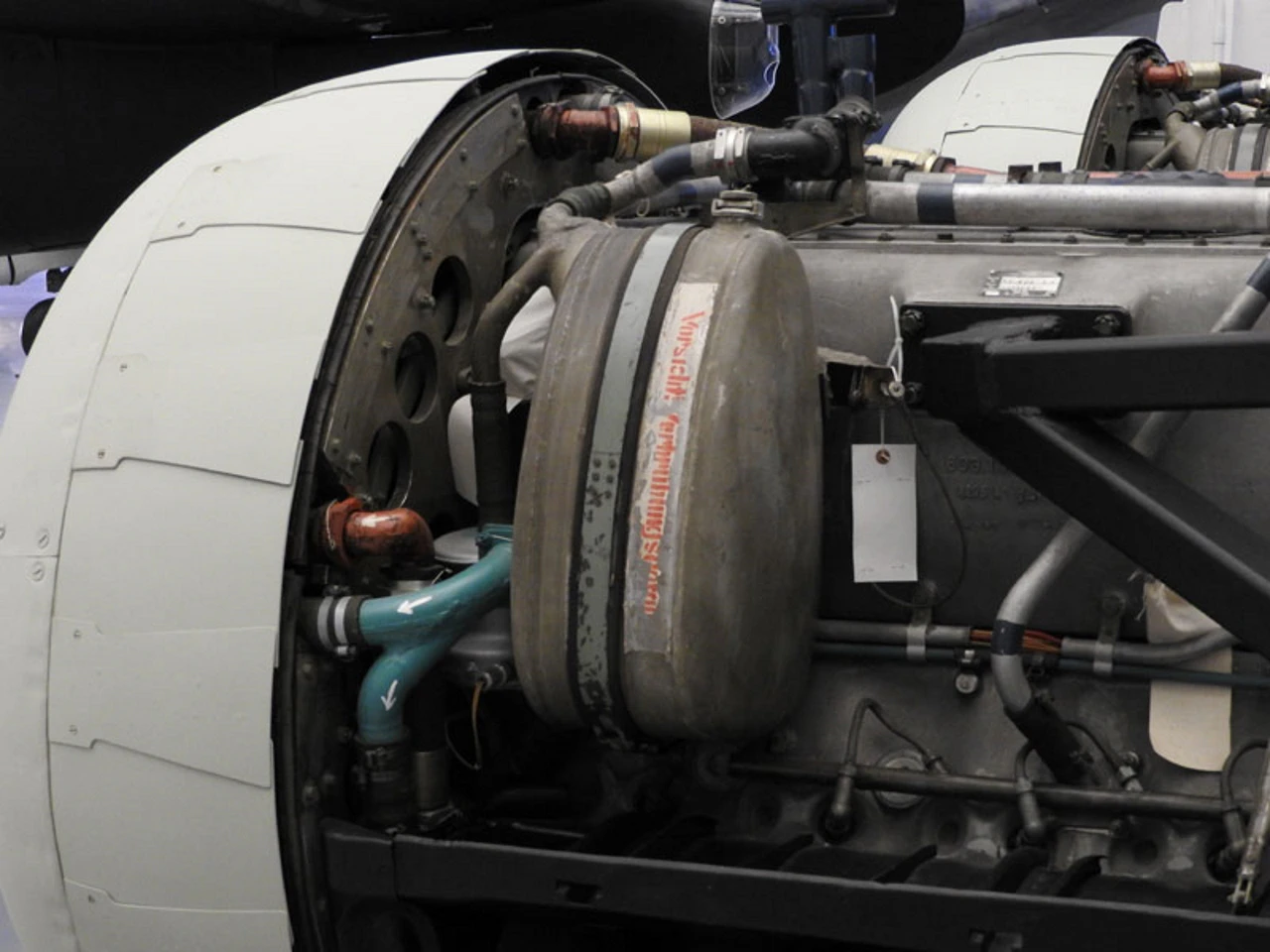
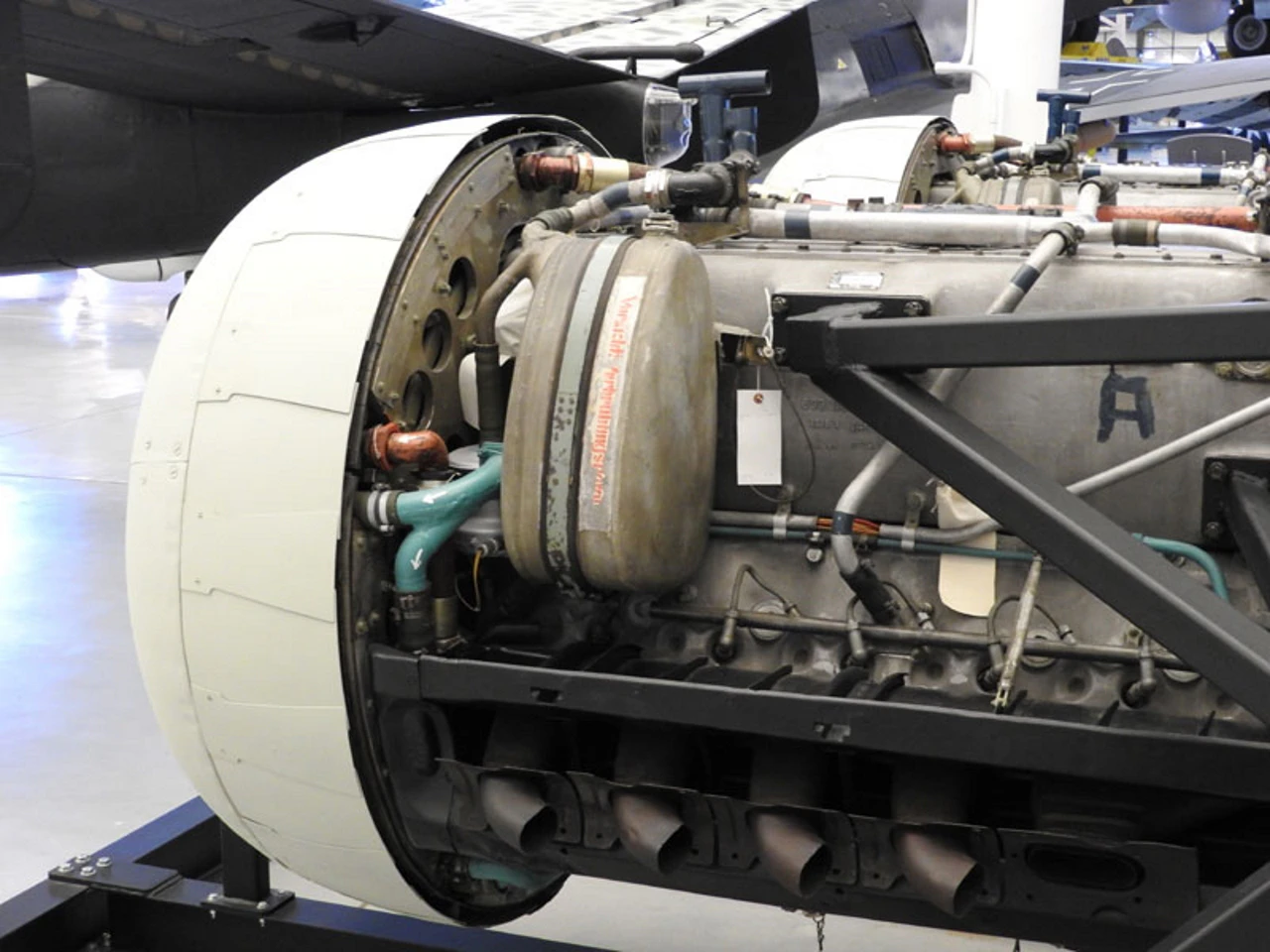
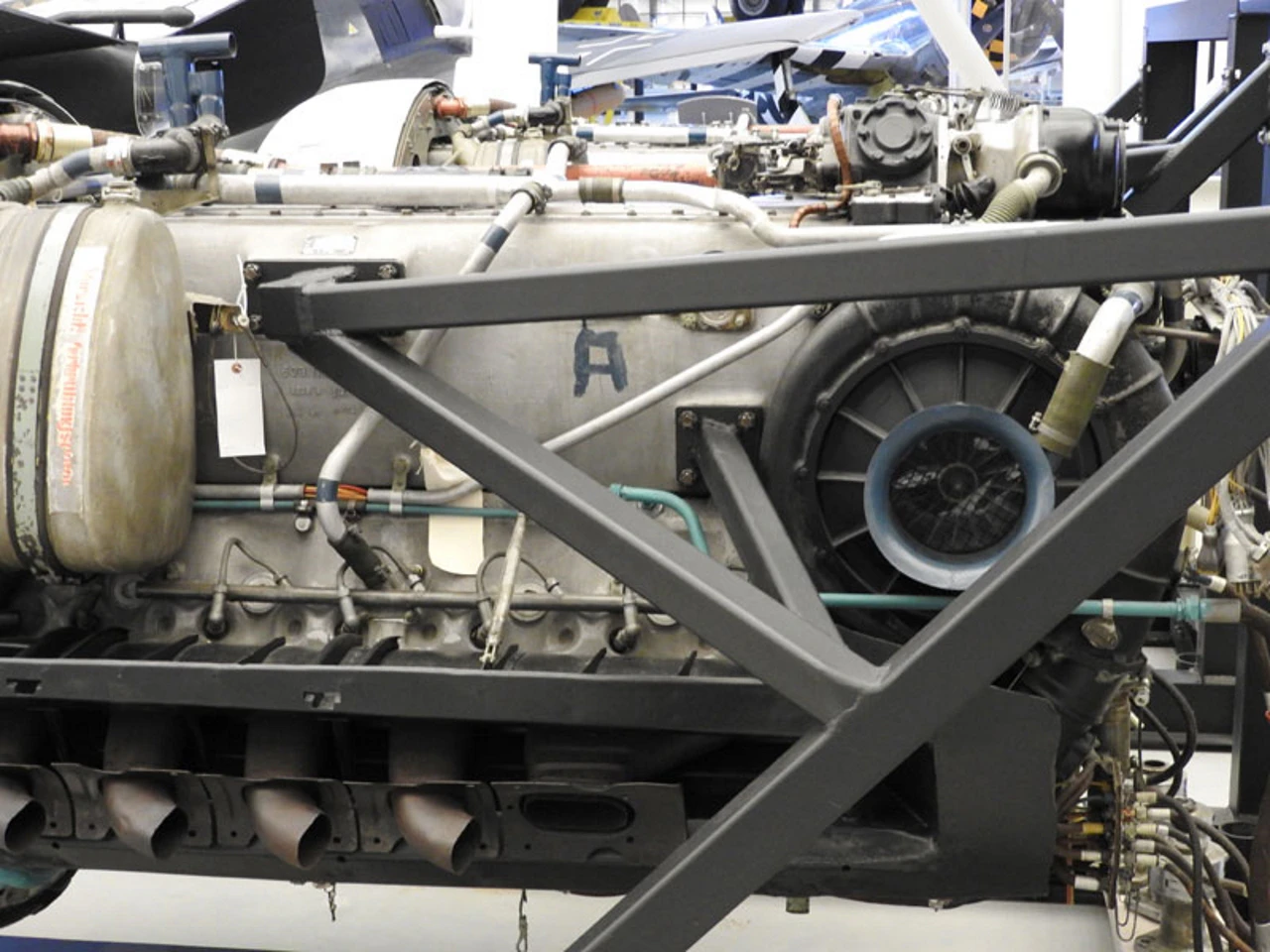
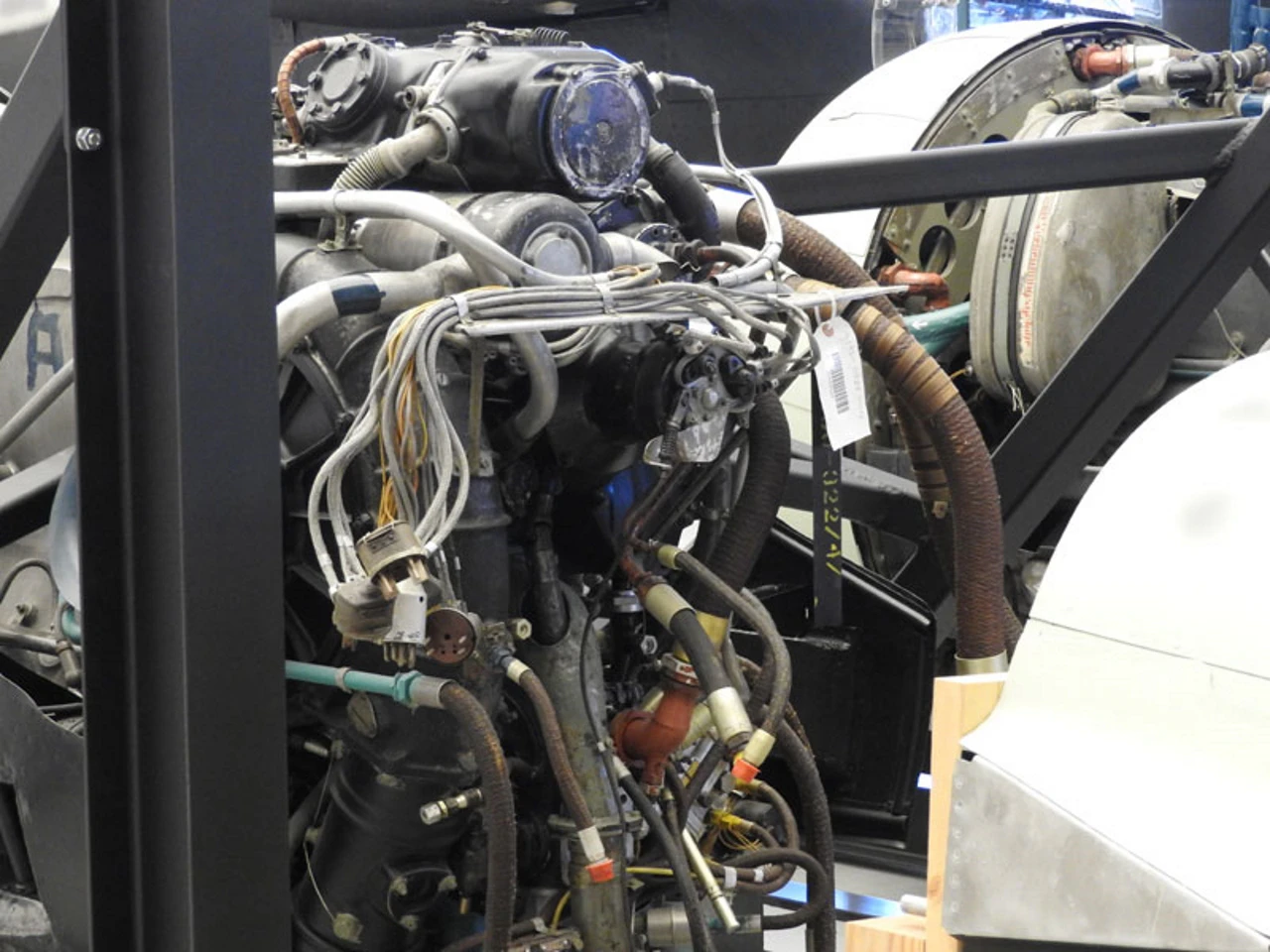
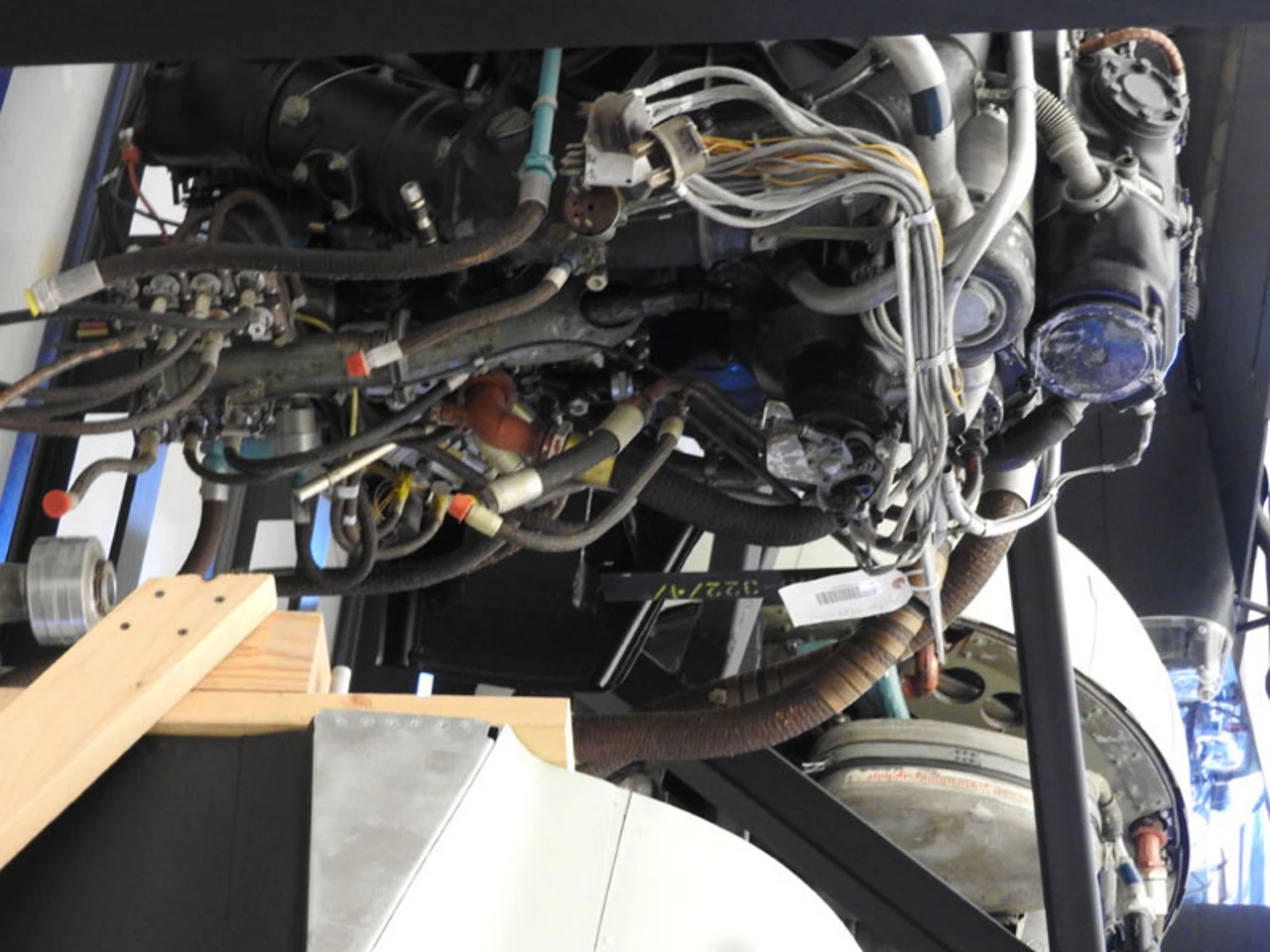

Zie ook:


The Scourge of the Night Bombers
De Heinkel He 219 Uhu was arguably the finest night fighter produced during World War II. It was a sophisticated, purpose-built hunter designed to intercept the RAF’s heavy bomber streams. On its very first combat mission in June 1943, the prototype shot down five Lancaster bombers in a single night. Despite its incredible performance and the desperate need for such a defender, the “Uhu” suffered from political infighting within the Luftwaffe leadership, which severely limited its production numbers.
| Attribute | Technical Specification (He 219 A-7) |
|---|---|
| Role | Night Fighter |
| Bemanning | 2 (Pilot and Radar Operator) |
| First Flight | November 6, 1942 |
| Krachtbron | 2 × Daimler-Benz DB 603G inverted V-12 |
| Horsepower | 1,750 hp (1,305 kW) per engine |
| Maximum Speed | 416 mph (670 km/h) |
| Radar | FuG 220 Lichtenstein SN-2 |
| Bewapening | Up to 6 × 20mm or 30mm cannons (including Schräge Musik) |
A Masterclass in High-Tech Design
- The First Ejection Seats: The He 219 was the first operational aircraft in the world to be equipped with compressed-air ejection seats for both crew members, ensuring they could escape the high-speed aircraft in an emergency.
- Tricycle Landing Gear: Rare for German designs of the time, the Uhu featured a nose-wheel configuration. This gave the pilot excellent visibility while taxiing and made landings much safer at the high speeds required by its heavy wing loading.
- “Schräge Musik” (Slanted Music): The He 219 frequently carried two 30mm MK 108 cannons mounted behind the cockpit, firing upward at a 65-degree angle. This allowed the pilot to fly underneath a bomber—where its gunners couldn’t see him—and fire directly into the fuel tanks.
- Advanced Radar Array: The nose was dominated by the “antlers” of the Lichtenstein radar. The FAW.7 version featured the SN-2 array, which was resistant to the “Window” (chaff) dropped by British bombers to confuse German sensors.
Operational Excellence & Rarity
- The Mosquito Hunter: The He 219 was one of the few German aircraft fast enough and agile enough at high altitude to consistently intercept and shoot down the elusive de Havilland Mosquito.
- Modular Armament: The “Waffenträger” (Weapon Carrier) tray beneath the fuselage allowed armorers to quickly swap out cannon configurations, letting the aircraft be tailored for different mission types in minutes.
- The “Uhu” Legacy: Only about 294 were built before the end of the war. After the conflict, both the US and UK captured surviving airframes for intense study, as its cockpit ergonomics and sensor integration were years ahead of their time.
- The Sole Survivor: Today, only one He 219 exists. It was painstakingly restored and is now on display at the **Steven F. Udvar-Hazy Center** in the United States.
Views : 5339
U ook zien :
 Beechcraft RC-12 Vangrail – Foto's & Video's
 Cessna 310 – Foto's & Video's
 Curtiss P-36 Hawk – Foto's &video's
 Cessna T-37 Tweet - Foto's & Video's
 Boeing KC-97 Stratofreighter – Foto's &Video's
 Heinkel He 162 – Foto's & Video
 Heinkel He 100 – Foto's & Video
 B-35 – de Havilland Mosquito – WalkAround
 Mirage IIIC – WalkAround
 Heinkel He 111 – Rondlopen