多尼尔多.335 | |
|---|---|
| 国家 | 纳粹德国 |
| 作用 | 战斗机轰炸机 |
| 首次飞行 | 1943年10月26日 |
| 建立 | 37 |
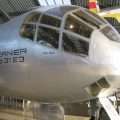
这 多尼尔做 335 Pfeil("箭")是二战时期由多尼尔公司制造的重型战斗机。双座教练版本也被称为阿梅森鲍尔("前台")。Pfeil 的性能比其他双引擎设计好得多,因为它独特的"推拉"布局和两个发动机的直列对齐的低空气动力学阻力。这是德国二战中最快的活塞发动机飞机。Luftwaffe非常希望将设计投入运营,但发动机交付的延迟意味着在战争结束前只交付了少数产品。
| 多尼尔 · 多. 335 A - 0 Pfeil 四处走动 | |
|---|---|
| 摄影师 | 塞斯·亨德里克斯 |
| 本地化 | 未知 |
| 照片 | 67 |
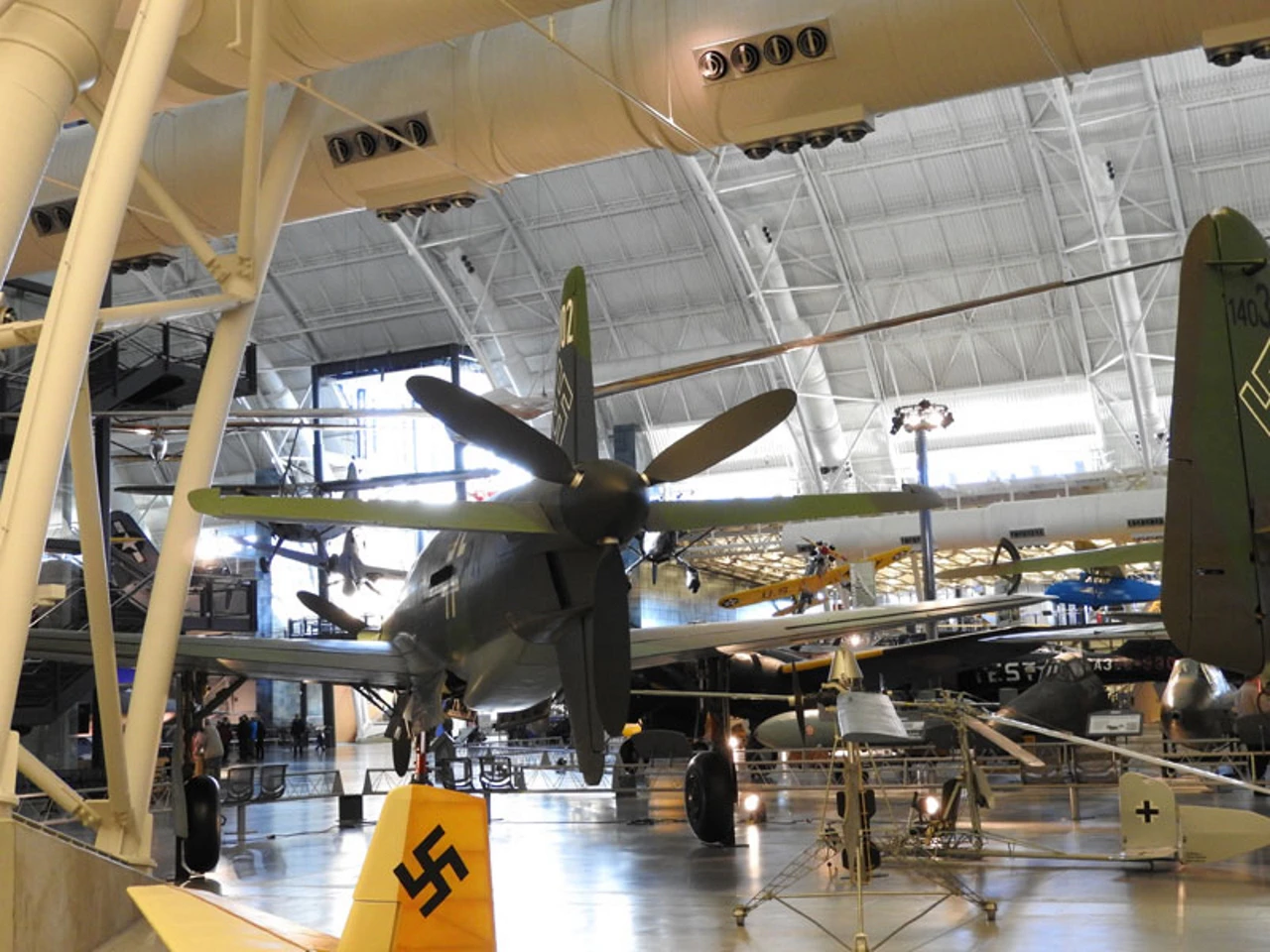
Dornier Do.335 01
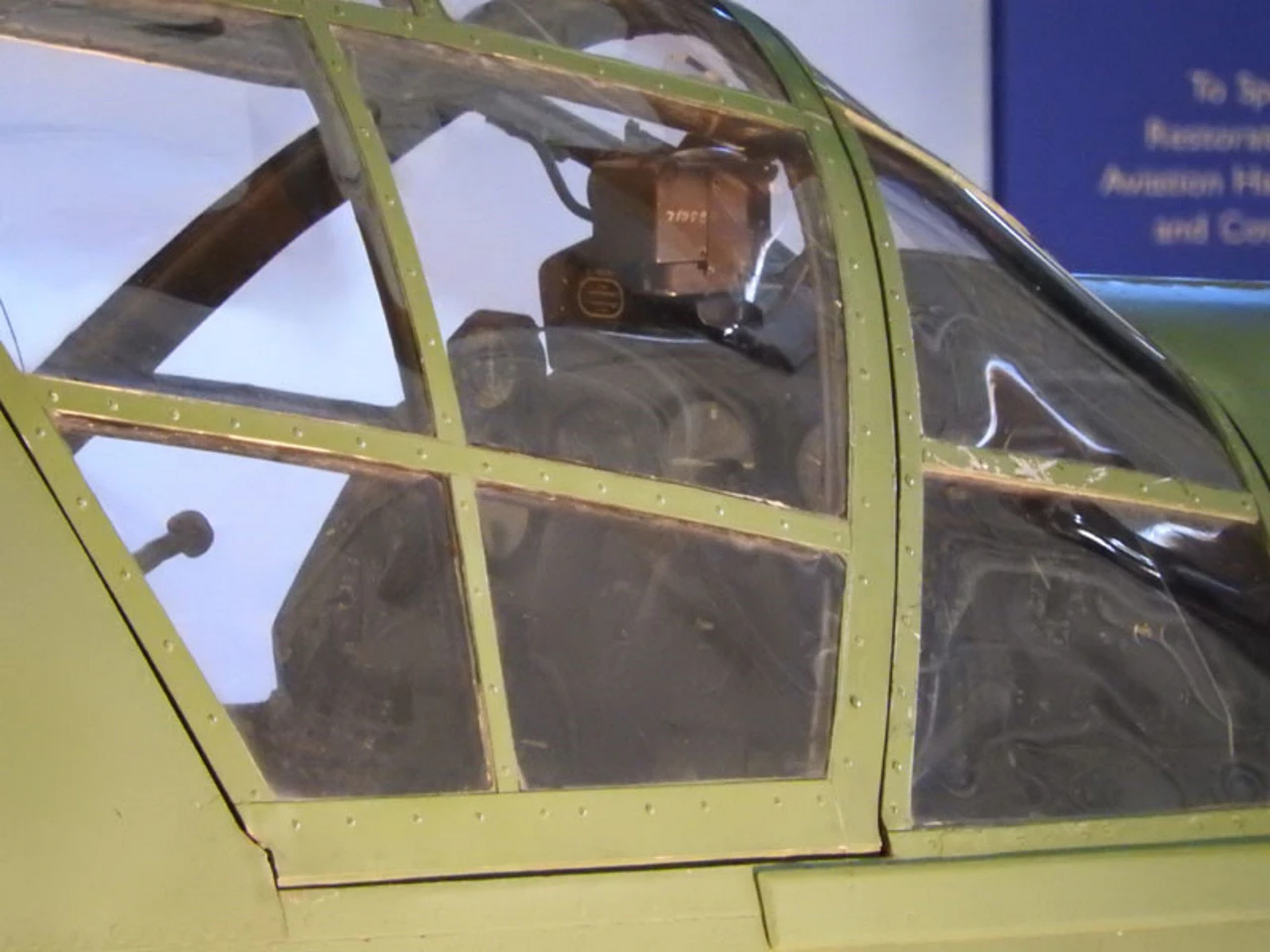
Dornier Do.335 02
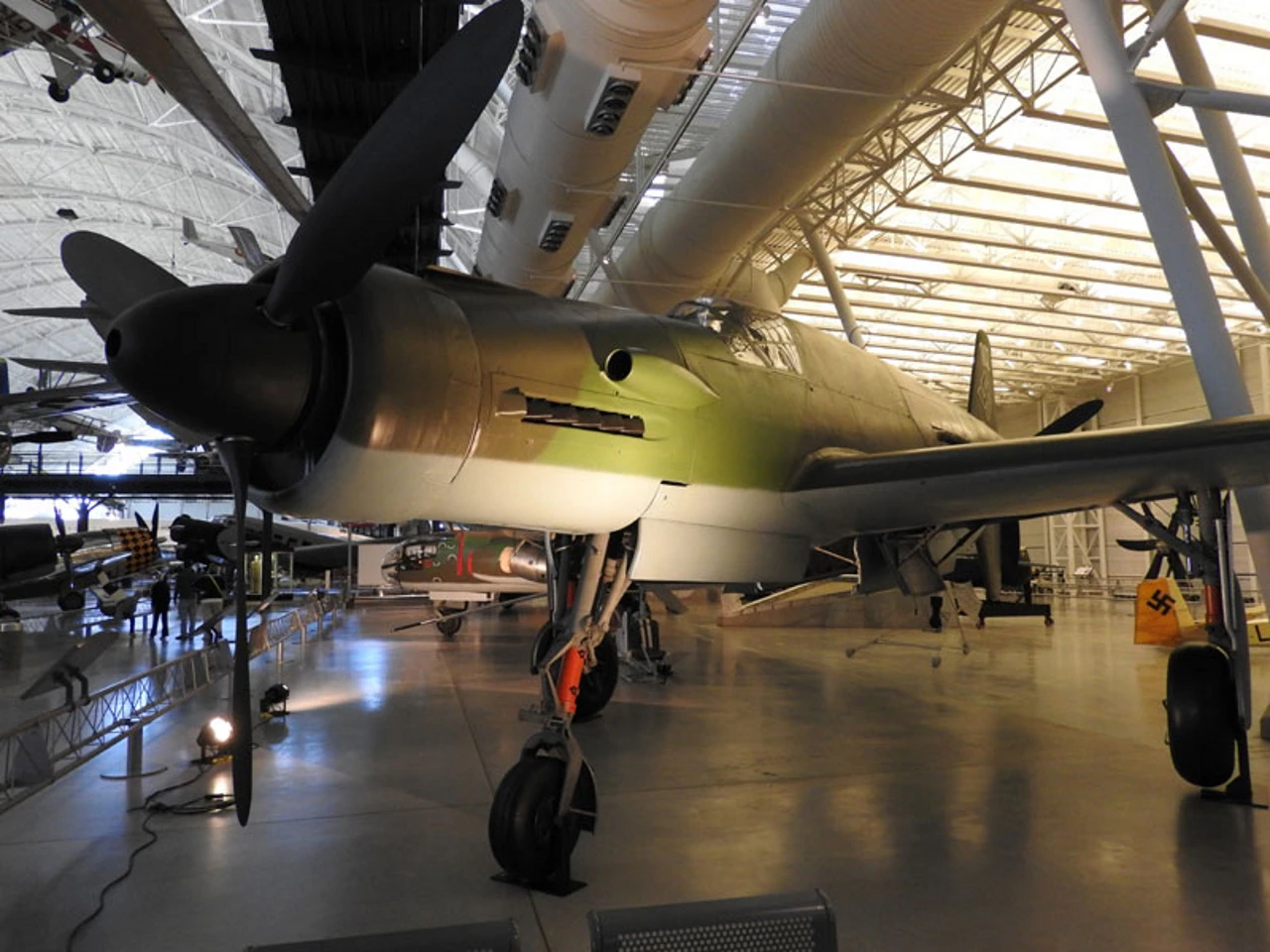
Dornier Do.335 03
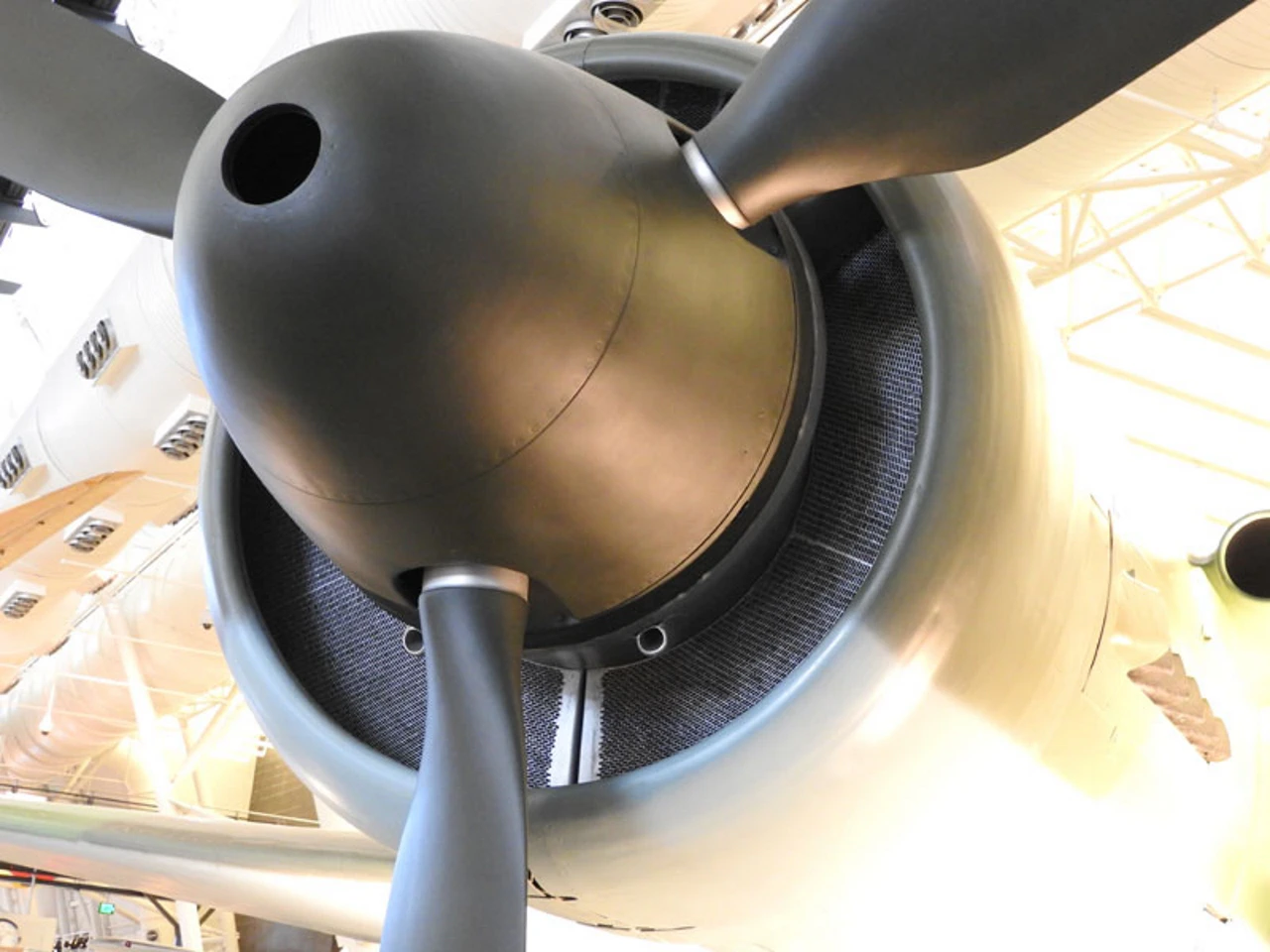
Dornier Do.335 04
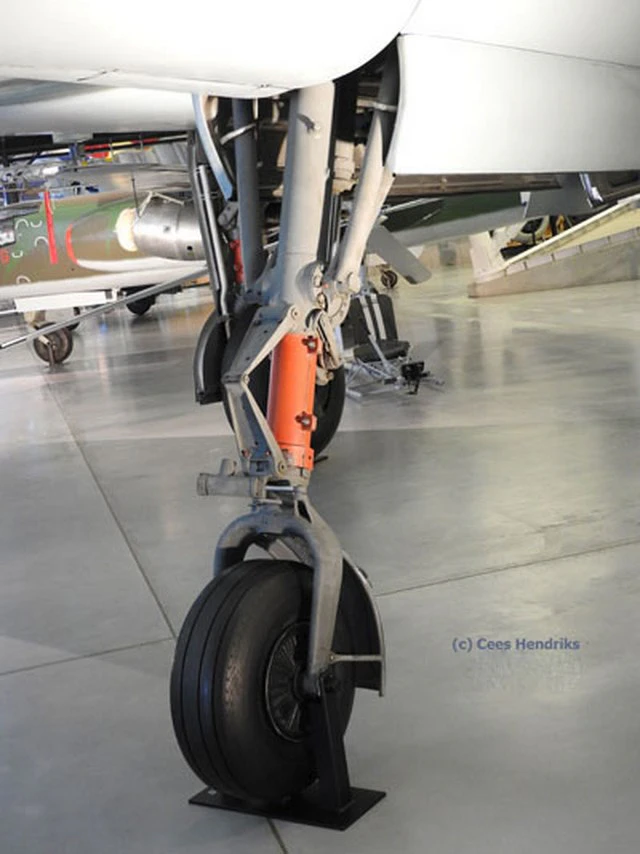
Dornier Do.335 05
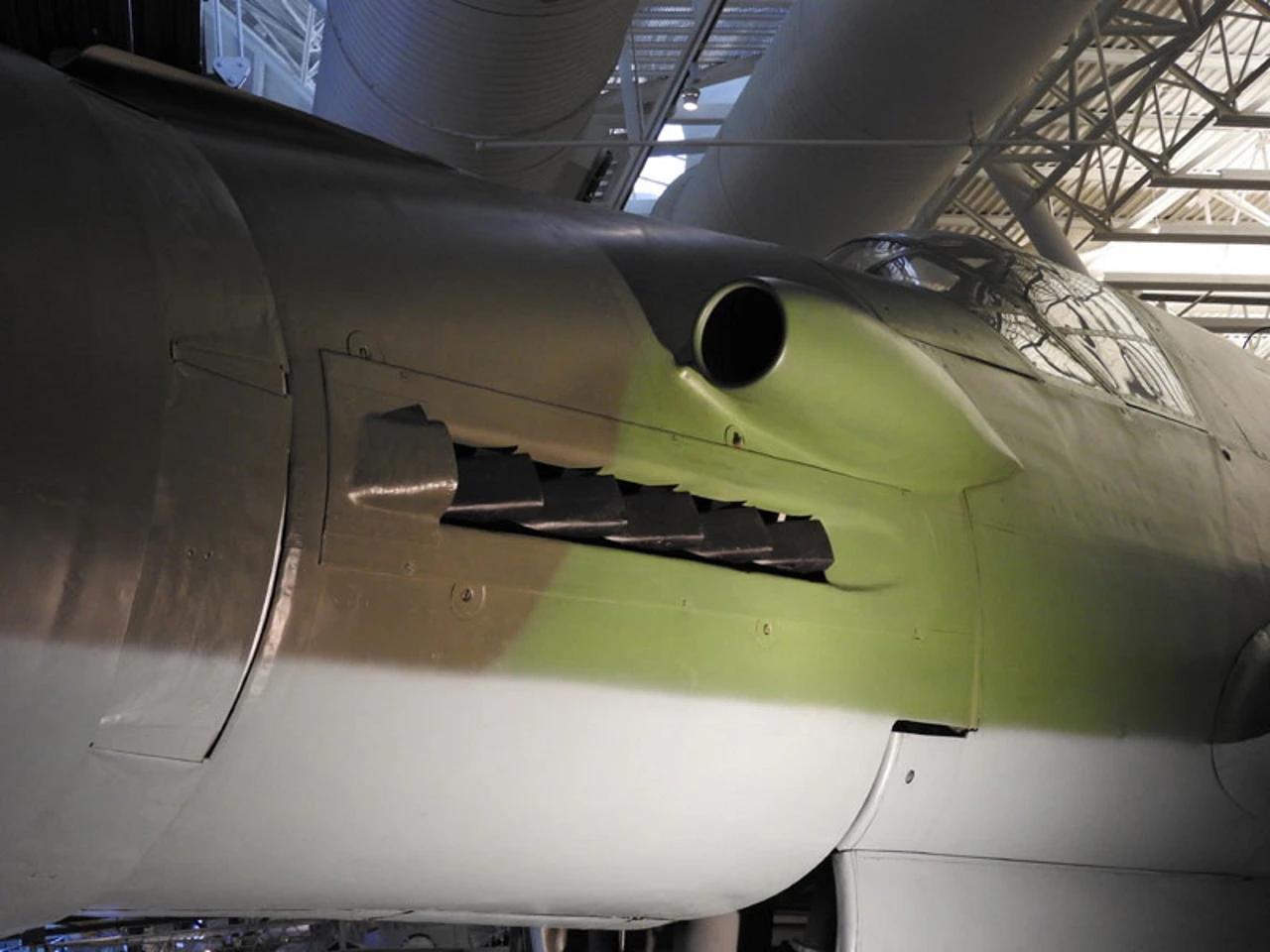
Dornier Do.335 06
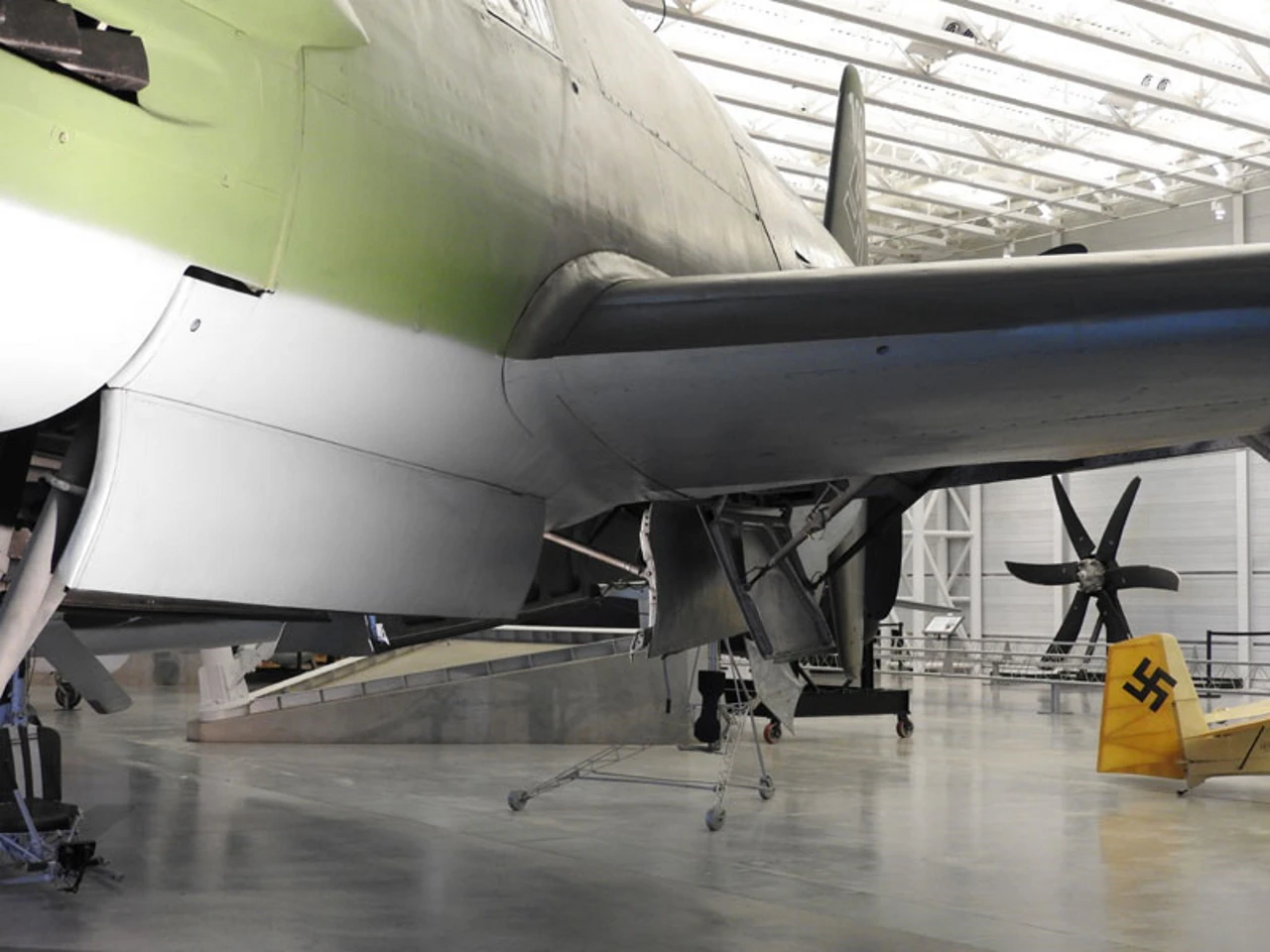
Dornier Do.335 07
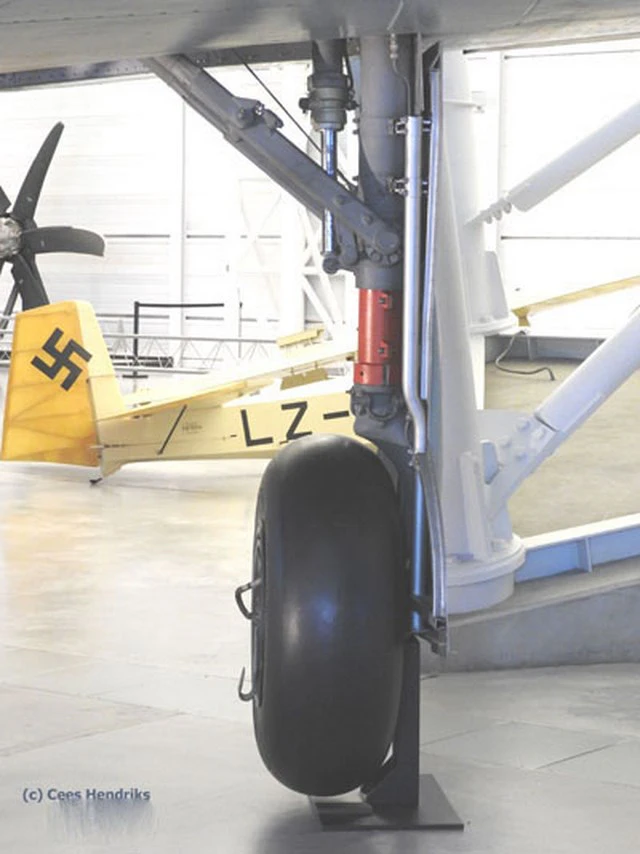
Dornier Do.335 08
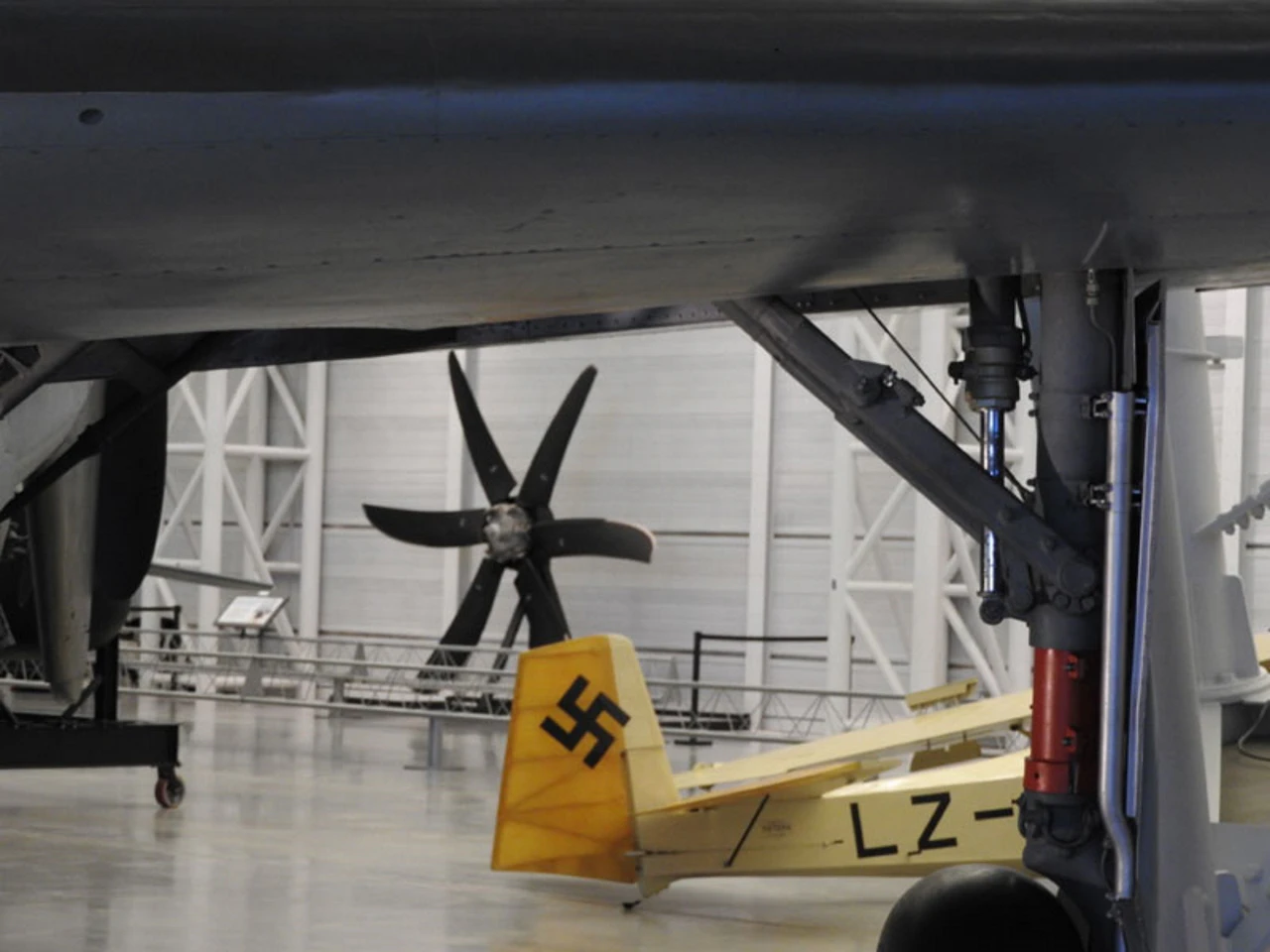
Dornier Do.335 09
等等,为您搜索多尼尔多335.。。

| Dornier Do 335 A B-2 Pfeil | |
|---|---|
| 摄影师 | Unknow |
| 本地化 | 未知 |
| 照片 | 26 |
另请参阅:


A Radical Approach to Speed
这 多尼尔做 335 普费尔 was a revolutionary heavy fighter that defied conventional twin-engine design. By placing the engines in a “push-pull” tandem arrangement—one in the nose and one in the tail—Dornier eliminated the aerodynamic drag associated with wing-mounted nacelles and solved the deadly “asymmetric thrust” issues that plagued traditional twin-engine planes if one engine failed. The result was a massive, incredibly fast aircraft that could outrun almost anything in the sky.
| Attribute | Technical Specification (Do 335 A-1) |
|---|---|
| 作用 | Heavy Fighter / Fighter-Bomber |
| 船员 | 1 (A-series) or 2 (M-series night fighter) |
| First Flight | October 26, 1943 |
| 动力装置 | 2 × Daimler-Benz DB 603E inverted V-12s |
| Horsepower | 1,800 hp (1,342 kW) per engine |
| 最高速度 | 474 mph (763 km/h) |
| Service Ceiling | 37,400 feet (11,400 m) |
| 装备 | 1 × 30mm MK 103 cannon (engine-mounted); 2 × 20mm MG 151/20 cannons |
The “Push-Pull” Innovation
- Tandem Engine Layout: The front engine drove a standard tractor propeller, while the rear engine drove a pusher propeller via a long extension shaft. This kept the frontal area small, giving the Do 335 the drag profile of a single-engine fighter despite having double the power.
- The Cruciform Tail: To protect the rear propeller during takeoff and landing, the Do 335 featured a unique four-finned “cross” tail. The lower vertical fin acted as a bumper to prevent the propeller from striking the runway if the pilot over-rotated.
- Emergency Separation: Because of the rear propeller, a traditional bailout was impossible. The Do 335 featured an ejection seat; before the pilot was launched, explosive bolts would blow off the rear propeller and the top vertical fin to ensure a clear escape path.
- Reversible Pitch Propellers: The rear propeller could be adjusted to provide reverse thrust, significantly shortening the landing run for such a heavy and fast aircraft.
Combat Capability & Late Arrival
- The “Anteater” (Ameisenbär): The two-seat night fighter version (Do 335 A-6) featured a second, raised cockpit for the radar operator, giving the aircraft a humped appearance that led to its ungraceful nickname.
- Heavy Firepower: The 30mm MK 103 cannon fired through the front propeller hub (Motorkanone), providing enough destructive power to down a heavy bomber with just a few hits.
- The “Ghost” Interceptions: While the Do 335 never saw major air-to-air combat, several Allied pilots reported seeing a massive, incredibly fast German plane that simply pulled away from them with ease. Famous French ace Pierre Clostermann once attempted to intercept one in a Hawker Tempest, but the “Arrow” outran him before he could get in range.
- Preservation: Only one complete Do 335 survives today. Captured by the Americans, it was returned to Germany for restoration in the 1970s before being placed on permanent display at the Steven F. Udvar-Hazy Center in Virginia, USA.
意见:6090