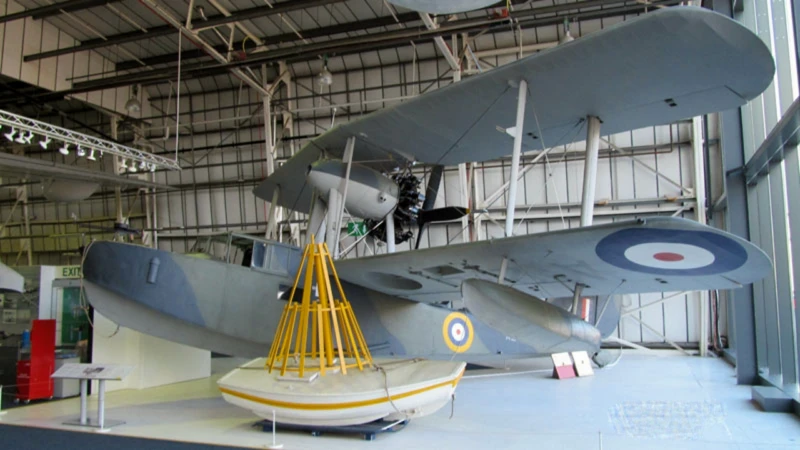
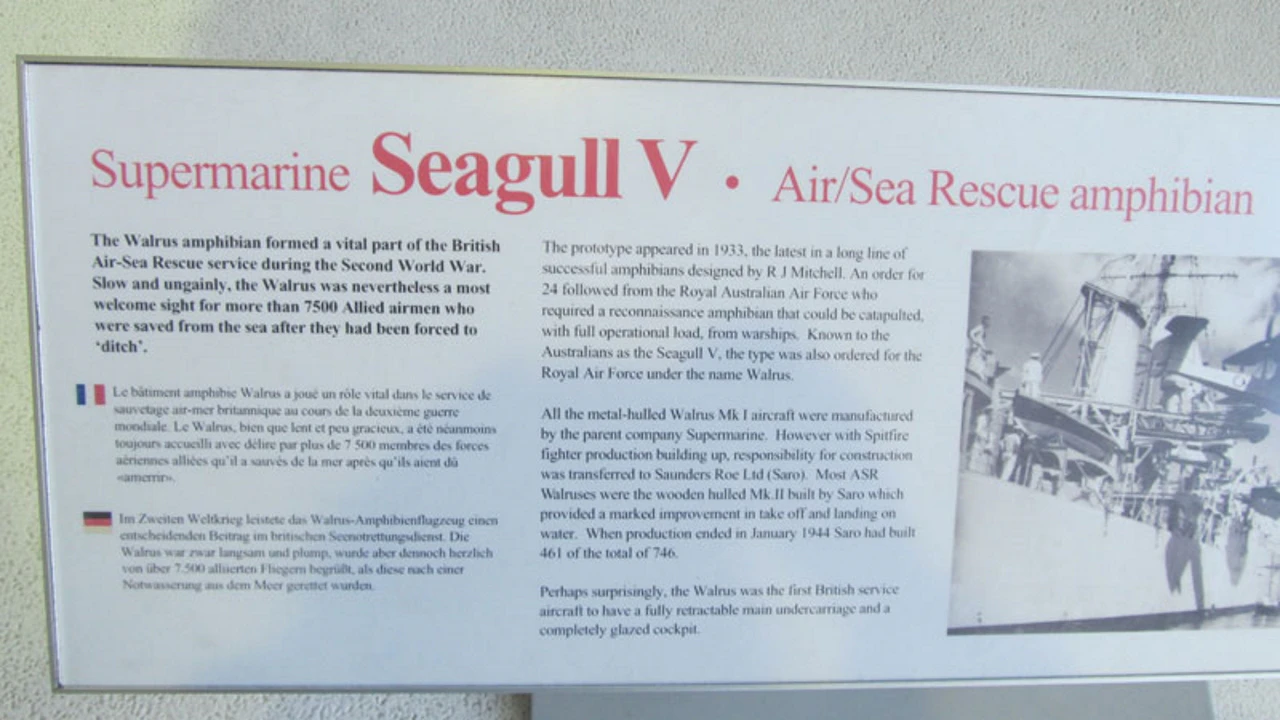
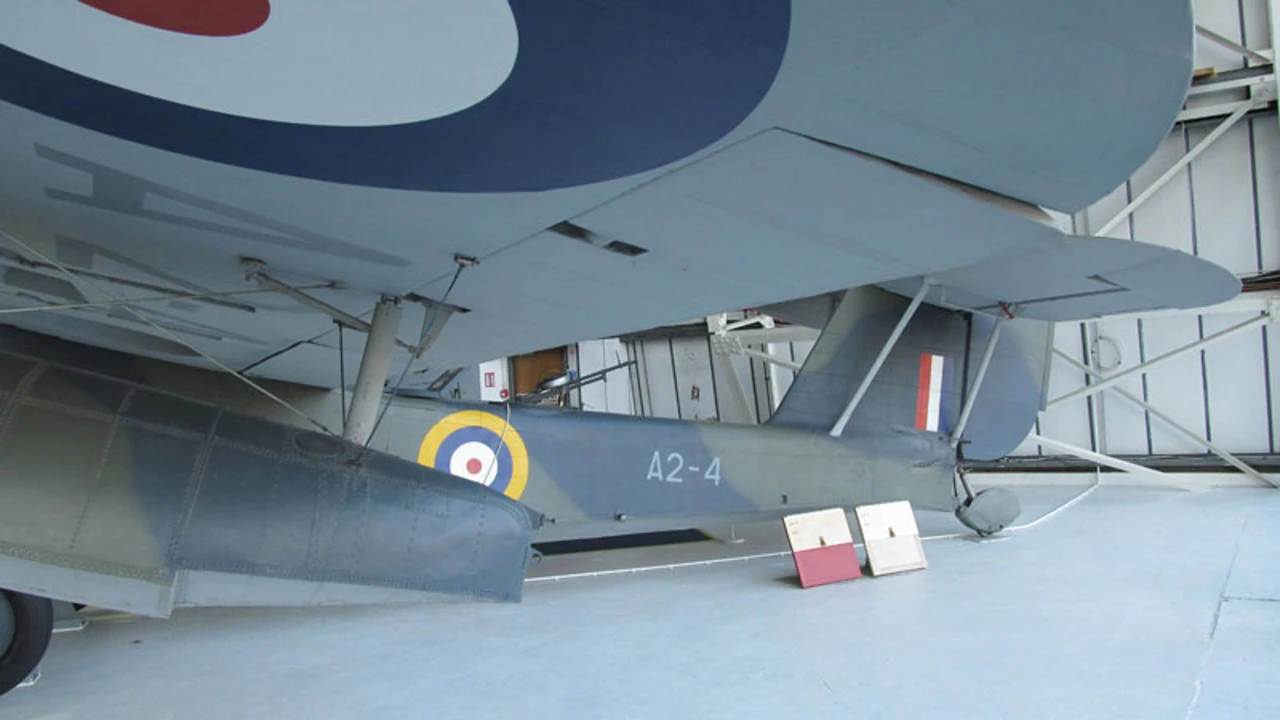
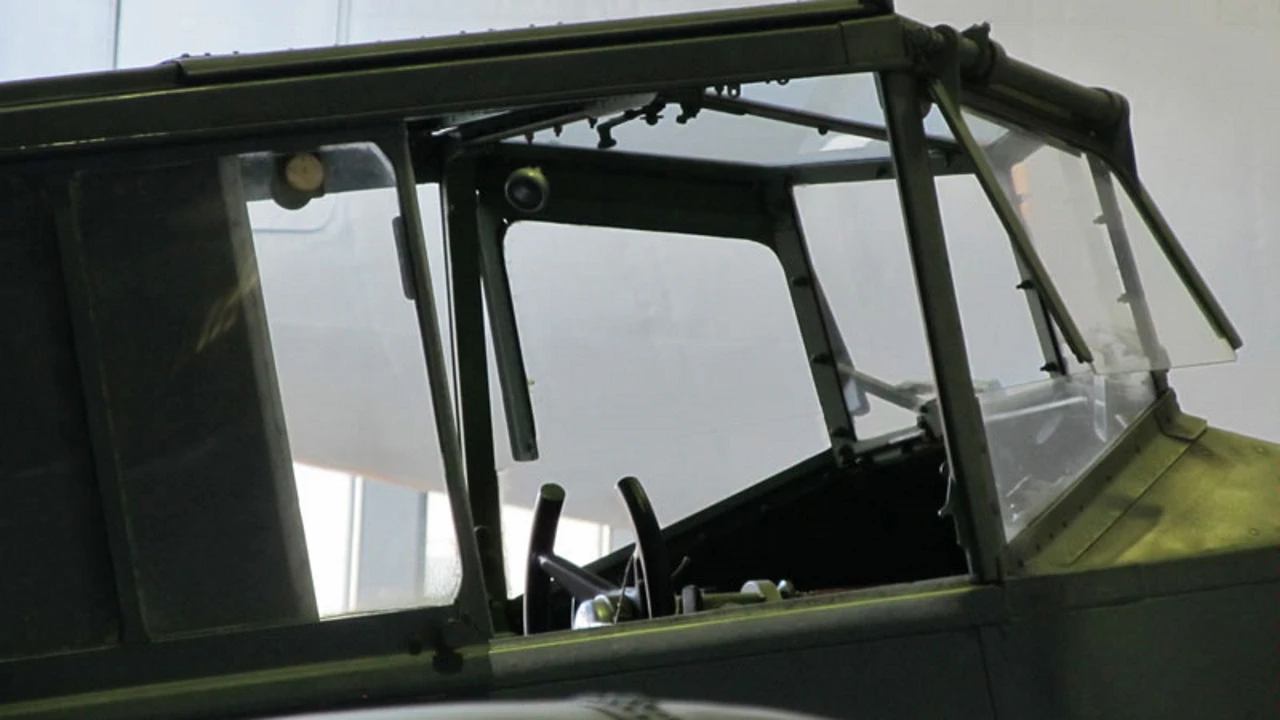
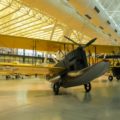
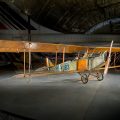
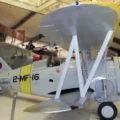
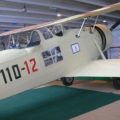
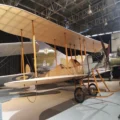
这 超级海洋海象(originally known as the Supermarine Seagull V) was a British single-engine amphibious biplane reconnaissance aircraft designed by R. J. Mitchell and first flown in 1933. It was operated by the Fleet Air Arm (FAA) and also served with the Royal Air Force (RAF), Royal Australian Air Force (RAAF), Royal New Zealand Navy (RNZN) and Royal New Zealand Air Force (RNZAF). It was the first British squadron-service aircraft to incorporate in one airframe a fully retractable main undercarriage, completely enclosed crew accommodation and all-metal fuselage.
Designed for use as a fleet spotter to be catapult launched from cruisers or battleships, the Walrus was later employed in a variety of other roles, most notably as a rescue aircraft for downed aircrew. It continued in service throughout the Second World War.
这 超级海鸥 Vwas the original designation for the aircraft that would later become world-famous as the超级海洋海象. Developed by R.J. Mitchell (who would later design the Spitfire), it was initially commissioned by the Royal Australian Air Force (RAAF). It was designed to be launched by catapult from cruisers and battleships, withstand the shock of heavy seas, and then be hoisted back aboard by crane. Despite its clumsy appearance, it was an incredibly robust and agile machine.
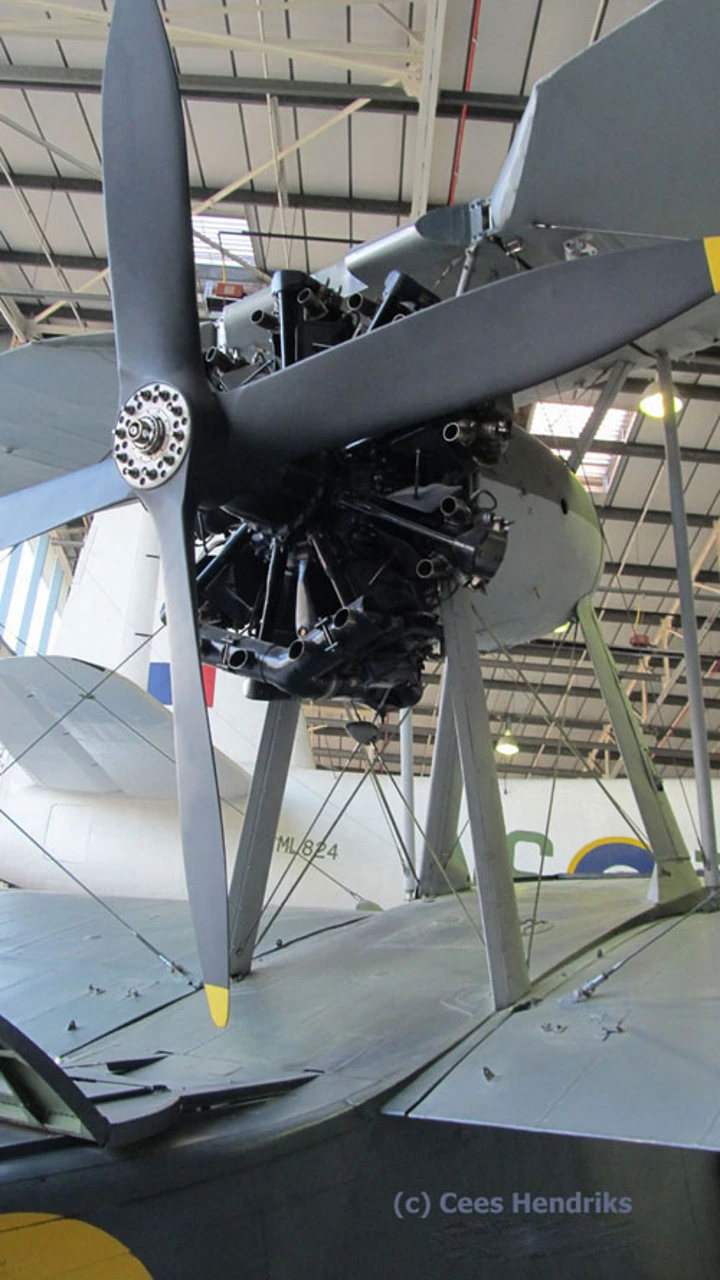
1 × Bristol Pegasus VI radial (Pusher configuration)
Horsepower
775 hp (578 kW)
最高速度
135 mph (217 km/h)
Service Ceiling
18,500 feet (5,640 m)
装备
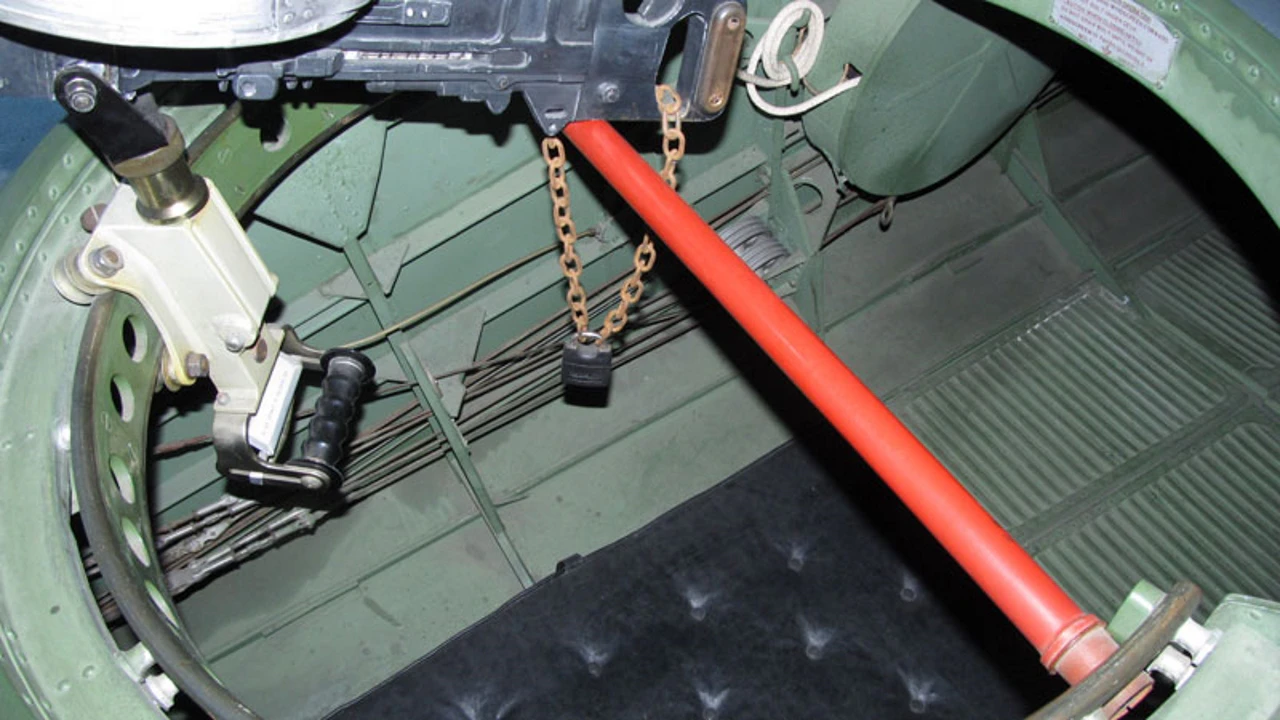
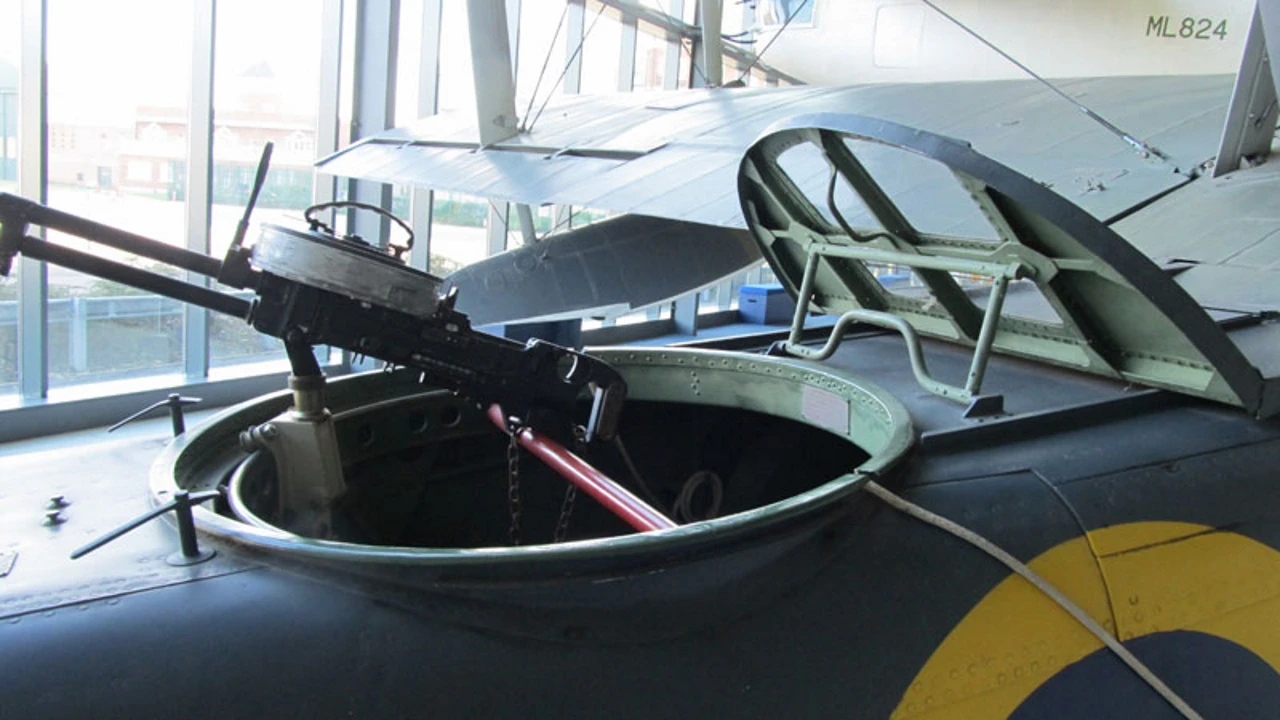
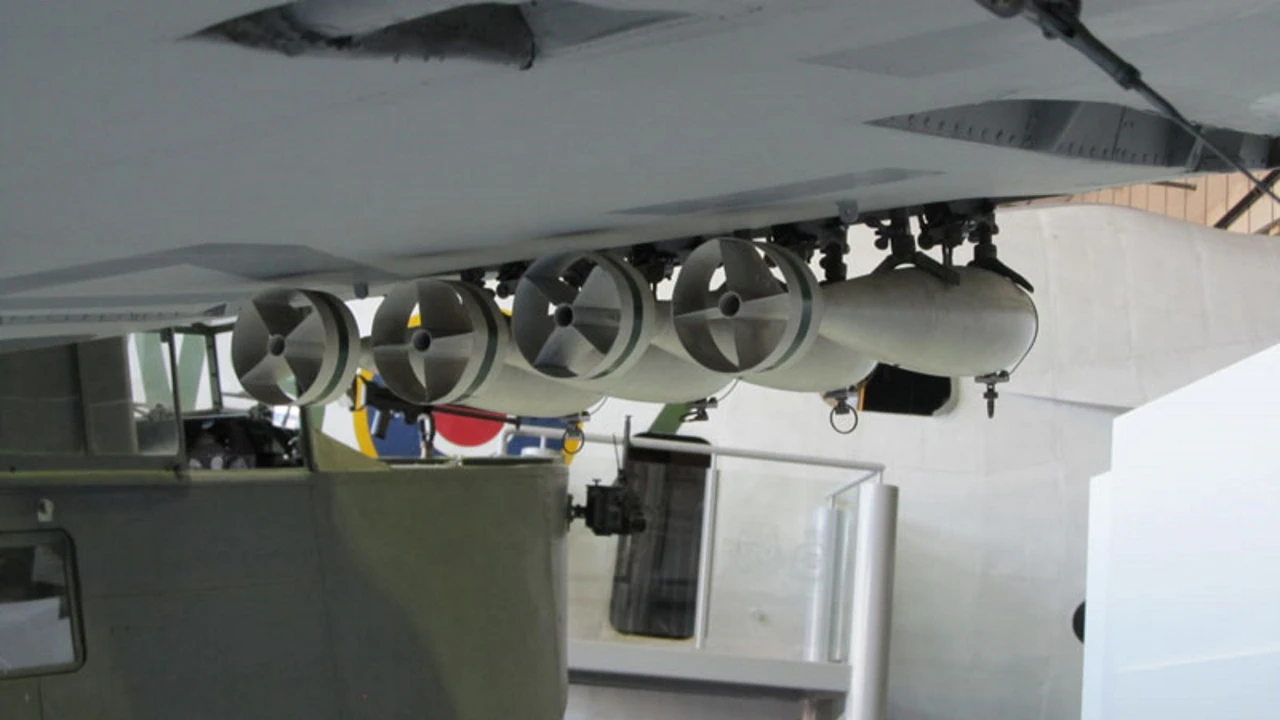
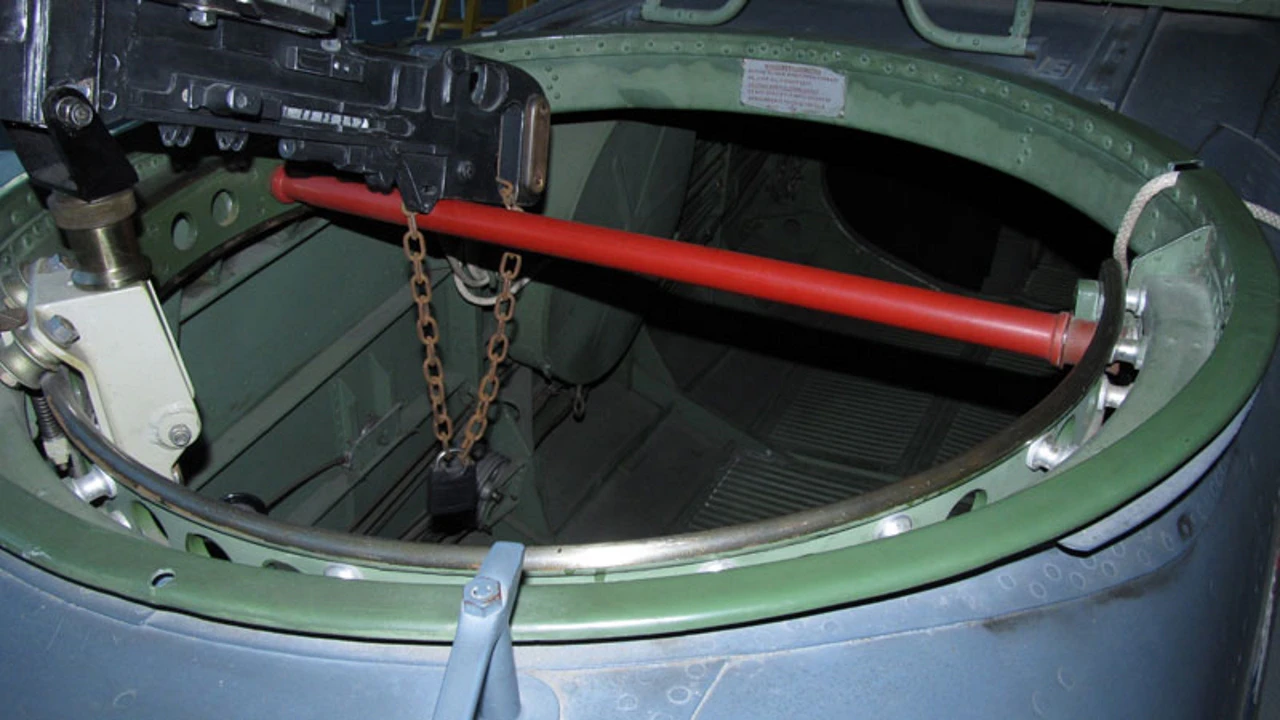
2 or 3 × .303 Vickers K machine guns; up to 760 lbs of bombs/depth charges
The “Mitchell” Engineering Touch
The Pusher Configuration:To keep the propeller clear of sea spray and to allow the observer a completely unobstructed view from the nose, the engine was mounted in a nacelle between the wings, facing backward.
Offset Engine Angle:Because the pusher propeller created a significant amount of torque, R.J. Mitchell tilted the entire engine nacelle a few degrees to the side. This clever aerodynamic “cheat” allowed the aircraft to fly straight without the pilot constantly fighting the rudder.
Fully Retractable Gear:Unlike many amphibians of the era, the Seagull V featured main landing gear that tucked completely into recesses in the lower wing. This reduced drag in flight and kept the wheels dry while the aircraft was afloat.
The “Metal Boat” Hull:The fuselage was a true ship’s hull, built of duralumin. It was so strong that it could be taxied onto beaches or even “flown” onto land in an emergency with the gear up without destroying the aircraft.
Operational Legend: The Air-Sea Rescue King
The “Shagbat”:British sailors and airmen affectionately called it the “Shagbat” or “Steam Pigeon.” It was slow and noisy, but it was often the only thing that could save a pilot bobbing in the freezing North Sea.
Heavy Water Rescues:During the war, Seagull/Walrus pilots often landed in seas far too rough for the aircraft to take off again. They would then “taxi” the aircraft across the ocean for miles, with the rescued crew on board, until they reached the safety of a destroyer or a harbor.
Surprising Agility:Despite its appearance, the Seagull V was fully aerobatic. It was famously demonstrated by Supermarine test pilots performing loops and rolls at airshows, a feat unheard of for a flying boat hull.
RAAF Heroics:In Australian service, the Seagull V was a cornerstone of the Fleet Air Arm, serving on every Australian cruiser and providing vital anti-submarine and reconnaissance support across the Pacific and Mediterranean.