
EKW C-36 | |
|---|---|
| País | Suiza |
| Papel | Aviones de ataque a tierra |
| Primer vuelo | 15 de mayo de 1939 |
| Construido | 175 |
el EKW C-36 fue un avión de combate multipropósito suizo de las décadas de 1930 y 1940, construido por la Eidgenoessische Konstruktionswerkstaette. Era un monoplano monomotor con una tripulación de dos personas. Entró en servicio durante la Segunda Guerra Mundial en 1942, y a pesar de ser obsoleto, permaneció en uso de primera línea hasta principios de la década de 1950, y como remolcador de objetivos hasta 1987.
Fuente: EKW C-36 en Wikipedia
| EKW C-36 Walk Around | |
|---|---|
| Fotógrafo | Ales Pavias |
| Localización | Unknow |
| Fotos | 16 |
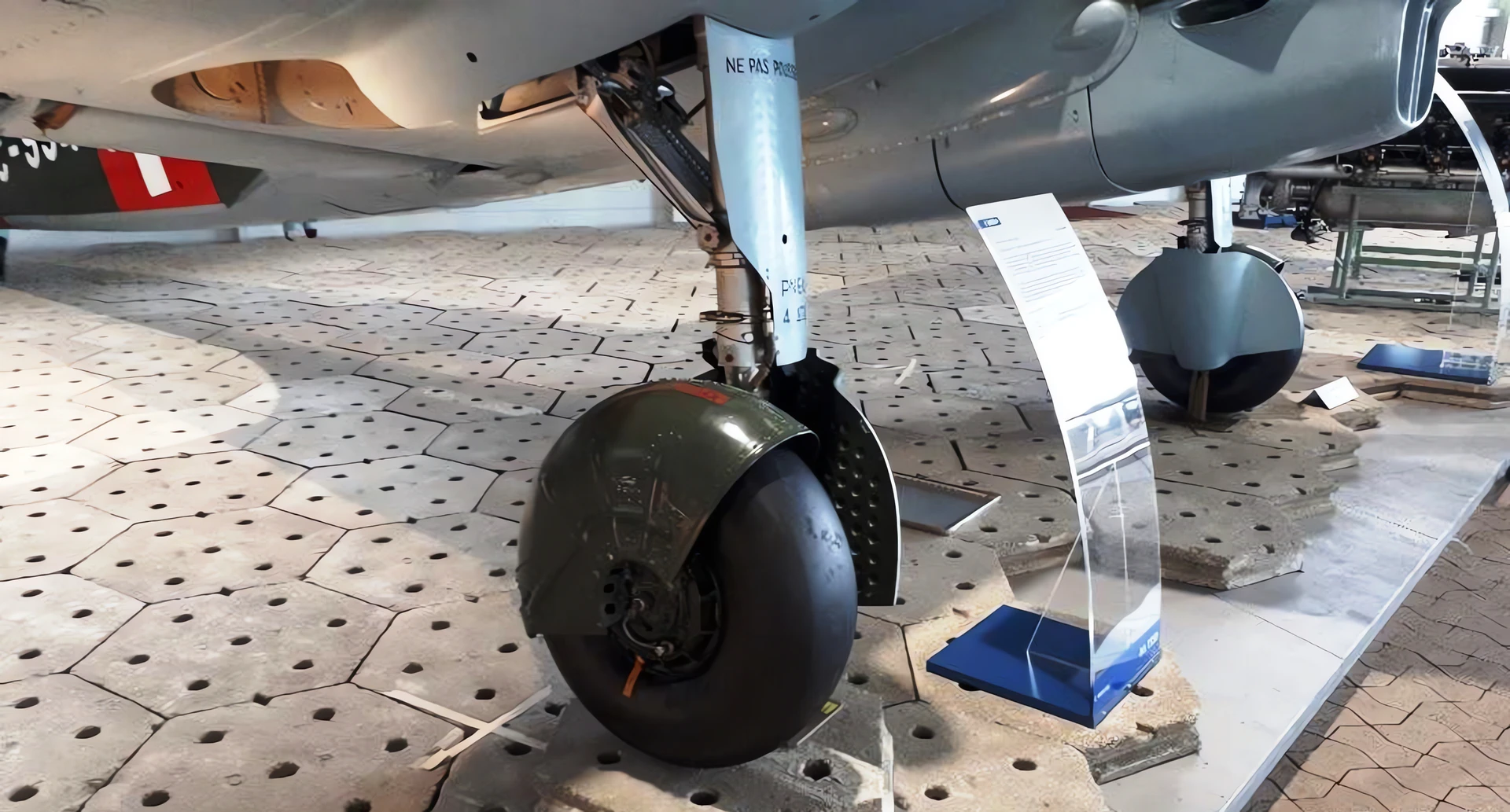
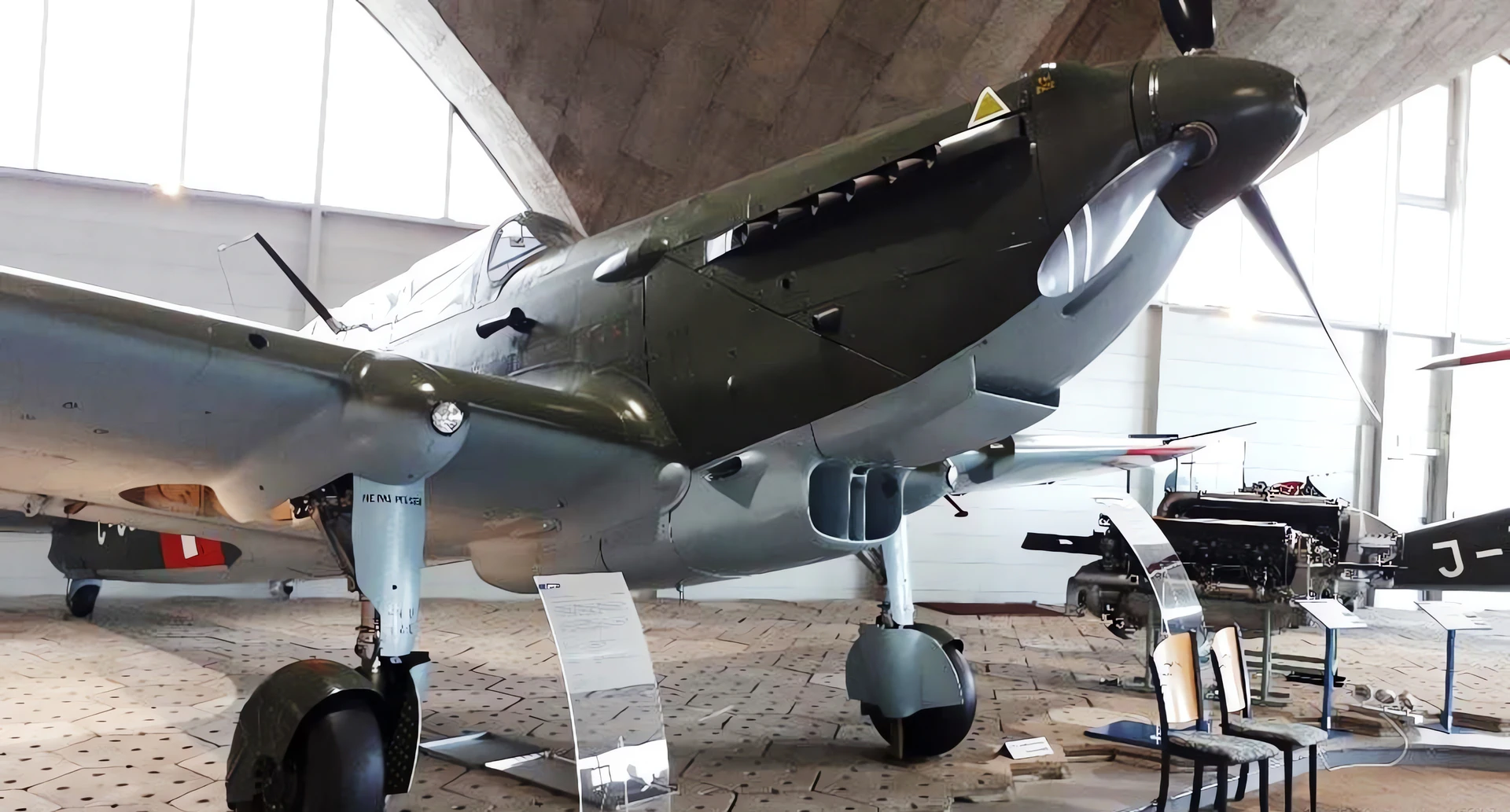
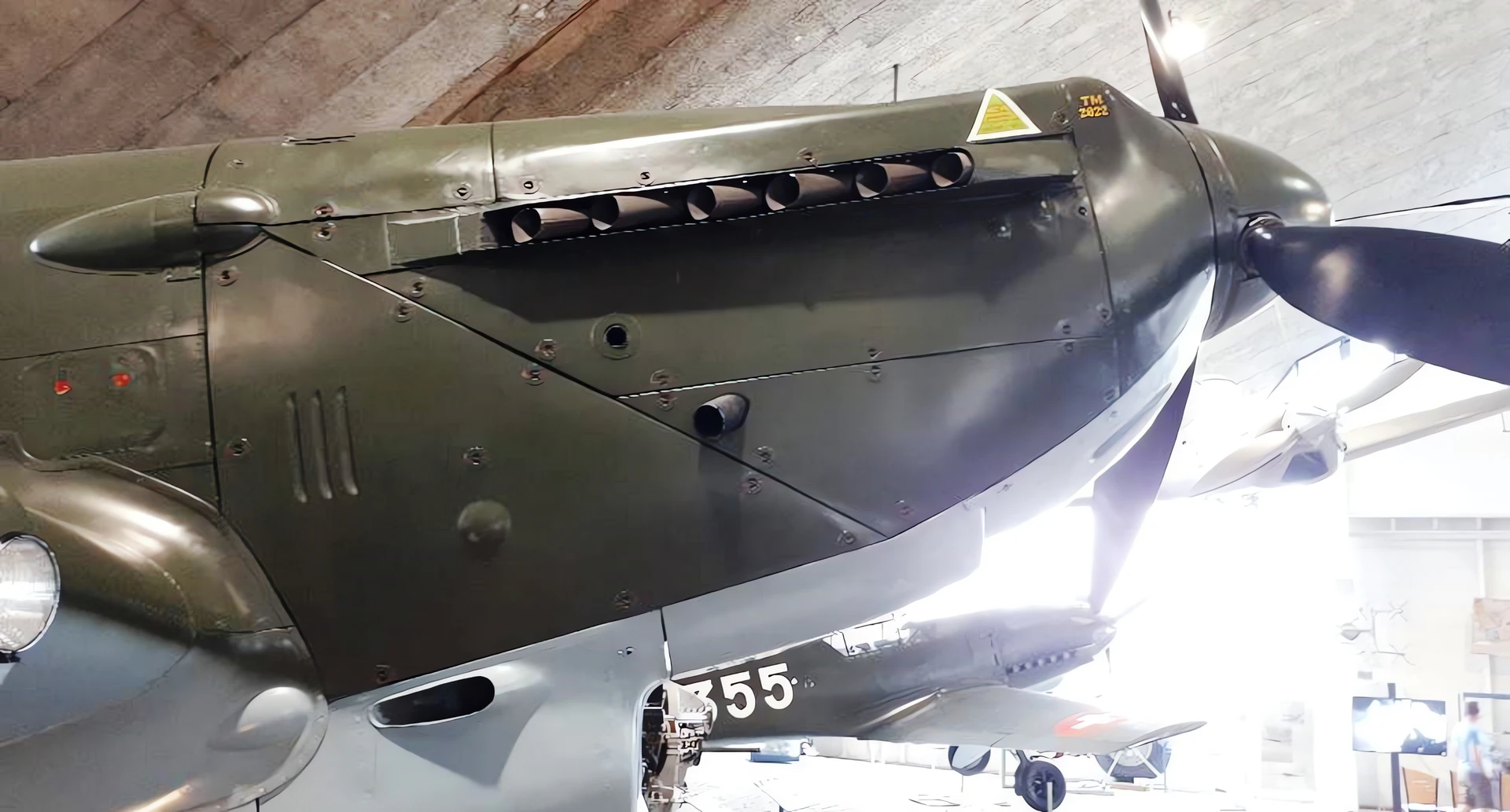
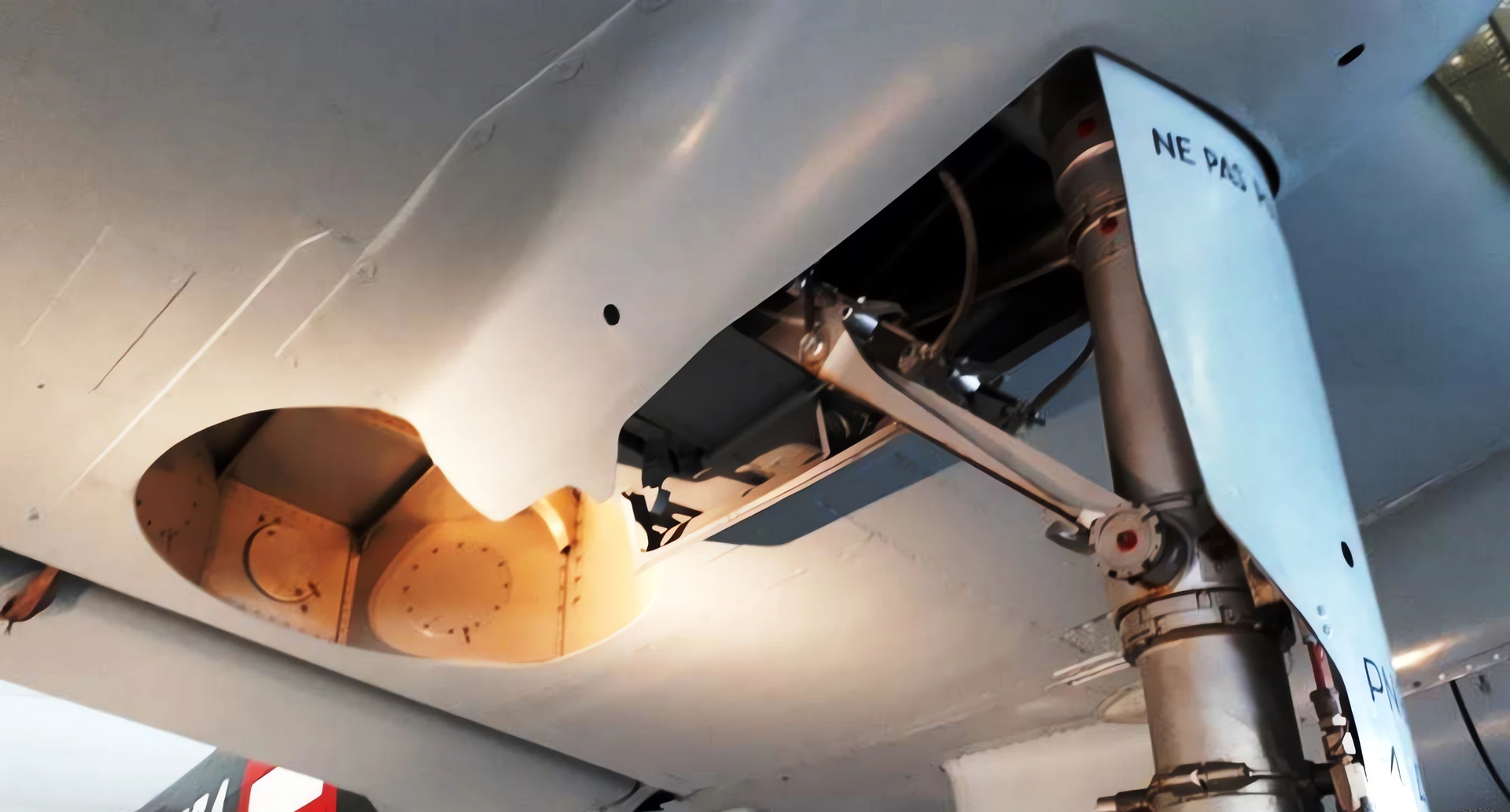
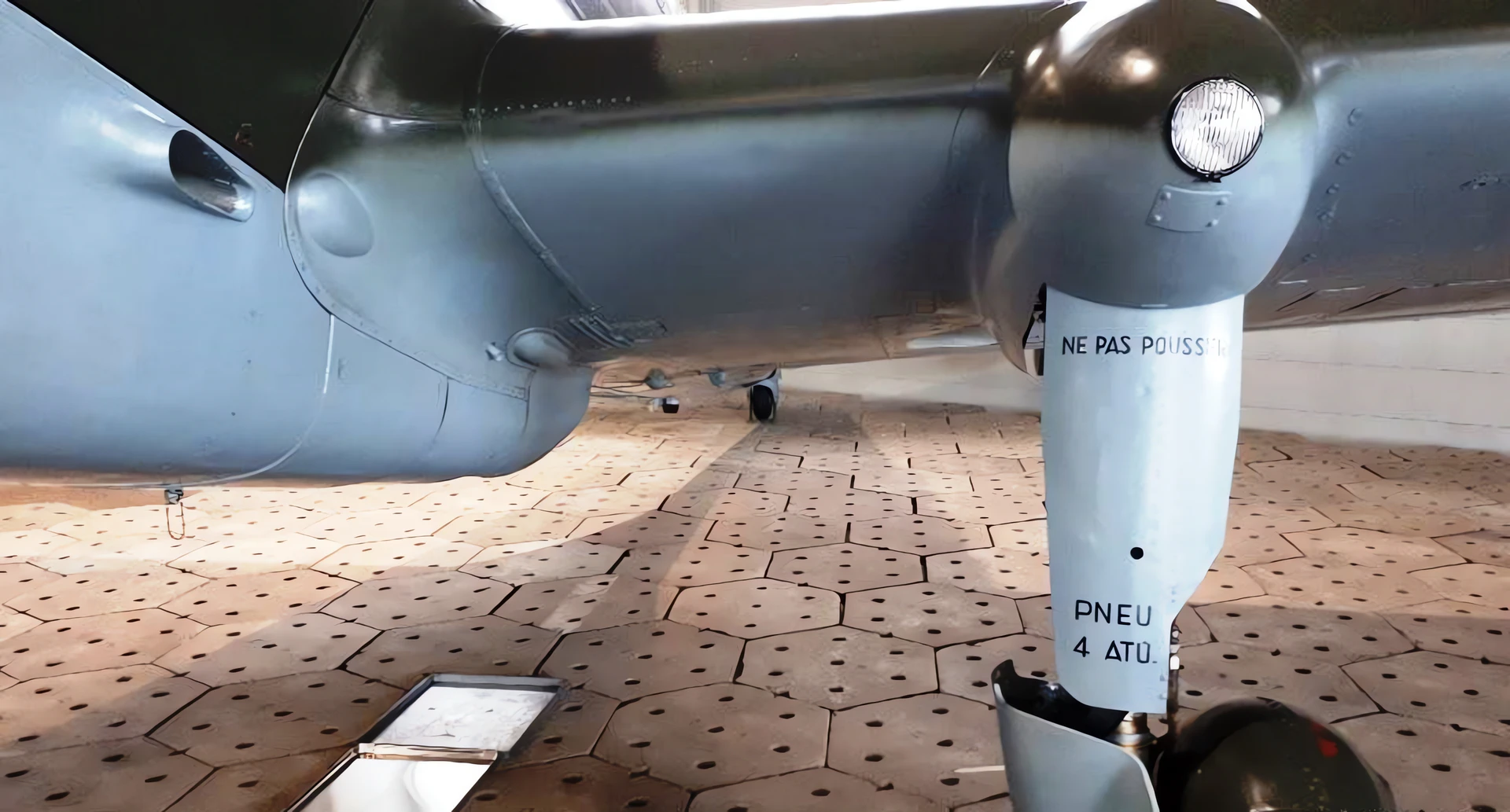
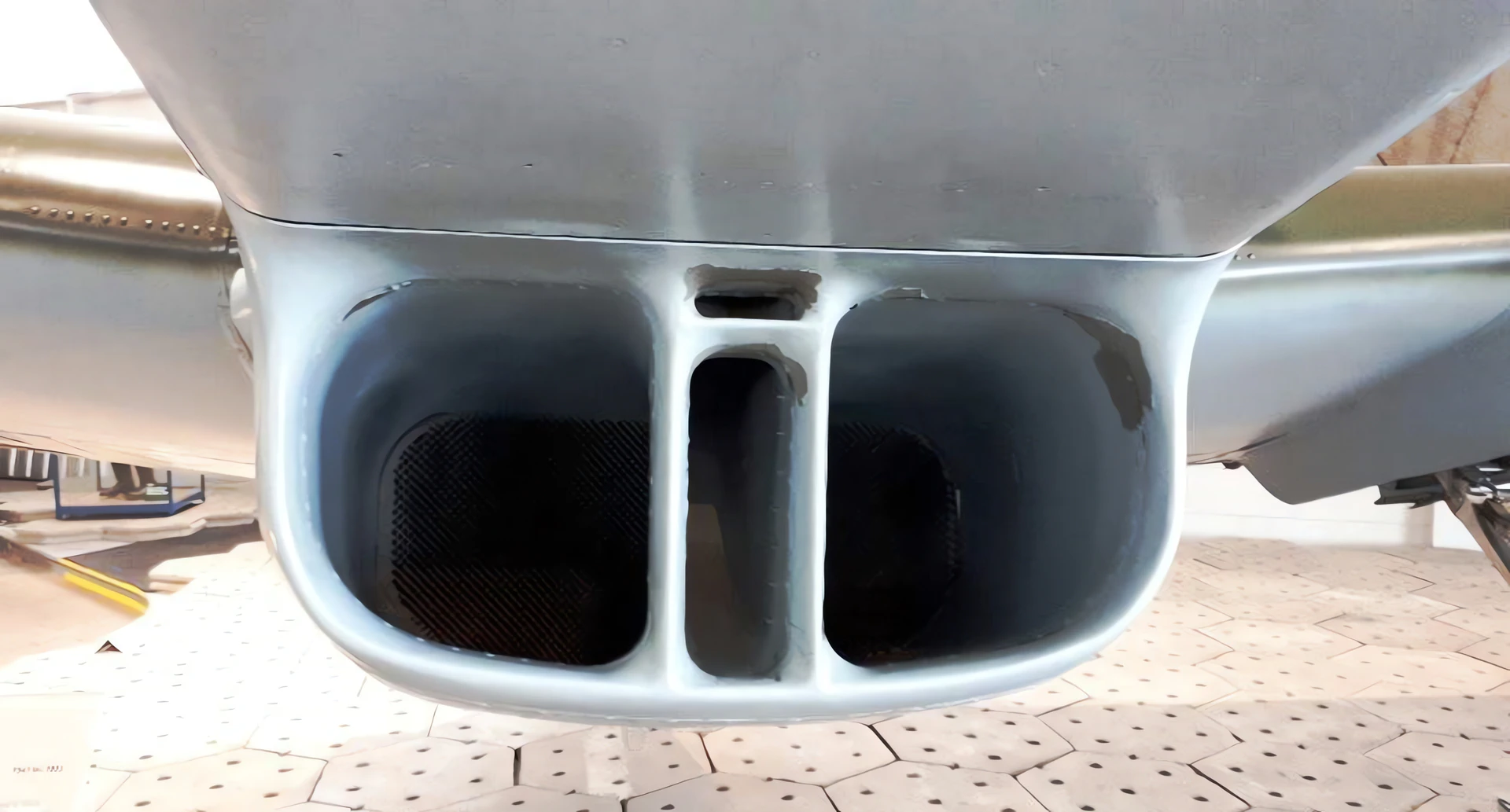
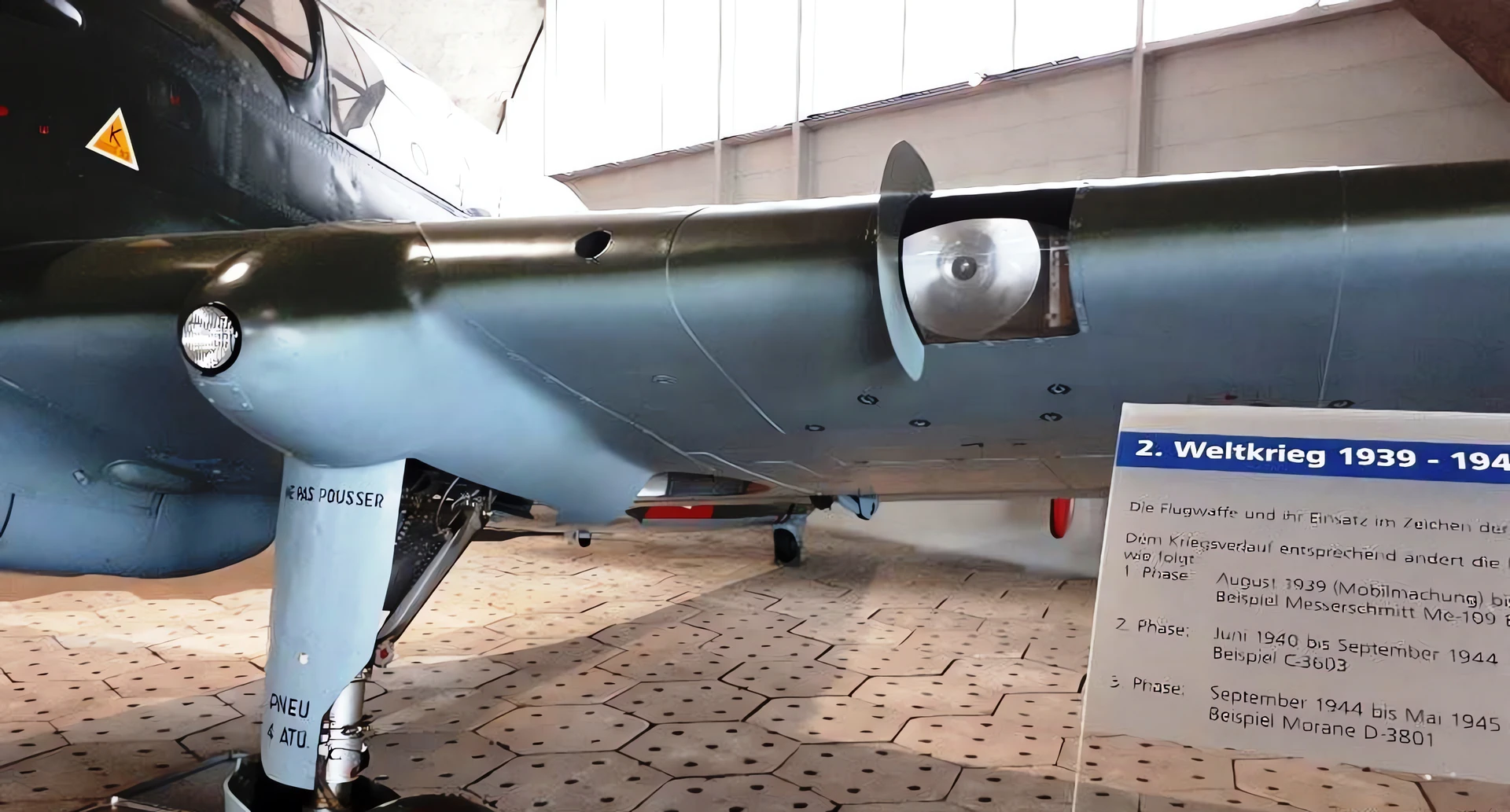
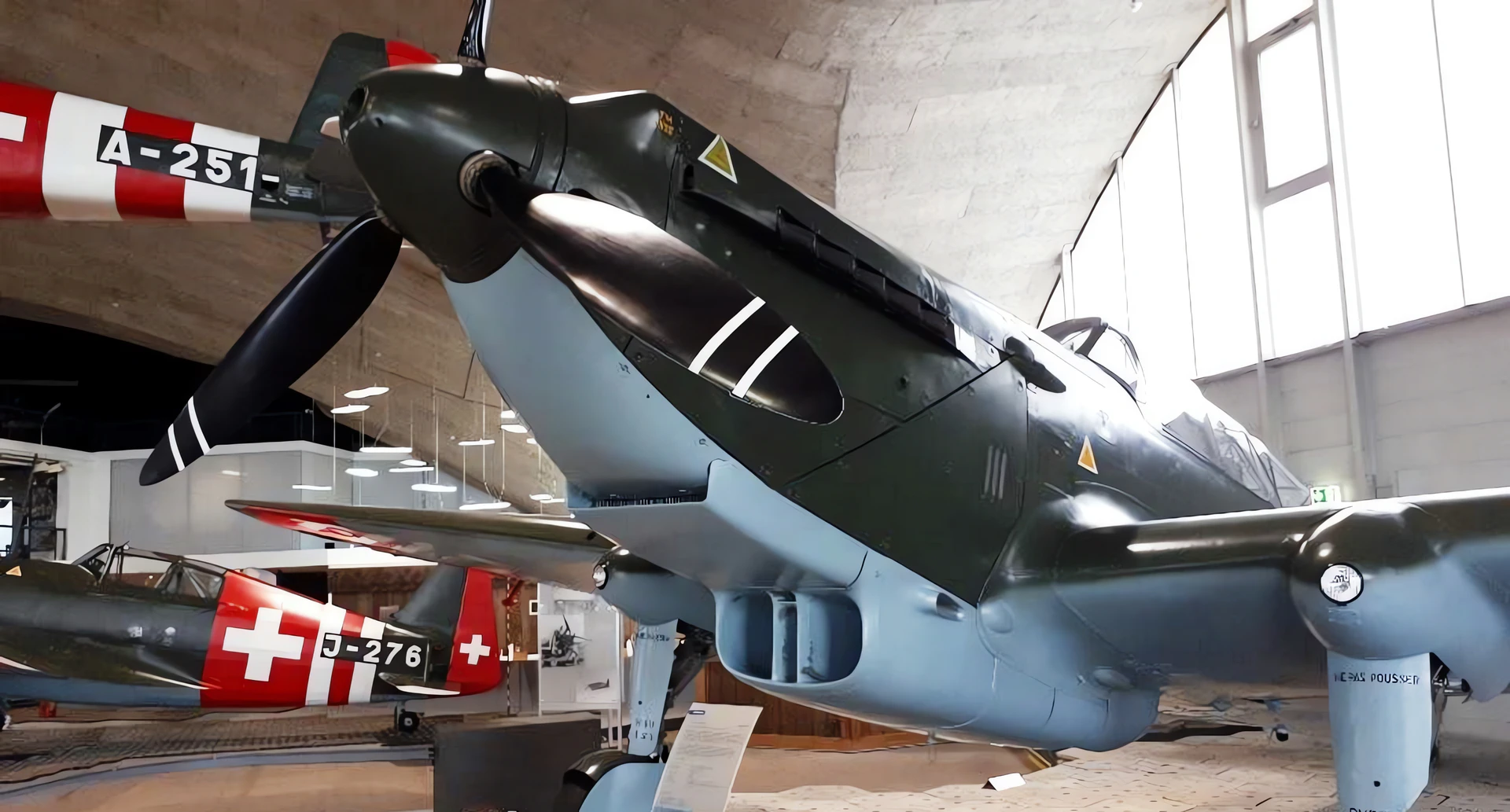
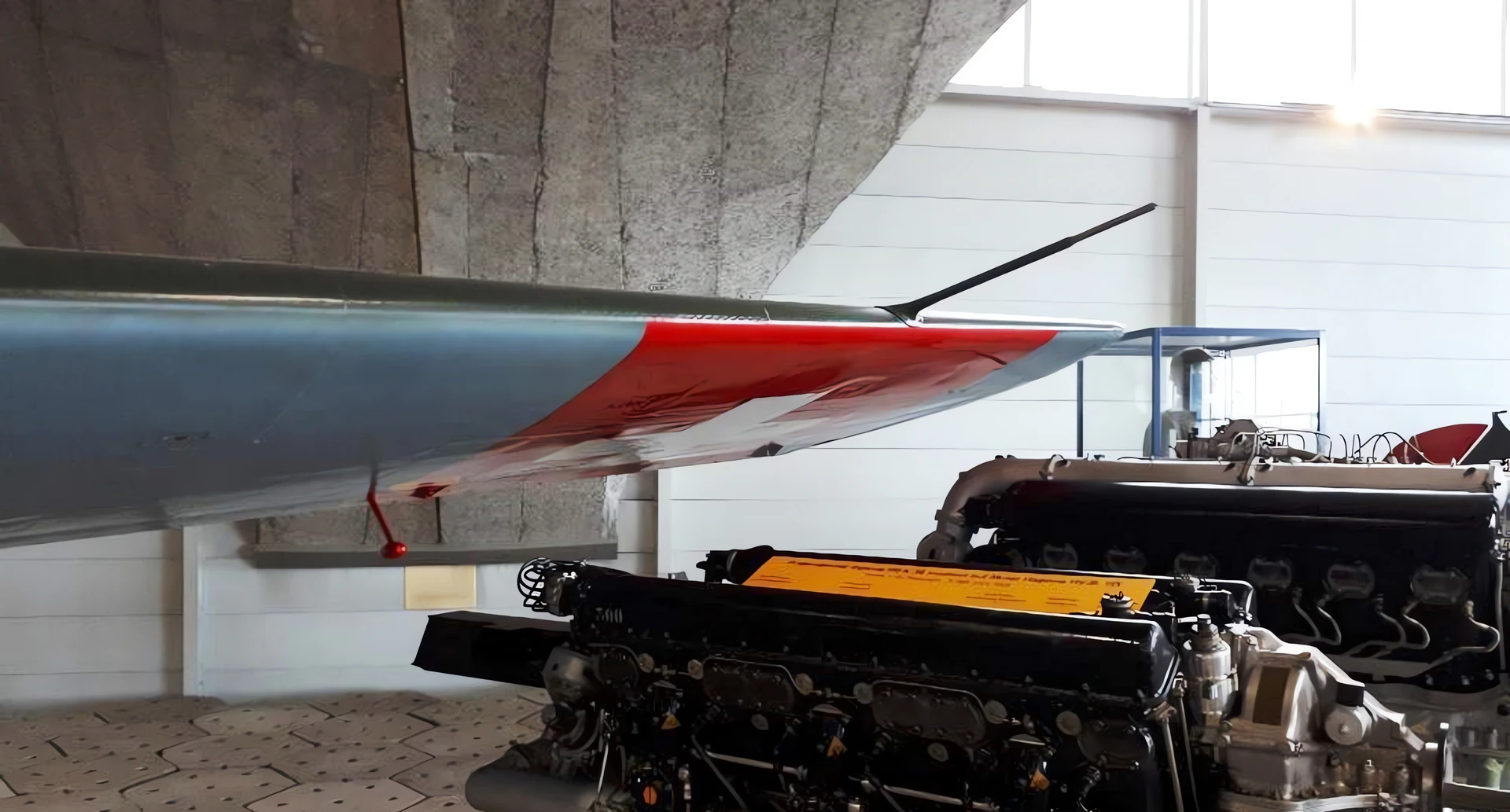


General Characteristics (C-3603 Production Variant)
The EKW C-36 was a Swiss-designed and built multi-purpose combat aircraft developed in the late 1930s and used throughout World War II and the early Cold War. Designed by the Eidgenössische Konstruktionswerkstätte (EKW), it served primarily as a reconnaissance, ground attack, and fighter-bomber for the Swiss Air Force, defending the nation’s neutrality. It is known for its twin-boom tail and long career, later serving as a target tug until 1987 in the turboprop C-3605 variant.
| Property | Typical Value (C-3603) |
|---|---|
| Papel | Reconnaissance / Ground Attack / Target Tug |
| Fabricante | EKW (Eidgenössische Konstruktionswerkstätte) |
| First Flight | May 15, 1939 (C-3601 Prototype) |
| Equipo | 2 (Pilot and Observer/Rear Gunner) |
| Longitud | 10.23 m (33 ft 7 in) |
| Envergadura | 13.74 m (45 ft 1 in) |
| Max Takeoff Weight | 3,952 kg (8,713 lb) |
Design and Powerplant
- Engine: One Hispano-Suiza 12Y-51 V-12 liquid-cooled piston engine (built under license).
- Power Output: 746 kW (1,000 hp).
- Design Features: All-metal low-wing cantilever monoplane. It featured a distinctive twin-boom tail (twin vertical stabilizers) to give the rear gunner an unobstructed field of fire.
- Landing Gear: Retractable undercarriage was introduced on the production C-3603 variant (prototypes had fixed gear).
- Later Variant (C-3605): A number of C-3603 airframes were converted into the C-3605 turboprop target tug, fitted with a Lycoming T53 engine and an extended nose, earning it the nickname “Alpine Anteater” or “Flying Zebra Crossing.”
Performance and Armament
- Maximum Speed: Up to 476 km/h (296 mph, 257 knots) at altitude.
- Service Ceiling: 8,700 m (28,550 ft).
- Range: Approximately 680 km (425 mi, 369 nmi).
- Rate of Climb: 10.4 m/s (2,050 ft/min).
- Armament (C-3603):
- Forward: One 20 mm Oerlikon cannon firing through the propeller hub.
- Wings: Two 7.5 mm machine guns in the wings.
- Rear: Two 7.5 mm machine guns in a flexible mount for the rear gunner.
- Ordnance: Up to 400 kg of bombs carried under the wings and fuselage.
- Armament (C-3604): An improved version with a Saurer YS-2 engine and two extra 20 mm cannons in the wings.
Vistas : 760
También puede ver:
 Sikorsky S-39 – Fotos y Videos
 North American NA-64 Yale – Fotos y Videos
 Sud-Ouest Triton – Fotos y Video
 Culver PQ-14 Cadet – Fotos y Video
 Northrop F-20 Tigershark – Fotos y Video
 Aeronca L-3 – Fotos y Video
 McDonnell F2H Banshee – Fotos y Video
 Macchi MC-202 – WalkAround
 Batalla de Fairey – WalkAround
 Furia marina de Hawker – Camina