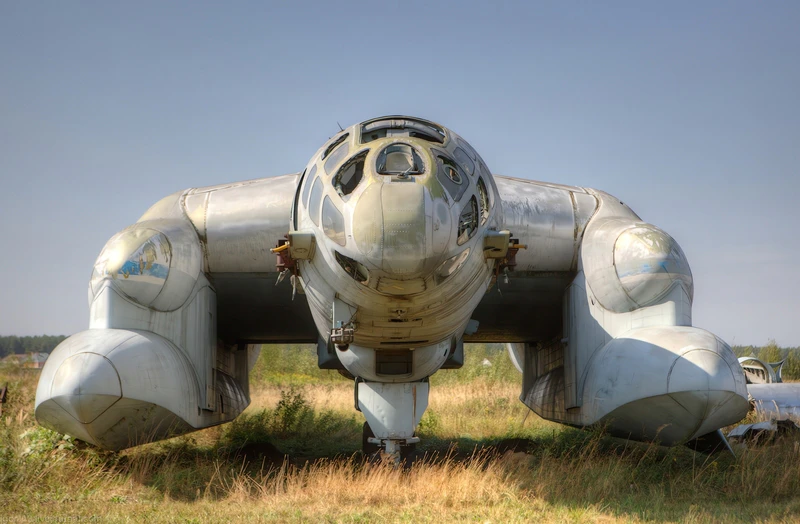
Bartini Beriev VVA-14 | |
|---|---|
| Zemlja | Sovjetski Savez |
| Tip | Amfibijski ASW avioni |
| Prvi let | 4 Septembar 1972 |
| Izgradio | 2 |
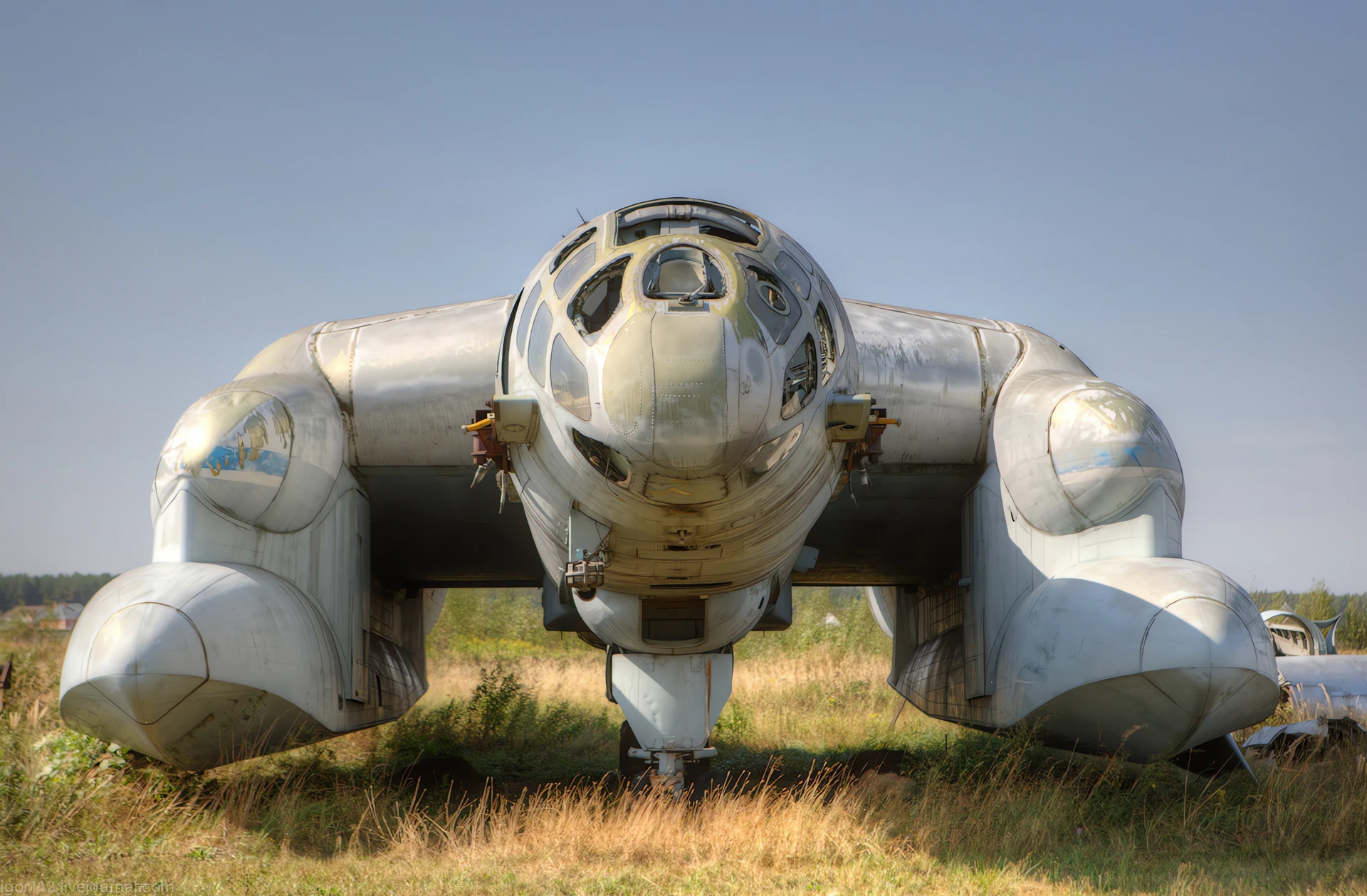
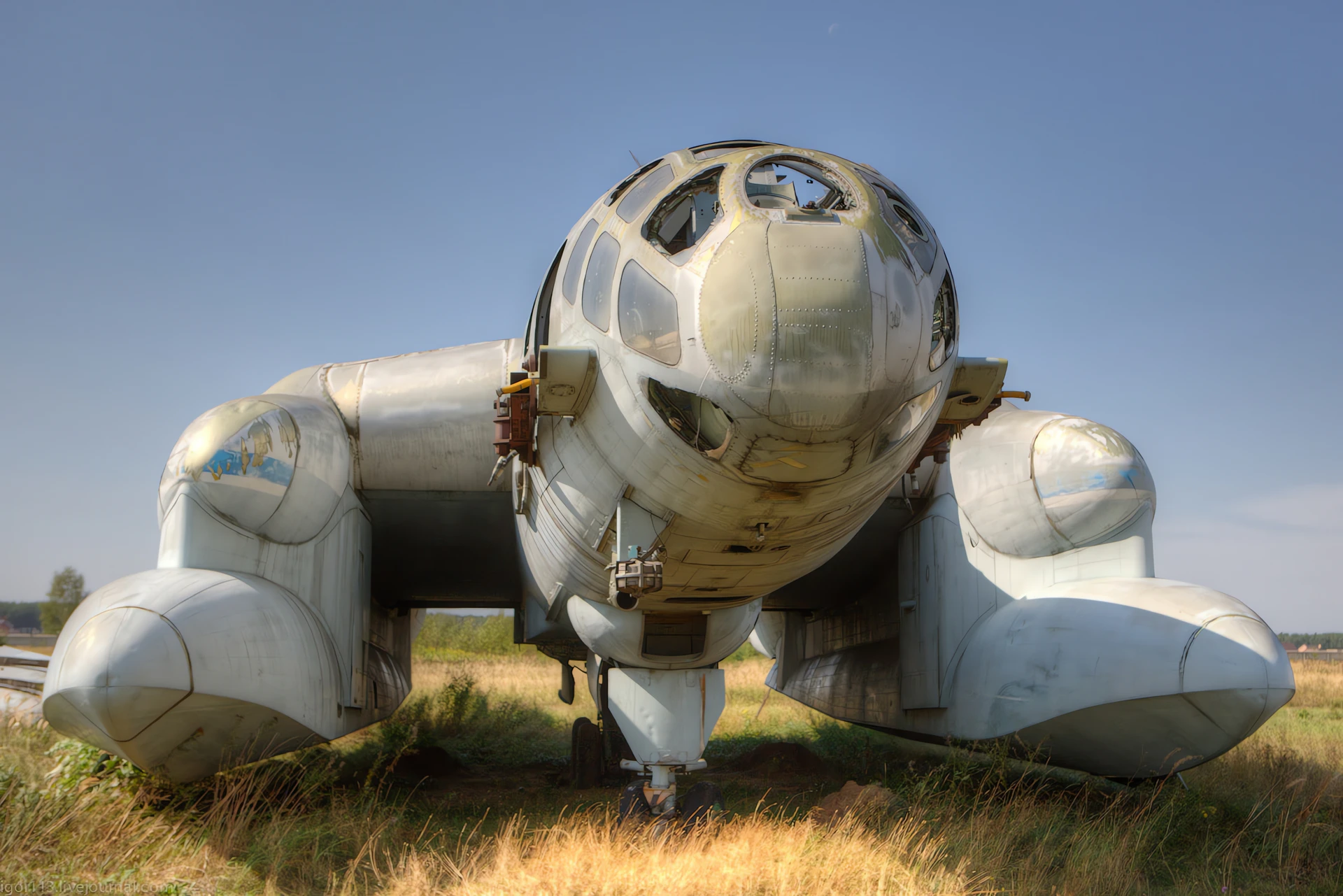
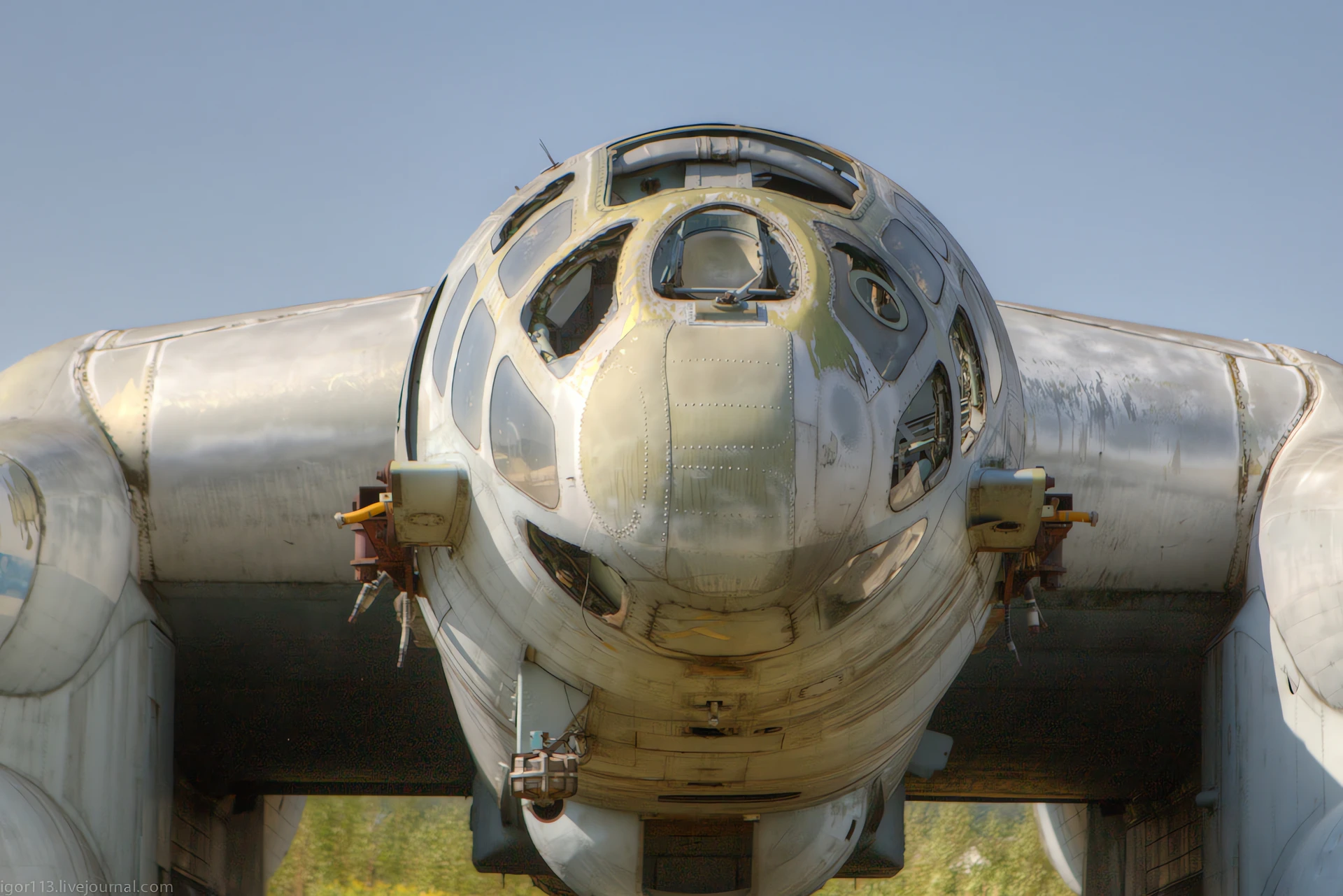
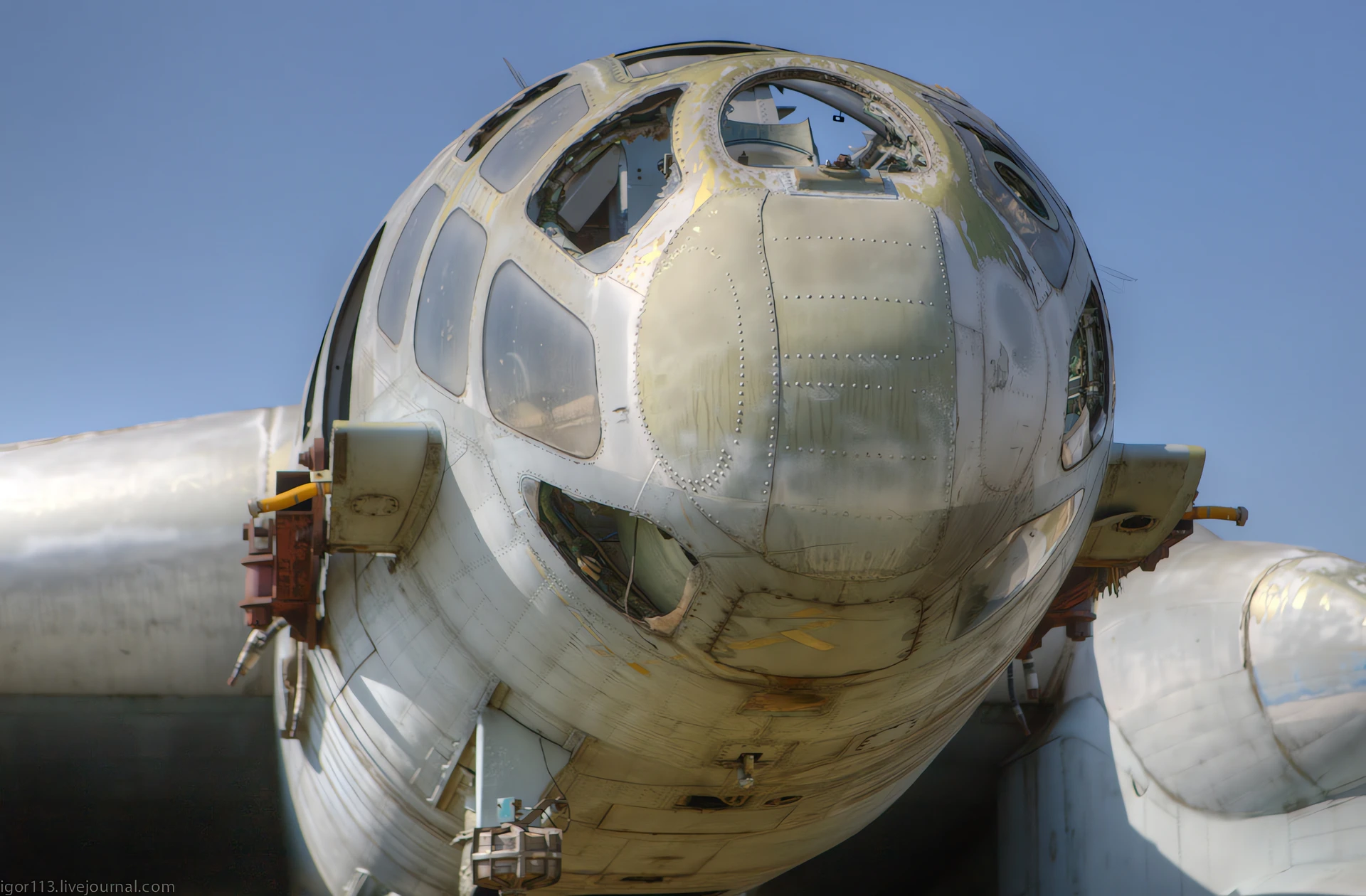
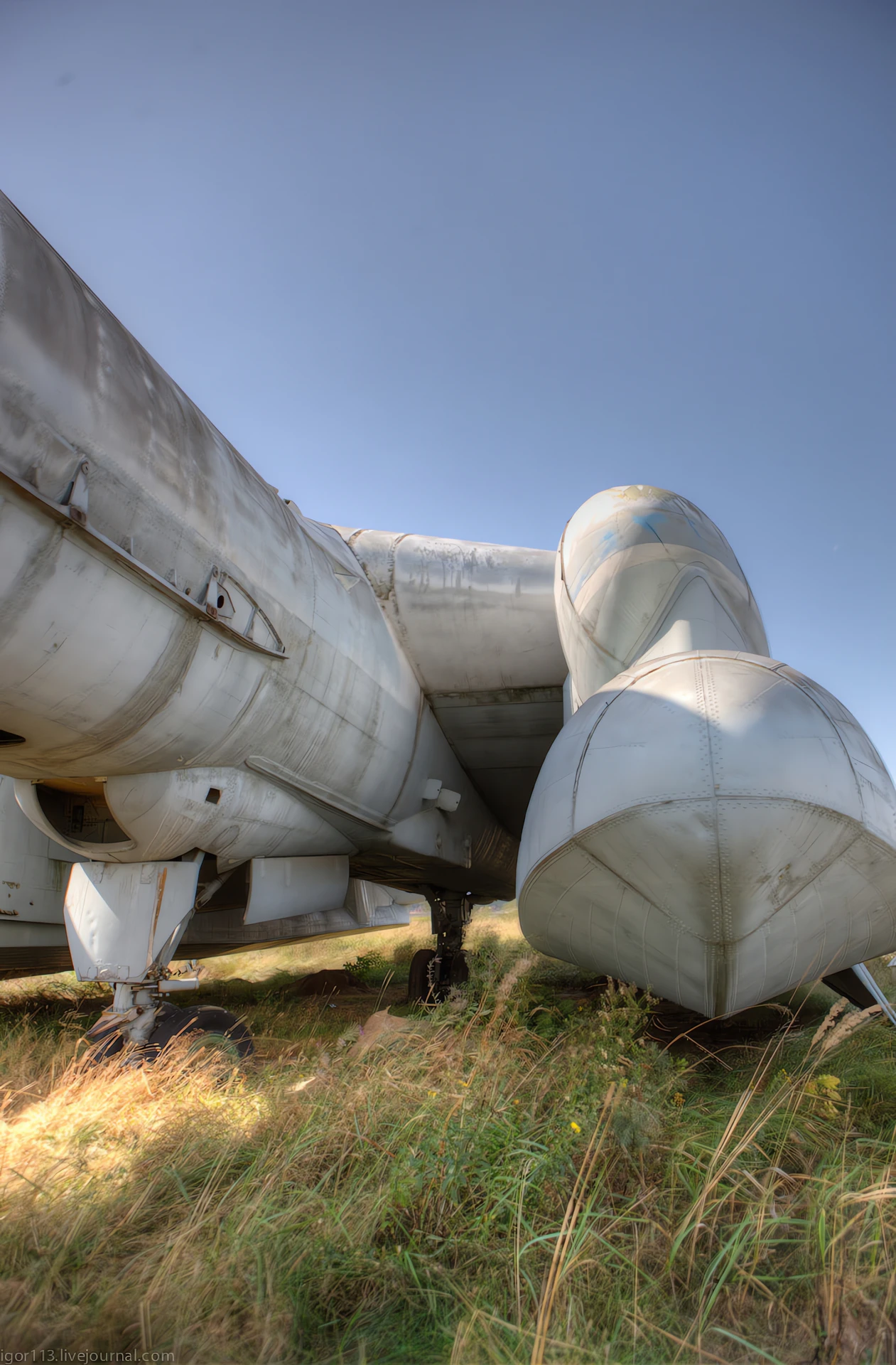
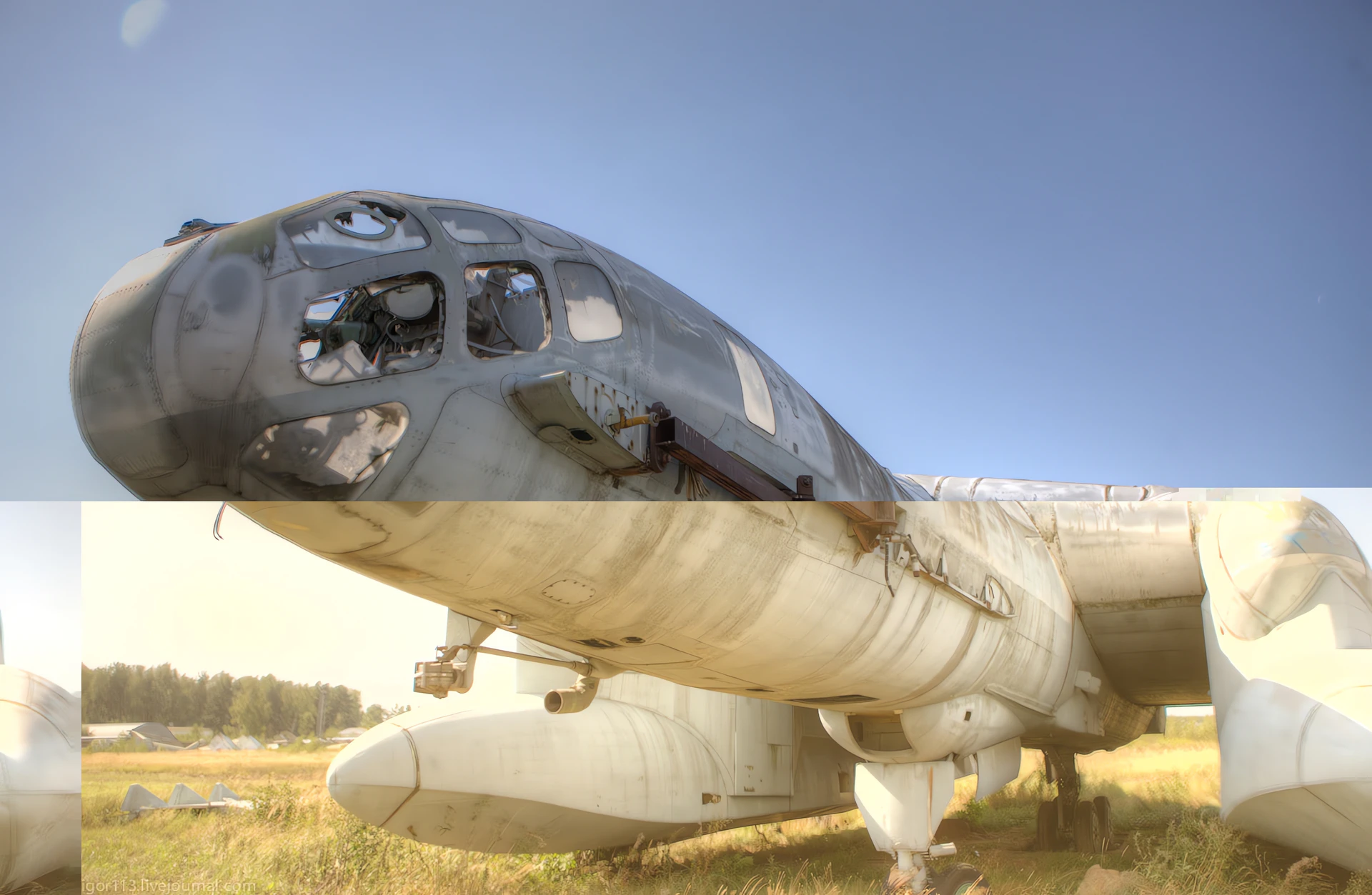
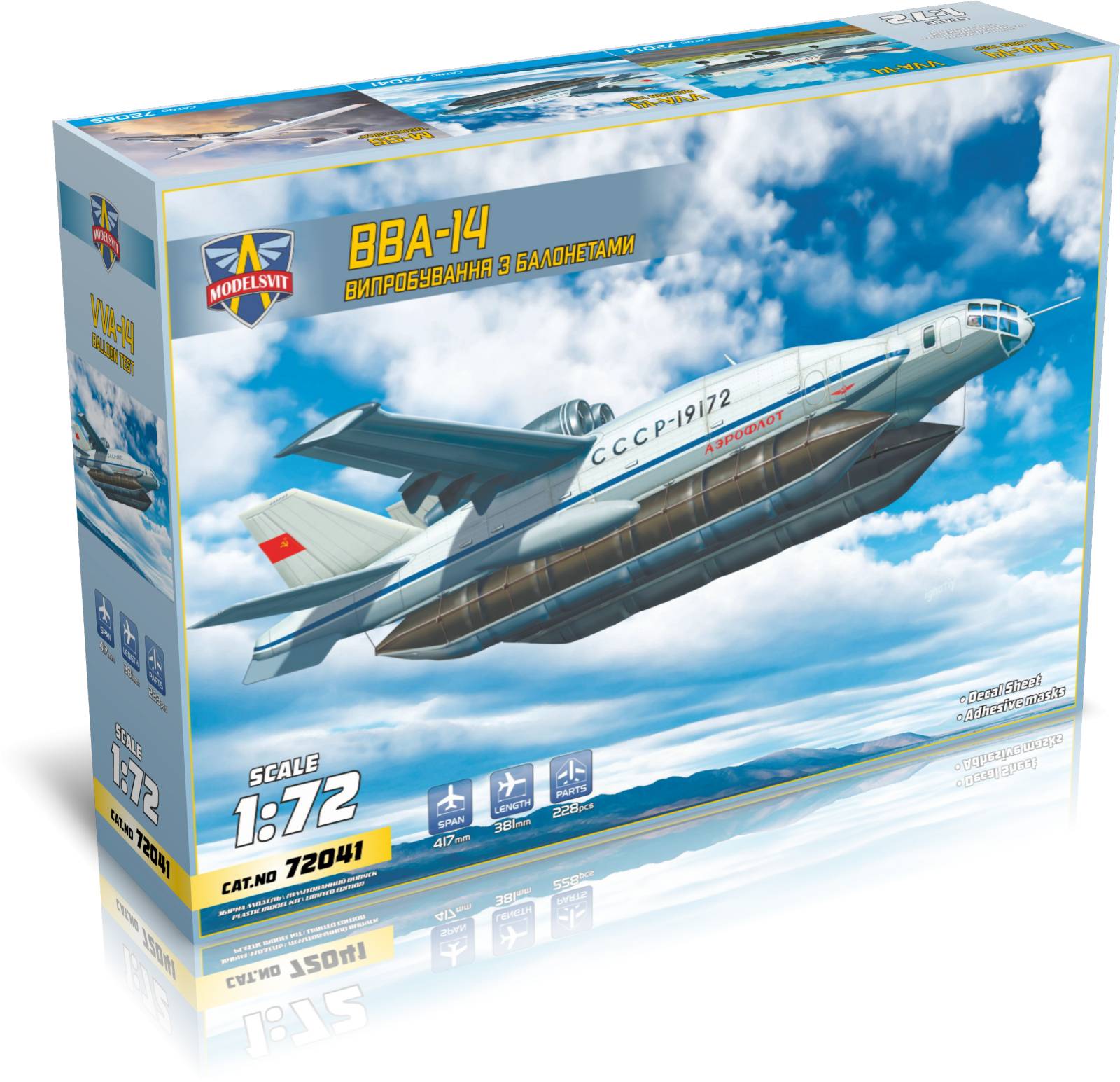
Čaj Bartini Beriev VVA-14 Vertikaľno-Vzletayushchaya Amfibiya (vertikalni amfibijski avion za poletanje) bio je avion sa krilima u zemlji razvijen u Sovjetskom Savezu početkom sedamdesetih godina. Dizajniran da može da poleti sa vode i leti velikom brzinom na velikim razdaljinama, trebalo je da pravi prave letove na velikim visinama, ali i da ima sposobnost efikasnog letenja tik iznad površine mora, koristeći aerodinamički kopneni efekat. VVA-14 dizajnirao je dizajner italijanskog porekla Robert Bartini kao odgovor na uočeni uslov za uništavanje raketnih podmornica američke mornarice Polaris. Poslednji avion je penzionisan 1987.
| Bartini Beriev VVA-14 Walk Around | |
|---|---|
| Fotograf | Igor Kolokolov |
| Lokalizacija | Nepoznato |
| Fotografije | 130 |




Pogledajte i:


General Characteristics (Experimental Prototype)
The VVA-14 (Vertikal’no-Vzletayushchaya Amphibiya, or Vertical Take-off Amphibious) was a highly unusual Soviet experimental aircraft designed by Roberto Bartini and built by Beriev. It was intended to be a long-range anti-submarine warfare (ASW) aircraft capable of true amphibian operation, including vertical take-off and using the ground effect.
| Property | Value (VVA-14M1/M2 Prototype) |
|---|---|
| Ulogu | Experimental Anti-Submarine Amphibian |
| Dizajner | Robert Bartini / Beriev Design Bureau |
| First Flight | September 4, 1972 |
| Posada | 3 (Pilots and Systems Operator) |
| Konfiguracija | High-wing monoplane, twin boom, large central hull |
| Maximum Take-Off Weight | Approx. 52,000 kg (114,640 lb) |
Design and Powerplant
- Primary Engines: Two Soloviev D-30M turbojet engines (mounted above the wing roots) for cruise and conventional take-off.
- Vertical Lift Engines: Originally planned to use twelve smaller Kolesov RD-36-35PR lift engines in the central hull (but never fully fitted or tested).
- Hull Design: Featured an innovative, detachable inflatable pontoons (later replaced by rigid floats) for buoyancy and water take-off, giving it a very broad, eccentric appearance.
- Flight Mode: Intended to operate conventionally (cruise), as a sea-plane (water takeoff), and as a ground effect vehicle (using the ram-air cushion effect close to the surface).
- Cancellation Reason: The inability to produce and integrate the planned battery of vertical lift engines, combined with the death of chief designer Roberto Bartini, led to the cancellation of the program.
Performance and Armament
- Maximum Speed: Approximately 760 km/h (470 mph).
- Cruise Speed: Approximately 640 km/h (400 mph).
- Operational Range: Up to 2,400 km (1,500 miles).
- Service Ceiling: 8,000 m (26,250 ft).
- Armament: Proposed to carry torpedoes, depth charges, and mines in an internal weapons bay for the ASW role.
Views: 3660
Možete videti i :
 Aerfer Sagittario 2 – Fotografije i video snimci
 Heavy Tank M6 – Photos & Videos
 JS-7 – Photos & Videos
 Boeing X-32 – Photos & Videos
 Beriev A-50 – Photos & Videos
 AMX-40 – Photos & Video
 Beriev Be-12 – Photos & Video
 Polikarpov I-17 – Photos & Video
 Beriev Be-6P (Qing-6) – Photos & Video
 Curtiss XF15C-1 – Photos & Video