ELC project | |
|---|---|
| Country | France |
| Role | Light Tank |
| Productiont | Since 1955 |
| Built | 10 |
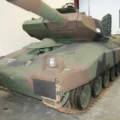
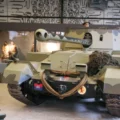
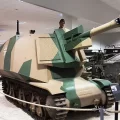
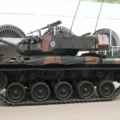
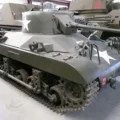
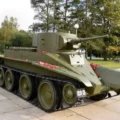
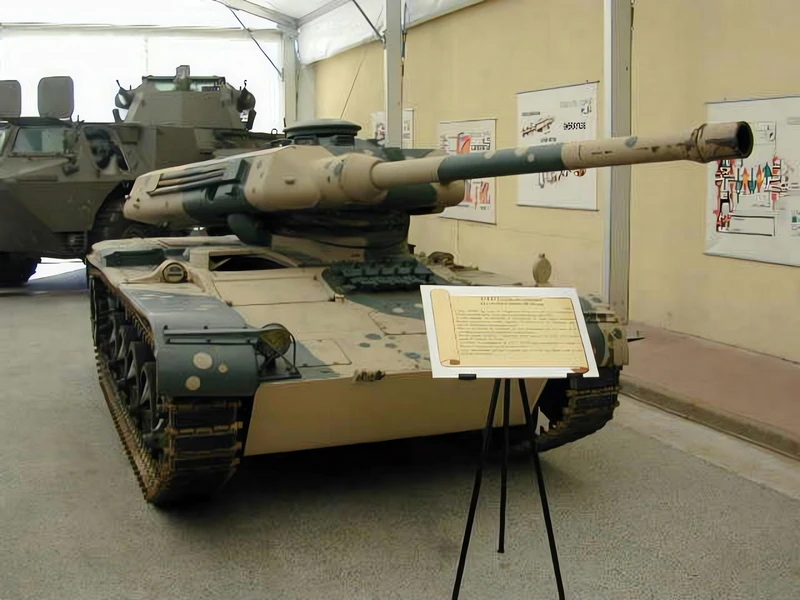
The ELC project was a prototype Tank Destroyer project launched by the French Ministry of Defense in 1955. The purpose of the ELC (Engin Léger de Combat en:Light combat vehicle) project was to develop a lightly armoured, heavily armed fighting vehicle capable of being transported by airlift for rapid deployment.
Source: ELC project on Wikipedia
| ELC EVEN 90 Walk Around | |
|---|---|
| Photographer | Unknow |
| Localisation | Unknow |
| Photos | 23 |
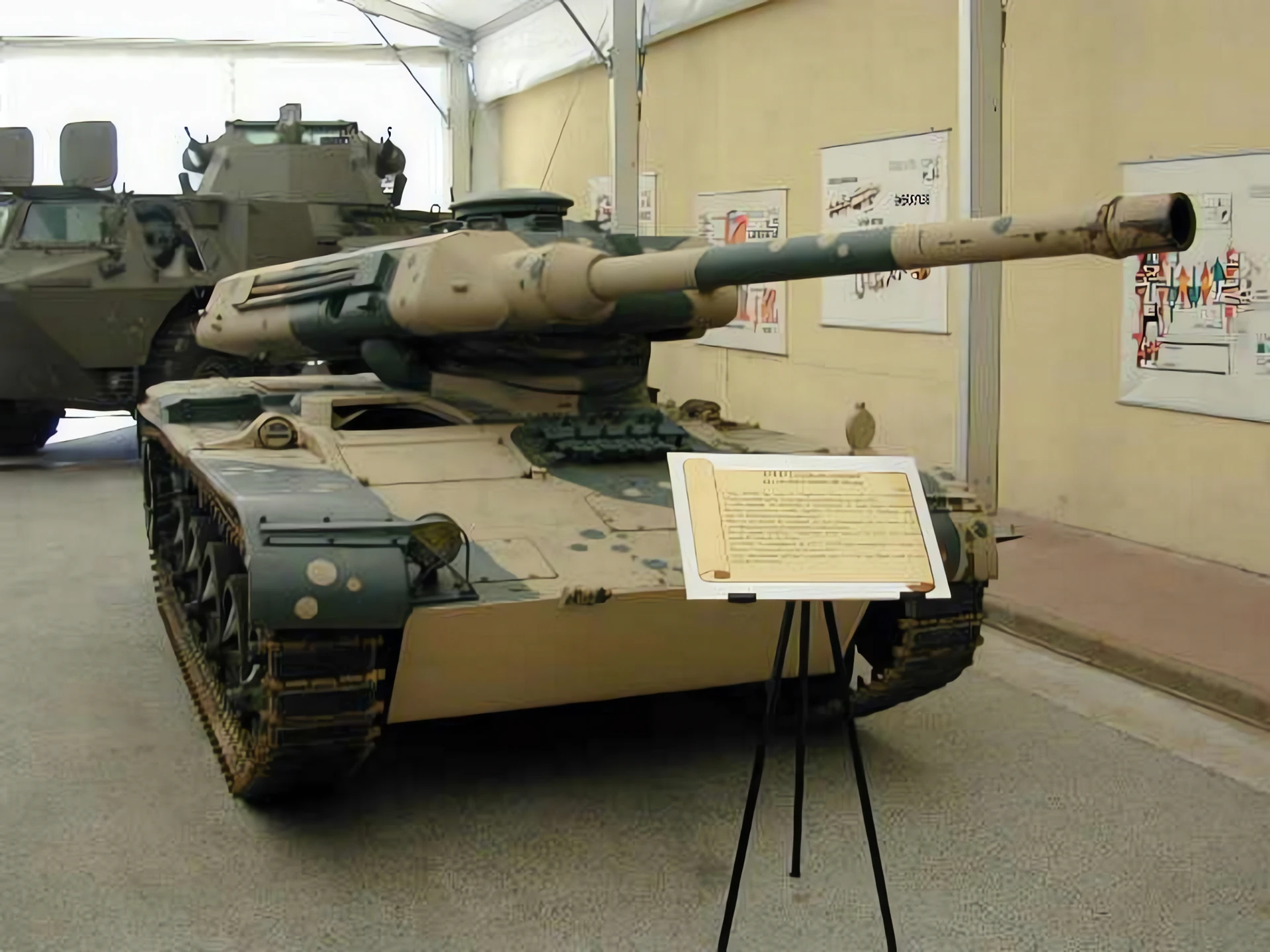
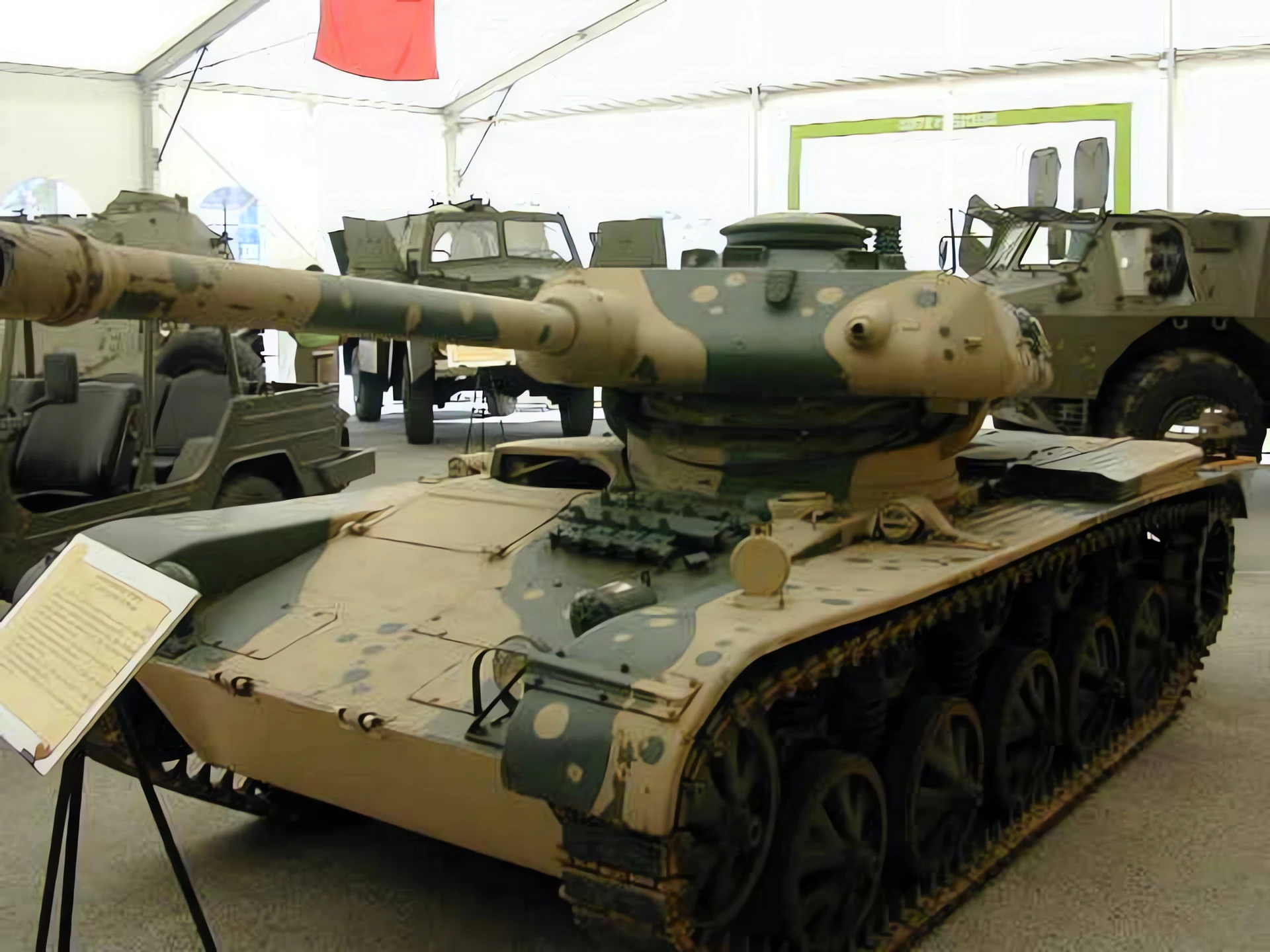
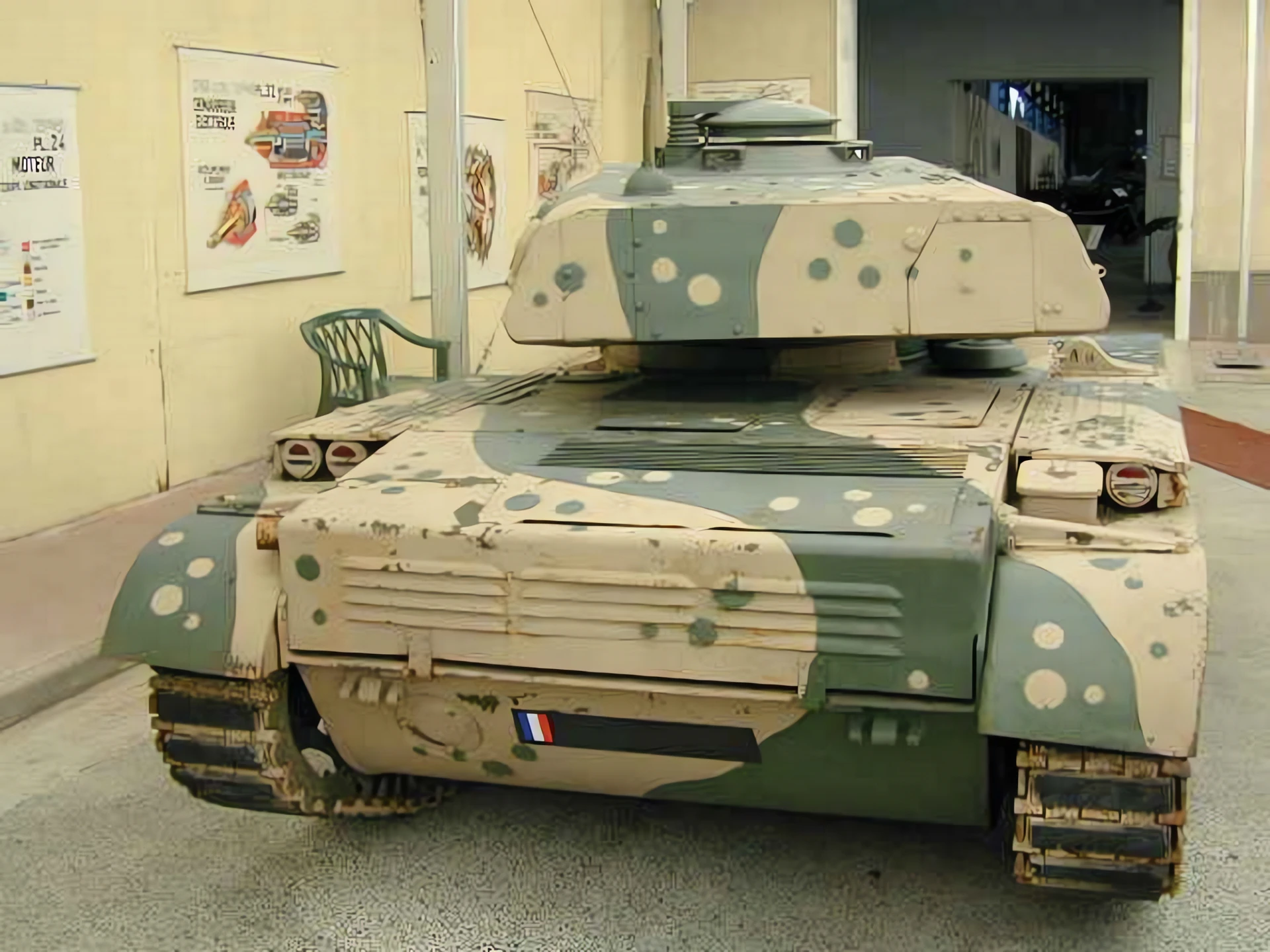
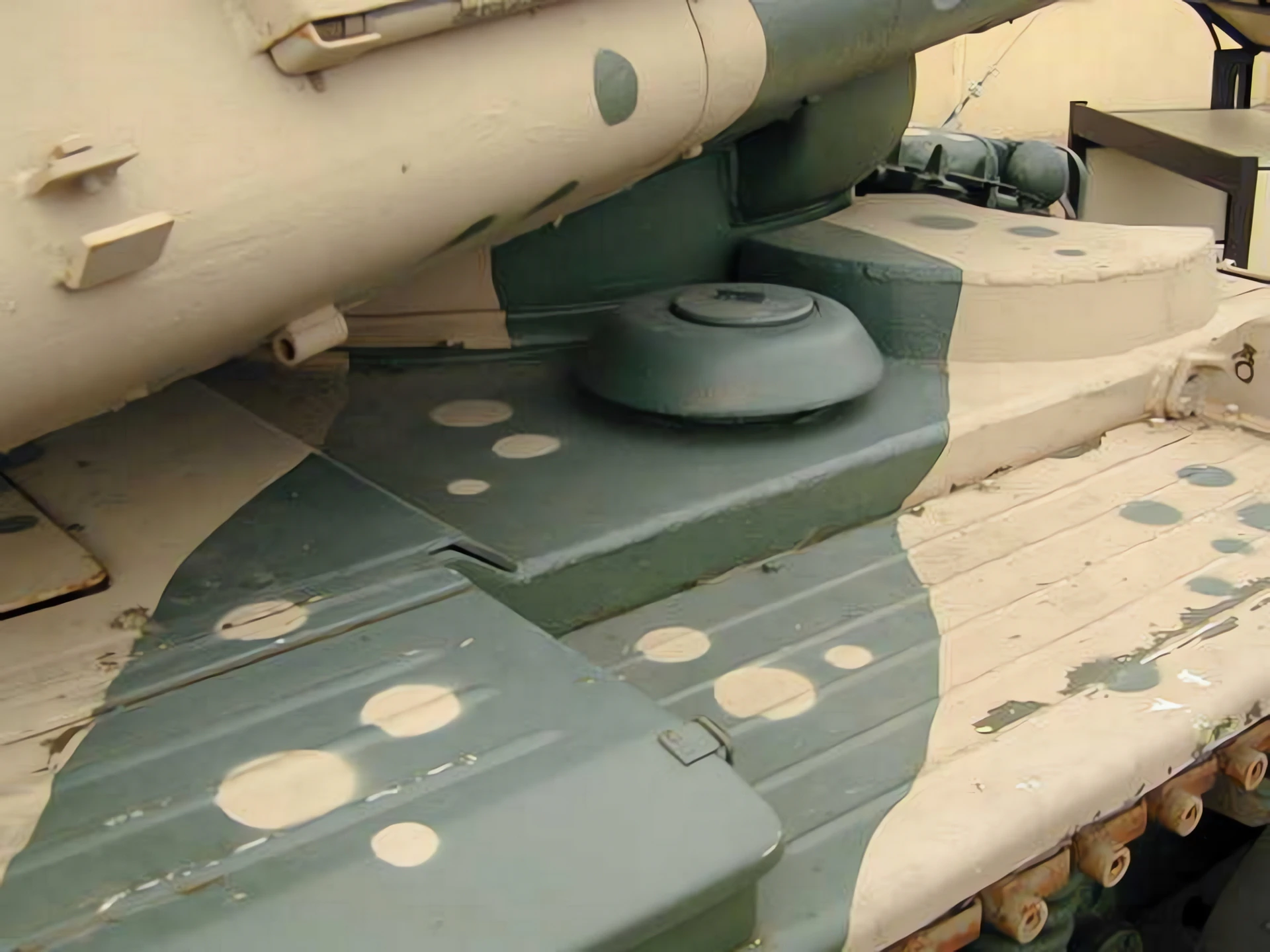
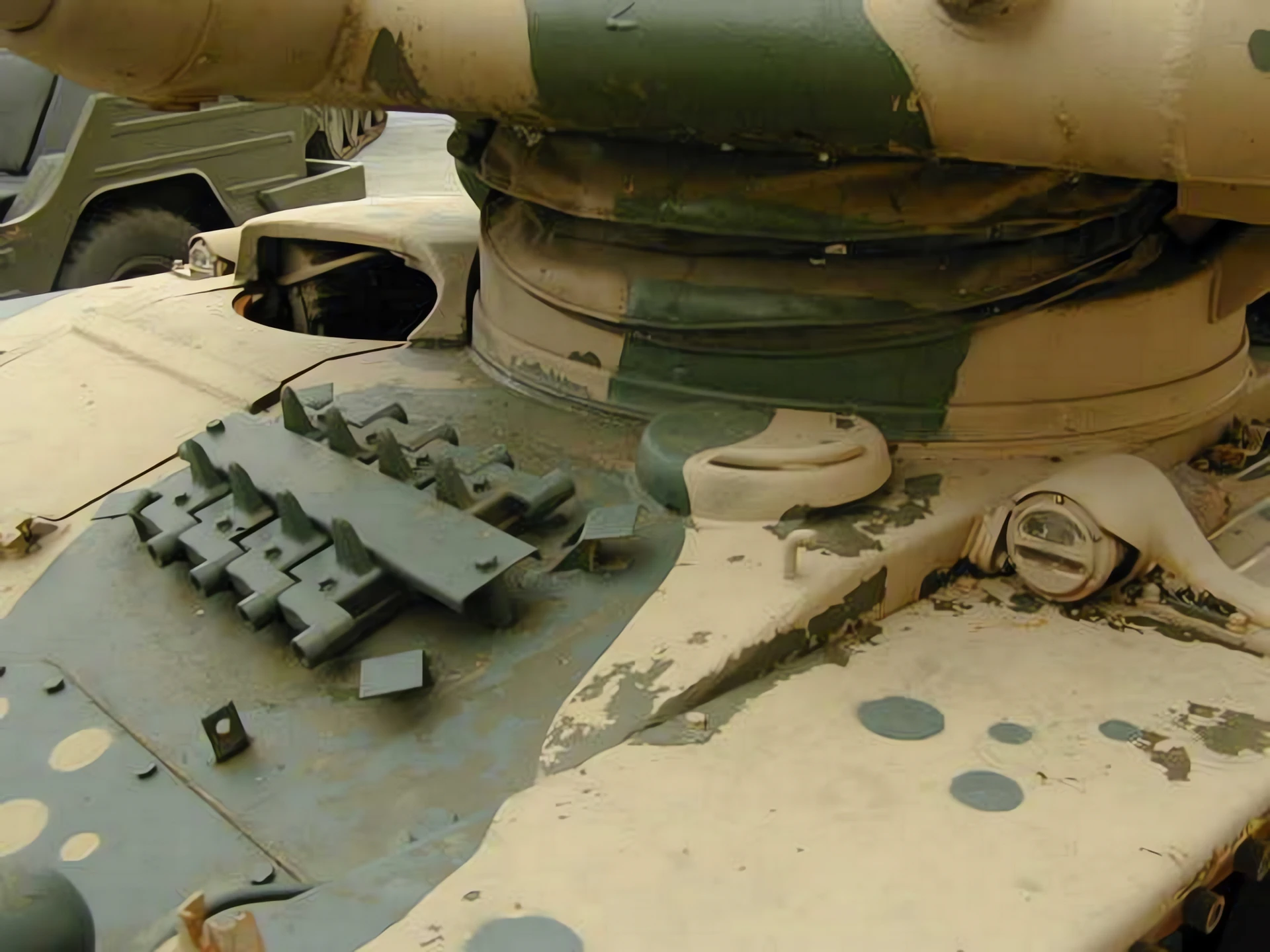
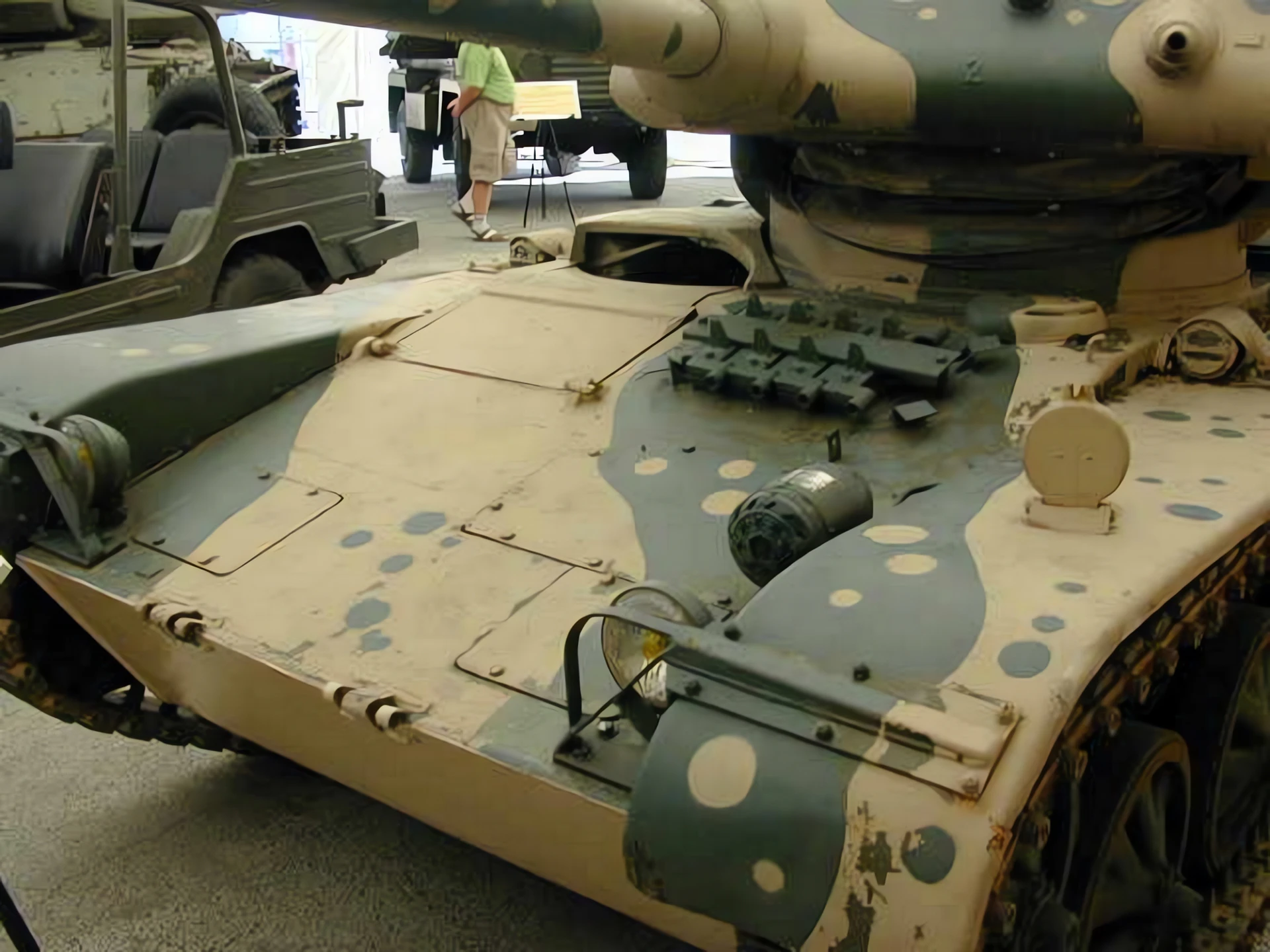
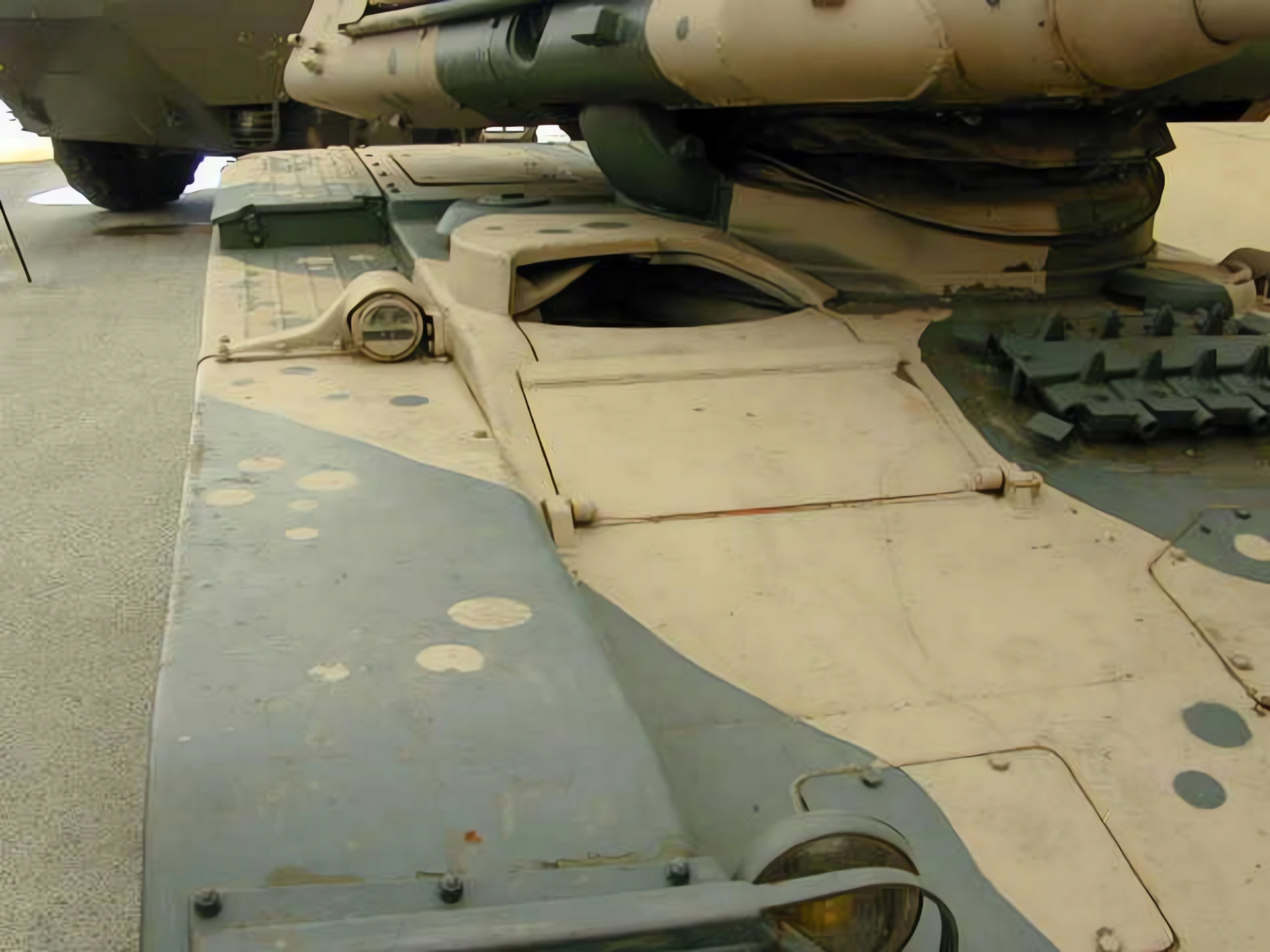
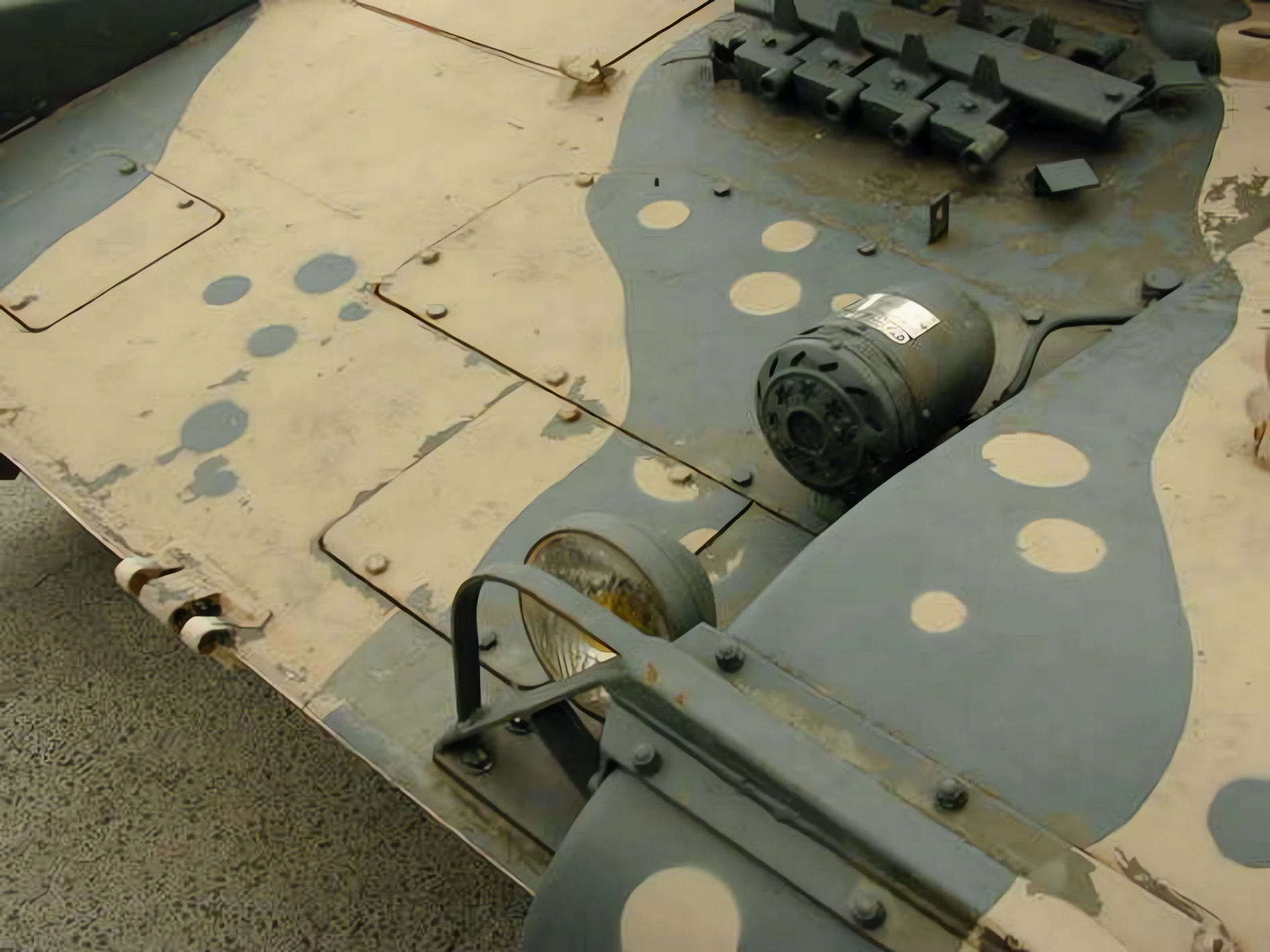
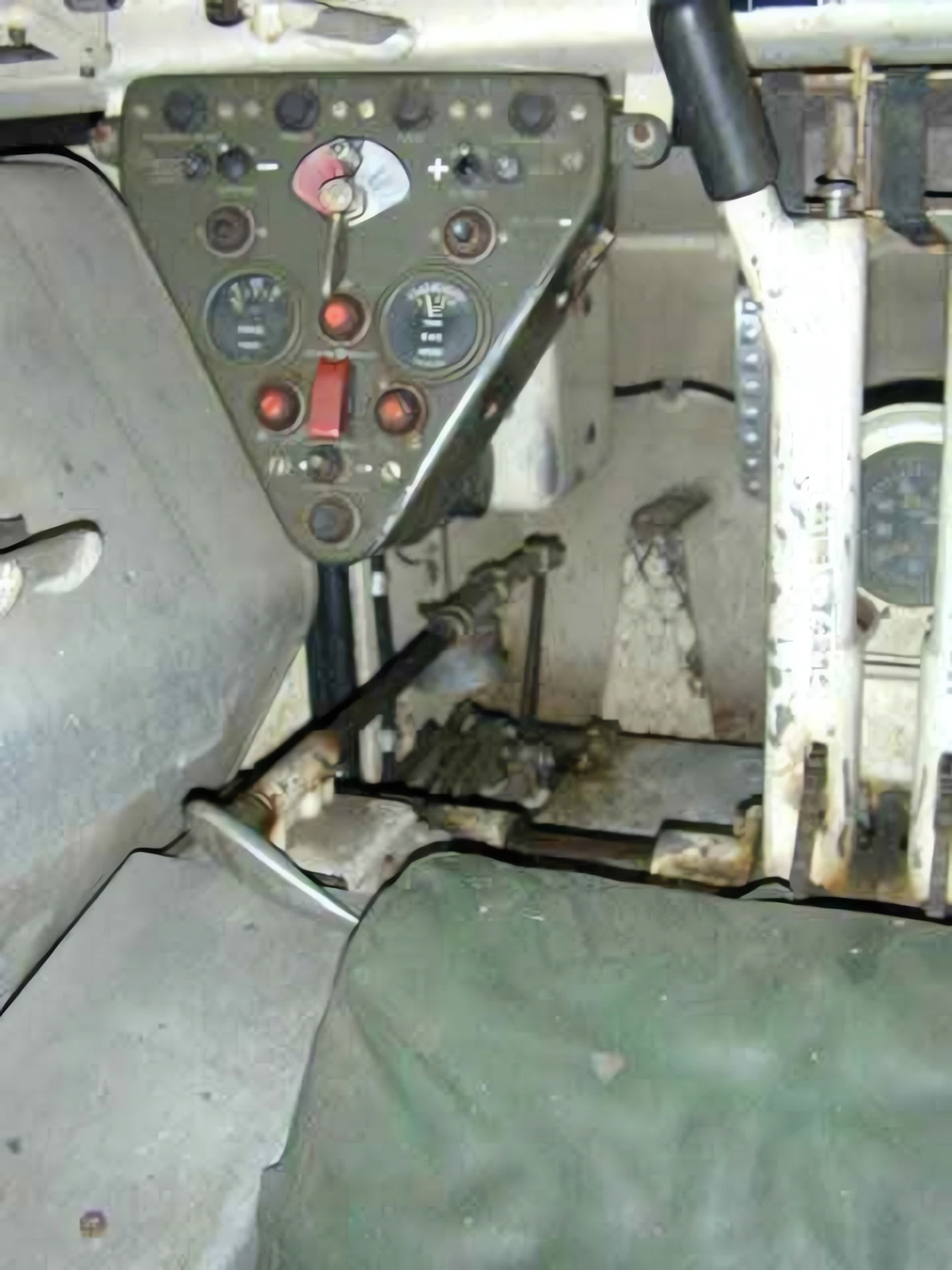


Several models of the turret (AMX ELC bis) were tested on chassis manufactured from plans created by Hotchkiss. The vehicle’s drive suspension featured four roadwheels and two top rollers on each side. A new chassis began development in 1957, and was completed in 1961 under the designation of the ELC bis; this newer prototype had five roadwheels per side. The prototype is preserved at the Museum of Armour in Saumur.
| ELC Bis Walk Around | |
|---|---|
| Photographer | Unknow |
| Localisation | Saumur |
| Photos | 22 |
| ELC EVEN 30 Walk Around | |
|---|---|
| Photographer | Unknow |
| Localisation | Unknow |
| Photos | 27 |
See also:


General Characteristics
The ELC EVEN 90 was a prototype light tank destroyer developed in France by Brunon-Valette as part of the “Engin Léger de Combat” (ELC) project during the mid-1950s. The goal was to create a highly mobile, heavily armed, and extremely small vehicle that could be air-transported for rapid deployment and capable of countering heavier Soviet tanks like the IS-3. The project prioritized miniaturization and firepower over armor, resulting in one of the smallest armored fighting vehicles ever conceived.
| Property | Typical Value (EVEN 90 Prototype) |
|---|---|
| Role | Experimental Light Tank Destroyer / Aeromobile Support |
| National Origin | France |
| Designed | 1950s |
| No. Built | Part of a series of 10 pilot vehicles (ELC Even variants) |
| Crew | 2 (Driver and Commander/Gunner) |
| Mass (Combat Weight) | Approx. 7.4–8.9 tonnes |
| Length (Hull) | 5.30 m (17 ft 5 in) |
| Height | 1.80 m (5 ft 11 in) |
Powerplant and Mobility
- Engine: SOFAM Type 4 GSr 4-cylinder gasoline engine (or similar).
- Engine Power: 134 kW (180 hp) or 120 hp, depending on the specific prototype.
- Power/Weight Ratio: Approx. 20 hp/tonne.
- Maximum Speed (Road): Up to 80 km/h (50 mph) in some variants; typical operational speed around 60 km/h.
- Suspension: Torsion bar suspension.
- Design Note: The extremely low profile and light weight gave the vehicle exceptional camouflage characteristics and high tactical mobility.
Armament and Protection
- Main Armament: 90 mm DEFA D.915 low-pressure gun (or similar D.914).
- Ammunition Type: Primarily fin-stabilized HEAT (High-Explosive Anti-Tank) rounds (e.g., ENERGA or OCC-90-62).
- Rate of Fire: Some variants featured an **autoloader** system with a short reload time between shells in the clip.
- Ammunition Capacity: Approx. 45 rounds (some sources cite 34 rounds in the hull and 19 in the turret).
- Secondary Armament: 1 x 7.5 mm AAT-52 coaxial machine gun.
- Maximum Armor (Hull Front): 10–15 mm (sloped at up to 80° on later hulls).
- Armor Note: The armor was designed only to protect against heavy machine gun fire (7.62 mm rounds) and shell fragments. It offered no protection against dedicated anti-tank weaponry.
Views : 1473