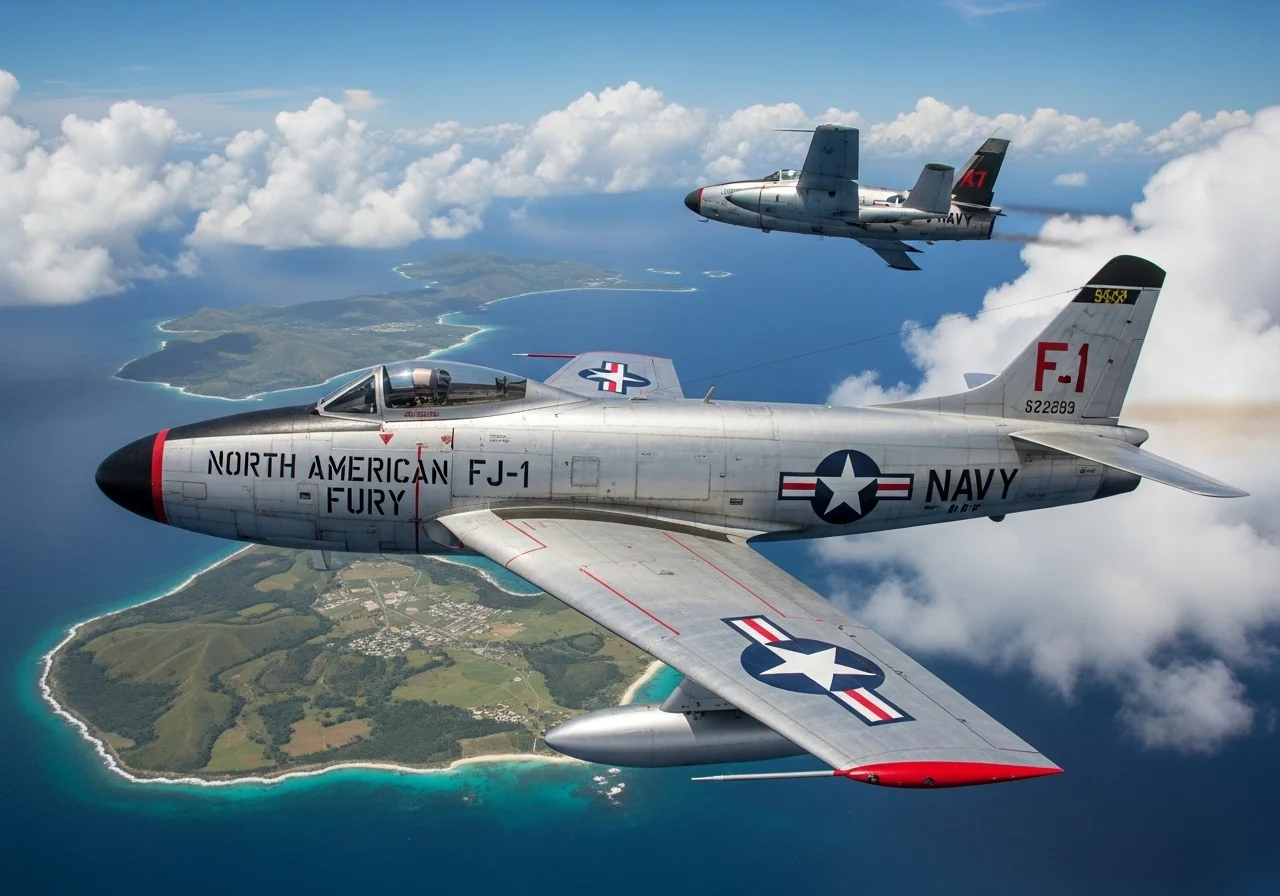
North American FJ-1 Fury | |
|---|---|
| 국가 | 미국 |
| 역할 | 전투기 |
| 첫 비행 | 1946년 9월 11일 |
| 내장 | 31 |
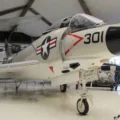
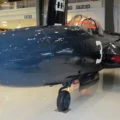
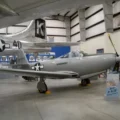
Tthe 북미 FJ-1 분노 미국 해군 서비스 최초의 작전 제트 항공기이며, 북미 항공에 의해 NA-135로 개발되었다. FJ-1은 피스톤 엔진 P-51D 머스탱에서 파생 된 유사한 꼬리 표면, 날개 및 캐노피를 운반하는 제한된 성공의 초기 과도기 제트기였습니다. 스윕 윙을 통합하기 위한 설계의 진화는 원래 FJ-1 기체와 매우 유사한 직선 날개 평면형으로 설계된 육상 기반 XP-86 프로토타입의 기초가 될 것이며, 이는 해군의 항공모함 기반의 북미 FJ-2/-3 분노의 기초를 형성한 미국 공군의 엄청난 영향력을 가진 F-86 세이버의 기초가 될 것이다.
| North American FJ-1 Fury Walk Around | |
|---|---|
| 사진 작가 | 시스 헨드릭스 |
| 로컬라이제이션 | Unknow |
| 사진 | 38 |
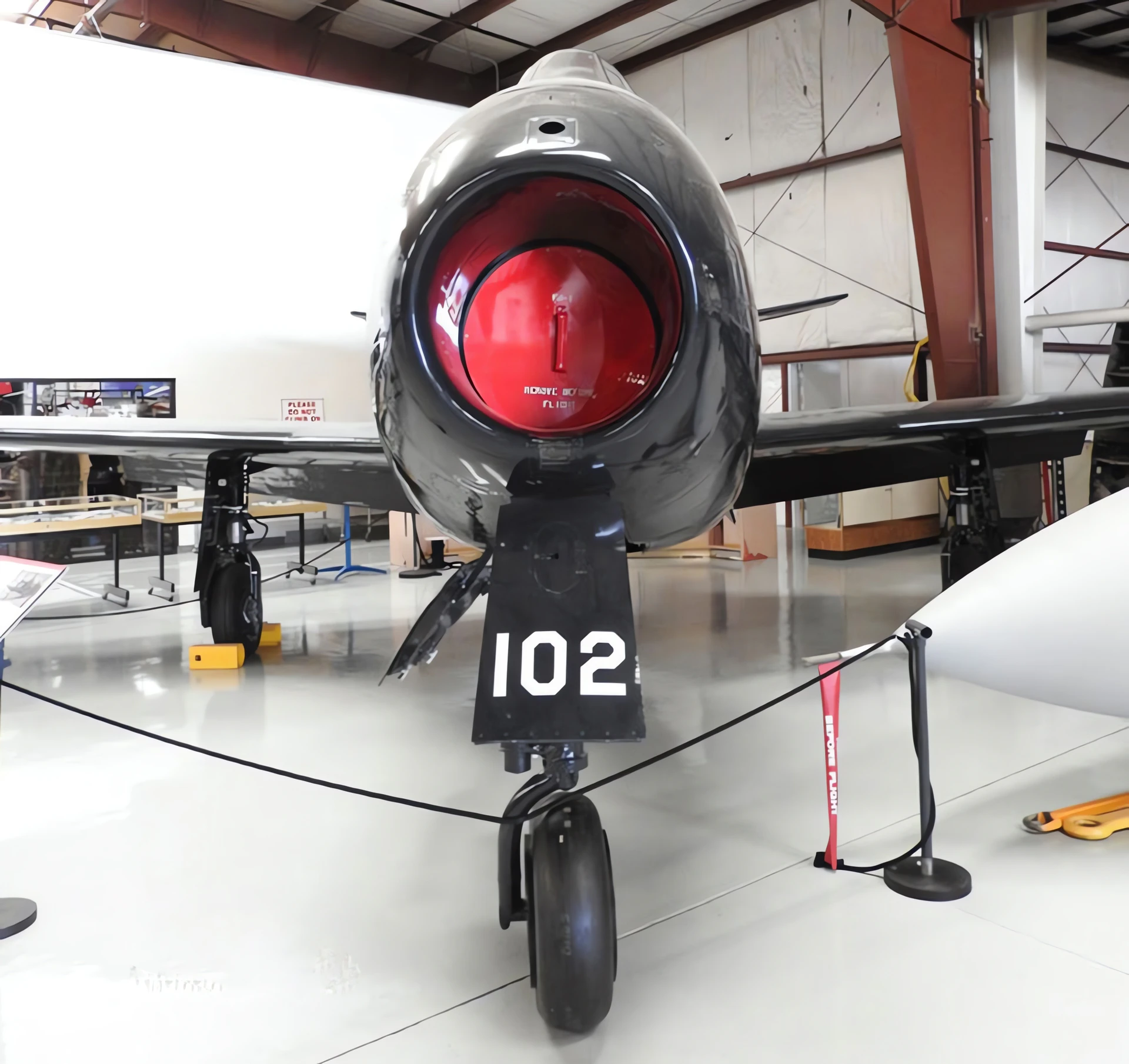
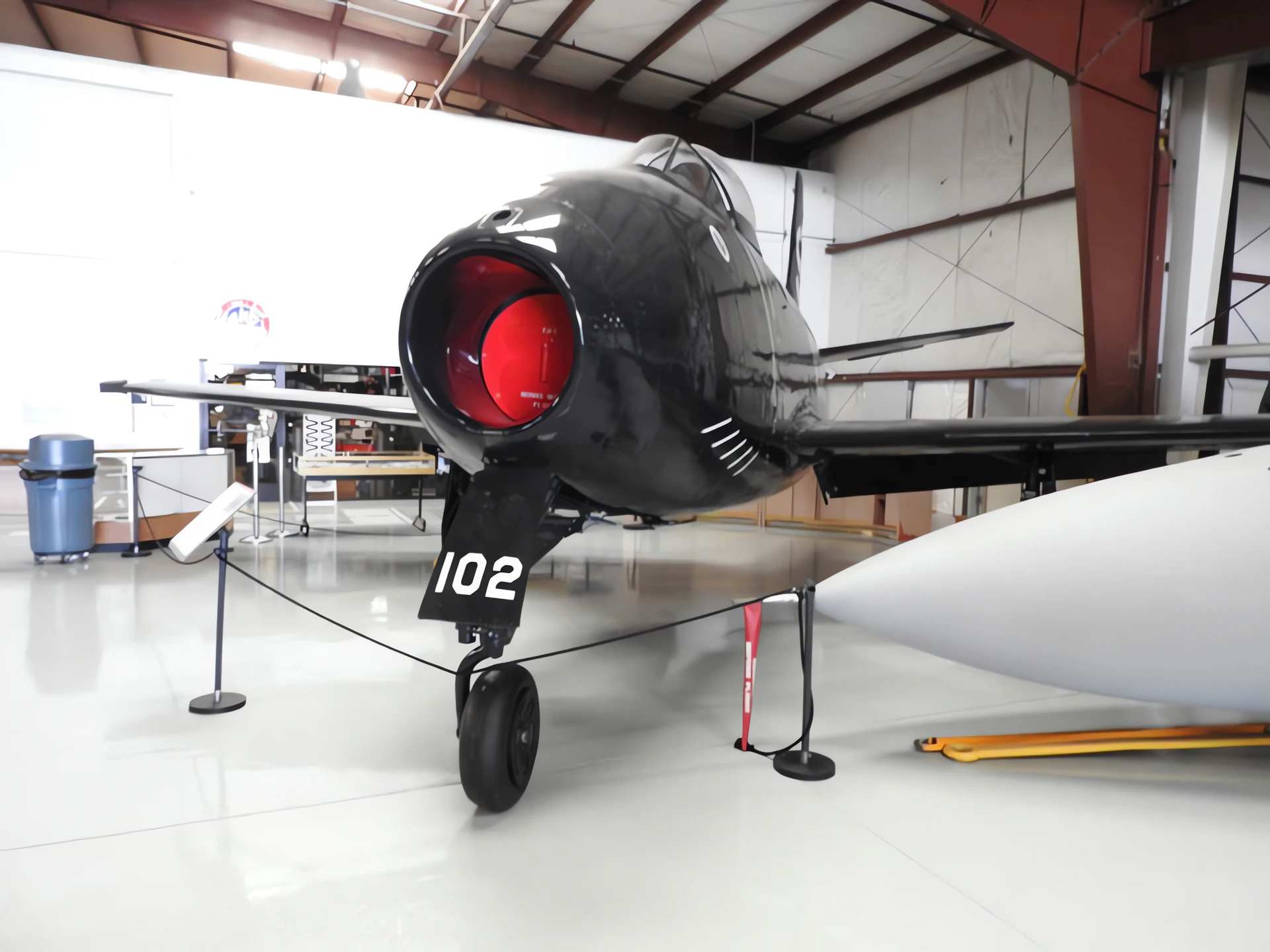
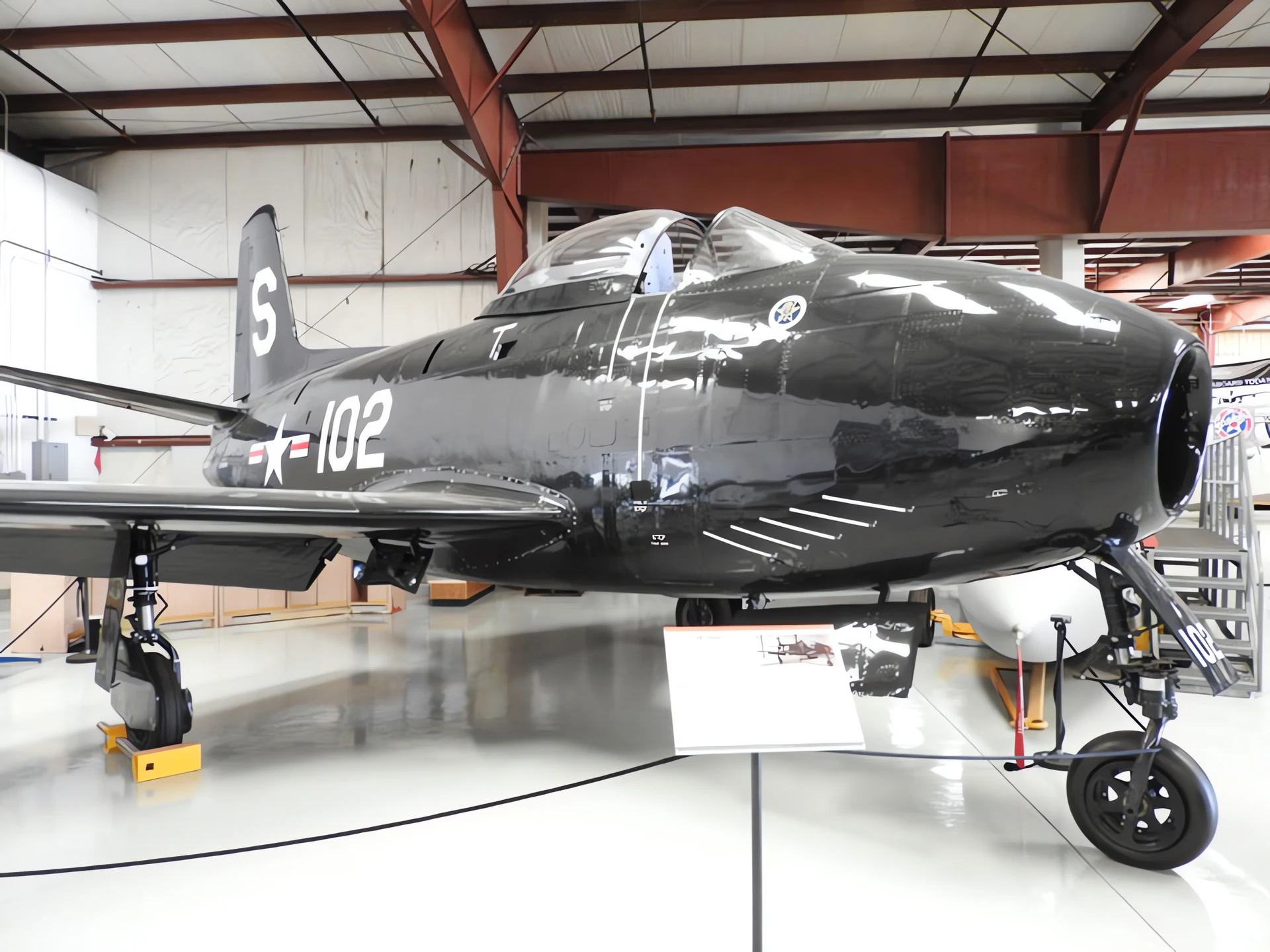
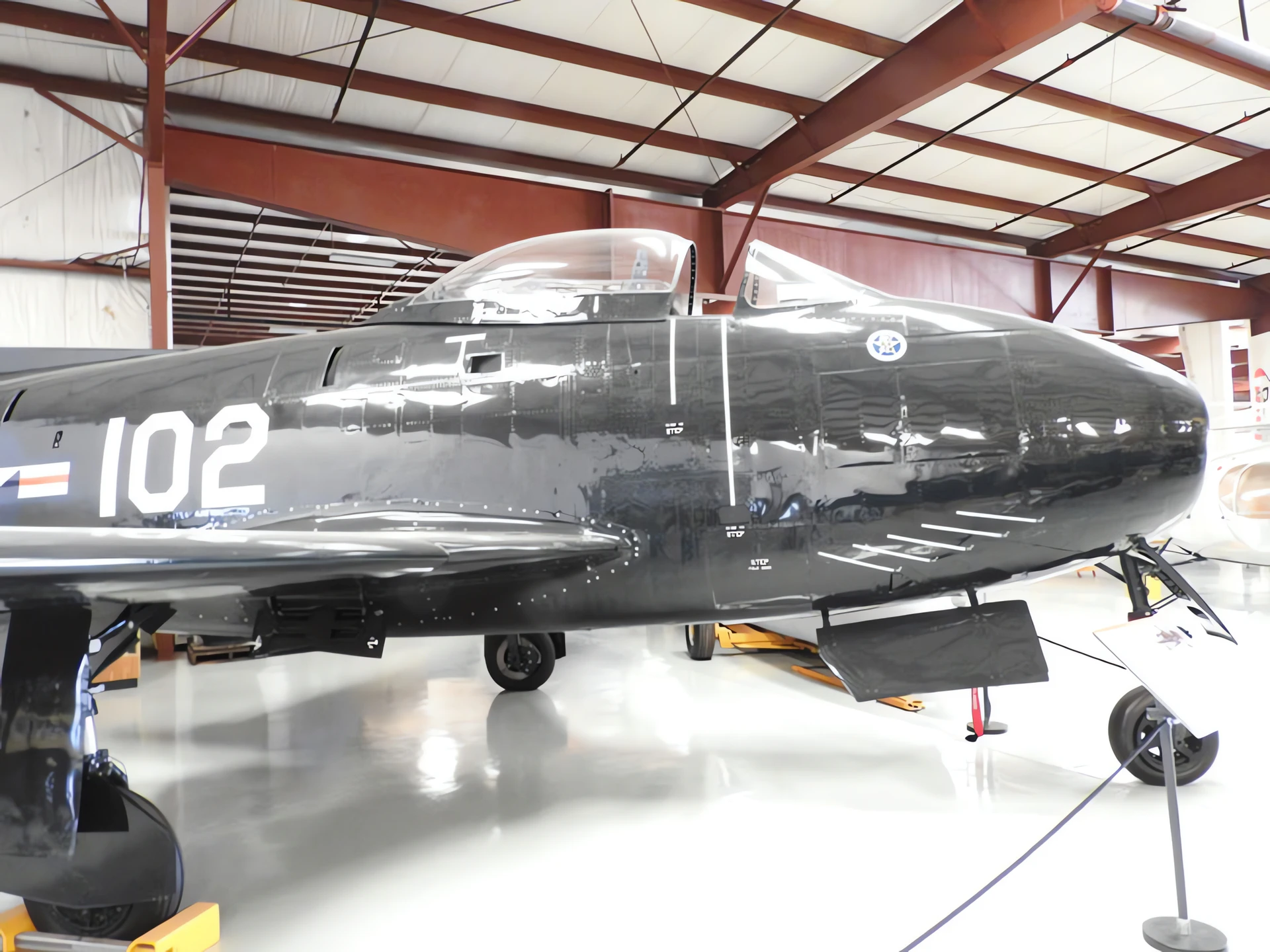
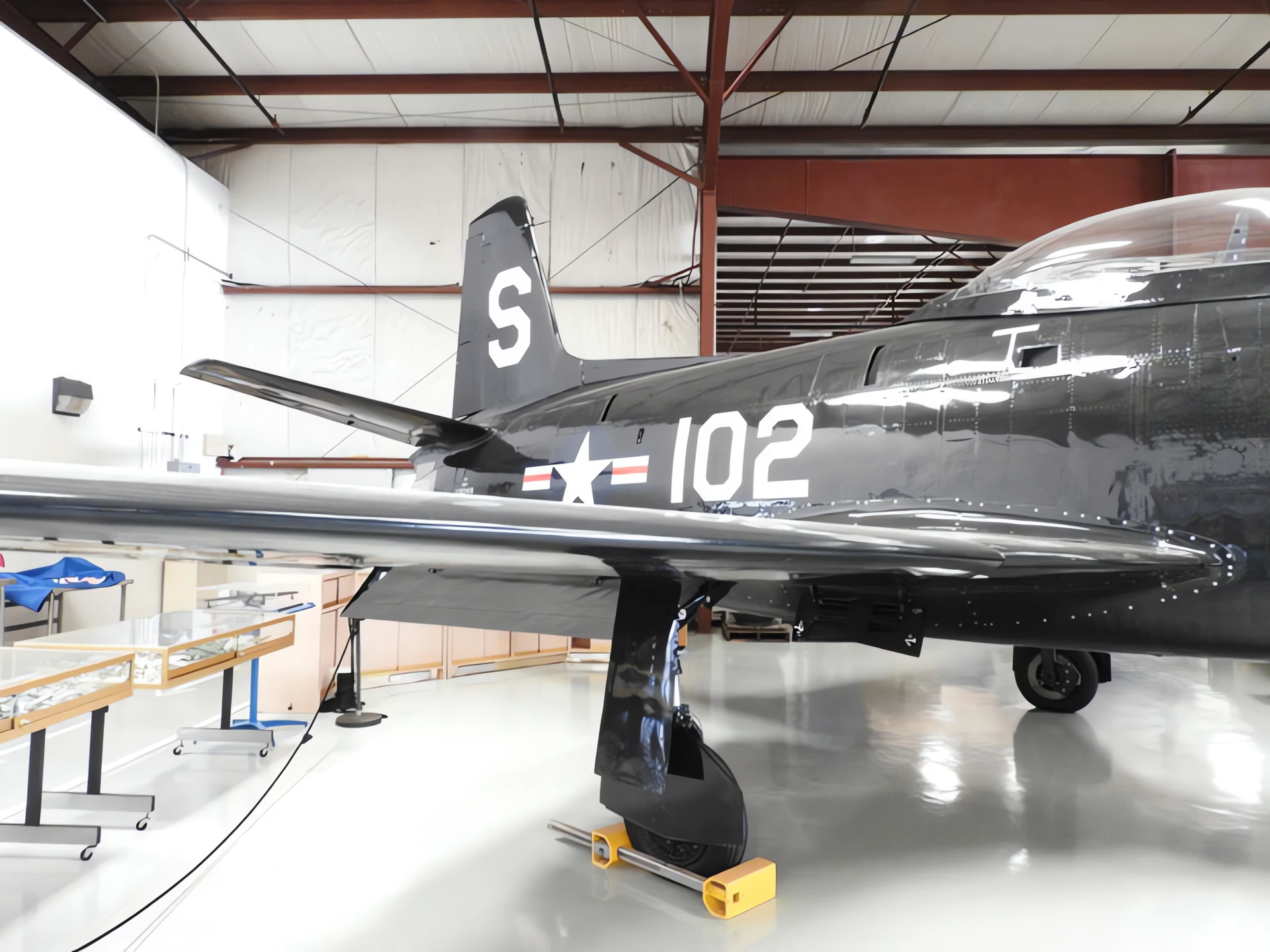
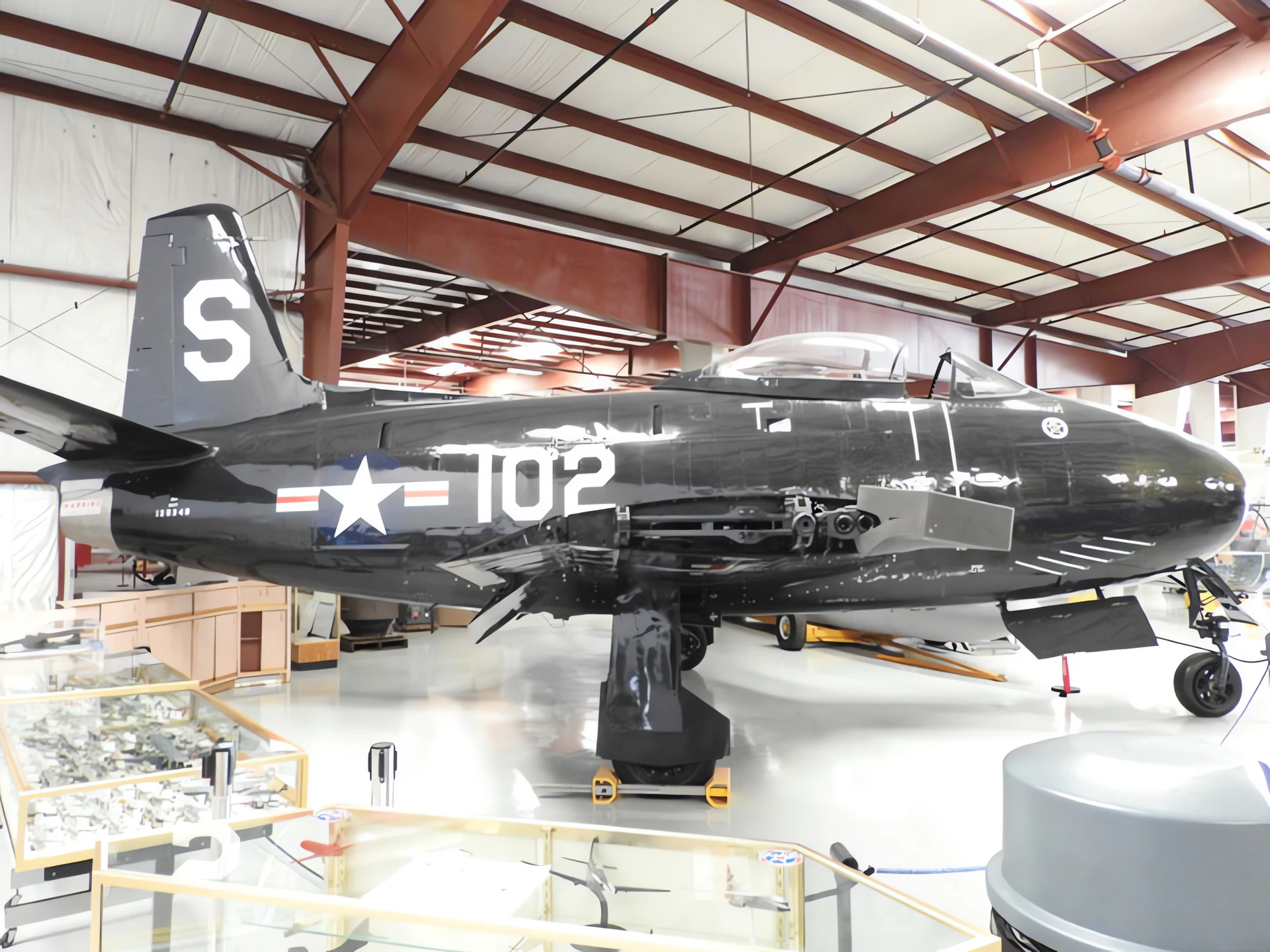
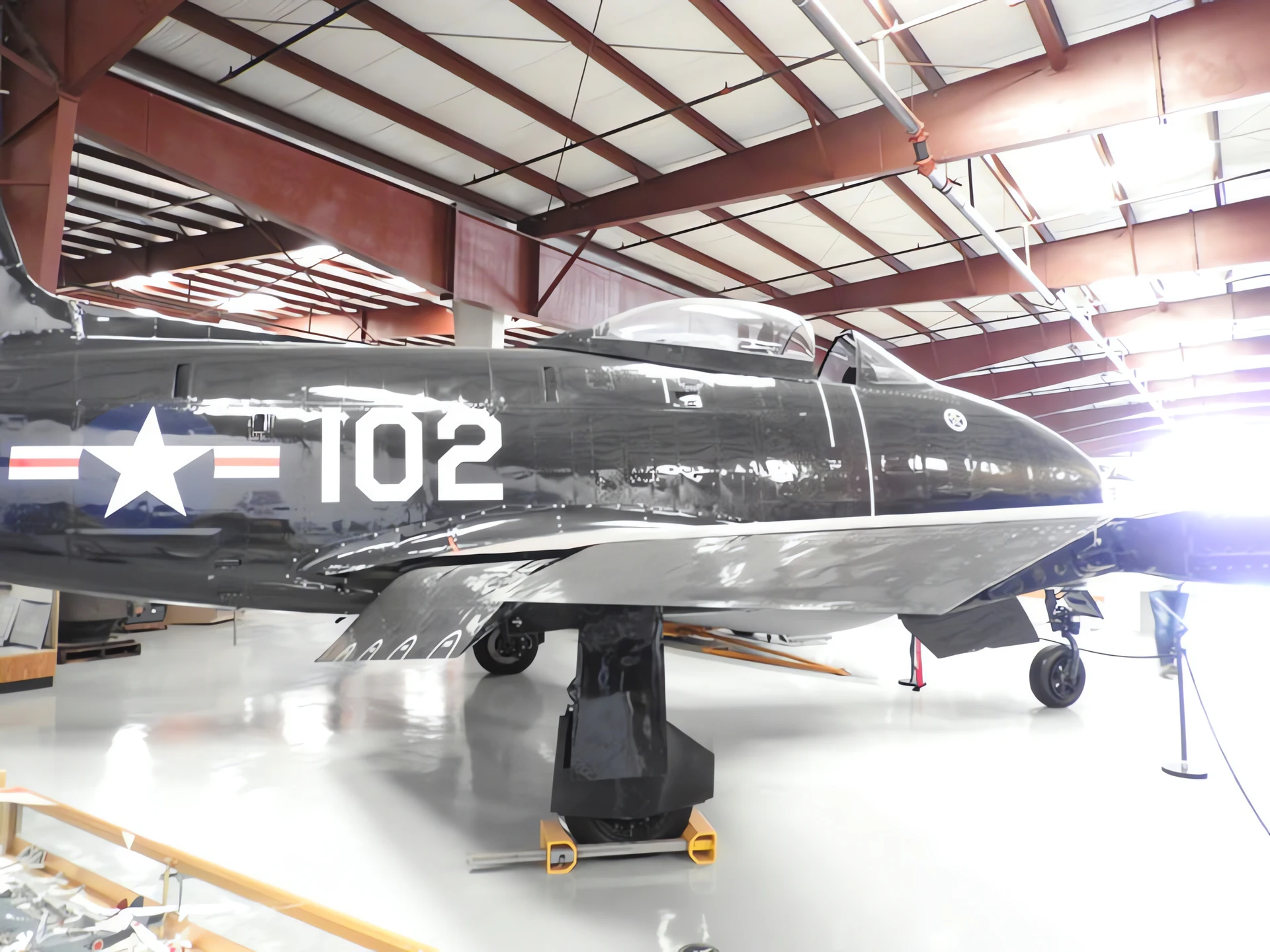
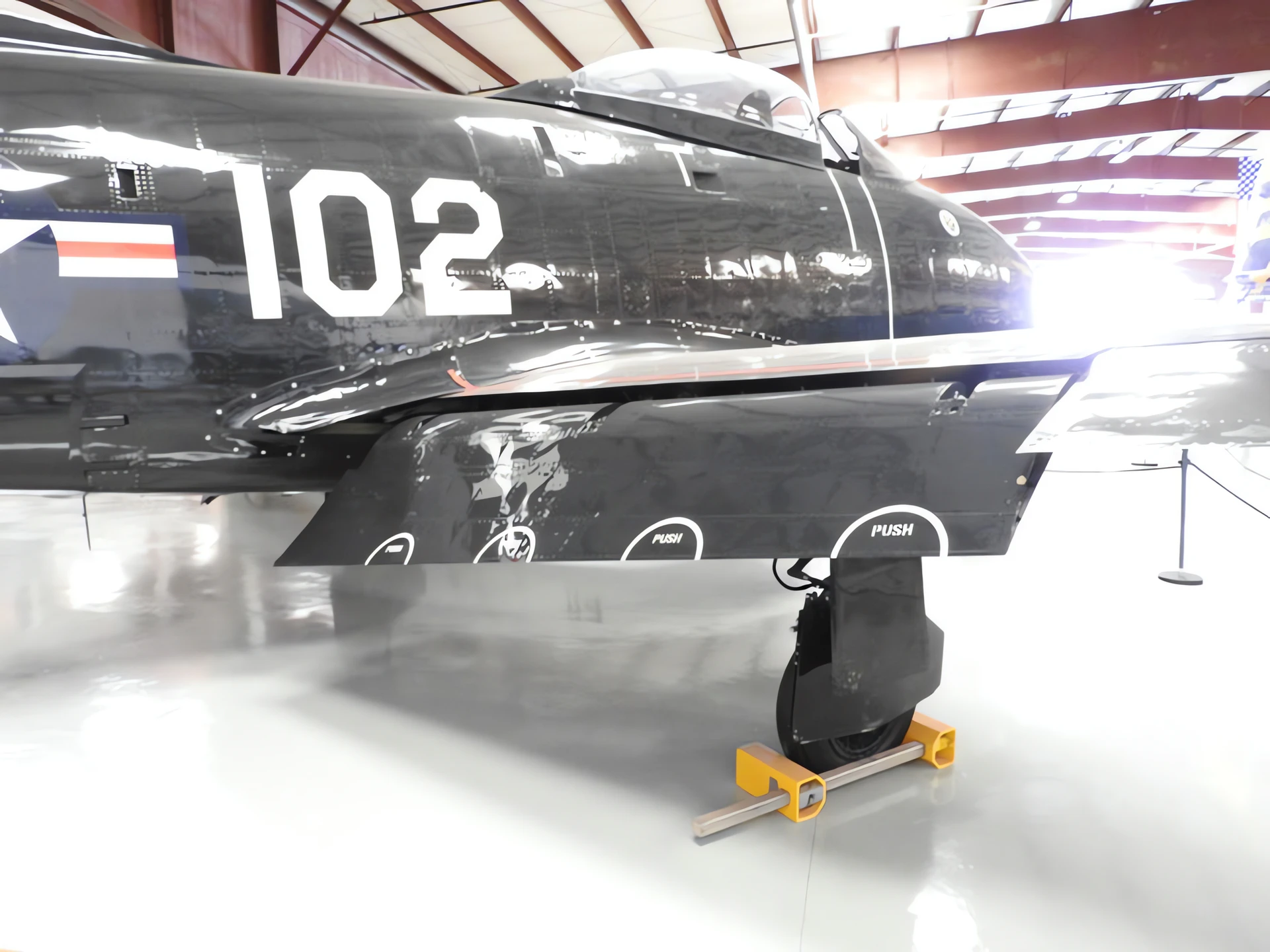
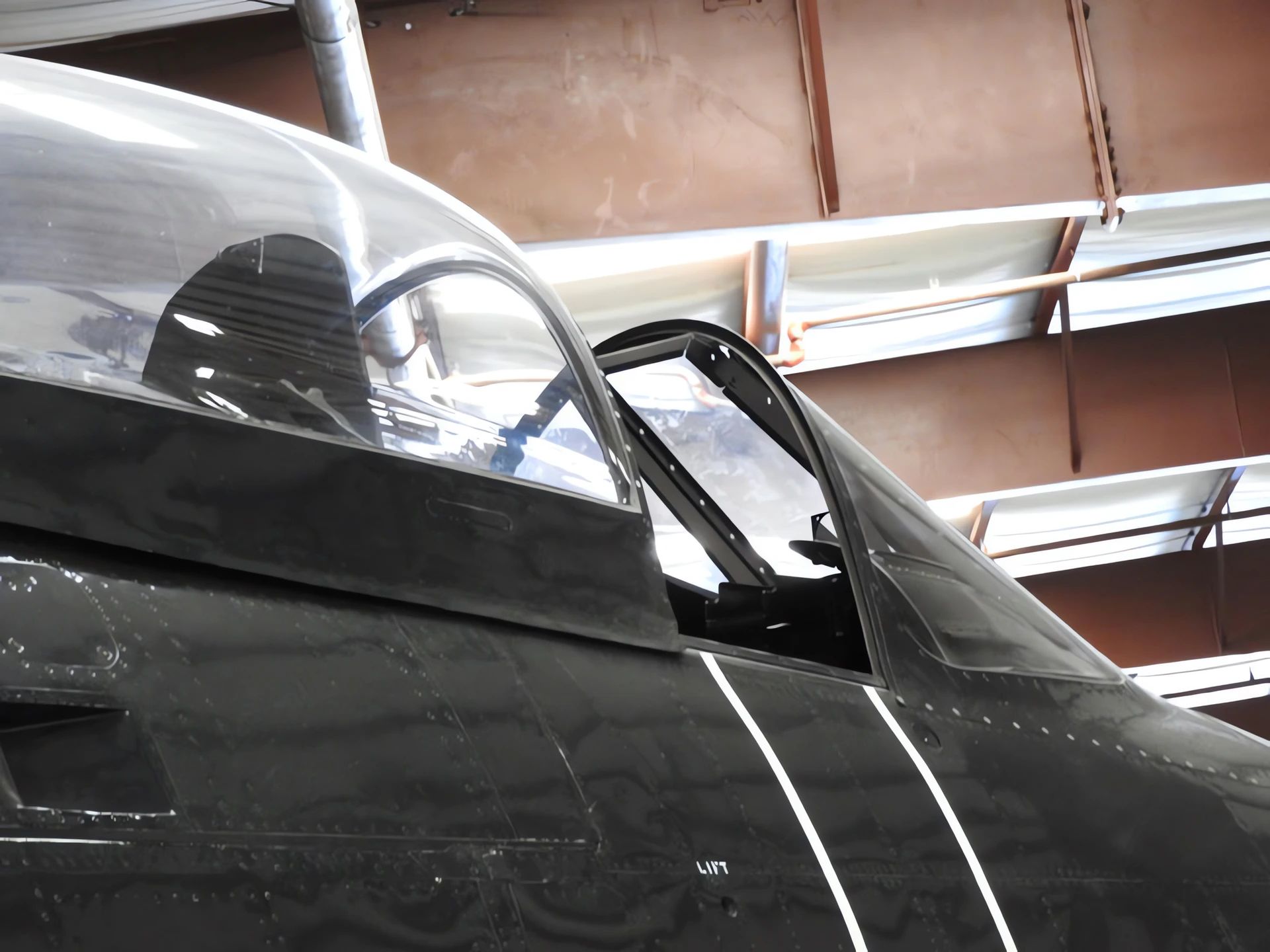

| North American FJ-1 Fury Walk Around | |
|---|---|
| 사진 작가 | 데이브 윌리엄스 |
| 로컬라이제이션 | Unknow |
| 사진 | 21 |
참고 항목:


The Navy’s Transitional Trailblazer
Tthe 북미 FJ-1 분노 was the first operational jet aircraft to be deployed by the United States Navy. Introduced in the late 1940s, it served as a critical bridge between the piston-engine fighters of WWII and the swept-wing jet fighters of the 1950s. While it shared some visual “DNA” with the legendary P-51 Mustang—specifically in its wing and tail design—the FJ-1 was a dedicated jet platform designed to prove that high-performance turbojets could safely operate from the decks of aircraft carriers.
| Attribute | Technical Specification (FJ-1) |
|---|---|
| 역할 | Carrier-based Fighter |
| 승무원 | 1 (Pilot) |
| First Flight | September 11, 1946 |
| 동력 장치 | 1 × Allison J35-A-2 turbojet |
| Thrust | 4,000 lbf (17.8 kN) |
| 최대 속도 | 547 mph (880 km/h) |
| 군비 | 6 × .50 cal (12.7 mm) M2 Browning machine guns |
| Service Ceiling | 32,000 feet (9,753 m) |
Design Innovations and Naval Adaptations
- The “Kneeling” Nose Gear: To maximize limited deck space on aircraft carriers, the FJ-1 featured a unique “kneeling” nose strut. This allowed the aircraft to lower its nose and lift its tail, enabling it to be “stacked” closer to the aircraft parked behind it.
- Straight-Wing Heritage: Despite the emerging trend of swept wings (which North American would soon master), the FJ-1 used a straight, laminar-flow wing derived from the P-51. This provided predictable handling at the low speeds required for carrier landings.
- Central Nose Intake: To keep the fuselage streamlined and maximize engine efficiency, the FJ-1 used a straight-through air intake in the nose. This gave the aircraft its distinctive, “barrel-like” appearance.
- External Fuel: To compensate for the short range of early jet engines, the FJ-1 was often seen with large, permanent wingtip fuel tanks.
Legacy: The Grandfather of the Sabre
- Pioneering the Deck: On March 10, 1948, the FJ-1 made history when it performed the U.S. Navy’s first operational carrier landing with a jet aircraft at sea aboard the USS 복서.
- Evolution into a Legend: The land-based version of the Fury design, the XP-86, eventually evolved into the world-famous F-86 세이버. In a complete circle, the F-86 was then “navalized” to become the swept-wing FJ-2 Fury.
- Short Front-Line Career: Because jet technology was moving so fast, the FJ-1 was retired from front-line service after only 14 months, replaced by the more advanced Grumman F9F Panther.
- Rare Survivors: Only 31 FJ-1s (including prototypes) were built. Today, only two remain—one at the 국립항공우주박물관 and another at the 양크스 항공 박물관 in California.
조회수:2834