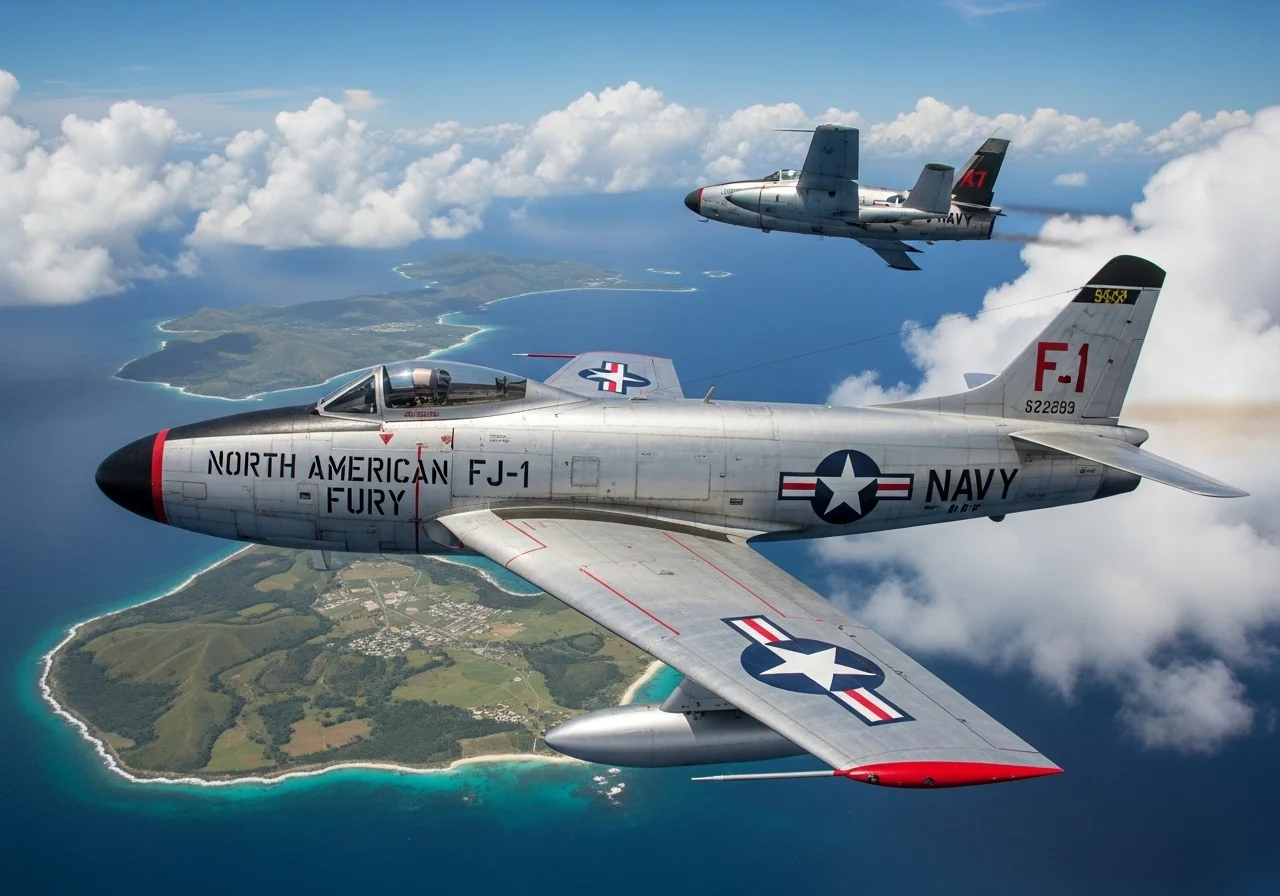
North American FJ-1 Fury | |
|---|---|
| Země | SPOJENÉ STÁTY |
| Roli | Stíhací letouny |
| První let | 11. září 1946 |
| Postaven | 31 |
Tá Severoamerický FJ-1 Fury je první operační proudový letoun ve službě námořnictva Spojených států a byl vyvinut společností North American Aviation jako NA-135. FJ-1 byl raný přechodný proud s omezeným úspěchem, který přenášel podobné ocasní plochy, křídlo a vrchlík odvozený od pístového motoru P-51D Mustang. Vývoj konstrukce tak, aby zahrnoval šípová křídla, se stal základem pro pozemní prototyp XP-86 - sám původně navržený s velmi podobným půdorysem s rovným křídlem jako drak FJ-1 - nesmírně vlivného F-86 Sabre letectva Spojených států, který sám tvořil základ pro námořní letadlovou loď North American FJ-2 / -3 Fury.
| North American FJ-1 Fury Walk Around | |
|---|---|
| Fotograf | Cees Hendriks |
| Lokalizace | Neznámé |
| Fotografie | 38 |
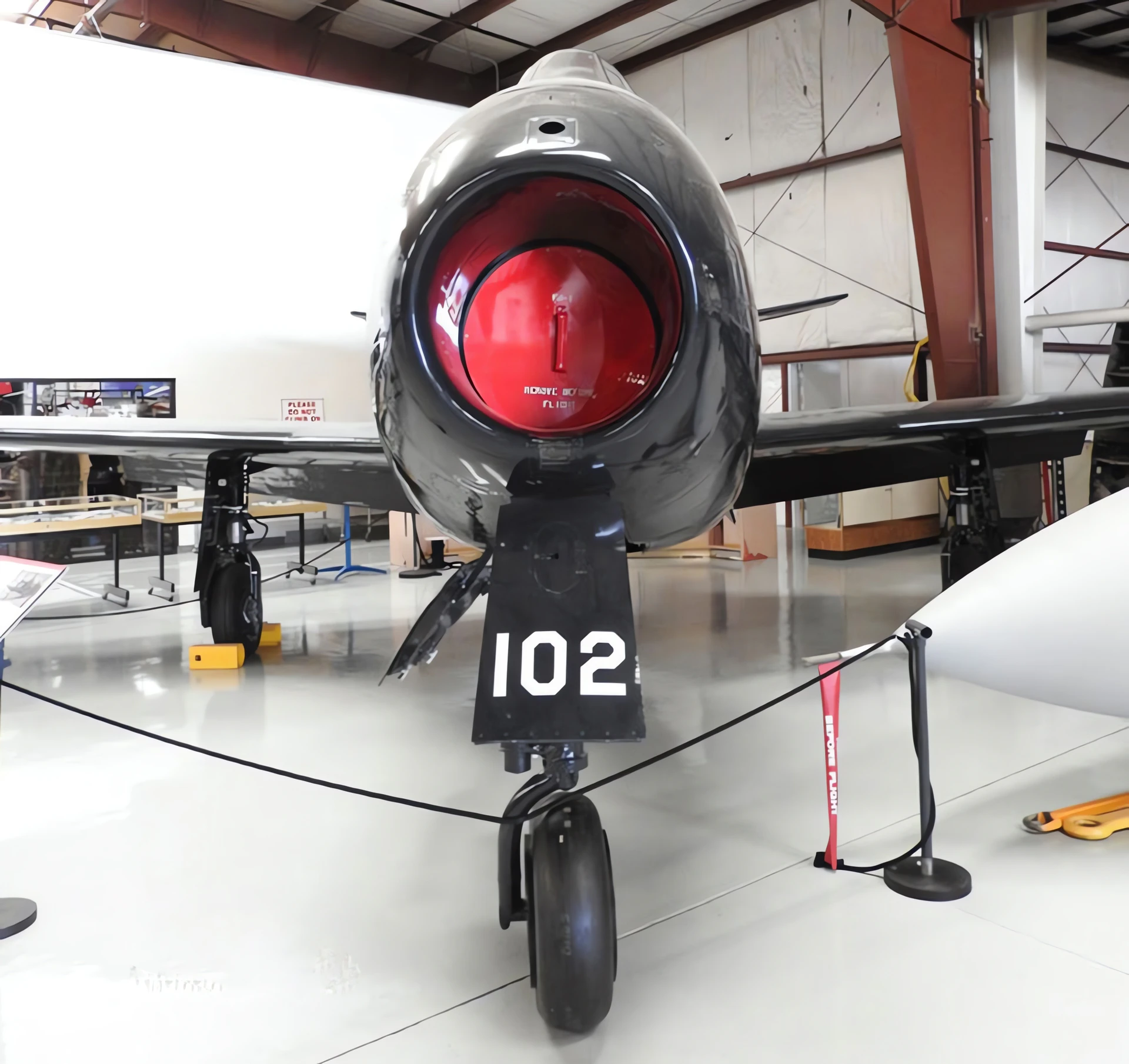
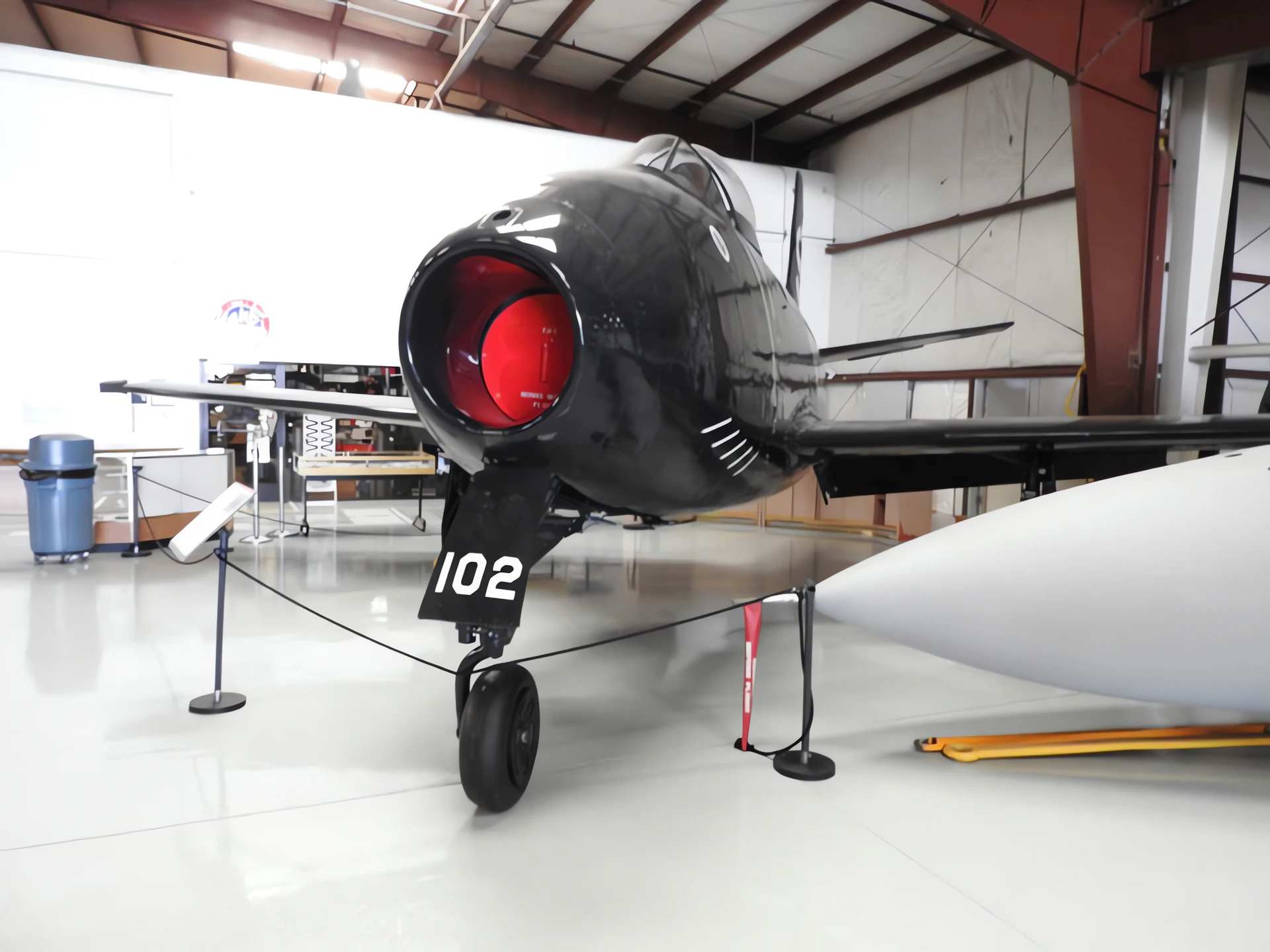
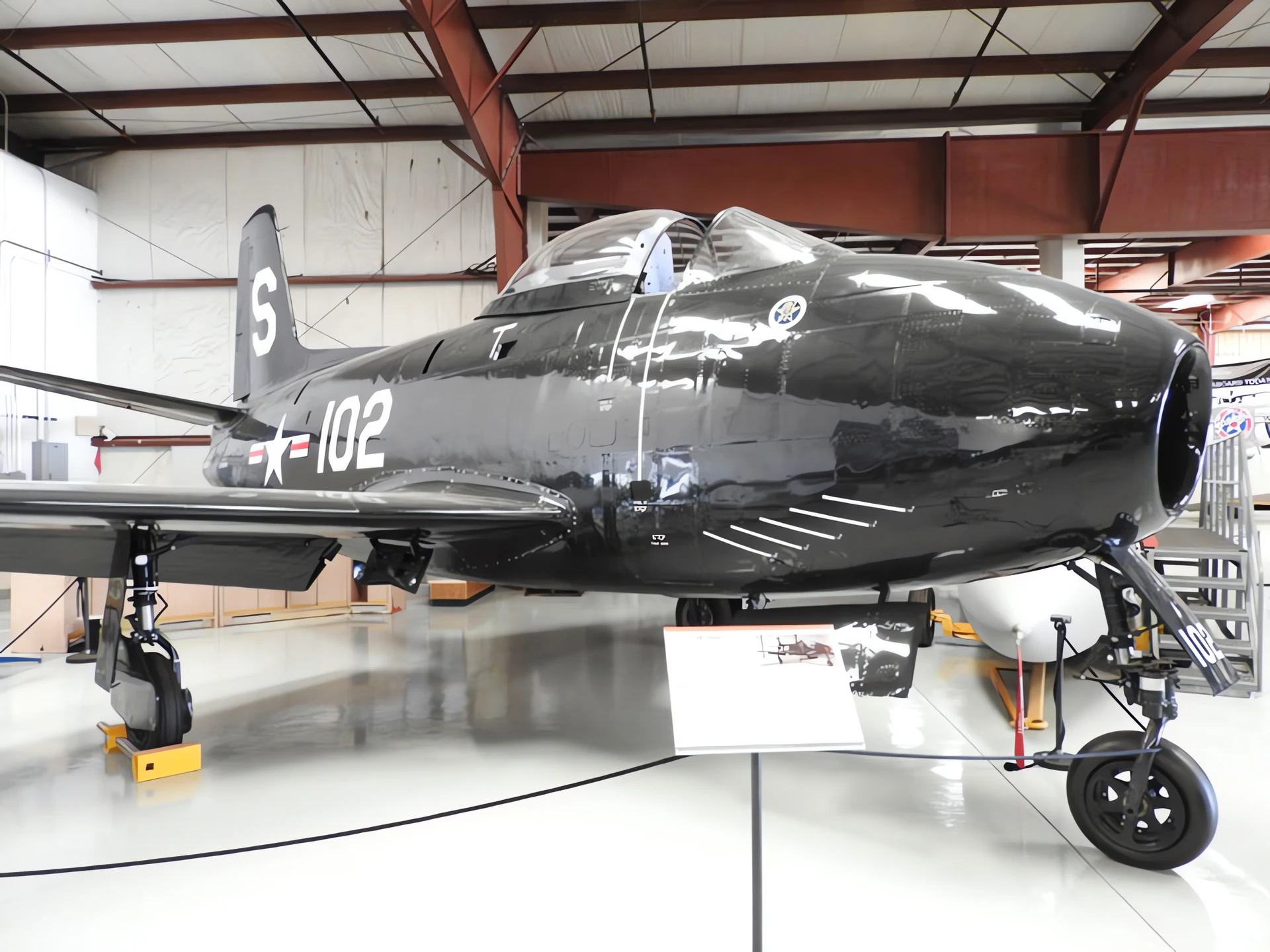
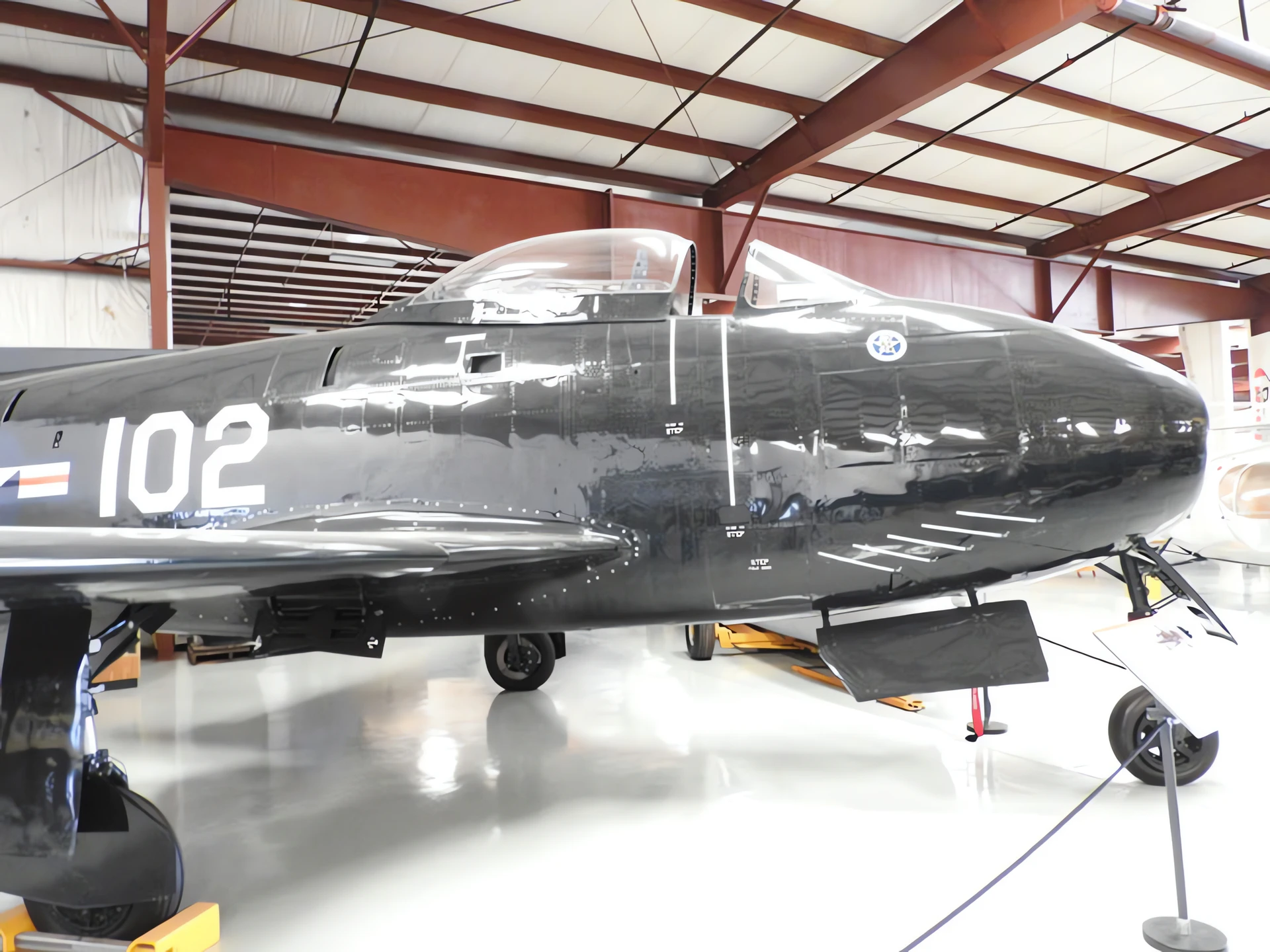
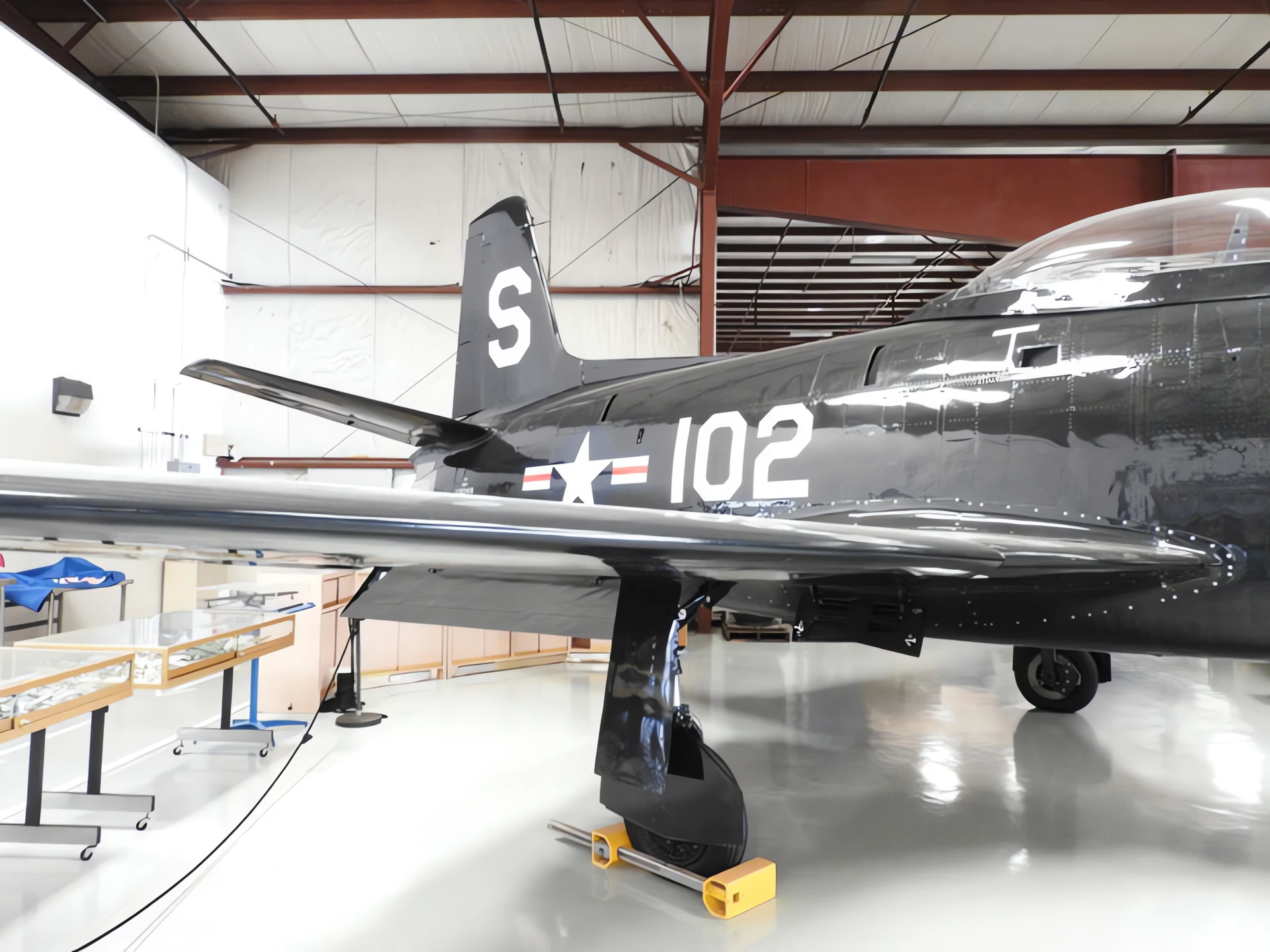
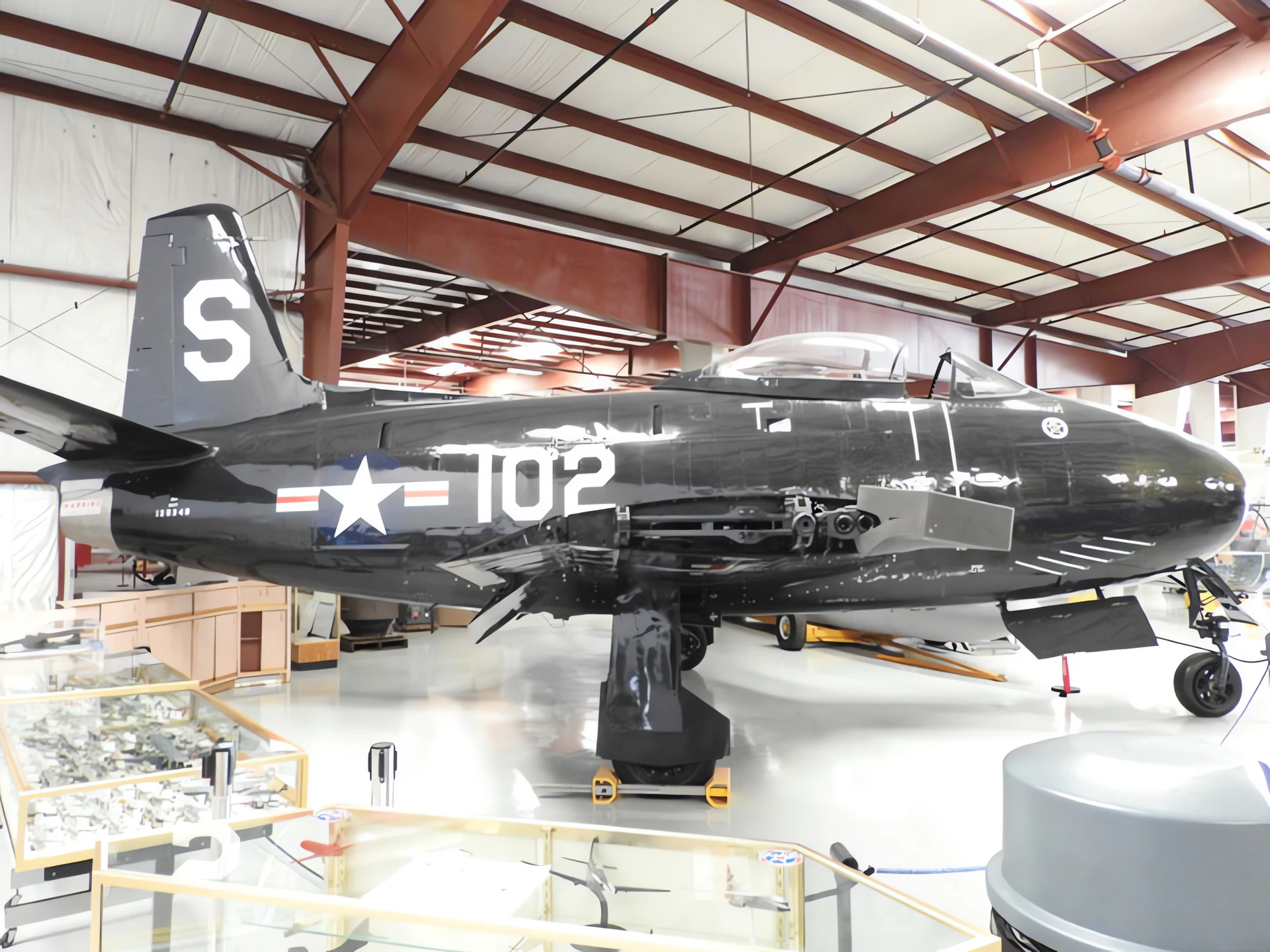
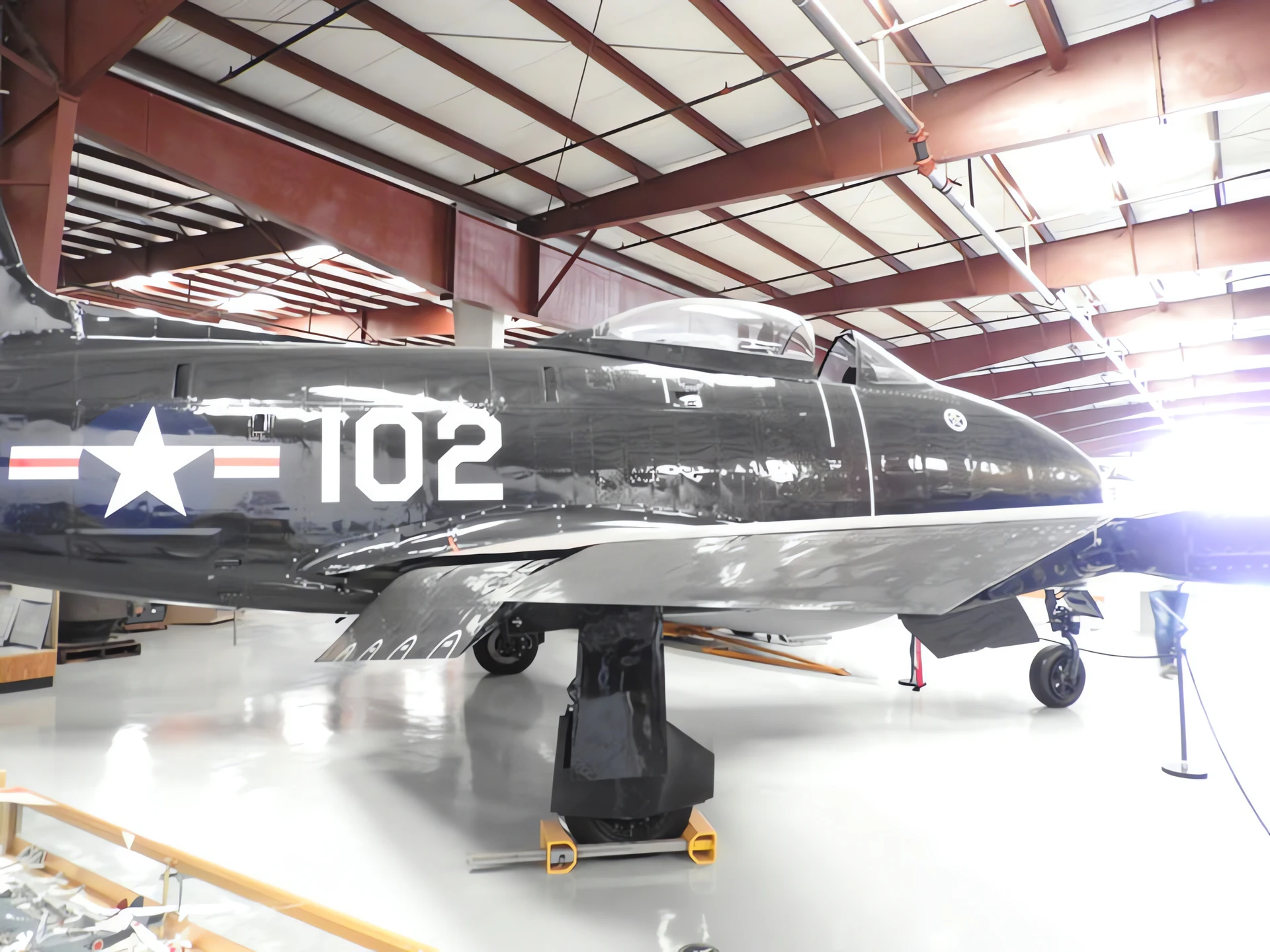
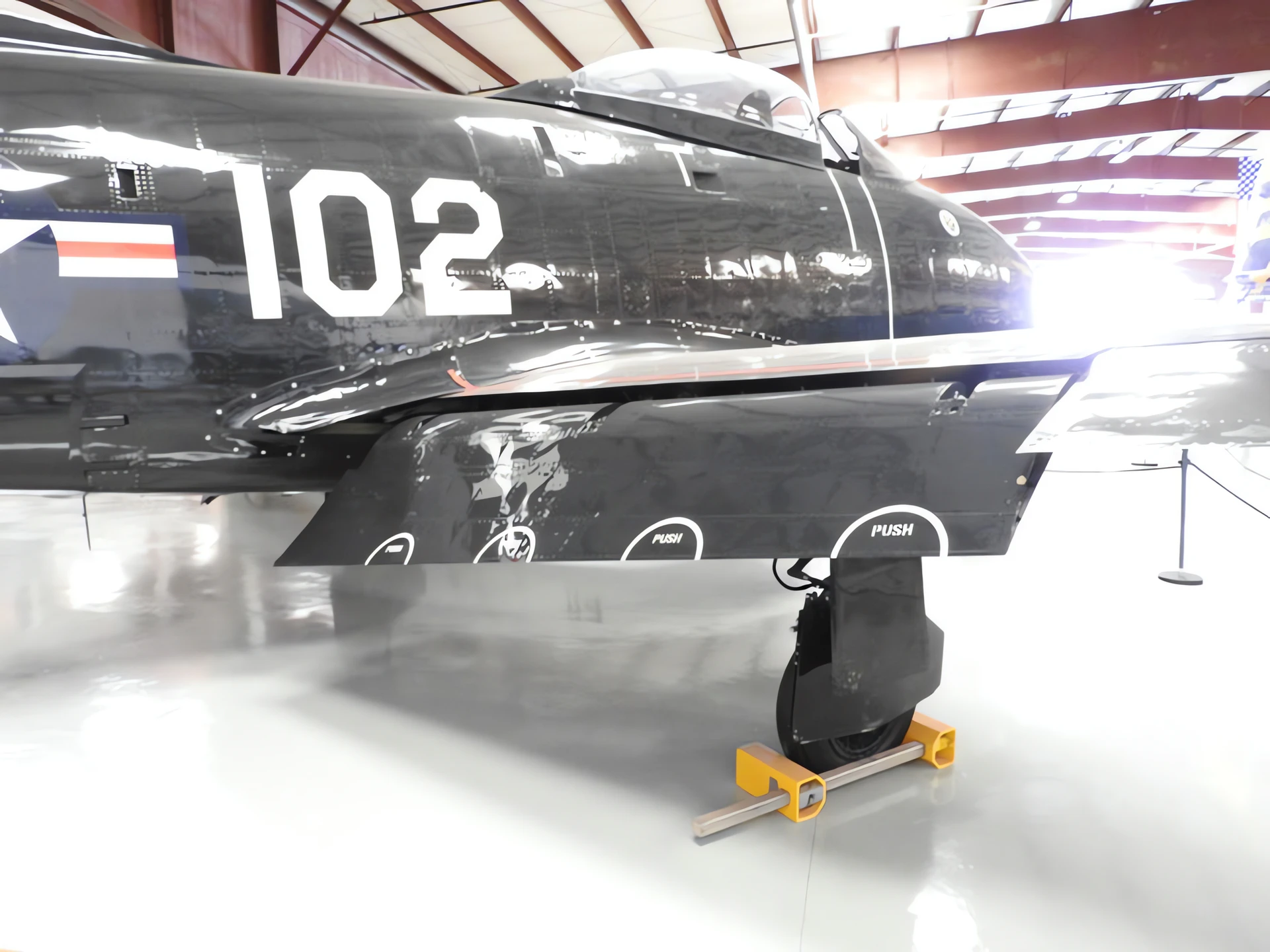
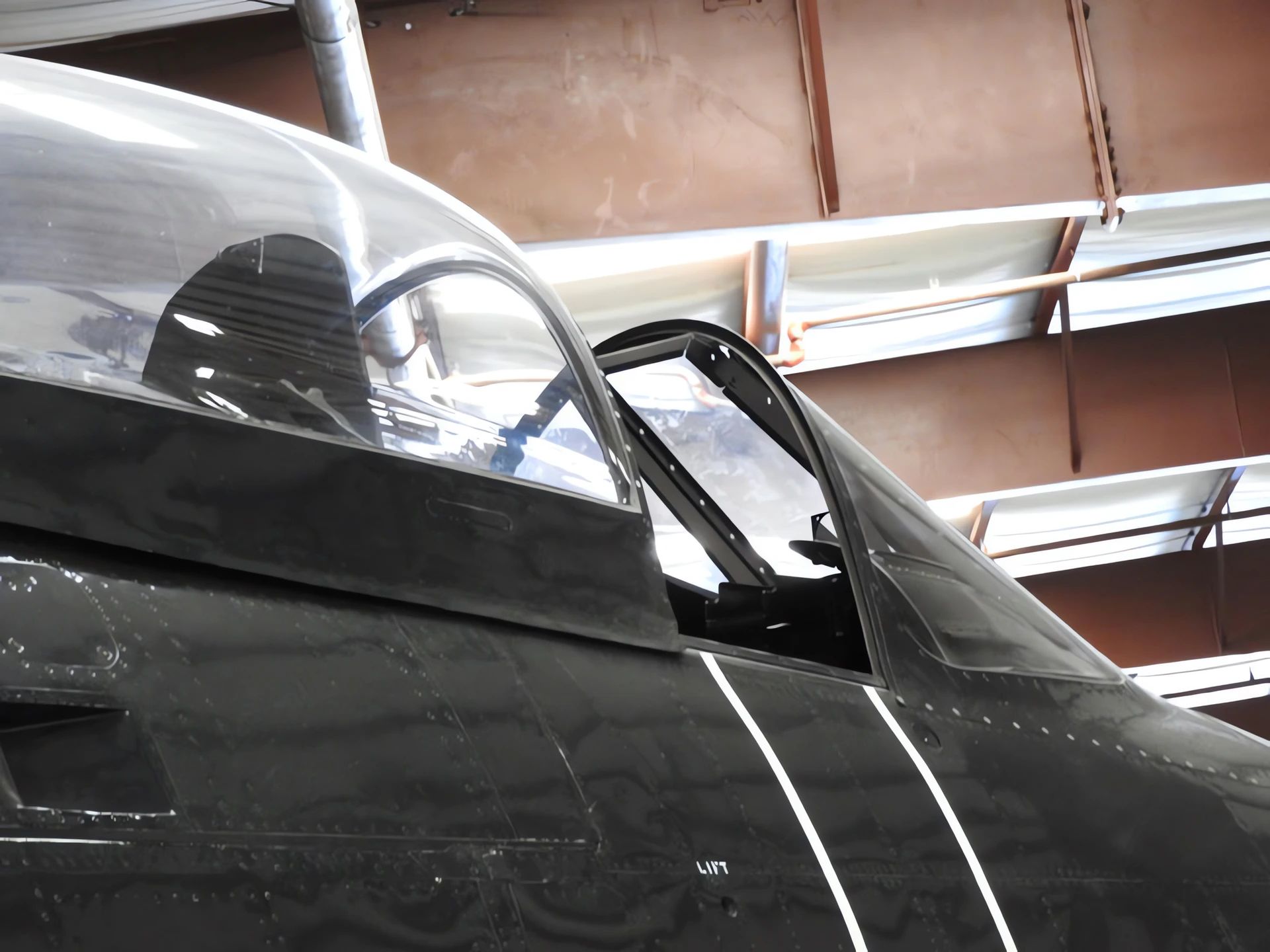

| North American FJ-1 Fury Walk Around | |
|---|---|
| Fotograf | Dave Williams |
| Lokalizace | Neznámé |
| Fotografie | 21 |
Viz také:


The Navy’s Transitional Trailblazer
Tá Severoamerický FJ-1 Fury was the first operational jet aircraft to be deployed by the United States Navy. Introduced in the late 1940s, it served as a critical bridge between the piston-engine fighters of WWII and the swept-wing jet fighters of the 1950s. While it shared some visual “DNA” with the legendary P-51 Mustang—specifically in its wing and tail design—the FJ-1 was a dedicated jet platform designed to prove that high-performance turbojets could safely operate from the decks of aircraft carriers.
| Attribute | Technical Specification (FJ-1) |
|---|---|
| Roli | Carrier-based Fighter |
| Posádky | 1 (Pilot) |
| First Flight | September 11, 1946 |
| Pohonná jednotka | 1 × Allison J35-A-2 turbojet |
| Thrust | 4,000 lbf (17.8 kN) |
| Maximum Speed | 547 mph (880 km/h) |
| Zbrojení | 6 × .50 cal (12.7 mm) M2 Browning machine guns |
| Service Ceiling | 32,000 feet (9,753 m) |
Design Innovations and Naval Adaptations
- The “Kneeling” Nose Gear: To maximize limited deck space on aircraft carriers, the FJ-1 featured a unique “kneeling” nose strut. This allowed the aircraft to lower its nose and lift its tail, enabling it to be “stacked” closer to the aircraft parked behind it.
- Straight-Wing Heritage: Despite the emerging trend of swept wings (which North American would soon master), the FJ-1 used a straight, laminar-flow wing derived from the P-51. This provided predictable handling at the low speeds required for carrier landings.
- Central Nose Intake: To keep the fuselage streamlined and maximize engine efficiency, the FJ-1 used a straight-through air intake in the nose. This gave the aircraft its distinctive, “barrel-like” appearance.
- External Fuel: To compensate for the short range of early jet engines, the FJ-1 was often seen with large, permanent wingtip fuel tanks.
Legacy: The Grandfather of the Sabre
- Pioneering the Deck: On March 10, 1948, the FJ-1 made history when it performed the U.S. Navy’s first operational carrier landing with a jet aircraft at sea aboard the USS Boxer.
- Evolution into a Legend: The land-based version of the Fury design, the XP-86, eventually evolved into the world-famous F-86 Šavle. In a complete circle, the F-86 was then “navalized” to become the swept-wing FJ-2 Fury.
- Short Front-Line Career: Because jet technology was moving so fast, the FJ-1 was retired from front-line service after only 14 months, replaced by the more advanced Grumman F9F Panther.
- Rare Survivors: Only 31 FJ-1s (including prototypes) were built. Today, only two remain—one at the Národní muzeum letectví a kosmonautiky and another at the Letecké muzeum Yanks in California.
Pohledy : 2868
Můžete také vidět:
 Fokker D.VII – Fotografie & Video
 McDonnell F3H Demon - Fotografie & Video
 McDonnell Douglas KC-10 Extender – Fotografie a video
 McDonnell FH Phantom – Fotografie & Video
 C-130J Hercules – Fotografie & Video
 Macchi MC-200 – WalkAround
 PZL P.11 – Procházka
 P-51 Mustang vol2 – Procházka Kolem
 Bell P-63E KingCobra – WalkAround
 Vought F4U Corsair – Procházka