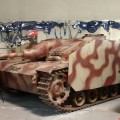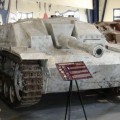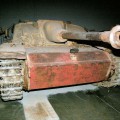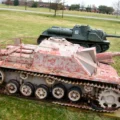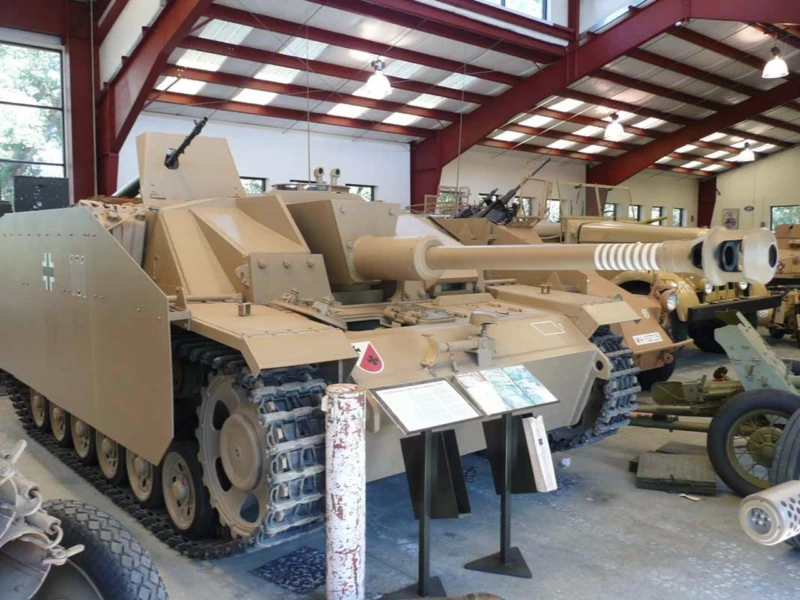
ストゥグIIIオースフ。G | |
|---|---|
| 国 | ナチスドイツ |
| 役割 | 突撃砲 |
| 生産 | 1942年12月~1945年4月 |
| 構築 | ~8423年 |
最後の、そして最も一般的な 号 突撃 砲 級数。上部上部構造が広がった:両側の溶接ボックスは放棄された。この新しい上部構造設計は2160のmmに高さを増加した。戦闘室の後壁がまっすぐになり、上部構造の上の換気扇が戦闘室の後部に移された。1943年3月から、運転者のペリスコープは放棄された。1943年2月、アルケットはMIAGに第2のメーカーとして加わりました。1943年5月から、サイドハルスペース装甲プレート(Schürzen)は、特にロシアの対戦車ライフルに対する追加の装甲保護のためにGモデルに取り付けられましたが、中空電荷弾薬にも対して有用でした。サイドプレートは、いくつかのオースフにレトロフィットしました。●F/8モデルは、クルスクの戦いに備えて1943年6月までに全前線のStuGsやその他の戦車に取り付けられる予定でした。シュルツェンの取り付け台数は、フィールドで多くの人が失われたため、不十分に強いことが判明しました。1944年3月から、改良型の取り付けが導入されました。その結果、サイドスカートは後期モデルのAusf Gでより頻繁に見られます。1943年5月から、50mm+30mmの2枚のプレートの代わりに80mm厚いプレートが前頭装甲に使用されました。しかし、完成した50mm装甲を備えたStuGsのバックログが存在しました。これらの場合、30 mmの追加装甲板は、1943年10月まで溶接またはボルトで固定する必要がありました。
ソース: ストゥグIIIオースフ。ウィキペディアの G
| SdKfz 142/1 シュトゥルゲシュッツ (StuG) III ウォークアラウンド | |
|---|---|
| カメラマン | ウラジーミル・ヤクボフ |
| ローカライズ | ジャック・リトルフィールド・コレクション |
| 写真 | 34 |
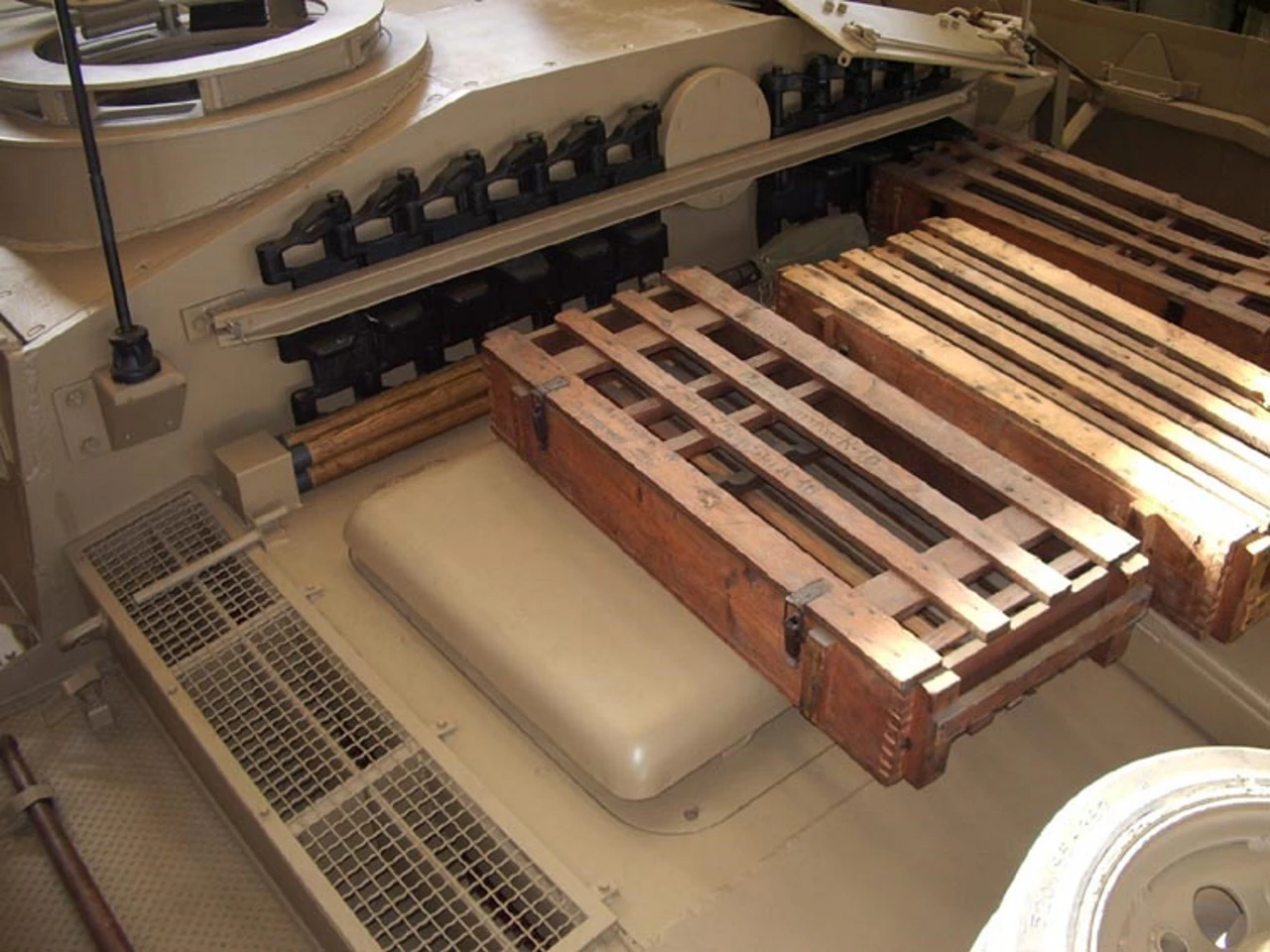
SdKfz 142-1 StuG III 02

SdKfz 142-1 StuG III 01

SdKfz 142-1 StuG III 04
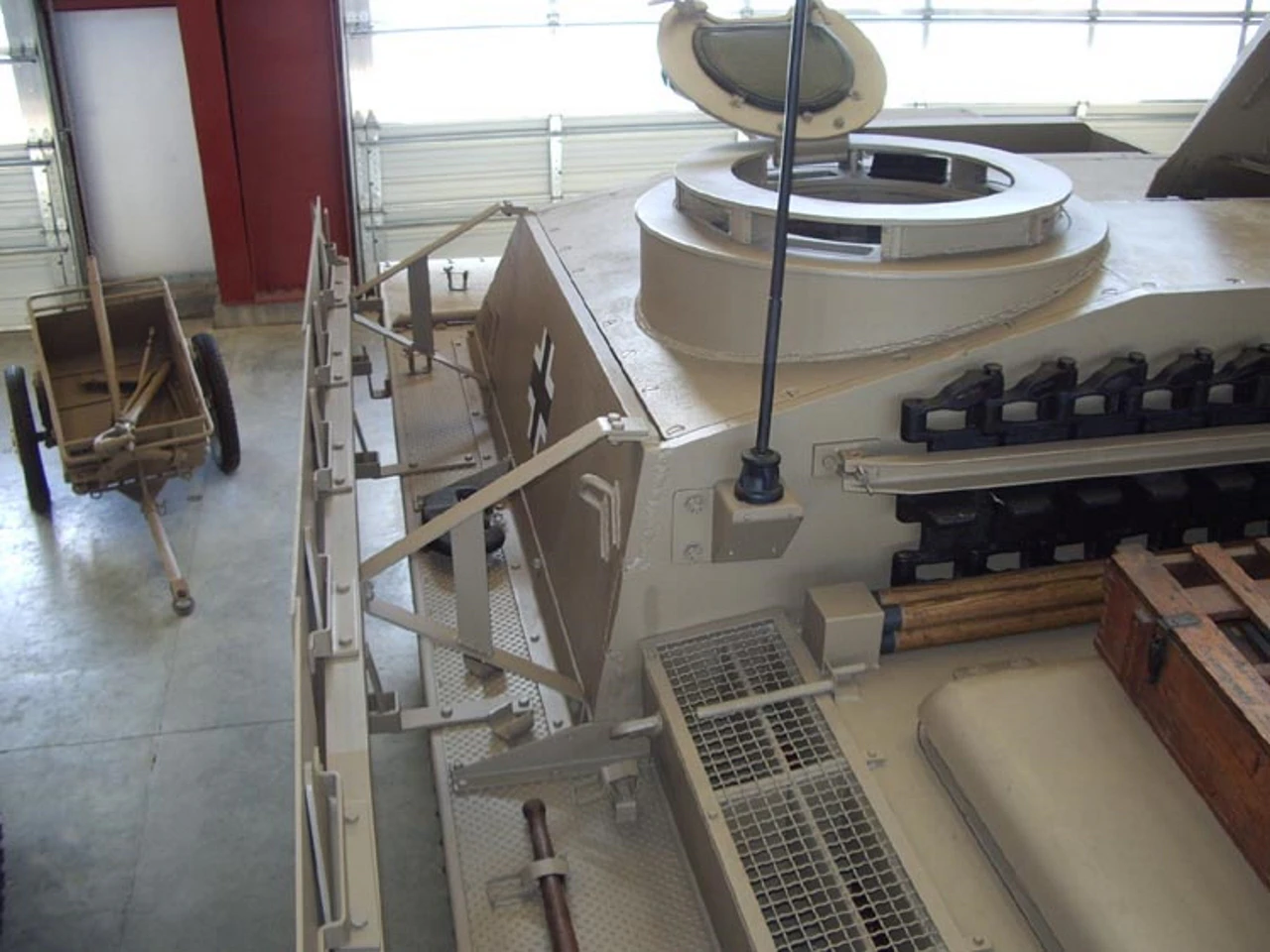
SdKfz 142-1 StuG III 03
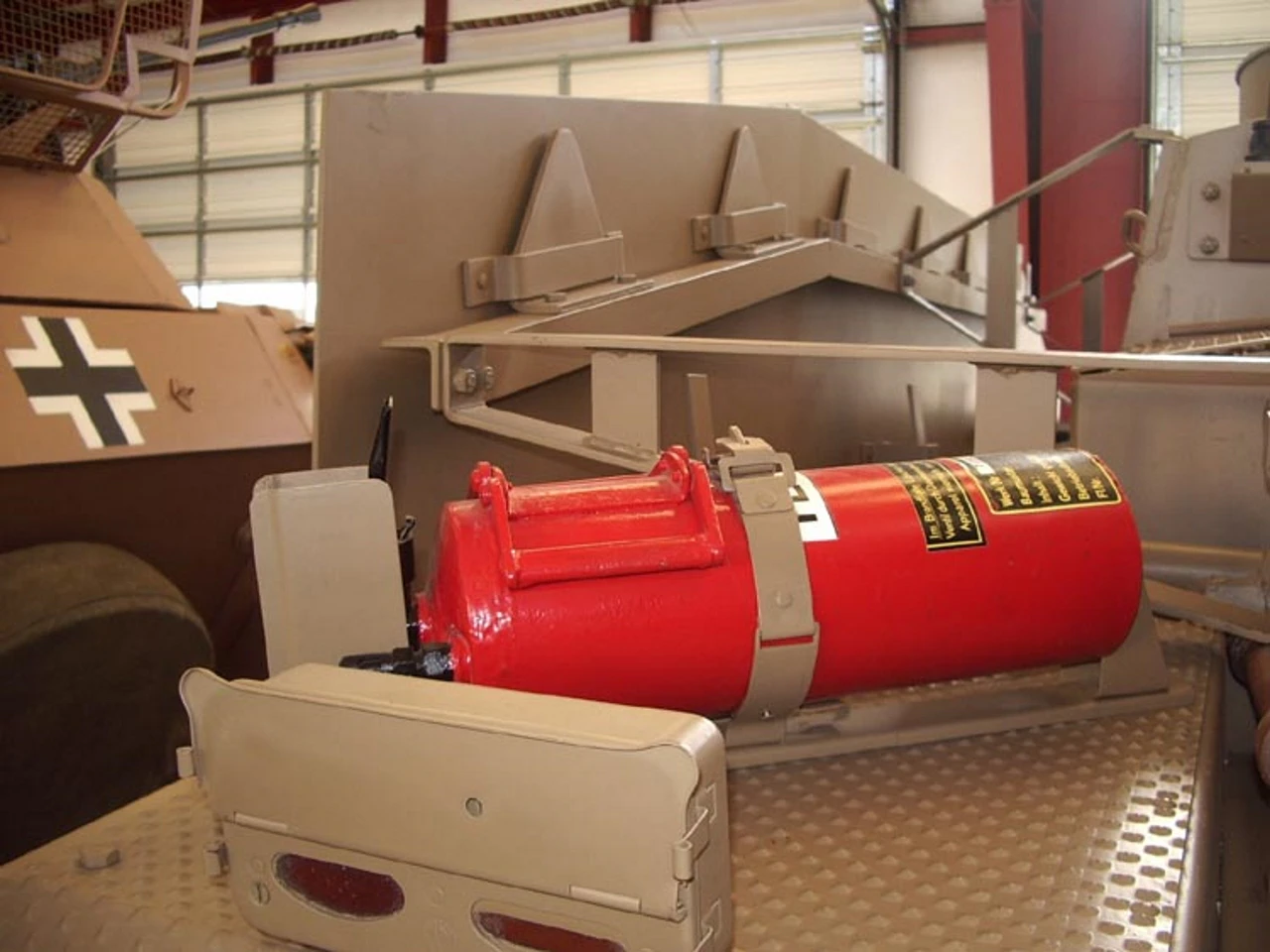
SdKfz 142-1 StuG III 05

SdKfz 142-1 StuG III 06

SdKfz 142-1 StuG III 08
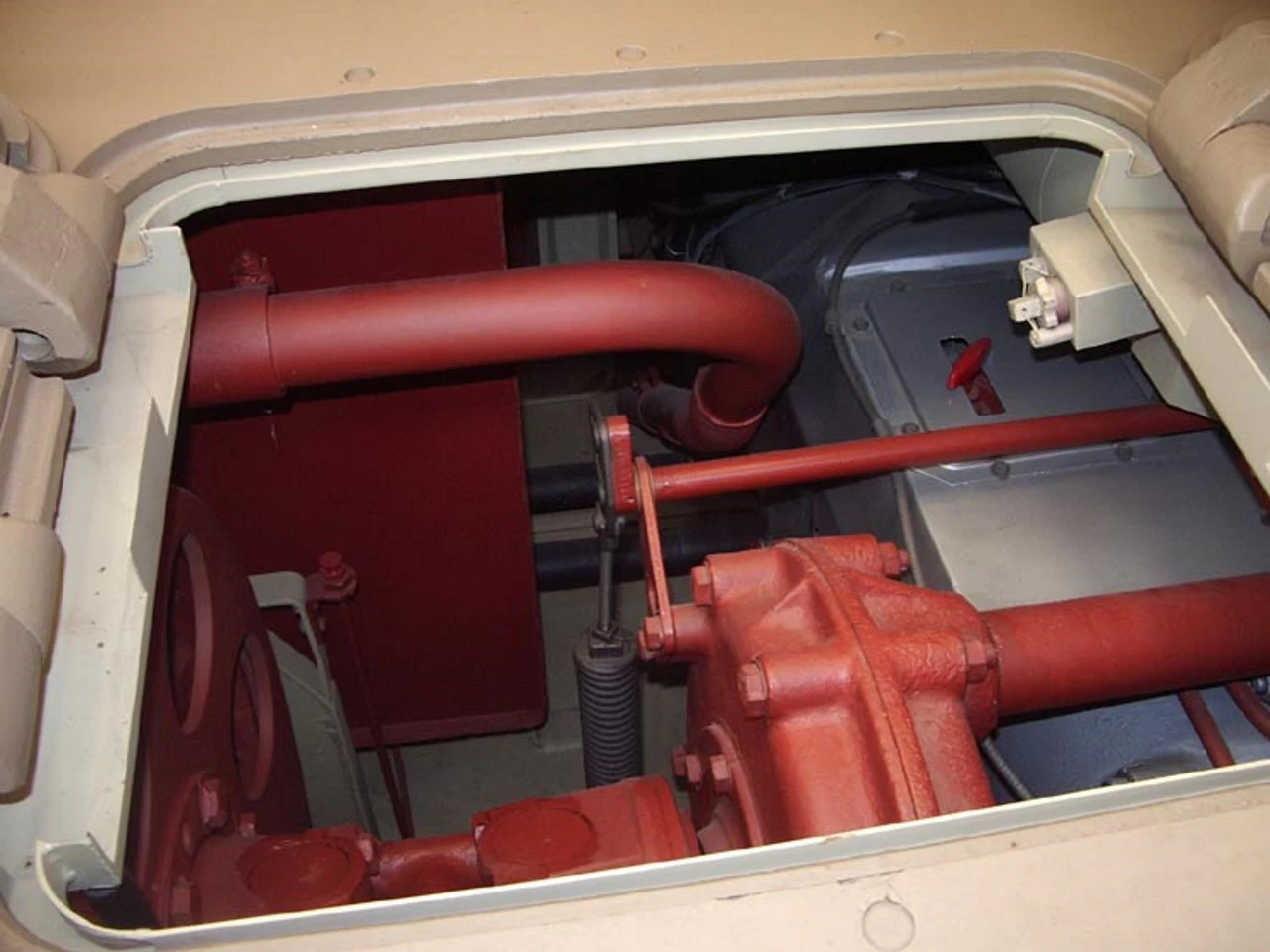
SdKfz 142-1 StuG III 07

SdKfz 142-1 StuG III 09
待って、検索StuG IIIオースフ。あなたのためにG写真.

| SdKfz 142/1 シュトゥルムゲシュッツ (StuG) III オースフ G ウォーク アラウンド | |
|---|---|
| カメラマン | ウラジーミル・ヤクボフ |
| ローカライズ | ラトルンアーマー博物館 |
| 写真 | 107 |
| Sturmgeschutz III Ausf. B Walk Around | |
|---|---|
| カメラマン | Unknow |
| ローカライズ | 知りません |
| 写真 | 16 |
関連項目:


The Deadliest Silhouette on the Eastern Front
ザ ストゥグIIIオースフ。G was the final and most prolific version of the Sturmgeschütz series. Built on the reliable chassis of the Panzer III, it abandoned the rotating turret in favor of a fixed, low-profile casemate. Originally designed as infantry support artillery, the Ausf. G was up-gunned with a high-velocity 75mm cannon, transforming it into a formidable tank destroyer. Its low height made it easy to camouflage and difficult to hit, making it the preferred weapon for German “Tank Aces” like Michael Wittmann before they transitioned to heavier armor.
| Attribute | Technical Specification (StuG III Ausf. G) |
|---|---|
| 役割 | Assault Gun / Tank Destroyer |
| 乗組員 | 4 (Commander, Gunner, Loader, Driver) |
| Production Years | 1942 – 1945 (Approx. 8,400 built) |
| 主砲 | 7.5 cm KwK 40 L/48 |
| 副武装 | 1 or 2 × 7.92 mm MG34 machine guns |
| Armor (Front) | 80 mm (3.1 in) |
| エンジン | Maybach HL 120 TRM V-12 (300 hp) |
| Top Speed | 40 km/h (25 mph) on roads |
Design Evolution: The “G” Refinements
- The Saukopf (Sow’s Head) Mantlet: Later Ausf. G models featured a cast gun mantlet with rounded edges. This was designed to deflect incoming shells more effectively than the earlier bolted, boxy designs.
- Schürzen (Side Skirts): To defend against Soviet anti-tank rifles and HEAT rounds, the StuG III G was often fitted with thin metal plates along the sides. These “skirts” would prematurely detonate or destabilize incoming projectiles before they hit the main hull.
- Commander’s Cupola: The Ausf. G introduced a proper cupola with periscopes for the commander, significantly improving situational awareness—a major weakness of earlier turretless designs.
- Zimmerit Coating: Many Ausf. Gs were covered in a ridged, paste-like ceramic coating. This was intended to prevent magnetic anti-tank mines from sticking to the steel hull.
The “Wait-and-Strike” Specialist
- Economic Efficiency: The StuG III was significantly cheaper and faster to build than the Panzer IV or Tiger tanks. Because it lacked a complex turret mechanism, it was also easier to maintain in the field.
- Ambush Master: Its low height allowed the StuG to hide in tall grass or shallow depressions that would expose a normal tank. Soviet tankers often didn’t realize they were being engaged by a StuG until it was too late to return fire.
- Sturmhaubitze 42 (StuH 42): A variant of the Ausf. G was armed with a 10.5 cm howitzer instead of the anti-tank gun. This version returned to the vehicle’s roots, providing devastating high-explosive support for infantry.
- Post-War Service: The StuG III was so effective that it continued to serve long after 1945. The Finnish Army used them until the 1960s, and Syria even deployed them against Israel in the 1967 Six-Day War.
Views : 11394