
EKW C-36 | |
|---|---|
| Land | Schweiz |
| Rolle | Bodenangriffsflugzeug |
| Erstflug | 15. Mai 1939 |
| Gebaut | 175 |
das EKW C-36 war ein Schweizer Mehrzweckkampfflugzeug der 1930er und 1940er Jahre, gebaut von der Eidgenössischen Konstruktionswerkstätte. Es war ein einmotoriger Eindecker mit einer zweiköpfigen Besatzung. Es wurde 1942 während des Zweiten Weltkriegs in Dienst gestellt und blieb trotz seiner Veraltung bis Anfang der 1950er Jahre an vorderster Front und bis 1987 als Zielschlepper im Einsatz.
Quelle: EKW C-36 auf Wikipedia
| EKW C-36 Walk Around | |
|---|---|
| Fotograf | Ales Pavias |
| Lokalisierung | Unbekannter |
| Fotos | 16 |
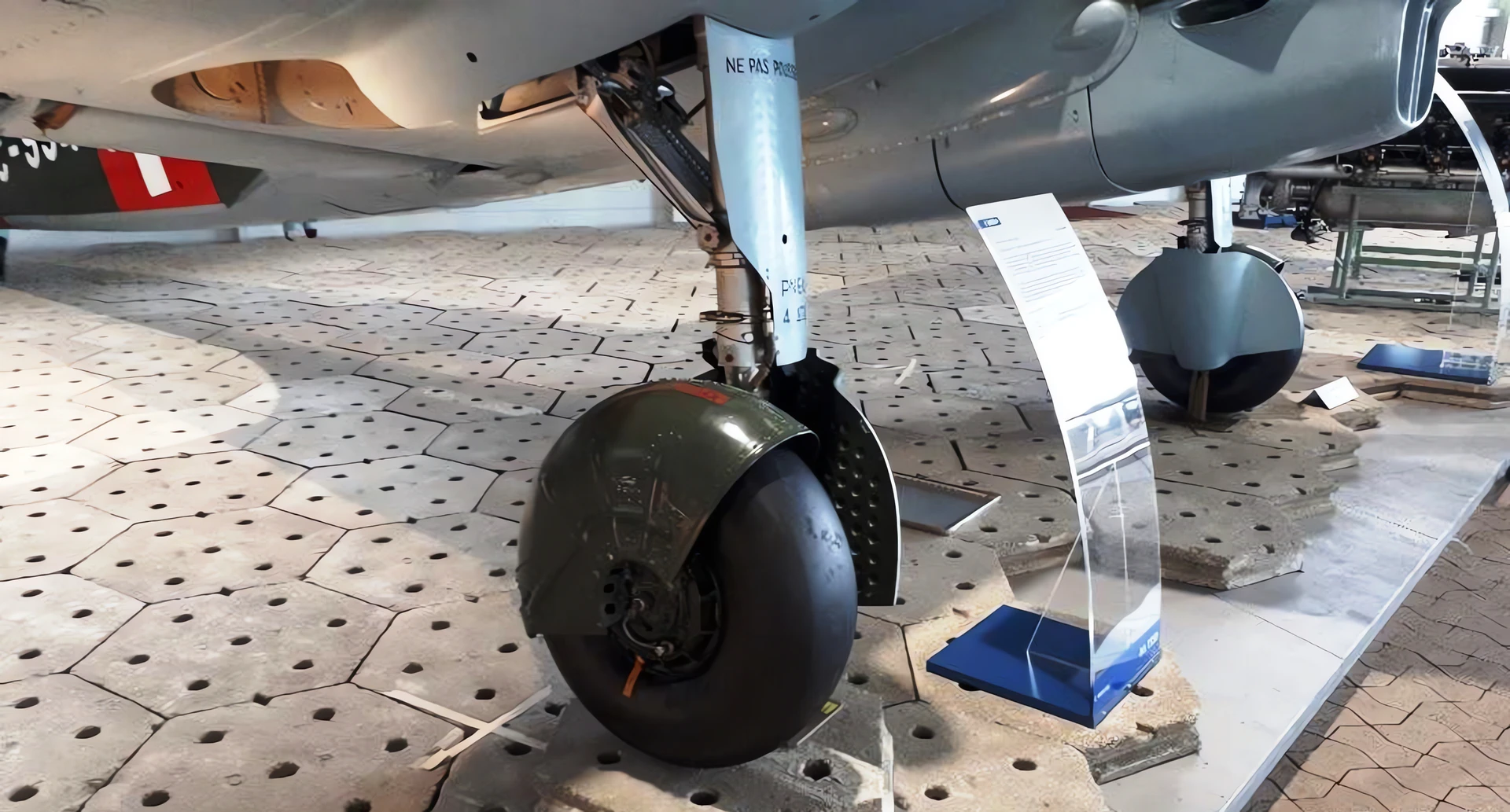
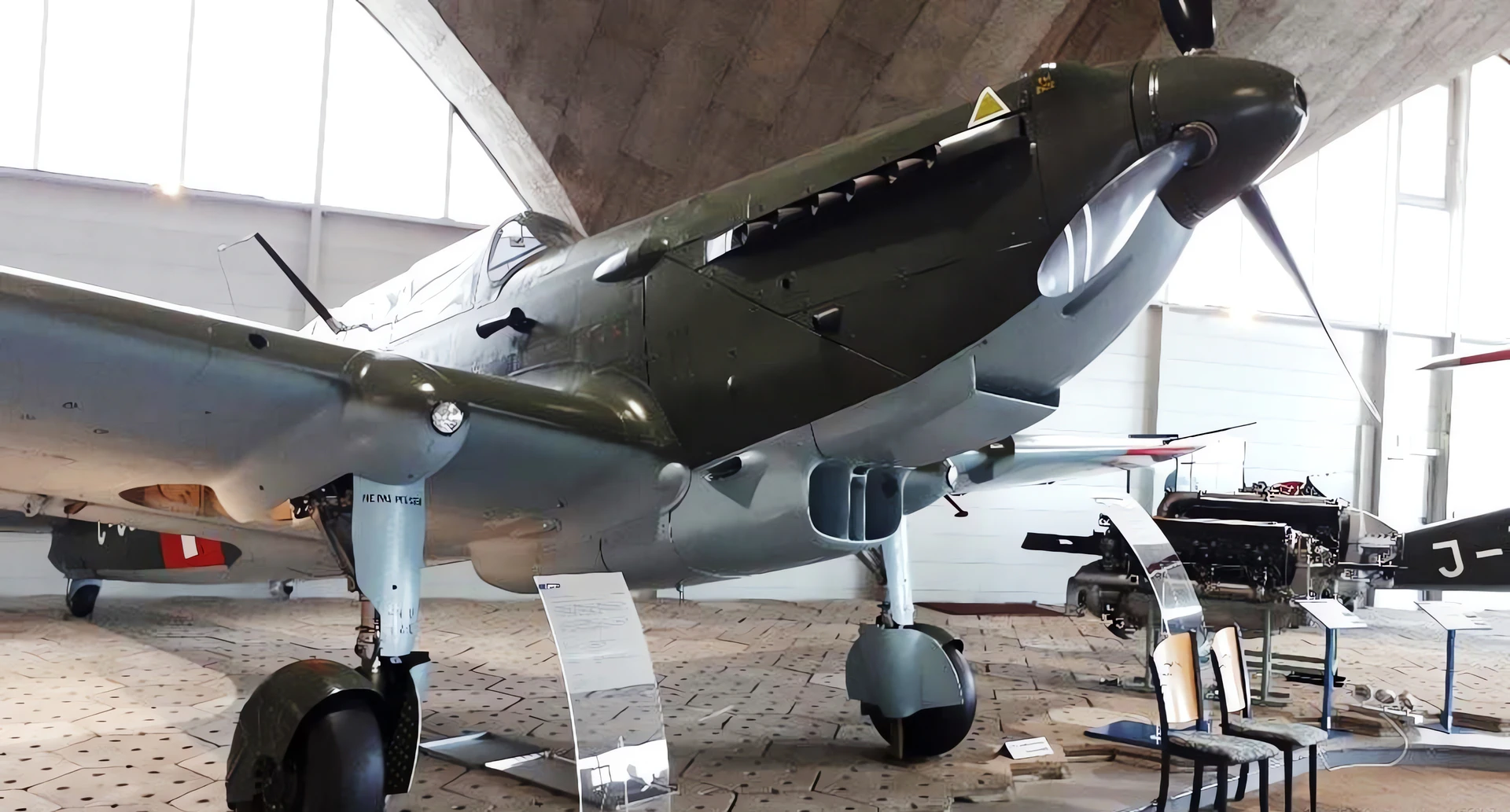
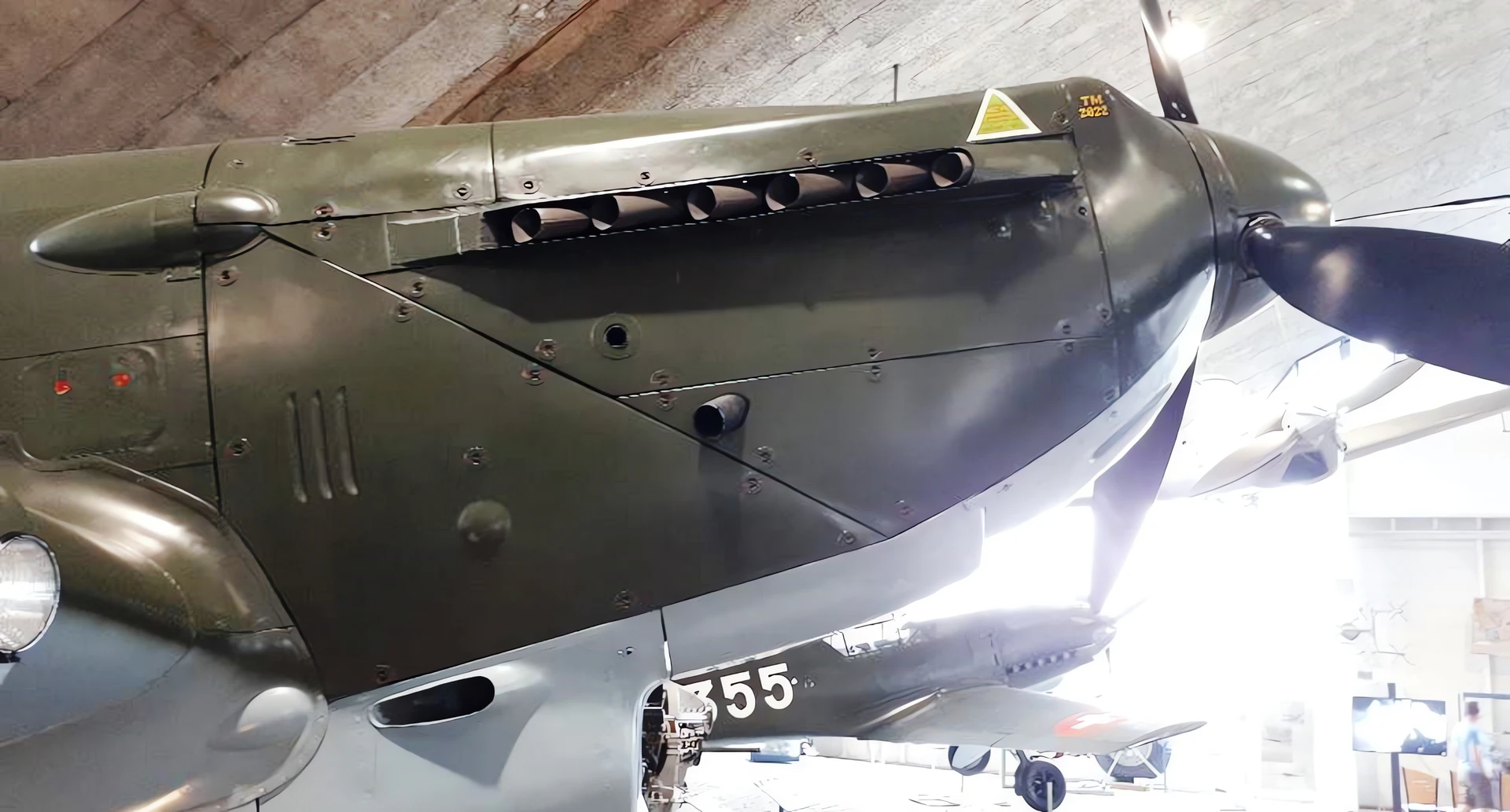
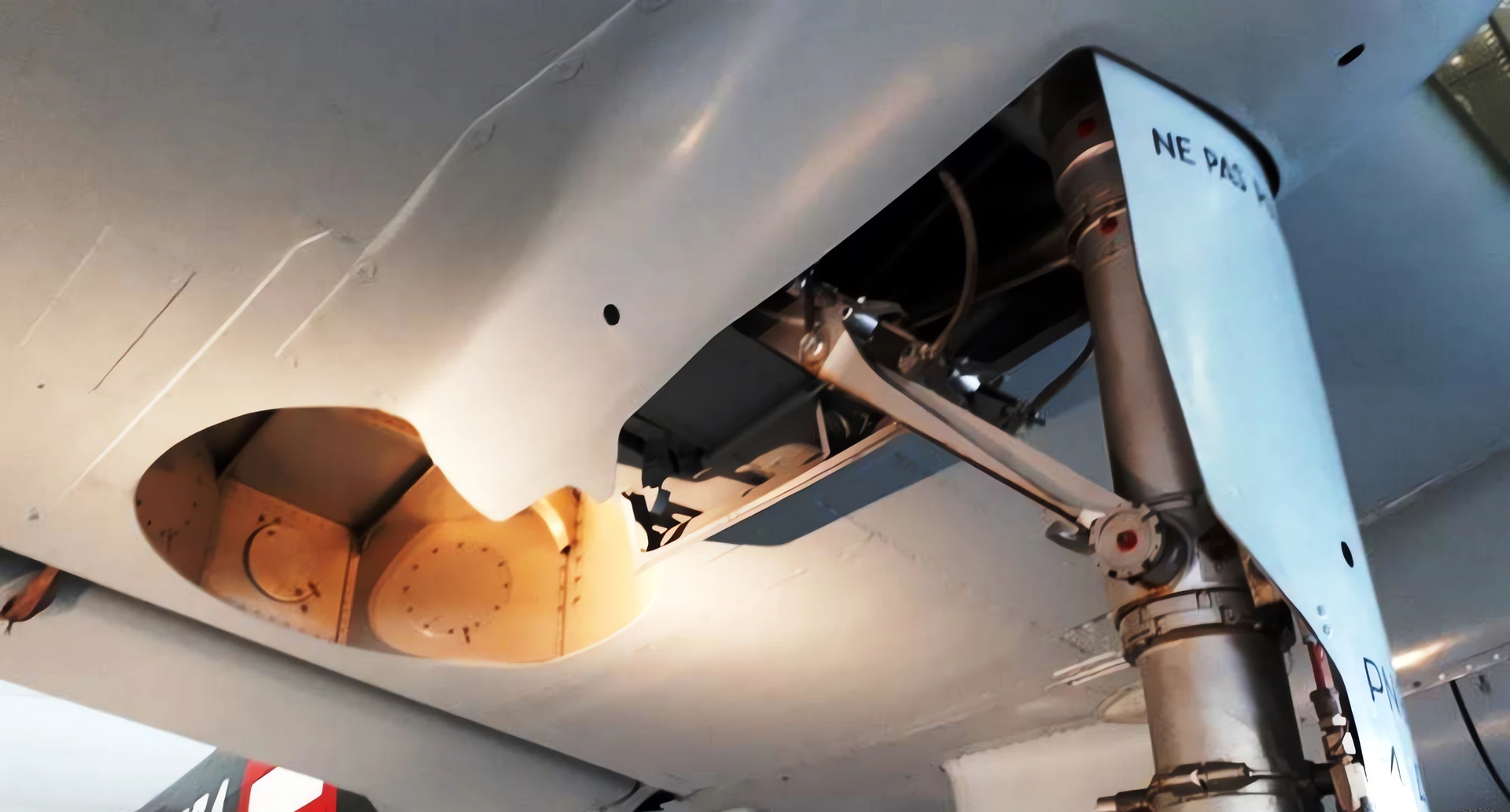
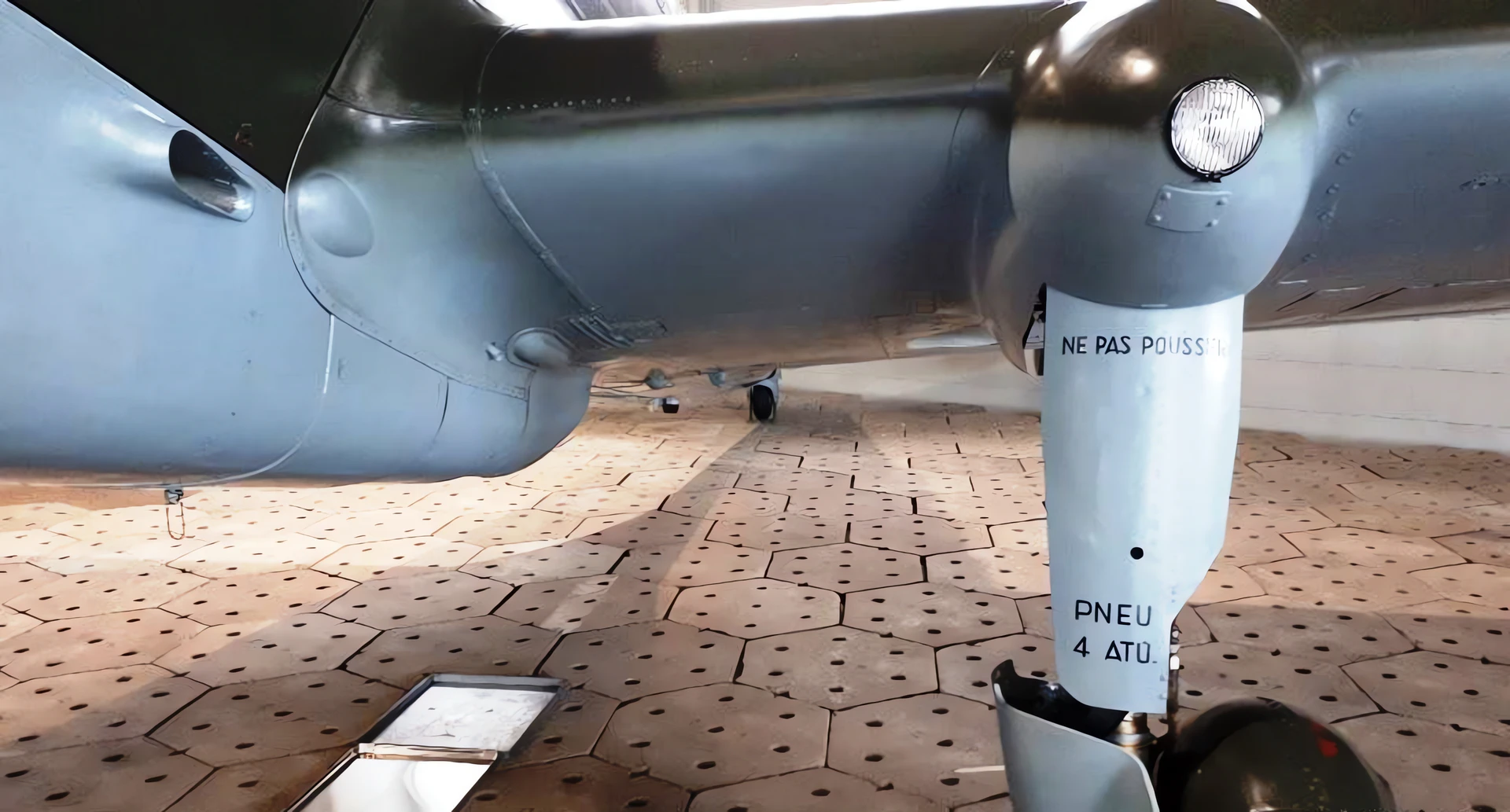
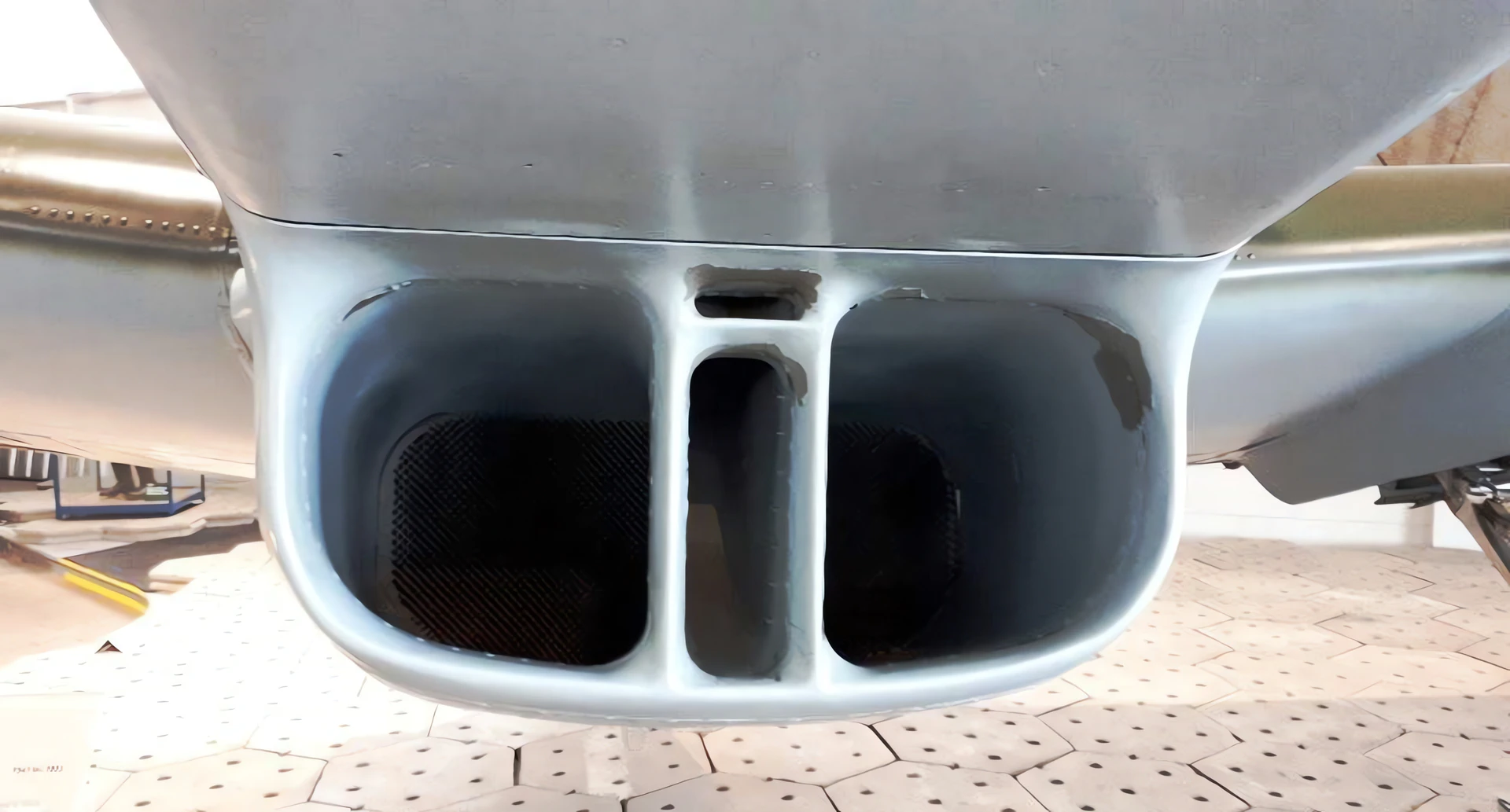
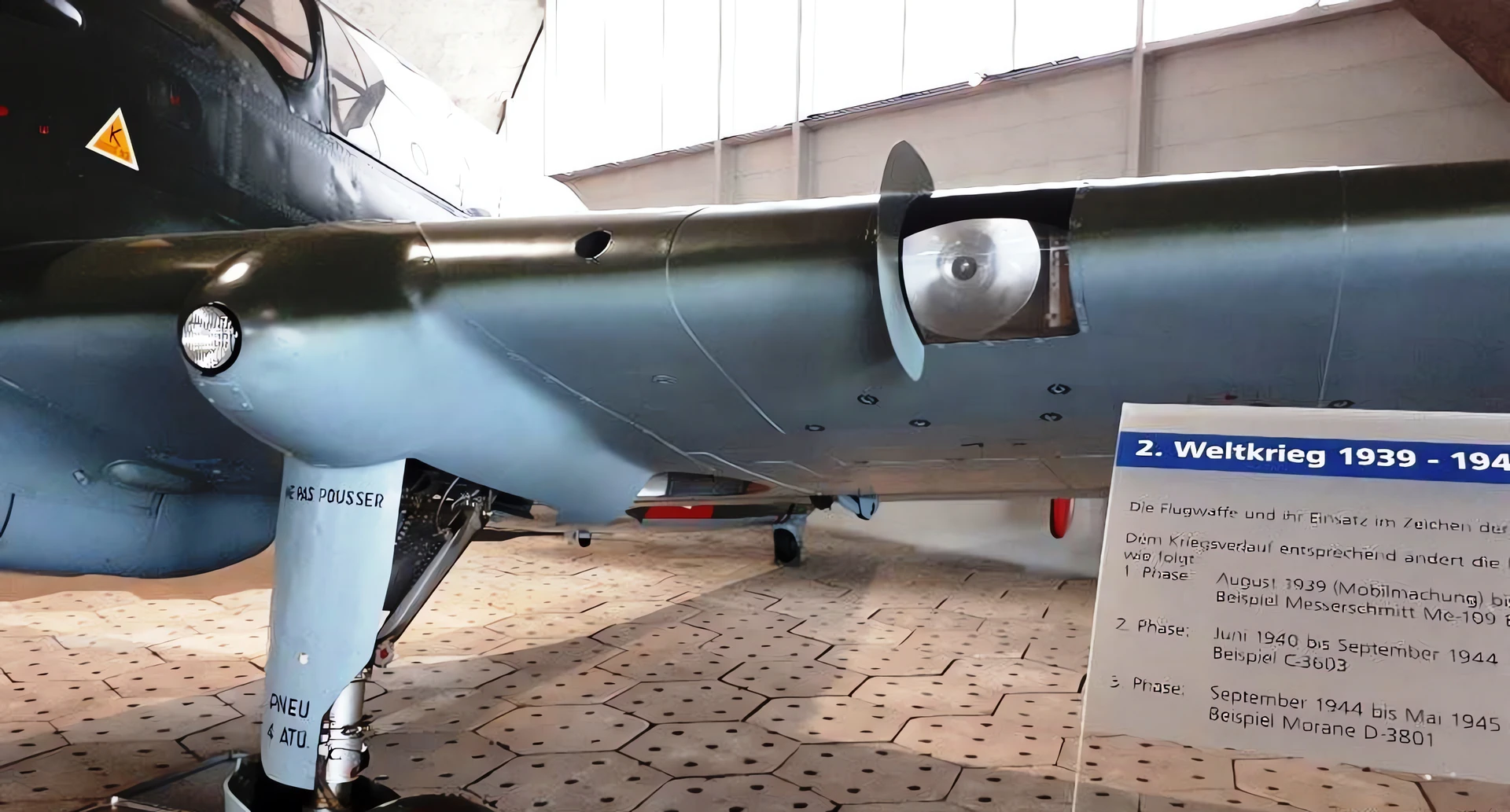
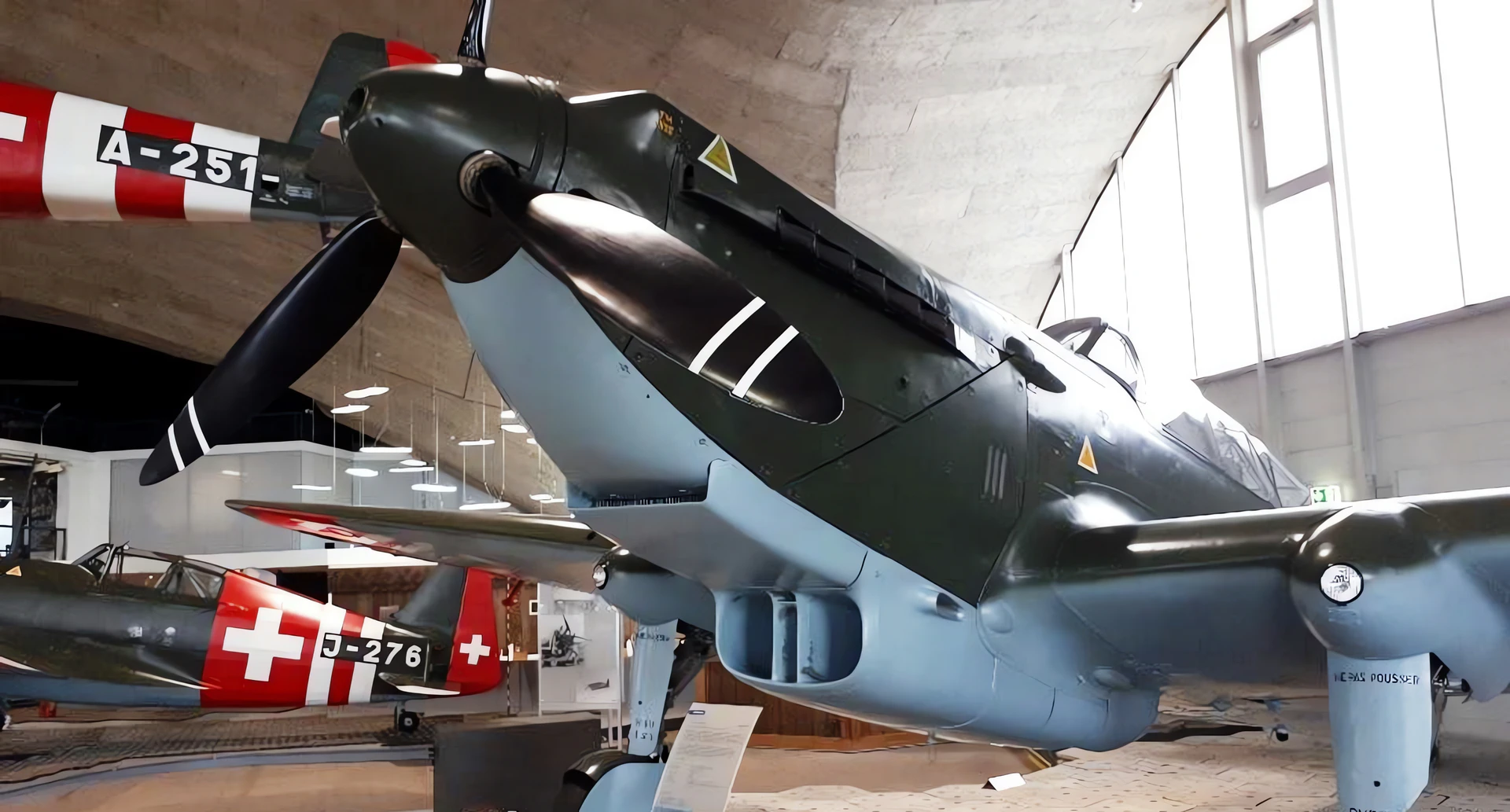
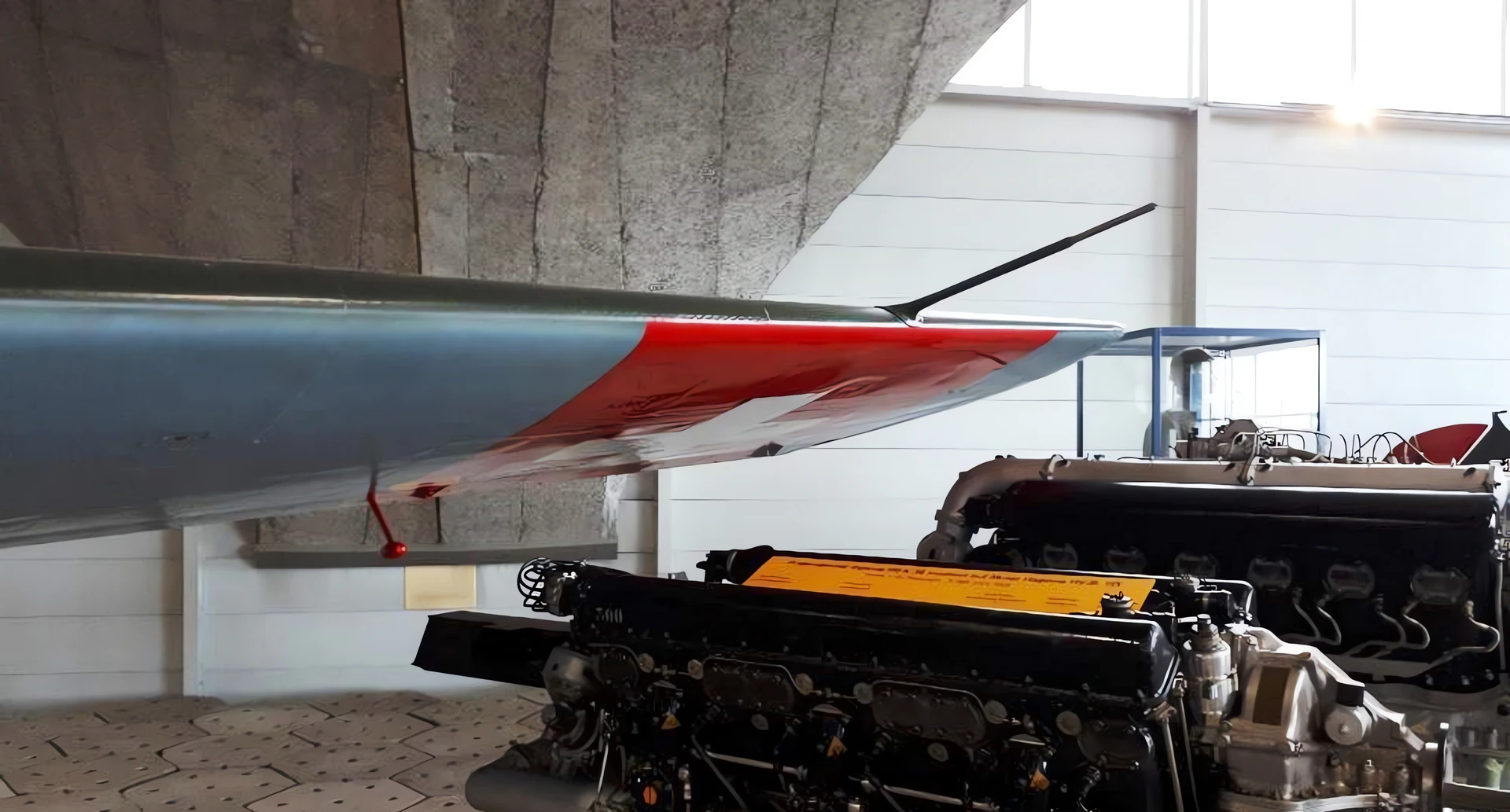


General Characteristics (C-3603 Production Variant)
The EKW C-36 was a Swiss-designed and built multi-purpose combat aircraft developed in the late 1930s and used throughout World War II and the early Cold War. Designed by the Eidgenössische Konstruktionswerkstätte (EKW), it served primarily as a reconnaissance, ground attack, and fighter-bomber for the Swiss Air Force, defending the nation’s neutrality. It is known for its twin-boom tail and long career, later serving as a target tug until 1987 in the turboprop C-3605 variant.
| Property | Typical Value (C-3603) |
|---|---|
| Rolle | Reconnaissance / Ground Attack / Target Tug |
| Hersteller | EKW (Eidgenössische Konstruktionswerkstätte) |
| First Flight | May 15, 1939 (C-3601 Prototype) |
| Crew | 2 (Pilot and Observer/Rear Gunner) |
| Länge | 10.23 m (33 ft 7 in) |
| Flügelspannweite | 13.74 m (45 ft 1 in) |
| Max Takeoff Weight | 3,952 kg (8,713 lb) |
Design and Powerplant
- Engine: One Hispano-Suiza 12Y-51 V-12 liquid-cooled piston engine (built under license).
- Power Output: 746 kW (1,000 hp).
- Design Features: All-metal low-wing cantilever monoplane. It featured a distinctive twin-boom tail (twin vertical stabilizers) to give the rear gunner an unobstructed field of fire.
- Landing Gear: Retractable undercarriage was introduced on the production C-3603 variant (prototypes had fixed gear).
- Later Variant (C-3605): A number of C-3603 airframes were converted into the C-3605 turboprop target tug, fitted with a Lycoming T53 engine and an extended nose, earning it the nickname “Alpine Anteater” or “Flying Zebra Crossing.”
Performance and Armament
- Maximum Speed: Up to 476 km/h (296 mph, 257 knots) at altitude.
- Service Ceiling: 8,700 m (28,550 ft).
- Range: Approximately 680 km (425 mi, 369 nmi).
- Rate of Climb: 10.4 m/s (2,050 ft/min).
- Armament (C-3603):
- Forward: One 20 mm Oerlikon cannon firing through the propeller hub.
- Wings: Two 7.5 mm machine guns in the wings.
- Rear: Two 7.5 mm machine guns in a flexible mount for the rear gunner.
- Ordnance: Up to 400 kg of bombs carried under the wings and fuselage.
- Armament (C-3604): An improved version with a Saurer YS-2 engine and two extra 20 mm cannons in the wings.
Ansichten : 768
Sie können auch sehen:
 Sikorsky S-39 – Fotos & Videos
 Nordamerika NA-64 Yale – Fotos & Videos
 Sud-Ouest Triton – Fotos & Video
 Culver PQ-14 Cadet – Fotos & Video
 Northrop F-20 Tigershark – Fotos & Video
 Aeronca L-3 – Fotos & Video
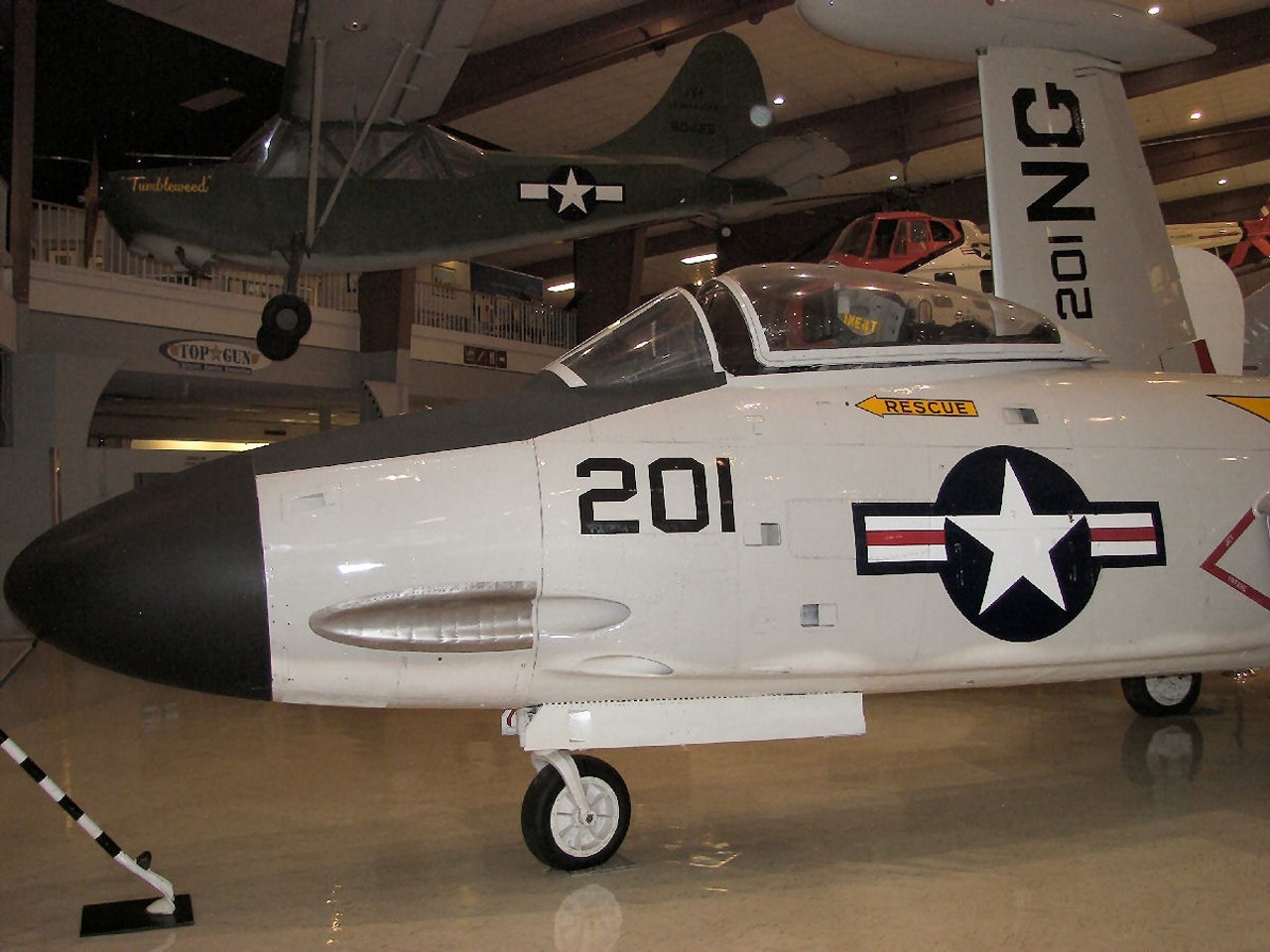 McDonnell F2H Banshee – Fotos & Video
 Macchi MC-202 – WalkAround
 Fairey Battle – WalkAround
 Hawker Sea Fury – Walk Around